

I’ve been making Burmese fried rice for years, and it’s become one of my go-to dishes when I want something quick, tasty, and different from regular fried rice. This golden-yellow rice dish uses simple ingredients like shallots, peas, turmeric, and day-old rice to create a flavorful meal for any time of day. The best part? You probably already have most of what you need in your kitchen.
What really makes this Burmese fried rice recipe stand out is how it transforms leftover rice into something special. Turmeric gives it that beautiful yellow color and a warm, earthy flavor you just don’t get from Chinese or Thai fried rice. Plus, you can pull this dish together in about 15 minutes—perfect for those nights when you just can’t deal with a big cooking project.
I’m going to walk you through everything you need to make authentic Burmese fried rice at home. You’ll see what makes this dish unique, which ingredients you really can’t skip, and how to get that perfect texture every time. I’ll also share some favorite ways to serve it and how to tweak it for your own taste.
What Makes Burmese Fried Rice Unique
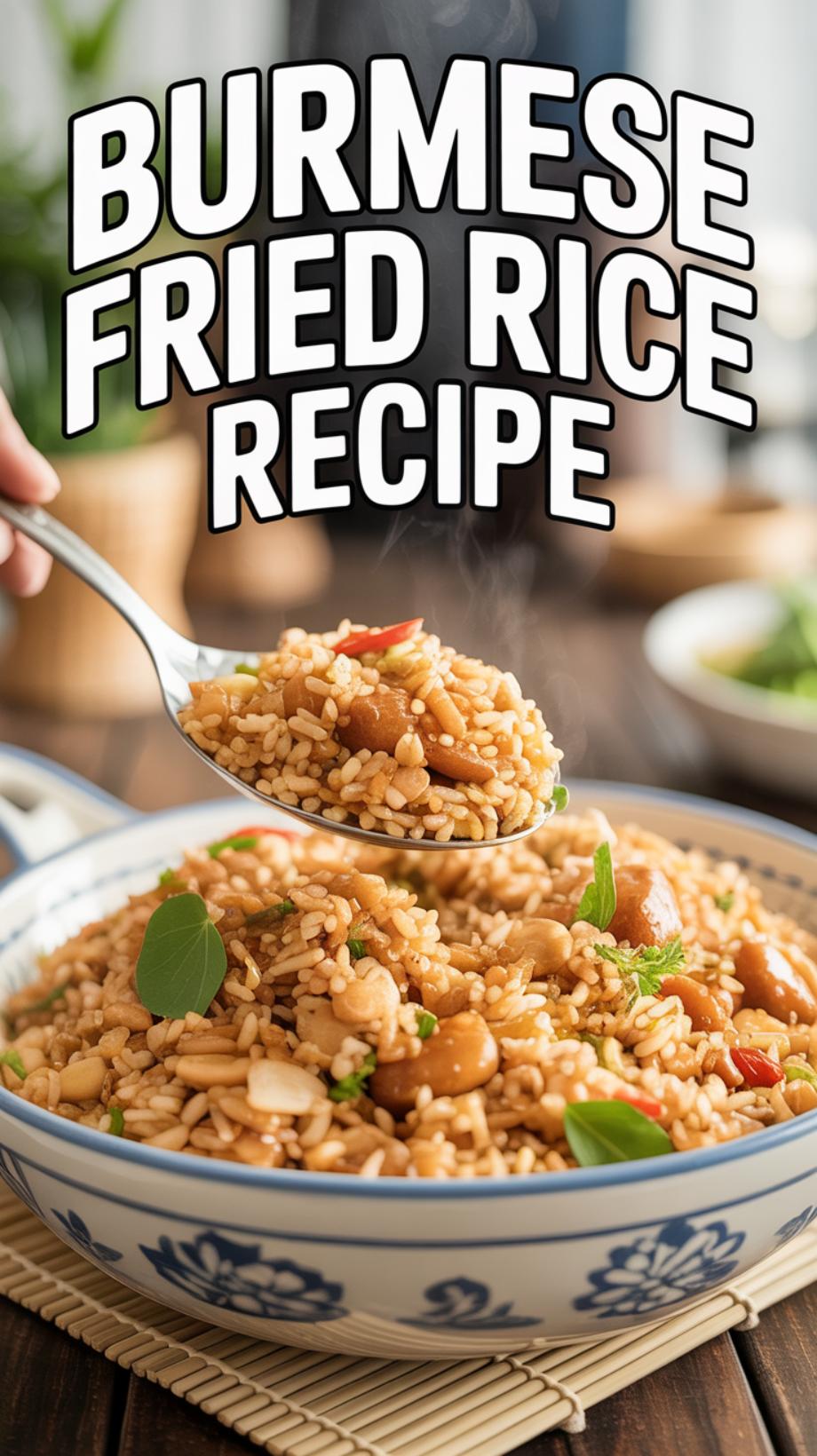
Burmese fried rice pops with its golden turmeric color, savory umami from dried shrimp and fish sauce, and the use of day-old rice for a perfect texture. It’s a combination that just works.
Signature Flavors and Ingredients
I love how Burmese fried rice combines unique flavors that make it stand out from other Asian fried rice dishes. Turmeric gives htamin gyaw its signature golden color and earthy taste.
The flavor profile gets its depth from a few key ingredients. Dried shrimp adds a concentrated seafood taste that’s pretty essential for that classic Burmese flavor. Fish sauce brings a salty, umami punch that makes every bite pop.
The traditional recipe includes:
- Paw hsan hmwe (Burmese fragrant short-grain rice)
- Boiled peas for texture and a mild touch of sweetness
- Shallots or onions for an aromatic base
- Garlic for a pungent kick
- Dark soy sauce for color and saltiness
I’ve found that mixing fish sauce and soy sauce gives a balance you just don’t get elsewhere. Some versions add green chilies for heat and caramelized shallots for a subtle sweetness.
Traditional Cooking Methods
Day-old rice works best for htamin gyaw because the grains dry out and separate. That gives you an al-dente texture instead of a mushy mess.
I always crank the heat when making this dish. The wok has to be hot enough to fry each ingredient quickly, not steam the rice. Everything moves fast—start to finish, you’re done in about 15 minutes.
First, I fry shallots until they’re golden and fragrant. Then garlic goes in, followed by dried shrimp to really wake up the aroma. The rice comes next, and I toss everything constantly to coat every grain.
History and Cultural Significance
Burmese fried rice is a common breakfast in Myanmar, which feels pretty different from Western breakfast traditions. Families eat htamin gyaw in the morning with tea and other savory dishes.
This dish is all about practical home cooking in Myanmar. I love how it uses leftover rice and pantry staples, so it’s an economical choice for families. Households adapt the basic recipe based on whatever’s on hand.
Myanmar’s fried rice reflects influences from neighboring countries but keeps its own identity. Turmeric hints at Indian spice traditions, while stir-frying comes straight from Chinese cooking.
Essential Ingredients for the Perfect Burmese Fried Rice
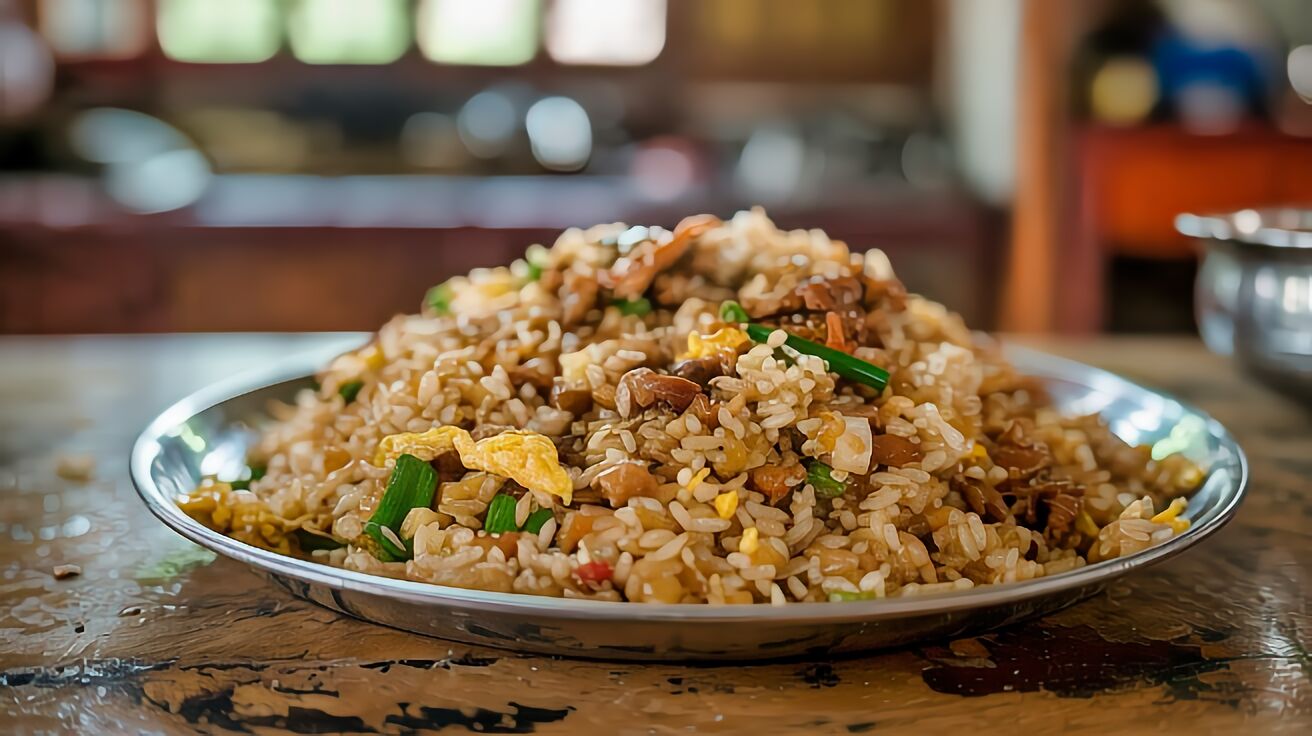
The magic of Burmese fried rice comes from simple ingredients working together to create something really special. Let me run through what you need to get that authentic flavor.
Choosing the Right Rice
Day-old rice is my secret for making Burmese fried rice. Fresh rice holds too much moisture and just gets mushy when fried. I always cook my rice a day ahead and stash it in the fridge.
Jasmine rice is my go-to for this recipe. The grains stay fluffy and separate, which is exactly what you want. If jasmine’s not around, regular long-grain white rice works just fine.
Cold rice breaks apart easily in the pan. I use my hands to break up any clumps before cooking. This step makes sure every grain gets coated in oil and seasoning.
Key Sauces and Condiments
Soy sauce gives the rice its brown color and salty kick. I usually go with two tablespoons for four cups of cooked rice. Dark soy sauce makes the color richer than light soy sauce does.
Fish sauce adds a deep savory flavor that’s so distinctly Burmese. I use a tablespoon along with the soy sauce. You can skip it for a vegetarian version, but the taste changes a lot.
Sesame oil goes in at the end for a nutty aroma. I only use a teaspoon—it’s strong stuff. Too much and it takes over the whole dish.
| Sauce | Amount for 4 cups rice | Purpose |
|---|---|---|
| Soy sauce | 2 tablespoons | Color and saltiness |
| Fish sauce | 1 tablespoon | Savory depth |
| Sesame oil | 1 teaspoon | Nutty aroma |
Fresh Aromatics and Vegetables
Garlic is a must-have ingredient for me. I mince three or four cloves and fry them until golden. The smell is just amazing.
Onion or shallots make the flavor base. I like shallots because they’re sweeter and cook faster. I slice them thin so they crisp up in the hot oil.
Green peas add color and a little sweetness. I usually use frozen peas—they’re easy and quick. Fresh peas are great too if you have them around.
Vegetable oil is my pick for frying since it can take the heat. I use about three tablespoons to cook everything right. The oil should be hot before you toss anything in.
Topping and Garnish Ideas
Fried shallots are the classic topping that makes Burmese fried rice special. I usually grab them pre-made at Asian grocery stores. They add crunch and that sweet onion flavor.
Spring onions (green onions) go on top right before serving. I slice them thin and on an angle. The green parts add fresh flavor and a pop of color.
Dried shrimp give an extra umami punch. I soak them in warm water for five minutes, then chop them small. They’re optional but really kick up the taste.
Lime wedges on the side let everyone add tang to their own bowl. I always squeeze lime juice over my fried rice. The acid just brightens everything up.
Step-by-Step Burmese Fried Rice Recipe
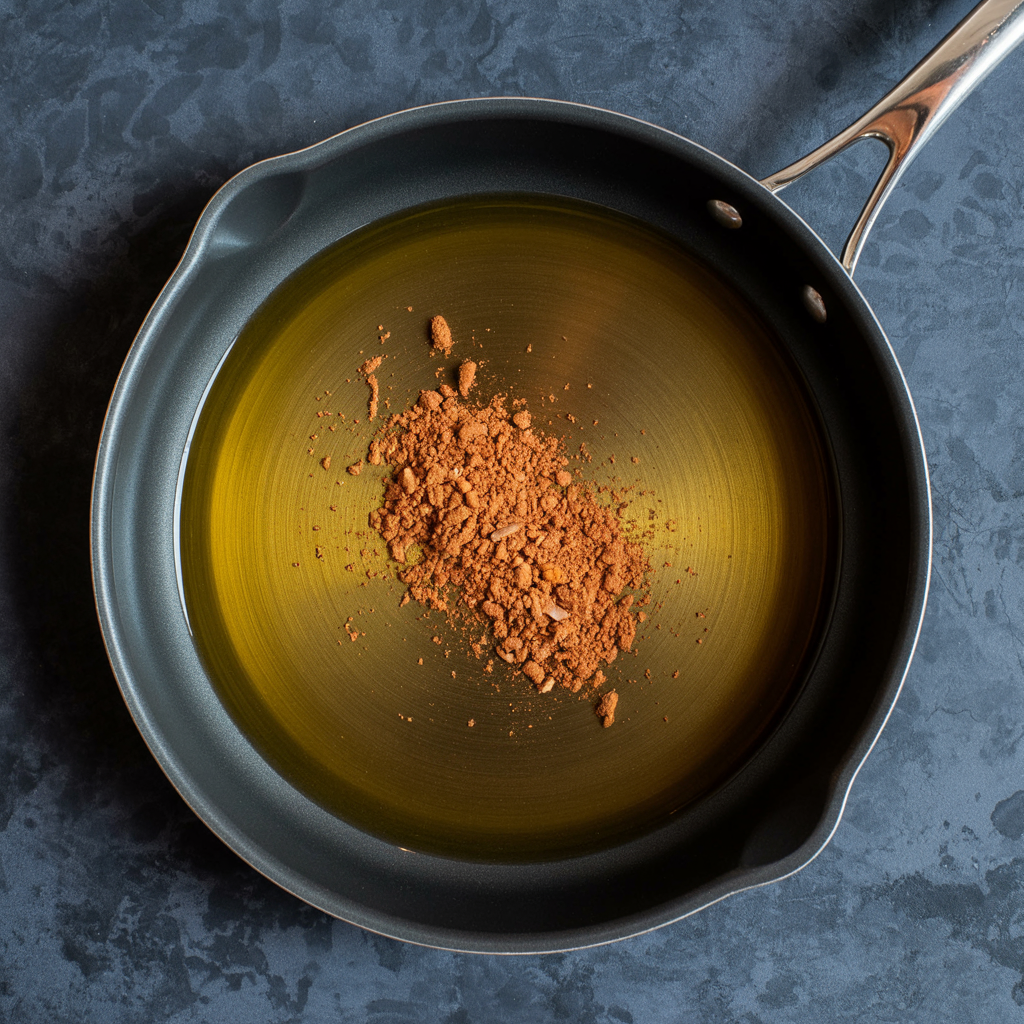
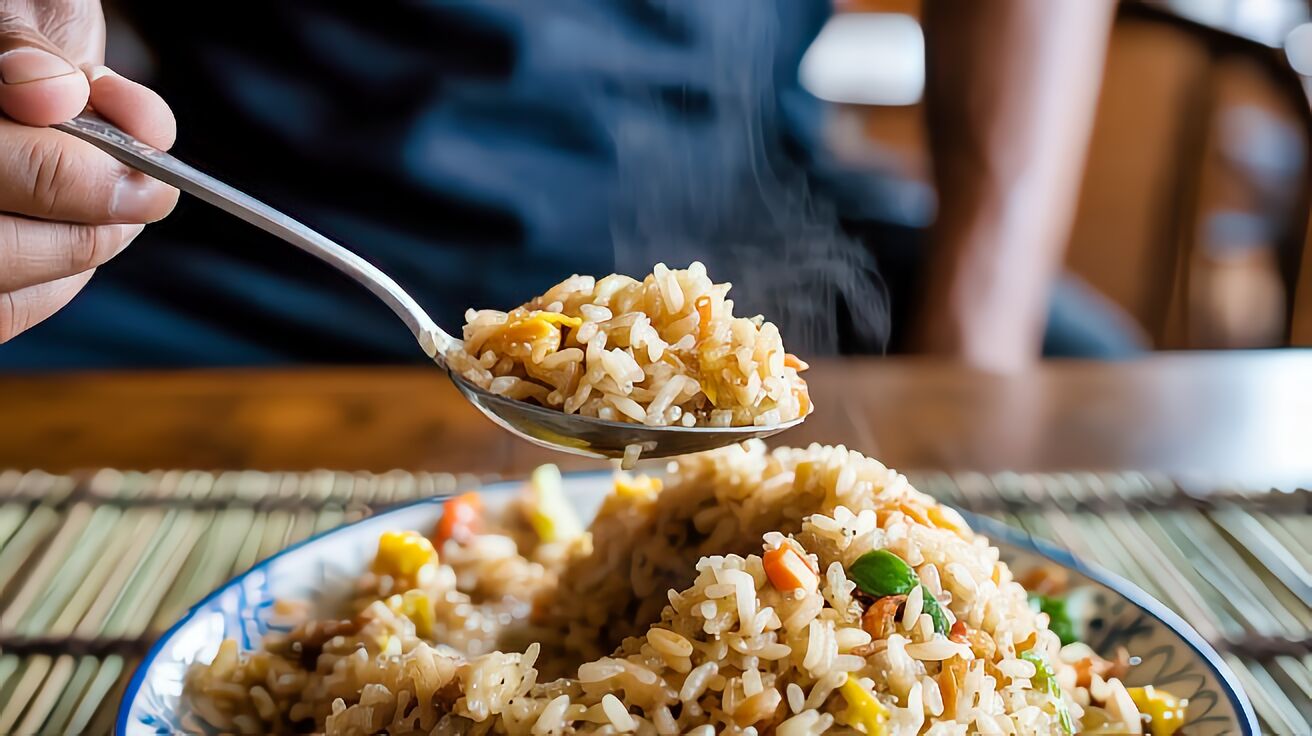
Step 1: Heat the peanut oil in a wok or wide skillet over medium-high heat. Once the oil is hot, add the turmeric and stir briefly so it dissolves evenly into the oil.
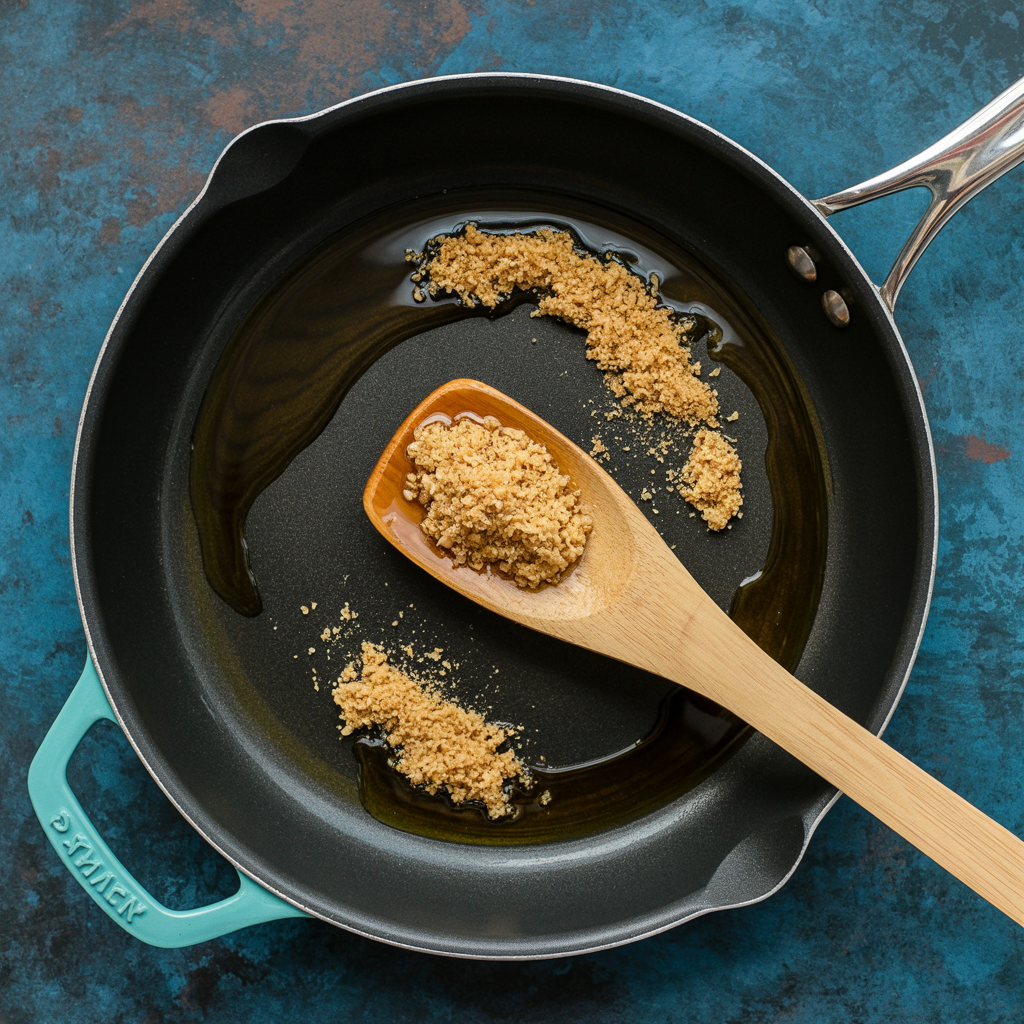
Step 2: Add the shallots and cook for about 3 minutes, stirring often, until they soften and become translucent. Add the garlic and ginger and cook for about 30 seconds, just until fragrant.
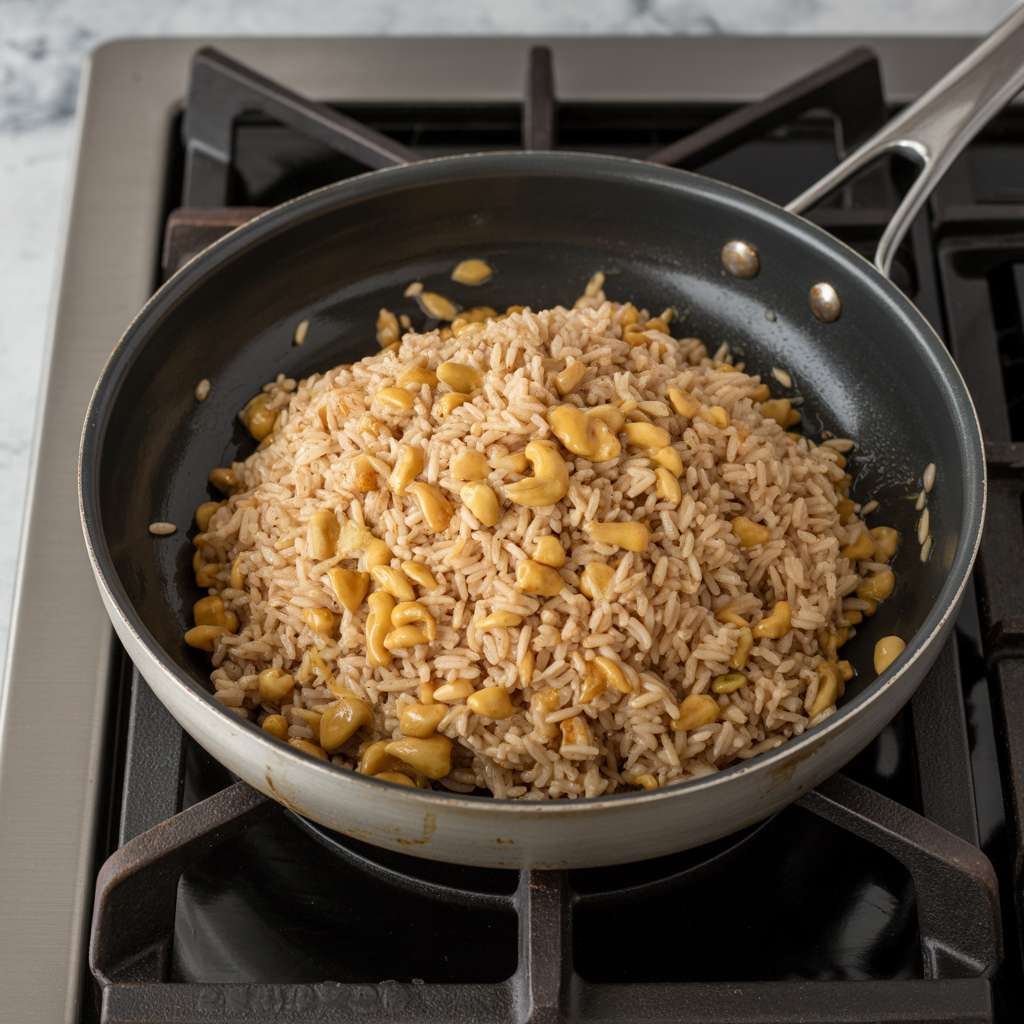
Step 3: Add the cooked rice to the pan and stir well. Use the back of a spatula to break up any large clumps so the rice heats evenly.
Step 4: Stir in the peas, salt, and sliced scallions. Continue cooking for a few minutes, stirring frequently, until the rice is fully heated through and evenly coated with the seasoned oil.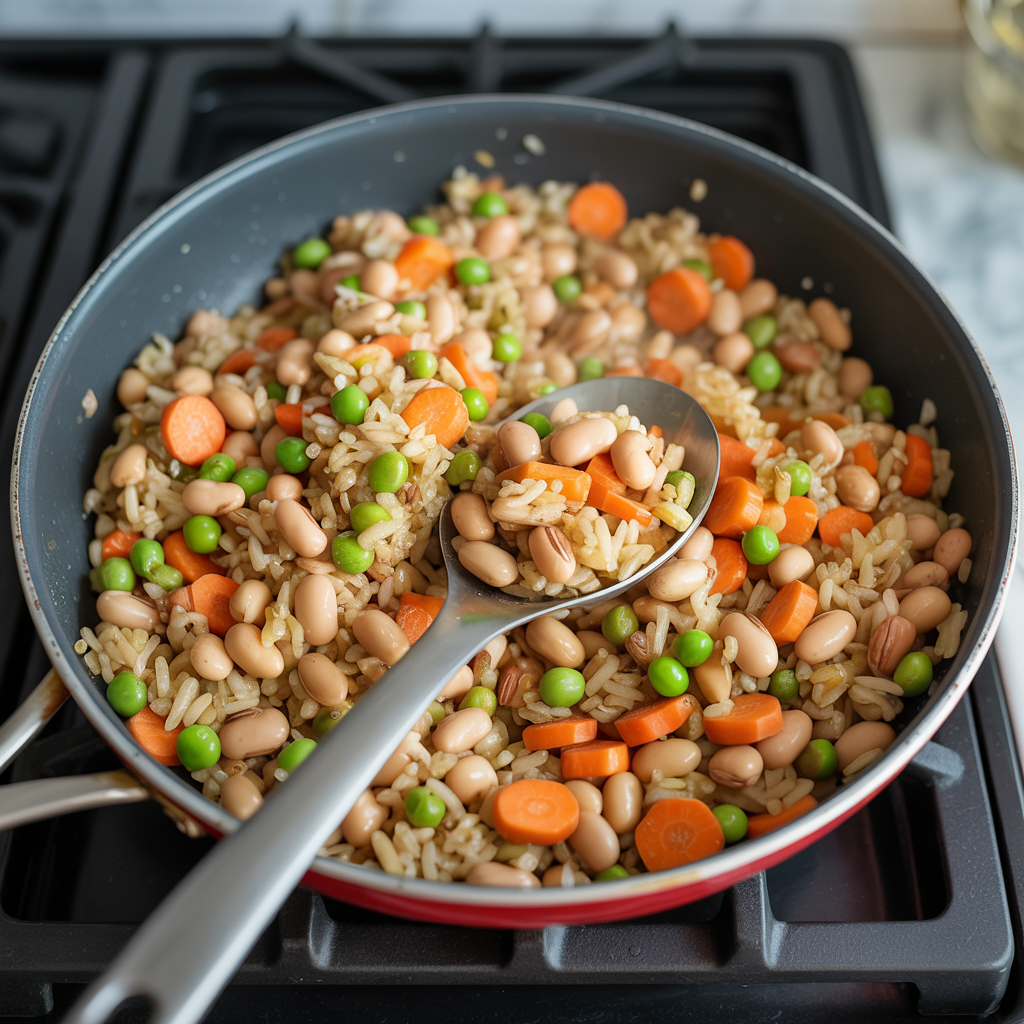
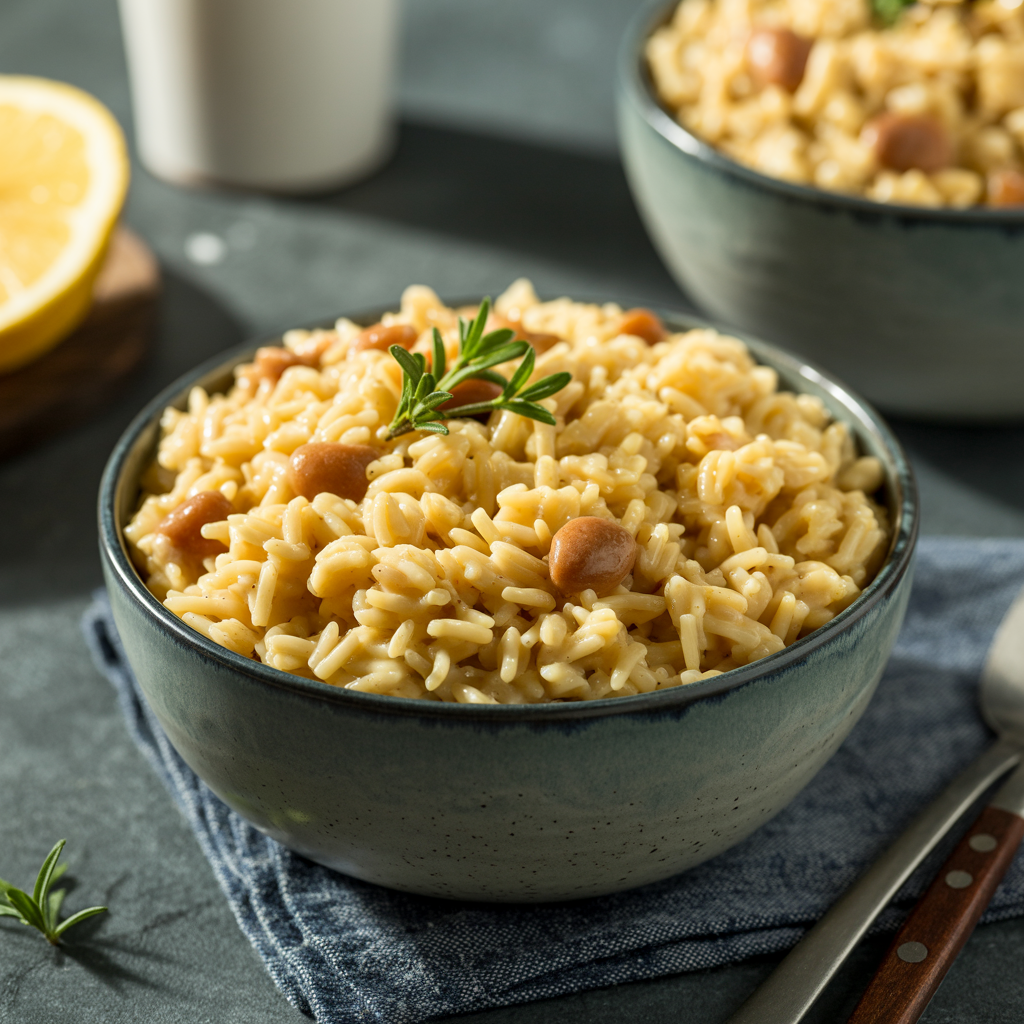
Step 5: Finish by sprinkling the rice with chopped cilantro and red pepper flakes, if using. Serve immediately, alongside your choice of vegetables and protein.
Preparing and Chilling Rice
I start with day-old rice because it’s drier and separates better. Fresh rice just gets mushy and clumpy when you stir-fry it.
Jasmine rice is perfect for this dish. I cook 2 cups of uncooked rice (which gives about 4 cups cooked), then spread it on a baking sheet to cool completely. After that, I refrigerate it for at least 4 hours or overnight.
The cold air dries out the grains even more. This step really does make a difference in texture. Before cooking, I break up any clumps with my hands so each grain feels separate and firm.
If you’re short on time, you can spread hot rice on a sheet pan and stick it in the fridge for an hour, but overnight is better.
Stir-Frying Aromatics and Proteins
I heat 3 tablespoons of vegetable oil in a wok or large skillet over medium-high heat. The oil should be hot, but not smoking.
First, I add thinly sliced shallots or onion and cook them for about 3-4 minutes until golden brown. You have to keep an eye on them—they burn quickly once the oil’s hot.
Next, I toss in minced garlic and cook for 30 seconds until fragrant. If I’m adding proteins like shrimp, diced chicken, or pork, I add them now and cook until they’re done, usually 3-5 minutes.
I push everything to the side of the wok, crack 2-3 eggs into the empty space, and scramble them quickly. Once they’re just set, I mix them with the rest.
Combining and Seasoning the Rice
Now comes the fun part! I add my cold rice to the wok and break up any last clumps with my spatula.
I stir-fry everything together for 3-4 minutes so the rice gets coated in oil. The grains should start to look a little translucent. For that signature yellow color, I add 1/2 teaspoon of turmeric powder and mix it in well.
For seasoning, I use 2 tablespoons of soy sauce and 1 tablespoon of fish sauce. The combo of soy and fish sauce gives it that classic Burmese flavor. If you want a vegan version, skip the fish sauce and use extra soy sauce with a pinch of salt.
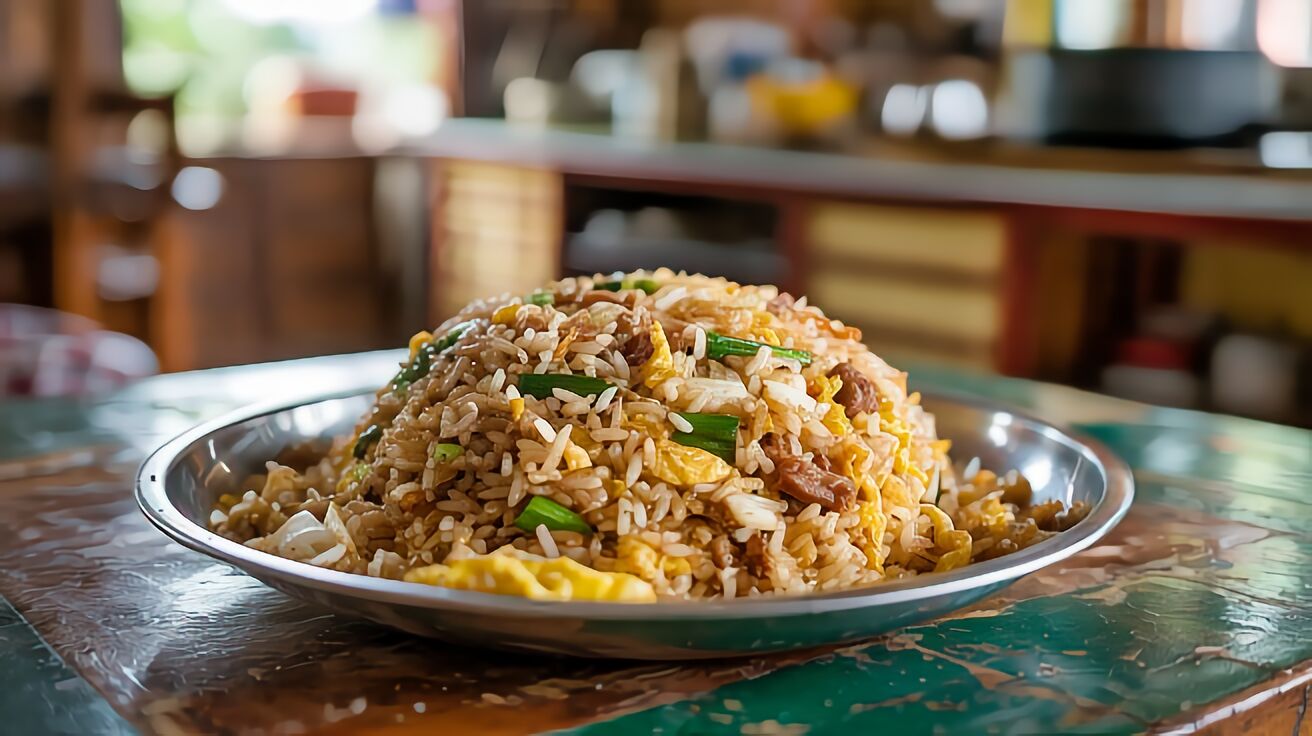
I add 1 cup of peas (fresh or frozen) and sliced green onions. After another 2 minutes of stir-frying, I taste and adjust the seasoning. The rice should be hot, a little crispy, and golden yellow all the way through!
Serving Suggestions, Variations, and Storage Tips
Burmese fried rice is great on its own, but I love adding garnishes and trying different twists to keep it interesting. Storing it right means you can enjoy leftovers all week.
Serving Burmese Fried Rice Like a Pro
I always serve my Burmese fried rice hot, straight from the wok. The dish looks gorgeous when I top it with crispy fried shallots for crunch.
I like to squeeze fresh lime wedges over each serving. The citrus brightens the flavors and cuts through the richness.
Sometimes I add a fried egg on top with a runny yolk. When you break it open, the yolk mixes into the rice and makes it a little creamy. I also pair the rice with cucumber slices or pickled vegetables on the side for a refreshing contrast.
Fresh cilantro or sliced green onions make great garnishes. They add color and a fresh pop that really works with the savory rice.
Popular Regional and Modern Variations
Traditional Burmese fried rice recipes use turmeric and yellow split peas, but I like to mix things up. Some versions use dried shrimp for a deeper umami flavor and a hint of the sea.
I’ve made vegetarian versions by piling on extra veggies—carrots, bell peppers, green beans, whatever’s in the fridge. For a protein boost, I add chicken, shrimp, or tofu.
Popular variations I’ve tried:
- Adding cashews or peanuts for a little crunch
- Mixing in pineapple chunks for sweetness
- Using jasmine or basmati rice instead of plain white rice
- Tossing in Chinese sausage for a smoky note
The authentic version keeps things simple with shallots and peas, but honestly, Burmese fried rice adapts to whatever you’ve got on hand.
How to Store and Reheat for Best Results
I stash leftover Burmese fried rice in airtight containers and keep them in the fridge for up to 4 days. If you seal it well, the rice stays moist and doesn’t get weirdly dry.
When I reheat it, I usually grab a wok or a big skillet and crank the heat to medium-high. I toss in a splash of oil, then stir-fry the rice for just a few minutes until it’s hot and a bit crisp again. It really does taste almost like it did the first time.
If I’m feeling lazy, I’ll just microwave it in short bursts—about a minute at a time, stirring in between. I always add a little water before microwaving so it doesn’t turn out dry.
For longer storage, I freeze single portions in freezer bags for up to 2 months. I make sure to squeeze out as much air as I can to avoid freezer burn. When I want some, I let it thaw in the fridge overnight, then reheat it however I feel like.
Burmese Fried Rice vs Chinese Fried Rice
Burmese fried rice and Chinese fried rice may share a similar base, but their flavor profiles and cooking styles highlight different culinary approaches.
Burmese fried rice is typically simpler, using fewer ingredients and less oil. It often focuses on garlic, onions, and sometimes a small amount of protein, allowing the natural flavor of the rice to stand out. The seasoning is usually mild, resulting in a cleaner, less heavy dish.
Chinese fried rice, on the other hand, is known for its variety and bold flavors. It commonly includes ingredients like soy sauce, eggs, vegetables, and meats such as pork or shrimp. The use of higher heat and oil creates a slightly smoky flavor, especially in wok cooking, and results in a more complex and savory dish.
The main difference is simplicity versus variety: Burmese fried rice is lighter and more minimal, while Chinese fried rice is richer and more layered in flavor.
Choose Burmese fried rice if you prefer a cleaner, less oily dish with subtle flavors. Go with Chinese fried rice if you want a more robust, savory meal with a wider range of ingredients and textures.
Burmese Fried Rice FAQ
1. What makes Burmese fried rice different from Chinese fried rice?
Burmese fried rice often uses simpler seasoning and may include local ingredients like turmeric or fish sauce.
2. What type of oil is used in Burmese fried rice?
Vegetable oil or garlic-infused oil is commonly used.
3. Can Burmese fried rice be made vegetarian?
Yes, it can be made with vegetables and without meat or fish sauce.
4. What gives Burmese fried rice its color?
Turmeric or soy sauce may be used for color and flavor.
5. Is Burmese fried rice served as a main dish?
Yes, it can be a main dish or served alongside other dishes.
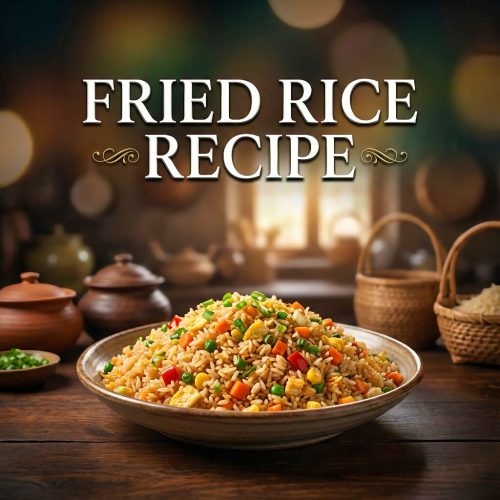
Burmese Fried Rice
Ingredients
- 2 tbsp peanut oil or any vegetable oil
- 3/4 teaspoon turmeric ground
- 1/2 cup shallots thinly sliced
- 3 cloves garlic minced
- 1 tbsp ginger minced fresh
- 4 cups rice cold rice cooked
- 1 cup peas fresh or frozen
- 1 tsp salt add more if necessary
- 2 scallions sliced
Instructions
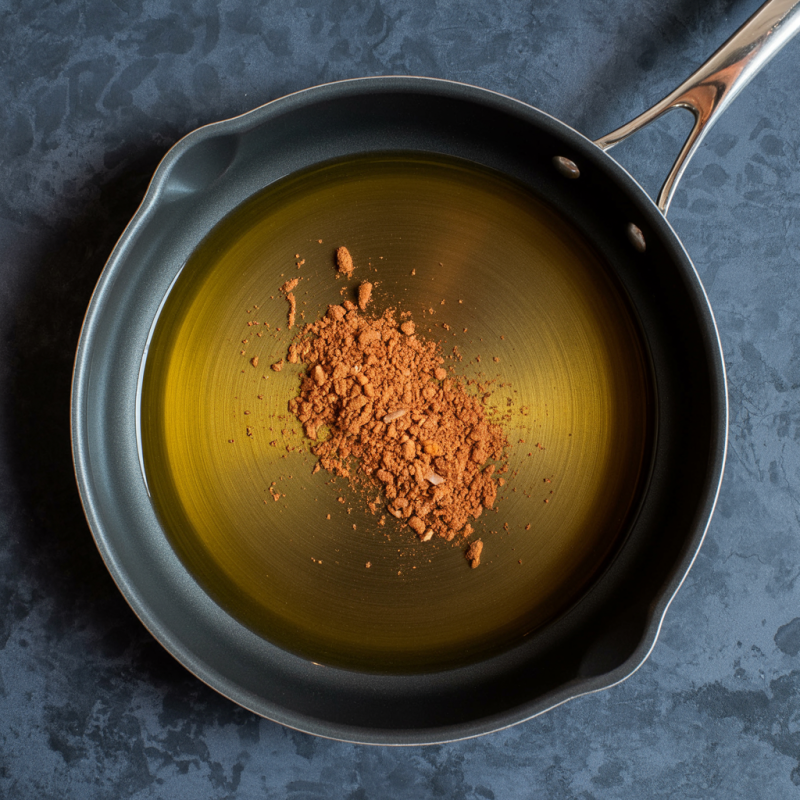
- Heat the peanut oil in a wok or wide skillet over medium-high heat. Once the oil is hot, add the turmeric and stir briefly so it dissolves evenly into the oil.
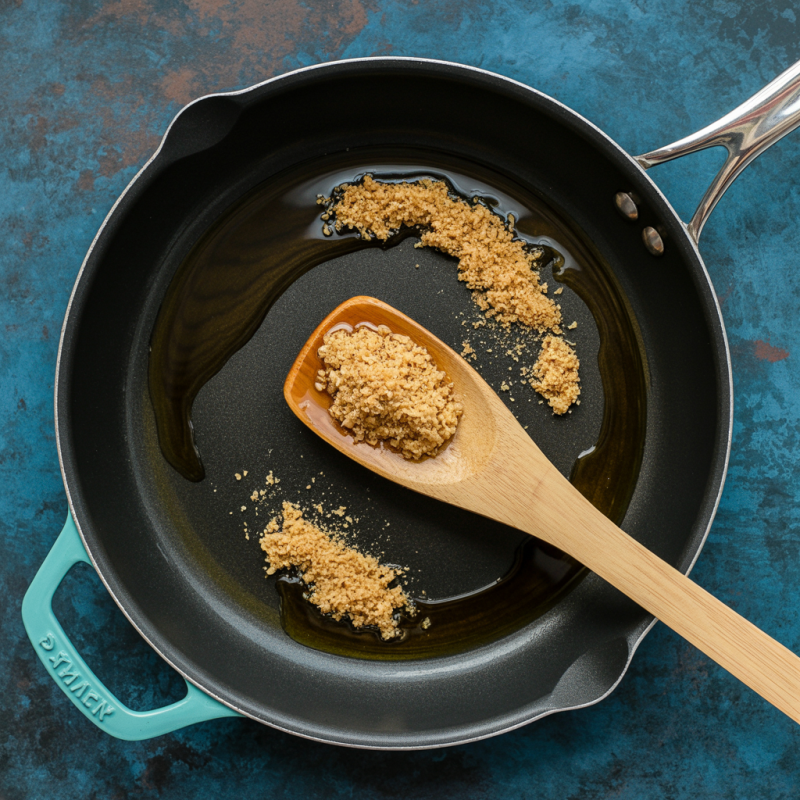
- Add the shallots and cook for about 3 minutes, stirring often, until they soften and become translucent. Add the garlic and ginger and cook for about 30 seconds, just until fragrant.
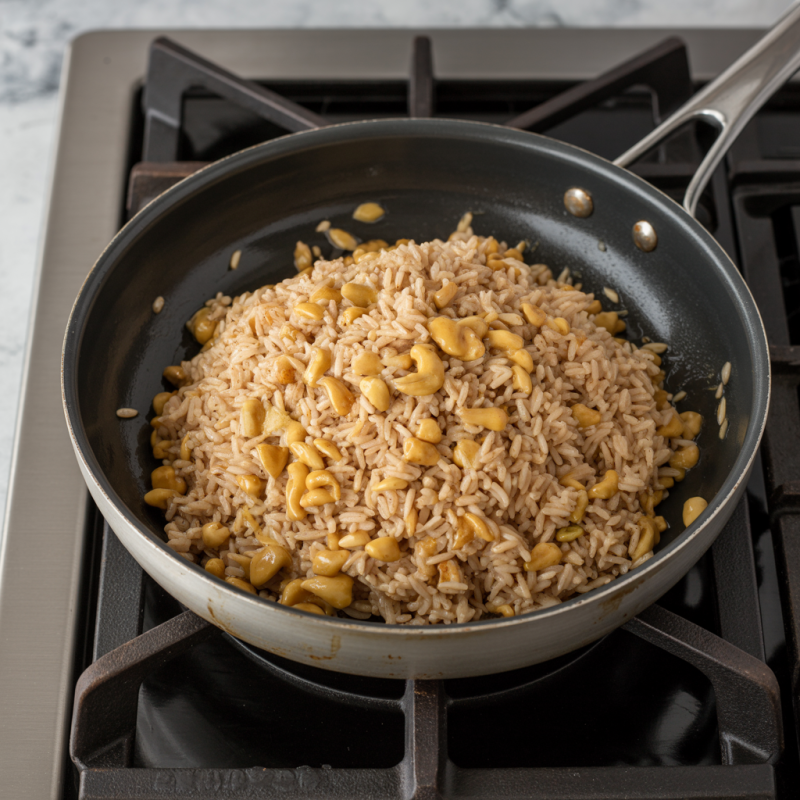
- Add the cooked rice to the pan and stir well. Use the back of a spatula to break up any large clumps so the rice heats evenly.
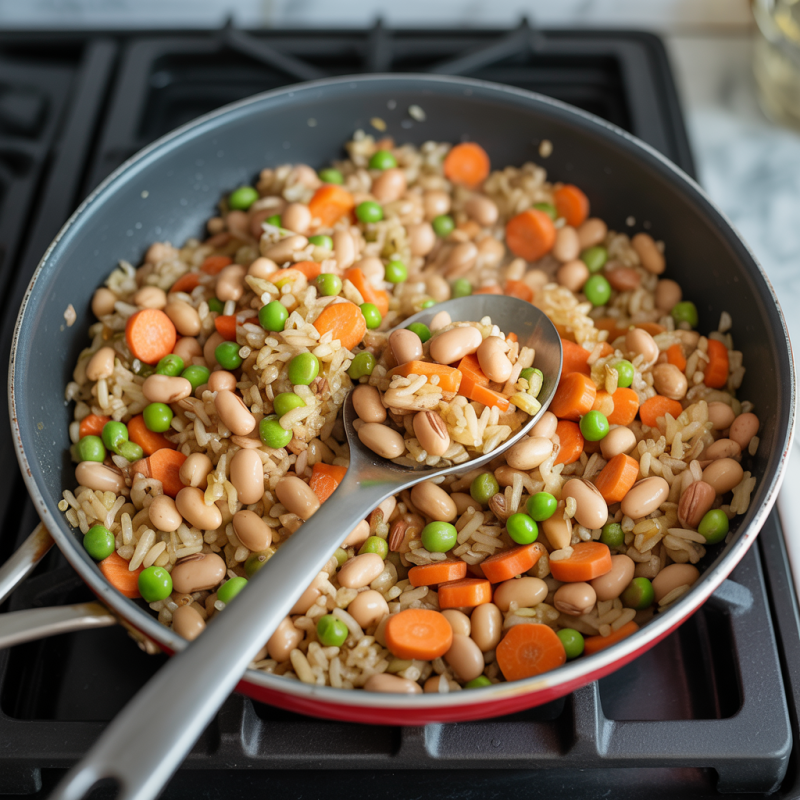
- Stir in the peas, salt, and sliced scallions. Continue cooking for a few minutes, stirring frequently, until the rice is fully heated through and evenly coated with the seasoned oil.
- Finish by sprinkling the rice with chopped cilantro and red pepper flakes, if using. Serve immediately, alongside your choice of vegetables and protein.
Video

14 comments
Is there a vegan alternative for the fish sauce in this Burmese Fried Rice recipe? Trying to keep it authentic but cruelty-free.
Try using soy sauce or tamari! Theyre cruelty-free and maintain the dishs authenticity.
Anyone else surprised to learn about the cultural significance of Burmese fried rice? Its more than just a dish!
Isnt it amazing how food is often a gateway to understanding culture?
Ever considered if the unique Burmese Fried Rice flavor could potentially vary across different regions of Burma? Curious!
Absolutely, regional variations are the spice of life, even with Burmese Fried Rice!
Is it just me or does the unique blend of flavors in Burmese fried rice make it a culinary masterpiece?
Interesting read! But does the Burmese fried rice maintain its traditional essence when cooked with non-native ingredients?
Non-native ingredients can enhance the flavor, not dilute the essence. Food evolves, so should our tastes!
Intriguing read, but did anyone else wonder if the Burmese fried rice recipe has evolved over time, or is it still traditionally prepared?
Interesting read! But isnt the use of turmeric and fish sauce more indicative of Thai cuisine than Burmese?
Actually, turmeric and fish sauce are staples in both Thai and Burmese cuisines. Research more!
Does anyone else think that the history of Burmese fried rice enhances the taste? Just knowing its cultural significance spices it up for me.
Absolutely, knowing the history of a dish really adds depth to the flavor!
Comments are closed.