

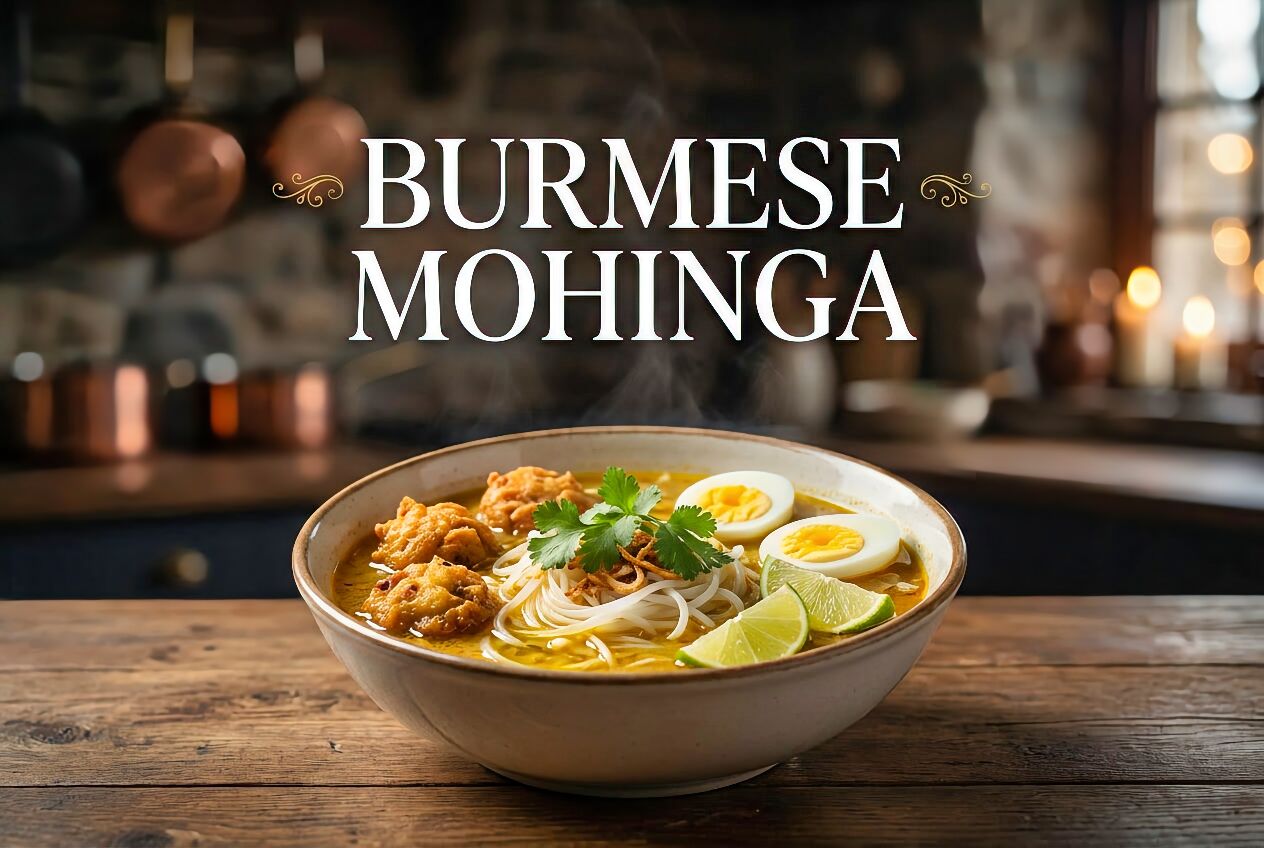
The Mohinga recipe is Myanmar’s national dish, and honestly, I can’t wait to show you how to make this comforting fish noodle soup at home. This traditional Burmese mohinga recipe brings together a bold fish broth with lemongrass, ginger, garlic, and turmeric, poured over rice noodles and finished with boiled eggs and crispy toppings. While folks in Myanmar usually eat mohinga for breakfast, I think it’s just as good for lunch or dinner—just whenever you crave it, really.
I’ve always had a soft spot for Burmese cuisine, and the mohinga really sums up what makes it special. The soup starts with a thick, aromatic base, thanks to chickpea flour and rice flour, which gives it a texture you won’t find in other noodle soups. The mix of fish, spices, and fresh herbs creates a flavor that’s both cozy and kind of thrilling at the same time.
Let me walk you through how I choose ingredients, prep a legit broth, and put together a bowl of mohinga with all the classic toppings. I’ll toss in a few variations too, and some tips for storing leftovers, plus a bit about why this Burmese fish noodle soup is surprisingly nutritious. Even if you’re new to Burmese food or already obsessed with the mohinga recipe, I think you’ll end up with something that tastes like it came straight from a street stall in Yangon.

Essential Ingredients for Burmese Mohinga
The backbone of any solid authentic Burmese mohinga is a trio: fish and seafood, aromatics and spices, and the right noodles with a couple of thickeners that give mohinga its signature body.
Fish and Seafood Selection
I usually reach for catfish when making a mohinga recipe because it gives the broth a rich, full flavor. Catfish has a firm bite that stands up to simmering and really delivers that classic taste you want in a Burmese fish soup. Tilapia works too, but catfish just feels right for this mohinga recipe.
Any freshwater fish will do, though catfish or tilapia are my go-tos for an authentic mohinga recipe. I cook the fish until it flakes apart, then blend it back into the broth so everything is smooth and silky. This step makes the mohinga what it is—comforting and hearty.
For the broth, I always use fish sauce and shrimp paste. These two ingredients add a punch of umami and saltiness that’s tough to beat. Fish sauce gives a gentler saltiness, while shrimp paste brings that unmistakable fermented kick you expect from any mohinga recipe.
Aromatics and Spices
Lemongrass is the star aromatic in my mohinga , hands down. I grab fresh lemongrass, smash it up, and chop it to help brighten the broth and keep any fishiness in check. That citrusy aroma really lifts the whole mohinga recipe.
Turmeric powder is a must for the mohinga recipe—it turns the soup golden and adds a subtle earthy note. I toss it in early so the flavor has time to settle in. It’s one of those little things that makes the mohinga recipe feel truly Burmese.
If I can find banana stem, I’ll add it to my mohinga recipe. It’s not essential, but it gives a gentle sweetness and a cool, crunchy texture. The stem soaks up all those flavors and gives the mohinga recipe a nice twist.
Noodles and Thickening Agents
Rice vermicelli noodles are my pick for a classic mohinga. I like the thin kind—they soak up the broth fast and don’t get in the way of the flavors. Plus, rice vermicelli noodles are gluten-free, which is a nice bonus for the mohinga recipe.
For thickening, chickpea flour is my secret weapon in any mohinga. I always mix it with water first to dodge lumps, and when toasted, it adds a gentle nutty flavor that works so well with fish. It’s one of those little touches that takes the mohinga recipe up a notch.
Toasted rice powder is the other thickener I rely on. I toast raw rice until it’s golden, grind it up, and stir it into the soup. This gives the recipe its signature body and helps the broth cling to the noodles—exactly what you want from a classic mohinga recipe.

Step-by-Step Authentic Mohinga Preparation

Step 1: Prepare the lemongrass: Cut each lemongrass stalk in half. Discard the upper green halves. With the lower halves, trim off the dried end and peel away a few of the tough outer layers. Dice the tender inner stalk into pieces about 1 inch long and set aside.
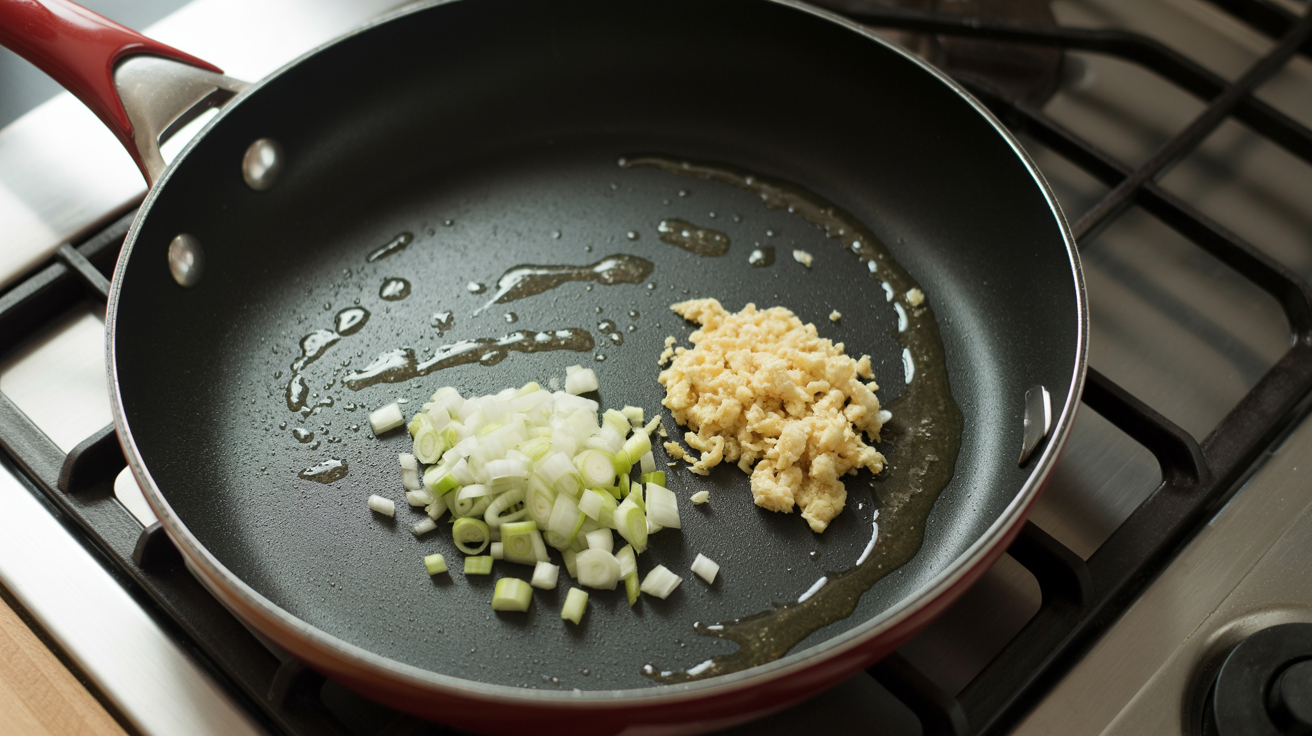
Step 2: Prep the aromatics: Dice the onion, garlic, and ginger. You can do this by hand or use a food processor to speed things up, as long as you don’t turn them into a paste.

Mohinga 3
Step 3: Sauté the aromatics: Heat coconut oil in a medium-sized stockpot over medium heat. Add the lemongrass, onion, garlic, and ginger. Sauté for about 5 minutes, stirring occasionally, until they are softened and fragrant but not browned.

Step 4: Add spices: Sprinkle in the turmeric and chili powder. Stir well so the spices coat the aromatics evenly. Cook for another 1–2 minutes to bloom the spices, stirring so they do not stick to the bottom.

Step 5: Add broth and simmer: Pour in the fish broth and bring the mixture up to a boil. Once it reaches a boil, reduce the heat and let it simmer gently.

Step 6: Thicken with chickpea flour: Add the chickpea flour to the pot and stir until it is fully mixed in with no dry lumps. Continue simmering for 10–15 minutes, stirring occasionally, until the soup has slightly thickened.
Preparing the Broth and Flaking Fish
When I start my homemade mohinga recipe, I always begin with the fish broth. I toss 1 to 1.5 pounds of catfish or tilapia into a big pot with 8 cups of water, two bruised lemongrass stalks, a chunk of ginger, and a teaspoon of salt. This is the foundation of any good mohinga recipe.
I bring it all to a boil, then let it simmer for about 25 to 30 minutes. Once the fish flakes easily, I pull it out and let it cool, leaving the broth on low. This step is crucial for a mohinga that’s both flavorful and smooth.
When the fish cools, I pick out all the bones and skin. I flake it into small pieces with my hands or a fork. You want the fish to blend into the soup, so big chunks just don’t work for a mohinga recipe.
Cooking the Aromatic Paste
For the aromatic base in my mohinga, I blend up six shallots, four garlic cloves, a piece of ginger, a bit of galangal if I have it, and two stalks of lemongrass. I add a splash of water to get a smooth paste. This paste is what gives a mohinga its depth.
I heat three tablespoons of oil in a pan and cook the paste for 8 to 10 minutes, stirring so it doesn’t burn. When it turns golden and smells amazing, I know it’s ready. This step is where the mohinga recipe really starts to come together.
I stir in a teaspoon of turmeric and a bit of paprika, cook for another minute, and then add the whole thing to my simmering broth. This is the moment the recipe starts to smell like the real deal. The flavors just pop.
Thickening and Combining the Soup Base
For a proper Burmese mohinga recipe, I need two thickeners. First, I toast three tablespoons of rice until golden and grind it. Second, I mix three tablespoons of chickpea flour with half a cup of water to make a slurry—no lumps allowed in my Mohinga!
I whisk the toasted rice powder into the broth and let it simmer for five minutes. Next, I slowly pour in the chickpea flour slurry, stirring the whole time. This is how I get the mohinga recipe to that perfect creamy-but-not-heavy texture.
I add the flaked fish and a couple tablespoons of fish sauce, then taste and tweak the seasoning. The soup should coat a spoon but still be pourable—tricky, but worth it for a mohinga recipe. I let it all simmer for ten minutes so the flavors really meld together.

Noodles, Garnishes, and Final Assembly
The right noodles and toppings turn a mohinga recipe from a simple fish soup into something unforgettable. Getting the rice vermicelli just right and prepping classic garnishes like crispy bits and fresh herbs is what makes each bowl of mohinga recipe truly satisfying.
Preparing Rice Vermicelli Noodles
I always use dried rice vermicelli noodles for my mohinga. These are thin, round, and soak up the broth perfectly. Flat noodles just aren’t the same in a mohinga recipe.
I bring water to a boil, toss in the noodles, and cook for three or four minutes—no more, or they’ll turn to mush. You want them soft but still with a little bite, which is just right for a mohinga recipe. Overcooked noodles ruin the texture, so I keep an eye on them.
I drain and rinse the noodles under cold water right away to stop them from cooking further. If I’m not serving the mohinga immediately, I’ll toss the noodles with a drop of oil so they don’t stick. This makes assembly quick and easy when it’s time to eat.
For serving, I put a scoop of rice vermicelli noodles in each bowl, then ladle the hot fish soup over the top. The noodles soften a bit more in the broth, reaching that perfect texture for a mohinga recipe. It’s all about timing here—too soon and they’re firm, too late and they’re mushy.
Classic Mohinga Toppings and Garnishes
For a true mohinga recipe, I always prep a mix of crispy and fresh toppings. Everyone likes to customize their bowl, so I set out plenty of options. These garnishes are what make a mohinga recipe fun and interactive.
Essential crispy toppings:
- Fried shallots—thinly sliced, fried golden, and super fragrant
- Fried garlic—crunchy garlic chips for a nutty punch
- Split-pea crackers—these add a nice crunch, almost like Burmese chips
- Chickpea fritters—akyaw, for something a little extra in your mohinga recipe
I always put out hard-boiled eggs, cut in half or sliced up. Fresh cilantro and green onions bring a pop of color and a fresh bite to the mohinga recipe. Lime wedges are a must—squeeze them over the top for a little zing.
I like to include chili oil or chili paste on the side for those who want a kick. Sometimes I’ll offer bean sprouts and lotus root too, if I have them. If not, dried chili flakes work just fine to spice up your mohinga recipe.
Serving Suggestions and Plating
I serve the mohinga in deep bowls so the broth and noodles fit comfortably. Each bowl starts with a generous scoop of rice vermicelli noodles at the bottom. The hot soup goes over the noodles, making sure to get plenty of flaked fish in each serving.
I pile the toppings on top or put them on a plate so everyone can add what they like. Half a hard-boiled egg, a sprinkle of fried shallots and garlic, a few pieces of pea fritters, and fresh herbs make the mohinga recipe feel complete. Lime wedges always go on the side.
Even though mohinga is a breakfast staple back in Myanmar, I honestly think it works any time of day. The best way to enjoy a mohinga recipe is right away—while the broth is piping hot and the crispy bits are still crunchy. Waiting too long? You’ll miss out on that perfect texture.

Variations, Storage Tips, and Nutritional Insights
I love how the mohinga recipe adapts to whatever ingredients I have on hand. It stores well for meal prep, and it’s actually pretty nutritious, especially if you load up on the fresh herbs and veggies. You can even tweak the recipe to make it lighter or heartier, depending on your mood.
Regional and Personal Mohinga Variations
Different regions across Burma whip up mohinga with their own twists. Some cooks add coconut milk for a richer, creamier soup, while others keep it lighter with just the fish broth base. The type of fish changes too—catfish is traditional, but honestly, tilapia, snakehead, or even shrimp work if that’s what you’ve got for your Mohinga recipe.
I’ve noticed that switching up the toppings makes every Mohinga recipe feel unique. Beyond the standard crispy pea fritters and hard-boiled eggs, toss in extra vegetables like tomatoes or green beans. Some folks pile on the lemongrass for a citrusy kick, while others go wild with chili if they like it fiery in their Mohinga recipe.
The broth’s thickness really depends on where you are in Burma. Coastal spots usually make a thinner Mohinga recipe, but inland cooks go for a heartier version thickened with chickpea flour and toasted rice powder. If you’re making your own Mohinga recipe, just add more stock for a lighter bowl or more chickpea flour if you want it rich and filling.
Storing and Reheating Mohinga
Keep the broth separate from the noodles and toppings when you store your Mohinga recipe leftovers. The soup itself will last in the fridge for 3-4 days if you use an airtight container. If you’re not planning to eat it soon, freeze the broth from your Mohinga recipe—it holds up for about three months, which is pretty handy.
Store rice noodles in cold water in the fridge for 2-3 days. If you mix noodles into hot broth and stash everything together, they’ll get mushy and fall apart, which just ruins a good Mohinga recipe.
To reheat, warm the broth from your Mohinga recipe on the stove over medium heat until it simmers. Make fresh noodles or dunk refrigerated ones in hot water for a quick fix. Build your bowl with warm noodles and hot broth, then finish with fresh toppings like crispy fritters, cilantro, and lime wedges—just like you would with a fresh Mohinga recipe.
Don’t ever reheat pea fritters or other crispy toppings in the soup, especially if you care about texture in your Mohinga recipe. Store those at room temperature in a sealed container and only add them right before serving. That way, every Mohinga recipe you serve still has that perfect crunch.
Nutritional Benefits and Healthier Modifications
Burmese mohinga packs plenty of protein from the fish base, usually giving you about 20-25 grams per serving. Fish in the Mohinga recipe brings in omega-3 fatty acids, which can help your heart stay happy. Rice noodles, while easy to digest, don’t really offer much fiber compared to whole grains.
The soup gets a boost of vitamins from herbs like cilantro and lemongrass, which show up in almost every Mohinga recipe out there. Chickpea flour thickens the broth and sneaks in some plant-based protein and fiber. I always appreciate how the Mohinga recipe lets you use simple, fresh ingredients for a nutrient-dense meal.
I make my homemade mohinga lighter by cutting down the oil when frying aromatics. Instead of deep-frying fritters, I just bake them at 400°F until they’re nice and crispy—honestly, it’s less mess. Using less banana stem in the Mohinga recipe (since it’s a pain to find anyway) doesn’t really change the flavor but definitely saves on prep.
For a lower-sodium Mohinga recipe, I go with homemade fish stock and keep the fish sauce in check. Tossing in more veggies like bok choy, spinach, or bean sprouts makes the Mohinga recipe even healthier without piling on calories. Burmese cuisine loves fresh herbs and vegetables, so it’s easy to sneak extra greens into your Mohinga recipe bowl.

Mohinga vs Vietnamese Pho
Mohinga and Vietnamese pho are both iconic noodle soups in Southeast Asia, but they differ significantly in broth, texture, and overall flavor experience.
Mohinga, widely considered Myanmar’s national dish, features rice noodles served in a rich, fish-based broth made with ingredients like lemongrass, banana stem, garlic, and toasted rice flour. The addition of ground toasted rice gives the soup a thicker, slightly creamy consistency that sets it apart from most Asian noodle soups. Its flavor is deeply savory with subtle herbal notes, often enhanced by toppings like boiled eggs, fritters, and fresh herbs.
Pho, by contrast, is known for its clear, delicate broth, typically made by simmering beef or chicken bones with spices such as star anise, cinnamon, and cloves. The result is a light yet aromatic soup that emphasizes clarity and balance. Served with flat rice noodles and fresh herbs like basil and cilantro, pho offers a clean, layered flavor rather than richness.
The key difference lies in texture and intensity: mohinga is thicker, heartier, and more savory, while pho is lighter, more aromatic, and broth-focused.
If you prefer a rich, filling soup with depth, mohinga is the better choice. If you want something lighter and more fragrant, pho is ideal.

Burmese Mohinga Recipe FAQ
1. What is mohinga traditionally made with?
Mohinga is a fish-based noodle soup with rice noodles, lemongrass, and a rich broth.
2. Why is mohinga considered Myanmar’s national dish?
It’s widely eaten for breakfast and deeply rooted in Burmese culture.
3. What gives mohinga its thick texture?
Toasted rice powder or chickpea flour is often used to thicken the broth.
4. What toppings are served with mohinga?
Boiled eggs, crispy fritters, and fresh herbs are common toppings.
5. Is mohinga spicy?
It’s mildly spiced, but chili can be added for extra heat.

Burmese Mohinga Recipe
Ingredients
- 2 quarts fish stock
- 2 lb whitefish cut into 1 to 2-inch pieces
- 2 tbsp coconut oil
- 1 large onion diced
- 6 garlic cloves diced
- 4 inch ginger root peeled and diced
- 2 stalks lemongrass top half
- 2 tsps turmeric
- 1 tsps chile powder roasted
- 1 cup flour chickpea
- 1 package Rice noodles
Instructions
- Prepare the lemongrass: Cut each lemongrass stalk in half. Discard the upper green halves. With the lower halves, trim off the dried end and peel away a few of the tough outer layers. Dice the tender inner stalk into pieces about 1 inch long and set aside.

- Prep the aromatics: Dice the onion, garlic, and ginger. You can do this by hand or use a food processor to speed things up, as long as you don’t turn them into a paste.

- Sauté the aromatics: Heat coconut oil in a medium-sized stockpot over medium heat. Add the lemongrass, onion, garlic, and ginger. Sauté for about 5 minutes, stirring occasionally, until they are softened and fragrant but not browned.

- Add spices: Sprinkle in the turmeric and chili powder. Stir well so the spices coat the aromatics evenly. Cook for another 1–2 minutes to bloom the spices, stirring so they do not stick to the bottom.

- Add broth and simmer: Pour in the fish broth and bring the mixture up to a boil. Once it reaches a boil, reduce the heat and let it simmer gently.

- Thicken with chickpea flour: Add the chickpea flour to the pot and stir until it is fully mixed in with no dry lumps. Continue simmering for 10–15 minutes, stirring occasionally, until the soup has slightly thickened.


8 comments
Isnt it fascinating how Mohinga uses catfish? Wonder how itd taste using different fish, like salmon or tilapia? Thoughts?
Isnt it better to use catfish for Mohinga? Theyre easily available and add an authentic Burmese touch to the soup.
Interesting read! Have you tried swapping out the traditional fish with chicken or tofu for a change?
Actually, altering traditional recipes ruins their authenticity. Tofo and chicken? No thanks!
Isnt it strange how we never talk about the impact of sourcing sustainable seafood for traditional dishes like Mohinga?
Does anyone else feel like adding tofu to the Mohinga could add an interesting texture contrast? Or would it just kill the traditional vibe?
Has anyone tried swapping out the fish for chicken in this Mohinga recipe? Curious if itll still retain its traditional flavor.
Chicken instead of fish in Mohinga? Thats culinary blasphemy! Stick to tradition!
Comments are closed.