

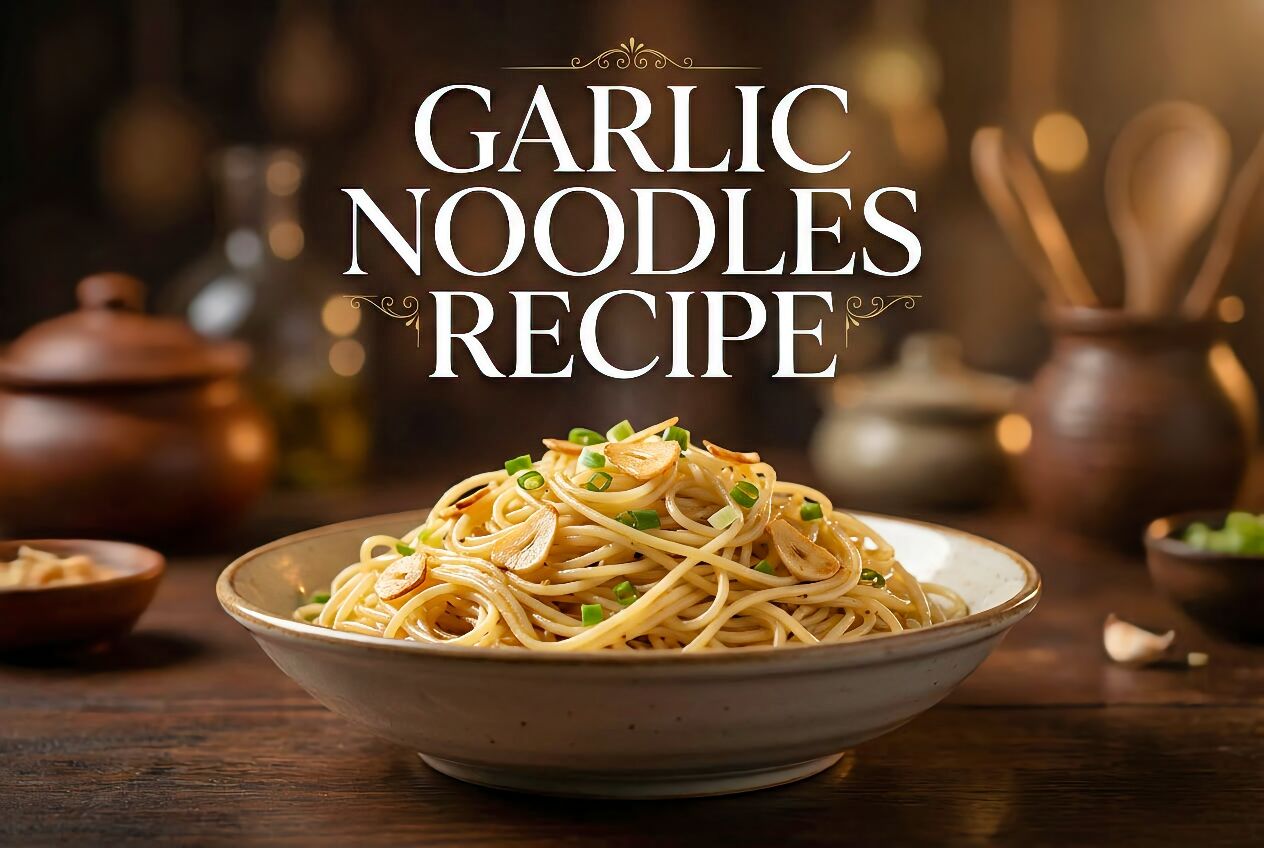
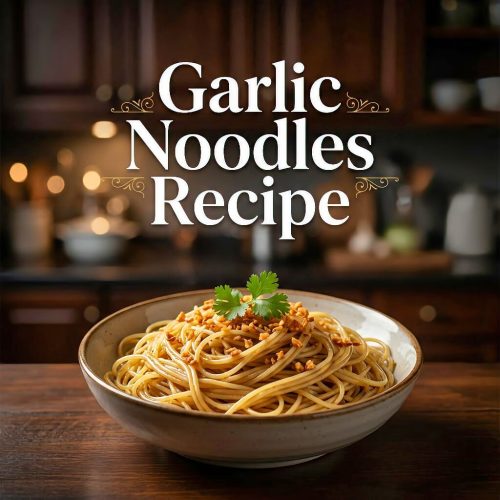
Burmese garlic noodles recipe meals are a simple, bold dish that brings chewy noodles together with crispy fried garlic and savory seasonings. The wide egg noodles get tossed in garlic oil and topped with golden, crunchy garlic, making a meal that’s ready in under 30 minutes. Known as Sechet Khao Swe in Burmese, this street food from Rangoon’s China town is pure comfort and pretty irresistible.
I first had these garlic oil noodles at a tiny restaurant and honestly, I couldn’t believe how basic ingredients could taste so good. The magic’s in frying the garlic until it’s just right—nutty, golden, and fragrant. That crispy topping transforms the whole garlic noodles recipe into something special.
In this guide, I’ll show you how to make a Burmese garlic noodles recipe at home. You’ll see which ingredients really matter, how to nail the crispy garlic, and a few tricks to make the garlic noodles recipe fit your own style. If you love garlic, this one’s going to be on repeat.
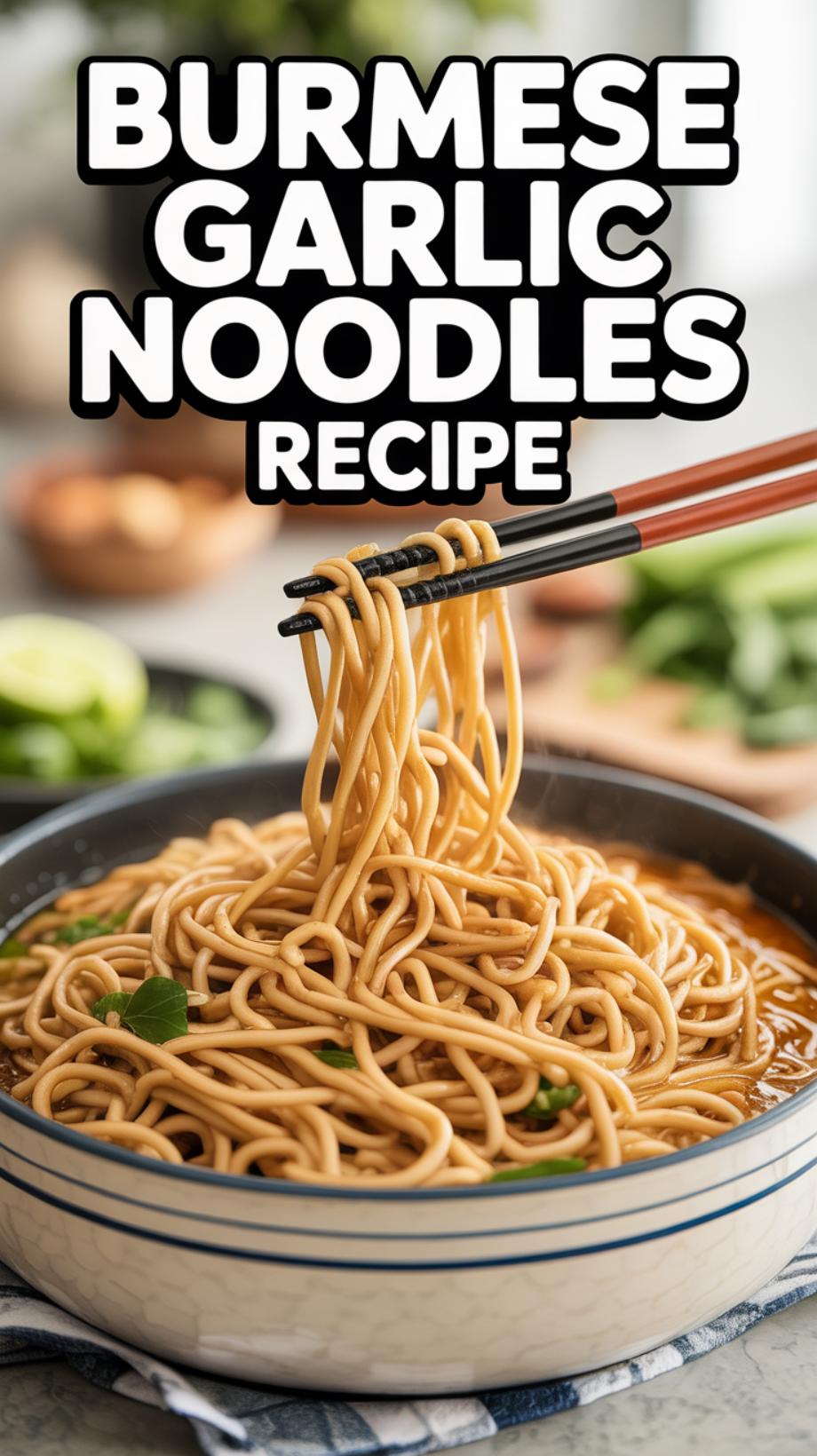
Key Ingredients in Burmese Garlic Noodles
This garlic noodles recipe relies on just a handful of basics that pack a punch. Fresh garlic is the heart of the dish, and the right noodles make all the difference. It’s kind of amazing how much flavor you get from so little.
Essential Noodles for Authentic Texture
I always reach for thin egg noodles or wonton noodles when making a Burmese garlic noodles recipe. These wheat noodles hold up to the garlic oil and stay pleasantly chewy. If you can’t find them, rice noodles or vermicelli are fine, but you’ll get a different bite.
Chinese egg noodles really shine because they keep that chew after cooking. Thin strands grab onto the garlic oil better, so every bite is flavorful. Some folks might try rice noodles, but for a classic garlic noodles recipe, I stick with wheat.
Fresh noodles cook lightning fast—just 2-3 minutes—so keep an eye on them. If you go with dried egg noodles, check them a minute early to avoid mush. The garlic noodles recipe is all about texture, so don’t overcook those noodles!
Role of Garlic and Aromatics
Garlic is the absolute star in any garlic noodles recipe. I grab fresh cloves (never the pre-minced jar stuff) for the best punch. You’ll want 8-12 cloves, depending on how much you love garlic.
I slice the garlic thin and fry it until golden and crispy. That crispy fried garlic gives the garlic noodles recipe its signature crunch and deep, nutty flavor. Some of the garlic stays in the oil, infusing it with that unmistakable aroma.
Shallots bring a hint of sweetness when fried with the garlic. Sometimes I toss in a little fresh ginger for a subtle kick. I save spring onions for the finish, scattering them on top for a pop of color and freshness.
Sauce Components and Seasonings
The sauce for this garlic noodles recipe is simple but needs balance. Soy sauce is the main seasoning, giving the noodles their savory base. I usually add 2-3 tablespoons per pound of noodles.
Fish sauce brings umami and depth, but just a teaspoon or two does the trick. A pinch of sugar rounds out the salty flavors. You don’t want your garlic noodles recipe too sweet, just balanced.
Vegetable oil or peanut oil works well for frying the garlic because they can take the heat. I finish with a drizzle of sesame oil for that nutty aroma. The garlic oil you make along the way becomes part of the sauce and is key to a good garlic noodles recipe.
Some folks add oyster sauce for richness. A little paprika or turmeric can bring color and a gentle spice. If you like heat, red pepper flakes or sliced bird chiles work perfectly in a garlic noodles recipe.
Toppings and Garnishes
Toppings make a garlic noodles recipe shine. Fried garlic is non-negotiable—pile it on for crunch and flavor. Cool cucumber slices add a refreshing snap next to the warm, garlicky noodles.
Roasted peanuts are another must, bringing nutty crunch to the garlic noodles recipe. I chop them up and scatter them over the top. Spring onions (or scallions) sliced thin add color and a sharp bite.
Sometimes I’ll add shiitake mushrooms cooked separately for extra umami. Snow peas add crisp sweetness if you want more veggies. I’ve tried versions with coconut milk in the sauce for a creamy garlic noodles recipe, but honestly, I prefer the classic.
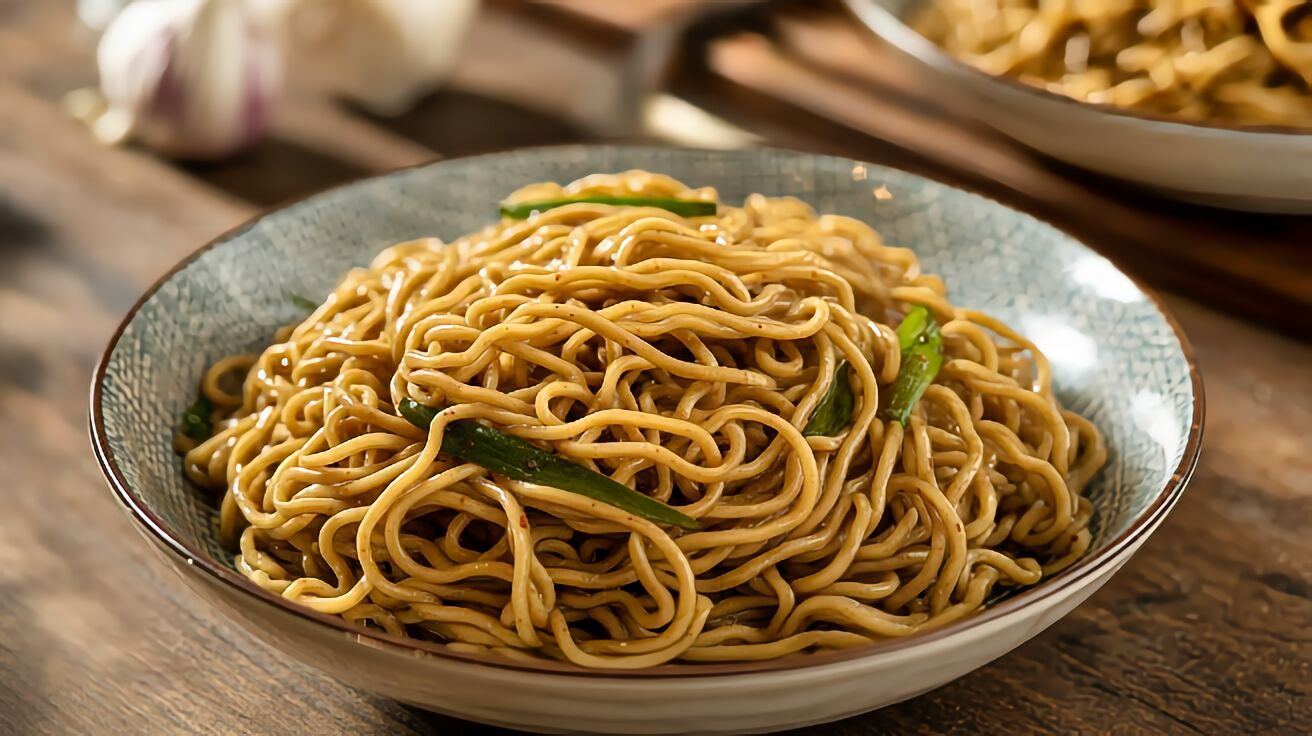
Step-By-Step Preparation Guide
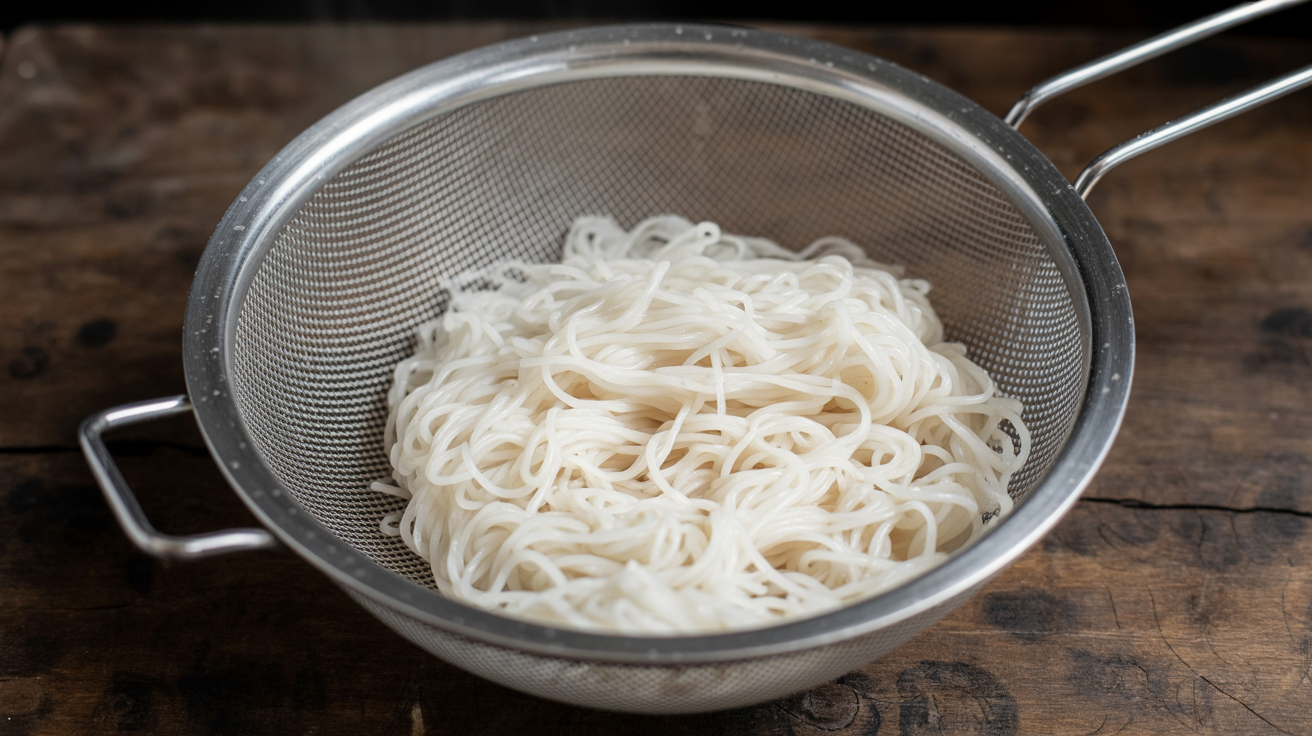
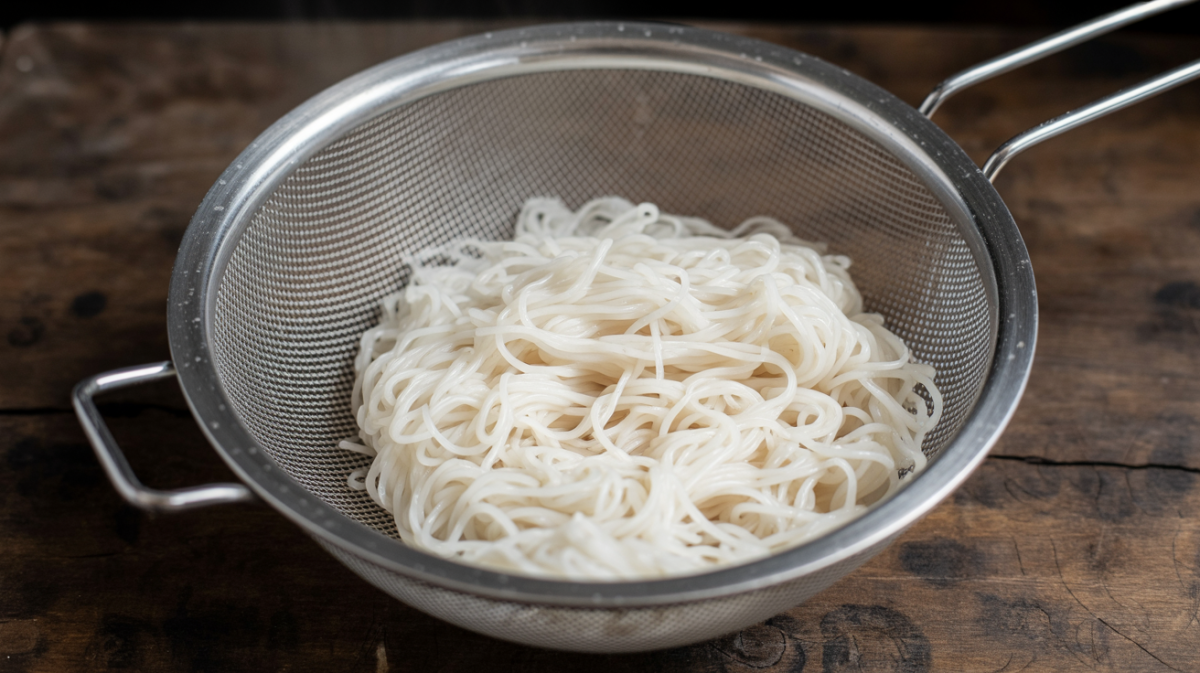
Step 1: Cook the rice noodles: Cook the rice noodles according to the package instructions until just tender. Drain them well in a colander and set aside so excess water can drip off. If they sit for a while, you can toss them gently to prevent clumping.
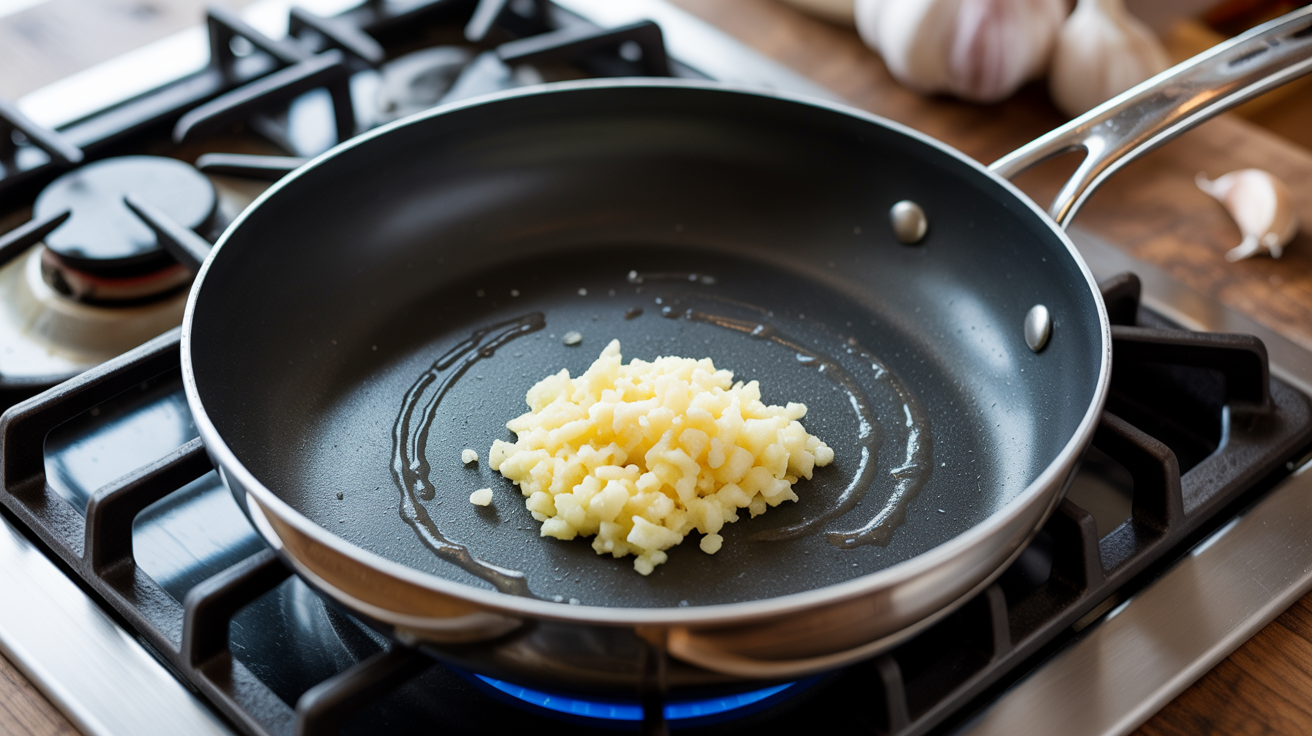
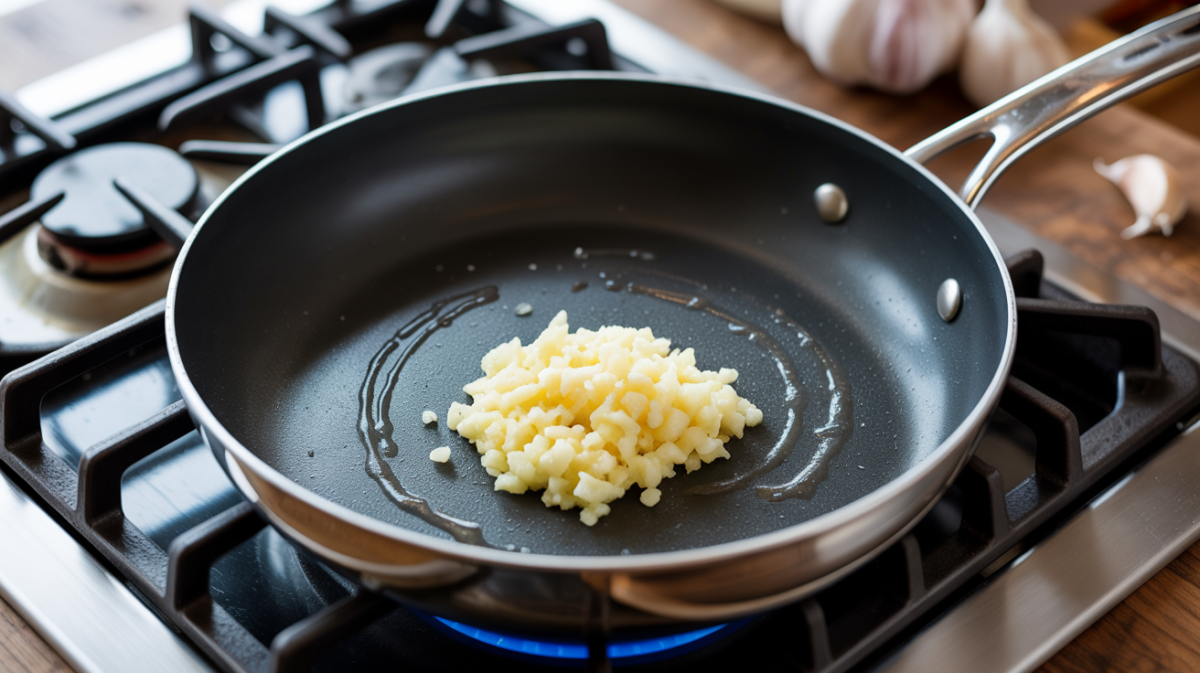
Step 2: Sauté the garlic: In a large pan or wok, heat vegetable oil over medium heat. Add the minced garlic and sauté, stirring continuously, until it becomes fragrant and just starts to turn lightly golden. Do not let it burn, as that will make the noodles taste bitter.
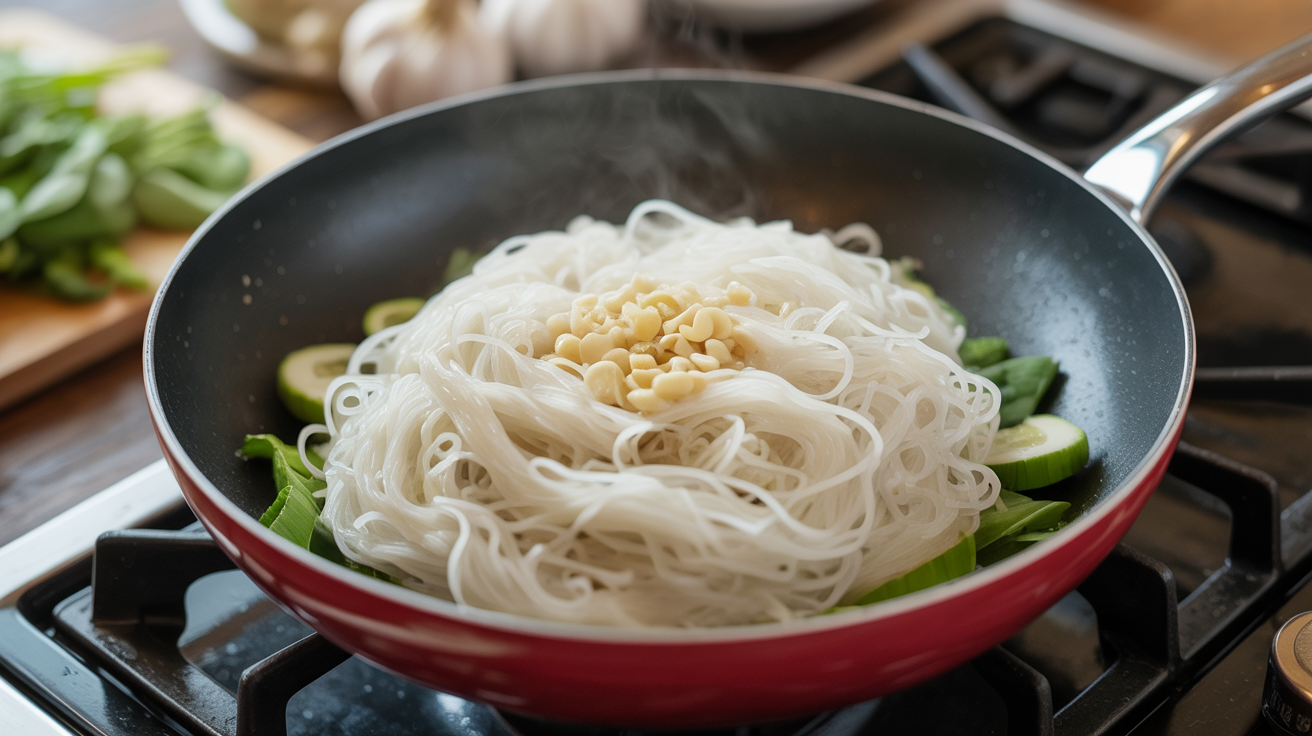
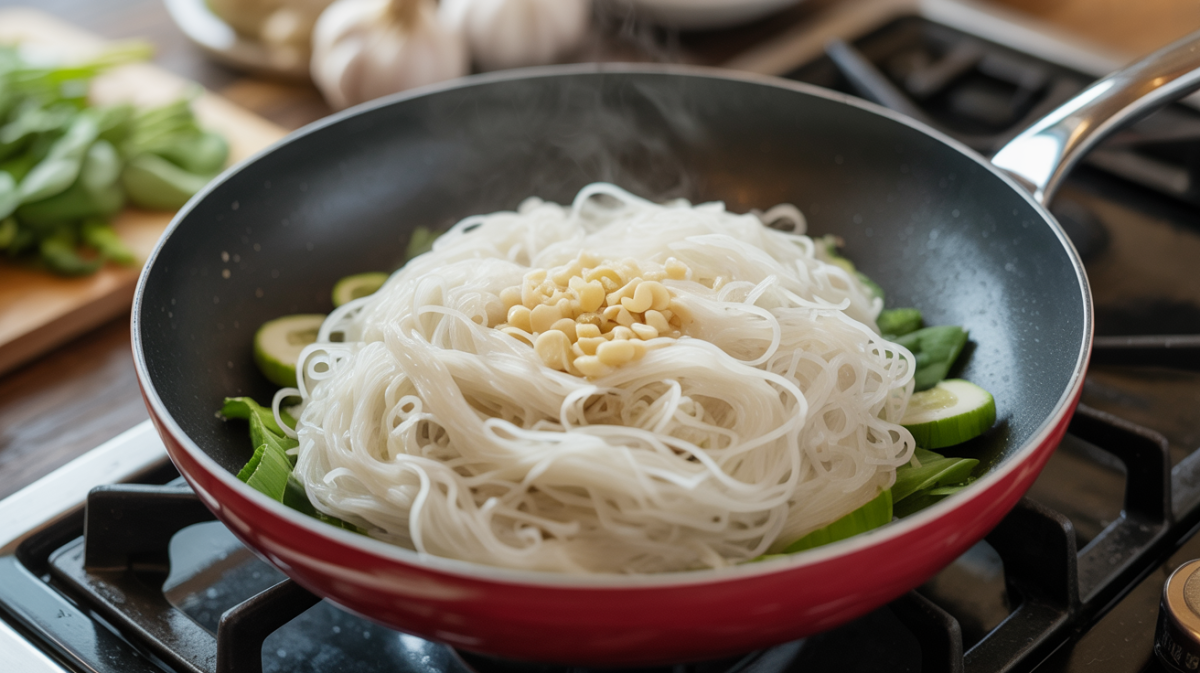
Step 3: Season and toss the noodles: Add the cooked rice noodles to the pan with the garlic. Pour in the soy sauce, oyster sauce, fish sauce, ginger, and sugar. Toss the noodles thoroughly with tongs or chopsticks so they are evenly coated with the sauces and seasoning.
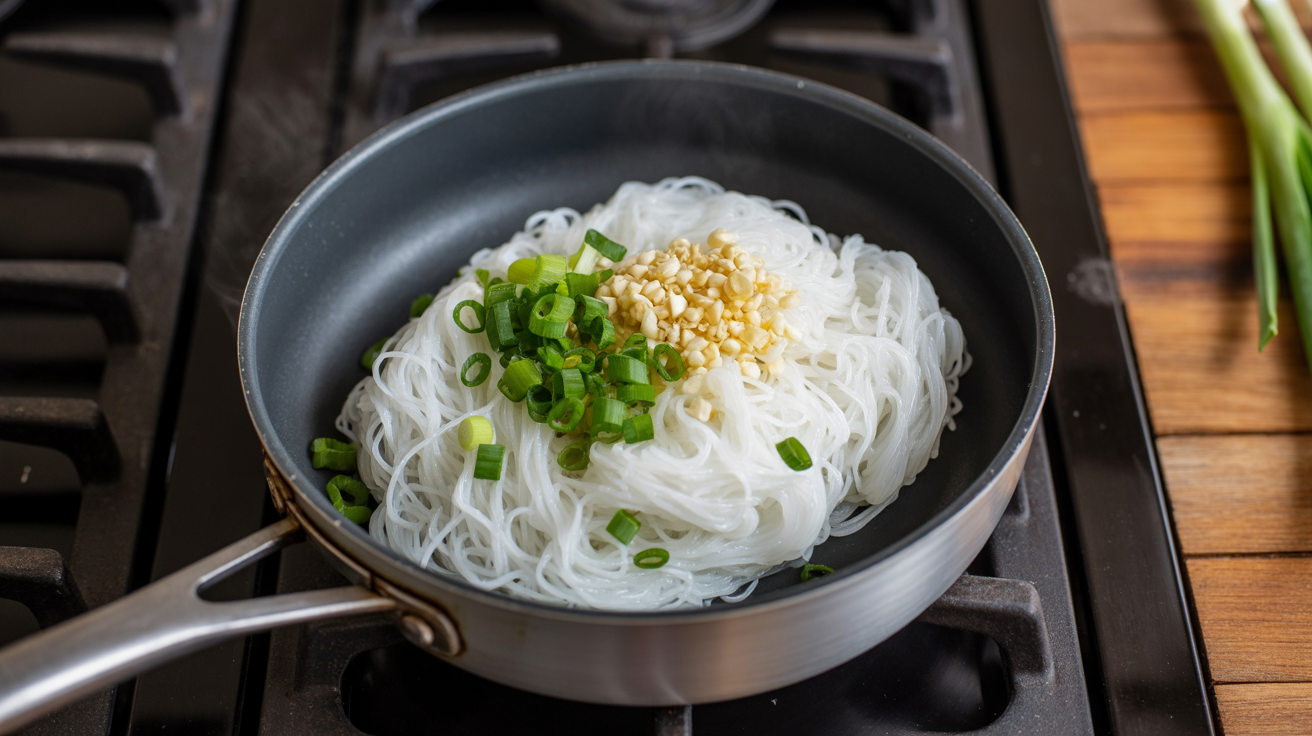
Step 4: Add the herbs: Stir in the sliced green onions and chopped cilantro. Cook for another 2 minutes, tossing occasionally, so the herbs soften slightly and the flavors blend into the noodles.
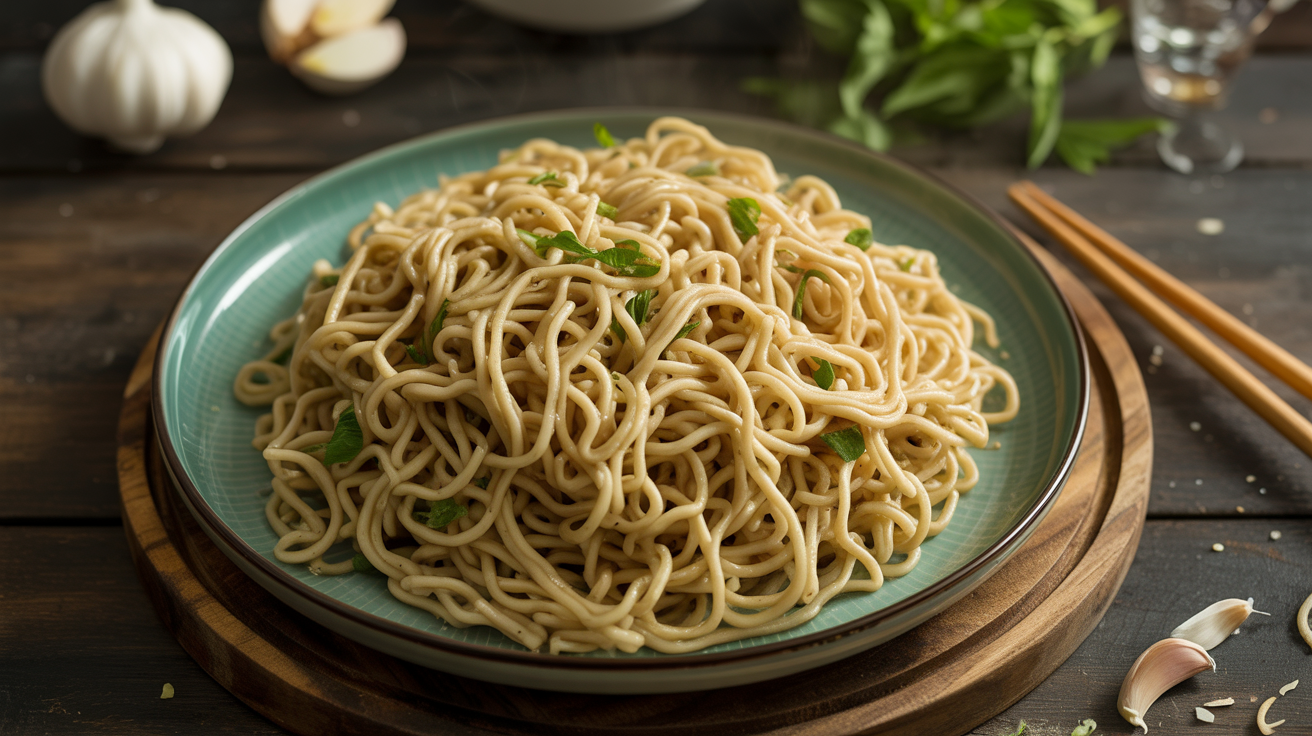
Serve 5: Transfer the noodles to serving plates. Top with crushed peanuts and serve with lime wedges on the side so each person can squeeze fresh lime juice over their portion to taste.
Preparing the Garlic Oil
I peel and slice 10-12 garlic cloves as evenly as I can. Uniform slices mean they’ll fry up evenly and not burn. No shortcuts here—fresh garlic makes the garlic noodles recipe shine.
I pour about half a cup of vegetable oil into a wok and set it over medium-low heat. Patience is key—high heat will ruin the garlic and turn it bitter. When the oil feels warm, I add the sliced garlic and stir gently.
The garlic slowly turns golden in 5-7 minutes. I keep a close eye because it goes from perfect to burnt fast. Once it hits a light gold, I take the pan off the heat and let the garlic finish crisping in the residual warmth.
I strain the garlic oil through a fine sieve, catching all those crispy bits. Both the oil and the fried garlic are essential for the final garlic noodles recipe. Set them aside—you’ll need both soon.
Cooking the Noodles Perfectly
I bring a big pot of water to a boil—no salt or oil needed. For a true Burmese garlic noodles recipe, I stick with fresh wonton or dried egg noodles. The texture is just unbeatable.
Cooking times for the garlic noodles recipe:
- Fresh wonton noodles: 2-3 minutes
- Dried egg noodles: 4-6 minutes
- Fresh wheat noodles: 3-4 minutes
I always test the noodles a minute before the package says. They should be tender but still have a little chew. I drain them fast and rinse with cold water to stop them from cooking further.
After draining, I toss the noodles with a tablespoon of garlic oil. This step keeps them from sticking and infuses them with flavor. It’s a small detail, but it makes the garlic noodles recipe even better.
Mixing and Combining Ingredients
I heat my wok over medium-high and add 2-3 tablespoons of that fragrant garlic oil. The oil should shimmer but not smoke—otherwise, you’ll lose the flavor.
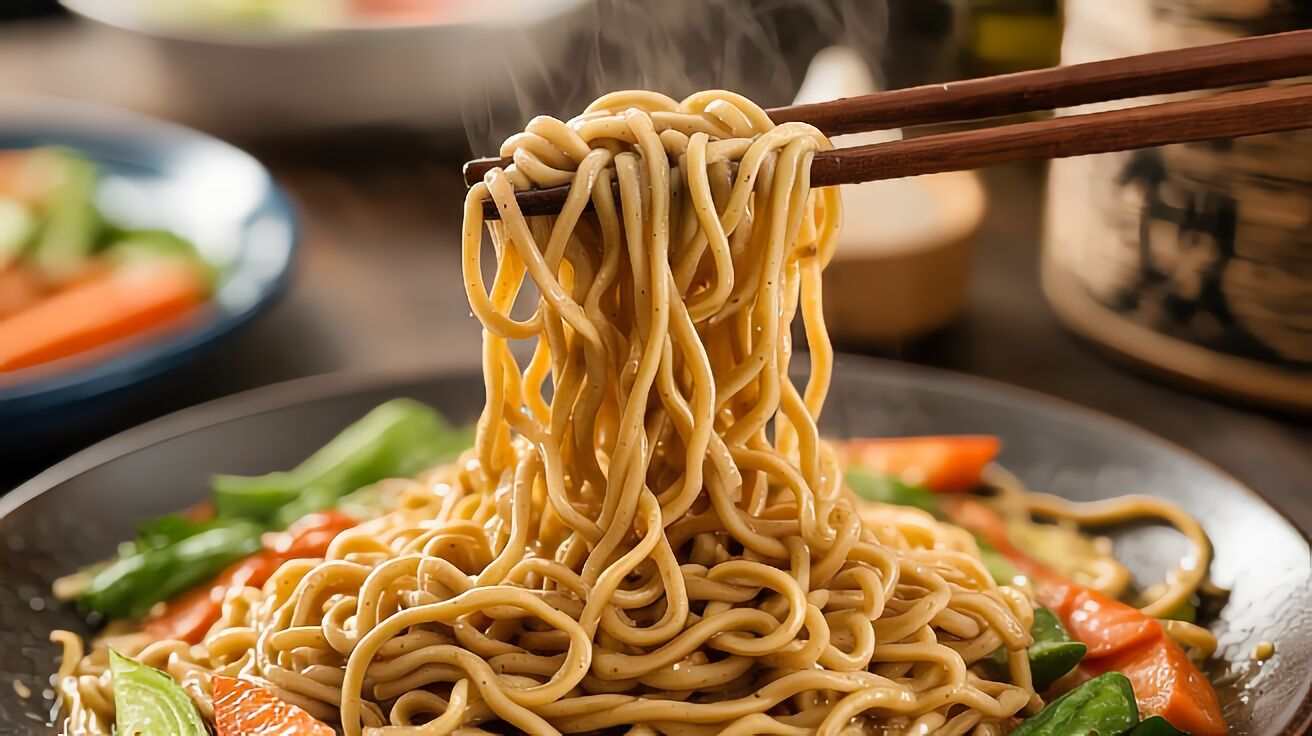
I toss in the cooked noodles and stir for about a minute. I drizzle in soy sauce and fish sauce, stirring constantly so the noodles get evenly coated. The garlic noodles recipe should look glossy and smell incredible.
If I’m adding protein or veggies, this is the time. Toss everything together for another minute, just until heated through. I plate the noodles, top with crispy garlic and sliced green onions, and let the aroma fill the kitchen—it’s the best part of the garlic noodles recipe.
Customizing Burmese Garlic Noodles
The garlic noodles recipe is flexible and adapts to whatever’s in your fridge. Add chicken, tofu, or shrimp, play with regional twists, or use up odds and ends. It’s hard to mess up a good garlic noodles recipe.
Protein Additions and Vegetarian Options
Sometimes I add protein to make the garlic noodles recipe a full meal. Grilled chicken, sliced thin, is a favorite—just cook it with a little fish sauce and garlic to match the flavors. Char siu brings a sweet-savory note and works great, too.
For a vegetarian garlic noodles recipe, I use firm tofu fried until crispy. The tofu soaks up the garlic oil and seasonings, making every bite satisfying. Press the tofu first to get the best texture, then cube and fry until golden.
Shrimp is a quick-cooking option if you want something different. I sauté it with more garlic before tossing it in. Ground pork browned with ginger and garlic is another tasty way to bulk up the garlic noodles recipe.
Popular Variations in Burmese Cuisine
Every region has its own take on the garlic noodles recipe. Some add a coconut curry base for extra richness. Others mix curry paste into the garlic oil for a spicier, more complex version.
The curry paste can include chili, lemongrass, and galangal for depth. If you love spice, this is a fun way to change up your garlic noodles recipe. I’ve even seen some Burmese garlic noodles served with a clear broth on the side.
This broth is usually chicken-based and light, letting you control the amount of liquid in your bowl. It’s a nice touch if you want a soupier garlic noodles recipe. Sometimes I’ll try it, but I usually come back to the classic dry style.
Alternative Ingredients and Substitutes
If I’m out of wonton noodles, I’ll use rice noodles or regular egg noodles for my garlic noodles recipe. Fresh noodles always win for texture, but dried can work in a pinch. The garlic oil soaks in better with fresh noodles, though.
No fish sauce? I mix soy sauce with a little anchovy paste for a similar savory kick. For a vegetarian garlic noodles recipe, I swap in soy sauce and sometimes add a pinch of seaweed for umami. It’s not exactly the same, but it works.
Peanut oil or canola oil can stand in for sesame oil if you’re out. The flavor changes a bit, but the garlic noodles recipe still delivers. If I’m desperate, I’ll use garlic powder—about 1/8 teaspoon per clove—but fresh is always better.
Sriracha can fill in for fresh chilies if you want heat. I start with a teaspoon and add more if I’m feeling bold. The garlic noodles recipe is forgiving, so experiment a bit.
Serving Suggestions and Complementary Dishes
A garlic noodles recipe works as a main or a side, and the right garnishes make it pop. Traditional toppings add crunch, while fresh sides balance out the rich garlic flavor. I always find myself reaching for seconds.
Traditional Sides and Garnishes
I love serving my garlic noodles recipe with crisp cucumber slices on the side. The cool crunch cuts through the garlicky richness and refreshes your palate. Slice them thin or into matchsticks—whatever you like.
Roasted peanuts are a must for any garlic noodles recipe. I crush them up and sprinkle them on just before serving. They add a nutty crunch that’s hard to beat.
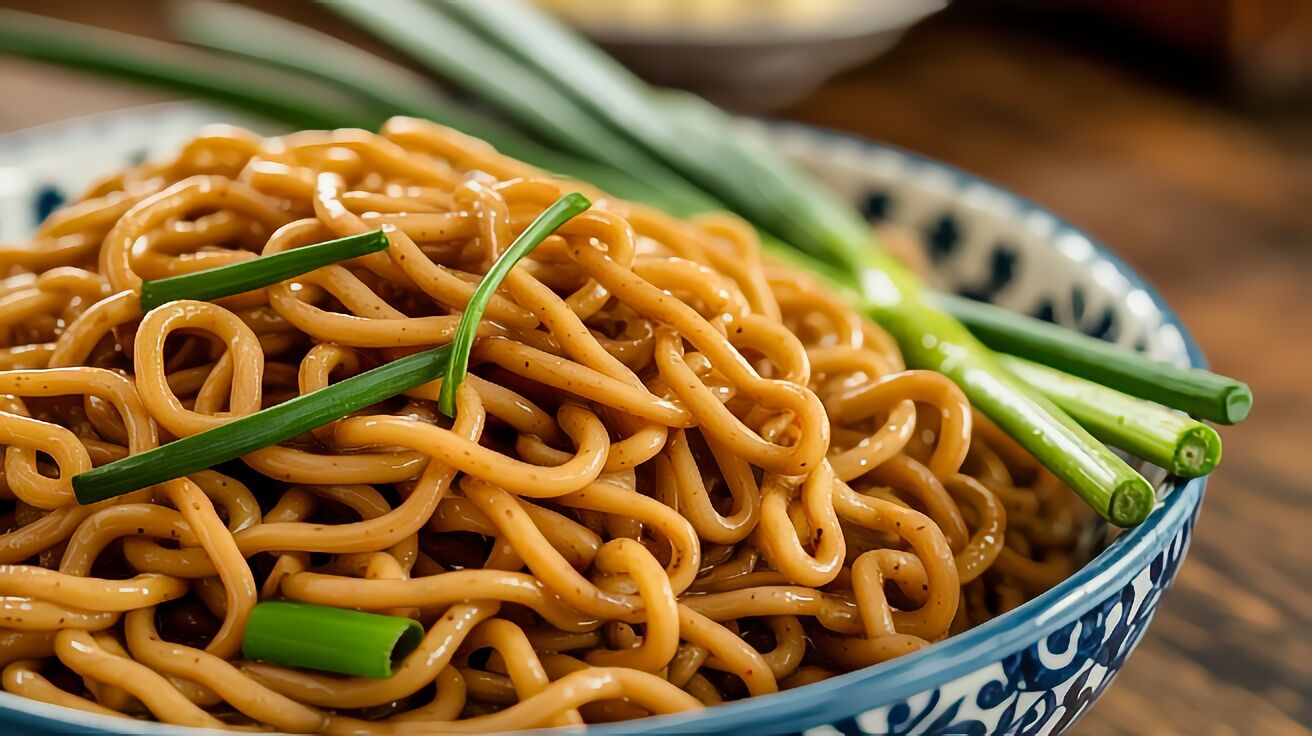
Scallions or spring onions bring color and a sharp bite. I slice them thin and toss some on top, green parts included. It’s a simple touch, but it makes the garlic noodles recipe look and taste fresher.
Fried garlic is the star topping, so I always make extra and keep it crunchy until serving. Some folks add coconut milk for a creamy garlic noodles recipe, but I usually stick to the basics. If you want a full meal, try pairing your garlic noodles recipe with stir-fried bok choy or broccoli—the veggies add balance and color.
Tips for Presentation and Storage
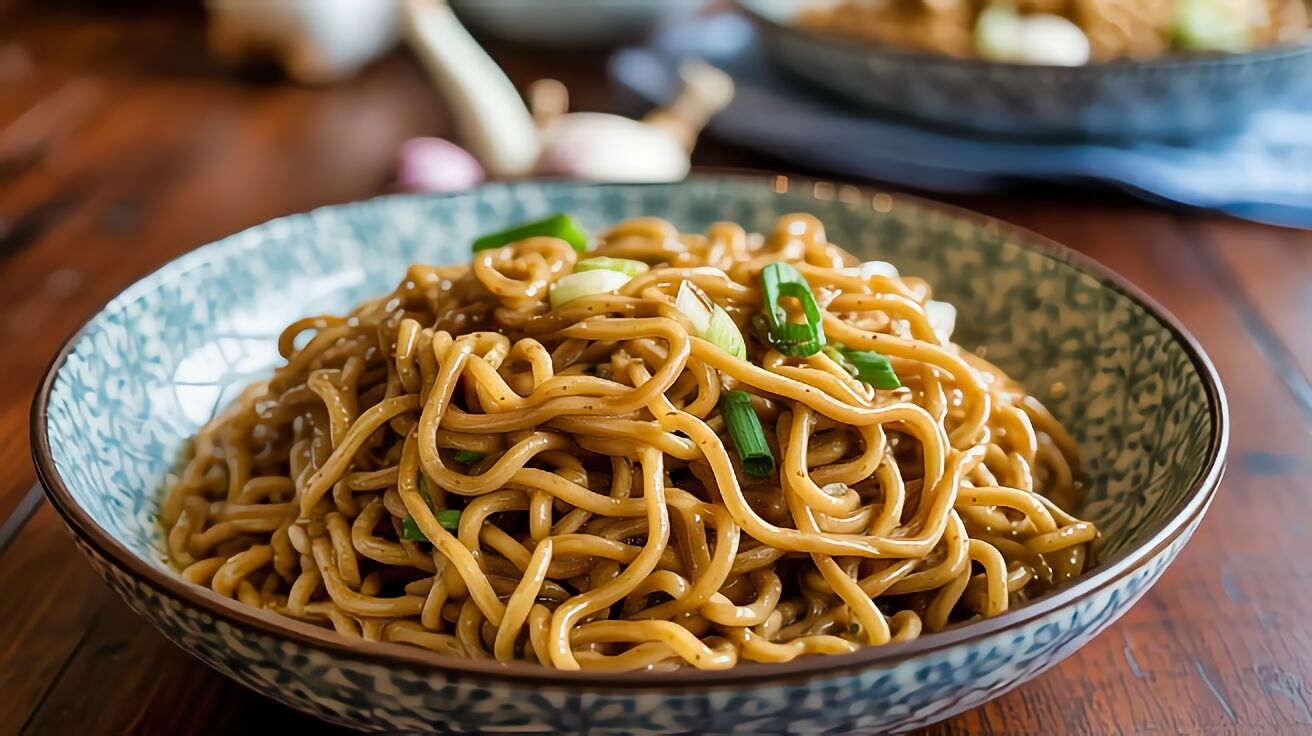
I like to serve this garlic noodles recipe in a big, shallow bowl—it really lets those garnishes shine. I’ll usually pile the cucumber and herbs off to one side so you can see everything that’s going on. Right before serving, I toss on the fried garlic and a handful of crushed peanuts to keep things crisp and fresh.
If I’m doing a family-style garlic noodles recipe, I put out little bowls of extra toppings. Then everyone can go wild with more scallions, peanuts, or even some fresh herbs if they want. It’s fun watching people build their own perfect bowl of garlic noodles recipe at the table.
When I have leftover garlic noodles recipe, I stash them in an airtight container for up to three days in the fridge. I always keep the garnishes separate from the garlic noodles recipe so they don’t get soggy and sad. To reheat, I just toss the garlic noodles recipe in a pan with a splash of water—works every time—then load on the fresh toppings for that just-made feel.
Garlic Noodles vs Lo Mein
Garlic noodles and lo mein are both popular noodle dishes, but they differ in complexity, ingredients, and overall flavor profile.
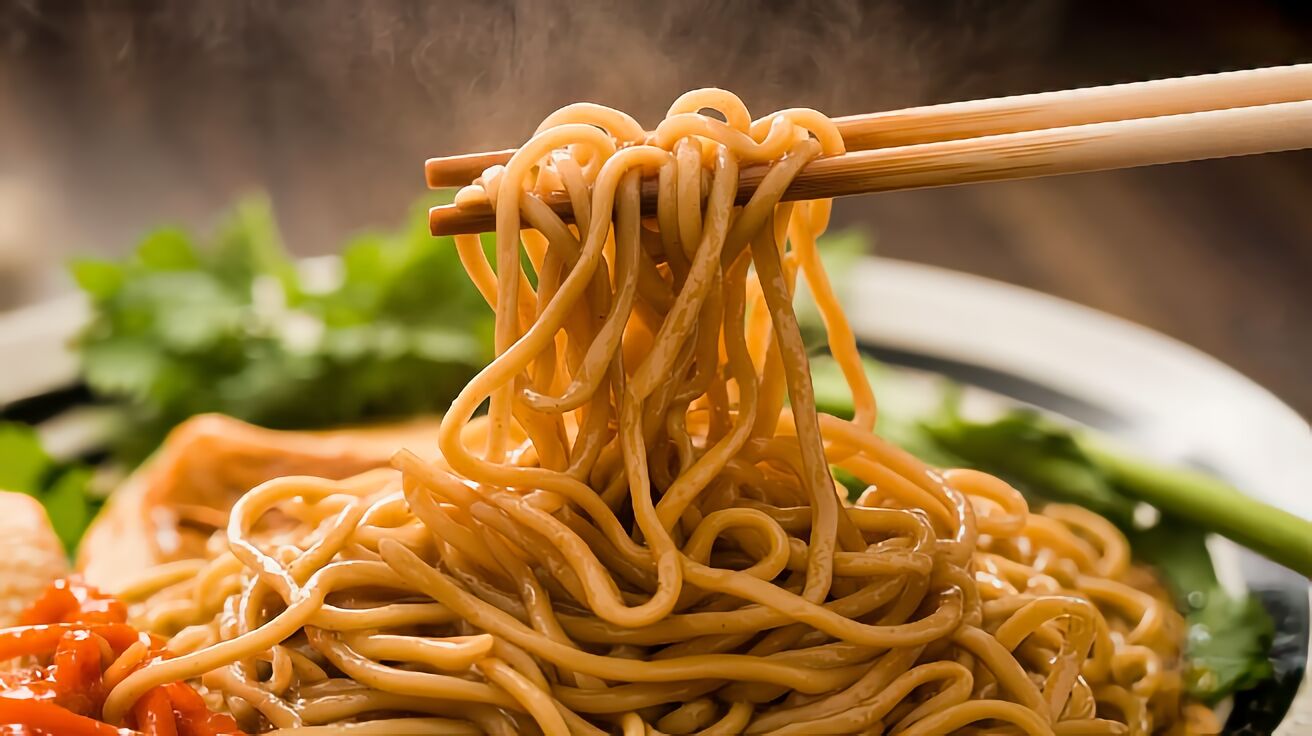
Garlic noodles, commonly found in Burmese and Southeast Asian-inspired cuisine, are known for their simplicity and bold flavor. They typically feature noodles tossed in a sauce made from garlic, oil or butter, and sometimes soy sauce or fish sauce. The focus is on strong garlic flavor and a rich, savory coating, with minimal additional ingredients.
Lo mein, a staple in Chinese cuisine, is more complex and balanced. It includes a variety of vegetables, proteins such as chicken, beef, or shrimp, and a savory sauce that blends soy sauce, sesame oil, and other seasonings. The dish is stir-fried, creating a combination of textures and flavors.
The main difference is simplicity versus variety: garlic noodles are focused and bold, while lo mein offers a more balanced and ingredient-rich experience.
Choose garlic noodles if you want a quick, flavor-packed dish centered on garlic. Opt for lo mein if you prefer a more complete meal with varied textures and ingredients.
Burmese Garlic Noodles Recipe FAQ
1. What gives garlic noodles their flavor?
Garlic, soy sauce, and oil create the base flavor.
2. What type of noodles are used?
Egg noodles or wheat noodles.
3. Are garlic noodles spicy?
They are usually mild but can include chili.
4. Can protein be added?
Yes, chicken, shrimp, or tofu.
5. Is this dish served as a main or side?
It can be both.
Burmese Garlic Noodles
Ingredients
- 12 ounces noodles fresh Chinese wheat or 8 oz dried rice noodles
- ¼ cup cooking oil sunflower, avocado or safflower
- 1/2 cup sriracha
- 1 tablespoon ginger minced
- 4 cloves garlic minced
- 2 tbsp soy sauce
- 1 tbsp oyster sauce
- 1 tbsp fish sauce
- 1 tsp sugar
- 1/4 cup green onions chopped
- 1/4 cup cilantro chopped
- 1/4 cup peanuts crushed
- 1 lime cut into wedges
Instructions
- Cook the rice noodles: Cook the rice noodles according to the package instructions until just tender. Drain them well in a colander and set aside so excess water can drip off. If they sit for a while, you can toss them gently to prevent clumping.
- Sauté the garlic: In a large pan or wok, heat vegetable oil over medium heat. Add the minced garlic and sauté, stirring continuously, until it becomes fragrant and just starts to turn lightly golden. Do not let it burn, as that will make the noodles taste bitter.
- Season and toss the noodles: Add the cooked rice noodles to the pan with the garlic. Pour in the soy sauce, oyster sauce, fish sauce, ginger, and sugar. Toss the noodles thoroughly with tongs or chopsticks so they are evenly coated with the sauces and seasoning.
- Add the herbs: Stir in the sliced green onions and chopped cilantro. Cook for another 2 minutes, tossing occasionally, so the herbs soften slightly and the flavors blend into the noodles.
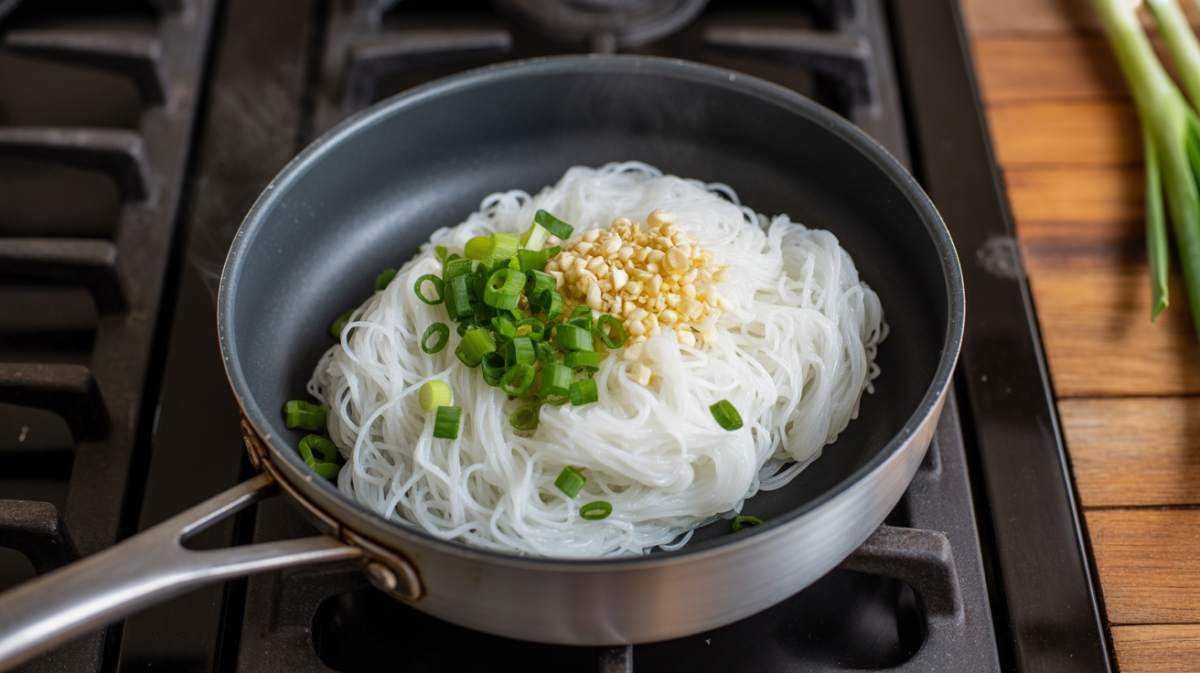
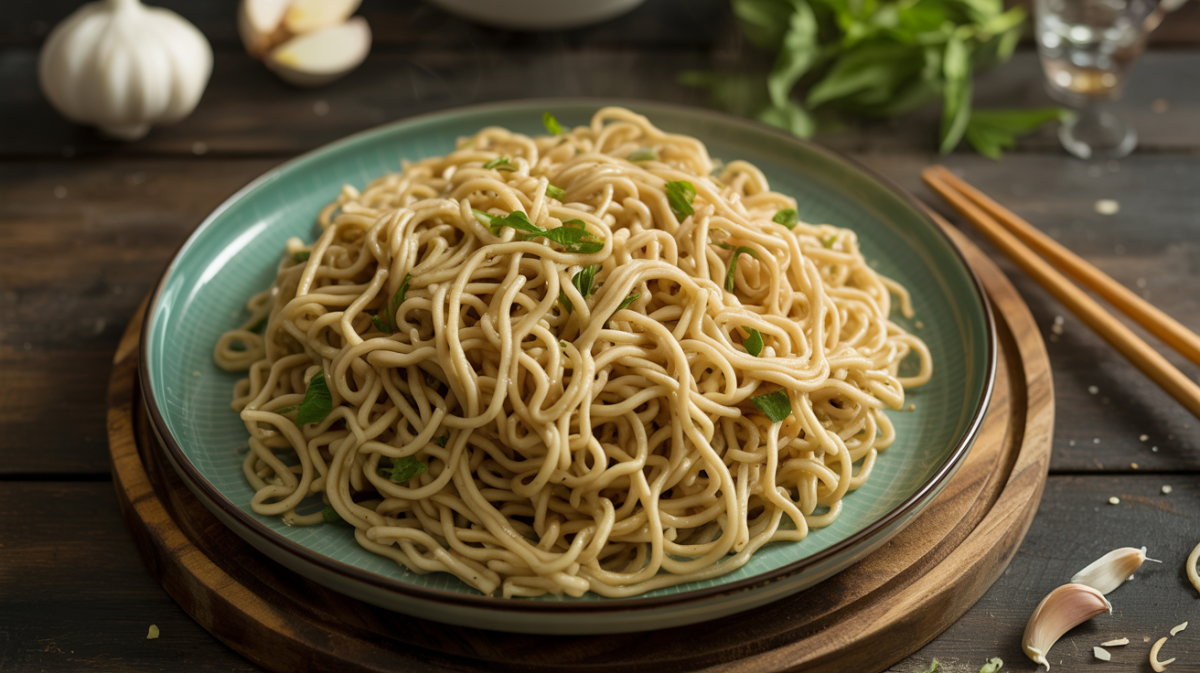
- Serve: Transfer the noodles to serving plates. Top with crushed peanuts and serve with lime wedges on the side so each person can squeeze fresh lime juice over their portion to taste.
Video

8 comments
Interesting read! But does the garlics intensity vary with the type used? Does it affect the overall flavor?
Why not experiment with different noodle types? Might highlight the garlic flavor in unique ways. Just a thought!
Experimenting is fine, but messing with noodle types could ruin the dishs authenticity. Keep it traditional!
Is it possible to substitute the essential noodles with gluten-free ones without losing the authentic texture? Just curious…
Absolutely! Use gluten-free noodles. Taste and texture may vary, but its all about personal preference.
Does the recipe really make a big difference if I use Italian garlic instead of Burmese? Cant imagine its that distinct.
Is anyone else wondering if the garlic flavor might overpower the sauce components? Just curious how it balances out.
Garlic overpowering the sauce? Clearly, you havent mastered the art of balance in cooking.
Comments are closed.