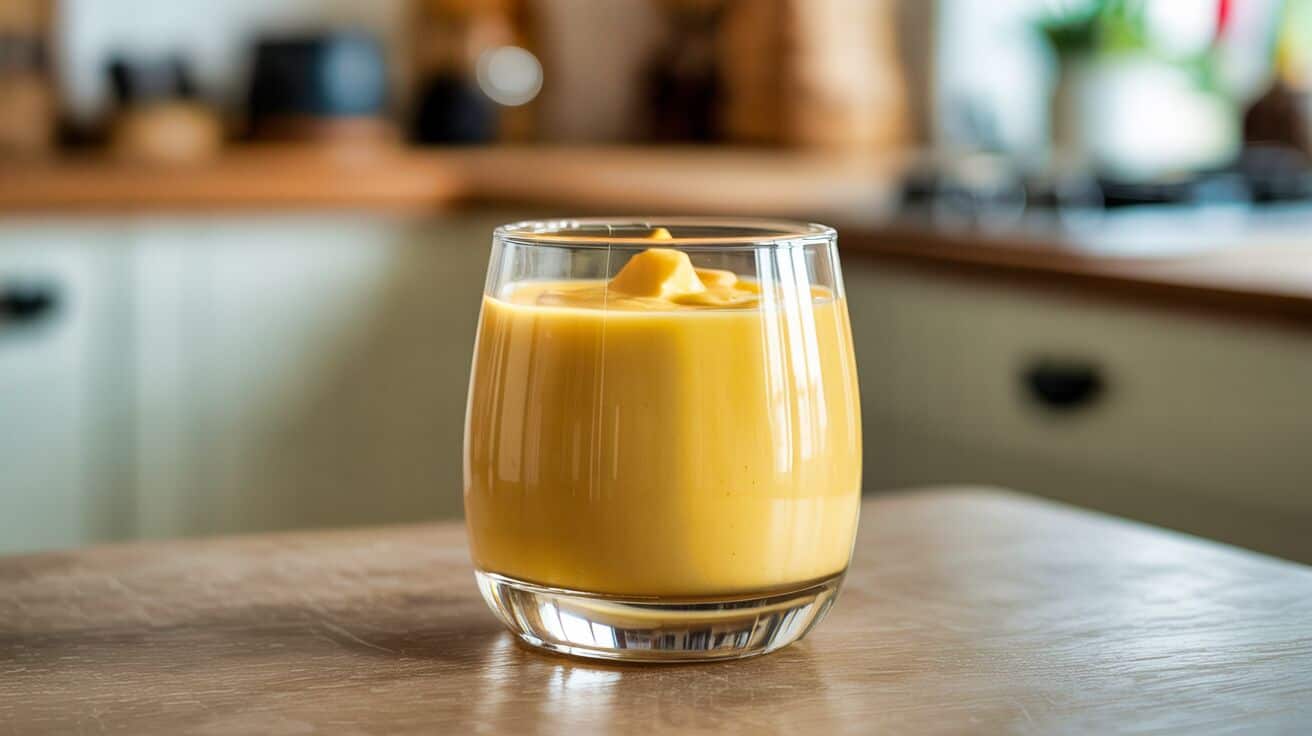

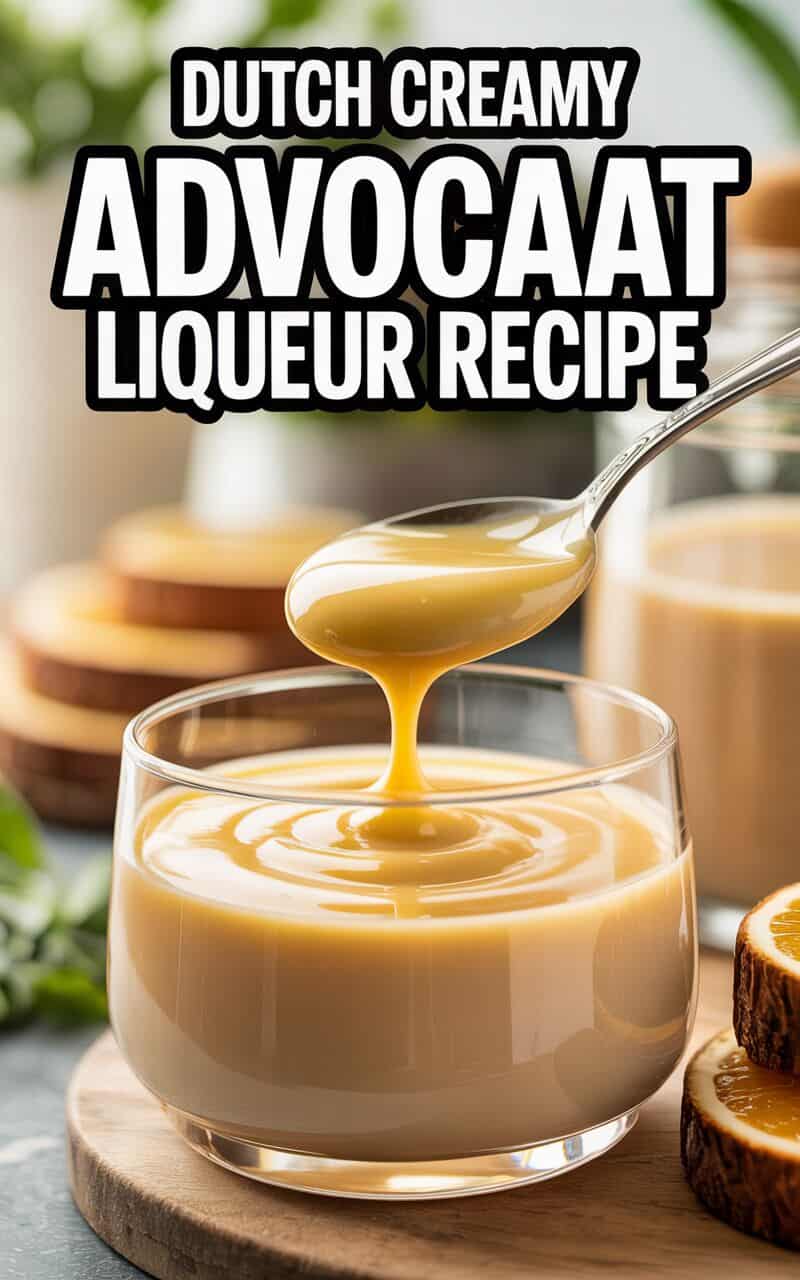
Dutch Creamy Advocaat Liqueur Recipe — Classic Homemade Egg Liqueur with Warm Spices
There’s something about a smooth, custard-like Dutch liqueur that feels both old-school and a little decadent. Honestly, the Dutch Creamy Advocaat Liqueur recipe is way easier than you’d think, and it’s a sure-fire way to impress friends at your next get-together. Here’s my favorite Dutch Creamy Advocaat Liqueur recipe, using egg yolks, sugar, and brandy to nail that thick, rich texture everyone talks about.
Let’s dig into the essentials: the ingredients, how to actually pull it off, and how to keep it safe and delicious. I’ll cover the classic Dutch Creamy Advocaat Liqueur recipe step by step, plus some tips for getting that signature thickness, and a few twists if you want to riff on the original. This isn’t just for sipping—think dessert topping or even cocktails. It’s surprisingly versatile.
Core Ingredients and Signature Texture
I like to keep it simple. The Dutch Creamy Advocaat Liqueur recipe really comes down to a handful of ingredients and a bit of technique. Nail the yolks, sugar, and spirit, and you’ll get that thick, spoonable liqueur you’re after. The trick? Watch the heat and don’t skimp on the brandy.
Key Ingredients for Authenticity
Egg yolks are the backbone here—grab 8 to 12 fresh yolks for a 500–700 ml batch. That’s what gives the Dutch Creamy Advocaat Liqueur recipe its color and richness. Sugar does more than just sweeten; it helps the whole thing set up and keeps it from spoiling too fast. I usually go with 150–220 g of granulated sugar, but you can tweak it. A pinch of salt (just a little, maybe 1/8 tsp) wakes up the flavors.
Vanilla is non-negotiable for me. Scraping a vanilla pod into the mix adds a floral note, and if I’m feeling extra, I’ll splash in a teaspoon of good vanilla extract at the end. Brandy or Dutch jenever brings warmth—see what you have on hand, but don’t skip it. These are the building blocks of a proper Dutch Creamy Advocaat Liqueur recipe, not just some eggy drink.
The Role of Egg Yolks and Sugar
Egg yolks do the heavy lifting, giving you that creamy, custardy body. I whisk them until they’re just a bit thick, then gently heat them—don’t rush, or you’ll end up with scrambled eggs. A double boiler is your friend here. I keep the temp around 70–75°C (158–167°F), which thickens things up without curdling.
Sugar melts right in and smooths out the texture. I usually dissolve it in a bit of warmed milk or evaporated milk before mixing it with the yolks—no one wants gritty liqueur. Stir slowly, cool it fast once it’s thick, and you’ll have a creamy Dutch Creamy Advocaat Liqueur recipe every time.
Creaminess and Velvety Texture Explained
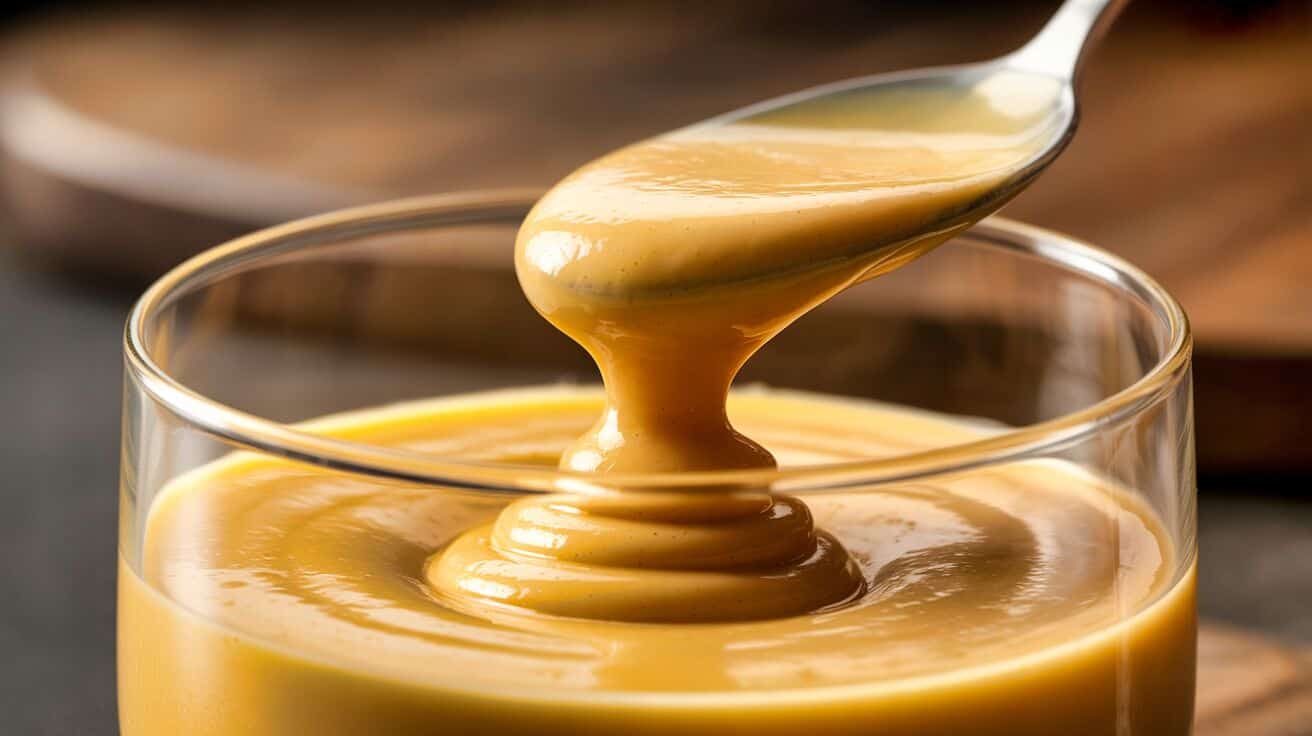
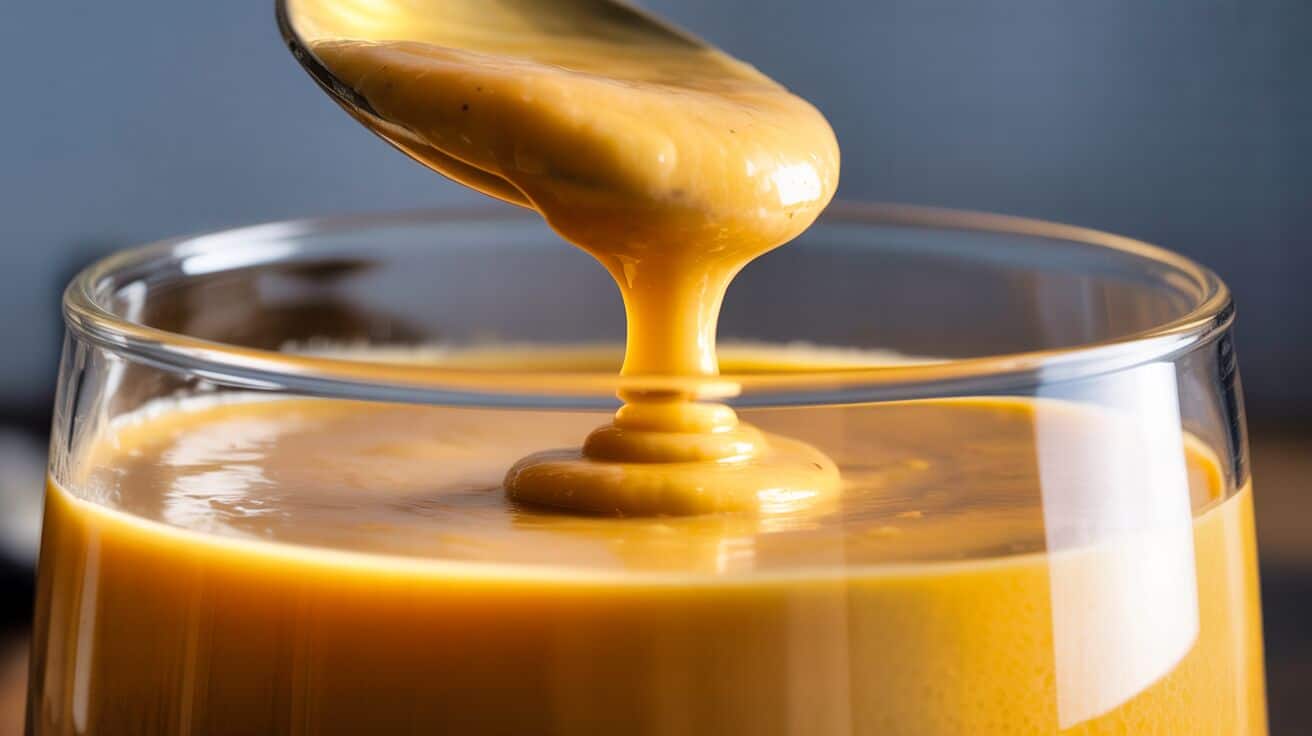
The creaminess is all about fat and proteins coming together just right. I check texture by running a spoon through the mixture—if it leaves a nice coating, you’re set. Go too hot and it’ll get grainy, too cool and it stays thin.
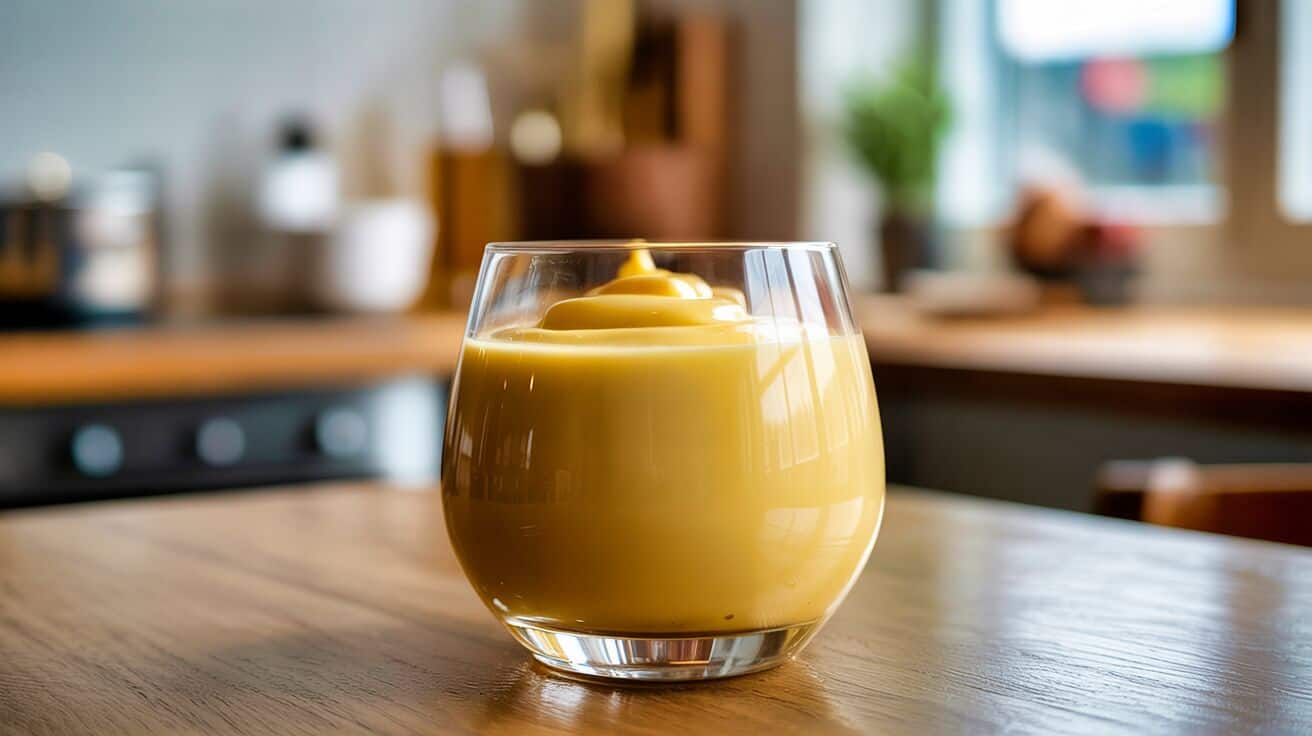
I always strain the mixture through a fine sieve at the end. This catches any bits that got too hot. Once it’s cooled, I whisk in the spirit so the fat and alcohol blend smoothly. What you want is a thick, velvety Dutch Creamy Advocaat Liqueur recipe that clings to your spoon and tastes like dessert in a glass.
Choosing Spirits and Flavor Enhancers
The spirit you choose makes a difference. I lean toward 150–250 ml of brandy for depth, or jenever if I’m going super traditional. You want your Dutch Creamy Advocaat Liqueur recipe to hit about 20–25% ABV in the end—not too boozy, not too thin.
I go easy on extra flavors. A vanilla pod is plenty, but if I want more punch, I’ll add a teaspoon of extract at the end. Sometimes a pinch of nutmeg or a splash of orange liqueur is fun, but don’t drown out the main flavors. I always give it a final strain before bottling to keep it silky.
Step-by-Step Advocaat Recipe
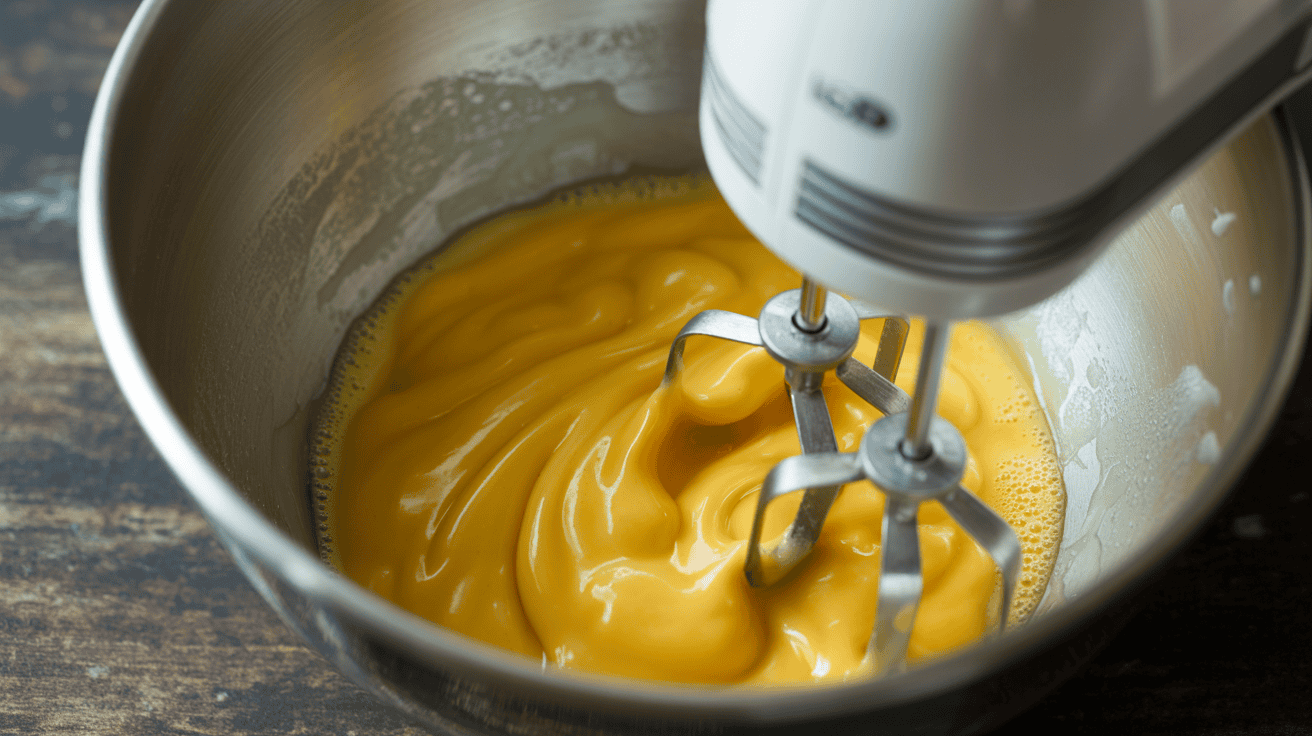
Step 1: In a mixing bowl, beat the egg yolks until they are light and fluffy.
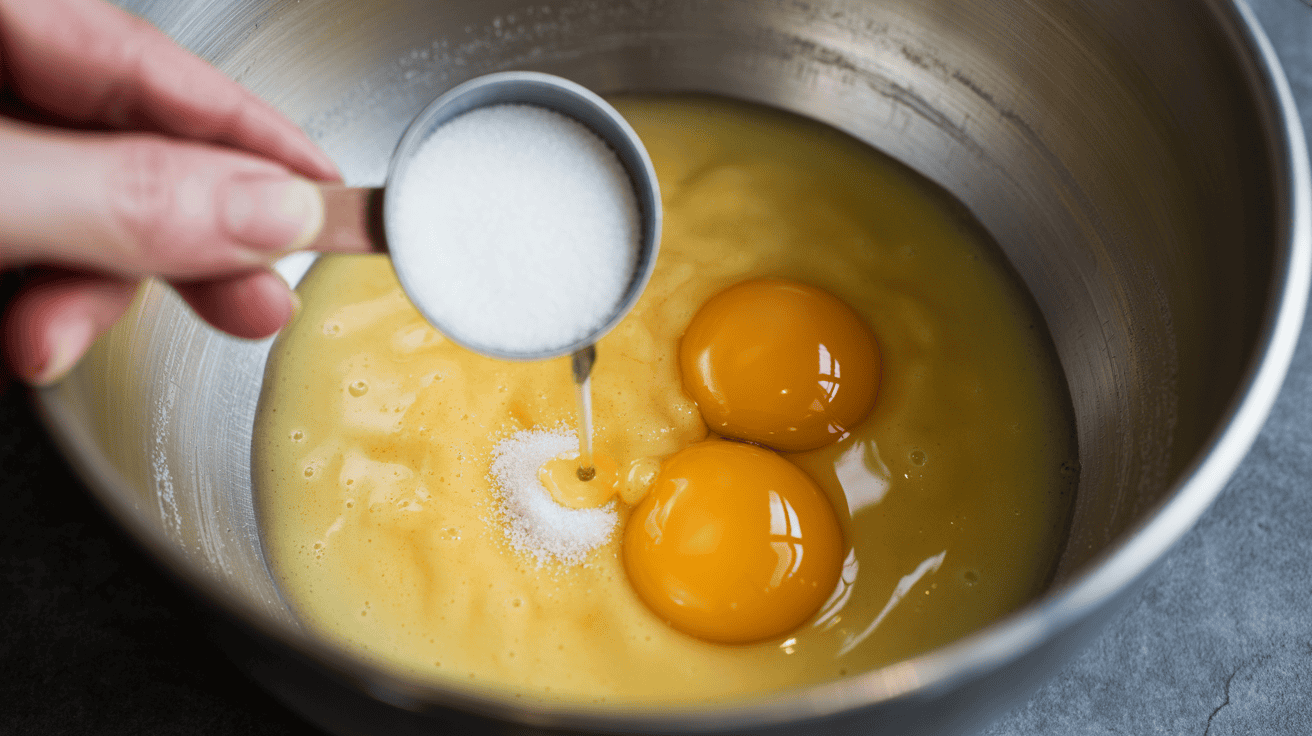
Step 2: Add sugar to the egg yolks and continue to beat until the mixture becomes thick and creamy.
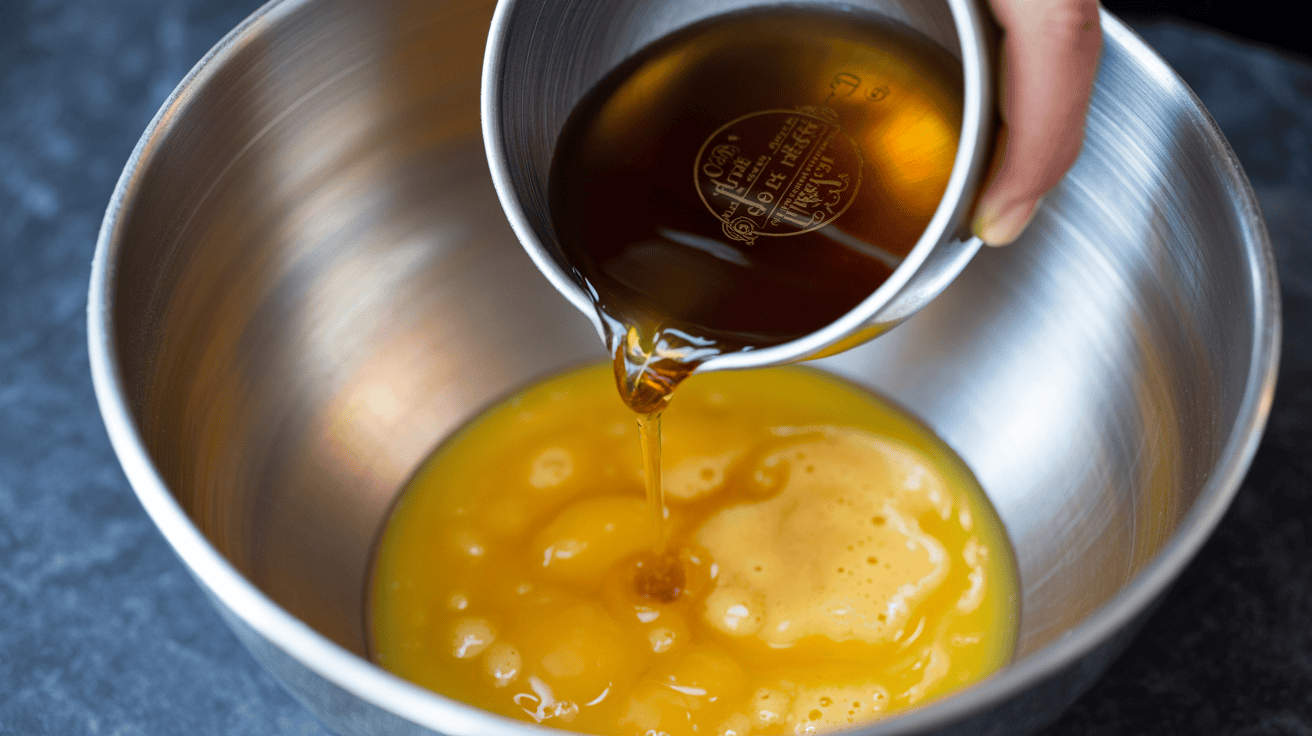
Step 3: Slowly pour in the rum and brandy while stirring the mixture.

Step 4: Heat the mixture in a saucepan over low heat, stirring constantly to avoid curdling.

Step 5: Keep stirring until the mixture thickens and coats the back of a spoon.
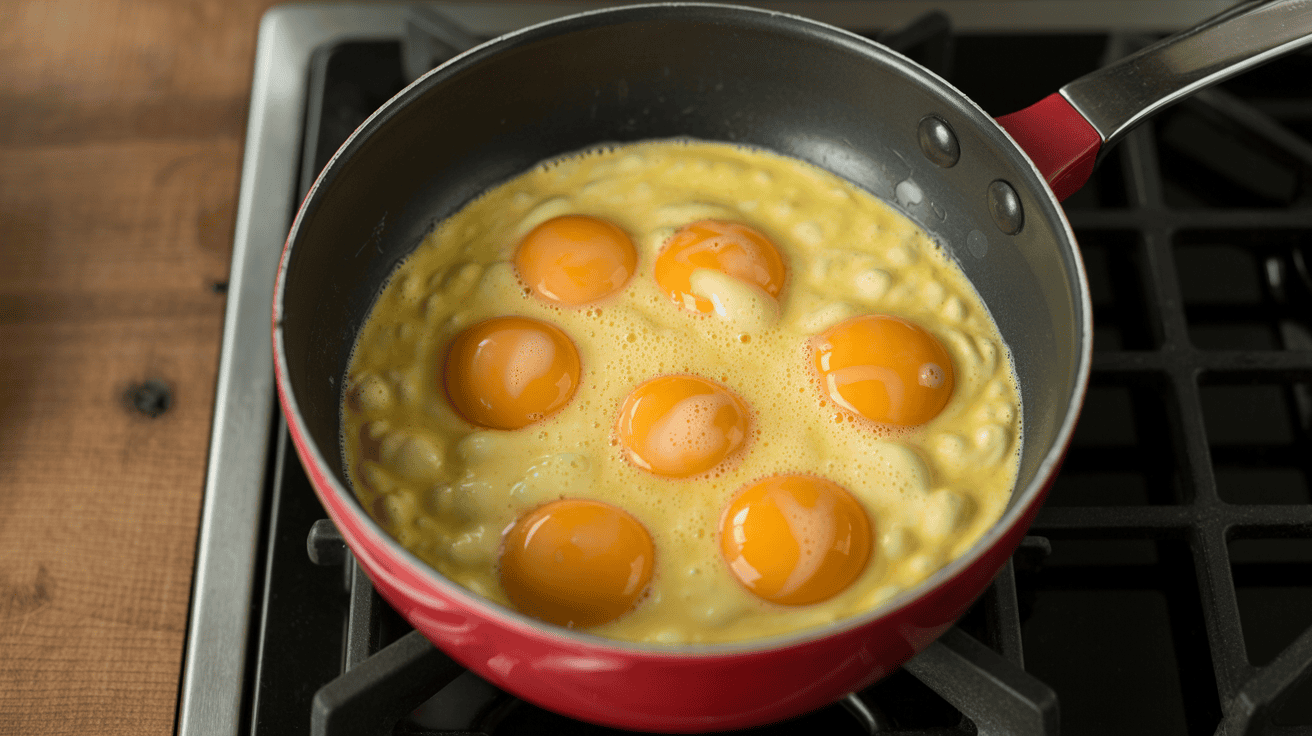
Step 6: Remove the mixture from heat and let it cool to room temperature.
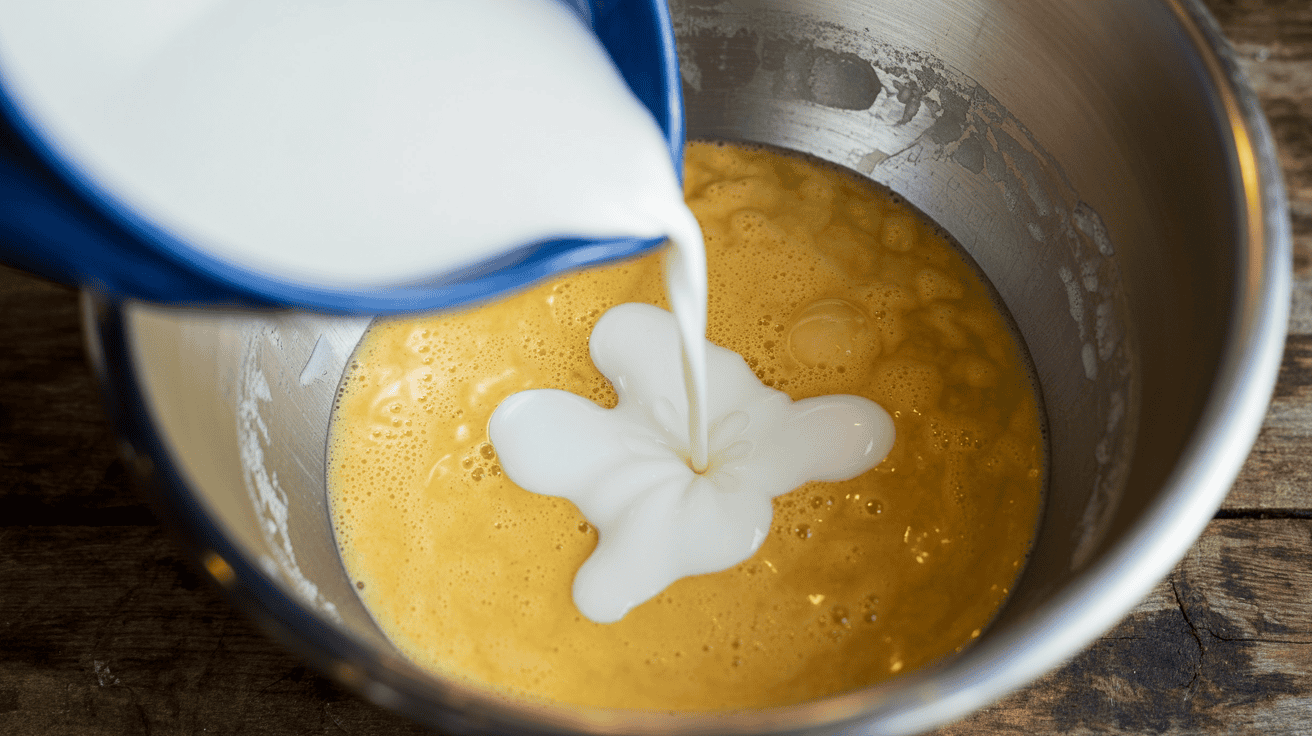
Step 7: Once cooled, add whole milk or heavy cream and vanilla extract to the mixture.
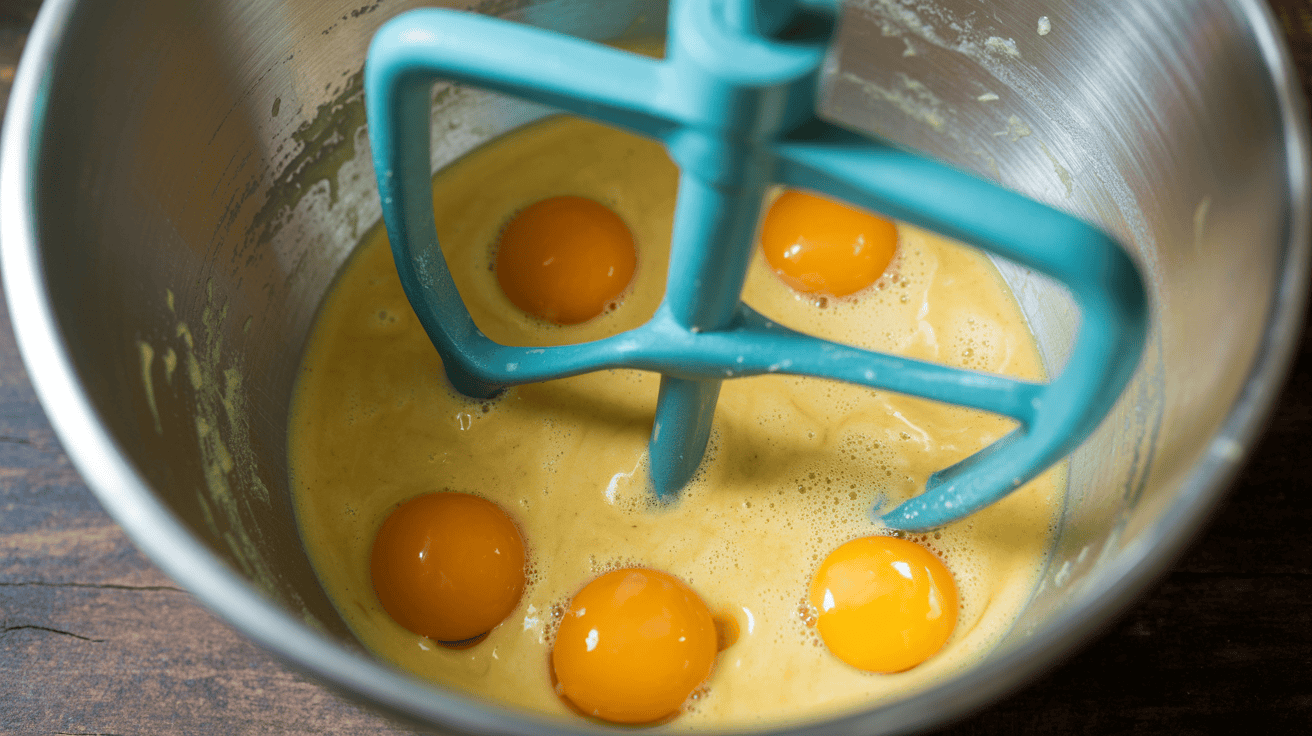
Step 8: Stir until the ingredients are well combined.
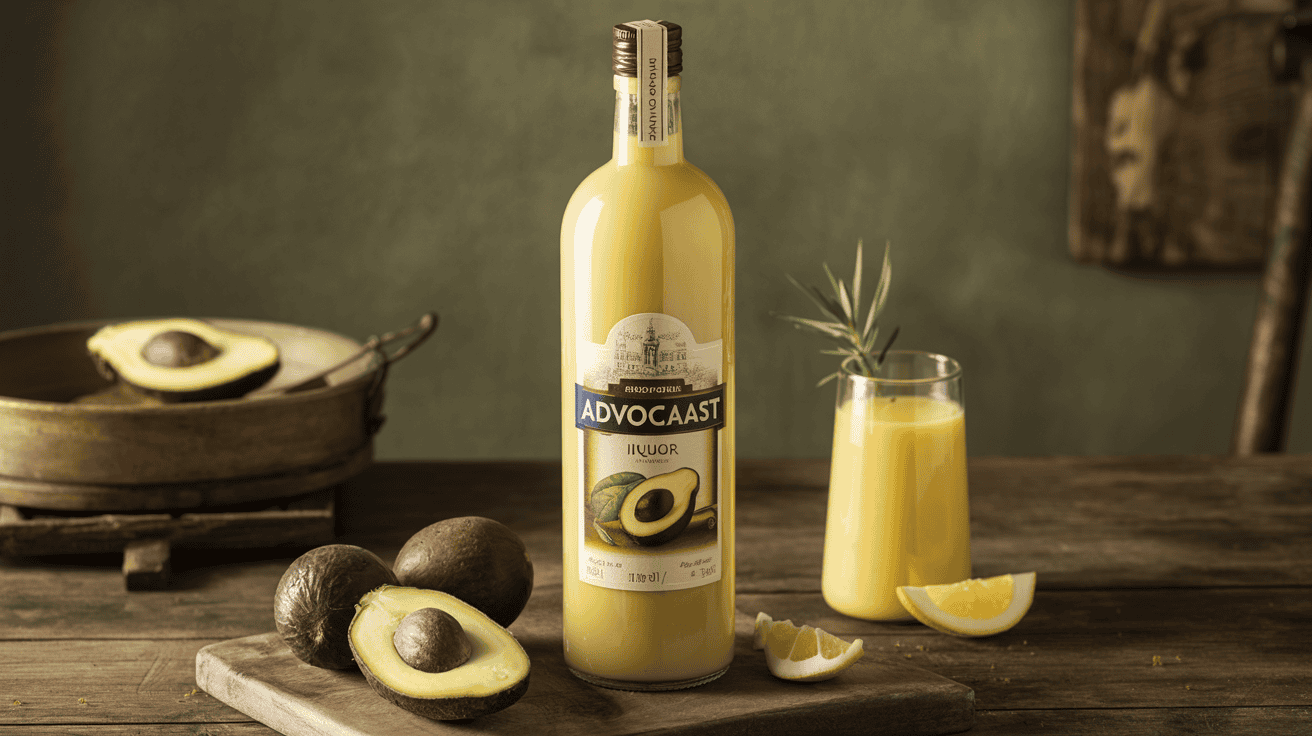
Step 9: Pour the mixture into a sterilized bottle and chill in the refrigerator before serving.
Working with a Double Boiler
I always use a double boiler so I don’t scorch the yolks. The water should simmer, not boil, and the top bowl shouldn’t touch the water. If you’re not paying attention, you’ll overheat it and ruin the batch.
I stir non-stop with a spatula or whisk and check the temp with a thermometer. Once it’s thick, I cool it a bit before adding the booze—otherwise, the alcohol will evaporate or, worse, curdle the eggs.
Preventing Curdling for Smoothness
To avoid curdling, I watch the temp—never over 75°C. Stirring constantly helps, and I add the alcohol in a thin stream while whisking. If it does get lumpy, I strain it and re-whisk gently. Sometimes a splash of evaporated milk or a bit of glycerin smooths it out if it needs help.
Serving, Variations, and Cocktail Inspiration
There are plenty of ways to enjoy the Dutch Creamy Advocaat Liqueur recipe. Sometimes I just pour it in a small glass and call it a day, but it’s great over desserts or in cocktails too. You can tweak the recipe for different flavors or textures if you’re feeling creative.
Ways to Serve Dutch Egg Liqueur
I like it chilled in little cordial glasses (60–90 ml). Or, if I’m feeling cozy, I’ll spoon some over hot chocolate or add a shot to coffee. For dessert, drizzle it over vanilla ice cream or fold it into whipped cream for a trifle. It’s also great layered in cake with fruit.
Garnish with whipped cream and a sprinkle of cocoa or nutmeg if you want to get fancy. Store your Dutch Creamy Advocaat Liqueur recipe in the fridge and use it up within a couple days for best flavor and texture.
Popular Variations and Spiced Options
You can play with sweetness and alcohol. For something lighter, thin the Dutch Creamy Advocaat Liqueur recipe with a splash of milk and cut back the sugar. If you want more kick, swap some brandy for dark rum or whiskey. That changes the aroma but keeps the texture nice.
For a spiced Dutch Creamy Advocaat Liqueur recipe, infuse your spirit with vanilla, cinnamon, or star anise before mixing. Add a little citrus zest for brightness. Chocolate or caramel? Fold in melted chocolate or caramel syrup after it cools. I like to label jars with the date and what’s inside—makes it easier to keep track.
Classic Snowball and Cocktail Recipes
Here’s a quick Snowball: 50 ml advocaat, 25 ml lemon juice, 15 ml simple syrup, topped with soda. Shake the first three with ice, strain into a glass, add soda, and garnish with lemon. It’s rich, tangy, and fizzy all at once.
Want something stronger? Mix 45 ml Dutch Creamy Advocaat Liqueur recipe with 15 ml cognac and a dash of orange bitters in a chilled coupe. Or, stir a spoonful into a chocolate martini for extra depth. If you’re feeling adventurous, try a little advocaat next to salty Dutch herring—sounds weird, but the combo is a classic for a reason.
Storage, Shelf Life, and Safety
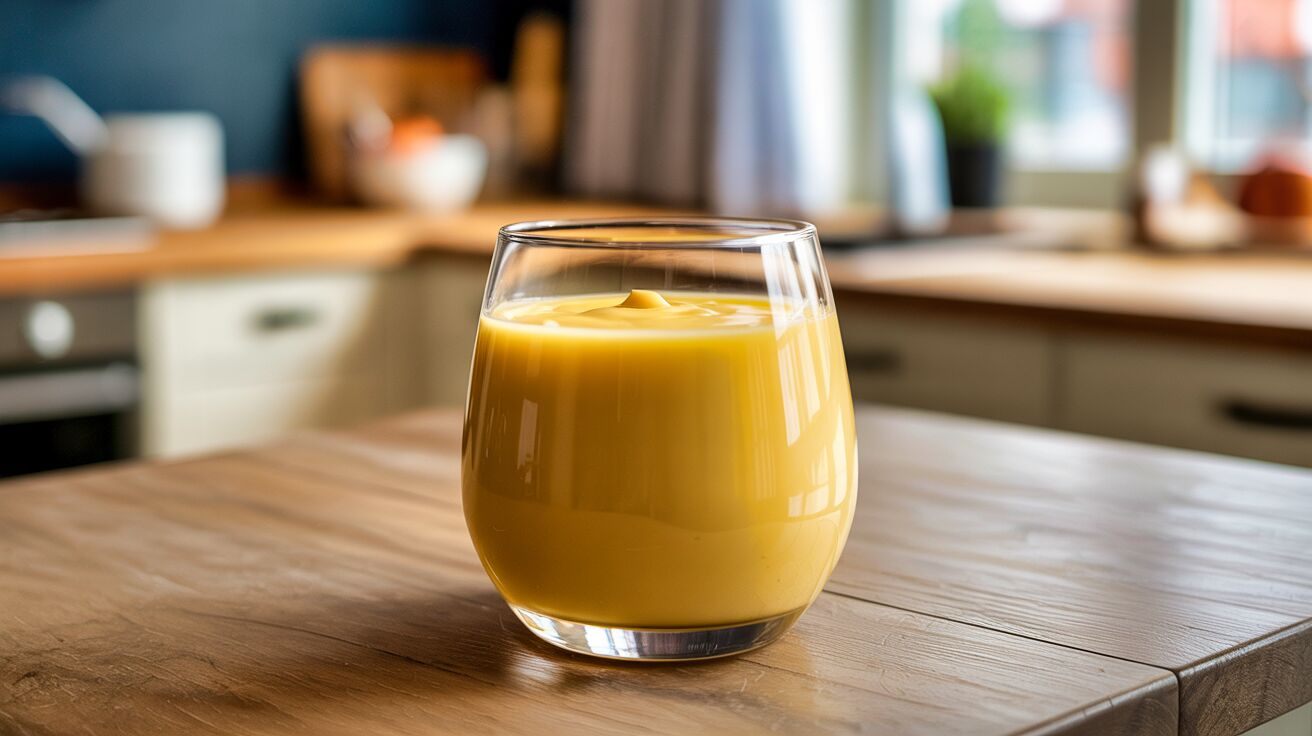
Let’s talk storage. I keep my Dutch Creamy Advocaat Liqueur recipe in a clean glass bottle or jar, tightly sealed, in the fridge at 2–4°C (36–39°F). I always date it. Commercial stuff lasts months unopened, but homemade Dutch Creamy Advocaat Liqueur recipe is best within a week or two, depending on how strong and sweet it is.
Storing Advocaat for Freshness
I avoid metal lids—they can rust and mess with the flavor. Glass or plastic-lined lids are better. Keep it away from strong-smelling foods since the Dutch Creamy Advocaat Liqueur recipe absorbs odors fast. If it gets grainy, dark, or smells weird, just toss it. Better safe than sorry.
Best Practices for Homemade Versions
If you’re making your own Dutch Creamy Advocaat Liqueur recipe, you’ve got to be extra careful. Since homemade advocaat uses fresh egg yolks and usually less booze, it’s a bit riskier. I always stash my Dutch Creamy Advocaat Liqueur recipe in the fridge right away and pour it into bottles I’ve sterilized—just to keep the weird stuff out. For those thick, eggy recipes with not much alcohol, I don’t keep them longer than 48 to 72 hours. If I’ve gone heavy on the brandy or vodka in my Dutch Creamy Advocaat Liqueur recipe, I might stretch it to a week or two, but that’s pushing it.
Here’s what I actually do: I chill the ingredients before bottling my Dutch Creamy Advocaat Liqueur recipe, and I gently heat the mixture to about 70–75°C (158–167°F) to kill off bacteria without turning it into scrambled eggs. Once that’s done, I cool it down fast—usually in an ice bath—then seal it up. Before I serve any Dutch Creamy Advocaat Liqueur recipe, I give it a sniff and a tiny taste.
If there’s any sourness, weird sulfur notes, or it’s separated and won’t come back together with a shake, or—worst case—there’s mold? I just toss it. Sometimes I freeze small batches of my Dutch Creamy Advocaat Liqueur recipe in airtight containers, leaving a bit of space at the top for when it expands. Later, I thaw those in the fridge. Honestly, it’s worth the effort if you love a good Dutch Creamy Advocaat Liqueur recipe.
Dutch Creamy Advocaat Liqueur vs Eggnog
Advocaat and eggnog are both rich, egg-based treats often associated with festive occasions, but they differ in texture, preparation, and how they are typically enjoyed.
Advocaat is a traditional Dutch liqueur made from eggs, sugar, and brandy, resulting in a thick, custard-like consistency. It is much denser than most beverages—so much so that it is often eaten with a spoon rather than drunk. Its flavor is rich, sweet, and slightly boozy, making it feel closer to a dessert than a drink. Advocaat is commonly served chilled in small portions or used as a topping for desserts and pastries.
Eggnog, popular in North America, is a thinner, drinkable mixture made with milk, cream, eggs, sugar, and warm spices like nutmeg. While it can also include alcohol such as rum or bourbon, its texture remains smooth and pourable. Eggnog is typically served in larger quantities as a holiday beverage, either chilled or warmed.
The key difference is texture and serving style: advocaat is thick, spoonable, and dessert-like, while eggnog is lighter and meant to be sipped.
Choose advocaat if you want a rich, indulgent treat with a custard-like texture. Opt for eggnog if you prefer a festive, creamy drink that’s easier to enjoy by the glass.
Dutch Creamy Advocaat Liqueur Recipe FAQ
1. What is advocaat and how is it traditionally enjoyed?
Advocaat is a rich Dutch liqueur made from eggs, sugar, and brandy. It has a thick, custard-like texture and is often served in small glasses, sometimes topped with whipped cream and eaten with a spoon.
2. Why is advocaat so thick compared to other liqueurs?
The thickness comes from egg yolks, which are gently heated with sugar to create a smooth, creamy consistency before alcohol is added.
3. Do you need to cook the eggs when making advocaat?
Yes, the mixture is usually heated carefully to both thicken it and ensure the eggs are safe to consume, without scrambling them.
4. Can advocaat be used in desserts?
Absolutely—it’s often used as a topping for ice cream, in cakes, or layered into desserts for added richness.
5. How long does homemade advocaat last?
When stored in the refrigerator in a sealed container, it can last for several weeks due to the sugar and alcohol content.
Dutch Creamy Advocaat Liqueur
Ingredients
- 8 egg yolks
- 1 cup sugar
- 1 cup rum
- 1 cup brandy
- 1 cup whole milk or heavy cream
- 1 tsp vanilla extract
Instructions
- In a mixing bowl, beat the egg yolks until they are light and fluffy.
- Add sugar to the egg yolks and continue to beat until the mixture becomes thick and creamy.
- Slowly pour in the rum and brandy while stirring the mixture.
- Heat the mixture in a saucepan over low heat, stirring constantly to avoid curdling.
- Keep stirring until the mixture thickens and coats the back of a spoon.
- Remove the mixture from heat and let it cool to room temperature.
- Once cooled, add whole milk or heavy cream and vanilla extract to the mixture.
- Stir until the ingredients are well combined.
- Pour the mixture into a sterilized bottle and chill in the refrigerator before serving.
Video