

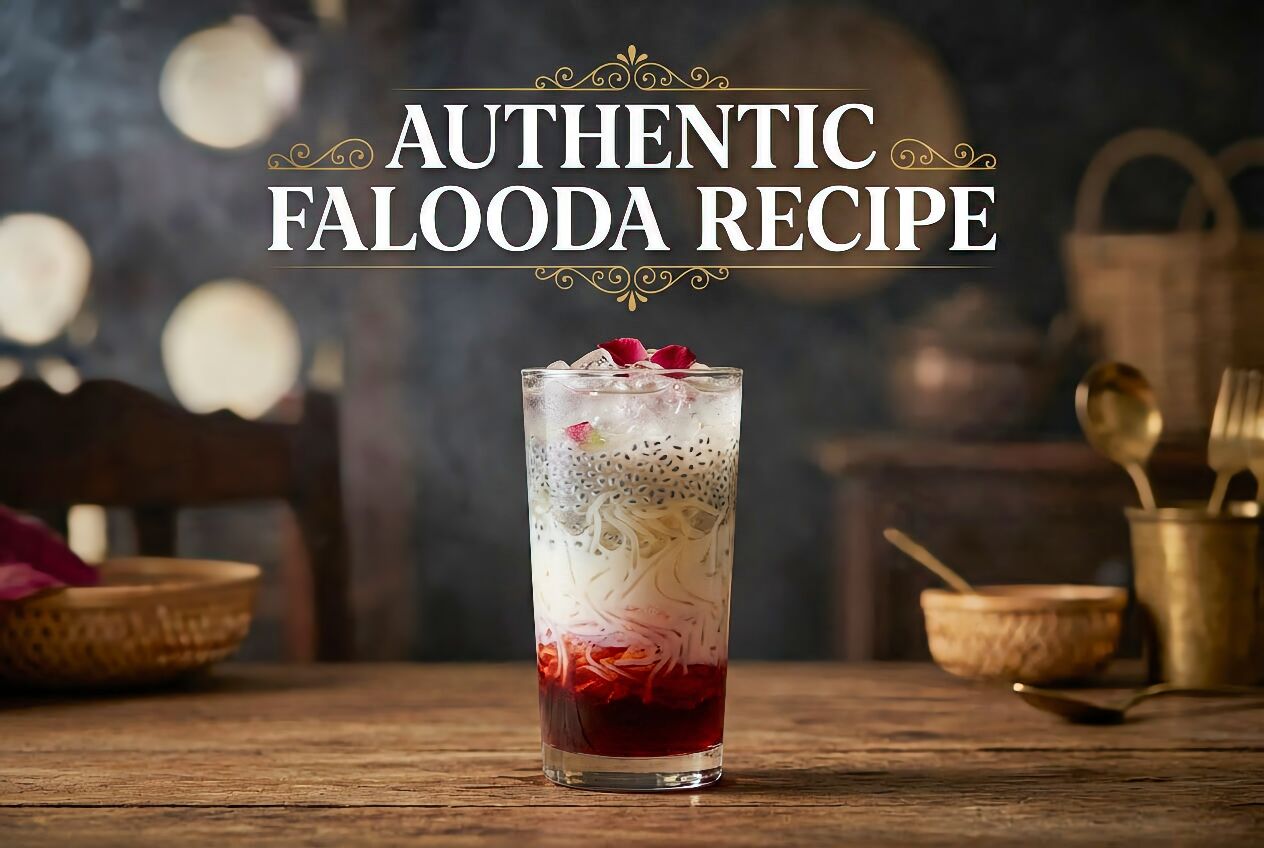
I stumbled onto Burmese falooda one brutally hot day in Southeast Asia, and honestly, it changed how I look at dessert drinks. This sweet, milk-based treat stands out from its Indian cousin by swapping out vermicelli for springy sago pearls and wobbly agar agar jelly, making it part drink, part dessert, and all fun. Locals call it the “Heart Cooler,” and after one sip, I totally get why.
What I love most about this refreshing Burmese dessert is how playful it feels to make and tweak. The layers of ingredients turn each glass into a mini work of art. Every spoonful surprises you—creamy milk, chewy pearls, and a hit of sweet rose syrup.
Let me show you how to whip up authentic Burmese falooda at home. You’ll see what makes it different, get a full Burmese Falooda recipe with easy steps, and pick up ideas for making it your own.
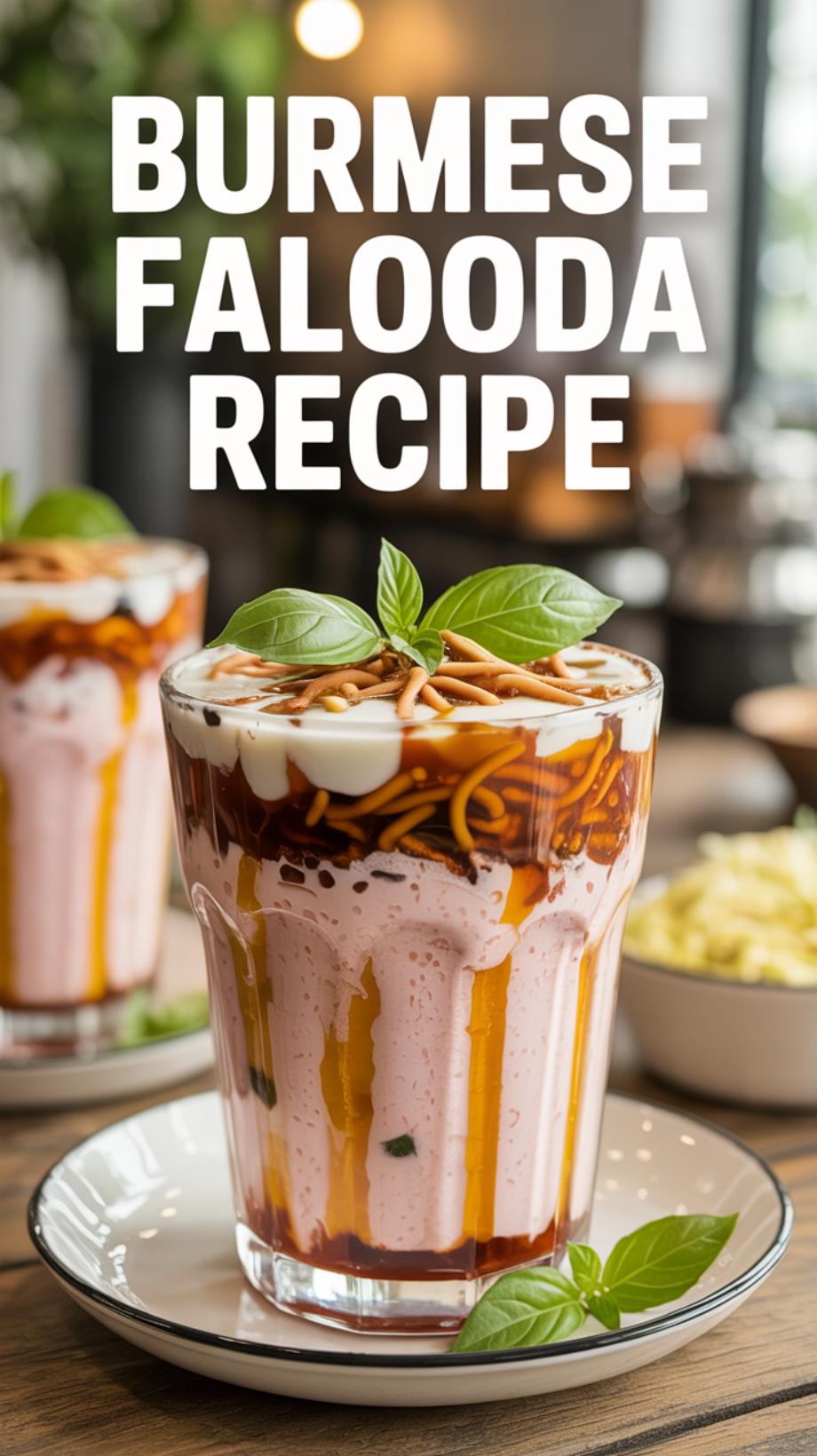
What Makes Burmese Falooda Unique
Burmese falooda takes the Indian classic and flips it with ingredients like sago pearls and agar agar jelly—stuff you just won’t find in the original. The Burmese Falooda recipe layers up textures so every bite is just a little adventure. It’s honestly a treat that keeps you guessing.
Origins and History
Turns out, falooda started in South Asia, mostly in India, Pakistan, and Bangladesh. When it made its way to Myanmar, it got a full makeover. The Burmese Falooda recipe is also known as shwe yin aye, though you’ll find some differences between the two.
Burmese falooda wandered into Myanmar from India and just decided to go wild. The Indian version sticks with vermicelli and basil seeds, but Myanmar added its own spin. Now it’s a cooling treat for hot days and a beloved dessert for locals and travelers alike.
Signature Ingredients in Burmese Falooda
The ingredients really make the Burmese Falooda recipe stand out from other versions like faloodeh or faluda. Instead of just vermicelli, this one uses sago pearls and agar agar jelly. Burmese falooda shakes things up with these unique additions and turns the whole thing into something new.
The base blends creamy coconut milk with basil seeds. Some versions throw in:
- Sago pearls for that chewy bite
- Agar agar jelly cubes
- Coconut milk instead of regular milk
- Sweet syrups
- Ice cream on top
This mix makes the Burmese Falooda recipe totally different from what you’ll find in other countries.
Distinctive Layers and Textures
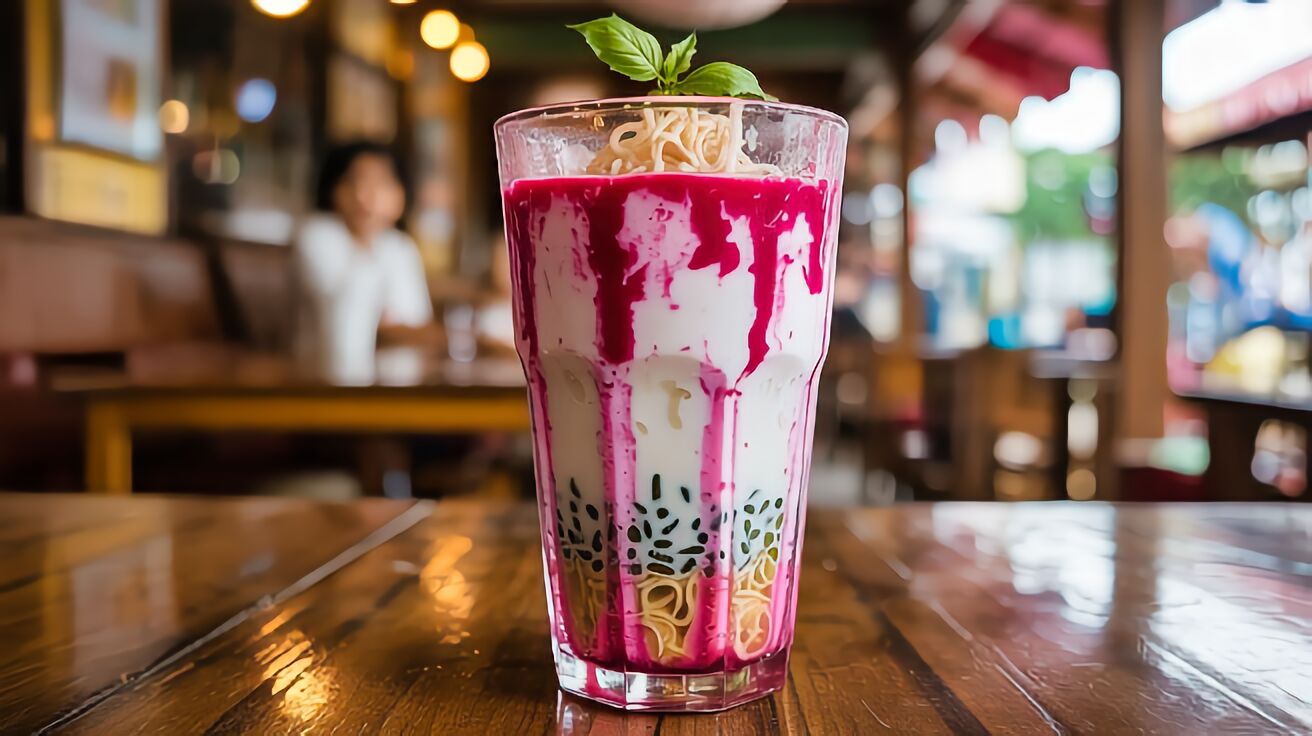
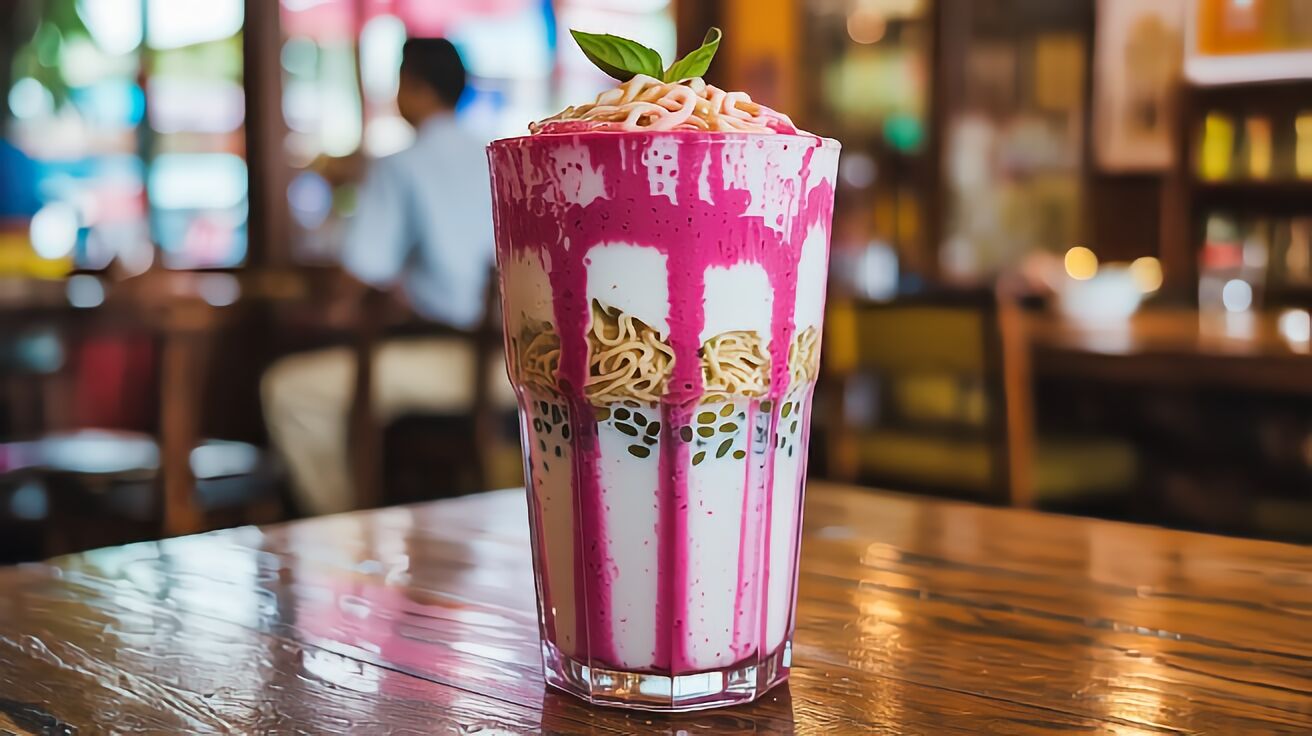
Each layer in a Burmese Falooda recipe brings something new. Sago pearls give you a chewy, bouncy bite. Agar agar jelly adds soft cubes that slide around, and basil seeds pop in your mouth.
The coconut milk makes it so much creamier than regular milk. Add ice cream on top, and it melts into the drink, sending sweetness all through the glass. The layers never fully mix, so every sip and spoonful is a bit of a surprise.
Burmese Falooda Recipe: Step-by-Step Preparation
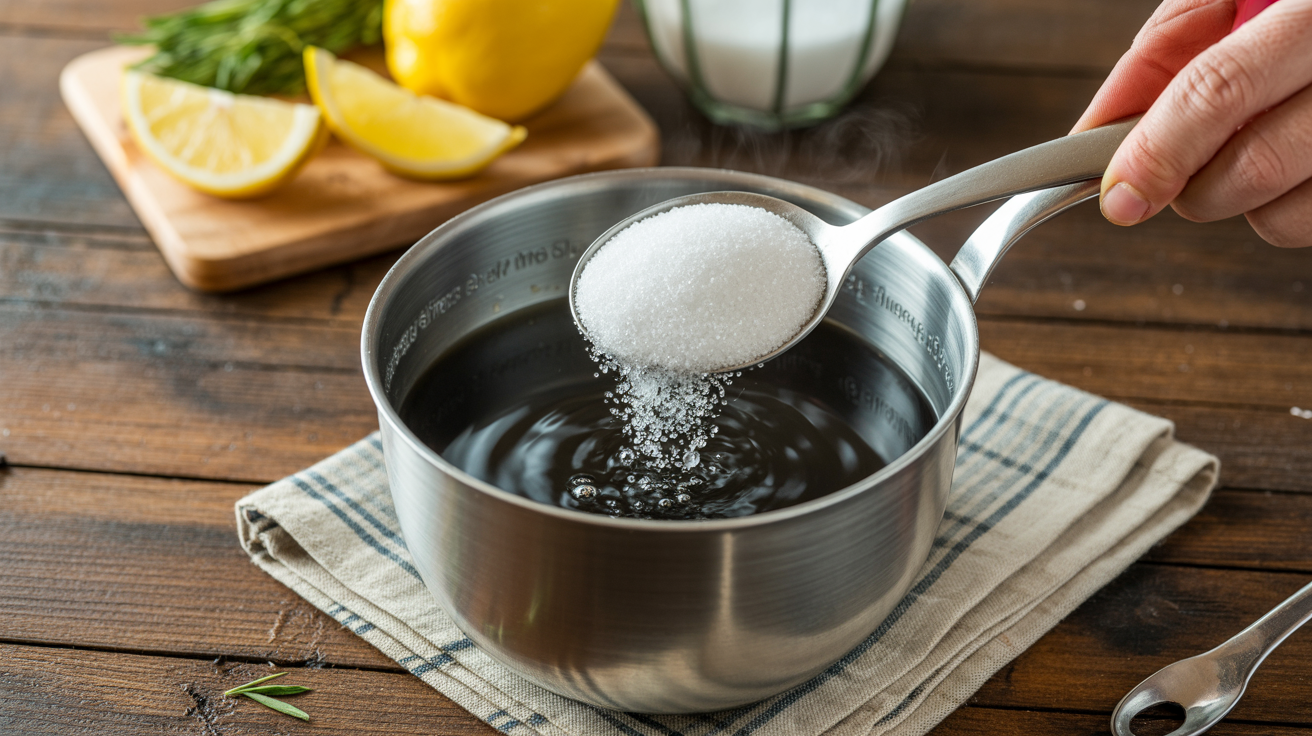
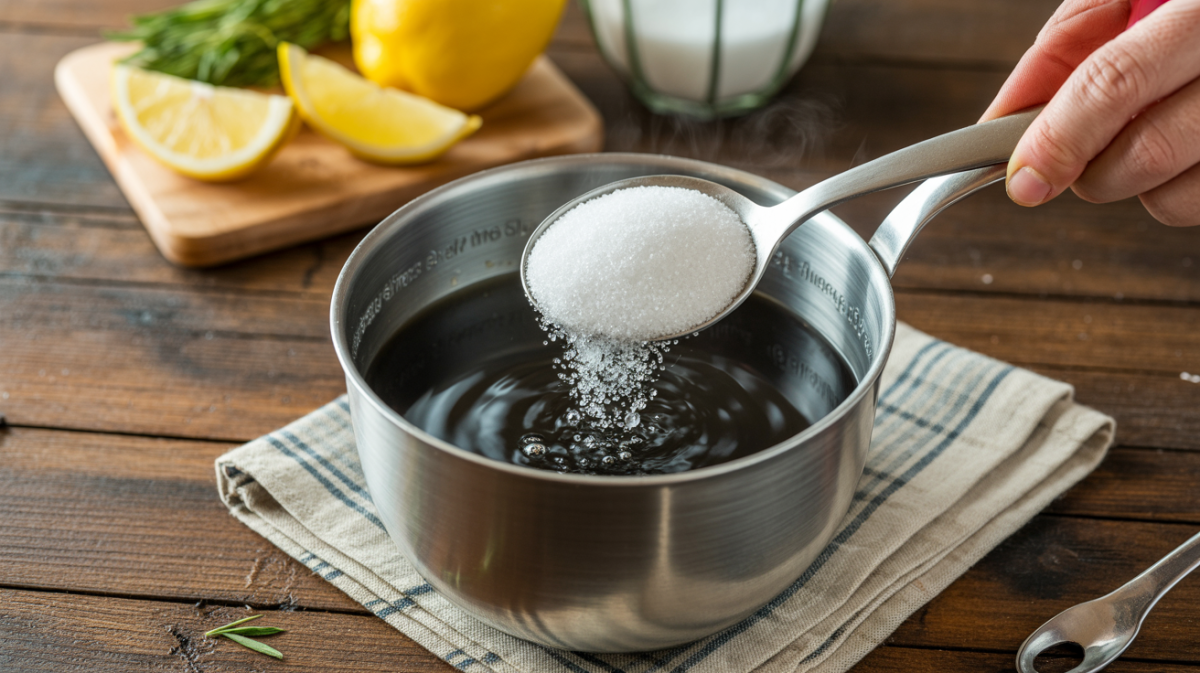
Step 1: Combine the sugar and water in a saucepan and bring the mixture to a boil. Reduce the heat and let it simmer gently for about 10 minutes so the sugar fully dissolves and the liquid thickens slightly. Stir in the rose water and beet juice, then continue simmering for another 5 minutes. Remove from heat and allow the syrup to cool. Use what you need right away and store the remainder for later use.

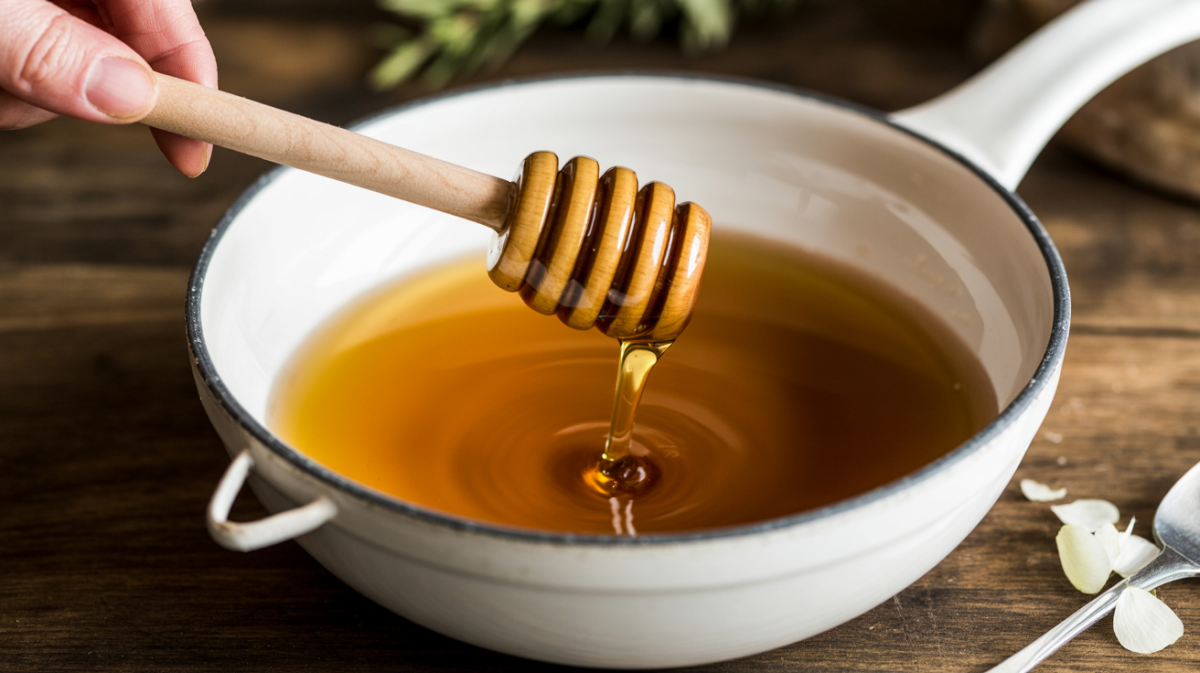
Step 2: In a saucepan, combine 1 cup of water and 1/4 cup honey and bring to a boil. Turn off the heat, then sprinkle the gelatin evenly over the hot liquid, stirring until it dissolves completely. Add 1/2 cup cold water along with the rose water and beet juice, mixing well. Pour the mixture into a small dish and refrigerate for 3 to 4 hours, or until fully set. Cut or scoop the jello as needed and refrigerate any remaining portion.

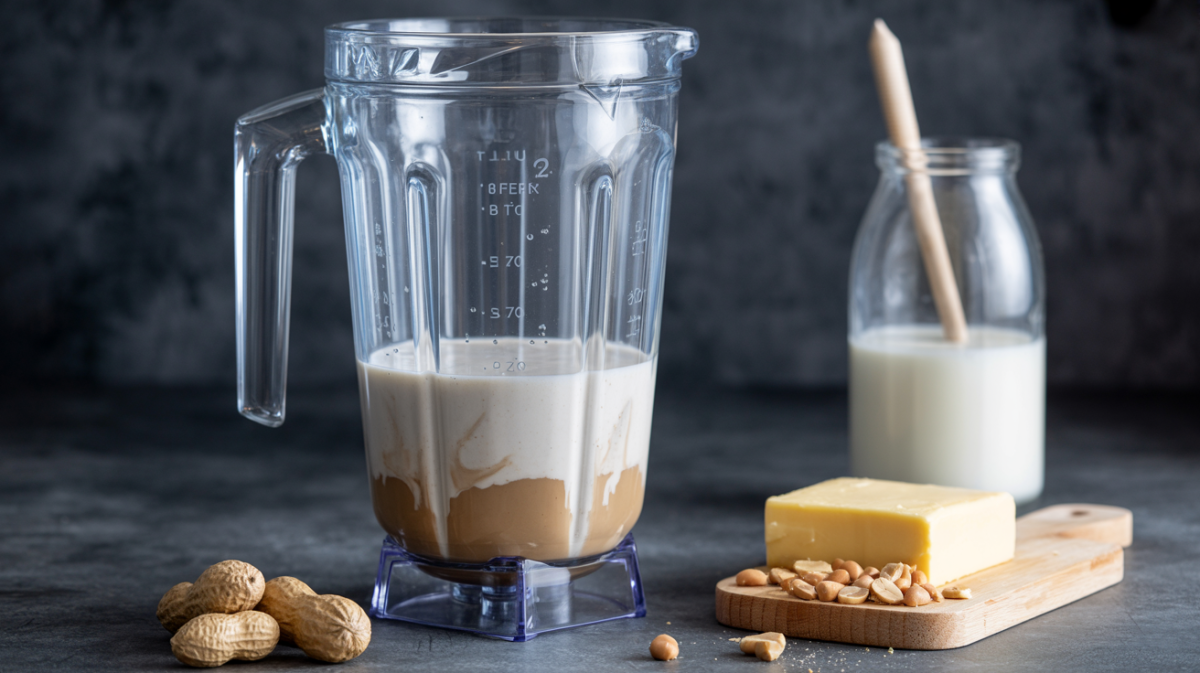
Step 3: Place the evaporated milk, whole milk, cashew butter, and honey into a high-speed blender. Blend until the mixture becomes smooth and noticeably thick. Transfer to the refrigerator and chill until ready to use.
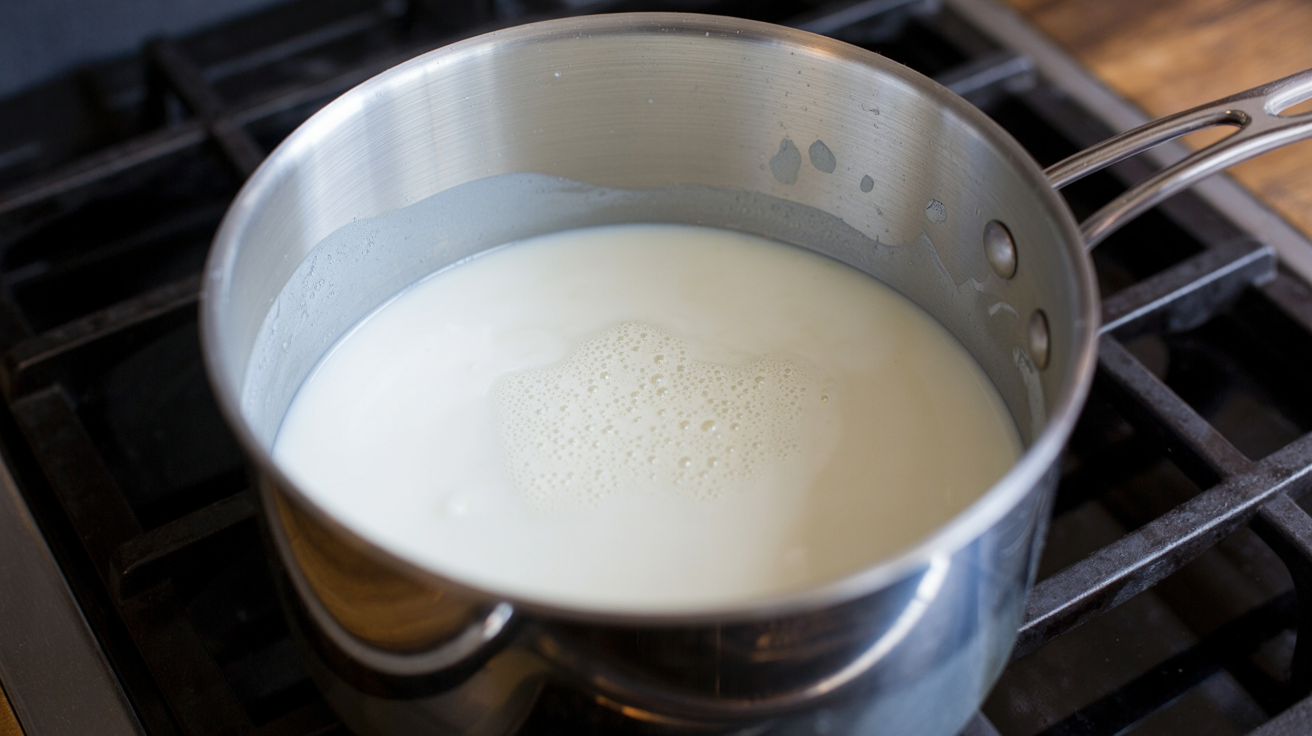
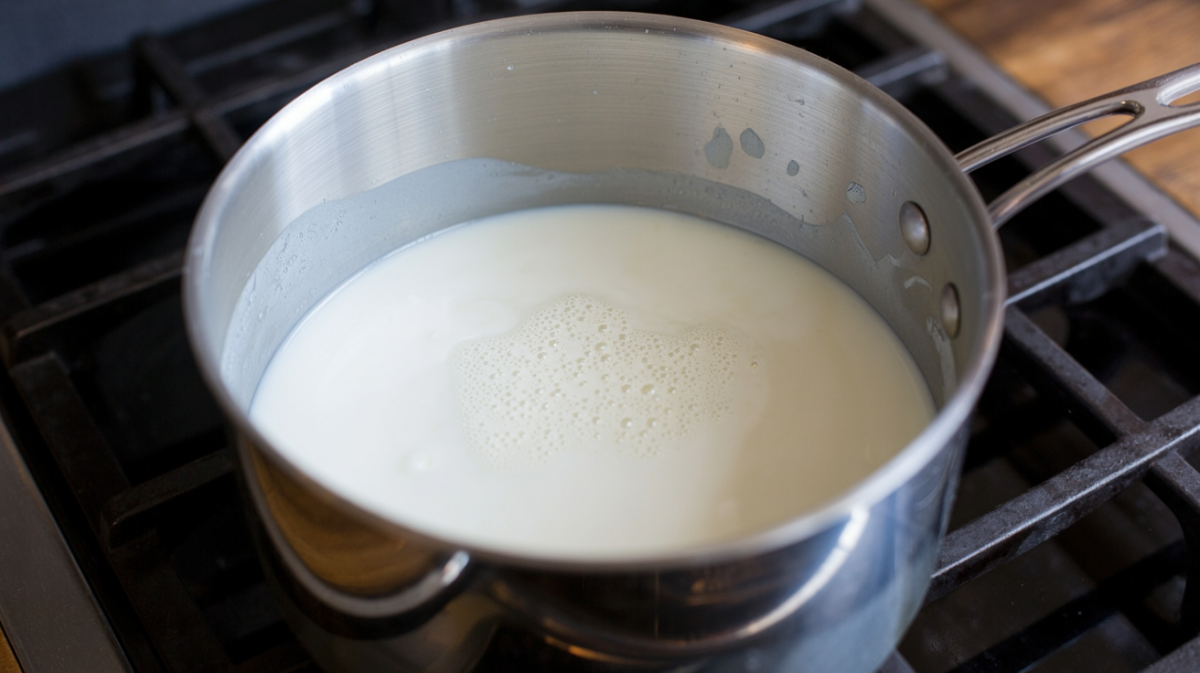
Step 4: Alternatively, bring 2 cups of sweetened milk to a boil, then reduce the heat and simmer until the liquid reduces to about two-thirds of its original volume.
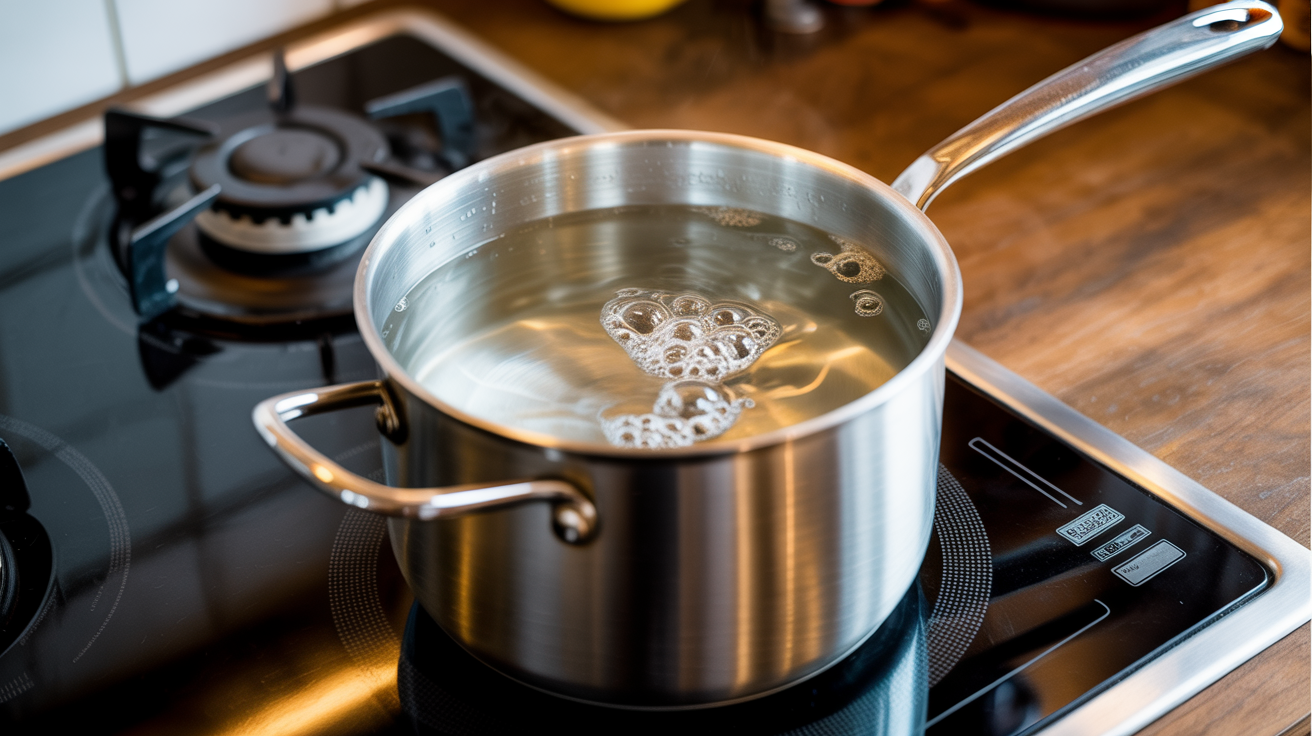
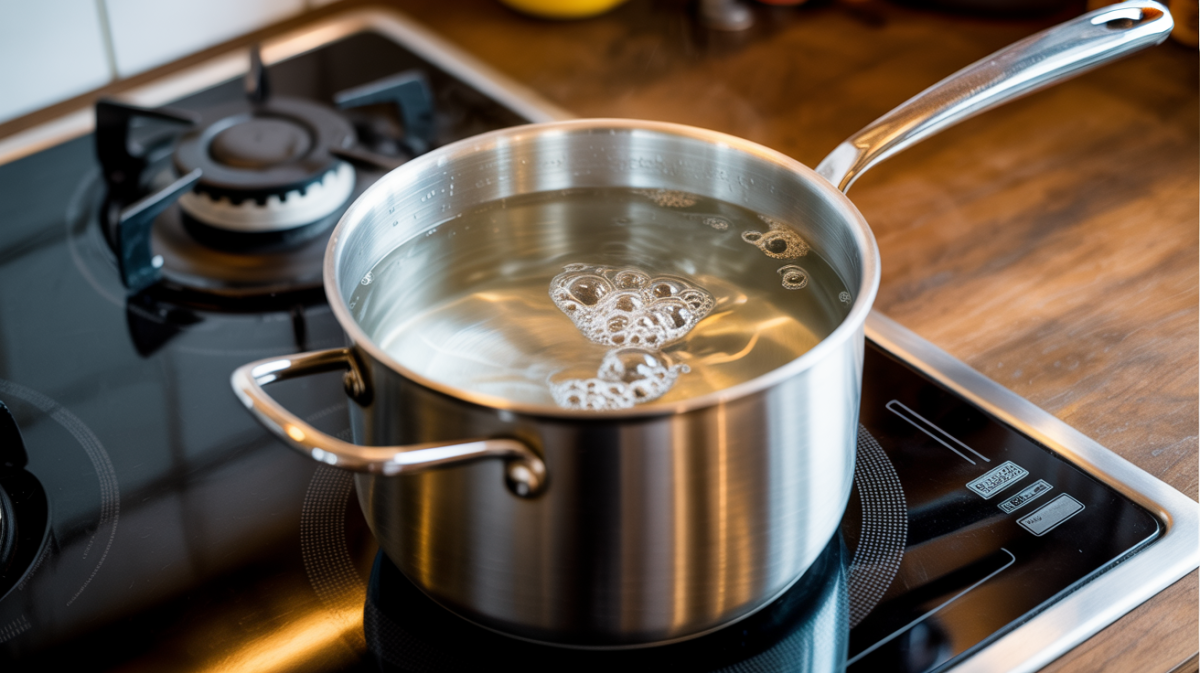
Step 5: Bring 3 cups of water to a boil in a saucepan. Add the vermicelli, cut into 1-inch pieces, and cook until just al dente. Kame rice sticks typically take about 3 minutes. Drain well and refrigerate until chilled.
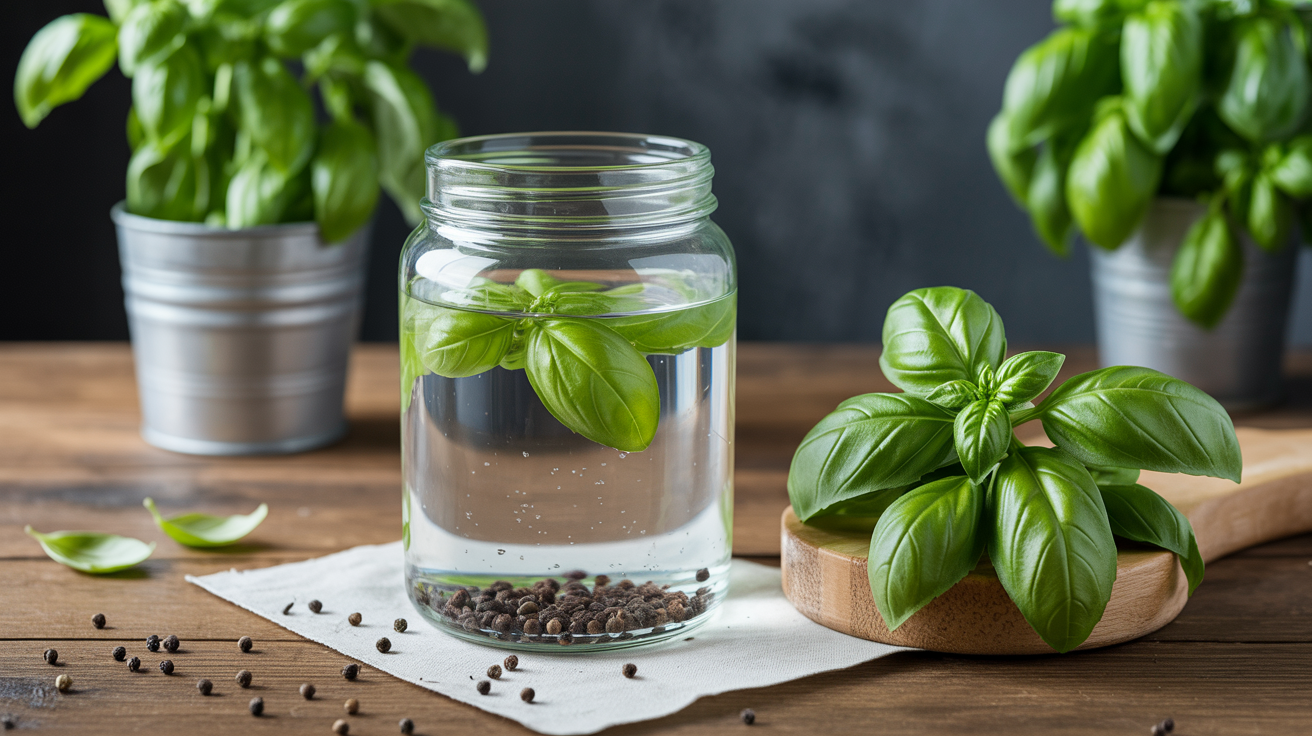
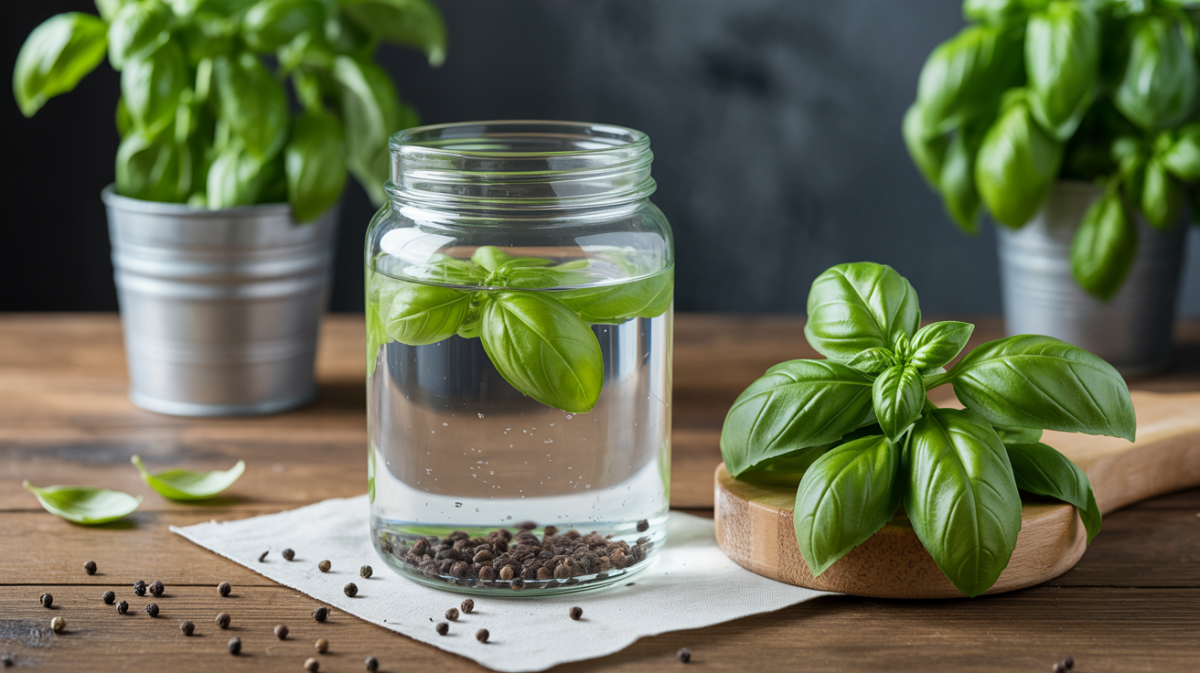
Step 6: Soak sweet basil seeds in 1 cup of water for about 30 minutes, or until they swell. Chill the seeds, then drain them in a sieve before assembling the dessert.
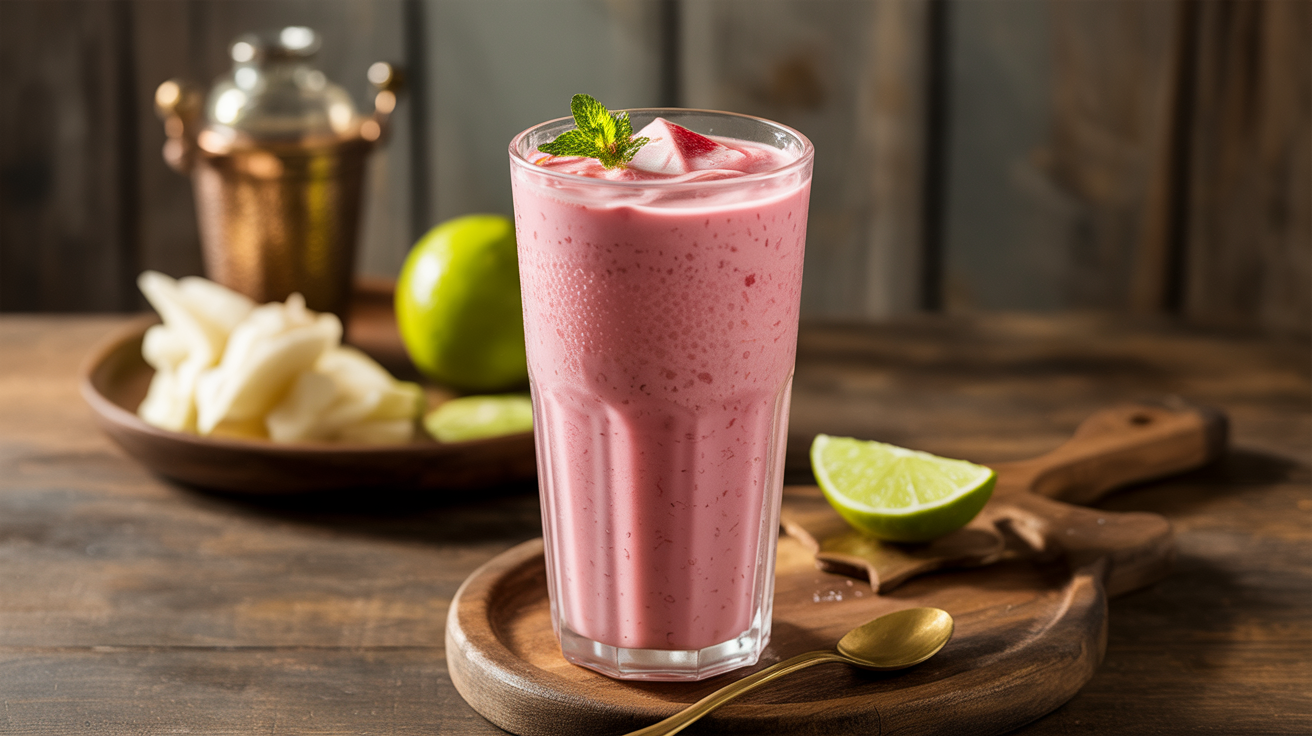
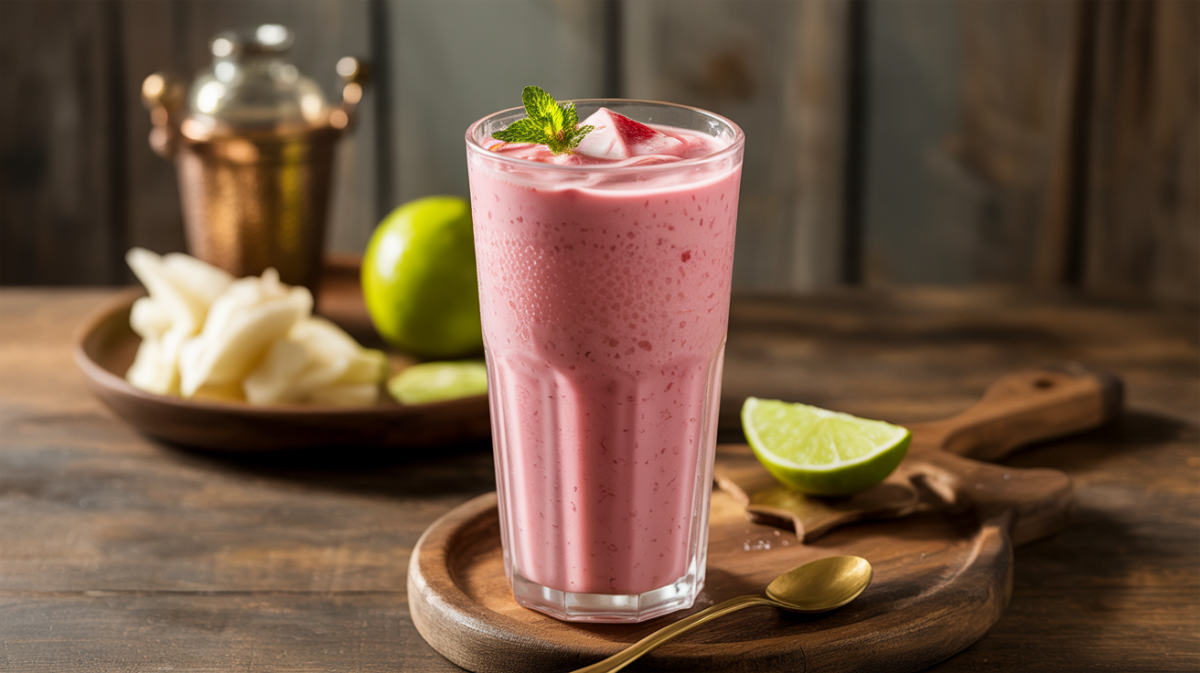
Step 7: Use tall glasses or decorative drinkware. Begin by drizzling rose syrup into the bottom of each glass. Add a layer of rose jello, followed by a layer of chilled vermicelli. Spoon in some soaked basil seeds. Pour in the thick milk until the glass is about two-thirds full. Top with a scoop of ice cream, then finish with chopped nuts, a drizzle of rose syrup, and a few rose petals. Serve immediately.
Essential Ingredients and Alternatives
The base of my Burmese Falooda recipe always starts with the right stuff. For the liquid, I mix evaporated milk with condensed milk for that rich, sweet kick. If you want a dairy-free twist, swap in coconut milk or almond milk.
For texture, I use vermicelli noodles (sometimes called falooda sev), sago pearls or tapioca pearls, and sabja seeds (those are sweet basil seeds). If sago pearls are hard to find, tapioca pearls work just fine. Some folks use chia seeds, but tukmaria seeds give you that classic feel.
For the jelly, rose or strawberry jello is my go-to. The syrup needs rose water or Rooh Afza. If I’m out of rose syrup, beet juice gives it color and a little natural sweetness.
When I want to go big, I top my Burmese Falooda recipe with kulfi, vanilla ice cream, or even a slice of custard flan like they do in Myanmar. Sometimes I’ll toss in almond slices or a spoonful of cashew butter for extra richness.
How to Make Rose Syrup and Jello
I make rose syrup in a small saucepan—just 1 cup sugar and 1/2 cup water, bring to a boil. Once the sugar melts, I take it off the heat and stir in 2-3 tablespoons of rose water. Let it cool all the way before using, and stash any leftovers in the fridge for up to two weeks.
For the jelly, I follow the package for strawberry or rose jello, pour it into a shallow pan, and chill until set. Once it’s firm, I cut it into small cubes.
If you want to get creative, add mango puree for a mango falooda, or use chocolate gelatin for a chocolate version. The Burmese Falooda recipe is easy to play with.
Preparing Milk, Noodles, and Basil Seeds
I soak 2 tablespoons of basil seeds in 1/2 cup water for about 15 minutes. They’ll puff up and get a gel-like coating. While they’re soaking, I cook vermicelli noodles in boiling water for 3-4 minutes, then rinse them with cold water to stop the cooking.
I boil sago pearls in plenty of water for 10-12 minutes until they’re translucent. After draining, I let them cool. For the milk, I mix 2 cups evaporated milk with 1/4 cup condensed milk and chill it until I’m ready to build the drink.
I always get some crushed ice or ice cubes ready before I start assembling. Makes everything easier!
Assembling and Layering Burmese Falooda
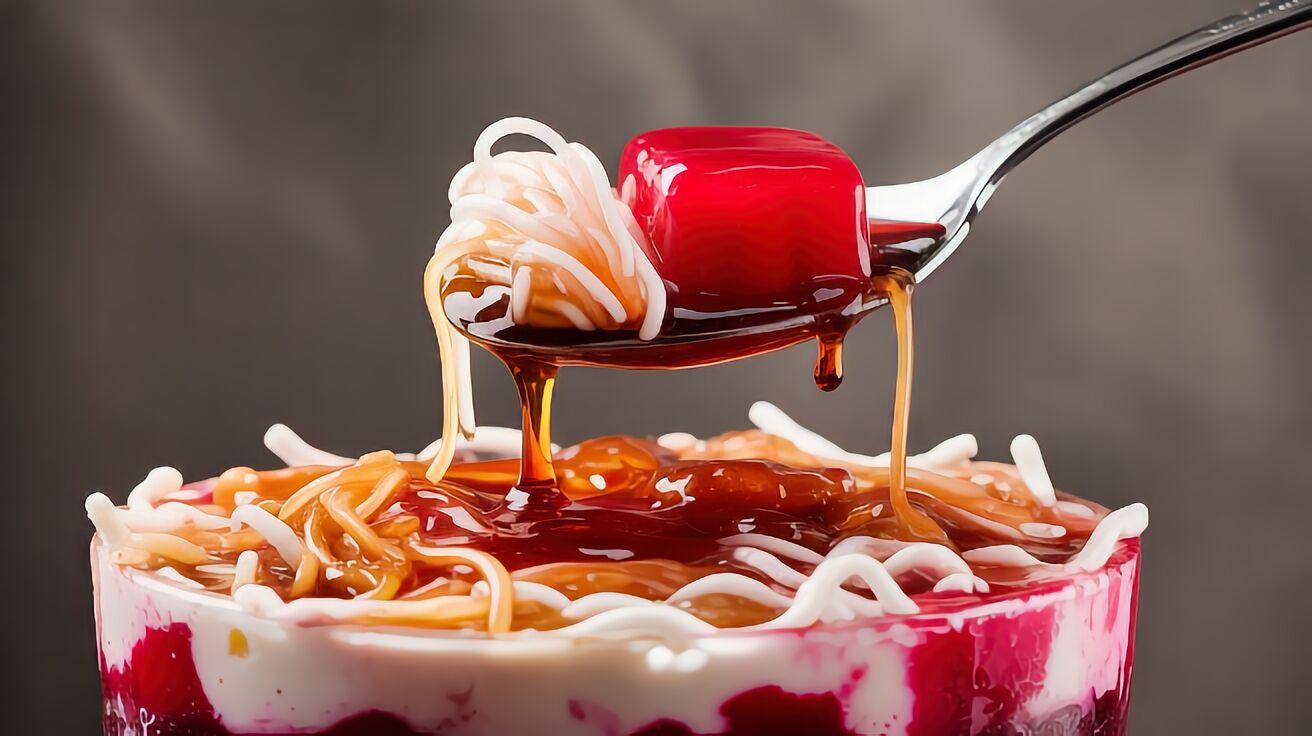
To build my Burmese Falooda recipe, I grab a tall glass. First, I pour 2 tablespoons of rose syrup at the bottom. Then I layer in the soaked basil seeds, cooked vermicelli, and sago pearls.
I fill the glass about three-quarters with the chilled milk mixture. Next, I add cubes of the jelly right on top.
To finish, I drop in a big scoop of kulfi or ice cream and a handful of crushed ice. Sometimes I drizzle extra rose syrup or toss on almond slices for garnish. The layers look gorgeous through the glass—honestly, it’s almost too pretty to eat.
Serving and Customizing Burmese Falooda
After you build your Burmese Falooda recipe, the real fun is in serving and tweaking it. Different flavors and toppings make every glass feel personal and special.
How to Serve Falooda Like a Pro
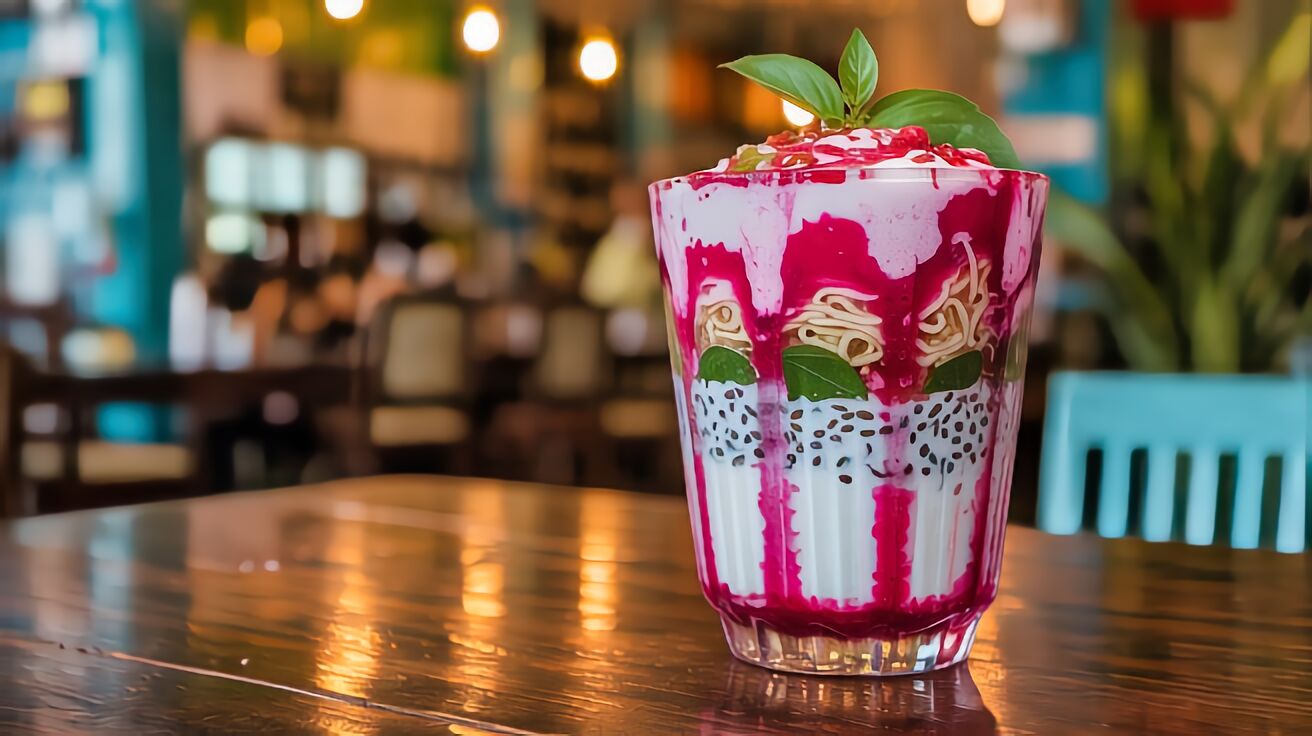
I always reach for tall, clear glasses so everyone can admire the layers. That’s half the fun, right?
The drink tastes best ice cold, so I pop the glasses in the freezer for about 10 minutes before filling them. That way, everything stays frosty while you dig in.
I start with sago pearls and agar jelly at the bottom, then pour in the cold milk slowly down the side. I finish with a scoop of vanilla ice cream right before serving.
I assemble everything just before serving because the texture changes if it sits too long. The jelly softens and the ice cream melts into the milk, which honestly isn’t as fun.
Long spoons are a must. I hand one to everyone so they can reach all the way to the bottom and play with the layers.
Flavor Variations and Toppings
Classic Burmese Falooda recipe uses regular milk, but I love experimenting. Rose falooda gets its floral kick from rose syrup, and berry falooda swaps in strawberry or mixed berry syrup.
Sometimes I use almond milk for a lighter, nuttier flavor. It pairs really well with the sweet syrups.
My top toppings:
- Chopped nuts – almond slices and pistachios for crunch
- Ice cream flavors – try strawberry, mango, or stick with classic vanilla
- Fresh fruit – diced mango or strawberries
- Extra basil seeds – more texture never hurts
- Crushed cookies – just for fun
Tips for Perfect Presentation
I like to drizzle syrup down the inside of the glass before layering everything. It makes these colorful streaks that look great in photos.
Layering takes a bit of patience. I pour liquids over the back of a spoon to keep things neat and separate.
I always finish with a garnish—a sprinkle of pistachios, a few almond slices, and maybe a cherry on top. It just makes the Burmese Falooda recipe feel a bit fancy.
Serve it with a straw and a long spoon. You really need both to get the full experience.
Burmese Falooda in Culture and Creative Pairings
Burmese falooda brings people together at celebrations and goes perfectly with savory dishes that balance its sweetness. You can even give the Burmese Falooda recipe a modern twist to make it lighter or just more fun.
Cultural Significance and Festive Occasions
I’ve noticed falooda shows up at special gatherings all over Myanmar. Families make this treat for religious festivals and weddings. It’s the go-to dessert drink for ending hot days and big meals.
During Myanmar New Year in April, you’ll find the Burmese Falooda recipe everywhere. It’s the perfect cool-down for the hottest season. Families whip up big batches to share with guests, and I think that’s kind of beautiful.
Popular times for Burmese Falooda recipe:
- Water Festival (Thingyan)
- Wedding receptions
- Birthday parties
- Religious holidays
- Family reunions
Street vendors sell Burmese falooda all year, but everyone wants it most during summer. The drink’s really a symbol of hospitality and celebration in Burmese culture.
Best Side Dishes and Pairings
Falooda’s sweetness really begs for something salty or tangy to balance it out. Whenever I make a Burmese Falooda recipe, I’m always looking for snacks or sides from Myanmar’s cuisine that can hold their own. There’s just something about that mix of flavors that makes the whole experience better.
Ideal savory pairings:
- Tea leaf salad (lahpet thoke) – Fermented tea leaves and crunchy beans really help offset the richness of any Burmese Falooda recipe.
- Coconut shrimp soup (ohn no khao swe) – Creamy, a little spicy, and it gets your taste buds ready for something sweet like a Burmese Falooda recipe.
- Grilled lemongrass chicken skewers – Smoky, herbal flavors that somehow just click with the rose syrup and milk in a Burmese Falooda recipe.
Mango sticky rice is another dessert you could try, but honestly, it can get a bit much next to a Burmese Falooda recipe. I’d rather save the Burmese Falooda recipe for after a lighter meal or just enjoy it on its own in the afternoon. Sometimes, you don’t need anything else—just the Burmese Falooda recipe and a quiet moment to yourself.
Modern Twists and Healthier Options
Honestly, you can turn the classic Burmese Falooda recipe into something totally new if you feel like it! Some shops even serve unicorn falooda, stacking up wild colors and tossing on tropical fruit. It’s not the same old dessert anymore, and that’s kind of exciting.
Creative ingredient swaps:
- Swap out regular milk for almond or oat milk
- Use honey instead of sugar syrup
- Add fresh mango chunks or maybe some strawberries
- Try saffron milk for a fancier take on the Burmese Falooda recipe
- Throw in chia seeds with the basil seeds for extra texture
I’ve tried cutting back on sugar by mixing in naturally sweet stuff like dates when I make a Burmese Falooda recipe. You could use smaller glasses instead of those huge traditional ones, which feels less overwhelming. Some folks ditch the ice cream and go for Greek yogurt, which bumps up the protein and gives the Burmese Falooda recipe a new vibe.
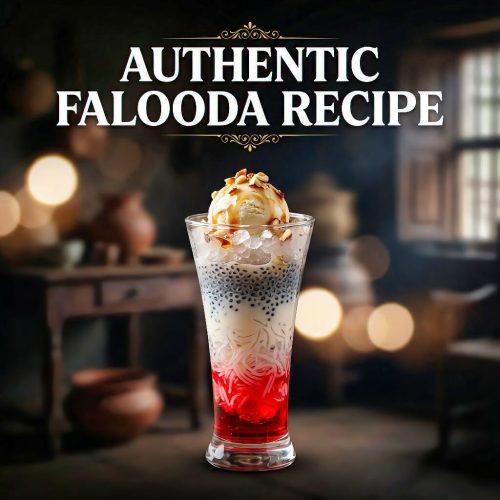
Burmese Falooda Recipe
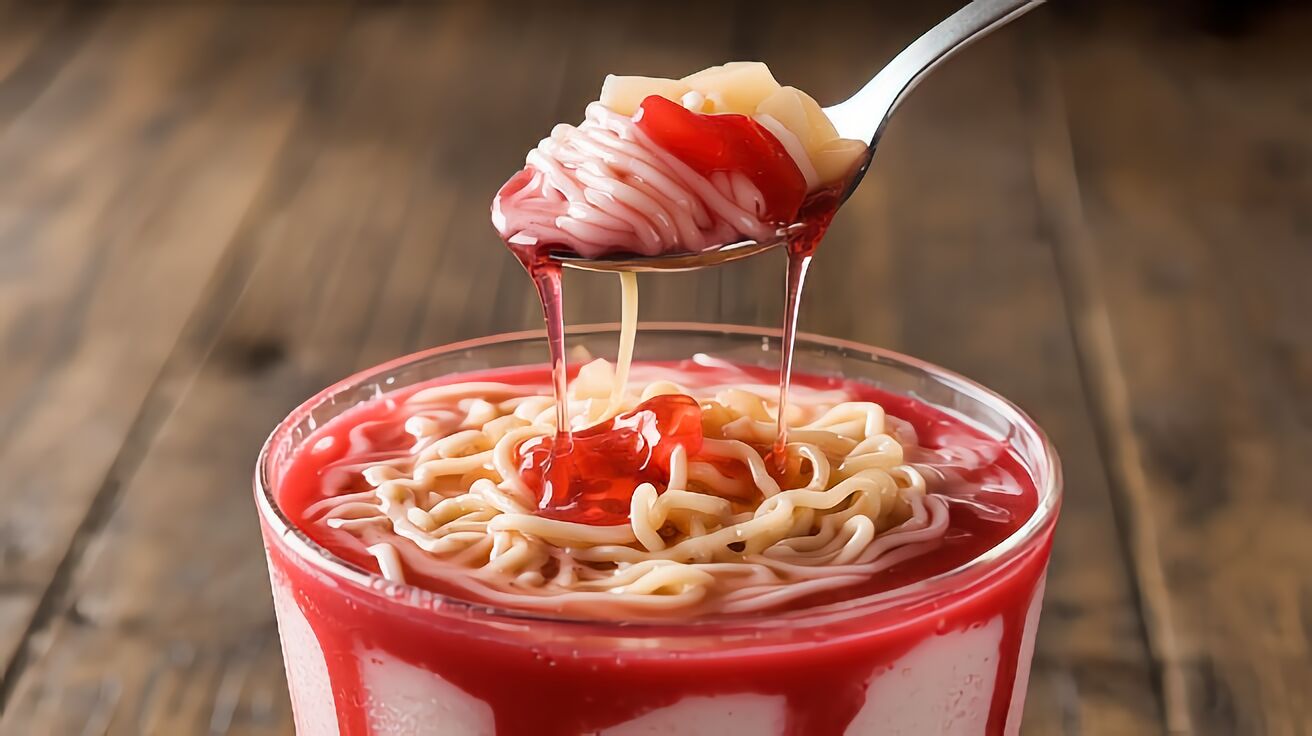
Falooda is a layered dessert drink popular across South and Southeast Asia, including Myanmar, known for its unique mix of textures and flavors. It typically includes rose-flavored milk, basil seeds, jelly, vermicelli noodles, and ice cream, creating a visually striking and refreshing treat. Unlike simple beverages, falooda is both a drink and a dessert in one.
A milkshake, by comparison, is much smoother and more uniform in texture. Made by blending milk, ice cream, and flavorings, it delivers a creamy consistency without the layered elements that make falooda so distinctive. Milkshakes are easier to prepare but lack the complexity and visual appeal of falooda.
When comparing falooda vs milkshake, the biggest difference lies in texture and experience. Falooda offers multiple layers and ingredients in every sip, making it more interactive and indulgent, while milkshakes are simple, creamy, and straightforward.
Burmese Falooda Recipe – FAQ
1. What is Burmese falooda made of?
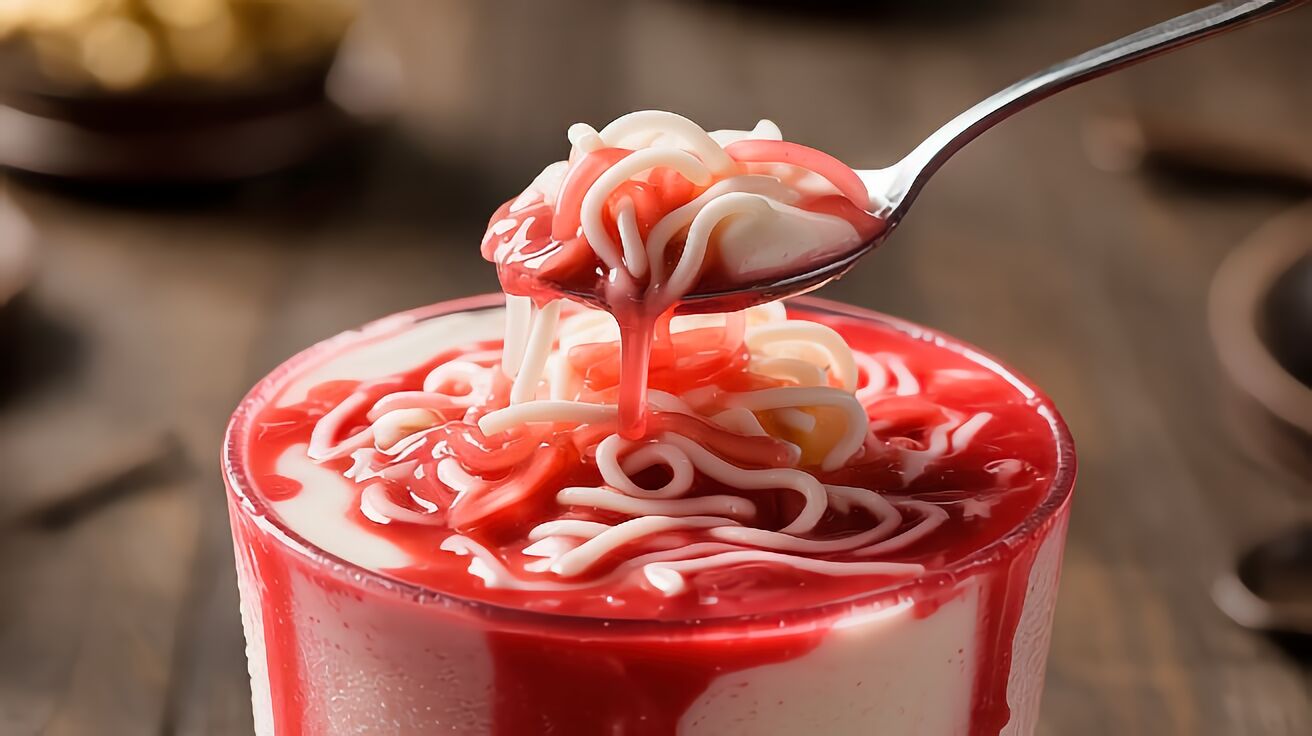
Burmese falooda is a layered dessert drink made with milk, rose syrup, basil seeds, jelly, vermicelli noodles, and often topped with ice cream.
2. What are basil seeds and why are they used in falooda?
Basil seeds (also called sabja seeds) swell when soaked in water and add a unique texture similar to tapioca.
3. Is Burmese falooda different from Indian falooda?
Yes, Burmese versions may vary slightly in toppings and sweetness levels, sometimes using local jellies or flavors.
4. Do you serve falooda as a drink or dessert?
Falooda is both—it’s thick enough to eat with a spoon but also served in a glass like a drink.
5. Can falooda be made without vermicelli noodles?
Yes, the noodles can be omitted or replaced, though they are a traditional part of the texture.
Falooda Recipe
Ingredients
- ½ cup sugar
- ¼ cup water
- 2 tbsp rose water
- 2 tbsp beet juice
- 1½ cups water
- ¼ cup honey
- 1 packet gelatin
- 2 tbsp rose water
- 2 tbsp beet juice
- 12 oz evaporated milk low fat
- ½ cup milk whole or 2 percent
- 1 tbsp cashew butter
- ½ cup vermicelli noodles (rice sticks) or use falooda sev
- 1 tbsp sweet basil seeds known as sabja seeds or tukmaria seeds
- 4 scoops ice cream vanilla
- 4 tsp almond slices
Instructions
- Combine the sugar and water in a saucepan and bring the mixture to a boil. Reduce the heat and let it simmer gently for about 10 minutes so the sugar fully dissolves and the liquid thickens slightly. Stir in the rose water and beet juice, then continue simmering for another 5 minutes. Remove from heat and allow the syrup to cool. Use what you need right away and store the remainder for later use.
- In a saucepan, combine 1 cup of water and 1/4 cup honey and bring to a boil. Turn off the heat, then sprinkle the gelatin evenly over the hot liquid, stirring until it dissolves completely. Add 1/2 cup cold water along with the rose water and beet juice, mixing well. Pour the mixture into a small dish and refrigerate for 3 to 4 hours, or until fully set. Cut or scoop the jello as needed and refrigerate any remaining portion.
- Place the evaporated milk, whole milk, cashew butter, and honey into a high-speed blender. Blend until the mixture becomes smooth and noticeably thick. Transfer to the refrigerator and chill until ready to use.
- *Tip:* Alternatively, bring 2 cups of sweetened milk to a boil, then reduce the heat and simmer until the liquid reduces to about two-thirds of its original volume.
- Bring 3 cups of water to a boil in a saucepan. Add the vermicelli, cut into 1-inch pieces, and cook until just al dente. Kame rice sticks typically take about 3 minutes. Drain well and refrigerate until chilled.
- Soak sweet basil seeds in 1 cup of water for about 30 minutes, or until they swell. Chill the seeds, then drain them in a sieve before assembling the dessert.
- Use tall glasses or decorative drinkware. Begin by drizzling rose syrup into the bottom of each glass. Add a layer of rose jello, followed by a layer of chilled vermicelli. Spoon in some soaked basil seeds. Pour in the thick milk until the glass is about two-thirds full. Top with a scoop of ice cream, then finish with chopped nuts, a drizzle of rose syrup, and a few rose petals. Serve immediately.
Video

12 comments
Isnt it fascinating how the Burmese Faloodas unique textures embody its rich history? Truly an art in a dessert form!
Isnt it interesting how Burmese Faloodas unique layers and textures reflect its rich history and diverse ingredients? Makes you appreciate it even more!
Definitely! The layers are like a tasty history lesson in a glass.
Isnt it fascinating how Burmese Faloodas unique blend of textures and ingredients reflects its rich history? Thoughts?
Interesting read! But isnt the unique Burmese Falooda essentially a fusion of Indian and Persian influences?
Absolutely! Its a beautiful blend of cultures creating a unique culinary masterpiece.
Interesting read! Any thoughts on how Burmese Falooda would taste if we substituted basil seeds with chia seeds? Just a random pondering.
Chia seeds would totally ruin the authentic Burmese Faloodas taste. Stick to the original recipe!
Really interesting read! But arent basil seeds more associated with Indian Falooda rather than Burmese? Just curious!
Yes, basil seeds are indeed in Falooda, but theyre also used in various Burmese desserts.
Interesting read! But shouldnt Faloodas origins be traced back to Persia, rather than just focusing on its Burmese version?
Faloodas roots are indeed Persian, but exploring its Burmese adaptation adds a unique flavor!
Comments are closed.