

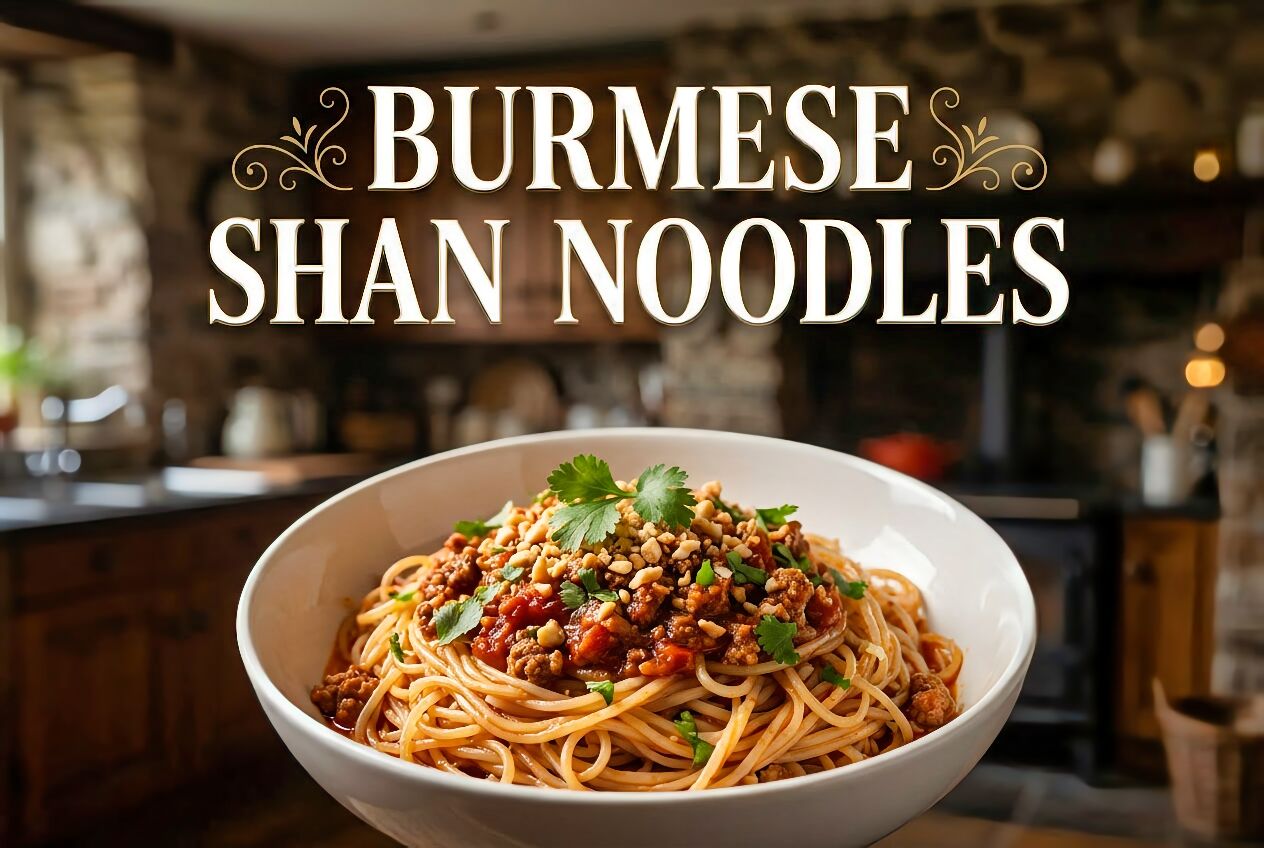
Burmese Shan noodles are sticky rice noodles with a savory chicken or pork tomato sauce, finished off with garlic, chili, and pickled veggies. This popular dish from Shan State in eastern Burma brings together simple ingredients for a comforting meal that, honestly, you can whip up at home in under an hour. Let’s dive into this Shan noodles recipe using ingredients you can actually find at your local store.
The beauty of Burmese cuisine is how it blends flavors from neighboring countries. Shan noodles reflect cultural influences from Thailand, China, and Laos, so you get a dish that’s totally unique but still familiar. People eat Shan noodles for breakfast, lunch, or just grab them as street food whenever the craving hits.
I’ll walk you through picking the right ingredients, making the tomato-based sauce, and choosing your favorite toppings. You’ll also get a peek at the regional twists and the cool cultural background that make this noodle dish special all over Myanmar. If you’re after a Shan noodles recipe that really feels authentic, you’re in the right place.
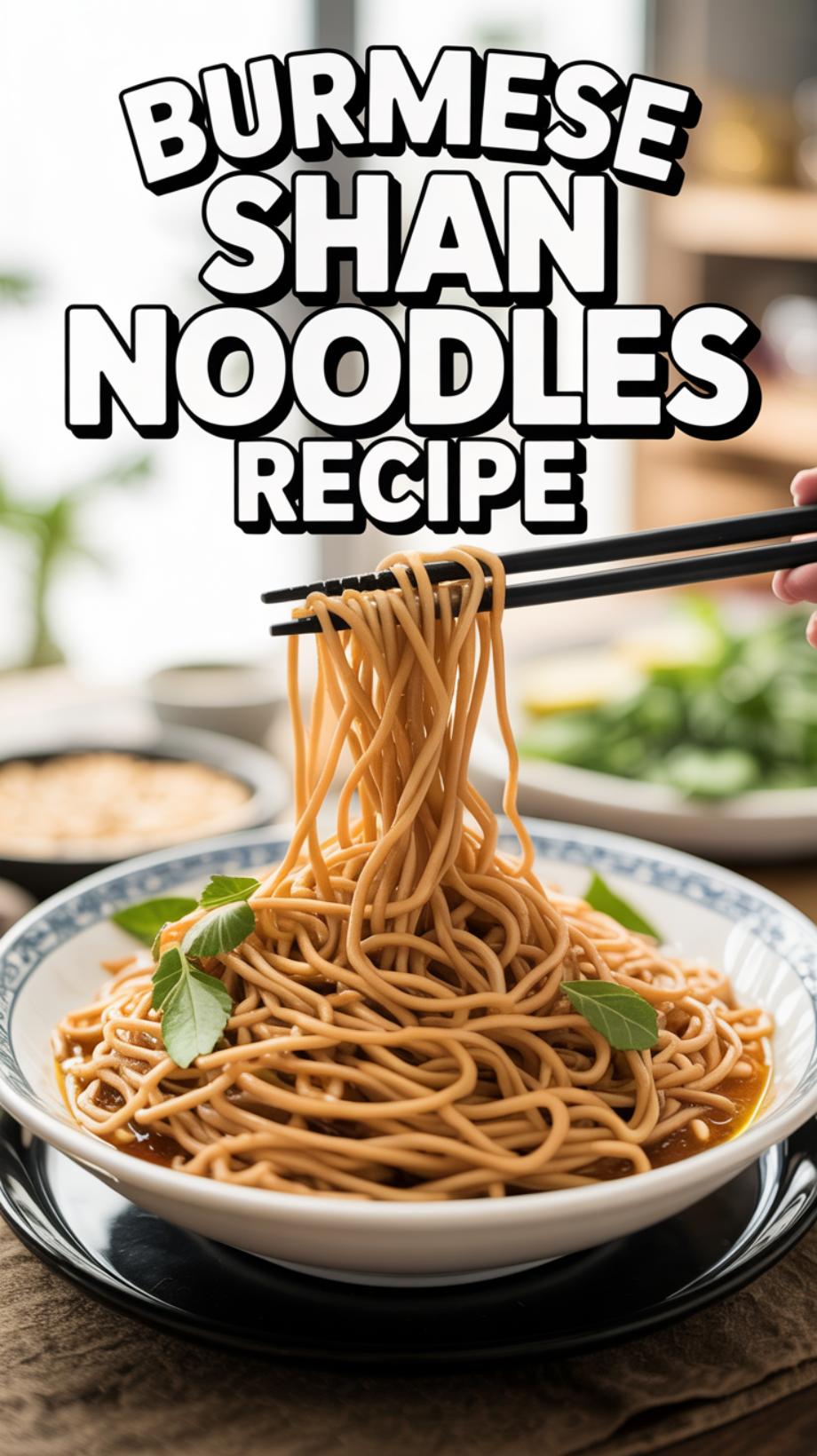
Essential Ingredients for Burmese Shan Noodles
The heart of any authentic Shan noodles recipe is a handful of key ingredients: sticky rice noodles, a protein simmered in tomato sauce, fermented soybean paste for that deep, funky flavor, and a bunch of flavorful toppings. Nailing these basics is what sets a great bowl apart from just an okay one. If you want your Shan noodles recipe to taste like it came straight from Myanmar, don’t skip these.
Rice Noodles: Types and Selection
Flat rice noodles are my go-to for any Shan noodles recipe—think fettuccine but made with rice. Fresh rice noodles are best because they’re a little sticky and soak up the sauce beautifully. If you can’t find fresh, dried noodles work too; just soak them in warm water, then cook briefly.
I usually avoid thin vermicelli noodles since they don’t have the right bite for a Shan noodles recipe. Dried rice noodles labeled “rice stick” or “pad Thai noodles” with a medium width (about 1/4 inch) are a solid backup. The texture really matters—you want some chew, not mush.
When I shop, I check the package for noodle width and avoid anything too thin. Medium-width noodles hold up under the sauce. Trust me, it makes a difference in your Shan noodles recipe.
Protein Choices: Chicken, Pork, and Vegetarian Options
Minced chicken or pork is classic in any Shan noodles recipe. Ground chicken gives a lighter flavor, while pork brings a bit more richness. For chicken, I stick to thigh meat because it stays juicy—breast meat just dries out too fast.
Ground pork with some fat (about 80-85% lean) is perfect for a hearty Shan noodles recipe. It adds flavor and keeps the sauce from being bland. If you’re going vegetarian, crumbled firm tofu or mushrooms work great and soak up all those tasty flavors.
Honestly, the protein is flexible. I’ve even tried a Shan noodles recipe with mushrooms and tofu together, and it turned out surprisingly good. The sauce does most of the heavy lifting, so don’t stress too much.
The Flavorful Sauce: Tomatoes, Fermented Soybean Paste, and Key Seasonings
The tomato and soy sauce base is what gives Shan noodles their signature tang. I usually start with fresh tomatoes, but canned crushed tomatoes work if that’s all you’ve got. The sauce is simple but packed with flavor.
Key sauce ingredients:
- Fresh or canned tomatoes
- Fermented soybean paste (miso works in a pinch)
- Dark soy sauce for color
- Fish sauce for umami
- Turmeric for warmth
- Chili powder for heat
Fermented soybean paste adds a deep, savory kick. If I can’t find it, brown miso is a decent substitute. I always add turmeric early to bring out its earthy flavor, and dark soy sauce gives the whole thing a nice color and extra saltiness.
Fish sauce is a must for that extra layer of umami. I don’t go overboard, though—a little goes a long way. Chili powder adds heat, but you can adjust it to your taste.
Classic Garnishes: Pickled Mustard Greens, Fried Garlic, and Peanuts
Toppings are what make a Shan noodles recipe pop. I never skip them—they add crunch, freshness, and a burst of flavor. The right combo can seriously elevate your bowl.
Traditional toppings:
- Pickled mustard greens (for tang and crunch)
- Fried garlic (crispy and bold)
- Crushed roasted peanuts (nutty and crunchy)
- Fresh cilantro
- Sliced scallions
- Chili oil or flakes
Pickled mustard greens give a sour, salty bite that cuts through the rich sauce. I chop them up before tossing them on. Fried garlic should be golden and crisp—watch it closely so it doesn’t burn.
Roasted peanuts are a must for texture. I crush them just enough so they’re easy to eat but still chunky. Fresh cilantro and scallions bring a bit of brightness to finish off the Shan noodles recipe.
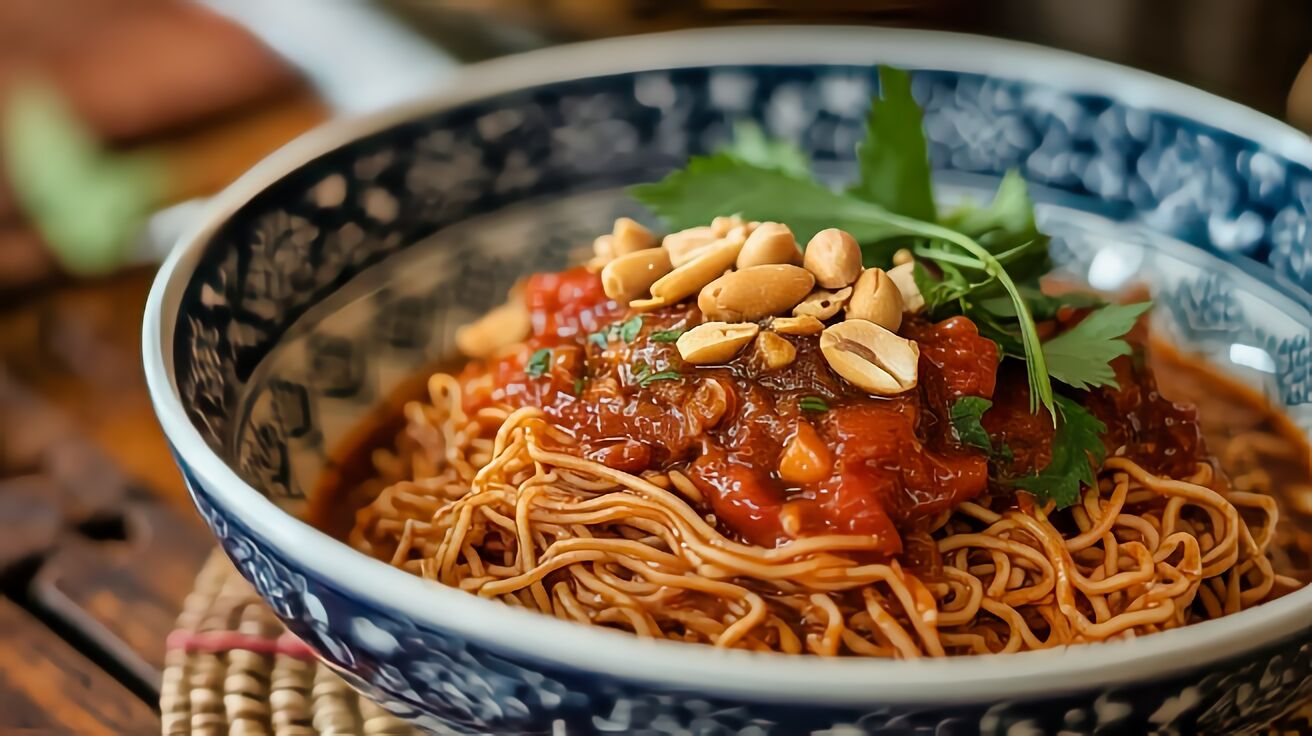
Step-by-Step Burmese Shan Noodles Recipe
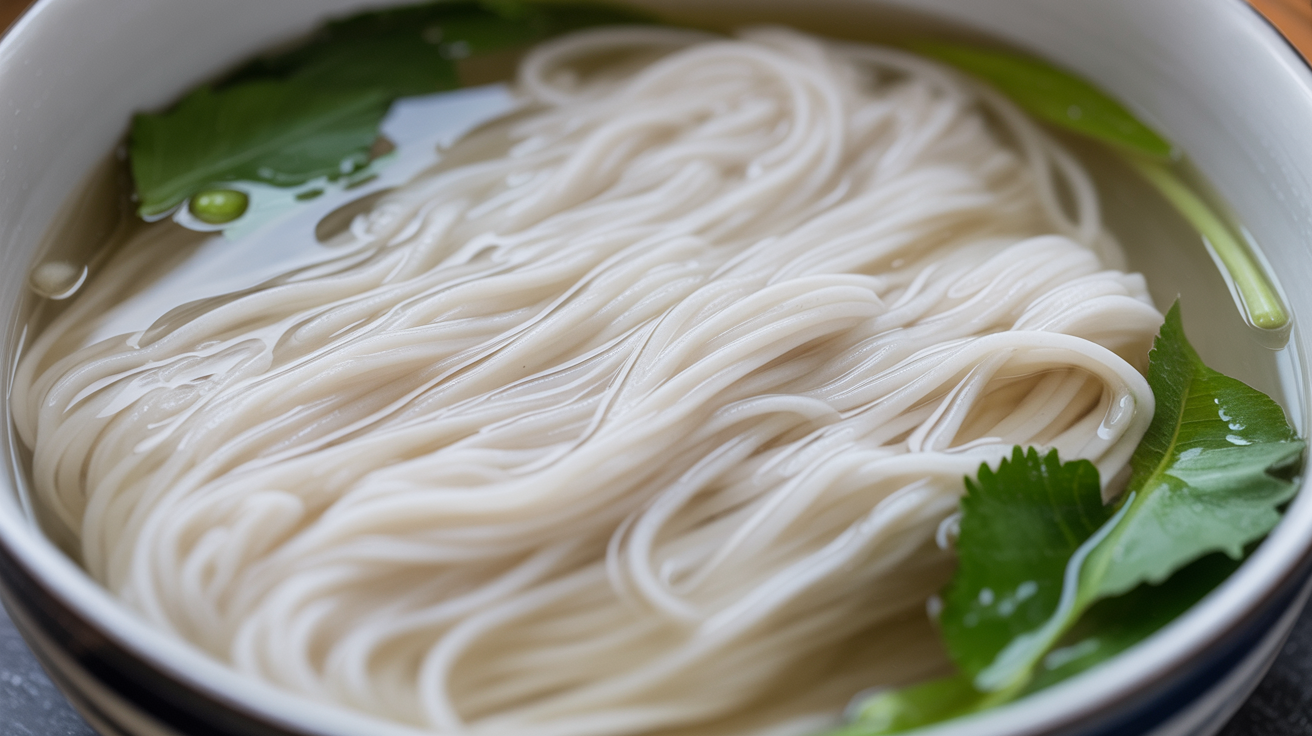
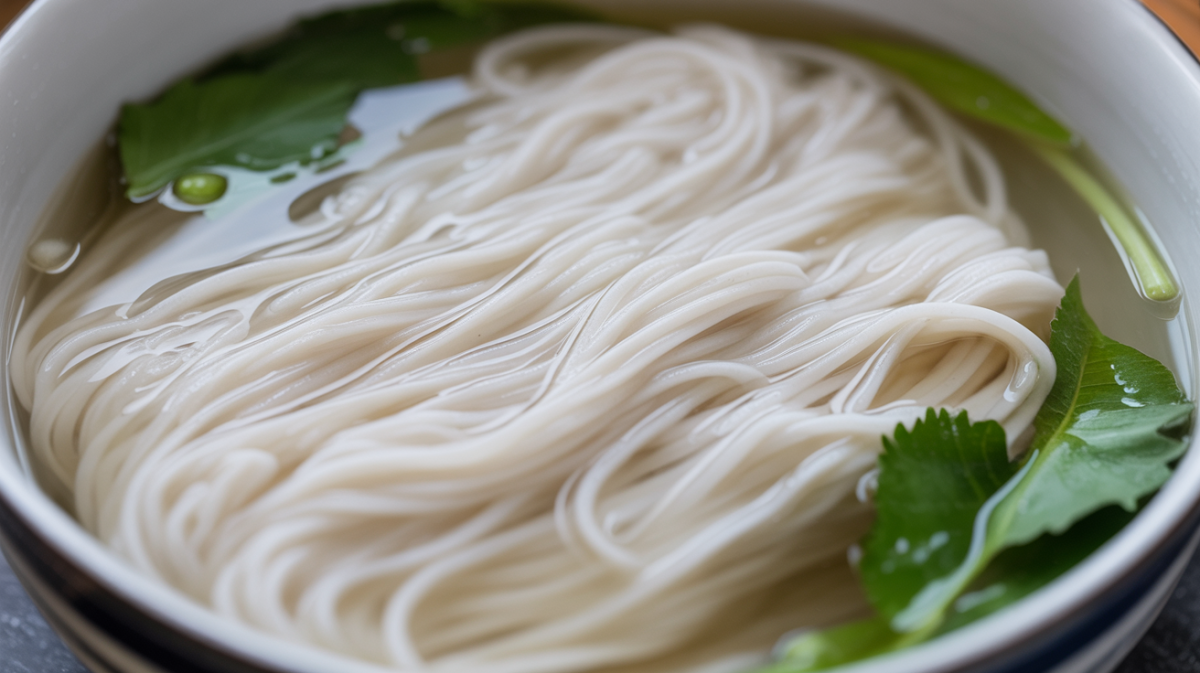
Step 1: Soak the rice noodles: Place the rice noodles in a bowl and cover with warm water. Let them soak for about 15 minutes, or until they are softened but still slightly firm in the center. Drain well and set aside. If you are using dried noodles that require boiling, follow the specific soaking or boiling instructions on the package instead.
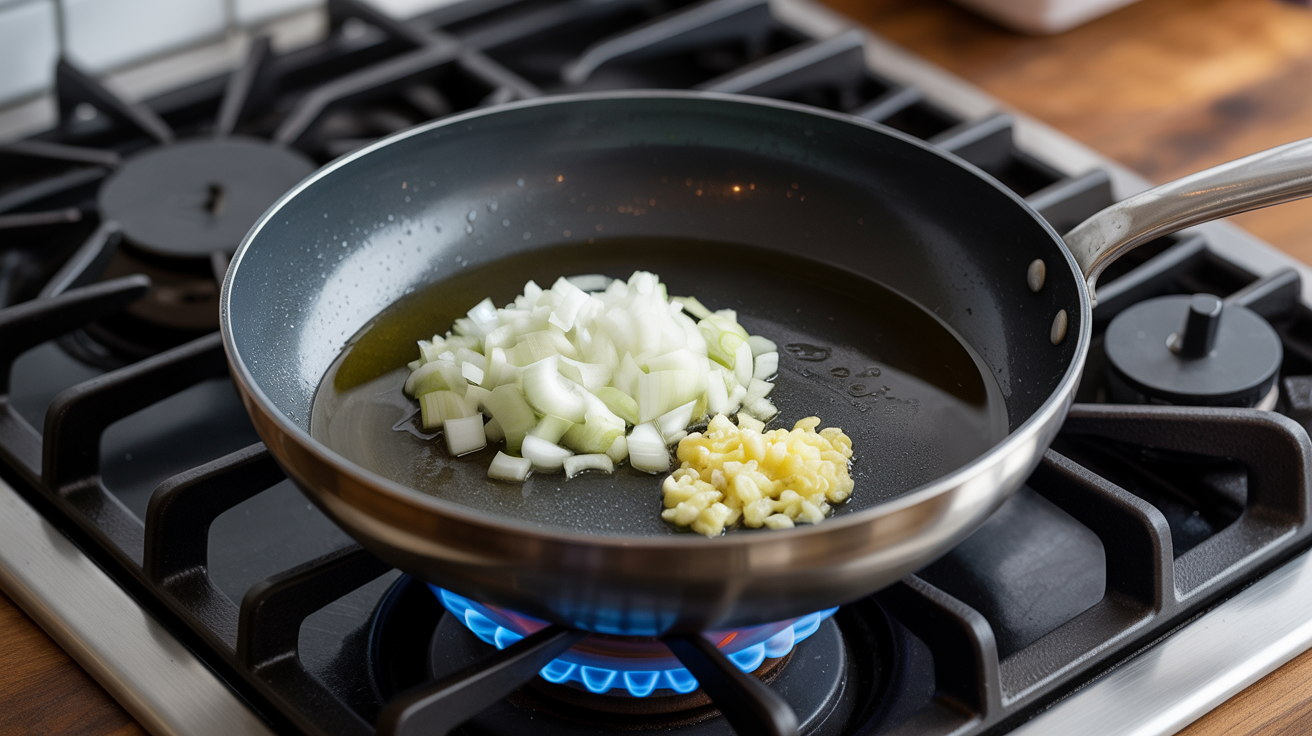
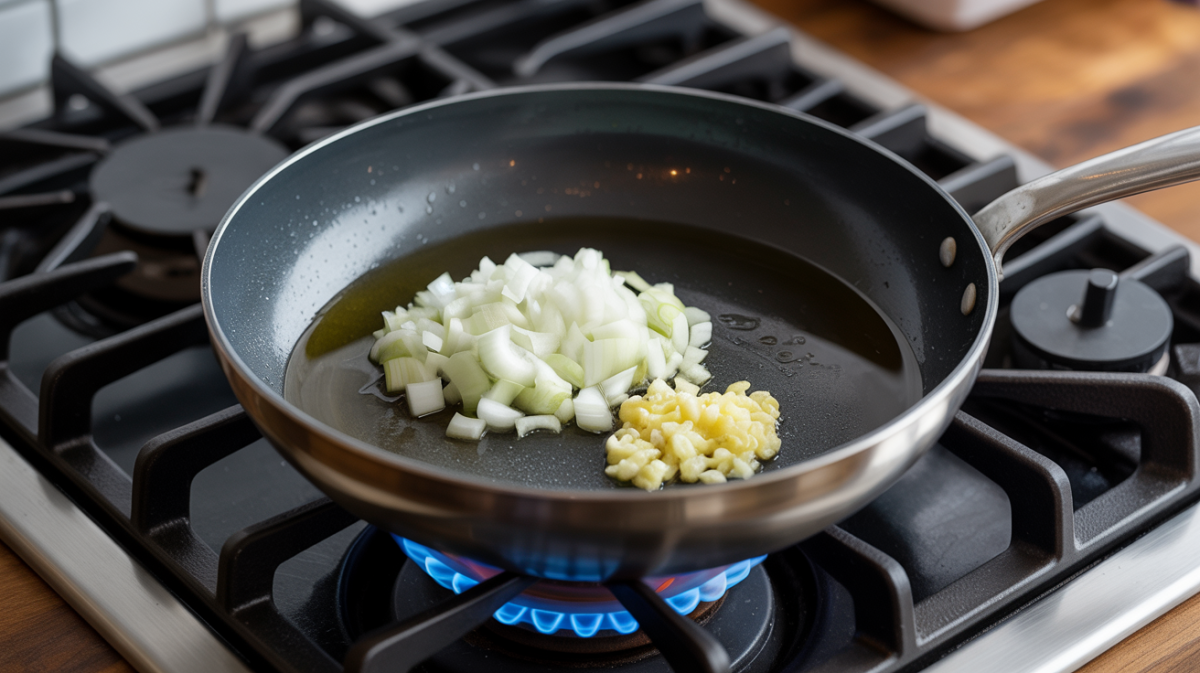
Step 2: Start the aromatic base: Heat 2 tablespoons vegetable oil in a pan over medium heat. Add the minced garlic and shallots. Stir frequently and cook until they become aromatic and turn golden brown. This step builds a deep, savoury base for the sauce, so avoid rushing it or letting the garlic burn.
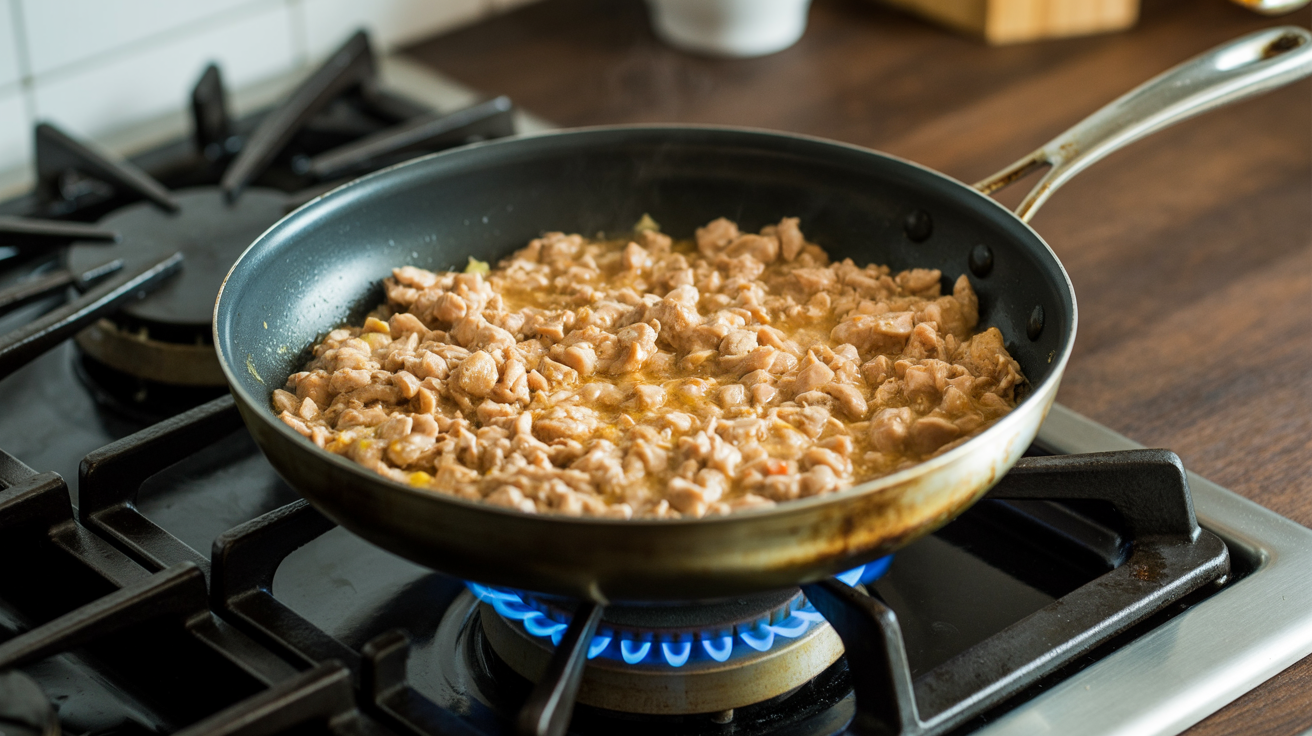
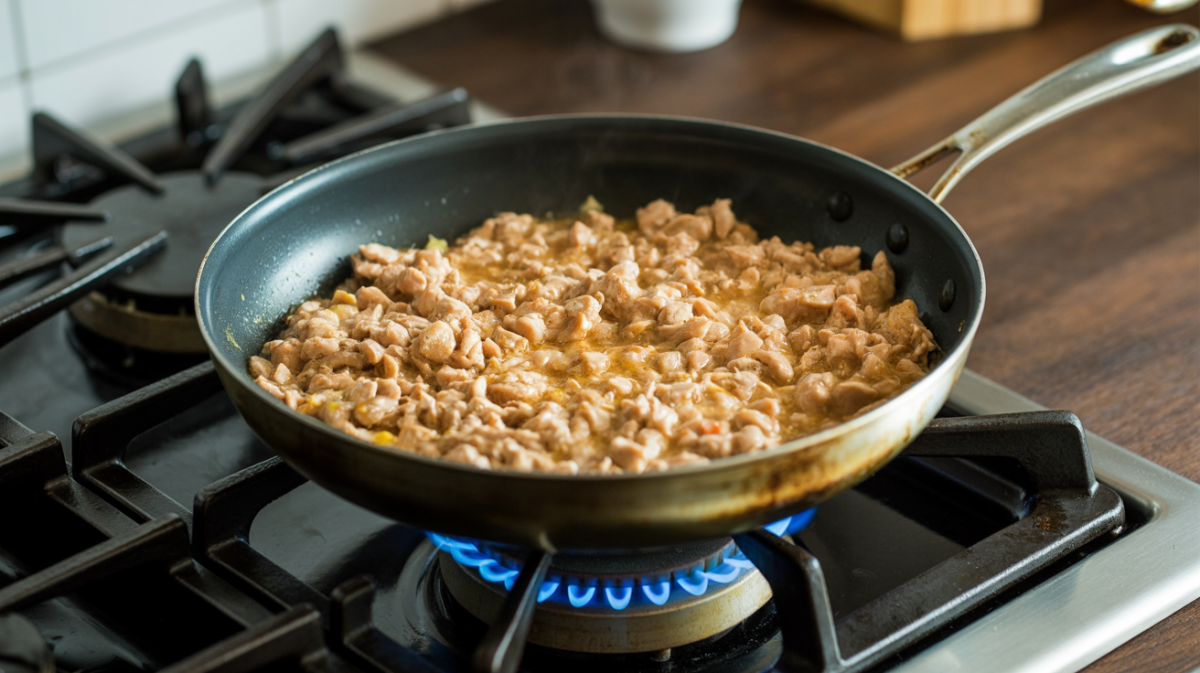
Step 3: Cook the minced meat: Add the minced chicken or pork to the pan. Use a spatula to break the meat into small pieces as it cooks. Stir continuously for 3–4 minutes, or until the meat is lightly browned and no pink remains. This helps it cook evenly and prevents large clumps from forming.
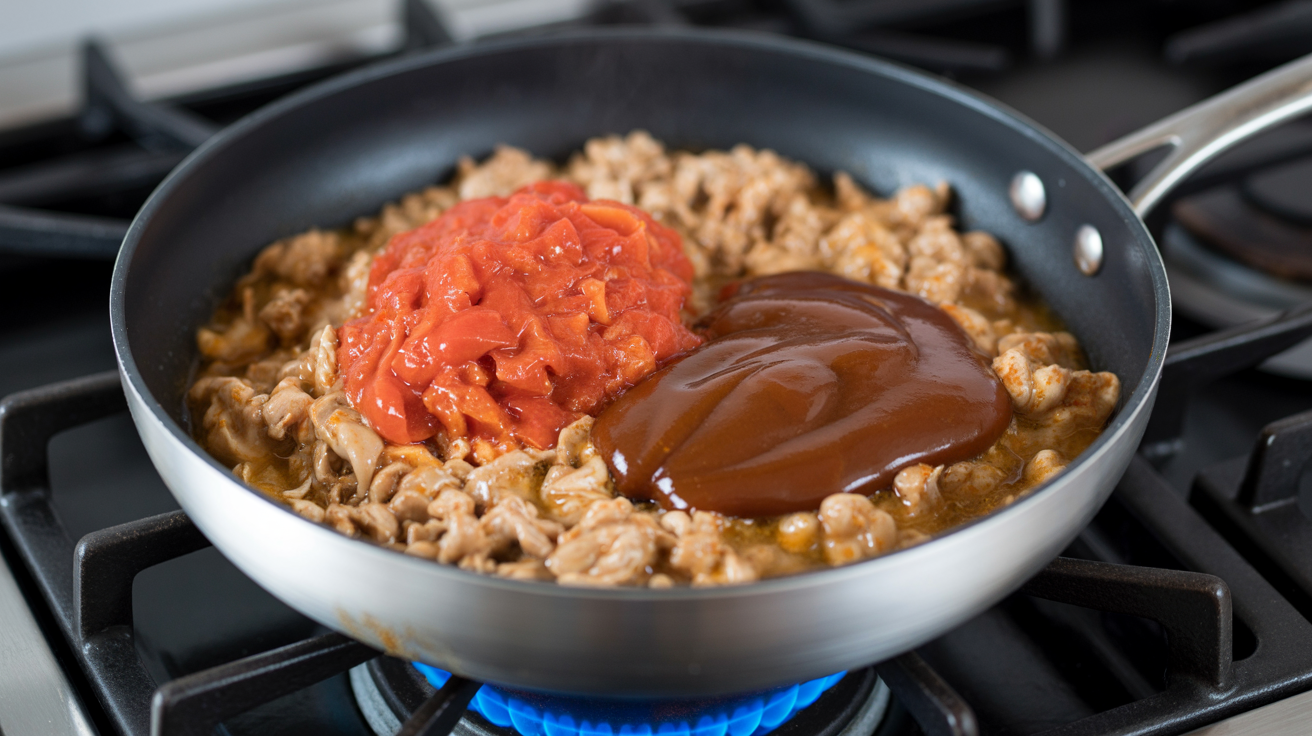
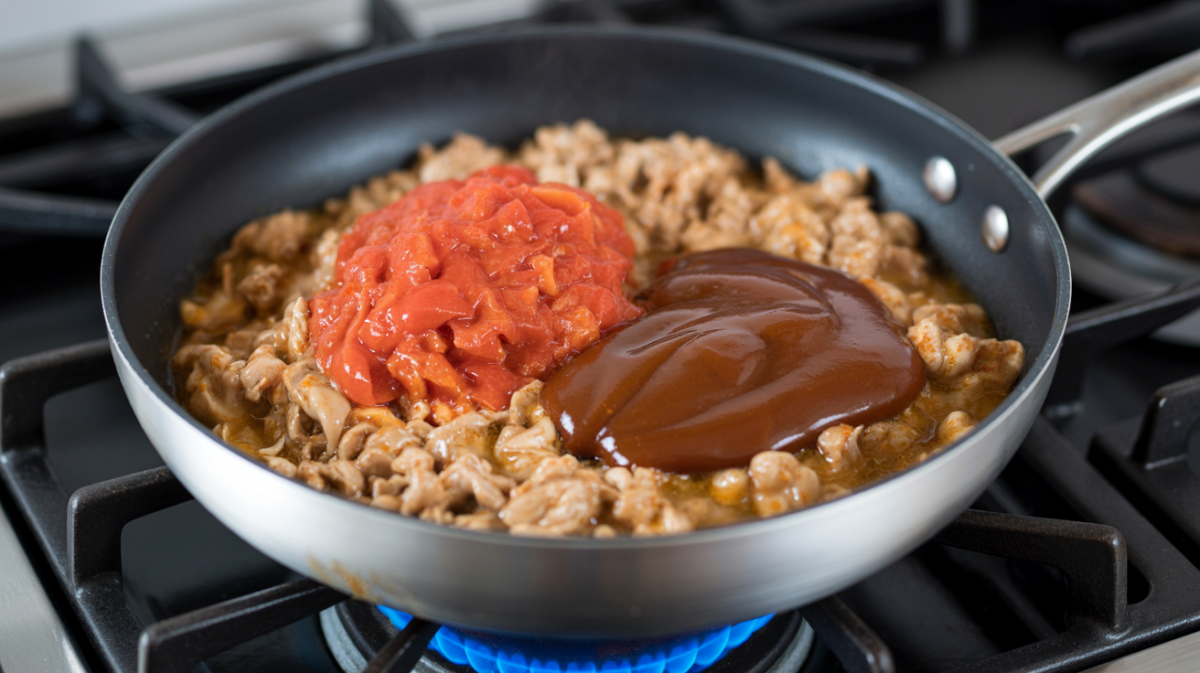
Step 4: Add tomatoes and pastes: Stir in the tomatoes, tomato paste, fermented soybean paste, and dark soy sauce. Mix thoroughly so the meat is coated and everything is evenly distributed. Cook for about 5 minutes, allowing the tomatoes to soften and blend with the meat and pastes. The tomato paste intensifies the umami and gives the sauce more depth.
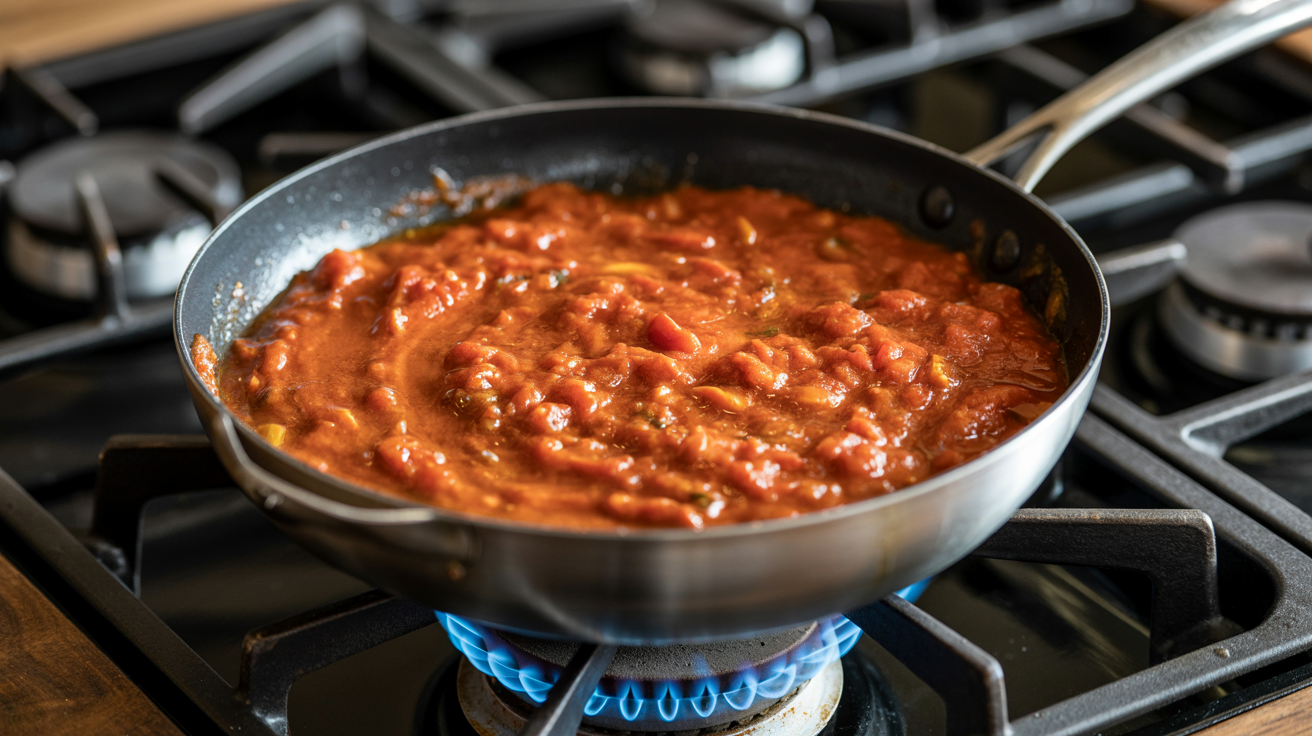
Step 5: Season and simmer the sauce: Sprinkle in the turmeric, chili powder, sugar, and fish sauce. Stir well so the spices and seasonings are evenly mixed through the sauce. Pour in ½ cup chicken broth, then reduce the heat to low. Let the sauce simmer gently for about 10 minutes, stirring occasionally to prevent sticking, until it thickens slightly.
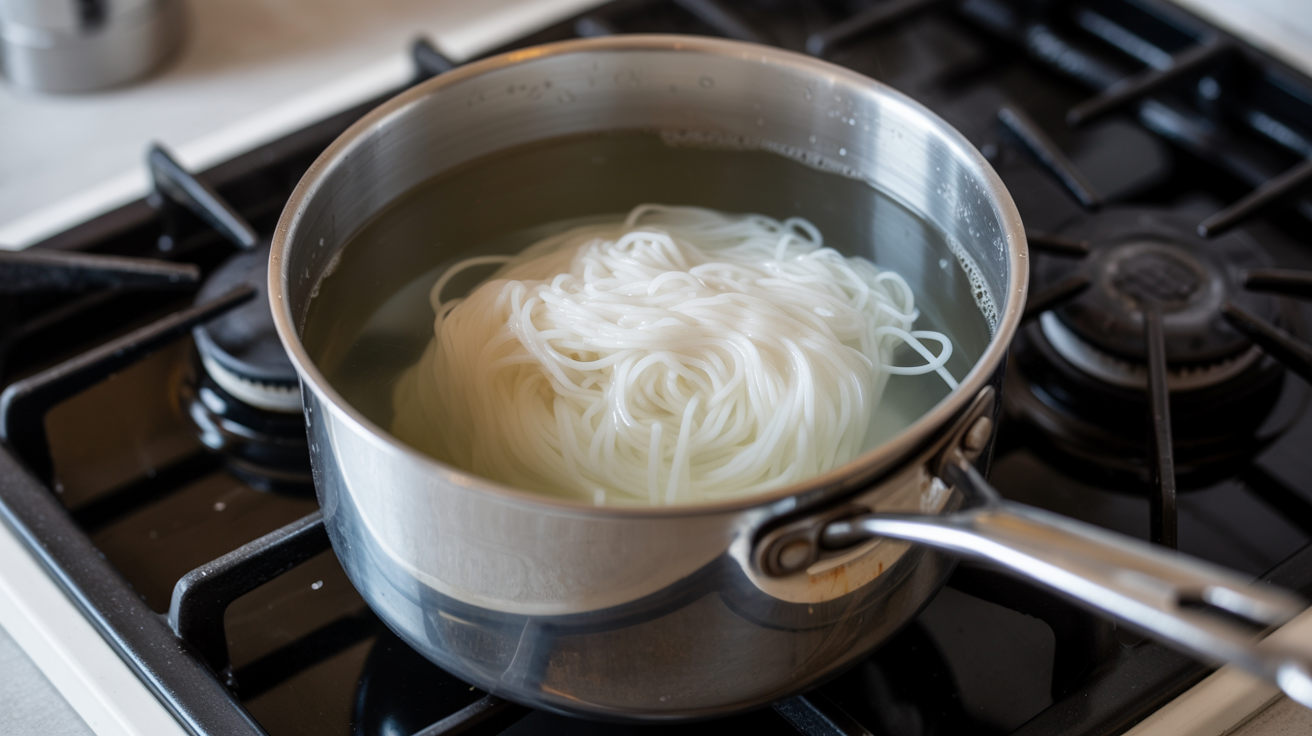
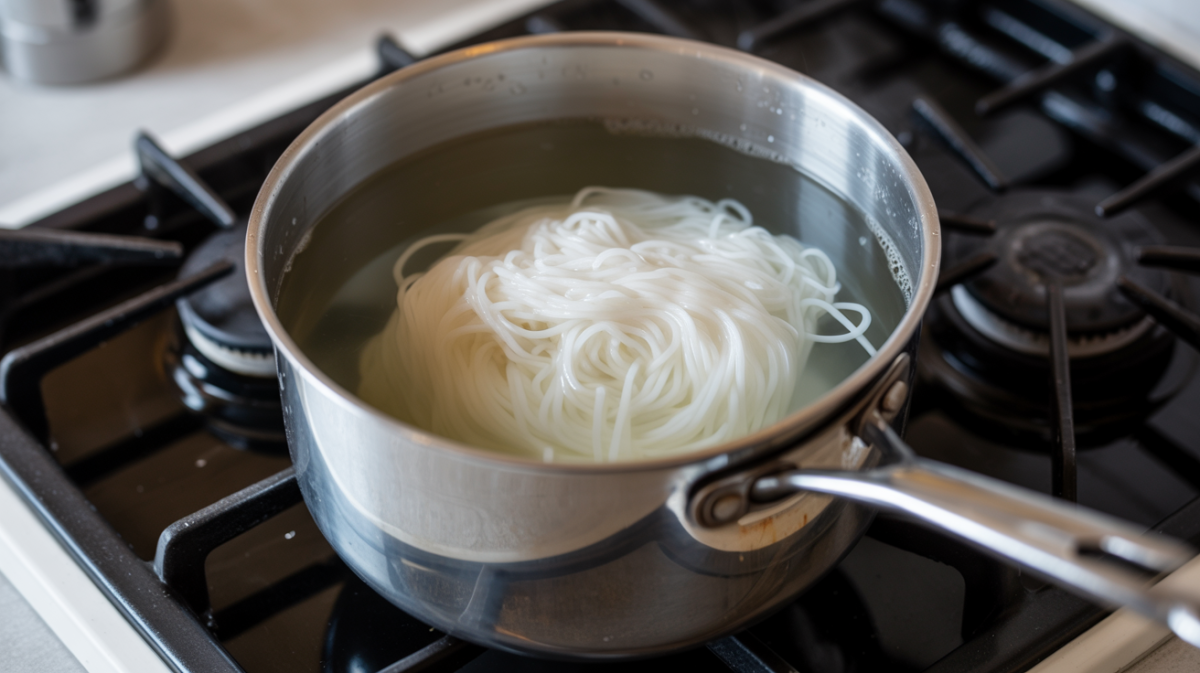
Step 6: Cook the noodles: While the sauce is simmering, bring a pot of water to a boil. Add the drained rice noodles and cook for 30 seconds to 1 minute, or as directed on the package. As soon as they are done, drain them quickly and rinse under cold water to stop the cooking and prevent them from becoming soft or mushy. Set aside.
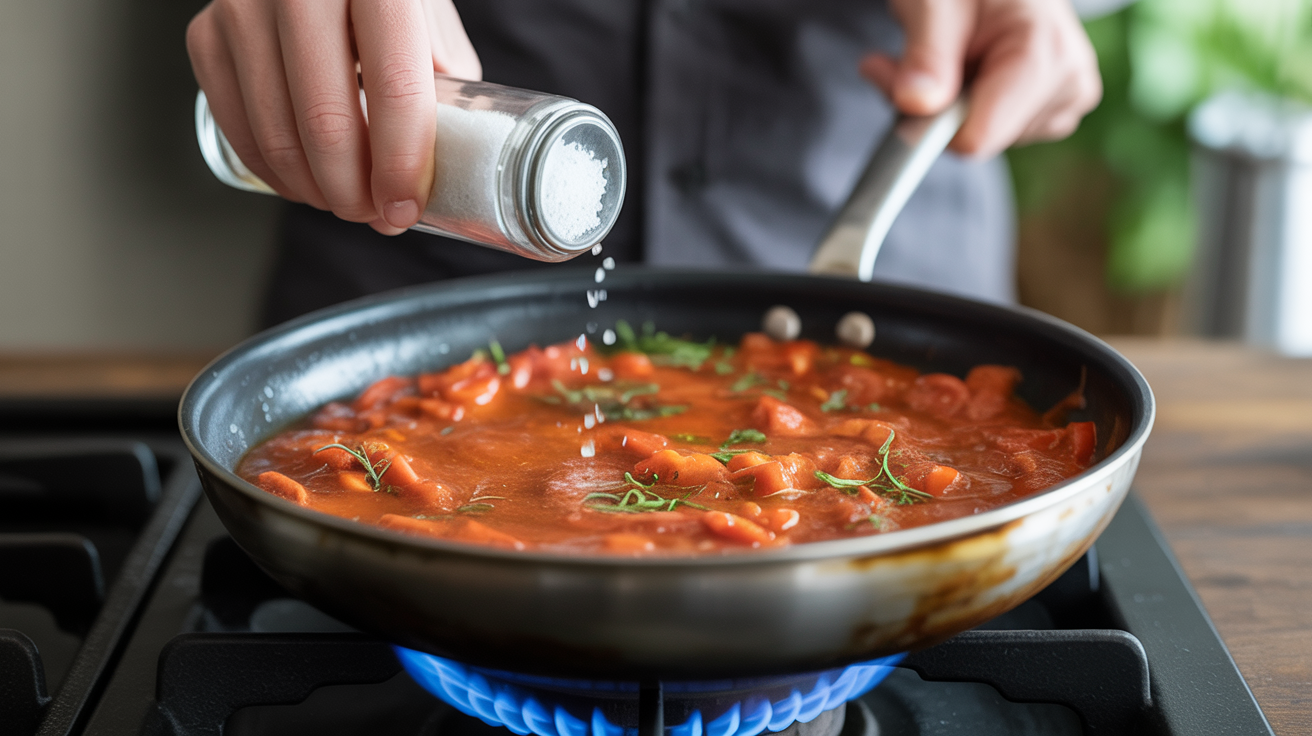
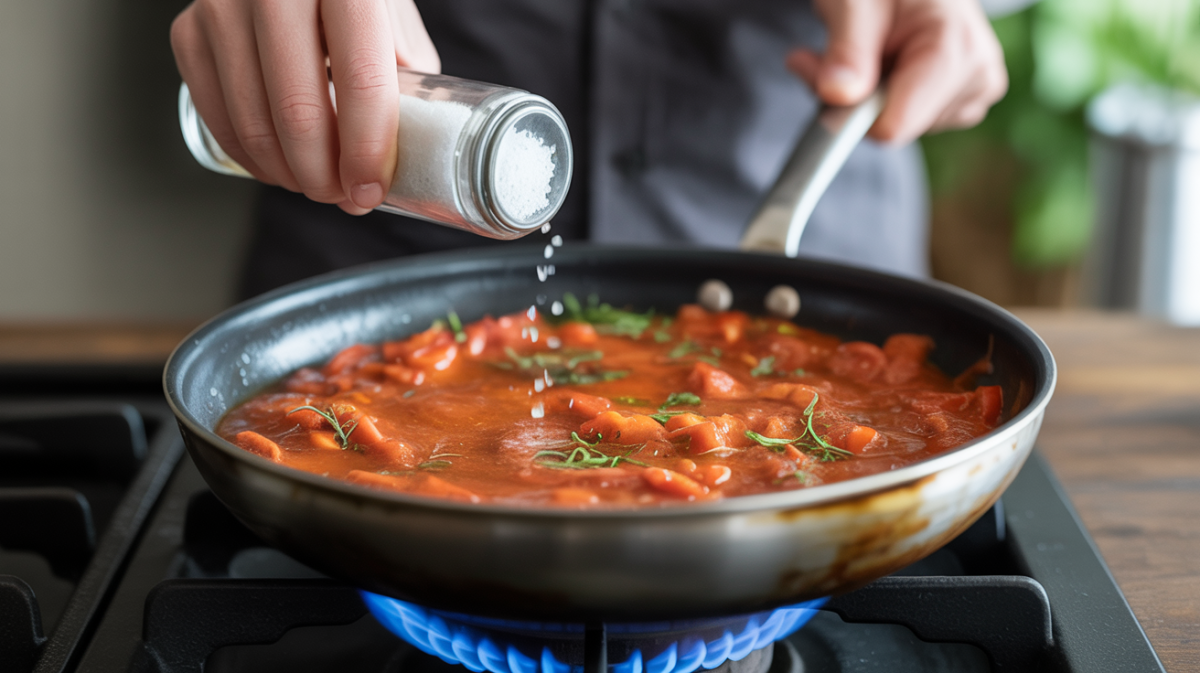
Step 7: Adjust the sauce: Taste the sauce and adjust the seasoning if needed. Add more fish sauce for extra umami, a little more sugar for balance, or additional chili powder for heat. The finished sauce should be slightly thick but still pourable. If it has become too thick, stir in a small splash of chicken broth to loosen it.
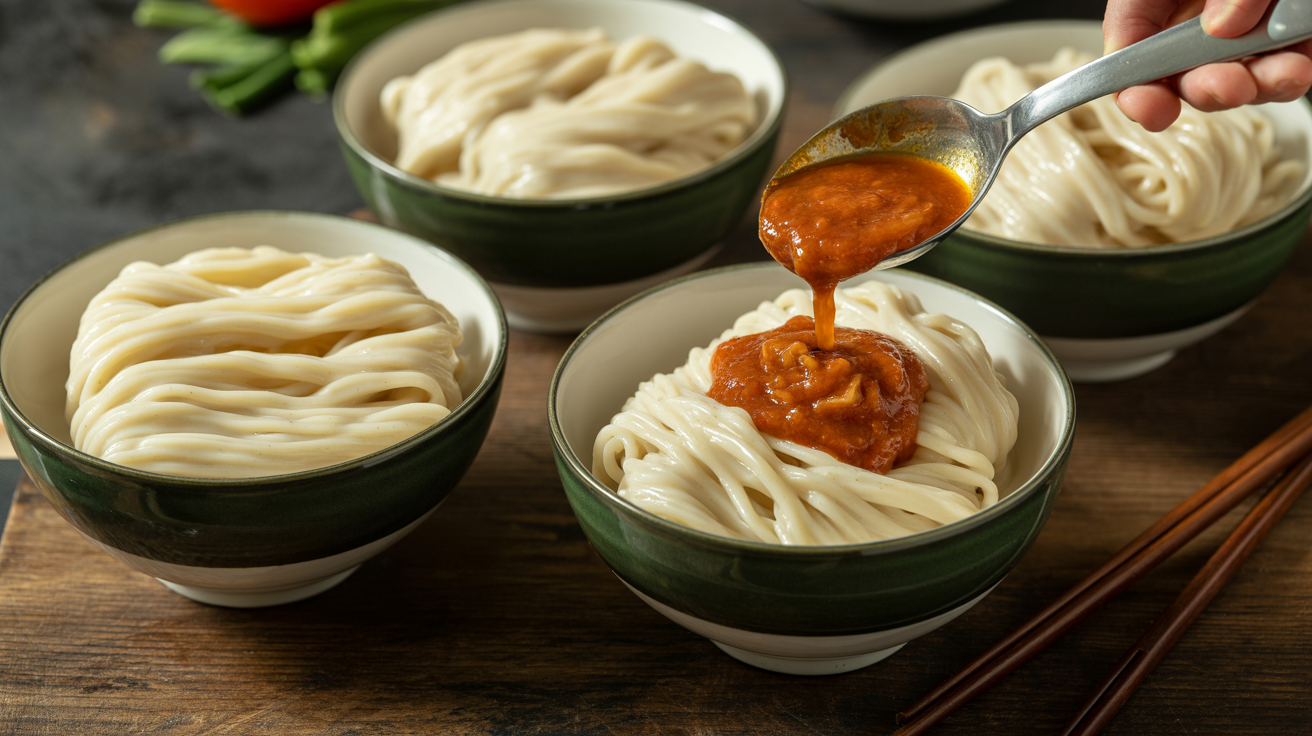
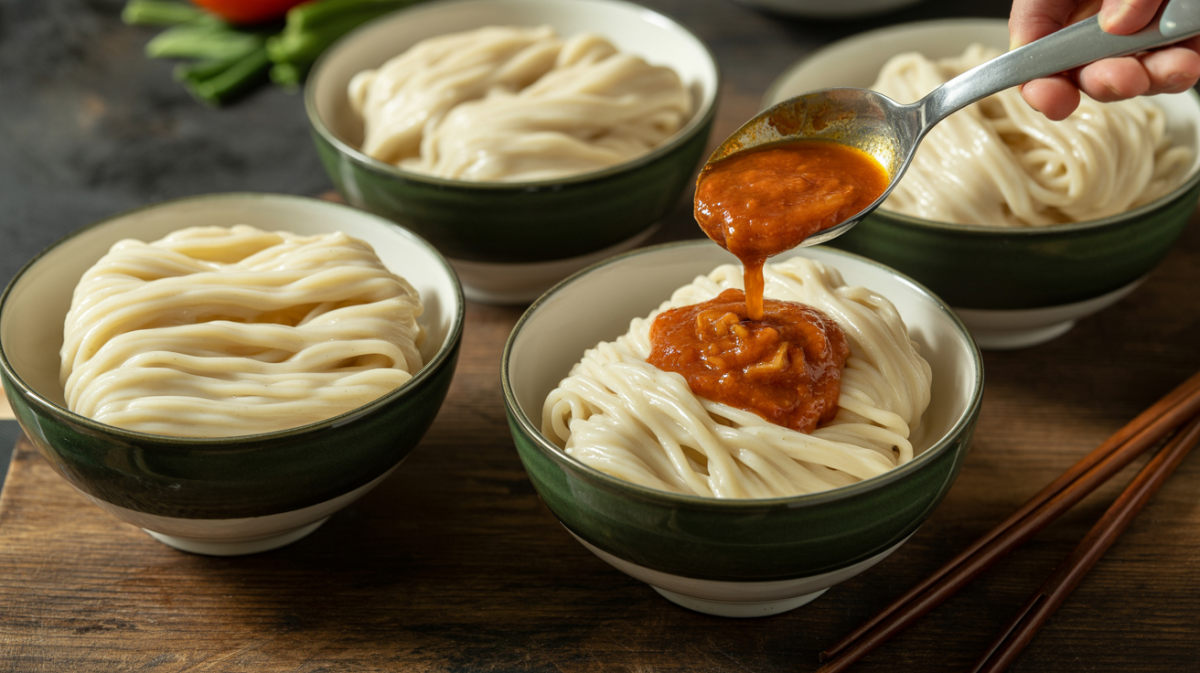
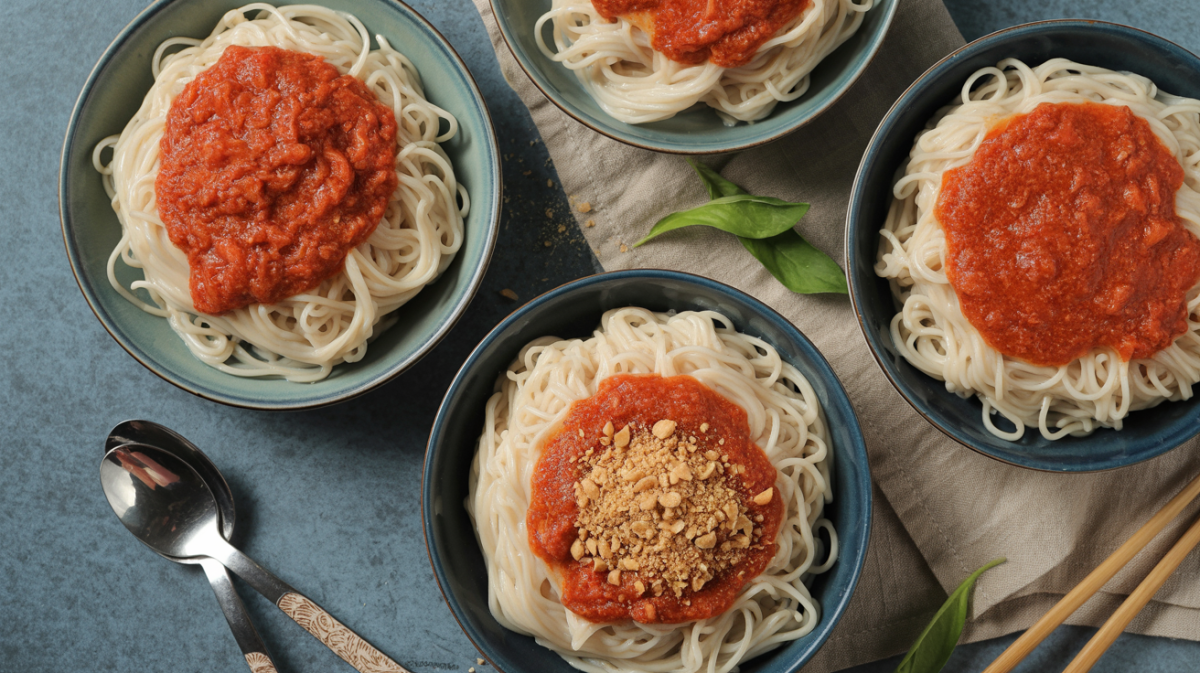
Step 8: Portion the noodles and sauce: Divide the cooked noodles evenly among four serving bowls. Spoon the tomato-based sauce generously over each portion, making sure each bowl receives both meat and broth so the noodles are well coated.
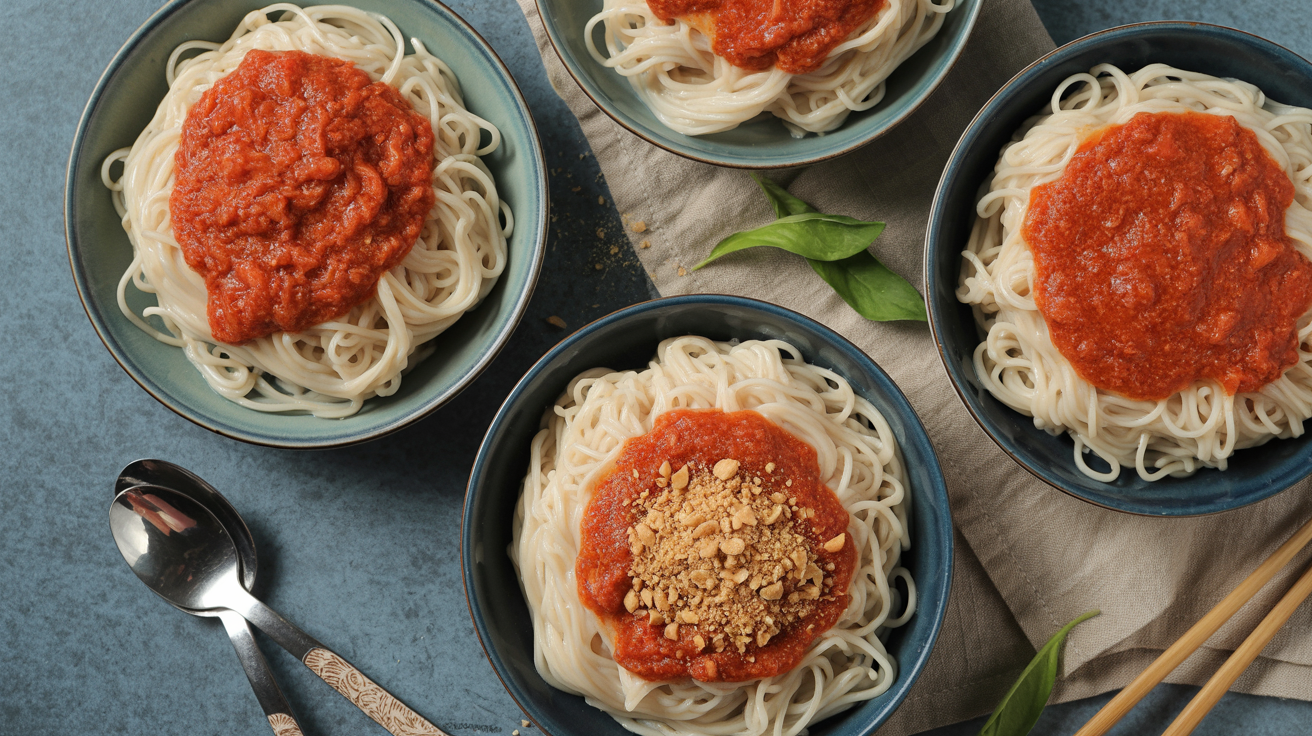
Step 9: Add toppings: Top each bowl with chopped pickled mustard greens, fried garlic, crushed peanuts, chopped spring onions, and fresh coriander. These garnishes provide crunch, acidity, and fresh herbal notes that are important to the overall balance of the dish.
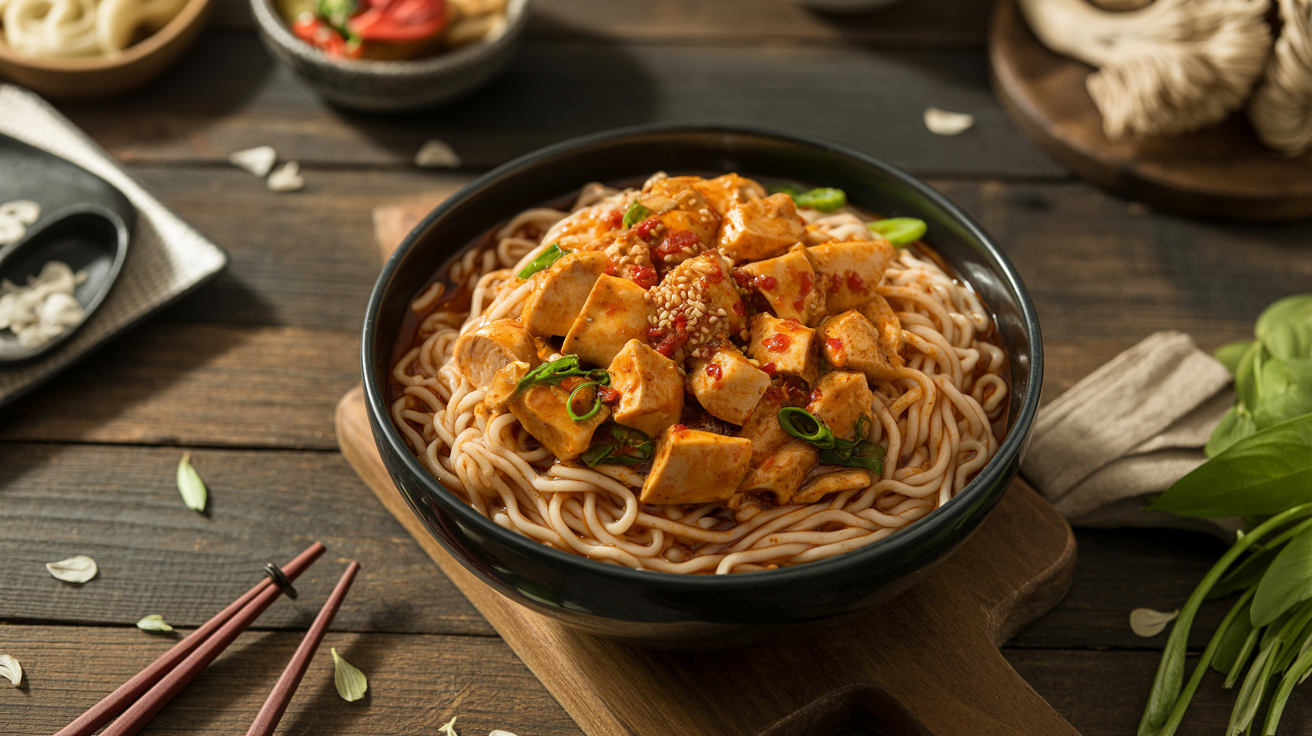
Step 10: Serve: Serve the Shan Noodles immediately, with lime wedges and chili oil on the side so each person can adjust acidity and spice to taste. Shan Noodles are traditionally enjoyed slightly warm but can also be served at room temperature. They can be paired with a light broth or green tea for a complete meal.
Preparing and Cooking the Rice Noodles
I grab thin rice noodles, which are traditional for a Shan noodles recipe. I boil a big pot of water—no salt needed. Once it’s bubbling, I toss in the noodles and cook for 3-4 minutes, stirring so they don’t stick.
The noodles should be tender but still have a little bite. I test by biting into one—if it’s right, I drain them fast and rinse with cold water. This stops the cooking and keeps them from getting mushy.
I toss the noodles with a bit of oil so they don’t clump. Then I set them aside while I make the sauce. If you’re prepping ahead, cover them and let them hang out at room temp for up to half an hour.
Making the Savory Tomato Sauce
For the sauce, I heat oil in a big pan and add minced garlic and sliced shallots. I cook them for a couple minutes until they’re golden and smell amazing. Then I add the ground chicken or pork, breaking it up as it cooks.
Once the meat’s browned, I stir in tomato paste and cook for another minute. Then I add diced tomatoes, soy sauce, and a splash of water to create that rich tomato-based sauce that really defines a Shan noodles recipe.
I season with turmeric, paprika, and a pinch of sugar to balance things out. The sauce needs to simmer for about 10-15 minutes, just until it thickens up a bit. I always taste and tweak the salt at the end.
Assembling the Bowl: Layering Noodles, Sauce, and Toppings
To build each bowl, I start with a heap of rice noodles. Then I ladle on the hot tomato sauce, making sure every bowl gets plenty of meat and sauce. If I want a soupier Shan noodles recipe, I add a splash of broth or the cooking liquid.
I top each bowl with crushed peanuts, scallions, and cilantro. Pickled mustard greens go on the side for a tangy punch. A drizzle of chili oil finishes it off and gives that signature kick.
Tips for Perfectly Balanced Flavors and Textures
I always taste the sauce before serving and adjust the seasoning. The goal is a balance of savory, sweet, and tangy flavors—if it’s too acidic, I add a little more sugar; if it’s too sweet, a splash of soy sauce does the trick. Getting the noodle texture right is everything.
I never overcook the noodles because mushy rice noodles just don’t work in a Shan noodles recipe. I also let the sauce reduce so it’s not watery. Chili oil goes on the side so everyone can adjust the heat to their liking.
Fresh garnishes should go on right before eating. That way, everything stays crunchy and bright. It’s little details like this that make a Shan noodles recipe worth the effort.
Popular Variations and Serving Styles
Shan noodles adapt to different tastes through a couple main servi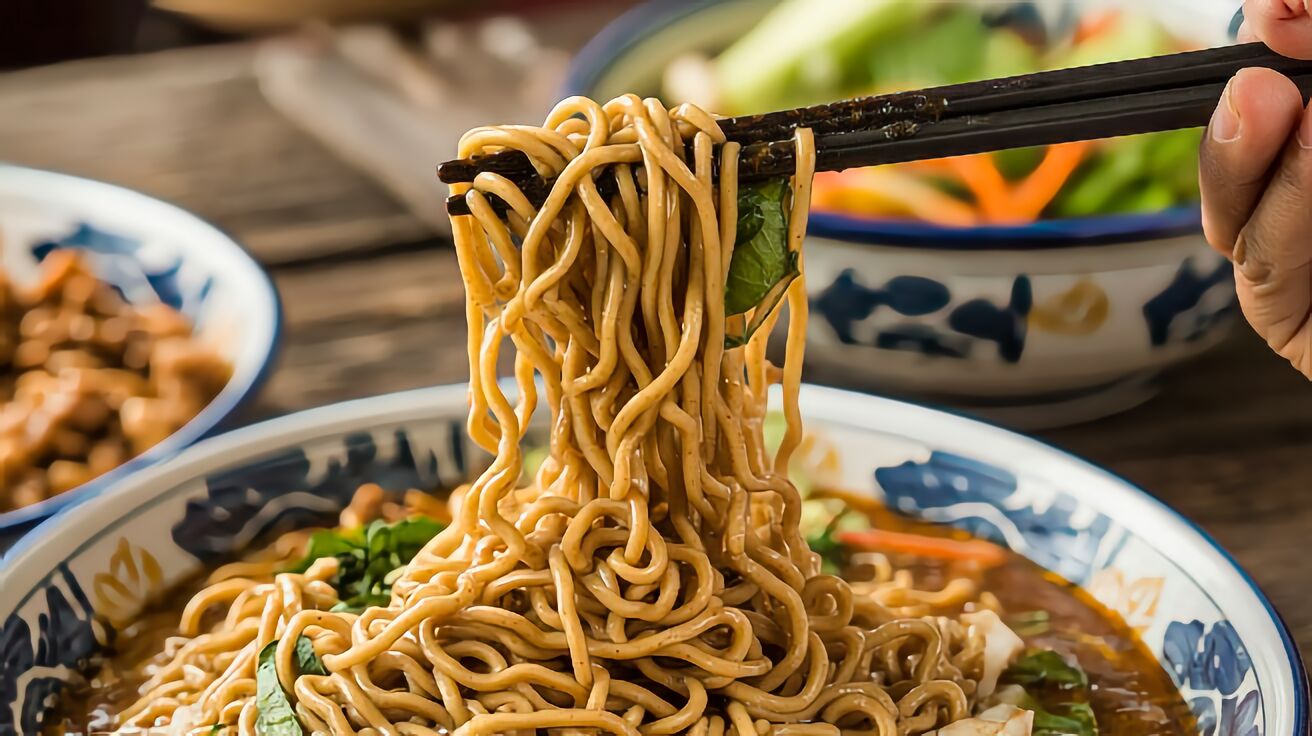 ng styles, and honestly, toppings can take your bowl from basic to unforgettable. The way you finish your Shan noodles recipe says a lot about your personal style. There’s no single right way—just tasty options.
Dry vs. Soup-Style Shan Noodles
The dry version of Shan noodles features a thick sauce that clings to the noodles. I think this style really lets you taste each element since the sauce sticks right to the noodles. It’s a little richer and more intense.
The soup-style version uses the same flavorful broth but poured over the noodles. This one’s lighter and easier to eat, especially if it’s hot outside.
Both styles start with a tomato and soy sauce base—no heavy coconut milk here. The meat sauce is usually minced chicken or pork cooked with tomatoes. You can pick whichever style fits your mood and what you want from your Shan noodles recipe.
Regional Differences in Shan Noodle Preparation
Shan noodles come from Shan State in eastern Burma, right where China, Thailand, and Laos meet. That location brings all kinds of regional flavor twists.
Depending on the area, cooks might add more garlic and chili or lean into pickled veggies as the main topping. Some versions are spicier, some have extra herbs, and others are all about the pickles.
Similar dishes show up in China’s Yunnan province and Chiang Mai, Thailand. The Thai style has more herbs, while the Chinese version might use different preserved veggies. It’s wild how a Shan noodles recipe can change just by crossing a border.
Common Toppings and Accompaniments
When I make a Shan noodles recipe, I always reach for these toppings:
- Pickled mustard greens (mon hin chin)
- Chili oil for heat
- Roasted peanuts for crunch
- Fresh garlic (fried or raw)
- Young mangetout vines or pea shoots
The pickled mustard greens add a tartness that balances the rich tomato sauce. Chili oil lets everyone dial in their own spice level.
Roasted peanuts give a satisfying crunch next to the soft noodles. Some folks like to toss on sesame seeds or more fried garlic. Whatever you choose, toppings make every Shan noodles recipe feel personal and fun.
Cultural Significance and Enjoying Shan Noodles at Home
Shan noodles have deep roots in Myanmar’s eastern region and reflect a long history of culinary exchange. Knowing where a Shan noodles recipe comes from just makes it more special when you eat it at home. There’s something really satisfying about making this dish yourself and sharing it with friends or family.
A Brief History of Shan Noodles in Burmese Cuisine
Shan noodles originated from Shan State, tucked in eastern Myanmar by the borders of Thailand, Laos, and China. You can see how trade and migration shaped the Shan noodles recipe over centuries. It’s wild how much a border can influence a dish’s flavor.
The recipe mixes Burmese, Thai, and Chinese cooking styles in one bowl. I’ve noticed that Shan State’s cuisine goes for mild seasoning, fresh ingredients, and simple prep. Families there often built their Shan noodles recipe around whatever they could grab at the market or in their gardens.
The dish became a staple in Burmese cuisine and people eat it any time—breakfast, lunch, or even late at night from a street vendor. That kind of flexibility turned the Shan noodles recipe into a favorite across Myanmar and way beyond. Honestly, who doesn’t love a noodle dish you can eat whenever you want?
Shan State Influence and Modern Adaptations
Shan State’s location led to some pretty unique flavor twists in the noodles. Each neighbor put their own spin on the Shan noodles recipe, but you’ll always find tomato, curry, soy, or garlic at the heart of it. I think those core flavors are what make the Shan noodles recipe so crave-worthy.
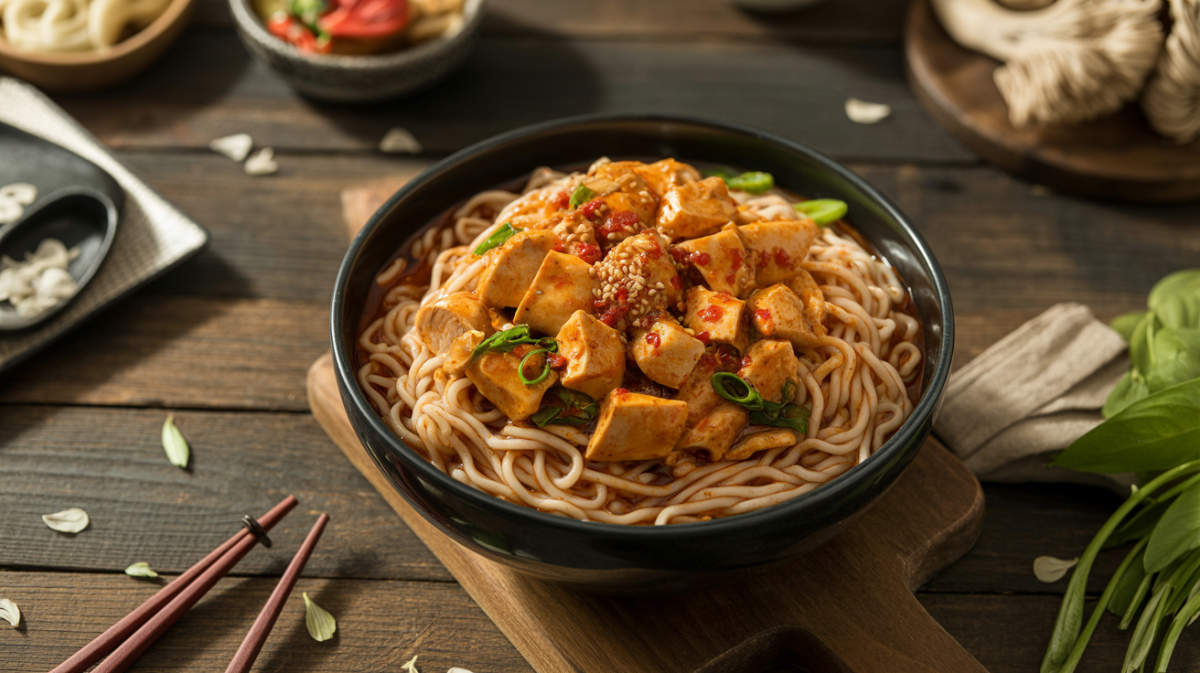
Modern cooks tweak the Shan noodles recipe for different diets but keep the traditional taste. Chicken and pork are classic, but tofu pops up now for a vegetarian Shan noodles recipe. You can eat it dry like a noodle salad or with broth if you’re in the mood for something cozier.
Toppings change from place to place and person to person. I usually see crushed peanuts, scallions, crispy garlic, or pickled veggies on top of a good Shan noodles recipe. It’s kind of fun how everyone can make their bowl their own, and honestly, that’s the magic of the Shan noodles recipe—it just keeps evolving.
Tips for Sharing and Storing Leftovers
When I make Shan noodles recipe at home, I usually serve everything family-style with toppings in separate bowls. That way, everyone can pile on as much garlic, peanuts, and veggies as they want. It’s honestly the best way to keep the Shan noodles recipe fun and customizable.
For storing leftovers:
- Put noodles, broth, and toppings in separate containers
- Keep them in the fridge for up to 3 days
- Warm the broth on the stove over medium heat
- Give the noodles a quick rinse with warm water before serving
From my experience, noodles get mushy if they sit in broth overnight, so I always keep everything apart. Separating the parts helps keep that classic Shan noodles recipe texture just right. When I want leftovers, I heat the broth, warm the noodles with hot water, and toss everything together in a bowl.
Fried garlic or other crispy toppings just don’t stay crunchy in the fridge, which is a bit of a bummer. I prefer to add fresh ones when reheating my Shan noodles recipe leftovers. If you’re making a big batch of Shan noodles recipe, this trick keeps every bowl tasting as good as the first.
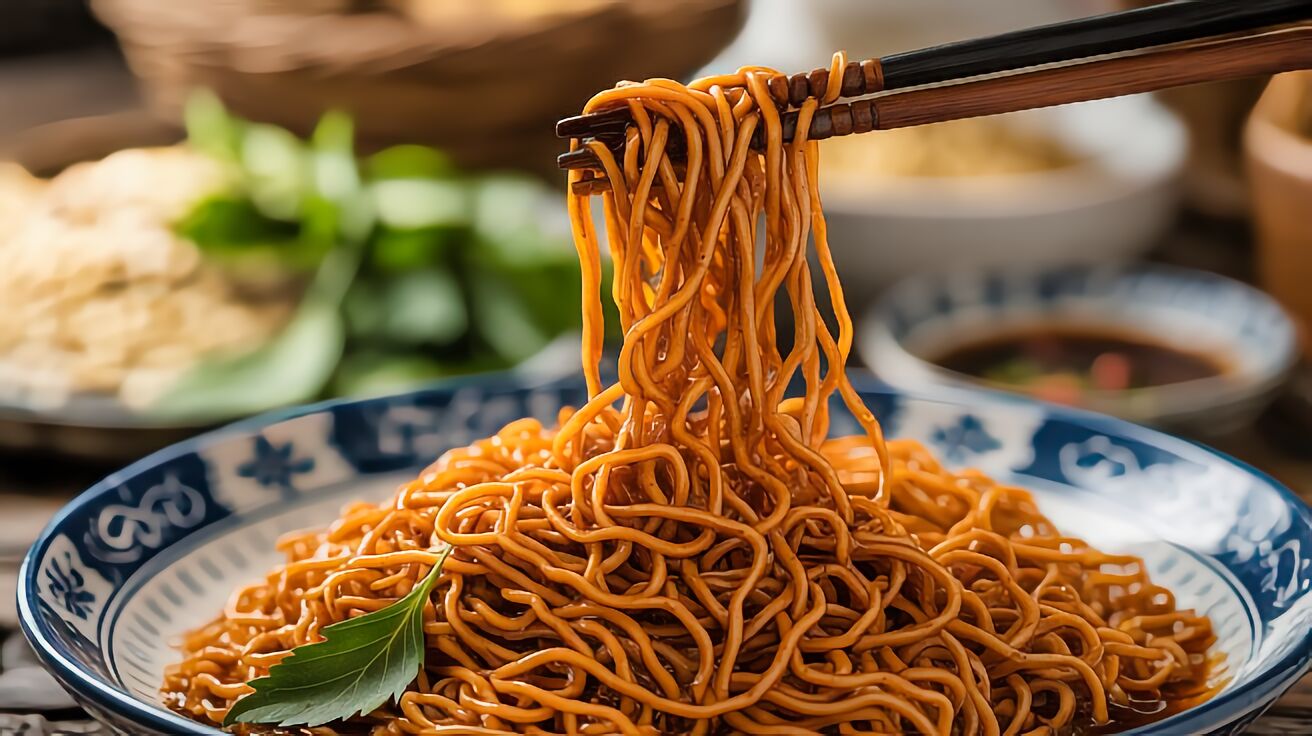
Shan Noodles vs Pad Thai
Shan noodles and pad Thai are both popular noodle dishes, but they offer very different flavor profiles and levels of intensity.
Shan noodles, a staple of Myanmar’s Shan State cuisine, feature rice noodles tossed in a light sauce made with chicken or pork, garlic, and soy-based seasonings. The dish is typically mild, savory, and comforting, often served with pickled vegetables that add a slight tang and contrast to the soft noodles. The focus is on balance and simplicity rather than bold seasoning.
Pad Thai, one of Thailand’s most famous dishes, is known for its vibrant and complex flavor. It combines rice noodles with tamarind paste, fish sauce, palm sugar, eggs, and proteins like shrimp or chicken. The result is a dish that balances sweet, sour, salty, and umami flavors, often finished with crushed peanuts and lime.
The key difference is simplicity versus boldness: Shan noodles are mild and soothing, while pad Thai is lively and flavor-packed.
If you want a gentle, savory noodle dish, Shan noodles are a great choice. If you’re craving something tangy, slightly sweet, and more complex, pad Thai is the better option.
Burmese Shan Noodles Recipe FAQ
1. What makes Shan noodles different from other noodle dishes?
They feature a light sauce with chicken or pork and simple seasonings.
2. What type of noodles are used?
Flat rice noodles are most common.
3. Is Shan noodle soup or dry?
It can be served both as a soup or a dry noodle dish.
4. What toppings are added?
Pickled vegetables and herbs are often included.
5. Is this dish spicy?
It is usually mild but can be adjusted.
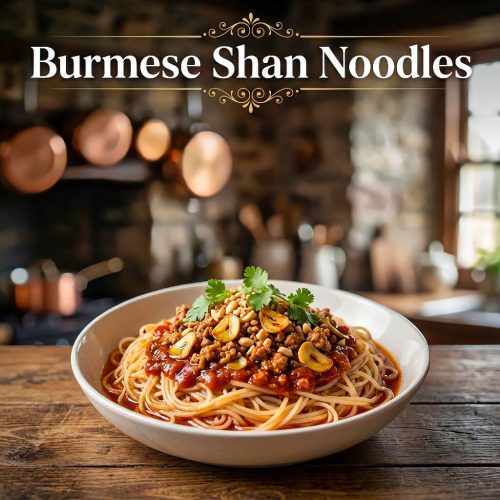
Shan Noodles
Ingredients
- 14 oz rice noodles flat or thin
- 12 oz chicken thighs or pork finely minced
- 2 tbsp vegetable oil
- 4 garlic cloves minced
- 2 shallots finely chopped
- 2 tomatoes finely chopped
- 1 tbsp tomato paste
- 1 tbsp soybean paste fermented or miso as a substitute
- 1 tbsp soy sauce dark
- 1 tsp fish sauce
- 1 tsp sugar
- ½ tsp turmeric ground
- ½ tsp chili powder adjust to taste
- ½ cup chicken broth or water
- ½ cup mustard greens pickled and finely chopped
- 2 tbsp garlic fried
- 2 tbsp peanuts roasted crushed
- 2 tbsp spring onions finely chopped
- 2 tbsp coriander leaves roughly chopped
- 1 lime cut into wedges
- 1 tsp chili oil optional
Instructions
- Soak the rice noodles: Place the rice noodles in a bowl and cover with warm water. Let them soak for about 15 minutes, or until they are softened but still slightly firm in the center. Drain well and set aside. If you are using dried noodles that require boiling, follow the specific soaking or boiling instructions on the package instead.
- Start the aromatic base: Heat 2 tablespoons vegetable oil in a pan over medium heat. Add the minced garlic and shallots. Stir frequently and cook until they become aromatic and turn golden brown. This step builds a deep, savoury base for the sauce, so avoid rushing it or letting the garlic burn.
- Cook the minced meat: Add the minced chicken or pork to the pan. Use a spatula to break the meat into small pieces as it cooks. Stir continuously for 3–4 minutes, or until the meat is lightly browned and no pink remains. This helps it cook evenly and prevents large clumps from forming.
- Add tomatoes and pastes: Stir in the tomatoes, tomato paste, fermented soybean paste, and dark soy sauce. Mix thoroughly so the meat is coated and everything is evenly distributed. Cook for about 5 minutes, allowing the tomatoes to soften and blend with the meat and pastes. The tomato paste intensifies the umami and gives the sauce more depth.
- Season and simmer the sauce: Sprinkle in the turmeric, chili powder, sugar, and fish sauce. Stir well so the spices and seasonings are evenly mixed through the sauce. Pour in ½ cup chicken broth, then reduce the heat to low. Let the sauce simmer gently for about 10 minutes, stirring occasionally to prevent sticking, until it thickens slightly.
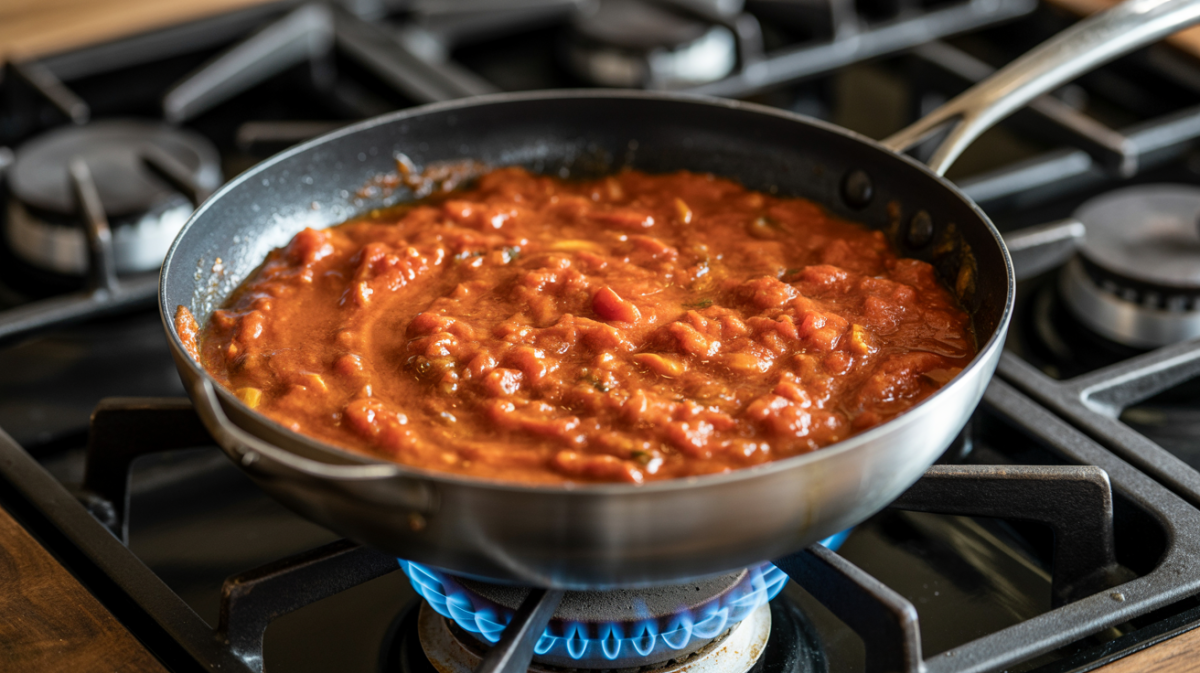
- Cook the noodles: While the sauce is simmering, bring a pot of water to a boil. Add the drained rice noodles and cook for 30 seconds to 1 minute, or as directed on the package. As soon as they are done, drain them quickly and rinse under cold water to stop the cooking and prevent them from becoming soft or mushy. Set aside.
- Adjust the sauce: Taste the sauce and adjust the seasoning if needed. Add more fish sauce for extra umami, a little more sugar for balance, or additional chili powder for heat. The finished sauce should be slightly thick but still pourable. If it has become too thick, stir in a small splash of chicken broth to loosen it.
- Portion the noodles and sauce: Divide the cooked noodles evenly among four serving bowls. Spoon the tomato-based sauce generously over each portion, making sure each bowl receives both meat and broth so the noodles are well coated.
- Add toppings: Top each bowl with chopped pickled mustard greens, fried garlic, crushed peanuts, chopped spring onions, and fresh coriander. These garnishes provide crunch, acidity, and fresh herbal notes that are important to the overall balance of the dish.
- Serve: Serve the Shan Noodles immediately, with lime wedges and chili oil on the side so each person can adjust acidity and spice to taste. Shan Noodles are traditionally enjoyed slightly warm but can also be served at room temperature. They can be paired with a light broth or green tea for a complete meal.
Video

10 comments
Anyone tried this recipe with tofu instead of chicken? Might give it a whirl with extra fermented soybean paste.
Tried it with tofu, tasted bland. Stick to chicken, its a classic for a reason!
Interesting read! Anyone tried substituting the chicken with tofu? Curious about how that would alter the flavor profile.
Interesting read, but wouldnt tofu be a better protein option for vegetarian version instead of just removing meat?
Interesting article! Has anyone tried substituting the chicken with tofu for a vegan twist on this Burmese Shan Noodles recipe?
Yes, I have! Tofu instead of chicken works wonders. Adds a unique, delicious twist. Highly recommend!
Cant we experiment with tofu instead of chicken for a vegan twist? Also, would adding some chilli flakes ruin the original taste?
Absolutely! Tofu would work great. Chilli flakes? Go wild, its your meal after all!
Just wondering, can we switch out soybean paste with miso in the Shan noodles recipe? Anyone tried this hack yet?
Absolutely! Miso works great, it adds a unique richness to the Shan noodles. Try it!
Comments are closed.