

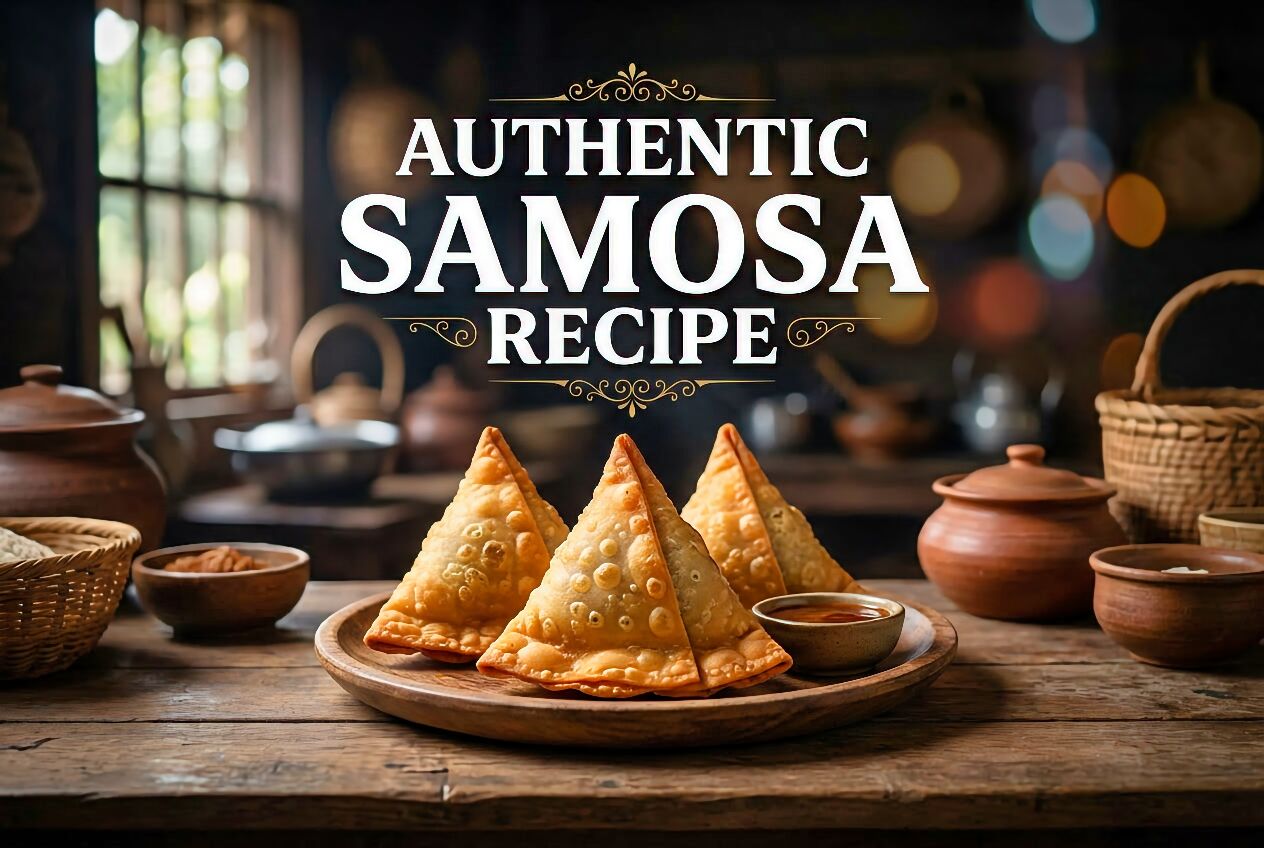
Burmese samosas are smaller and crispier than their Indian counterparts, filled with spiced potatoes, onions, and peas, then wrapped in thin pastry and fried until golden. I’ve always loved how these popular Myanmar street food snacks pack bold flavors into every bite. Making a Burmese samosa recipe at home is actually pretty easy, and you don’t need fancy skills—just basic ingredients and a few tricks.
The beauty of a Burmese samosa recipe is its flexibility. Burmese samosas work as appetizers, picnic snacks, or even in creative dishes like samosa soup. The filling, with spiced potatoes, onions, and peas, is a vegetarian option everyone seems to love.
In this guide, I’ll share what makes a Burmese samosa recipe stand out, go over the ingredients, and walk you through the process step by step. I’ll also mention some fun ways to serve these crispy triangular pastries if you want to mix things up. Honestly, if you like snacks with crunch and flavor, you’re in for a treat.
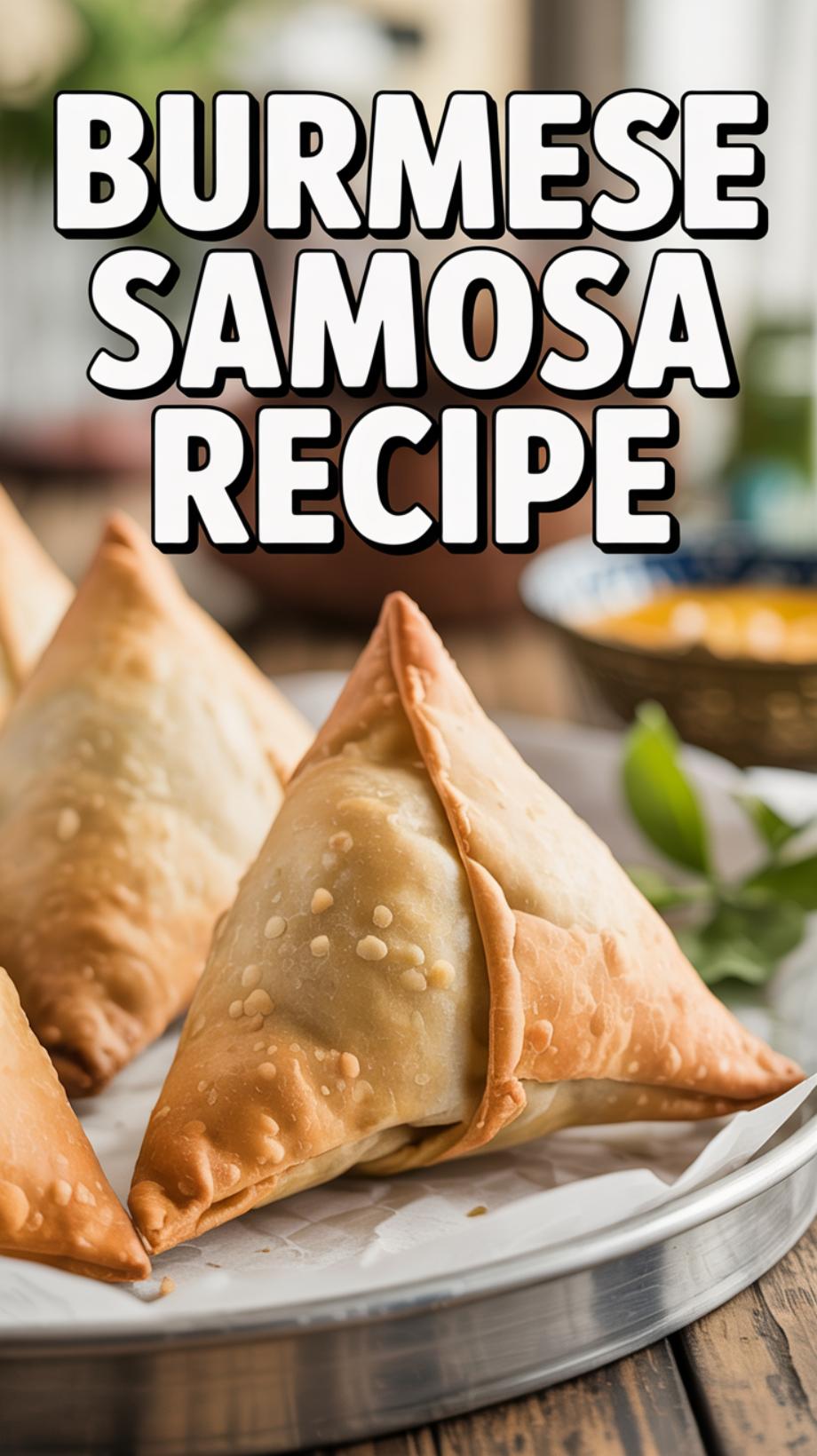
What Is Burmese Samosa?
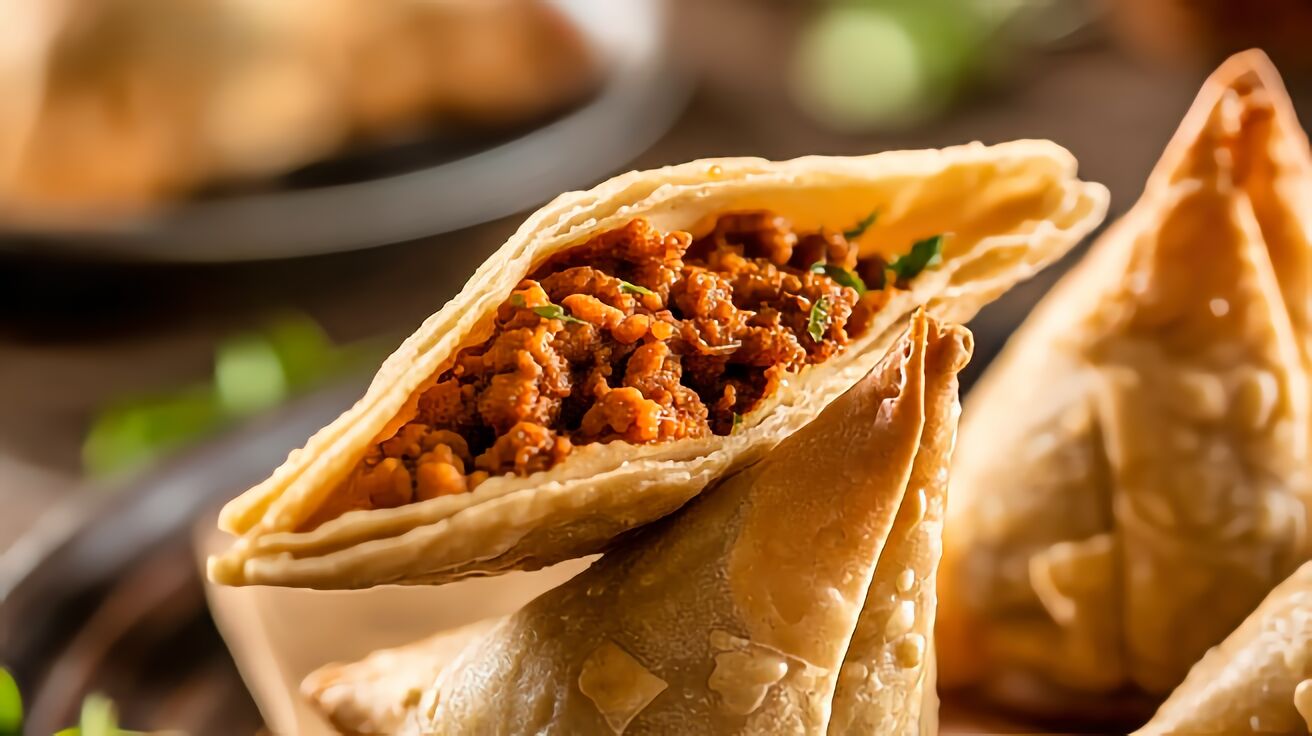
Burmese samosas are crispy, triangular fried pastries filled with spiced potatoes, onions, and peas—a classic street food snack in Myanmar. These samosas are smaller and crispier than Indian ones, and they’re usually served with tangy Burmese-style dipping sauces that are pretty unique. If you’ve never tried a Burmese samosa recipe, you’re missing out on a seriously tasty snack.
Origins and Cultural Significance
The 16th-century Mughal document Ain-i-Akbari talks about qutab, which it calls “sanbúsah” in Hindustan. In Burma, people call them “samusas,” and they’re everywhere in the street food scene. You’ll spot samosa vendors all over Yangon and other big cities, selling these little fried triangles as go-to snacks or party food.
Burmese samosas reflect the old trade routes and cultural exchanges between South Asia and Southeast Asia. The snack came to Myanmar through Indian influence, but locals tweaked it to fit their own tastes. Now, the Burmese samosa recipe is totally woven into daily life and celebrations.
Families serve Burmese samosas at parties, and workers grab them on the go from street carts. They’re part of daily routines and special occasions. I can’t imagine a Burmese street food scene without the Burmese samosa recipe showing up everywhere.
Key Differences from Indian Samosa
Burmese samosas stand out from Indian samosas in a few key ways. The size is the first thing you’ll notice—Burmese samosas are much smaller, so you can eat a few without feeling stuffed. The pastry wrapper in a Burmese samosa recipe is thinner, which makes it extra crispy when fried.
I love how the crispy shell gives you that perfect crunch. The filling sticks to basics: spiced potatoes, onions, and peas. The real twist in a Burmese samosa recipe is the sauce—tangy, spicy, and nothing like what you get with Indian samosas.
While Indian samosas sometimes have meat or a ton of spices, the Burmese samosa recipe keeps it simple and lets the flavors shine. That’s what makes it so addictive. And yes, the dipping sauce is non-negotiable if you want the full experience.
Burmese Samosa Variations
Burmese cuisine has come up with some fun spins on the classic Burmese samosa recipe. Samosa Thoke is a salad where you break up crispy samosas and toss them with veggies, herbs, and a punchy dressing. It’s fresh, crunchy, and a little bit wild.
Samosa soup mixes lentils, broken samosas, and toppings for a hearty meal. This dish turns the Burmese samosa recipe into a filling, comforting soup that’s both crunchy and soft. I’ve even seen samosa curry, where samosas float in a fragrant, soupy curry base.
Most people stick to the classic veggie filling, but some try out different vegetables or spice blends. No matter the variation, you always get that signature crispy bite. That’s the magic of a Burmese samosa recipe, if you ask me.
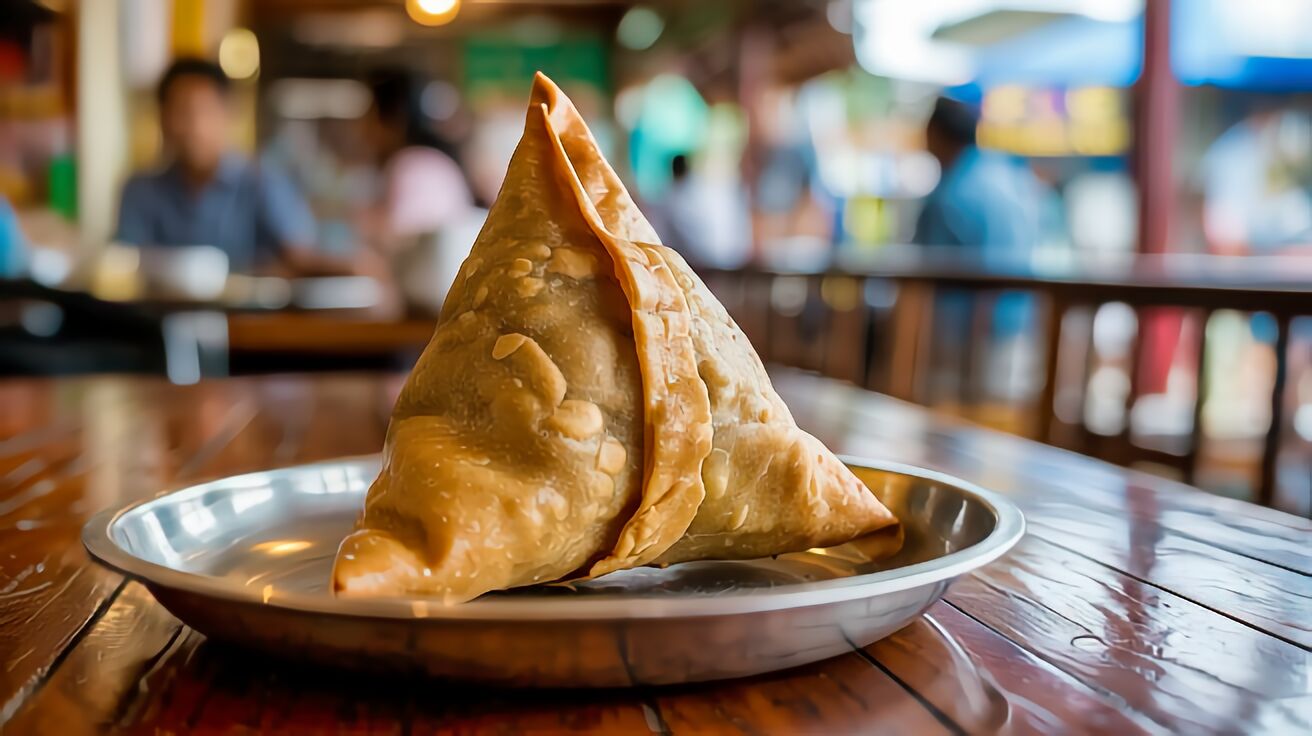
Ingredients and Preparation Techniques
To make a Burmese samosa recipe, you need to balance a thin, flaky wrapper with a spiced filling. The dough needs a gentle touch, while the filling uses traditional Burmese aromatics for flavor. If you want that real street food vibe, nailing these basics is key.
Essential Dough Components
I use all-purpose flour as the base for my Burmese samosa recipe dough because it gives the right mix of structure and flakiness. For every 2 cups of flour, I add 1/4 teaspoon salt and 2 tablespoons of oil or melted butter. The trick is to add cold water a bit at a time—about 1/2 cup—until the dough comes together but isn’t sticky.
I knead it for 5-7 minutes until it feels smooth and elastic. Then I cover the dough with a damp cloth and let it rest for at least 30 minutes. This rest makes the dough easier to roll thin for the Burmese samosa recipe.
Some people add rice flour or cornstarch for extra crispiness, but I stick with just all-purpose flour. It works fine for a classic Burmese samosa recipe texture. Honestly, the dough is simple, but you’ve got to trust the process.
Classic Potato and Pea Filling
The potato and onion filling is the soul of the Burmese samosa recipe. I boil 3-4 medium potatoes until they’re soft, then mash them while still warm. In a pan, I heat 2 tablespoons of oil, add 1 teaspoon cumin seeds, and let them sizzle before tossing in one large diced onion.
I cook the onion until golden, then mix in 1/2 cup green peas, the mashed potatoes, salt, and fresh cilantro. The filling should be on the dry side so the samosas don’t get soggy. I let it cool before stuffing the wrappers, and sometimes I add chopped green chilies for a gentle kick.
That’s really it for the filling in a Burmese samosa recipe—simple, hearty, and full of flavor. You don’t need fancy ingredients to make it special. Just don’t rush the cooling step or you’ll end up with a mess.
Signature Burmese Spices
A Burmese samosa recipe has its own spice vibe, different from Indian versions. I use 1 teaspoon turmeric for color, 1 teaspoon garam masala for warmth, and a few other basics. Here’s what I throw in:
- Cumin seeds (1 teaspoon, whole)
- Turmeric powder (1 teaspoon)
- Garam masala (1 teaspoon)
- Ground coriander (1/2 teaspoon)
- Red chili powder (1/2 teaspoon, or to taste)
I toast the cumin seeds before adding them to hot oil—it really brings out the aroma. Fresh ginger and garlic paste (about 1 tablespoon each) add depth to the Burmese samosa recipe filling. The spices should be noticeable, but you don’t want them to drown out the potatoes.
Tips for Achieving a Crispy Texture
If you want your Burmese samosa recipe to be truly crispy, pay attention to the dough and frying. Roll the dough thin—about 1/8 inch—so you get those delicate layers. Keep the oil temperature between 325-350°F; too hot and they burn, too cool and they soak up oil.
I fry 3-4 samosas at a time, turning them so they brown evenly. Each one takes about 4-5 minutes to get golden and crisp. As soon as they’re done, I drain them on paper towels to keep that crunch.
Don’t crowd the pan or the temperature will drop. That’s a common mistake in the Burmese samosa recipe. Once you get the hang of it, you’ll want to fry up a batch every week.
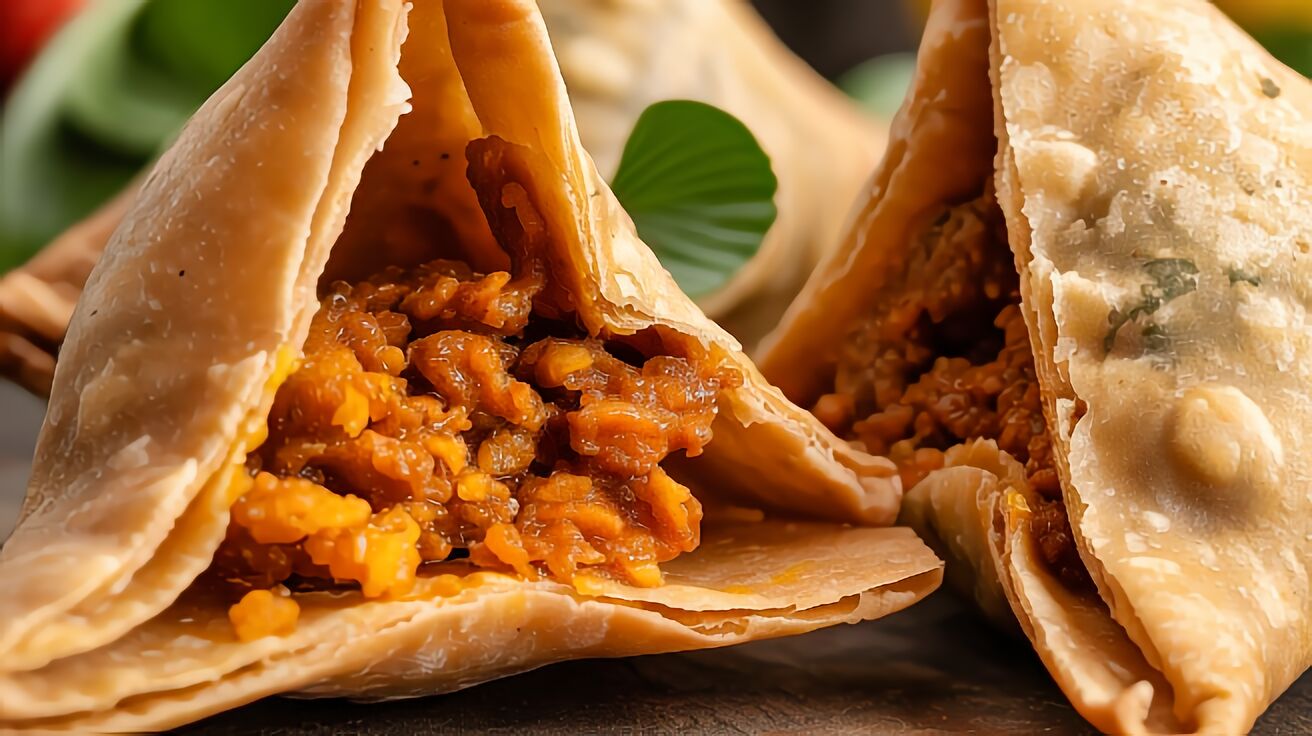
Step-by-Step Burmese Samosa Recipe

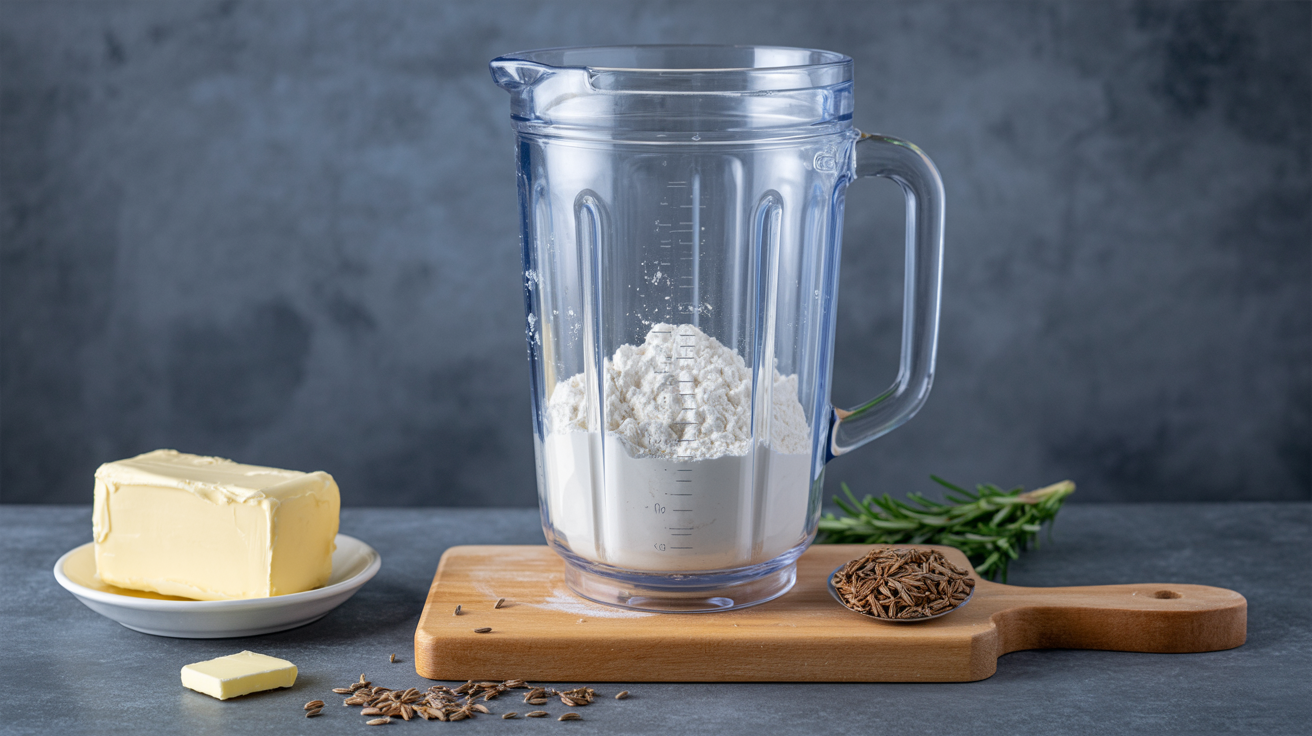
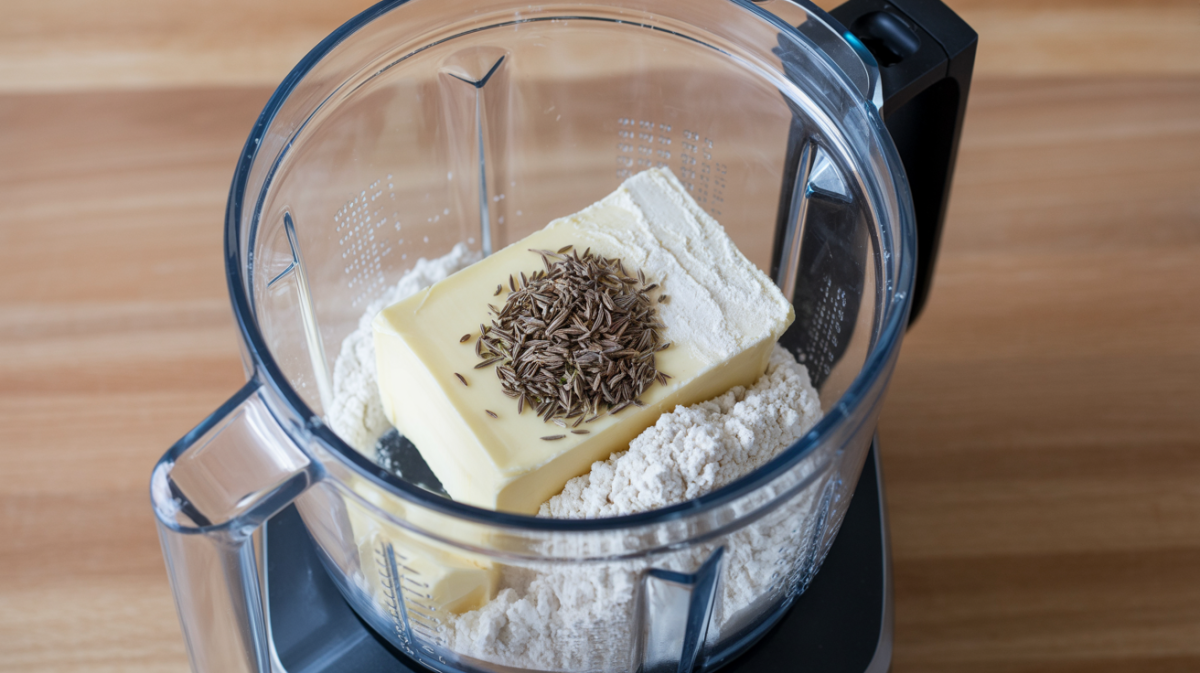
Step 1: In the bowl of a stand mixer, add the flour, salt, and caraway seeds, if using. Stir briefly by hand so the salt and seeds are evenly distributed through the flour. Drizzle the oil over the mixture, then rub it in with your fingertips until the flour feels slightly crumbly and evenly coated.
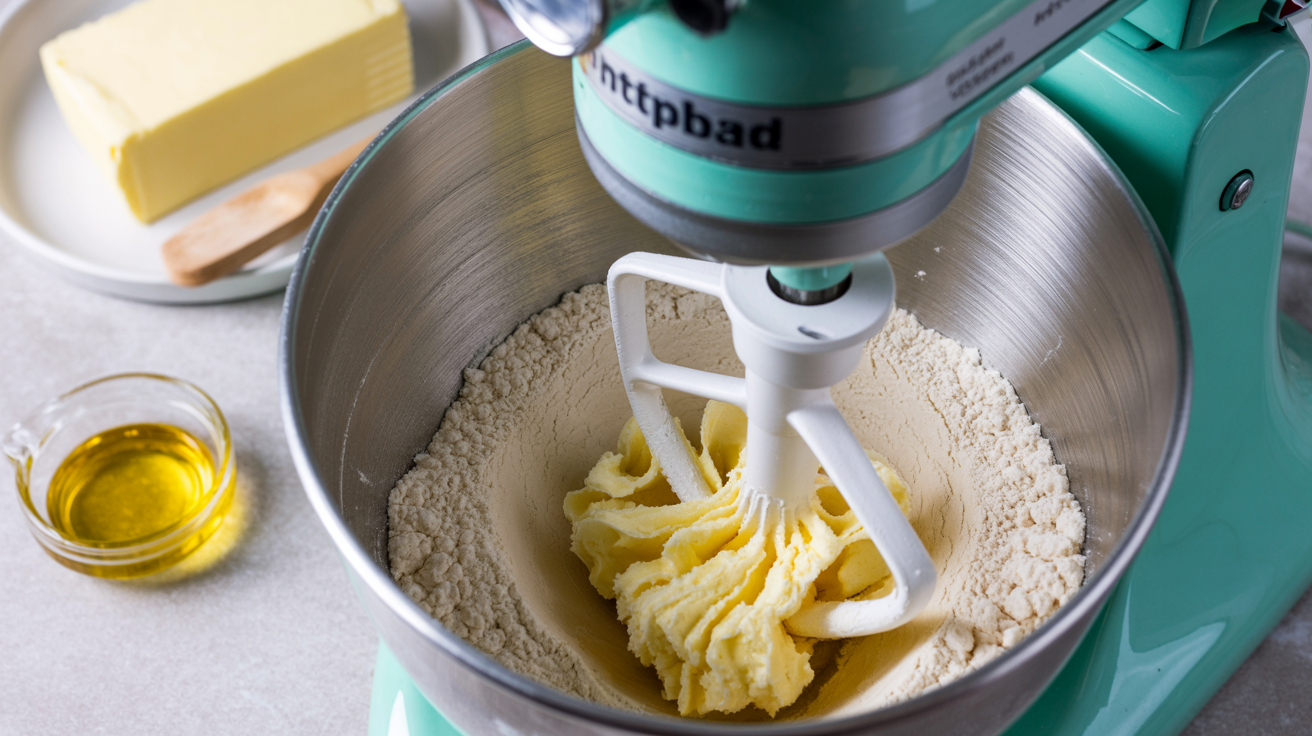
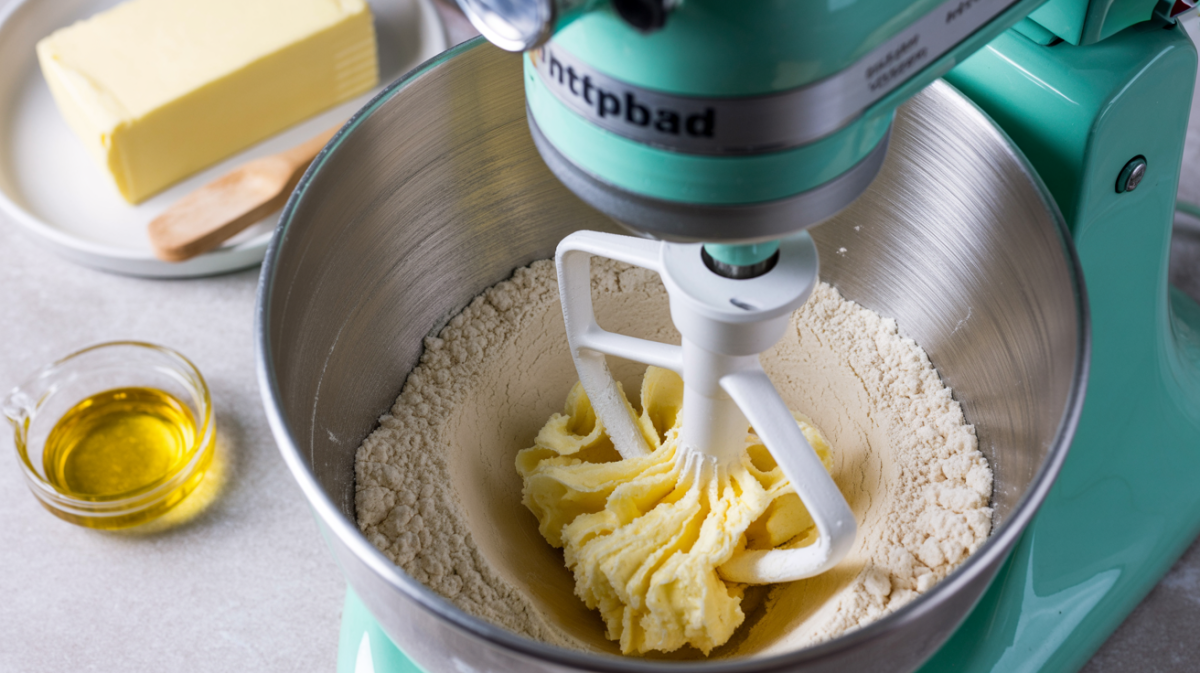
Step 2: Attach the bowl to the stand mixer fitted with the dough hook. Pour in 1/3 cup (80 ml) chilled water and mix on low speed until the dough begins to come together. If the dough looks dry or crumbly, add additional water 1 tablespoon (15 ml) at a time, mixing between additions, until a cohesive dough forms.
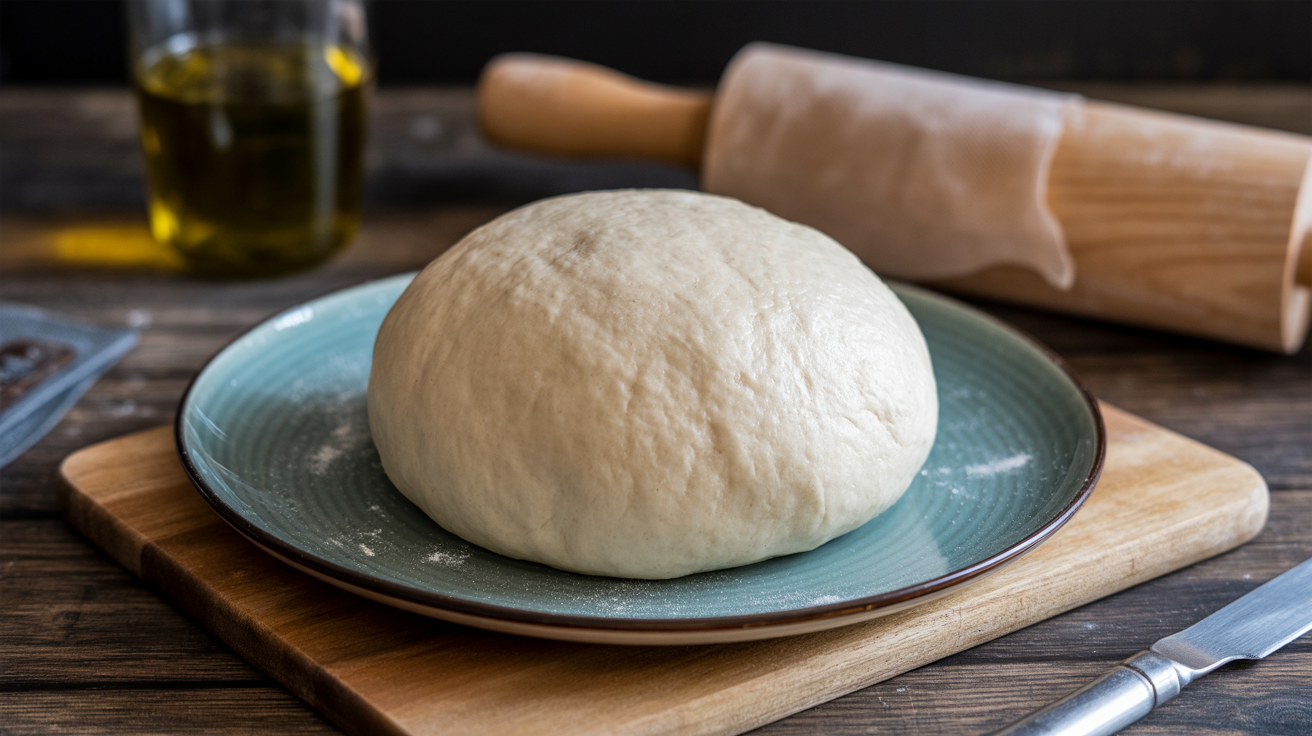
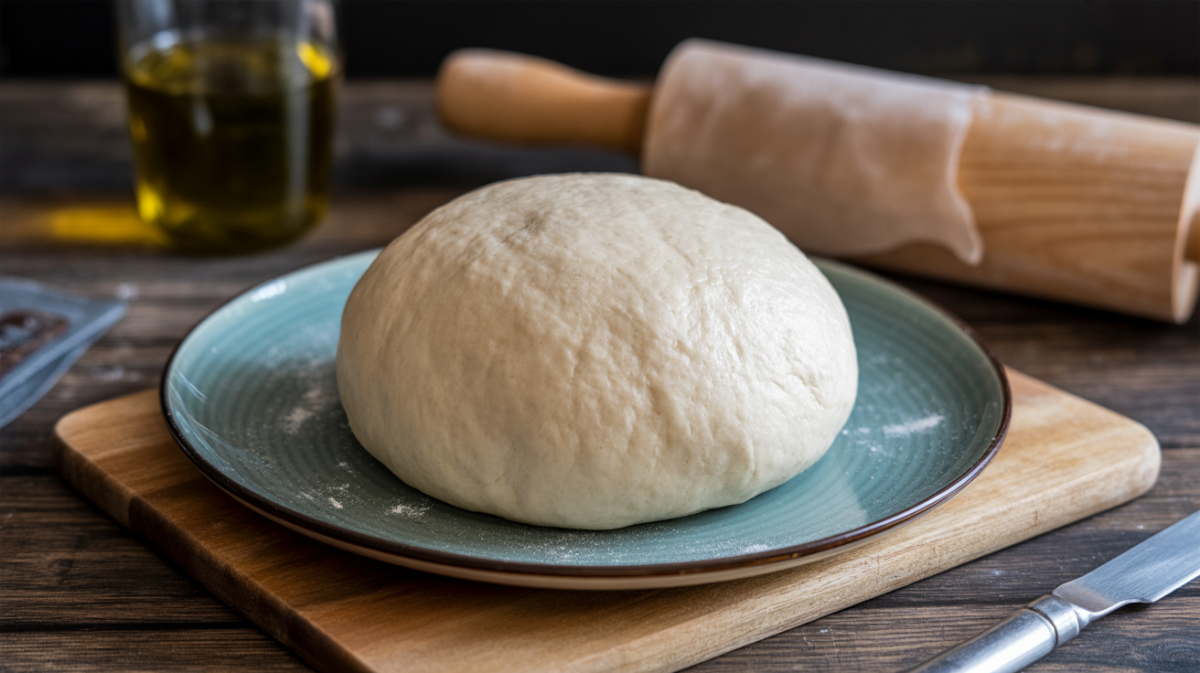
Step 3: The finished dough should weigh about 1 pound (455 g). Wrap it tightly in plastic wrap and let it rest at cool room temperature, around 70°F (21°C), for at least 30 minutes and up to 4 hours. The dough should become pliable and spring back slightly when gently pressed.

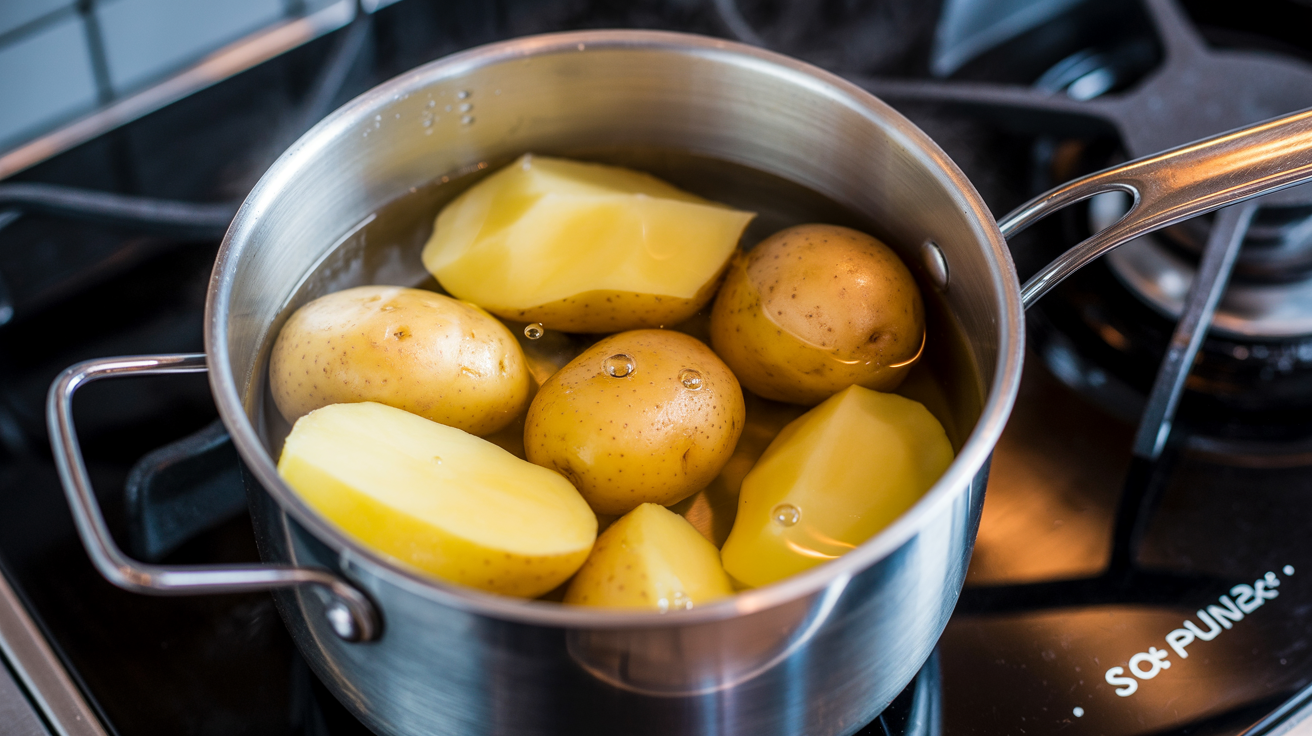
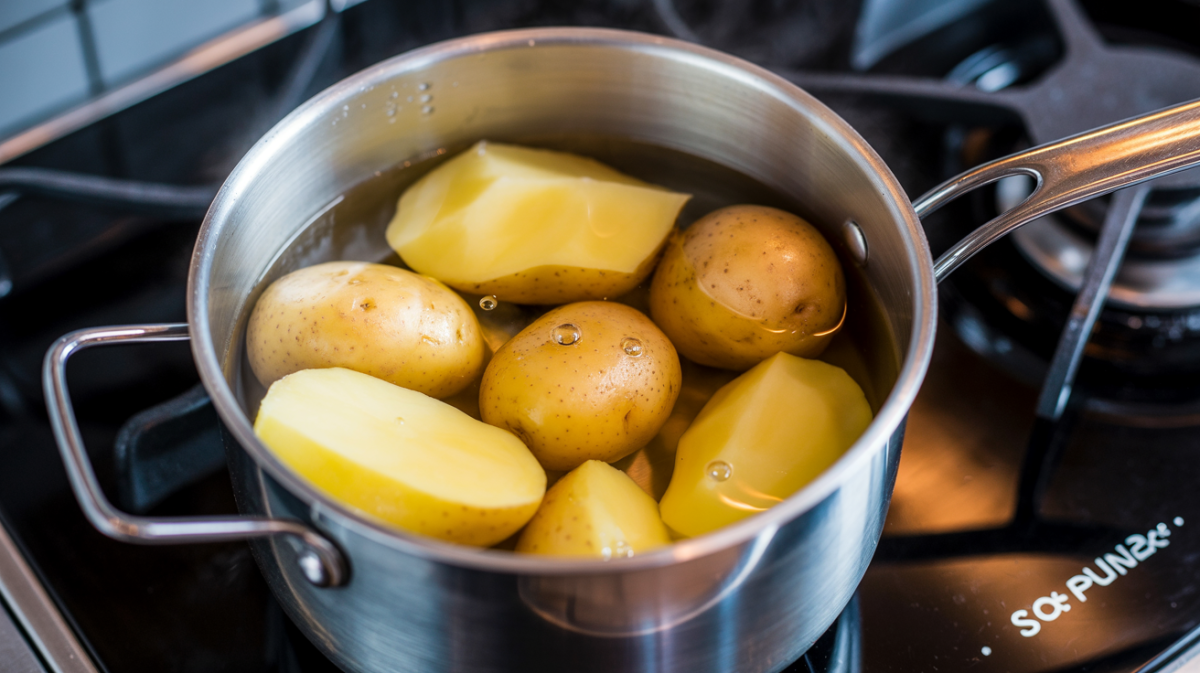
Step 1: Place the potatoes in a medium saucepan and add enough water to fully cover them. Add 1 teaspoon (4 g) salt, bring to a boil over high heat, then reduce to a simmer. Cover with a lid and cook for about 20 minutes, or until the potatoes are tender and easily pierced with a paring knife. Drain and allow the potatoes to cool until they can be handled comfortably. Wipe out the saucepan and return it to the stovetop.
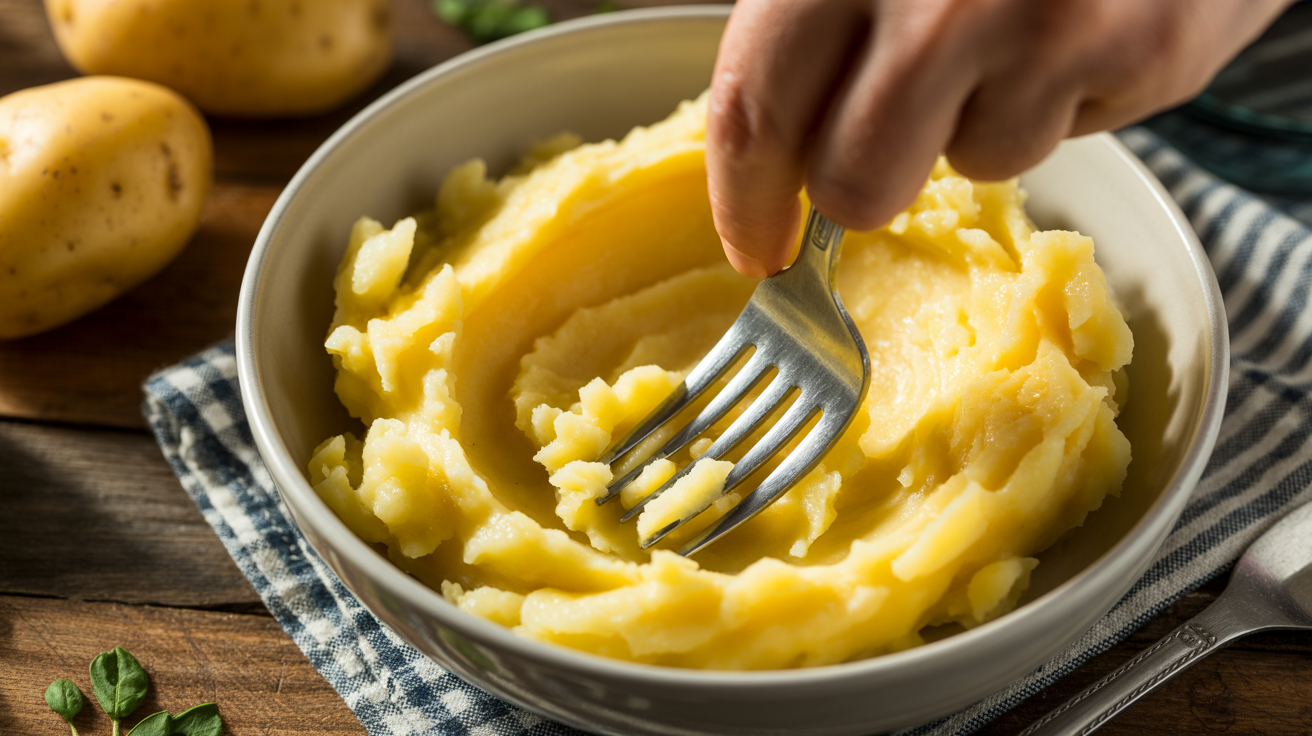
Step 2: Mash the potatoes with a fork until fluffy and free of visible chunks, about 1 minute. Add the peas and gently mix to combine without breaking them up too much.

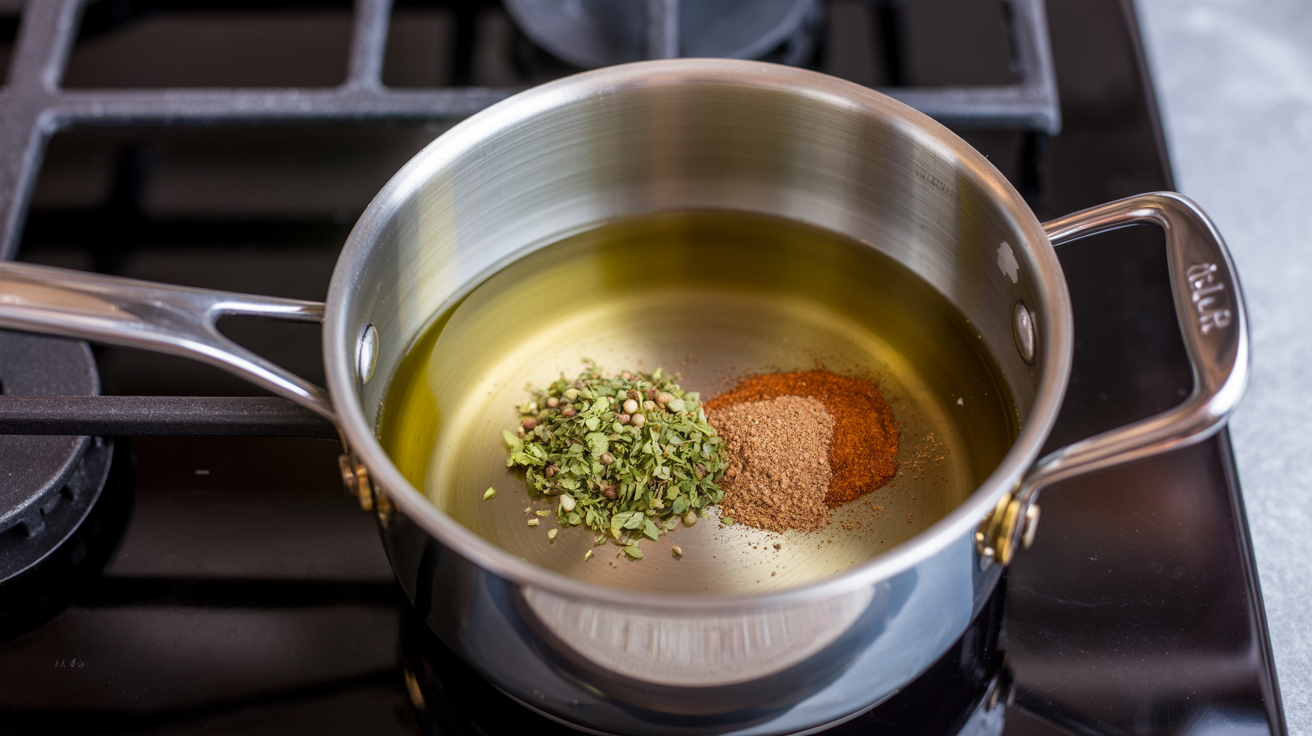
Step 1: In the empty saucepan, heat the oil over medium heat until shimmering. Add the coriander, cumin, turmeric, and garam masala, stirring constantly until fragrant, about 30 to 45 seconds. Remove the pan from the heat and stir in the chile powder.
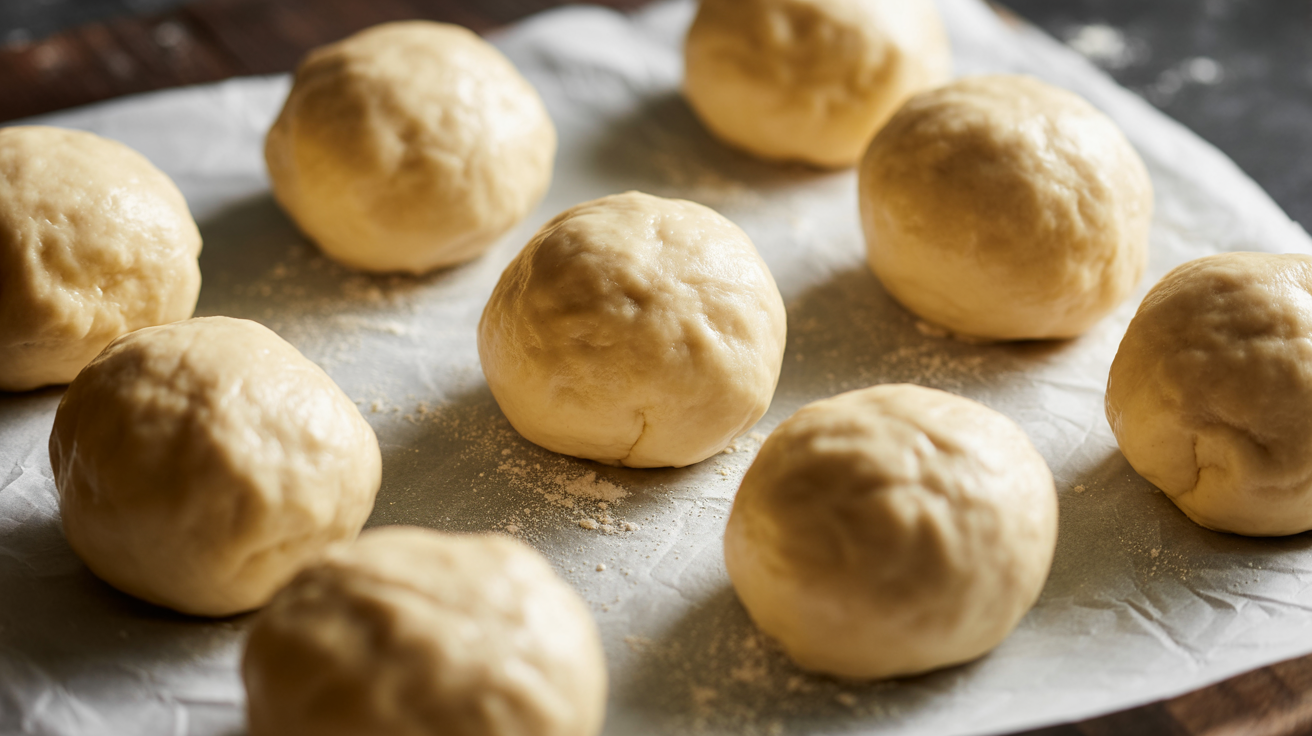
Step 2: Divide the rested dough into 10 equal portions by weight and roll each portion into a smooth ball on a cool, dry surface, using as little flour as possible. Transfer the dough balls to a lightly floured baking sheet and cover loosely with plastic wrap. Fill a small bowl with water and set it nearby.
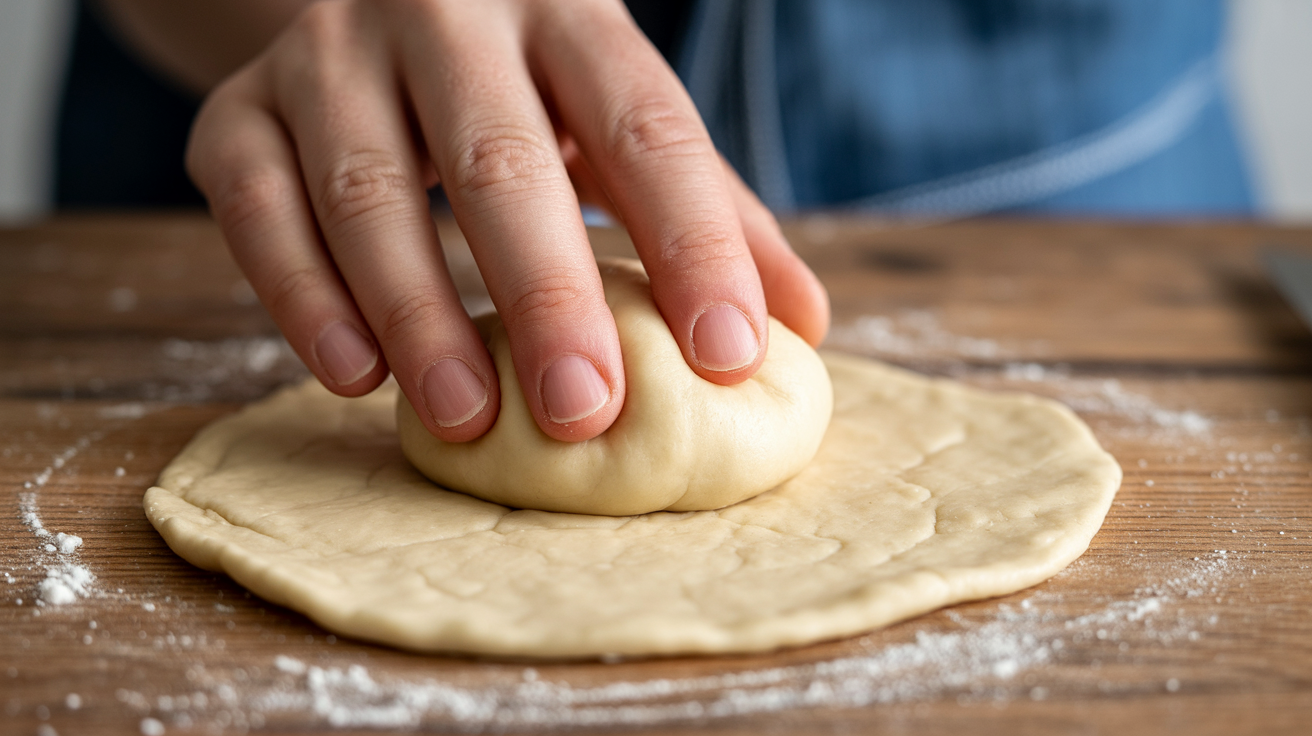
Step 3: Working with one dough ball at a time, roll it out into a 7-inch (17 cm) circle. Use a sharp knife to cut the circle in half, then return the halves to the baking sheet. Repeat with the remaining dough balls.
Step 4: Take one semicircle and lightly wet a fingertip with water. Dab moisture along half of the straight edge, then fold the damp side over the dry side and press gently to seal, forming a triangular pocket. Hold the pocket open like a small cone and spoon in about 40 g (roughly 3 tablespoons) of the potato filling.
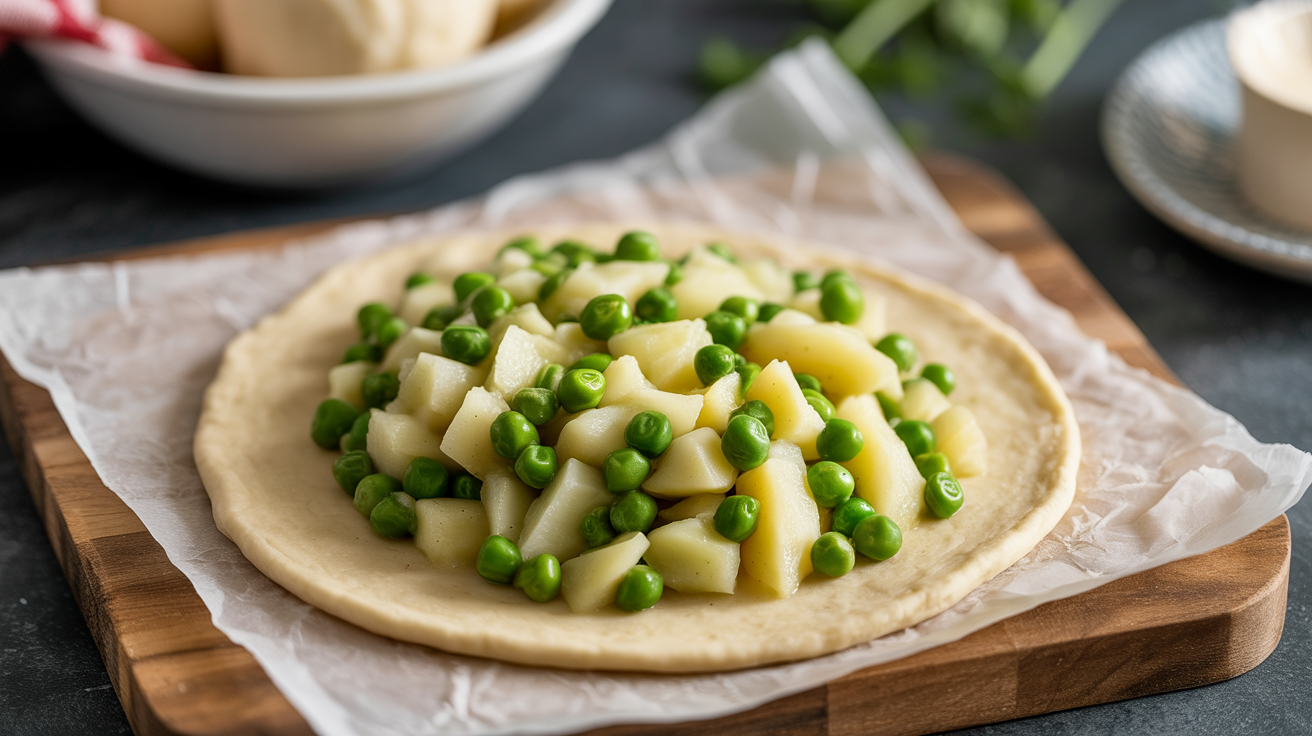
Step 5: Moisten the inner flap of dough with water, fold it over the filling, and press gently to seal. Pinch the corners to ensure all edges are fully sealed. Place the finished samosa on a lightly floured baking sheet and cover loosely with plastic wrap. Repeat with the remaining dough and filling.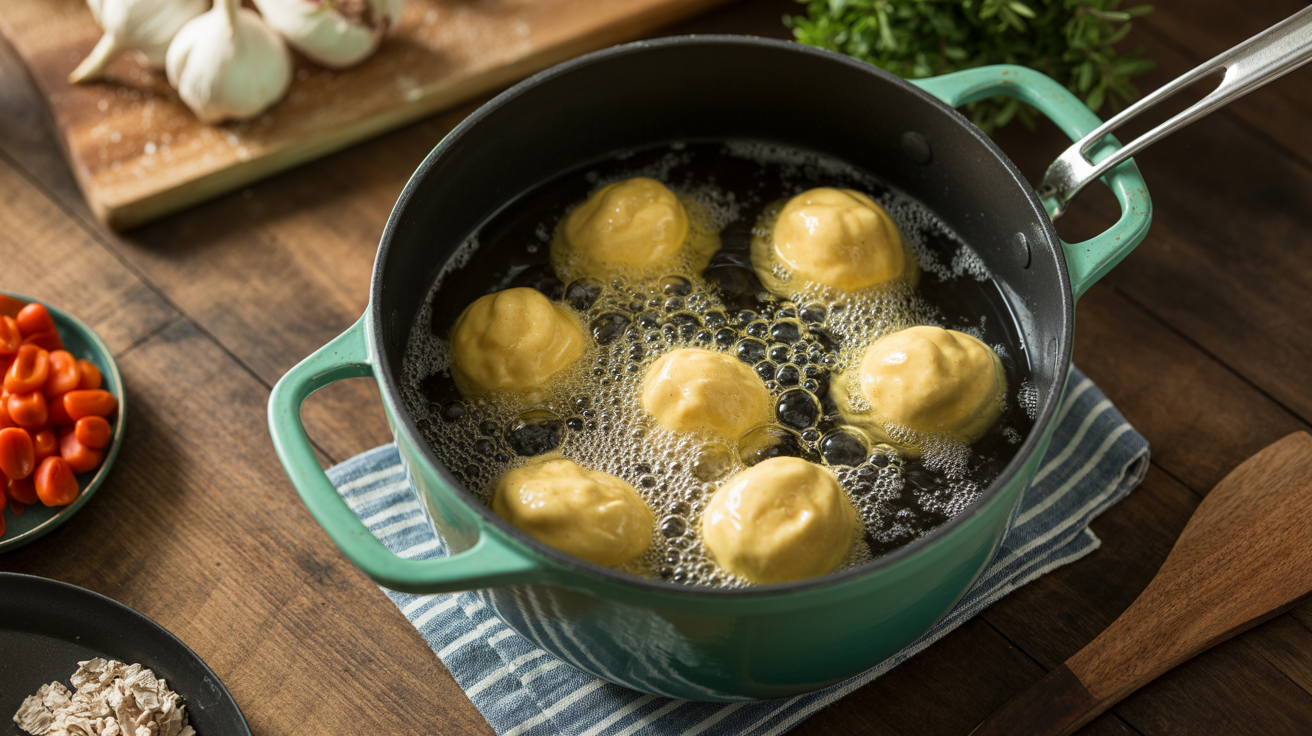
Step 6: Adjust an oven rack to the middle position and preheat the oven to 200°F (95°C). Set a wire rack inside a rimmed baking sheet and set aside. In a large Dutch oven, pour in enough oil to reach a depth of at least 2 inches (5 cm), leaving several inches of space at the top. Heat the oil to 340°F (171°C) over medium-high heat.
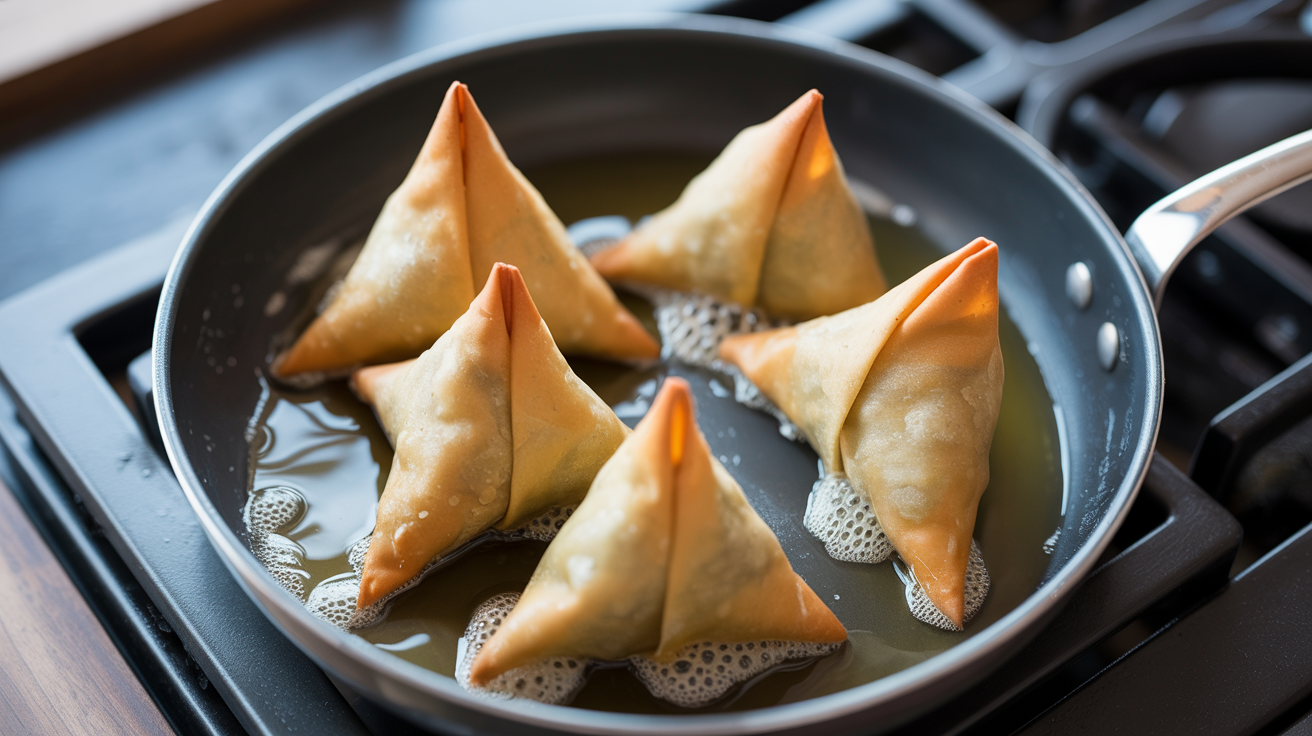
Step 7: Fry the samosas in batches of five, turning occasionally, until they are puffed and evenly golden brown on all sides, about 10 to 12 minutes per batch. Skim out and discard any browned bits from the oil between batches, return the oil to 340°F (171°C), and continue frying the remaining samosas.
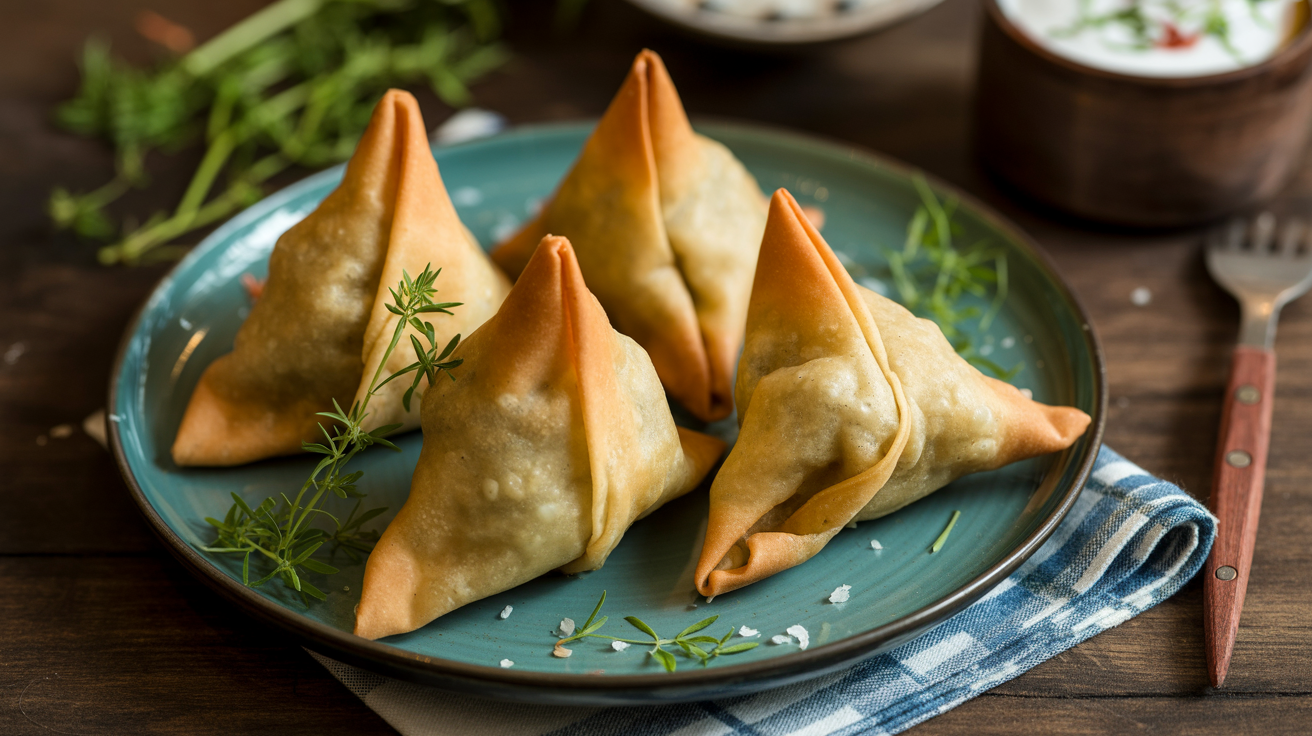
Step 5: Serve the samosas warm with Hot and Sweet ketchup or a chutney such as mint, cilantro, or tamarind.
How to Make the Dough
I put 2 cups all-purpose flour and 1/2 teaspoon salt in a big bowl. Then I add 3 tablespoons vegetable oil and rub it in with my fingers until it looks crumbly. Next, I slowly add about 1/2 cup cold water, mixing until I get a firm dough that’s not sticky or dry.
I knead the dough for about 5 minutes until it’s smooth. Covering it with a damp cloth, I let it rest for at least 30 minutes. This makes it easier to roll out later for the Burmese samosa recipe.
Don’t skip the resting step. It makes a big difference in the final Burmese samosa recipe texture. If you’re in a rush, give it at least 20 minutes.
Filling Preparation Method
I boil 3 large potatoes until soft, then drain and mash them roughly. While they cool, I heat 2 tablespoons oil in a pan over medium. I add 1 teaspoon cumin seeds and let them sizzle, then toss in 1 diced onion and cook until it softens.
Next, I stir in 1 teaspoon turmeric, 1 teaspoon coriander powder, 1/2 teaspoon chili powder, and a bit of salt. I add the mashed potatoes and 1/2 cup frozen peas, mixing everything for 3-4 minutes. I let the filling cool completely before using it in my Burmese samosa recipe.
This is the classic filling for a Burmese samosa recipe—nothing fancy, just good flavors. If you want to experiment, try adding some chopped chilies or extra cilantro. Just keep it dry so the samosas stay crispy.
Shaping and Sealing Techniques
I divide the dough into 8 balls and roll each into a thin circle, about 6 inches wide. Then I cut each circle in half to make two semicircles. I take one semicircle, fold it into a cone, and seal the edge with a bit of water.
I fill the cone with about 2 tablespoons of the potato mixture, leaving some space at the top. I press the open edge together and seal with water. The Burmese samosa recipe gives you smaller samosas, so they’re perfect for snacking.
I make sure all the seams are sealed tight so nothing leaks during frying. If they open up, you’ll lose the filling and the whole Burmese samosa recipe falls apart. Take your time with this part—it’s worth it.
Deep-Frying and Serving Suggestions
I heat oil in a deep pan to 350°F (175°C) and test with a small dough piece—it should sizzle right away. I slide in 3-4 samosas at a time, frying for 5-7 minutes and turning them until they’re golden and crispy. Then I lift them out with a slotted spoon and drain on paper towels.
For serving, I whip up a tangy dipping sauce with tamarind, garlic, and chili. These are perfect for parties and picnics, and honestly, I always make extra to freeze. If you want to prep ahead, assemble the Burmese samosa recipe, freeze them uncooked on a tray, then stash in a freezer bag once solid.
Nothing beats a fresh Burmese samosa recipe, but frozen ones fry up just as crisp. Give it a try and see if you don’t start craving them all the time. Is there anything better than homemade snacks that taste like real street food?
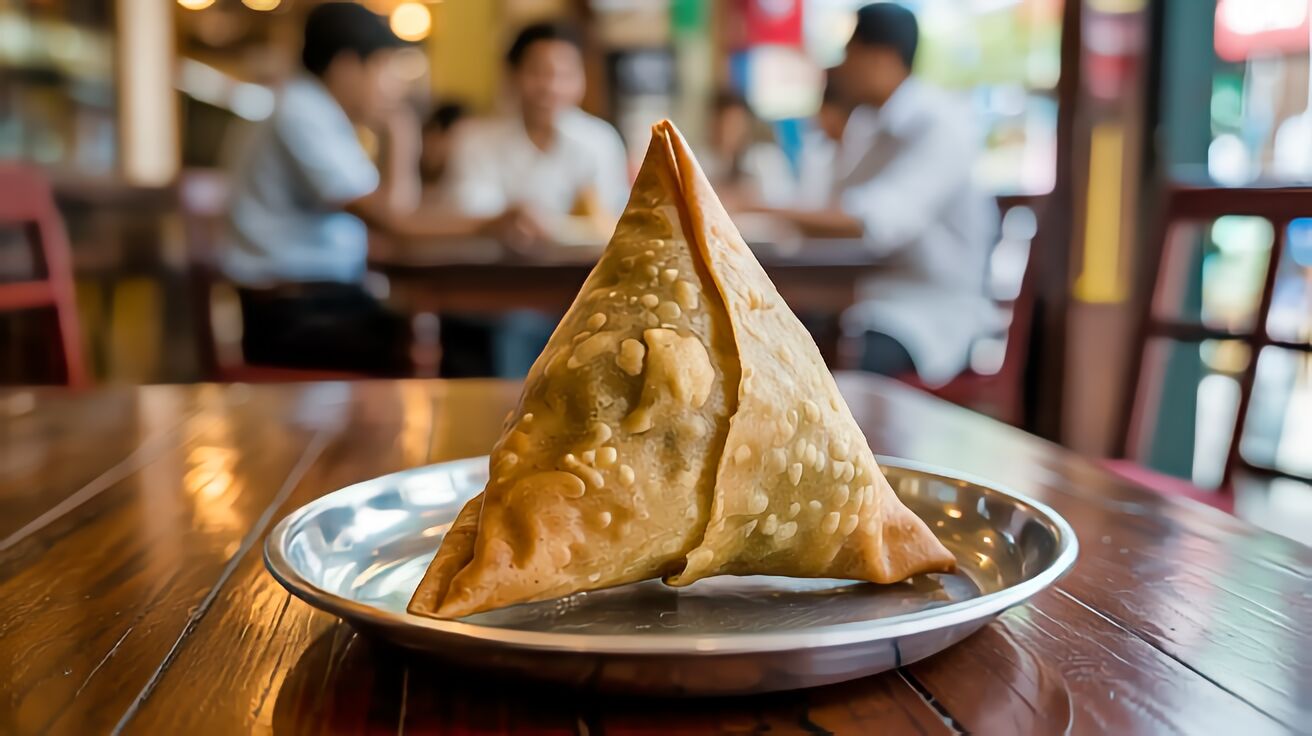
Popular Burmese Samosa Dishes and Creative Serving Ideas
Burmese samosas aren’t just simple fried snacks. They show up in soups, salads, and full-blown meals when you pair them with the right sauces or sides. The Burmese samosa recipe is surprisingly versatile, and there’s a lot you can do with it.
Burmese Samosa Soup (Samusa Thouk)
I think Burmese samosa soup is one of Myanmar’s best street food dishes. This soup brings together crispy samosas and a spicy lentil broth in a way that’s hard not to love. If you’ve never tried a Burmese samosa recipe in soup, you’re missing out.
The soup uses a dal-based recipe that comes together fast. I usually reach for my Instant Pot, but a stovetop or pressure cooker works too. Split lentils, turmeric, cumin, and chili powder make the broth for this Burmese samosa recipe taste bold and homey.
When I serve samusa thouk, I break up the samosas into bite-sized pieces and toss them in a bowl. Then I pour the hot lentil soup right on top. The pastry softens a bit, but you still get some crunch—one of my favorite things about using a Burmese samosa recipe this way.
Lots of street vendors add toppings like cabbage, cilantro, and fried garlic chips. Sometimes you’ll see chickpea fritters or falafel tossed in. The Burmese samosa recipe makes a pretty hearty meal when you serve it like this.
Samosa Salad and Samosa Thoke
Samosa salad is a lighter way to use up a batch from your favorite Burmese samosa recipe. I break the samosas into chunks and toss them with crisp veggies and herbs. It’s fresher than you might expect for something that started with fried pastry.
Samosa thoke is the classic Burmese salad version. The base is shredded cabbage, onions, and cilantro. I always add a dressing of lime juice, fish sauce, and chili flakes, which really brings out the best in any Burmese samosa recipe.
Timing matters here. I add the broken samosas right before serving so they don’t turn soggy. Mixing warm pastry with cool, crunchy veggies is a combo I keep coming back to when I use a Burmese samosa recipe.
Sometimes I throw in boiled chickpeas or split peas for extra protein. Sliced tomatoes and cucumber can make it even more refreshing, especially if you want to stretch your Burmese samosa recipe into a meal.
Serving Sauces: Mint Chutney and Tamarind Dip
The right sauce turns a good Burmese samosa recipe into something special. I never skip the dips when I serve samosas at home. It’s honestly the best part for a lot of people.
Mint chutney is my standby. I blend mint, cilantro, green chilies, lime, and a little salt—super easy, and it cuts through the richness of any Burmese samosa recipe. There’s something about that cool, tangy flavor that just works.
Tamarind dip is another favorite. I mix tamarind paste, brown sugar, roasted cumin, and water for a sweet-sour sauce that pairs perfectly with potato samosas from any Burmese samosa recipe. It’s a little sticky, a little tart, and totally addictive.
For a more traditional Burmese-style sauce, I mix fish sauce, lime juice, shallots, and bird’s eye chilies. That punchy, savory flavor feels like real street food and brings out the best in your Burmese samosa recipe. If you’re looking to impress, try offering all three sauces alongside your Burmese samosa recipe and let people pick their favorite.
Pairings with Spicy Lentil Soup
Spicy lentil soup does a lot more than just sit under a samosa. I usually serve it next to samosas as a cozy, flavorful sidekick. If you’re hunting for a good Burmese samosa recipe, this combo is a winner.
The soup calls for red lentils or yellow split peas, simmered until they’re soft and creamy. I toss in curry powder, turmeric, ginger, and garlic for some depth. Right at the end, I hit it with a squeeze of lime juice—trust me, it wakes everything up.
I prefer the soup thick enough to hug the samosa pieces when you dip them. Sometimes I’ll swirl in coconut milk for a richer twist that cools off the spice. If you’re following a Burmese samosa recipe, this soup takes it up a notch.
For dinner parties, this pairing is always a hit. Guests get to dunk their samosas or even spoon the soup right over the top. I put out bowls of chopped cilantro, fried onions, and lime wedges, so everyone can jazz up their Burmese samosa recipe just how they like it.
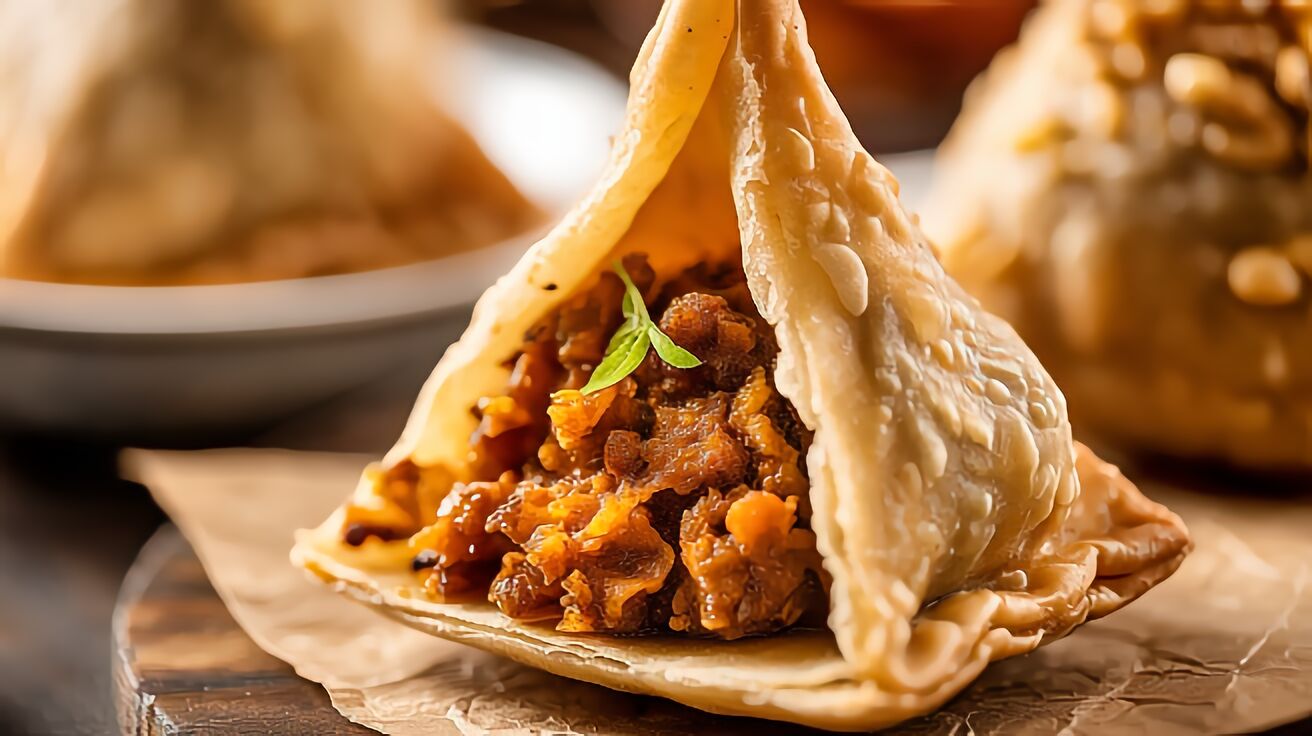
Burmese Samosa vs Indian Samosa
Burmese samosas and Indian samosas may look similar, but they differ in texture, filling, and how they are typically served.
Burmese samosas often have thinner, crispier wrappers and are sometimes smaller in size. While they can be eaten on their own, they are frequently served as part of a larger dish—tossed into salads or paired with soups and noodles. The fillings tend to be simpler, and the overall flavor is less heavily spiced compared to Indian versions.
Indian samosas are known for their thicker, sturdier pastry and rich, spiced fillings—commonly potatoes, peas, and sometimes meat. They are deep-fried until golden and crispy, with a hearty interior that makes them satisfying as a standalone snack. They’re often served with chutneys, adding even more layers of flavor.
The main difference is texture and serving style: Burmese samosas are lighter and often integrated into meals, while Indian samosas are heavier, more spiced, and typically eaten on their own.
Choose Burmese samosas for a lighter, more versatile option. Go with Indian samosas if you want a bold, filling snack with strong spice flavors.
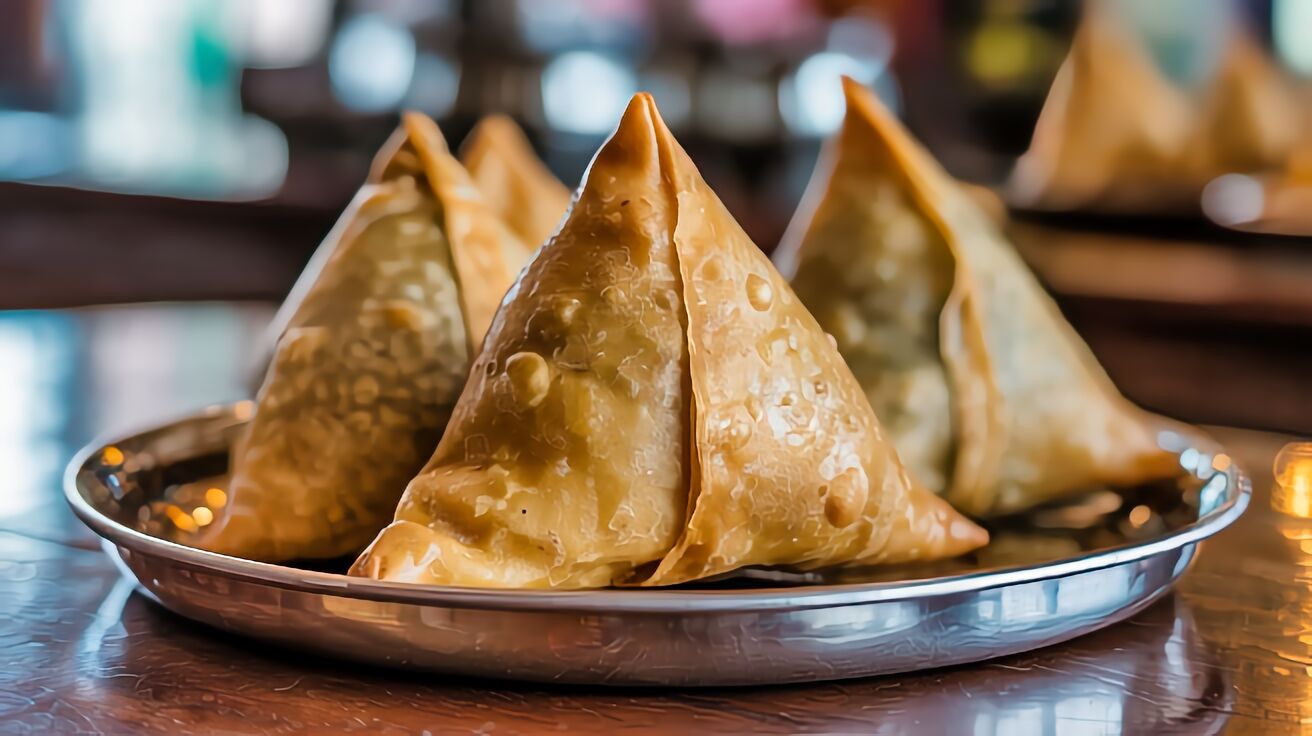
Burmese Samosa Recipe FAQ
1. What filling is used in Burmese samosas?
Potatoes, spices, and sometimes meat.
2. Are Burmese samosas different from Indian ones?
They may have slightly different spices and shapes.
3. Are samosas fried or baked?
They are typically deep-fried.
4. What sauces are served with samosas?
Chili sauce or tamarind sauce.
5. Can samosas be made ahead of time?
Yes, they can be prepared and frozen.
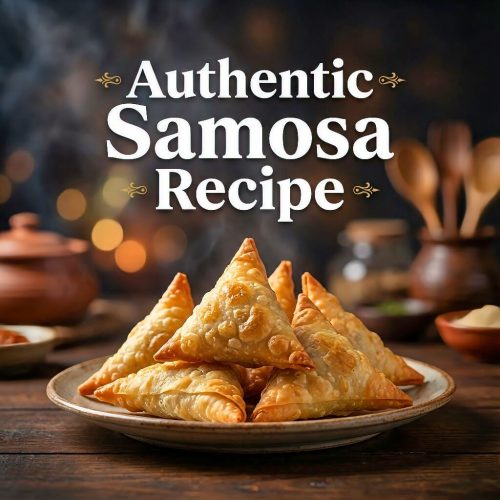
Burmese Samosas
Ingredients
- 2 cups all-purpose flour
- 1 1/2 chilled water
- 1/4 tsp salt kosher
- 1 tsp caraway seeds lightly cracked
- 1/4 cup neutral oil such as grapeseed
- 1/3 cup chilled water plus 3 tablespoons divided
- For the Potato and Pea Filling:
- 1 1/2 lb potatoes medium russet potatoes, cleaned and scrubbed
- Kosher salt
- 1/2 cup peas frozen thawed and drained
- 2 tsp neutral oil such as grapeseed
- 2 tsp coriander ground
- 1 tsp cumin seeds
- 1 tsp turmeric ground
- 1/2 tsp garam masala
- 1/2 tsp chile powder Kashmiri
- 1 tsp black pepper ground
- 2 jalapenos or serrano, stemmed and finely chopped
- 1 2-inch; 5 cm piece fresh ginger, peeled and minced
- 1/4 cup 15 g tightly packed chopped fresh cilantro leaves and tender stems
- 1/2 tsp Kosher salt
Instructions
- In the bowl of a stand mixer, add the flour, salt, and caraway seeds, if using. Stir briefly by hand so the salt and seeds are evenly distributed through the flour. Drizzle the oil over the mixture, then rub it in with your fingertips until the flour feels slightly crumbly and evenly coated.
- Attach the bowl to the stand mixer fitted with the dough hook. Pour in 1/3 cup (80 ml) chilled water and mix on low speed until the dough begins to come together. If the dough looks dry or crumbly, add additional water 1 tablespoon (15 ml) at a time, mixing between additions, until a cohesive dough forms.
- The finished dough should weigh about 1 pound (455 g). Wrap it tightly in plastic wrap and let it rest at cool room temperature, around 70°F (21°C), for at least 30 minutes and up to 4 hours. The dough should become pliable and spring back slightly when gently pressed.
- Place the potatoes in a medium saucepan and add enough water to fully cover them. Add 1 teaspoon (4 g) salt, bring to a boil over high heat, then reduce to a simmer. Cover with a lid and cook for about 20 minutes, or until the potatoes are tender and easily pierced with a paring knife. Drain and allow the potatoes to cool until they can be handled comfortably. Wipe out the saucepan and return it to the stovetop.
- Mash the potatoes with a fork until fluffy and free of visible chunks, about 1 minute. Add the peas and gently mix to combine without breaking them up too much.
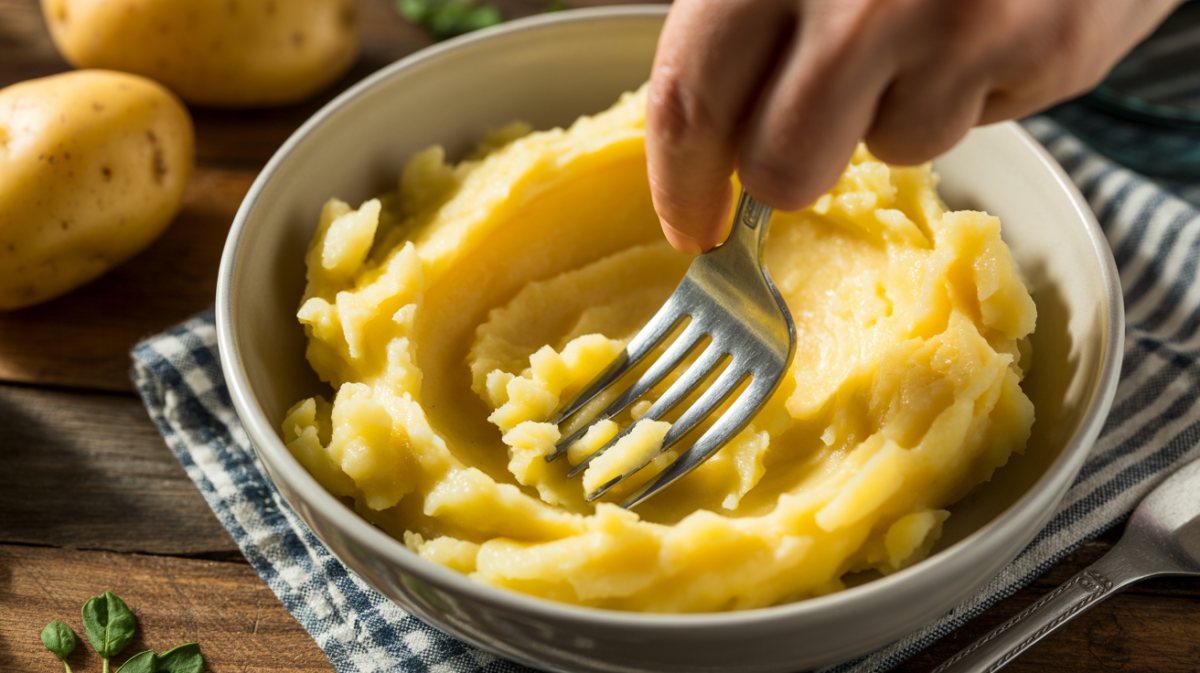
- Divide the rested dough into 10 equal portions by weight and roll each portion into a smooth ball on a cool, dry surface, using as little flour as possible. Transfer the dough balls to a lightly floured baking sheet and cover loosely with plastic wrap. Fill a small bowl with water and set it nearby.
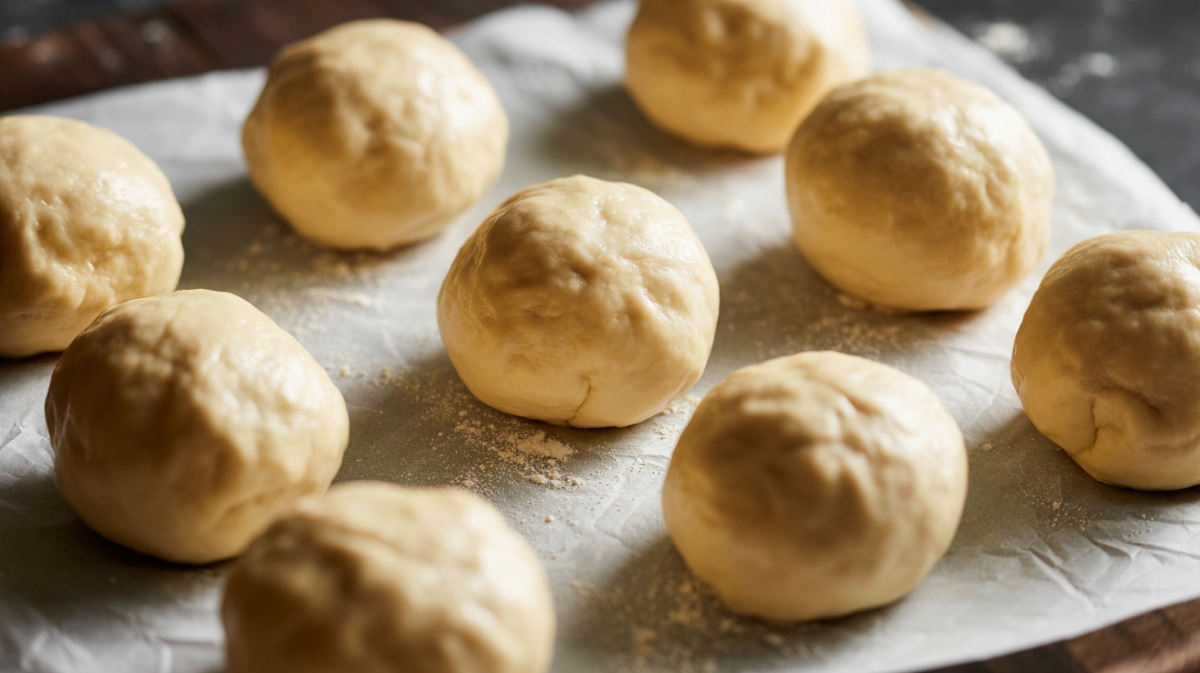
- Working with one dough ball at a time, roll it out into a 7-inch (17 cm) circle. Use a sharp knife to cut the circle in half, then return the halves to the baking sheet. Repeat with the remaining dough balls.
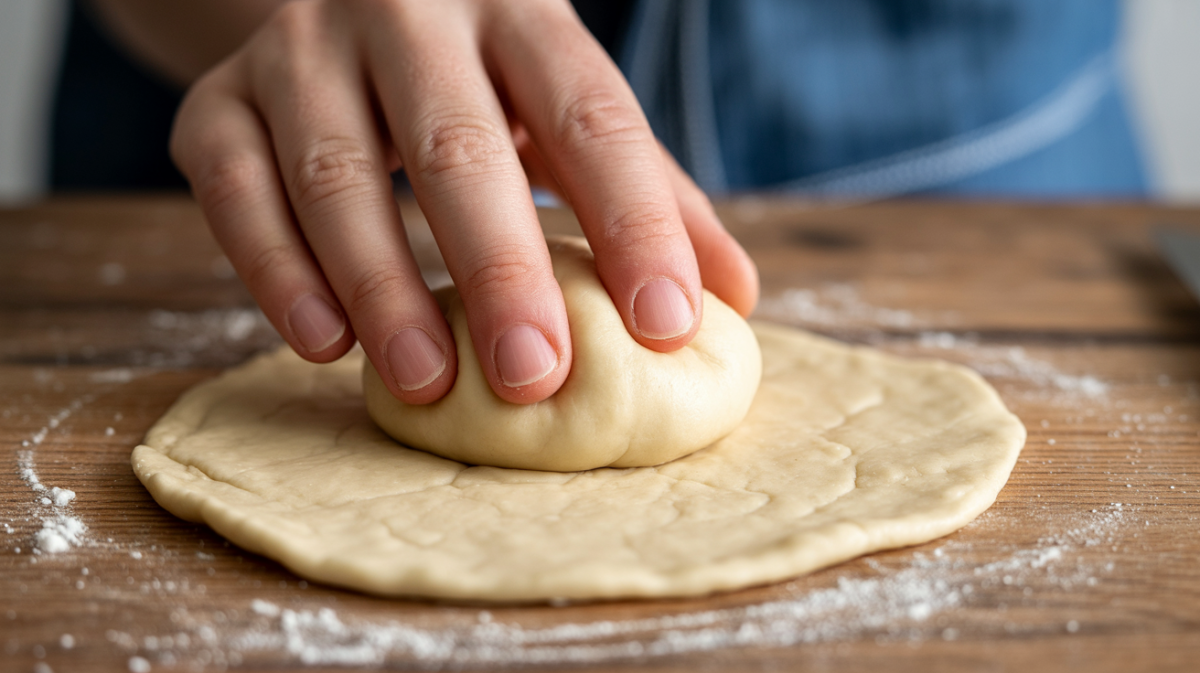
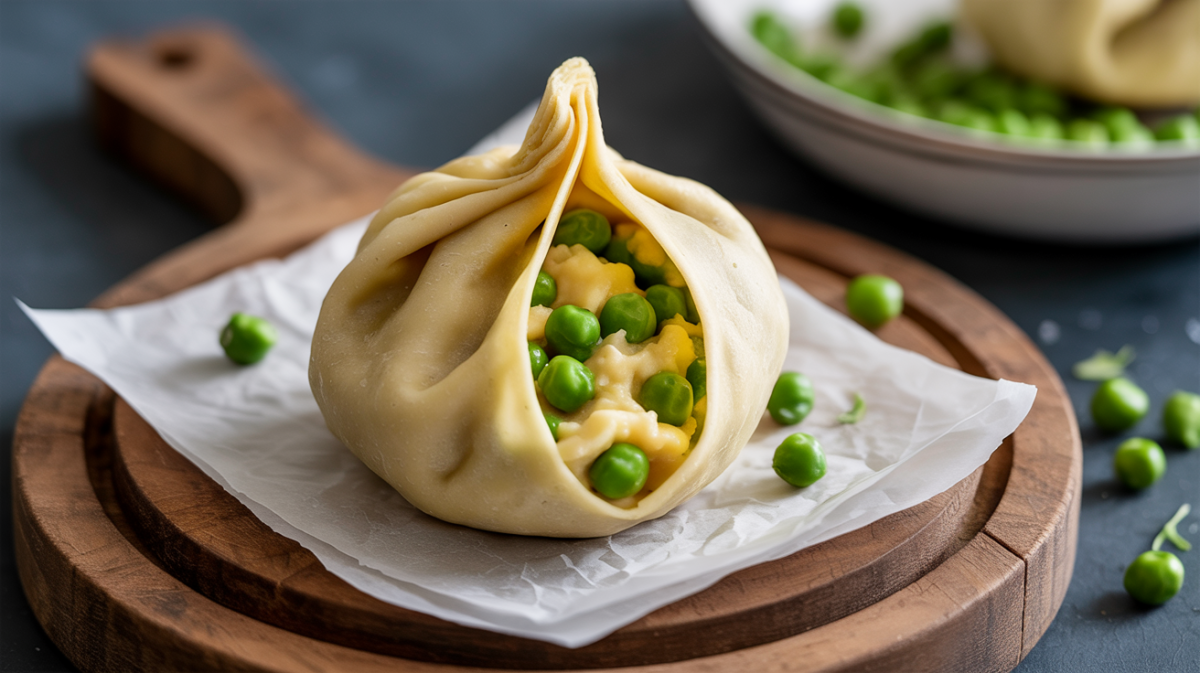
- Take one semicircle and lightly wet a fingertip with water. Dab moisture along half of the straight edge, then fold the damp side over the dry side and press gently to seal, forming a triangular pocket. Hold the pocket open like a small cone and spoon in about 40 g (roughly 3 tablespoons) of the potato filling.
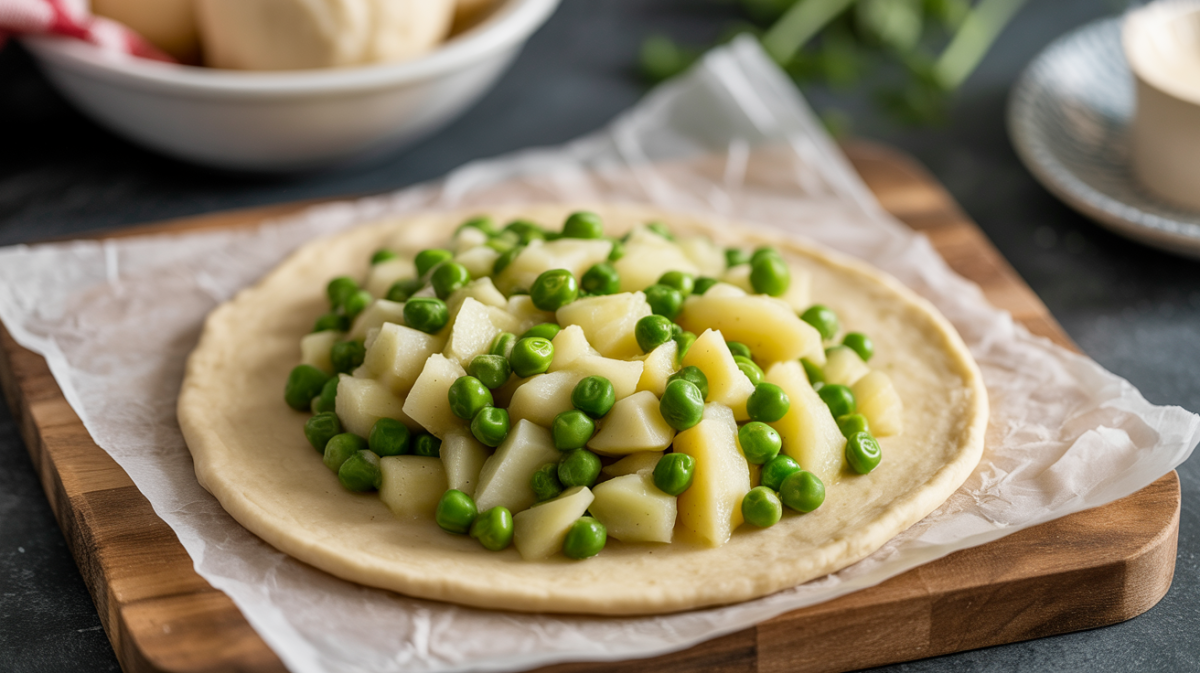
- Moisten the inner flap of dough with water, fold it over the filling, and press gently to seal. Pinch the corners to ensure all edges are fully sealed. Place the finished samosa on a lightly floured baking sheet and cover loosely with plastic wrap. Repeat with the remaining dough and filling.
- Adjust an oven rack to the middle position and preheat the oven to 200°F (95°C). Set a wire rack inside a rimmed baking sheet and set aside. In a large Dutch oven, pour in enough oil to reach a depth of at least 2 inches (5 cm), leaving several inches of space at the top. Heat the oil to 340°F (171°C) over medium-high heat.
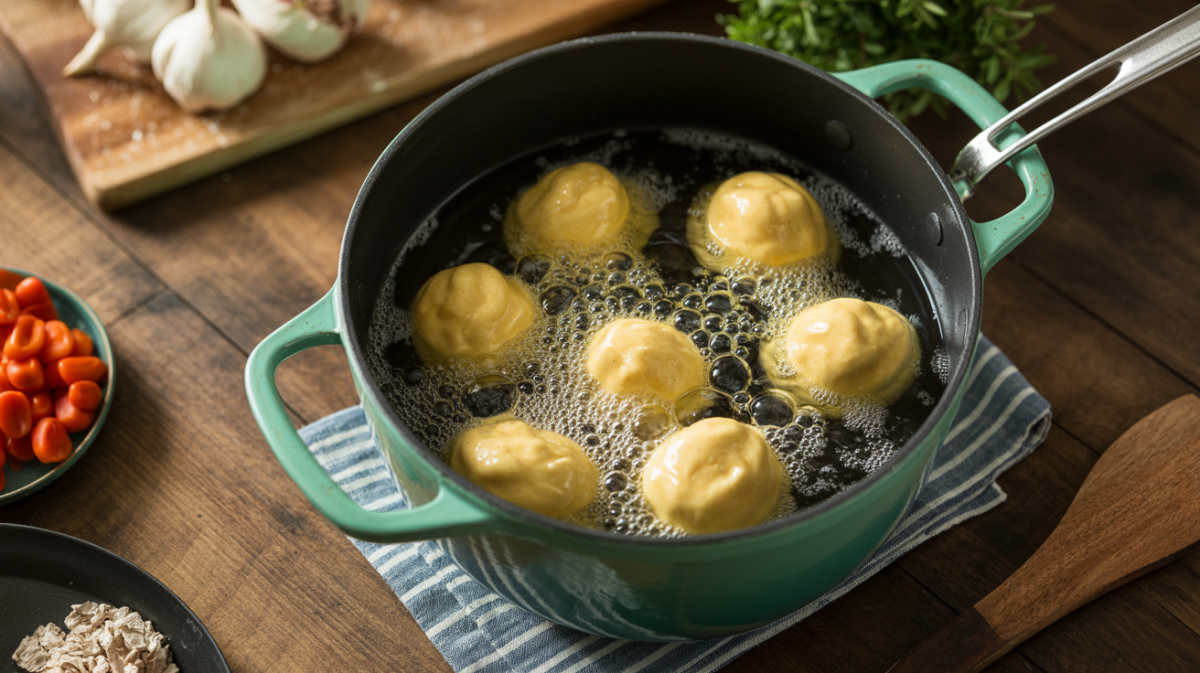
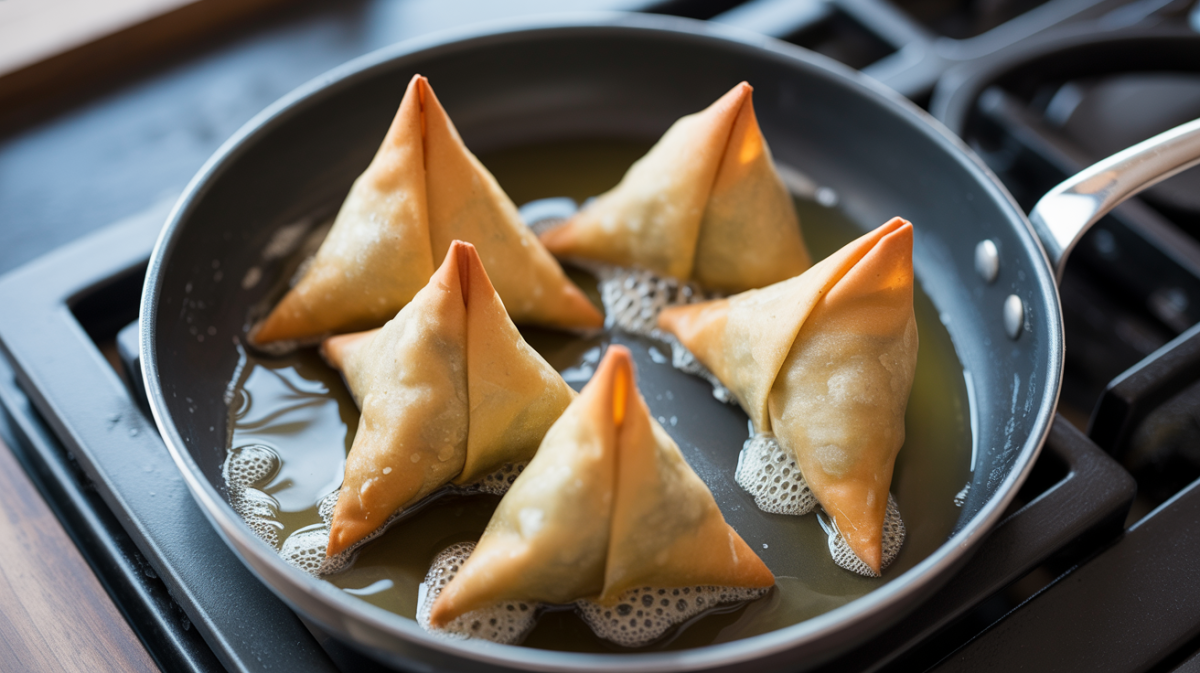
- Fry the samosas in batches of five, turning occasionally, until they are puffed and evenly golden brown on all sides, about 10 to 12 minutes per batch. Skim out and discard any browned bits from the oil between batches, return the oil to 340°F (171°C), and continue frying the remaining samosas.
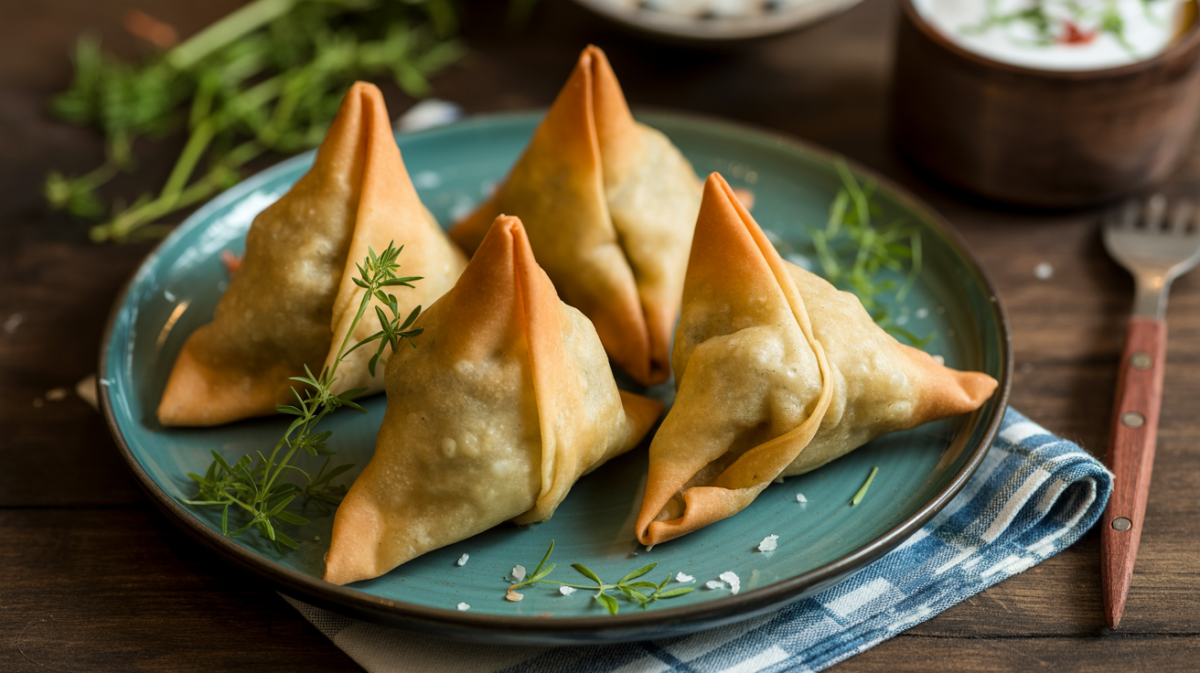
- Serve the samosas warm with Hot and Sweet ketchup or a chutney such as mint, cilantro, or tamarind.
Video

9 comments
Interesting read! Do you think the Burmese Samosas flavor profile is significantly altered by regional variations?
Absolutely! Regional variations can dramatically alter the taste of Burmese Samosas. Taste is subjective, after all.
Interesting read. But isnt the Indian samosas popularity globally overshadowing the Burmese versions cultural significance? Food for thought!
Global popularity doesnt negate cultural significance. Both can coexist harmoniously!
Does anyone else think that Burmese samosas might actually be more flavorful than the Indian ones due to their unique variations?
Absolutely not! Indian samosas offer a flavor complexity that Burmese ones simply cant match.
Interesting read, but isnt it curious how food travels and adapts? Whats the oldest known samosa recipe? #FoodHistoryMystery
Interesting read! But why no mention of spice level in Burmese Samosa vs Indian? Its a key cultural difference, no?
Interesting read, but dont you think Burmese Samosa couldve evolved independently, rather than just being a variation of the Indian samosa?
Comments are closed.