


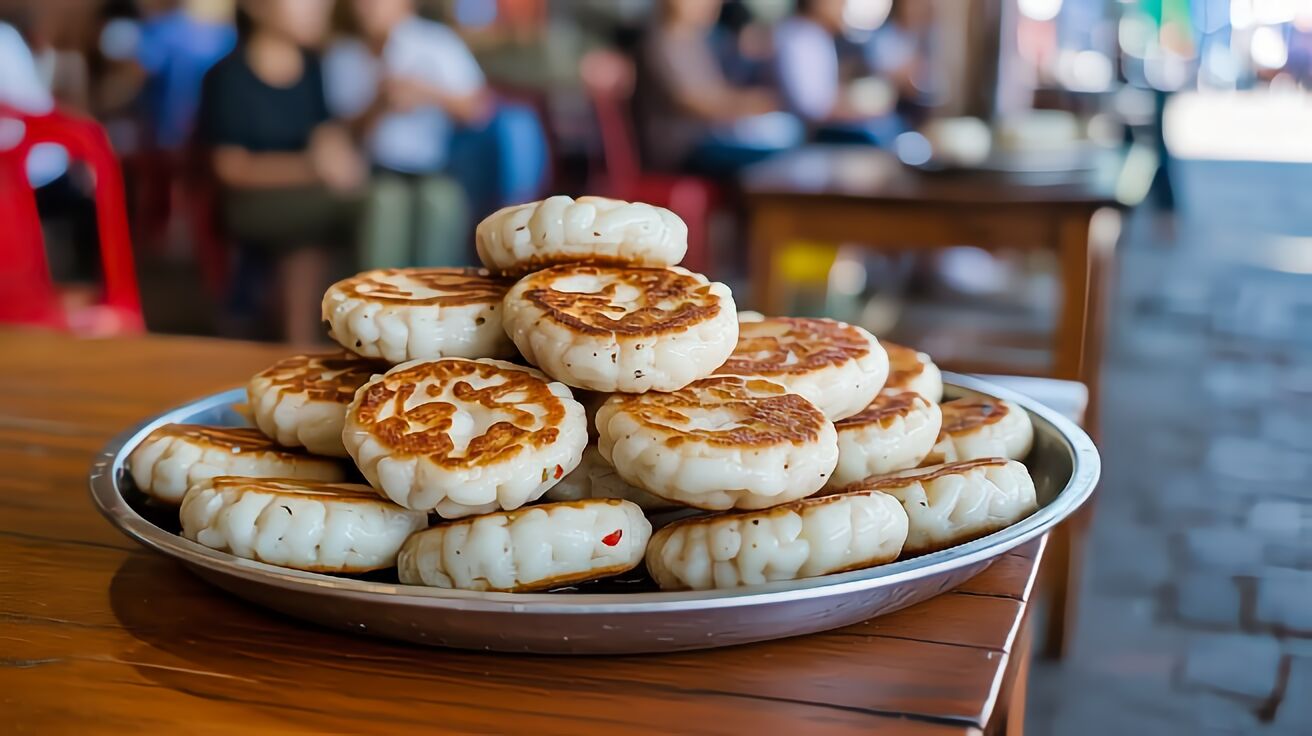
Burmese rice cake snacks are sweet, sticky treats made from glutinous rice, coconut, and palm sugar or jaggery, and their flavors swing from caramelized and nutty to gently sweet. These rice cake snacks aren’t like the bland, cardboardy ones at health food stores; they’re rich, satisfying, and locals snack on them all day long.
What really draws me to rice cakes is how each one feels like a little story. From golden sticky rice cakes packed with peanuts and sesame to pudding-like coconut versions, these rice cake snacks show off the creativity of Burmese home cooks. Let me walk you through the key ingredients and show you how to bring Burmese rice cake snacks to life in your own kitchen.
Whether you want to make a classic sticky rice cake or try out some regional twists, I’ll break it down step by step. The great thing is, most Burmese rice cake recipes just use simple ingredients you can grab at an Asian market or order online. It’s easier than you might think—promise.

Essential Burmese Rice Cake Recipes
I’m excited to share my favorite rice cake recipes from Burma, recipes that families have been passing down for generations. They really show how glutinous rice, palm sugar, and coconut come together for classic Burmese rice cake snacks. Every time I make these, I feel like I’m bringing a little bit of Burma into my kitchen.
Bein Mont: The Iconic Burmese Sticky Rice Cake
Bein Mont is one of those rice cake recipes that just hits the spot every single time. This Burmese sticky rice cake gets its signature texture from glutinous rice soaked overnight and then steamed until it’s perfectly chewy.
Mixing the hot sticky rice with coconut milk and palm sugar is where the magic happens. The sweetness is never too much—just enough to keep you coming back for another bite. Bein Mont’s dense, chewy texture and subtle coconut flavor make it one of the best rice cake snacks for snacking anytime.
It’s usually cut into small squares or diamonds, which makes it super easy to grab and go. That coconut adds a gentle richness that balances everything out. If you haven’t tried Bein Mont yet, you’re missing out on one of Burma’s most iconic rice cake snacks.
Sanwin Makin: Semolina Coconut Cake
Sanwin Makin is another one of those rice cake recipes that’s close to my heart. It’s different from the usual rice-based treats, using semolina flour with coconut milk and eggs to create something totally unique.
The texture is soft, slightly dense, and the golden top glistens from the ghee or butter brushed on during baking. Every bite of this rice cake snack melts in your mouth, honestly.
Key ingredients include:
- Semolina flour
- Coconut milk
- Palm sugar or jaggery
- Eggs
- Ghee or butter
- Poppy seeds or sesame seeds for topping
Poppy seeds on top add a lovely crunch that contrasts with the cake’s softness. I always look forward to that little pop when I bite in. Sanwin Makin is a must-try among Burmese rice cake snacks if you want a break from sticky rice.
Htoe Mont: Glutinous Rice Cake from Mandalay
Let’s talk about Htoe Mont, another classic rice cake recipe, especially from Mandalay. This sticky rice cake uses glutinous rice to get that chewy bite I crave in rice cake snacks.
What makes Htoe Mont different is how the rice gets ground into a fine flour before mixing with coconut and jaggery. The result is smoother than most other sticky rice cake snacks I’ve tried. I love how some versions layer in roasted sesame seeds or peanuts for extra crunch and flavor.
This rice cake snack is typically cut into neat squares, perfect for sharing at parties or just hanging out with tea. The layers look beautiful and taste even better. If you like your rice cake snacks with a little extra texture, Htoe Mont is the way to go.
Htamane: Sweet Sticky Rice Festival Treat
Htamane is hands-down my favorite festival rice cake snack, especially when the full moon of Tabodwe rolls around in February. This traditional Burmese dessert is special because people make it together in giant woks, turning it into a real event.
Watching glutinous rice slowly cook with sesame oil, peanuts, and ginger is mesmerizing. The aroma as the sticky rice toasts is incredible, and fresh shredded coconut and sesame seeds stirred in at the end make it even better. Htamane has a chewier, drier texture than other rice cake snacks, and every bite is a nutty, fragrant treat.
I always think it tastes best warm, straight from the wok, surrounded by friends or family. The peanuts and sesame give it a wonderful crunch. If you ever get the chance to try Htamane, don’t pass it up—it’s a festival rice cake snack you won’t forget.

Key Ingredients and Their Burmese Roles
When I make Burmese rice cake snacks, I always reach for a few essential ingredients that bring these treats to life. Each one has a job—some add chew, some add sweetness, some just make everything come together in a way that’s hard to describe. Let’s dig into what makes these rice cake snacks so special.
Glutinous Rice and Glutinous Rice Flour
Glutinous rice is the backbone of most rice cake recipes. It’s what gives these snacks their signature chewy, sticky texture—totally different from regular rice cakes you might know.
I soak glutinous rice overnight before steaming it for about 30 minutes to get it just right. When I make traditional sticky rice cake snacks, I use about 4 to 5 cups of soaked rice for the best results. The soaking really helps the rice cake snacks stick together and gives them that satisfying bite.
For steamed rice cake snacks like Mont baung, I use glutinous rice flour instead. The flour makes for a softer, more delicate rice cake snack. It soaks up coconut milk and steams into little pillowy bites—honestly, it’s hard to stop eating them.
Coconut and Grated Coconut
I can’t imagine making rice cake recipes without coconut—it’s a must. Fresh coconut and grated coconut add richness and a gentle sweetness that brings balance to these rice cake snacks.
For savory rice cake snacks, I throw in about 2 cups of grated coconut. It toasts during cooking and fills the kitchen with a nutty aroma. For sweet rice cake snacks, I use coconut milk or sometimes condensed coconut milk for extra creaminess, and I’ll even tuck coconut shavings inside for a surprise.
Coconut does a lot in rice cake snacks: it keeps them moist, adds that tropical flavor, and gives a nice contrast with crunchy bits. Sometimes I wonder if there’s any rice cake recipes that wouldn’t be better with coconut. I doubt it.
- Moisture: Keeps rice cake snacks from drying out
- Flavor: Adds sweetness and aroma
- Texture: Gives a bit of crunch
- Richness: Makes rice cake snacks more satisfying
Jaggery, Palm Sugar, and Sugar
I always reach for jaggery or palm sugar when I make my rice cake recipes. These traditional sweeteners give rice cake snacks a depth of flavor regular sugar just can’t match.
You’ll find jaggery in a lot of golden rice cake snacks. I use about 30 ticals of jaggery for every 4 cups of rice, and it melts right in, turning the rice cake snacks a gorgeous golden color. Palm sugar is a little more complex and pairs perfectly with coconut in rice cake snacks.
If I can’t find jaggery or palm sugar, I use regular sugar, but honestly, it’s just not quite the same in rice cake snacks. These sweeteners also help everything stick together and give rice cake snacks their signature shine. I always taste as I go, adjusting the sweetness to what feels right.
Sesame Seeds and Nuts
Sesame seeds and roasted peanuts are game changers in Burmese rice cake recipes They add crunch, flavor, and even a little extra nutrition to these rice cake snacks.
For savory rice cake snacks, I use about 1.5 cups of toasted sesame seeds and 2 cups of roasted peanuts per 5 cups of rice. Toasting the sesame seeds brings out their oils and makes the rice cake snacks smell amazing. The peanuts get roasted until golden, then I chop or leave them whole for more crunch.
The combo of sesame and peanuts in rice cake snacks is just addictive. Little bursts of flavor from the seeds and big crunch from the peanuts make every bite interesting. I find myself reaching for another piece of rice cake snack, even when I’m already full.

Step-By-Step Guide to Making Burmese Rice Cake Recipes
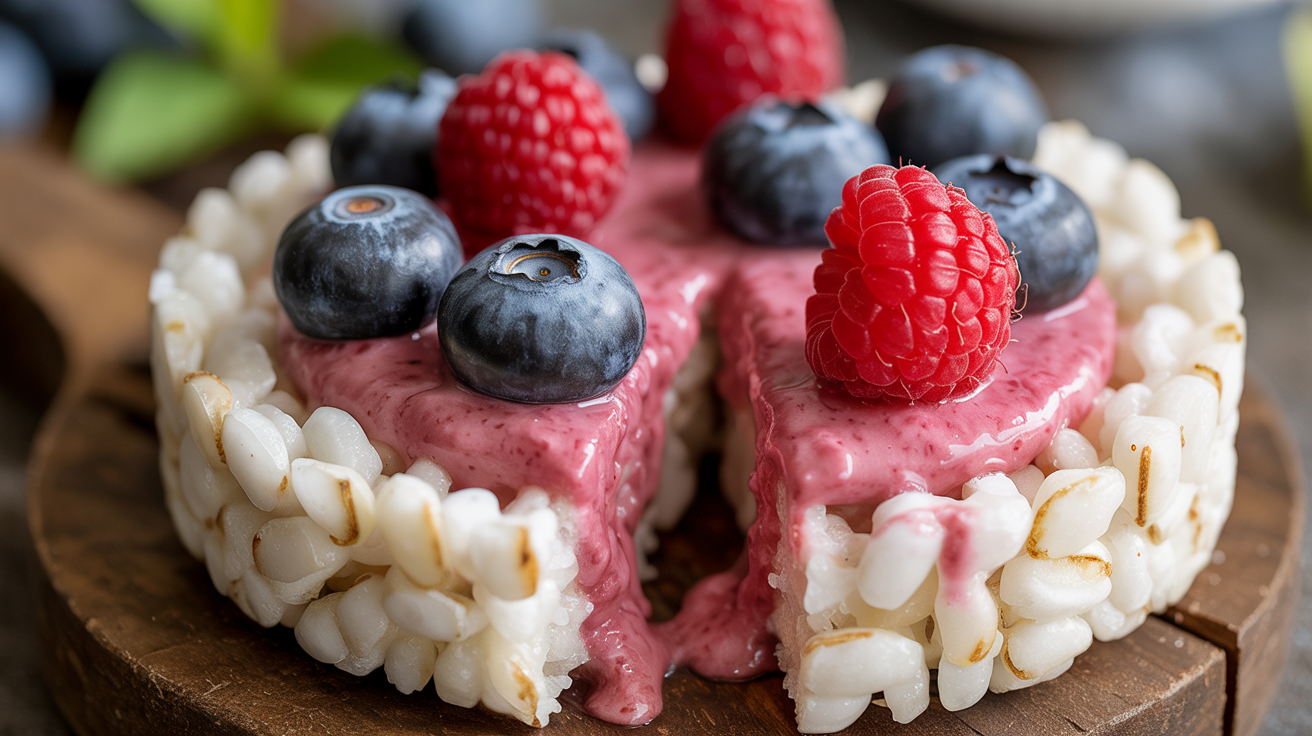
Step 1: Spread a generous layer of almond butter evenly over the rice cake. Add fresh blueberries and raspberries on top, then finish with a light sprinkle of chia seeds for texture.
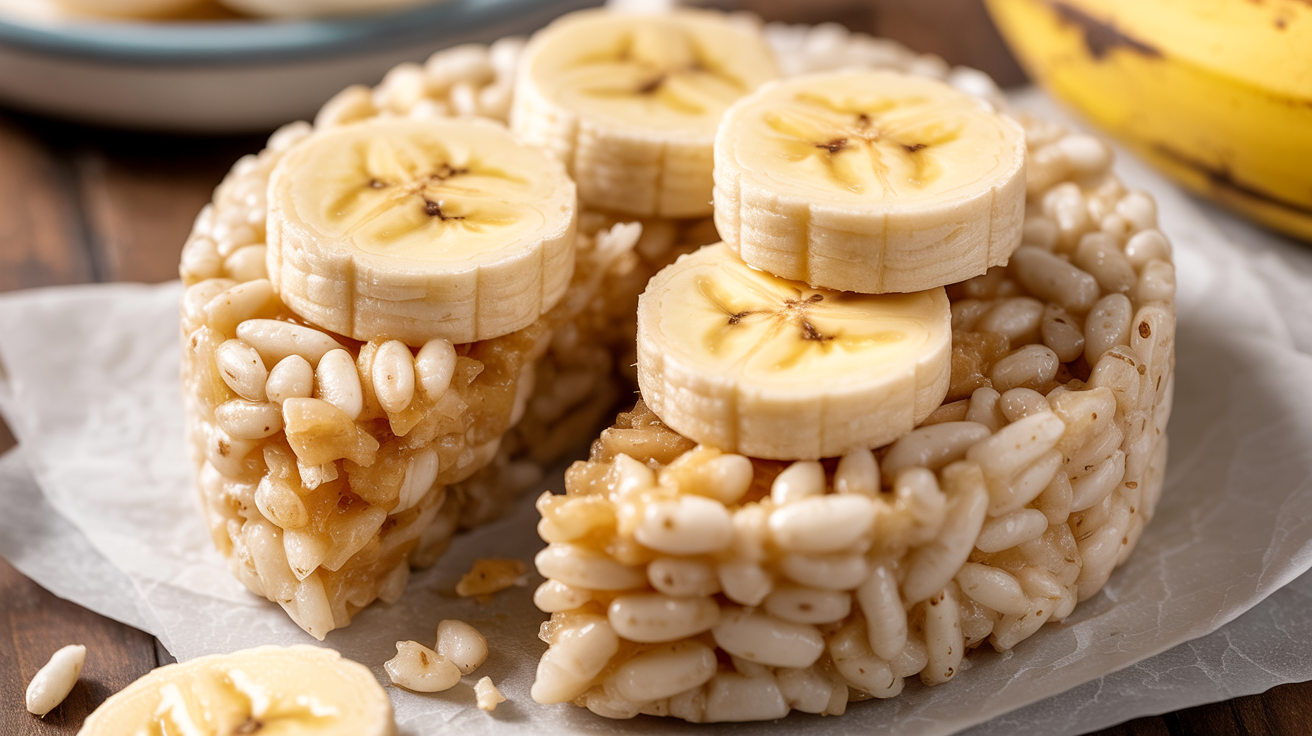
Step 2: Cover the rice cake with peanut butter, spreading it edge to edge. Layer fresh banana slices over the top and dust lightly with cinnamon.
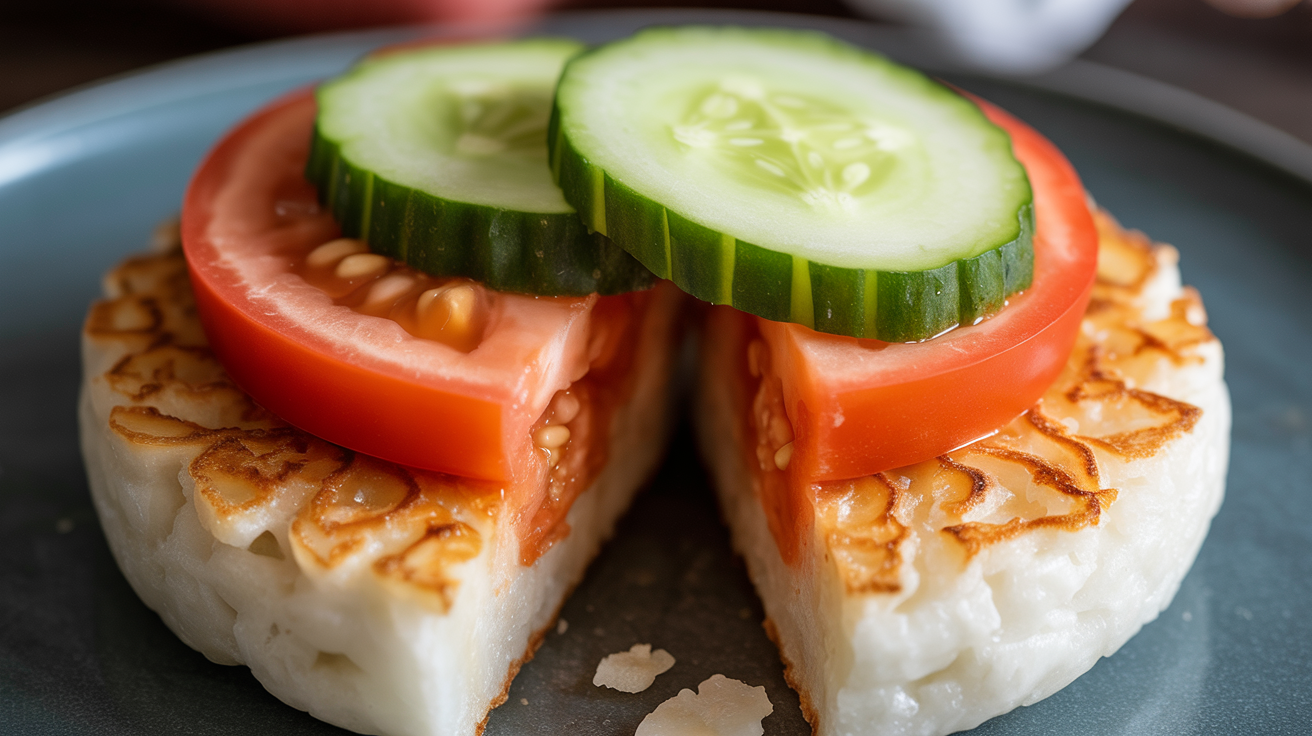
Step 3: Spoon cottage cheese onto the rice cake and smooth it out using the back of a spoon. Arrange sliced cucumber and tomato on top, then season lightly with salt and pepper.
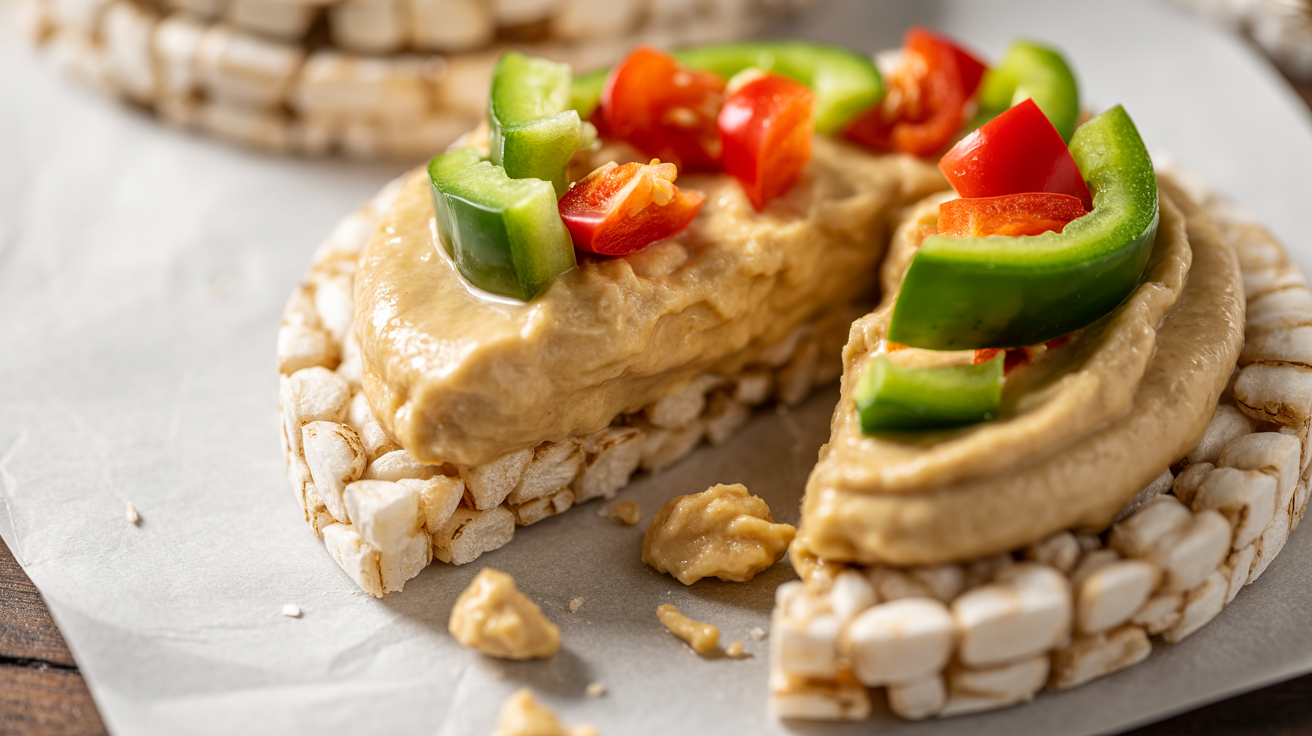
Step 4: Spread your preferred hummus evenly across the rice cake. Top with thinly sliced bell pepper, using any color you like, and sprinkle with hemp hearts.
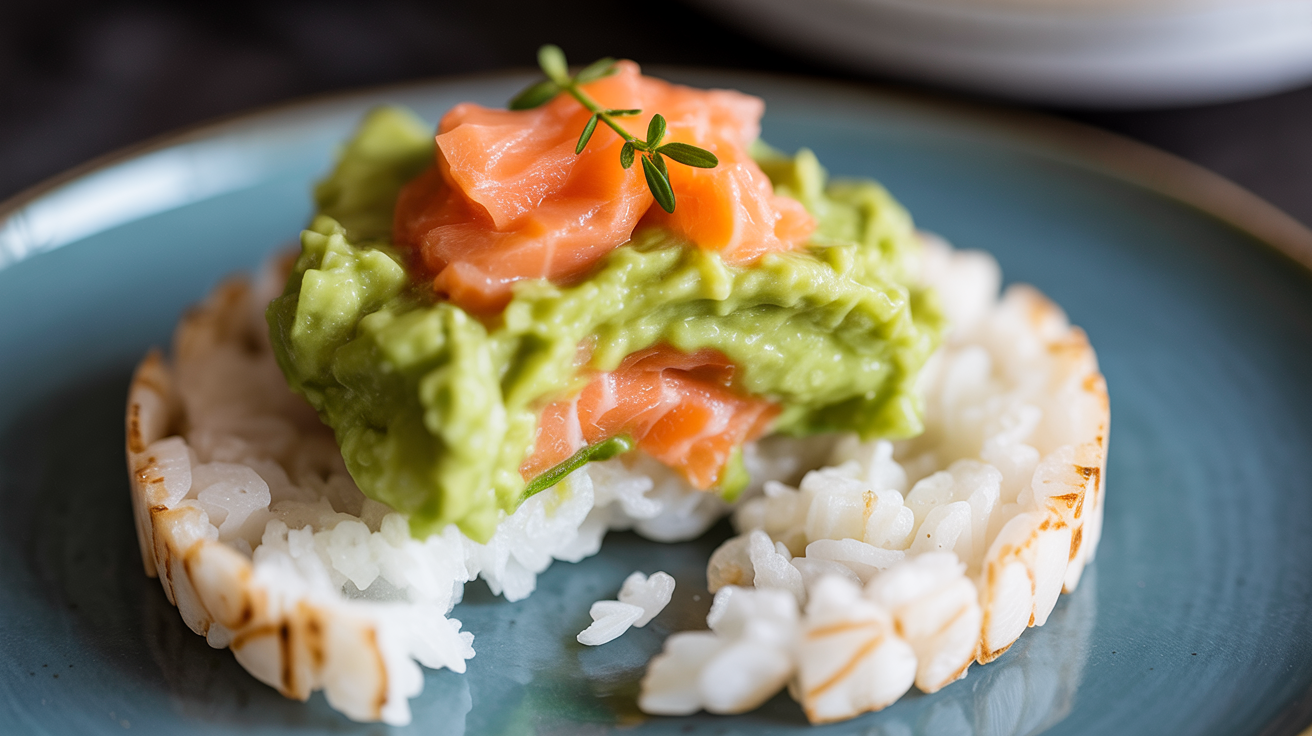
Step 5: Mash the avocado in a small bowl until smooth, then spread it over the rice cake. Add sliced smoked salmon on top, cutting it into smaller pieces if needed for easier eating. Finish with chopped red onion and capers, if using.
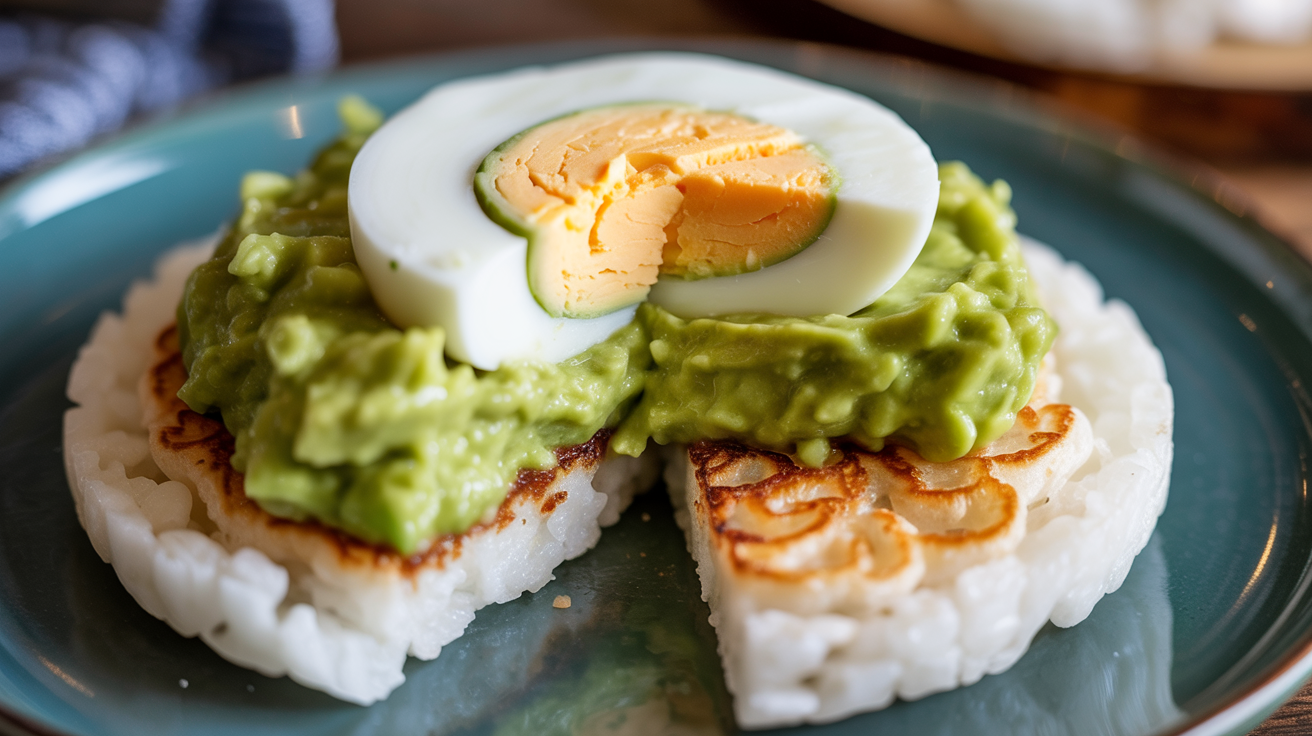
Step 6: Boil the egg to your desired doneness (about 7 minutes for a slightly soft yolk). Transfer the egg to a bowl of ice water to cool, then peel and slice. Mash the avocado and spread it onto the rice cake, top with the sliced egg, and finish with Everything Bagel seasoning.
Preparing and Cooking Sticky Rice
I always start by rinsing my glutinous rice under cold water until it runs clear. This step keeps the rice cake snacks from getting too gummy. I soak the sticky rice in cold water for at least 4 hours, but overnight is best for the perfect rice cake snack texture.
After soaking, I drain the rice and line my steamer basket with cheesecloth so none of the rice cake recipes grains fall through. I spread the rice in a layer and steam it for 25-30 minutes, watching for the grains to turn translucent and soft. When I press a few grains between my fingers and they stick, I know the rice cake snacks are ready to go.
If it’s still too firm, I just steam it for another five minutes. The key to great rice cake recipes is making sure the rice is sticky, not mushy. Every batch of rice cake snacks turns out a little different, but that’s part of the fun, right?
Mixing Flavors: Sweetening and Enriching
As soon as the rice is done, I dump it in a big bowl. I add about 1 cup of coconut milk for every 2 cups of uncooked rice to make the rice cake snacks creamy and rich. The warm rice soaks up the coconut milk, and the smell is just amazing.
For sweetness, I go with palm sugar or brown sugar, starting with half a cup and adding more if I want my rice cake snacks sweeter. A pinch of salt balances things out. I mix gently so I don’t break the grains—rice cake snacks are best when they keep their texture.
I toast sesame seeds and peanuts in a dry pan until golden, then fold most into the rice cake snacks and save some for topping. These nutty, toasty bits make the rice cake snacks irresistible. Honestly, once you taste homemade Burmese rice cake snacks, you’ll want to make them all the time.
Shaping and Garnishing Rice Cakes
I always oil my hands with coconut oil so the rice cake snacks mixture doesn’t stick everywhere. I grab about 1/4 cup of the mixture and press it into a rough round or square—nothing too perfect. If you make each rice cake snack about half an inch thick, it usually holds together nicely.
I line up my rice cake snacks on a plate, not worrying if they’re a little uneven. Then I toss on some toasted sesame seeds and peanuts, pushing them in a bit so they don’t fall off later. Sometimes I go wild and add shredded coconut too, just for that extra bite and a little more flavor.
For a traditional Burmese dessert look, I sometimes pour coconut milk mixed with palm sugar over the rice cake snacks. I wait about 15 minutes so they set up, but honestly, these rice cake snacks taste awesome warm or just at room temp. If you’re impatient, you’ll probably eat them right away—no judgment!

Regional Varieties and Modern Twists
Rice cake snacks in Burma are honestly all over the place, with every region doing something a little different. I love how classic recipes like pathein halawa and kyauk kyaw use local ingredients but there’s always someone trying out a new spin on these rice cake snacks. It keeps things interesting, and it feels like there’s always a new rice cake snack to try.
Pathein Halawa and Kyauk Kyaw
Pathein halawa is one of those rice cake recipes that looks as good as it tastes—translucent, jelly-like, and just a little chewy. It’s all about rice flour, coconut milk, and palm sugar layered into this amber-colored treat. I always find the texture super satisfying, kind of soft but not mushy, and definitely different from other rice cake snacks.
Kyauk kyaw is another rice cake snack I can’t resist. It’s made from agar-agar or seaweed gelatin, mixed with rice flour, and comes out in gorgeous colors—sometimes you get these perfect little cubes. The ones with coconut milk have these cool two-toned layers that just pop on any dessert table, and honestly, isn’t that what you want from rice cake snacks?
Key differences:
- Pathein Halawa: Uses rice flour base, darker color, softer texture
- Kyauk Kyaw: Uses agar-agar, bright colors, firmer jelly-like consistency
Shwe Yin Aye and Mont Let Saung
If I had to pick, Shwe Yin Aye is my top rice cake snacks dessert. It’s cold, super refreshing, and mixes little rice cake with coconut milk, cendol jelly noodles, sago pearls, and a pile of shaved ice. Every spoonful feels like a surprise—so many textures, and the rice cake really pull it all together.
Mont let saung is a whole different rice cake snack vibe. I make these by wrapping sweet coconut or palm sugar inside glutinous rice dough, then rolling the balls in shredded coconut. The result? Rice cake snacks that are chewy, sweet, and just the right size to pop in your mouth.
Honestly, both desserts prove that rice cake snacks can be anything but boring. You get layers, you get crunch, you get that sticky chew—there’s just so much going on. I never get tired of finding new rice cake snacks to love, and if you’re a fan, you know the feeling.
Creative Toppings and Serving Suggestions
Honestly, rice cake snacks surprise me every time with how well they pair with both sweet and savory toppings. For sweet cravings, I’ll drizzle a little condensed milk, toss on some toasted sesame seeds, or stack up fresh mango slices. That chewy texture mixed with juicy fruit? It’s just plain fun.
Savory rice cake snacks give you even more room to experiment. Sometimes I’ll smear on peanut butter, layer avocado with a pinch of chili flakes, or go for cream cheese and cucumber. These creative combos make rice cake snacks way more interesting than you’d expect.
Lately, I’ve gotten into dipping rice cake snacks in dark chocolate, then chilling them in the fridge. The result’s a crunchy, sweet bite that hits the spot when you want dessert but don’t want to go overboard. Rice cake snacks like these really do keep things exciting.
Rice Cakes vs Dumplings
Rice cakes and dumplings are both widely enjoyed across many cuisines, but they differ significantly in structure, ingredients, and how they are typically served.
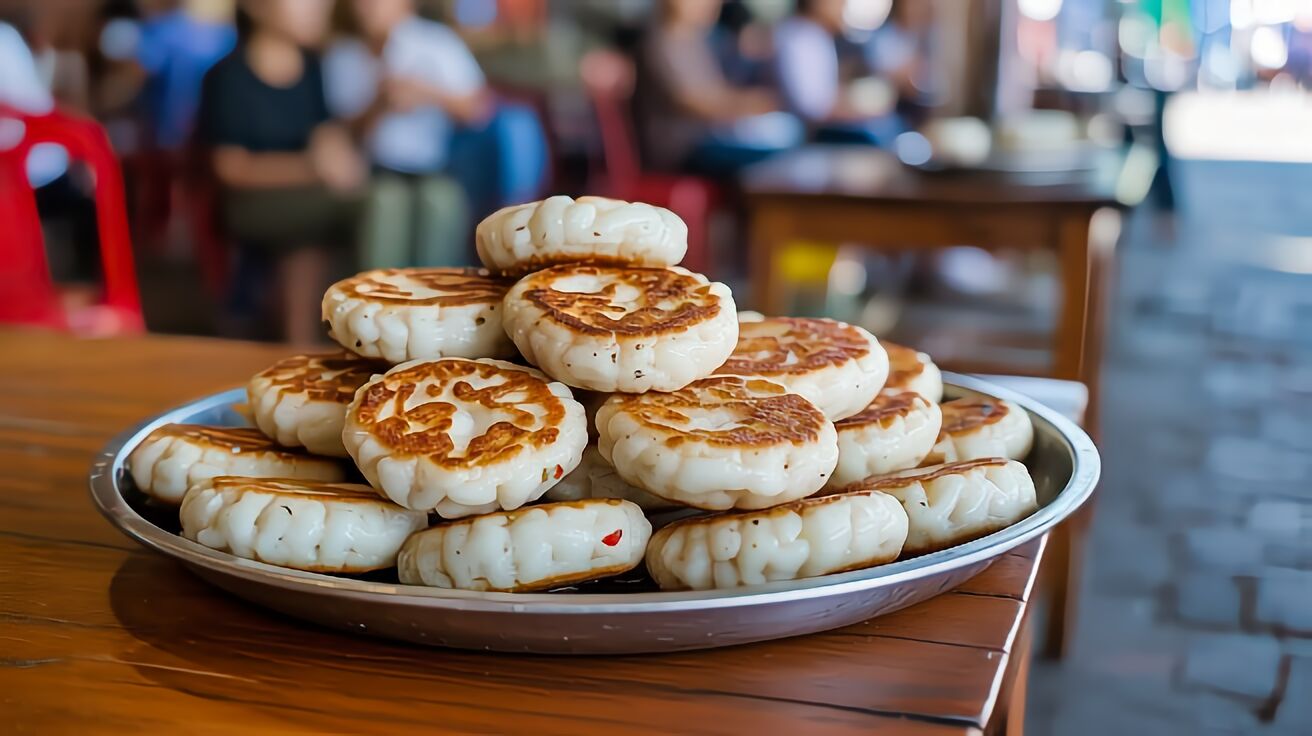
Rice cakes are primarily made from rice or rice flour and are known for their dense, chewy texture. In many Asian cuisines, such as Korean or Chinese, rice cakes can be sliced, stir-fried, or added to soups. They are usually not filled, and their appeal comes from their satisfying chewiness and ability to absorb surrounding flavors.
Dumplings, on the other hand, are made from dough that wraps around a filling, which can include meat, vegetables, or seafood. They can be boiled, steamed, or fried, and their texture varies from soft to crispy depending on the cooking method. The filling is a defining feature, adding layers of flavor and variety.
The main difference is structure and complexity: rice cakes are simple and uniform, while dumplings are filled and more diverse in both taste and preparation.
Choose rice cakes if you enjoy chewy textures and dishes where the sauce or broth carries the flavor. Opt for dumplings if you want a more complex bite with a flavorful filling and varied textures.
Burmese Rice Cake Snacks FAQ
1. What are Burmese rice cake snacks made from?
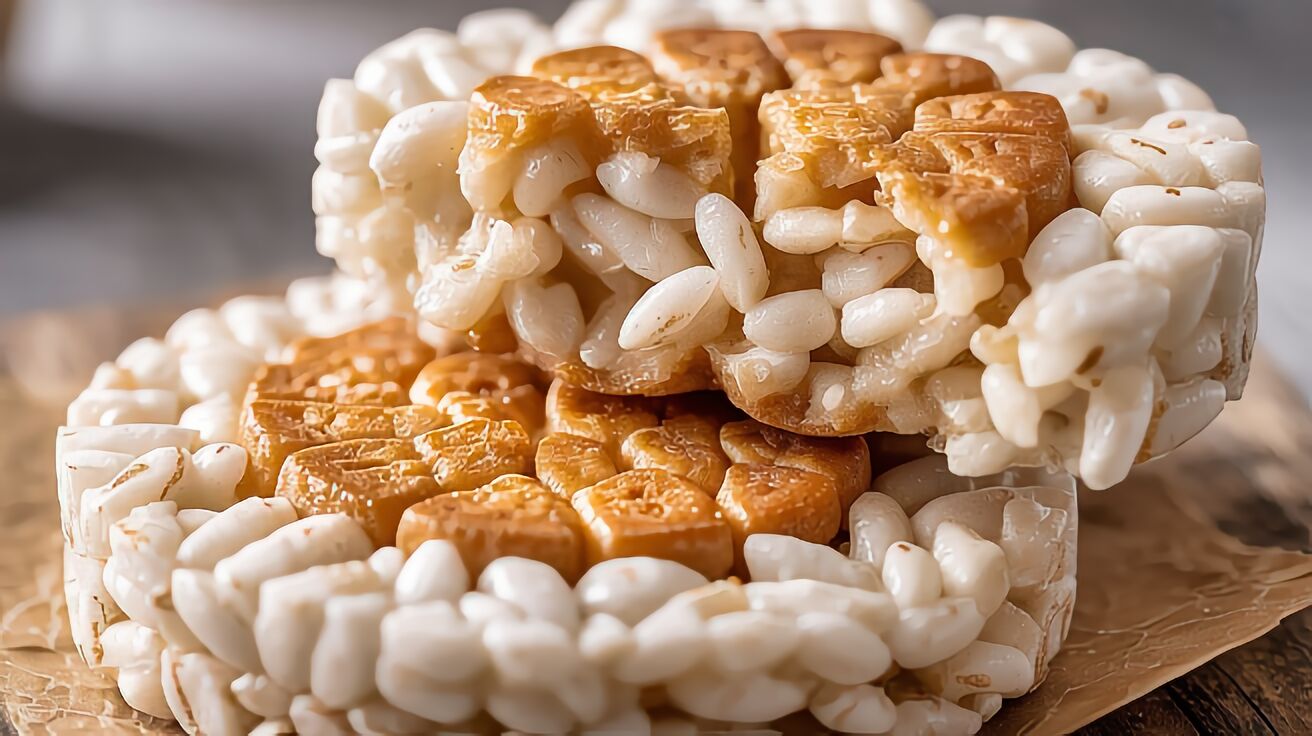
They are typically made from rice flour or ground rice, often mixed with water and sometimes coconut or savory ingredients.
2. Are Burmese rice cakes sweet or savory?
They can be both—some versions are sweet with coconut and sugar, while others are savory with herbs and toppings.
3. How are Burmese rice cakes cooked?
They are usually steamed, pan-fried, or grilled depending on the variation.
4. What textures do Burmese rice cakes have?
They are often soft and chewy, sometimes with a slightly crispy exterior if fried.
5. When are rice cake snacks typically eaten?
They are commonly enjoyed as street food or light snacks throughout the day.

Rice Cake Snacks
Ingredients
- 6 puffed rice cakes
- 1 tbsp almond butter
- ¼ cup berries blueberries and raspberries
- pinch chia seeds optional
- 1 tbsp peanut butter
- ½ small banana
- a pinch of ground cinnamon
- 2 tbsp cottage cheese
- ⅓ small cucumber sliced
- 2 cherry tomatoes sliced
- Salt & pepper to taste
- 1 tablespoon hummus
- ¼ bell pepper orange sliced into strips
- ½ small avocado mashed
- 1 slice salmon smoked whole or cut into pieces
- 1 teaspoon capers drained and roughly chopped
- 1 teaspoon red onion minced
- ½ small avocado mashed
- 1 egg soft or hard boiled
- sprinkle Everything Bagel seasoning
Instructions
- Spread a generous layer of almond butter evenly over the rice cake. Add fresh blueberries and raspberries on top, then finish with a light sprinkle of chia seeds for texture.

- Cover the rice cake with peanut butter, spreading it edge to edge. Layer fresh banana slices over the top and dust lightly with cinnamon.

- Spoon cottage cheese onto the rice cake and smooth it out using the back of a spoon. Arrange sliced cucumber and tomato on top, then season lightly with salt and pepper.

- Spread your preferred hummus evenly across the rice cake. Top with thinly sliced bell pepper, using any color you like, and sprinkle with hemp hearts.

- Mash the avocado in a small bowl until smooth, then spread it over the rice cake. Add sliced smoked salmon on top, cutting it into smaller pieces if needed for easier eating. Finish with chopped red onion and capers, if using.

- Boil the egg to your desired doneness (about 7 minutes for a slightly soft yolk). Transfer the egg to a bowl of ice water to cool, then peel and slice. Mash the avocado and spread it onto the rice cake, top with the sliced egg, and finish with Everything Bagel seasoning.

Video

13 comments
Interesting read! But how much does the taste differ between the steamed and fried versions of these Burmese rice cake snacks?
Fried version wins hands down! Steamed ones lack that irresistible crunch.
Anyone else find Bein Mont trickier to get just right compared to Sanwin Makin? Its all about mastering the stickiness!
Interesting read, but arent there variations of Htoe Mont in other regions of Myanmar? Love to learn more about local adaptations!
Anyone tried substituting coconut milk in Sanwin Makin? Wondering if it alters the authentic taste too much. Thoughts?
Tried it once. Ruined the authentic flavor. Stick to the original recipe, mate.
Interesting read, but have you considered exploring the health benefits or drawbacks of these Burmese rice cake snacks? Just a thought.
Isnt it crazy how versatile rice is? From savory side dishes to decadent desserts like Htoe Mont. Food culture is fascinating!
Absolutely! Its amazing how one single grain can create a culinary universe.
Is anyone else curious about the nutritional value of these Burmese rice cake snacks? They sound delicious but how healthy they are?
Why worry about health? Just enjoy the Burmese rice cake snacks! Lifes too short.
Has anyone tried substituting semolina with another grain in the Sanwin Makin recipe? Curious about the outcome!
Tried it with quinoa once. Lets just say…stick with semolina!
Comments are closed.