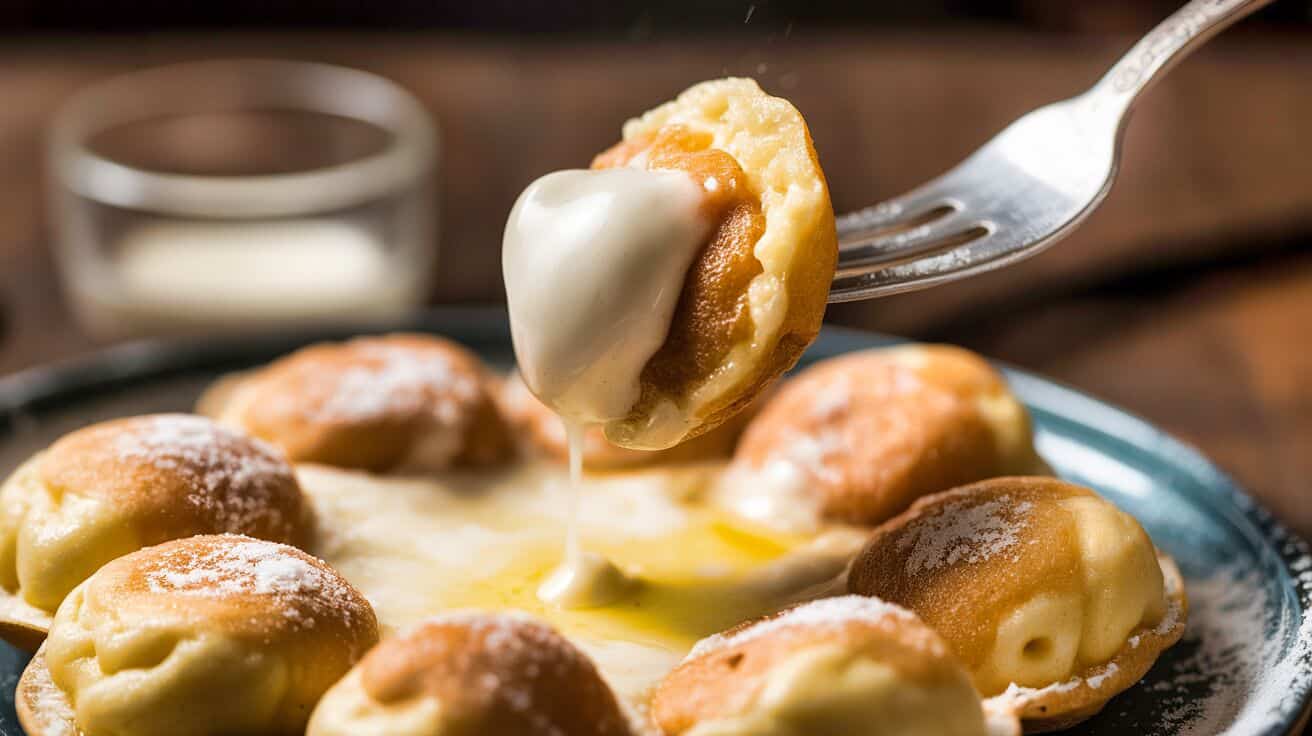
If you’re craving that pillowy bite of the Dutch poffertjes recipe, let’s dive into how you can make them at home. You don’t need anything fancy—just a handful of pantry staples and a good Dutch Poffertjes recipe. With the right batter and a special pan, you’ll get those authentic mini Dutch pancakes: light, a little yeasty, and perfect with butter and powdered sugar.
We’ll talk about picking traditional ingredients, tweaking the batter, using a poffertjes pan (or improvising on the stovetop), and finishing with classic or creative toppings. I’ll toss in some tips for cooking, serving, and storing, so this Dutch Poffertjes recipe can easily become a go-to treat in your kitchen.
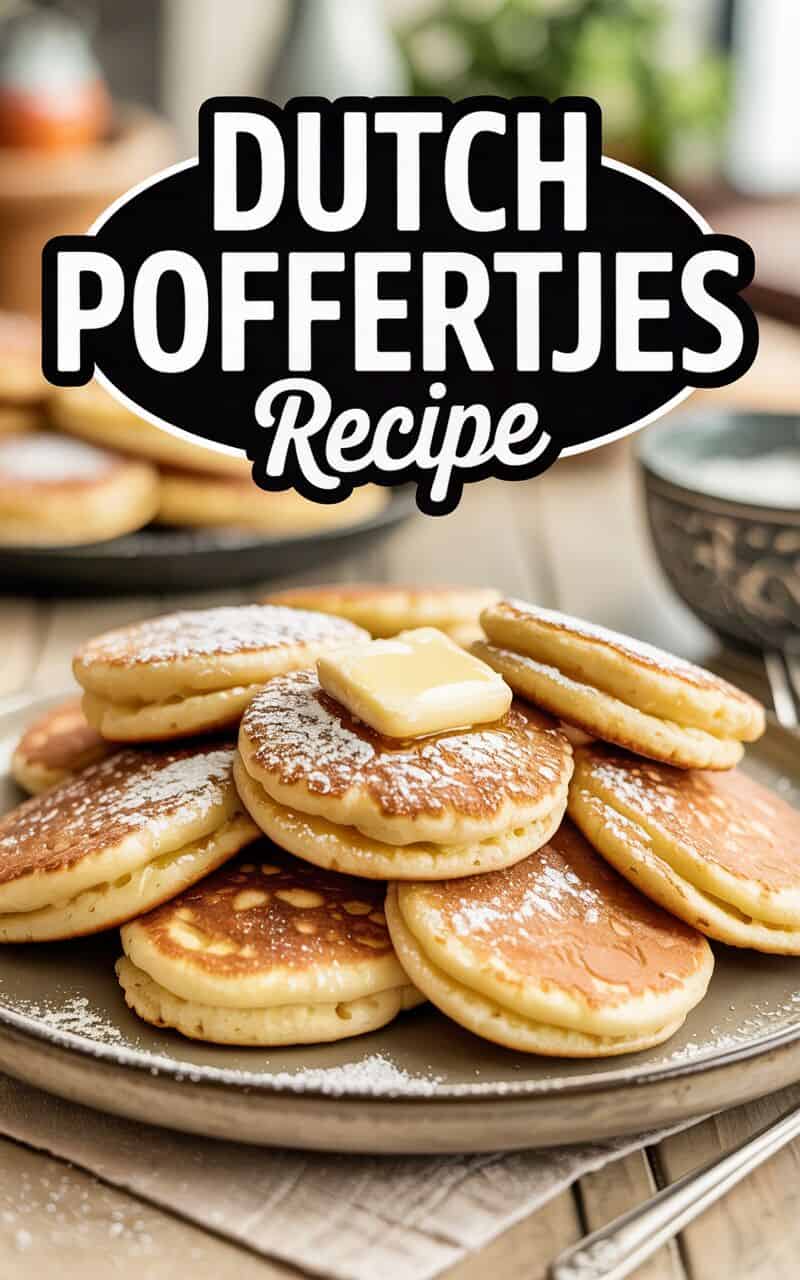
Authentic Ingredients and Poffertjes Batter
When it comes to a Dutch Poffertjes recipe, it’s all about a short ingredient list and a couple of smart swaps that keep things light and flavorful. The right measurements and a little patience with proofing can change everything about the texture.
Yeast-Based Versus Baking Powder Recipes
I usually stick with active dry yeast for a traditional Dutch Poffertjes recipe. The yeast gives you that mild tang and the signature airy inside. Proof it in warm milk with a pinch of sugar—about 5 to 10 minutes. If it’s not foamy, your poffertjes might turn out dense. Letting the batter rest for 45–60 minutes helps bubbles develop; I gently fold in a beaten egg and melted butter after proofing to keep things fluffy. If I’m in a rush, I’ll use baking powder instead, but honestly, it just isn’t the same—no yeasty aroma, and the texture is more cake than pancake. If you go the no-yeast route, adjust your liquids and rest time, and expect a drier bite.
Buckwheat and All-Purpose Flour Options
I like to blend all-purpose flour with about 20–30% buckwheat for a bit of nuttiness without making the poffertjes heavy. All buckwheat? It’s bold and rustic, but can be dense, so I rarely go all-in unless I’m in the mood for something different.
If I’m using just all-purpose flour, I keep the batter a bit thinner than American pancake batter. That way, the poffertjes puff up instead of spreading flat. If I add more buckwheat, I’ll toss in another egg or a spoonful of melted butter to help the structure. As a base, try 200g all-purpose and 50g buckwheat, then tweak as you go. That’s the fun of a good Dutch Poffertjes recipe.
Dairy and Gluten-Free Adaptations
Need a dairy-free Dutch Poffertjes recipe? I swap in oat or almond milk, though it’s a bit less rich. A little extra melted butter helps bring back some of that mouthfeel. For gluten-free, I mix a gluten-free blend with a binder like xanthan gum or an extra egg. Buckwheat itself is gluten-free, but if you don’t mix it with wheat flour, you’ll need a binder. I always test a small batch first since gluten-free batters can be unpredictable.
Sweeteners and Flavor Enhancers
I usually add 1–2 tablespoons of sugar to the Dutch Poffertjes recipe. It feeds the yeast and gives just enough sweetness. For serving, a good dusting of powdered sugar and a pat of butter is all you need. Sometimes I’ll add a splash of vanilla or a pinch of lemon zest to the batter for a subtle twist. If I’m feeling fancy, a spoonful of melted butter goes in after proofing. Honey or maple syrup can swap in for some of the sugar, but I cut back on other liquids since they change how the yeast works.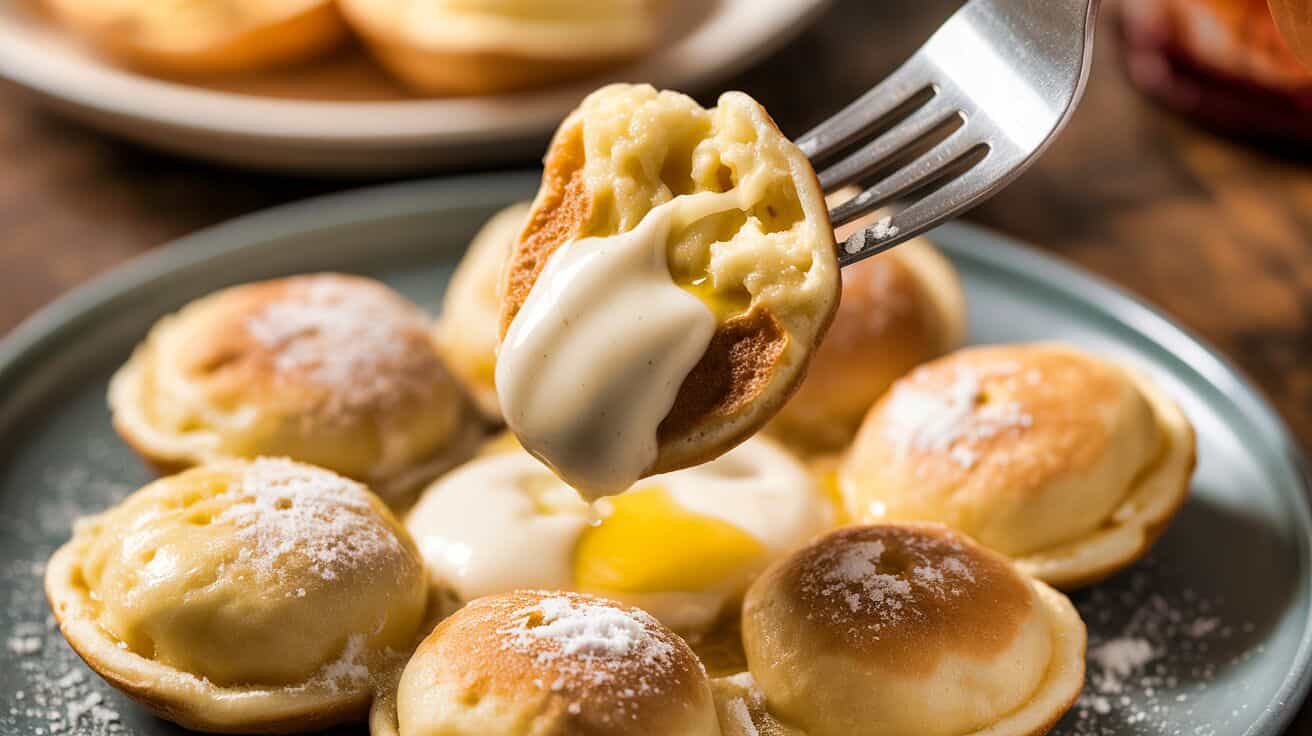
Specialized Pans and Cooking Techniques
The right pan makes a huge difference in any Dutch Poffertjes recipe. The pan, heat, and flipping technique all come together to make those mini pancakes just right.
Choosing a Poffertjes Pan
I’m a fan of a heavy cast iron poffertjes pan. It heats evenly, and the indentations give you those classic shapes. I preheat it slowly over medium-low for about 5–8 minutes. If you’d rather not fuss with seasoning or cleanup, an electric poffertjes pan is easy—just set it to medium and do a test run with one poffertje.
Look for deep wells (3–4 cm) for puffier pancakes. A pan with 12–20 wells is perfect for home cooks. For cast iron, I oil and bake it before first use. With electric pans, just follow the care instructions to protect the nonstick surface.
Alternative Pans: Aebleskiver, Takoyaki, and More
If you don’t have a poffertjes pan, an aebleskiver pan is your next best bet. The wells are round, so the pancakes come out a bit ball-shaped, but you can flatten them a little after cooking. Takoyaki pans work too, though the bites are denser and rounder. I use less batter per well and flip more often for even browning.
No special pan? I’ve made a Dutch Poffertjes recipe work on a big nonstick skillet. Just spoon out small rounds (about 1–2 tablespoons each), spread them to 4–5 cm, and flip when they bubble. They’re not as uniform, but they’re still delicious.
How to Flip and Cook Mini Pancakes
I keep the heat at medium or just below. Too hot, and you’ll burn the outsides before the centers cook. One poffertje should brown in about 1–1.5 minutes per side in a hot cast iron pan. I use a skewer or fork to flip them—just slide under and turn. For ball-shaped pans, rotate them bit by bit until they’re cooked all around.
Keep the batter thick enough to hold its shape but not so thick it won’t pour. I brush a little oil in each well between batches to keep things from sticking. Once both sides are golden and puffy, take them out and serve right away with butter and powdered sugar, or keep them warm in the oven if you’re making a big batch.
Serving Traditions and Creative Toppings
I love keeping things simple with a Dutch Poffertjes recipe—just a dusting of powdered sugar and a dab of butter. But if you want to get creative, there are lots of ways to dress them up without hiding their texture.
Classic Butter and Powdered Sugar Finish
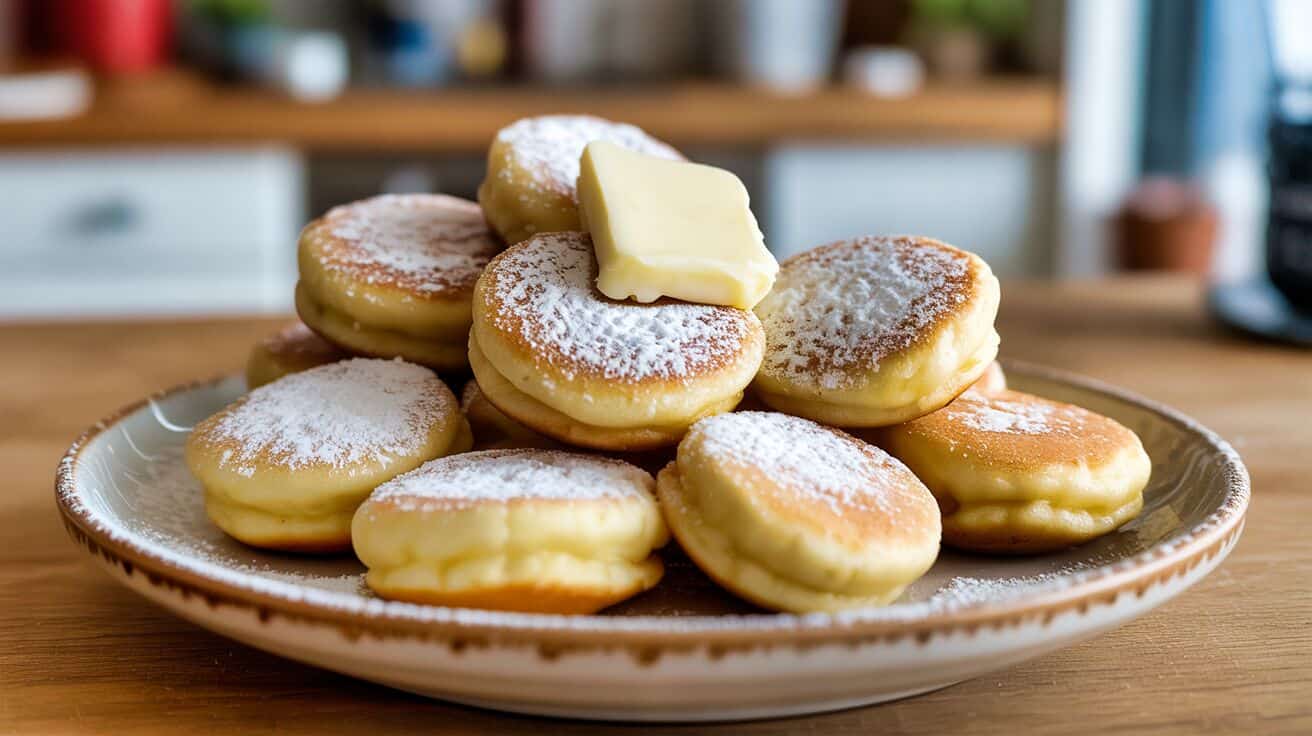
Once the poffertjes are golden and soft inside, I stack them up on a warm plate and top with a pat of salted butter. The butter melts into all the little craters. Then I sift powdered sugar over the top for that snowy look. It’s classic, and honestly, you can’t go wrong. When I have guests, I set out extra butter and a bowl of powdered sugar so everyone can make their plate just how they like it.
Modern Twists: Nutella, Maple Syrup, and More
If I’m feeling indulgent, I’ll drizzle Nutella or chocolate-hazelnut spread over the poffertjes while they’re still warm. Sometimes I add a dollop of whipped cream or mascarpone for a little contrast. Maple syrup is another favorite—just don’t drown them or they get soggy. Fresh berries, banana slices, or a sprinkle of cinnamon are great for a fresh kick.
I like mixing things up: Nutella with strawberries, maple syrup with browned butter and nuts. These combos work with any Dutch Poffertjes recipe, homemade or store-bought.
Street Food Presentation and Plating
For that street-food vibe, I’ll pile poffertjes in a shallow bowl or on a wooden paddle. Vendors usually stack them and shake on powdered sugar, so I do the same with a small shaker at the table. For parties, I thread a few onto skewers or serve them on wax paper for easy grabbing. A little lemon wedge or dusting of cinnamon adds color and aroma. If I’m making a platter, I’ll do a few different toppings so everyone can try something new. Presentation does matter—neat stacks and just enough drizzle make these mini pancakes even more tempting.
Step by Step Instructions
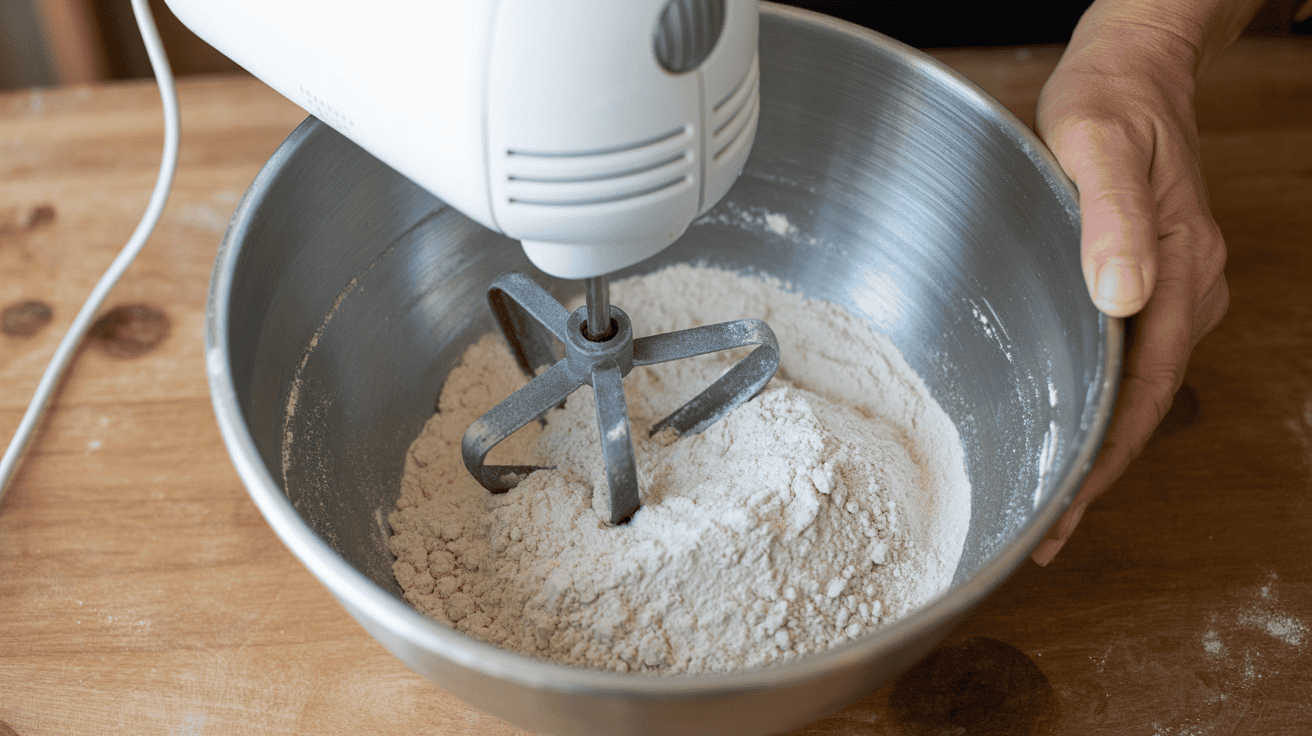
Step 1: In a large bowl, mix together the flour, yeast, and salt.
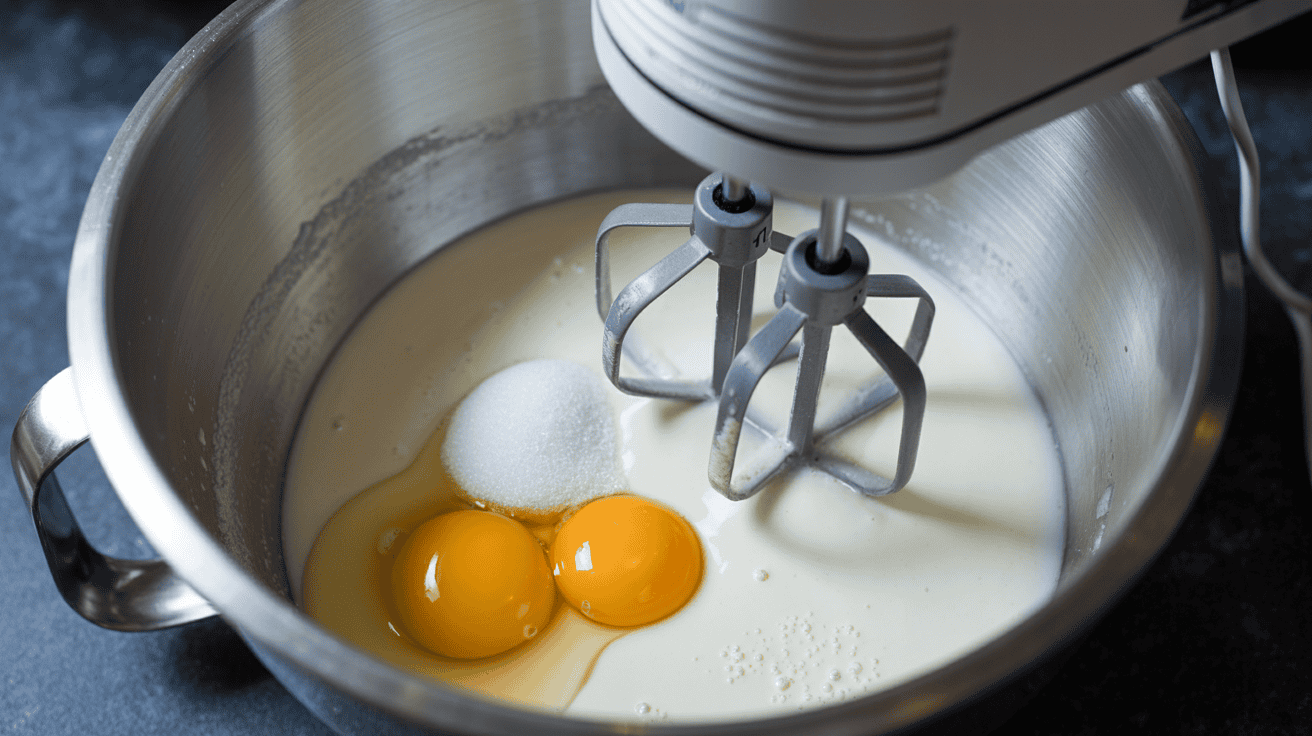
Step 2: In a separate bowl, whisk together the lukewarm milk, eggs, granulated sugar, and vanilla extract.
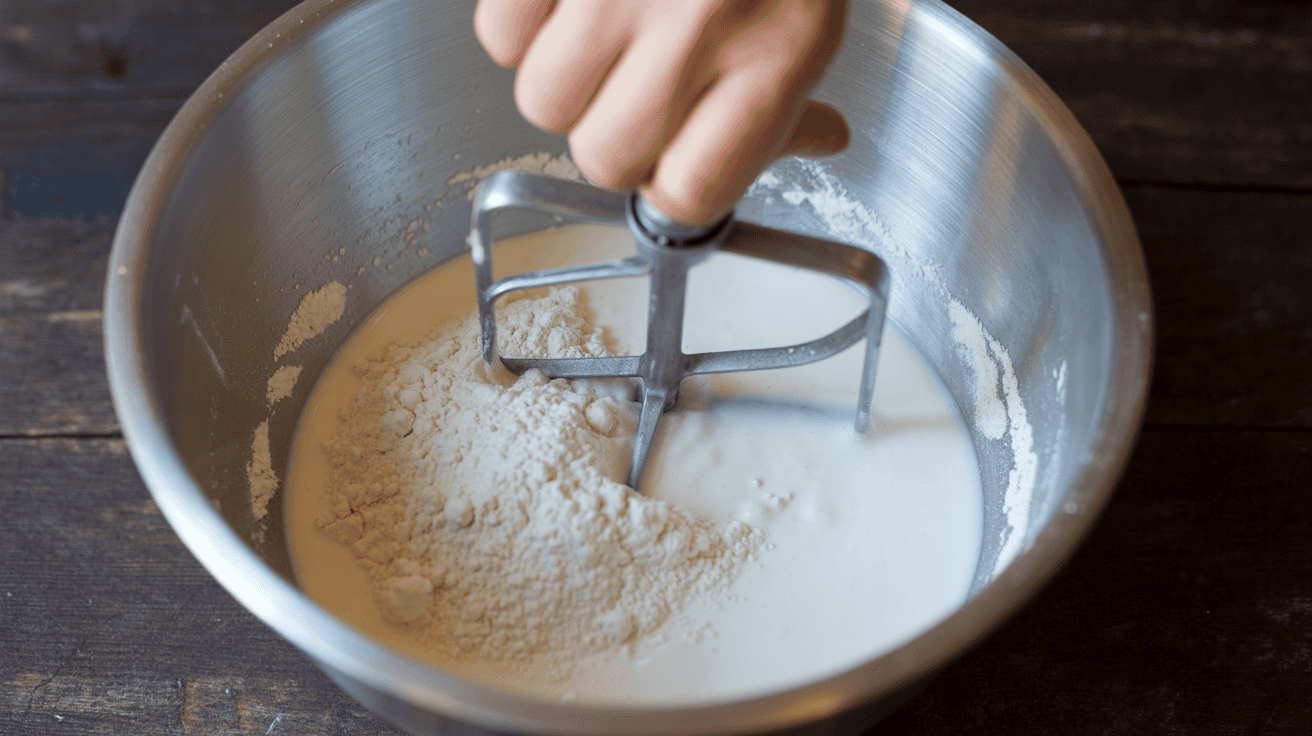
Step 3: Add the wet ingredients to the dry ingredients and mix until a smooth batter forms.
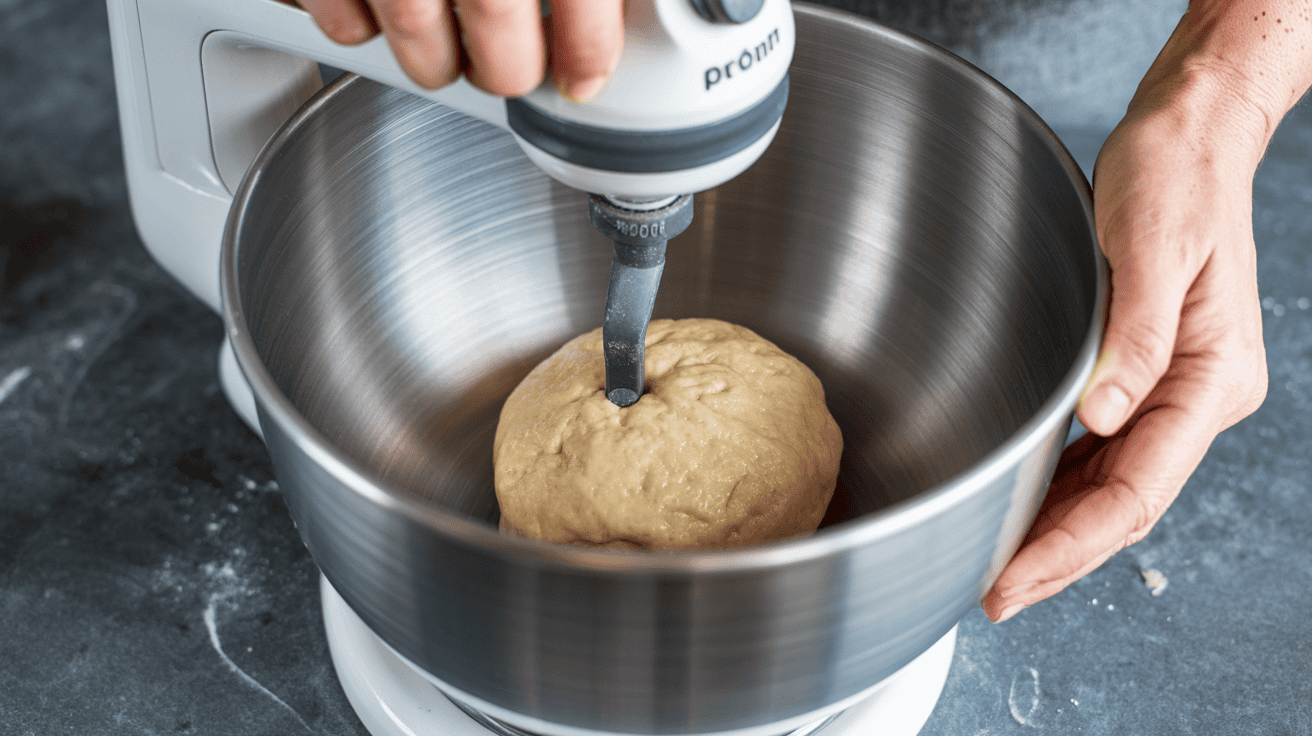
Step 4: Cover the bowl with plastic wrap and let the batter rise for 30-45 minutes.
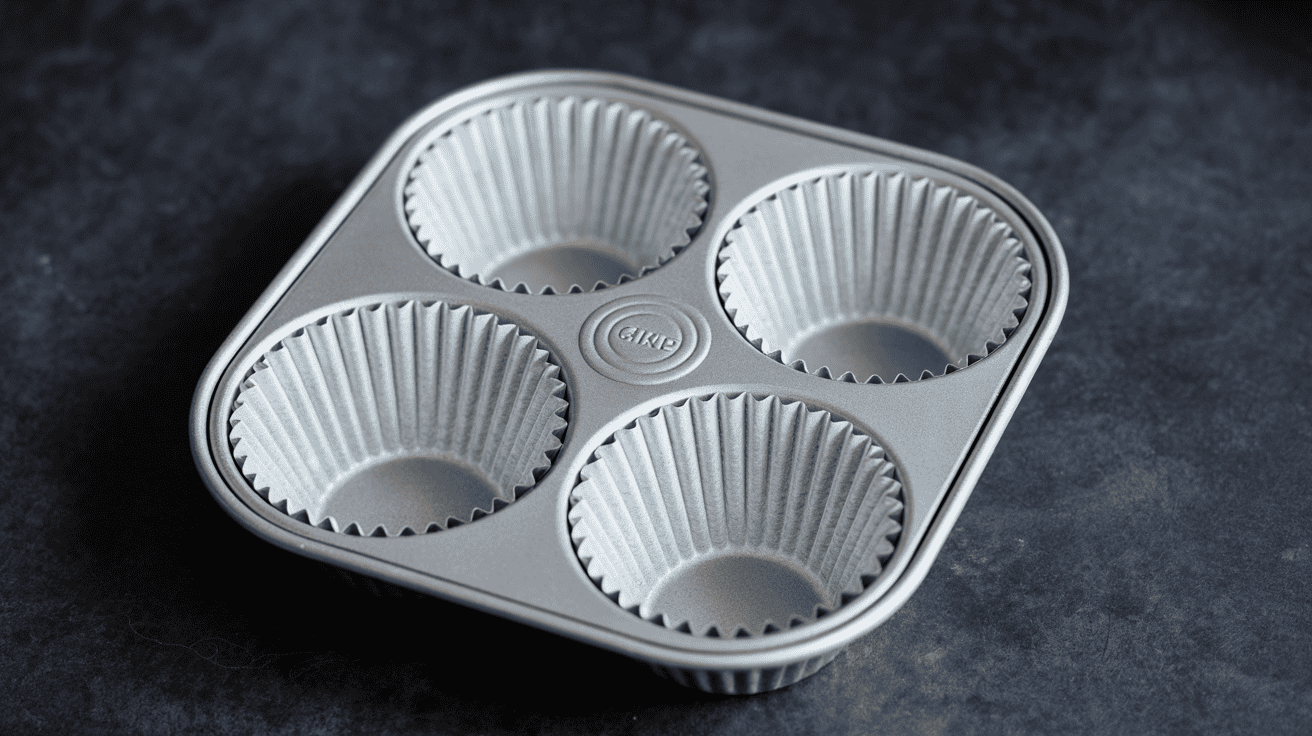
Step 5: Heat a poffertjes pan over medium heat and grease the pan with butter.
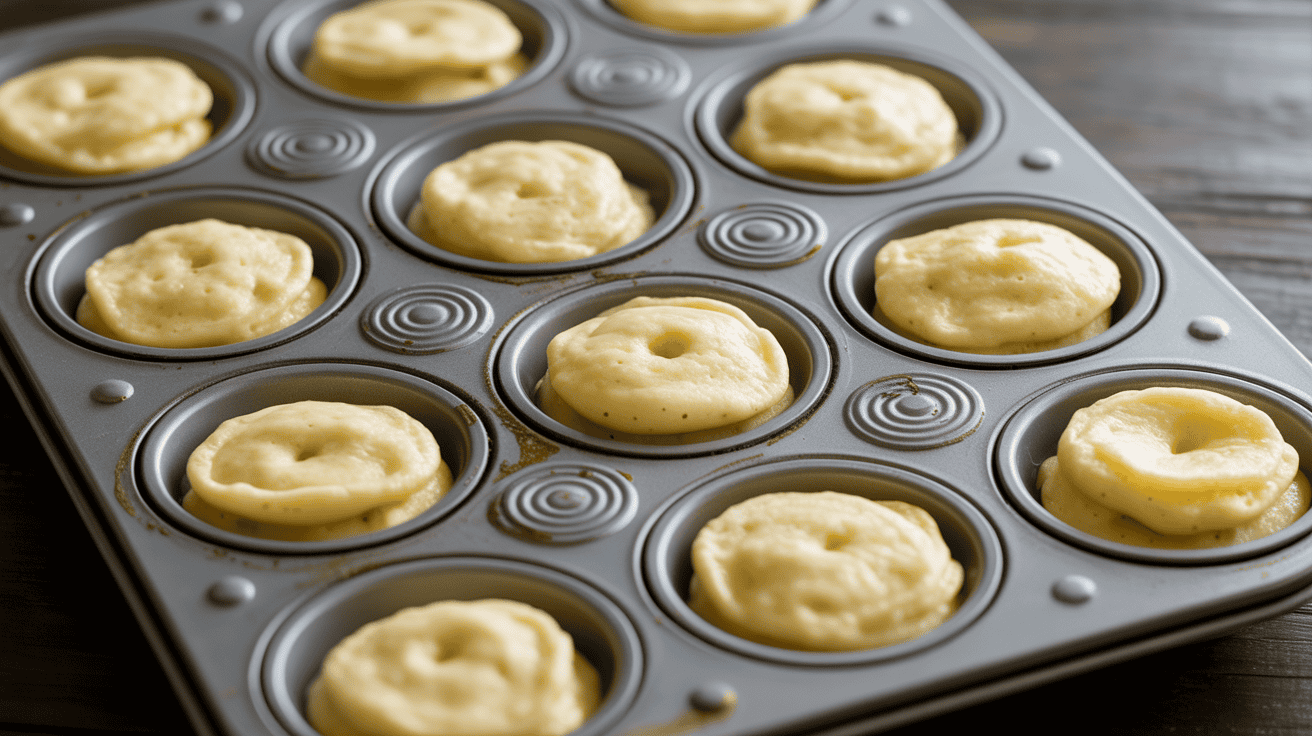
Step 6: Pour the batter into the pan, filling each indentation about 2/3 of the way full.
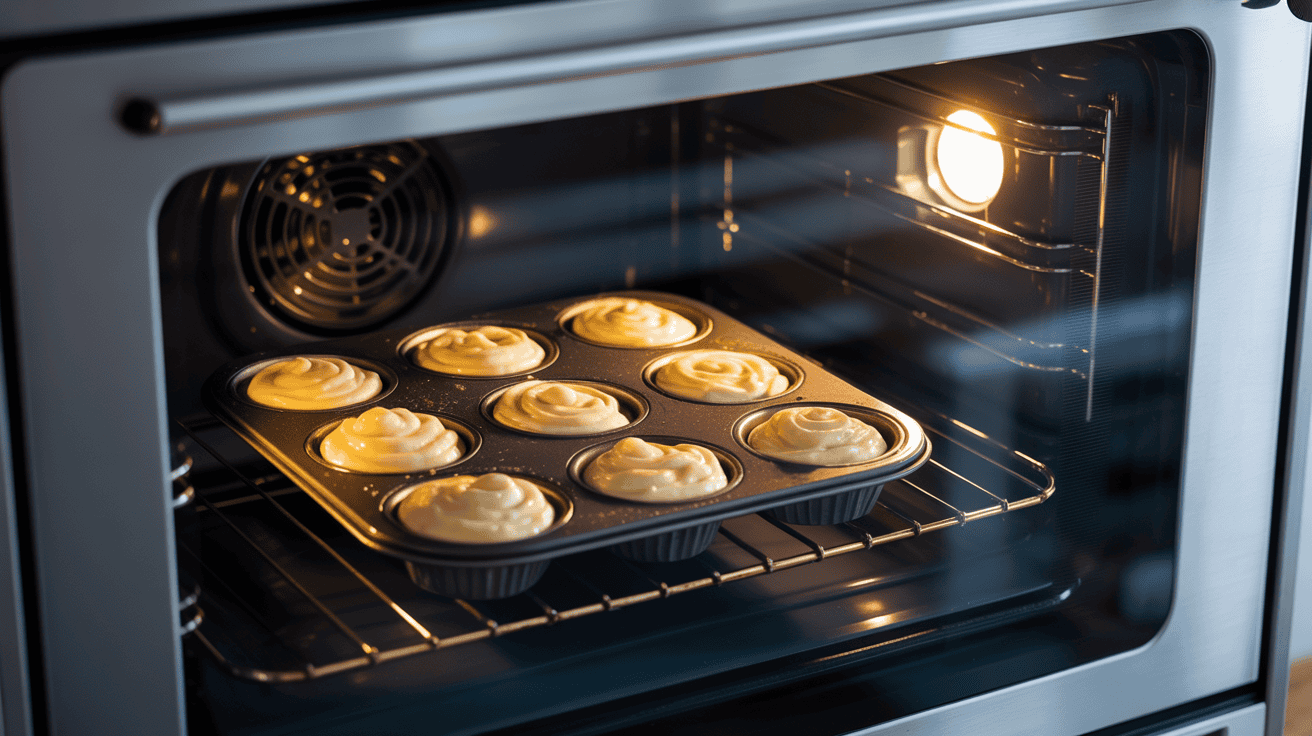
Step 7: Cook the poffertjes for 1-2 minutes on each side or until they are golden brown and cooked through.
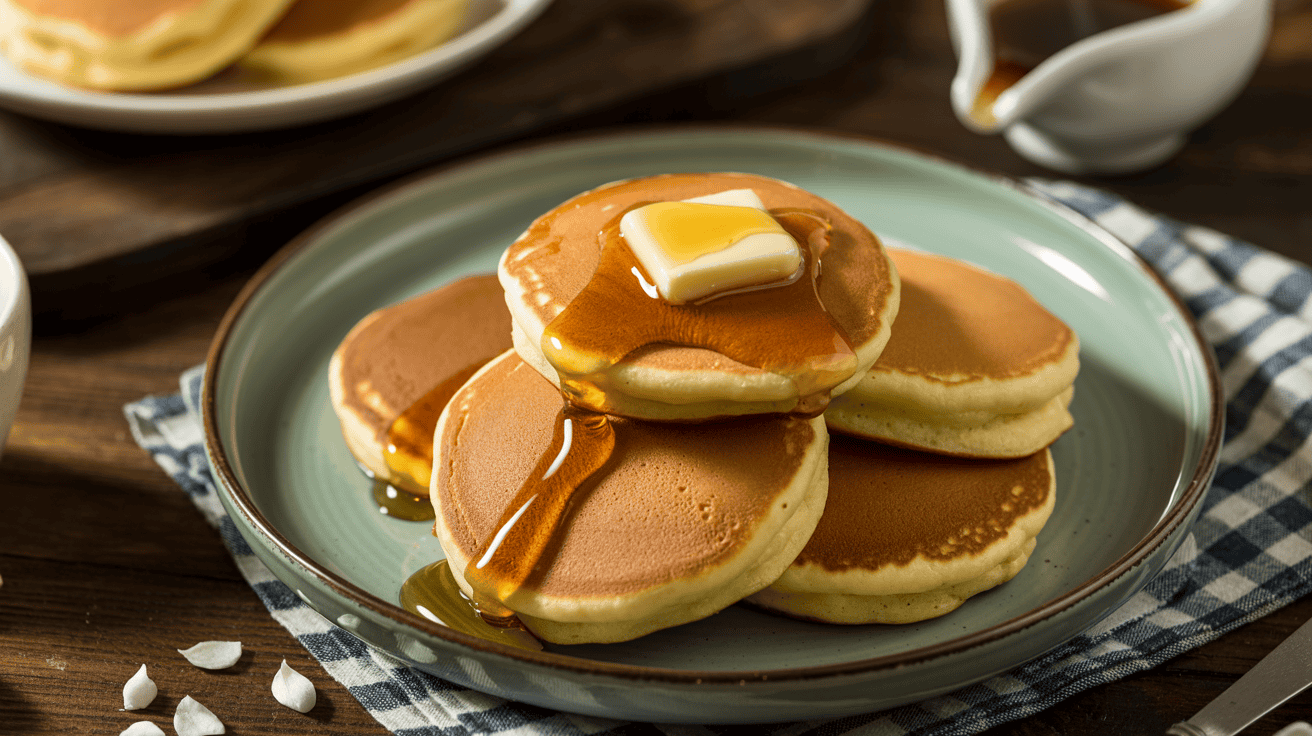
Step 8: Serve the poffertjes warm with butter and powdered sugar or your desired toppings.
Storage, Leftovers, and Customization Options
With a good Dutch Poffertjes recipe, leftovers aren’t a problem. I freeze extra batches for quick breakfasts or snacks and tweak the flavors depending on the occasion.
Making Poffertjes Ahead and Freezing
I let poffertjes cool on a wire rack after cooking, so they don’t steam and go soggy. For a short-term fix, I stack them in an airtight container with parchment between layers and stick them in the fridge—good for up to three days. This is perfect if you want a Dutch Poffertjes recipe ready for brunch the next morning.
For longer storage, I freeze them in a single layer on a baking sheet, then bag them up once solid. They’ll keep for a month or two and thaw in no time. Label your bags so you know what’s what and can grab just what you need.
Tips for Reheating and Keeping Them Fluffy
To reheat, I use a 300°F (150°C) oven for 4–6 minutes to bring back the crispy edges. For just a few, I’ll toss them in a toaster or a hot skillet for a minute or two per side—way better than the microwave. If you must microwave, cover them with a damp paper towel and use short bursts to avoid rubberiness. A swipe of melted butter before reheating helps keep them soft. And don’t stack them hot, or they’ll steam and lose that lovely texture.
Honestly, the Dutch Poffertjes recipe is one of those things you’ll come back to again and again. It’s flexible, fun, and always a crowd-pleaser—whether you stick with tradition or add your own twist.
Personalizing Flavor Profiles
I usually start with the base batter from my Dutch Poffertjes recipe, then play around with two things: mix-ins and toppings. For mix-ins, I’ll fold in a teaspoon or two of citrus zest, maybe a spoonful of finely chopped apple, or even a bit of cocoa powder—just enough to give the Dutch Poffertjes recipe a twist, but not so much that it messes with the rise or that pillowy texture everyone loves.
Toppings? Oh, that’s where things get fun. Sometimes I’ll mix powdered sugar with a hit of lemon zest, or dust the Dutch Poffertjes recipe with cinnamon-sugar for a cozy vibe. If I’m feeling a little extra, I’ll throw on a dollop of mascarpone and some berry compote. Savory toppings totally work too—think flaky sea salt, grated young Gouda, or even smoked salmon with dill if you’re serving your Dutch Poffertjes recipe for brunch. Here are some ideas I keep handy:
- Sweet: powdered sugar, maple syrup, berry compote, whipped cream
- Spiced: cinnamon-sugar, cardamom, nutmeg
- Savory: grated Gouda, smoked salmon, herb butter
I jot down what works best with my Dutch Poffertjes recipe so I can actually remember those winning combos next time. Honestly, experimenting with the Dutch Poffertjes recipe is half the fun—sometimes it’s a hit, sometimes it’s a little weird, but it’s never boring.
Dutch Poffertjes vs Pancakes
Dutch poffertjes and traditional pancakes are both beloved breakfast treats, but they differ in size, texture, and preparation.
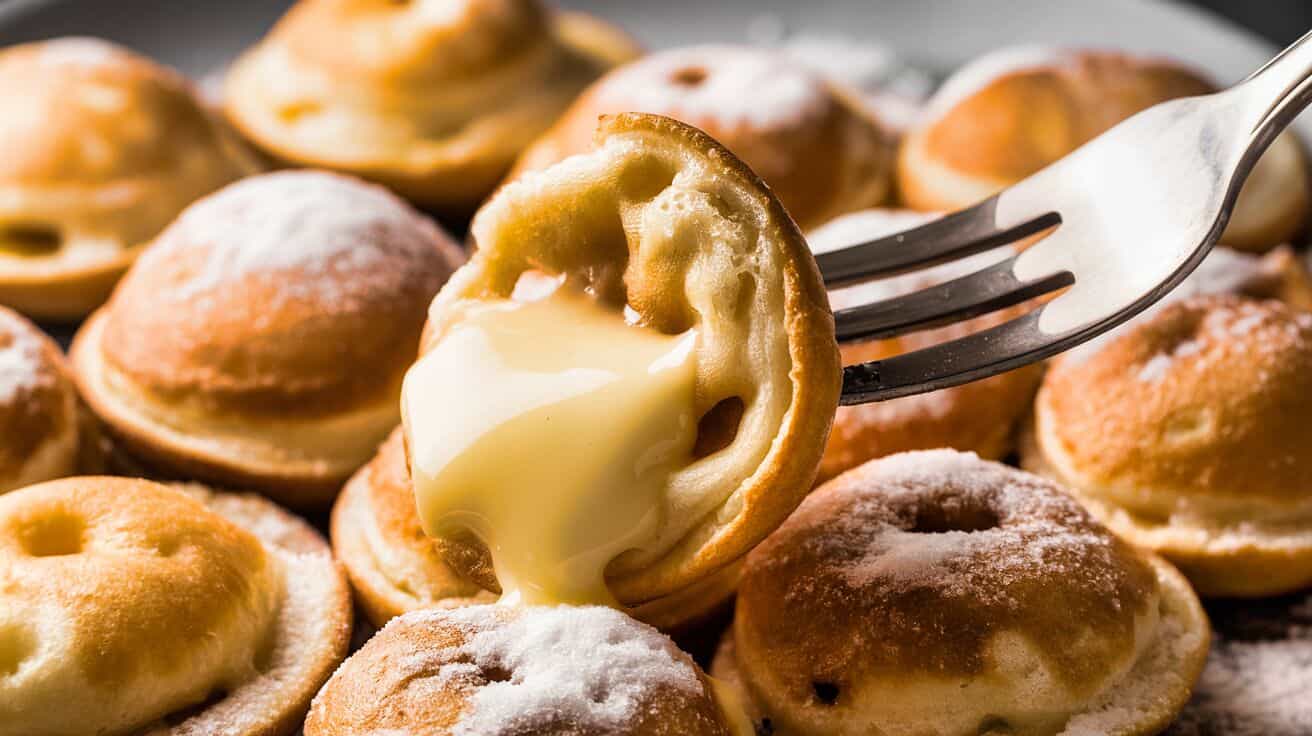
Poffertjes are small, fluffy Dutch pancakes made from a batter that often includes yeast or buckwheat flour. They are cooked in a special pan with shallow indentations, giving them their signature round, puffed shape. The texture is light and airy, with a slightly crisp exterior and soft center. They are typically served with butter and powdered sugar, making them a sweet and indulgent snack or dessert.
Traditional pancakes, especially in American-style breakfasts, are larger, flatter, and made from a simple batter without yeast. They are cooked on a griddle and have a uniform, fluffy texture. Pancakes are often stacked and served with syrup, fruit, or other toppings.
The key difference is size and texture: poffertjes are bite-sized and airy, while pancakes are larger and more filling.
Choose poffertjes if you want a light, snackable treat with a delicate texture. Opt for pancakes if you prefer a more substantial breakfast dish.
Dutch Poffertjes Recipe FAQ
1. What are poffertjes made from?
They are small, fluffy pancakes made with yeast or baking powder batter.
2. Why are poffertjes so light and airy?
The batter and special pan create a soft interior with a slight crisp outside.
3. What pan is used to make poffertjes?
A special pan with shallow indentations helps form their round shape.
4. How are poffertjes traditionally served?
With butter and powdered sugar.
5. Are poffertjes eaten as a snack or dessert?
They are commonly enjoyed as street food or a sweet treat.
Dutch Poffertjes
Ingredients
- 1½ cups all-purpose flour
- 2 tsp active dry yeast
- ½ tsp salt
- 1 cup lukewarm milk
- 2 large eggs
- 1 tbsp granulated sugar
- ½ tsp vanilla extract
- Butter, for greasing the poffertjes pan
Instructions
- In a large bowl, mix together the flour, yeast, and salt.
- In a separate bowl, whisk together the lukewarm milk, eggs, granulated sugar, and vanilla extract.
- Add the wet ingredients to the dry ingredients and mix until a smooth batter forms.
- Cover the bowl with plastic wrap and let the batter rise for 30-45 minutes.
- Heat a poffertjes pan over medium heat and grease the pan with butter.
- Pour the batter into the pan, filling each indentation about 2/3 of the way full.
- Cook the poffertjes for 1-2 minutes on each side or until they are golden brown and cooked through.
- Serve the poffertjes warm with butter and powdered sugar or your desired toppings.
Video