


Let’s talk about how to make a Dutch baby recipe that puffs up in the oven and then collapses into a custardy, tender center. You’ll get a straightforward Dutch Baby recipe that calls for basic ingredients and just one hot skillet—no fancy tricks, just a reliably airy, puffy pancake every time.
I’ll cover the core ingredients and the equipment I actually use, plus a step-by-step baking process. There are easy ways to riff on toppings, both sweet and savory, and a handful of tips on timing and temperature so your oven-baked pancake gets those crisp edges and a soft, almost creamy center. If you’re new to the Dutch Baby recipe, don’t worry—this isn’t complicated.

Step by Step Dutch Baby Instruction
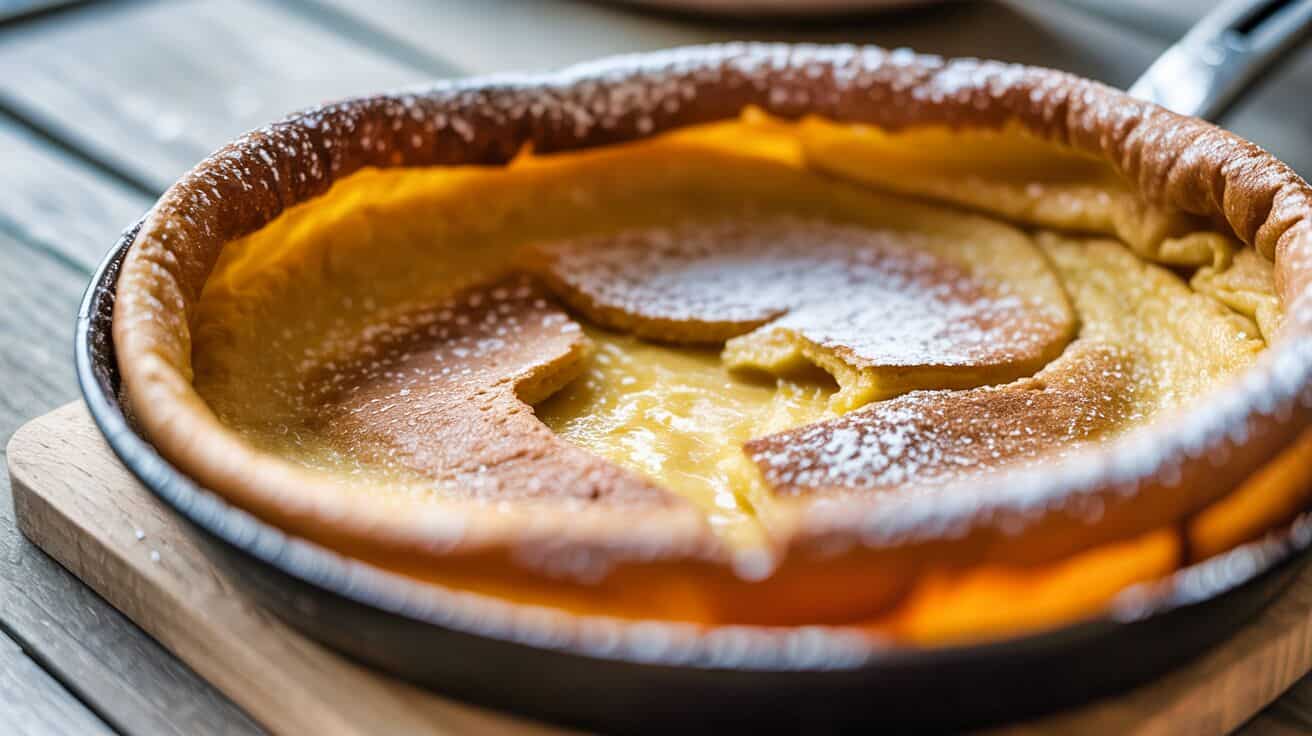
Core Ingredients and Equipment
I keep the ingredient list short and use one trusty pan for this Dutch Baby recipe. The right quantities and temperatures matter more than you’d think—too much or too little, and you’ll end up with a flat pancake or a weirdly dense one instead of that dramatic oven puff.
Essential Components
All-purpose flour is my go-to for structure—1 cup is just right. Three large eggs are key for lift and that custardy interior. I use 3/4 to 1 cup of milk, depending on how rich or light I want it; whole milk makes it richer, 2% is a bit lighter. Unsalted butter is essential—2 tablespoons in the batter, 2 more for the pan, and you get those crisp, browned edges everyone loves.
For flavor, I toss in about a teaspoon of vanilla and a pinch of freshly grated nutmeg if I’m going sweet. Salt (a quarter teaspoon) is non-negotiable. Measure everything—too thick and the Dutch Baby recipe just won’t puff. You want a batter that pours easily, not one that plops.
Recommended Pan and Preparation
I always reach for a 10-inch cast iron skillet—nothing else holds heat quite the same, and it gives the best rise for a Dutch Baby recipe. Preheat it in a 425–450°F oven for at least 10 minutes. The butter should sizzle as soon as it hits the pan. If you don’t have cast iron, go for heavy stainless or ovenproof nonstick, but results might vary.
Once the pan’s hot, melt the butter and swirl it so it coats everything. Pour the batter in right away and get it back in the oven. If your oven isn’t reliable, use a thermometer—425°F is my sweet spot for a Dutch Baby recipe that rises and browns perfectly.
Role of Room Temperature Batter
Eggs and milk at room temp are a game changer. They blend faster and trap more air, which helps the Dutch Baby recipe puff. Cold eggs slow things down and make the rise less dramatic. I usually let eggs sit 20 minutes, milk about the same.
I blend the batter for about 20–30 seconds—just enough to get it smooth. Overmixing is a no; it’ll get tough. Letting the batter rest for 10–15 minutes helps bubbles form and the flour hydrate, so you get that tender, custardy center you want from a Dutch Baby recipe.
Step-by-Step Baking Process
Try the Baby Today
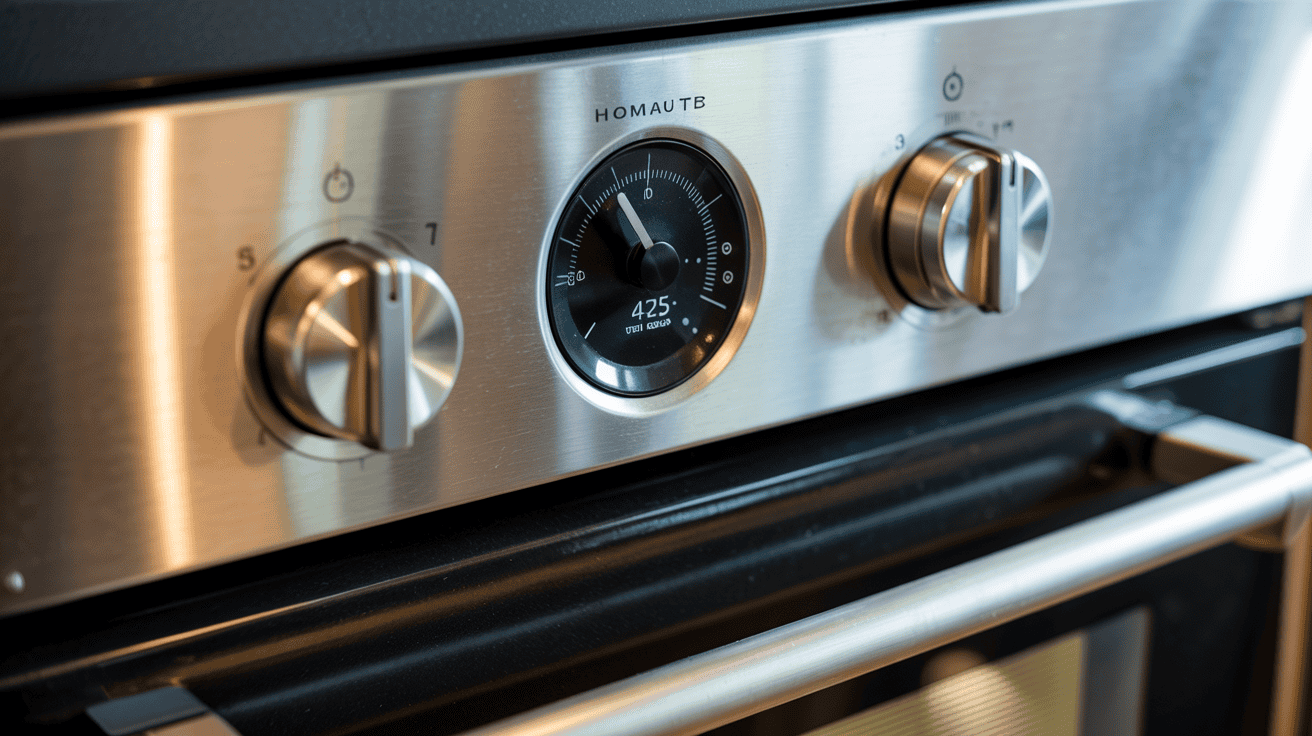
Step 1: Preheat your oven to 425°F
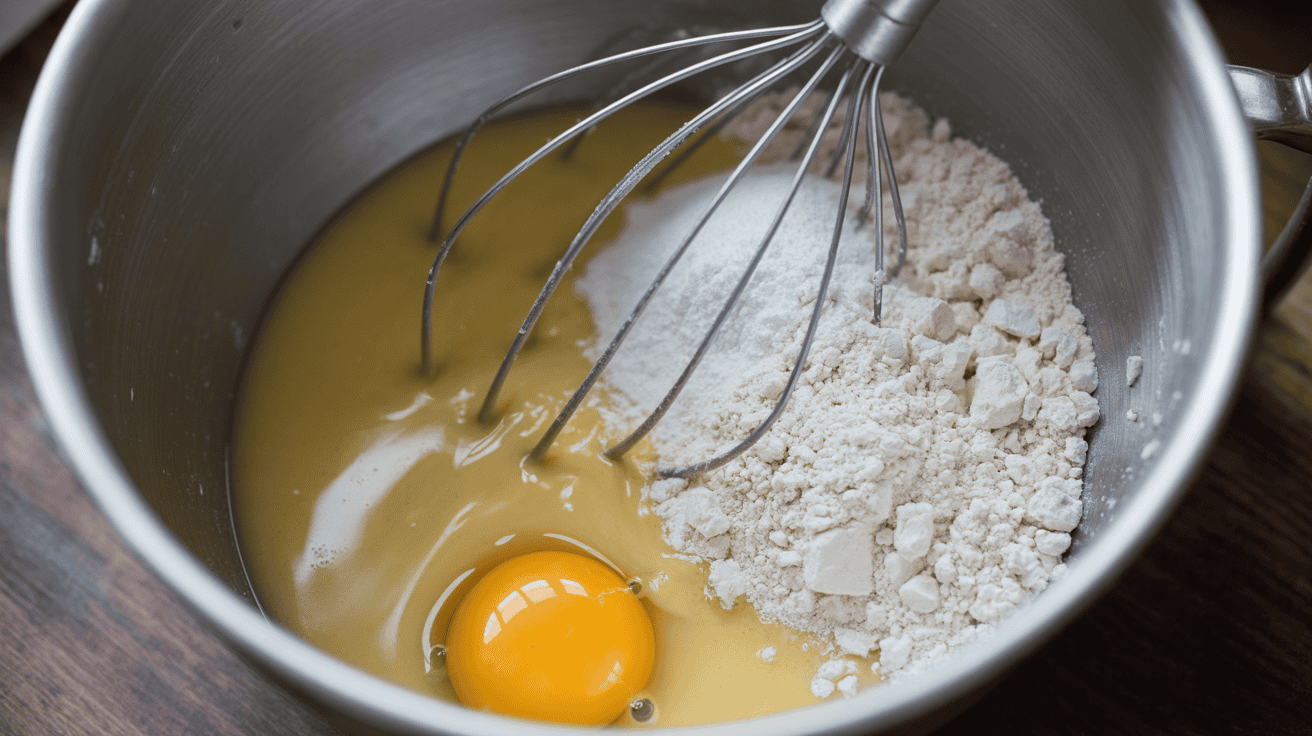
Step 2: In a large mixing bowl, whisk together the eggs, milk, flour, sugar, salt, and vanilla extract until the batter is smooth.
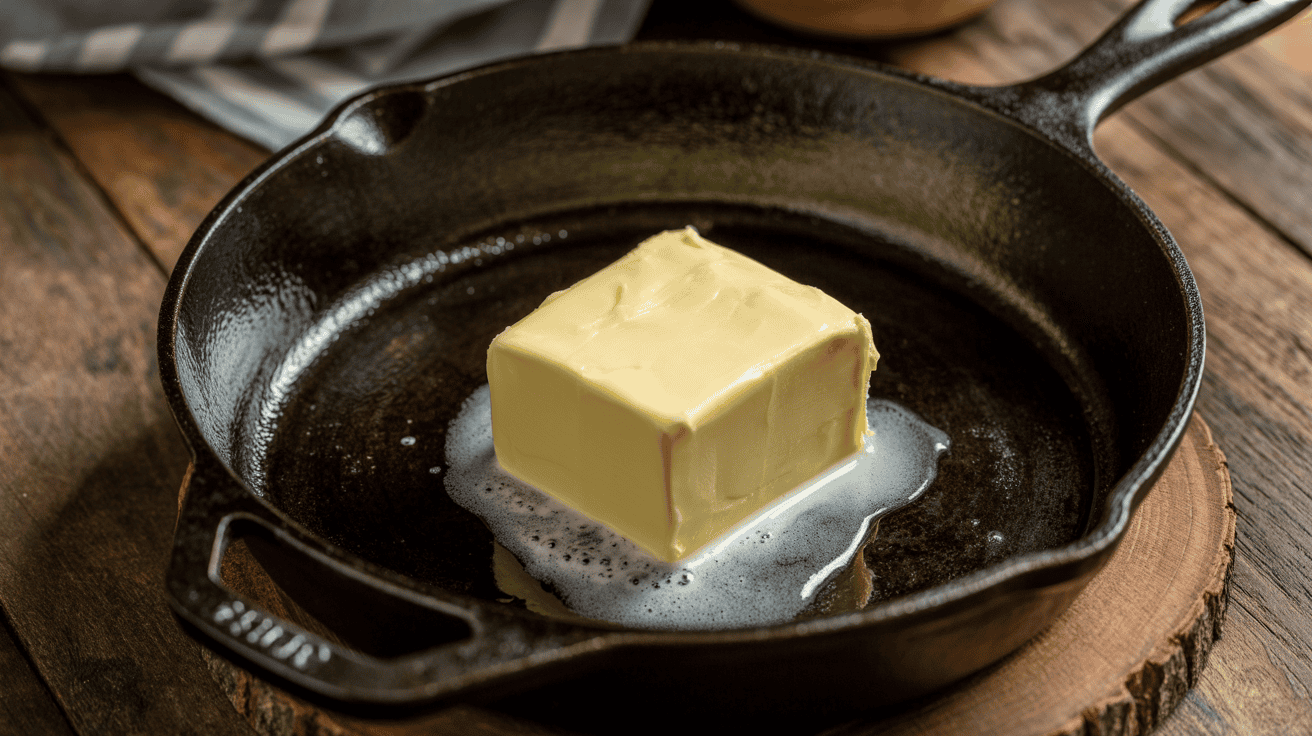
Step 3: Melt the butter in a 12-inch cast-iron skillet or oven-safe pan over medium heat.
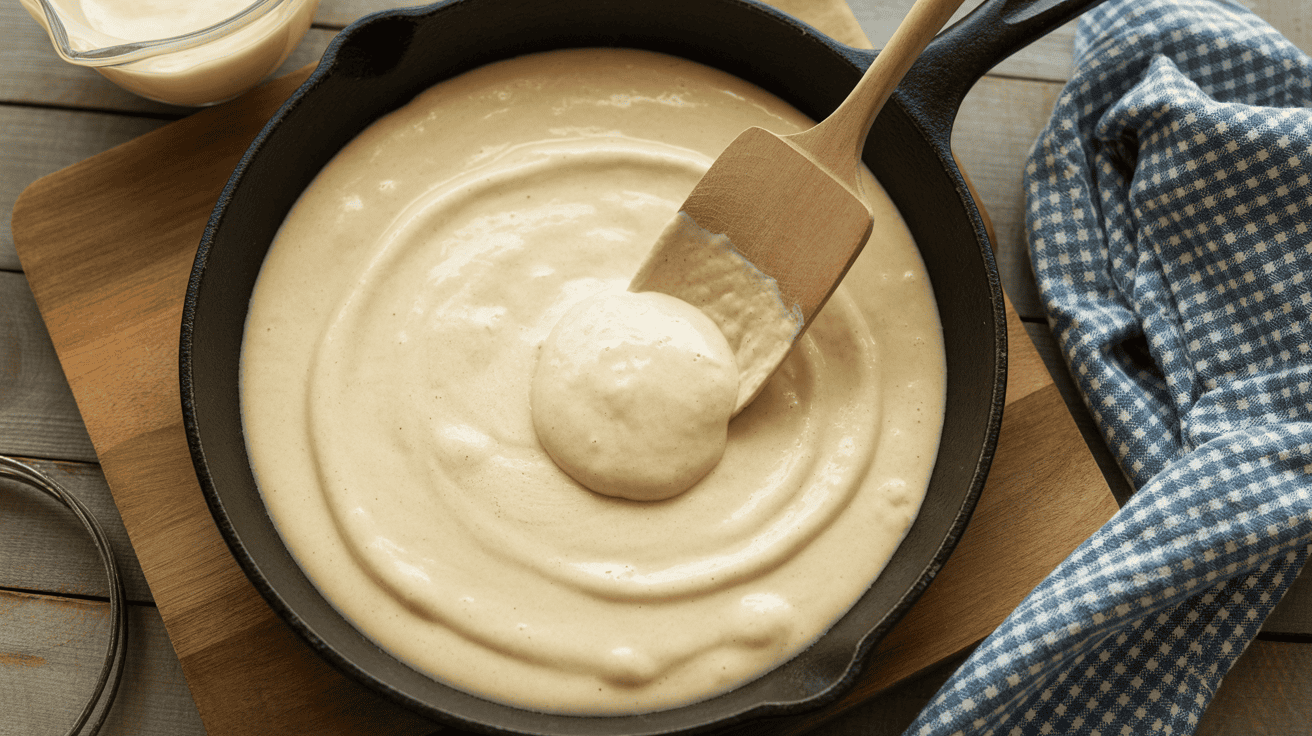
Step 4: Pour the batter into the skillet and immediately transfer it to the oven.
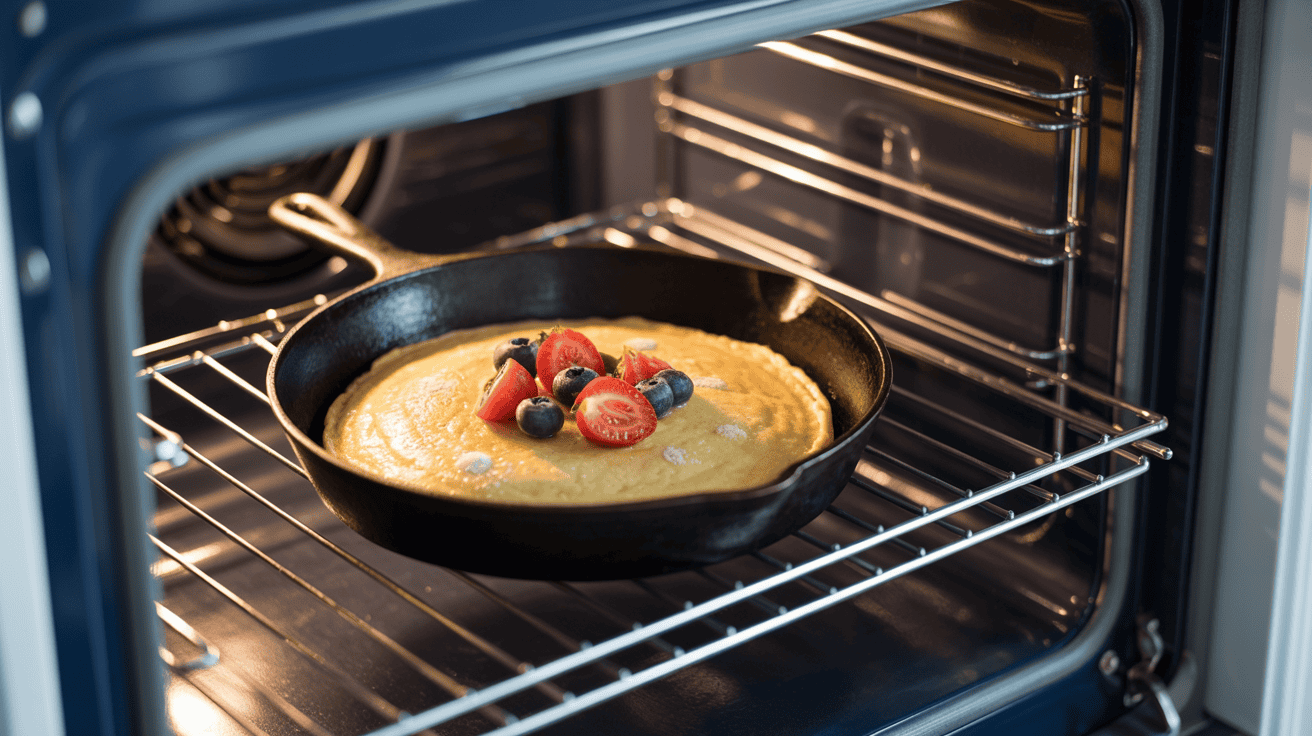
Step 5: Bake the Dutch baby for 20-25 minutes, or until the edges are golden brown and the center is puffed up.
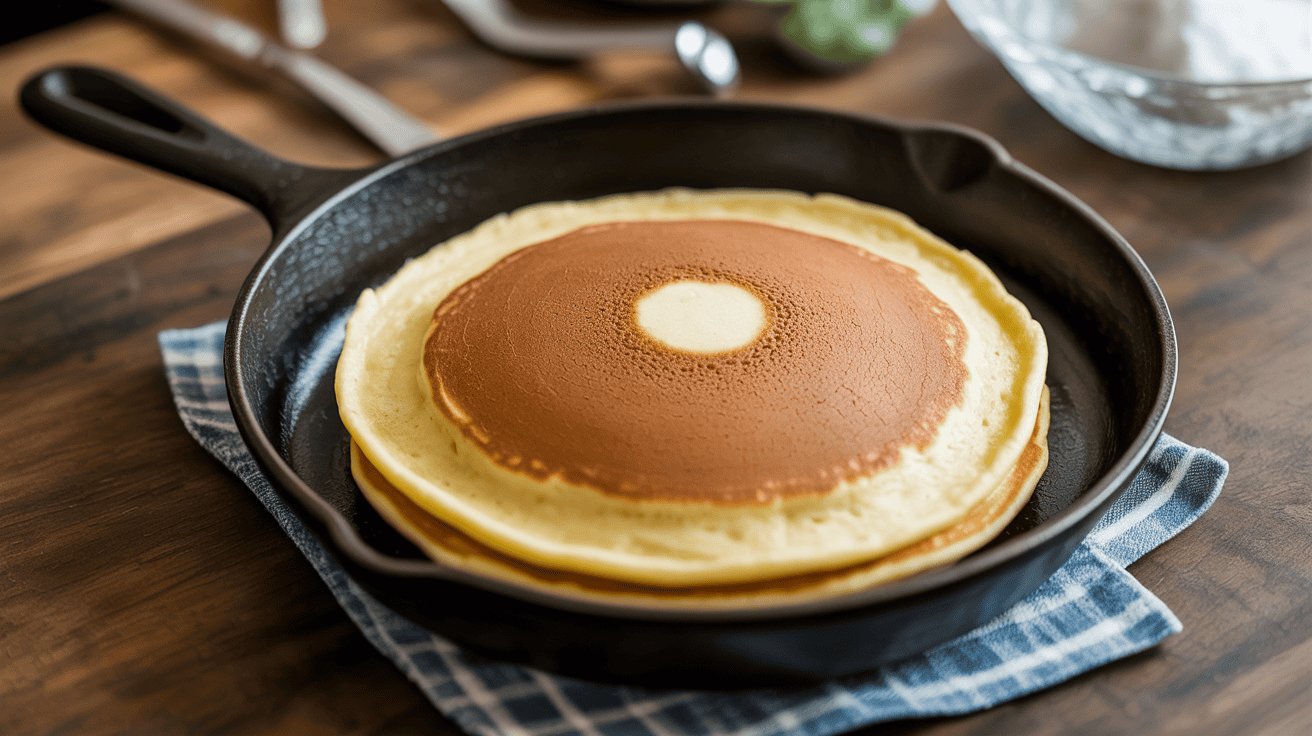
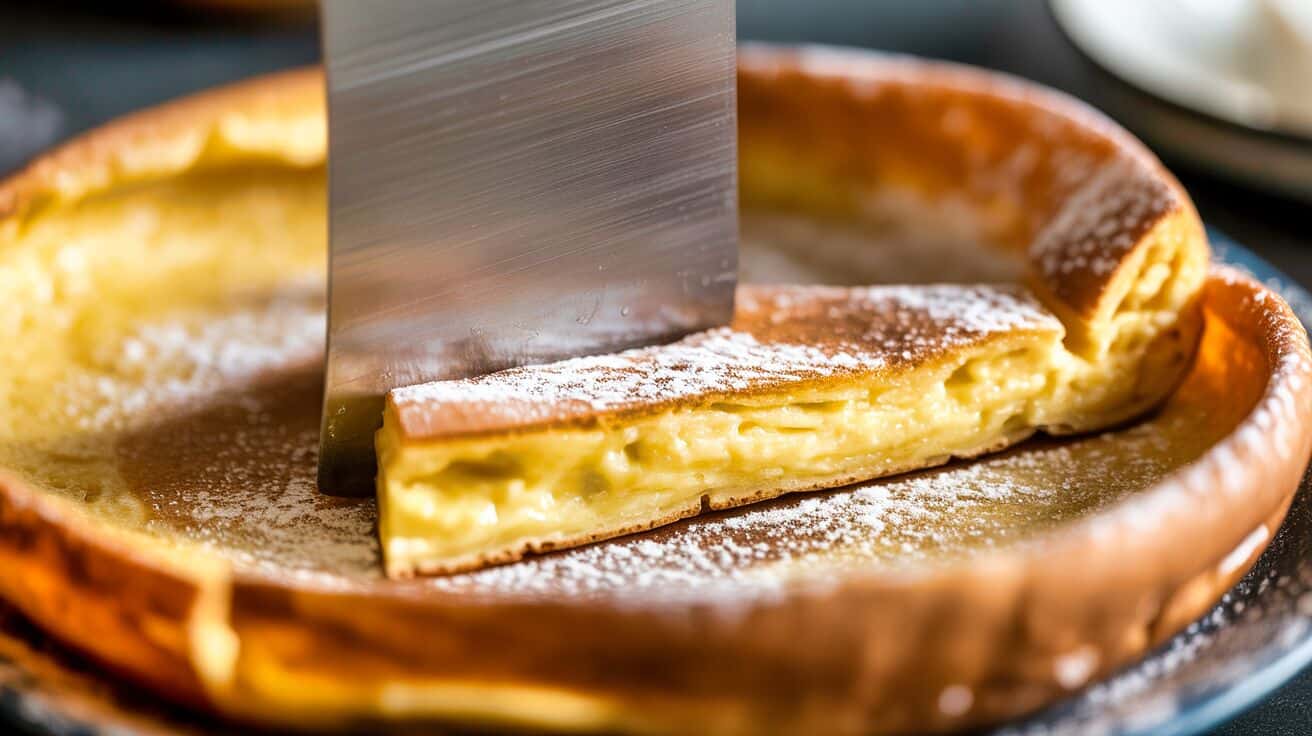
Step 6: Remove the skillet from the oven and allow the Dutch baby to cool for a few minutes before slicing and serving.
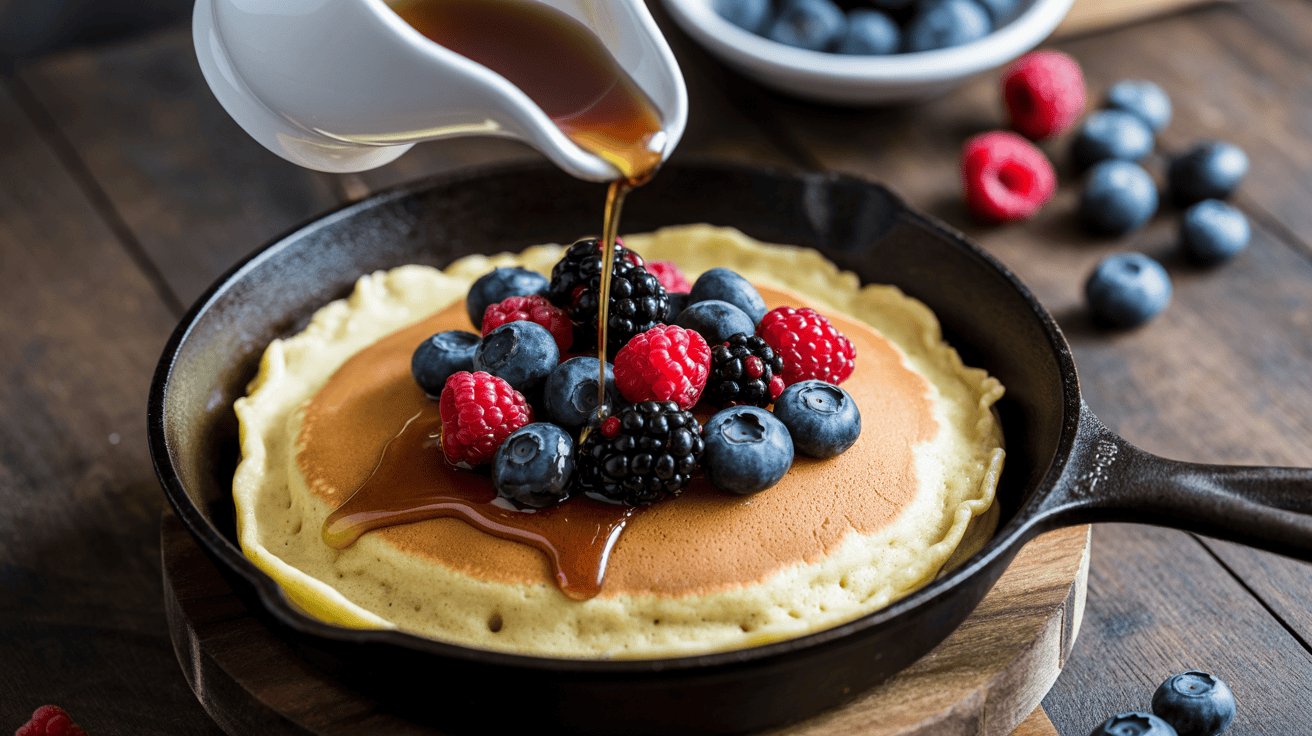
Step 7: Top with your favorite toppings, such as fresh berries, powdered sugar, or maple syrup.
Mixing the Batter
I start with room-temp eggs and milk so the batter comes together fast and traps steam in the oven. I whisk eggs, milk, and salt until smooth, then slowly add flour to avoid lumps. Letting it rest for 10–15 minutes makes the texture lighter, kind of like a Yorkshire pudding.
For a thinner, crepe-like Dutch Baby recipe, I add a splash more milk. If I want it sturdier, I cut back a bit. Sometimes I use a blender, but only for a few seconds—overdoing it makes the rise weird.
Heating the Skillet
That 9–10 inch cast-iron skillet goes into a 425–450°F oven for at least 10 minutes. I throw in 2–3 tablespoons of butter—it should foam and smell nutty, not burnt. This step gives you the crispy, browned edges that make a Dutch Baby recipe so good.
If the pan’s not hot enough, the batter just spreads. If the butter smokes, next time I turn the oven down or cool the skillet a minute. Consistent skillet heat is more important than what brand oven you use.
Baking and Puffing
I pour the batter into the hot, buttered skillet and slide it right back into the oven. The Dutch Baby recipe puffs up fast—usually 12–18 minutes, depending on your oven and pan. I look for golden-brown edges and a set center; if it jiggles, it needs another minute.
Don’t open the oven for the first 10 minutes or you’ll lose all the steam and the puff. The top will deflate a bit as it cools—totally normal for a Dutch Baby recipe. If I want extra crisp, I broil it for a minute or two at the end, but I keep a close eye on it.
Serving Immediately
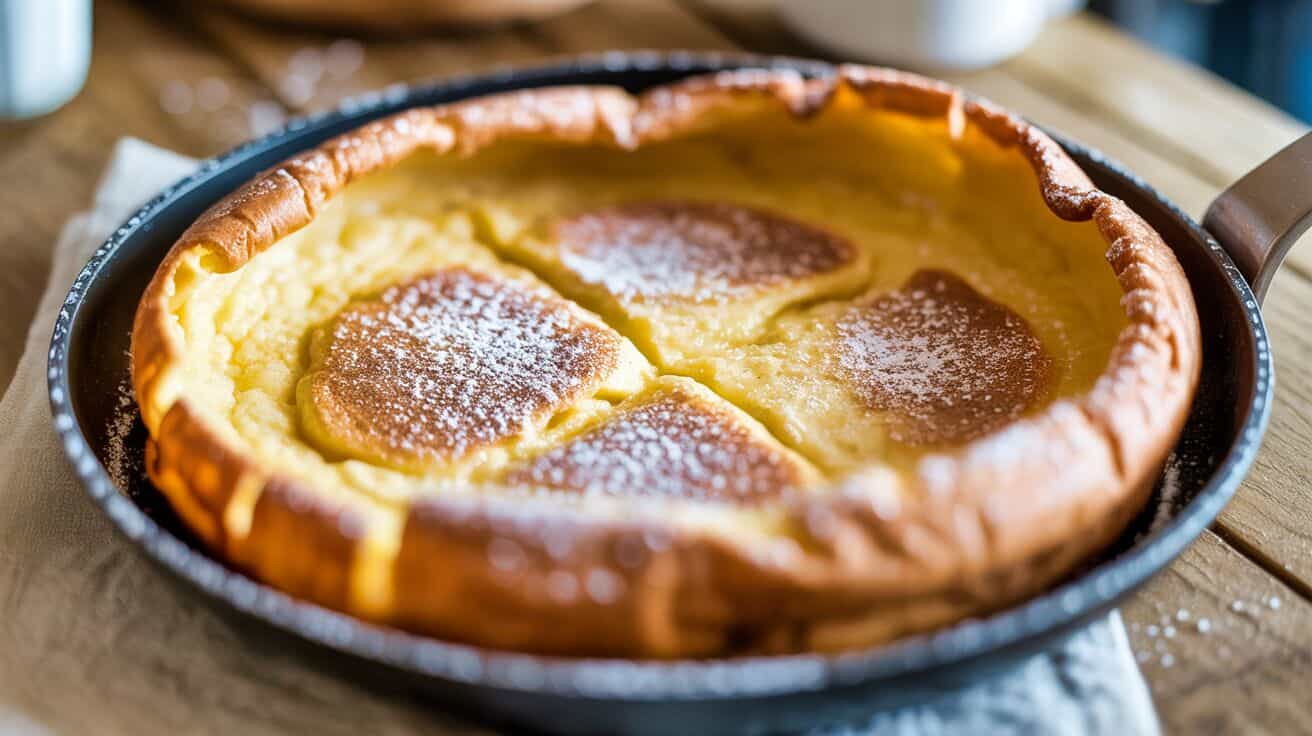
Once it’s out, I set the skillet on a trivet and top it right away. The texture changes fast as it cools. I like a dusting of powdered sugar, a squeeze of lemon, or some sliced fruit and maple syrup. For savory, crème fraîche and chives or smoked salmon work great.
I cut it into wedges and serve straight from the skillet. That way, the contrast between the crisp edge and custardy center stays perfect. There’s nothing quite like a Dutch Baby recipe straight from the oven.
Sweet and Savory Variations
Toppings are where you can really play with a Dutch Baby recipe. I stick to things that add contrast—crunch, acidity, a bit of sweetness or savory richness. It’s fun to experiment with what’s in season or whatever’s in the fridge.
Traditional Sweet Dutch Baby
Classics first: a dusting of powdered sugar right out of the oven, maybe a squeeze of lemon or a spoonful of lemon curd to cut the richness. That’s the basic Dutch Baby recipe, and it never disappoints.
Fresh berries and whipped cream always make it feel lighter. I scatter strawberries, blueberries, or raspberries on top and add a spoonful of whipped cream. Sometimes I’ll dust cinnamon sugar or drizzle maple syrup. When peaches are in season, I sauté them with butter and brown sugar and pile them on the Dutch Baby recipe so the juices soak in.
Savory Dutch Baby Options
For savory, I treat the Dutch Baby recipe like a blank canvas. A fried or soft-poached egg, cracked black pepper, and shaved Parmesan are an easy win. Asparagus or sautéed mushrooms add texture, and roasted veggies are great because they don’t make the center soggy.
Smoked salmon or thin prosciutto make it heartier, and I finish with torn herbs. I skip wet sauces—just a drizzle of olive oil or a sprinkle of cheese to keep that crisp edge intact in the Dutch Baby recipe.
Creative Flavor Additions
Sometimes I get creative. Browned butter and sage with flaky salt is unexpectedly good. For a sweet-savory Dutch Baby recipe, I layer pear slices, gorgonzola, and a little honey or maple syrup.
Spiced versions are fun too—add cardamom or nutmeg to the batter, or go for caramelized peaches and a dollop of whipped mascarpone. If I’m craving breakfast-for-dinner, I’ll add crumbled sausage, caramelized onions, and cheddar, then finish with chives. There’s no wrong way to top a Dutch Baby recipe, honestly.
Want more ideas? Check out the Savory Dutch Baby Recipe – Taste of Home or browse the Food Network’s collection of Dutch Baby recipe variations.
Serving, Toppings, and Nutrition
I keep toppings simple and focus on texture. The Dutch Baby recipe is all about the contrast—crunchy edges, soft center, and whatever sweet or savory toppings you’re in the mood for.
Ideal Toppings and Presentation
I serve the Dutch Baby recipe hot from the skillet to keep those crisp edges. For a classic finish, I brush on a little melted butter, dust with powdered sugar, and pour real maple syrup at the table. Fresh berries—strawberries, blueberries, raspberries—go in the center so they warm up but don’t get mushy.
For something richer, I spoon whipped cream or crème fraîche on top and add sliced bananas or a warm fruit compote. For savory, I fold in cheese or sautéed mushrooms before baking and finish with chives or olive oil. Sometimes I serve the Dutch Baby recipe right in the skillet, sometimes on a warmed platter—it looks rustic either way.
Storing Leftovers
If there are leftovers (not likely), I let them cool for no more than two hours, then cover with plastic wrap or put them in an airtight container. They’ll last in the fridge for 2–3 days. To reheat, I use a 300°F oven for about 10 minutes or a skillet over medium-low heat for a couple minutes per side—this keeps the edges crisp, which is crucial for a Dutch Baby recipe.
For longer storage, I freeze slices on a parchment-lined tray, then bag them up. They’ll keep for about a month. Thaw overnight in the fridge and re-crisp in the oven or a hot skillet. I avoid microwaving from frozen unless I plan to finish in a skillet—otherwise, the Dutch Baby recipe just gets soggy.
Nutrition Information
I think of the Dutch Baby recipe as a kind of enriched baked pancake. The batter’s got eggs, milk, flour, and butter, so you’re getting protein and fat along with the carbs. If you bake up a Dutch Baby recipe in a 10–12 inch skillet and split it between two people, you’re looking at roughly 250–450 calories each, though it really depends on how much you eat and what you pile on top. Toss in a tablespoon of butter and a couple tablespoons of maple syrup, and the calories and saturated fat jump up. A dusting of powdered sugar doesn’t do much nutritionally, but, well, it does sweeten the deal.
When I want more protein from my Dutch Baby recipe, I’ll serve it with Greek yogurt or sneak in some whipped cream mixed with Skyr. If I’m after something lighter, I cut back on the butter and syrup, load up on fresh berries for fiber and vitamins, and keep the powdered sugar light. The Dutch Baby recipe lets you play around with toppings, so you can tweak it for whatever you’re after that day—sometimes that’s a treat, sometimes it’s a bit more wholesome. Either way, the Dutch Baby recipe is flexible and honestly, it’s tough to mess up.
Dutch Baby vs Pancakes
Dutch baby and traditional pancakes are both popular breakfast dishes, but they differ in cooking method, texture, and presentation.
A Dutch baby is a large, oven-baked pancake made from a simple batter of eggs, flour, and milk. As it bakes, it puffs up dramatically around the edges, creating a light, airy structure with a slightly crisp exterior and a soft center. It is usually served whole and topped with powdered sugar, fruit, or syrup.
Traditional pancakes are cooked individually on a stovetop, resulting in smaller, flatter rounds with a consistent, fluffy texture. They are easy to stack and portion, making them a practical choice for everyday breakfasts.
The main difference is preparation and texture: Dutch babies are baked and airy with a dramatic rise, while pancakes are griddled and uniformly fluffy.
Choose a Dutch baby if you want a visually impressive dish with a light, custardy texture. Go with pancakes if you prefer a classic, easy-to-serve breakfast option.
Dutch Baby Recipe FAQ
1. Why does a Dutch baby pancake puff up so dramatically?
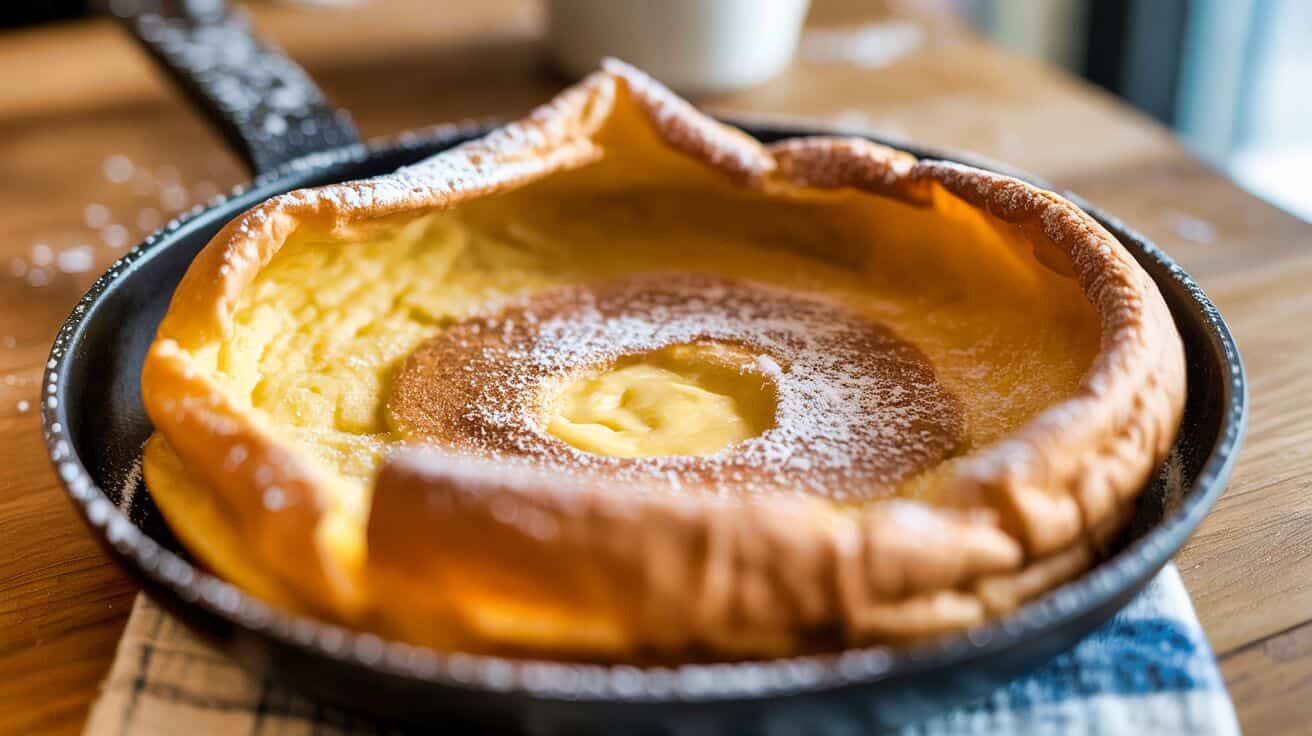
The high heat of the oven causes steam to form in the batter, making the pancake rise and create its signature puffed edges.
2. Is a Dutch baby more like a pancake or a popover?
It’s closer to a popover in texture, with a custardy center and crisp, airy edges.
3. What type of pan works best for a Dutch baby?
A cast iron skillet is ideal because it retains heat well and helps the pancake rise evenly.
4. Why does the Dutch baby deflate after baking?
As it cools, the steam escapes, causing it to settle—this is completely normal.
5. What toppings are commonly used?
Powdered sugar, fresh fruit, syrup, or even savory toppings like cheese and herbs.

Dutch Baby
Ingredients
- 6 large eggs
- 1½ cups whole milk
- 1½ cups all-purpose flour
- ¼ cup granulated sugar
- ½ tsp kosher salt
- 1 tsp vanilla extract
- 6 tbsp unsalted butter
Instructions
- Preheat your oven to 425°F
- In a large mixing bowl, whisk together the eggs, milk, flour, sugar, salt, and vanilla extract until the batter is smooth.
- Melt the butter in a 12-inch cast-iron skillet or oven-safe pan over medium heat.
- Pour the batter into the skillet and immediately transfer it to the oven.
- Bake the Dutch baby for 20-25 minutes, or until the edges are golden brown and the center is puffed up.
- Remove the skillet from the oven and allow the Dutch baby to cool for a few minutes before slicing and serving.
- Top with your favorite toppings, such as fresh berries, powdered sugar, or maple syrup.
Video
