

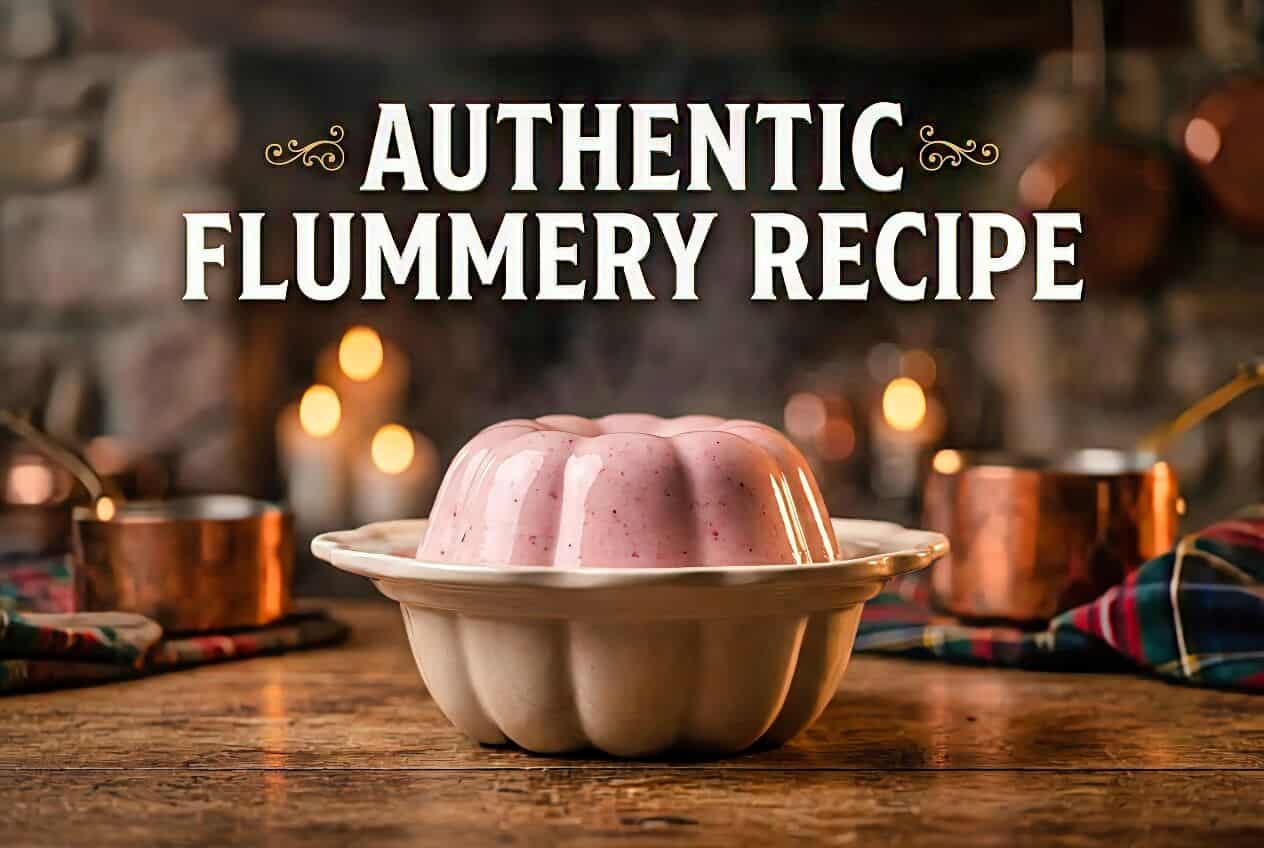
Honestly, when I first stumbled across a Scottish flummery recipe, I figured it was some sort of practical joke. The name alone—flummery—sounds more like a term of endearment for a clumsy pet than a dessert that’s been around since the 1400s. But here we are: Scottish flummery is a traditional creamy pudding made from soaked oatmeal that sets into a smooth jelly, usually flavored with cream, honey, and sometimes whisky. It’s one of those old-school dishes that’s both simple and, weirdly, a little fancy.
What I like about a Scottish flummery recipe is how it completely defies what you expect from oatmeal. Instead of the usual heavy porridge, you get this light, silky pudding that’s actually kind of elegant. My grandmother would have said it proves Scottish cooking can turn the most basic stuff into something magical.
So, let’s get into it. I’ll tell you what flummery is, where it came from, and how to whip up both the traditional and modern versions in your own kitchen. Whether you want a unique dessert for a dinner party or you’re just curious about ancient Scottish recipes, the Scottish flummery recipe is worth a try. I mean, why not?

What Is Flummery? Definitions, History, and Meanings
Flummery is a classic Scottish dessert from medieval times, made by soaking oats or grains until you get a jelly-like texture. The word “flummery” also means empty flattery or nonsense, which is oddly perfect for a pudding that wobbles on the plate.
Origins of Flummery in Scotland
Turns out, the Scottish flummery recipe shows up in feast menus as far back as the fifteenth century. Nobles in both Scotland and England ate it at their banquets.
Back then, the basic Scottish flummery recipe started with soaking cereal grains. After a good soak, the grains released a liquid that set into a clear jelly. Scottish cooks flavored it with orange juice or rosewater and topped it with cream and honey.
Some versions threw in whisky—because, well, of course. The name “flummery” comes from the Latin “flos,” meaning flower or blossom, supposedly a nod to how it looks when set.
Between the 17th and 19th centuries, the Scottish flummery recipe spread all over Britain and Ireland. Each region gave it a twist, but Scotland stuck with the oat-based version.
What Does Flummery Mean?
The word “flummery” pulls double duty. It’s the name of this Scottish dessert, but it also means empty flattery or nonsense. The dictionary calls it “empty compliments, unsubstantial talk or writing, and nonsense.” Maybe the dessert inspired the meaning—flummery is mostly air and jelly, after all.
Back in the 1840s, Irish workhouses even listed flummery as a meal for sick inmates. Worth mentioning: modern Australian and New Zealand “flummery” is totally different. After World War II, they started making a mousse with evaporated milk, sugar, and gelatin, also called flummery. But that’s not the Scottish flummery recipe I’m talking about here.
Ancient Scottish Dessert Traditions
Scottish Country Dancing and old desserts like flummery are both deep parts of Scottish heritage. The Royal Scottish Country Dance Society, founded in 1923, is still keeping these traditions alive.
Old Scottish desserts almost always used whatever was on hand—oats and cream especially. The Scottish flummery recipe fits right in as a practical dish that didn’t require fancy ingredients.
It’s not exactly loaded with nutrients, but it did its job at feasts and celebrations. Scottish cooks passed down their flummery recipes, each adding their own touches—more honey here, a splash of whisky there.
Traditional Scottish Flummery vs. Modern Variations
The original Scottish flummery recipe takes three days and makes you toss out the oats you just soaked. Modern versions get you straight to the good stuff—creamy, whisky-laced dessert—without all the waiting. Both end up silky, but the journey is totally different.
Classic Scottish Oatmeal Flummery
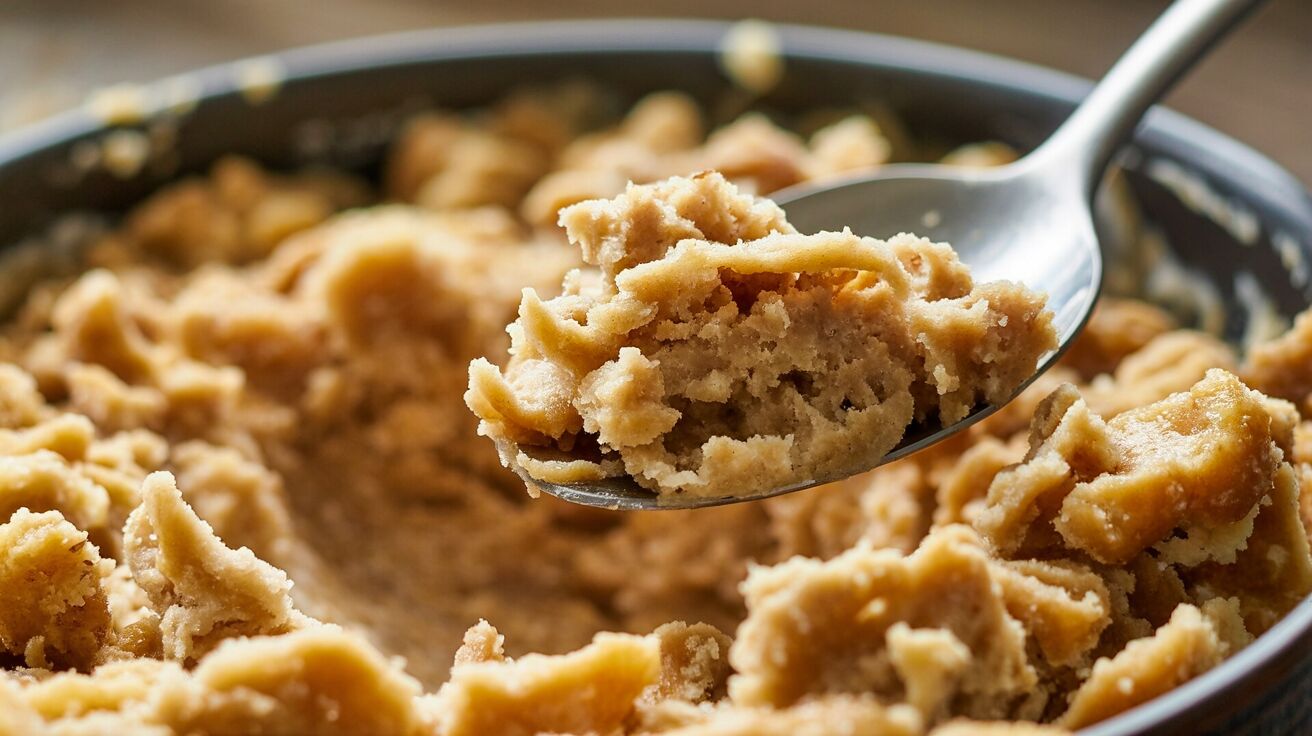
Honestly, the old-school Scottish flummery recipe demands serious patience. You soak Scottish oatmeal in water for up to three days. Then, you let everything settle, pour off the liquid, and keep only the sediment at the bottom.
Here’s the odd part: you throw out all the oats you just spent days soaking. What’s left is a porridge-like gloop that you cook down into a jelly. This is what food historians call “sowans”—it sounds mythical, but it’s really just fermented oat starch.
After all that, you flavor the mix with orange zest and juice. The end result is smooth and delicate, nothing like the chunky oatmeal you started with. Medieval Scots must’ve really loved this stuff to serve it at feasts. Or maybe they were just bored. Who knows?
Contemporary Easy Flummery Recipe
Modern Scottish flummery recipe versions save me from the three-day slog. I soak oats quickly, strain them out, and mix the liquid with cream. Sometimes, I skip the oats entirely and just use cream, sugar, and flavors.
The real magic in the updated Scottish flummery recipe comes from whisky and honey. I fold them into whipped cream with orange or lemon zest, and suddenly I’ve got a mousse-like dessert. The whole process takes maybe 30 minutes.
Difference Between Flummery, Blancmange, and Panna Cotta
They might look similar in a glass, but they’re not the same. Flummery uses oat starch (or cream in modern versions) for thickening. Blancmange thickens with cornstarch or gelatin and often has almonds. Panna cotta is always set with gelatin and cream.
The Scottish flummery recipe usually gets flavored with orange, lemon, and whisky. Blancmange leans toward almond or rosewater. Panna cotta is more about vanilla or coffee.
Texture-wise, flummery is light and delicate. Blancmange is firmer and more pudding-like. Panna cotta has that famous jiggle but holds its shape when unmolded.

Step-By-Step Scottish Flummery Recipe
How I Make Flummery
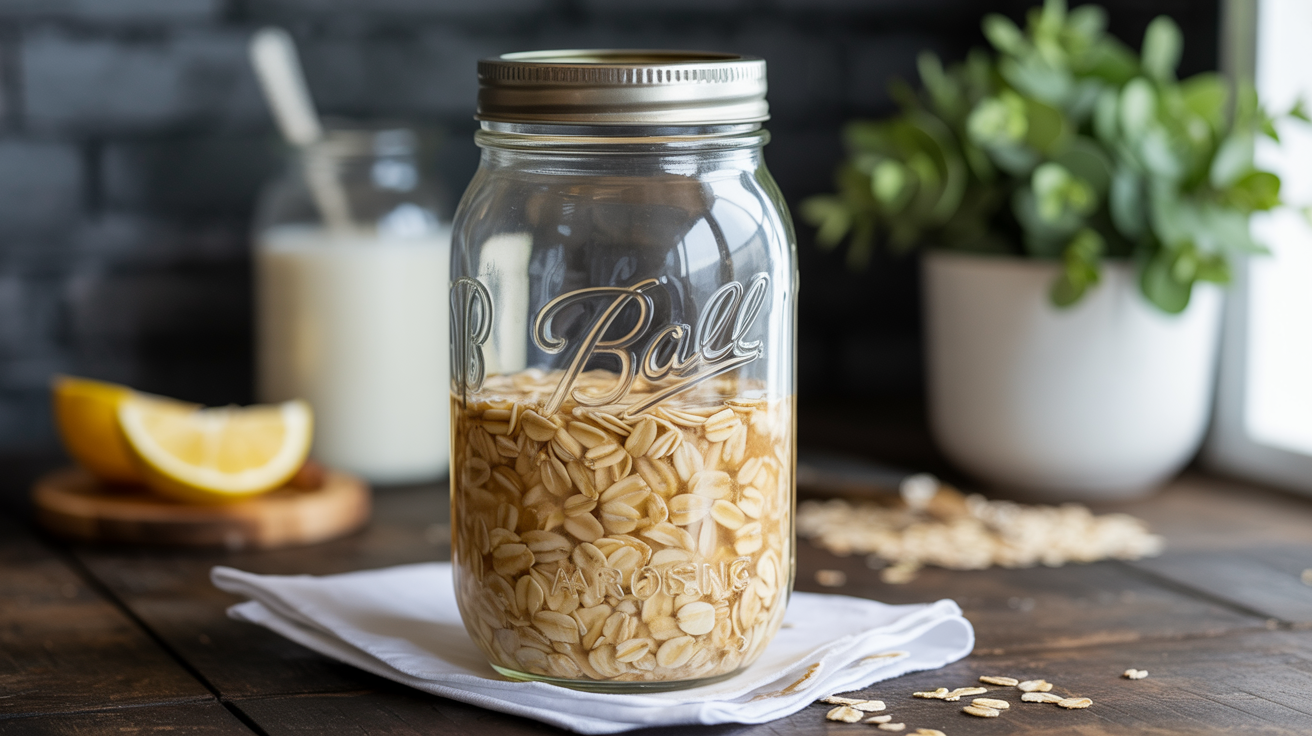
Step 1: Steep the oats: Measure the oats into a measuring jug and add enough water to reach the 18 fl oz mark. Leave the mixture to steep for 48 hours.
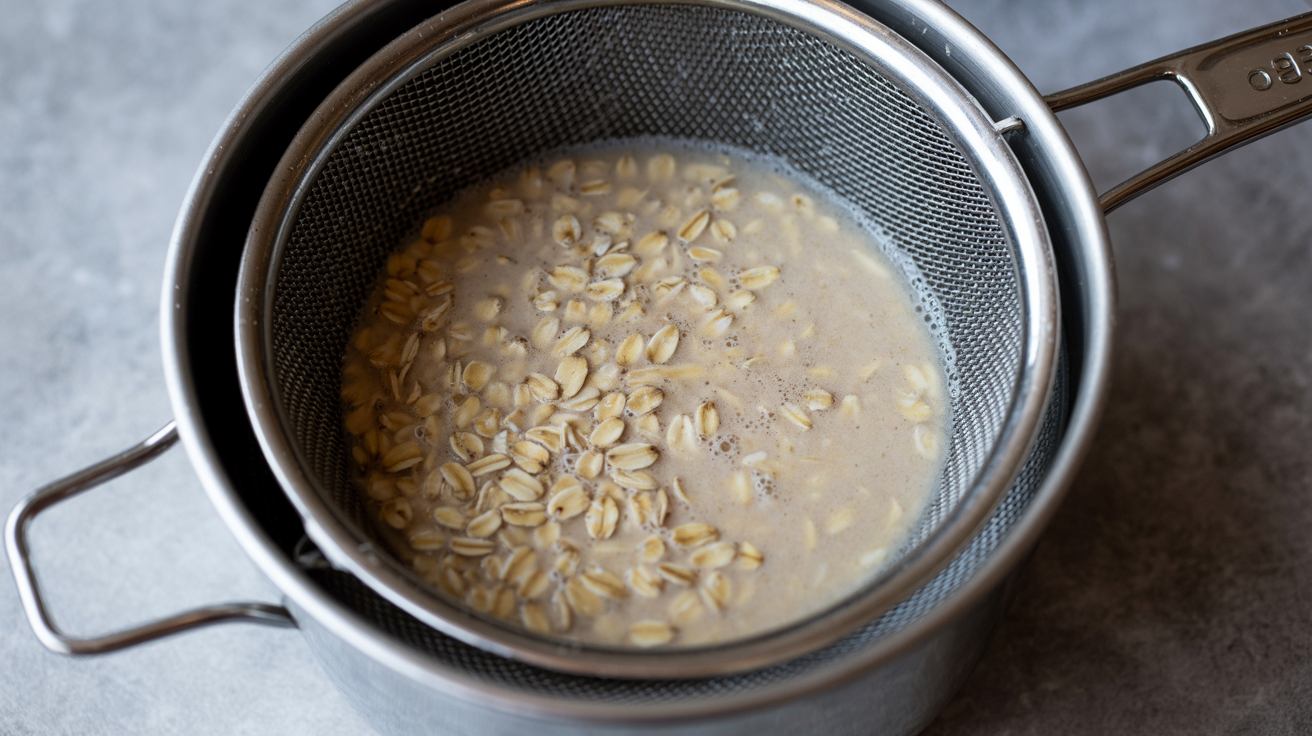
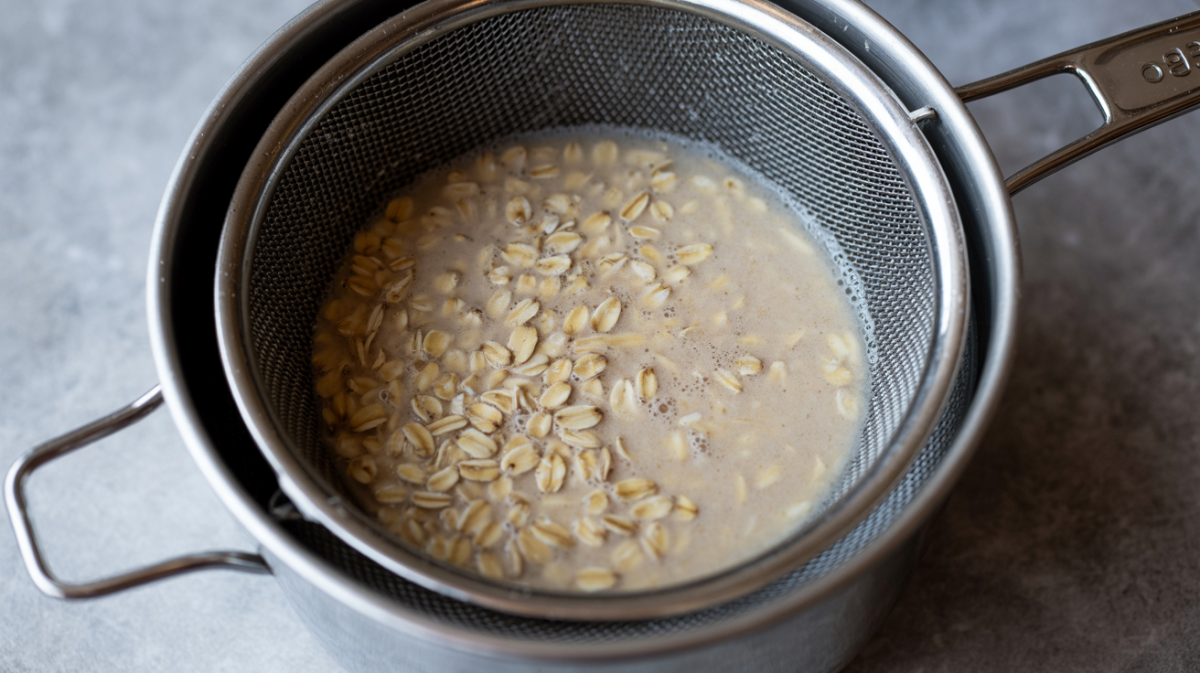
Step 2: Strain into a saucepan: Place a sieve over a saucepan and pour the oat mixture through it, collecting the oat water in the pan. Discard the solids.
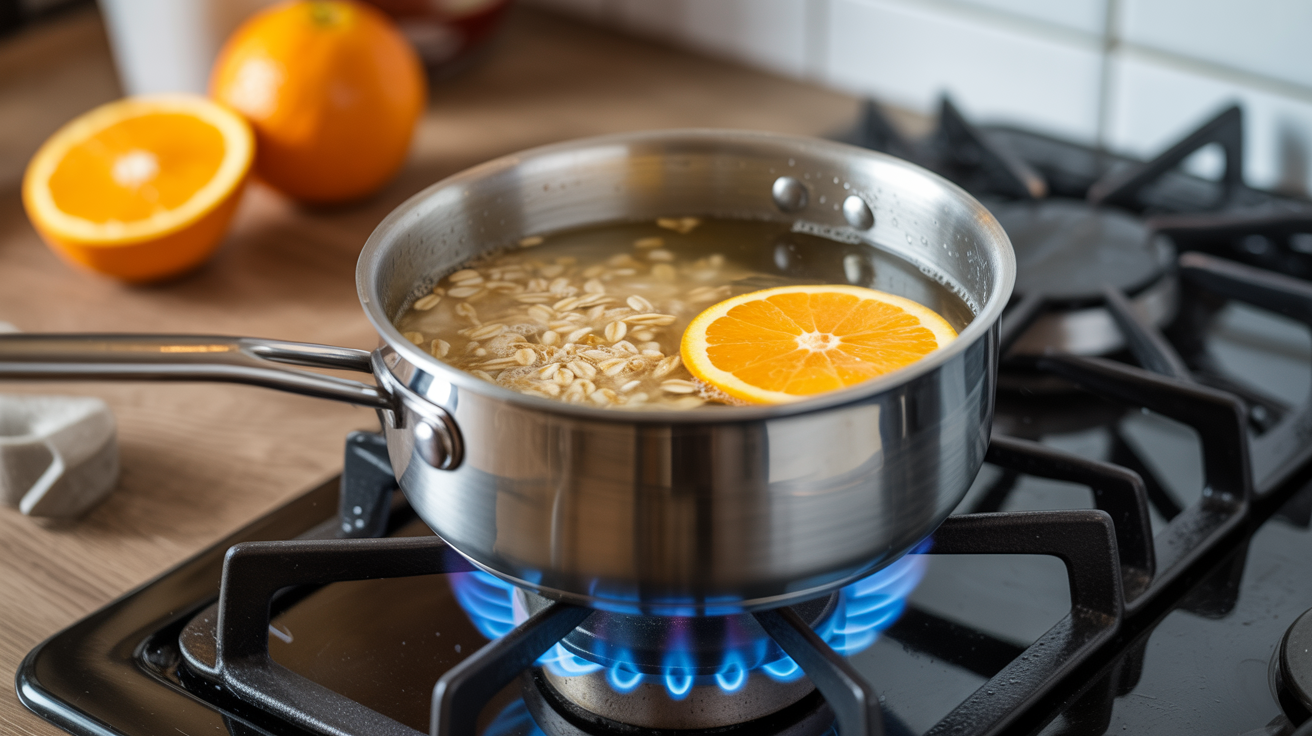
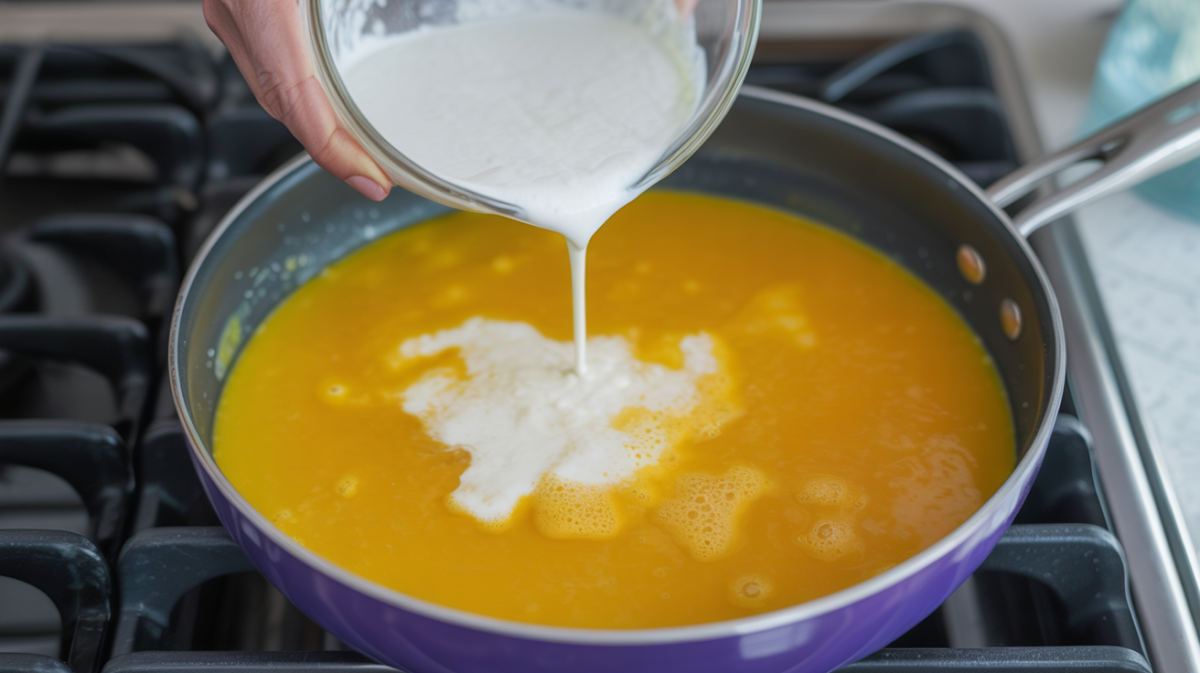
Step 3: Cook with orange juice and sugar: Juice the oranges and add the juice to the saucepan along with the sugar. Bring the mixture to a boil over medium heat, then reduce to a simmer and cook for about 10–15 minutes, until it thickens.
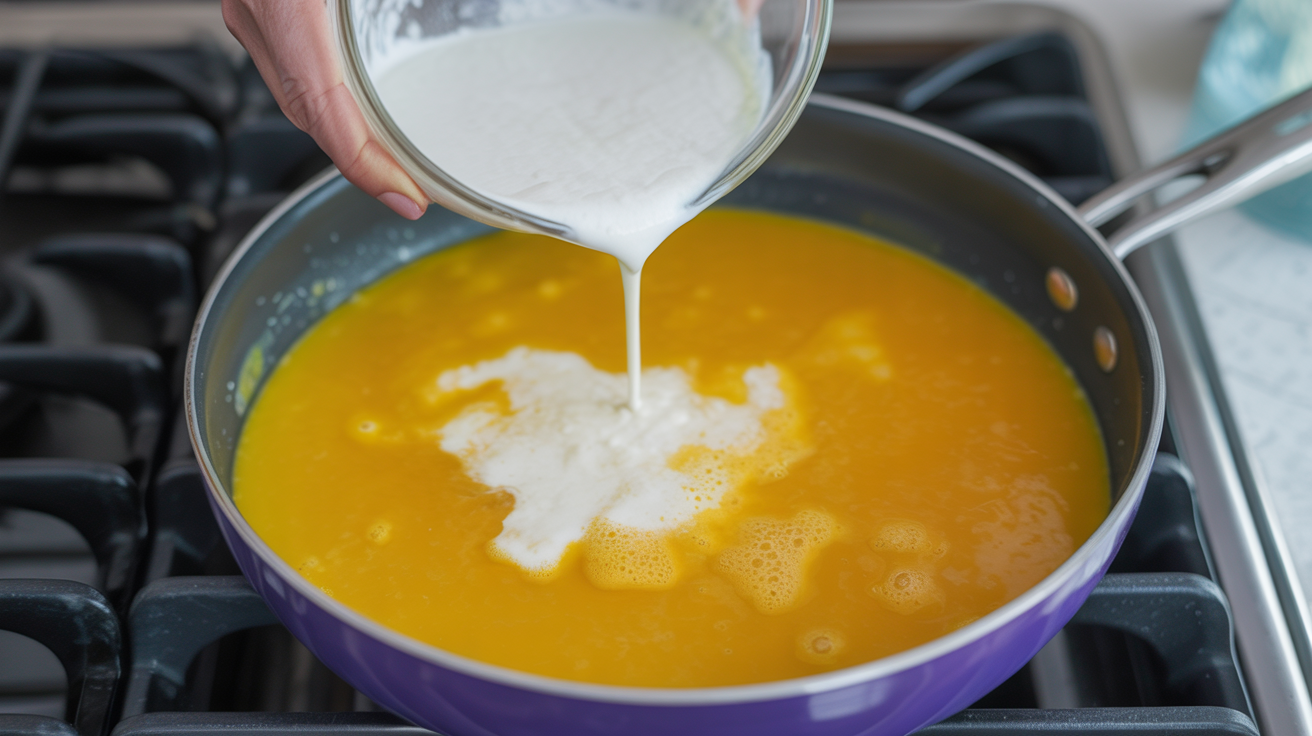
Step 4: Add cream and cool slightly: Remove the pan from the heat and let the custard cool for about 5 minutes. Stir in the cream until fully combined.
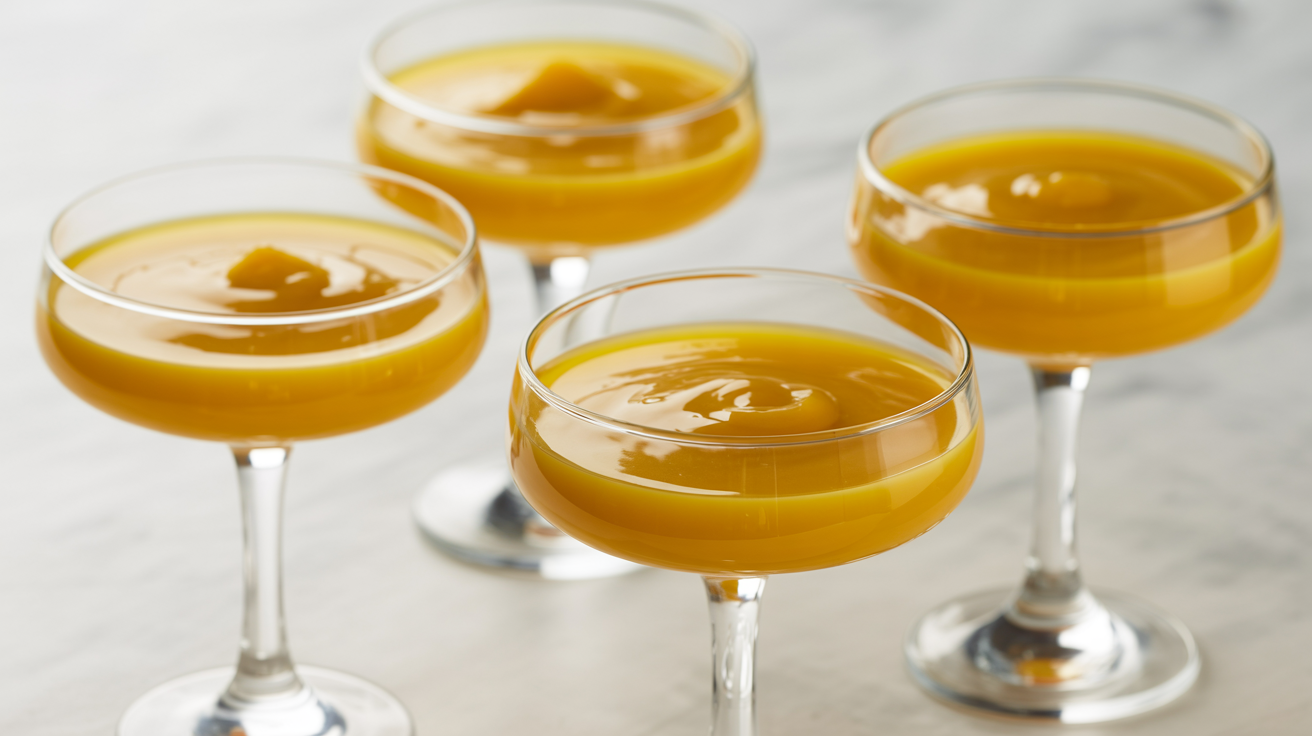
Step 5: Portion and chill: Divide the mixture evenly between 4 glasses. Chill for about 1 hour, or until set.
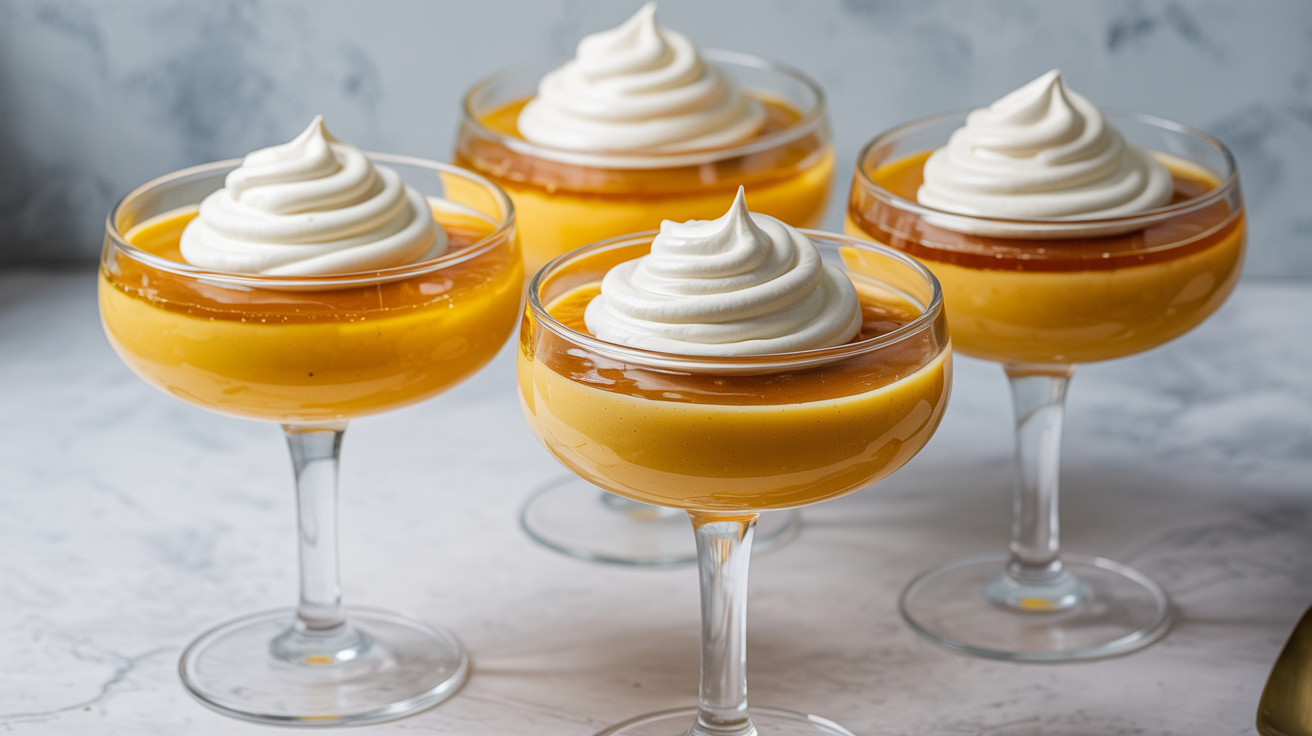
Step 6: Add honey, whisky, and whipped cream: Pour honey and whisky over the top of each chilled flummery. Whip the cream until it just holds its shape, then transfer it to a piping bag fitted with a large star nozzle. Pipe the cream onto the center of each flummery before serving.
Ingredients and Preparation
I grab Scottish oatmeal (or just rolled oats if I’m not feeling fussy), fresh orange juice, heavy cream, honey, and a splash of whisky. Usually, it’s about 1 cup oats, 2 cups orange juice, and whatever toppings you like.
First, I toast the oats in a dry pan. Not required, but it adds a nutty flavor that makes me feel like I know what I’m doing. Let them cool.
Then, I combine oats and orange juice in a bowl. Some folks use water, but I like the citrus note from orange juice. Cover and stick in the fridge overnight.
This is where the oats soak up the liquid and soften, getting ready for the next stage of the Scottish flummery recipe.
Soaking and Cooking the Oatmeal
After a night in the fridge, the oat mix looks like thick porridge. I strain it through cheesecloth or a fine sieve, squeezing out all the liquid I can. The goal? Separate the oat solids from the flavored liquid.
I pour the liquid into a saucepan and heat it gently. Stirring is key here—it loves to stick. After about 10-15 minutes, it thickens into a jelly.
Once it coats the back of a spoon and doesn’t run off, I take it off the heat and pour into serving glasses or a big bowl.
Let it cool, then refrigerate for a couple hours. The Scottish flummery recipe needs time to set and get that signature wobble.
Assembly and Final Touches
When the flummery’s set, I finish it off with toppings. Whipped cream goes on first—sometimes I use just heavy cream for a more rustic look.
I drizzle honey over the cream, then add a splash of whisky. Scottish whisky if I have it, but honestly, any good whisky works.
Sometimes, I sprinkle toasted oats or a little orange zest on top. The contrast between the wobbly base and creamy toppings is what makes a Scottish flummery recipe so good.
I serve it right away, but it’ll keep in the fridge for a day or two. If I’m feeling organized, I’ll jot down my preferred honey-to-whisky ratio for next time.

Serving Suggestions and Variations for Flummery
The Scottish flummery recipe is great on its own, but I like to dress it up for parties or riff on other Scottish desserts. You can add modern twists to keep it interesting.
Flummery at Scottish Parties
For parties, I serve Scottish flummery recipe portions in little glasses or bowls. It looks fancy, but it’s way less stressful than most desserts.
I usually put a shortbread cookie on the side. The buttery crunch is perfect with the creamy flummery. Sometimes, I stick a tiny Scottish flag toothpick on top. Maybe it’s cheesy, but people seem to love it.
For a true Scottish spread, I’ll serve flummery next to other traditional sweets. The orange and whisky flavors make it stand out without being too heavy after a big meal. A Scottish flummery recipe can really steal the show.
Cranachan, Cranachan Cheesecake, and Porridge Brulee
The Scottish flummery recipe shares some DNA with cranachan, another oat-based dessert. Flummery uses oats for a jelly base, while cranachan stirs toasted oats right into whipped cream with raspberries, honey, and whisky.
Sometimes, I take the cranachan idea and fold toasted oats into my flummery topping. It adds crunch and a bit of nuttiness.
I’ve even tried a Scottish flummery recipe as the base for a cranachan cheesecake—turns out, the oat texture works surprisingly well. Or I’ll torch a sugar layer on top for a porridge brulee. Smashing through that caramelized sugar with a spoon? It’s a tiny thrill, honestly.
If you haven’t tried a Scottish flummery recipe yet, give it a shot. It’s quirky, a little nostalgic, and—despite the name—pretty delicious.
Decorations and Modern Twists
I like to keep decorations low-key but still eye-catching. Tossing a handful of fresh berries on top adds a pop of color and balances out the richness. Sometimes I’ll swirl a little honey over everything in a spiral—looks fancy, no art degree needed.
For modern spins on a Scottish flummery recipe, I’ve played around with:
- Chocolate shavings sprinkled over the top—definitely not traditional, but pretty irresistible
- Lemon zest instead of orange if I’m craving something brighter
- Coconut cream for a dairy-free Scottish flummery recipe twist
- Caramel sauce drizzled over everything, because honestly, why not?
Now and then, I’ll layer my Scottish flummery recipe in clear glasses with fresh fruit in between. It looks impressively complicated, but it’s honestly just stacking stuff. A good move if you want to show off without actually trying too hard.

Tips, Storage, and Final Thoughts on This Scottish Dessert
Scottish flummery recipe success takes a bit of patience and a couple tricks. I’ve found that storing it right keeps this dessert tasting fresh for days.
Expert Tips for Perfect Flummery
I always let my oats soak in orange juice for at least four hours—overnight if I remember. That softens them up and gives the Scottish flummery recipe its signature texture.
When I cook the mixture, I keep the heat low and stir nonstop. If I get impatient and crank the heat, the oats stick and clump. Burnt Scottish flummery recipe? No thanks.
Straining the mixture through a fine mesh sieve makes a world of difference. It takes out all those oat bits and leaves you with that silky, almost jelly-like texture. Some folks skip this, but for me, it’s what separates a good Scottish flummery recipe from a great one.
Never add the whisky while it’s cooking—save it for after. If you add it too soon, the alcohol and flavor just disappear, and what’s the point of that?
Storage and Make-Ahead Advice
I stash my Scottish flummery recipe in an airtight container in the fridge, and it stays good for up to three days. Honestly, it’s even better the next day when the flavors have had time to mingle.
Don’t add the cream and honey until you’re ready to serve. If you mix them in ahead of time, the cream can split and the whole thing turns watery. I just keep them in separate containers in the fridge until I need them.
I’ve tried freezing Scottish flummery recipe leftovers, but it doesn’t work—the texture goes weird and grainy after thawing. I wouldn’t bother with it.
Scottish flummery recipe is one of those desserts that’s simple, but with a few tweaks, you can really make it your own. Whether you stick to tradition or experiment with toppings and flavors, there’s a lot to love about this old-school treat. If you haven’t tried making a Scottish flummery recipe yet, what are you waiting for?
A Humorous Takeaway: Flummery for the Soul
The word “flummery” also means nonsense or empty flattery, which honestly cracks me up every time I make this Scottish flummery recipe. My guests tend to lose it when I announce they’re about to eat a bowl of nonsense with whisky—who wouldn’t?
Sometimes I wonder if my Scottish ancestors came up with the Scottish flummery recipe as a prank that just snowballed. Maybe someone once muttered, “Let’s soak oats in juice and see what happens,” and, well, centuries later, we’re still serving it up. The Scottish flummery recipe has this odd charm, don’t you think?
There’s just something about the Scottish flummery recipe that feels both simple and oddly fancy at the same time. You take basic stuff, mix it together, and somehow it turns into a dessert people actually ask for. The Scottish flummery recipe doesn’t need fancy tricks—just a few ingredients, a bit of patience, and maybe a splash of whisky if you’re feeling bold. I keep coming back to the Scottish flummery recipe because it’s so unfussy. Is it the nostalgia? Or maybe I just like telling people they’re eating nonsense. Either way, the Scottish flummery recipe always gets a reaction.
So if you’re in the mood to try something that’s equal parts tradition and low-key mischief, the Scottish flummery recipe is the way to go. I mean, how many desserts can make people laugh before they even take a bite? The Scottish flummery recipe does that for me every single time.

Flummery vs Porridge
Flummery and porridge are both oat-based dishes rooted in traditional Scottish cuisine, but they differ in texture, preparation, and how they are typically served.
Flummery is a lesser-known dish made by soaking oats and then cooking the liquid to create a smooth, lightly thickened consistency. It is often chilled before serving and can be sweetened or paired with fruit. The texture is soft and slightly gelatinous, with a mild tang that gives it a more delicate, dessert-like quality.
Porridge, on the other hand, is made by cooking oats directly in water or milk until they become thick and creamy. It is typically served warm and is considered a staple breakfast dish. The texture is heartier and more substantial, designed to be filling and comforting.
The main difference is use and texture: flummery is lighter, smoother, and often served as a dessert, while porridge is thicker, warmer, and more filling.
Choose flummery if you want a light, traditional dish with a subtle flavor. Go with porridge if you’re looking for a hearty, satisfying meal to start the day.

Scottish Flummery Recipe FAQ
1. What is flummery made from?
Flummery is a soft dessert made from oats or oatmeal, often combined with cream or fruit.
2. What texture does flummery have?
It has a smooth, pudding-like consistency that is light and slightly creamy.
3. Is flummery served sweet or savory?
It is typically served as a sweet dessert with sugar, honey, or fruit.
4. How is flummery traditionally prepared?
Oats are soaked or cooked, then strained and chilled to form a soft set dessert.
5. What toppings go well with flummery?
Fresh berries, cream, or jam are commonly used.

Scottish Flummery Recipe
Ingredients
- 3 tbsp oats
- 2 cups water
- ⅔ cup orange juice
- 2 tbsp sugar caster style
- ⅔ cup heavy cream
- ⅓ cup heavt cream double
- 2 tbsp whiskey
- 2 tbsp honey
Instructions
- Steep the oats: Measure the oats into a measuring jug and add enough water to reach the 18 fl oz mark. Leave the mixture to steep for 48 hours.

- Strain into a saucepan: Place a sieve over a saucepan and pour the oat mixture through it, collecting the oat water in the pan. Discard the solids.
- Cook with orange juice and sugar: Juice the oranges and add the juice to the saucepan along with the sugar. Bring the mixture to a boil over medium heat, then reduce to a simmer and cook for about 10–15 minutes, until it thickens.

- Add cream and cool slightly: Remove the pan from the heat and let the custard cool for about 5 minutes. Stir in the cream until fully combined.
- Portion and chill: Divide the mixture evenly between 4 glasses. Chill for about 1 hour, or until set.

- Add honey, whisky, and whipped cream: Pour honey and whisky over the top of each chilled flummery. Whip the cream until it just holds its shape, then transfer it to a piping bag fitted with a large star nozzle. Pipe the cream onto the center of each flummery before serving.

Video

9 comments
Interesting read. But does anyone know how the term flummery evolved to mean nonsense in current lingo?
Flummery originally meant a sweet dish. Maybe nonsense is just as easily swallowed?
Interesting read! But why isnt there more emphasis on the significance of flummery in Scottish festive traditions?
Maybe because haggis stole the limelight? Flummery needs better PR!
Interesting read! Does anyone know if flummery has any symbolic meaning in ancient Scottish traditions?
Interesting article, but arent we missing the impact of imported ingredients on traditional Scottish Flummery recipes over centuries?
Imported ingredients? Perhaps, but isnt evolution the essence of any culinary tradition?
Interesting read! But, is there any connection between Flummery and Scottish porridge? Seems theres a link missing. What do you guys think?
Flummery and Scottish porridge? Apples and oranges, mate! No connection whatsoever.
Comments are closed.