


I still remember the first time I tasted the Cuban congri recipe at my friend’s family dinner—the smoky, savory flavors of rice and black beans cooked together completely changed how I thought about this classic combination. Congri is a traditional Cuban dish where black beans and rice are cooked together with garlic, onions, and spices, creating a flavorful one-pot meal that’s both comforting and satisfying. Unlike other rice and bean dishes where the components are prepared separately, this Cuban congri recipe blends everything in one pot, giving the rice a beautiful gray color and deep flavor. The congri recipe is a staple in Cuban households and is loved for its simplicity and heartiness.
Making authentic Cuban rice at home is easier than you might think. With the right traditional ingredients, you can create a congri recipe that tastes just like it came from a Cuban kitchen. I’ll walk you through the traditional ingredients that give congri its signature taste, show you exactly how to prepare it step by step, and share my favorite ways to serve this beloved dish. Using a Cuban congri recipe ensures you get the most authentic and delicious results every time.
Whether you’re new to Cuban cooking or looking to perfect your congri recipe, this guide will help you create a dish that tastes just like it came from a Cuban kitchen. The beauty of this meal is that it works perfectly as a hearty side dish or as a main course on its own. By following a Cuban congri recipe, you’ll discover how easy it is to bring this traditional flavor to your table and impress your family and friends with your culinary skills.

What Is Congri? Understanding Cuban Rice and Black Beans
Congri is a beloved Cuban dish where black beans and rice cook together in one pot, creating a flavorful meal with a distinctive grayish color. This method differs from other preparations where beans and rice stay separate, and the combined cooking gives the dish its unique taste and texture. A Cuban congri recipe is all about melding flavors and textures, resulting in a dish that is greater than the sum of its parts. The Cuban congri recipe is a must-try for anyone interested in authentic Cuban cuisine.
Origins and Cultural Significance
When I first learned about congri’s place in Cuban cuisine, I discovered it’s considered one of Cuba’s national treasures. This humble dish has deep roots in Cuban culture and history, making every Cuban congri recipe a reflection of the island’s rich heritage. The name “congri” likely comes from the French Creole influence in eastern Cuba, and some believe it derives from “congo rice,” referring to African influences on the island’s cooking traditions. The congri recipe is a testament to the blending of cultures that shaped Cuban food traditions over centuries and continues to be passed down through generations.
Congri vs Moros y Cristianos
While congri and moros y cristianos both feature Cuban black beans and rice, they’re not exactly the same thing. The Cuban congri recipe involves cooking beans and rice together, resulting in a grayish color and integrated texture, whereas moros y cristianos cooks beans and rice separately for a fluffier result. The terms sometimes get used interchangeably depending on the region, but a true Cuban congri recipe stands out for its unique preparation method. Understanding these differences helps you choose the right Cuban congri recipe for your taste.
Classic Variations Across Cuba
Cuban rice and black beans recipes change based on family traditions and regional preferences, and the Cuban congri recipe is no exception. Eastern Cuba tends to favor the true congri style where everything cooks together, while western Cuban cooks often add pork or bacon for a smoky flavor. Some versions include bell peppers and onions in a sofrito base with garlic and cumin, while others add bay leaves and oregano. The Cuban congri recipe can also vary depending on whether you use dried or canned beans, and every family guards their own special touches that make their version unique.

Traditional Ingredients for Authentic Congri
The foundation of a Cuban congri recipe lies in selecting quality black beans and long-grain rice, combined with aromatic vegetables and pork products that give this Cuban staple its distinctive flavor. Using the right seasonings transforms simple ingredients into an authentic Cuban congri recipe that stands out at any meal. Every Cuban congri recipe starts with these essentials to ensure the best taste and texture.
Choosing the Right Beans and Rice
I always use dried black beans for the most authentic Cuban congri recipe, though canned beans work when I’m short on time. Dried beans give more control over the texture and create a richer cooking liquid that flavors the rice. Long-grain rice is essential for a congri recipe because the grains stay separate and fluffy, which is the traditional texture desired. The ratio of rice to beans is also important, and a good Cuban congri recipe usually calls for about 2 cups of rice to 1 cup of dried black beans, creating the perfect balance and characteristic gray color.
Essential Aromatics and Sofrito
Cuban sofrito forms the flavor base of my congri recipe. I start with onions, bell peppers, and garlic sautéed in olive oil until they’re soft and fragrant, building the foundation for the dish. For authentic Cuban congri recipe flavor, I dice one large onion and one green bell pepper into small pieces and use plenty of minced garlic. Letting the sofrito cook low and slow for about 5-7 minutes ensures the vegetables turn translucent and sweet, which is key to a great Cuban congri recipe. Adding bay leaves during cooking brings an earthy depth that complements the beans perfectly.
Pork, Bacon, and Alternative Additions
Traditional Cuban congri recipe uses bacon or salt pork to add smoky richness. I cook several strips of bacon first and use the rendered fat to sauté my sofrito, which infuses the dish with flavor. Some families prefer salt pork or ham hock instead of bacon, and these options give a different but equally authentic taste to the Cuban congri recipe. For a lighter version, I sometimes skip the pork altogether and rely on olive oil, knowing the congri recipe will still shine with its signature flavors.
Common Seasonings and Enhancers
Cumin is my most important spice for a Cuban congri recipe, adding the warm, earthy flavor that people associate with Cuban food. I season with salt and black pepper throughout cooking, and fresh cilantro gets stirred in at the end for brightness. Adding vino seco (dry white cooking wine) or a squeeze of lime juice can elevate the Cuban congri recipe and bring out all the flavors. Oregano is another common addition that brings herbal notes, making the congri recipe truly special.

Step-by-Step Guide: How to Make Cuban Congri

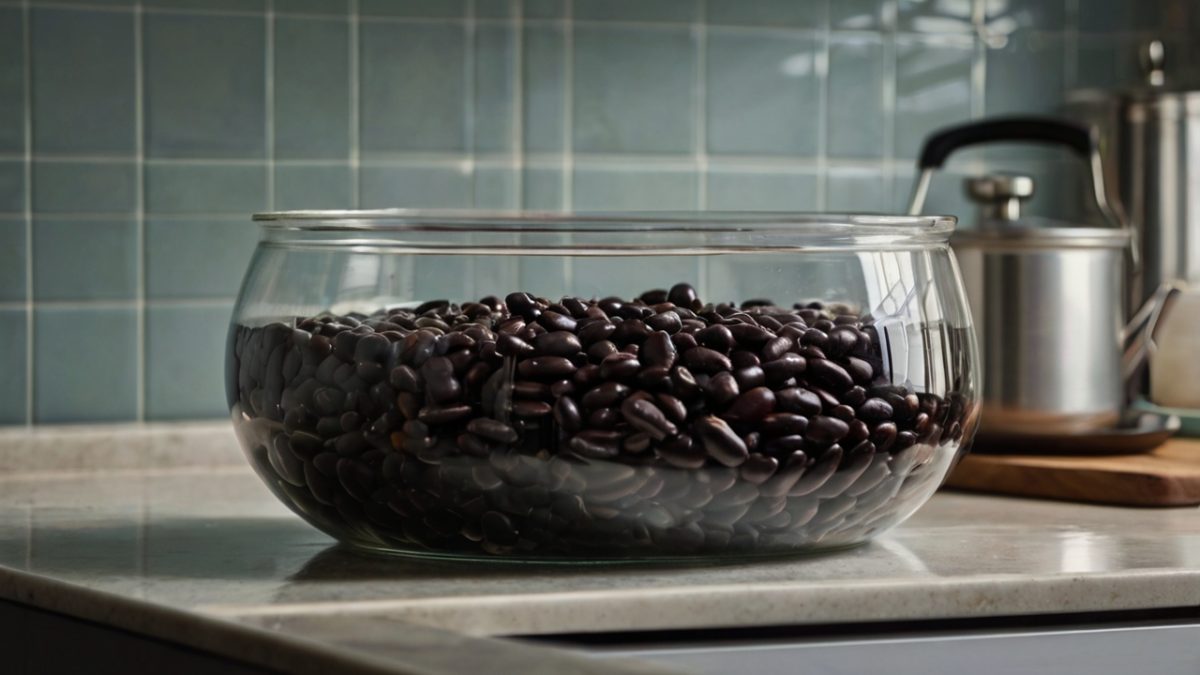
Step 1: Soak the beans. Place the dried black beans in a large pot with 3 cups of water. Cover and let them soak overnight.

Step 2: Cook the beans. The next day, drain the soaked beans and return them to the pot with 5 cups of fresh water. Bring to a boil, then cook for about 60 minutes, stirring occasionally. If the water level gets too low, add up to 1 cup more as needed. The beans are ready when they are tender and can be easily mashed with a spoon.

Step 3: Set aside. Once softened, transfer the beans to a bowl along with about 1½ cups of their cooking liquid. Set aside for later use.

Step 4: Cook the bacon. In a Dutch oven, cook the bacon until crisp. Remove it and place on a paper towel-lined plate to drain, but leave the rendered fat in the pot. Chop the bacon once cooled.

Step 5: Sauté the vegetables. Using the same pot with the bacon fat, add the chopped green peppers and onions. Cook for 2–3 minutes until slightly softened, then add the garlic and cook for another 30 seconds until fragrant.

Step 6: Cook the rice. Add the rice, cooked beans with their liquid, cumin, oregano, bay leaf, salt, and pepper. Stir briefly, then cover the pot and reduce the heat to low. Let it simmer for 30 minutes without lifting the lid—the trapped steam will cook the rice.

Step 7: Finish the dish. After 30 minutes, uncover and stir to prevent sticking. Continue cooking for another 5–10 minutes until the rice is tender and fluffy.

Step 8: Rest and serve. Remove from heat, cover again, and let it sit for 5–10 minutes. Fluff with a fork, stir in the chopped bacon, and serve warm.
Making an authentic Cuban congri recipe requires proper bean preparation, a flavorful sofrito base, and careful rice cooking to achieve the perfect texture and taste. The Cuban congri recipe is all about balancing ingredients and letting flavors meld together in one pot. By following these steps, you can master the Cuban congri recipe and enjoy a traditional Cuban meal at home.
Preparing the Beans
I always start by sorting through my black beans to remove any debris or damaged beans, which is an important step in any Cuban congri recipe. If I’m using dried beans, I soak them overnight in cold water to reduce cooking time and improve texture. For cooking, I place the soaked beans in a pot with fresh water, a bay leaf, and a pinch of salt, bringing them to a boil and then simmering until tender but not mushy. Saving the bean cooking liquid is crucial for a Cuban congri recipe, as it adds incredible flavor and color to the rice. If I’m short on time, I use canned black beans and reserve some of the liquid to use later in the Cuban congri recipe.
Building the Cuban Sofrito Base
The sofrito is what gives a Cuban recipe its distinctive flavor. I heat olive oil in a large pot and add diced onions, cooking them until they turn soft and translucent. Next, I add minced garlic and diced green bell peppers, cooking them together for several minutes and stirring frequently to prevent burning. Some recipes call for bacon or ham, which I brown first before adding the vegetables to the Cuban congri recipe. I season the sofrito with cumin, oregano, and bay leaves, and sometimes stir in a tablespoon of tomato paste for added depth and richness.
Cooking Techniques for Perfect Rice
I add my cooked black beans along with reserved bean liquid to the sofrito, bringing the mixture to a boil before stirring in long-grain white rice. The ratio of liquid to rice is crucial for making a Cuban congri recipe properly, ensuring the rice cooks evenly and absorbs all the flavors. Once the rice is added, I let it boil briefly, then reduce the heat to low, cover the pot, and cook undisturbed for about 20 to 25 minutes. Not lifting the lid during this time is key to a successful Cuban congri recipe, as the steam is what cooks the rice perfectly. After checking that the liquid is absorbed and the rice is tender, the Cuban recipe is nearly complete.
Finishing Touches and Serving
When the rice is done, I turn off the heat and let it sit covered for a few minutes, which helps the grains firm up and makes the congri less sticky. I fluff the rice gently with a fork, separating the grains and mixing in the beans throughout to finish the Cuban congri recipe. Tasting and adjusting the salt if needed ensures perfect seasoning, and fresh cilantro stirred in at the end adds a bright, fresh flavor that complements the earthy beans. I serve my Cuban congri recipe hot as a side dish with roasted pork, fried plantains, or grilled chicken, and it also works perfectly as a main dish on its own.

Serving Suggestions and Delicious Pairings
Congri pairs wonderfully with traditional Cuban main dishes, and it works equally well as a hearty side or a standalone meal. The Cuban congri is versatile and can be enjoyed with roasted pork, fried plantains, or even grilled chicken. Proper storage keeps the Cuban recipe fresh for days, making it a convenient option for meal prep or leftovers. Creative variations allow you to customize the Cuban congri recipe to your taste, adding ingredients like chorizo or extra vegetables for a unique twist. No matter how you serve it, the Cuban congri recipe is sure to become a favorite in your kitchen.
Classic Cuban Dishes to Serve with Congri
The Cuban congri recipe is a staple at my table, especially when paired with grilled or roasted pork dishes like lechon asado. The smoky flavors in the Cuban congri complement the tender, seasoned pork perfectly, making for an unforgettable meal.
Ropa vieja is another classic pairing for the congri recipe. The shredded beef in tomato sauce creates a nice contrast with the earthy black beans and rice found in the Cuban congri recipe, and I often add sweet fried plantains on the side to balance the savory elements.
Vaca frita works beautifully with the Cuban congri recipe, adding a crispy, pan-fried beef texture while the citrus marinade cuts through the richness of the beans. For a complete Cuban meal, the Cuban congri recipe can be served with grilled vegetables or a fresh salad as well.
The Cuban congri recipe is also delicious alongside platanos maduros, or sweet plantains, which add a touch of sweetness to the plate. Whether you’re serving lechon asado, ropa vieja, or vaca frita, the Cuban congri recipe brings all the flavors together and is a must-have for any Cuban feast.
Popular Cuban Pairings:
- Lechon asado (roasted pork)
- Ropa vieja (shredded beef)
- Vaca frita (crispy fried beef)
- Platanos maduros (sweet plantains)
- Grilled vegetables or fresh salad
Storage and Reheating Tips
I store leftover Cuban congri recipe in an airtight container in the refrigerator for up to 4 days. The flavors of the Cuban congri actually deepen overnight, making it taste even better the next day and perfect for quick lunches or dinners.
To reheat the Cuban congri recipe, I add a tablespoon or two of water or broth to prevent the rice from drying out. Microwave the Cuban congri recipe in 1-minute intervals, stirring between each round, or heat it on the stovetop over medium-low heat with a splash of liquid, stirring occasionally until warmed through.
For longer storage, the Cuban congri recipe freezes well for up to 3 months. I portion the Cuban congri recipe into freezer-safe containers and thaw it in the refrigerator overnight before reheating, ensuring the Cuban congri recipe is just as delicious as when it was first made.
Popular Variations and Modern Twists
While traditional congri uses black beans, I sometimes experiment with different ingredients to create my own Cuban congri recipe. Some Cuban cooks add bacon or pork for extra depth, while others keep it vegetarian, offering plenty of ways to personalize your Cuban congri recipe at home.
Black rice creates an interesting twist on the classic congri recipe, adding a nuttier flavor and more nutrients than white rice. I’ve also tried using brown rice for a healthier Cuban congri recipe, though it requires a longer cooking time and a bit more patience in the kitchen.
For protein variations in your Cuban congri recipe, I mix in shredded chicken or chorizo to give the dish a heartier appeal. Some people add corn, diced tomatoes, or extra bell peppers for more vegetables, making the Cuban congri recipe even more colorful and nutritious. These modifications don’t stray far from authentic Cuban cooking but add personal touches to the Cuban congri recipe that make it unique every time.
Whether you stick to tradition or try new ingredients, the Cuban congri recipe remains a staple in Cuban cuisine. Each family often has its own Cuban congri, passed down through generations and adapted to suit individual tastes. Experimenting with your Cuban congri recipe can be a fun way to explore flavors and create new memories around the dinner table.

Comparison: Congrí vs Moros y Cristianos
When discussing Cuban rice dishes, it’s common to compare congrí with moros y cristianos. While they are very similar, there are subtle differences in preparation and regional usage.
Congrí is typically associated with rice and beans cooked together, often using red beans in some regional variations, though black beans are also used. In a congrí recipe, the ingredients are combined early, allowing the rice to fully absorb the flavors of the beans and seasonings. The result is a uniform dish with a consistent taste and color throughout.
Moros y cristianos, which translates to “Moors and Christians,” traditionally refers to black beans and white rice cooked together or sometimes prepared separately and then combined. In many moros y cristianos recipes, the contrast between the dark beans and lighter rice is part of the dish’s identity, both visually and culturally.
If you’re looking for a fully blended, uniform dish, congrí is the better choice. If you prefer a version that highlights contrast and tradition, moros y cristianos is a great option.
Cuban Congri Recipe FAQ
1. What is the difference between congri and moros y cristianos?
Congri typically uses red beans and rice cooked together, while moros y cristianos uses black beans.
2. Why is rice cooked with beans in congri?
Cooking them together allows the rice to absorb the flavor of the beans.
3. What gives congri its color?
The beans release color into the rice as it cooks.
4. What meats are sometimes added to congri?
Pork or bacon is often added for extra flavor.
5. Is congri a main dish or side dish?
It can be served as either, depending on the meal.

Cuban Congri Recipe
Ingredients
- 6 oz beans dry black
- 8 cups water divided
- 3 slices bacon thick-cut and save fat
- 1/2 cup green pepper diced
- 1 onion diced small
- 2 cloves garlic minced
- 1 cup rice uncooked long-grain
- 1 1/2 cups water cooking liquid from softening the beans
- 1/2 tsp cumin ground
- 1/2 tsp oregano dried
- 1 bay leaf
- 1/4 tsp salt to taste
- 1/4 tsp pepper to taste
Instructions
- Soak the beans. Place the dried black beans in a large pot with 3 cups of water. Cover and let them soak overnight.
- Cook the beans. The next day, drain the soaked beans and return them to the pot with 5 cups of fresh water. Bring to a boil, then cook for about 60 minutes, stirring occasionally. If the water level gets too low, add up to 1 cup more as needed. The beans are ready when they are tender and can be easily mashed with a spoon.

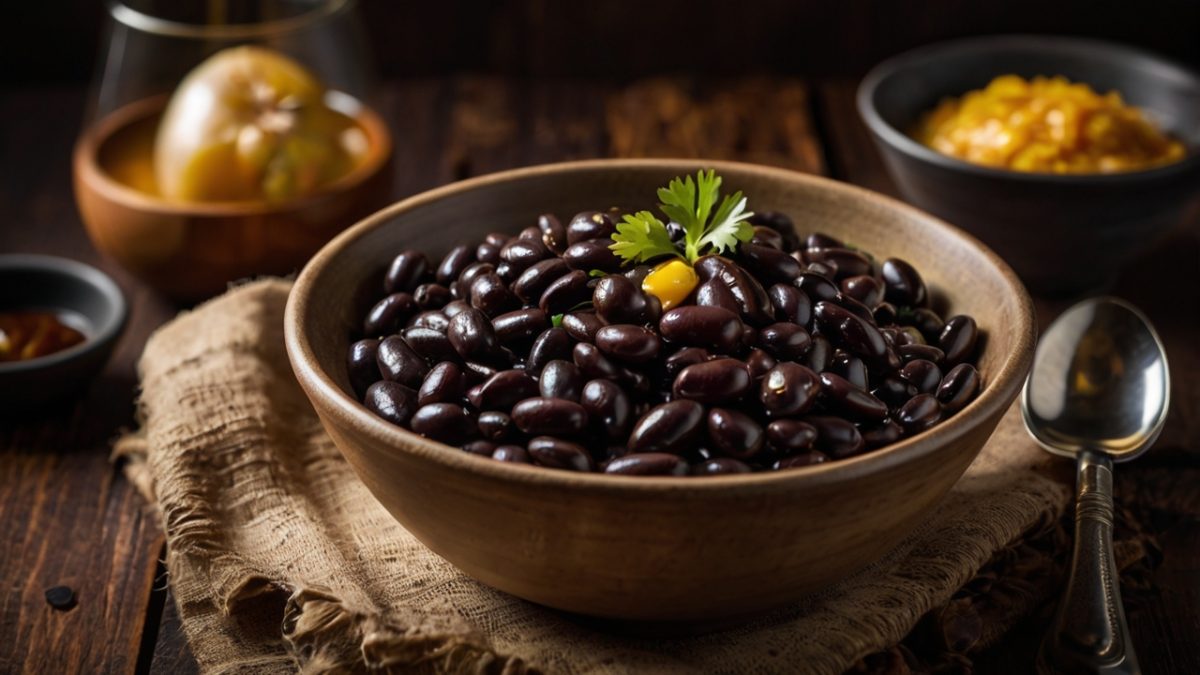
- Set aside. Once softened, transfer the beans to a bowl along with about 1½ cups of their cooking liquid. Set aside for later use.
- Cook the bacon. In a Dutch oven, cook the bacon until crisp. Remove it and place on a paper towel-lined plate to drain, but leave the rendered fat in the pot. Chop the bacon once cooled.

- Sauté the vegetables. Using the same pot with the bacon fat, add the chopped green peppers and onions. Cook for 2–3 minutes until slightly softened, then add the garlic and cook for another 30 seconds until fragrant.

- Cook the rice. Add the rice, cooked beans with their liquid, cumin, oregano, bay leaf, salt, and pepper. Stir briefly, then cover the pot and reduce the heat to low. Let it simmer for 30 minutes without lifting the lid—the trapped steam will cook the rice.

- Finish the dish. After 30 minutes, uncover and stir to prevent sticking. Continue cooking for another 5–10 minutes until the rice is tender and fluffy.

- Rest and serve. Remove from heat, cover again, and let it sit for 5–10 minutes. Fluff with a fork, stir in the chopped bacon, and serve warm.

Video

