

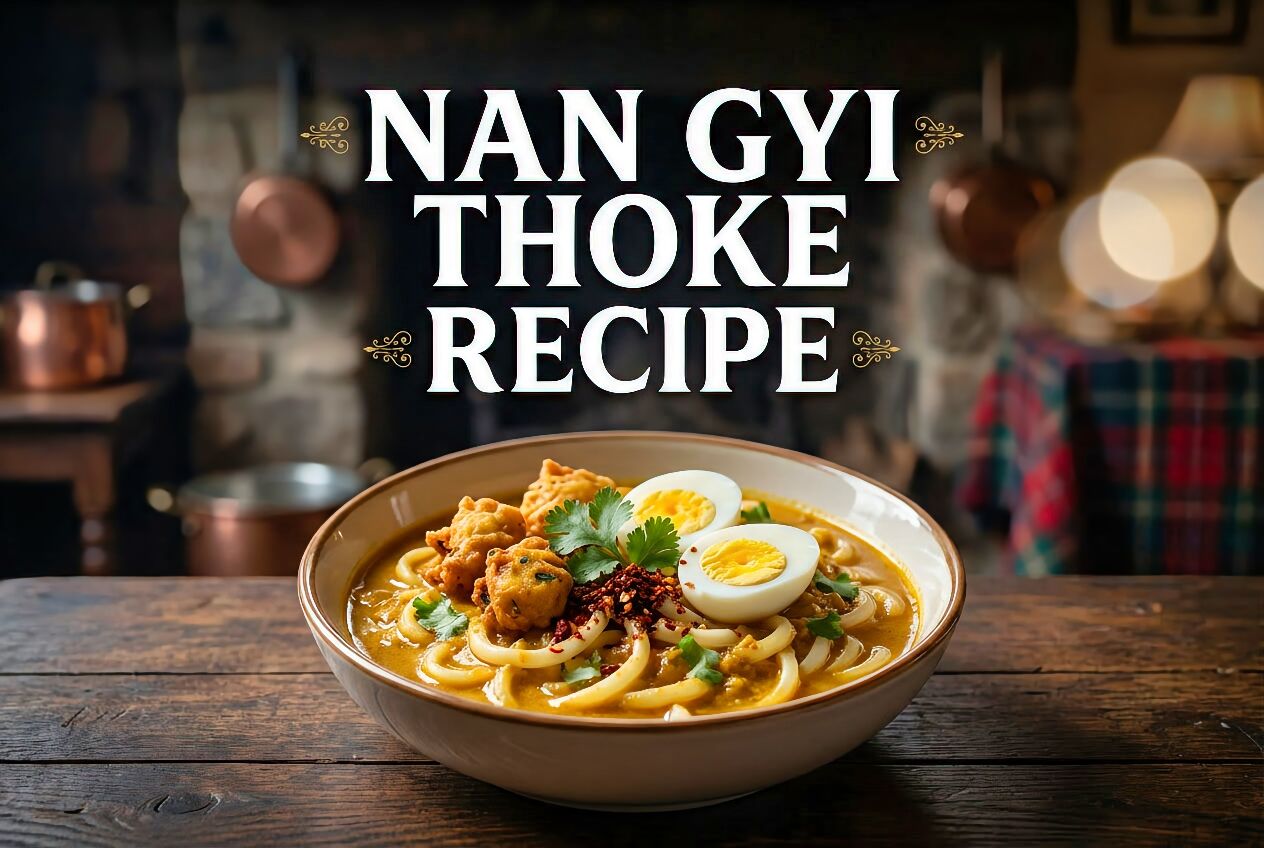
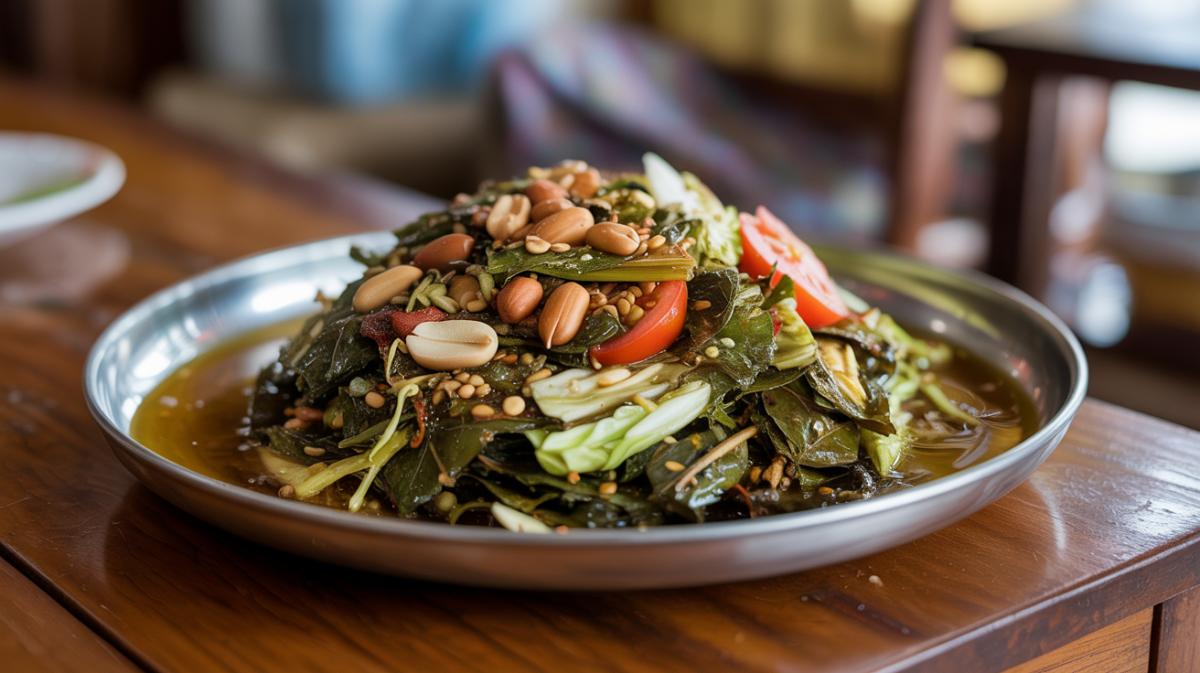
Laphet Thoke is a traditional Burmese salad made with fermented tea leaves, crunchy nuts, fried beans, and fresh vegetables. This tea leaf salad packs tangy, savory, and nutty flavors with all sorts of textures—definitely one of the most unique dishes in Burmese cuisine. I’ve made this Laphet Thoke recipe for years, and honestly, it still surprises people every time.
The main ingredient? Fermented tea leaves, of course. While most people just brew tea leaves for a drink, Myanmar actually ferments them as a delicacy, and that’s what makes a Laphet Thoke recipe so different. The taste is a little bitter, earthy, and it just works with crispy garlic, toasted sesame seeds, and a squeeze of lime juice.
I’ll walk you through everything you need to know about this traditional Burmese salad. You’ll get the cultural backstory, tips on finding ingredients for your Laphet Thoke recipe, and how to put it all together. Whether you’re new to Burmese fermented tea leaf salad or you just want to nail a Laphet Thoke recipe at home, this guide’s got you.
Understanding Laphet Thoke and Its Cultural Significance
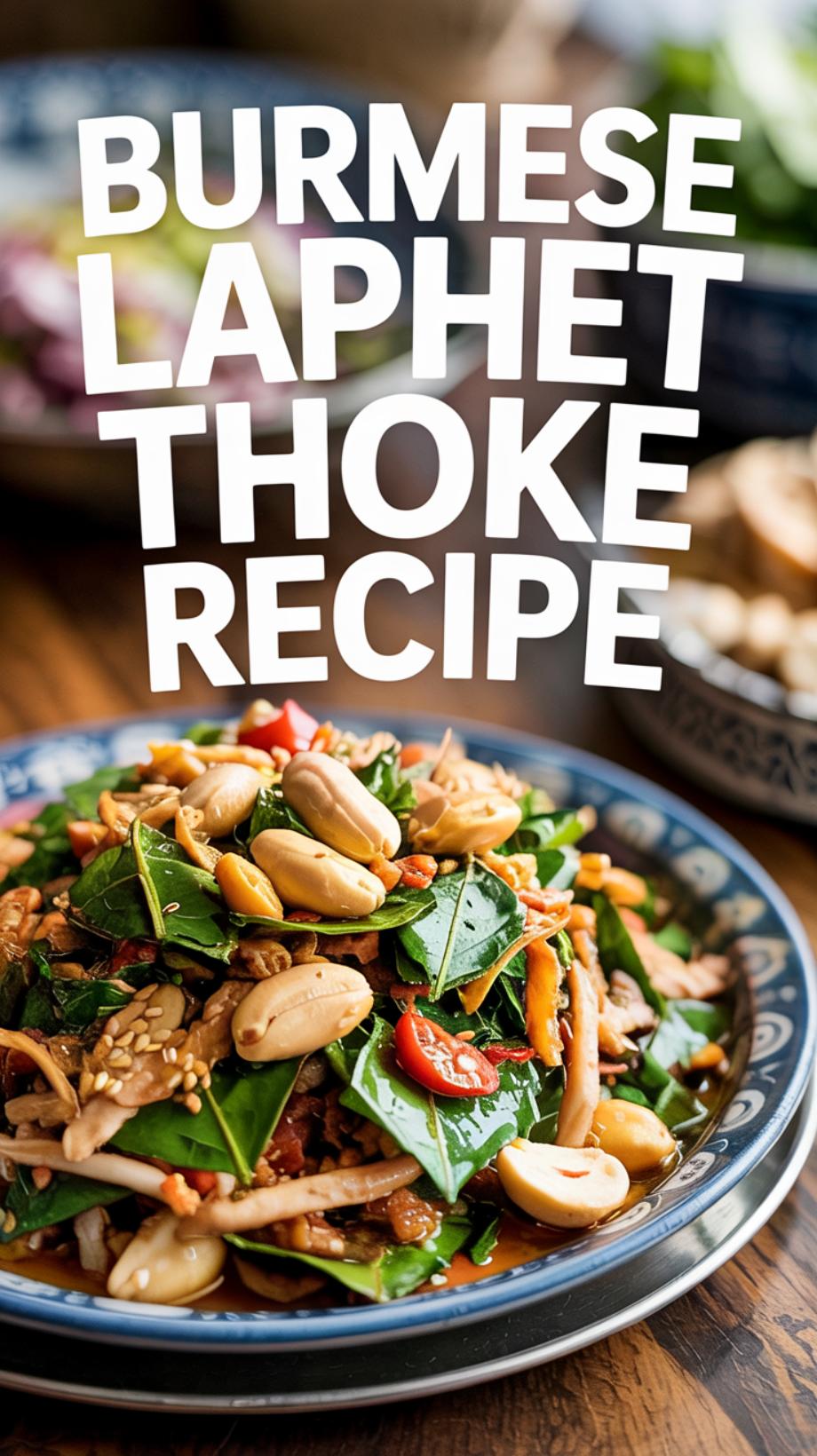
Laphet Thoke stands out as one of Burma’s most distinctive dishes, all thanks to fermented tea leaves and their unique preservation. The Laphet Thoke recipe carries deep cultural meaning in Myanmar and the flavor is honestly unlike any other salad I’ve tried. I always find myself craving it at the oddest times.
Origins and History of Laphet
The history of Laphet Thoke traces back to ancient Burmese traditions of preserving tea leaves through fermentation. In the 19th century, only royalty and wealthy families enjoyed these rare, fermented tea leaves. Times have changed, but the Laphet Thoke recipe still feels special.
The fermentation process turns green tea leaves into what locals call lahpet or laphet. Workers pick young tea leaves, steam them, and then press them into bamboo containers underground for months. This creates pickled tea leaves with a tangy, slightly bitter taste—essential for any Laphet Thoke recipe.
Lahpet once served as a peace offering between warring kingdoms in Myanmar’s past. There’s even a Burmese saying: “Of all the fruits, mango is the best; of all the meats, pork is the best; of all the leaves, laphet is the best.” That kind of sums up how important a Laphet Thoke recipe is in Burmese culture.
Role of Tea Leaf Salad in Burmese Culture
Laphet Thoke represents unity, respect, and tradition in Myanmar, popping up at weddings, religious ceremonies, and important meetings. When I learned about Burmese hospitality, I realized that serving a Laphet Thoke recipe to guests is a gesture of real welcome. It’s not just food—it’s a cultural emblem woven into daily life all over Burma.
Families bring out their Laphet Thoke recipe for social gatherings, where everyone connects and celebrates. The salad brings people together in a way that feels genuine. I love how the Laphet Thoke recipe always seems to spark conversation and laughter at the table.
Fermented tea leaves have health benefits too, with antioxidants and probiotics from the fermentation. The Laphet Thoke recipe gives you a flavorful way to support your gut. Out of all the Burmese recipes using lahpet, the Laphet Thoke recipe is still the most iconic.
Comparison to Other Salads
Laphet Thoke is just nothing like your typical salad. Most salads rely on fresh lettuce or greens, but a Laphet Thoke recipe puts fermented tea leaves front and center. The difference is obvious from the very first bite.
| Feature | Laphet Thoke | Traditional Salads |
|---|---|---|
| Base ingredient | Fermented tea leaves | Fresh lettuce/greens |
| Flavor profile | Tangy, bitter, umami | Mild, fresh |
| Texture | Mix of soft and crunchy | Mostly crisp |
| Cultural role | Symbol of hospitality | Everyday side dish |
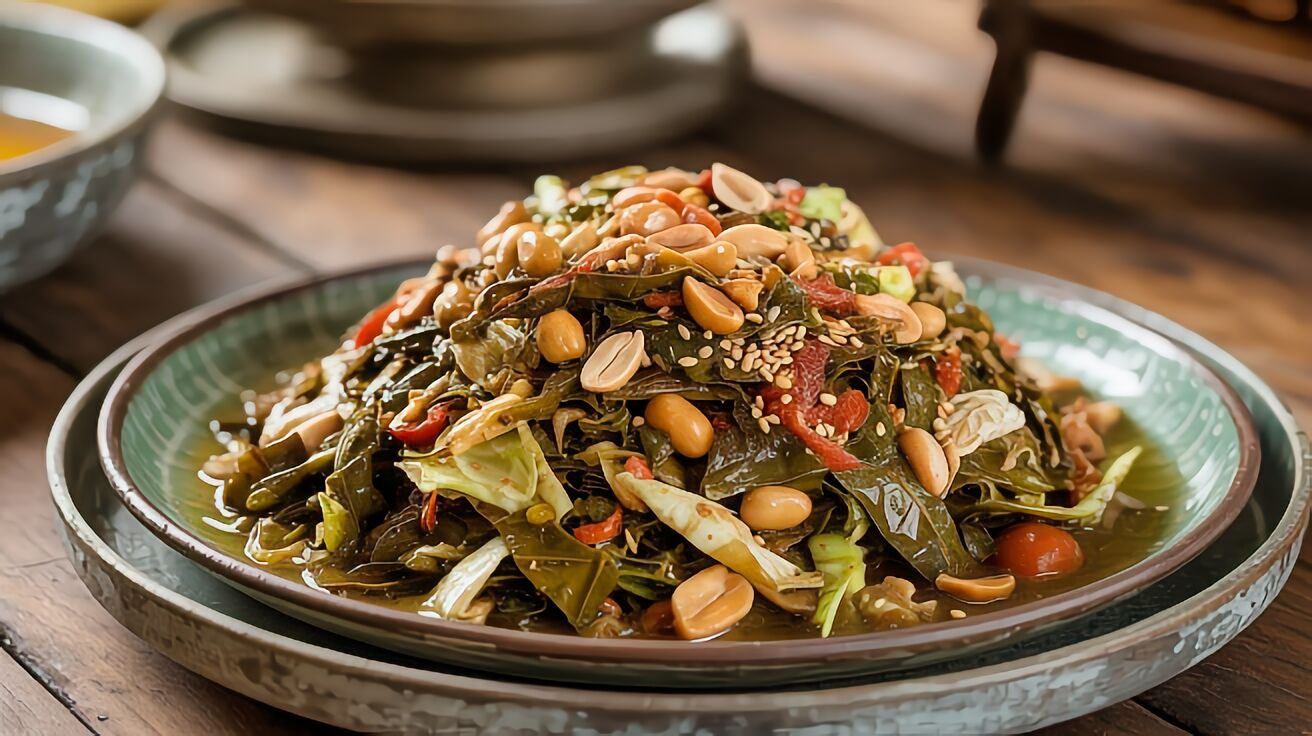
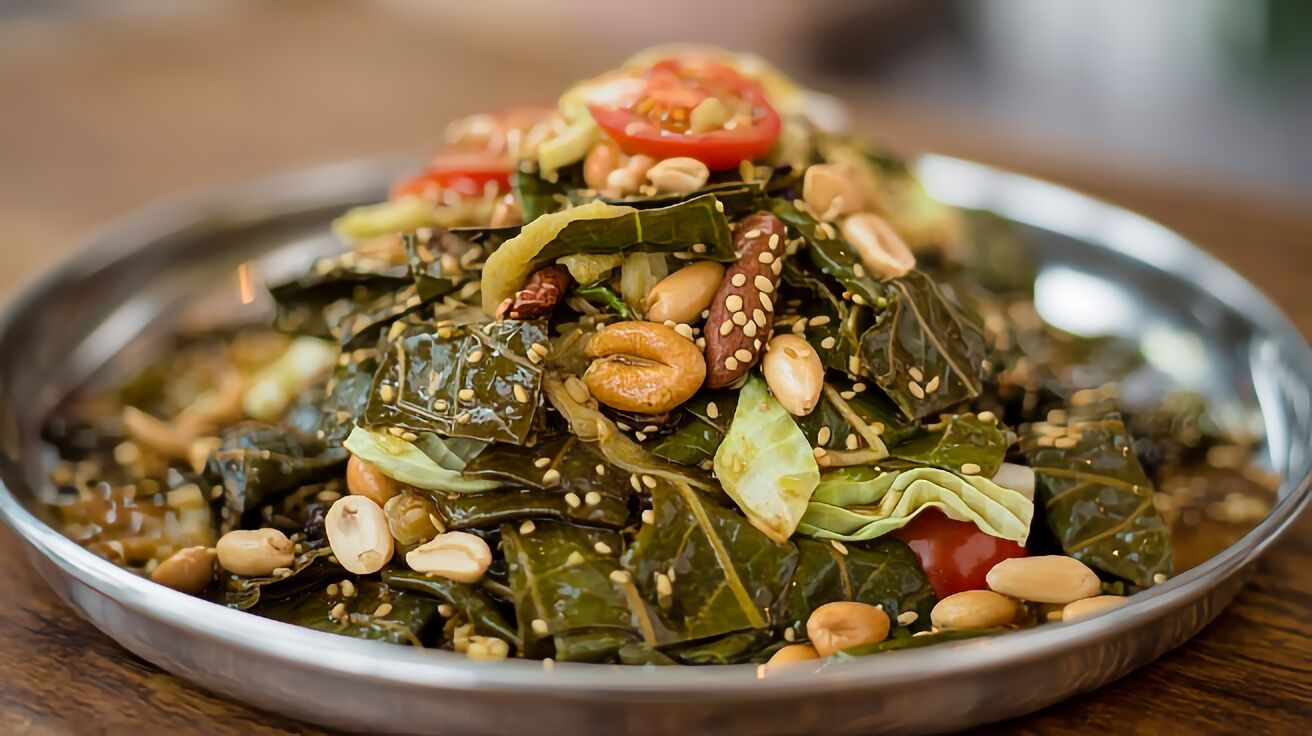
It’s the combination of ingredients that really sets a Laphet Thoke apart. You get fried beans, roasted peanuts, sesame seeds, dried shrimp, garlic, and cabbage all mixed with those pickled tea leaves. Myanmar’s got a bunch of healthy salads, but the Laphet Thoke recipe is definitely the most distinctive.
Essential Laphet Thoke Ingredients
Making an authentic Laphet Thoke recipe takes three ingredient categories: fermented tea leaves, crunchy toppings, and a tangy dressing. Each part plays its own role in the Laphet Thoke recipe’s signature flavor. I wouldn’t skip any of them.
Fermented Tea Leaves: The Star Ingredient
The heart of any Burmese tea leaf salad is the fermented tea leaves, or laphet. These leaves get carefully fermented for a tangy, earthy flavor that you just can’t substitute in a Laphet Thoke recipe. Trust me—regular tea leaves won’t cut it.
I usually buy store-bought fermented tea leaves for my Laphet Thoke because making them from scratch takes weeks. The leaves should look dark green and feel moist to the touch. For a Laphet Thoke recipe serving four, you’ll need about 3–4 tablespoons.
The fermented leaves give that unique sour and umami punch that defines every Thoke recipe. Without them, honestly, you don’t have Laphet Thoke at all. That’s the one ingredient you just can’t skip.
Crunchy and Fresh Components
The crunch in a Laphet Thoke recipe comes from a bunch of ingredients. I throw in fried garlic chips, fried yellow split peas, fried broad beans, and roasted peanuts. Each one adds a different flavor and texture, making every bite of Laphet Thoke interesting.
Dried shrimp brings a savory, seafood note, and roasted sesame seeds add nuttiness. For extra crunch, I always toss in crispy fried shallots—they make the Laphet Thoke recipe pop.
Fresh veggies balance out the fried stuff in a Laphet Thoke recipe. I use shredded cabbage and romaine lettuce for a crisp base, with diced tomatoes for juiciness. Scallions and cilantro brighten up the Laphet Thoke recipe with fresh, herbal flavors.
If you like heat, add green chili or Thai chili to your Thoke recipe. I always serve lime wedges on the side for that final zing. You can really make the Laphet Thoke recipe your own here.
Seasonings and Dressings
The dressing brings everything together in a Laphet Thoke recipe. I mix lime juice or lemon juice with oil—peanut, sesame, garlic, or even olive oil works. The Laphet Thoke recipe changes slightly depending on which oil you pick, but it’s all good.
Fish sauce adds salty, umami depth, but you can swap in soy sauce if you want. A pinch of palm sugar balances the sour and salty notes in the Laphet Thoke recipe.
I always toss in minced garlic or sautéed garlic for extra punch. The garlic should be fresh and aromatic—makes a big difference in your Laphet Thoke recipe. This combo gives you a tangy, savory dressing that coats everything perfectly.
How to Make Authentic Burmese Laphet Thoke
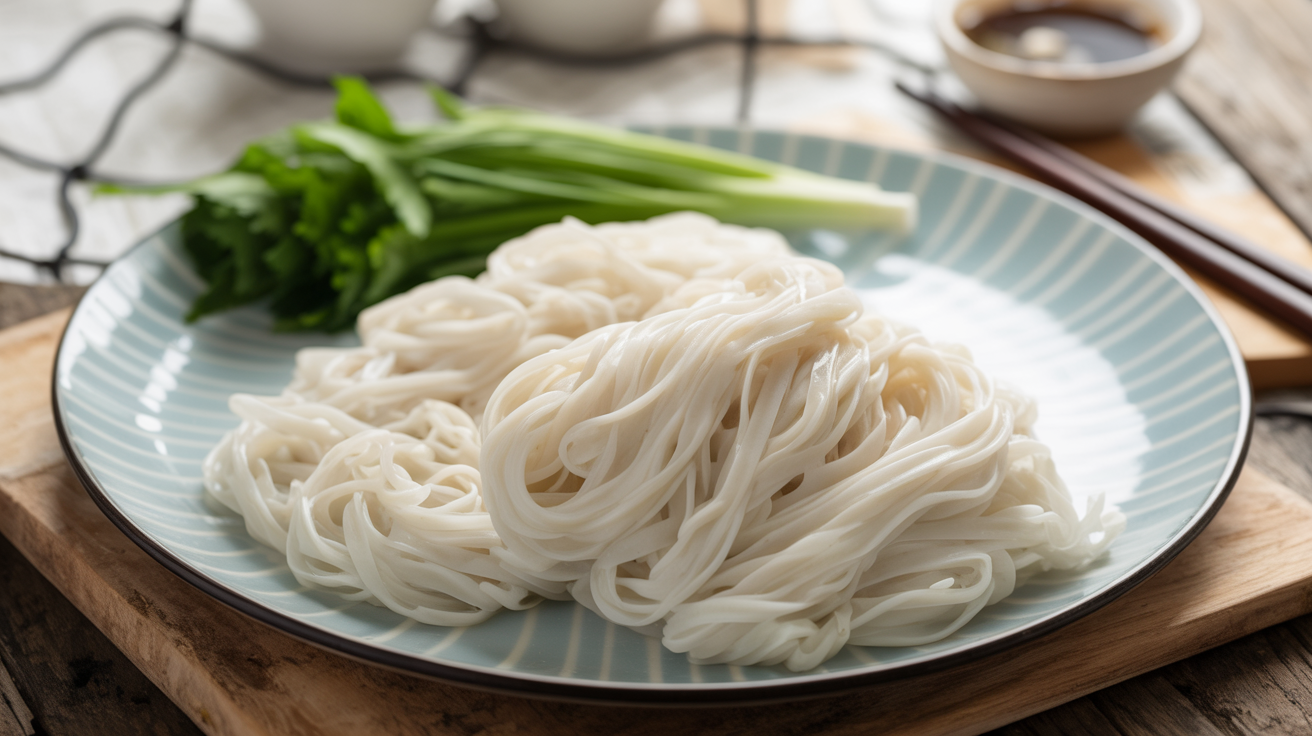
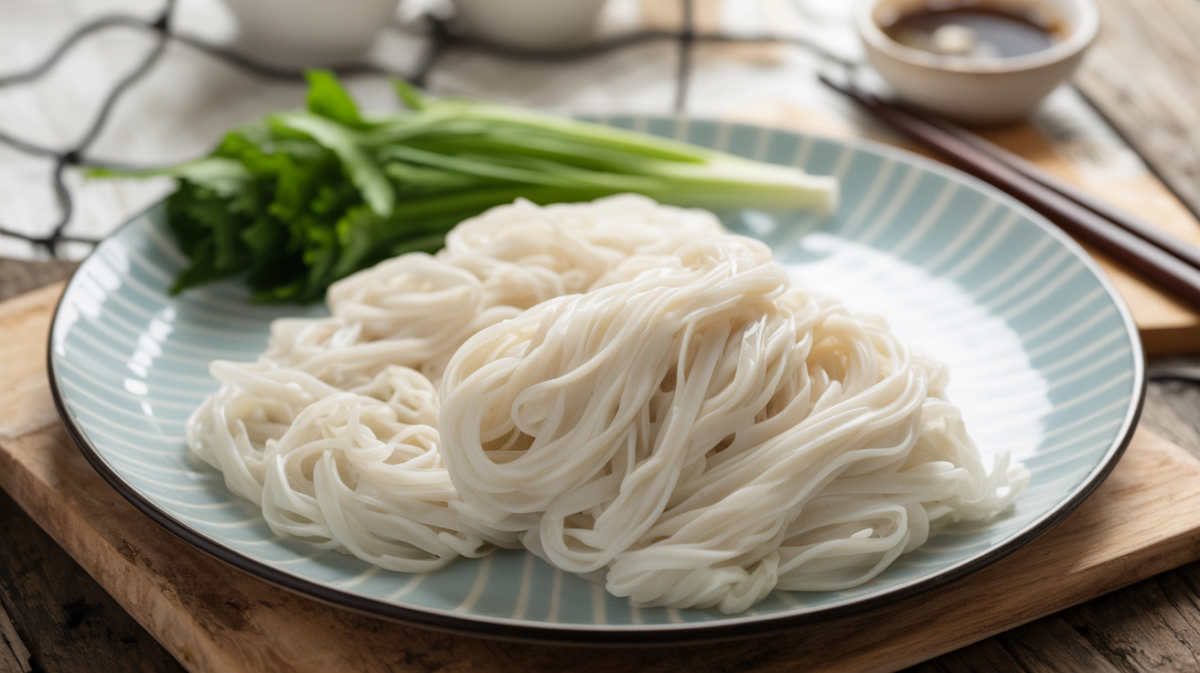
Step 1: Cook the rice noodles according to the package directions until tender. Drain them well and set aside to cool slightly.
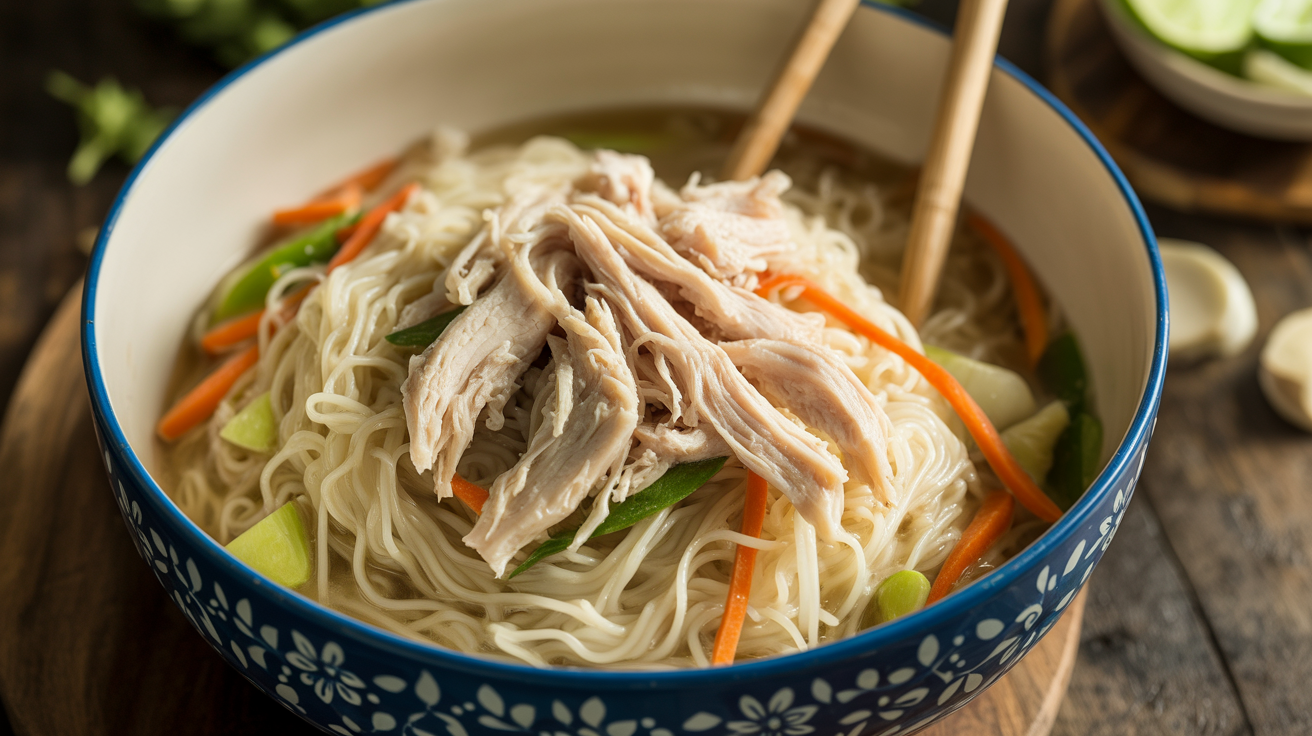
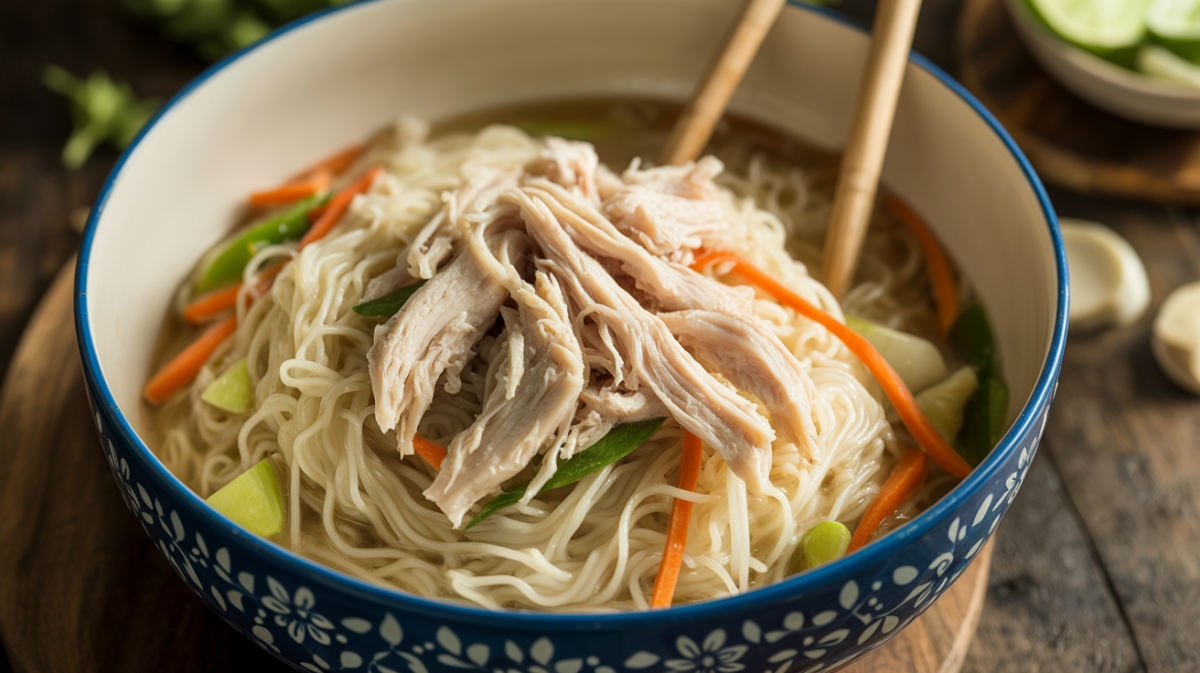
Step 2: Place the cooked noodles in a large mixing bowl. Add the shredded chicken, bean sprouts, cabbage, carrot, cucumber, and cilantro, tossing gently so the ingredients are evenly distributed.
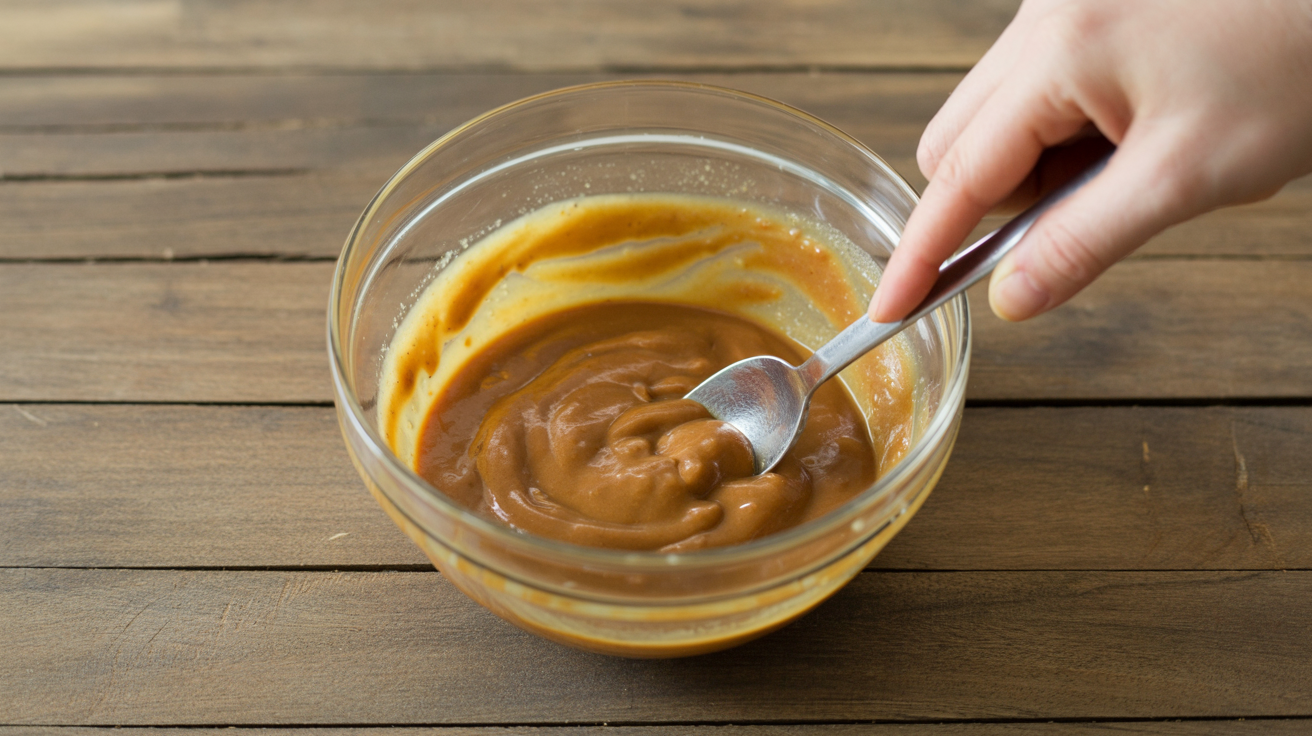
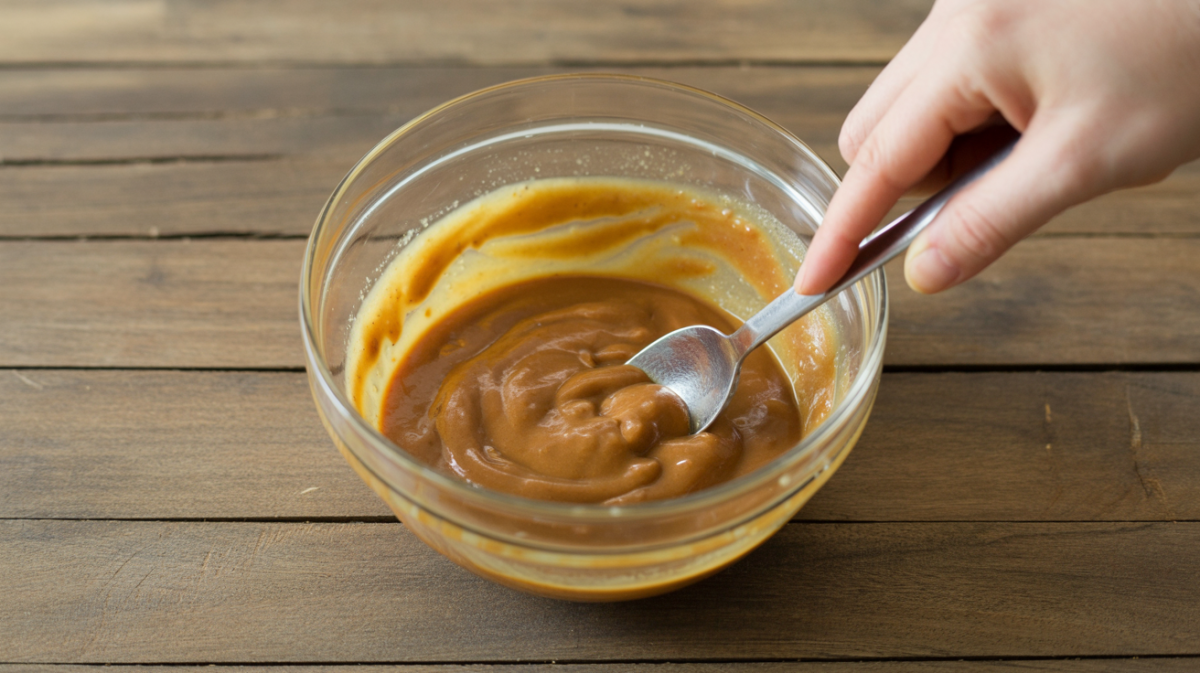
Step 3: In a separate bowl, whisk together the fish sauce, lime juice, peanut oil, soy sauce, sugar, chili powder, and minced garlic until the sugar dissolves and the dressing is well blended.
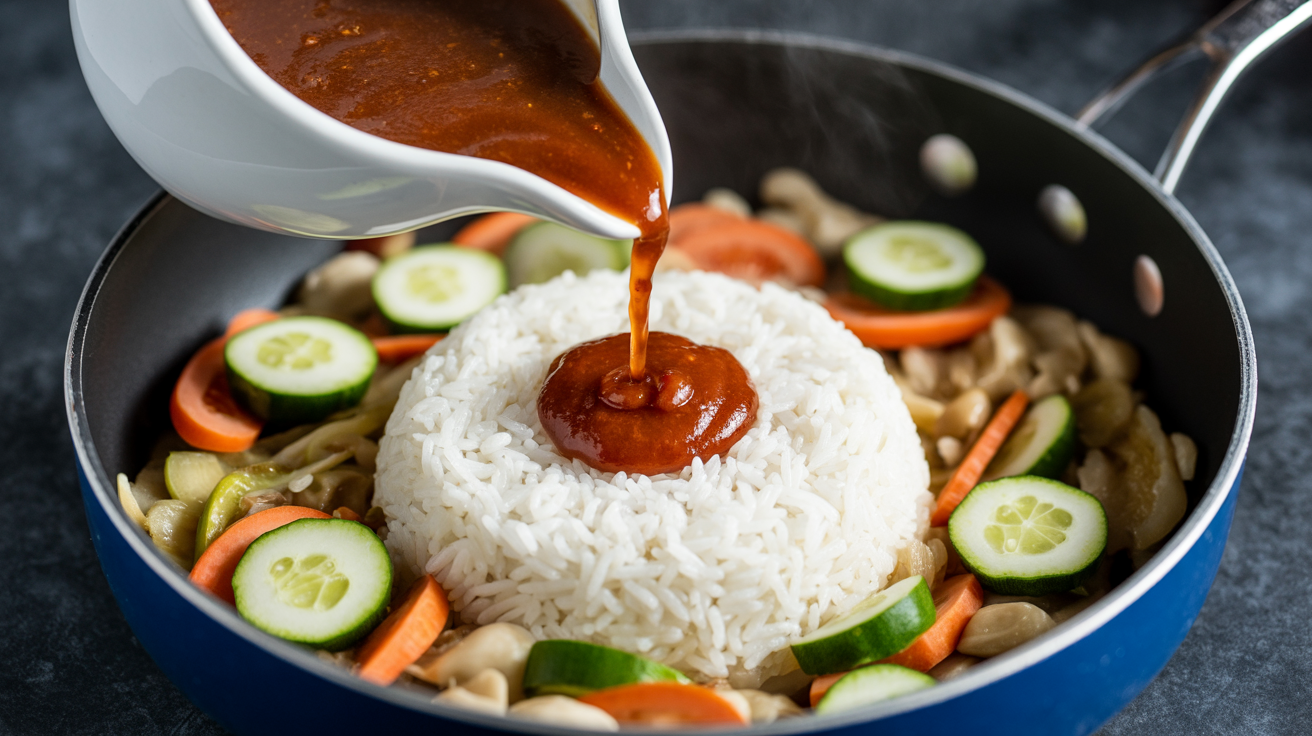
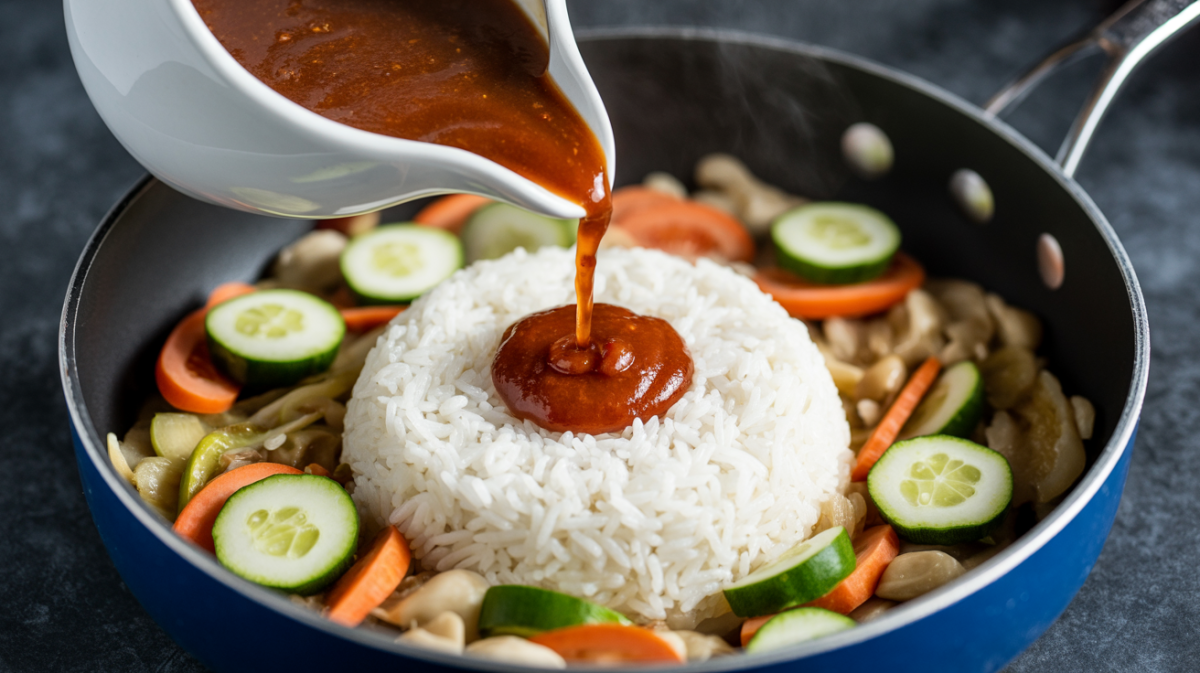
Step 4: Pour the dressing over the noodle mixture and toss thoroughly to ensure everything is evenly coated.
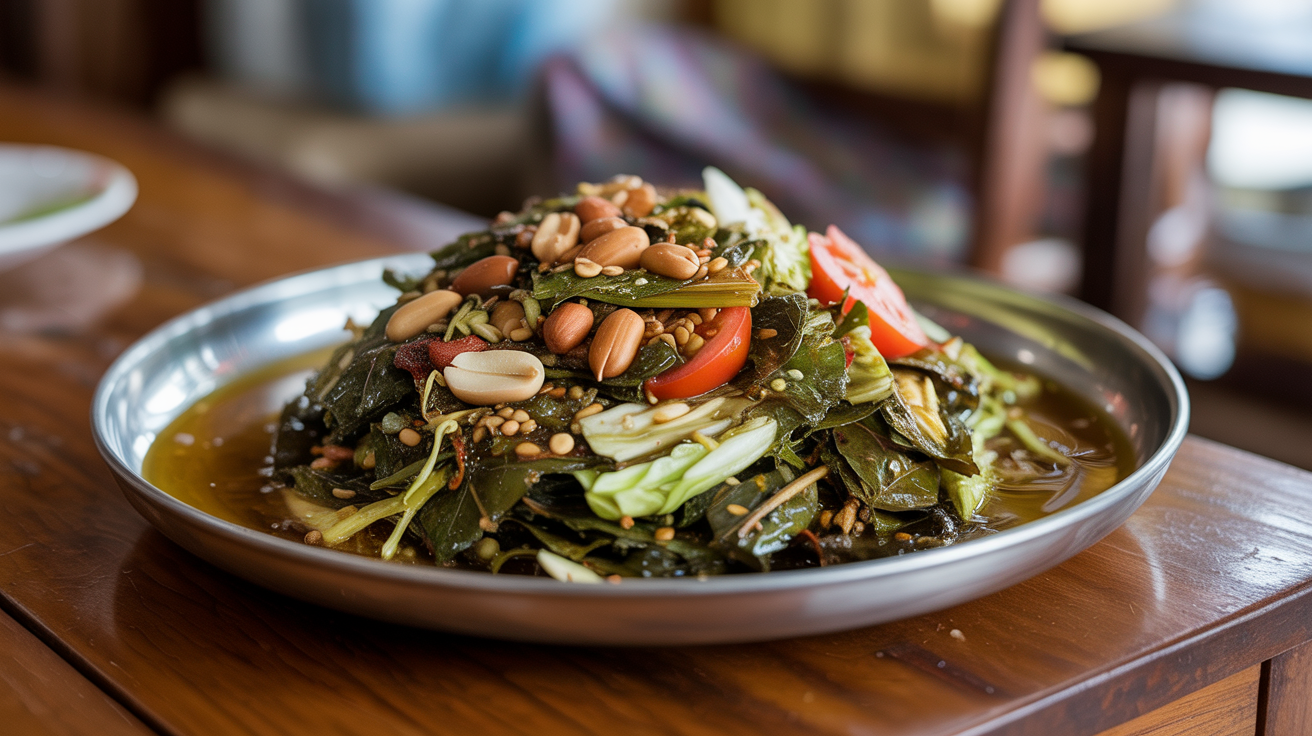
Step 5: Serve the salad right away, or refrigerate it for about 30 minutes before serving to allow the flavors to come together.
Preparing Fermented Tea Leaves
I start my Laphet Thoke with fermented tea leaves. If I use store-bought laphet, I drain and rinse them under cold water to get rid of extra brine. That way, the Laphet Thoke recipe doesn’t end up too salty.
I squeeze out any extra moisture by hand. The tea paste should feel moist but not soggy—nobody wants a watery Laphet Thoke recipe. Sometimes I’ll mix the leaves with a bit of peanut or sesame oil to mellow out their strong flavor.
If the tea leaves taste too intense, I let them sit in oil for 10–15 minutes before finishing the Laphet Thoke recipe. This little trick makes the flavors more balanced. I always taste a bit to check saltiness and adjust the rest of my Laphet Thoke recipe as needed.
Creating Crunchy Toppings
I heat peanut oil over medium for the crispy parts of my Laphet Thoke recipe. First up, minced garlic—cook it slow until golden for sweet, nutty fried garlic chips. I scoop out the garlic and let it drain on paper towels so it stays crisp.
In the same oil, I fry yellow split peas until they’re golden, then do the same with broad beans. Each ingredient fries separately for the best Thoke recipe crunch. You don’t want to rush this part—trust me.
Essential crispy toppings for any Laphet Thoke recipe:
- Fried garlic chips
- Fried yellow split peas
- Fried broad beans
- Roasted peanuts
- Toasted sesame seeds
- Crispy fried shallots
I sauté a little garlic in olive oil for a milder flavor and let all the fried stuff cool before mixing. That’s how you keep the crunch in your Laphet Thoke recipe. Nothing worse than soggy toppings, right?
Mixing and Assembling the Salad
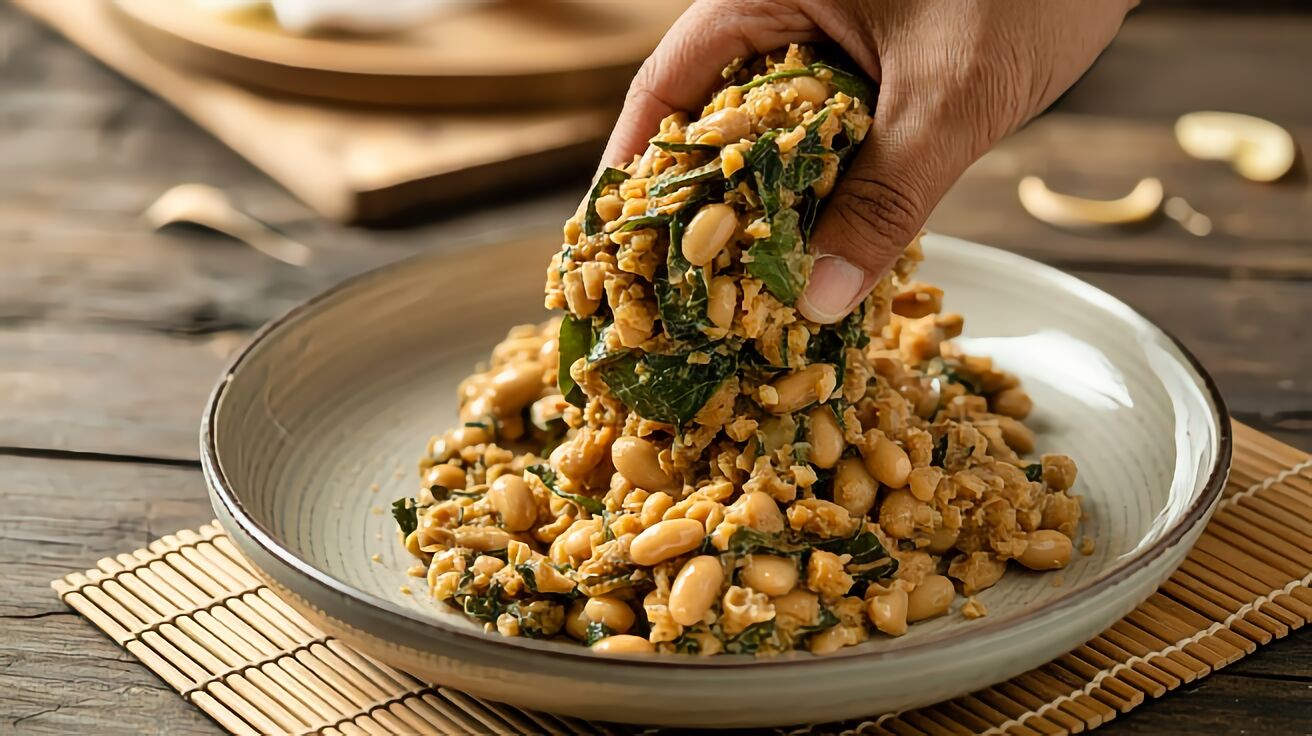
I put all the Laphet Thoke ingredients in separate piles on a big platter—makes it look traditional and beautiful. Fermented tea leaves go in the center, surrounded by cabbage, tomatoes, chili slices, and all those crispy toppings. It’s kind of a showstopper when you bring out a Laphet Thoke recipe like this.
For the dressing, I whisk lime juice, fish sauce, sesame oil, and palm sugar until smooth. I taste and tweak the Laphet Thoke until the flavors feel balanced. Sometimes I add a splash of soy sauce for more depth.
When it’s time to eat, I mix everything together by hand or with big spoons. The trick is to mix just before serving so nothing gets soggy. I toss until the tea leaves coat everything and the Laphet Thoke recipe is ready to enjoy.
Serving Suggestions and Variations
I think a Laphet Thoke recipe works great as a standalone dish or as part of a bigger Burmese meal. The bold flavors pair nicely with milder staples. You can easily tweak a Thoke recipe for different diets—just leave out the dried shrimp or swap in extra veggies.
Traditional Presentation
I always serve laphet thoke on a big communal platter, just like my Burmese friends taught me. The fermented tea leaves sit right in the middle, with neat little piles of crispy fried beans, roasted peanuts, toasted sesame seeds, fried garlic, dried shrimp, and shredded cabbage all around. Laphet Thoke traditions really shine through with this setup.
Diners grab what they want and mix their own portions right on their plates. That’s the beauty of a Laphet Thoke —everyone gets to decide how much crunch, tang, or spice they want. I always think it’s kind of fun to see how each plate ends up looking different.
I scatter lime wedges along the platter’s edge for squeezing over the Laphet Thoke. Fresh green chili slices go in a little bowl on the side, so the brave can pile them on. This Laphet Thoke recipe usually feeds four as a light meal, or stretches to 6-8 if you’re just serving it as a side dish.
Accompaniments and Meal Pairings
If you ask me, the best Laphet Thoke recipe moments happen when you pair it with Burmese curry or coconut noodles. That tangy, umami punch from the Laphet Thoke recipe cuts through rich curries in the best way. Why not try it with something creamy and see for yourself?
On lazy days, I just scoop up the Laphet Thoke recipe with steamed jasmine rice or maybe some warm flatbread. This Laphet Thoke recipe loves a bit of grilled chicken or fish on the side, but honestly, I could eat it by itself and feel satisfied. Especially in summer, the Laphet Thoke is so refreshing and filling at the same time.
I think a cold beer or a glass of green tea works wonders with any Laphet Thoke. Sweet drinks? Not so much—they sort of fight with the flavors of the Laphet Thoke recipe. Stick to something crisp and you’ll really taste what makes the Laphet Thoke recipe special.
Variations and Dietary Adaptations
I usually make this vegetarian Laphet Thoke recipe by just leaving out the dried shrimp. The fermented tea leaves and nuts give the Laphet Thoke recipe plenty of protein and umami, so honestly, I don’t miss the seafood at all. Sometimes, I wonder if people even notice the difference.
For a vegan Laphet Thoke recipe, I double-check that all the fried bits use vegetable oil—no shortcuts. I toss in extra crispy chickpeas or even edamame when I want more protein in my Laphet Thoke recipe. The Laphet Thoke recipe is naturally gluten-free, which is honestly pretty convenient for sharing with friends who avoid wheat.
I tweak the Laphet Thoke recipe’s spice by adding or skipping green chili, depending on my mood. If I’m feeling cautious, I’ll just leave the chili out of the Laphet Thoke entirely. Sometimes, I throw in sliced tomatoes or more cabbage for extra crunch, or swap cashews for peanuts if someone’s allergic—Laphet Thoke recipe really adapts to almost anything.
Laphet Thoke vs Green Papaya Salad
Laphet thoke and green papaya salad are both vibrant Southeast Asian salads, but they differ greatly in ingredients, flavor profile, and overall intensity.
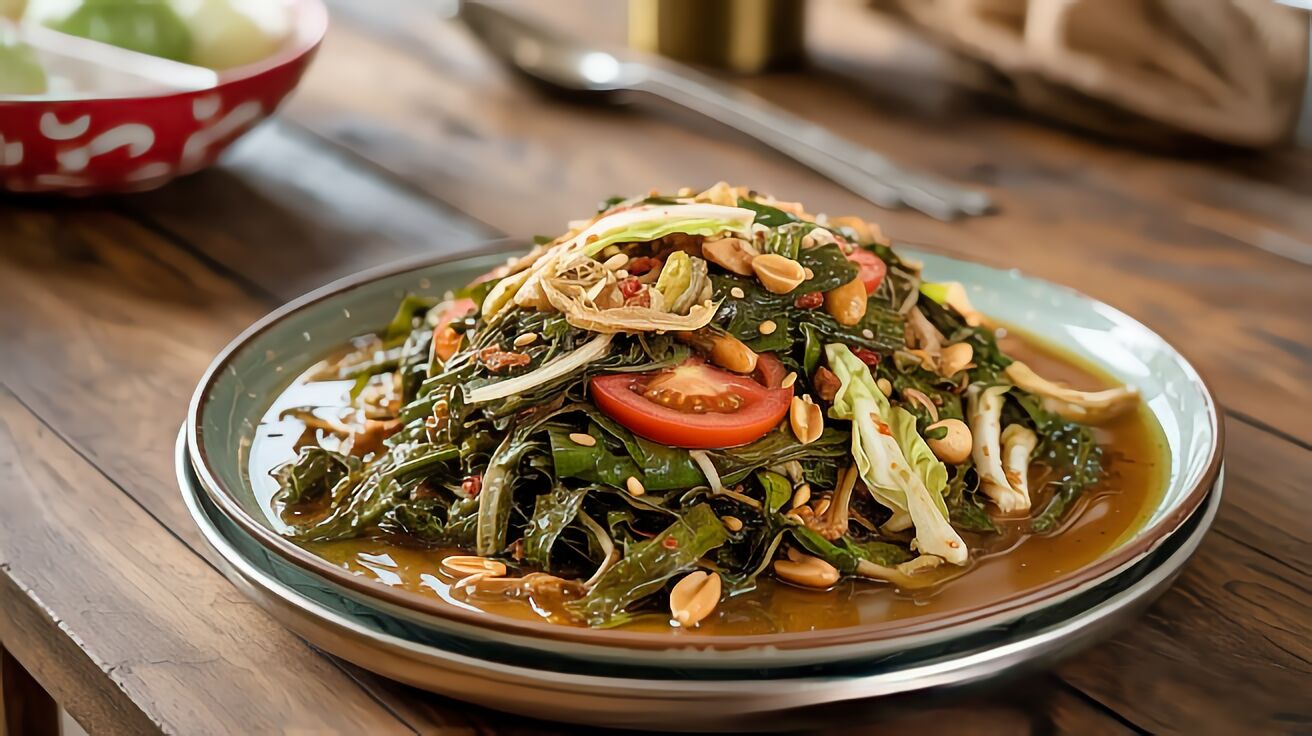
Laphet thoke is a traditional Burmese salad centered around fermented tea leaves, which give it a uniquely bold and slightly bitter flavor. It’s typically mixed with crunchy ingredients like fried beans, peanuts, sesame seeds, garlic, and fresh vegetables such as cabbage or tomatoes. The result is a complex combination of textures and flavors—bitter, savory, tangy, and slightly earthy—all in one dish.
Green papaya salad, commonly associated with Thai cuisine, is much lighter and more refreshing. Made with shredded unripe papaya, lime juice, fish sauce, chili, and palm sugar, it delivers a balance of sweet, sour, salty, and spicy flavors. The texture is crisp and juicy, with a focus on freshness rather than depth.
The main difference is fermented complexity versus fresh brightness: laphet thoke is bold and layered, while green papaya salad is crisp and refreshing.
Choose laphet thoke if you enjoy deep, complex flavors and unique ingredients. Opt for green papaya salad if you prefer a lighter, zesty dish with a clean, refreshing finish.
Burmese Laphet Thoke Recipe FAQ
1. What is laphet?
Laphet refers to fermented tea leaves, the key ingredient in this salad.
2. What flavors define laphet thoke?
It has a mix of bitter, sour, salty, and crunchy elements.
3. What toppings are included in laphet thoke?
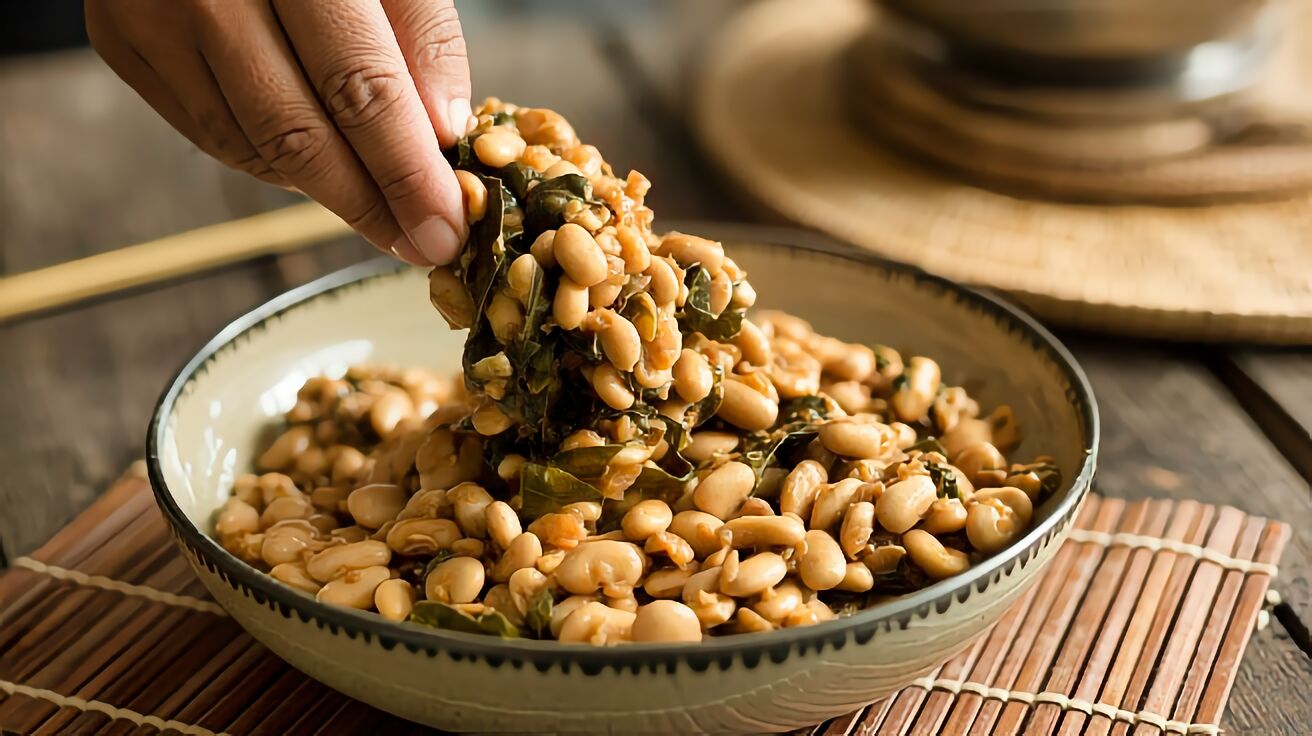
Fried garlic, peanuts, sesame seeds, and beans are typical.
4. Is laphet thoke eaten as a snack or meal?
It can be both, depending on portion size.
5. Why are tea leaves eaten in Myanmar?
They are culturally significant and used in both food and ceremonies.
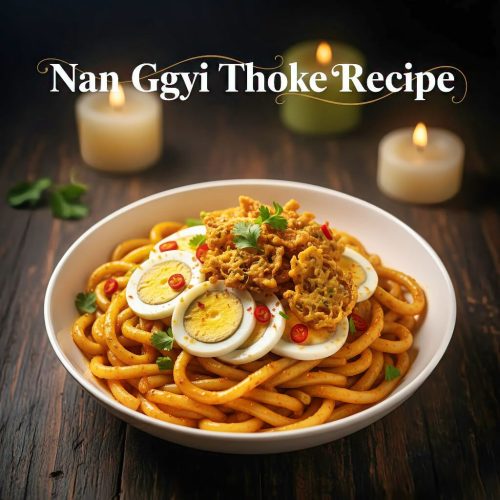
Nan Gyi Thoke
Ingredients
- 16 oz rice noodles
- 8 oz chicken breat cooked and shredded
- 1 cup bean sprouts
- 1 cup cabbage thinly sliced
- 1 cup carrot julienned
- 1 cup cucumber julienned
- 1 cup cilantro chopped
- ¼ cup fish sauce
- ¼ cup lime juice
- 2 tablespoon peanut oil
- 2 tablespoon soy sauce
- 1 tablespoon sugar
- 1 teaspoon chili powder
- 1 clove garlic minced
Instructions
- Cook the rice noodles according to the package directions until tender. Drain them well and set aside to cool slightly.
- Place the cooked noodles in a large mixing bowl. Add the shredded chicken, bean sprouts, cabbage, carrot, cucumber, and cilantro, tossing gently so the ingredients are evenly distributed.
- In a separate bowl, whisk together the fish sauce, lime juice, peanut oil, soy sauce, sugar, chili powder, and minced garlic until the sugar dissolves and the dressing is well blended.
- Pour the dressing over the noodle mixture and toss thoroughly to ensure everything is evenly coated.
- Serve the salad right away, or refrigerate it for about 30 minutes before serving to allow the flavors to come together.
Video

7 comments
Interesting read! But does anyone know if the fermentation process for Laphet differs from other fermented foods?
Indeed, it does differ. Laphets fermentation involves tea leaves, not like your typical kimchi or sauerkraut.
Interesting read! But isnt there a debate about Laphet Thokes origins? Ive heard it might not be purely Burmese. Thoughts?
Isnt it crazy how Laphet Thokes so culturally significant yet underrated globally compared to other salads? Tea leaf salad needs more spotlight, dont you think?
Totally agree! Laphet Thokes obscurity is a culinary injustice. Time to spotlight this gem!
Interesting read! But dont you think Laphet Thokes uniqueness gets undermined when compared to other salads?
Interesting read, but dont you think its critical to discuss the health benefits/risks of consuming fermented tea leaves too?
Comments are closed.