

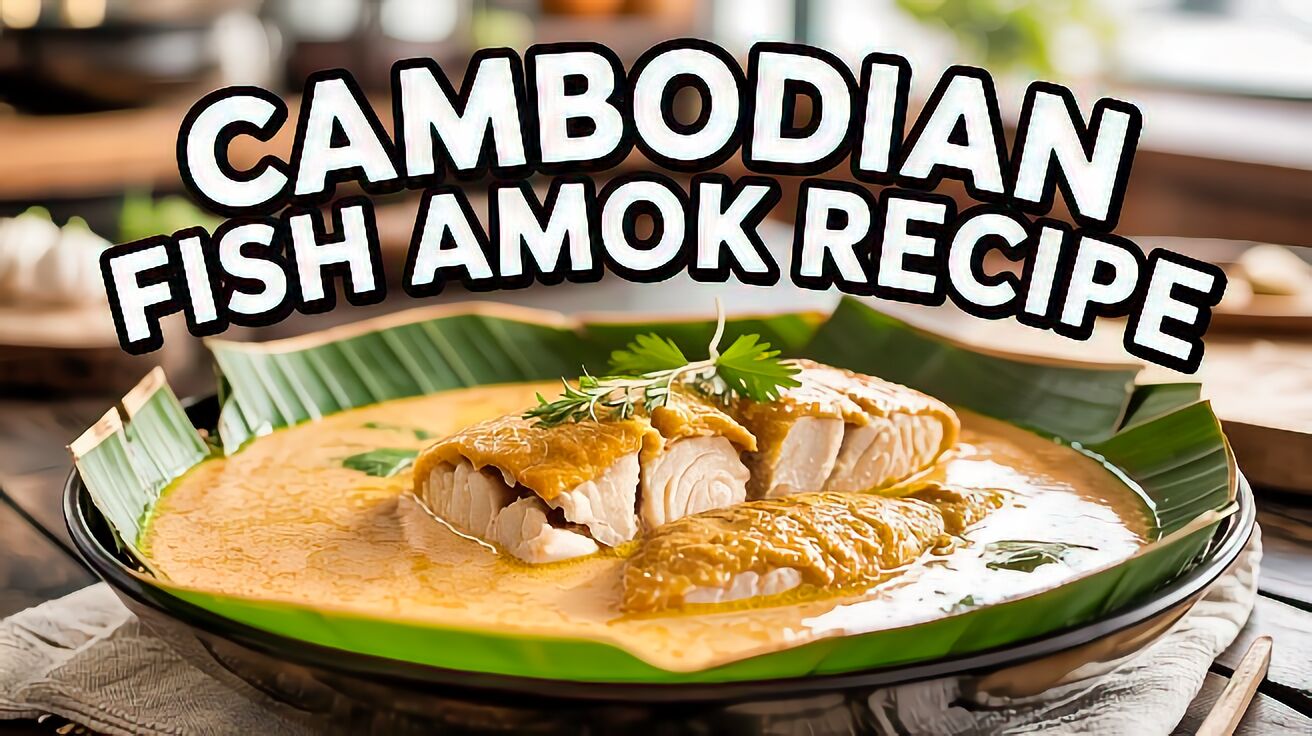
Fish amok is Cambodia’s national dish, and honestly, if you’ve never tried it at home, you’re in for a treat. This Cambodian fish amok recipe brings together tender white fish, coconut milk, and a punchy kroeung paste—think creamy, custardy curry, all gently steamed in banana leaves. It’s a little different than the usual Southeast Asian curries you might know. The texture? Almost mousse-like, not soupy at all.
I’ve been tinkering with this Cambodian fish amok recipe to make sure it works for home cooks and still feels authentic. The flavors and texture are just so unique. Once you get the hang of it, you’ll probably want to make it again and again.
Let’s get into it. I’ll break down everything you need—from how to pick the right fish, to what makes the kroeung paste special, and even some tricks for adjusting the recipe if you’ve got dietary needs. If you’re after a classic Cambodian fish amok recipe, you’re in the right spot.

Traditional Ingredients for Cambodian Fish Amok
The backbone of any authentic Cambodian fish amok is pretty simple: fresh fish, homemade kroeung paste, and coconut milk. Each one matters. The fish gives you that delicate base, the kroeung brings the signature flavor, and the coconut milk ties it all together with a creamy finish.
Essential Fish Selection
For this Cambodian fish amok recipe, I reach for firm white fish—catfish, snakehead, or tilapia are all great. You want something mild that won’t fall apart when steamed. Catfish is the classic choice in Cambodia. Its texture is spot on; it stays together even after mixing with coconut milk and eggs. I slice it into bite-sized pieces, about half an inch thick.
Fresh fish really does make a difference. Look for clear eyes, bright red gills, and springy flesh. If you can’t find fresh, frozen fillets will do—just thaw and pat them dry first.
Key Aromatics and Herbs
The magic of a Cambodian fish amok recipe is in the aromatics. Kaffir lime leaves bring a citrusy pop. I’ll use 4-6 leaves, either shredded or whole for steaming. Fresh turmeric root gives that golden color and earthy flavor. Galangal (sort of like ginger, but sharper and more piney) is a must, and lemongrass adds a bright note that cuts through the richness.
Don’t skip the garlic and shallots—they’re the backbone of the kroeung paste and add real depth to the dish.
Kroeung Paste Components
Kroeung is what makes this Cambodian fish amok recipe stand out. It’s a blend of lemongrass, galangal, kaffir lime leaves, turmeric, garlic, shallots, and sometimes a few Thai chilies if you want heat. If you can find fingerroot (krachai), toss that in too for an extra layer of flavor. I usually blend everything with a splash of water or oil to get a smooth paste. Making it fresh is a bit of work, but store-bought can’t compete.
Traditionally, you’d use a mortar and pestle, but honestly, a food processor is just easier. The texture’s a little different, but it gets the job done.

Step-By-Step Preparation Instructions

Step 1: Prepare the Banana Bowls (Optional): If using banana leaves, fold them into small bowl shapes and secure with toothpicks. Set aside.
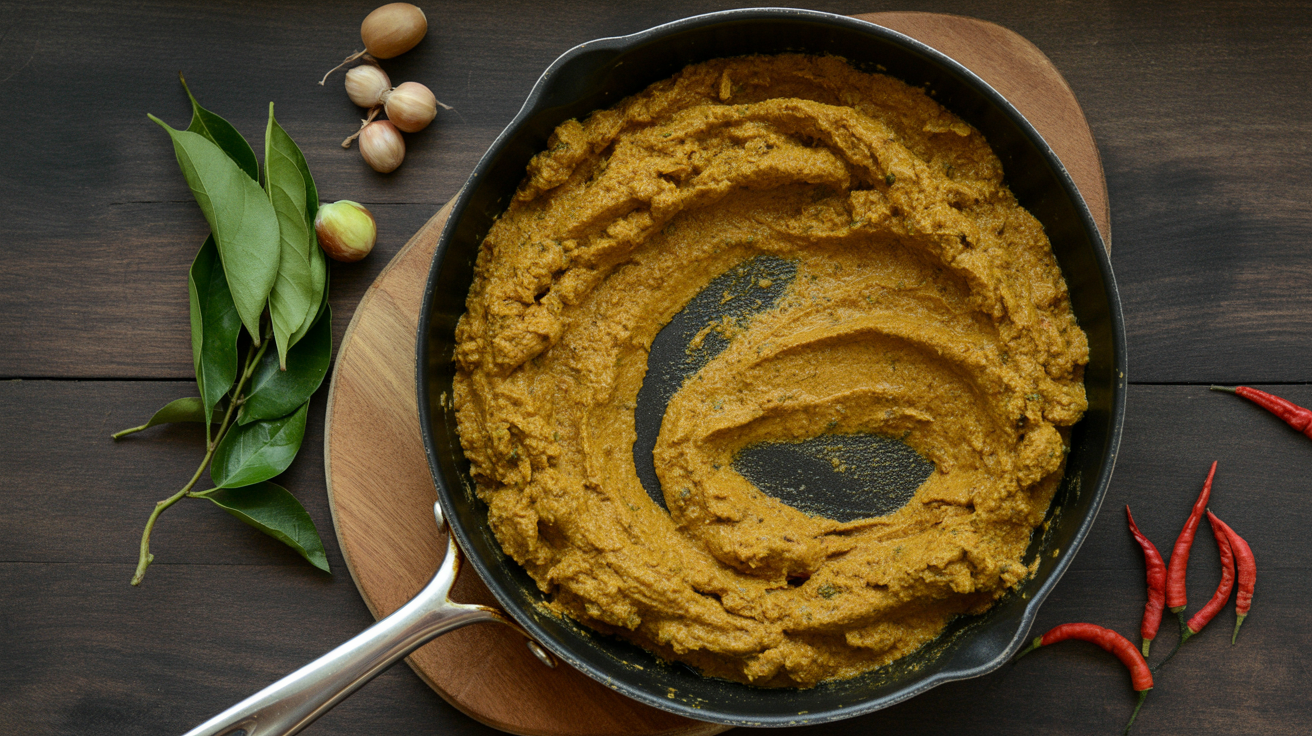
Step 2: Make the Curry Paste (If Using): Trim the root end from the lemongrass and use only the white portion. Cut it into small pieces. Add all curry paste ingredients to a food processor and purée until a smooth paste forms. Add 1 Tbsp water if needed to help it blend.

Step 3: Prepare the Fish Mixture: Add 12 oz of the fish to a food processor and pulse until broken down but not puréed.

Step 4: Transfer to a bowl and add 3 Tbsp curry paste, coconut milk, eggs, fish sauce, sugar, and half of the kaffir lime leaves. Mix thoroughly until fully combined.
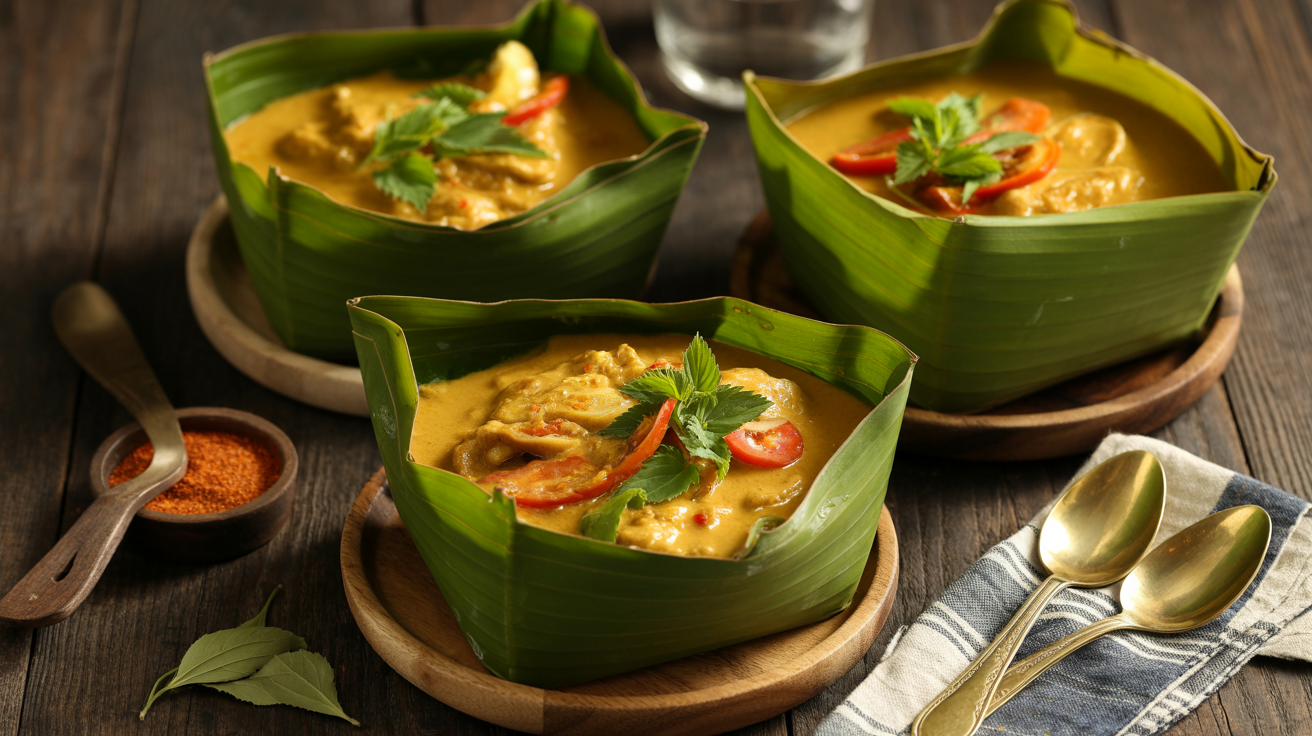
Step 5: Assemble the Amok: Place 3 Thai basil leaves into each banana bowl (or heatproof serving bowl). Divide half of the fish mixture evenly among the bowls.

Step 6: Top each with a reserved slice of fish, then cover with the remaining fish mixture.

Step 7: Steam: Cover and steam for 10 minutes. Remove the lid, spoon 1 Tbsp of the reserved coconut milk over each amok, and sprinkle with the remaining slivered kaffir lime leaves.
Making the Kroeung Paste
First, gather your aromatics—lemongrass, galangal, turmeric, garlic, shallots, and kaffir lime leaves. I peel and chop everything, then toss it all into a food processor or start pounding in a mortar and pestle. If I’m doing it by hand, I always start with the tough stuff like lemongrass and galangal, then add the softer ingredients.
You want the paste to be smooth and fragrant. I usually blend for a couple of minutes, scraping down the sides as I go. Aim for a thick, pesto-like texture.
Key ingredients for kroeung paste:
- 3-4 stalks lemongrass (white parts only)
- 2 tablespoons galangal
- 1 tablespoon fresh turmeric
- 5-6 garlic cloves
- 3-4 shallots
- 4-5 kaffir lime leaves
Marinating the Fish
I cut my fish into chunks, about 1-2 inches. Catfish, cod, or snapper all work. In a big bowl, I mix the kroeung paste with coconut milk, fish sauce, and palm sugar. One beaten egg goes in for that signature custardy texture. My go-to ratio is 2 tablespoons of kroeung per cup of coconut milk.
I fold in the fish gently so every piece gets coated. It needs to chill in the fridge for at least 15-20 minutes. That’s just enough time for the flavors to work their way in.
Cooking Methods for Fish Amok
For a real Cambodian fish amok recipe vibe, I love steaming in banana leaf cups. I cut banana leaves into 8-inch squares, soften them over a flame, then fold into little bowls and pin them with toothpicks.
Fill each cup about three-quarters full with the fish mixture. Top with a spoonful of thick coconut cream and a few torn kaffir lime leaves. Steam for 20-25 minutes over medium heat—done when it’s set and the fish flakes apart easily.
No banana leaves? No problem. Ramekins or small heatproof bowls work. Just make sure the water in your steamer doesn’t touch the bowls. You’ll know it’s ready when it looks like custard and the fish is cooked through.

Serving Suggestions and Presentation
This Cambodian fish amok recipe is best served in banana leaf bowls, with a scoop of jasmine rice to soak up all that creamy curry goodness.
Traditional Banana Leaf Wrapping
If you can get your hands on banana leaves, use them—they add an earthy aroma that pairs perfectly with the curry. Cut them into 6-inch circles, fold into cups, and pin the edges. It’s a bit of a project, but worth it for the look and the subtle flavor.
Can’t find banana leaves? Ramekins or small bowls are totally fine. The taste stays the same, even if you lose a bit of that traditional flair. Honestly, not everyone has access to banana leaves, and that’s okay.
Best Accompaniments
Steamed jasmine rice is a must with this Cambodian fish amok recipe. The rice is just sticky enough to soak up the sauce, and it keeps things balanced.
For a full spread, I like to add:
- Fresh cucumber slices—cool and crisp, perfect contrast
- Pickled vegetables—for a little tang and crunch
- Fresh herbs—Thai basil, cilantro, or mint on the side
Sometimes I’ll serve a simple veggie soup or stir-fried morning glory alongside. And don’t forget a squeeze of lime juice—it really wakes up the flavors just before you dig in.

Tips, Variations, and Dietary Adaptations
This Cambodian fish amok recipe is surprisingly flexible. You can swap in different fish, use chicken or pork, or even make it plant-based and still keep the spirit of the dish alive.
Common Recipe Variations
I’ve tried all sorts of fish in amok—snapper, cod, tilapia, even salmon if I’m feeling fancy. Some folks use chicken or pork, cut into small pieces. It’s all about what you like.
Want it richer? Use more coconut cream. Prefer it lighter? Go with regular coconut milk. You can also play with the spice level—add more chilies for heat, or back off for a milder dish. A touch of palm sugar brings a gentle sweetness that ties everything together.
Steaming methods:
- Banana leaf cups (classic and pretty)
- Ramekins or small bowls (easy and practical)
- One big baking dish (for a crowd, why not?)
- Halved coconut shells (if you want to show off)
So, give this Cambodian fish amok recipe a try. It’s a little project, sure, but the payoff is totally worth it. And hey, if your first batch isn’t perfect, that’s fine—just means you get to make it again.
Vegetarian and Vegan Alternatives
When I want a vegetarian twist on the Cambodian fish amok recipe, I swap in firm tofu, tempeh, or even mushrooms. I usually cut the tofu into cubes and press it—gets rid of all that extra water. Oyster or shiitake mushrooms? They bring this meaty bite that honestly works great when you steam them.
For a vegan Cambodian fish amok recipe, I stick with those veggie substitutes and double-check that the kroeung paste skips fish sauce or shrimp paste. Instead, I’ll reach for soy sauce or tamari—easy swap for that salty kick. Sometimes I’ll toss in seaweed or kelp powder to get a little of that ocean vibe back in the mix.
Honestly, the process doesn’t really change for this Cambodian fish amok recipe, no matter what protein you use. I just steam the veggie amok for about 15-20 minutes, watching for it to set up nicely. If you’re after a plant-based Cambodian fish amok recipe, this approach gets you surprisingly close to the real thing. I’ve made this Cambodian fish amok recipe a bunch of times, and it’s always a hit—even with meat-eaters.
Fish Amok vs Thai Curry
Fish amok and Thai curry are both flavorful Southeast Asian dishes, but they differ greatly in texture, preparation, and overall presentation.
Fish amok is a traditional Cambodian dish made by combining fish with coconut milk, eggs, and aromatic spices, then steaming the mixture in banana leaves. The result is a firm, custard-like texture that is rich yet delicate. The flavors are mild, slightly sweet, and fragrant, with an emphasis on balance rather than heat.
Thai curry, in contrast, is a saucy dish made with curry paste, coconut milk, and a variety of herbs and spices. It has a liquid consistency and is often spicier, with bold flavors from ingredients like chili, lemongrass, and kaffir lime. Thai curry is typically served as a stew-like dish alongside rice.
The main difference is cooking method and texture: fish amok is steamed and set like a custard, while Thai curry is liquid and more intense in flavor.
Choose fish amok if you prefer a gentle, refined dish with a unique texture. Opt for Thai curry if you want a bold, spicy, and saucy meal with strong flavors.

Cambodian Fish Amok Recipe FAQ
1. What is fish amok?
A traditional Cambodian dish made with fish and curry paste steamed in banana leaves.
2. What gives fish amok its texture?
Eggs and coconut milk create a custard-like consistency.
3. Why is it steamed instead of cooked in a pot?
Steaming helps maintain its delicate texture.
4. What herbs are used in fish amok?
Lemongrass, kaffir lime leaves, and galangal.
5. Is fish amok considered a national dish?
Yes, it is one of Cambodia’s most iconic dishes.

Cambodian Fish Amok
Ingredients
- 2 stalks lemon grass (remove dry outer leaves) white part only
- 2 pieces ginger root minced
- 1 clove garlic
- 5 small red peppers dried red chilies soaked for 5 minutes in hot water, drained
- pinch turmeric fresh
- 16 oz fish firm white
- 14 oz coconut milk reserve 3 tbsp for garnish
- 2 eggs
- 2 tbsp fish sauce
- 2 tbsp sugar
- 5 lime leaves kaffir sliced thinly (separated)
- 9 basil leaves
Instructions
- Prepare the Banana Bowls (Optional): If using banana leaves, fold them into small bowl shapes and secure with toothpicks. Set aside.

- Make the Curry Paste (If Using): Trim the root end from the lemongrass and use only the white portion. Cut it into small pieces. Add all curry paste ingredients to a food processor and purée until a smooth paste forms. Add 1 Tbsp water if needed to help it blend.

- Prepare the Fish Mixture: Add 12 oz of the fish to a food processor and pulse until broken down but not puréed.

- Transfer to a bowl and add 3 Tbsp curry paste, coconut milk, eggs, fish sauce, sugar, and half of the kaffir lime leaves. Mix thoroughly until fully combined.

- Assemble the Amok: Place 3 Thai basil leaves into each banana bowl (or heatproof serving bowl). Divide half of the fish mixture evenly among the bowls.

- Top each with a reserved slice of fish, then cover with the remaining fish mixture.

- Steam: Cover and steam for 10 minutes. Remove the lid, spoon 1 Tbsp of the reserved coconut milk over each amok, and sprinkle with the remaining slivered kaffir lime leaves.

Video

11 comments
Does anyone else think substituting catfish in the Fish Amok recipe could give it a unique twist? Might be worth a try!
Absolutely! Catfish could add an unexpected but exciting flavor to Fish Amok. Lets experiment!
Is anyone else curious if substituting chicken for fish in the Amok recipe would maintain the traditional flavor profile?
Just wondering, wouldnt the flavor profile of Fish Amok change significantly if one substituted traditional Cambodian herbs with those more locally available?
Locally sourced herbs might alter the taste, but isnt culinary creativity worth exploring?
Is there any alternative for kaffir lime leaves in Kroeung paste? Cant seem to find them anywhere locally. Any suggestions?
Try Bay leaves or lemon zest, might not be authentic but its better than none!
Isnt it true that using catfish instead of snakehead fish would drastically alter the authentic taste of Fish Amok?
Has anyone tried substituting the traditional fish with tofu in the Fish Amok recipe? Would the Kroeung paste flavors still hold up?
Anyone else think substituting catfish for traditional snakehead fish in Fish Amok slightly alters the taste profile?
Just wondering, wouldnt the flavor profile change drastically if we substitute catfish for tilapia in the Fish Amok recipe?
Comments are closed.