


The Cuban rice and beans recipeis one of those dishes that feels like a warm hug on a plate. The simple combination of rice, beans, and spices creates a satisfying meal that is perfect for any occasion. This classic Cuban comfort food brings together black beans and rice with garlic, cumin, and often bacon or pork to create a dish that’s much more than the sum of its parts. The Cuban rice and beans recipe is beloved for its comforting flavors and ease of preparation.
What makes a Cuban rice and beans recipe stand out is the way the flavors blend as they cook together. The beans and rice simmer in the same pot, allowing the rice to soak up all the savory seasonings and become infused with flavor. This versatile Cuban dish works perfectly as a side with meat or chicken, but it’s filling enough to enjoy on its own as well. A true Cuban rice and beans is both hearty and adaptable, making it a staple in many homes.
I’m going to walk you through everything you need to know to make an authentic Cuban rice and beans recipe at home. We’ll explore the origins of this beloved dish, the ingredients that give it its distinctive taste, and how to cook it step by step. You’ll also discover different ways to serve a Cuban rice and beans recipe and some popular variations you can try in your own kitchen.

Origins and Cultural Significance of Cuban Rice and Beans
Cuban rice and beans represent more than just a meal—they are a symbol of resilience and heritage. This dish sustained generations of Cubans through both hard times and celebrations, blending African and Spanish culinary traditions into something uniquely Cuban. The rice and beans recipe is a testament to the island’s rich history and cultural fusion.
History and Meaning Behind Moros y Cristianos
The name Moros y Cristianos carries deep cultural history and translates to “Moors and Christians,” referencing the medieval conflict between North African Muslims and Spanish Christians. The black beans represent the Moors, while the white rice symbolizes the Christians, making every Cuban rice and beans recipe a dish with a story.
This naming reflects Spain’s influence on Cuban cuisine, but the dish itself is rooted in a broader history. Its origins come from Afro-Cuban roots mixed with Spanish influences, with African slaves bringing bean-cooking traditions and Spanish colonizers contributing rice cultivation techniques. The rice and beans recipe is now essential because rice and beans together form a complete protein, making it a vital dish during times when meat was scarce. Today, the Cuban rice and beans recipe is a staple at almost every Cuban restaurant, bringing families together around the table.
Regional Variations: Congri vs. Moros y Cristianos
Many people wonder about the differences between congri and moros y cristianos, two popular versions of the Cuban rice and beans recipe. Both are delicious, but they have key differences in preparation and flavor. In the Cuban rice and beans recipe known as Moros y Cristianos, the beans and rice are cooked separately and combined just before serving, preserving the distinct textures of each component.
In contrast, the congri version of the Cuban rice and beans recipe cooks everything together in one pot, allowing the rice to absorb the black bean liquid and take on a darker color. Some congri recipes include pork for extra richness, making this Cuban rice and beans recipe especially hearty. The terms can vary by region, with some areas using them interchangeably, but understanding the difference can help you choose the Cuban rice and beans recipe that best suits your taste.

Key Ingredients and Flavor Foundations
The heart of any Cuban rice and beans recipe lies in its core ingredients and the way they work together. The beans, rice, sofrito base, and seasonings each play a crucial role in building the authentic flavor that defines a Cuban rice and beans recipe. Knowing how to select and prepare these ingredients is key to making the perfect rice and beans recipe at home.
Black Beans: Dried vs. Canned Options
When making a Cuban rice and beans recipe, you can use either dried black beans or canned black beans, each offering unique benefits. Dried black beans provide more control over texture and result in a richer, more flavorful cooking liquid, but they require soaking and longer cooking time. Canned black beans, on the other hand, save time and still yield a delicious Cuban rice and beans recipe, especially when you rinse and drain them before use.
For the best Cuban rice and beans recipe, season the cooking water for dried beans with salt, garlic, and bay leaf to build flavor from the start. If you’re using canned beans, boost the taste of your Cuban rice and beans recipe by adding extra spices to the sofrito. The choice between dried and canned beans comes down to your schedule and flavor preferences, but either way, your rice and beans recipe will be satisfying and delicious.
Choosing the Right Rice for Authentic Texture
Long grain white rice is the foundation of an authentic Cuban rice and beans recipe. I prefer long-grain rice because it stays fluffy and the grains remain separate, which is essential for a true Cuban rice and beans recipe. Rinsing the rice before cooking removes excess starch and ensures the final dish isn’t sticky or gummy.
The liquid-to-rice ratio is important for a perfect Cuban rice and beans recipe—I typically use two cups of liquid for every one cup of rice. While some cooks use medium-grain rice, I find that long-grain rice absorbs the bean broth better and maintains its structure, making it ideal for any Cuban rice and beans recipe.
The Role of Sofrito in Cuban Cooking
Every great rice and beans recipe starts with a flavorful sofrito. I make mine by sautéing onion, garlic, and green pepper in oil until soft and aromatic, which forms the base for the Cuban rice and beans recipe. Cooking the vegetables low and slow, usually for 8-10 minutes, lets the flavors develop and infuse the entire dish.
Some Cuban rice and beans recipe variations add tomato paste or cumin to the sofrito for deeper flavor. Using fresh ingredients and finely mincing the garlic, onion, and green pepper ensures a smooth, well-blended base for your Cuban rice and beans recipe.
Essential Seasonings and Aromatics
The right seasonings can transform a simple Cuban rice and beans recipe into something truly special. Ground cumin is essential, adding a warm, earthy note, while dried oregano brings a subtle herbal flavor. Bay leaf infuses the Cuban rice and beans recipe as it cooks, and salt and black pepper should be added gradually to taste.
Fresh garlic is non-negotiable in a Cuban rice and beans recipe—I use at least 4-6 cloves for a full batch. The combination of garlic, onion, and green pepper is often called the “holy trinity” of Cuban rice and beans seasonings. These aromatics, along with quality olive oil, are the backbone of any delicious rice and beans recipe.

Step-by-Step Cooking Guide

Step 1: Place the chopped bacon in a large, heavy pot with a tight-fitting lid. Cook over medium-high heat, stirring occasionally, until the bacon is browned and crisp, about 6 minutes.
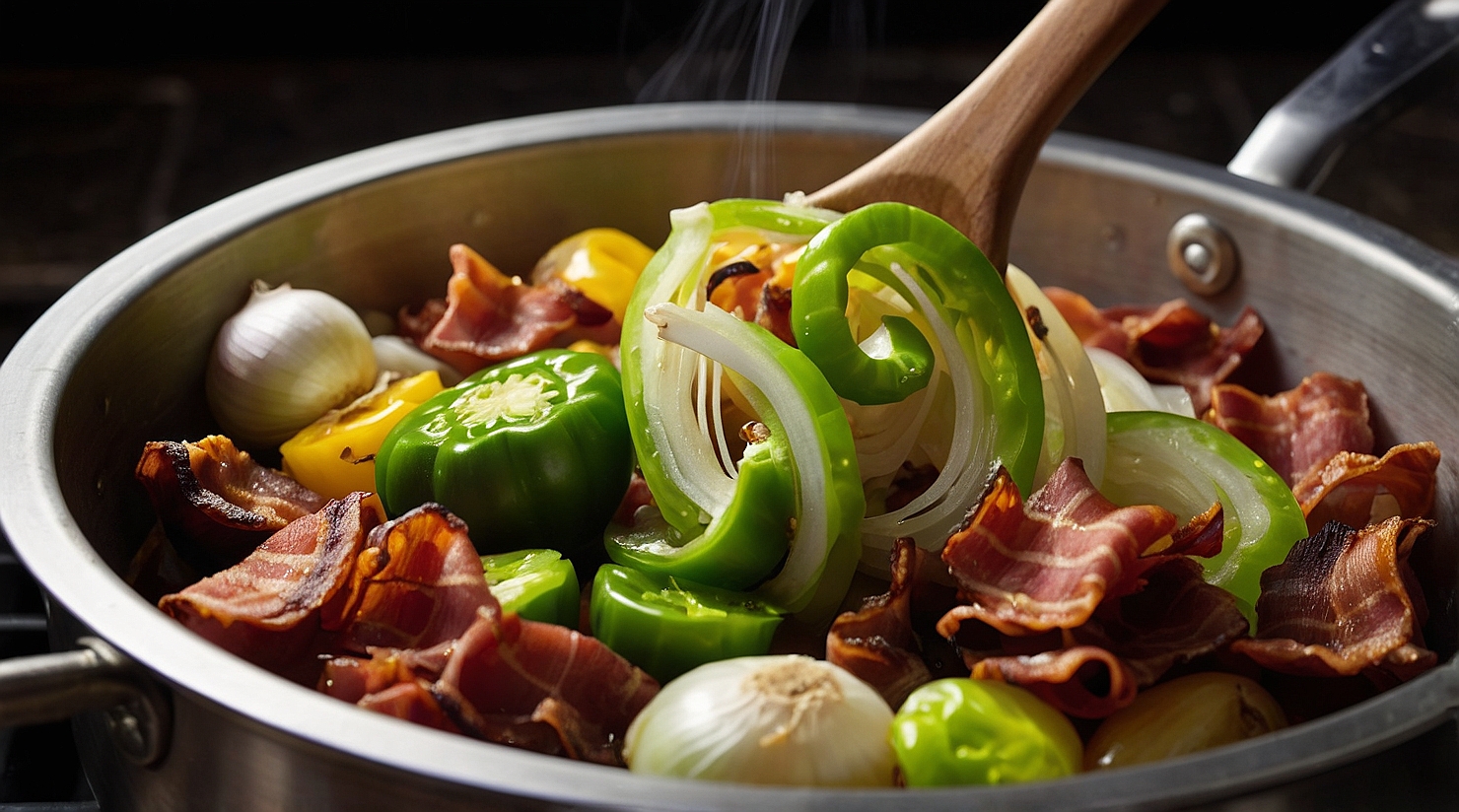
Step 2: Add the onion, garlic, green pepper, and salt to the pot. Cook, stirring, until the onions soften and become translucent, about 5 minutes.
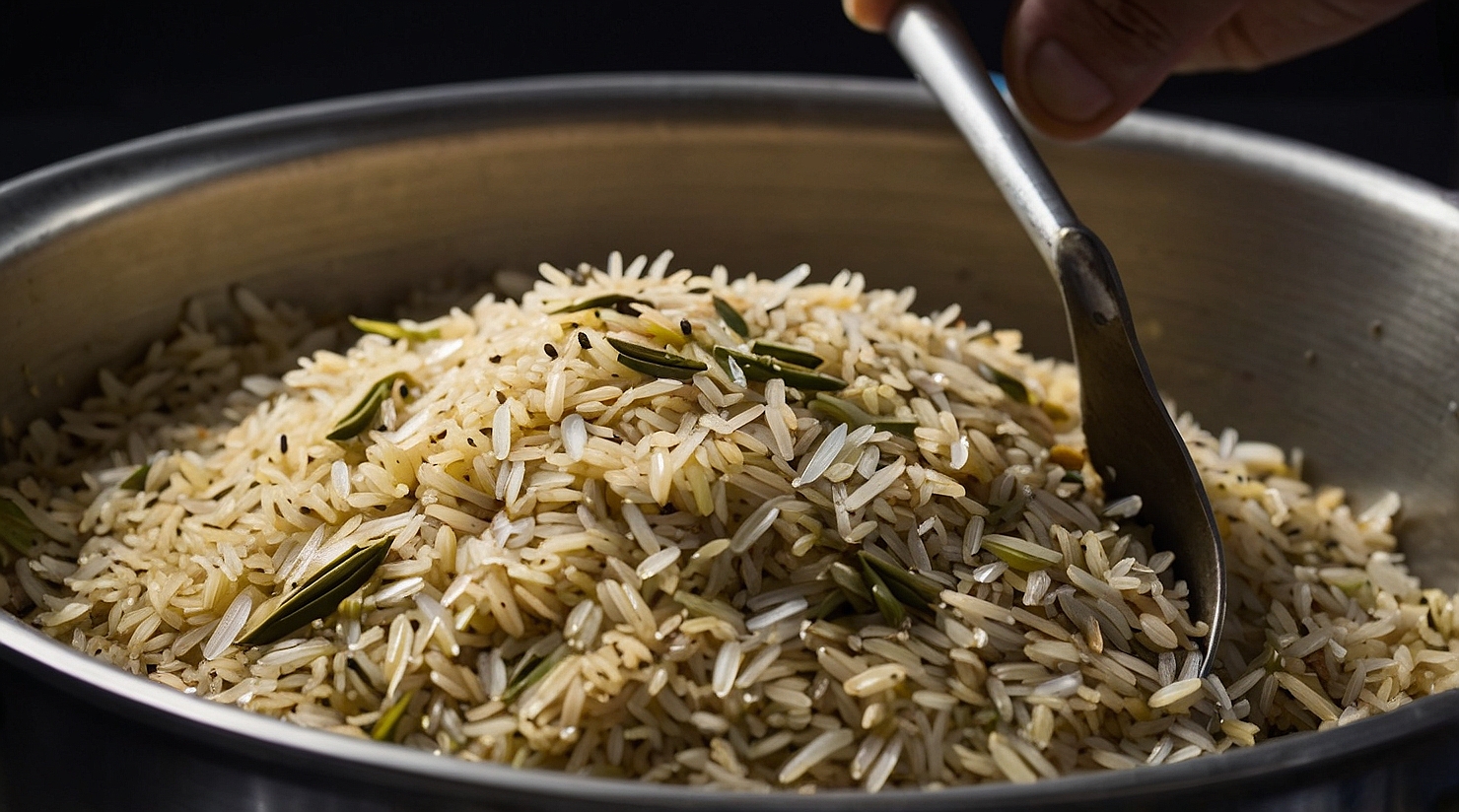
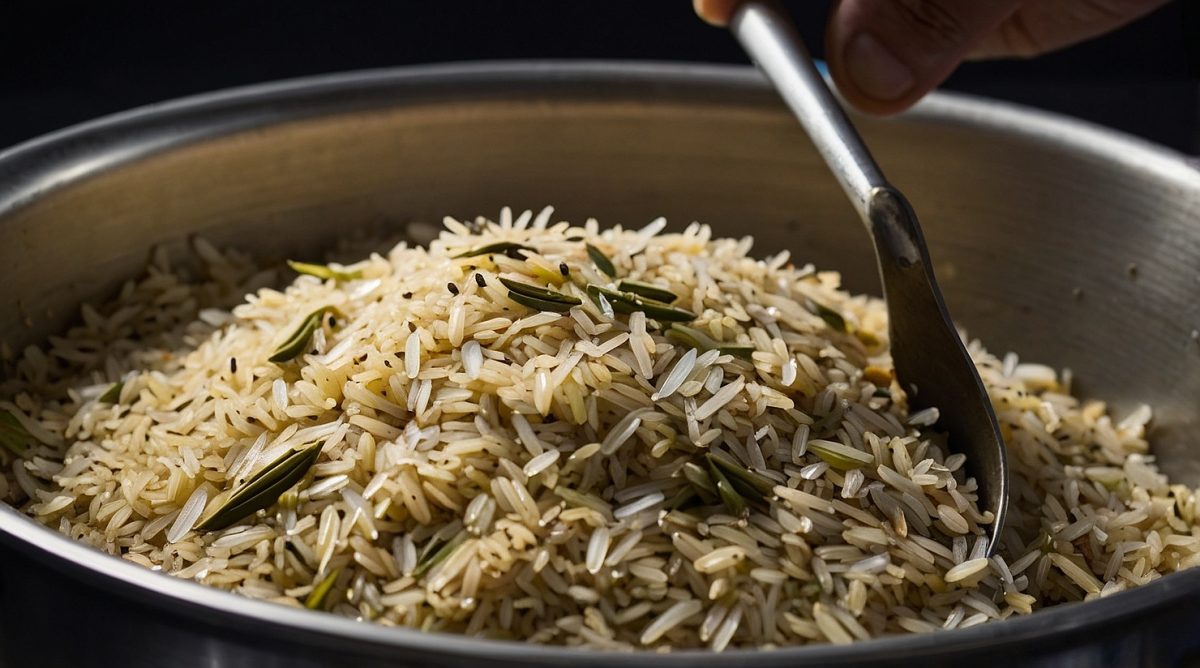
Step 3: Stir in the chicken bouillon, bay leaves, cumin, oregano, and rice. Mix well for about 1 minute so the rice is evenly coated and combined with the seasonings.

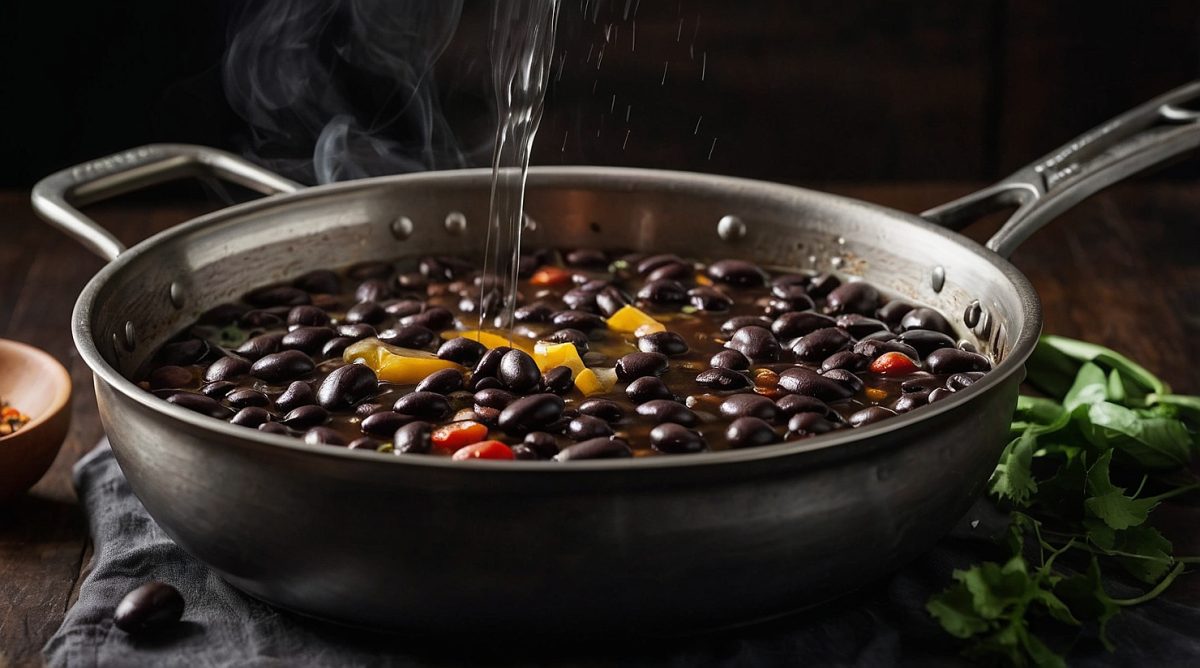
Step 4: Add the beans along with their liquid, the red wine vinegar, and water. Stir to combine, then bring to a boil. As soon as it starts boiling, reduce the heat to a low simmer. Cover tightly and cook for 45 minutes without lifting the lid.
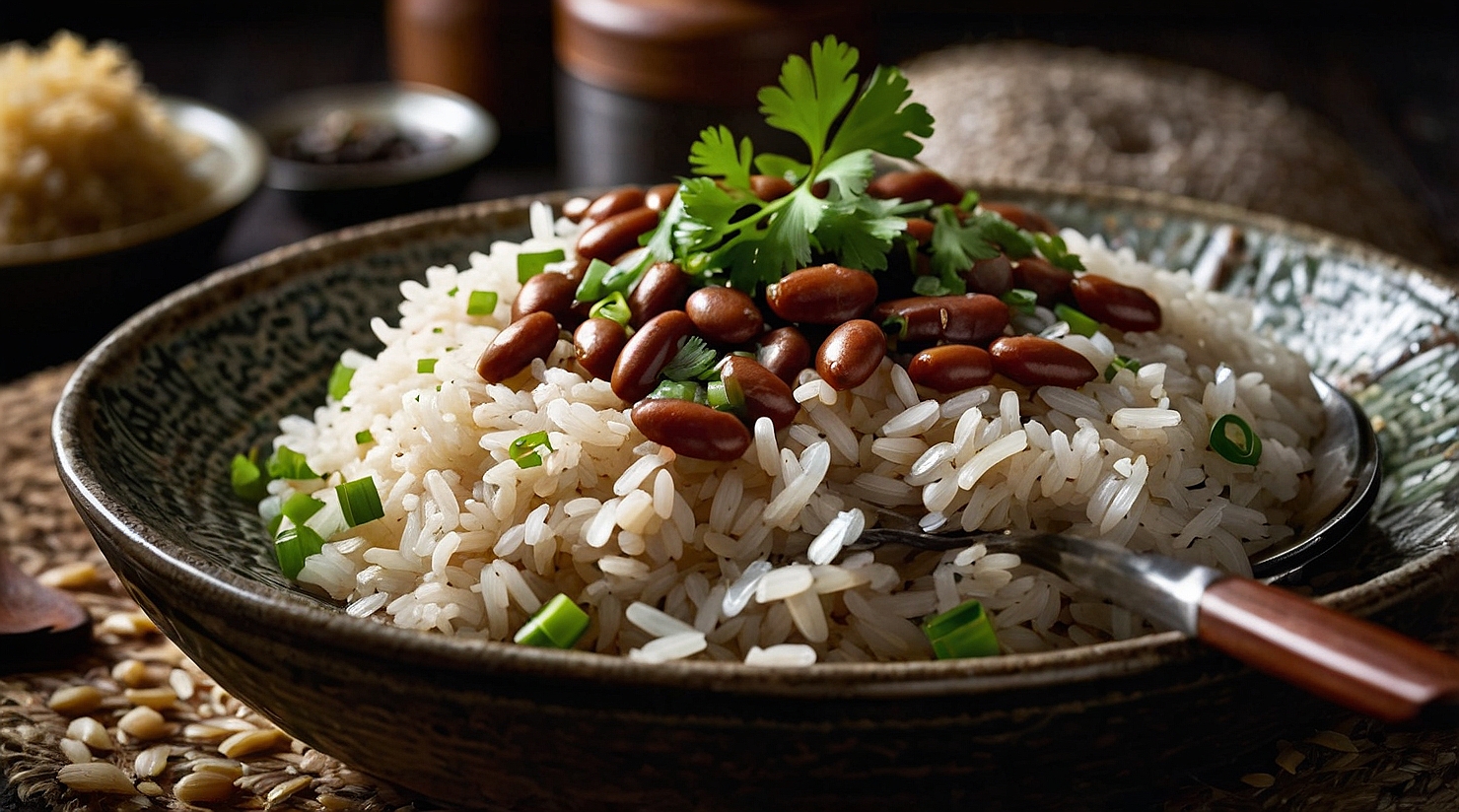
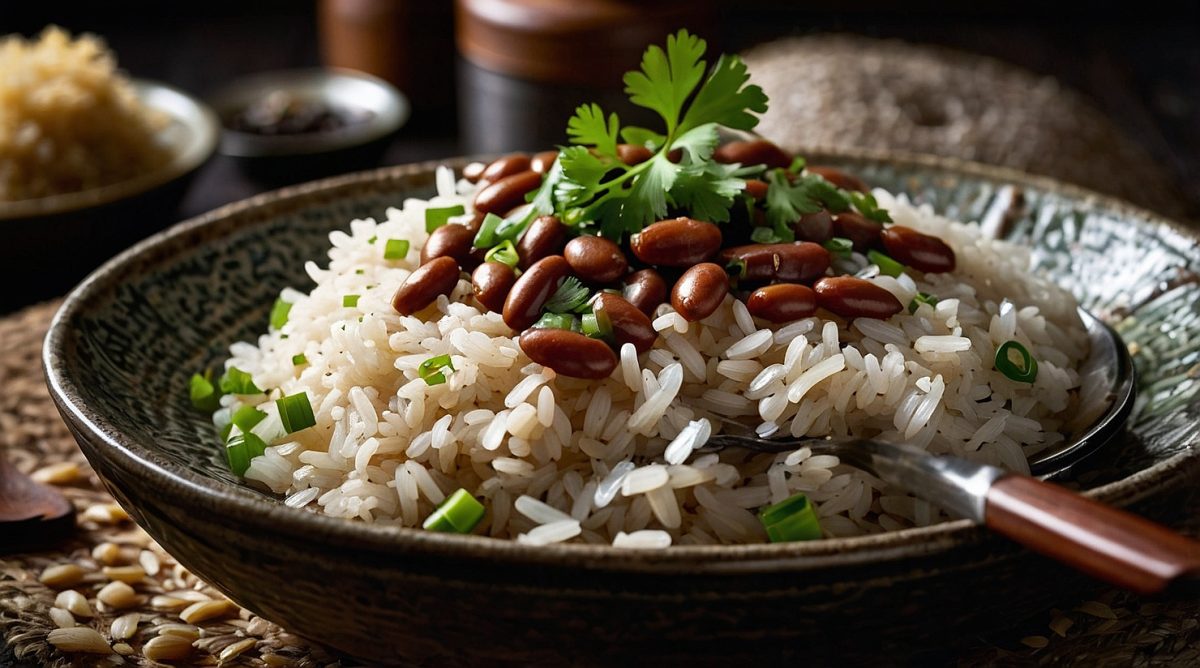
Step 5: Remove the pot from the heat and let it sit, still covered, for another 10 minutes. Fluff the rice gently with a fork before serving, and garnish with cilantro or green onions if desired.
Preparation and Equipment
Before starting your Cuban rice and beans recipe, gather all your ingredients and equipment. A heavy-bottomed pot with a tight-fitting lid, such as a Dutch oven, is ideal for even heat distribution. Rinse your rice thoroughly under cold water until the water runs clear to prevent gumminess in your Cuban rice and beans recipe, and drain your black beans while reserving their liquid for later use.
Dice one large onion, one bell pepper, and mince four garlic cloves for the sofrito base of your rice and beans recipe. Measure out your spices—cumin, oregano, and bay leaves—so everything is ready before you start cooking. This organization will make the Cuban rice and beans recipe process smooth and enjoyable.
Cooking Cuban Rice and Beans: Traditional Method
To begin your rice and beans recipe, heat two tablespoons of olive oil in your pot over medium heat. Add the diced onion and bell pepper and cook for about five minutes until softened. Next, add the minced garlic and cook for one minute until fragrant, stirring constantly to avoid burning, then add one teaspoon of cumin and one teaspoon of dried oregano, mixing them into the vegetables.
Pour in your rinsed rice and stir it with the sofrito for two minutes to coat each grain with the flavorful oil and spices. Add the drained black beans and mix everything together. Now, pour in the reserved bean liquid (see next section) along with two bay leaves, bring the mixture to a boil, then reduce the heat to low, cover tightly, and let your rice and beans recipe simmer for 20 to 25 minutes without lifting the lid.
Using the Bean Cooking Liquid
The secret to a flavorful rice and beans recipe is using the bean cooking liquid. If you’re using canned beans, combine the reserved liquid with water or chicken broth to get two and a half cups total. This starchy, seasoned liquid adds depth to your Cuban rice and beans recipe and helps create a creamy texture.
If the canned bean liquid is too salty, use half bean liquid and half low-sodium broth in your Cuban rice and beans recipe. For homemade beans, always save the cooking liquid for the most concentrated flavor. Make sure the liquid is warm or at room temperature before adding it to your Cuban rice and beans recipe to avoid affecting the cooking time.
Tips for Perfect Consistency and Flavor
For the best Cuban rice and beans recipe, avoid stirring the rice while it cooks, as this can make it sticky. After 20 minutes, check if the liquid is absorbed by tilting the pot slightly. If the rice is tender but there’s still liquid, remove the lid and cook for a few more minutes; if undercooked and dry, add a quarter cup of warm water, cover, and cook for five more minutes.
When your Cuban rice and beans recipe is done, let it rest covered for five minutes off the heat to finish steaming and allow the flavors to settle. Fluff the rice gently with a fork before serving. Add a splash of vinegar or lime juice and fresh cilantro for brightness—these finishing touches make your rice and beans recipe stand out.

Serving Suggestions and Variations
A Cuban rice and beans recipe works beautifully as both a hearty main dish and a flavorful side. This classic comfort food is easy to adapt to different meals and preferences, making the Cuban rice and beans recipe a versatile choice for any table. Try serving your rice and beans recipe with grilled meats, roasted vegetables, or enjoy it on its own for a satisfying meal.
Classic Pairings and Side Dishes
I find that Cuban rice and beans pairs well with meat or poultry as a side dish. The savory black beans and fluffy rice in a Cuban rice and beans recipe complement grilled chicken, pork chops, or roasted pork perfectly. Adding a Cuban rice and beans recipe to your table brings a delicious, hearty element that everyone enjoys.
For a complete Cuban meal, I serve my rice and beans recipe alongside fried plantains and a simple green salad. The sweet plantains balance the savory beans nicely, enhancing the Cuban rice and beans recipe experience. I also like to add sliced avocado and a squeeze of lime juice on top for extra flavor, which elevates the Cuban rice and beans recipe to a whole new level.
When I want to serve a Cuban rice and beans recipe as the main course, I add a fried egg on top or serve it with grilled vegetables. A dollop of sour cream and some fresh cilantro make great toppings too, making the Cuban rice and beans recipe even more satisfying. With these additions, the Cuban rice and beans recipe becomes a versatile and filling meal on its own.
Make-Ahead and Storage Tips
I often make my Cuban rice and beans recipe ahead of time because the flavors deepen and taste even better the next day. The rice and beans recipe keeps well in the fridge for up to five days in an airtight container, making it perfect for meal prepping. Having a Cuban rice and beans recipe ready to go means you can enjoy a quick and delicious meal any time.
To reheat a rice and beans recipe, I add a splash of water or broth to the beans since they thicken when cold. I warm them on the stove over medium heat, stirring occasionally, and the rice reheats well in the microwave with a damp paper towel on top. This way, the Cuban rice and beans recipe stays moist and flavorful even after reheating.
For longer storage, I freeze portions of my Cuban rice and beans recipe in freezer bags for up to three months. I let everything cool completely before freezing to maintain the best texture, ensuring the Cuban rice and beans recipe is always ready for a quick meal. Freezing a Cuban rice and beans recipe in advance is a convenient way to enjoy this classic dish whenever you want.
Creative Variations for the Home Cook
Modern cooks experiment with different ingredients to give this classic dish new flavors. For example, I sometimes use red kidney beans instead of black beans for a different look and taste when preparing a rice and beans recipe.
Adding roasted red peppers gives the Cuban rice and beans recipe a sweet, smoky flavor I really enjoy. I also like using chicken or vegetable broth instead of water to make the rice more flavorful in my Cuban rice and beans recipe.
Some days, I stir in diced tomatoes or tomato paste for extra richness, which enhances the overall Cuban rice and beans recipe. For a spicier version, I add jalapeños or a dash of hot sauce to my rice and beans recipe.
Fresh oregano and bay leaves bring out the traditional Cuban flavors even more in any rice and beans recipe. These simple additions can make your Cuban rice and beans recipe stand out at the dinner table.
When you want to try something new, consider adding your favorite vegetables to your Cuban rice and beans recipe. The versatility of a Cuban rice and beans recipe means you can adapt it to suit your taste or dietary preferences.
Experimenting with spices and herbs can elevate your rice and beans recipe to the next level. With just a few tweaks, your Cuban rice and beans recipe will become a family favorite.

Rice and Beans vs Congrí
When exploring Cuban-style sides, it’s helpful to understand how rice and beans compare to congrí. While both include the same core ingredients, the cooking method creates very different results.
Rice and beans are typically prepared separately and then served together. In this style, white rice is cooked on its own, while black beans are simmered with garlic, onions, and spices. When combined on the plate, the flavors remain somewhat distinct, allowing you to control the ratio of rice to beans in each bite. This approach creates a lighter, more flexible dish.
Congrí, on the other hand, is made by cooking rice and beans together in one pot. In a traditional congrí recipe, the rice absorbs the seasoned bean broth as it cooks, resulting in a unified, deeply flavorful dish. The grains take on color and richness, and every bite is infused with the same savory profile.
If you prefer a lighter, customizable combination, rice and beans are a great choice. If you want a more cohesive, flavor-packed dish, congrí is the way to go.
Cuban Rice and Beans Recipe FAQ
1. Are Cuban rice and beans cooked together or separately?
They can be prepared either way, but traditionally they are often cooked separately and served together.
2. What type of beans are used?
Black beans are the most common in Cuban cuisine.
3. What seasonings are used in Cuban rice and beans?
Garlic, onion, cumin, oregano, and bay leaves are typical.
4. Why is sofrito important in this dish?
Sofrito adds depth and forms the flavor base of the dish.
5. Can Cuban rice and beans be vegetarian?
Yes, it can easily be made without meat.

Cuban Rice and Beans Recipe
Ingredients
- 6 slices bacon chopped
- 1 onion finely chopped, about 1 cup
- 6 cloves garlic finely minced
- 1 green pepper seeded and finely chopped, about 3/4 cup
- 1 tsp salt
- 2 ½ tsp chicken bouillon cube
- 2 bay leaves
- ½ tsp cumin ground
- 1 tsp oregano dried
- 1 ½ cups rice long grain white uncooked
- 30 oz black beans canned with liquids, (15.5 oz each can)
- 1 tbsp red wine vinegar
- 1 ⅔ cups water
Instructions
- Place the chopped bacon in a large, heavy pot with a tight-fitting lid. Cook over medium-high heat, stirring occasionally, until the bacon is browned and crisp, about 6 minutes.
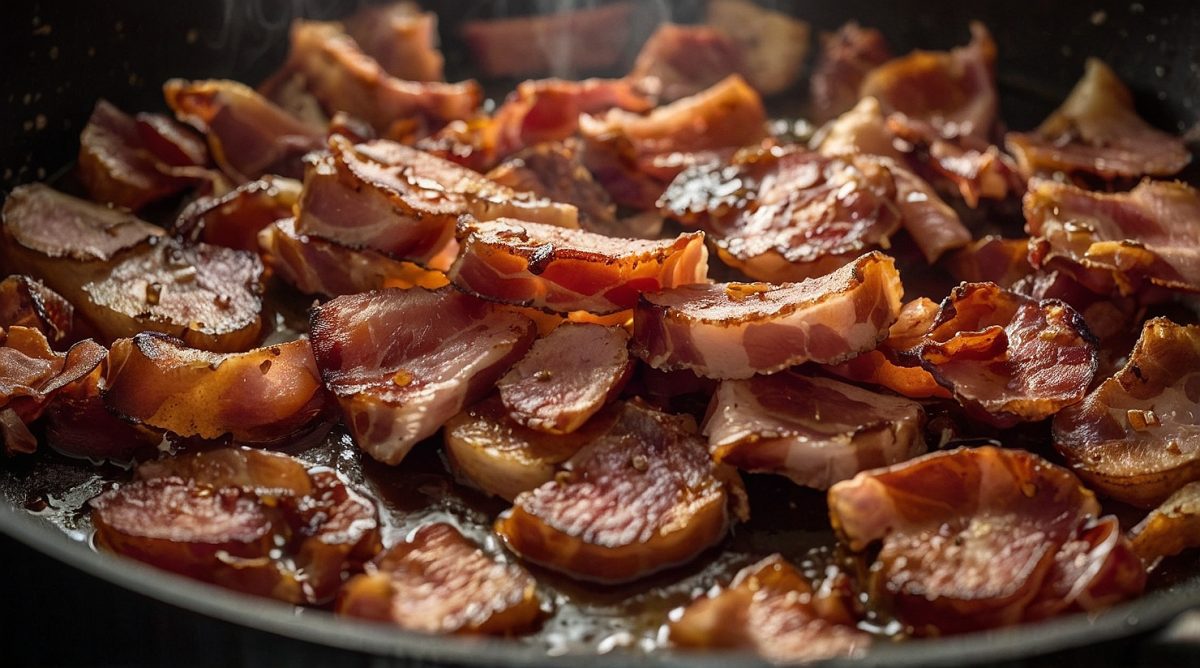
- Add the onion, garlic, green pepper, and salt to the pot. Cook, stirring, until the onions soften and become translucent, about 5 minutes.

- Stir in the chicken bouillon, bay leaves, cumin, oregano, and rice. Mix well for about 1 minute so the rice is evenly coated and combined with the seasonings.
- Add the beans along with their liquid, the red wine vinegar, and water. Stir to combine, then bring to a boil. As soon as it starts boiling, reduce the heat to a low simmer. Cover tightly and cook for 45 minutes without lifting the lid.
- Remove the pot from the heat and let it sit, still covered, for another 10 minutes. Fluff the rice gently with a fork before serving, and garnish with cilantro or green onions if desired.
Video

