

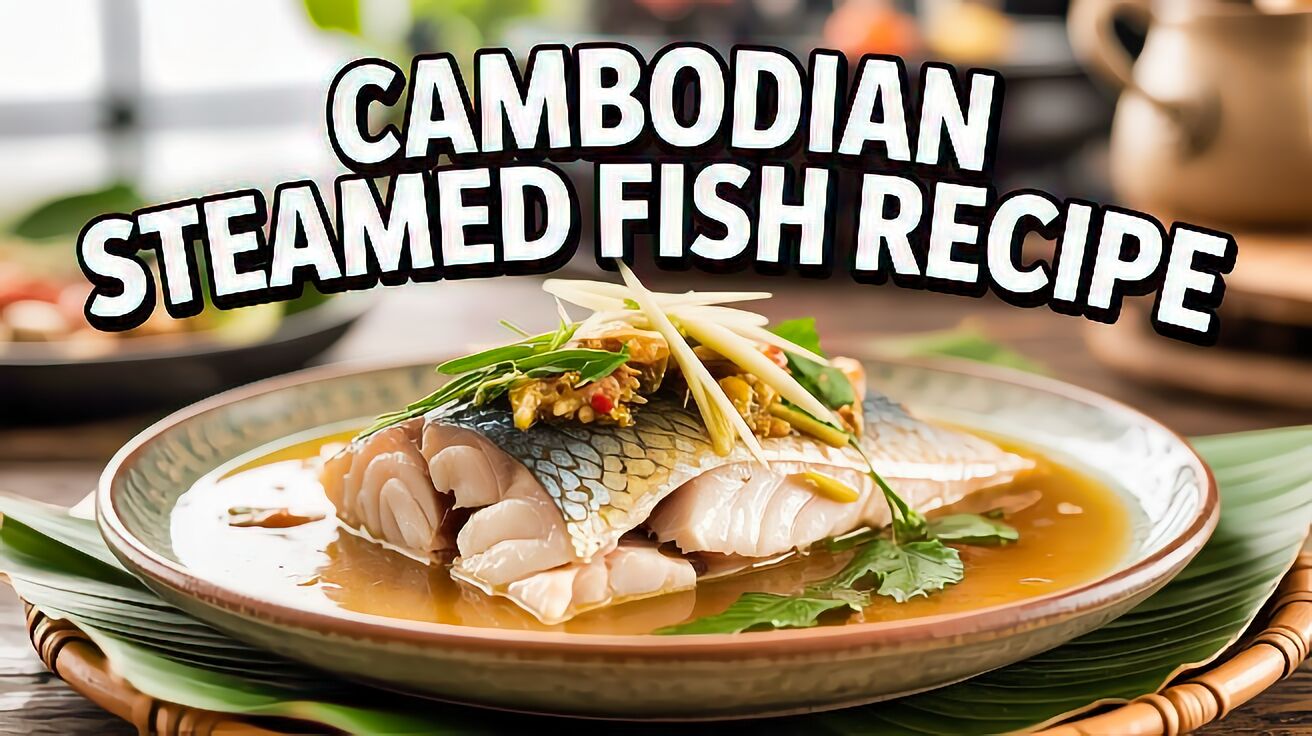
Cambodian steamed fish is a delicate curry made with white fish, coconut milk, aromatic herbs like lemongrass and galangal, and a special spice paste called kroeung. Traditionally, people steam it in banana leaves for that custard-like texture. This national dish of Cambodia blends gentle heat and bold Southeast Asian flavors, but it’s not going to knock you over with spice. Making a Cambodian steamed fish recipe at home? Honestly, it’s way easier than it looks.
The real magic here is in the creamy coconut and all those fragrant herbs. Instead of simmering like a regular curry, you’re steaming—so you end up with a silky fish custard that’s just ridiculously good. I’ll show you how to pick the right fish, whip up the essential kroeung paste, and nail the steaming process for your Cambodian steamed fish recipe.
But there’s more to it than just cooking steps. This dish means a lot in Cambodian culture. I’ll share which ingredients give it that unmistakable aroma, how to get the texture just right, and how to serve it so it actually feels like a treat. Banana leaves or ramekins—either way, this Cambodian steamed fish recipe brings real-deal Khmer flavors to your kitchen.
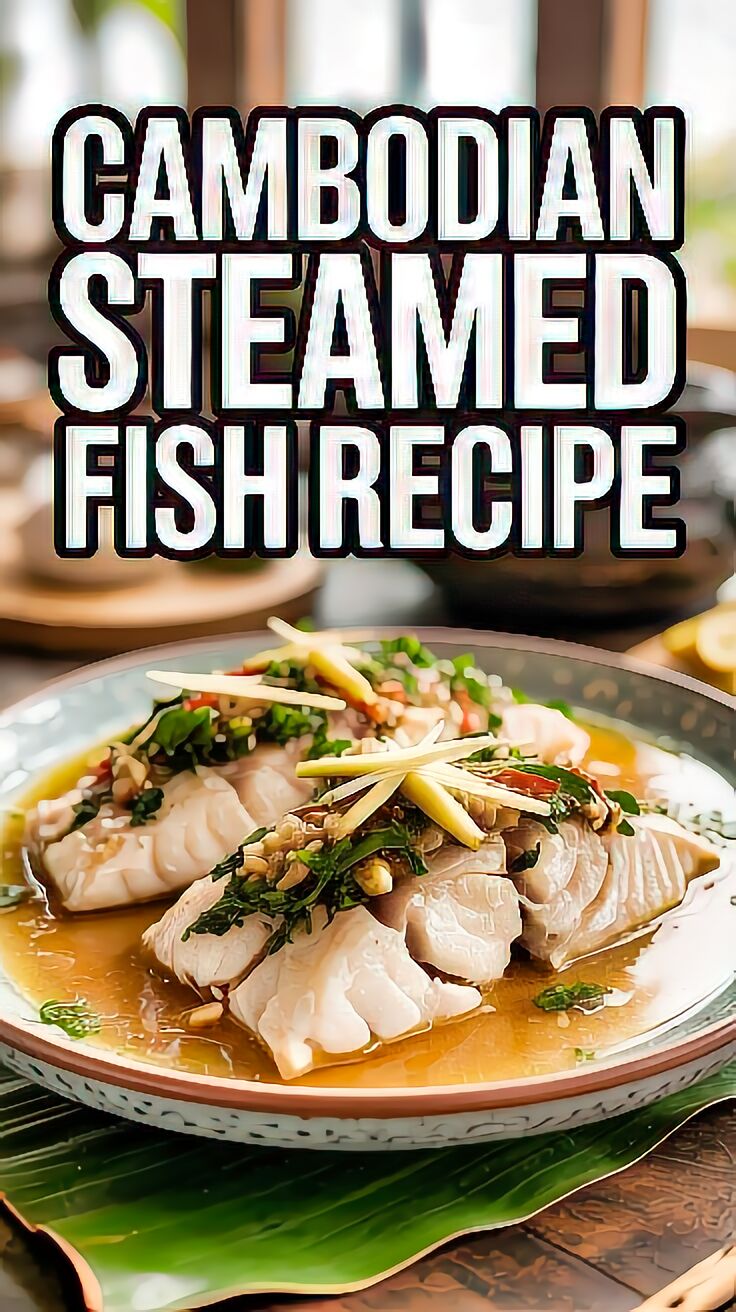
Essential Ingredients for Cambodian Steamed Fish
Getting your Cambodian steamed fish recipe right starts with fresh white fish and a mix of aromatic herbs—think lemongrass, galangal, and the all-important kroeung spice paste. That’s where the magic happens.
Key Fish Varieties Used
For this dish, I always go with a firm white fish that won’t fall apart while steaming. Catfish, snakehead fish, tilapia, cod, or halibut all work well.
Catfish is classic in Cambodia—mild flavor, dense texture, and it stays together when you steam it in the coconut custard. The fish needs to stay intact in that rich mixture.
About a pound of fish is perfect for four people. I cut it into bite-sized pieces or thin slices so it cooks evenly. Fresh fish is best, but if you’ve only got frozen, just thaw it fully and pat it dry before starting your Cambodian steamed fish recipe.
Go for boneless, skinless fish if you can—it just gives a better final texture.
Traditional Herbs and Aromatics
Fish amok gets its flavor from a whole lineup of fragrant ingredients.
Lemongrass brings a clean, citrusy kick. I usually grab the white part of 2-3 stalks and mince it fine. Galangal is a must—it’s kind of like ginger but sharper and more piney.
Kaffir lime leaves? Non-negotiable if you want that real aroma. Fresh is best, but frozen will do in a pinch. Thai basil or even regular basil on top gives a sweet, peppery finish.
Turmeric—fresh or powdered—adds that golden color and earthy taste. Garlic and shallots are the base for the kroeung paste. I usually toss in some red chilies for a little heat, but you can tone it down if you like.
Signature Cambodian Seasonings
Kroeung paste is where the flavor of any Cambodian steamed fish recipe really comes alive. I blend lemongrass, galangal, turmeric, garlic, shallots, and chilies into a thick, aromatic paste.
Coconut milk gives the dish its rich, creamy body. I use both thick coconut cream and regular coconut milk to get that just-right consistency.
Fish sauce brings in the salty, umami notes. I usually add 2-3 tablespoons—taste as you go. A bit of palm sugar (or regular sugar if you must) balances everything with a hint of sweetness.
Eggs are what turn the whole thing into a custard. Usually, 1-2 eggs per pound of fish does the trick.
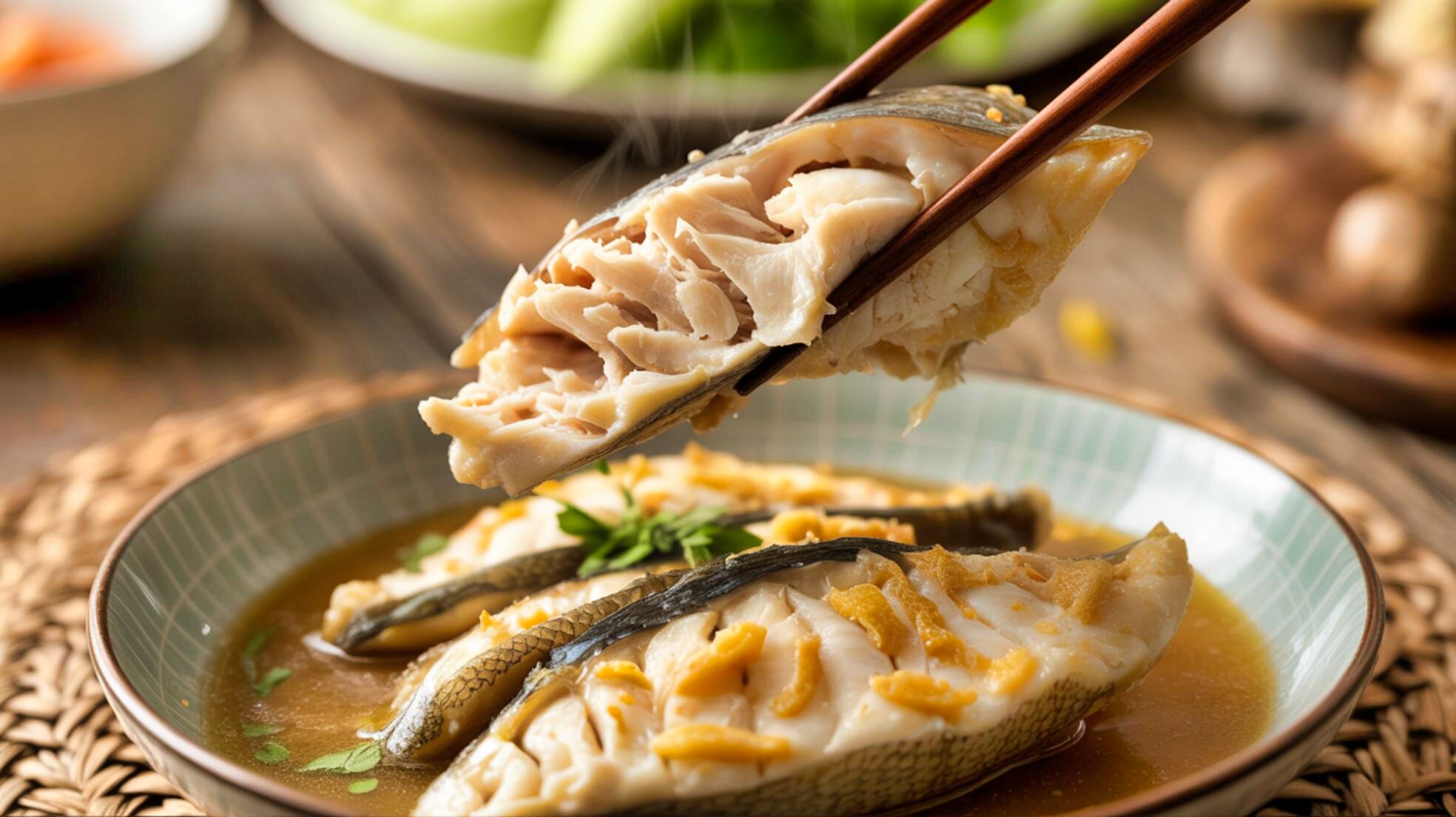
Step-By-Step Preparation of Cambodian Steamed Fish
For the Steamer
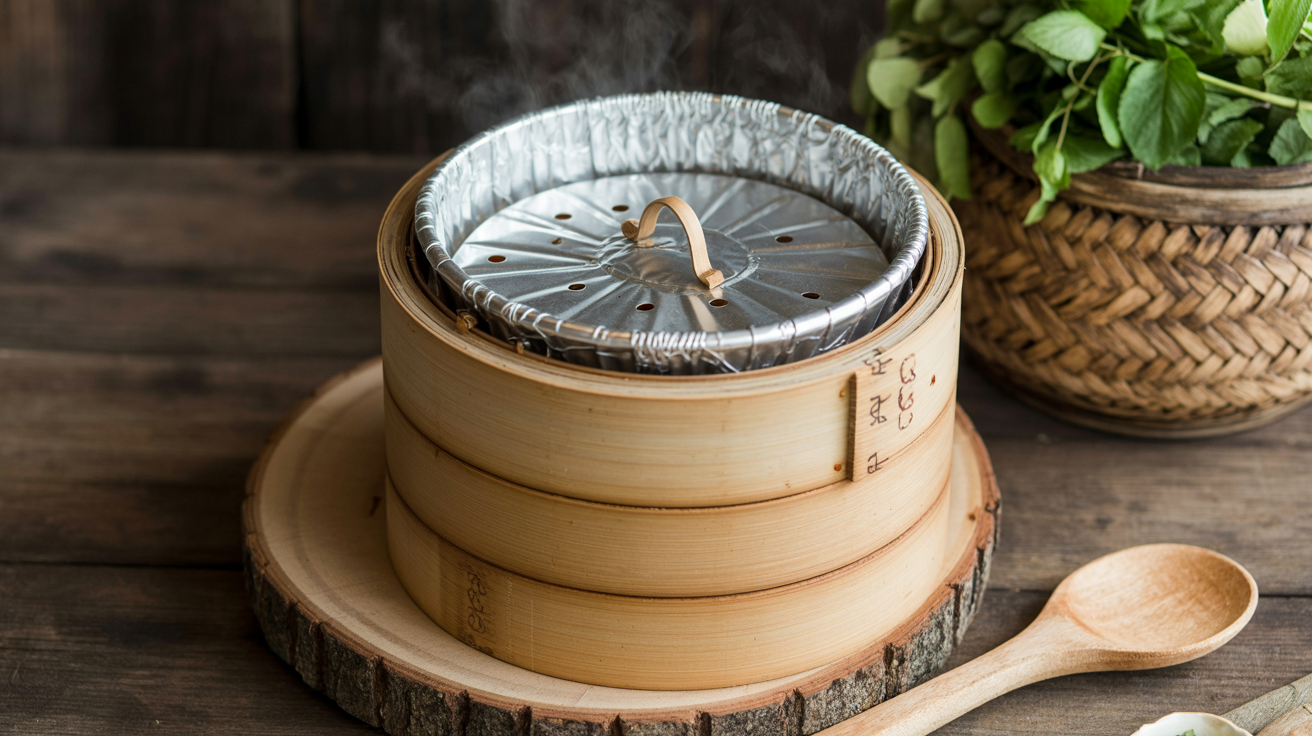
Step 1: Prepare the steamer base: Make the steamer ready by first lining the base of the steaming vessel with aluminum foil. Press it down so it covers the bottom completely and helps protect the steamer.
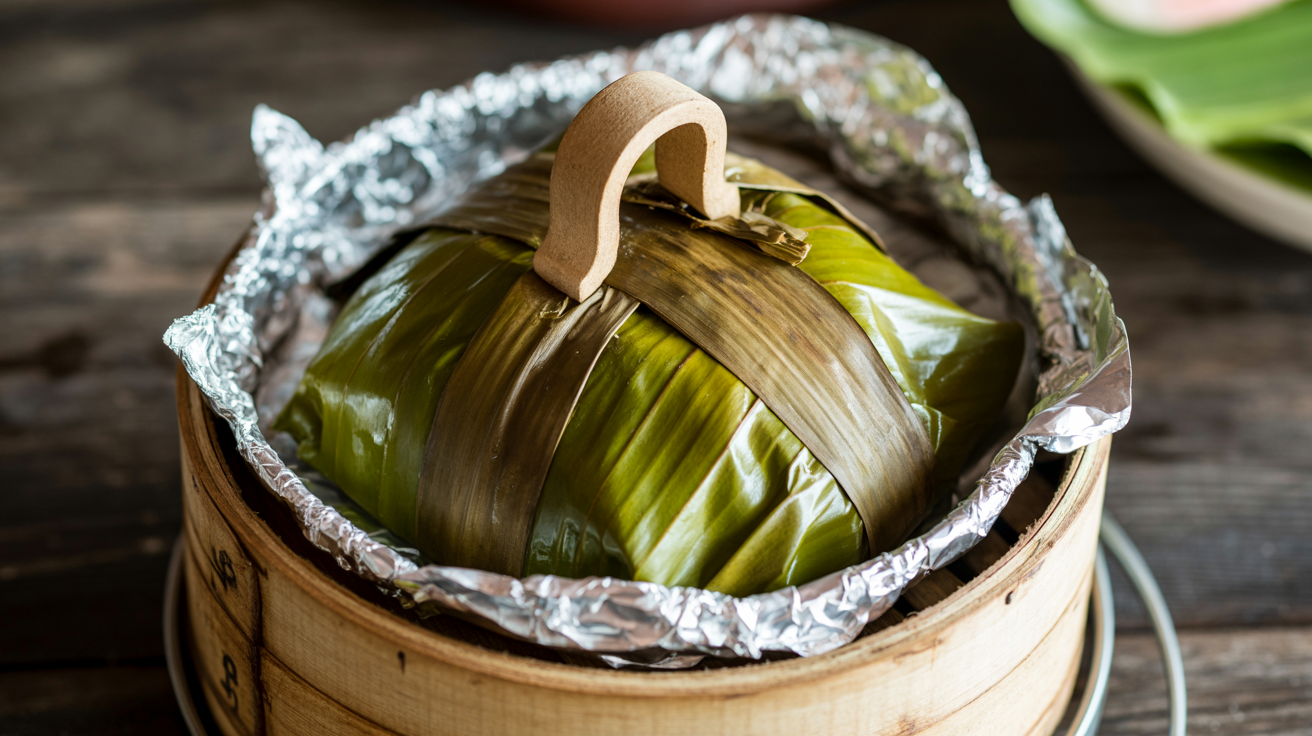
Step 2: Add banana leaves: Place banana leaves on top of the foil to fully cover the base. This will act as a natural liner and add aroma to the fish and vegetables as they steam.
For the Fish and Vegetables
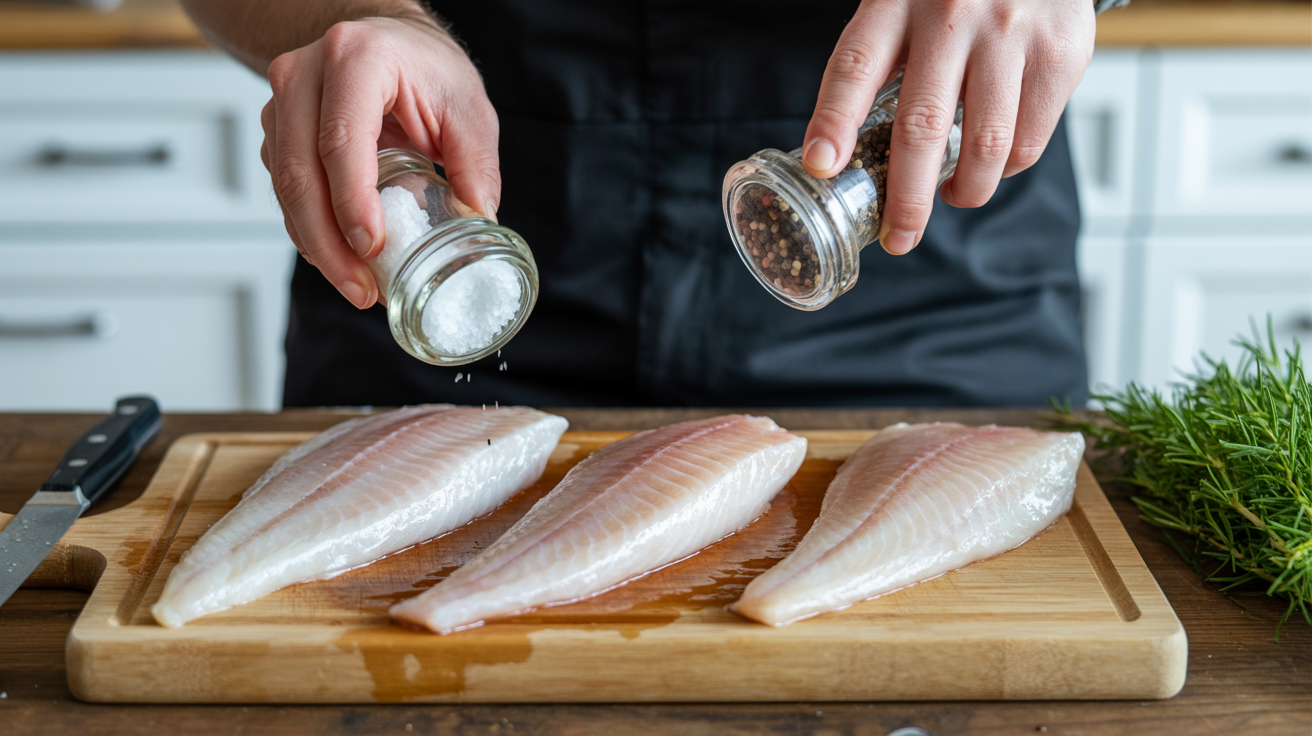
Step 1: Prepare and season the fish: Cut the fish into two halves each, then wash the pieces and pat them dry. Rub salt and pepper powder all over the fish pieces so they are evenly seasoned. Set aside while you prepare the vegetables.
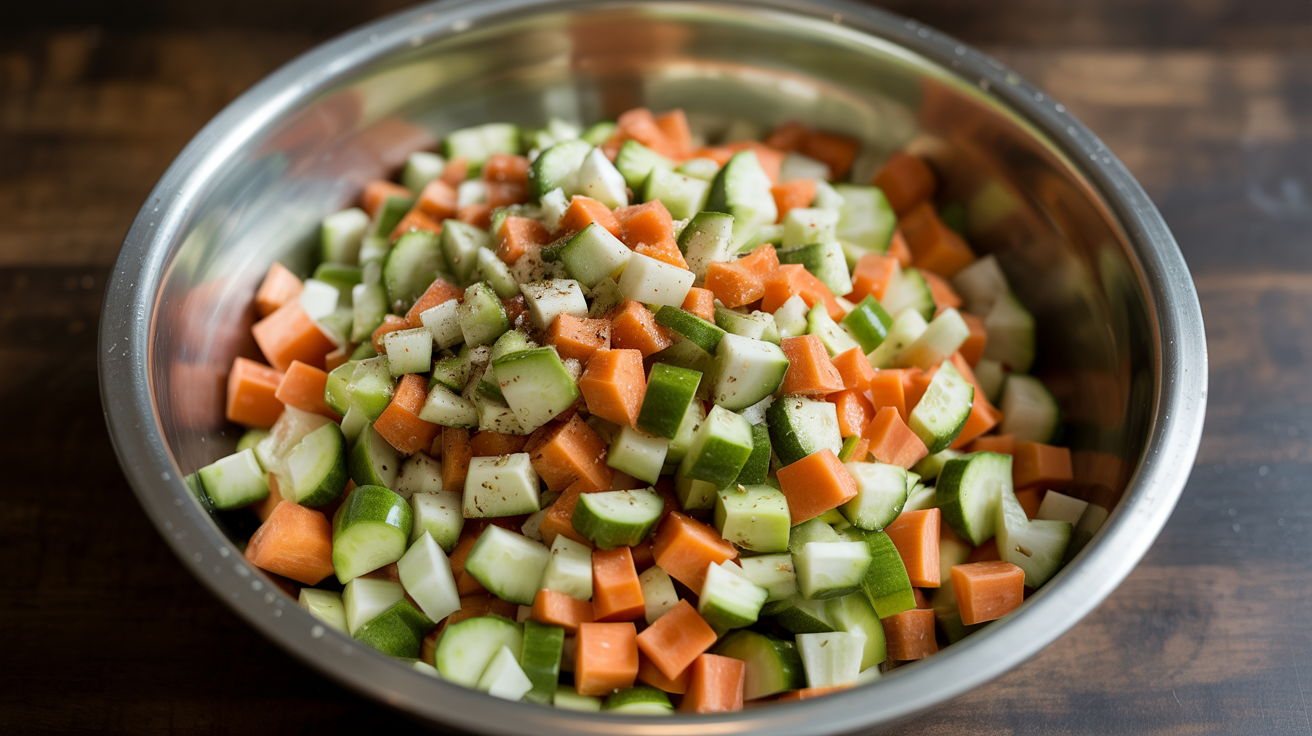
Step 2: Cut and mix the vegetables: Cut, slice, and julienne the vegetables as required by the recipe (for example, into thin strips or slices). Place all the prepared vegetables in a bowl and mix them together so they are evenly combined and ready for layering.
To Steam
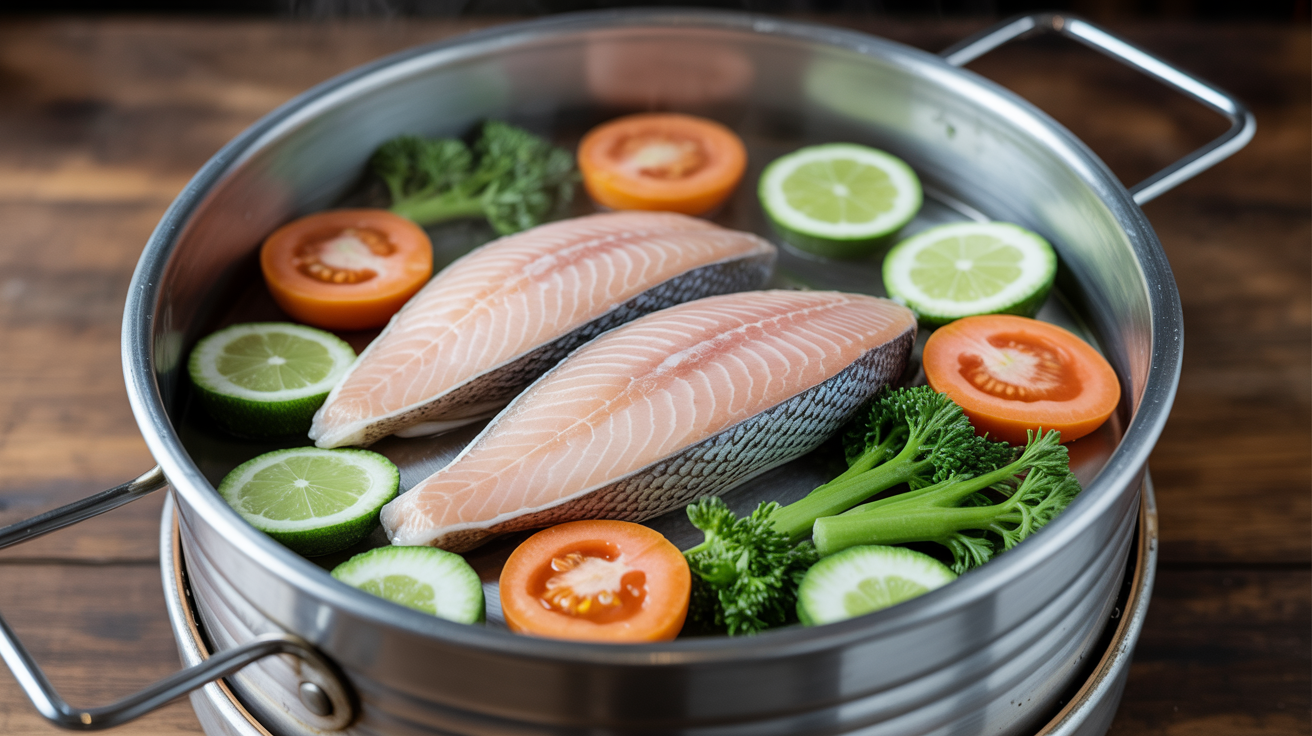
Step 1: Layer vegetables and fish: In the steamer vessel lined with banana leaves, spread half of the mixed vegetables over the banana leaf base in an even but loose layer. Place the seasoned fish pieces on top of this vegetable layer. Cover the fish with the remaining vegetables, spreading them so the fish is enclosed between the vegetables.
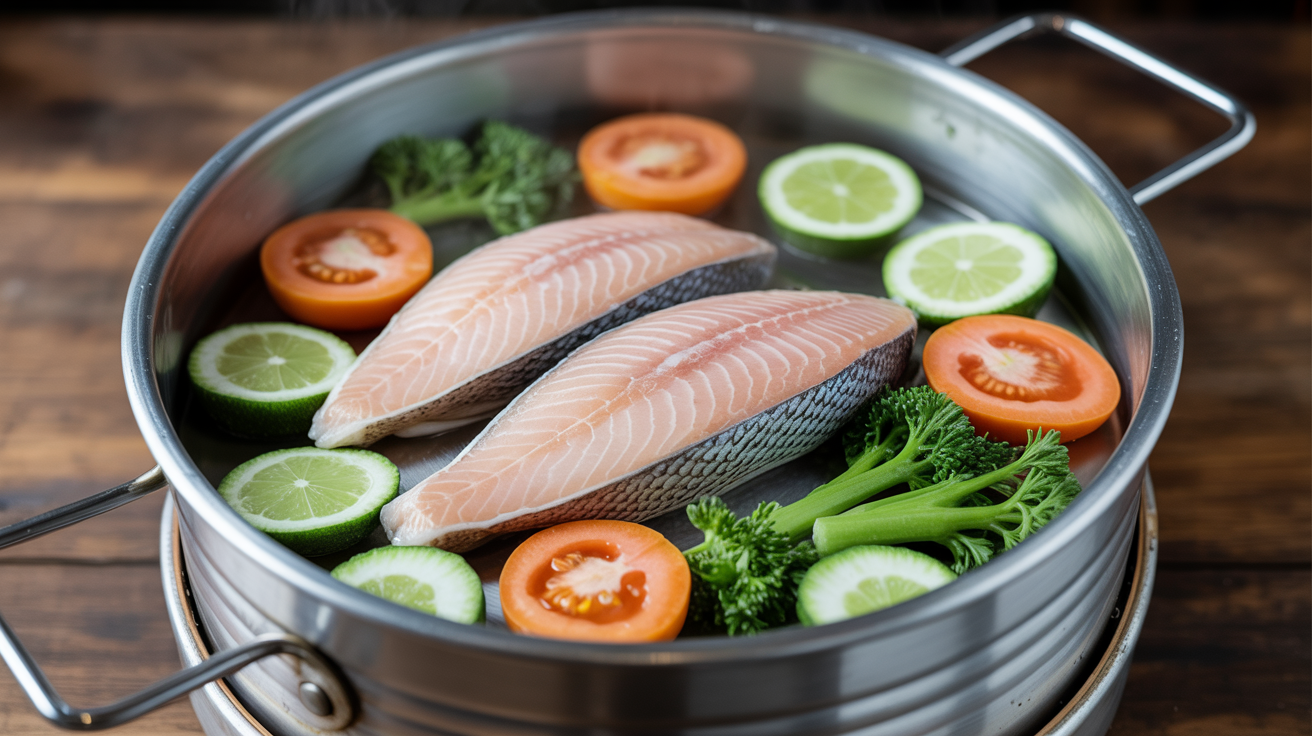
Step 2: Steam the fish and vegetables: Place the prepared vessel inside the steamer and close the steamer lid. Steam for 15–20 minutes, or until the fish is cooked through and the vegetables are tender.
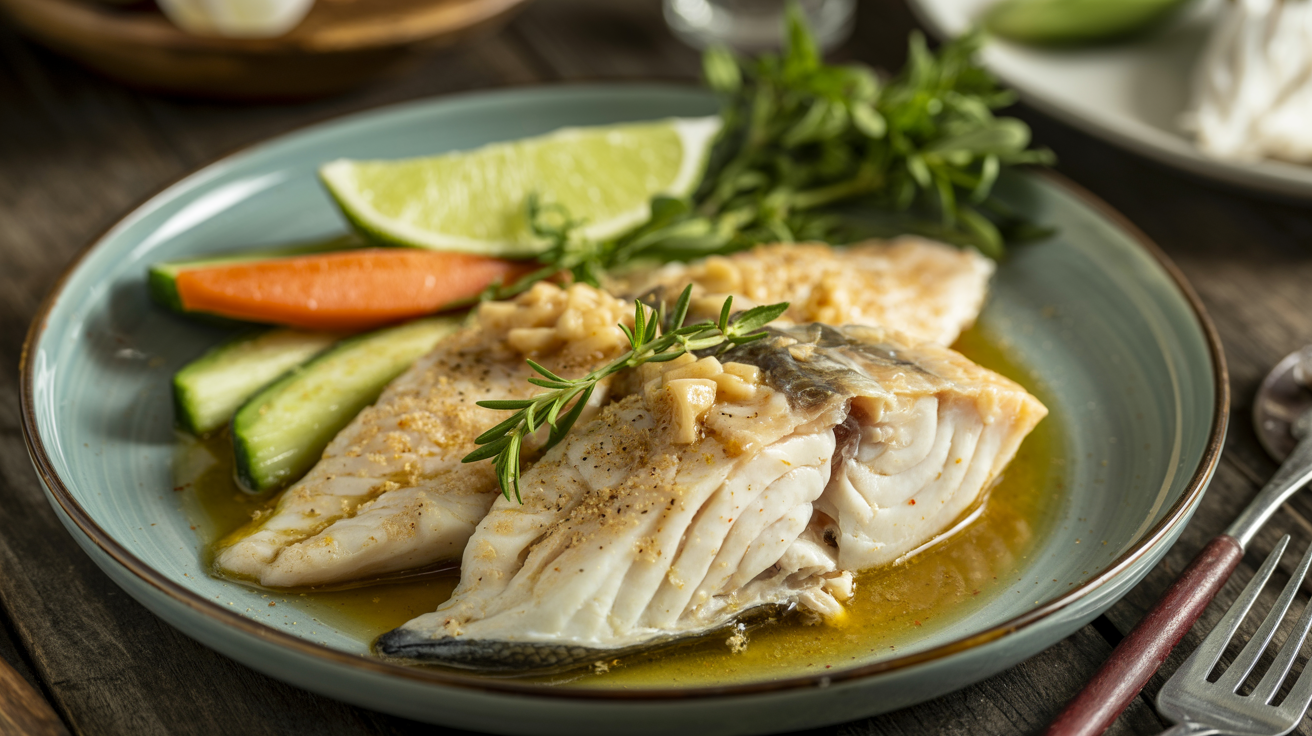
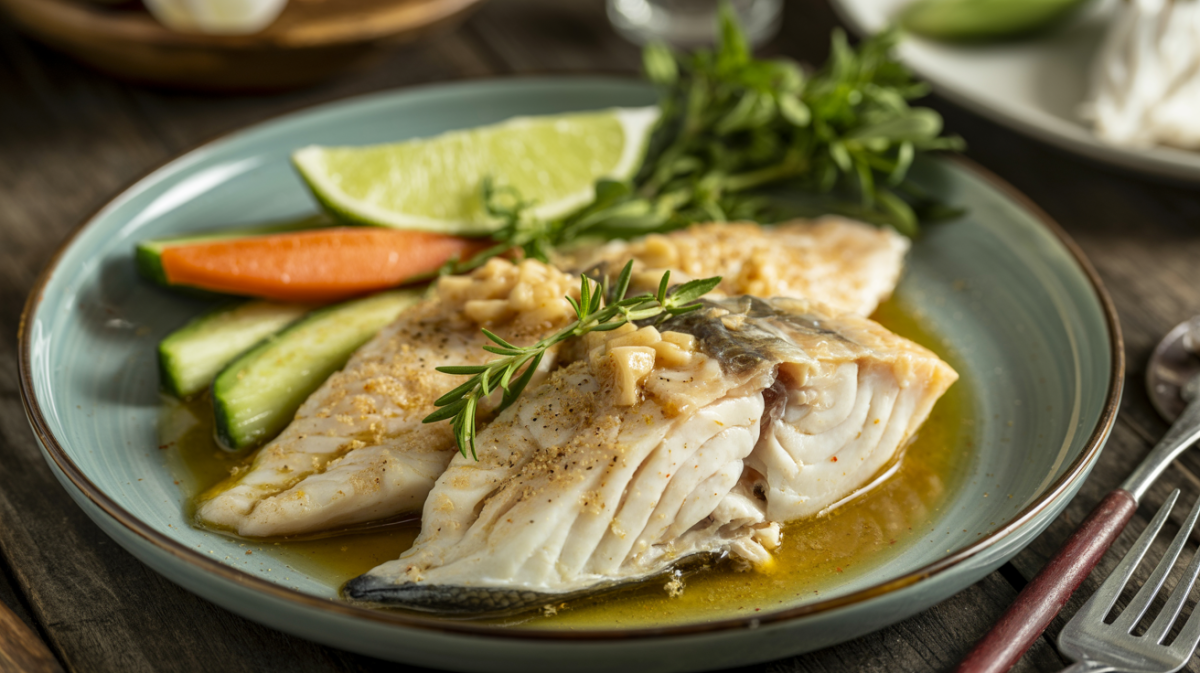
Step 3: Serve: Carefully remove the vessel from the steamer. Serve the fish together with the steamed vegetables and the flavorful soup/broth that has collected beneath. This dish is best served hot with freshly cooked rice.
Preparing the Fish for Steaming
I usually stick with tilapia, catfish, or snakehead—those fish hold up during steaming and really soak up the marinade.
I cut the fish into bite-sized chunks, about an inch or two thick. I try to keep them all the same size so they cook evenly. If I spot any bones, I pull them out with tweezers or just my fingers.
After cutting, I dry the fish with paper towels so the marinade sticks better. Then I toss the pieces in a bowl and set them aside.
Some folks mince the fish into a paste, but I like the texture of chunks. If you want it smoother, pulse half the fish in a food processor and leave the rest chunky—it’s up to you.
Crafting the Aromatic Marinade
For my Cambodian steamed fish recipe, I start the marinade with kroeung. I blend lemongrass, galangal, garlic, shallots, turmeric, and kaffir lime zest in a food processor until it’s smooth.
Then I mix in coconut milk, fish sauce, palm sugar, and eggs. The eggs are what make the custard happen. I whisk it all up until it’s nice and even.
I always taste the mixture and tweak the fish sauce or sugar as needed. I want it a little sweet, a little savory. A pinch of white pepper adds just the right heat.
The marinade should be thick but pourable—think pancake batter. If it’s too thick, I just splash in a bit more coconut milk.
Assembling and Wrapping Techniques
To get banana leaves soft enough to fold, I quickly run them over a flame or dip them in hot water. Makes them way less likely to tear.
For single servings, I cut the leaves into 8-inch squares and shape them into little cups inside a bowl. If they won’t hold, a staple or toothpick does the trick.
I spoon a bit of marinade into each leaf cup, add the fish, then top with more marinade—fill them about three-quarters full so there’s room for the mixture to puff up as it steams.
Sometimes I fold the leaf tops over, sometimes I leave them open. No banana leaves? Ramekins or small bowls work for this Cambodian steamed fish recipe too.
Steaming Methods and Timing
I fill my steamer pot with water—just enough so it doesn’t touch the basket—and bring it to a boil.
I arrange the banana leaf cups in the basket, making sure they’re not crowded. That way, steam can get all around them. Lid goes on tight.
I steam the fish for 20 to 25 minutes over medium heat. The steamed curry is done when the custard is set and a toothpick comes out clean. The top should look firm and maybe a little puffed.
I turn off the heat and let everything sit in the steamer (lid still on) for five minutes. That helps the custard finish setting without drying out the fish.
Serving Suggestions and Culinary Tips
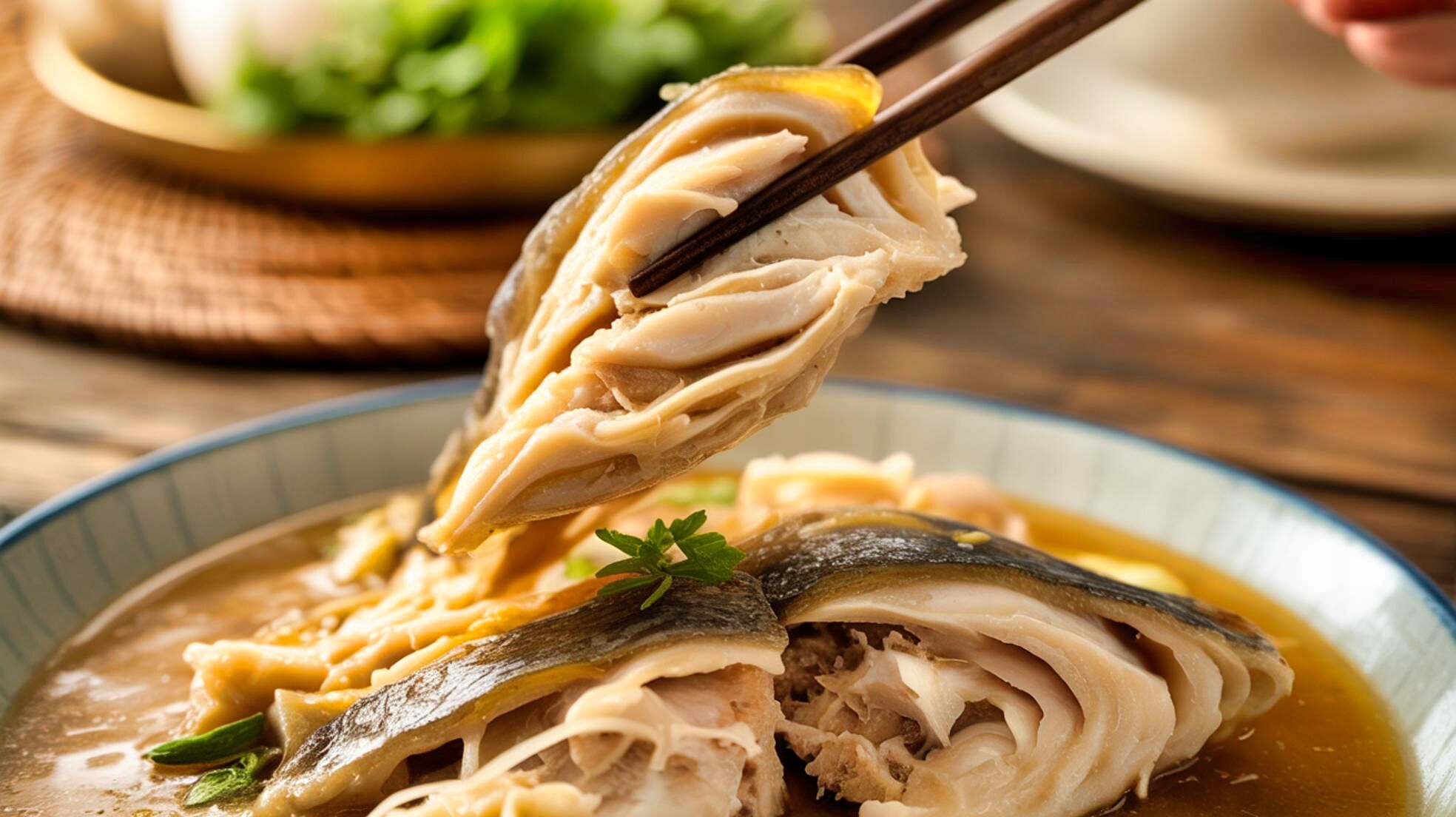
For a true Cambodian steamed fish recipe experience, I serve it with jasmine rice and fresh herbs. I like to make it look traditional—banana leaf bowls if I have them, or just a neat ramekin if not.
Accompaniments and Side Dishes
Can’t go wrong with plain jasmine rice. It soaks up that creamy sauce and balances the coconut flavor.
Fresh veggies are perfect on the side—cucumber slices, crisp lettuce, or pickled vegetables. They add a nice crunch against the soft fish custard.
Best accompaniments:
- Steamed jasmine rice
- Fresh cucumber slices
- Pickled carrots and daikon
- Light vegetable soup
- Crisp lettuce leaves
I think Cambodian cuisine is all about balance, so I skip heavy or super-spicy sides. The mild flavors of this Cambodian steamed fish recipe really shine with simple, clean accompaniments.
Garnishing and Presentation Ideas
I always finish my Cambodian steamed fish recipe with sliced red chilies and a handful of fresh herbs. Thai basil, cilantro, and kaffir lime leaves make it pop—both in flavor and color.
For that classic look, I serve it right in the banana leaf bowls. If I’m out of banana leaves, I go with small ceramic ramekins—still looks great.
Key garnishes:
- Thinly sliced red chilies
- Fresh Thai basil leaves
- Kaffir lime leaf ribbons
- Coconut cream drizzle
When I reheat leftovers, I do it gently so the custard doesn’t break. Honestly, it’s best hot but not boiling—just warm enough to bring out the flavors.
Exploring the Cultural Significance of Cambodian Steamed Fish
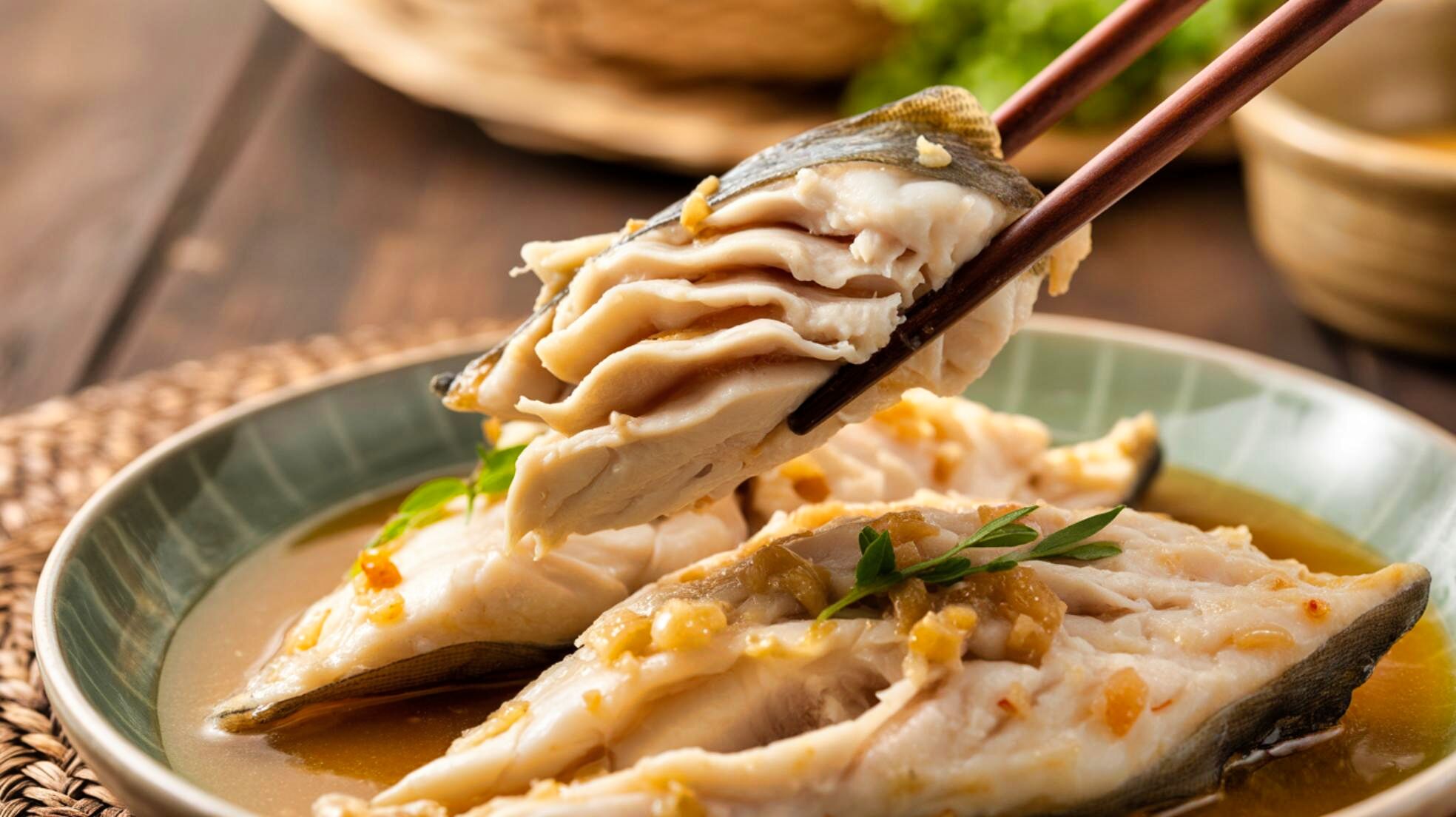
Fish amok sits at the heart of Cambodia’s food culture. It’s the country’s national dish, and its roots go back to the royal kitchens of the Khmer Empire. You’ll find this steamed curry at both everyday meals and special celebrations in different regions. If you want to experience Cambodia on a plate, a homemade Cambodian steamed fish recipe is the way to go.
Origins and Regional Variations
Fish amok dates back to the Khmer Empire, where it was crafted in royal kitchens as a specialty. Honestly, this steamed fish curry stands out as a Royal Khmer specialty—it’s one of those recipes that’s been passed down for ages. If you’re after a Cambodian steamed fish recipe with history, this is definitely it.
The dish changes a bit depending on where you are in Cambodia. Along the coast, folks tend to reach for ocean fish, while inland, it’s usually freshwater. Some families swear by a thick, almost custardy Cambodian steamed fish recipe, while others lean toward a looser, more soup-like version. That’s part of what makes the Cambodian steamed fish recipe so interesting—no two are quite alike.
The heart of any Cambodian steamed fish recipe is the kroeung paste. Lemongrass, galangal, turmeric, garlic, and shallots come together in a blend that’s both fragrant and complex. Every family seems to have their own spin on the kroeung, tweaking the amounts just a bit, which means you’ll never get bored of trying new versions.
Traditionally, people wrap the curry mixture up in banana leaves before steaming. These days, some cooks just use bowls for convenience, but honestly, the banana leaves give a gentle flavor you can’t really fake. For anyone chasing an authentic Cambodian steamed fish recipe, I’d say don’t skip the leaves if you can help it.
Role in Khmer Celebrations
I’ve noticed that amok appears during festivals and special occasions, which really shows off Cambodia’s deep culinary traditions. Families often bring out their best Cambodian steamed fish recipe for weddings, religious ceremonies, and big family gatherings.
Presentation is a big deal at these events. People usually fold banana leaves into little cups or boats for single servings. It’s not just practical—it looks beautiful and makes guests feel special. Honestly, it’s hard not to be impressed by the care that goes into it.
Common celebration settings for amok include:
- Wedding banquets
- Buddhist festival meals
- New Year celebrations
- Family reunion dinners
- Temple offerings
Serving amok, especially a Cambodian steamed fish recipe, feels like a gesture of hospitality and genuine pride in their heritage. When someone brings out their favorite Cambodian steamed fish recipe at a gathering, it’s a sign of respect and a nod to the cooking skills passed down through generations. If you’re lucky enough to try a homemade Cambodian steamed fish recipe during one of these celebrations, you’ll understand why it’s so cherished. And honestly, isn’t sharing a good Cambodian steamed fish recipe one of the best ways to connect with people?
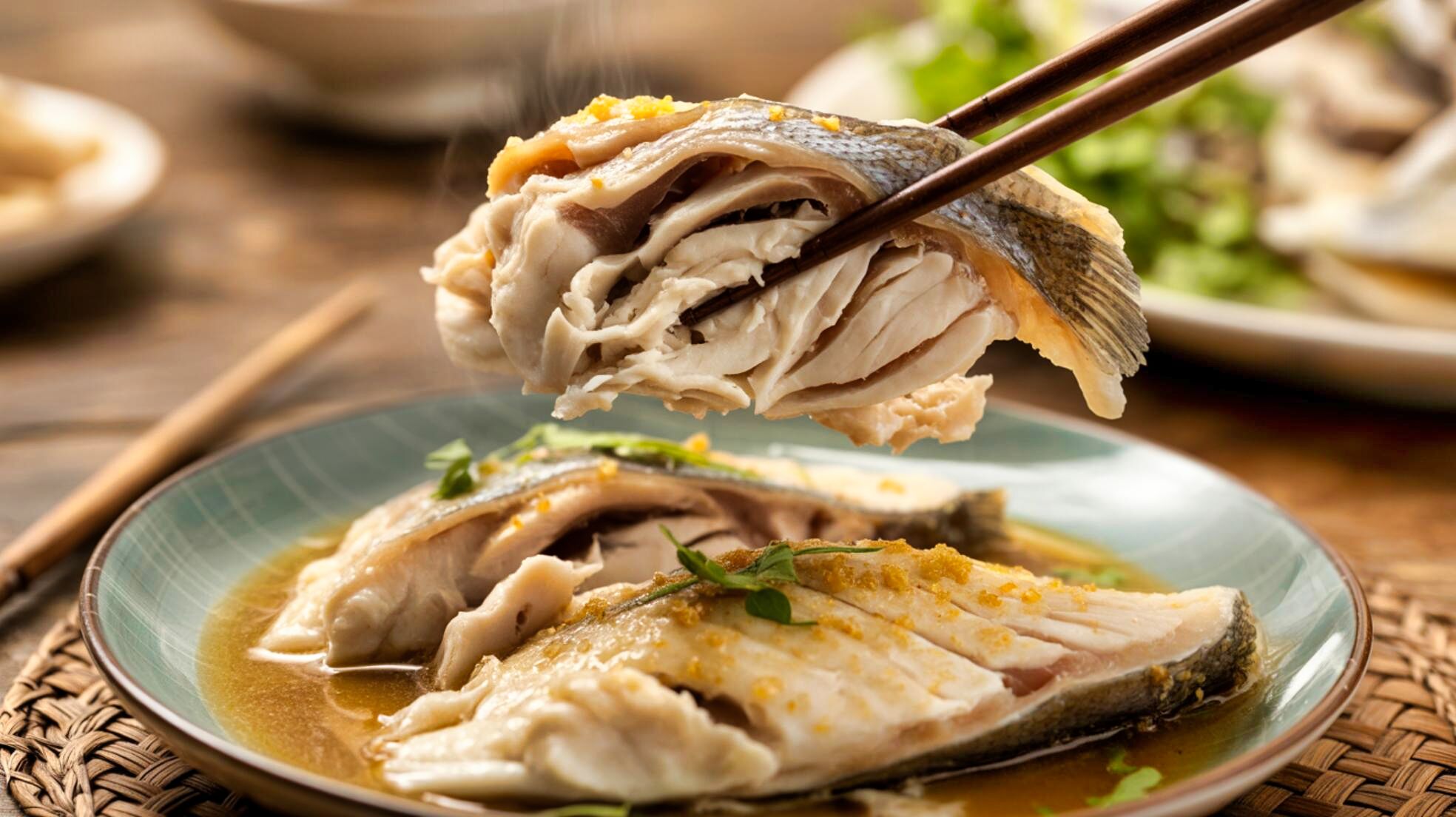
Fish Stew vs Fish Soup
Fish stew and fish soup are both comforting seafood dishes, but they differ in thickness, ingredients, and how filling they are.
Fish stew is typically thicker and more substantial, often made with ingredients like coconut milk, tomatoes, or root vegetables. The broth is rich and hearty, coating the fish and vegetables in a more concentrated sauce. This makes fish stew feel like a complete meal, especially when served with rice or bread.
Fish soup, by contrast, has a lighter, broth-based consistency. It usually contains fewer ingredients and focuses on clarity and balance rather than richness. The flavors are more delicate, allowing the natural taste of the fish and herbs to come through without being overwhelmed.
The key difference is richness versus lightness: fish stew is thick, filling, and robust, while fish soup is light, clean, and easy to digest.
Choose fish stew if you want a hearty, satisfying dish with deeper flavors. Opt for fish soup if you prefer something lighter and more refreshing.
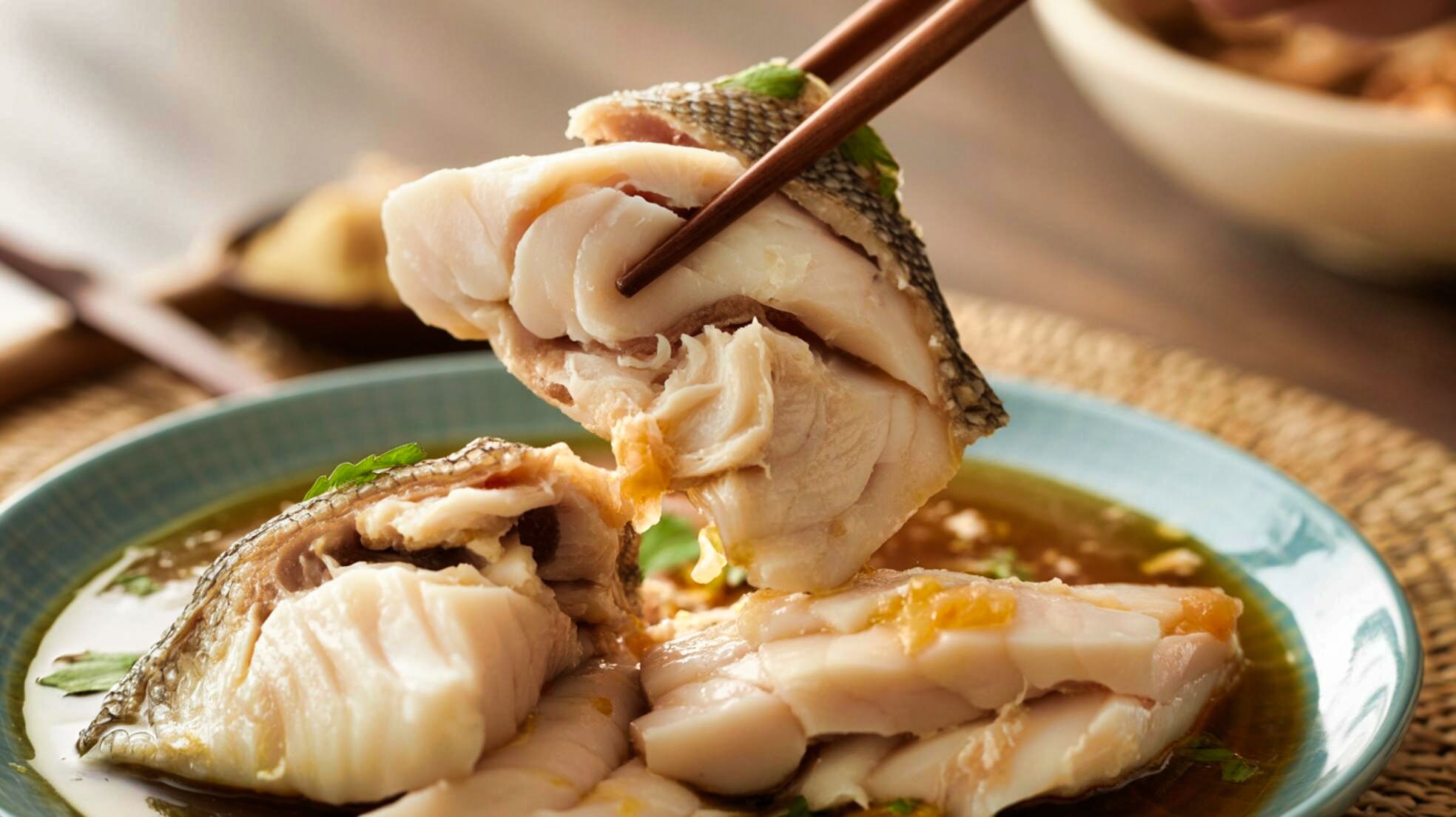
Cambodian Steamed Fish Recipe FAQ
1. What type of fish is used?
Freshwater fish like tilapia or catfish.
2. What flavors are used in the steaming liquid?
Lemongrass, lime, garlic, and herbs.
3. Why is steaming used for this dish?
It preserves the delicate flavor and texture of the fish.
4. Is this dish spicy?
It is usually mild with optional chili.
5. What is served with steamed fish?
Rice and dipping sauce.
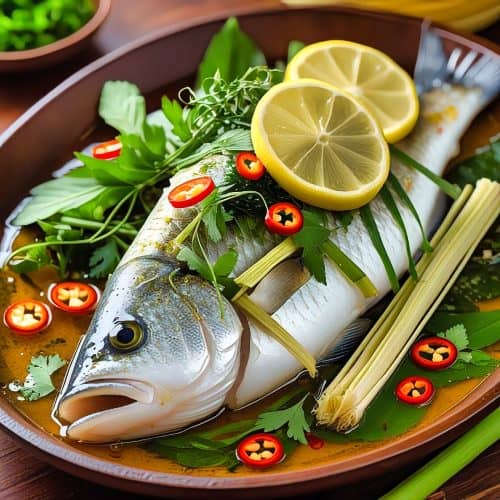
Chamhoi Spicy Steamed Fish
Ingredients
- 2 lb white fish cut into 4 pieces
- 4 shallots finely sliced
- 3 green chillies sliced
- 3 red chillies sliced
- 8 spring onions
- 6 cloves garlic
- 1 inch ginger root chopped
- 1 carrot
- 1/2 raw mango
- 1 radish
- 1/4 tsp salt to taste
- 1/2 tsp black pepper
Instructions
- Prepare the steamer base: Make the steamer ready by first lining the base of the steaming vessel with aluminum foil. Press it down so it covers the bottom completely and helps protect the steamer.
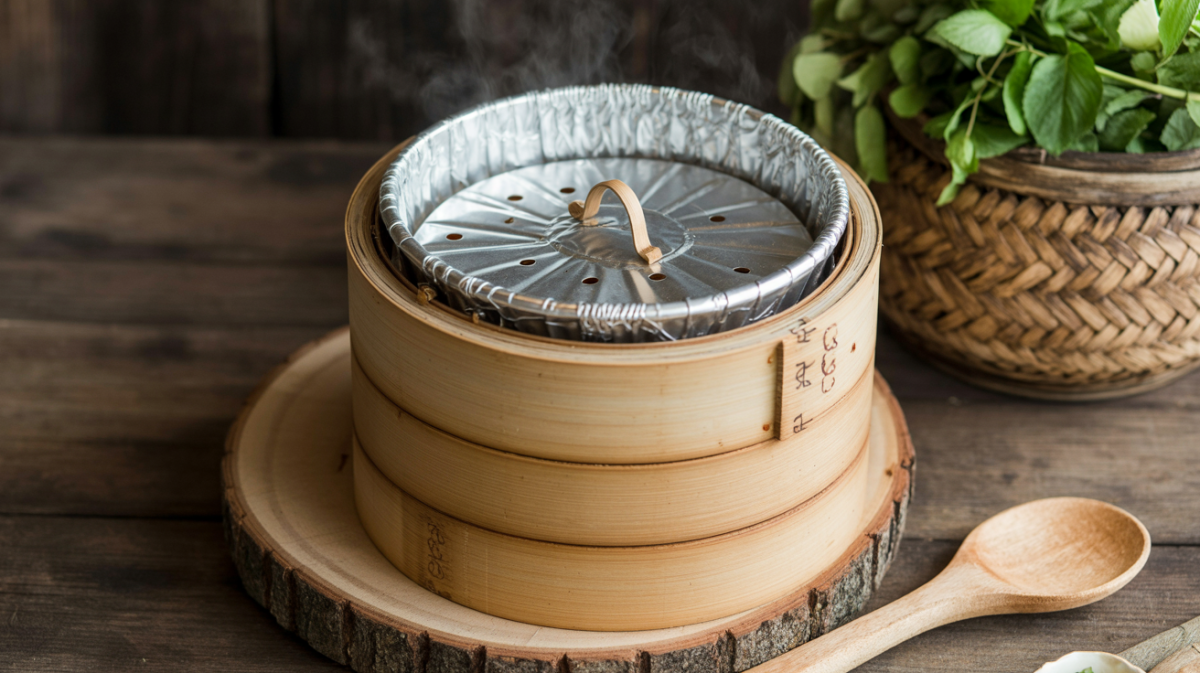
- Add banana leaves: Place banana leaves on top of the foil to fully cover the base. This will act as a natural liner and add aroma to the fish and vegetables as they steam.
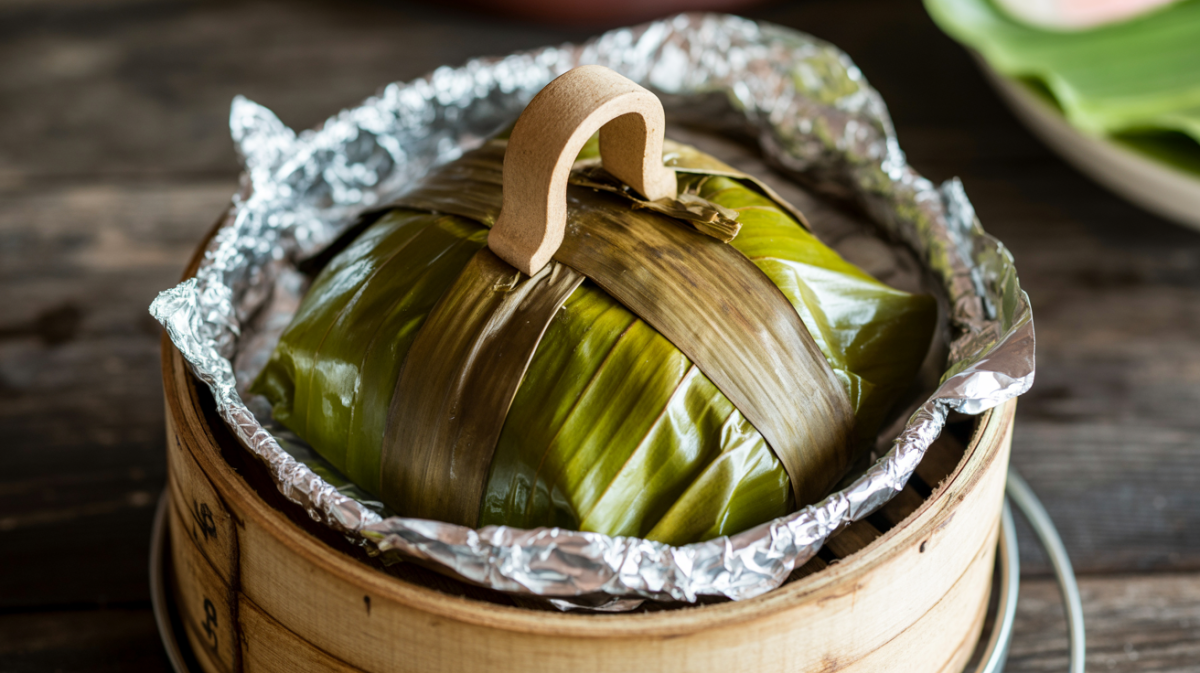
- Prepare and season the fish: Cut the fish into two halves each, then wash the pieces and pat them dry. Rub salt and pepper powder all over the fish pieces so they are evenly seasoned. Set aside while you prepare the vegetables.
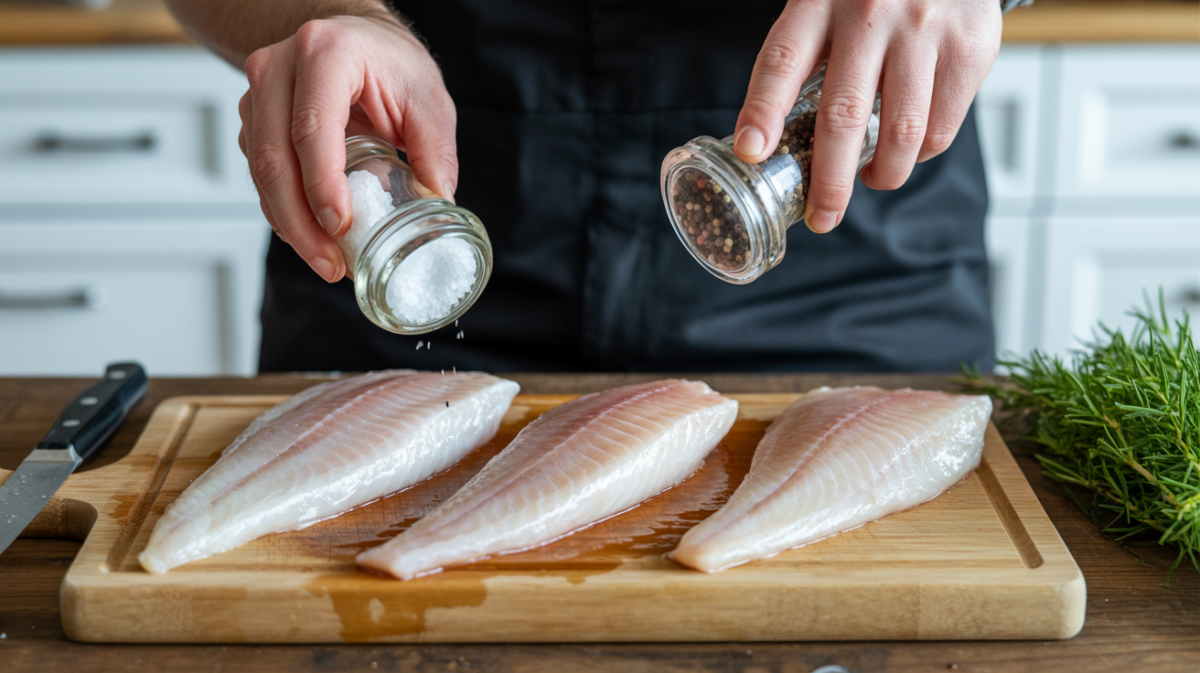
- Cut and mix the vegetables: Cut, slice, and julienne the vegetables as required by the recipe (for example, into thin strips or slices). Place all the prepared vegetables in a bowl and mix them together so they are evenly combined and ready for layering.
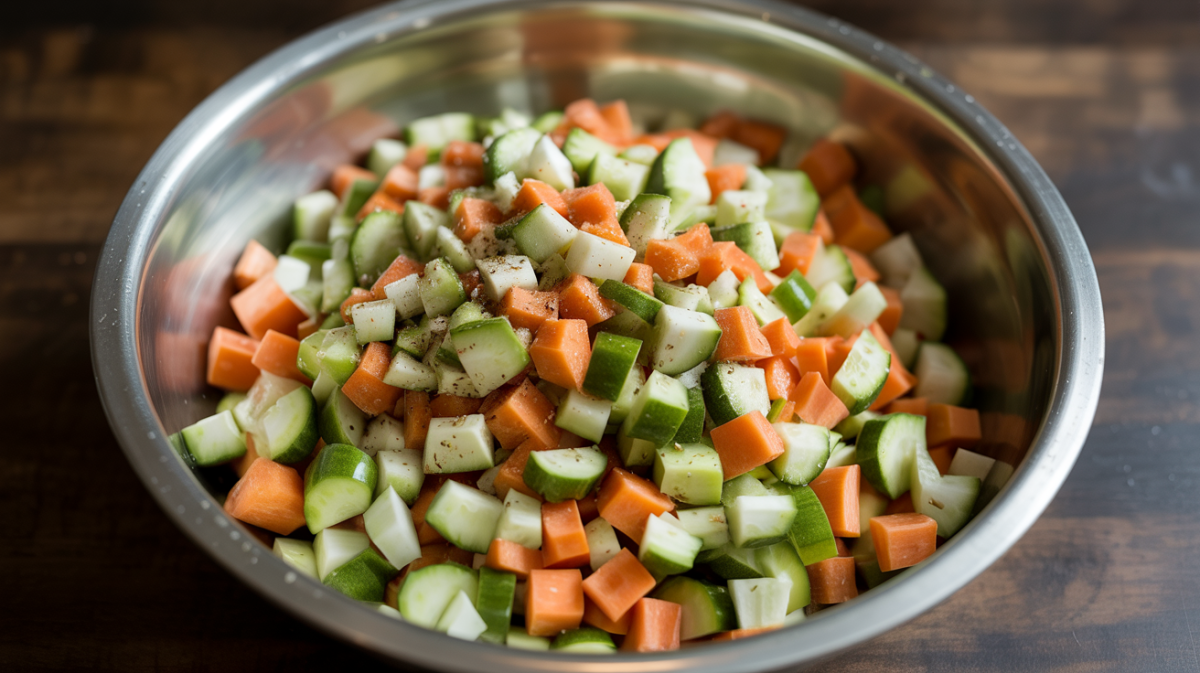
- Layer vegetables and fish: In the steamer vessel lined with banana leaves, spread half of the mixed vegetables over the banana leaf base in an even but loose layer. Place the seasoned fish pieces on top of this vegetable layer. Cover the fish with the remaining vegetables, spreading them so the fish is enclosed between the vegetables.
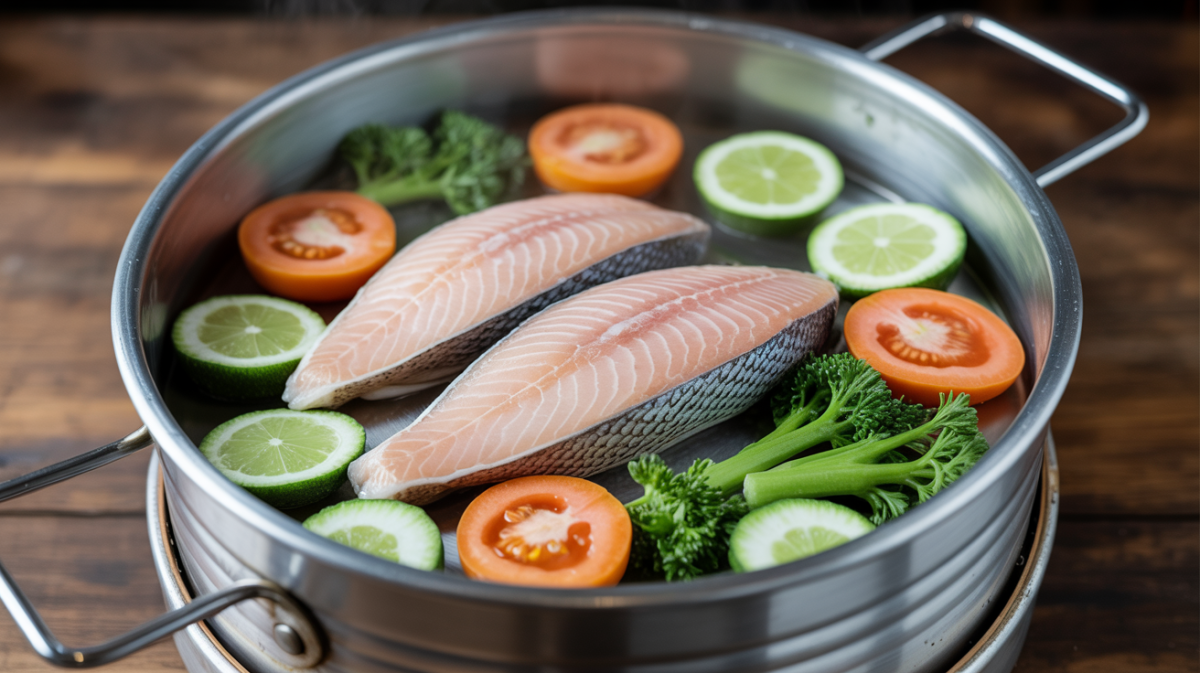
- Serve: Carefully remove the vessel from the steamer. Serve the fish together with the steamed vegetables and the flavorful soup/broth that has collected beneath. This dish is best served hot with freshly cooked rice.
Video

14 comments
Has anyone tried swapping the traditional herbs for Italian seasoning in the Cambodian Steamed Fish recipe? Could be a wild fusion!
Are the herbs and aromatics in this Cambodian Steamed Fish recipe locally sourced? Sustainability matters, folks!
Sustainability matters, yes. But lets not forget taste matters too in a recipe!
Why stick to traditional herbs in the Cambodian Steamed Fish recipe? Ever tried swapping lemongrass for rosemary? Sets a whole new flavor profile!
Anyone else find it intriguing that they didnt mention the role of ginger in the Cambodian Steamed Fish recipe?
Is there any way to substitute the fish varieties used in this recipe? Would love to try it with local Canadian fish.
Do you think substituting the traditional herbs with western ones would compromise the authenticity of the Cambodian Steamed Fish?
Absolutely not! Authenticity lies in technique, not just ingredients. Adaptation is key to culinary evolution.
Interesting read! But isnt there a vegetarian alternative to this Cambodian fish dish? Maybe using tofu or jackfruit instead?
Ever tried tofu in Amok? Its a culinary disaster. Stick to tradition or dont bother!
Has anyone tried swapping the traditional Cambodian seasonings with other spices? Wonder how thatd impact the flavor profile!
Anyone tried replacing traditional herbs with other ones? Curious if itll still maintain that signature Cambodian flavor. Thoughts?
Tried it once, ruined the dish! Stick to traditional herbs for authentic Cambodian flavor.
Despite the in-depth breakdown, did the author provide alternatives for hard-to-find Cambodian seasonings? Not everyones local grocery would have these.
Comments are closed.