


Cambodian coconut chicken curry is all about tender chicken simmered in a coconut milk sauce with lemongrass, turmeric, and galangal. This gentle and aromatic Khmer curry feels lighter than most Southeast Asian curries—less heat, more creamy coconut, and loads of fresh herbs. I honestly think it works for casual weeknight dinners or when you want to impress someone. If you’re looking for a Cambodian coconut chicken curry recipe that’s doable at home, you’re in the right place.
The curry gets its flavor from kroeung, a paste that pops up in all sorts of Cambodian dishes. Making traditional kroeung from scratch takes a little effort, but honestly, you can get close with a few tweaks. That golden, creamy sauce wraps every bite of chicken in comfort—like you spent hours, even if you didn’t.
I’ll walk you through the essentials for making a Cambodian coconut chicken curry recipe at home. We’ll look at the ingredients that matter, how to build up the flavors, and some tips for serving and storing your curry.

Traditional Cambodian Coconut Chicken Curry Essentials
The real backbone of an authentic Cambodian coconut chicken curry recipe? Three things: the spice blend, good coconut milk, and the right chicken. Nail these, and you’ll get a taste of Khmer cuisine without a plane ticket.
Key Ingredients for Authentic Flavor
From what I’ve tested, Cambodian chicken curry, or samlor kari, lives and dies by its aromatics. Lemongrass, galangal, turmeric, and garlic are non-negotiable. These make up the kroeung—the curry paste that gives a Cambodian coconut chicken curry recipe its signature punch.
Lemongrass gives a citrusy, fresh note. Galangal? Think piney and sharp—nothing like regular ginger. Turmeric brings that golden color and a bit of earthiness.
I like to toss in kaffir lime leaves for a floral kick. Thai basil (or plain basil if that’s all you’ve got) works too. Shallots and garlic round out the base. Sometimes I’ll add cumin and coriander if I want a little extra warmth.
If you’re short on time, you can use store-bought Thai curry paste—the flavors overlap a lot. Just bump up the lemongrass and turmeric to nudge it closer to a real Cambodian coconut chicken curry recipe.
Selecting the Best Coconut Milk
Full-fat coconut milk is a must for a proper Cambodian coconut chicken curry recipe. You want that rich, creamy texture that makes the curry comforting.
Check the label for at least 17% fat. Thai or Vietnamese brands rarely let me down. Give the can a shake—if it’s mostly liquid, that’s a good sign it hasn’t separated too much.
Skip the light coconut milk. It just doesn’t do the job. The thick coconut cream on top? I use it to bloom the curry paste before adding the rest of the milk.
Let your coconut milk come to room temp before using. Cold stuff can be lumpy and a pain to mix in.
Choosing the Right Chicken Cuts
Traditional recipes go for bone-in chicken thighs or drumsticks—the bones add flavor as everything simmers in the coconut curry sauce.
I stick with dark meat because it stays juicy even after a long simmer. Thighs have more fat, so the sauce turns out richer. Drumsticks look nice on a plate and are fun to eat.
If I’m in a hurry, boneless thighs are a solid choice. I just chop them up for faster cooking. I usually skip breast meat unless I’m short on time—it dries out too easily.
Leaving the skin on bone-in cuts? That’s my move for extra flavor. I’ll take it off before serving if I want things a bit lighter.

Step-by-Step Cooking Instructions

Step 1: Broil the Chicken: Adjust the oven rack to the top position and preheat the broiler to high. Line a large baking sheet with parchment paper or foil.
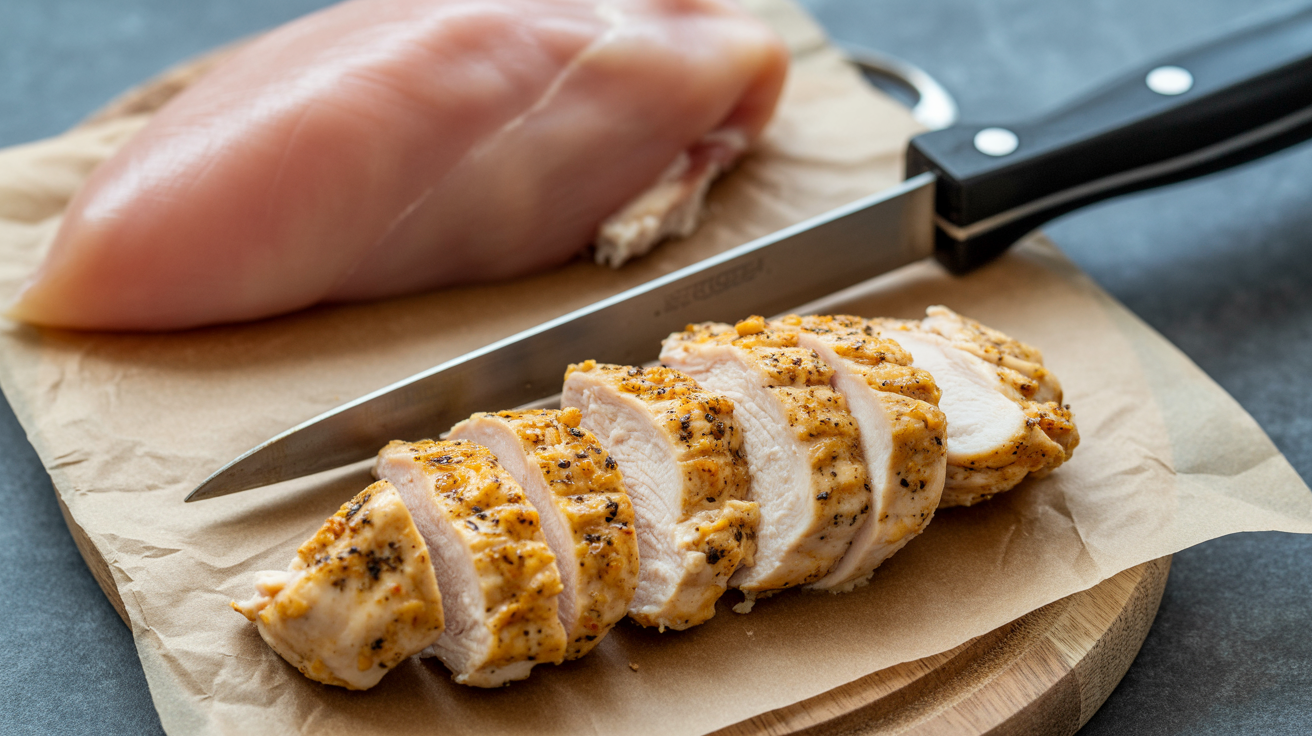
Step 2: Slice the chicken breasts crosswise, then cut into bite-sized pieces (about ¾ inch).

Step 3: Place the chicken on the prepared baking sheet and toss with 1 Tbsp soy sauce and 1 tsp sugar.

Step 4: Season lightly with salt and pepper (yes, even with the soy sauce). Spread the chicken out in an even layer and broil for 8–10 minutes, keeping a close eye on it, until lightly charred and cooked through.
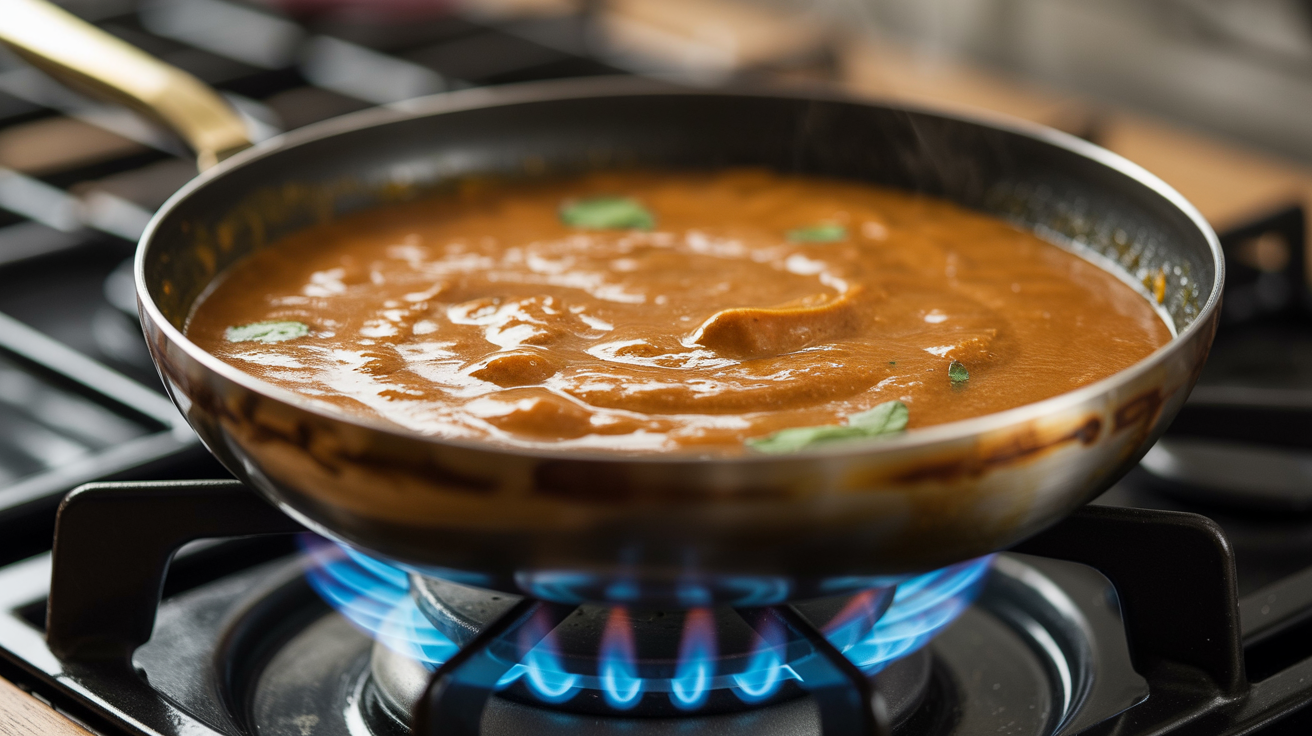
Step 5: Make the Curry Sauce: While the chicken is broiling, heat the cooking oil in a large pan over medium heat. Add the shallot, ginger, and garlic and cook for about 1 minute, until fragrant.

Step 6: Stir in the turmeric, curry paste, fish sauce, remaining 1 tsp sugar, remaining 1 Tbsp soy sauce, coconut milk, and lime
Preparing the Spice Paste
First, I grab 3-4 stalks of lemongrass (just the white parts), 2 tablespoons minced galangal, 4 garlic cloves, 2 shallots, and a tablespoon of turmeric. I peel off the tough lemongrass layers and slice the tender cores thin.
Everything goes into a food processor (or mortar and pestle if I’m feeling traditional) with 1 teaspoon shrimp paste, 1 tablespoon curry powder, and a little water—maybe 2-3 tablespoons. I blend or pound until it’s a thick, smooth paste. Takes a few minutes by machine, or longer by hand, but it’s worth it.
If it’s too thick, I add water a tablespoon at a time. The goal is a fragrant, mostly smooth paste—no big chunks.
Cooking the Curry Base
I heat 2 tablespoons of oil in a big pot or wok over medium. When it shimmers, in goes the spice paste. I stir it for about 3-5 minutes so nothing burns and the aroma fills the kitchen.
Once the paste darkens and smells amazing, I add 1.5 pounds of chicken (bite-sized pieces) and toss everything to coat. I cook it until the chicken isn’t pink on the outside—usually 5-7 minutes.
Then I pour in 2 cups coconut milk, bring it to a gentle boil, and add 2 medium potatoes (chunked up), 1 tablespoon fish sauce, and 1 teaspoon sugar.
Simmering and Finishing Touches
I drop the heat and let my coconut curry simmer for about 20-25 minutes, lid mostly on. I stir every now and then so nothing sticks. When the potatoes are fork-tender and the chicken’s cooked through, I’m almost done.
Now I pour in the last cup of coconut milk and throw in 2 tablespoons of chopped roasted peanuts. I let it bubble for another 5-10 minutes so the flavors come together. I taste and tweak—maybe more fish sauce, maybe a pinch more sugar.
Once the sauce thickens enough to coat a spoon, I toss in some fresh Thai basil or cilantro right before serving. That’s it—the heart of a Cambodian coconut chicken curry recipe, done.

Serving and Presentation Tips
I always serve this curry with rice—it soaks up the coconut sauce perfectly. And a few fresh garnishes really make the flavors pop.
Recommended Side Dishes
For a Cambodian coconut chicken curry recipe, I stick with steamed jasmine rice. It’s sticky enough to grab the sauce. Basmati is fine too if you like something fluffier.
Other sides I throw together:
- Steamed veggies—bok choy, green beans, or broccoli for crunch and color
- Rice noodles—good if you want something lighter than rice
- Cucumber salad—the coolness balances out the warm curry
- Fresh bread—baguette or flatbread for mopping up extra sauce
I keep the sides simple. The curry sauce is already rich, so there’s no need for anything too bold or busy.
Garnishes to Enhance Flavor
I always finish my Cambodian coconut chicken curry recipe with a handful of fresh herbs or crunchy toppings. Cilantro is my go-to—it cuts through the coconut richness.
Here’s what I usually add:
- Fresh cilantro—just chop and sprinkle
- Lime wedges—let everyone squeeze their own
- Sliced red chilies—for those who want more heat
- Chopped peanuts—adds crunch and nuttiness
- Thai basil—for a little extra aroma
I put lime wedges on the side so everyone can add as much zing as they want. That burst of acid really wakes up the spices and makes the Cambodian coconut chicken curry recipe shine.

Storing and Reheating Cambodian Coconut Chicken Curry
I always make extra Cambodian coconut chicken curry because, honestly, the flavors just get deeper after a day or two. If you want to keep your Cambodian coconut chicken curry recipe tasting fresh and safe, a little care goes a long way.
I usually toss my leftover Cambodian coconut chicken curry recipe into an airtight container and pop it in the fridge. Chicken and coconut curry can last three to four days if you store it right. If your fridge stays nice and cold (below 40°F) and you seal it up tight, it might even last up to five days, though I rarely wait that long.
If I know I won’t finish the Cambodian coconut chicken curry recipe soon, I freeze single portions in freezer-safe containers. I always leave a little space at the top because, well, things expand. This way, the curry stays good for about three months. Not bad, right?
When I’m ready to eat, I usually reheat my Cambodian coconut chicken curry recipe on the stove. I just put it in a pot over medium-low heat, stirring now and then, and in about 10 minutes it’s hot and creamy again.
If I’m in a rush, the microwave does the trick. I scoop the Cambodian coconut chicken curry recipe into a microwave-safe bowl, cover it loosely, and heat in 90-second bursts, stirring each time until it’s steaming.
Important Tips
- Don’t leave your Cambodian coconut chicken curry recipe out for more than two hours—food safety is no joke
- Always heat it to at least 165°F to be safe
- Stir well as you reheat to get the coconut milk mixed back in
- If it’s looking a bit thick, add a splash of water or coconut milk—trust me, it helps

Coconut Curry vs Regular Curry
Coconut curry and regular curry differ primarily in richness, texture, and the balance of flavors within the dish.
Coconut curry uses coconut milk as a base, giving it a creamy, smooth texture and a slightly sweet undertone. This richness helps mellow out spices, creating a more balanced and approachable flavor. It is commonly found in Southeast Asian cuisines, where ingredients like lemongrass, lime, and chili are combined with coconut milk for a layered but rounded taste.
Regular curry, depending on the region, may not include coconut milk at all. Instead, it often relies on a base of tomatoes, onions, yogurt, or stock. This results in a lighter or more intense dish, where spices can be more pronounced and less softened by creaminess.
The main difference is texture and richness: coconut curry is creamy and mellow, while regular curry can range from light and tangy to bold and spicy.
Choose coconut curry if you prefer a smooth, rich dish with balanced heat. Opt for regular curry if you want a more spice-forward experience with sharper, more defined flavors.

Cambodian Coconut Chicken Curry Recipe FAQ
1. What makes this curry creamy?
Coconut milk gives it a rich texture.
2. Is this curry sweet or savory?
It has a balance of both.
3. What spices are used?
Turmeric, garlic, and lemongrass.
4. How is it different from red curry?
It is milder and more coconut-forward.
5. What is it served with?
Rice or bread.

Cambodian Coconut Chicken Curry
Ingredients
- 4 chicken boneless skinless breasts
- 1 tbsp soy sauce divided
- 2 tsp granulated sugar divided
- 1 tbsp cooking oil
- 1 shallot minced
- 1- inch piece ginger root minced or grated
- 3 cloves garlic minced or grated
- 1 tsp ground turmeric
- 4 oz jar red curry paste
- 2 tspfish sauce
- 14.5 oz can coconut milk
Instructions
- Broil the Chicken: Adjust the oven rack to the top position and preheat the broiler to high. Line a large baking sheet with parchment paper or foil.

- Slice the chicken breasts crosswise, then cut into bite-sized pieces (about ¾ inch).

- Place the chicken on the prepared baking sheet and toss with 1 Tbsp soy sauce and 1 tsp sugar.

- Season lightly with salt and pepper (yes, even with the soy sauce). Spread the chicken out in an even layer and broil for 8–10 minutes, keeping a close eye on it, until lightly charred and cooked through.
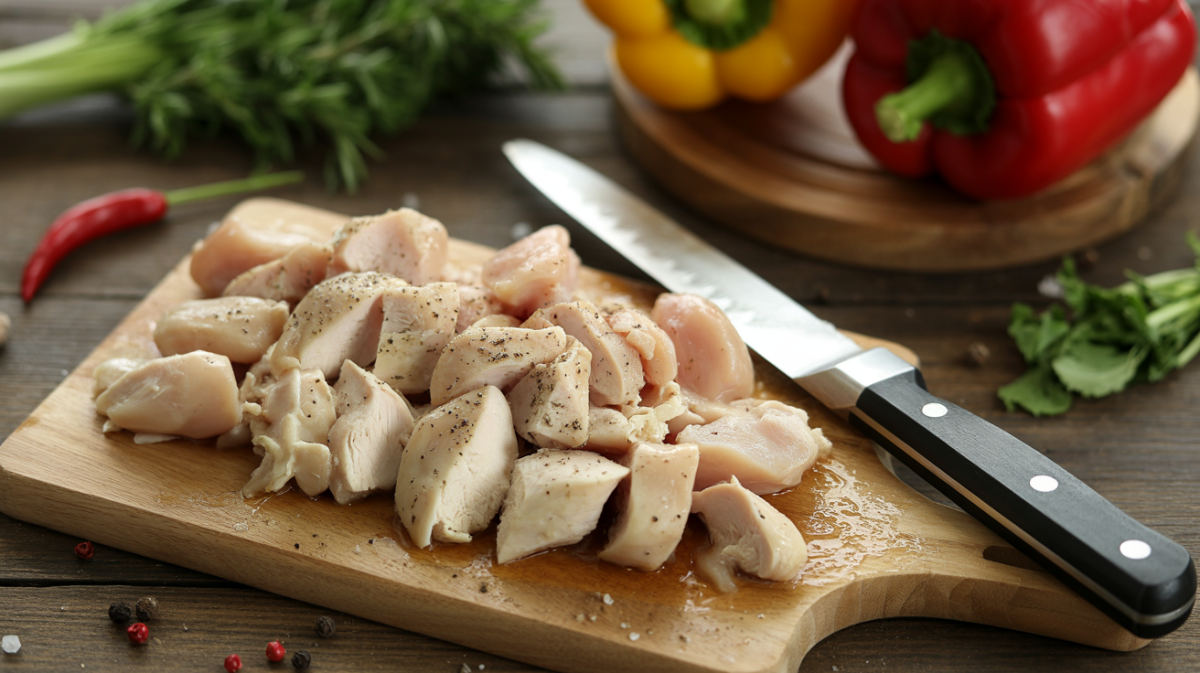
- Make the Curry Sauce: While the chicken is broiling, heat the cooking oil in a large pan over medium heat. Add the shallot, ginger, and garlic and cook for about 1 minute, until fragrant.

- Stir in the turmeric, curry paste, fish sauce, remaining 1 tsp sugar, remaining 1 Tbsp soy sauce, coconut milk, and lime
Video


14 comments
Does anyone think using boneless chicken might affect the richness of the currys flavor? Just curious.
Boneless chicken wont affect the currys richness, its all about the spices and simmering time!
Does the authentic flavor change if we substitute chicken with tofu? And, what about low-fat coconut milk? Any thoughts?
Isnt it fascinating how the coconut milks quality could make or break this Cambodian curry? Ever wondered why thigh cuts are preferred?
Does anyone feel that the currys creaminess hinges on the coconut milks quality? Thoughts on organic versus non-organic?
Is it necessary to use chicken cuts only? What about using tofu for a vegetarian twist to this Cambodian curry?
Absolutely! Tofu would make a great vegetarian substitute in this Cambodian curry. Enjoy experimenting!
Does anyone else feel that the choice of chicken cut can drastically alter the taste of this curry?
Absolutely! The chicken cut can make or break the currys flavor profile.
Has anyone tried swapping coconut milk for other non-dairy options in this recipe? Wondering about almond milks impact on the currys authenticity.
Sure, almond milk works but itll never beat the rich, authentic taste of coconut milk in curry.
Any thoughts on replacing coconut milk with almond milk? Could bring a different flavor to the table, just a quirky idea!
Does anyone know if substituting coconut cream for coconut milk would drastically alter the currys authentic flavor?
Did anyone try substituting chicken with tofu? Wonder if it would still maintain the authentic Cambodian flavor.
Comments are closed.