

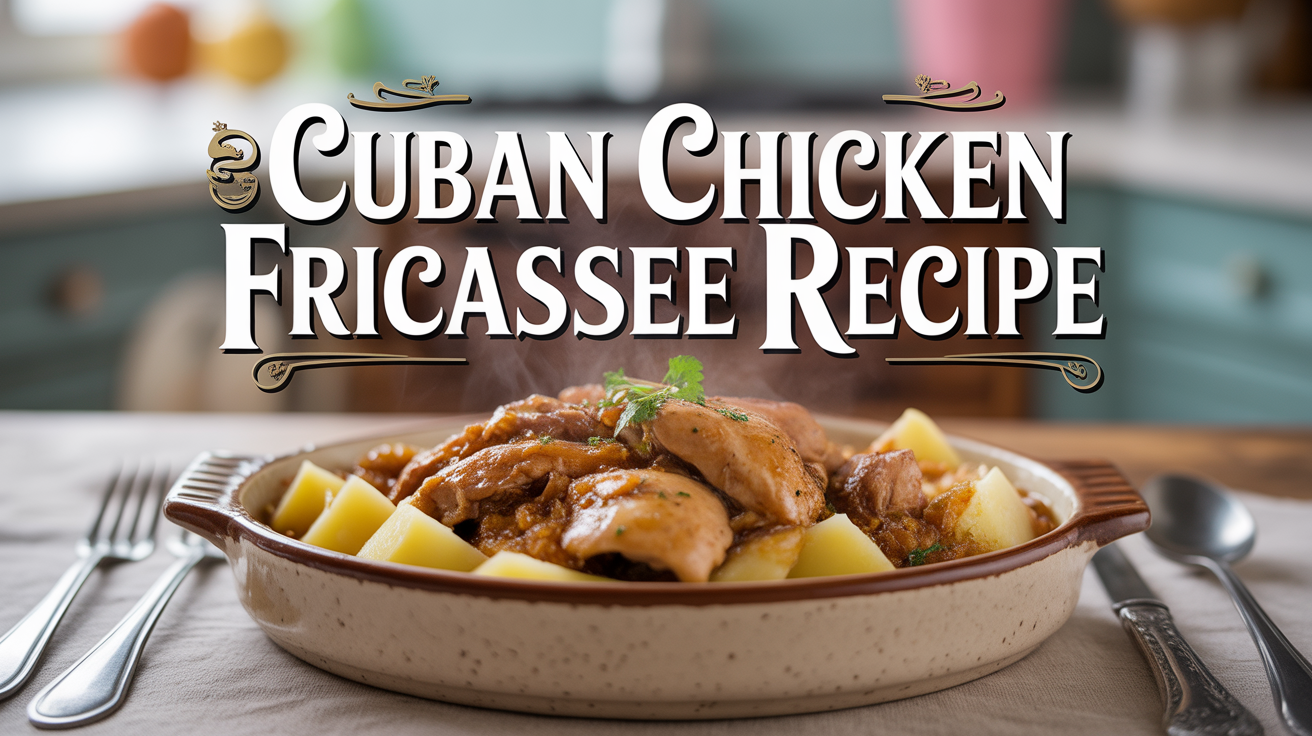
The Cuban chicken fricassee recipe is one of those dishes that reminds me why I fell in love with cooking in the first place. This classic Cuban recipe features tender chicken pieces and potatoes simmered in a rich tomato-based sauce with olives, capers, and wine, creating a hearty comfort food that’s perfect for feeding family and friends. The dish is known in Spanish as fricase de pollo, and it holds a special place in Cuban cuisine as a go-to meal for gatherings and weeknight dinners alike. Cuban chicken fricassee is a staple you’ll want to make again and again.
I’m excited to walk you through everything you need to know about making Cuban chicken fricassee at home. Whether you’re new to Cuban recipes or looking to perfect your technique, I’ll cover what makes Cuban chicken fricassee authentically Cuban, which ingredients you can’t skip, and how to build those deep, savory flavors from scratch. Cuban chicken fricassee is a dish that always brings families together.
The best part about Cuban chicken fricassee is that it’s surprisingly simple to make, even though it tastes like you’ve been cooking all day. You’ll learn how to get the chicken perfectly tender, create a sauce that’s both bright and rich, and choose the right sides to complete your Cuban chicken fricassee meal. 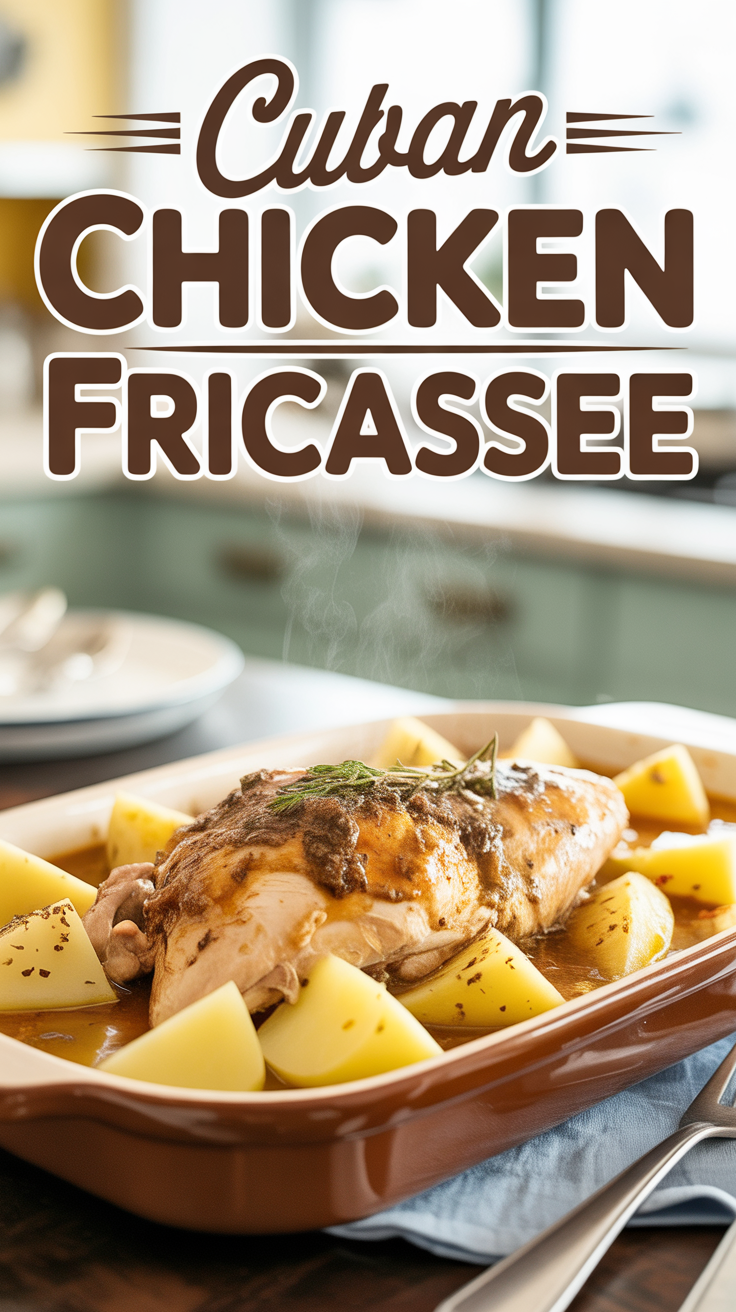
What Is Cuban Chicken Fricassee (Fricase de Pollo)?
Fricase de pollo is a beloved Cuban chicken stew that combines tender chicken pieces with potatoes, olives, and capers in a rich tomato-based sauce. This comforting one pot Cuban chicken fricassee meal has been enjoyed in Cuban homes for generations and stands out from other fricassee recipes with its unique blend of Latin spices and ingredients. Cuban chicken fricassee is a dish that truly captures the soul of Cuban home cooking.
Origins and History of Fricase de Pollo
The word “fricassee” comes from French cooking, where it describes a method of braising meat in sauce. When this technique arrived in Cuba, locals adapted it to create something uniquely their own, resulting in Cuban chicken fricassee as we know it today.
Cuban chicken fricassee evolved as Cuban cooks added their traditional sofrito base, Spanish olives, and wine to the classic French preparation. The dish became a staple in Cuban households because it used simple, affordable ingredients that were readily available on the island. Cuban chicken stews are usually served at countless family gatherings and celebrations.
I find it fascinating how fricase de pollo cubano represents the blending of European cooking methods with Caribbean flavors. The tomato-based sauce replaced heavier cream-based French versions, making Cuban chicken stew lighter and more suitable for the tropical climate. Over time, this authentic Cuban chicken fricassee became a comfort food passed down through generations of Cuban families.
Distinctive Features of the Cuban Version
What makes fricase de pollo different from other chicken stews is its combination of specific ingredients and cooking methods. The dish starts with a sofrito base made from onions, garlic, and bell peppers sautéed in olive oil, which is essential in Cuban chicken fricassee. The unique blend of flavors in Cuban chicken fricassee sets it apart from other stews.
Key ingredients that define the Cuban chicken stew versions include:
- Dark meat chicken (usually thighs and drumsticks)
- Green olives with pimientos
- Capers for briny flavor
- Potatoes that absorb the sauce
- White wine for depth
- Tomato sauce as the base
- Bay leaves and cumin for seasoning
The chicken and potato stew simmers until the meat becomes fall-apart tender. I love how the potatoes soak up all the flavorful sauce while the olives and capers add a distinctive salty-tangy taste you won’t find in other chicken stew recipes. Cuban chicken stew is a dish that balances savory, briny, and hearty flavors beautifully.
Fricassee Versus Other Chicken Stews
While many cultures have their own chicken stews, Cuban chicken fricassee stands apart in several ways. French fricassee typically uses a cream or white wine sauce without tomatoes, creating a much lighter colored dish, while Cuban chicken fricassee features a robust tomato base with olives and capers.
American chicken fricassee often includes mushrooms and cream, making it richer and heavier. In contrast, my Cuban chicken fricassee recipe relies on the brightness of tomatoes and citrus, making Cuban chicken fricassee lighter and tangier.
The cooking method also differs. Most fricassees quickly sauté the chicken, but this Cuban chicken stew braises the meat low and slow until incredibly tender, which is a hallmark of Cuban fricassee. The addition of olives, capers, and wine gives it a Mediterranean influence that other versions lack.
Key Ingredients for Authentic Flavor
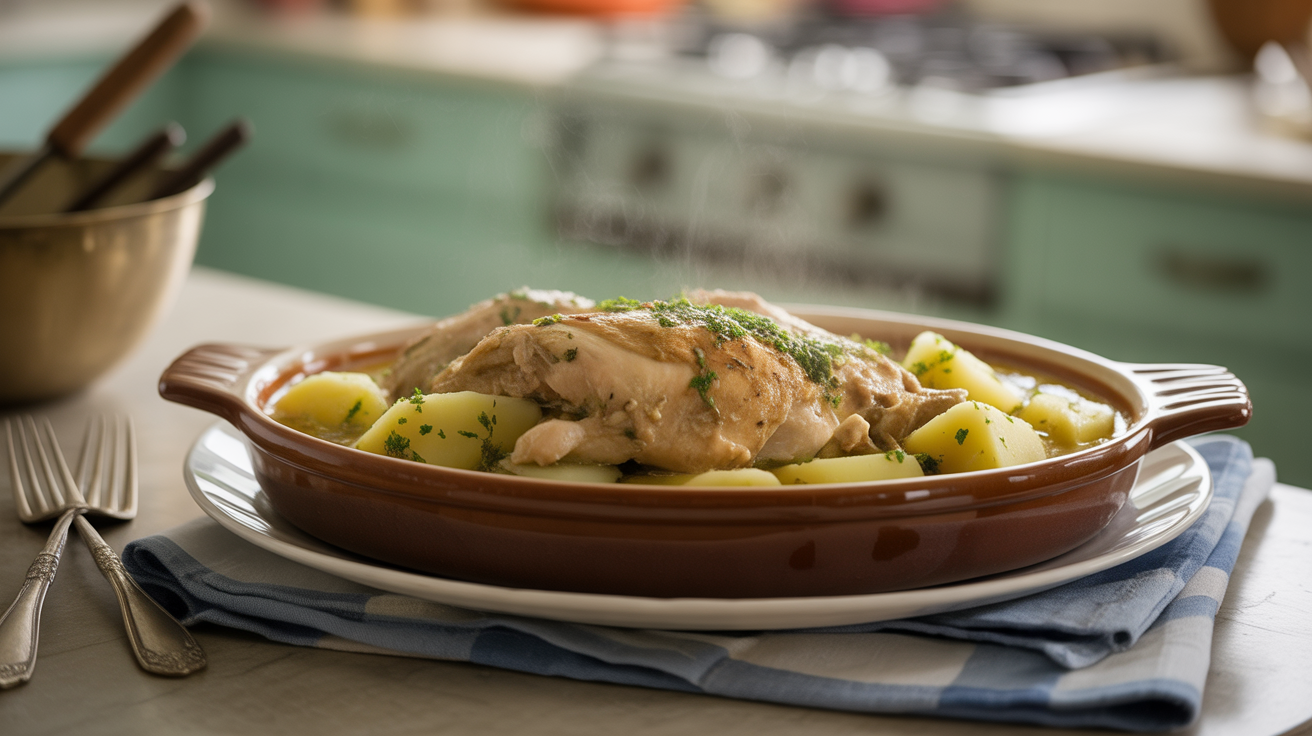
The magic of Cuban chicken fricassee comes from choosing the right chicken cuts and building layers of flavor with traditional marinades and aromatics. I focus on dark meat chicken, a robust mojo marinade, and a tomato-based sofrito that creates the chicken fricassee signature taste. Each element in Cuban fricassee contributes to its unforgettable flavor.
Best Chicken Cuts: Thighs, Drumsticks, and More
I always recommend using dark meat chicken for Cuban chicken because it stays tender during the long cooking process. Chicken thighs and drumsticks work perfectly since they don’t dry out like white meat does, making schicken fricassees juicy and flavorful. The texture of Cuban chicken fricassee is best with bone-in cuts.
You can use bone-in chicken legs for the most authentic Cuban chicken fricassee flavor and texture. The bones add richness to the sauce as it simmers, and if you prefer easier eating, boneless chicken thighs are a good alternative. Cuban chicken fricassee is delicious with either option.
I like to use a mix of drumsticks and thighs to give everyone their favorite piece. The dark meat chicken in Cuban fricassee creates a richer, more flavorful dish than breast meat would. Cut the pieces into manageable sizes if they’re too large for your Cuban chicken fricassee pot.
The Signature Marinade: Mojo and Sour Orange
The mojo marinade is what sets Cuban fricassee apart from other fricassee recipes. I make my homemade mojo with fresh garlic, cumin, oregano, and the star ingredient: sour orange juice, which gives Cuban chicken fricassee its signature tang.
Sour orange, also called Seville orange, gives the chicken marinade its distinctive tangy flavor. If you can’t find sour oranges, I mix regular orange juice with lime juice to get a similar taste for Cuban chicken fricassee. The ratio I use is two parts orange to one part lime for the ideal chicken fricassee flavor.
I let the chicken marinade for at least 2 hours, but overnight is better for Cuban chicken fricassee. The acidic mojo helps break down the meat fibers, making the chicken incredibly tender. Don’t skip this step because it’s essential for authentic chicken fricassee flavor.
Foundational Sauces and Aromatics: Sofrito and Tomato Base
Sofrito forms the flavor foundation of Cuban chicken fricassee. I make mine by sautéing onions, bell peppers, and lots of garlic until they’re soft and fragrant, then building the Cuban chicken fricassee sauce from there.
The tomato base comes next, using either crushed tomatoes or tomato sauce. I add the tomatoes to the sofrito and let them cook together until the oils separate from the sauce, which deepens the Cuban chicken fricassee flavor. This step concentrates the flavors for a rich chicken fricassee.
Bay leaves go into the sauce to add depth and a subtle herbal note. I use 2-3 dried bay leaves and remove them before serving Cuban chicken fricassee. The combination of sofrito and tomatoes creates the traditional Cuban cooking flavors that make chicken fricassee special.
Potatoes, Olives, and Other Classic Additions
I add russet potatoes cut into chunks about halfway through cooking. They absorb the sauce flavors and add heartiness to Cuban fricassees, making it a complete meal. Russet potatoes hold their shape better than red or yellow varieties in chicken fricassee.
Spanish manzanilla olives are traditional in chicken fricassee. I use green olives with pimentos because they add a briny, slightly salty contrast to the rich sauce, giving Cuban chicken fricassee its signature flavor. The manzanilla olives have a mild, buttery flavor that doesn’t overpower chicken fricassee.
Other additions I include are capers for extra saltiness and sometimes raisins for a touch of sweetness. White wine adds acidity and depth to the chicken fricassee sauce. These ingredients create the sweet and savory balance that Cuban chicken fricassee is known for.
Step-by-Step Guide: How to Make Cuban Chicken Fricassee
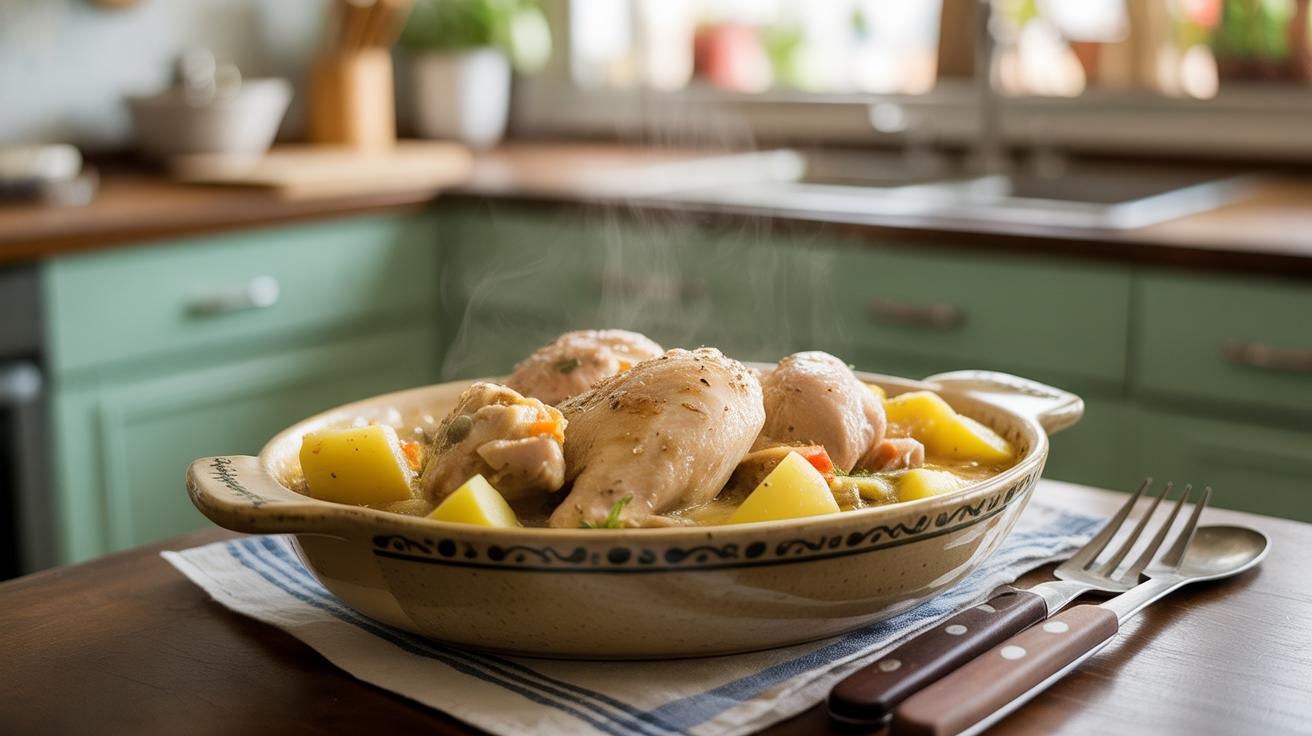
Making this fricase de pollo recipe involves marinating chicken pieces in citrus and spices, browning them to develop deep flavor, creating a rich sofrito base with tomatoes and wine, then simmering everything together until the meat falls off the bone. Each step is important for achieving the perfect Cuban chicken fricassee.

Step 1: Marinate the chicken. Place the chicken pieces in mojo marinade and refrigerate overnight, or for at least 4 hours. Cutting the chicken into a few large pieces helps it marinate more evenly and cook more easily.

Step 2: Prepare the chicken. Remove the chicken from the marinade and pat it dry with paper towels. Season lightly with about ½ teaspoon of salt.

Step 3: Brown the chicken. Heat olive oil in a large pot over high heat. Working in batches, sear the chicken for about 2 minutes per side until lightly browned. Remove from the pot and set aside.

Step 4: Cook the vegetables. In the same pot, add the onions and green pepper. Sauté until softened and translucent. Stir in the garlic and cook for another 1–2 minutes until fragrant.

Step 5: Add the liquids. Pour in the wine and let it simmer with the vegetables for about 2 minutes to cook off some of the alcohol.

Step 6: Build the sauce. Add the tomato sauce, water, cumin, sazon, olives, salt, and pepper. Return the browned chicken to the pot and stir to combine.

Step 7: Simmer the dish. Cover and let the mixture simmer for about 15 minutes. Add the potatoes, then continue cooking for another 20 minutes, or until the potatoes are tender and the chicken is fully cooked.
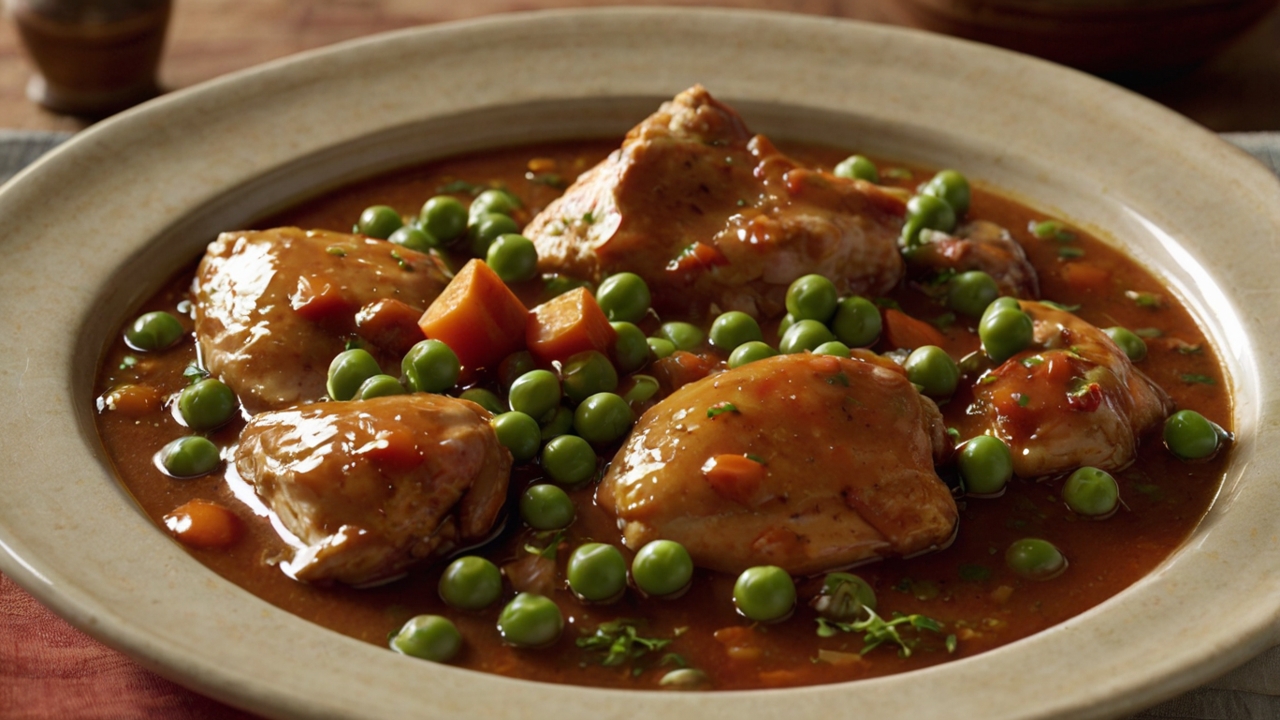
Step 8: Finish and serve. Stir in the peas just before serving and cook for a few minutes until heated through. Serve warm.
Marinating and Preparing the Chicken
I always start by cutting a whole chicken into 8-10 pieces, or I use bone-in, skin-on thighs and drumsticks for chicken fricassee. The bones add flavor to the Cuban chicken stew and help create a rich sauce. Preparing the chicken properly makes a big difference in Cuban chicken fricassee.
In a large bowl, I combine the chicken with fresh lime juice or sour orange juice, minced garlic, sliced onions, dried oregano, cumin, salt, and pepper. I add 2-3 bay leaves for extra depth in the chicken fricassee. The chicken needs to marinate for at least 30 minutes, but I prefer letting it sit for 2-4 hours in the refrigerator for the best Cuban chicken fricassee flavor.
Before cooking, I remove the chicken from the marinade and pat each piece dry with paper towels. I save the marinade, including the onions and garlic, to use later in the chicken fricassee sauce. Drying the chicken properly ensures it browns nicely instead of steaming, which is key for chicken stews.
Browning and Searing for Maximum Flavor
I heat 2-3 tablespoons of olive oil in a large, heavy-bottomed pot or Dutch oven over medium-high heat. This one pot Cuban chicken fricassee meal requires good heat distribution for even cooking. Browning the chicken is essential for developing Cuban chicken fricassee flavor.
Working in batches, I place the chicken pieces skin-side down without crowding the pan. I let them cook undisturbed for 4-5 minutes until the skin turns golden brown and crispy, which adds depth to Cuban chicken stews. Then I flip each piece and brown the other side for another 3-4 minutes. I’m not cooking the chicken through at this stage—just creating a flavorful crust for Cuban chicken fricassee.
I transfer the browned chicken to a plate and set it aside. The brown bits stuck to the bottom of the pot are packed with flavor, so I don’t scrub them off, as they will enrich the Cuban chicken stew sauce.
Building Layers with Sofrito and Sauce
I reduce the heat to medium and add the reserved onions and garlic from the marinade to the pot. I cook them for 3-4 minutes until they soften, forming the base for Cuban fricassees.
Next, I add diced bell peppers (I use a mix of red and green) and cook for another 2-3 minutes. I stir in tomato sauce, dry white wine, chicken broth, capers, and sliced green olives. Some people add raisins for sweetness, but I prefer the savory version of a chicken fricassee. Each of these ingredients contributes to the distinctive taste of Cuban chicken fricassee.
I season the sauce with cumin, oregano, salt, and black pepper. The tomato-based Cuban chicken fricassee differs from French versions because of these bold flavors. I bring the mixture to a simmer, scraping up those brown bits from the bottom of the pot to enrich the chicken fricassee sauce.
Simmering to Tender Perfection
I return the browned chicken pieces to the pot, nestling them into the sauce. Then, I add peeled and cubed potatoes around the chicken, creating the base for a hearty Cuban chicken fricassee. The chicken and potatoes cook together, making this a complete meal that highlights the flavors of Cuban chicken stews. As the ingredients simmer, the aroma of Cuban chicken fricassee fills the kitchen, promising a delicious dinner.
I bring everything to a boil, then reduce the heat to low and cover the pot to let it simmer gently for 35-45 minutes. While the Cuban fricassee simmers, I check occasionally to make sure there’s enough liquid, adding more broth if needed to keep the Cuban chicken fricassee moist and flavorful. The gentle simmer allows the flavors of chicken fricassee to meld perfectly, resulting in tender chicken and perfectly cooked potatoes. This slow cooking process is essential for an authentic Cuban fricassee experience.
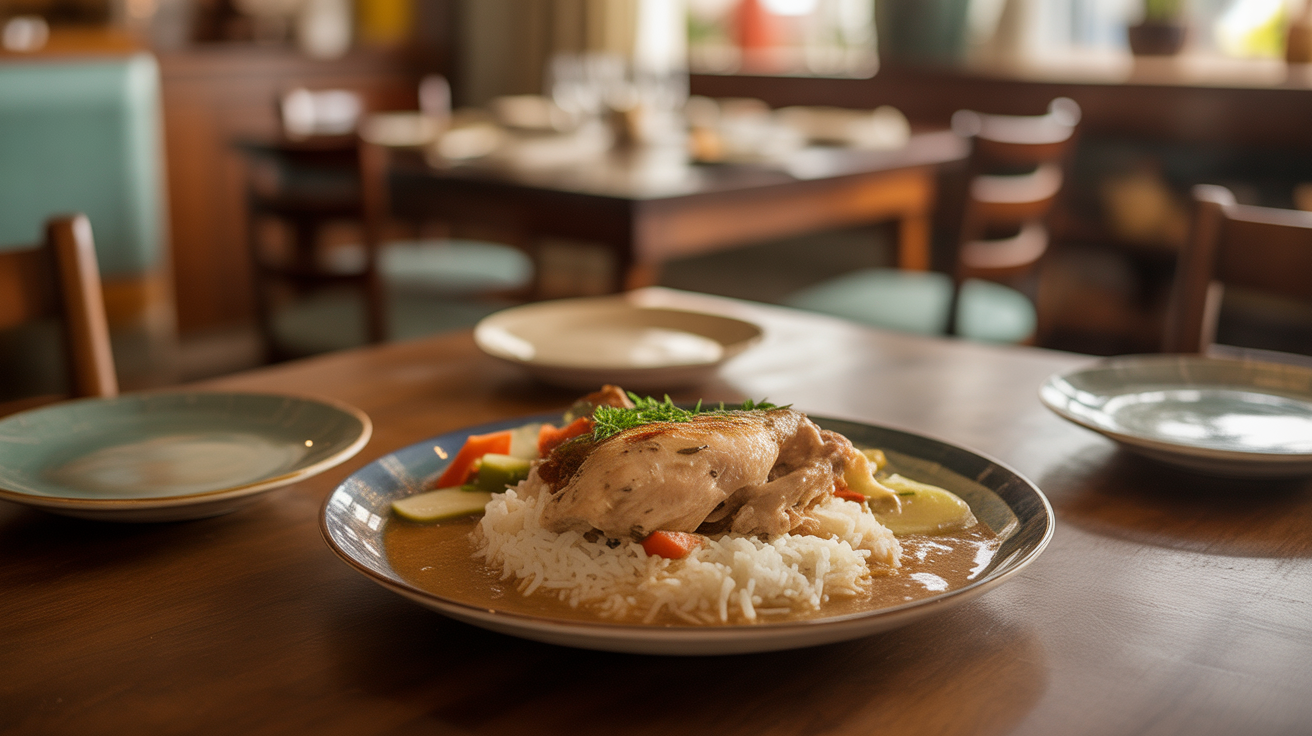
The chicken is done when it’s fork-tender and the potatoes are soft but not falling apart, a hallmark of great Cuban chicken fricassee. The sauce should be slightly thickened, coating the chicken and potatoes in rich flavor. I taste and adjust the seasoning with more salt or a squeeze of lime juice if needed to brighten the chicken fricassee. I serve this Cuban chicken stew over white rice with the sauce spooned generously on top, making sure every bite is infused with the essence of Cuban chicken stews.
Serving Suggestions and Flavorful Sides
I find that Cuban chicken fricassee pairs perfectly with white rice and classic sides like fried plantains and black beans. The rich tomato sauce of Cuban chicken fricassee needs the right accompaniments to balance its bold flavors, and proper storage ensures you can enjoy Cuban chicken stews throughout the week. Serving Cuban chicken fricassee with the right sides brings out the best in this beloved dish, making each meal memorable.
How to Serve Fricase de Pollo
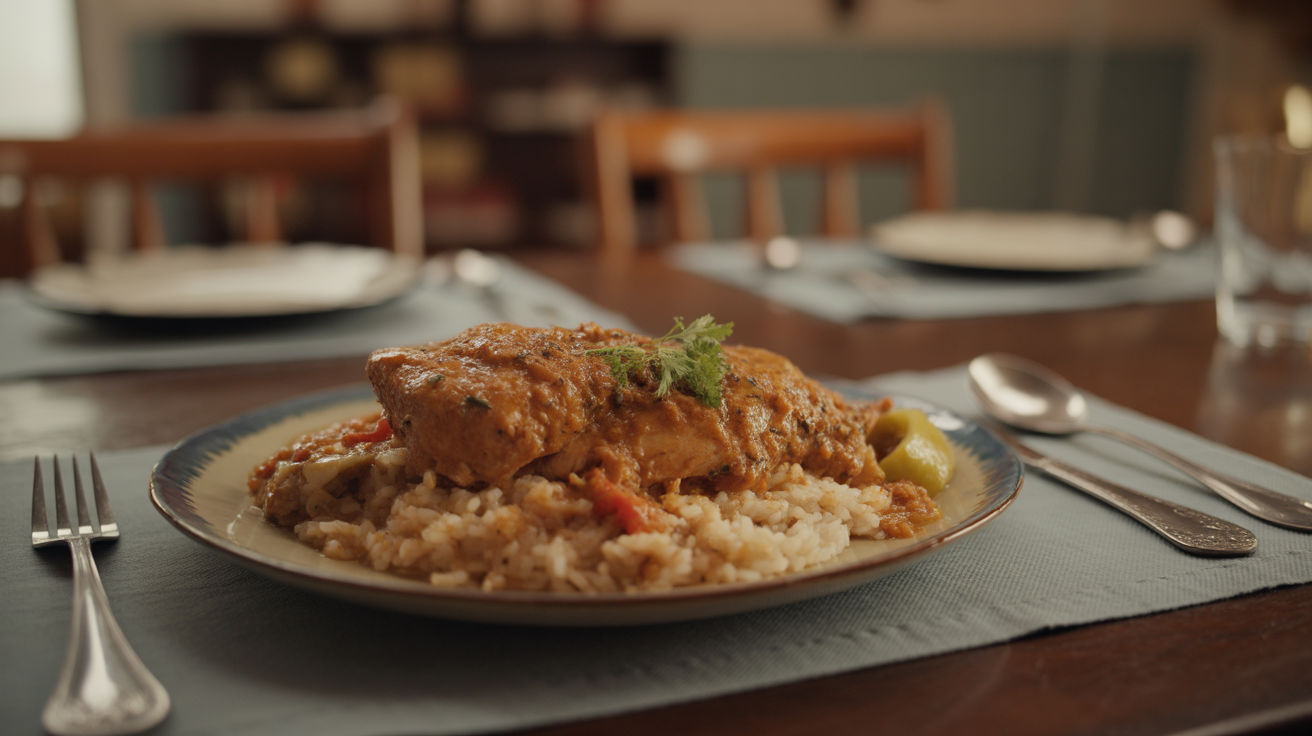
I always serve Cuban chicken stews over a bed of white rice because the fluffy grains soak up the delicious tomato sauce. The rice acts like a sponge for all those amazing flavors from the olives, capers, and wine found in Cuban chicken fricassee. This combination is essential for the full Cuban chicken fricassee experience, ensuring every bite is packed with flavor.
I ladle the chicken and potatoes right on top of the rice, making sure to spoon plenty of sauce over everything to capture the essence of Cuban chicken stews. Some people prefer their rice on the side, but mixing it all together creates the best eating experience with Cuban chicken fricassee. The melding of flavors and textures makes Cuban chicken fricassee a favorite at any table.
For family-style serving, I put the Cuban chicken stews in a large serving bowl in the center of the table so everyone can help themselves. I recommend serving Cuban fricassee hot, right after cooking, when the chicken is at its most tender and the sauce is still bubbling. Sharing Cuban chicken stews this way creates a warm, inviting atmosphere that brings people together.
Traditional Cuban Sides: Rice, Plantains, and More
Cuban black beans are my go-to side dish when I serve Cuban chicken fricassee. The creamy beans complement the tangy tomato sauce in Cuban chicken stews perfectly, and I cook them with garlic, cumin, and a bay leaf for authentic Cuban flavor. Serving Cuban chicken fricassee with black beans adds depth and tradition to the meal, making it even more satisfying.
Fried plantains, or tostones, add a crispy, slightly sweet element to Cuban chicken fricassee. I slice green plantains, fry them once, smash them flat, then fry them again until golden, providing a crunchy contrast to the tender chicken in Cuban chicken fricassee. The combination of Cuban chicken fricassee and plantains is a classic pairing that never disappoints.
Sweet fried plantains (maduros) work well too if you prefer something sweeter to go with Cuban chicken stews. I use ripe plantains with black spots for these, and a simple Cuban salad with lettuce, tomatoes, and avocado dressed in lime juice provides a fresh, light element that cuts through the richness of Cuban chicken fricassee. These sides elevate Cuban chicken fricassee, making every meal a celebration of Cuban flavors.
Tips for Leftovers, Storage, and Reheating
When storing leftover Cuban chicken fricassee, use an airtight container in your refrigerator for up to four days. The flavors of Cuban chicken fricassee develop and deepen as it sits, making it even more delicious the next day. This makes Cuban chicken stews a great make-ahead meal for busy weeks.
For reheating Cuban chicken stews, the stovetop over medium-low heat works best. Add a splash of chicken broth or water to keep the sauce from becoming too thick, ensuring the Cuban chicken fricassee remains saucy and flavorful. Stir occasionally as you heat, and your Cuban chicken fricassee will be ready in about 10 minutes.
It’s not recommended to freeze the potatoes in Cuban chicken fricassee, as they tend to become mushy when thawed. If you want to freeze Cuban chicken stews , leave the potatoes out and add fresh ones when reheating. The chicken and sauce from Cuban chicken fricassee freeze beautifully for up to three months in a freezer-safe container.
When reheating Cuban chicken stews from frozen, thaw it overnight in the fridge for best results. Then warm the Cuban chicken stews on the stovetop, stirring occasionally to ensure even heating and a consistent texture. This method helps preserve the rich flavors and tender chicken found in Cuban chicken fricassee.
With these tips, Cuban chicken fricassee can be enjoyed as leftovers or as a meal prepped ahead of time. Proper storage and reheating will keep your Cuban chicken stews tasting fresh and satisfying every time. a Cuban chicken fricassee is truly a versatile and comforting dish for any occasion.

Comparison: Chicken Fricassee vs Stewed Chicken
When preparing a comforting chicken dish, it’s helpful to understand how chicken fricassee compares to stewed chicken. While both involve simmering chicken in a sauce, their flavor and preparation differ.
Chicken fricassee is typically a lighter, more refined dish made by simmering chicken in a flavorful sauce that often includes wine, broth, and aromatics. In a traditional chicken fricassee recipe, the sauce is slightly thickened and may include ingredients like onions, garlic, and herbs, creating a smooth, savory finish. The result is tender chicken with a balanced, layered flavor.
Stewed chicken, on the other hand, is usually more rustic and robust. It involves cooking chicken slowly in a seasoned liquid, often with vegetables and spices, until very tender. The sauce is typically thinner and more broth-like, with bold, comforting flavors that develop over time.
If you’re looking for a slightly lighter, more refined dish, chicken fricassee is the better choice. If you prefer a hearty, rustic meal with deep, comforting flavor, stewed chicken is the way to go.
Cuban Chicken Fricassee Recipe FAQ
1. What is Cuban chicken fricassee?
It’s a stewed chicken dish cooked in a tomato-based sauce.
2. What ingredients give it its flavor?
Garlic, onions, peppers, olives, and spices.
3. Is wine used in Cuban fricassee?
Yes, cooking wine is often added for depth.
4. What sides go with chicken fricassee?
Rice and beans are traditional.
5. Can this dish be made in advance?
Yes, it tastes better after the flavors develop.
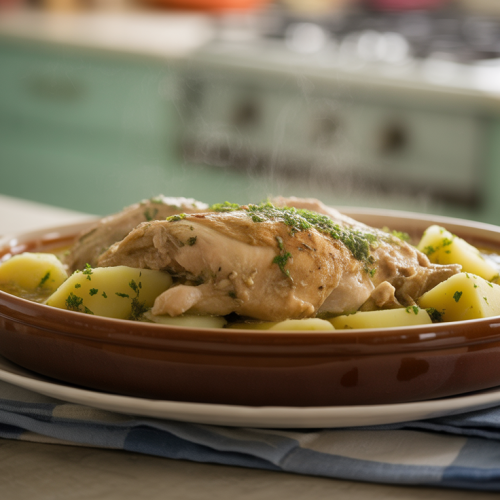
Cuban Chicken Fricassee Recipe
Ingredients
- 16 oz chicken boneless skinless thighs
- 2 cups marinade mojo
- ¼ cup olive oil
- 1 tsp salt divided
- 1 onion diced
- 1 bell pepper medium diced green
- 4 garlic cloves minced
- ¾ cup wine dry white cooking
- 1 16 ounce tomato sauce
- 1 tsp oregano dried
- ¼ cup olives pimiento filled
- 2 packets sazon goya
- 2 potatoes small russet peeled and diced into 1" pieces
- ½ tsp cumin ground
- ½ cup peas
- ¼ cup water
Instructions
- Marinate the chicken. Place the chicken pieces in mojo marinade and refrigerate overnight, or for at least 4 hours. Cutting the chicken into a few large pieces helps it marinate more evenly and cook more easily.
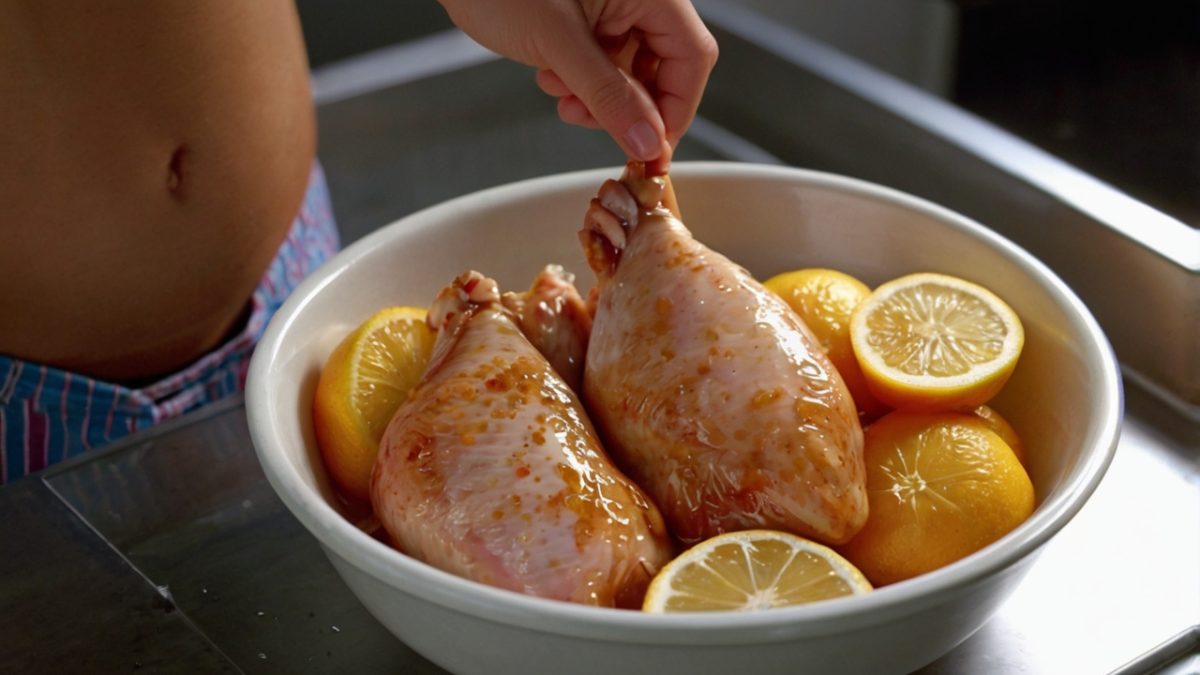
- Prepare the chicken. Remove the chicken from the marinade and pat it dry with paper towels. Season lightly with about ½ teaspoon of salt.
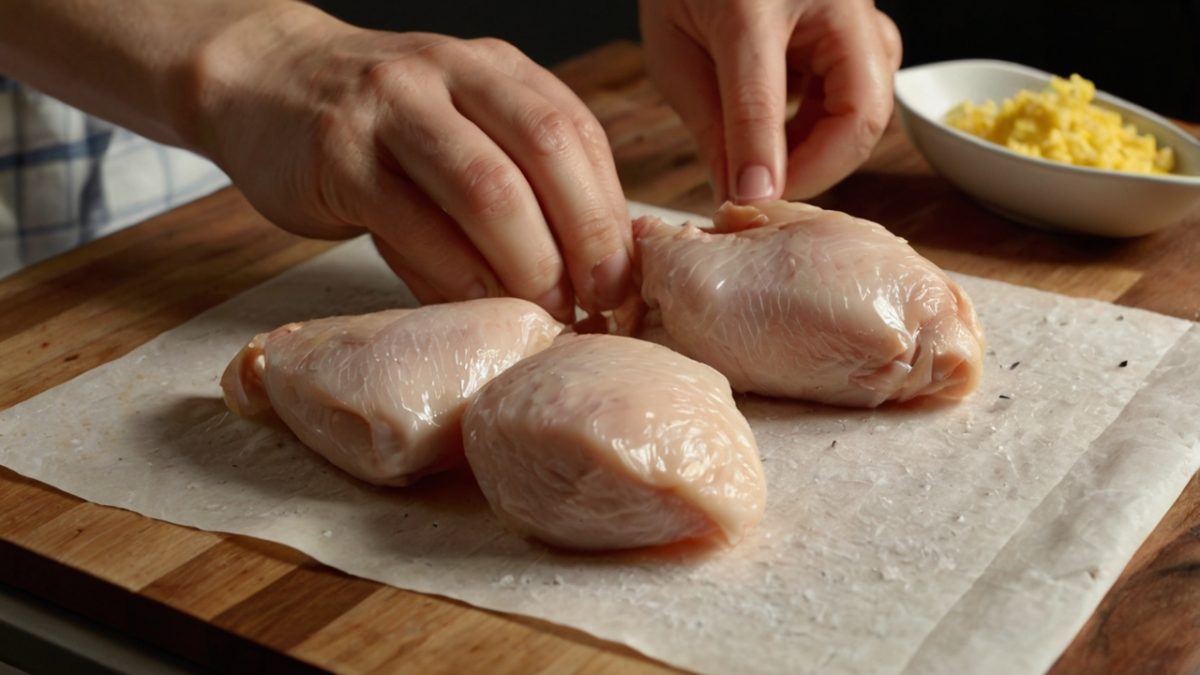
- Brown the chicken. Heat olive oil in a large pot over high heat. Working in batches, sear the chicken for about 2 minutes per side until lightly browned. Remove from the pot and set aside.
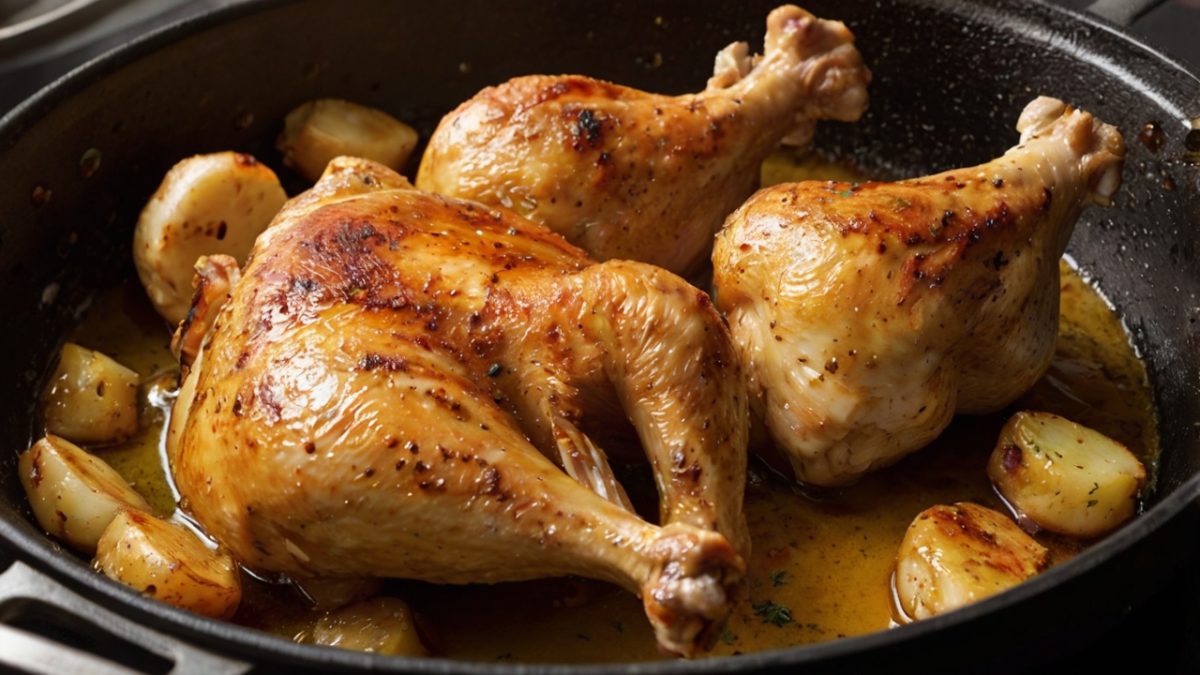
- Cook the vegetables. In the same pot, add the onions and green pepper. Sauté until softened and translucent. Stir in the garlic and cook for another 1–2 minutes until fragrant.

- Add the liquids. Pour in the wine and let it simmer with the vegetables for about 2 minutes to cook off some of the alcohol.
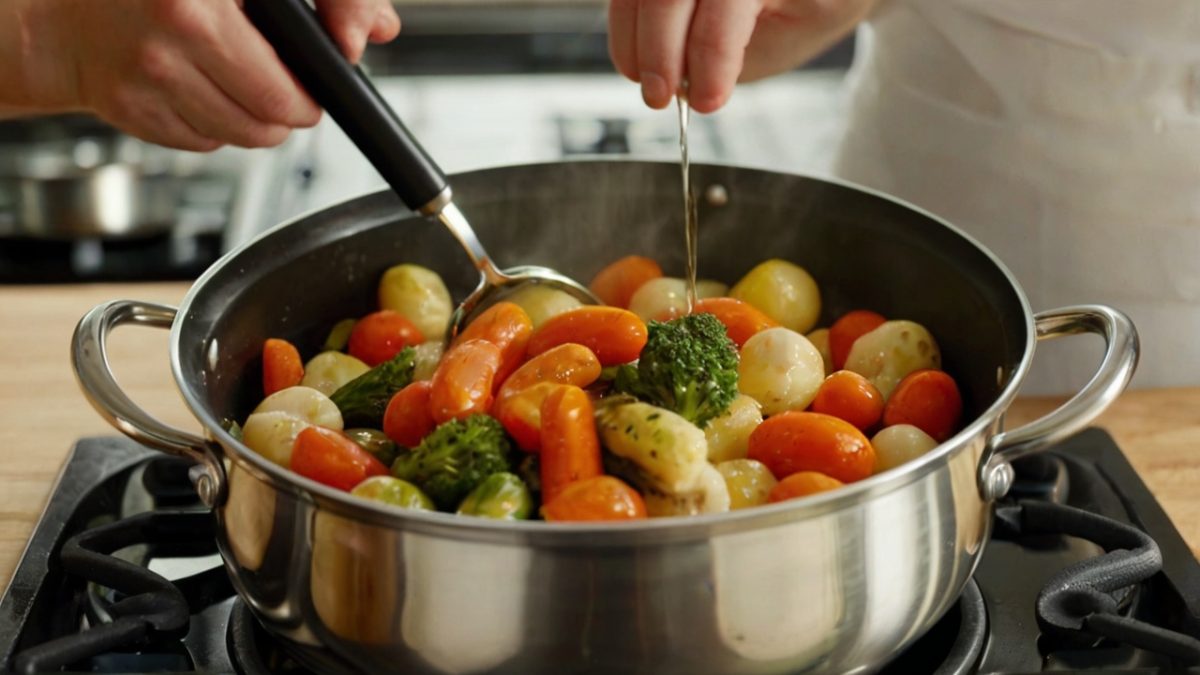
- Build the sauce. Add the tomato sauce, water, cumin, sazon, olives, salt, and pepper. Return the browned chicken to the pot and stir to combine.
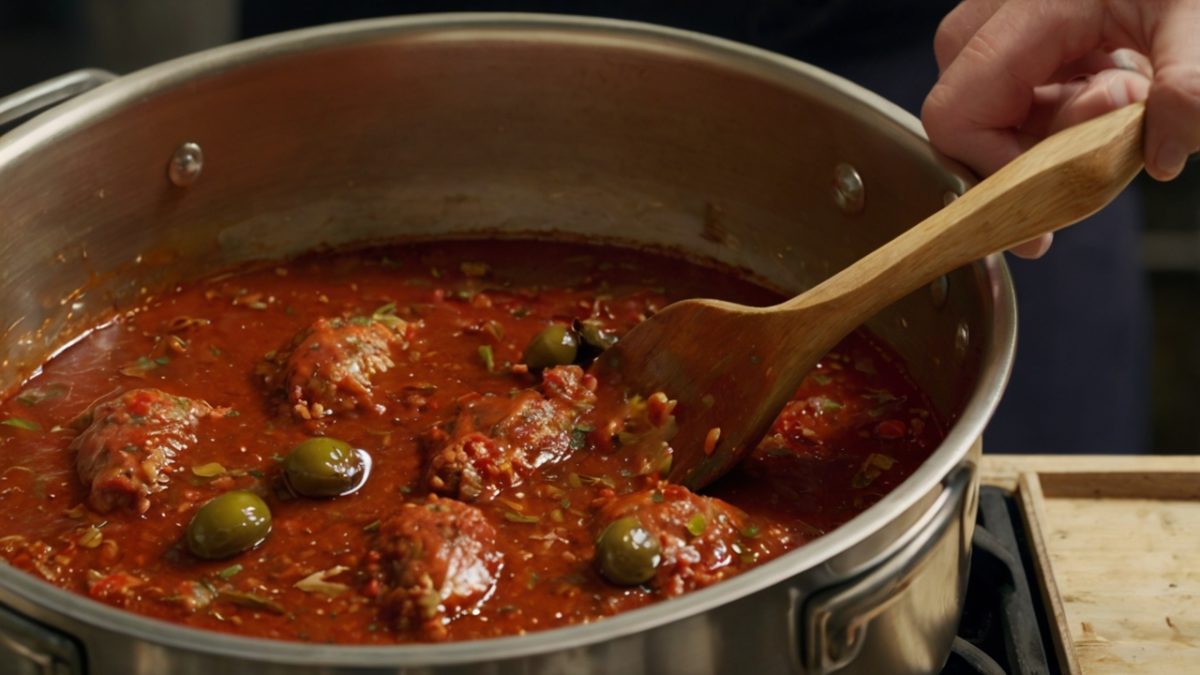
- Simmer the dish. Cover and let the mixture simmer for about 15 minutes. Add the potatoes, then continue cooking for another 20 minutes, or until the potatoes are tender and the chicken is fully cooked.
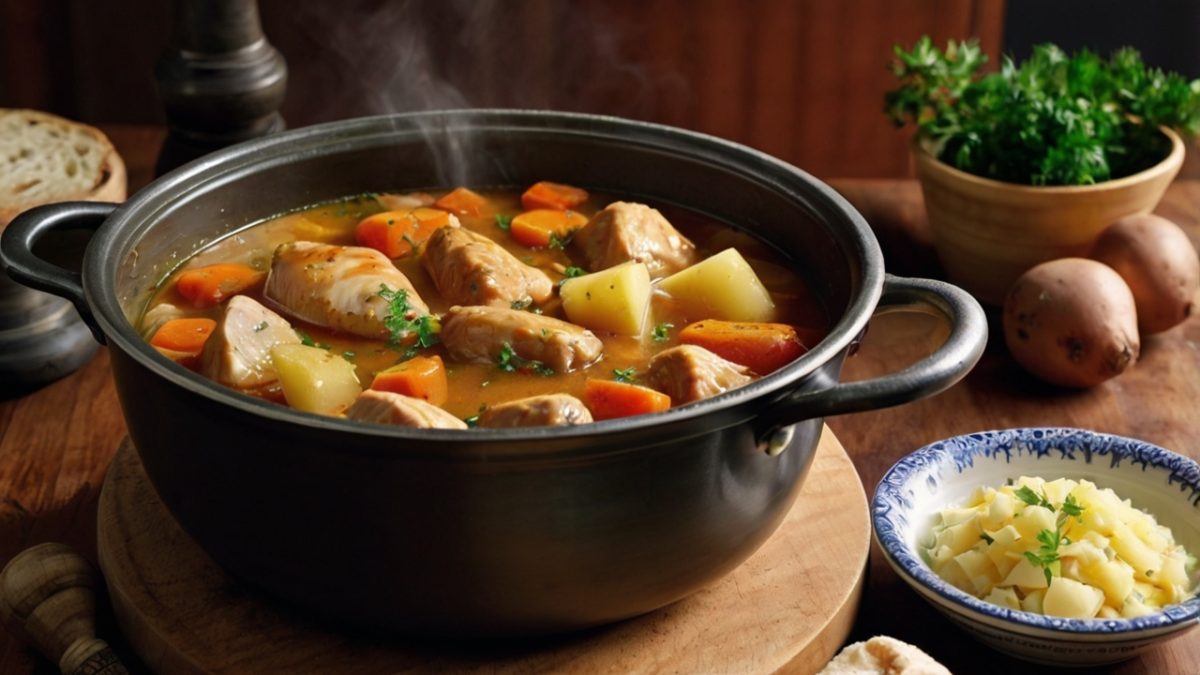
- Finish and serve. Stir in the peas just before serving and cook for a few minutes until heated through. Serve warm.

Video

11 comments
So, does anyone know if theres a significant flavor difference between Cuban Fricassee and other chicken stews?
Interesting read! But what makes the Cuban version distinctive aside from its spices compared to other chicken stew variations?
The distinctiveness lies in Cubas unique cultural fusion, not just the spices!
Interesting read! But did the French influence really shape Cuban Fricassee, or is it a unique Cuban evolution of stew?
Absolutely! French cuisine influenced globally. Cubas Fricassee? Just another testament to that legacy.
Has anyone tried adding a twist of lime to their Cuban Chicken Fricassee? The tanginess could perfectly contrast the richness! Just a thought.
Is it just me who thinks that Fricase de Pollo would taste even better with a dash of spicy Cajun seasoning? Just a thought.
Interesting article! Does anyone else think Cuban Fricassee has a richer flavor compared to other chicken stews? Curious to hear your thoughts.
Definitely! Nothing beats the complexity and depth of flavor in a Cuban Fricassee!
This article is quite insightful but isnt it curious how the Cuban version of Fricassee doesnt use wine like the French?
Interesting read! But did the French version of Fricassee influence the Cuban one? And how does Fricase de Pollo compare to Coq au Vin?
Comments are closed.