

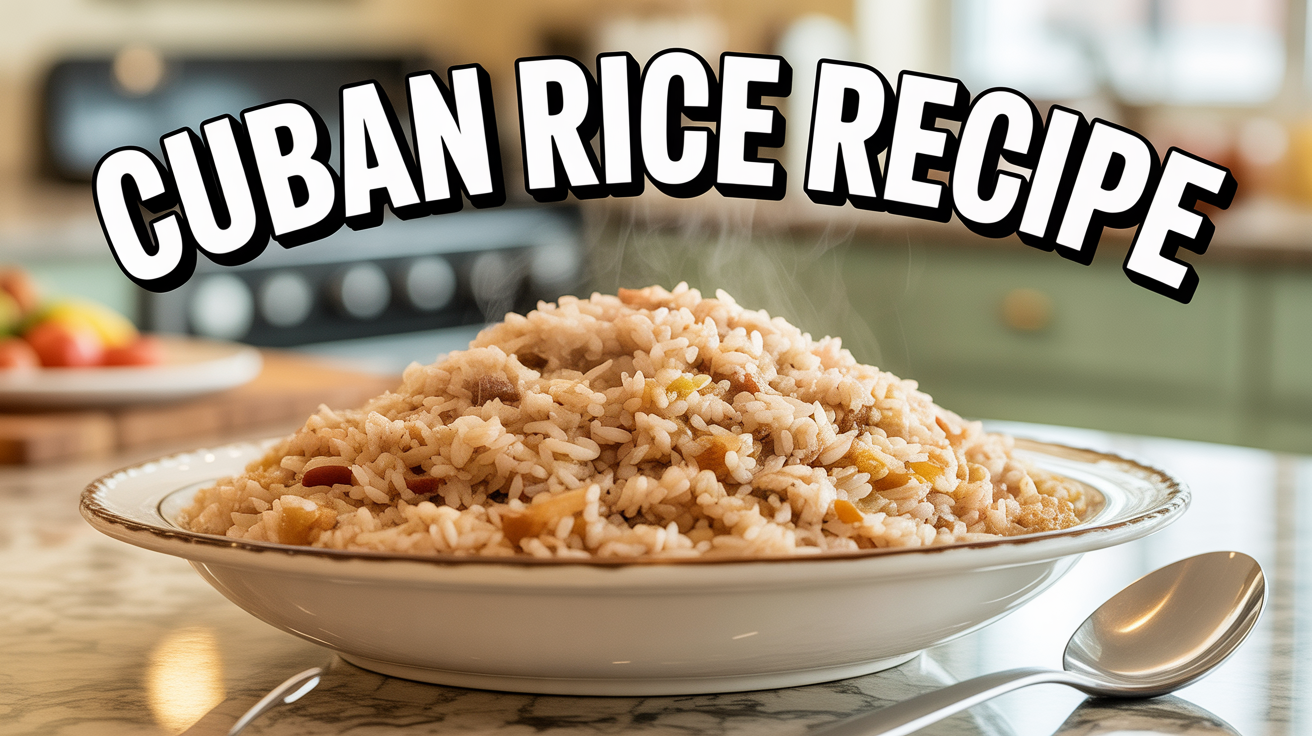
The Cuban rice recipe is more than just a side dish—it’s a cornerstone of Caribbean cooking that brings warmth and flavor to any meal. This simple yet flavorful dish uses basic ingredients like white rice, olive oil, garlic, and sometimes cumin to create a fluffy, aromatic side that pairs perfectly with beans, meat, or vegetables. I’ve made this Cuban rice recipe countless times, and it never fails to impress with how something so easy can taste so good.
What I love most about Cuban white rice is its versatility. You can serve it plain as a classic accompaniment, mix it with black beans for a hearty meal, or add peas and spices to create colorful variations like yellow rice.
The technique matters just as much as the ingredients, and getting that perfect fluffy texture is easier than you might think with a good Cuban rice recipe. Whether you’re new to Cuban cooking or looking to perfect your rice-making skills, I’ll walk you through everything you need to know. From understanding what sets this Cuban rice recipe apart to exploring popular variations, you’ll discover why this staple dish has remained a favorite in Cuban households for generations.
What Makes Cuban Rice Unique?
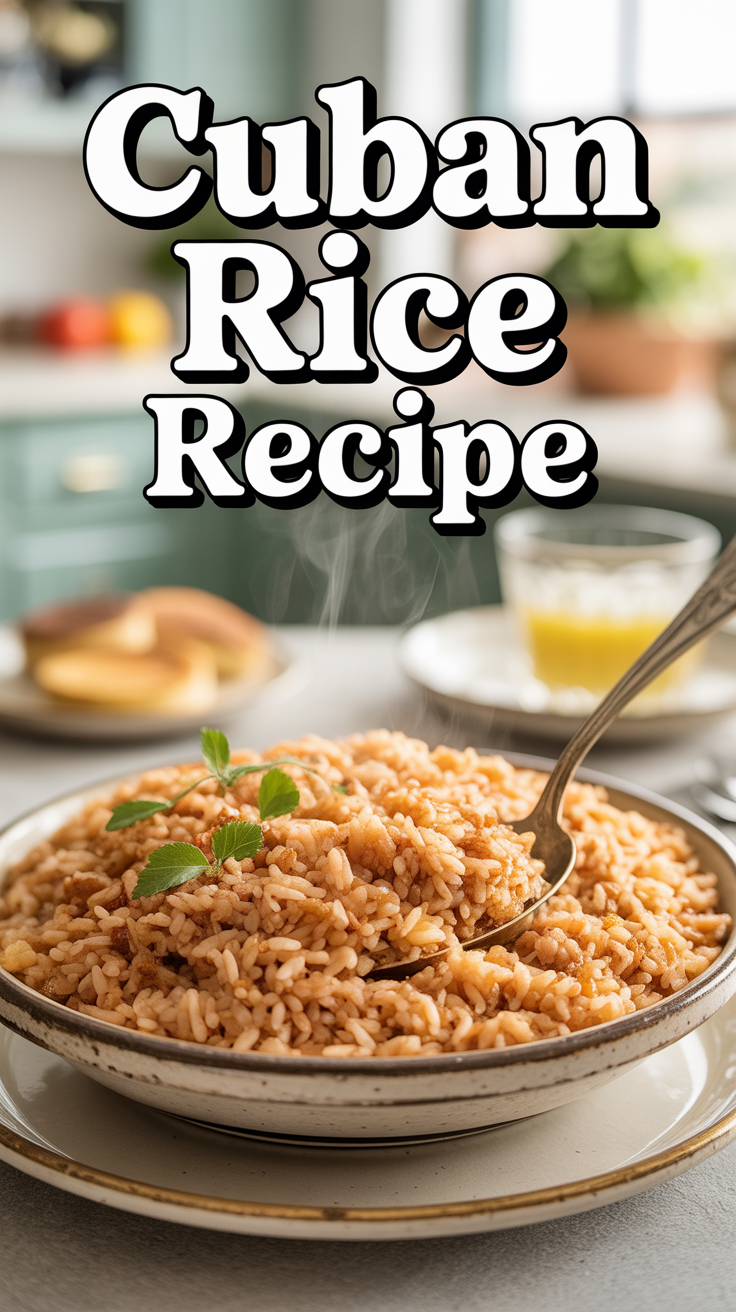
Cuban rice stands apart from other rice dishes through its focus on perfect texture, minimal seasoning, and the role it plays as a foundation for meals rather than the star attraction. I find that understanding these characteristics helps me appreciate why this simple dish holds such an important place in Cuban cuisine and why the Cuban rice recipe is so beloved.
Traditional Ingredients and Their Roles
When I make an authentic Cuban rice recipe, I stick to just a handful of ingredients that work together to create something special. The base always includes long grain rice, olive oil, onion, and garlic.
Essential Ingredients for an Authentic Cuban Rice Recipe
The foundation of an authentic Cuban rice recipe lies in using quality long-grain white rice paired with aromatic vegetables like onion and garlic cooked in olive oil.
Traditional seasonings including bay leaf, oregano, and cumin bring the distinctive flavors, while the right broth ensures perfectly cooked, flavorful grains in your Cuban rice recipe.
Selecting the Best Rice
I always reach for long grain rice when making a Cuban rice recipe because it stays fluffy and doesn’t clump together. Long-grain or medium-grain rice works best since these varieties remain loose and cook thoroughly without turning mushy.
White rice is the traditional choice for this Cuban rice recipe. I find that a good quality brand makes a real difference in the final texture. The grains should be separate and tender when done.
If you can’t find long-grain white rice, medium-grain works as a backup option, though the texture will be slightly different.
Aromatic Base: Onion, Garlic, and Olive Oil
The aromatic foundation of a Cuban rice recipe starts with olive oil, which I use for sautéing the vegetables and adding richness to the dish. I finely chop one medium onion to create sweetness and depth in every bite. Garlic is essential for that pungent, aromatic flavor that makes a Cuban rice recipe so memorable.
I typically use 2-3 cloves, minced or pressed. These three ingredients create the fragrant base that sets a Cuban rice recipe apart from other rice dishes.
The olive oil coats each grain while the onion and garlic infuse their flavors throughout the cooking process. I always sauté the onion first until it becomes translucent, then add the garlic for just a minute to prevent burning.
Key Spices: Bay Leaf, Oregano, and Cumin
Bay leaf adds an earthy, slightly floral note that I find irreplaceable in an authentic Cuban rice recipe. I use one or two whole leaves, removing them before serving. Cumin brings warmth and a distinctive flavor that’s central to Cuban cuisine.
A teaspoon of ground cumin is usually enough for a standard batch. Oregano rounds out the spice profile with its slightly bitter, herbaceous quality.
I prefer dried oregano for this Cuban rice recipe, using about half a teaspoon. These spices work together to create the signature taste of Cuban rice. Salt is also important for bringing out all these flavors.
Broth and Add-Ins
I use chicken broth or vegetable broth instead of plain water to cook the rice. The broth adds layers of flavor that water simply can’t provide in a Cuban rice recipe.
Chicken broth gives a richer, more savory result. Vegetable broth works perfectly for a plant-based version while still delivering great taste. The ratio I follow is typically 2 cups of broth for every cup of rice.
Some cooks add green peas, corn, or bell peppers as optional add-ins for extra color and nutrition. I keep add-ins minimal to let the rice itself shine, but a handful of peas stirred in at the end adds a nice pop of sweetness and color to the Cuban rice recipe.
Step-by-Step Guide: How to Make Cuban Rice at Home
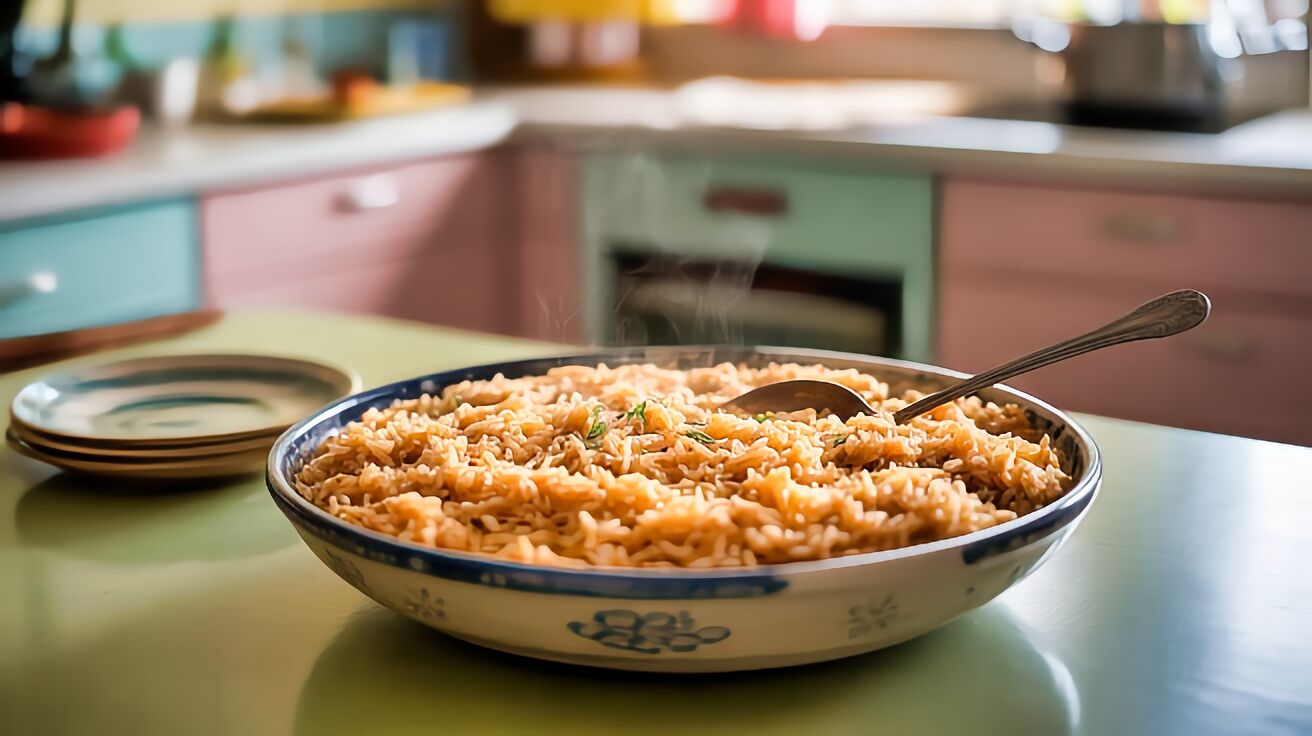
Making an authentic Cuban rice recipe at home is easier than you might think.
The key is using the right techniques to rinse your grains, control your cooking temperature, and add just enough fat to create that signature fluffy texture.
Rinsing and Preparing the Rice
I always start by rinsing my long grain rice under cold water until the water runs clear. This step removes excess starch that can make your rice gummy instead of fluffy. For traditional Cuban rice, I use either long grain or medium grain rice.
I measure out one cup of rice and rinse it in a fine mesh strainer for about 30 seconds. The water should look milky at first, then become clearer as you continue rinsing for your Cuban rice recipe. After rinsing, I let the rice drain completely for a minute or two.
This helps ensure the correct water-to-rice ratio when cooking in a Cuban rice recipe. I typically use two cups of water for every one cup of rice, though some cooks prefer a 1.75:1 ratio for firmer grains.
Cooking Techniques for Perfect Texture
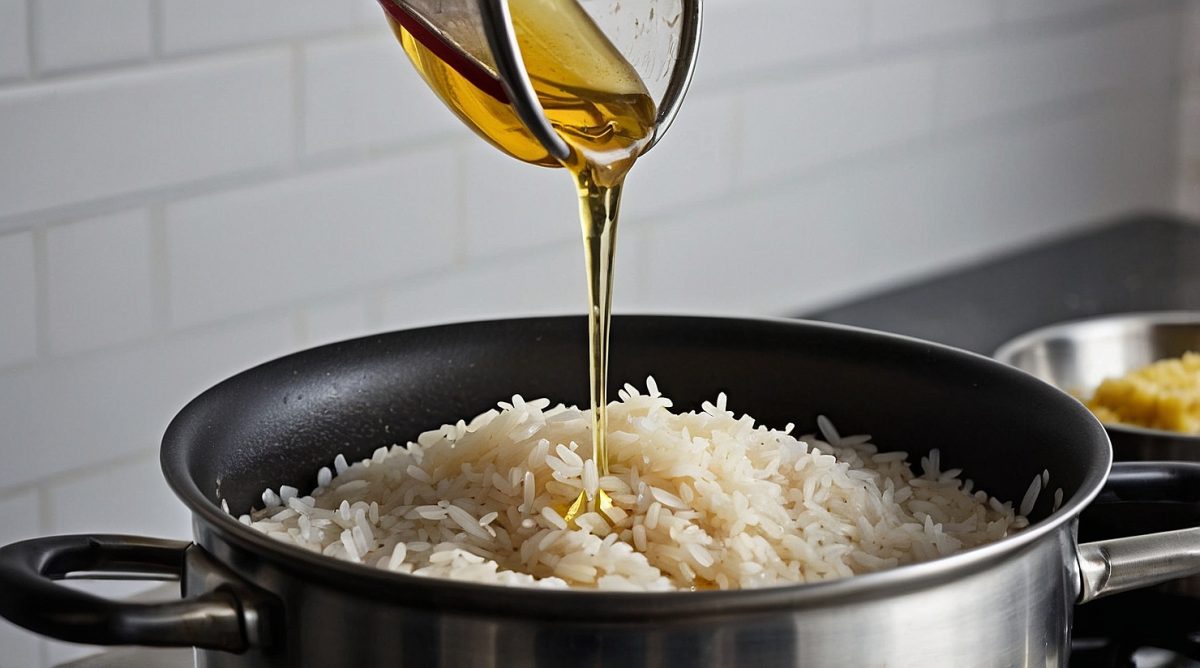
I heat about two tablespoons of olive oil in a medium saucepan over medium heat. Some recipes call for butter, but olive oil gives the rice a more authentic flavor in a Cuban rice recipe.
Once the oil shimmers, I add the drained rice and stir it for about one minute. This toasting step coats each grain with fat, which helps keep them separate as they cook. I then add the water and a teaspoon of salt.
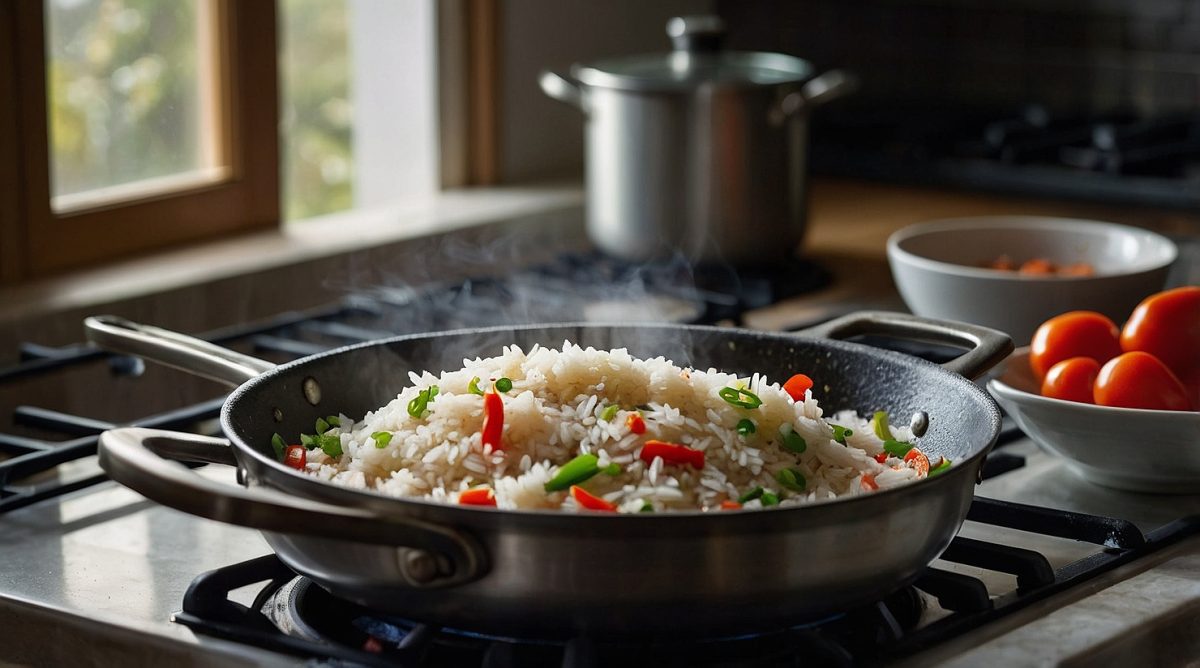
I bring everything to a boil, then immediately reduce the heat to low and cover the pot with a tight-fitting lid. This Cuban white rice method takes about 15-20 minutes of cooking time. I never lift the lid during this time, as the steam is what actually cooks the rice in a Cuban rice recipe.
Tips for Flavorful and Fluffy Results
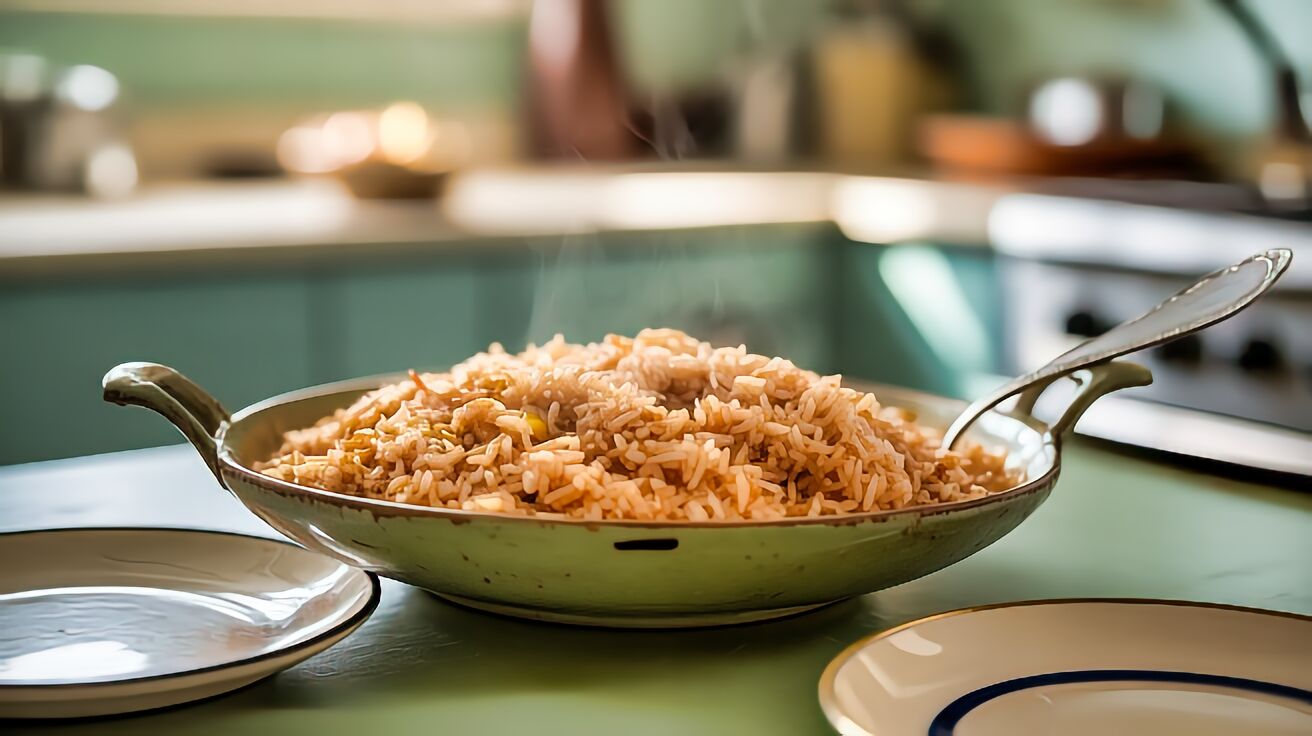
Once the cooking time is up, I turn off the heat but leave the pot covered for five more minutes. This resting period allows the rice to finish steaming and become perfectly fluffy white rice.
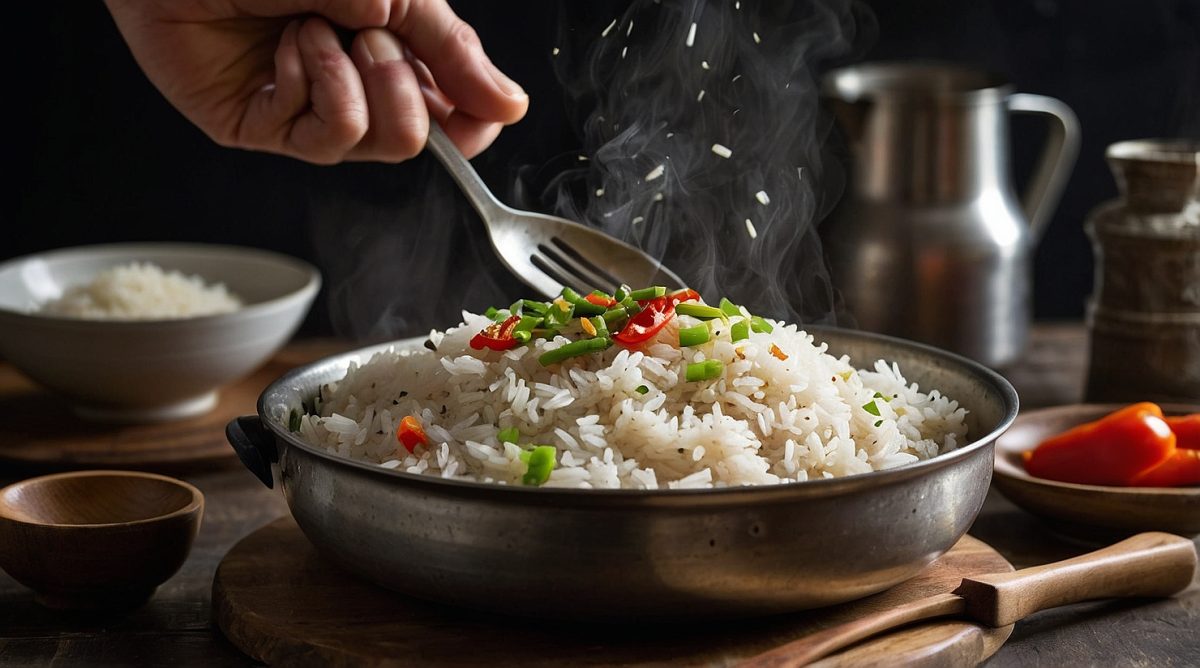
I fluff the rice with a fork, not a spoon, to separate the grains without mashing them. For extra flavor, I sometimes add a bay leaf or a few garlic cloves to the water before bringing it to a boil for my Cuban rice recipe.
- Don’t stir the rice while it’s cooking
- Use a heavy-bottomed pot to prevent burning
- Adjust salt to your preference, starting with 1 teaspoon per cup of uncooked rice
- Keep the lid on during the entire cooking process
The rice should be tender but still have a slight bite to it. If you see water remaining after 20 minutes, cook for a few more minutes with the lid slightly ajar.
Popular Cuban Rice Variations and Serving Ideas
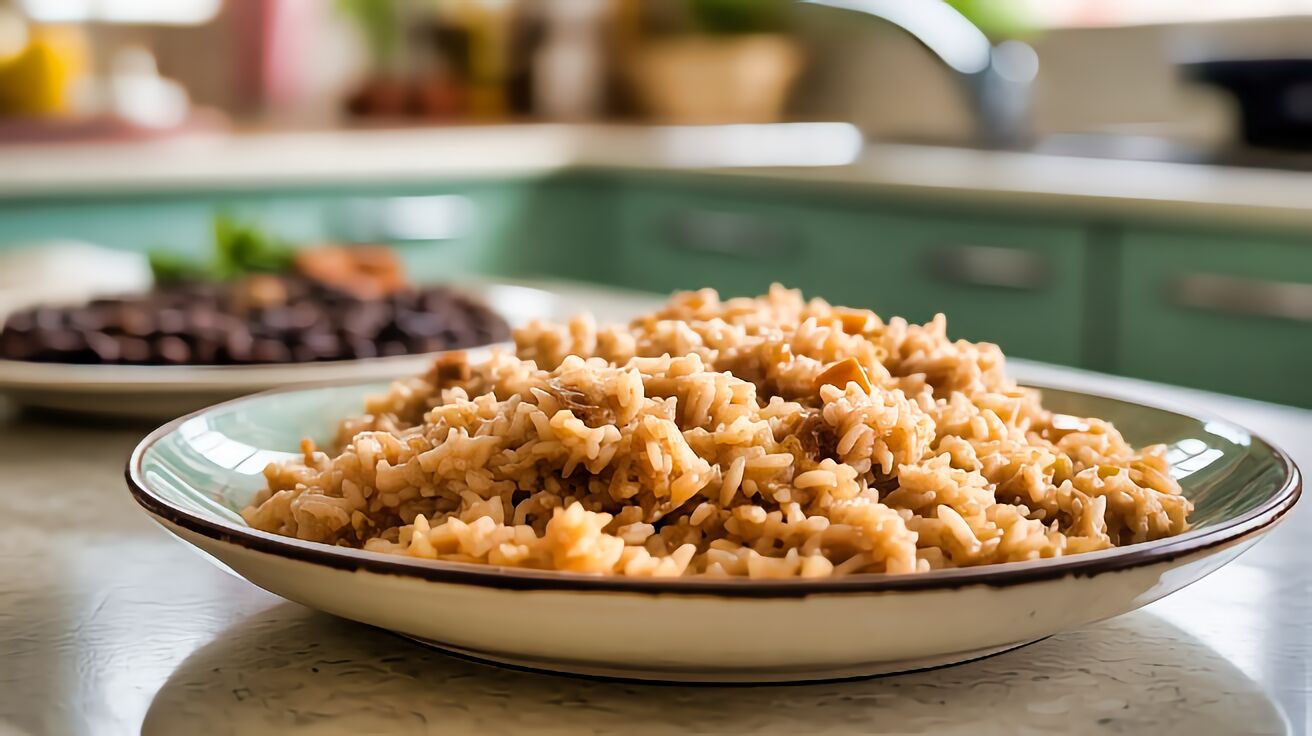
Cuban rice dishes range from simple white rice to hearty one-pot meals that combine proteins, beans, and vegetables.
I love how these variations can work as side dishes or main courses, and they pair beautifully with traditional Cuban accompaniments like fried plantains and yuca.
Cuban Black Beans and Rice (Congri/Moros y Cristianos)
I consider this dish one of the most iconic in Cuban cooking. The terms congri and Moros y Cristianos both refer to rice and beans cooked together, though some Cubans use congri specifically for red beans and Moros y Cristianos for black beans.
When I make authentic Cuban rice and black beans, I cook the rice directly with the bean broth. This method gives the rice a dark color and rich flavor that you can’t get from serving them separately in a Cuban rice recipe.
The key ingredients include Cuban black beans, garlic, onions, cumin, and bay leaves. I often add small pieces of pork for extra flavor. The beans and rice cook together until the liquid absorbs and the rice becomes fluffy and aromatic.
Arroz con Pollo
This classic chicken and rice dish is a complete meal on its own. I brown chicken pieces first, then cook them with rice, vegetables, and seasonings in one pot as part of a Cuban rice recipe variation.
The rice takes on a yellow color from saffron or bijol seasoning. I add bell peppers, peas, and sometimes olives for extra flavor and color.
The chicken stays tender while the rice absorbs all the savory juices. I garnish my arroz con pollo with fresh parsley before serving. It’s perfect for family gatherings because it feeds a crowd and requires minimal cleanup.
Rice and Beans, Peas, and Vegetable Options
Rice and peas is another popular variation I enjoy making with a Cuban rice recipe. I use green pigeon peas or regular green peas mixed into white rice for a lighter alternative to black beans.
For vegetable options, I sometimes add corn, diced carrots, or bell peppers to plain white rice. These additions create colorful side dishes that complement grilled meats and fish.
I’ve also made Cuban style rice with peas or corn using olive oil, finely chopped onion, and cumin. The vegetables add nutrition while keeping the Cuban rice recipe simple and flavorful.
Serving Suggestions: Plantains, Yuca con Mojo, and More
I always serve Cuban rice recipe dishes with fried plantains on the side. Sweet ripe plantains (maduros) or savory green plantains (tostones) both work beautifully.
The contrast between the soft Cuban rice recipe and crispy plantains creates the perfect texture combination. Yuca con mojo is another favorite accompaniment I prepare.
The boiled yuca gets topped with a garlic-citrus sauce that adds brightness to any Cuban rice recipe dish. Here are my go-to pairings for Cuban rice recipe meals:
- Black beans and Cuban rice recipe: Fried eggs, avocado slices, maduros
- Arroz con pollo Cuban rice recipe: Green salad, tostones, Cuban bread
- Plain white Cuban rice recipe: Ropa vieja, picadillo, or grilled fish
- Rice and peas Cuban rice recipe: Roast pork, yuca con mojo, tomato salad
I also like adding fresh lime wedges to the table. A squeeze of lime brightens the flavors and cuts through the richness of the Cuban rice recipe.
These combinations make every Cuban rice recipe meal special. The versatility of Cuban rice recipe allows you to mix and match sides for any occasion.
No matter which Cuban rice recipe you choose, these sides will elevate your dining experience. Enjoy experimenting with your favorite Cuban rice recipe pairings!
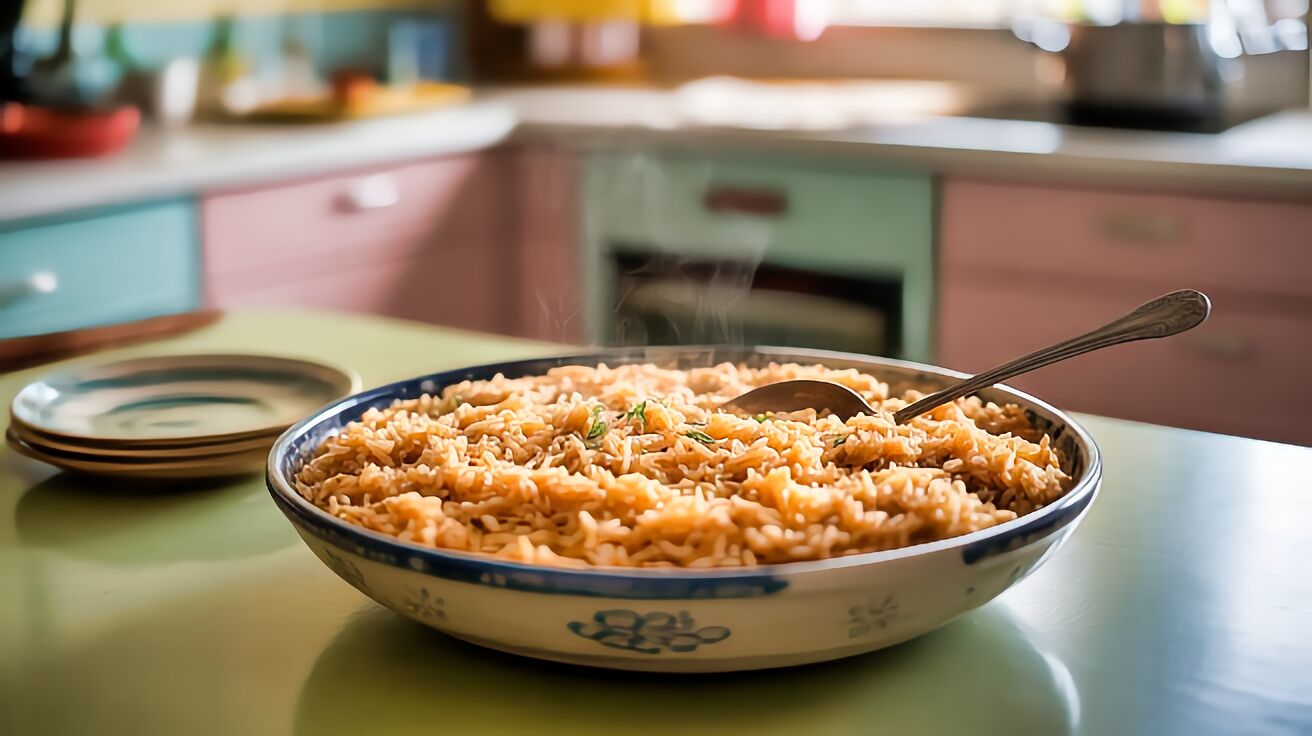
Comparison: Congrí vs White Rice
When preparing a Cuban-inspired meal, it’s helpful to understand how congrí compares to plain white rice. While both are staple sides, they differ significantly in flavor, ingredients, and overall role on the plate.
Congrí—also known as Cuban rice and black beans—is a flavorful dish made by cooking rice together with black beans, garlic, onions, and spices. In a traditional congrí recipe, the rice absorbs the seasoned bean broth, resulting in a savory, slightly smoky flavor throughout. The grains are infused with color and depth, making it more than just a side—it’s a central part of the meal.
White rice, on the other hand, is simple and neutral in flavor. It’s typically cooked with water and salt, resulting in light, fluffy grains that act as a base for other dishes. In many meals, white rice is served alongside proteins or saucy dishes, allowing those flavors to stand out without competition.
If you want a flavorful, all-in-one side with bold taste, congrí is the better choice. If you prefer a simple base that pairs with a variety of dishes, white rice is the way to go.
Lesotho Chakalaka Recipe FAQ
1. What is chakalaka traditionally made of?
Chakalaka is a spicy vegetable relish made with tomatoes, onions, carrots, beans, and chili.
2. Is chakalaka served hot or cold?
It can be served either way, but it’s often enjoyed warm alongside pap.
3. How spicy is chakalaka?
It can range from mild to very spicy depending on how much chili is added.
4. Can chakalaka be stored for later?
Yes, it keeps well in the refrigerator for several days and flavors improve over time.
5. What meals pair well with chakalaka?
It’s commonly served with pap, grilled meats, or stews.
Cuban Rice Recipe FAQ
1. What type of rice is used in Cuban cooking?
Long-grain white rice is most commonly used.
2. How do you make Cuban rice fluffy?
Using the correct water ratio and not stirring during cooking helps.
3. Is oil added to Cuban rice?
Yes, a small amount of oil or butter is often used.
4. Can Cuban rice be cooked in a rice cooker?
Yes, with proper measurements.
5. What dishes pair with Cuban rice?
Beans, meats, and stews are typical pairings.
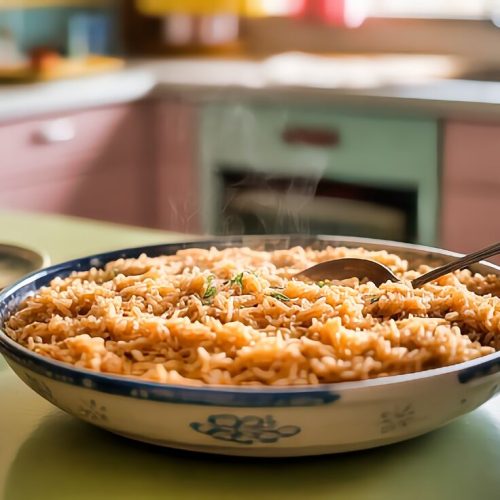
Cuban Rice Recipe
Ingredients
- Ingredients
- 2 cups rice long grain white
- 2 ⅛ cups water
- 3 tbsp vegetable oil
- 1 tsp salt
- 1 onion small diced yellow
- 5 cloves garlic minced
- 1 tablespoon olive oil
- 1/2 cup green pepper small diced
- 1/2 cup red pepper small diced
Instructions
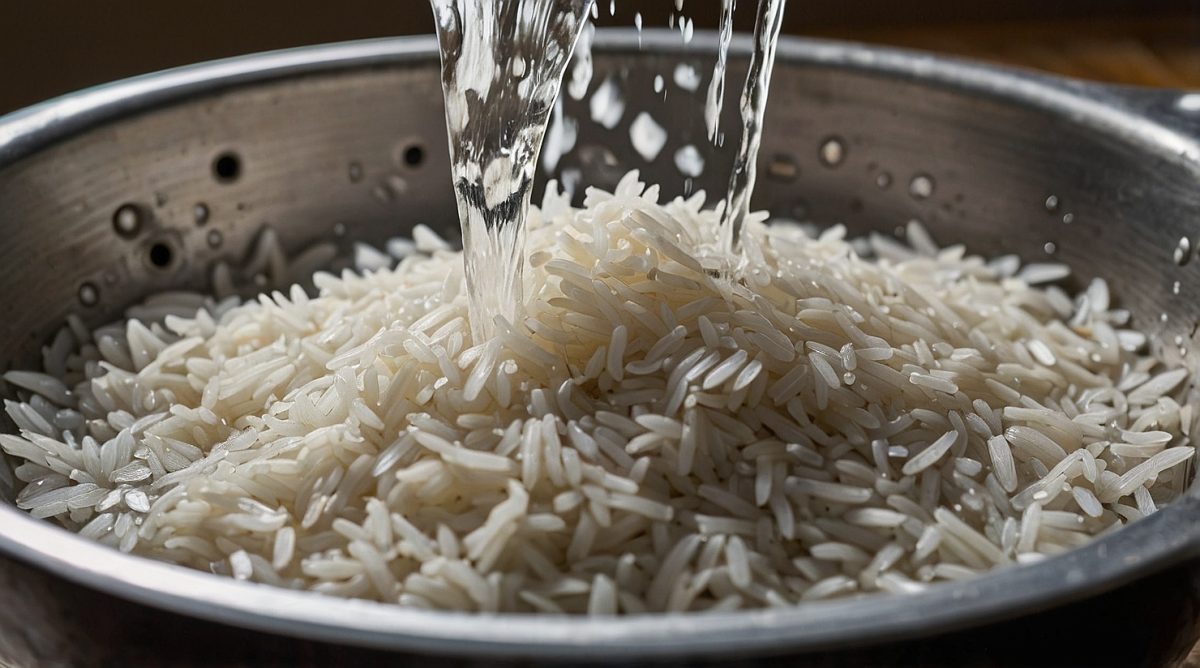
- Rinse the rice. Place the rice in a fine mesh strainer and rinse under room temperature water until the water runs clear.
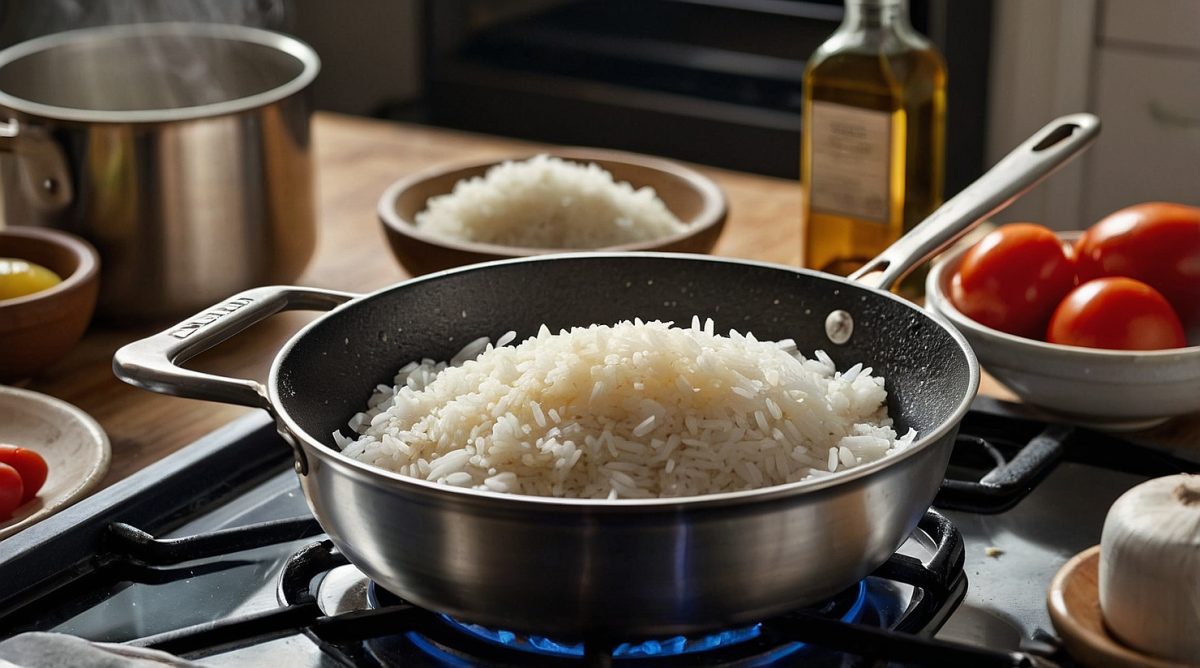
- Add ingredients to the pot. In a medium saucepan, combine the oil, salt, water, and rinsed rice. Set the heat to high.
- Mix the rice. Stir to evenly distribute the salt throughout the rice.
- Cook the rice. As soon as the water comes to a boil, reduce the heat to low and cover the pot. Let it cook for 15 minutes without lifting the lid.
- Finish the rice. After 15 minutes, uncover and fluff the rice. Turn off the heat, cover again, and let it sit for another 5–10 minutes until fully cooked.
Video

14 comments
So, does using Jasmine rice instead of long-grain white alter the authenticity of the Cuban rice recipe? Just curious.
Definitely, Jasmine rice would be a culinary blasphemy to a Cuban rice recipe! Stick to authenticity.
Interesting article! Does using basmati rice instead of long-grain change the authenticity of the Cuban rice recipe?
Basmati or long-grain, its all about individual preference. Authenticity is subjective, enjoy your cooking!
Interesting read! But arent the unique Cuban rice ingredients quite similar to those used in many Latin American cuisines?
Is the uniqueness of Cuban rice really down to the ingredients, or does the cooking method play a bigger role?
Interesting read! But isnt the unique flavor of Cuban rice also influenced by local water quality, not just ingredients?
Why not discuss the impact of different cooking methods on the overall taste of the Cuban Rice? Could be a game-changer!
Sure, but arent we forgetting the magic of Grandmas secret recipe in all this?
Interesting read! But isnt using long grain rice, not short grain, the real secret behind perfect Cuban rice?
Actually, both grains work fine but its the technique that defines perfect Cuban rice!
Interesting read. But isnt using a pressure cooker rather than a traditional pot altering the authenticity of the Cuban rice recipe?
Anyone else think using basmati might give a unique twist to the traditional Cuban rice recipe?
Absolutely not! Cuban rice should be traditional, no basmati twists needed. Stick to the classics!
Comments are closed.