

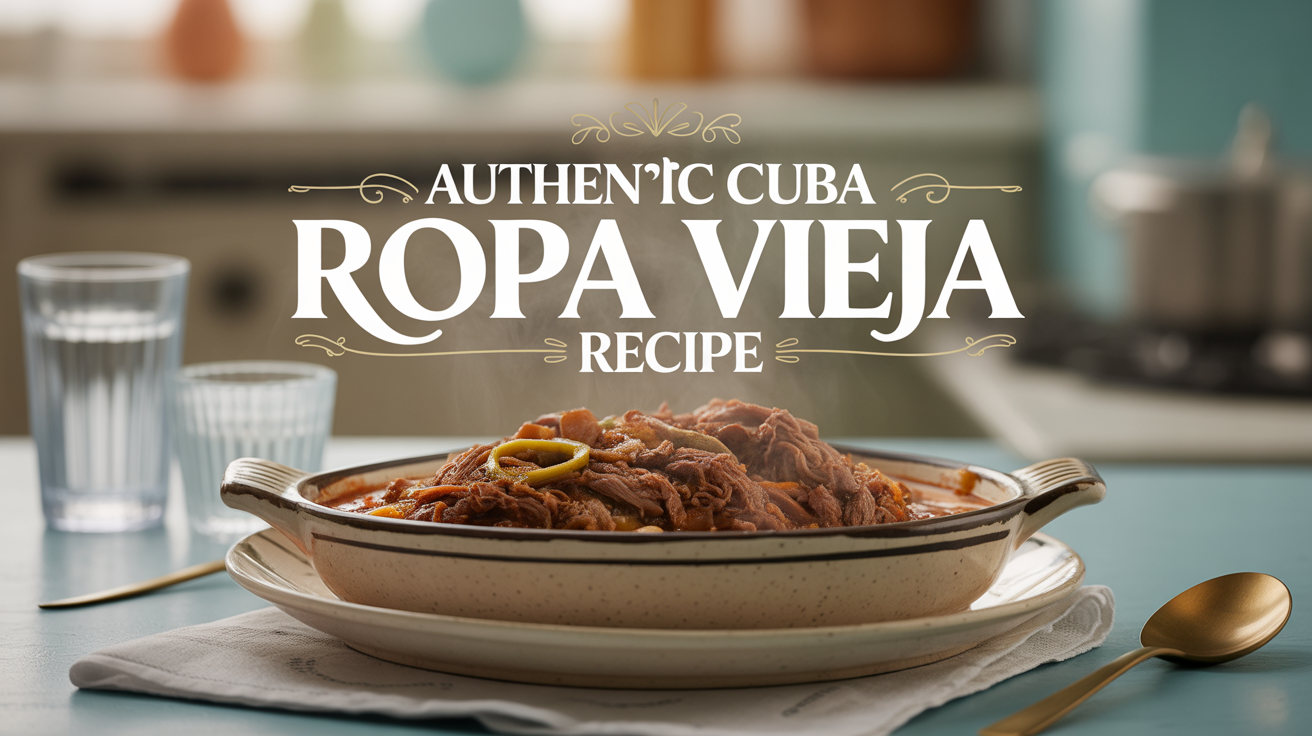
Cuban Ropa Vieja Recipe: Traditional Shredded Beef Made Easy at Home
I love making classic Cuban ropa vieja because it turns a tough cut of beef into something amazing. The meat becomes so tender that it falls apart into soft shreds, and the tomato sauce is packed with flavor from peppers, onions, and spices. This traditional Cuban dish features slow-cooked shredded beef in a rich tomato-based sauce that practically melts in your mouth. If you’re looking to master a Cuban ropa vieja recipe, this dish is a must-try for anyone who loves hearty, flavorful meals.
The name ropa vieja means “old clothes” in Spanish, which makes sense when you see how the beef shreds look. I’ll show you how this Cuban comfort food became one of the most popular recipes in Cuban cuisine and why families across Cuba make it every week. A Cuban ropa vieja recipe is cherished in many Cuban homes, and learning to make it brings the taste of Cuba right to your kitchen.
You don’t need fancy cooking skills to make authentic ropa vieja at home. I’ll walk you through picking the right ingredients, cooking the beef until it’s perfectly tender, and serving it in ways that will make your family ask for seconds. This Cuban ropa vieja recipe is both accessible and deeply satisfying, making it perfect for cooks of all levels.

What Is Ropa Vieja and Its Cultural Significance
Cuban ropa vieja recipe stands as one of Cuba’s most beloved comfort foods, featuring tender shredded beef simmered in a rich tomato-based sauce. This dish carries deep cultural meaning that connects Spanish colonial history with Cuban identity. A Cuban ropa vieja recipe is more than just a meal—it’s a celebration of Cuban heritage and tradition.
The Meaning Behind the Name
The name “ropa vieja” literally translates to “old clothes” in Spanish. I find this name perfectly describes how the shredded beef looks after slow cooking—the meat falls apart into strips that resemble torn fabric or worn clothing. When preparing a Cuban ropa vieja recipe, you’ll see how the transformation of the beef gives the dish its iconic look and feel.
The unusual name actually adds to the dish’s charm and story. When I first learned about this dish, I thought the name was strange for food. But it makes perfect sense once you see the final result on your plate, especially when following a traditional Cuban ropa vieja recipe that honors its origins.
The shredded texture comes from cooking flank steak or brisket for hours until it breaks apart easily with a fork. This is a hallmark of any authentic Cuban ropa vieja recipe and is key to achieving the right consistency and flavor.
Origins and History
Ropa vieja didn’t actually start in Cuba. Spanish settlers introduced the basic recipe when they arrived from the Canary Islands. In Spain, people made it as a simple leftover dish using whatever meat they had on hand, but the Cuban ropa vieja recipe evolved with local influences.
The dish transformed when it reached Cuban shores. African slaves brought new spices and cooking techniques that changed the flavor completely. They added ingredients like bell peppers, onions, and cumin that weren’t in the original Spanish version, creating the foundation of the modern Cuban ropa vieja recipe.
This blending of cultures created something uniquely Cuban. I love how authentic Cuban ropa vieja tells the story of different people coming together through food, and every Cuban ropa vieja recipe reflects this rich history.
How Ropa Vieja Became Cuba’s National Dish
The Cuban version dominates international recognition today. What sets it apart is the balance of savory, sweet, and briny flavors from olives and capers. This complexity makes Cuban cuisine stand out from other Latin American versions and is what you’ll find in any classic Cuban ropa vieja recipe.
The dish became a cornerstone of Cuban cooking because it used affordable ingredients that families could stretch to feed many people. I appreciate how it represents both resourcefulness and celebration in Cuban culture, and why every Cuban ropa vieja recipe is a symbol of family gatherings and festive occasions.
Key ingredients in Cuban ropa vieja:
- Flank steak or brisket
- Tomatoes
- Bell peppers (red and green)
- Onions
- Olives and capers
- Cumin and oregano
The slow-cooked preparation method means families traditionally made this Cuban comfort food for special occasions and Sunday meals. Every Cuban ropa vieja recipe relies on patience and quality ingredients for the best results.

Authentic Cuban Ropa Vieja Recipe and Ingredients
Making authentic ropa vieja starts with choosing the right beef and gathering traditional Cuban ingredients. I’ll walk you through each component that makes this dish so flavorful and tender, so your Cuban ropa vieja recipe turns out perfect every time.
Best Cuts of Beef for Ropa Vieja
Flank steak is my top choice for traditional Cuban shredded beef. The long muscle fibers break down beautifully during slow cooking and shred perfectly into those signature strands that give ropa vieja its name. This is why flank steak is essential in any Cuban ropa vieja recipe.
I also recommend skirt steak as an excellent alternative. It has similar grain patterns and becomes incredibly tender when braised. The texture is slightly different but equally delicious, making it a great option for your Cuban ropa vieja recipe if flank steak isn’t available.
Chuck roast works well if you can’t find flank or skirt steak. It has more marbling, which adds richness to the sauce. I find it requires a bit more cooking time to achieve that perfect pull-apart texture, but it’s still a solid choice for a Cuban ropa vieja recipe.
For best results, I use 2 to 3 pounds of beef flank steak. This amount feeds about 6 people and gives you enough tender shredded beef for generous servings over rice, which is the classic way to enjoy a Cuban ropa vieja recipe.
Essential Ingredients for the Sauce
The sauce is what transforms plain beef into authentic ropa vieja. I start with tomato sauce as my base, usually about 2 cups for a standard batch, which is a staple in any Cuban ropa vieja recipe. Beef broth adds depth and helps braise the meat until it’s fork-tender. I use 2 to 3 cups, which creates enough liquid to keep everything moist during the long cooking process, ensuring your Cuban ropa vieja recipe has the perfect texture.
Bell peppers are essential. I slice one red and one green bell pepper into strips. Some recipes call for roasted red peppers added near the end for extra smokiness and sweetness, which you can try in your own Cuban ropa vieja recipe. Vino seco (dry white cooking wine) is traditional in Cuban cooking. I add about half a cup to build authentic flavor. If you don’t have it, dry white wine works fine and still keeps your Cuban ropa vieja recipe true to its roots.
Cuban Sofrito and Aromatics
Sofrito is the flavor foundation of my ropa vieja recipe. I make Cuban sofrito by sautéing diced onions, bell peppers, and garlic together until they’re soft and fragrant. This aromatic base is a must for any Cuban ropa vieja recipe and sets the stage for deep, complex flavors.
I use one large onion, diced fine, and at least 4 to 6 garlic cloves, minced. Some days I add more garlic because I love the punch it gives. The vegetables should cook down until they’re sweet and golden, which is key for a delicious Cuban ropa vieja recipe.
Bay leaves go into the pot early. I add 2 to 3 leaves to infuse the sauce with subtle earthy notes. Just remember to fish them out before serving, as every Cuban ropa vieja recipe calls for this classic touch.
This aromatic base needs time to caramelize properly. I cook it for about 8 to 10 minutes on medium heat, stirring often to prevent burning. The result is a rich, flavorful start to your Cuban ropa vieja recipe.
Key Spices and Flavor Enhancers
Cumin and oregano are the backbone spices in my authentic Cuban ropa vieja. I use about 1 teaspoon of ground cumin and 1 teaspoon of dried oregano, as every Cuban ropa vieja recipe relies on these spices for signature flavor. Black pepper adds gentle heat without overpowering the other flavors. I grind it fresh when possible and add about half a teaspoon, enhancing the overall taste of your Cuban ropa vieja recipe.
Olives and capers give ropa vieja its signature briny complexity. I stir in about a quarter cup of sliced green olives and 2 tablespoons of capers during the last 30 minutes of cooking. This finishing touch is what makes a Cuban ropa vieja recipe truly stand out. Salt is crucial but I add it gradually. The olives, capers, and beef broth all contain sodium, so I taste as I go and adjust at the end. Balancing salt is important for any Cuban ropa vieja recipe to achieve the perfect flavor profile.

Step-by-Step Guide: How to Make Ropa Vieja

Step 1: Cook the beef. In a large pot or Dutch oven, add the meat along with water and salt. Simmer over medium-low heat for about 2 hours, or until the beef is very tender. (If using a pressure cooker, this step takes about 40 minutes.) Remove the meat from the pot and shred it using two forks. Set aside.

Step 2: Prepare the base. In a large skillet, heat the olive oil over medium heat. Add the sliced green pepper, onion, and pimientos, and cook for 1–2 minutes until they begin to soften. Stir in the garlic and cook for about 30 seconds, just until fragrant.
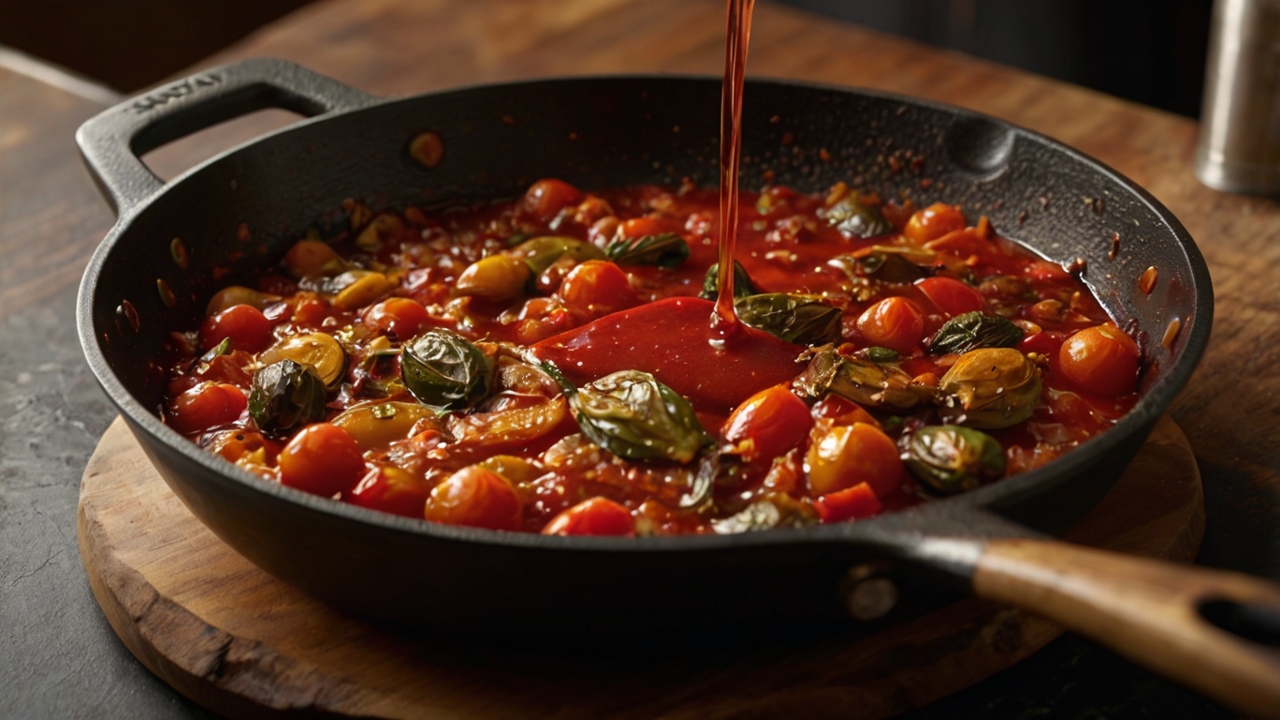
Step 3: Make the sauce. Pour in the tomato sauce and dry cooking wine, then add the cumin, oregano, bay leaf, salt, and pepper. Stir everything together and let it cook for about 15 minutes over medium heat, stirring occasionally to develop the flavor.

Step 4: Combine and finish. Add the shredded beef to the skillet and mix well so it’s fully coated in the sauce. Cover and let it cook on low for 10–15 minutes, stirring occasionally and adding a splash of liquid if needed to keep it from drying out.

Step 5: Serve. Taste and adjust the seasoning with more salt and pepper if needed, then serve warm.
Preparing and Cooking the Beef
I start by selecting a good flank steak, which is the best cut for authentic Cuban ropa vieja because it shreds beautifully after cooking. I season both sides of the meat with salt and black pepper, an essential first step in any Cuban ropa vieja recipe. Searing the beef in a large pot or Dutch oven is my first step. I heat oil over medium-high heat and brown the steak for 3-4 minutes per side. This creates a flavorful crust that deepens the taste of your Cuban ropa vieja recipe.
After searing, I add enough water or beef broth to cover the meat. I include a bay leaf, a halved onion, and a few garlic cloves to the braising liquid. The beef needs to simmer for about 1.5 to 2 hours until it’s fork-tender, which is the secret to a great Cuban ropa vieja recipe. Once the braised beef is cooked, I remove it from the pot and let it cool slightly. I reserve about a cup of the cooking liquid to use later in the sauce. When the meat is cool enough to handle, I shred it into strips using two forks, as every Cuban ropa vieja recipe instructs.
Making the Cuban Sofrito Base
The sofrito is what gives authentic Cuban ropa vieja its distinctive flavor. I heat olive oil in a large skillet or the same pot I used for braising, ensuring the beef juices enrich the sofrito in this Cuban ropa vieja recipe. I dice one large onion and slice two bell peppers (one red and one green work great). I add these to the hot oil and cook them for about 5-7 minutes until they soften. The vegetables should be tender but not mushy, a key detail in any Cuban ropa vieja recipe.
Next, I add minced garlic (about 4-6 cloves) and cook for another minute until fragrant. I stir in my spices at this point: cumin, oregano, and a pinch of paprika. Some recipes call for a teaspoon of each, so feel free to adjust your Cuban ropa vieja recipe to taste. I pour in a can of tomato sauce and add the reserved cooking liquid from the beef. I also include bay leaves and let this mixture simmer for about 10 minutes. The sofrito should be thick and aromatic, ready for the next step in your Cuban ropa vieja recipe.
Building Flavor: Blending Beef with Sauce
I add my shredded beef directly into the sofrito sauce and stir everything together thoroughly. Every strand of meat should be coated with the tomato-based sauce, which is what makes a Cuban ropa vieja recipe so delectable.
At this point, I taste and adjust the seasoning. I might add more salt, a splash of white wine, or even a tablespoon of vinegar for brightness. Some people like to add sliced olives or capers for a briny kick, which is a signature of a true Cuban ropa vieja recipe.
I let the shredded beef simmer in the sauce for at least 20-30 minutes on low heat. This allows the flavors to meld together. The sauce should reduce slightly and cling to the meat, creating the perfect Cuban ropa vieja recipe.
If the mixture looks too dry, I add some of the reserved braising liquid or a bit of water. The final dish should be moist but not soupy, which is the ideal texture for a Cuban ropa vieja recipe that everyone will love.
Stovetop, Slow Cooker, and Instant Pot Methods
Stovetop Method: I follow the traditional braising method described above for the Cuban ropa vieja recipe. The total cooking time is about 3 hours from start to finish, which gives me the most control over the cooking process and delivers unbeatable flavor. The Cuban ropa vieja recipe on the stovetop rewards patience with incredibly tender beef and a deeply savory sauce.
Slow Cooker Method: For the slow cooker Cuban ropa vieja recipe, I sear the beef first, then transfer it to my slow cooker and add the sofrito ingredients, tomato sauce, and liquid. I cook on low for 6-8 hours or high for 4-5 hours, then shred the beef right in the slow cooker and let it sit in the sauce for 30 minutes before serving. This Cuban ropa vieja recipe is perfect for busy days when you want a hands-off approach with delicious results.
Instant Pot Method: For instant pot ropa vieja, I use the sauté function to brown the meat and cook the sofrito, then add the liquids and seal the lid for pressure cooking. I pressure cook on high for 45 minutes with natural release, then shred the beef and return it to the pot using the sauté function to thicken the sauce for 10-15 minutes. The Instant Pot Cuban ropa vieja recipe is a quick way to enjoy this classic dish on a weeknight.
| Method | Total Time | Active Work |
|---|---|---|
| Stovetop | 3 hours | Medium |
| Slow Cooker | 6-8 hours | Low |
| Instant Pot | 1.5 hours | Low |
 Serving Ideas, Variations, and Leftovers
Ropa vieja tastes amazing with traditional Cuban sides, and the Cuban ropa vieja recipe shines with a variety of accompaniments. Proper storage keeps leftovers fresh for days, letting you enjoy this dish in multiple meals and experiment with new serving ideas for the Cuban ropa vieja recipe.
Traditional Sides: Rice and Black Beans
The classic way to serve ropa vieja is over fluffy white rice with black beans on the side, which is a staple pairing for the Cuban ropa vieja recipe. I like to make a full Cuban plate by adding both rice and beans together, creating a hearty and balanced meal that complements the saucy beef.
White rice and black beans balance the richness of the Cuban ropa vieja recipe, as the rice soaks up all the tomato sauce while the beans add protein and texture. Together, these sides make every bite of the Cuban ropa vieja recipe more satisfying and authentic.
Fried plantains are another must-have side for the Cuban ropa vieja recipe. You can make sweet maduros from ripe yellow plantains or savory tostones from green ones, and both taste great with the tender beef and flavorful sauce.
I also love serving the Cuban ropa vieja recipe with warm Cuban bread for soaking up extra sauce, and yuca con mojo (cassava with garlic sauce) makes a filling starch option too. These sides turn the Cuban ropa vieja recipe into a true Cuban feast that everyone will enjoy.
Creative Ways to Enjoy Ropa Vieja
The Cuban ropa vieja recipe works well in many dishes beyond the traditional plate, letting you get creative with leftovers or meal prep. I stuff it into empanadas for a handheld version that’s perfect for parties, and the savory beef filling always gets rave reviews.
Cuban-inspired tacos use the shredded beef from the Cuban ropa vieja recipe as a filling, just warm up corn tortillas and add your favorite toppings like cilantro, lime, and cheese. These tacos are a fun twist that highlight the versatility of the Cuban ropa vieja recipe.
Arepas stuffed with ropa vieja create a satisfying meal, as the corn cakes hold the meat well and add a slightly sweet flavor to the Cuban ropa vieja recipe. I also pile ropa vieja onto nachos or mix it into scrambled eggs for breakfast, making the most out of every batch of the Cuban ropa vieja recipe.
You can make Cuban sandwiches by layering the beef from the Cuban ropa vieja recipe with ham, cheese, and pickles on pressed bread. It even works as a topping for baked potatoes or mixed into rice bowls, offering endless possibilities for enjoying the Cuban ropa vieja recipe.
Using Leftover Ropa Vieja
Leftover ropa vieja from the Cuban ropa vieja recipe stays flavorful for 3-4 days in the fridge, and I find it actually tastes better the next day after the flavors blend together. This makes the Cuban ropa vieja recipe ideal for meal prep and enjoying throughout the week in different ways.
Turn leftovers from the Cuban ropa vieja recipe into quesadillas by adding cheese and cooking until crispy, or use the beef as a filling for burritos or burrito bowls with your choice of toppings. The Cuban ropa vieja recipe adapts easily to a variety of quick and tasty meals.
I mix cold ropa vieja from the Cuban ropa vieja recipe into salads for a protein boost, and it works in pasta dishes too—just toss it with noodles and a little extra tomato sauce. These creative uses ensure that no part of your Cuban ropa vieja recipe goes to waste.
Quick meal ideas: Try ropa vieja pizza, stuffed bell peppers, rice and beans bowls, or soup with added vegetables, all using the Cuban ropa vieja recipe as a base. With so many options, the Cuban ropa vieja recipe becomes a staple in any kitchen for delicious, versatile meals.
Tips for Storing and Reheating
Store your Cuban ropa vieja recipe in an airtight container in the fridge within two hours of cooking. Always keep the meat and sauce together to prevent the dish from drying out. This helps preserve the authentic flavors of your Cuban ropa vieja recipe for days after cooking.
For freezing your Cuban ropa vieja recipe, use freezer-safe containers or heavy-duty bags. It can last up to 3 months in the freezer if stored properly. Be sure to remove as much air as possible before sealing to maintain the quality of your Cuban ropa vieja recipe.
Best reheating methods for Cuban ropa vieja recipe:
- Stovetop: Add a splash of water or broth and heat over medium-low for 5-7 minutes, which works well for the Cuban ropa vieja recipe.
- Microwave: Cover and heat in 1-minute intervals, stirring between each to keep your Cuban ropa vieja recipe moist.
- Oven: Place in a covered dish at 325°F for 15-20 minutes for an even reheating of your Cuban ropa vieja recipe.
When reheating your Cuban ropa vieja recipe, the stovetop method is often best because it helps keep the beef tender. If the sauce looks too thick after storing your Cuban ropa vieja recipe, simply add a little liquid to adjust the consistency. This ensures your Cuban ropa vieja recipe remains as delicious as when it was freshly made.

Cuban Ropa Vieja Recipe: Traditional Shredded Beef Made Easy at Home
I love making classic Cuban ropa vieja because it turns a tough cut of beef into something amazing. The meat becomes so tender that it falls apart into soft shreds, and the tomato sauce is packed with flavor from peppers, onions, and spices. This traditional Cuban dish features slow-cooked shredded beef in a rich tomato-based sauce that practically melts in your mouth.
The name ropa vieja means “old clothes” in Spanish, which makes sense when you see how the beef shreds look. I’ll show you how this Cuban comfort food became one of the most popular recipes in Cuban cuisine. You don’t need fancy cooking skills to make authentic ropa vieja at home. I’ll walk you through picking the right ingredients, cooking the beef until it’s perfectly tender, and serving it in ways that will make your family ask for seconds.
What Is Ropa Vieja and Its Cultural Significance
Ropa vieja stands as one of Cuba’s most beloved comfort foods, featuring tender shredded beef simmered in a rich tomato-based sauce. This dish carries deep cultural meaning that connects Spanish colonial history with Cuban identity.
The Meaning Behind the Name
The name “ropa vieja” literally translates to “old clothes” in Spanish. I find this name perfectly describes how the shredded beef looks after slow cooking—the meat falls apart into strips that resemble torn fabric or worn clothing. The unusual name actually adds to the dish’s charm and story. When I first learned about this dish, I thought the name was strange for food.
But it makes perfect sense once you see the final result on your plate. The shredded texture comes from cooking flank steak or brisket for hours until it breaks apart easily with a fork.
Origins and History
Ropa vieja didn’t actually start in Cuba. Spanish settlers introduced the basic recipe when they arrived from the Canary Islands. In Spain, people made it as a simple leftover dish using whatever meat they had on hand. The dish transformed when it reached Cuban shores.
African slaves brought new spices and cooking techniques that changed the flavor completely. They added ingredients like bell peppers, onions, and cumin that weren’t in the original Spanish version. This blending of cultures created something uniquely Cuban. Authentic Cuban ropa vieja tells the story of different people coming together through food.
How Ropa Vieja Became Cuba’s National Dish
The Cuban version dominates international recognition today. What sets it apart is the balance of savory, sweet, and briny flavors from olives and capers. This complexity makes Cuban cuisine stand out from other Latin American versions. The dish became a cornerstone of Cuban cooking because it used affordable ingredients that families could stretch to feed many people.
Key ingredients in Cuban ropa vieja:
- Flank steak or brisket
- Tomatoes
- Bell peppers (red and green)
- Onions
- Olives and capers
- Cumin and oregano
The slow-cooked preparation method means families traditionally made this Cuban comfort food for special occasions and Sunday meals.
Authentic Cuban Ropa Vieja Recipe and Ingredients
Making authentic ropa vieja starts with choosing the right beef and gathering traditional Cuban ingredients. I’ll walk you through each component that makes this dish so flavorful and tender.
Best Cuts of Beef for Ropa Vieja
Flank steak is my top choice for traditional Cuban shredded beef. The long muscle fibers break down beautifully during slow cooking and shred perfectly into those signature strands that give ropa vieja its name. I also recommend skirt steak as an excellent alternative. It has similar grain patterns and becomes incredibly tender when braised.
Chuck roast works well if you can’t find flank or skirt steak. It has more marbling, which adds richness to the sauce. For best results, I use 2 to 3 pounds of beef flank steak. This amount feeds about 6 people and gives you enough tender shredded beef for generous servings over rice.
Essential Ingredients for the Sauce
The sauce is what transforms plain beef into authentic ropa vieja. I start with tomato sauce as my base, usually about 2 cups for a standard batch. Beef broth adds depth and helps braise the meat until it’s fork-tender. I use 2 to 3 cups, which creates enough liquid to keep everything moist during the long cooking process. Bell peppers are essential. I slice one red and one green bell pepper into strips.
Some recipes call for roasted red peppers added near the end for extra smokiness and sweetness. Vino seco (dry white cooking wine) is traditional in Cuban cooking. I add about half a cup to build authentic flavor. If you don’t have it, dry white wine works fine.
Cuban Sofrito and Aromatics
Sofrito is the flavor foundation of my ropa vieja recipe. I make Cuban sofrito by sautéing diced onions, bell peppers, and garlic together until they’re soft and fragrant. I use one large onion, diced fine, and at least 4 to 6 garlic cloves, minced. Some days I add more garlic because I love the punch it gives.
The vegetables should cook down until they’re sweet and golden. Bay leaves go into the pot early. I add 2 to 3 leaves to infuse the sauce with subtle earthy notes. Just remember to fish them out before serving. This aromatic base needs time to caramelize properly. I cook it for about 8 to 10 minutes on medium heat, stirring often to prevent burning.
Key Spices and Flavor Enhancers
Cumin and oregano are the backbone spices in my authentic Cuban ropa vieja. I use about 1 teaspoon of ground cumin and 1 teaspoon of dried oregano. Black pepper adds gentle heat without overpowering the other flavors. I grind it fresh when possible and add about half a teaspoon.
Olives and capers give ropa vieja its signature briny complexity. I stir in about a quarter cup of sliced green olives and 2 tablespoons of capers during the last 30 minutes of cooking. Salt is crucial but I add it gradually. The olives, capers, and beef broth all contain sodium, so I taste as I go and adjust at the end.
Step-by-Step Guide: How to Make Ropa Vieja
Making ropa vieja involves braising flank steak until tender, creating a flavorful sofrito base with peppers and onions, then combining everything in a rich tomato sauce. You can prepare this dish using traditional stovetop methods, a slow cooker for hands-off cooking, or an Instant Pot for faster results.
Preparing and Cooking the Beef
I start by selecting a good flank steak, which is the best cut for authentic Cuban ropa vieja because it shreds beautifully after cooking. I season both sides of the meat with salt and black pepper. Searing the beef in a large pot or Dutch oven is my first step. I heat oil over medium-high heat and brown the steak for 3-4 minutes per side.
This creates a flavorful crust. After searing, I add enough water or beef broth to cover the meat. I include a bay leaf, a halved onion, and a few garlic cloves to the braising liquid. The beef needs to simmer for about 1.5 to 2 hours until it’s fork-tender. Once the braised beef is cooked, I remove it from the pot and let it cool slightly. I reserve about a cup of the cooking liquid to use later in the sauce. When the meat is cool enough to handle, I shred it into strips using two forks.
Making the Cuban Sofrito Base
The sofrito is what gives authentic Cuban ropa vieja its distinctive flavor. I heat olive oil in a large skillet or the same pot I used for braising. I dice one large onion and slice two bell peppers (one red and one green work great). I add these to the hot oil and cook them for about 5-7 minutes until they soften.
The vegetables should be tender but not mushy. Next, I add minced garlic (about 4-6 cloves) and cook for another minute until fragrant. I stir in my spices at this point: cumin, oregano, and a pinch of paprika. Some recipes call for a teaspoon of each.
I pour in a can of tomato sauce and add the reserved cooking liquid from the beef. I also include bay leaves and let this mixture simmer for about 10 minutes. The sofrito should be thick and aromatic.
Building Flavor: Blending Beef with Sauce
I add my shredded beef directly into the sofrito sauce and stir everything together thoroughly. Every strand of meat should be coated with the tomato-based sauce. At this point, I taste and adjust the seasoning. I might add more salt, a splash of white wine, or even a tablespoon of vinegar for brightness.
Some people like to add sliced olives or capers for a briny kick. I let the shredded beef simmer in the sauce for at least 20-30 minutes on low heat. This allows the flavors to meld together. The sauce should reduce slightly and cling to the meat. If the mixture looks too dry, I add some of the reserved braising liquid or a bit of water. The final dish should be moist but not soupy.
Stovetop, Slow Cooker, and Instant Pot Methods
Stovetop Method: I follow the traditional braising method described above. Total cooking time is about 3 hours from start to finish. This gives me the most control over the cooking process. Slow Cooker Method: I sear the beef first, then transfer it to my slow cooker.
I add the sofrito ingredients, tomato sauce, and liquid. I cook on low for 6-8 hours or high for 4-5 hours. I shred the beef right in the slow cooker and let it sit in the sauce for 30 minutes before serving. Instant Pot Method: For instant pot ropa vieja, I use the sauté function to brown the meat and cook the sofrito.
I add the liquids and seal the lid. I pressure cook on high for 45 minutes with natural release. After shredding the beef, I return it to the pot using the sauté function to thicken the sauce for 10-15 minutes.
| Method | Total Time | Active Work |
|---|---|---|
| Stovetop | 3 hours | Medium |
| Slow Cooker | 6-8 hours | Low |
| Instant Pot | 1.5 hours | Low |
Serving Ideas, Variations, and Leftovers
Ropa vieja tastes amazing with traditional Cuban sides. Proper storage keeps leftovers fresh for days, letting you enjoy this dish in multiple meals.
Traditional Sides: Rice and Black Beans
The classic way to serve ropa vieja is over fluffy white rice with black beans on the side. I like to make a full Cuban plate by adding both rice and beans together. White rice and black beans balance the rich, saucy beef perfectly. The rice soaks up all the tomato sauce while the beans add protein and texture.
Fried plantains are another must-have side. You can make sweet maduros from ripe yellow plantains or savory tostones from green ones. Both taste great with the tender beef. I also love serving ropa vieja with warm Cuban bread for soaking up extra sauce.
Yuca con mojo (cassava with garlic sauce) makes a filling starch option too.
Creative Ways to Enjoy Ropa Vieja
Ropa vieja works well in many dishes beyond the traditional plate. I stuff it into empanadas for a handheld version that’s perfect for parties. Cuban-inspired tacos use the shredded beef as a filling. Just warm up corn tortillas and add your favorite toppings like cilantro, lime, and cheese.
Arepas stuffed with ropa vieja create a satisfying meal. The corn cakes hold the meat well and add a slightly sweet flavor. I also pile ropa vieja onto nachos or mix it into scrambled eggs for breakfast. You can make Cuban sandwiches by layering the beef with ham, cheese, and pickles on pressed bread.
It even works as a topping for baked potatoes or mixed into rice bowls.
Using Leftover Ropa Vieja
Leftover ropa vieja stays flavorful for 3-4 days in the fridge. Turn leftovers into quesadillas by adding cheese and cooking until crispy. The beef also makes great filling for burritos or burrito bowls with your choice of toppings. I mix cold ropa vieja into salads for a protein boost.
It works in pasta dishes too—just toss it with noodles and a little extra tomato sauce.
Quick meal ideas:
- Ropa vieja pizza
- Stuffed bell peppers
- Rice and beans bowl
- Soup with added vegetables
Tips for Storing and Reheating
Store ropa vieja in an airtight container in the fridge within two hours of cooking. Keep the meat and sauce together so it doesn’t dry out.
For freezing, use freezer-safe containers or heavy-duty bags. It lasts up to 3 months frozen.
Make sure to remove as much air as possible before sealing.
Best reheating methods:
- Stovetop: Add a splash of water or broth and heat over medium-low for 5-7 minutes.
- Microwave: Cover and heat in 1-minute intervals, stirring between each.
- Oven: Place in a covered dish at 325°F for 15-20 minutes.
Add a little liquid if the sauce looks too thick after storing.
Comparison: Ropa Vieja vs Shredded Beef
When comparing beef dishes, it’s helpful to understand how ropa vieja differs from general shredded beef. While both use slow-cooked, pulled beef, the seasoning and preparation create very different results.
Ropa vieja is a classic Cuban dish made by simmering shredded beef in a tomato-based sauce with onions, bell peppers, garlic, and spices. In a traditional ropa vieja recipe, the beef is cooked until tender and then shredded, allowing it to fully absorb the rich, savory sauce. The flavor is bold and layered, with a balance of tangy tomato, sweetness from peppers, and aromatic spices.
Shredded beef, on the other hand, is a broader term that can refer to beef cooked and pulled apart without a specific flavor profile. It may be seasoned in many different ways depending on the cuisine, and it’s often used as a base for dishes like tacos, sandwiches, or bowls. The texture is similar, but the flavor is usually simpler and more adaptable.
If you want a fully developed, saucy dish with bold flavor, ropa vieja is the better choice. If you need a versatile protein that can be used in multiple ways, shredded beef is a great option.
Cuban Ropa Vieja Recipe FAQ
1. What does “ropa vieja” mean?
“Ropa vieja” translates to “old clothes,” referring to the shredded appearance of the beef in the dish.
2. Why is flank steak used for ropa vieja?
Flank steak becomes tender when slow-cooked and shreds easily, making it ideal for this recipe.
3. What gives ropa vieja its flavor?
A combination of tomatoes, bell peppers, onions, garlic, and spices creates its signature taste.
4. Can ropa vieja be made in a pressure cooker?
Yes, using a pressure cooker significantly reduces cooking time while keeping the meat tender.
5. What is traditionally served with ropa vieja?
It’s commonly served with white rice, black beans, and fried plantains.

Authentic Cuban Ropa Vieja Recipe
Ingredients
- 2 lbs beef flank steak, cut into pieces
- 1 tsp salt
- 1/3 cup olive oil
- 1 onion medium yellow diced
- 1 bell pepper medium green sliced lengthwise
- 7 oz pimientos whole red sliced lengthwise
- 4 cloves garlic minced
- 8 oz tomato sauce
- 1/2 cup wine (dry white cooking wine)
- 1 tsp cumin ground
- 1 tsp oregano dried
- 1 bay leaf
- 1/4 tsp pepper to taste
- 1/4 tsp salt to taste
Instructions
- Cook the beef. In a large pot or Dutch oven, add the meat along with water and salt. Simmer over medium-low heat for about 2 hours, or until the beef is very tender. (If using a pressure cooker, this step takes about 40 minutes.) Remove the meat from the pot and shred it using two forks. Set aside.

- Prepare the base. In a large skillet, heat the olive oil over medium heat. Add the sliced green pepper, onion, and pimientos, and cook for 1–2 minutes until they begin to soften. Stir in the garlic and cook for about 30 seconds, just until fragrant.

- Make the sauce. Pour in the tomato sauce and dry cooking wine, then add the cumin, oregano, bay leaf, salt, and pepper. Stir everything together and let it cook for about 15 minutes over medium heat, stirring occasionally to develop the flavor.

- Combine and finish. Add the shredded beef to the skillet and mix well so it’s fully coated in the sauce. Cover and let it cook on low for 10–15 minutes, stirring occasionally and adding a splash of liquid if needed to keep it from drying out.

- Serve. Taste and adjust the seasoning with more salt and pepper if needed, then serve warm.
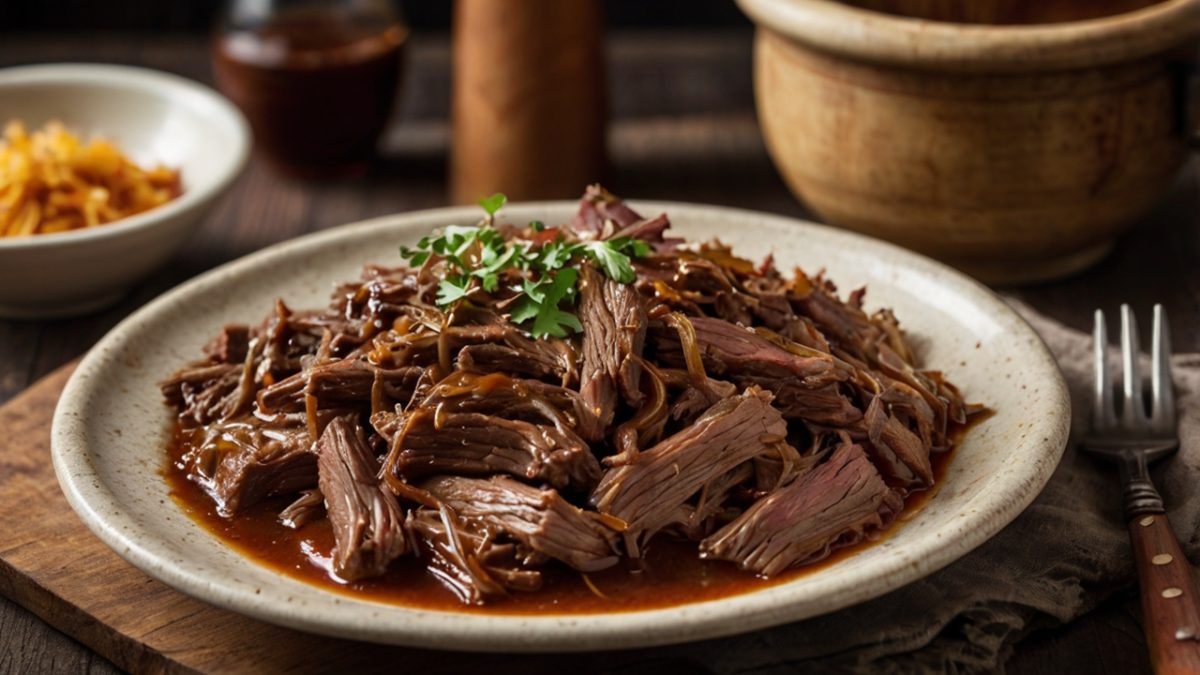
Video

12 comments
Interesting read, but did anyone else wonder how this recipes evolved over the years due to food availability?
Does anyone think the cultural significance of Ropa Vieja has been diluted with these easy home recipes? Just a thought!
Crazy to think Ropa Vieja translates to old clothes, yet its such a tasty dish! Wonder whats the weirdest food name translation out there?
Ever heard of Stinking Bishop? Its a cheese, not a clergyman!
Interesting read! But does using a pressure cooker instead of slow-cooking still maintain the authentic taste of Ropa Vieja?
Pressure cooker, slow-cooker, its all about the spices! Authenticity isnt confined to cooking methods.
Isnt it crazy how Ropa Vieja literally translates to old clothes? Yet its such a delicious dish!
Old clothes or not, its the taste that matters. Whos up for seconds?
So, Ropa Vieja means old clothes in Spanish, right? Wonder how that name came about for a beef dish! Any thoughts, guys?
Ever thought its named for the shredded appearance, similar to tattered old clothes?
Great read! But isnt it arguable that the cultural significance of Ropa Vieja goes beyond just a delicious meal?
Absolutely! Ropa Vieja is not just food, its a symbol of heritage and tradition.
Comments are closed.