


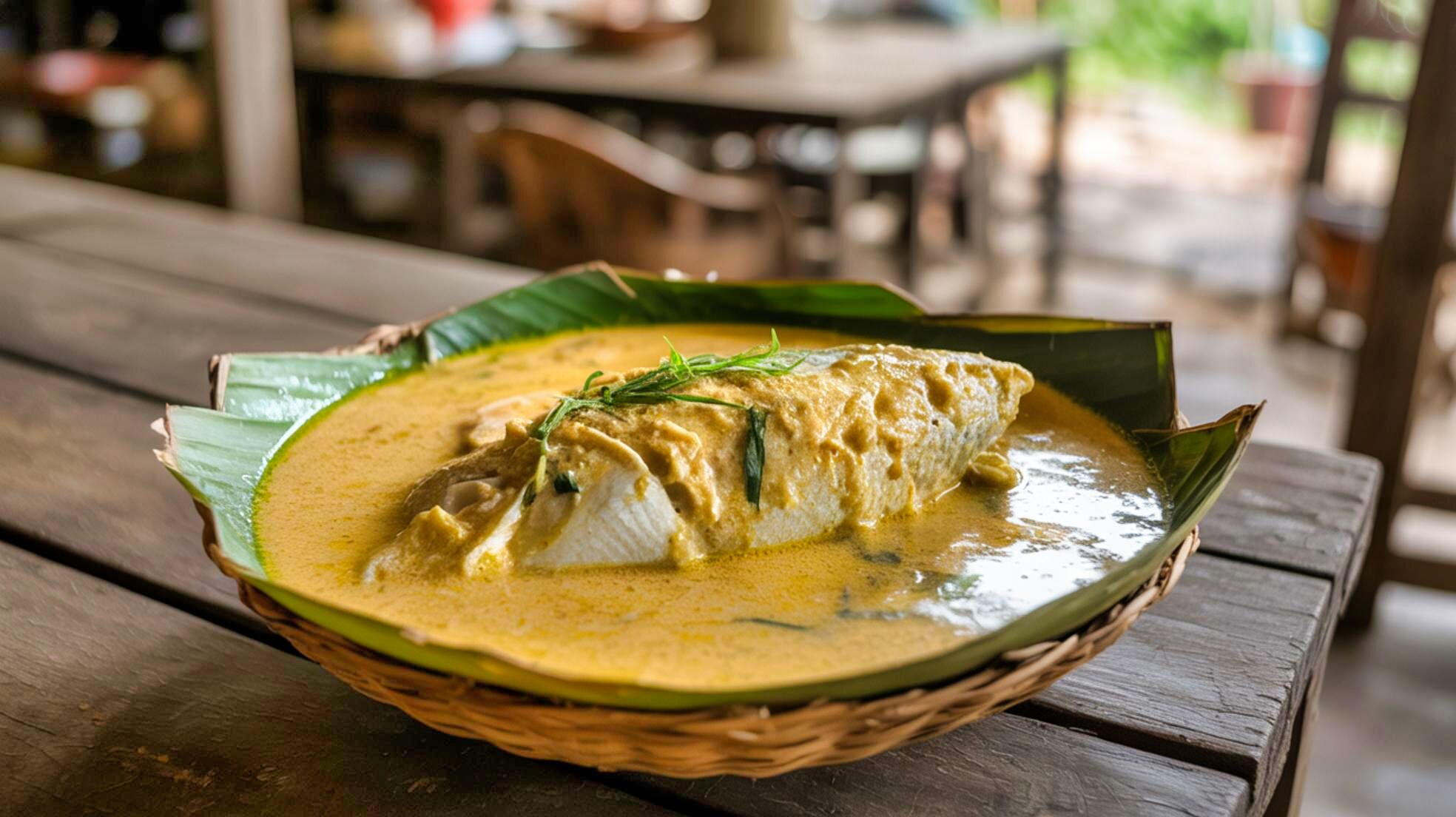
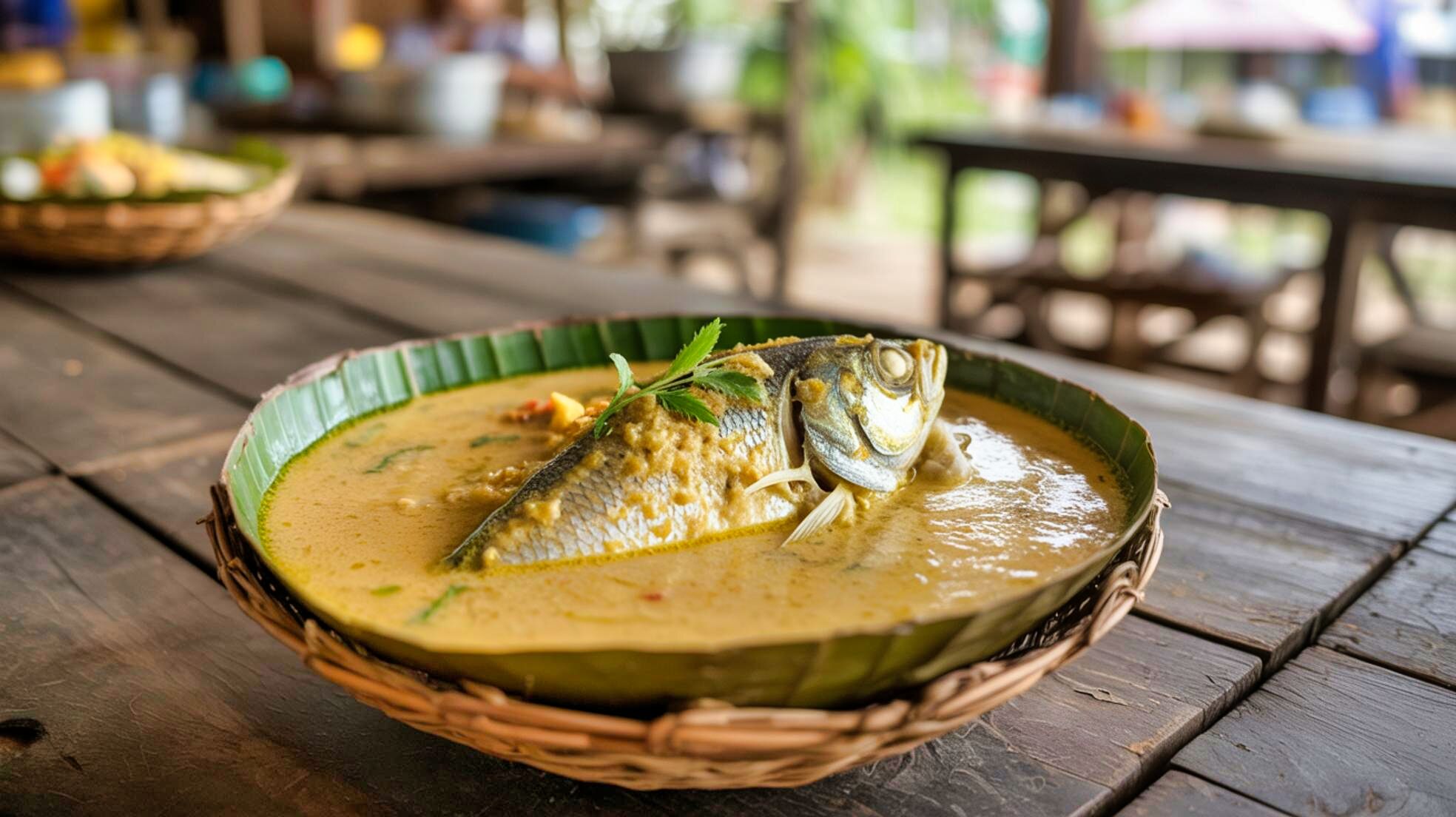
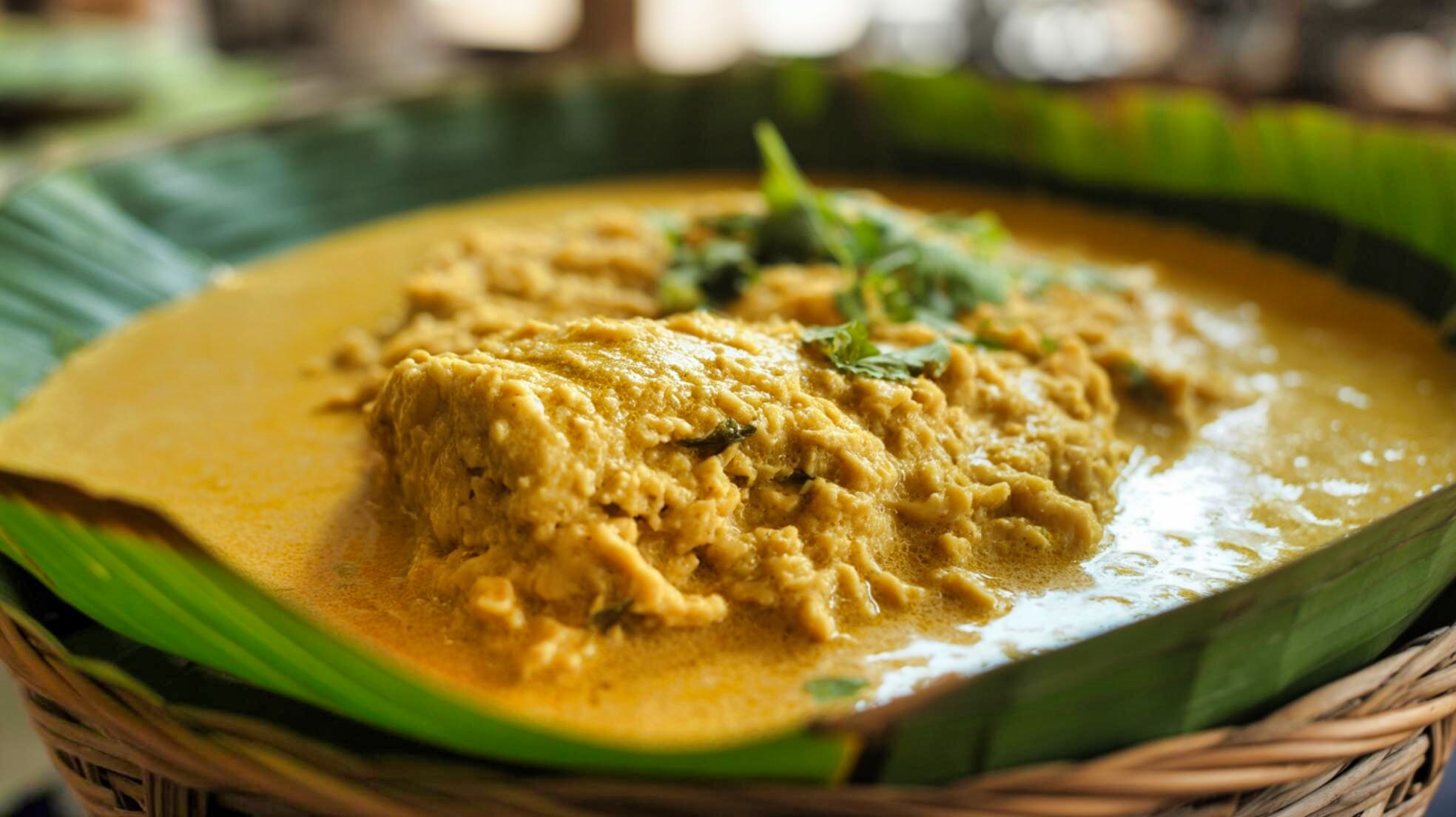
Cambodian fish curry, or amok trey, is one of those dishes you just can’t forget after trying it. This traditional Cambodian dish brings together tender white fish, coconut milk, and a punchy kroeung paste for a creamy, custard-like curry that’s steamed in banana leaves. The texture is delicate, but the flavors—lemongrass, galangal, kaffir lime—are anything but shy.
Making Cambodian fish amok at home? It’s honestly not as hard as it sounds. Once you get familiar with the main ingredients and a few easy techniques, the whole thing comes together in layers. You start with a bright kroeung paste, then gently steam everything until it’s transformed into something special. If you’ve been curious about a Cambodianfish curry recipe, this is a great place to start.
Here, I’ll walk you through how to make an authentic fish amok at home. From picking the right fish to building that perfect spice paste, you’ll get all the steps you need to bring this national dish into your kitchen. And yes, if you’re searching for a Cambodianfish curry recipe, you’re in the right spot.
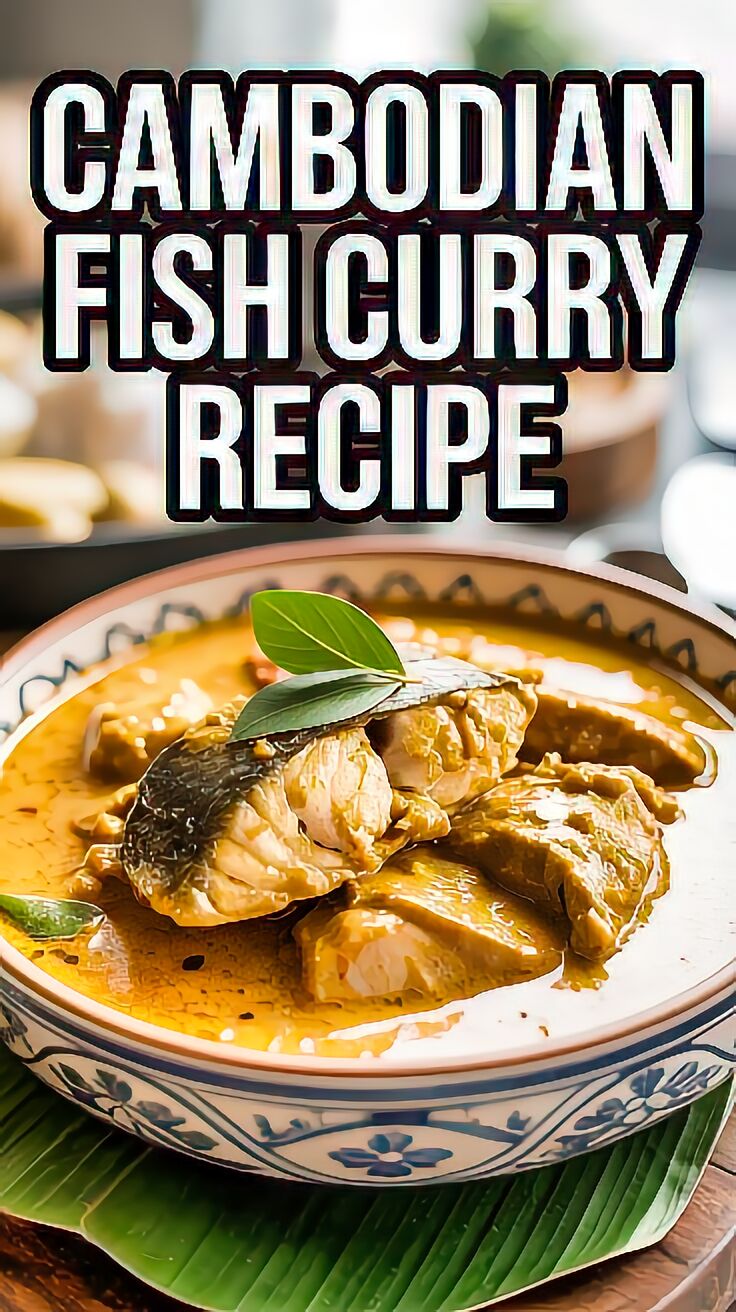
Essential Ingredients for Cambodian Fish Curry
Pulling off a solid authentic Cambodian fish amok really depends on using the right fish, fresh herbs, and—most importantly—a good kroeung paste. I usually hit up an Asian grocery for the best stuff, but you can sometimes find what you need at a well-stocked supermarket.
Traditional Proteins and Fish
For this Cambodianfish curry recipe, I like firm white fish—snapper, cod, or catfish. The fish needs to keep its shape during steaming and soak up all that coconut and spice.
Catfish is a go-to in Cambodia, probably because it’s everywhere in the rivers and lakes. Its mild flavor lets the spices shine. I chop the fish into pieces about 1 or 2 inches thick.
Some folks swap in shrimp or chicken, but whatever you pick, make sure it won’t fall apart as it cooks. Fresh fish is best, but if you’re using frozen, just thaw it well and pat it dry first.
Fresh Aromatics and Herbs
The magic of a Cambodianfish curry recipe really comes from the aromatics: lemongrass, galangal, and kaffir lime leaves. I use the tender part of fresh lemongrass, peeling away the tough bits.
Galangal looks a lot like ginger but tastes sharper, almost citrusy. I peel it before tossing it in the paste. If I can’t find galangal, I’ll use ginger, though it’s a little different.
Kaffir lime leaves, with their bold citrus aroma, are a must. I pull out the center stem and tear them up. For garnish, Thai basil or even regular basil adds a sweet, peppery finish.
Garlic and shallots bring in another layer. I use several cloves and a handful of shallots for that deep, savory base.
Key Spices and Pastes
Kroeung paste is the heart of this Cambodianfish curry recipe. I blend turmeric (for that gorgeous golden color) with all the fresh aromatics.
Here’s what I usually add:
- Turmeric powder – 1 or 2 teaspoons, for color and earthiness
- Dried red chilies – just a couple for gentle heat
- Shrimp paste – a teaspoon for umami
Thick coconut cream gives the curry its signature creamy texture. Some recipes use eggs to help the curry set up a bit more when steamed.
I splash in fish sauce for saltiness and depth, starting with a tablespoon and tasting as I go. Palm sugar adds a touch of sweetness to balance the flavors.
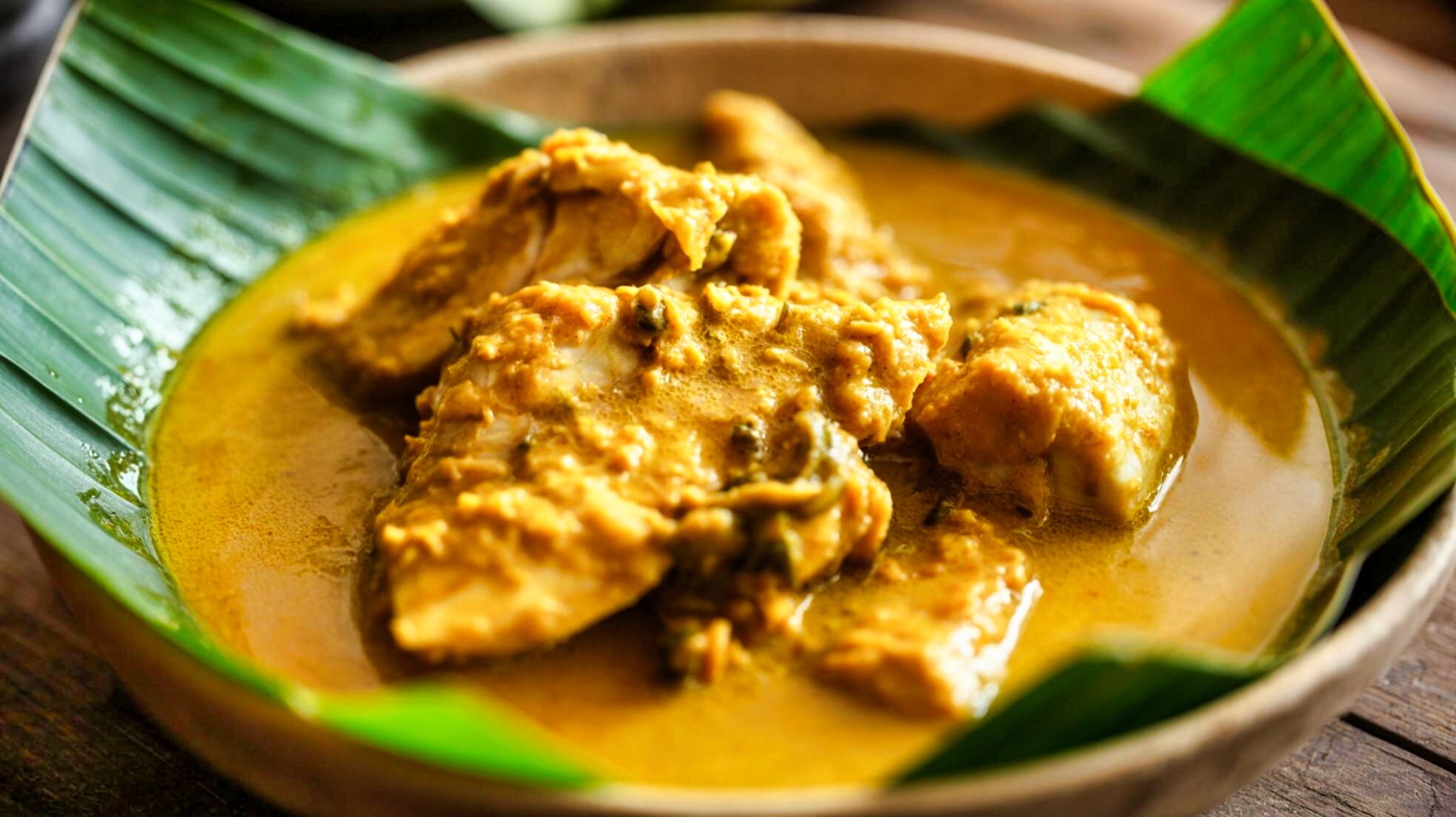
Step-by-Step Cooking Instructions
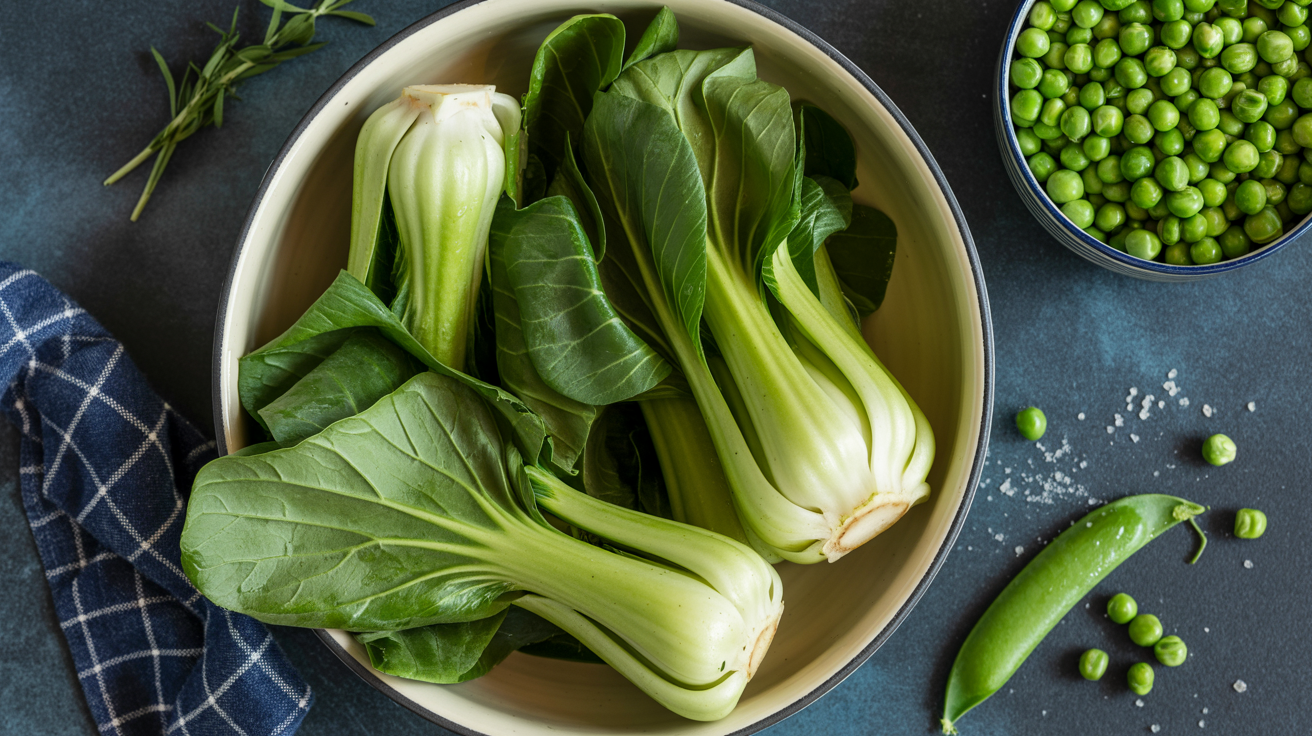
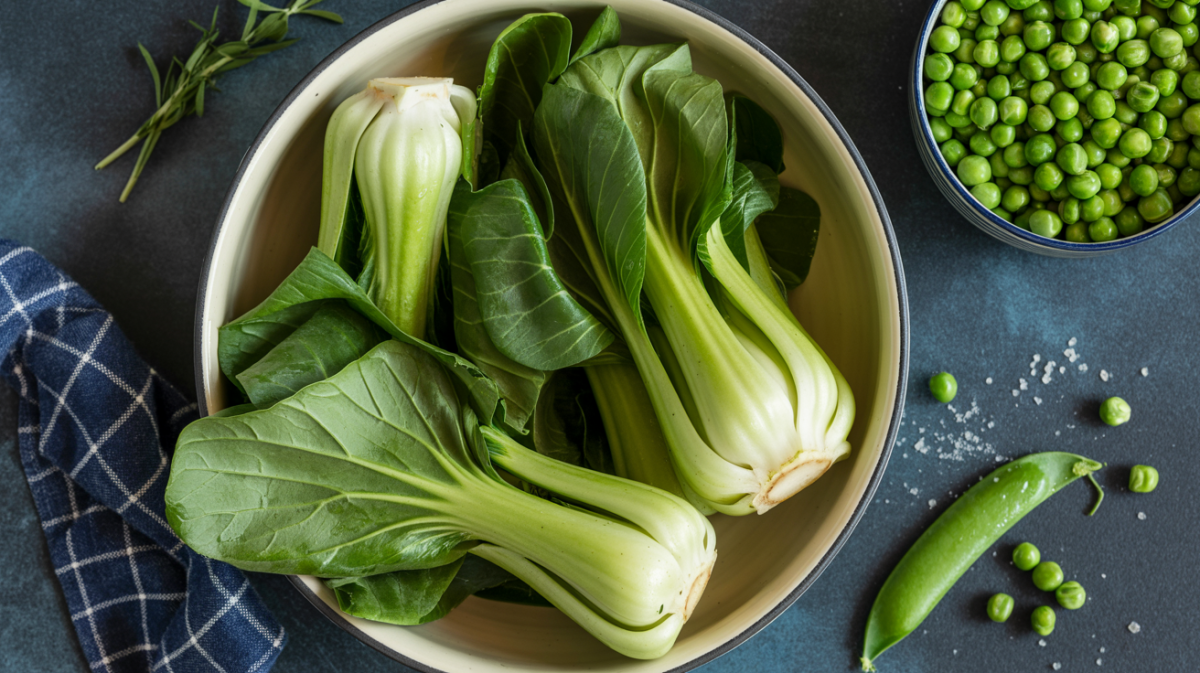
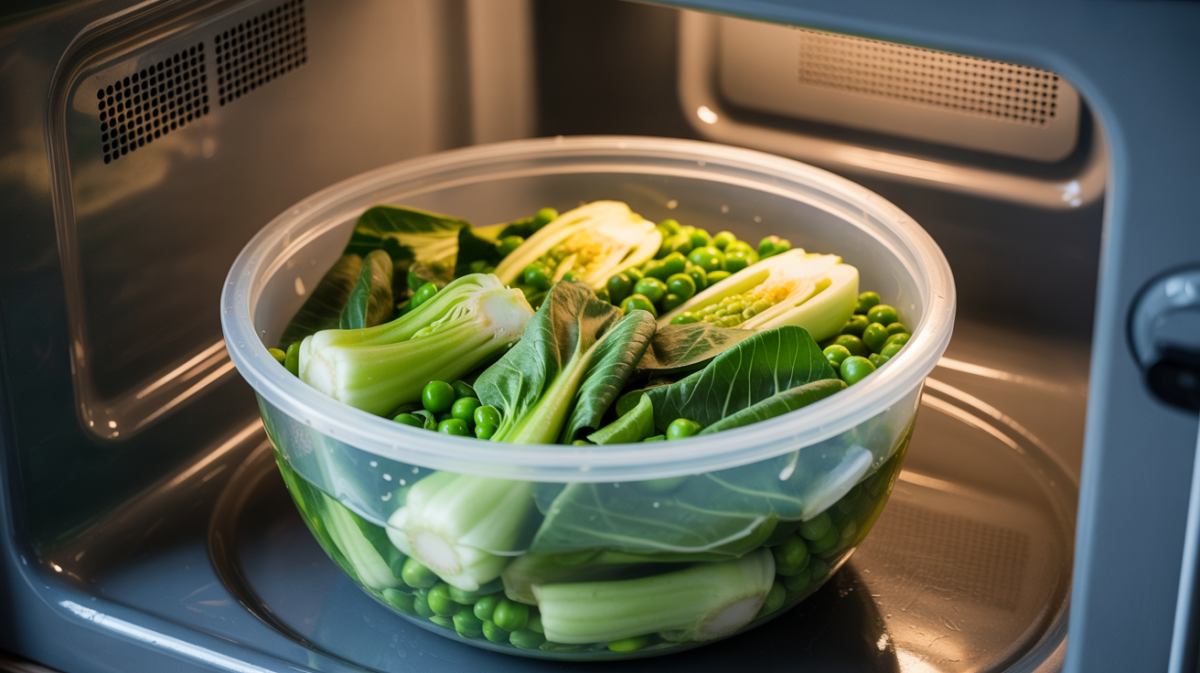
Step 1: Place the bok choy and snow peas in a microwave-safe bowl with a small amount of water in the bottom.
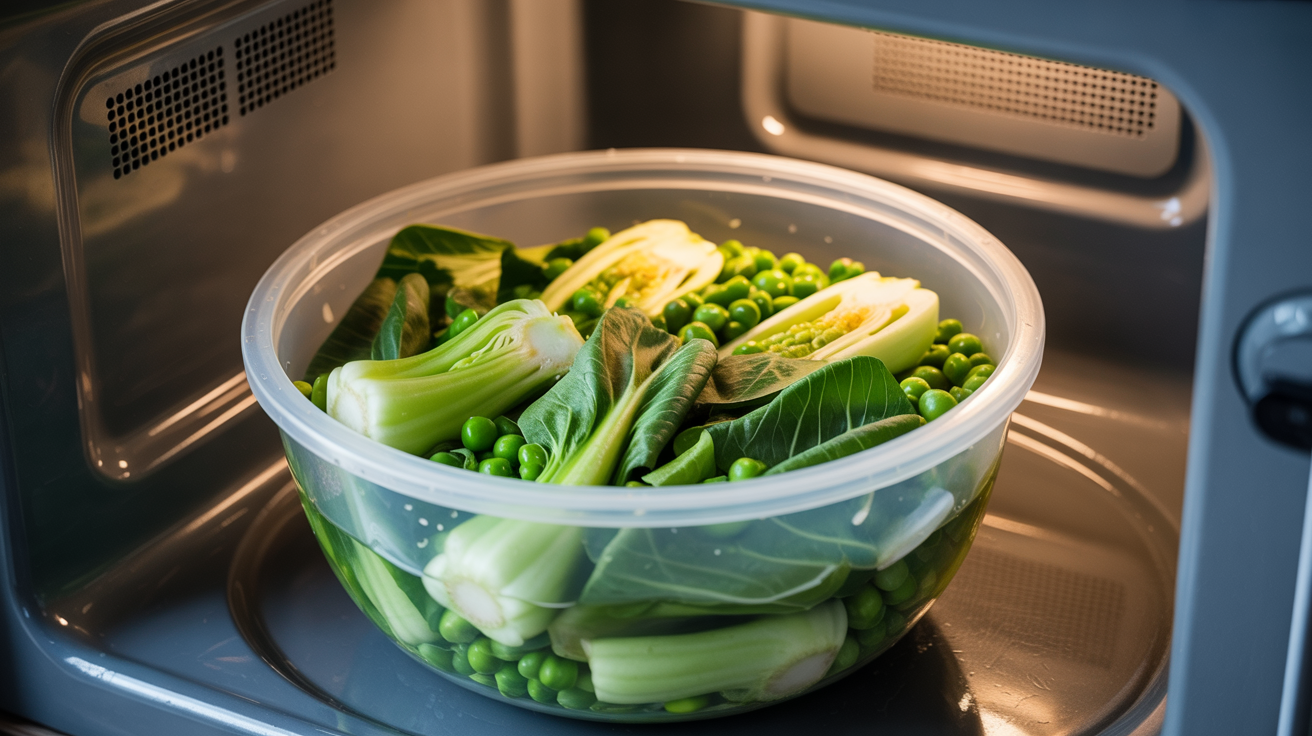
Step 2: Microwave for 2 minutes, just until slightly tender.
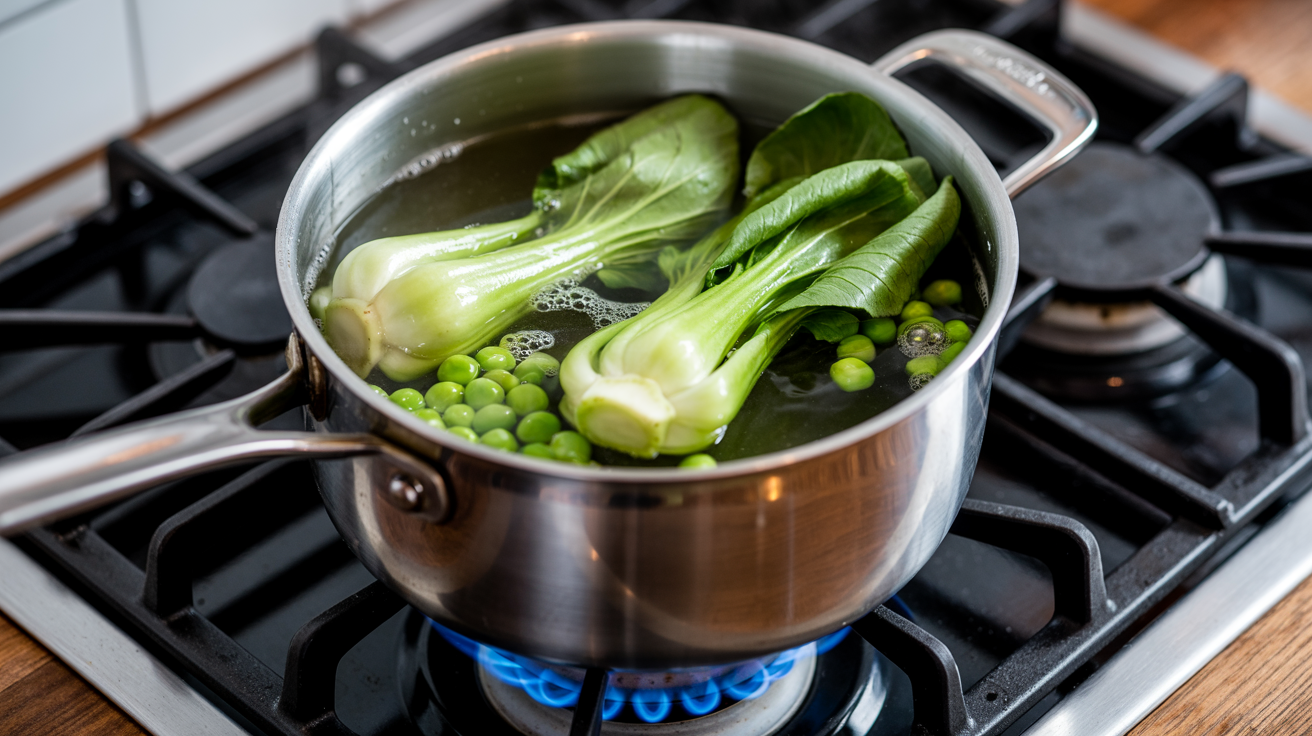
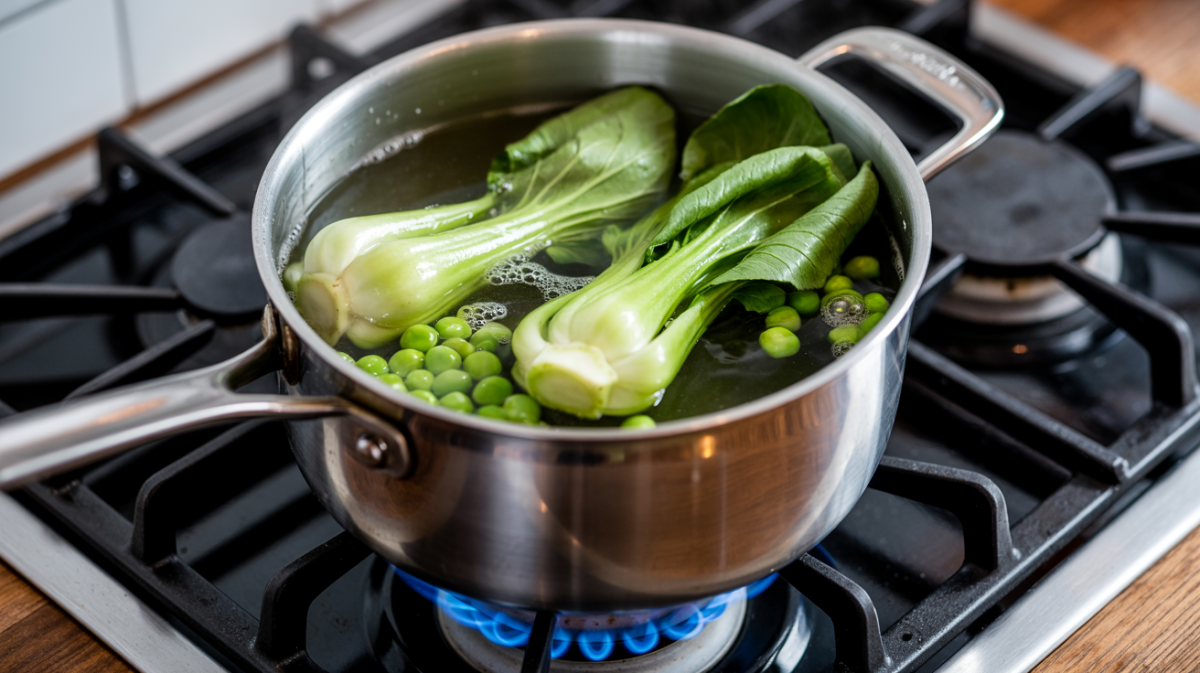
Step 3: Alternative: If you prefer not to use a microwave, blanch the bok choy and snow peas briefly in boiling water, then drain and set aside.
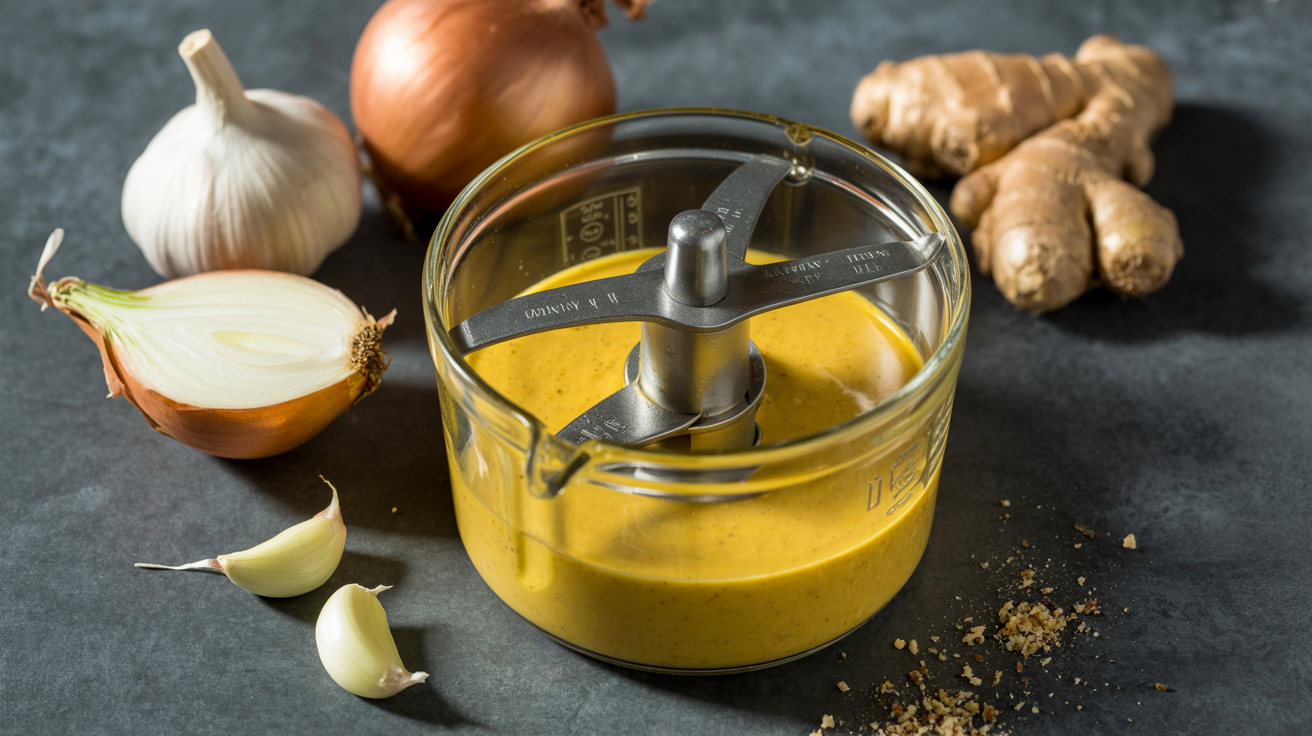
Step 4: Add the garlic, onion, ginger, lemongrass, turmeric, fish sauce, and brown sugar to a blender or food processor.
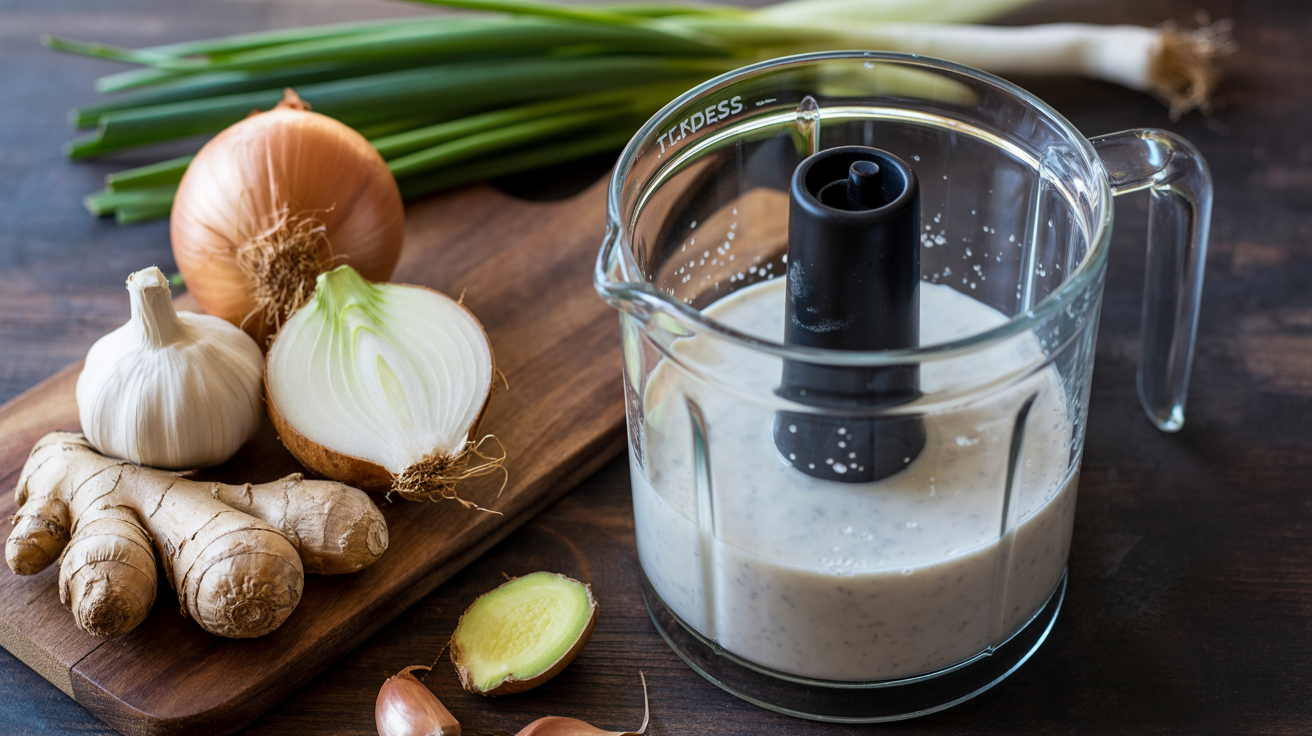
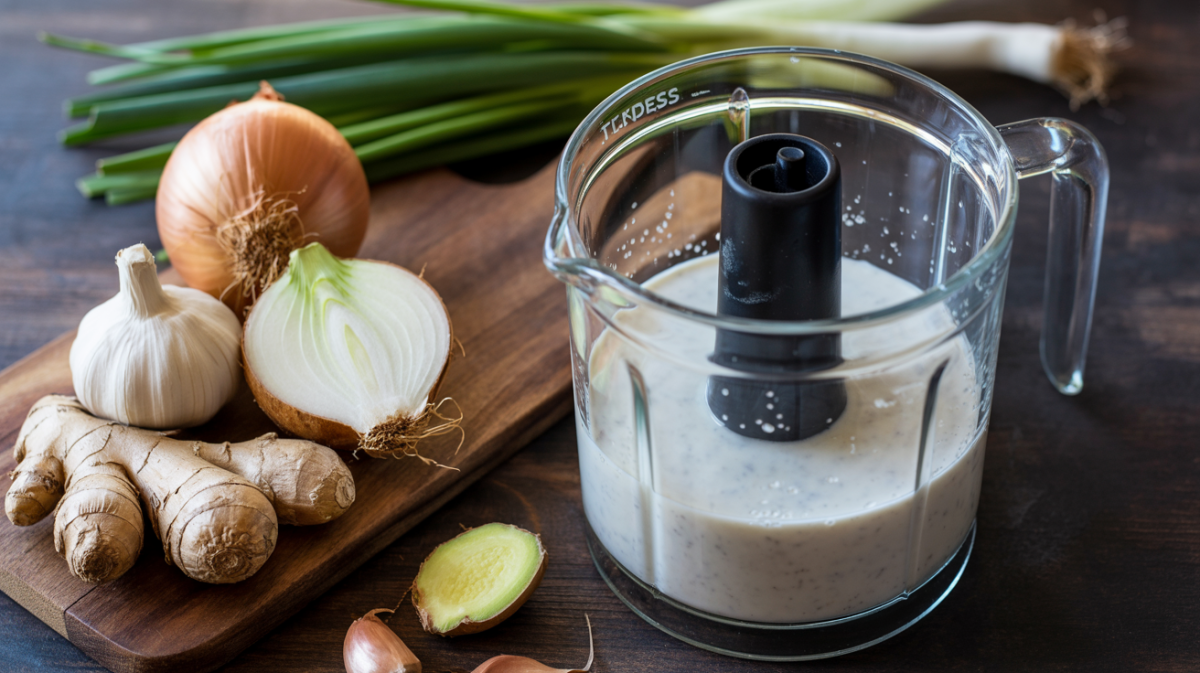
Step 5: Pour in the coconut milk and process again until fully combined.
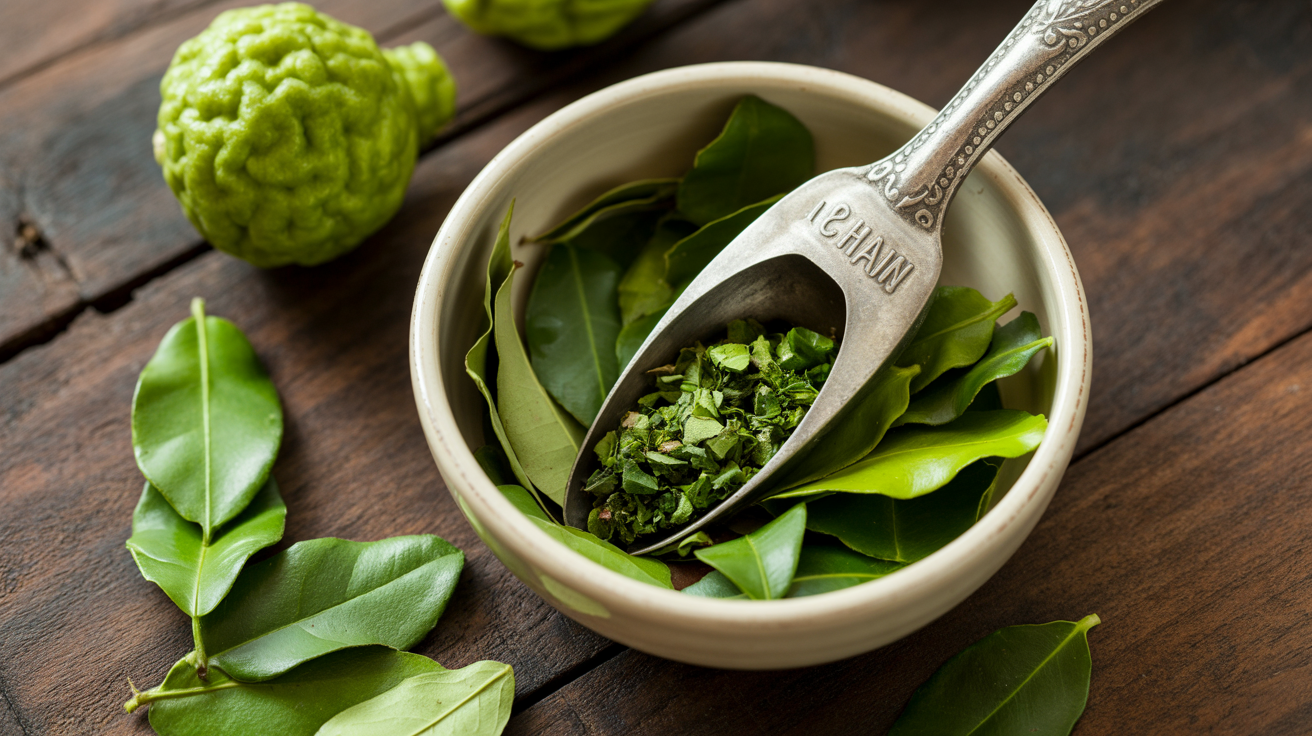
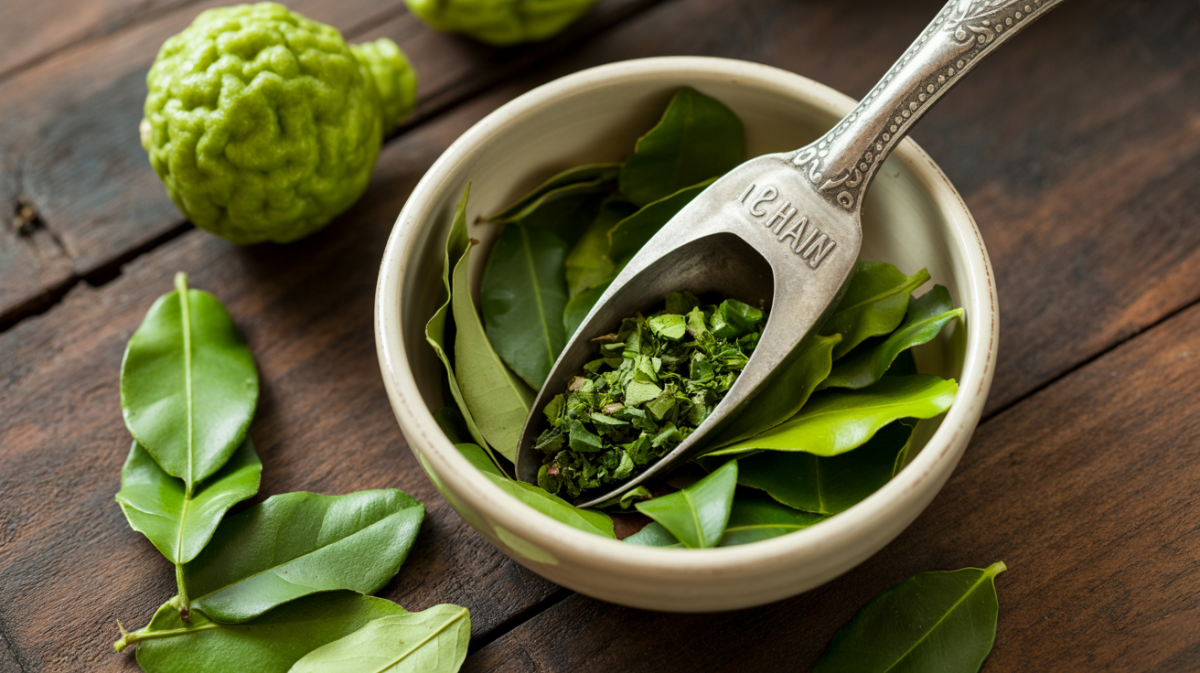
Step 6: Crush the kaffir lime leaves between your hands to release their aroma, then add them to the pan.
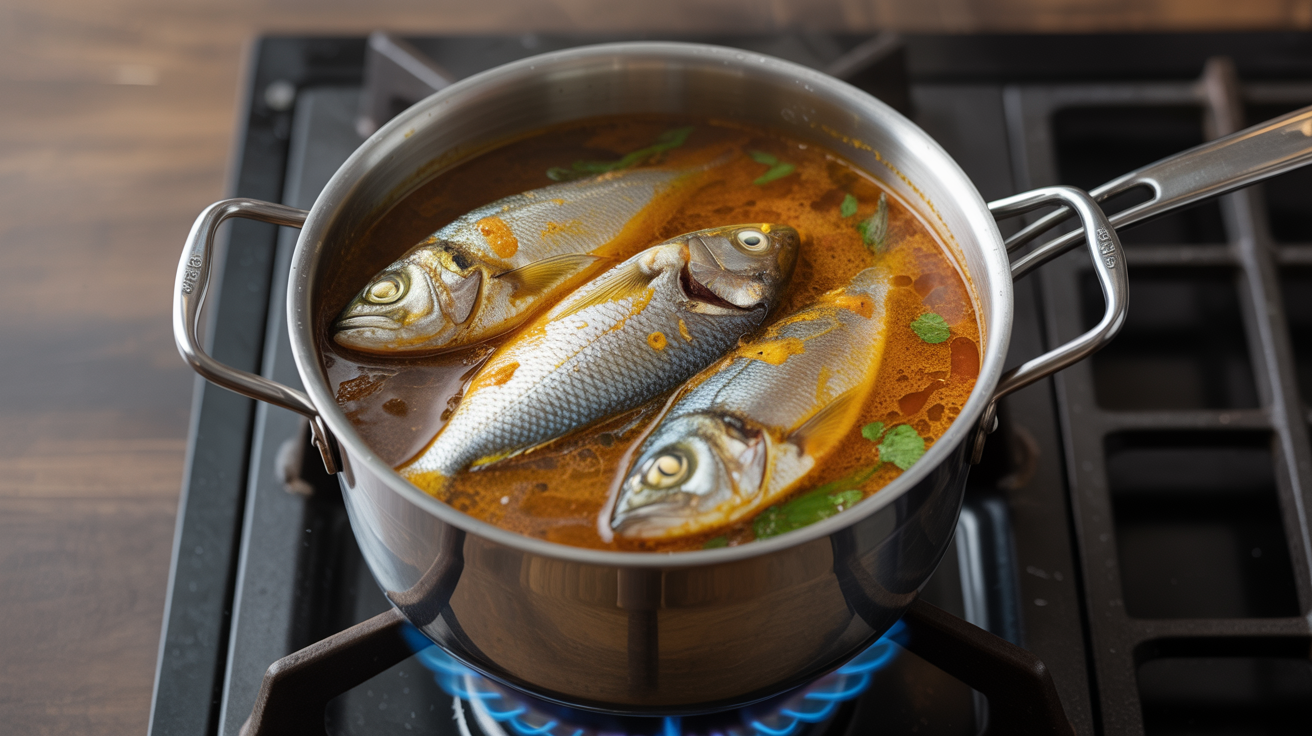
Step 7: Bring the mixture to a gentle boil, stirring occasionally, then reduce the heat to a simmer.
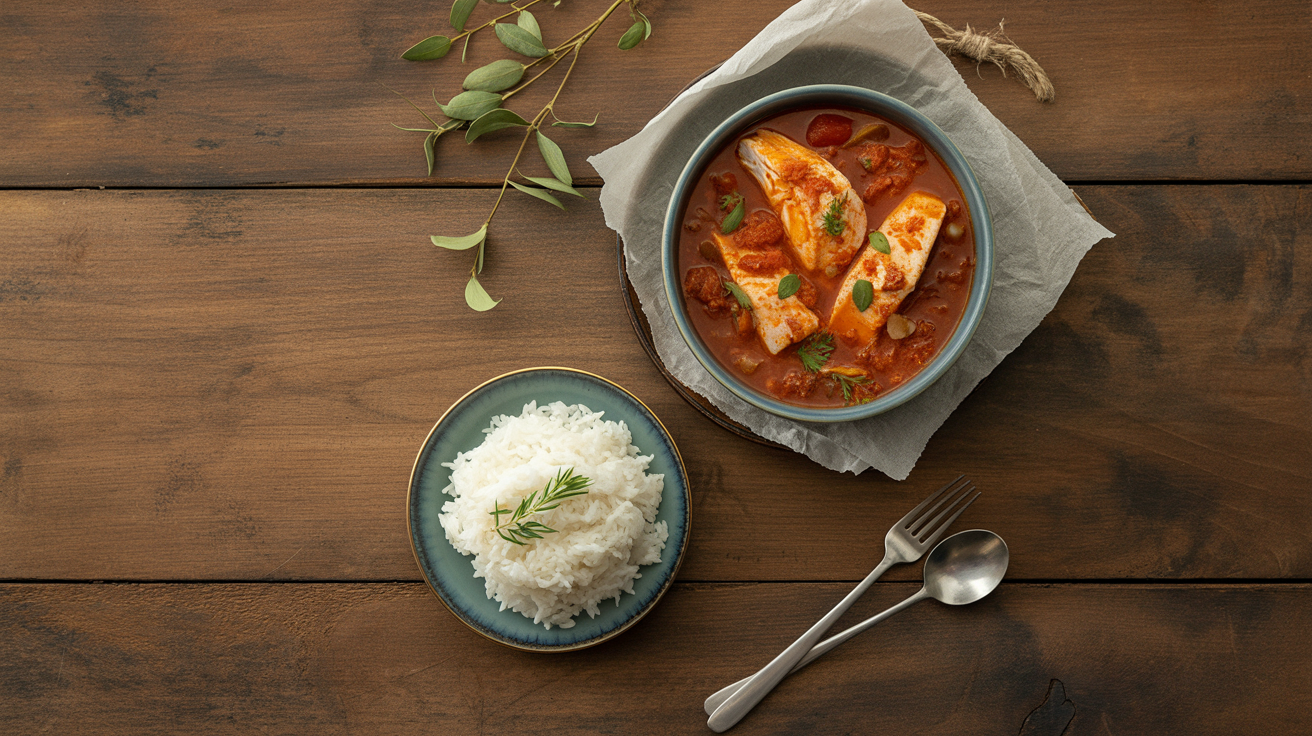
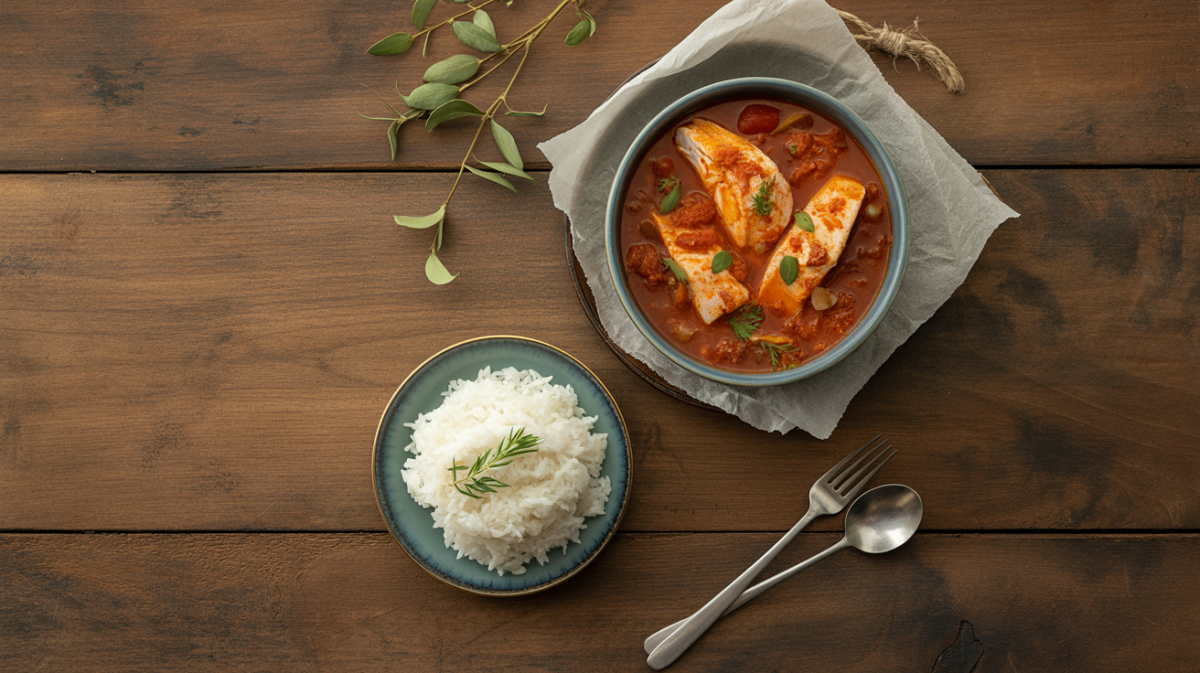
Step 8: Serve in a bowl with rice on the side.
Preparing the Curry Paste
I make the kroeung paste first, since it’s what sets a Cambodianfish curry recipe apart. Into the food processor go lemongrass, galangal, garlic, shallots, and turmeric. I’ll add kaffir lime leaves and a bit of fresh turmeric root if I have it.
I pulse everything until it’s smooth. If it’s too thick, I add a little water. The paste should be thick and spreadable, not watery.
Some people add fingerroot or more chili, but I keep it mild and fragrant. The finished paste should smell bright and a little earthy, with a citrus kick.
Cooking the Fish and Vegetables
I cut the fish into chunks, about 1 to 2 inches each. Catfish or tilapia both work since they stay together while steaming.
Next, I mix the curry paste with coconut milk and fish sauce. I whisk in one or two eggs for that custard feel, then add the fish pieces and some thin-sliced cabbage or bok choy.
If I have banana leaves, I make little cups, but small bowls work too. I fill each about three-quarters full so there’s room for the mixture to set. It should be creamy and coat the fish well.
Simmering and Final Flavor Adjustments
I set up a steamer and bring the water to a gentle boil. The filled cups go into the basket, and I cover them tightly. This steamed fish curry usually takes about 20–25 minutes.
The curry’s ready when the custard sets and the fish flakes apart. I check with a knife in the center; if it comes out clean, it’s good to go. For serving, I top each with fresh kaffir lime leaves and a little coconut cream.
Serving Suggestions and Pairings
For me, serving Cambodian fish curry with steamed jasmine rice and fresh herbs is a must. The right sides really help balance the rich coconut and bold spices you get in a Cambodianfish curry recipe.
Recommended Side Dishes
I always pair Cambodian fish curry with plain steamed rice. Jasmine rice is the best—soaks up the sauce and doesn’t distract from the fish.
For veggies, steamed bok choy, sautéed green beans, or quick-blanched Asian greens all work. They add a crisp bite next to the creamy curry. A cucumber salad with a little rice vinegar is great for cutting through the richness.
Sometimes I’ll throw in pickled daikon or carrots for a tangy crunch. It’s a nice change of pace between bites. If I want to make it a bigger meal, I’ll add fresh spring rolls or even some crispy vegetable fritters to start. And honestly, if you’re looking to impress, this Cambodianfish curry recipe is a crowd-pleaser every time.
Garnishes and Presentation Tips
I love topping my Cambodianfish curry recipe with a handful of fresh Thai basil, cilantro, and some sliced scallions right before serving. These herbs just bring out a punch of brightness and that aromatic kick—perfect alongside the lemongrass and galangal in the curry paste.
For a pop of color, I usually toss on some thin strips of red chili pepper and a sprinkle of julienned kaffir lime leaves. A lime wedge on the side? Always. It lets everyone add a bit more citrus if they’re into it. And if I’m feeling fancy, I’ll scatter some crispy fried shallots over the top—adds a little crunch and that hint of sweetness that plays so well with the Cambodianfish curry recipe.
When I reheat the curry (here’s how I do it), I go low and slow so the coconut cream doesn’t split. Serving in individual bowls—definitely my go-to. It keeps that silky, custardy texture just right, which is honestly one of the best things about a good Cambodianfish curry recipe. If you’re making this for friends, the presentation really does make the Cambodianfish curry recipe feel extra special, even on a regular weeknight.
Fish Curry vs Shrimp Curry
Fish curry and shrimp curry are both popular seafood dishes, but they differ in texture, cooking time, and flavor characteristics.
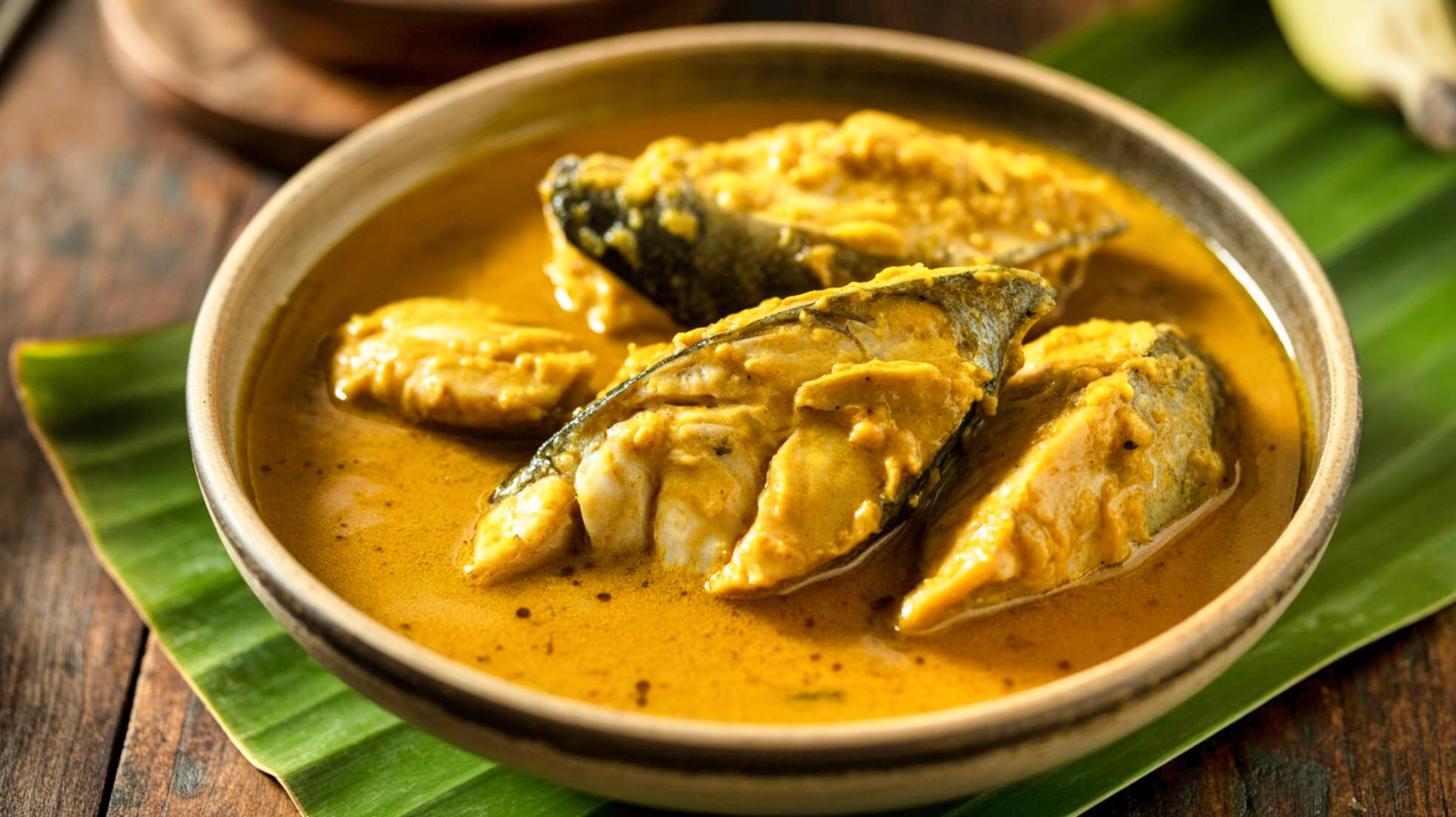
Fish curry typically uses firm white fish that absorbs the flavors of the sauce while maintaining its structure. The texture is tender and flaky, and the fish often takes on the spices of the curry more deeply. Because of this, fish curry tends to have a more integrated flavor, where the protein and sauce blend seamlessly.
Shrimp curry, on the other hand, cooks much more quickly and has a naturally sweet, slightly firm texture. Shrimp do not absorb flavors as deeply as fish but instead provide a distinct, slightly briny taste that stands out in the dish. Overcooking can make shrimp rubbery, so timing is more critical.
The key difference is texture and flavor absorption: fish is delicate and fully infused with the curry, while shrimp is firmer, sweeter, and more distinct.
Choose fish curry if you want a tender, deeply flavored dish. Go with shrimp curry if you prefer a quicker-cooking option with a slightly sweet and more pronounced seafood flavor.
Cambodian Fish Curry Recipe FAQ
1. What type of fish is best for this curry?
Firm white fish that holds its shape.
2. What flavors define the curry?
Coconut, lemongrass, and mild spices.
3. Is the curry thick or thin?
It is usually light and slightly soupy.
4. Can vegetables be added?
Yes, eggplant and greens are common.
5. What is it served with?
Steamed rice.

Cambodian Fish Curry
Ingredients
- 1 cup snow peas trimmed
- 4 cloves garlic whole
- 1 medium red onion roughly chopped
- 4 inche ginger root piece peeled & roughly chopped
- 3 lemongrass stalks outer layer peeled finely sliced
- 2 inch turmeric piece peeled & roughly chopped
- 2 tablespoons fish sauce
- 1 tablespoon brown sugar
- 2.5 cups canned coconut milk
- 6 kaffir lime leaves
- 1.5 lb white fish firm, cut into 2 inch pieces
- 2 tablespoons lime juice fresh squeezed
- 4 cups rice cooked
Instructions
- Place the bok choy and snow peas in a microwave-safe bowl with a small amount of water in the bottom.
- Microwave for 2 minutes, just until slightly tender.
- Alternative: If you prefer not to use a microwave, blanch the bok choy and snow peas briefly in boiling water, then drain and set aside.
- Add the garlic, onion, ginger, lemongrass, turmeric, fish sauce, and brown sugar to a blender or food processor.
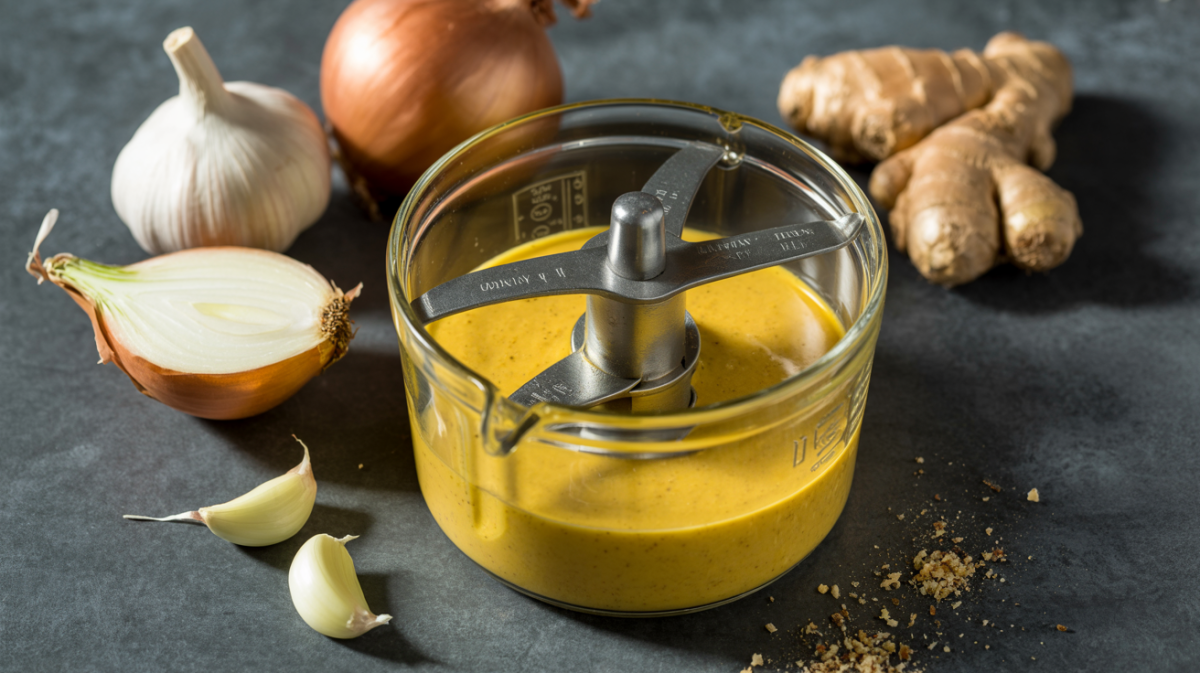
- Pour in the coconut milk and process again until fully combined.
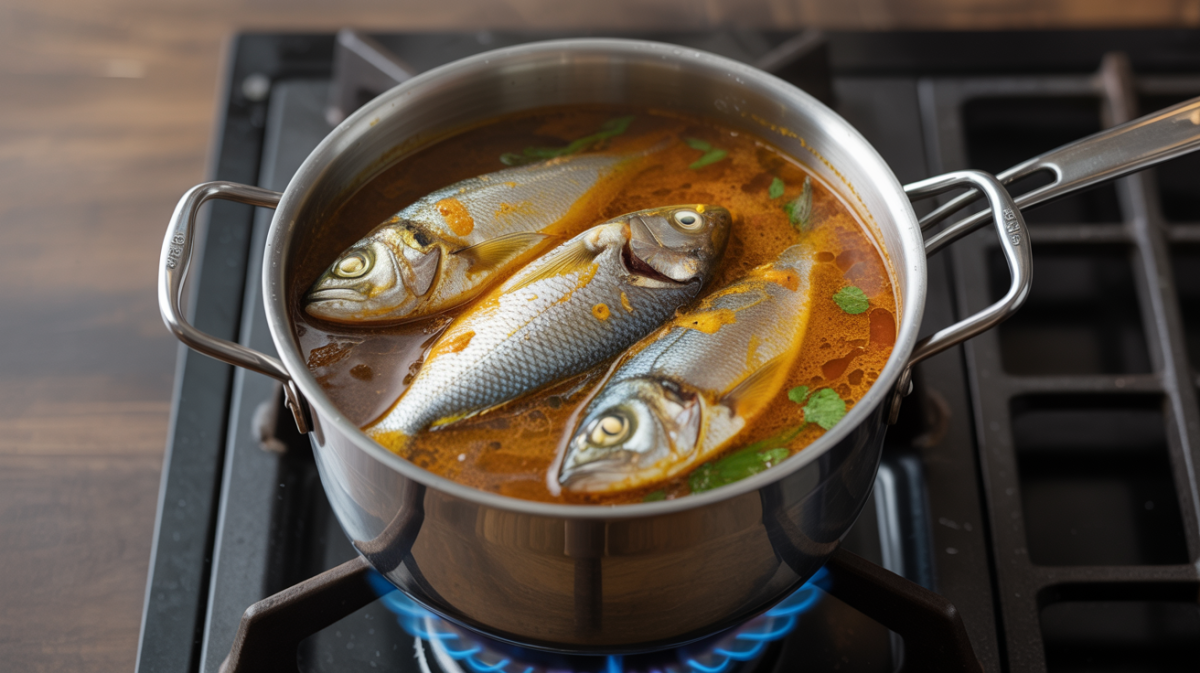
- Cook the Curry Sauce: Transfer the blended mixture to a heavy-bottomed saucepan or frying pan set over medium heat.
- Crush the kaffir lime leaves between your hands to release their aroma, then add them to the pan.
- Bring the mixture to a gentle boil, stirring occasionally, then reduce the heat to a simmer. Cook for about 10 minutes to allow the flavors to develop. Poach for 6–8 minutes, depending on the thickness of the fish. Cook for about 10 minutes to allow the flavors to develop. Poach for 6–8 minutes, depending on the thickness of the fish.
- Serve with rice
Video

9 comments
Does anyone else think that using a stronger fish might enhance the overall flavor profile of this Cambodian curry?
Interesting read! But dont you think using catfish instead of tilapia might enhance the traditional flavor in this curry?
Does anyone know if theres a vegan alternative to fish for this Cambodian curry? Would tofu work?
Does anyone know if substituting chicken for fish in this curry would still hold the authentic Cambodian flavor profile?
Does anyone else think that replacing traditional fish with tofu might give this Cambodian curry a unique, vegetarian twist?
Anyone else think that lemongrass could be replaced with lime zest in this Cambodian fish curry recipe? #FoodForThought
Did anyone try swapping traditional proteins for tofu in this Cambodian curry? Wonder how thatd impact the flavor palette.
Is there any way to substitute the fish for a vegan alternative without losing that authentic Cambodian flavor?
Ever tried substituting the fish with tofu for a vegan twist? It absorbs the curry flavors so well!
Comments are closed.