

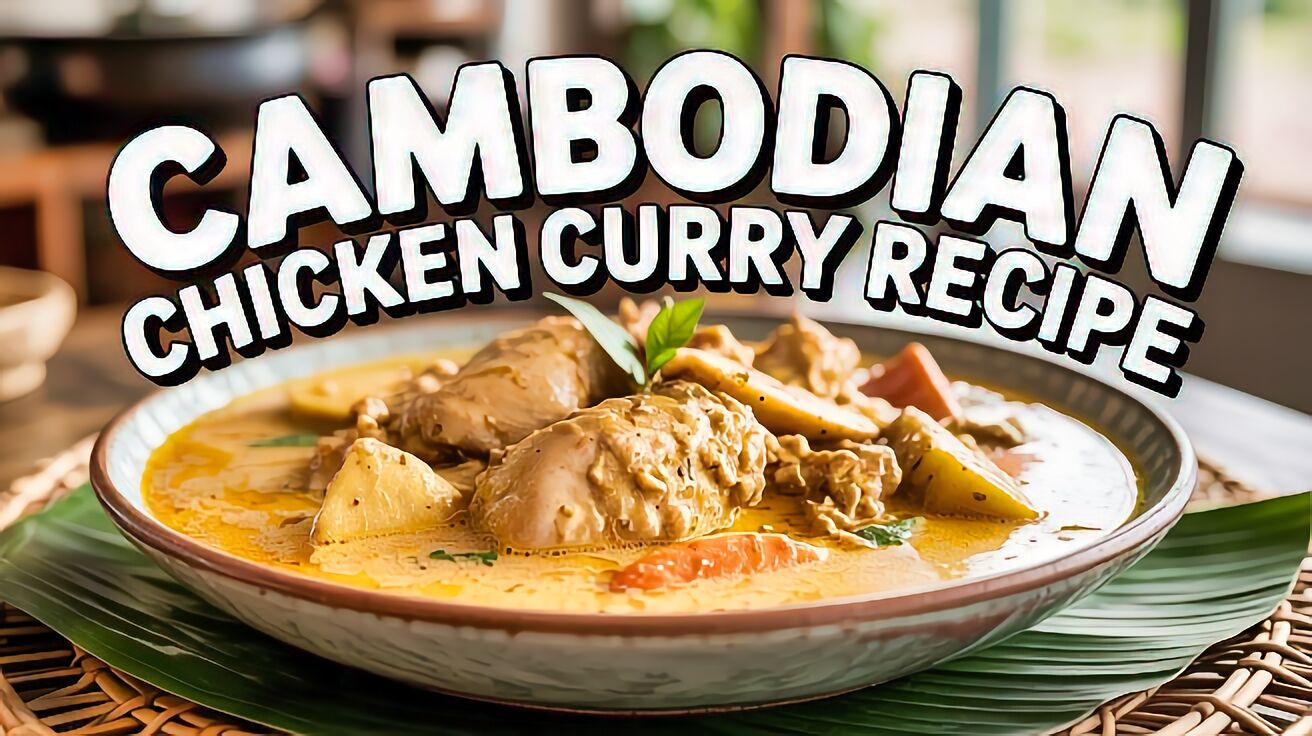
Cambodian chicken curry stands apart from other Southeast Asian curries with its gentle, aromatic flavors and creamy coconut base. This traditional dish, known as samlor kari or kari saek mouan, brings together tender chicken and a fragrant curry paste made from lemongrass, turmeric, galangal, and garlic, then simmers everything in coconut milk for a rich, comforting meal. It’s milder than Thai curries, but those layers of flavor are something special. I think it’s perfect for a cozy dinner any night of the week.
I’ve spent some time learning the ins and outs of authentic Cambodian chicken curry so I could share a Cambodian chicken curry recipe that’s both true to tradition and doable at home. The real secret? It’s all about the kroeung—that traditional Khmer spice paste that brings everything together.
Let’s get into picking the right ingredients, making your curry paste, and getting that golden color and smooth texture. You’ll see how to build up those flavors and maybe understand why this gentle, coconut-based curry is a staple in Cambodian kitchens and restaurants.
Essential Ingredients and Substitutes
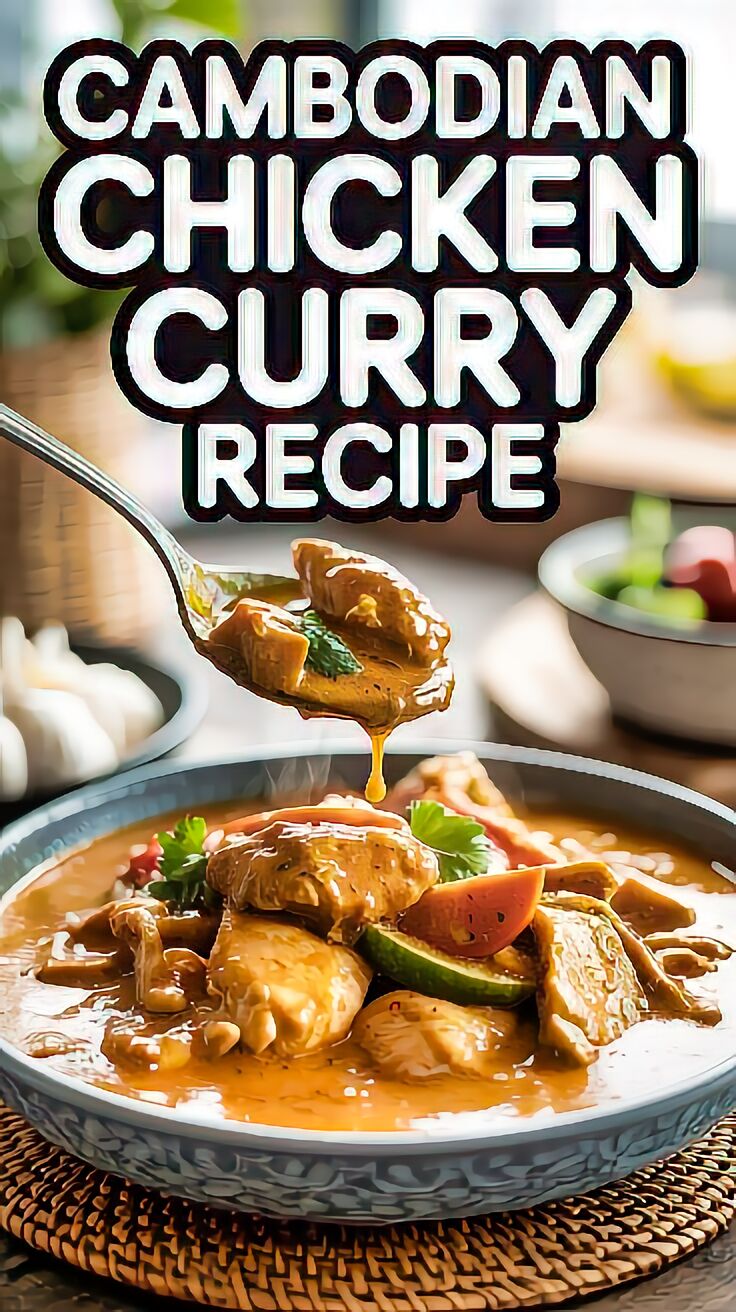
Cambodian chicken curry relies on a blend of fresh aromatics, warm spices, and creamy coconut milk for that signature mild yet fragrant flavor. Knowing what’s essential and what you can swap helps you nail an authentic Cambodian chicken curry recipe, even if you’re shopping outside Cambodia.
Must-Have Spices and Aromatics
The heart of any good Cambodian chicken curry flavor is lemongrass, galangal, turmeric, and garlic. I’d call these four non-negotiable for a real Cambodian chicken curry recipe.
Lemongrass brings a citrusy, floral note that brightens everything. I use the bottom third of fresh stalks, chopped up or smashed into a paste.
Galangal gives a sharp, piney flavor you just don’t get from ginger. If you can’t find it fresh, frozen’s good, but ginger is only a last resort—it’s not quite the same.
Core Spice List:
- Turmeric (fresh or powder)
- Cumin
- Coriander
- Garlic (4-6 cloves)
- Shallots
- Kaffir lime leaves
I always go for full-fat coconut milk. The creamy coconut base really needs that richness to balance out the spices.
Protein and Vegetable Options
Bone-in chicken thighs or drumsticks give the most flavor and stay juicy while simmering. The bones add that extra depth to the sauce, which is what you want in a Cambodian chicken curry recipe.
Boneless thighs are fine if you’re in a hurry. I skip chicken breast—it dries out too easily in curry.
Protein Alternatives:
- Beef (chuck or stewing cuts)
- Tofu (extra-firm, pressed)
- Prawns (add them near the end)
Sweet potatoes and eggplant are classic. I cut sweet potatoes into cubes so they don’t fall apart. Thai eggplant holds up better than the big Western kind, but use what you can find.
Green beans, bell peppers, and carrots are also good. I throw in harder veggies first, then the delicate ones in the last 10 minutes.
Finding Cambodian Ingredients Abroad
Asian grocery stores usually have what you need for a Cambodian chicken curry recipe. Vietnamese, Thai, or Chinese markets are my go-to for lemongrass, galangal, and kaffir lime leaves.
If I can’t get fresh galangal, I grab frozen slices. Dried galangal is okay but not as punchy. Frozen lemongrass stalks are a decent backup.
Substitution Guide:
| Ingredient | Best Substitute |
|---|---|
| Fresh galangal | Frozen galangal, then fresh ginger |
| Kaffir lime leaves | Regular lime zest (use sparingly) |
| Fresh lemongrass | Frozen lemongrass or lemongrass paste |
| Thai eggplant | Japanese eggplant, cut small |
Sometimes I order curry paste, frozen galangal, and dried kaffir lime leaves online just to have them on hand. It’s a lifesaver when I can’t make it to an Asian market.
Traditional Preparation Steps
For the Paste
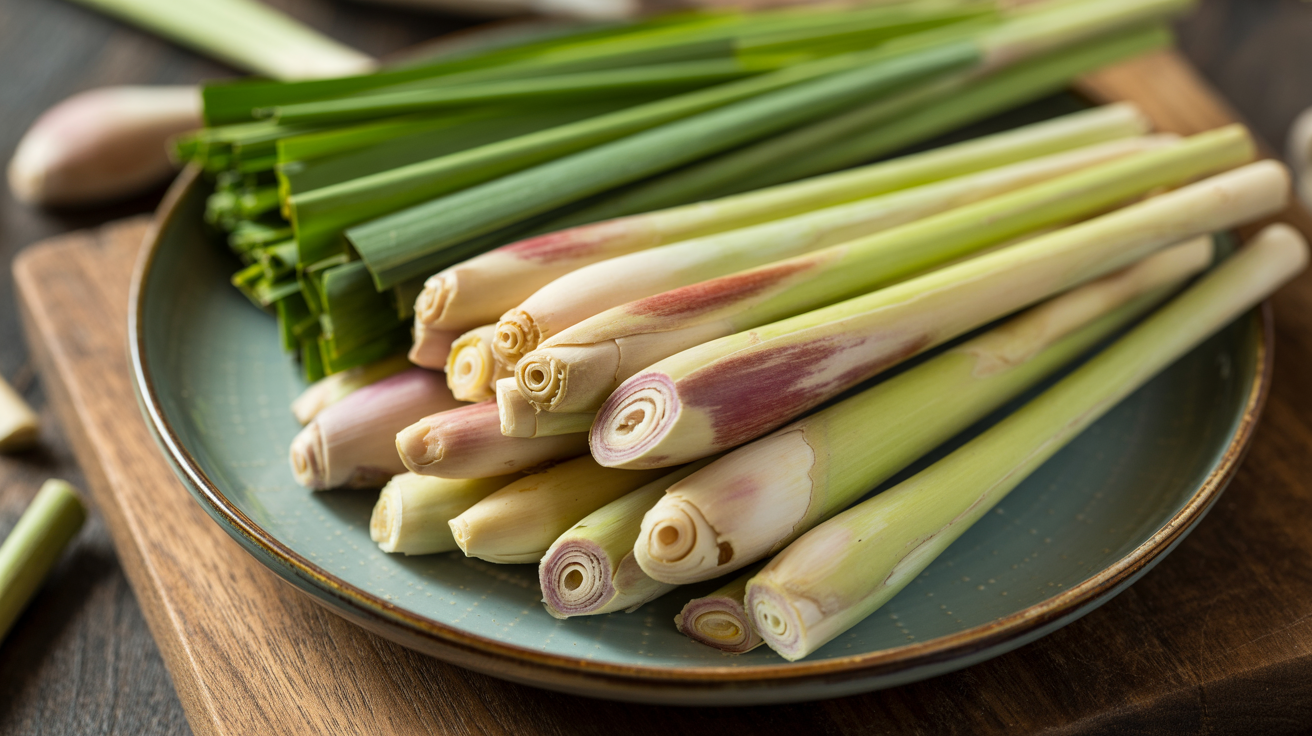
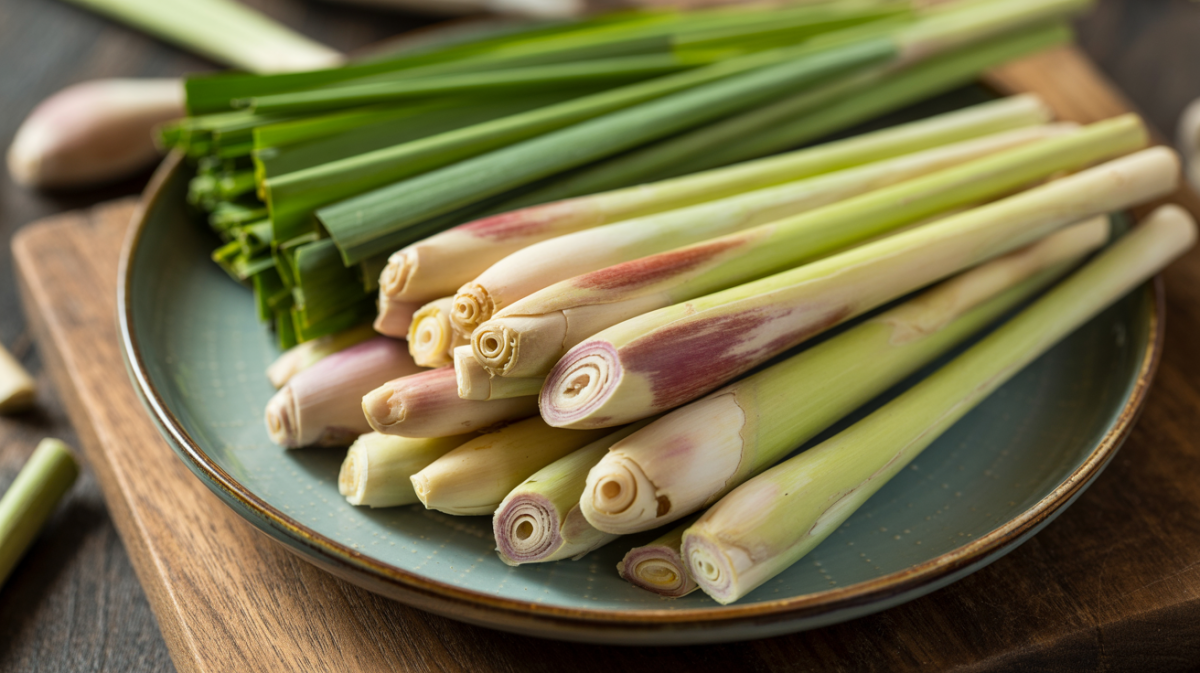
Step 1: Prepare the lemongrass: Cut off the tough roots and dry top ends of each lemongrass stalk. Peel away the outer tough layers and keep only the soft inner part of the stalk. Chop the usable portion finely. You will need enough stalks (usually about 3–4, depending on freshness and size) to obtain roughly 1¼ cups of chopped lemongrass.
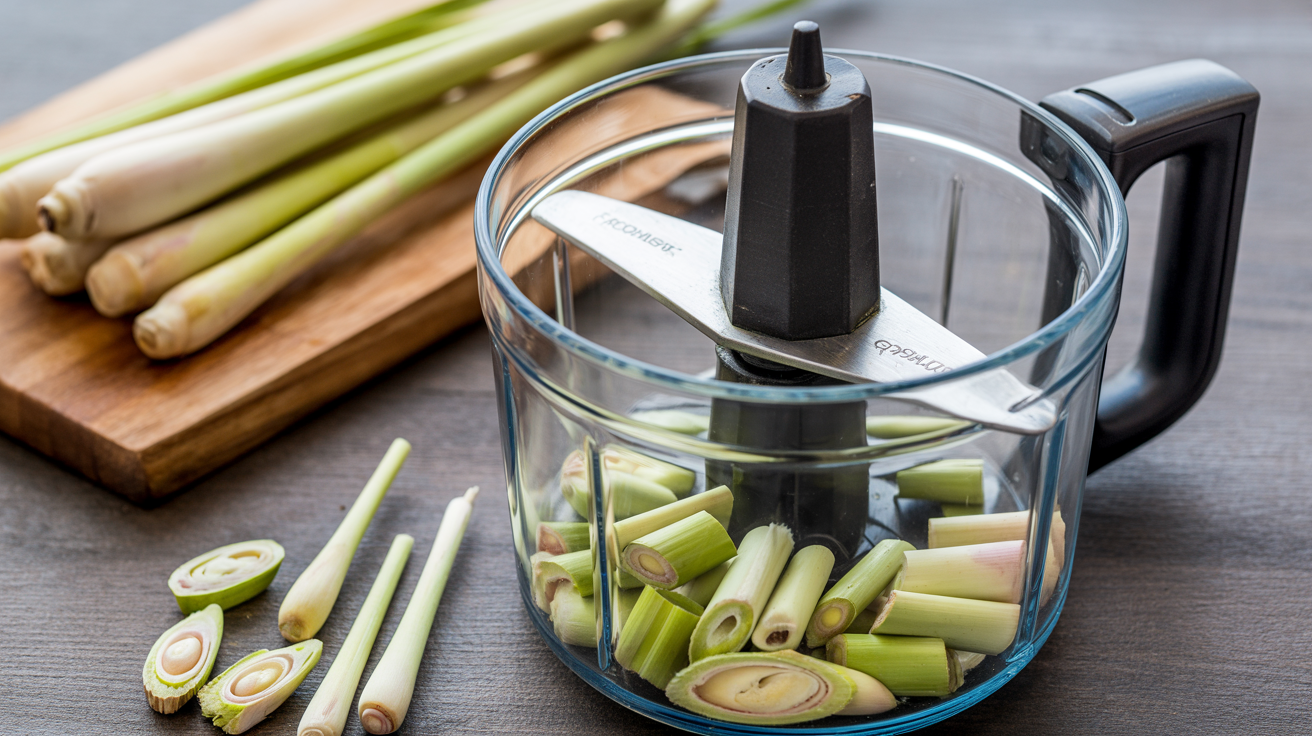
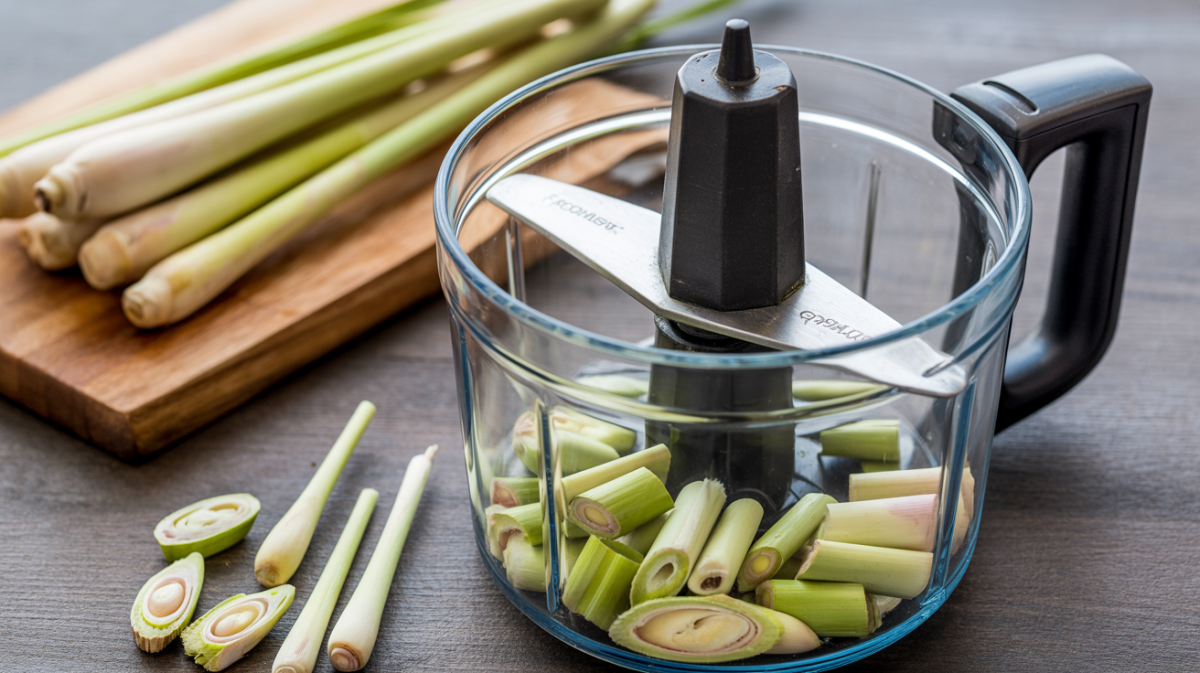
Step 2: Grind the paste (blender method):If using a blender, place all ingredients listed as numbers 2–8 in your recipe together with the chopped lemongrass into the blender jar. Grind until you achieve a smooth, fine paste, stopping to scrape down the sides if necessary.
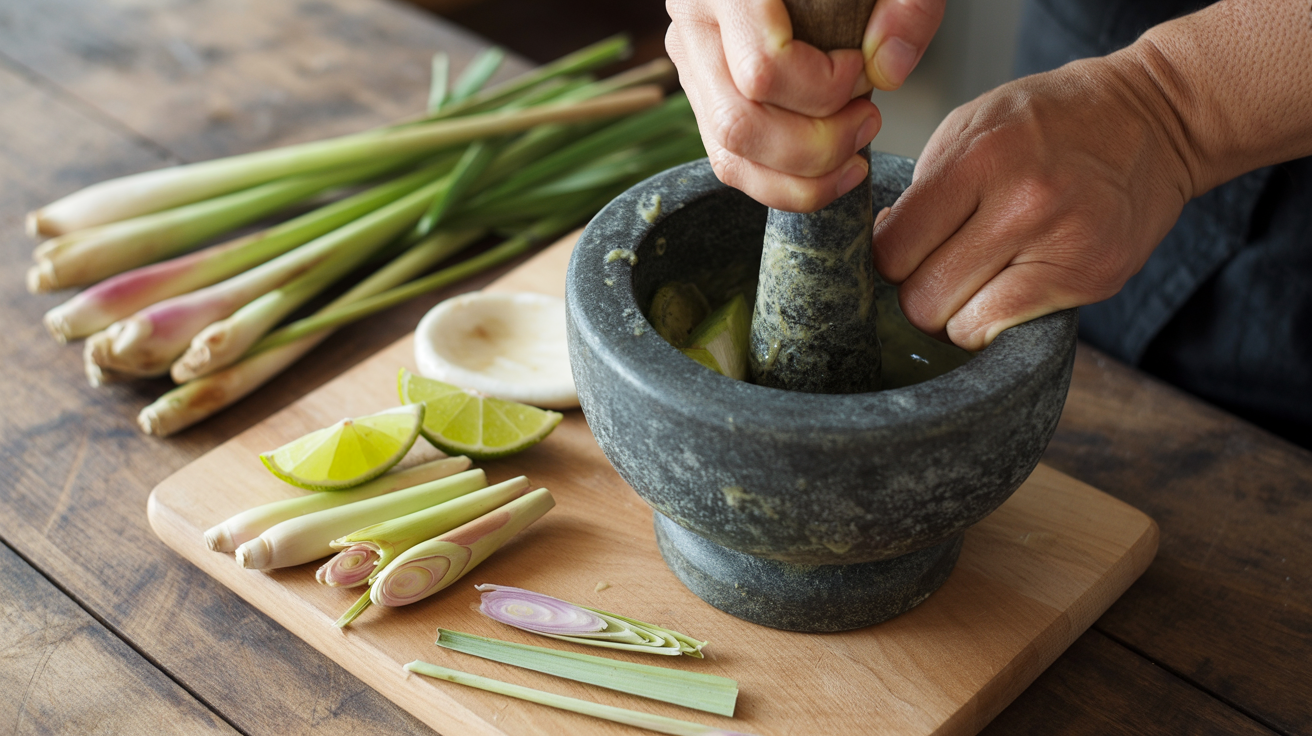
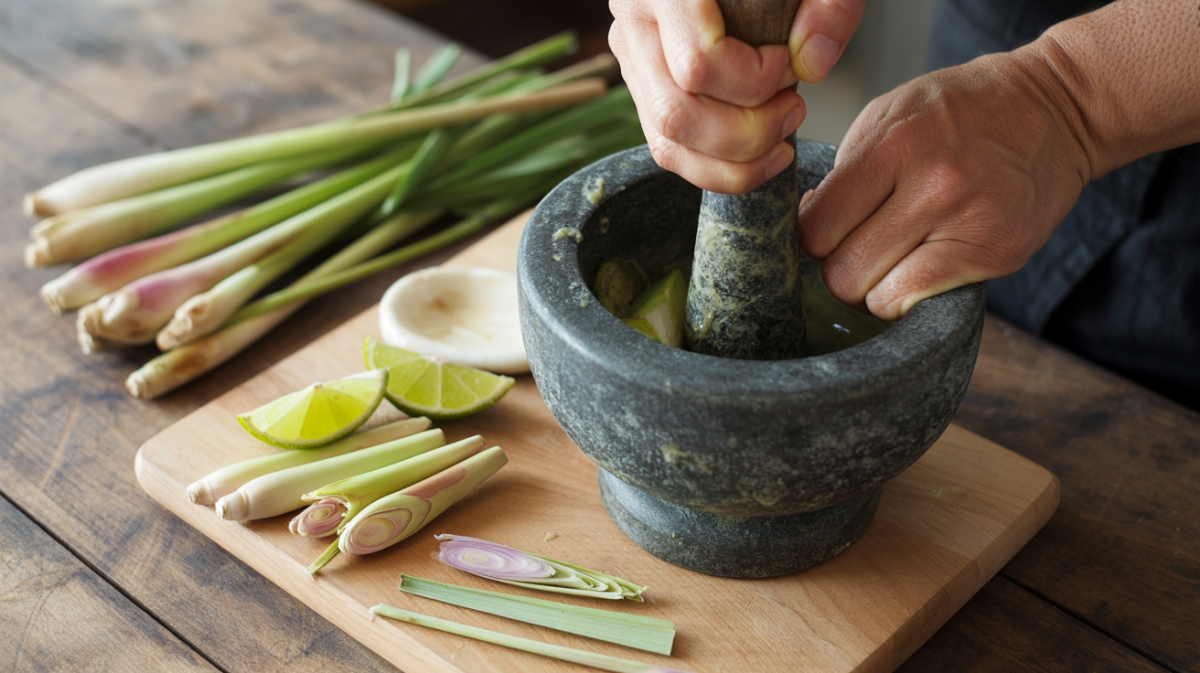
Step 3: Grind the paste (mortar and pestle method): If using a mortar and pestle, add the ingredients one at a time. Crush each thoroughly before adding the next, working until the mixture comes together into a fine, paste-like texture. If your mortar is small, grind the ingredients in several batches, then combine all the batches in a bowl and mix well.
For the Shrimp Paste
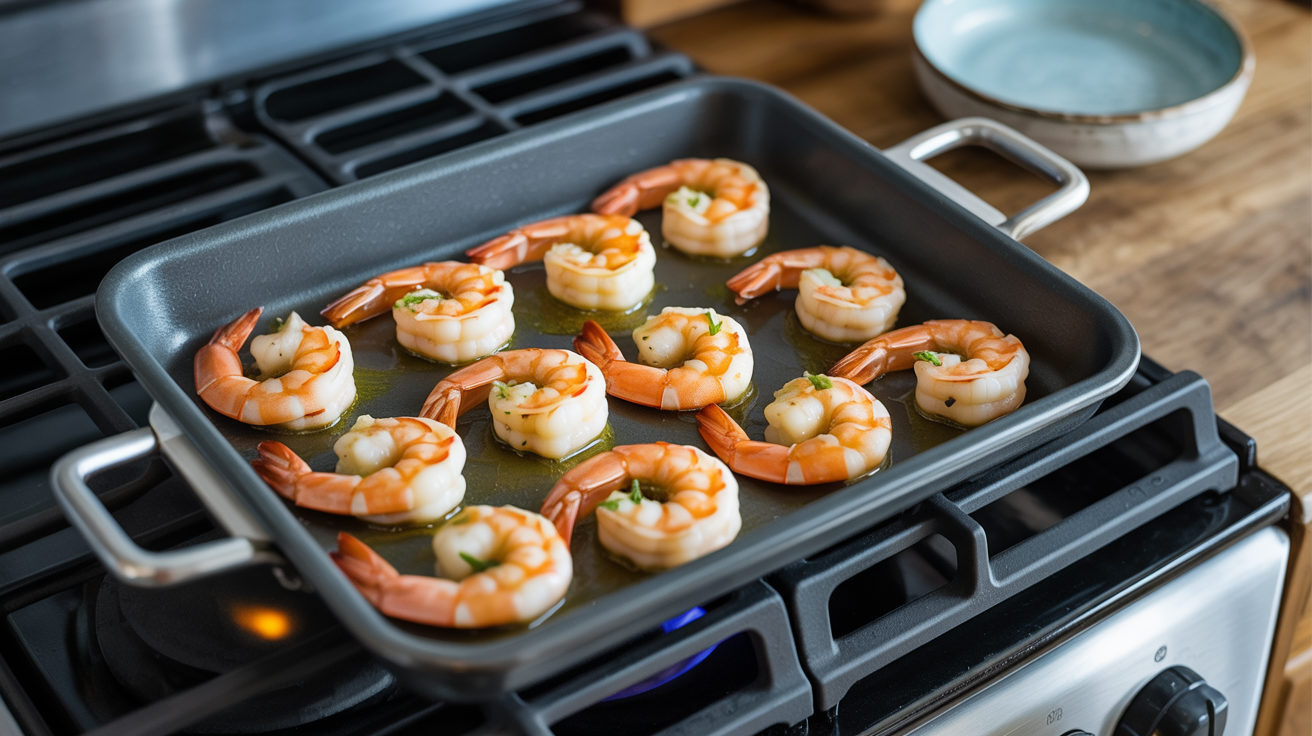
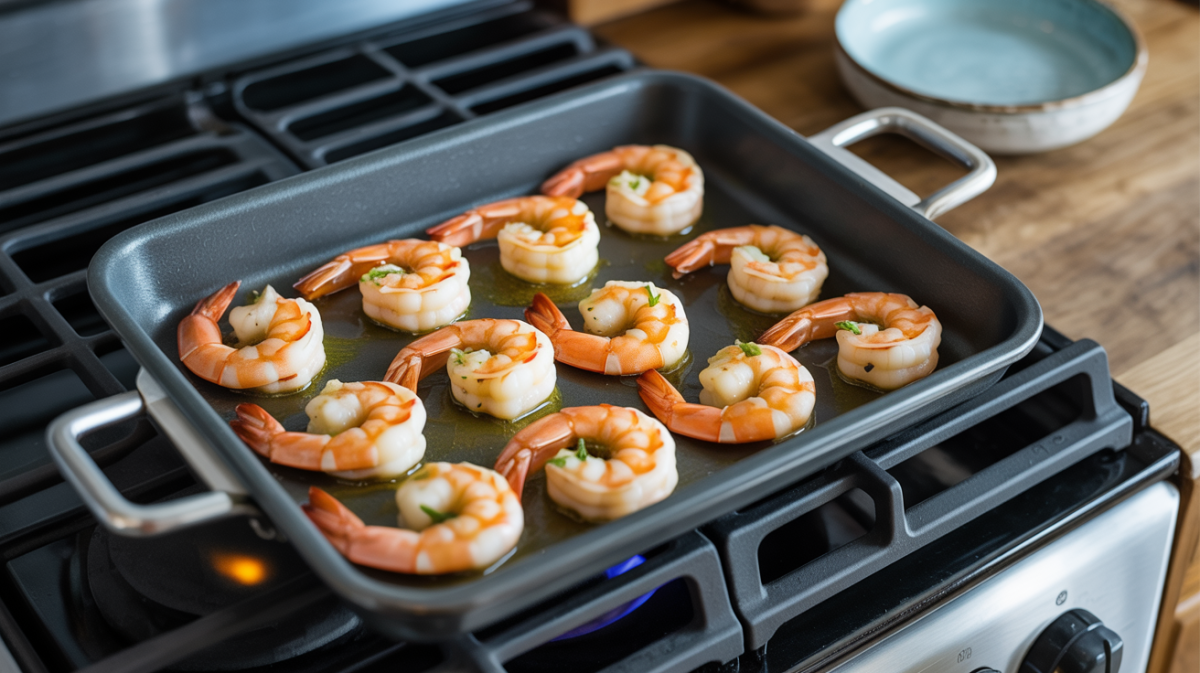
Step 1: Toast the shrimp: Place the shrimp paste on a piece of aluminium foil and spread it out into a thin, even layer. Fold the foil over to make a sealed packet. Place the packet on a medium-hot tawa or pan and heat for 2–3 minutes. Turn the packet over and heat for another 2–3 minutes.
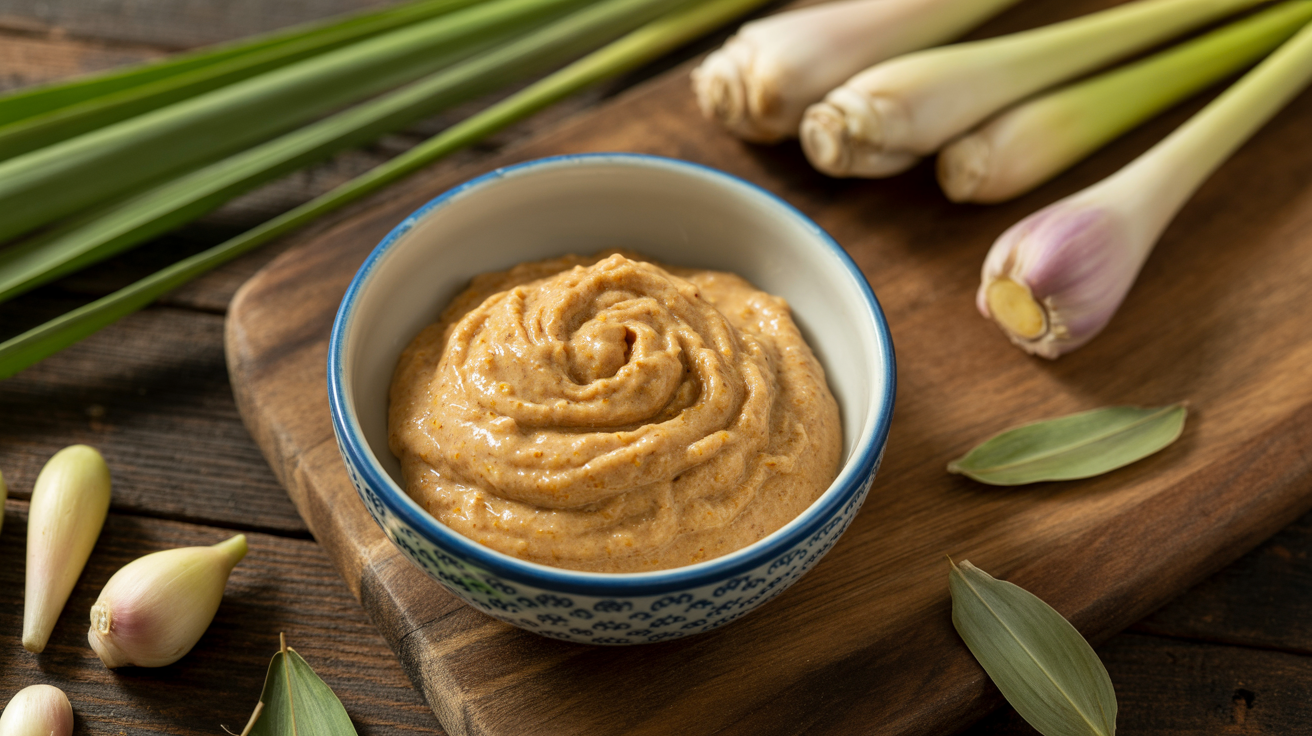
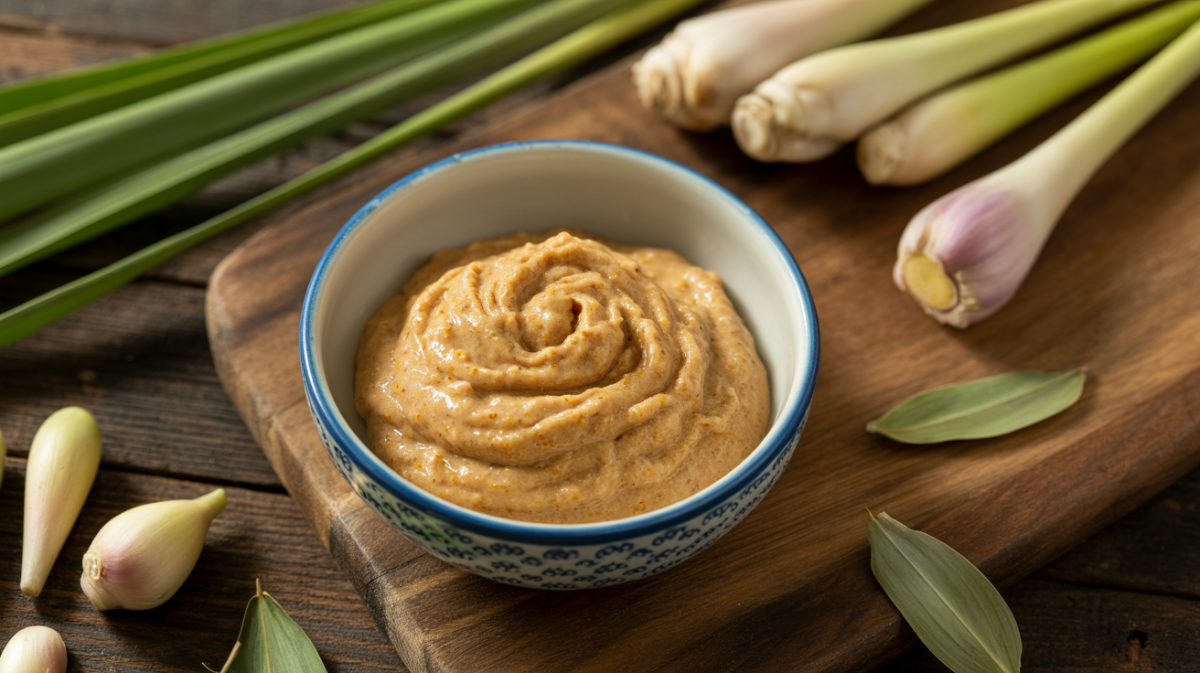
Step 2: Combine with curry paste: Remove the foil packet from the heat and open it carefully. Crumble the toasted shrimp paste into the prepared curry paste and mix thoroughly until evenly combined.
For Cooking the Curry
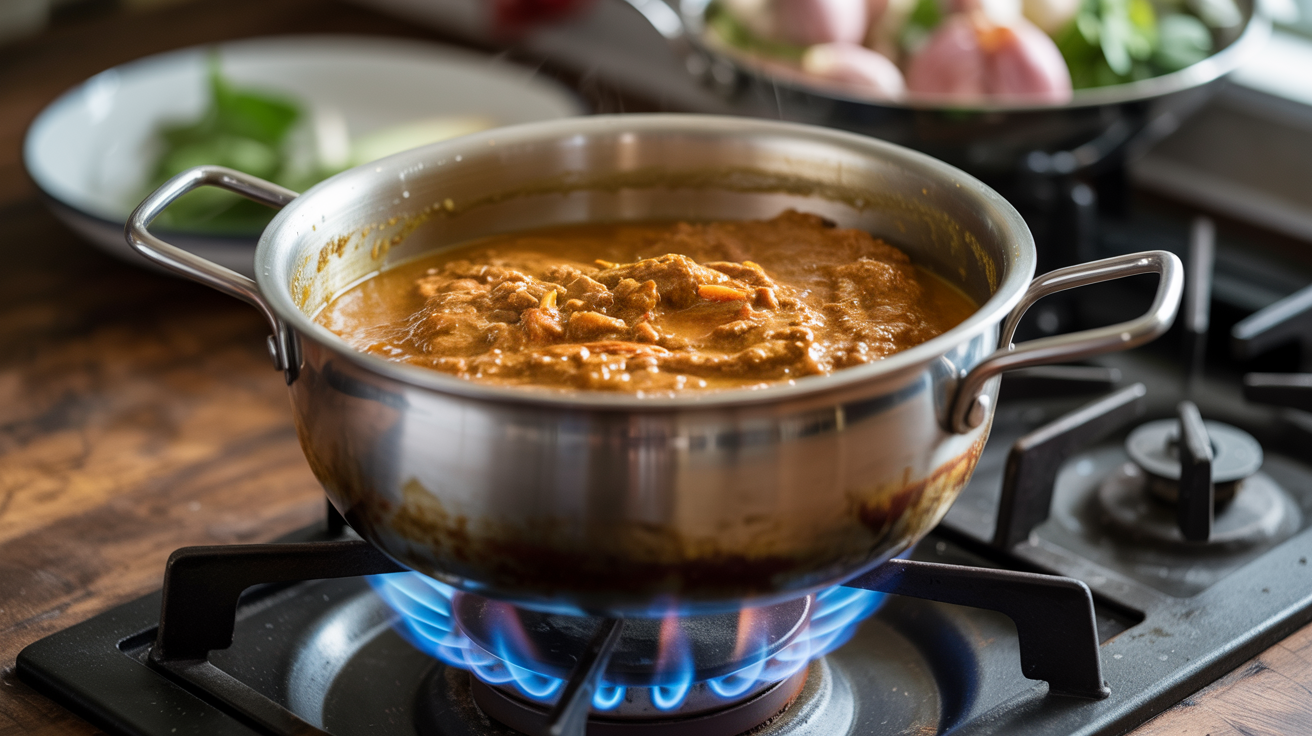
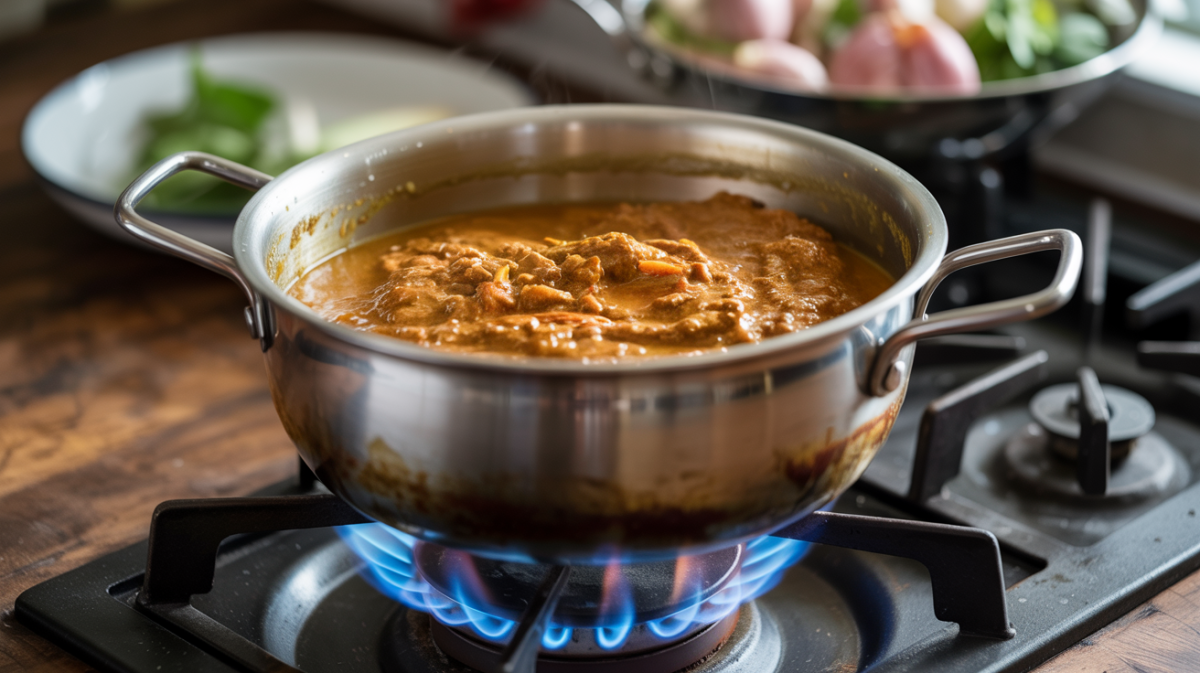
Step 1: Cook the curry paste in oil: Heat oil in a deep pan over low heat. Add the curry paste (with the shrimp paste mixed in) and cook gently, stirring often, until the raw smell of the ingredients has disappeared and oil begins to separate from the paste. This will take at least 8–10 minutes, and sometimes longer. This step is very important for developing the full flavour, so keep the heat low and be patient.
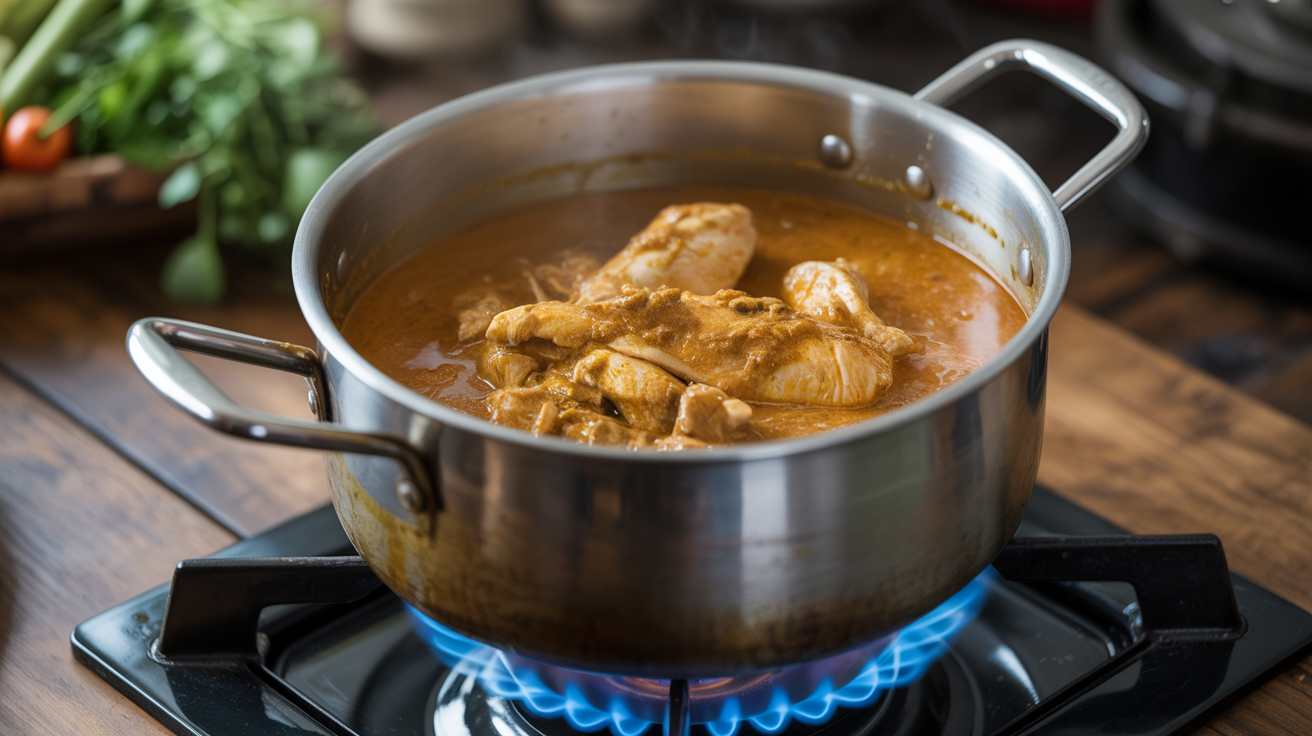
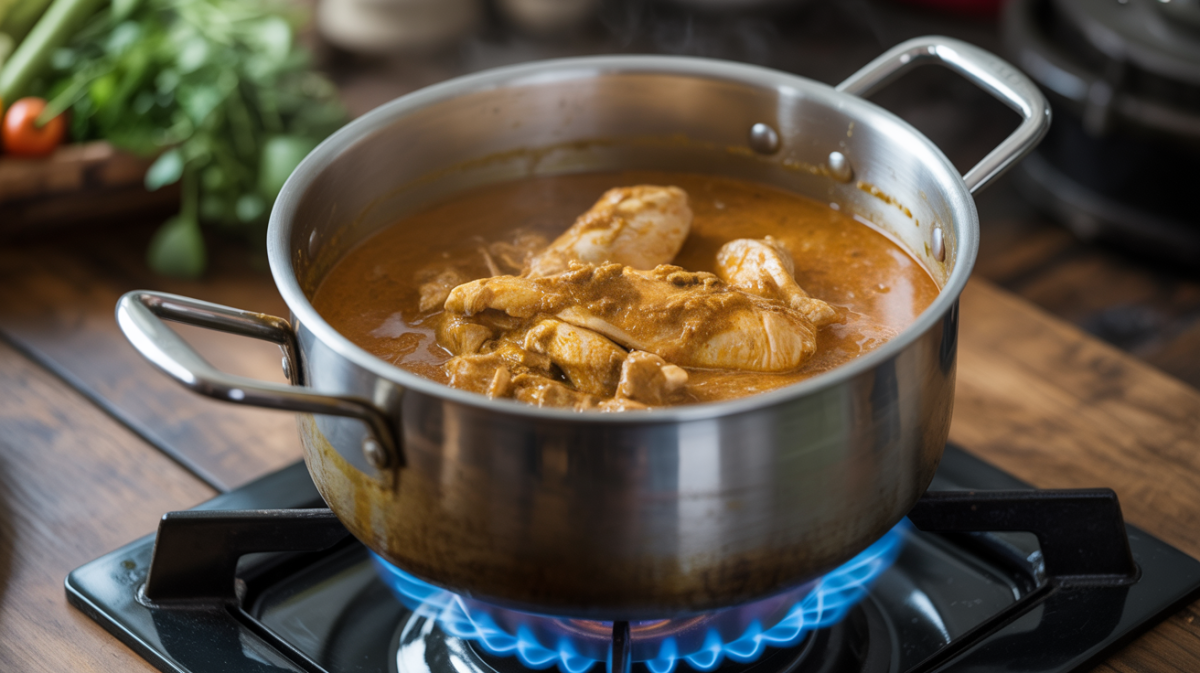
Step 2: Cook the chicken in the paste: Add the chicken pieces to the pan. Cook over medium heat for about 6–7 minutes without adding any water or coconut milk at this stage. Stir regularly so the chicken is coated well and the spice paste does not burn or stick to the bottom of the pan.
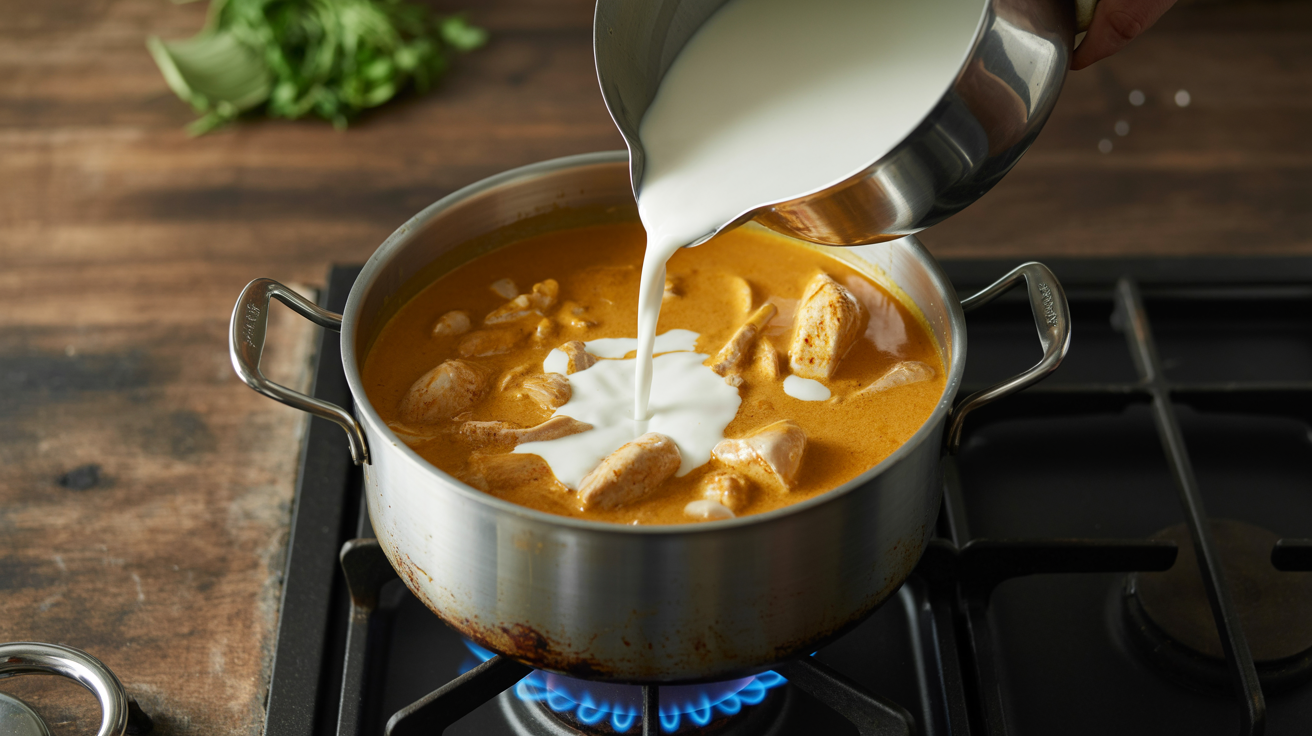
Step 3: Add thin coconut milk and season: Pour in the thin coconut milk. Season with salt and add sugar as specified in your recipe. Cook over medium heat until the chicken has become tender, stirring occasionally to keep the sauce even.
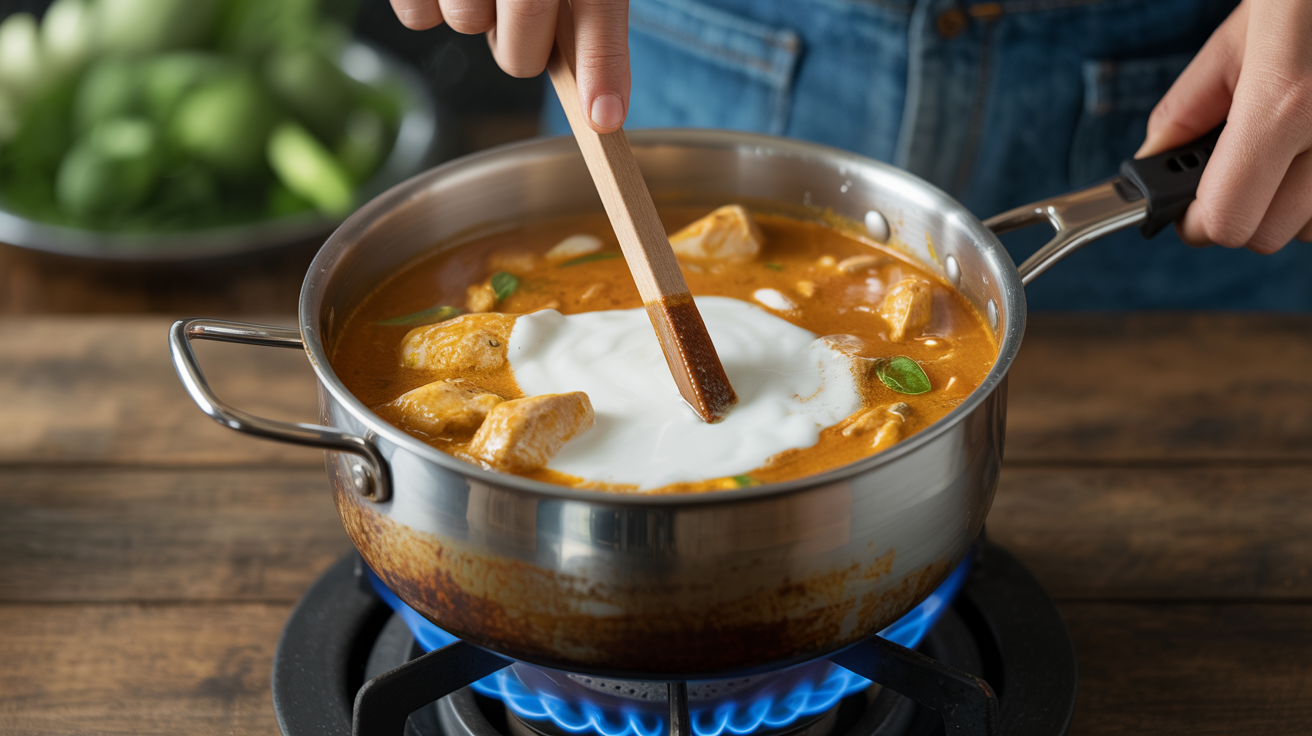
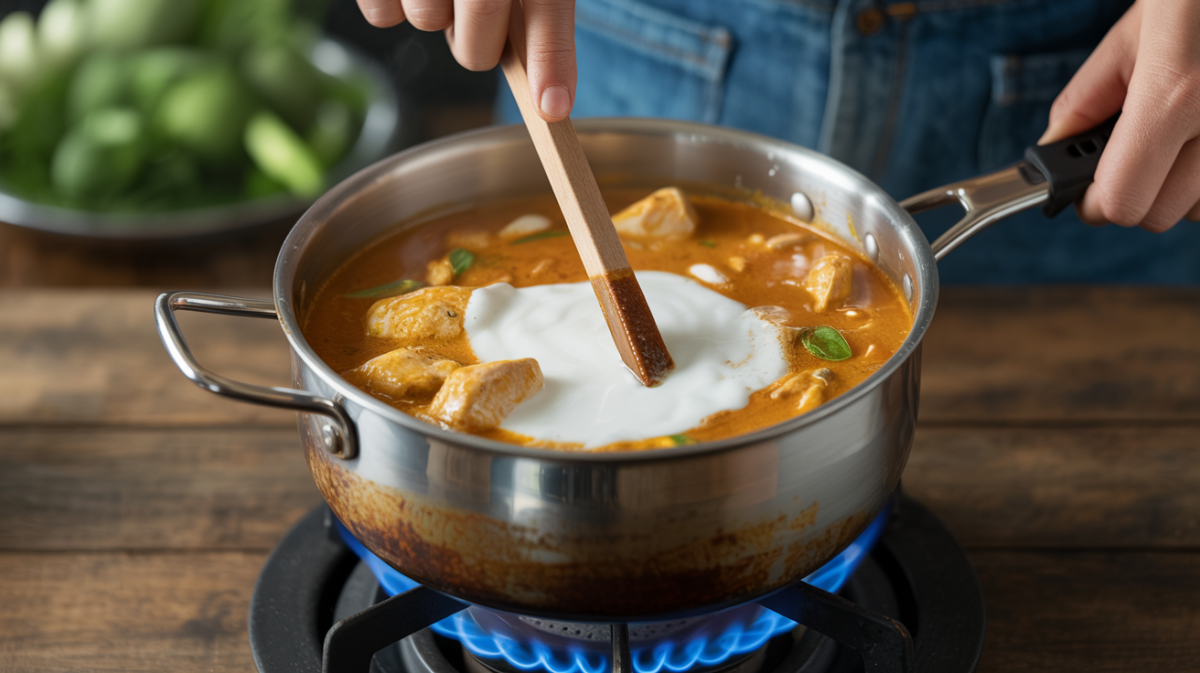
Step 4: Finish with thick coconut milk: Add the thick coconut milk and stir it in. Continue to cook for another 5 minutes, keeping the heat moderate so the coconut milk does not split. Once heated through, remove the pan from the heat.
To Serve
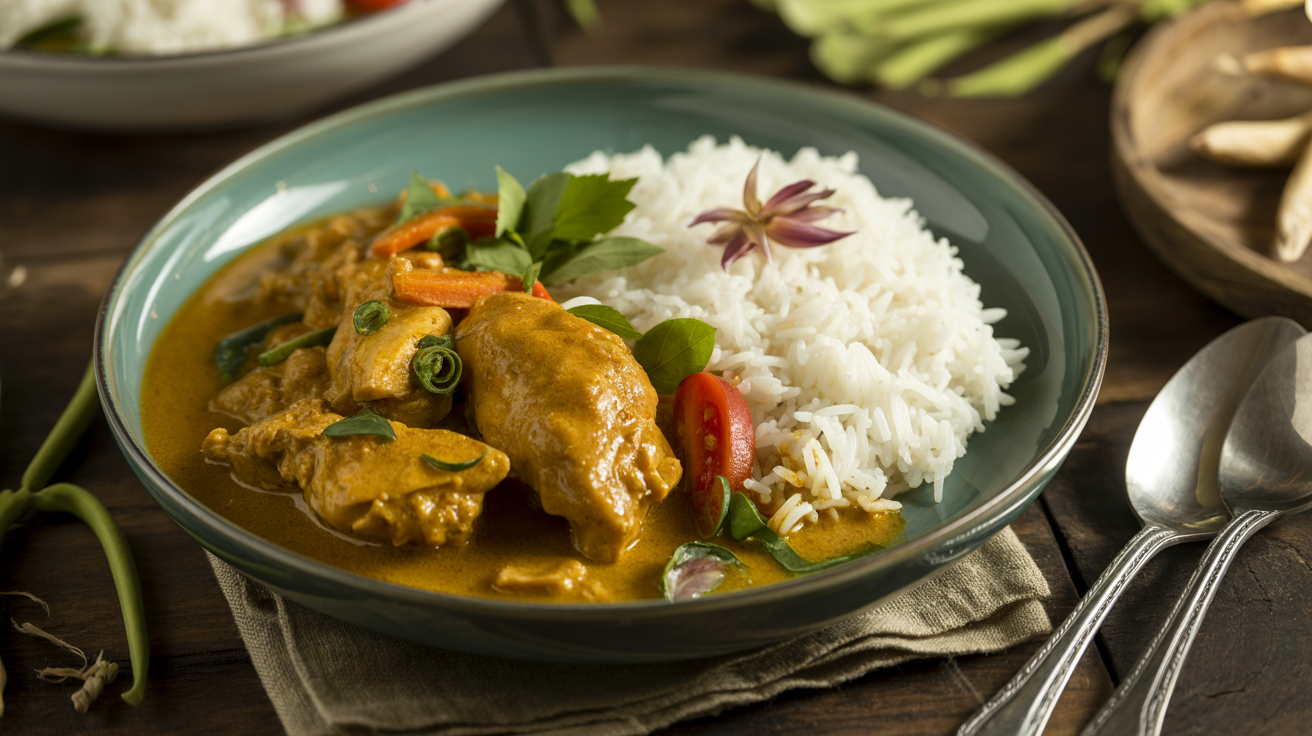
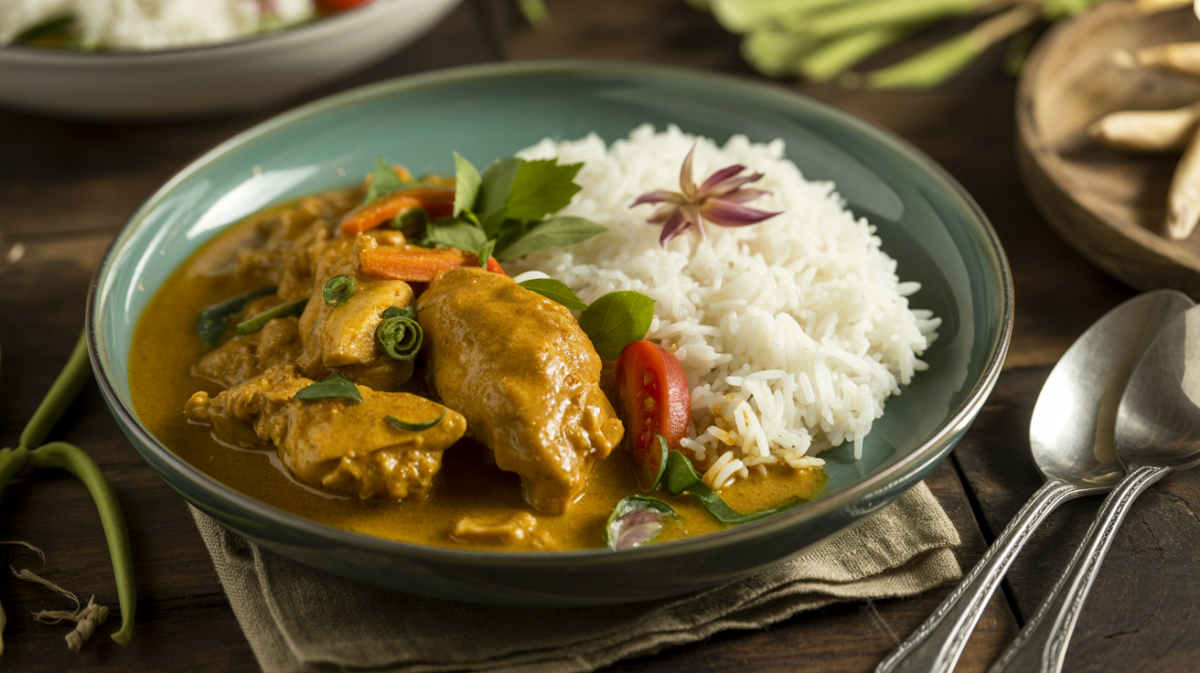
Step 1: Serve with rice and garnish: Serve the curry warm with rice. Garnish the top with fresh coriander leaves just before serving.
Preparing the Curry Paste
The heart of any authentic Cambodian chicken curry is a fresh curry paste. I toss lemongrass, galangal, turmeric, garlic, and shallots into a mortar and pestle or food processor.
Fresh turmeric root gives that brilliant color. I use 2-3 stalks of lemongrass, peeling off the tough bits and saving the white part. Galangal’s citrusy kick is just different from ginger—you’ll notice the difference.
I smash or blend those with dried red chilies, shrimp paste, and kaffir lime zest. You want a thick, fragrant paste. If it’s too dry, add a splash of water to bring it together.
Cooking the Chicken and Vegetables
I heat oil in a big pot and fry the curry paste for a couple of minutes until it smells amazing. That wakes up the spices. Then I toss in chicken pieces and coat them well.
I pour in coconut milk and bring it to a gentle simmer. Don’t let it boil hard or the coconut milk can split. I let the chicken cook for 20-25 minutes until it’s nice and tender.
For veggies, sweet potatoes, eggplant, green beans, and bamboo shoots are my usual picks. I add the tougher ones first, then the soft stuff near the end. Fish sauce and a bit of palm sugar round out the flavor.
Tips for Achieving Authentic Flavors
Khmer red chicken curry is supposed to be milder than Thai curry. I go easy on the chilies and let the aromatics do most of the work in my Cambodian chicken curry recipe.
Full-fat coconut milk is a must for that creamy texture. I try not to stir much after adding it, so it doesn’t split. Fresh ingredients make a bigger difference than you’d think.
I taste as I go, tweaking the seasoning bit by bit. The curry should have a balanced sweetness, a touch of salt, and just enough spice. Letting it rest for 10-15 minutes before serving really brings the flavors together.
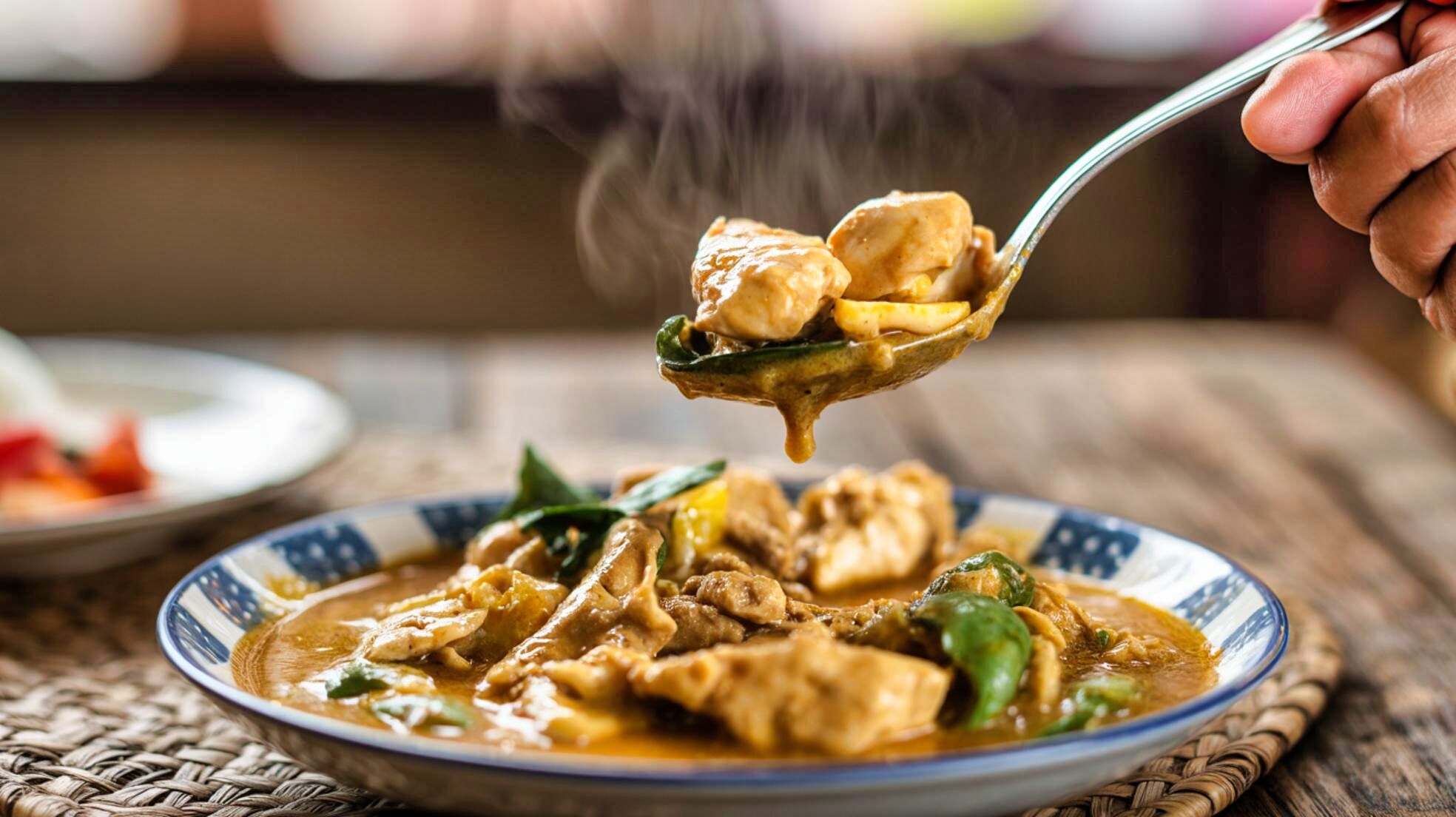
Cooking and Plating Steps
For the Paste
Step 1: Prepare the lemongrass: Cut off the tough roots and dry top ends of each lemongrass stalk. Peel away the outer tough layers and keep only the soft inner part of the stalk. Chop the usable portion finely. You will need enough stalks (usually about 3–4, depending on freshness and size) to obtain roughly 1¼ cups of chopped lemongrass.
Step 2: Grind the paste (blender method):If using a blender, place all ingredients listed as numbers 2–8 in your recipe together with the chopped lemongrass into the blender jar. Grind until you achieve a smooth, fine paste, stopping to scrape down the sides if necessary.
Step 3: Grind the paste (mortar and pestle method): If using a mortar and pestle, add the ingredients one at a time. Crush each thoroughly before adding the next, working until the mixture comes together into a fine, paste-like texture. If your mortar is small, grind the ingredients in several batches, then combine all the batches in a bowl and mix well.
For the Shrimp Paste
Step 1: Toast the shrimp paste: Place the shrimp paste on a piece of aluminium foil and spread it out into a thin, even layer. Fold the foil over to make a sealed packet. Place the packet on a medium-hot tawa or pan and heat for 2–3 minutes. Turn the packet over and heat for another 2–3 minutes.
Step 2: Combine with curry paste: Remove the foil packet from the heat and open it carefully. Crumble the toasted shrimp paste into the prepared curry paste and mix thoroughly until evenly combined.
For Cooking the Curry
Step 1: Cook the curry paste in oil: Heat oil in a deep pan over low heat. Add the curry paste (with the shrimp paste mixed in) and cook gently, stirring often, until the raw smell of the ingredients has disappeared and oil begins to separate from the paste. This will take at least 8–10 minutes, and sometimes longer. This step is very important for developing the full flavour, so keep the heat low and be patient.
Step 2: Cook the chicken in the paste: Add the chicken pieces to the pan. Cook over medium heat for about 6–7 minutes without adding any water or coconut milk at this stage. Stir regularly so the chicken is coated well and the spice paste does not burn or stick to the bottom of the pan.
Step 3: Add thin coconut milk and season: Pour in the thin coconut milk. Season with salt and add sugar as specified in your recipe. Cook over medium heat until the chicken has become tender, stirring occasionally to keep the sauce even.
Step 4: Finish with thick coconut milk: Add the thick coconut milk and stir it in. Continue to cook for another 5 minutes, keeping the heat moderate so the coconut milk does not split. Once heated through, remove the pan from the heat.
To Serve
Step 1: Serve with rice and garnish: Serve the curry warm with rice. Garnish the top with fresh coriander leaves just before serving.
Suggested Garnishes and Accompaniments
For my Cambodian chicken curry, I usually top it with fresh herbs like cilantro or Thai basil if I’ve got it. Sometimes I’ll add thin slices of red chili for anyone who likes more heat.
Lime wedges are a must. I put them on the side so people can add a squeeze if they want that fresh pop against the coconut sauce.
Steamed jasmine rice is non-negotiable with any Cambodian chicken curry recipe. The sticky texture soaks up all that curry goodness. I usually plan on a cup of cooked rice per person.
To balance out the richness, I serve fresh veggies like cucumber slices, cabbage, or a simple lettuce salad on the side. That cool crunch with the warm curry? It just works.
How To Serve Cambodian Chicken Curry
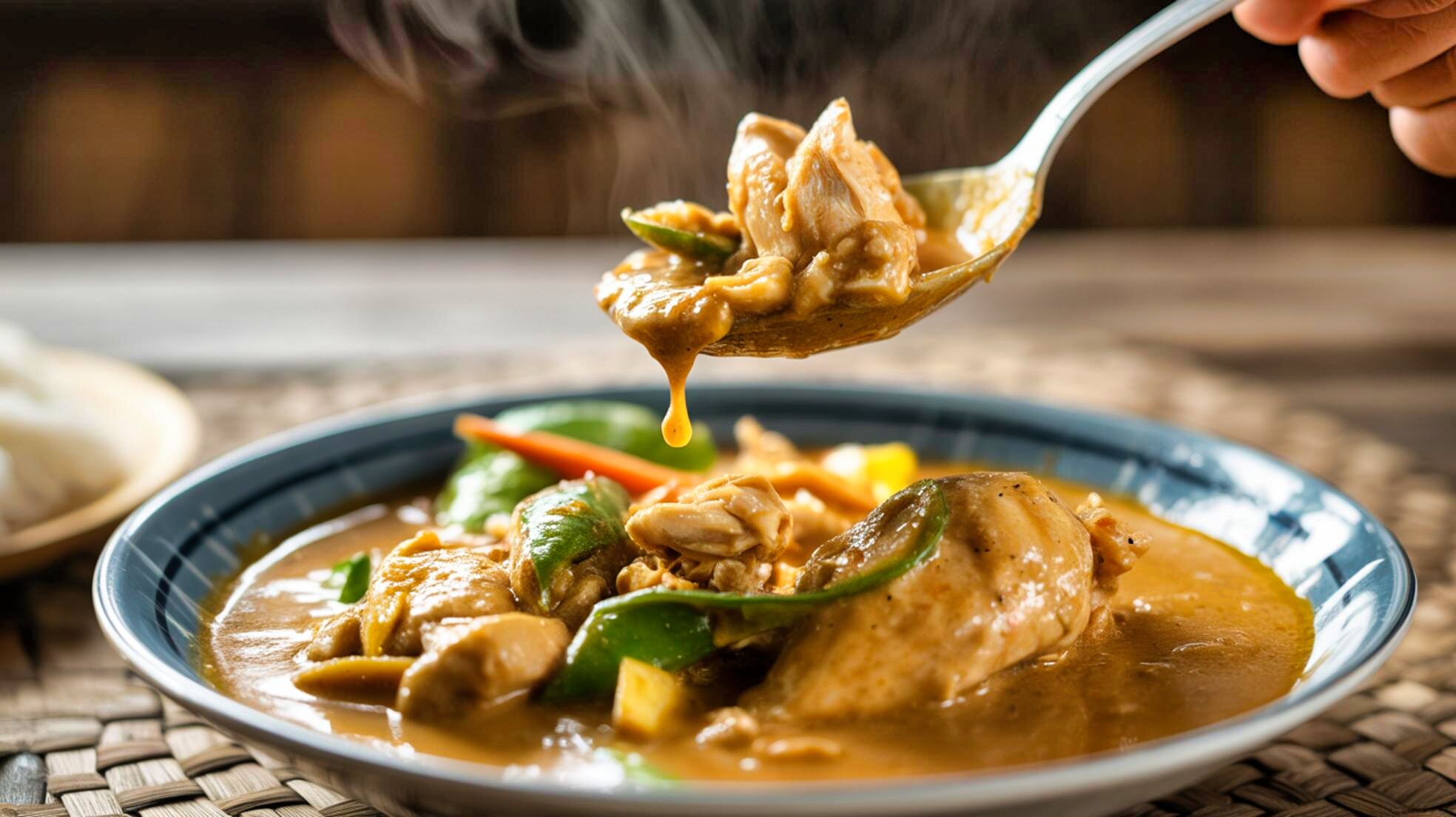
Honestly, I just ladle the Cambodian chicken curry recipe right over rice in each bowl. That way, every bite gets soaked with sauce, and nobody ends up with a dry forkful. I always try to scoop up a good mix of chicken and veggies for each person, though sometimes I miss a carrot or two.
I like to serve the Cambodian chicken curry recipe hot—definitely not boiling though. Too hot and you can’t taste anything, right? I usually keep the extra curry simmering gently on the stove, just in case someone wants seconds (they usually do).
For a family-style meal, I set the pot of Cambodian chicken curry recipe right in the middle of the table with a big spoon, and the rice goes in its own bowl nearby. People can grab as much or as little as they want, which feels a bit more relaxed and fun for everyone.
Garnishes? I throw those on a plate or in a few small bowls—cilantro, lime wedges, maybe some sliced chilis. Everyone can top their Cambodian chicken curry recipe however they like, which I think makes it even better.
If you haven’t tried it yet, the Cambodian chicken curry recipe really is a crowd-pleaser. Give it a shot and see if your table doesn’t go quiet for a few minutes while everyone digs in.
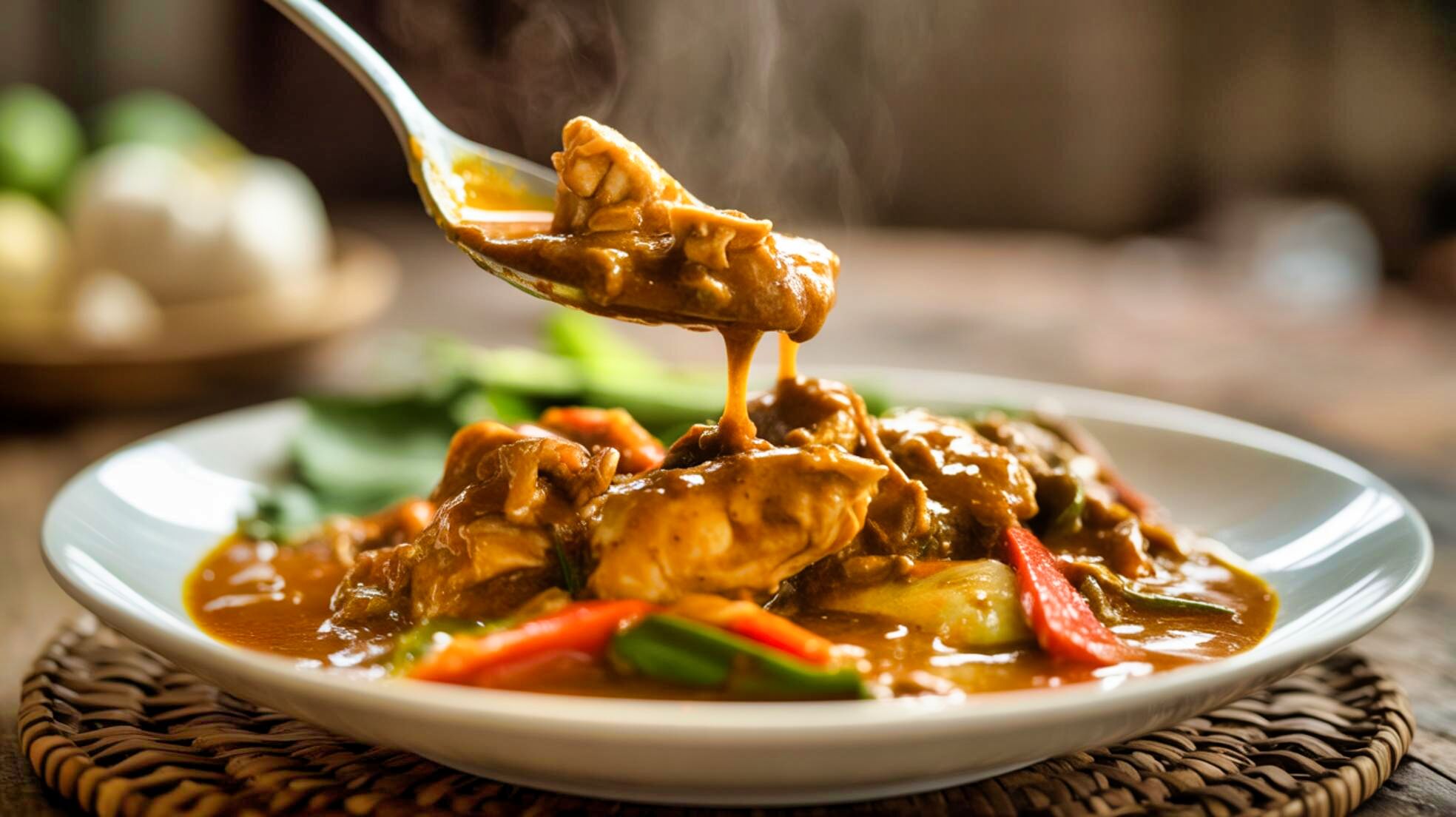
Cambodian Curry vs Indian Curry
Cambodian curry and Indian curry share some foundational spices, but they differ greatly in intensity, ingredients, and overall flavor structure.
Cambodian curry is typically mild and coconut-based, using ingredients like lemongrass, turmeric, garlic, and coconut milk. The result is a creamy, aromatic dish with gentle flavors and minimal heat. It is often served with bread, which complements its slightly thicker, stew-like consistency and makes it feel more like a comforting, shared meal.
Indian curry, on the other hand, is known for its wide variety and complex spice blends. It often includes spices such as cumin, coriander, garam masala, and chili, creating deeper and more layered flavors. Depending on the region, Indian curries may use tomato, yogurt, or cream as a base and can range from mild to very spicy.
The main difference is simplicity versus spice complexity: Cambodian curry is mild, smooth, and aromatic, while Indian curry is bold, layered, and often more intense.
Choose Cambodian curry if you prefer a gentle, creamy dish with subtle flavors. Go with Indian curry if you want a richer, spice-forward experience with greater depth.
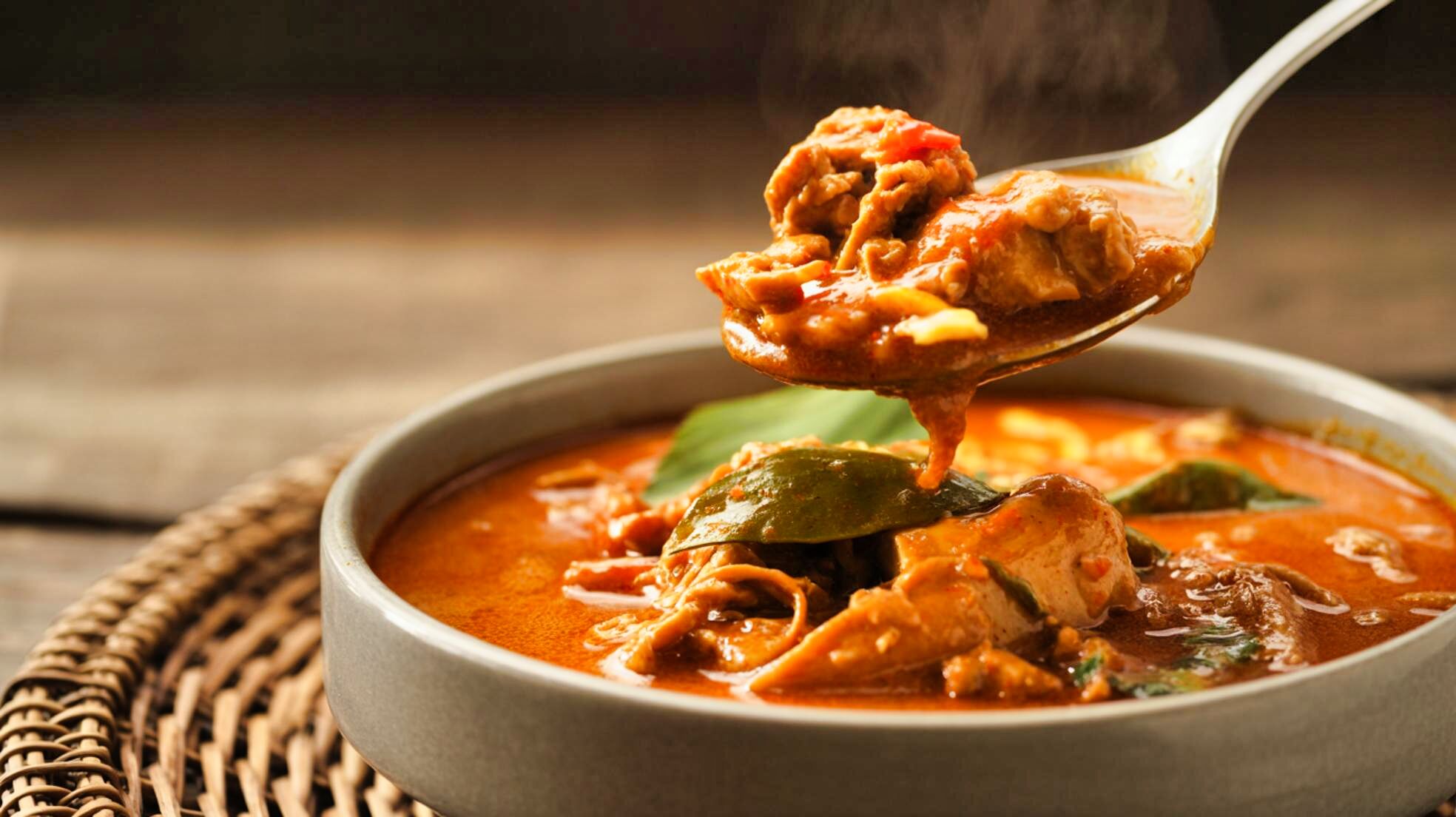
Cambodian Chicken Curry Recipe FAQ
1. What makes Cambodian chicken curry unique?
It has a lighter, more coconut-forward flavor with less heat.
2. What herbs are used in the curry?
Lemongrass, kaffir lime leaves, and turmeric.
3. Can Cambodian chicken curry be made without coconut milk?
Coconut milk is traditional, but lighter versions exist.
4. What is the texture of the curry?
It is slightly soupy rather than thick.
5. What is it served with?
Rice or baguette-style bread.
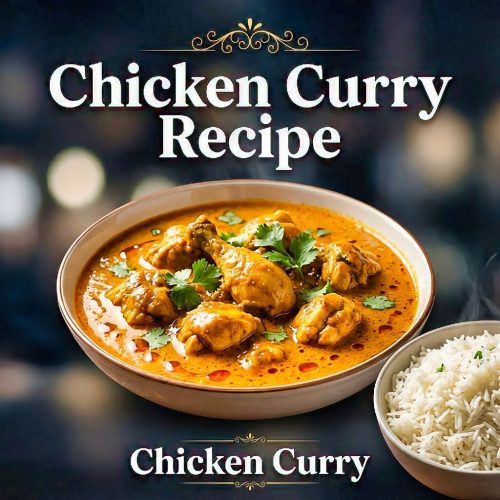
Cambodian Chicken Curry
Ingredients
- 2.5 lb chicken whole cut into medium sized pieces
- 4 lemongrass stalks
- 1 tbsp lemon pulp
- 1 tsp turmeric powder
- 3 tbsp galangal chopped
- 6 shallots large coarsely chopped
- 6 garlic large chopped
- 8 chillies fresh
- 1 ½ tbsp shrimp paste
- 2 cups coconut milk thin
- 1 cup coconut milk thick
- 4 tbsp vegetable oil
- 1/4 tsp Salt to season
- ½ tsp sugar
Instructions
- Prepare the lemongrass: Cut off the tough roots and dry top ends of each lemongrass stalk. Peel away the outer tough layers and keep only the soft inner part of the stalk. Chop the usable portion finely. You will need enough stalks (usually about 3–4, depending on freshness and size) to obtain roughly 1¼ cups of chopped lemongrass.
- Grind the paste (blender method):If using a blender, place all ingredients listed as numbers 2–8 in your recipe together with the chopped lemongrass into the blender jar. Grind until you achieve a smooth, fine paste, stopping to scrape down the sides if necessary.
- Grind the paste (mortar and pestle method): If using a mortar and pestle, add the ingredients one at a time. Crush each thoroughly before adding the next, working until the mixture comes together into a fine, paste-like texture. If your mortar is small, grind the ingredients in several batches, then combine all the batches in a bowl and mix well.
- Toast the shrimp paste: Place the shrimp paste on a piece of aluminium foil and spread it out into a thin, even layer. Fold the foil over to make a sealed packet. Place the packet on a medium-hot tawa or pan and heat for 2–3 minutes. Turn the packet over and heat for another 2–3 minutes.
- Combine with curry paste: Remove the foil packet from the heat and open it carefully. Crumble the toasted shrimp paste into the prepared curry paste and mix thoroughly until evenly combined.
- Cook the curry paste in oil: Heat oil in a deep pan over low heat. Add the curry paste (with the shrimp paste mixed in) and cook gently, stirring often, until the raw smell of the ingredients has disappeared and oil begins to separate from the paste. This will take at least 8–10 minutes, and sometimes longer. This step is very important for developing the full flavour, so keep the heat low and be patient.
- Cook the chicken in the paste: Add the chicken pieces to the pan. Cook over medium heat for about 6–7 minutes without adding any water or coconut milk at this stage. Stir regularly so the chicken is coated well and the spice paste does not burn or stick to the bottom of the pan.
- Add thin coconut milk and season: Pour in the thin coconut milk. Season with salt and add sugar as specified in your recipe. Cook over medium heat until the chicken has become tender, stirring occasionally to keep the sauce even.
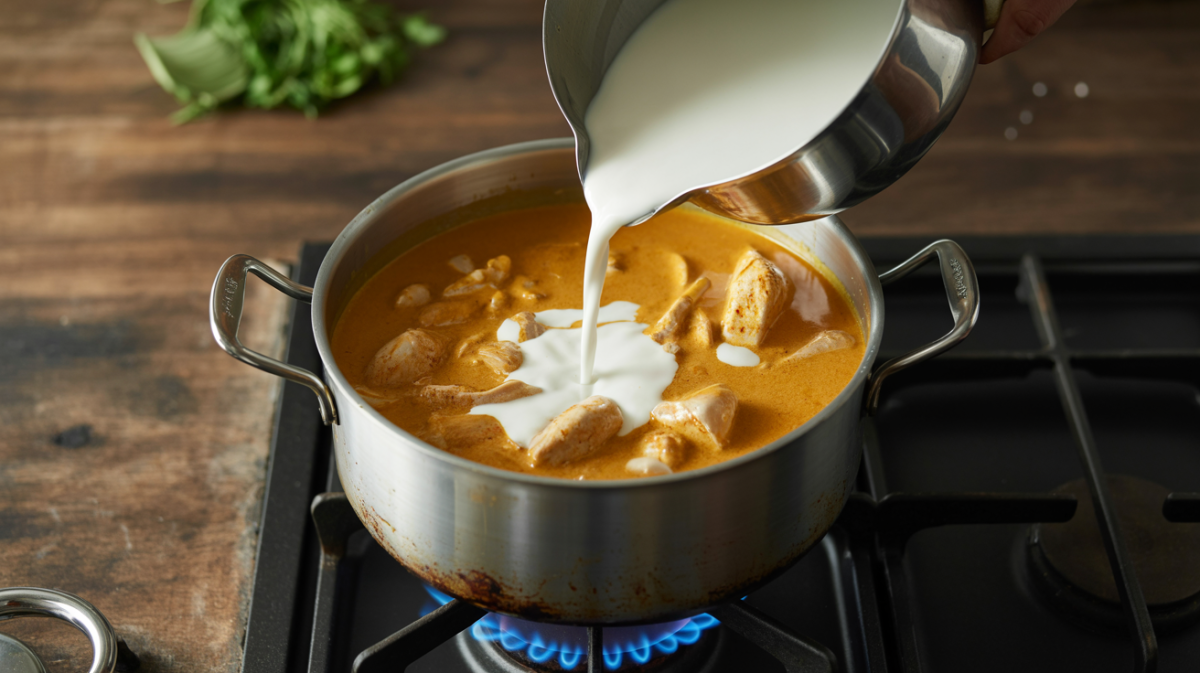
- Finish with thick coconut milk: Add the thick coconut milk and stir it in. Continue to cook for another 5 minutes, keeping the heat moderate so the coconut milk does not split. Once heated through, remove the pan from the heat.
- Serve with rice and garnish: Serve the curry warm with rice. Garnish the top with fresh coriander leaves just before serving.
Video

11 comments
Has anyone tried substituting coconut milk with almond milk in this Cambodian Chicken Curry recipe? Wondering if itd still taste authentic.
Ever tried swapping chicken with tofu in this Cambodian curry? Its a game-changer! And any tips for sourcing lemongrass abroad?
Tofu swap sounds intriguing! Try Asian markets/online for lemongrass. Happy cooking!
Curious if anyones tried subbing tofu for chicken in this curry? And howd you manage tracking down these exotic ingredients abroad?
Could we use lemongrass as a substitute for kaffir lime leaves in the Cambodian Curry Recipe? Would it change the taste drastically?
Interesting recipe! But, isnt it possible to find an equally delicious vegetarian alternative to the chicken in Cambodian curry?
Absolutely! You can easily substitute chicken with tofu for a vegetarian twist.
Why not discuss using tofu as a protein substitute for vegetarians? A curry isnt just for meat-lovers!
Absolutely! Tofus versatility can turn any meat-centric curry into a veggie delight.
Interesting piece! But, is there a way to thicken this curry without using coconut milk? Allergies can be a real hassle.
Sure, you can try using cashew cream or yogurt as a thickening agent instead.
Comments are closed.