


I’ve made Albanian dolma japrak for years, and honestly, it always gets people talking at family gatherings. Albanian japrak is a traditional dish of grape vine leaves stuffed with seasoned minced lamb, rice, onions, and herbs, then simmered until perfectly tender. This Albanian Dolma japrak recipe means a lot to me because it proves you don’t need fancy ingredients to create something unforgettable.
What I love most about making stuffed vine leaves is how hands-on it feels. Rolling each little bundle is almost meditative, and my kitchen smells amazing while they cook. The mix of tender grape leaves, savory meat, and fresh herbs just hits different.
I want to show you my take on an authentic Albanian Dolma japrak recipe from start to finish. You’ll see what makes this version stand out from other stuffed grape leaves around the Mediterranean, get my full ingredient list, follow my step-by-step method, and pick up tips for serving and storing your dolma japrak so you can enjoy it for days.

What Makes Albanian Dolma Japrak Unique?
I’ve noticed Albanian Dolma japrak stands out for its Ottoman roots, unique seasoning, and the option to use grape leaves or cabbage depending on what’s available.
Origins and Cultural Significance
I think it’s fascinating that Japrak shows off the strong Ottoman influence on Albanian cooking. This Albanian Dolma japrak recipe gets handed down through families and, honestly, it’s more than just food.
The dish means a lot in Albanian homes and gatherings. I’ve seen dolma pop up all over the former Ottoman Empire, but Albania really made it their own. The recipe changed over time to fit Albanian tastes and what’s local.
What excites me most is how this dish brings families together. I see Japrak as a symbol of Albanian hospitality and heritage that continues to be celebrated today.
Key Differences from Other Mediterranean Dolmas
Every Mediterranean country has their own take on stuffed grape leaves, but Albanian Dolma japrak recipe has some real personality. Some folks call them dolma, some yaprak, and others sarma, but in Albania, we call them Japrak.
I’ve found that Albanian japrak are similar to Greek dolmades but with a few twists. The Albanian version uses minced lamb, rice, onions, and a special blend of herbs that give it a distinct flavor. I really like how the herbs make it stand out from other versions.
The way I season Albanian Dolma japrak is a bit bolder. I simmer the stuffed grape leaves until they’re tender, and the texture turns out just right for Albanian tastes.
Grape Vine Leaves vs. Cabbage Rolls
I love how flexible this dish can be with the wrapping. Fresh grape leaves are the go-to choice when they’re in season.
But I’ve found a workaround when grape leaves aren’t around. Mediterranean food shops usually have vine leaves in jars, but when that’s not an option, cabbage leaves work great. I just blanch the cabbage for about 10 minutes and carefully peel back the leaves so they stay whole.
The prep is a little different for each. I soften cabbage in boiling water before peeling, so the leaves don’t rip. With grape leaves, I use them fresh or give preserved ones a good rinse to get rid of the brine.

Ingredients for Authentic Albanian Japrak
The magic of Albanian Dolma Japrak starts with the right ingredients! Fresh grape leaves, good meat and rice, and the perfect blend of herbs make all the difference in this Albanian Dolma japrak recipe.
Selecting Grape Vine Leaves
It’s always a win when I find perfect grape leaves for my japrak! Fresh works best in spring and summer, especially when they’re young and soft. I look for medium-sized leaves, about palm-sized, that are bright green and free of holes.
If I can’t get fresh, I check Mediterranean shops for jarred grape leaves in brine. These save a lot of time, honestly. I rinse them well under cold water to wash off extra salt before using.
When grape leaves are nowhere to be found, cabbage leaves come to the rescue. I let the cabbage sit in boiling water for 10 minutes, then gently peel back the leaves so they stay whole.
Choosing the Perfect Filling
The filling is where Albanian Dolma japrak recipe really shines! I usually go for minced lamb because it brings a rich flavor that’s hard to beat. If lamb’s not available, ground beef works fine too.
For rice, I pick medium-grain white rice since it soaks up all the good stuff while cooking. I mix about equal amounts of meat and uncooked rice. The rice swells up as it cooks inside the leaves.
I always toss in finely chopped onions for sweetness and moisture. Sometimes I add tomato or tomato paste for a little tang. It keeps the filling juicy and adds a nice balance.
Herbs and Essential Seasonings
Adding herbs and spices is my favorite part of making Albanian Dolma japrak recipe! I use plenty of fresh dill and mint—they’re traditional and honestly, they make the dish pop. Mint brightens things up and dill brings that classic Mediterranean flavor.
I season everything with salt, black pepper, and sometimes a hint of paprika for warmth. A splash of olive oil goes in to keep the filling moist. Some cooks squeeze in a little lemon juice for extra zing.
Fresh parsley is another must for me. It adds color and a fresh taste that cuts through the richness of the lamb.

Step-by-Step Albanian Dolma Japrak Recipe
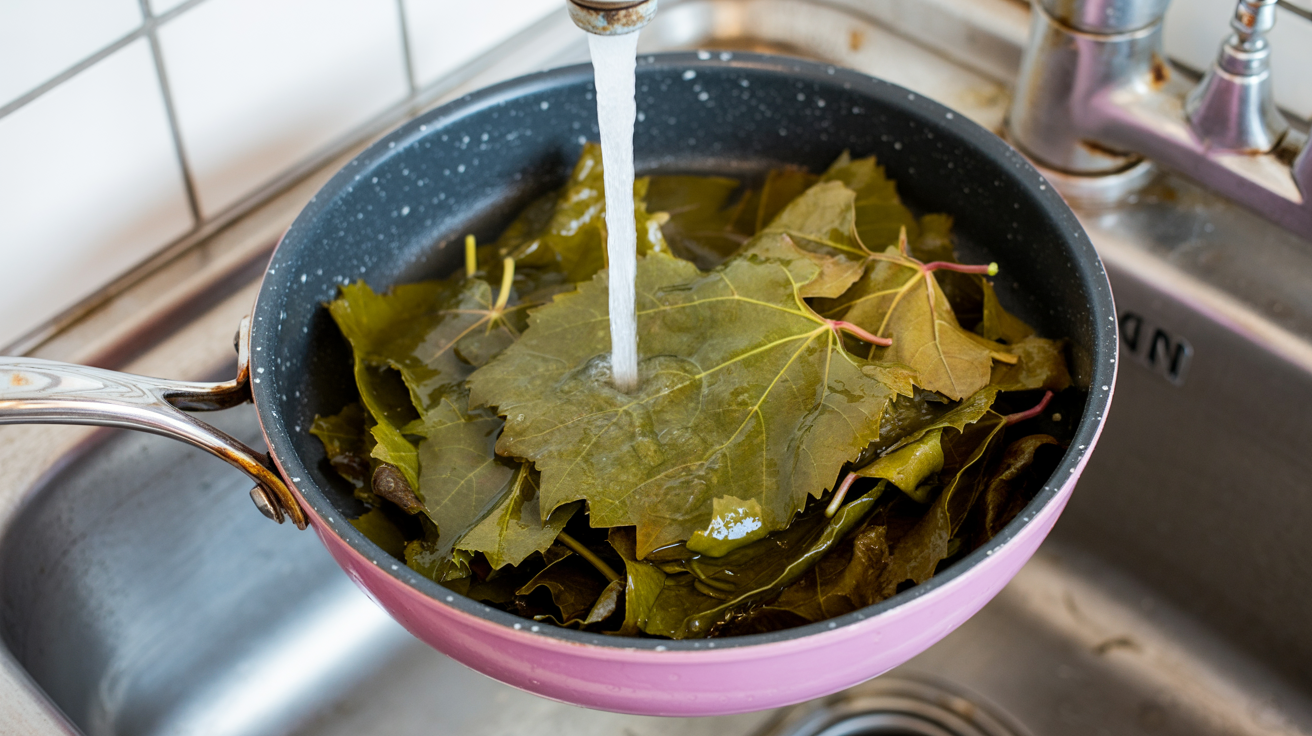
Step 1: Prepare the grape leaves: Rinse the fresh grape leaves well. Bring a pot of water to a boil, add the leaves, and boil for 3–5 minutes. Use a slotted spoon to lift them out and spread them on a large platter, separating the leaves so they do not stick together. Let them cool completely.
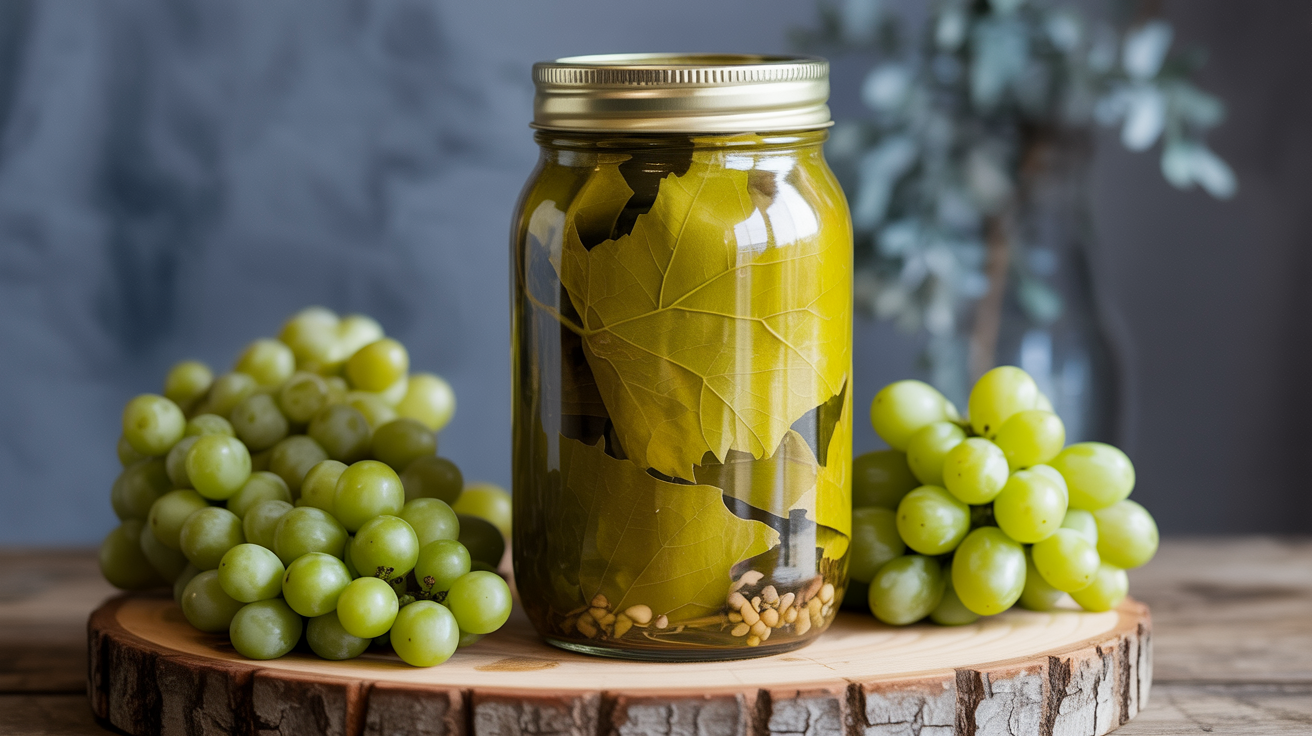
Step 2: If using jarred grape leaves, simply rinse and drain them; no boiling is needed.
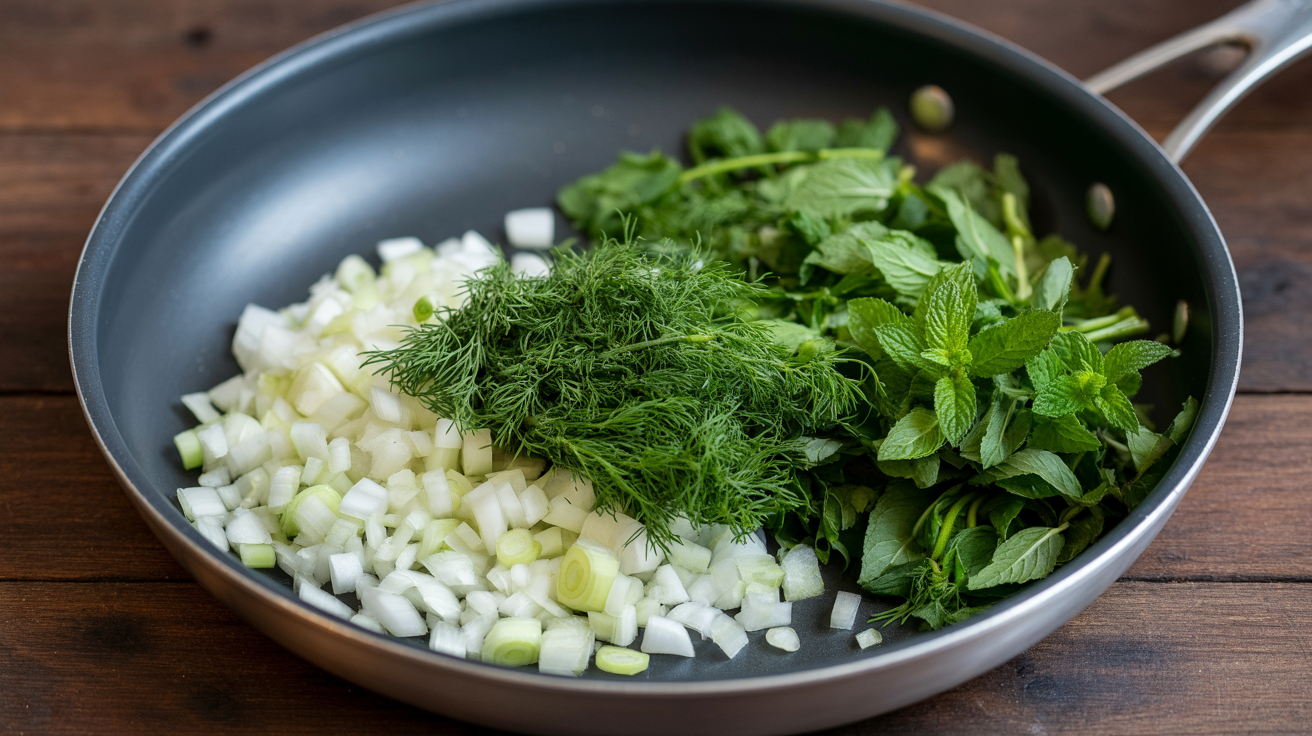
Step 3: Prepare the filling ingredients: Finely chop both onions. Chop the dill and mint. Make sure the ground beef is fully thawed.
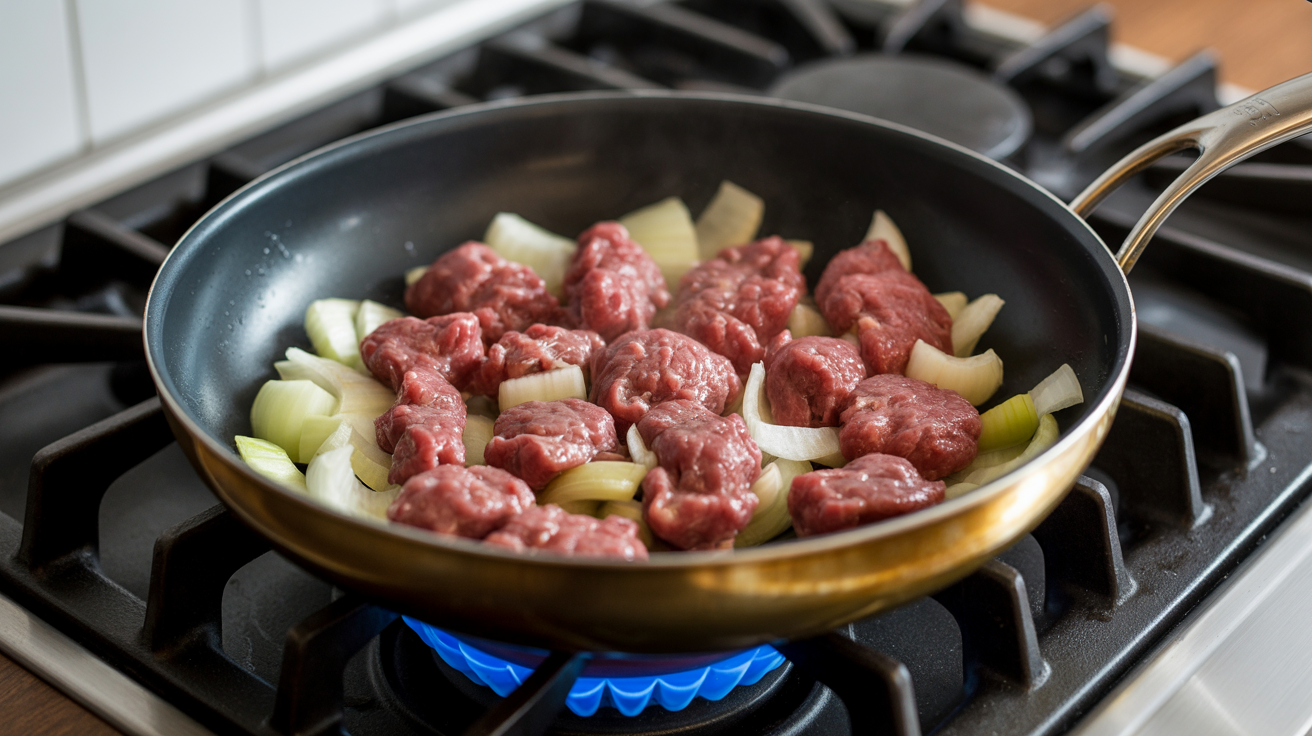
Step 4: Cook the onion and meat: Heat oil in a large skillet over medium heat. Add the chopped onions and sauté until they become translucent. Add the ground beef and cook, stirring and breaking it up with a wooden spoon, so the meat cooks evenly and the onions do not burn.
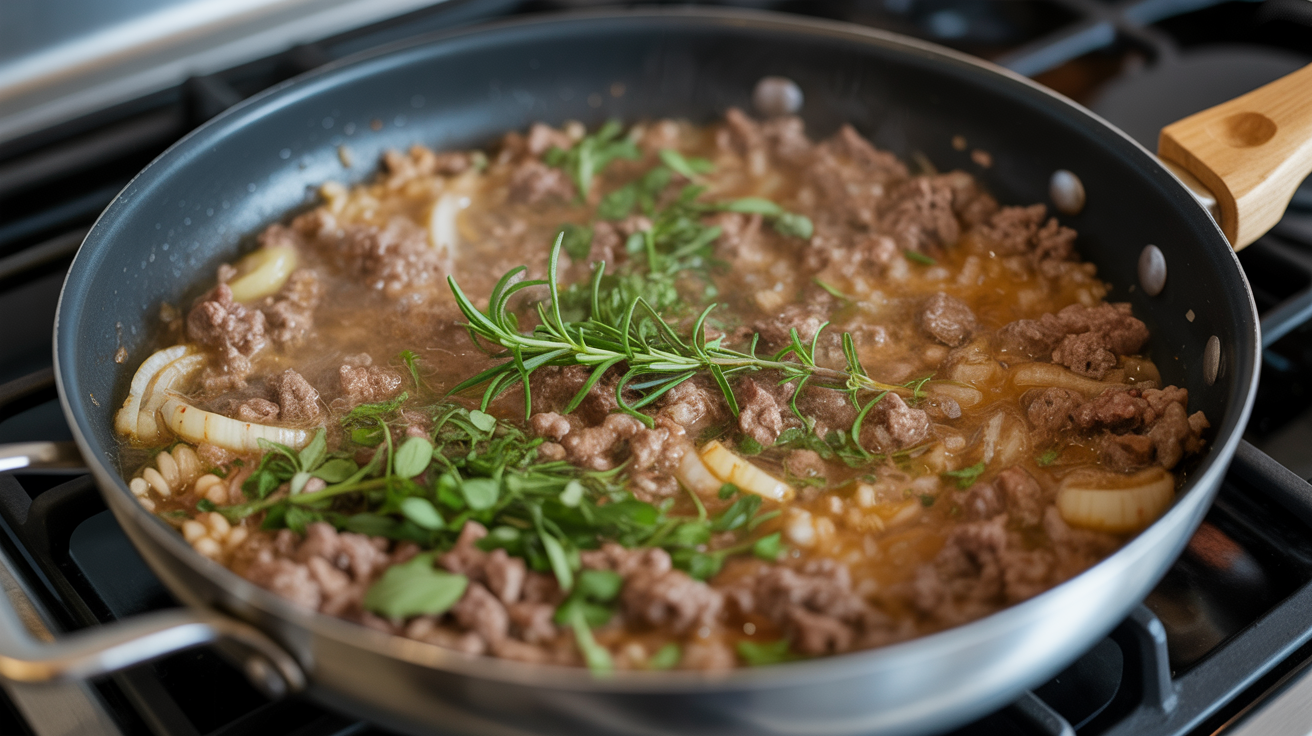
Step 5: Add herbs, rice, and seasoning: Stir in the chopped dill, chopped mint, and rice. Season with salt and pepper (and any other seasonings you prefer). Mix everything thoroughly and cook for a few minutes so the rice begins to heat through. Turn off the heat and let the stuffing mixture cool until it is comfortable to handle by hand.
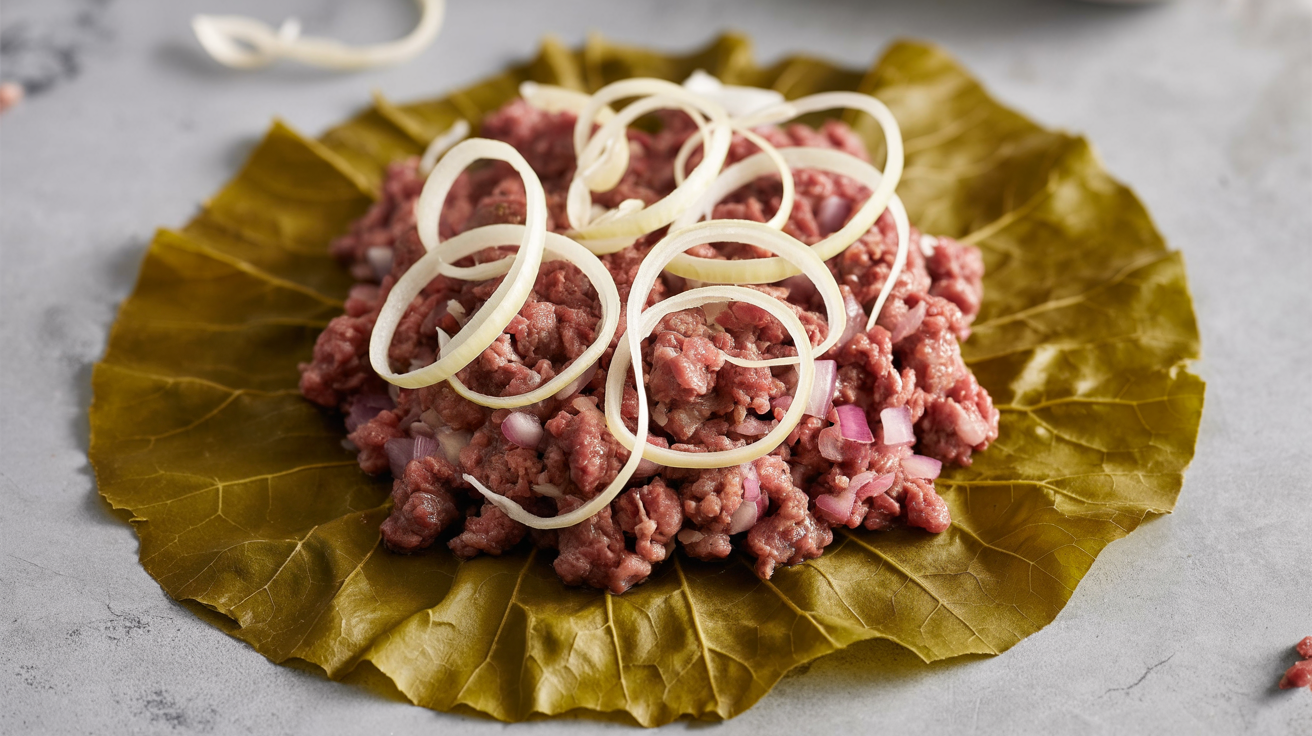
Step 6: Fill and roll the grape leaves: Take one grape leaf at a time and lay it flat, vein side up, with the stem end closest to you. Place about 1 tablespoon of filling near the stem area. Do not overstuff. Fold the sides of the leaf toward the center, then fold the bottom over the filling like an envelope. Roll the leaf up tightly into a cigar shape, ending with the seam side down. Repeat until you have used all the leaves or all the stuffing.
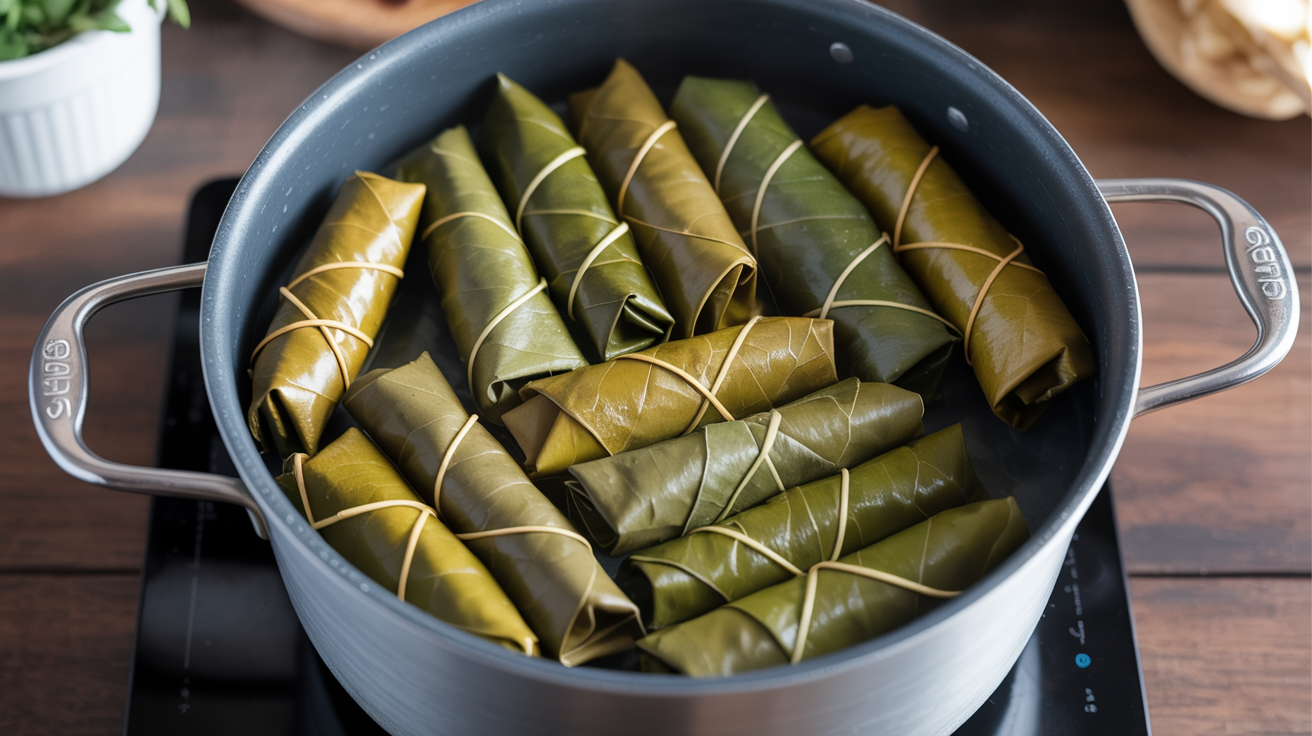
Step 7: Layer in the pot: Place any unused grape leaves in a medium-sized pot to cover the bottom. Arrange the stuffed grape leaves in layers on top, seam side down and packed closely together so they hold their shape. When finished, place a heavy plate on top of the rolls to keep them from moving during cooking.
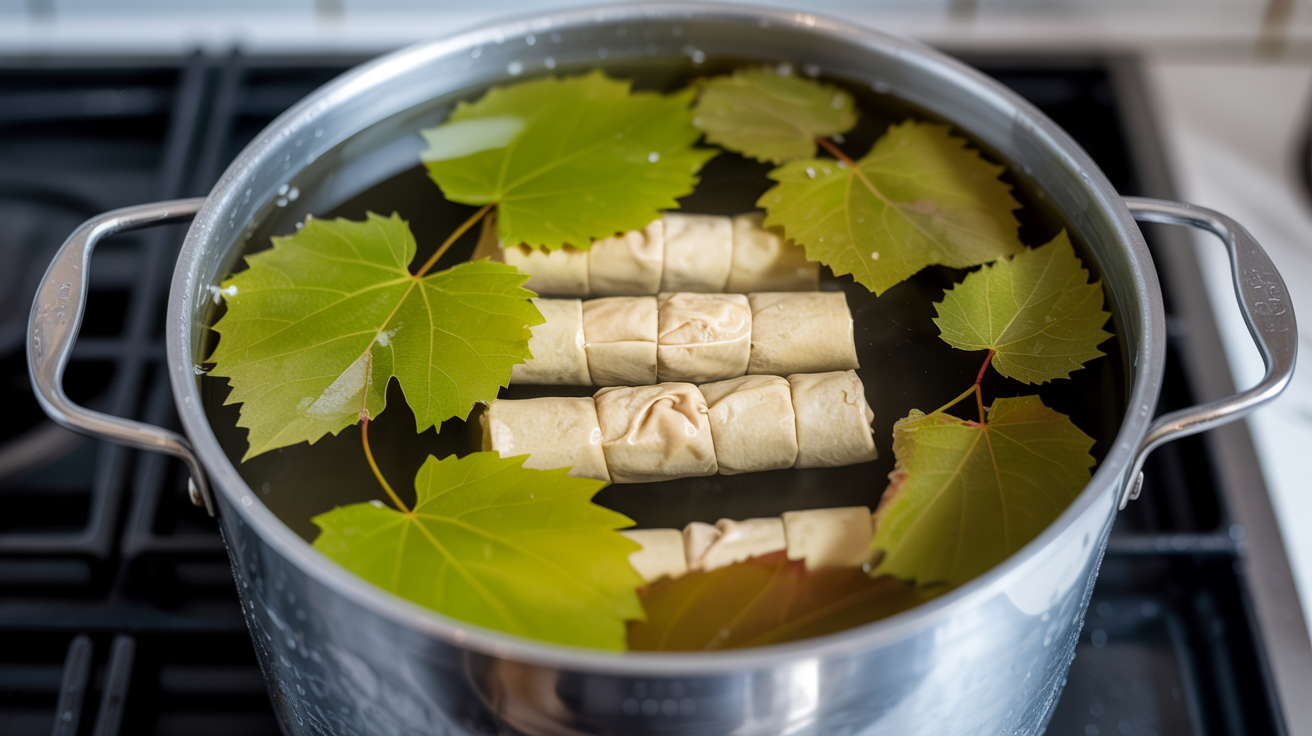
Step 8: Cook the stuffed grape leaves: Pour about 1.5–2 cups of hot water over the grape leaves in the pot. Sprinkle some salt over the top and add the juice of 1 lemon. Bring to a boil, then cover the pot and cook over low–medium heat for about 40–45 minutes if using fresh leaves.
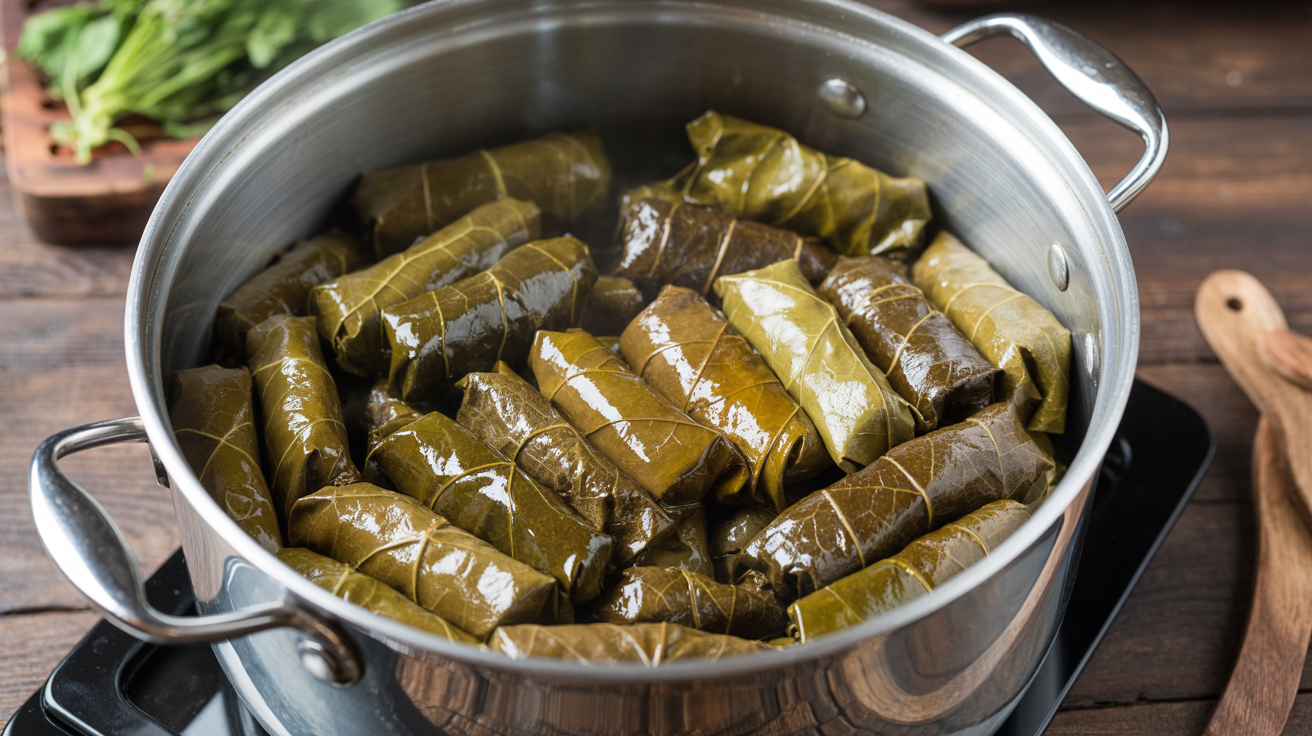
Step 9: If using jarred grape leaves, cook for about 55 minutes. Turn off the heat and let the pot rest for about 20 minutes before removing the rolls; this helps them settle and firm up.
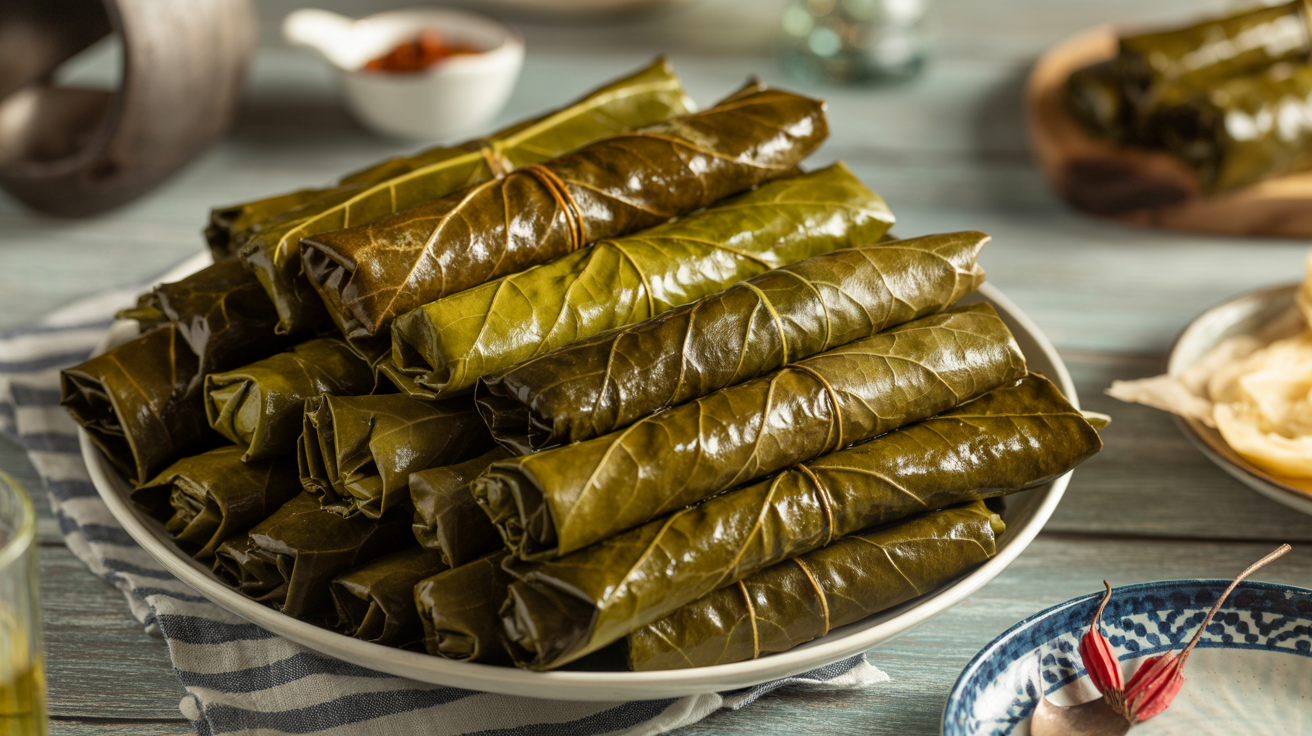
Step 10: Serve: Carefully remove the stuffed grape leaves from the pot and transfer them to a serving dish. Serve with plenty of lemon slices and any other Mediterranean side dishes you like.
Preparing the Grape Leaves
I always start by prepping my grape leaves for stuffing. If I have fresh, I blanch them in boiling water for 2-3 minutes until they soften and turn dark green.
With jarred grape leaves, I rinse them under cold water to get rid of extra salt. I lay them out on a towel to dry and trim any tough stems. I’ve found cabbage leaves make a solid backup if grape leaves aren’t in season.
For cabbage, I blanch the whole head for about 10 minutes, then peel the leaves gently so they don’t tear. That way, they’re flexible enough to roll.
Making the Rice and Meat Filling
I mix ground lamb or beef with uncooked rice in a big bowl. The rice cooks inside the rolled leaves, so I never bother pre-cooking it.
I add chopped onions, parsley, dill, and mint to the mix. A little salt, black pepper, and maybe a pinch of paprika go in next. The herbs give the Albanian Dolma japrak recipe its signature fresh taste.
I use about a cup of rice for every pound of meat. Some recipes skip the meat, but I love the classic minced lamb version for its flavor. I drizzle in a bit of olive oil to keep things moist.
How to Roll and Stuff the Leaves
I lay each grape leaf shiny side down and the stem end facing me. I put about a tablespoon of filling near the stem, shaping it into a little log.
I fold the bottom over the filling, then the sides in, and roll it up tight—but not too tight, since the rice needs space to expand. Each roll should look like a small cigar.
I always place the seam side down in the pot to help them stay closed while cooking. That way, I don’t need toothpicks or anything fancy.
Simmering and Cooking Techniques
I line the bottom of my pot with extra grape or cabbage leaves to stop sticking. Then I stack my japrak in snug layers, seam side down.
I put a heatproof plate on top of the stuffed leaves to keep them from floating around. I pour in enough water or broth to cover them, then finish with a drizzle of olive oil and lemon juice.
I bring it to a boil, then drop the heat and let it simmer for 45-60 minutes. When the rice is cooked and the leaves are tender, they’re done. I let them rest in the pot for 10 minutes before serving so they set a bit.

Serving, Variations, and Storage Tips
I love serving Albanian Dolma japrak recipe warm with tangy yogurt sauce, but honestly, there are so many ways to make it your own. Storing them right keeps the flavors fresh for several days.
Best Ways to Serve and Garnish
I usually serve my Albanian japrak warm on a big platter. I drizzle yogurt sauce over the top for a cool, creamy contrast to the savory filling.
Extra lemon slices on the side let guests add more citrus if they want. I like to sprinkle fresh dill or parsley on top for color and a little extra flavor.
Some people serve japrak at room temperature, which is perfect for appetizers or picnics. I arrange them in a circle with the yogurt sauce in a bowl in the middle for dipping. A simple tomato and cucumber salad or some crusty bread on the side really completes the meal.
Popular Albanian and Balkan Variations
The classic Albanian Dolma Japrak uses lamb, but I’ve tried it with beef or a mix of both. Some families make vegetarian japrak with just rice, herbs, and onions.
Turkish and Balkan versions sometimes add cheese to the filling. In Bosnia and Herzegovina, cooks use different spices for a whole new twist.
I’ve seen people stuff cabbage leaves instead of grape leaves, kind of like sarma. You can also use the same filling for peppers, tomatoes, or zucchini—the Albanian Dolma japrak recipe is super adaptable.
Storage and Reheating Suggestions
I keep leftover japrak in an airtight container in the fridge for up to 4 days. Let them cool all the way before you close the lid—otherwise, you’ll get soggy leaves. This is a little trick I picked up while trying to perfect my Albanian Dolma japrak recipe.
To reheat, I toss them in a pot with a splash of water or broth and warm them on low for about 10 minutes. That way, they stay soft and don’t dry out. Sometimes I just use the microwave, but I cover them with a damp paper towel, which I learned from an old Albanian Dolma japrak recipe blog.
If you want to freeze uncooked japrak, you totally can for up to 3 months. I lay them out on a baking sheet, freeze until they’re solid, and then pack them into freezer bags. When I’m craving my Albanian Dolma japrak recipe later, I cook them straight from frozen—just add about 15 minutes to the usual time.

Dolma Japrak vs Greek Dolmades
Dolma Japrak and Greek Dolmades are both variations of stuffed grape leaves, but they differ in flavor profile, ingredients, and overall style.
Dolma Japrak, commonly found in Albanian cuisine, often includes a filling of rice mixed with herbs and sometimes ground meat. The seasoning tends to be more savory and robust, with a focus on depth and richness. These are typically served warm and can be part of a larger meal.
Greek Dolmades are more commonly vegetarian, filled with rice, fresh herbs like dill and parsley, and flavored with lemon juice and olive oil. They are lighter, brighter, and often served as an appetizer or mezze dish, sometimes chilled.
The primary difference is flavor direction: Dolma Japrak leans richer and sometimes meat-based, while Dolmades are fresh, citrusy, and herb-forward.
Choose Dolma Japrak for a heartier, more savory experience. Go with Dolmades if you prefer a lighter, refreshing dish with vibrant flavors.
Albanian Dolma Japrak Recipe FAQ
1. What are japrak?
Stuffed grape leaves filled with rice and herbs.
2. Is meat used in dolma japrak?
Some versions include meat, others are vegetarian.
3. How are grape leaves prepared?
They are softened before filling.
4. What flavor profile do they have?
Tangy and savory.
5. What is served with dolma japrak?
Often yogurt or lemon.
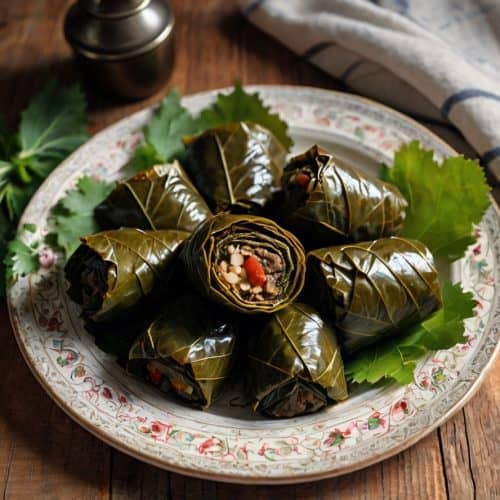
Albanian Dolma Japrak
Ingredients
- 40 grape leaves fresh
- 0.5 cup rice use small grain rice
- 1 white onion
- 4 green onions
- 1 cup dill fresh
- 0.5 cup mint fresh
- 1 tbsp parsley dry or 2 tbsps fresh
- 0.5 tsp salt
- 0.5 tsp black pepper
- 2 tbsps olive oil extra virgin
- 2 lemons juice one and slice the other
Instructions
- Prepare the grape leaves: Rinse the fresh grape leaves well. Bring a pot of water to a boil, add the leaves, and boil for 3–5 minutes. Use a slotted spoon to lift them out and spread them on a large platter, separating the leaves so they do not stick together. Let them cool completely.

- If using jarred grape leaves, simply rinse and drain them; no boiling is needed.

- Prepare the filling ingredients: Finely chop both onions. Chop the dill and mint. Make sure the ground beef is fully thawed.

- Cook the onion and meat: Heat oil in a large skillet over medium heat. Add the chopped onions and sauté until they become translucent. Add the ground beef and cook, stirring and breaking it up with a wooden spoon, so the meat cooks evenly and the onions do not burn.
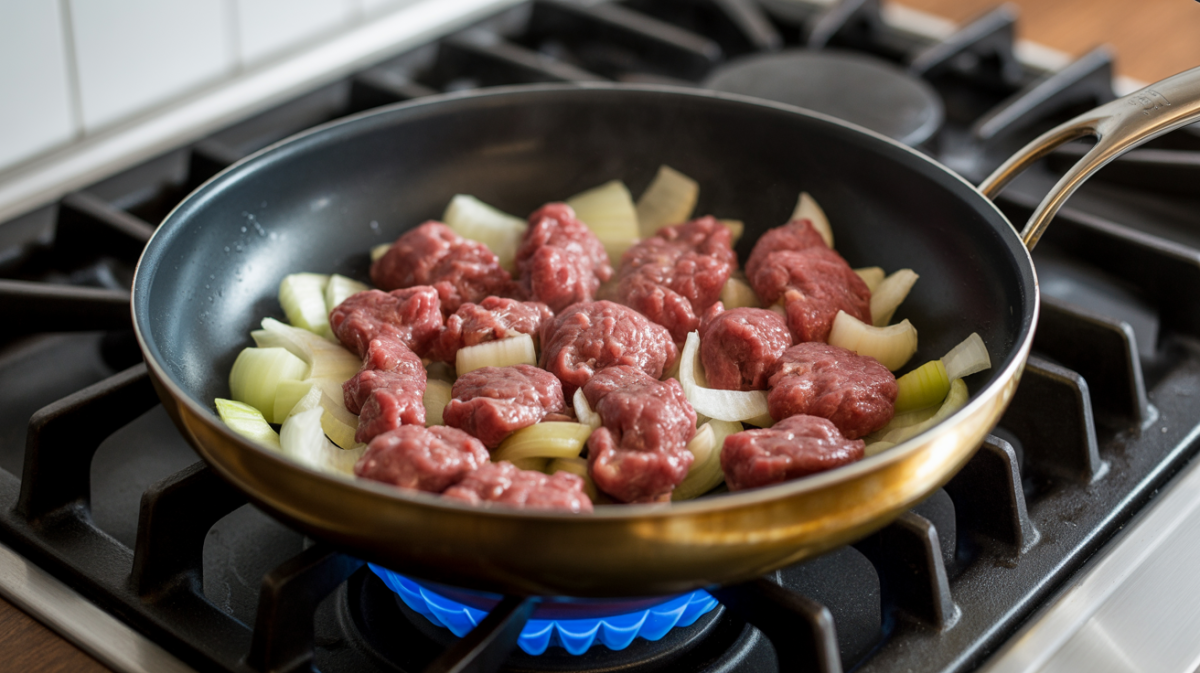
- Add herbs, rice, and seasoning: Stir in the chopped dill, chopped mint, and rice. Season with salt and pepper (and any other seasonings you prefer). Mix everything thoroughly and cook for a few minutes so the rice begins to heat through. Turn off the heat and let the stuffing mixture cool until it is comfortable to handle by hand.

- Fill and roll the grape leaves: Take one grape leaf at a time and lay it flat, vein side up, with the stem end closest to you. Place about 1 tablespoon of filling near the stem area. Do not overstuff. Fold the sides of the leaf toward the center, then fold the bottom over the filling like an envelope. Roll the leaf up tightly into a cigar shape, ending with the seam side down. Repeat until you have used all the leaves or all the stuffing.

- Layer in the pot: Place any unused grape leaves in a medium-sized pot to cover the bottom. Arrange the stuffed grape leaves in layers on top, seam side down and packed closely together so they hold their shape. When finished, place a heavy plate on top of the rolls to keep them from moving during cooking.

- Cook the stuffed grape leaves: Pour about 1.5–2 cups of hot water over the grape leaves in the pot. Sprinkle some salt over the top and add the juice of 1 lemon. Bring to a boil, then cover the pot and cook over low–medium heat for about 40–45 minutes if using fresh leaves.

- If using jarred grape leaves, cook for about 55 minutes. Turn off the heat and let the pot rest for about 20 minutes before removing the rolls; this helps them settle and firm up.

- Serve: Carefully remove the stuffed grape leaves from the pot and transfer them to a serving dish. Serve with plenty of lemon slices and any other Mediterranean side dishes you like.

Video


17 comments
Interesting read! But, did the Albanians invent Dolma, or was it the Greeks? Lets not forget the Turkish influence too!
Dolmas origins? An age-old debate! Perhaps its a delicious mystery were not meant to solve.
Anyone tried using spinach leaves instead of grape leaves in the Japrak recipe? Curious if it maintains the unique Albanian touch.
Spinach in Japrak? Thats sacrilege! Grape leaves are non-negotiable for authentic Albanian flavor.
Arent the subtle flavor differences in Albanian Japrak due to regional variations rather than it being uniquely Albanian? Just a thought.
Regional variations or not, its still a unique Albanian delicacy. Disagree if you must!
So, the Albanian Dolma Japrak is unique because of its prep method or ingredients? Can you really compare grape leaves to cabbage rolls?
Prep method and ingredients both matter. Grape leaves vs cabbage? Apples and oranges, my friend.
Interesting read! Do you think the uniqueness of Albanian Japrak Dolma could influence the global culinary scene in any way?
Interesting read! But dont you think that the use of olive oil in Albanian Japrak sets it apart from other Dolmas?
Definitely, the olive oil adds a distinct flavor to Albanian Japrak. Its all about taste preference!
Are the key differences in Albanian Dolma due to climate or geographical influence? Fascinating to ponder if its about taste or survival!
Interesting read! Ever wondered if the unique taste of Japrak Dolma is more about the stuffing technique than the ingredients used? Just a thought.
Stuffing technique matters but the unique taste comes from the ingredients. Its non-negotiable!
Ever thought about blending Japrak with other Mediterranean Dolmas? Might create a unique fusion, keeping the cultural significance intact!
Interesting idea, but isnt that like mixing pizza with sushi? Cultural mash-up gone wrong!
Interesting read! But, isnt the sourness of the grape leaves essential to the unique taste of Albanian Japrak Dolma?
Comments are closed.