

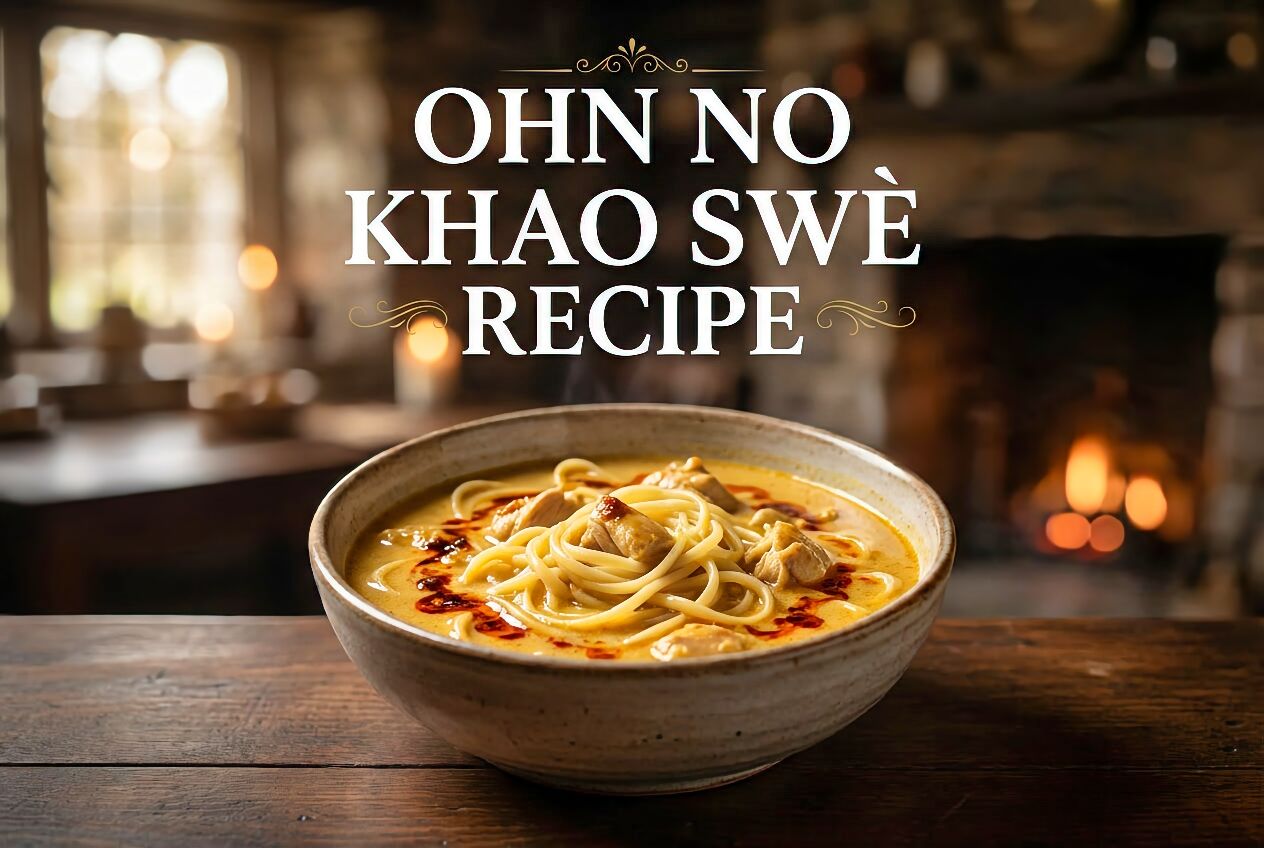
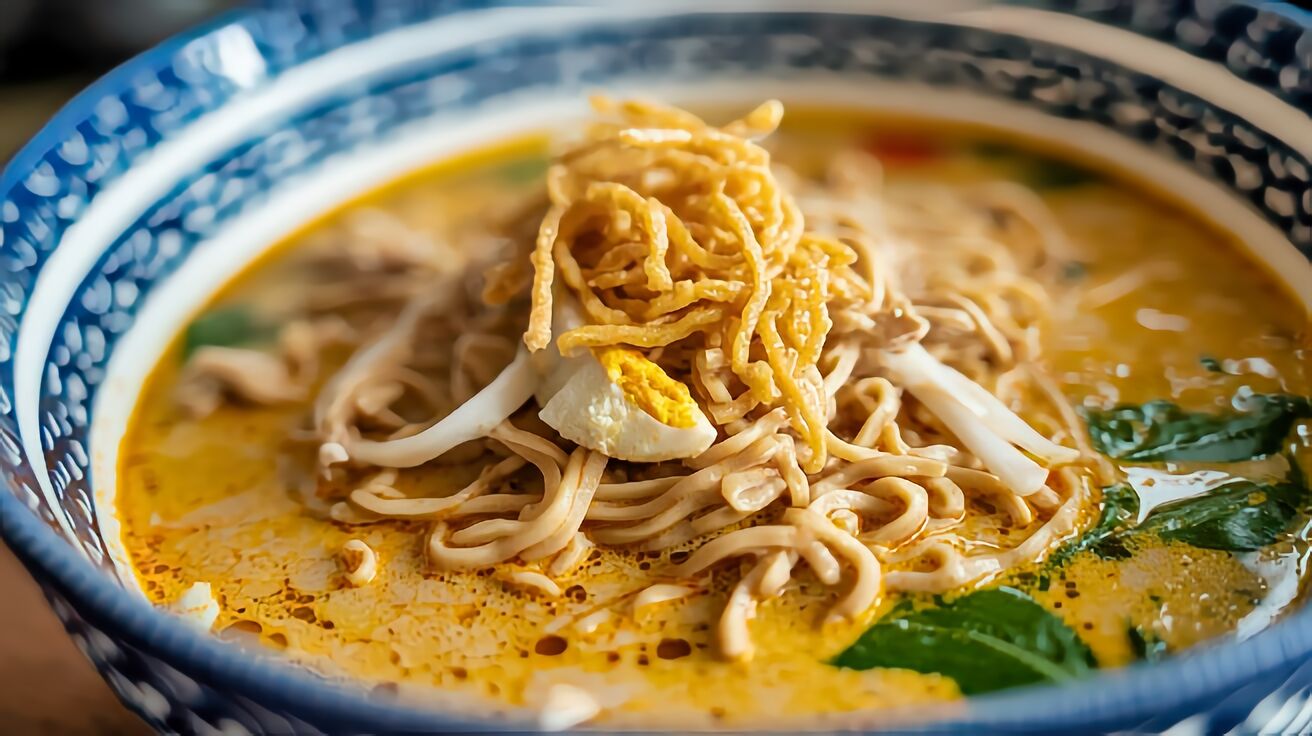
Ohn No Khao Swè is a traditional Burmese dish that brings together tender chicken, egg noodles, and a rich coconut curry broth in one comforting bowl. This Burmese coconut chicken noodle soup has a creamy base of coconut milk and chickpea flour, topped with crispy fried noodles, hard-boiled eggs, and a swirl of chili oil. I love how the Ohn No Khao Swè recipe balances gentle and bold flavors—it’s never too spicy, but it’s never bland either.
Let’s dig into what makes this chicken coconut noodle soup so memorable and figure out how you can make it at home. You’ll get a glimpse of the Burmese ingredients that give the Ohn No Khao Swè recipe its character. I’ll toss in a few tips for switching up toppings and tweaking the Ohn No Khao Swè recipe to fit your own cravings.
If you’re new to the Ohn No Khao Swè or just want to nail your technique, you’ll find it’s a straightforward dish with authentic Burmese flavors. The recipe gives you a cozy, filling meal that’s just as good for a quick weeknight as it is for a celebration. I always look forward to the way each bowl comes together—there’s something special about it.
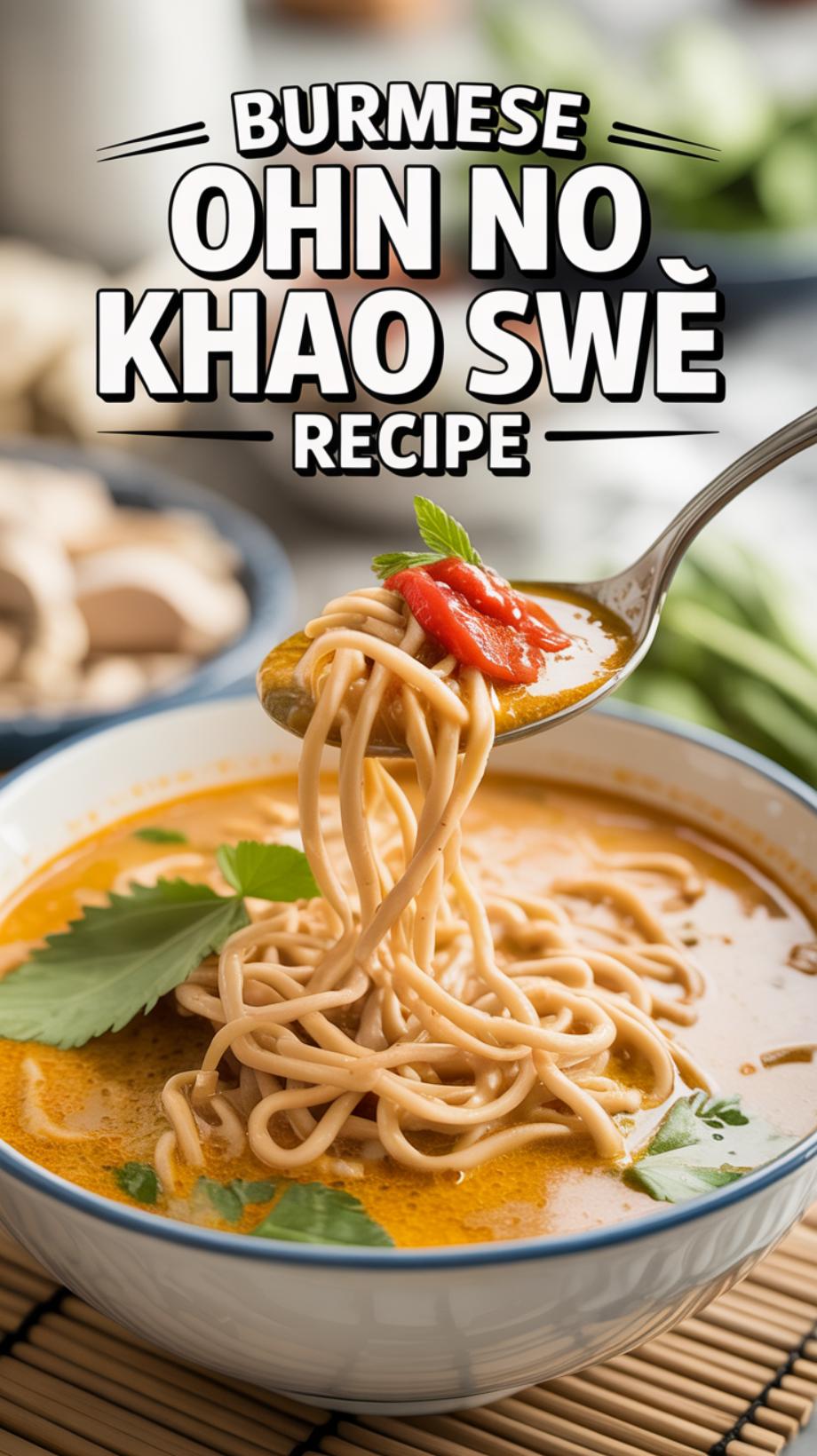
Core Ingredients of Burmese Ohn No Khao Swè
The Ohn No Khao Swè gets its depth from a blend of warming spices, creamy coconut milk, and chickpea flour, all simmered into a rich broth. You’ll find tender chicken, soft noodles, and a handful of toppings that really wake up each bite. There’s a reason people keep coming back to this recipe—it’s got layers.
Essential Aromatics and Spices
I always kick off my Ohn No Khao Swè recipe with a base of fresh aromatics. Onion and garlic are non-negotiable; onion brings sweetness, garlic adds that unmistakable depth. Without them, the Ohn No Khao Swè recipe just doesn’t taste complete.
Fresh ginger adds warmth and a hint of spice that cuts through the coconut richness. I chop it up pretty fine so it melts right into the broth. You want the Ohn No Khao Swè recipe to have that gentle ginger kick, not big chunks.
Turmeric is what turns the soup golden and gives it an earthy note. Paprika sneaks in a mild heat and a pop of color, but never overpowers. I think the Ohn No Khao Swè recipe needs that balance—nothing should shout over the rest.
Many folks use fish sauce for umami, but I go easy on it. Some add chili powder or dried chilies straight to the broth, but honestly, I prefer letting people adjust the heat at the table. The trick is to keep the Ohn No Khao Swè balanced so every bite feels right.
Noodle and Protein Choices
I reach for boneless chicken thighs for my Ohn No Khao Swè, they stay juicy and soak up the broth’s flavor. Chicken breast just doesn’t hold up the same way in this soup. Thighs give the Ohn No Khao Swè recipe that extra richness.
For noodles, dried egg noodles are my go-to for the Ohn No Khao Swè since they’re soft and soak up the broth. Wheat noodles are also a solid option and have a bit more chew. If you’re after a gluten-free Ohn No Khao Swè recipe, rice noodles work, but the texture’s a bit different.
I always cook the noodles separately, then add them to the bowls right before serving. That way, the noodles in the recipe don’t get soggy. It’s a small step, but it makes a big difference.
Broth Components and Thickeners
The broth is the heart of any Ohn No Khao Swè recipe. I use coconut milk for creaminess, and sometimes a splash of coconut cream if I want it extra rich. Chickpea flour thickens the soup and gives it a silky texture. I always whisk it into cold coconut milk first to dodge any lumps—nobody wants a clumpy Ohn No Khao Swè.
Chicken broth brings savory depth, balancing out the sweetness of the coconut. If I’m feeling lighter, I’ll swap in veggie broth, but it does change the recipe’s flavor a bit. I sauté the aromatics in vegetable oil, but coconut oil is great if you want to double down on coconut flavor.
The coconut milk to broth ratio is up to you—more coconut means a creamier Ohn No Khao Swè recipe, less makes it lighter. I usually taste and adjust as I go.
Traditional Toppings and Garnishes
Toppings really make the recipe shine. Boiled eggs, sliced in half, are a must—they add richness and protein. I never skip them when I make the Ohn No Khao Swè recipe.
Lime wedges bring brightness that lifts the creamy broth. Cilantro and green onions get chopped up for a fresh, herbal kick. You’ll find these in almost every Ohn No Khao Swè recipe out there.
Crispy fried shallots add crunch and a sweet, toasty flavor. I try to make them fresh for the best texture in my recipe. Chili oil is a table favorite, so everyone gets to pick their own heat level.
Pickled mustard greens offer a tangy, salty bite that balances the richness. I set out all the toppings so people can build their own bowls. That’s part of the fun with the Ohn No Khao Swè —everyone makes it their own.
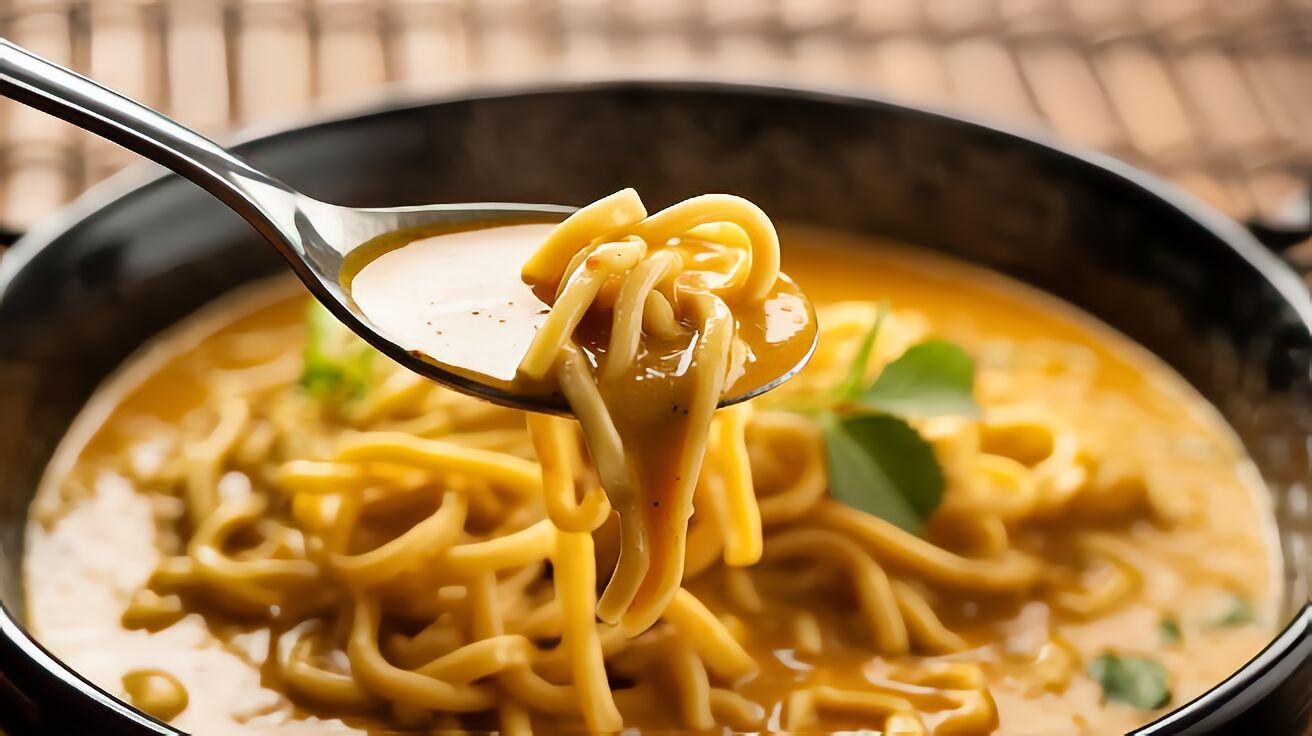
Step-by-Step Guide to Making Ohn No Khao Swè
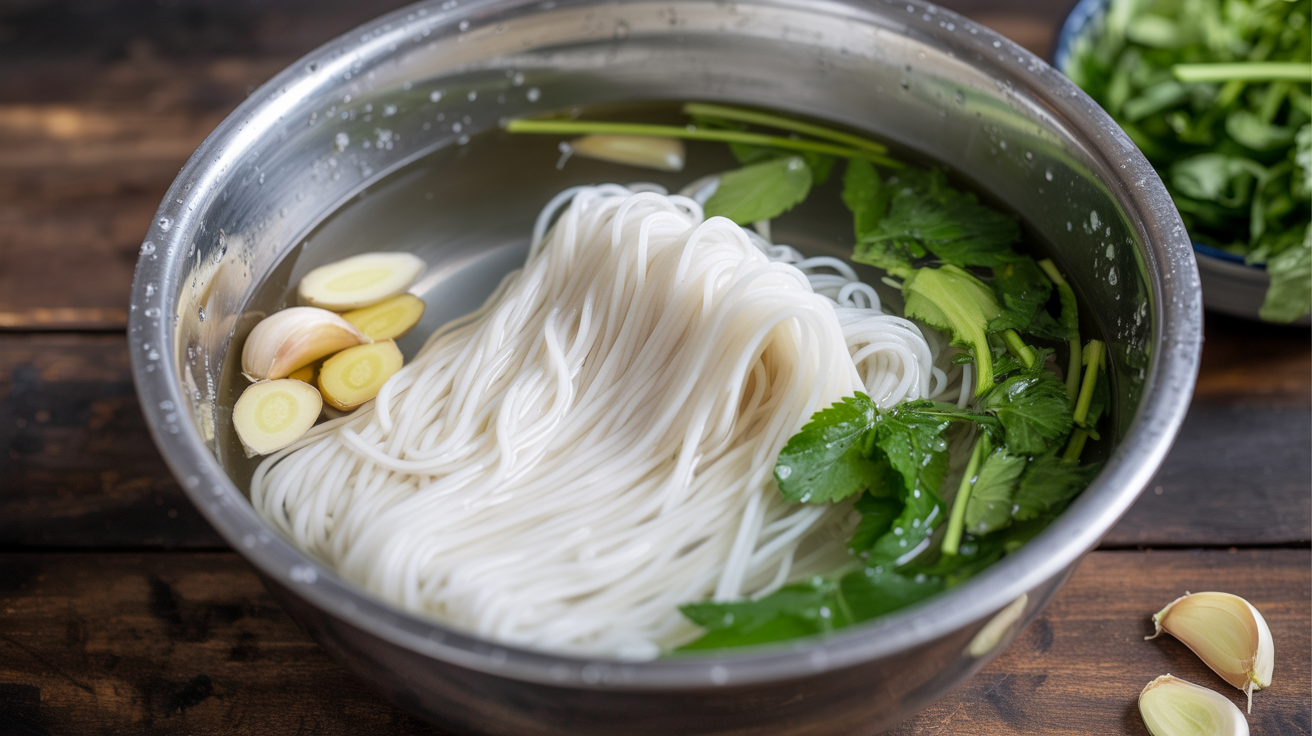
Step 1: Blend the base. Add the chopped onion, ginger, garlic, and water to a blender and purée until smooth. Soak the rice noodles in lukewarm water for about 30 minutes.
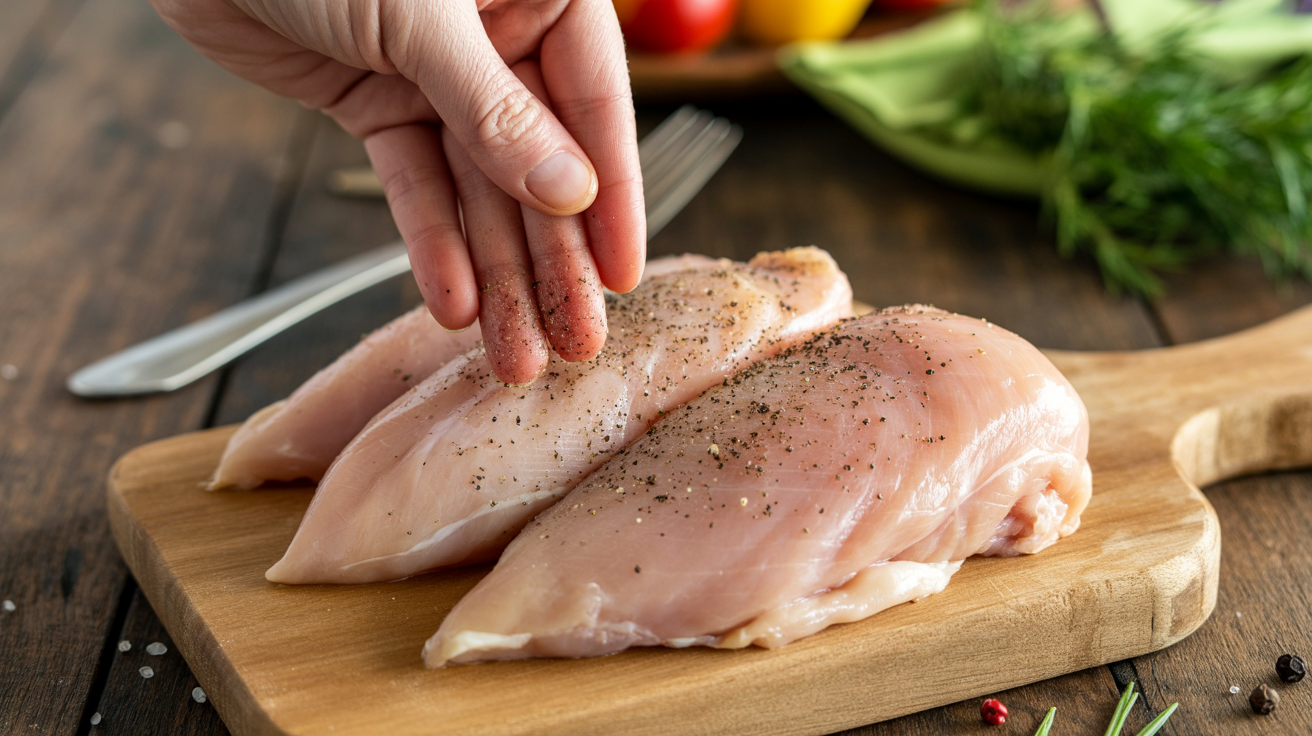
Step 2: Season the chicken. Lightly season the chicken with salt and black pepper, then set aside. Whisk 1 cup of chicken broth into the chickpea flour until smooth.
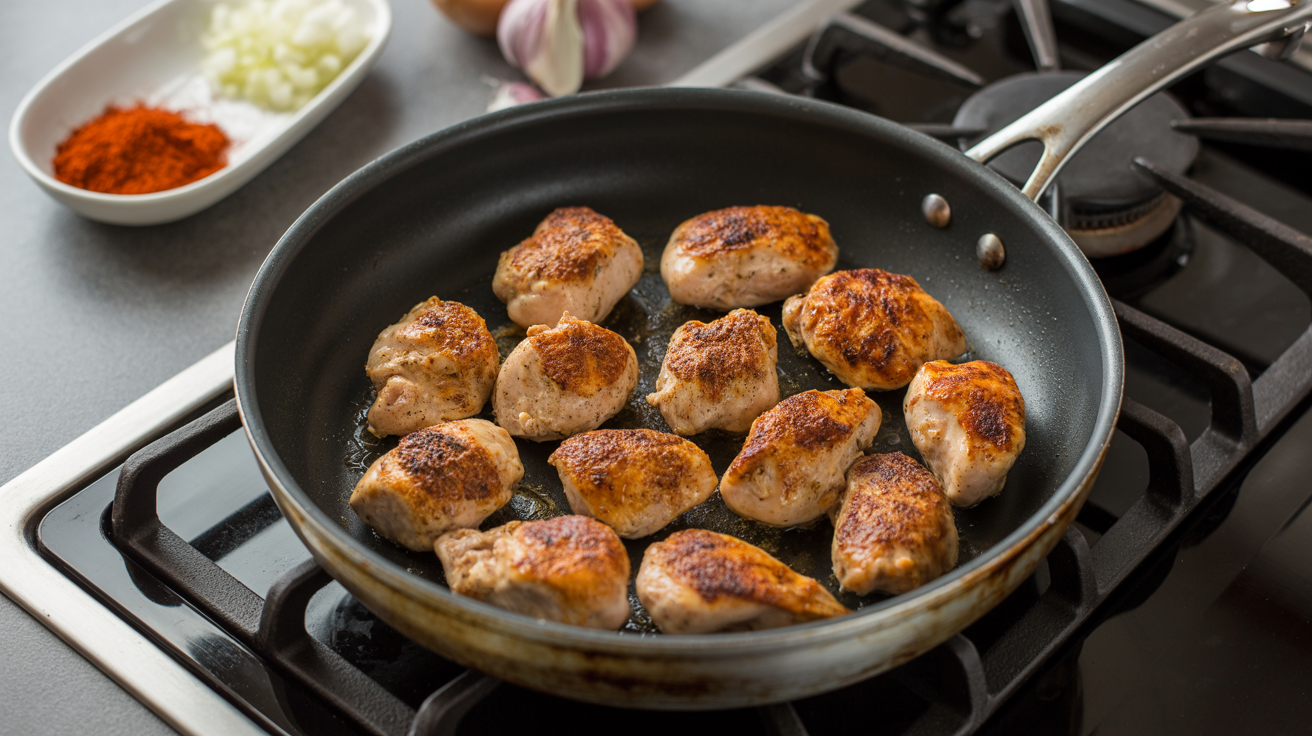
Step 3: Cook the chicken. Heat oil in a skillet over medium-high heat. Add the chicken and cook, stirring often, until lightly browned. Remove and set aside.
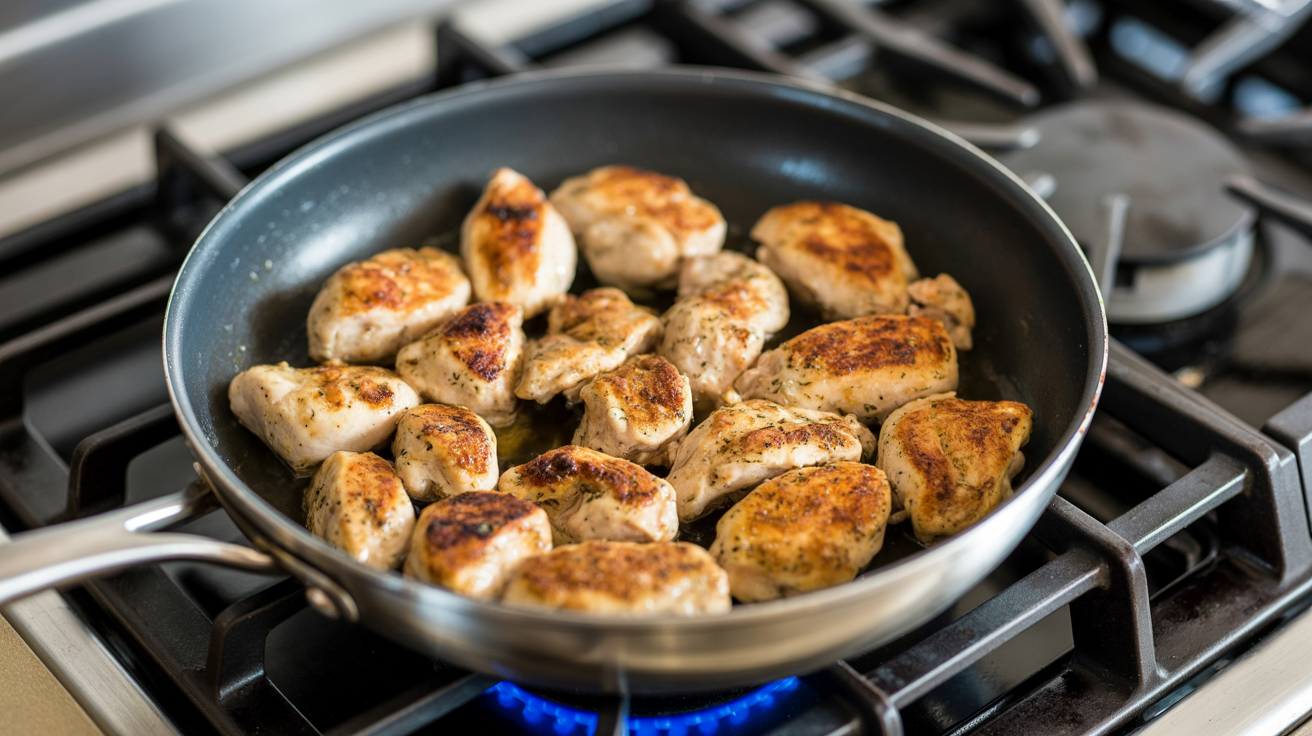
Step 4: Cook the onions and spices. Lower the heat to medium and add the sliced onions. Cook until softened, then continue cooking on medium-low until deeply browned. Stir in the paprika, turmeric, and cayenne.
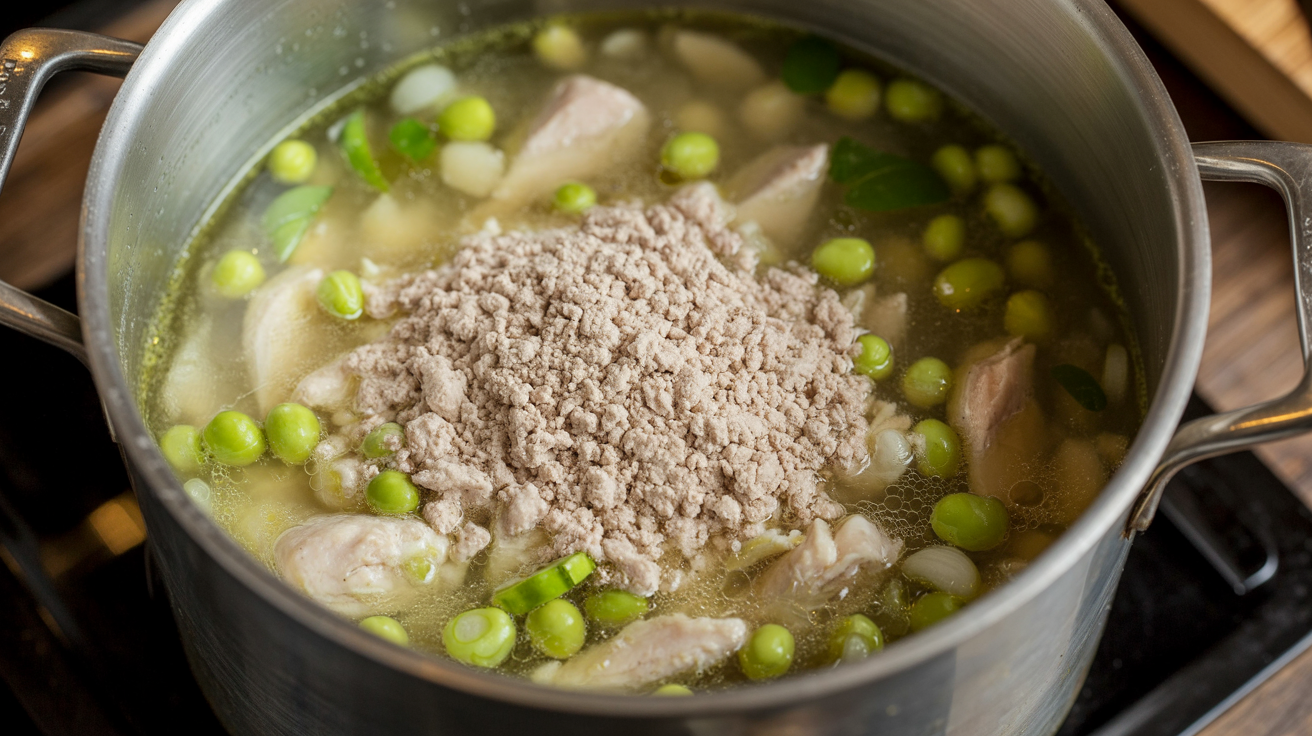
Step 5: Build the soup. In a pot, combine the chicken with its juices, the browned onions, the puréed mixture, and the remaining broth. Stir in the chickpea flour mixture, mixing well to avoid lumps.
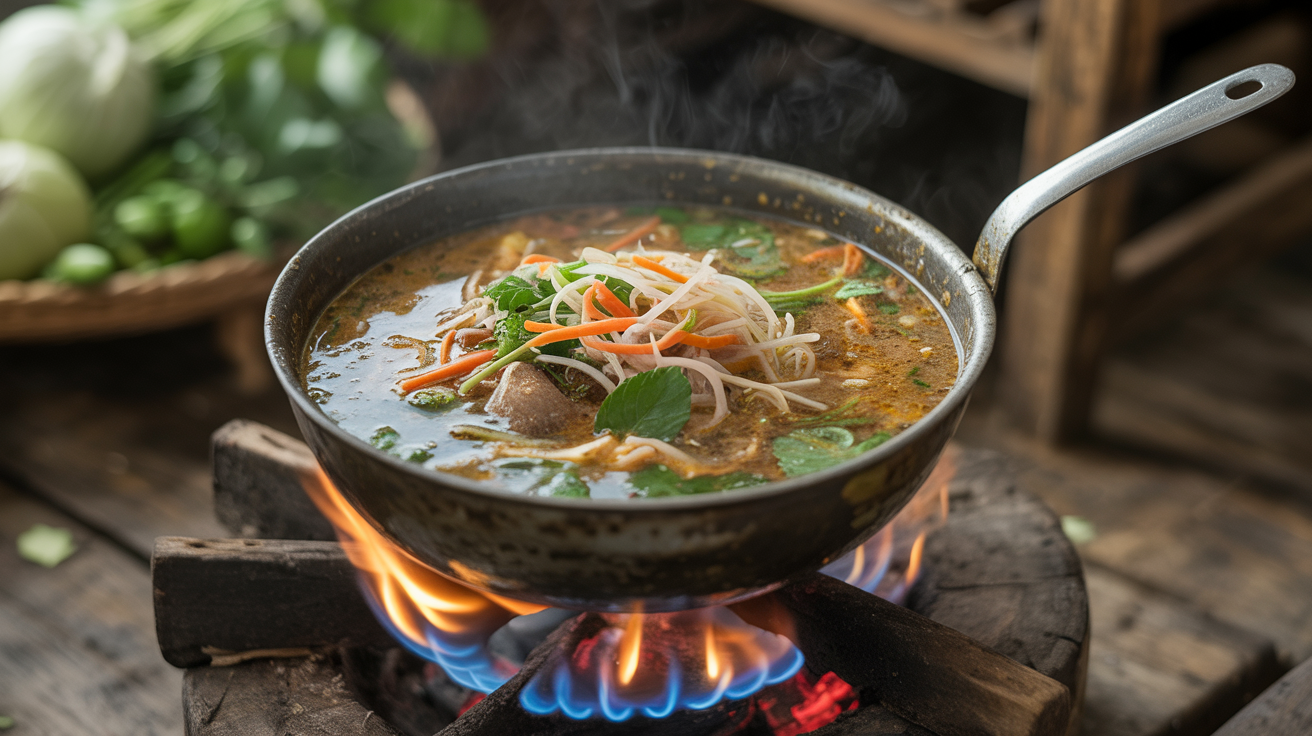
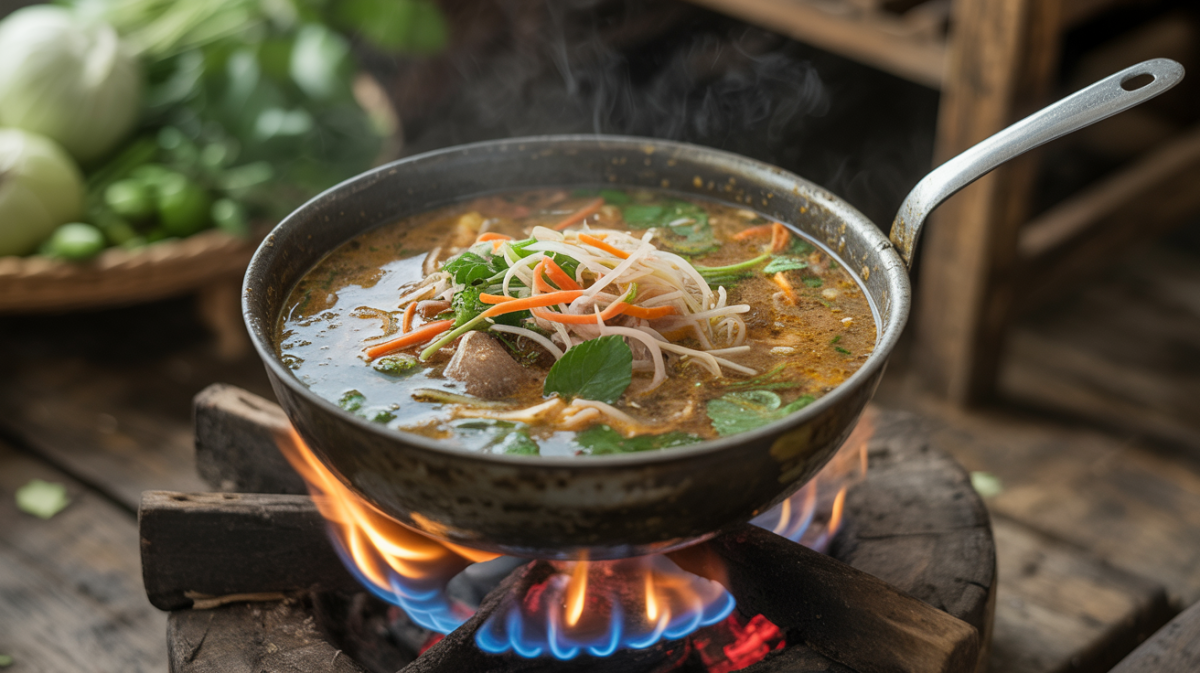
Step 6: Simmer. Bring to a boil, then reduce the heat and let it simmer uncovered for about 15 minutes.
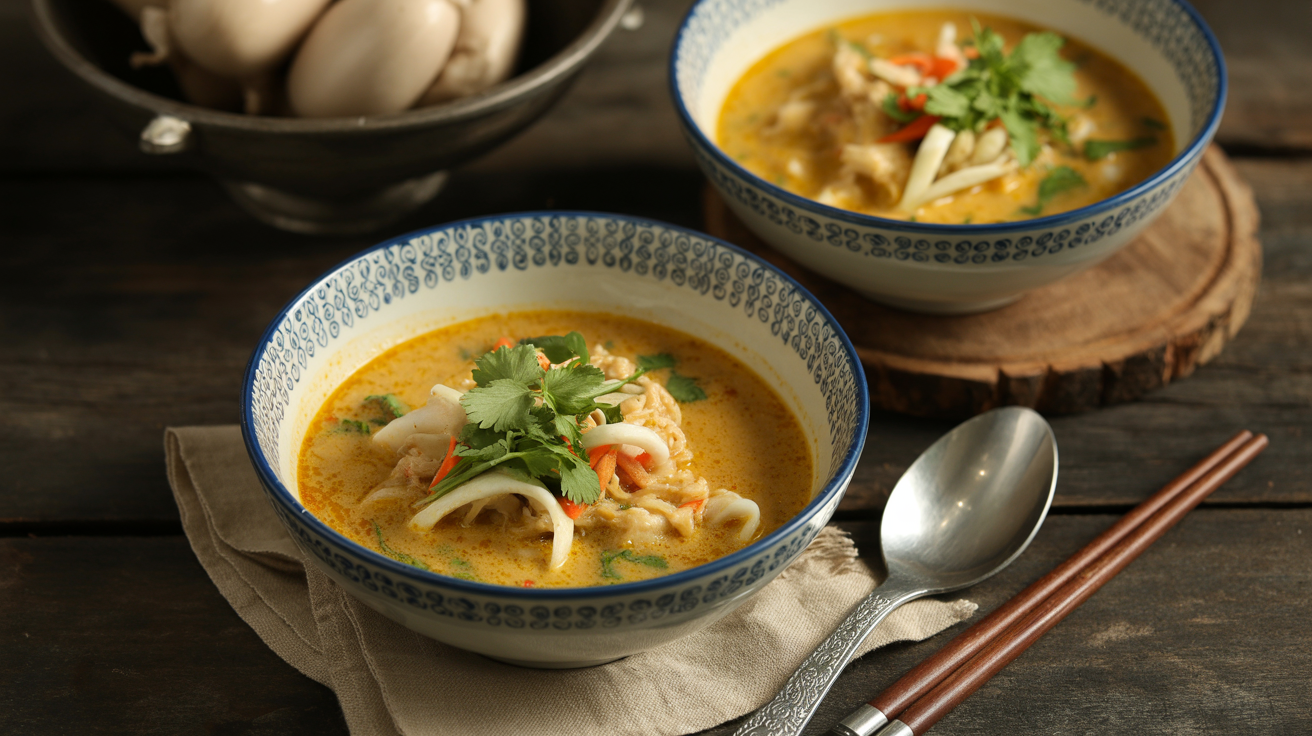
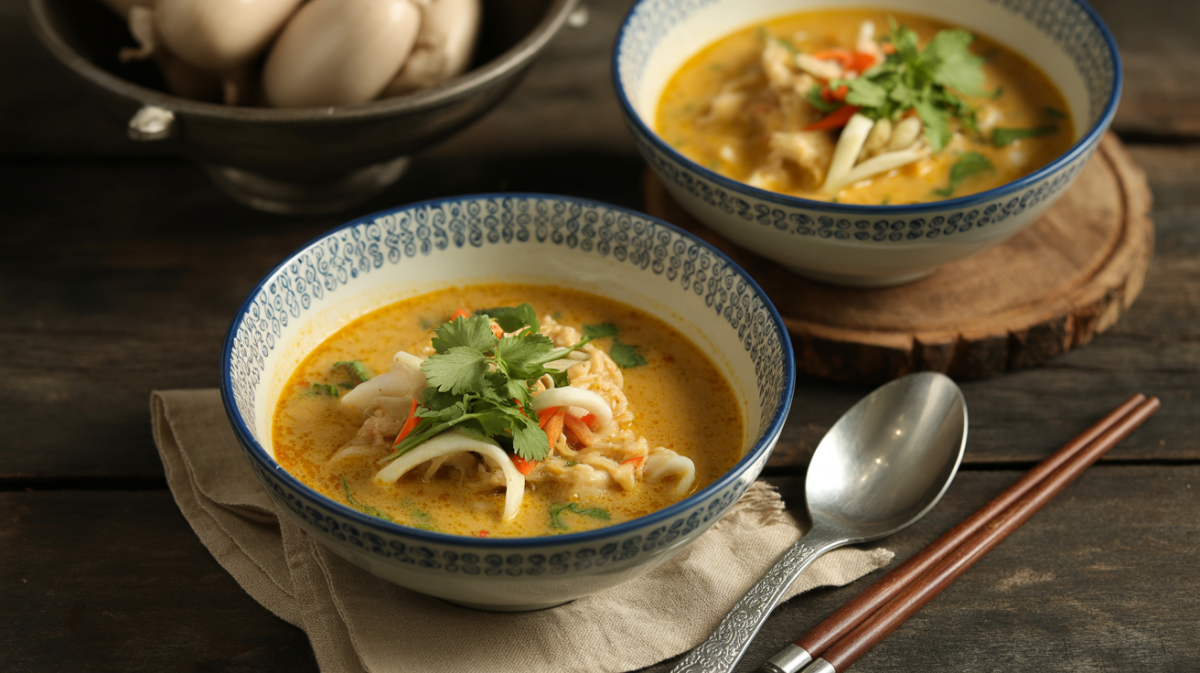
Step 7: Finish and serve. Stir in the coconut milk and heat through. Divide the softened noodles into bowls, ladle the soup over top, and finish with your desired garnishes.
Marinating and Preparing the Chicken
I cut boneless chicken thighs into bite-sized chunks for the Ohn No Khao Swè recipe. These pieces stay tender and soak up all the flavors. I marinate them with turmeric, salt, and a splash of fish sauce for at least half an hour.
While the chicken rests, I mince garlic and ginger, slice shallots, and gather the rest of my recipe ingredients. I toast chickpea flour in a dry pan over medium heat, stirring constantly for about 3 minutes. It should turn golden and smell nutty—this step keeps the Ohn No Khao Swè smooth, not gritty.
This toasted flour is a must for thickening the broth later. I let it cool before mixing it with the coconut milk. It’s a little extra work, but the Ohn No Khao Swè recipe is worth it.
Building the Aromatic Soup Base
I heat oil in a big pot and toss in sliced shallots. Once they’re soft and translucent, I add minced garlic and ginger, sautéing for about two minutes. The kitchen smells amazing at this point—honestly, it’s one of my favorite parts of the recipe.
I add curry powder, paprika, and a pinch of chili flakes, stirring for about 30 seconds to wake up the spices. Then I add the marinated chicken, cooking until it’s no longer pink. This step sets the stage for the rest of the Ohn No Khao Swè recipe.
Letting the aromatics and chicken cook together builds a deep, warming flavor. I take my time here, not rushing, so every ingredient in the Ohn No Khao Swè recipe has a chance to shine. It’s worth being patient.
Cooking and Thickening the Broth
I pour in chicken stock to cover the chicken and bring it to a boil. Then I turn the heat down and let it simmer for around 15 minutes until the chicken is tender. The Ohn No Khao Swè recipe really starts to come together here.
I add coconut milk and stir it into the curry base. In a small bowl, I mix the toasted chickpea flour with a few spoonfuls of hot broth to make a smooth paste. I slowly pour this into the soup, stirring constantly so it thickens without clumping.
The broth thickens up in about 5–7 minutes. I season with fish sauce and adjust the salt, tasting as I go. The soup should coat a spoon but still pour easily—if it’s too thick, a splash of broth fixes it.
Assembling the Noodles and Soup
I cook egg noodles according to the package and drain them well. Each bowl gets a generous heap of noodles. I ladle the hot coconut broth and chicken over the noodles, making sure everyone gets plenty of both.
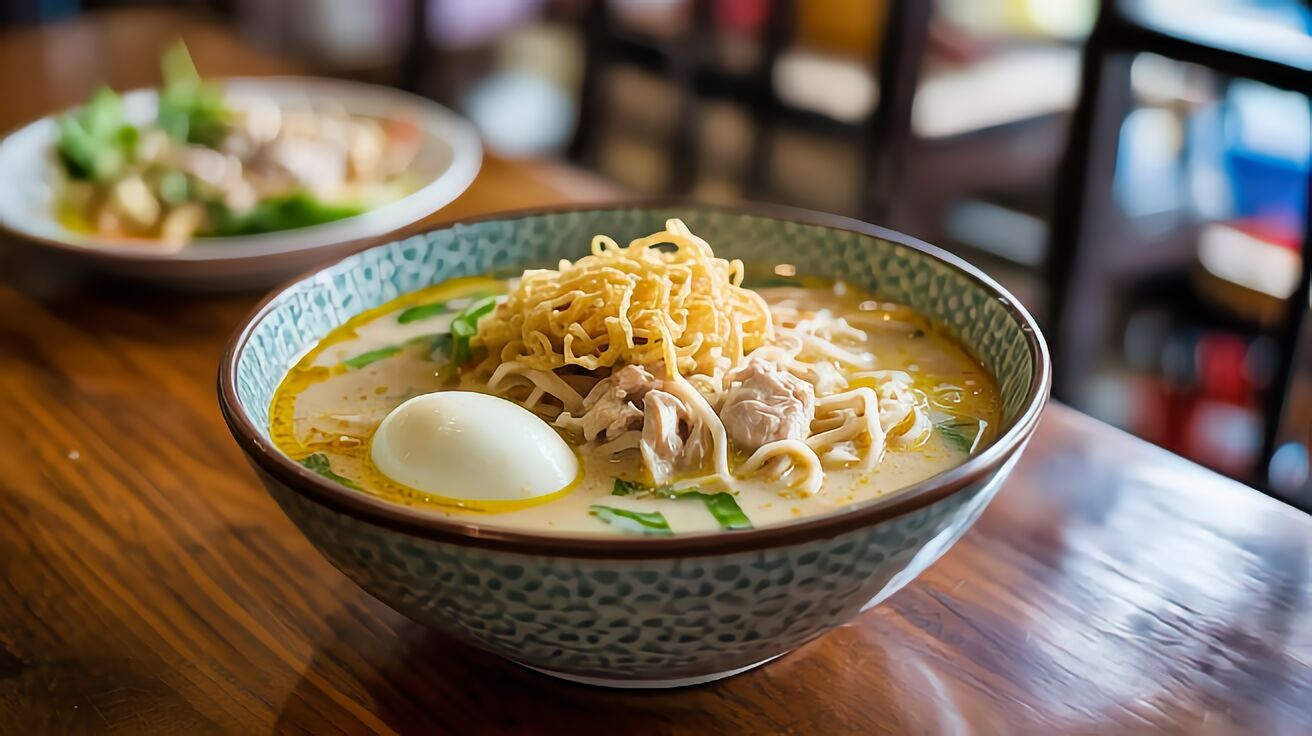
I top each bowl with sliced hard-boiled eggs, chopped cilantro, red onions, and a pile of crispy fried noodles. Lime wedges go on the side for a fresh squeeze. A drizzle of chili oil finishes off the Ohn No Khao Swè recipe with a little heat.
This traditional Burmese dish is all about those layers—soft noodles, creamy broth, crunchy toppings. Every spoonful of the Ohn No Khao Swè recipe is different, and that’s what makes it special.
Serving Suggestions and Variations
The Ohn No Khao Swè recipe is super flexible—you can swap out garnishes, noodles, or proteins to suit your mood. The classic toppings add crunch and brightness, but don’t be afraid to experiment. There’s no wrong way to enjoy the Ohn No Khao Swè
Traditional and Modern Garnishes
I always set up a topping bar when serving the Ohn No Khao Swè Classic garnishes are crispy fried shallots, boiled eggs sliced in half, and fresh lime wedges. These are non-negotiable for me—the Ohn No Khao Swè recipe just isn’t the same without them.
Green onions and cilantro, chopped fine, add a fresh, herbal touch. Pickled mustard greens bring a tangy pop that cuts through the richness of the Ohn No Khao Swè recipe. Sometimes I’ll throw in crispy chickpea fritters or crispy spring rolls for extra crunch.
Fried noodles, made from wheat or egg noodles, are one of my favorite toppings for the Ohn No Khao Swè recipe. I like to offer chili oil, fish sauce, and extra coconut milk on the side so everyone can tweak their bowl. Roasted chickpea powder is a fun addition if you want to try something different.
I recommend setting out:
- Chili oil or toasted chili flakes
- Fish sauce
- Extra coconut milk for richness
- Roasted chickpea powder
Egg, Noodle, and Broth Variations
Rice noodles are the classic pick for an Ohn No Khao Swè recipe. I usually grab flat rice noodles about 1/4 inch wide, but honestly, thin vermicelli works in a pinch.
Wheat noodles like fresh egg noodles or ramen bring a chewier bite. Sometimes I’ll use udon noodles when I want my Ohn No Khao Swè to feel extra hearty.
For eggs, I go with soft or hard boiled, depending on my mood. Some folks whisk raw eggs right into the hot broth, which gives the Ohn No Khao Swè a silkier finish.
The broth changes from kitchen to kitchen. I usually keep mine moderately thick with chickpea flour, but if you want your Ohn No Khao Swè recipe more like a curry, just add more flour—or less for a lighter soup.
Vegetarian and Specialty Adaptations
I like making vegetarian Ohn No Khao Swè recipe versions with tofu, mushrooms, or chickpeas. The coconut milk base stays the same, so the flavors still shine.
For broth, I swap in veggie stock and toss in extra aromatics—lemongrass or galangal work great. Sometimes I’ll add sweet potato or butternut squash for a little more heft in the Ohn No Khao Swè recipe.
Seafood spins on the Ohn No Khao Swè can be awesome. I’ve swapped chicken for shrimp or white fish and just cut the cooking time a bit so the seafood stays tender.
When I’m in a rush, I’ll use rotisserie chicken and store-bought curry paste. No matter what protein I use, the toppings for the Ohn No Khao Swè recipe never change.
Cultural and Historical Context
Ohn No Khao Swè stands out as a delicious result of trade and local Burmese food traditions mixing over time. This soup picked up influences from all over but still feels so uniquely Myanmar.
Origins and Regional Influences
Wheat noodles became common in Myanmar thanks to old trade routes and migration. Chinese traders taught their noodle-making ways, and Burmese cooks gave them a twist. Coconut milk in the Ohn No Khao Swè recipe just makes sense, given Myanmar’s tropical climate and all those coconut trees.
For me, the Ohn No Khao Swè really shows how Burmese cuisine borrows from the outside but keeps its soul. That coconut curry base? It’s not like Chinese noodle soups at all, and the chickpea flour thickener is a super local touch.
Central and southern Myanmar especially love coconut-based Ohn No Khao Swè Those regions have more fresh coconuts, so people there came up with special ways to cook with coconut milk.
Role in Burmese Cuisine
The Ohn No Khao Swè recipe is a staple in Myanmar, right up there with national dishes like mohinga and laphet. Families pull out this Burmese chicken coconut noodle soup for weekend meals or when company’s coming over.
It’s everyday comfort food, but it also works for celebrations. I’ve noticed the Ohn No Khao Swè fits in at casual family dinners and fancier gatherings, which is honestly pretty cool.
Unlike mohinga, which most folks eat for breakfast, the Ohn No Khao Swè pops up any time of day. That rich coconut broth and all the toppings make it a full meal, perfect for anyone craving something cozy and filling.
Relation to Similar Dishes
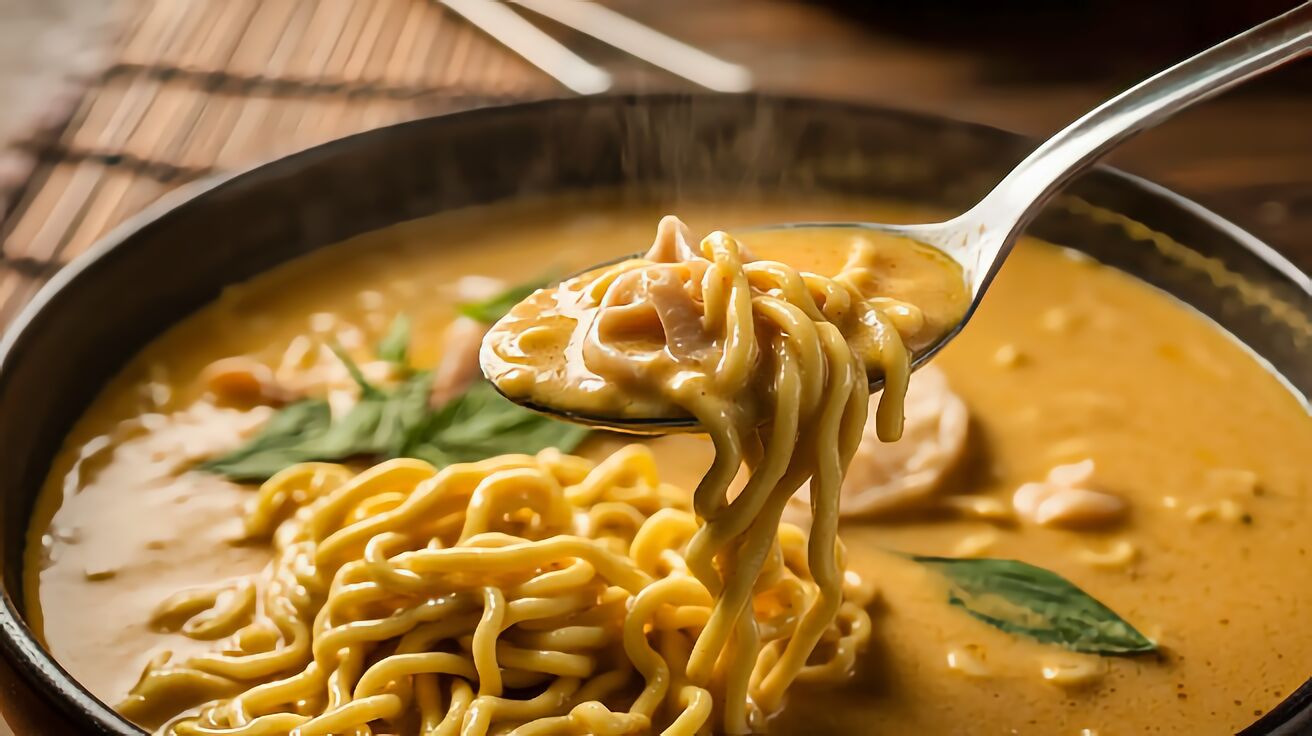
The Burmese dish consists of wheat noodles in a curried chicken and coconut milk broth thickened with chickpea flour. That’s one of the things that really sets the Ohn No Khao Swè recipe apart from other Southeast Asian noodle soups. It’s got a vibe all its own, honestly.
Thai khao soi uses coconut milk and curry too, but the Ohn No Khao Swè recipe leans on different spice blends and local garnishes. The Burmese version just goes heavier on gram flour and sticks to its own seasonings. If you’ve tried both, you’ll notice the Ohn No Khao Swè recipe has a richer, almost nutty texture that stands out.
Malaysian laksa has a coconut curry broth, but it usually adds tamarind and swaps in other proteins. The Ohn No Khao Swè recipe, though, keeps things simple and lets the coconut and chickpea flavors shine. You can really taste each country’s personality in their noodle bowls, but honestly, the Ohn No Khao Swè recipe might be the most comforting of the bunch.
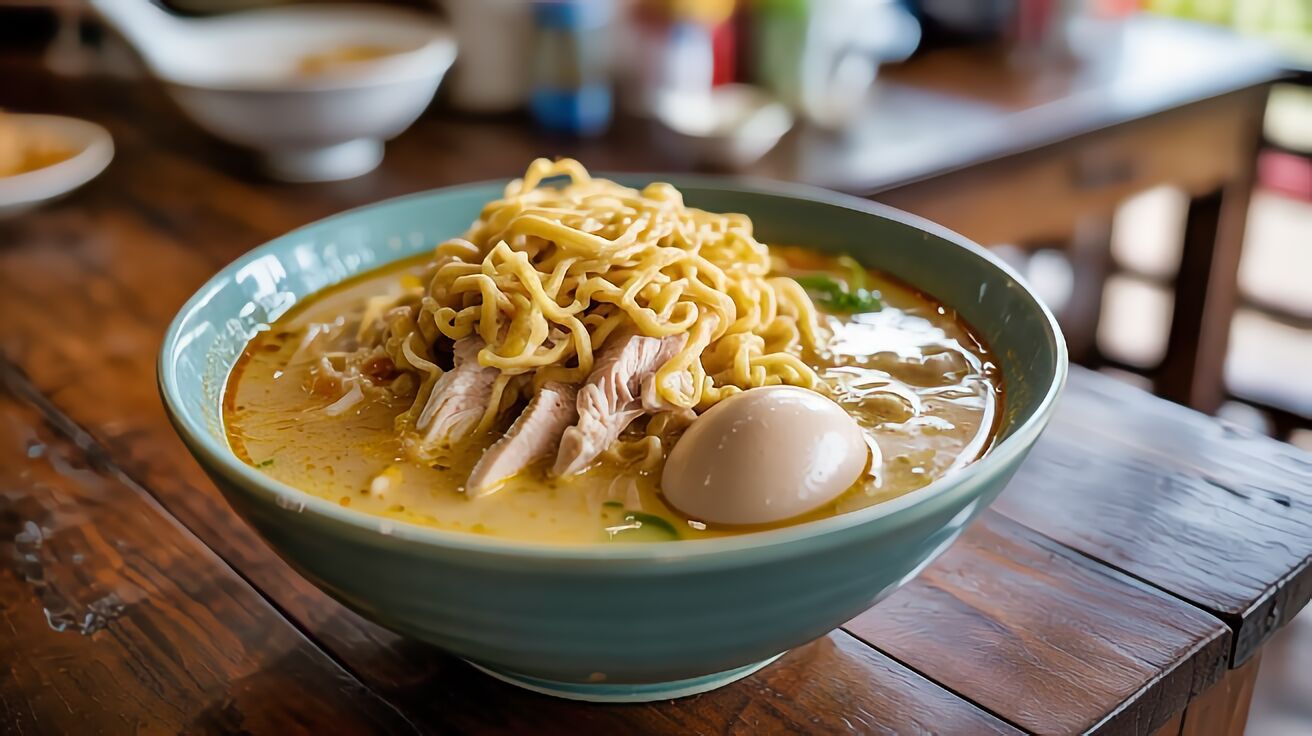
Ohn No Khao Swè vs Thai Khao Soi
Ohn no khao swè and Thai khao soi are closely related coconut-based noodle soups, but they differ in spice level, richness, and overall flavor structure.
Ohn no khao swè is a Burmese dish made with egg noodles in a creamy coconut milk broth, typically flavored with chicken, garlic, ginger, and mild spices. The texture is smooth and comforting, with a rich but not overly spicy flavor. It often includes simple garnishes like boiled eggs, lime, and herbs, enhancing the dish without overpowering it.
Thai khao soi, while similar in base ingredients, incorporates curry paste and a wider range of spices, resulting in a bolder and more complex flavor. It is also known for its contrasting textures, combining soft noodles with crispy fried noodles on top. The broth is still creamy but carries more heat and depth.
The key difference is subtlety versus intensity: ohn no khao swè is milder and creamier, while khao soi is spicier and more layered.
Choose ohn no khao swè for a comforting, gentle dish. Opt for khao soi if you want a richer, spicier, and more dynamic soup.
Burmese Ohn No Khao Swè Recipe FAQ
1. What is ohn no khao swè made of?
It’s a coconut milk-based noodle soup with chicken.
2. What thickens the broth?
Gram flour or chickpea flour is used.
3. What toppings are served with this dish?
Boiled eggs, lime, chili oil, and crispy noodles.
4. Is this dish similar to curry?
Yes, it has curry-like flavors but is served as a soup.
5. Can it be made vegetarian?
Yes, by using vegetables instead of chicken.
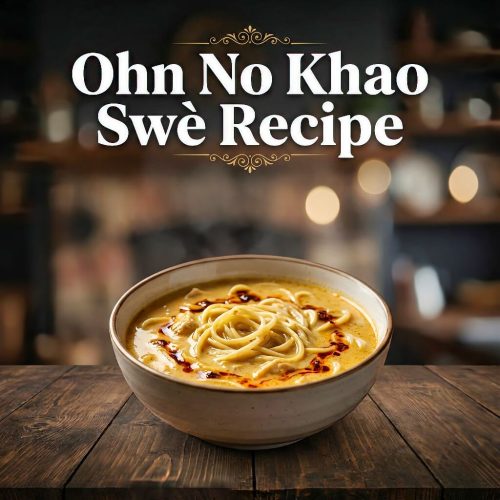
Burmese Ohn No Khao Swè
Ingredients
- ½ onion chopped
- 1 ginger root peeled and chopped
- 2 cloves garlic chopped
- ¼ cup water
- 16 ounce rice noodles
- 1 quart water or as needed lukewarm
- 1 lb chicken, boneless, skinless thighs, cut into 1/2-inch cubes
- 1 tsp salt to taste
- 1 tsp black pepper to taste fresh ground
- 3 cups chicken broth divided
- 2 tbsp chickpea flour
- 2 tbsp vegetable oil
- 1 onions halved and thinly sliced
- 2 tsp paprika
- ½ tsp turmeric
- ½ tsp cayenne pepper ground
- 1 cup coconut milk
- 2 eggs hard-cooked and sliced
- 1 cup cilantro chopped fresh
- 4 green onions sliced on the bias
- 1 lemon cut into wedges
Instructions
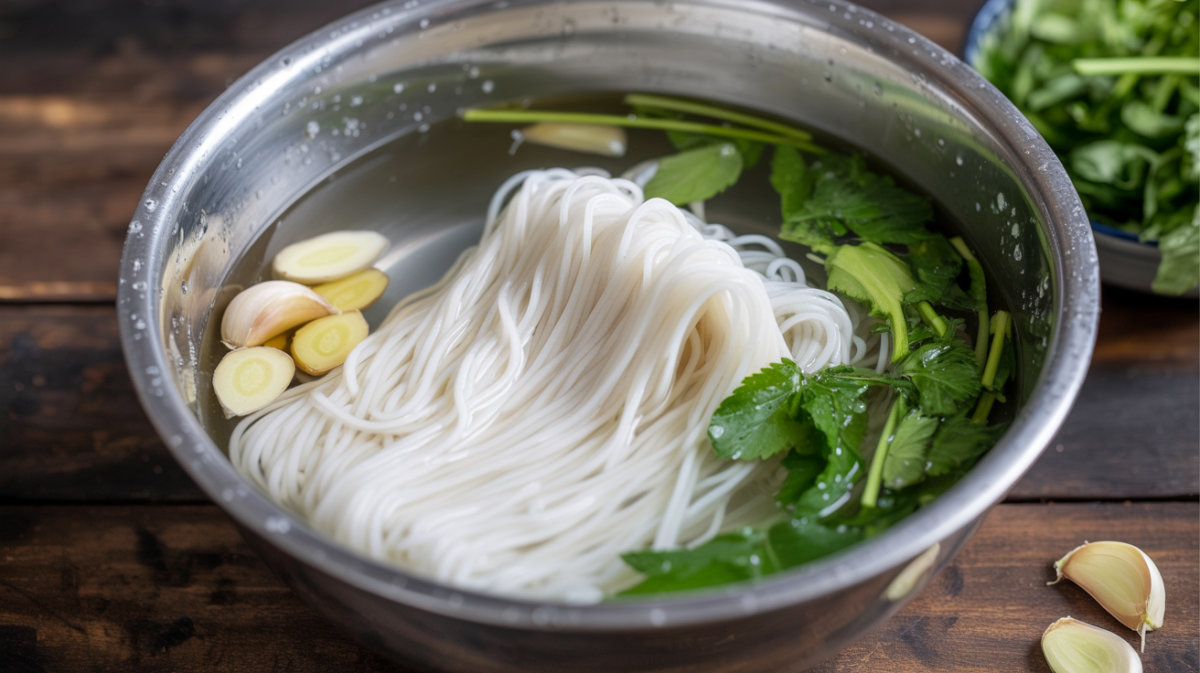
- Blend the base. Add the chopped onion, ginger, garlic, and water to a blender and purée until smooth. Soak the rice noodles in lukewarm water for about 30 minutes.
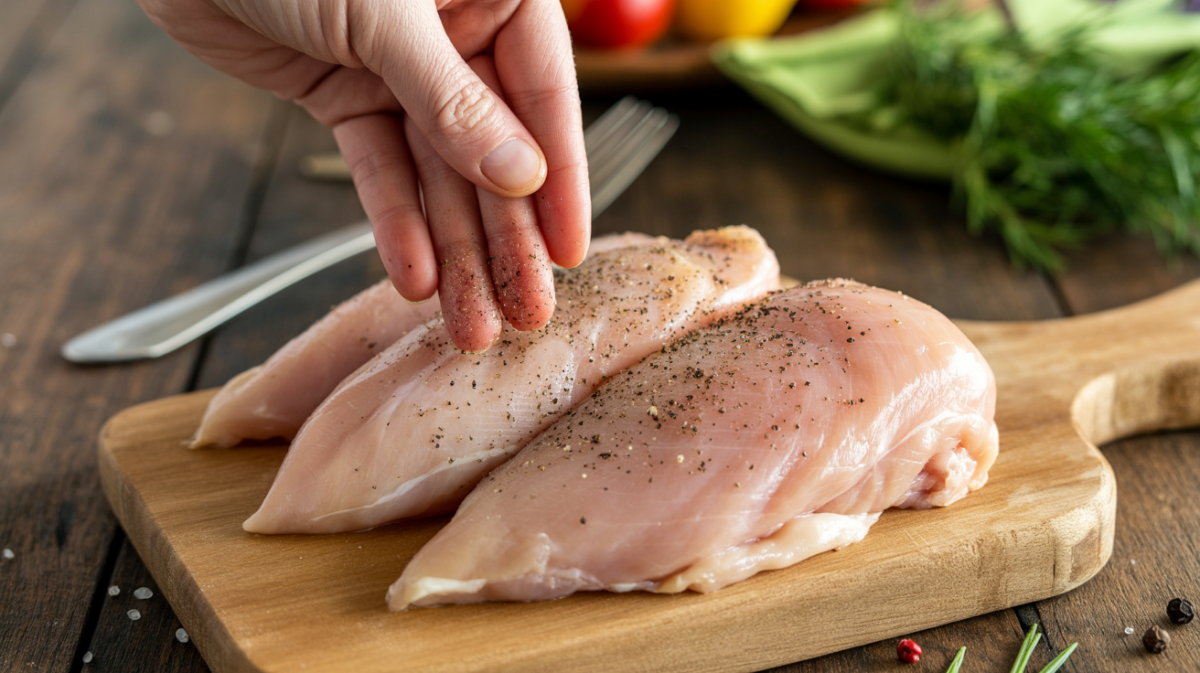
- Season the chicken. Lightly season the chicken with salt and black pepper, then set aside. Whisk 1 cup of chicken broth into the chickpea flour until smooth.
- Cook the chicken. Heat oil in a skillet over medium-high heat. Add the chicken and cook, stirring often, until lightly browned. Remove and set aside.
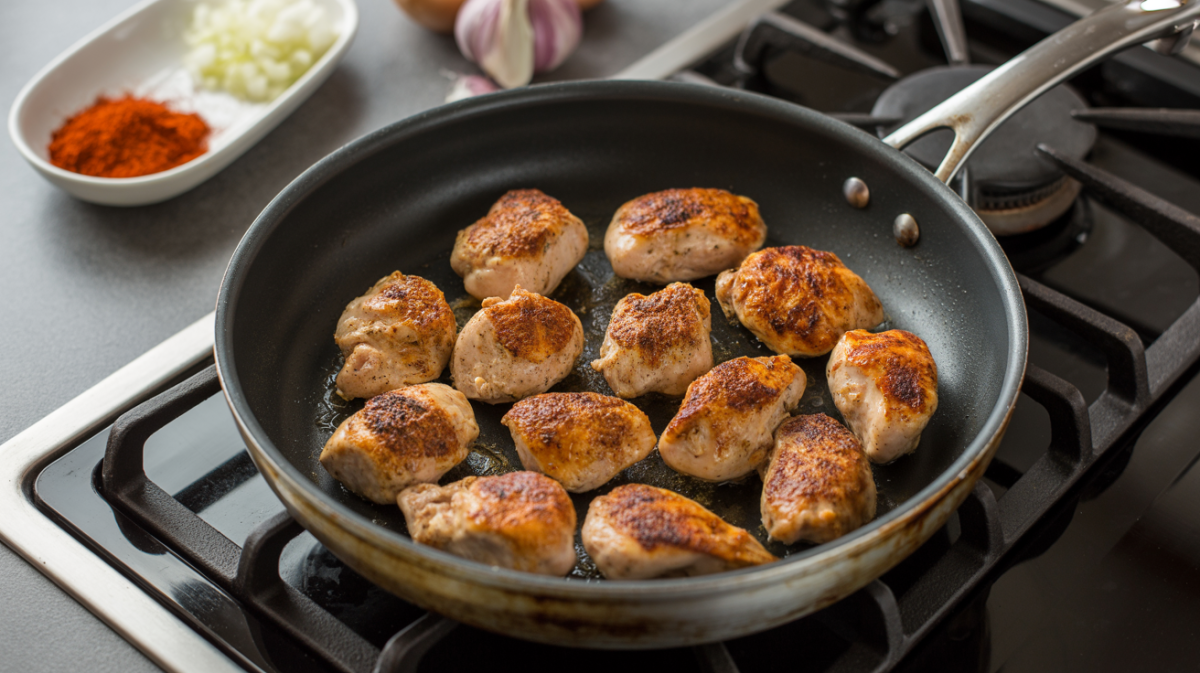
- Cook the onions and spices. Lower the heat to medium and add the sliced onions. Cook until softened, then continue cooking on medium-low until deeply browned. Stir in the paprika, turmeric, and cayenne.

- Build the soup. In a pot, combine the chicken with its juices, the browned onions, the puréed mixture, and the remaining broth. Stir in the chickpea flour mixture, mixing well to avoid lumps.
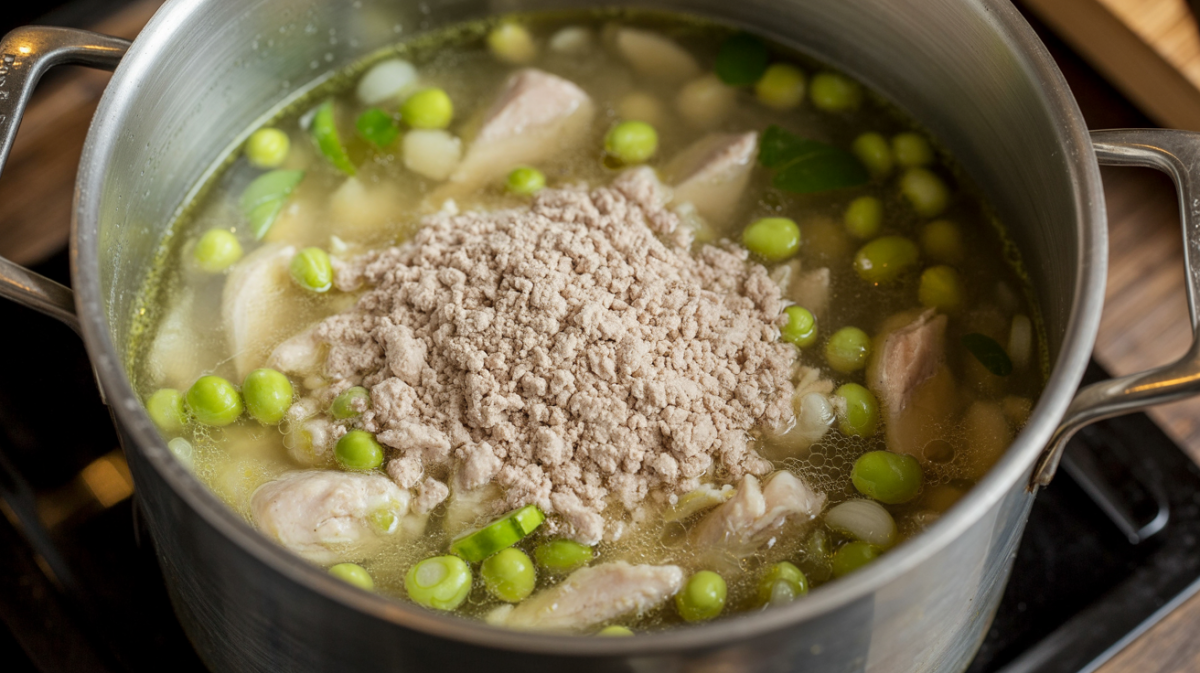
- Simmer. Bring to a boil, then reduce the heat and let it simmer uncovered for about 15 minutes.
- Finish and serve. Stir in the coconut milk and heat through. Divide the softened noodles into bowls, ladle the soup over top, and finish with your desired garnishes.
Video

29 comments
Interesting read! Could the soup’s flavor profile change significantly if we switch coconut milk with almond milk? Curious about your thoughts!
Does anyone else feel the broth thickeners truly make or break Burmese Ohn No Khao Swès unique texture? Just curious!
Absolutely! The right thickener can transform Ohn No Khao Swè into a culinary masterpiece.
Does anyone else think adding a dash of lime to the broth could elevate the flavor of the Burmese Ohn No Khao Swè?
Absolutely! The tanginess of lime can definitely add a refreshing twist to the soup.
Isnt it fascinating how the coconut milk transforms the broth in Ohn No Khao Swè? Its like magic in Burmese culinary arts!
Absolutely! The coconut milk truly is the unsung hero in Burmese cuisine!
Are fish sauce and shrimp paste essential for Ohn No Khao Swès authentic flavor, or can they be swapped with other spices?
Wouldnt the broth taste richer with roasted chicken bones? Maybe that could elevate the flavor profile of the soup?
Does anyone else argue the essence of Ohn No Khao Swè lies more in the broth than the noodle choice?
Absolutely disagree! The noodle choice is crucial. Its not Ohn No Khao Swè without the right noodles!
Curious if anyone has tried swapping out coconut milk for almond milk in the Ohn No Khao Swè recipe? Thoughts?
Interesting read! Have you tried adding lemongrass to the broth? It could bring a surprising twist to the traditional Burmese Ohn No Khao Swè!
Absolutely! Lemongrass adds a refreshing zing. Its all about experimenting with flavors, isnt it?
Interesting read! But isnt chicken stock a vital part of the broth components in traditional Ohn No Khao Swè?
Actually, coconut milk is the traditional base for Ohn No Khao Swè, not chicken stock.
Just a thought, but wouldnt beef or tofu switch up the protein in this Ohn No Khao Swè recipe interestingly?
Absolutely! The versatility of Ohn No Khao Swè is its beauty. Lets spice things up!
Interesting article! Anyone tried substituting chicken with tofu for a vegetarian version of Burmese Ohn No Khao Swè?
Has anyone tried swapping coconut milk with almond milk in the Burmese Ohn No Khao Swè recipe? Curious about the taste difference!
The article overlooks the importance of lemongrass in the broth. Could it enhance the flavor profile of the Ohn No Khao Swè soup?
Lemongrass? Seriously? The sweet, smokey flavor of paprika is the real star here.
So, does the broths thickness influence the overall flavor profile of the Ohn No Khao Swè? Thoughts?
Absolutely! The broths thickness can make or break the flavor of the Ohn No Khao Swè.
Why not try using beef instead of chicken in the Ohn No Khao Swè recipe? Could add a different depth of flavor, just a thought.
Interesting read! Anyone else surprised that the broth isnt traditionally thickened with coconut milk?
Actually, coconut milk isnt the only way to thicken broth. Ever tried roux or cornstarch?
Has anyone tried using a plant-based protein instead of chicken in this Burmese soup? Wondering how that might change the flavor profile.
Just curious, has anyone tried substituting tofu for chicken in the Burmese Ohn No Khao Swè recipe? Any thoughts on the outcome?
Comments are closed.