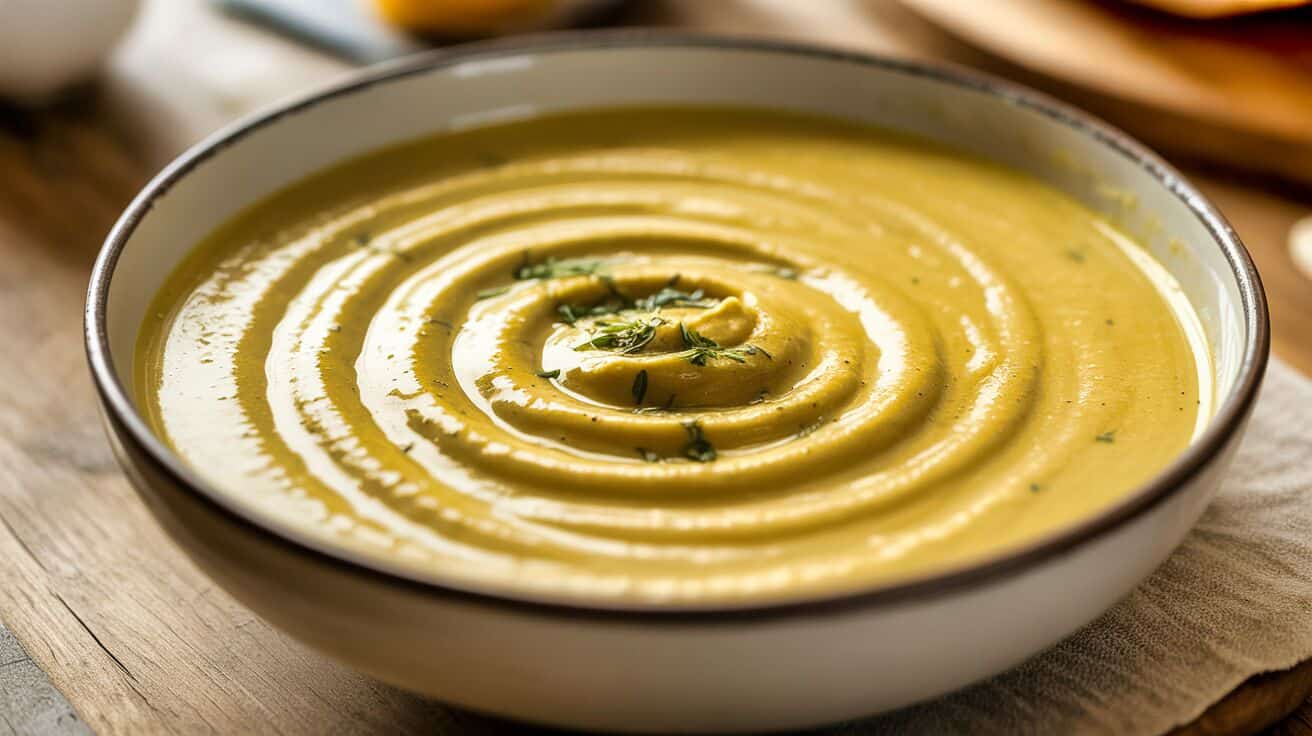

Dutch Mosterdsoep Recipe: Authentic Creamy Mustard Soup with Bacon and Rye Croutons
Let’s dive into a Dutch Mosterdsoep recipe that brings creamy comfort and a sharp, tangy punch. I’ll walk you through a straightforward, authentic recipe using regional mustards and simple steps, so you can whip up this traditional Dutch mustard soup at home in about half an hour.
You’ll get the lowdown on which mustards actually matter, the pantry basics, and a no-nonsense cooking method. Plus, a few serving tips to show why this Dutch Mosterdsoep recipe is a staple in the Netherlands. If you follow along, you’ll have a go-to comfort food that’s genuinely Dutch and easy to make again and again.
Essential Ingredients and Regional Mustards
For a proper Dutch Mosterdsoep recipe, I stick to a few key mustards and ingredients that really shape the soup’s flavor and texture. Coarse, grainy mustards, a splash of cream, quality chicken or vegetable stock, and aromatics like onion and leek are all you need for a balanced bowl.
Choosing Mustard: Zaanse and Other Varieties
For the Dutch Mosterdsoep recipe, I love Zaanse mosterd. It’s a Dutch coarse-grain mustard from the Zaan region—lots of visible seeds, mellow heat, and a little tang. The soup gets texture and flavor without letting the cream get lost.
If Zaanse is out of reach, any coarse “Dutch mustard” or stoneground works. Dijon or smooth mustards are okay in a pinch, but honestly, they lack the texture and bring a sharper heat. I usually start with 1–3 tablespoons for a pot serving 4–6, but I always taste and tweak as I go.
Supporting Ingredients: Broth, Dairy, and Aromatics
For the broth in my Dutch Mosterdsoep recipe, I go with clear chicken or veggie stock—about 3–4 cups—so the mustard stays front and center. Creaminess comes from crème fraîche, half-and-half, or a splash of light cream; between 1/2 and 1 cup is enough to mellow things out without making it heavy. I skip heavy roux unless I want a really thick finish.
I chop up a white onion and a leek or shallot for some sweetness. Sometimes I’ll fry up bacon or pancetta for smoky saltiness, but I drain the fat so it doesn’t overpower the soup. A little salt and white pepper let the mustard shine. If the stock’s a bit thin, I’ll thicken with a bit of cornstarch or flour.
The Role of Mustard Seeds in Flavor
Whole mustard seeds are a must in my Dutch Mosterdsoep recipe. They bring a mild, nutty pop as they soften in the soup. Each spoonful gives you those little bursts of mustard instead of just a flat heat.
When I simmer the soup gently, some seeds split and the aromatics blend in, giving the soup more depth. If I want it smoother, I’ll blend part of the soup or whisk it a bit—but I always leave some seeds whole for that signature texture. The mustard’s roast level and seed size can really change how much you notice those pops.

Step-by-Step Cooking Method
Thick and Creamy Unlike Anything In the U.S.

Step 1: In a large pot, melt the butter over medium heat.
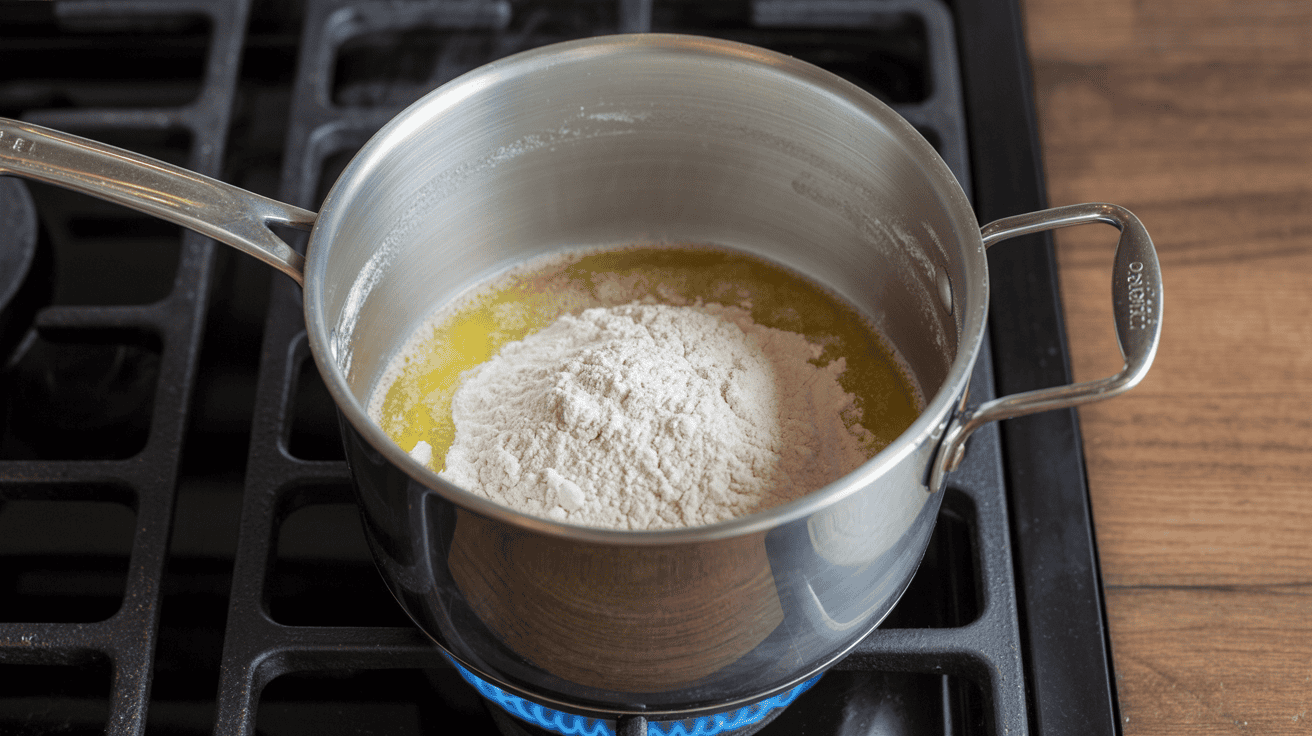
Step 2: Add the flour and whisk until smooth. Cook for 1-2 minutes, stirring constantly.
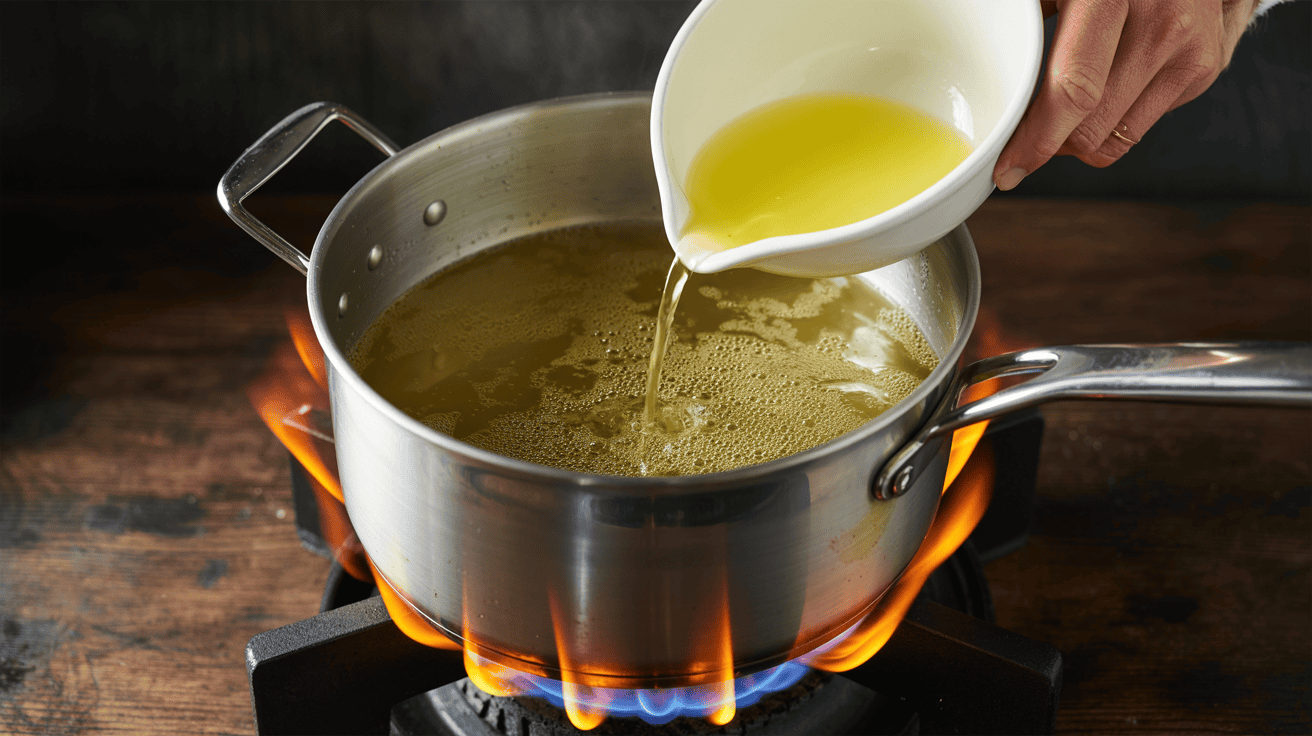
Step 3: Slowly add the chicken broth, whisking constantly to prevent lumps from forming.
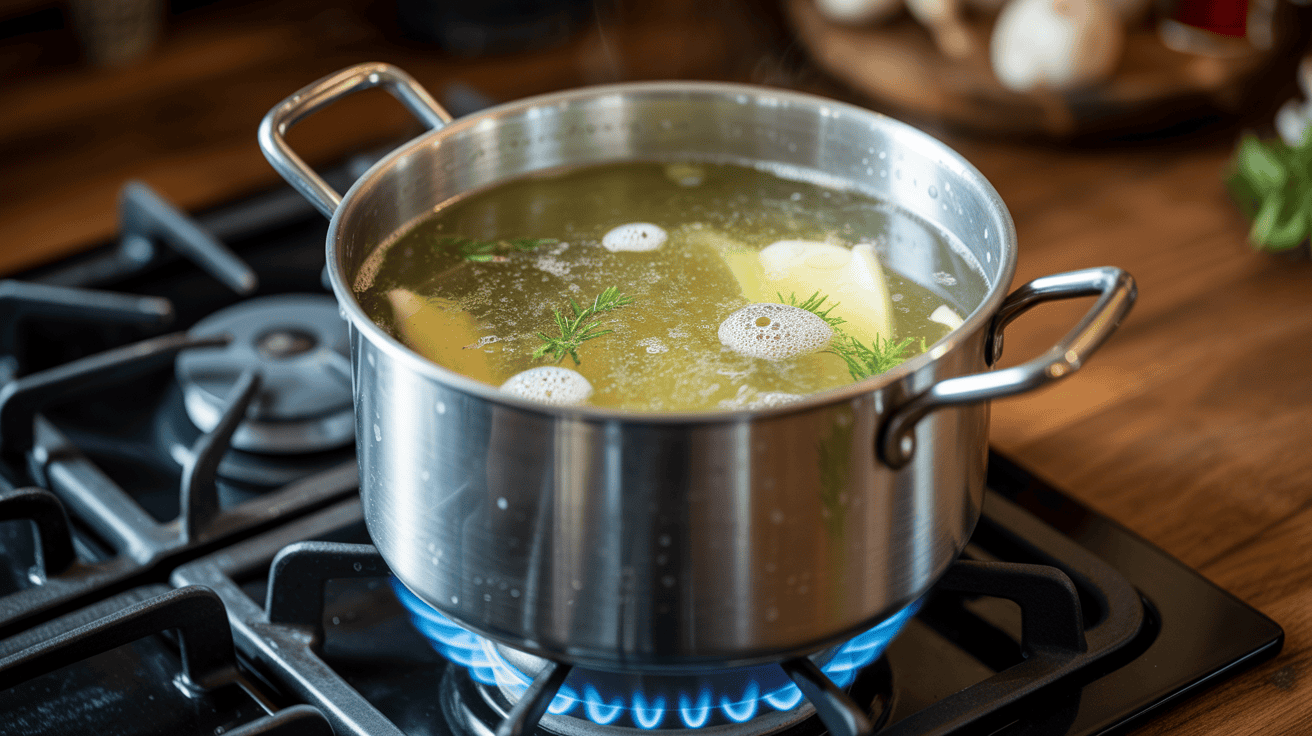
Step 4: Bring the mixture to a boil, then reduce the heat and simmer for 10 minutes.
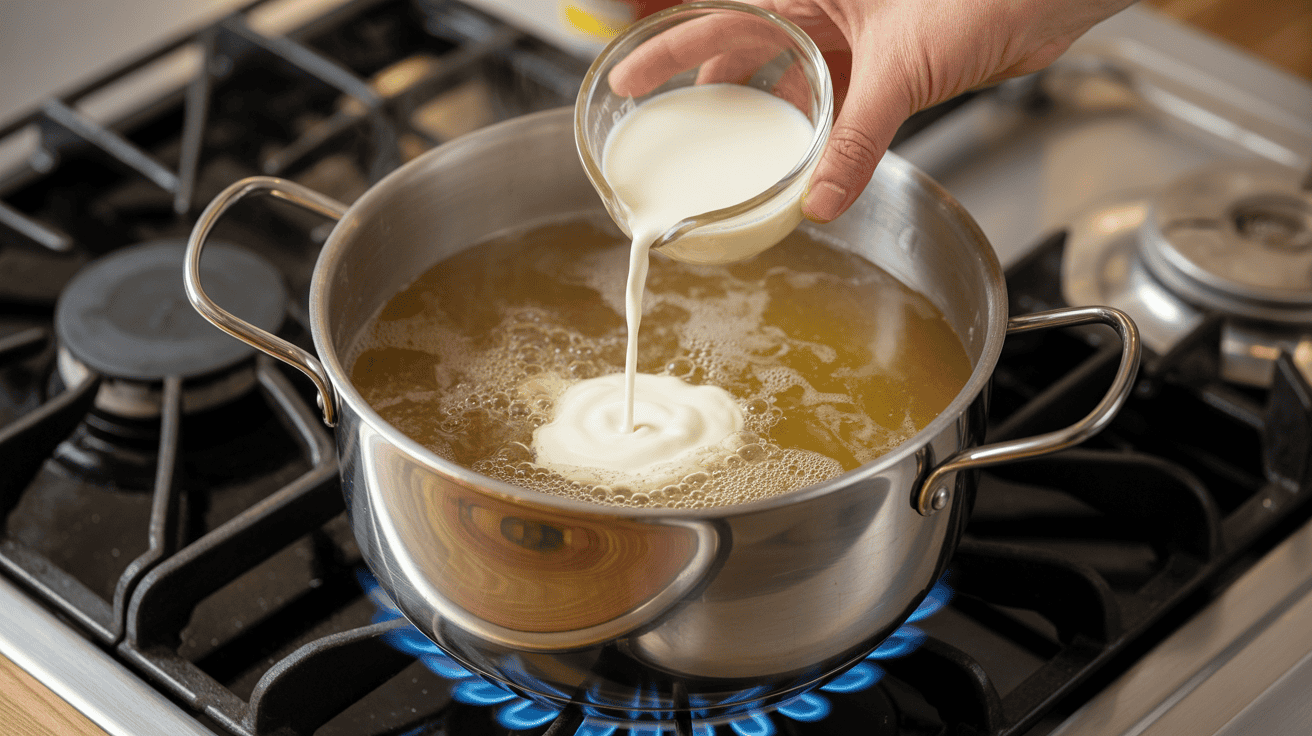
Step 5: Add the heavy cream, mustards, and white wine to the pot. Stir until well combined.

Step 6: Cook the soup for an additional 5-10 minutes, stirring occasionally, until it thickens.

Step 7: Add salt and pepper to taste.
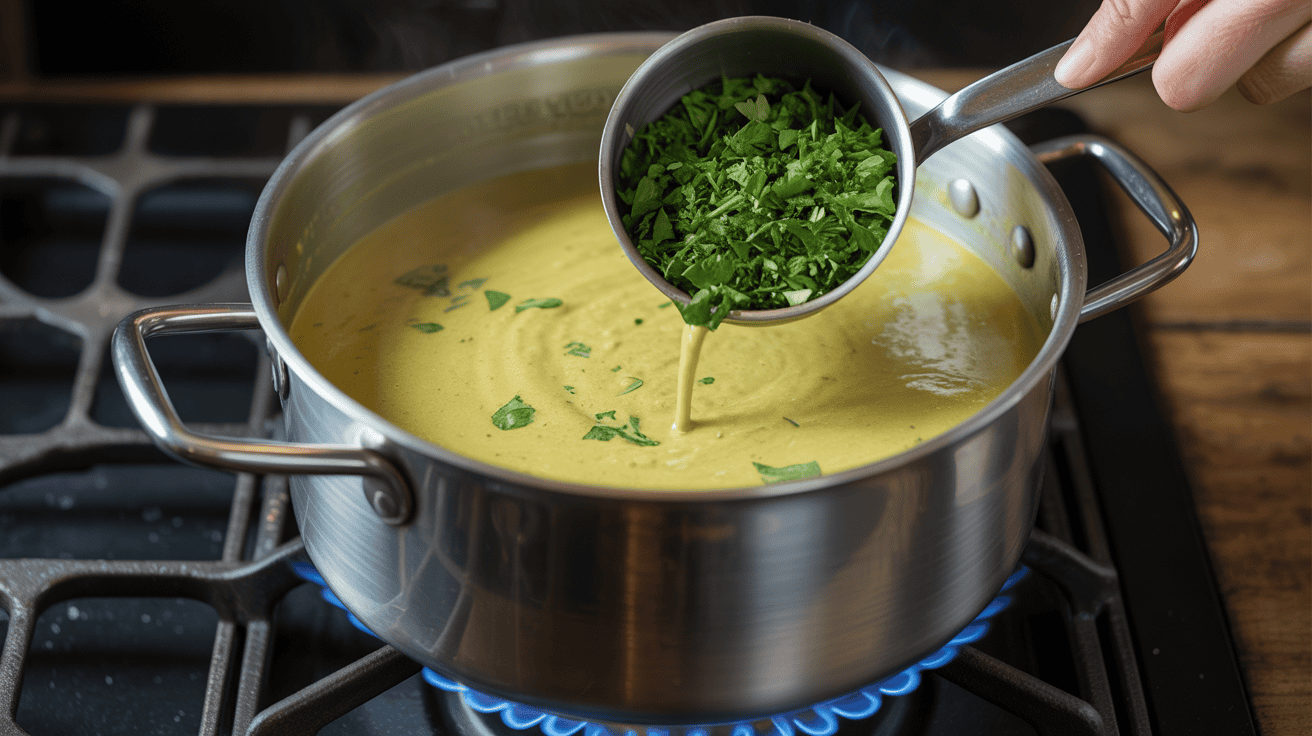
Step 8: Stir in the chopped parsley.

Step 9: Serve hot and enjoy!
Preparing the Soup Base
I start with 2 tablespoons of butter or bacon fat in a sturdy pot over medium heat. I fry diced bacon or pancetta until crisp and set it aside; the leftover fat gives the soup a nice base without making it greasy. Then I toss in one diced onion and a sliced leek, cooking until they’re soft—maybe 5–7 minutes.
Next, I add 1–2 minced garlic cloves for about 30 seconds. I stir in 2 tablespoons of flour, cooking it for a minute or two so there’s no raw taste. I whisk in 4 cups of hot stock, plus a bay leaf and a few peppercorns for some background flavor.
I let the pot simmer gently. Sometimes I’ll throw in chopped potatoes or a carrot for a little extra body. After about 10–12 minutes, the veggies are tender. I skim any foam and check the salt—it really depends on how salty the stock is.
Incorporating Mustard and Cream
Once I pull out the bay leaf and peppercorns, I temper 3–4 tablespoons of Dutch mustard by mixing it with some hot soup first—keeps the dairy from curdling. Then I whisk it all back in over low heat.
I fold in about 3/4 cup of crème fraîche or heavy cream, keeping the heat low so nothing separates. If I want it thicker, I’ll blend some of the soup or stir in a little cornstarch slurry; otherwise, I keep it a bit brothy. I taste and adjust—mustard should be bright, not overwhelming. Sometimes a squeeze of lemon or a pinch of sugar helps if the flavor’s flat. This is where I fine-tune with salt, white pepper, and maybe a hint of nutmeg.
Finishing Touches: Garnishes and Texture
I toss the crisp bacon or pancetta back in for crunch. Chopped chives or thin spring onion slices add a fresh pop of color. If I’m feeling indulgent, I’ll sprinkle on some grated Dutch gouda or cheddar—it melts right in.
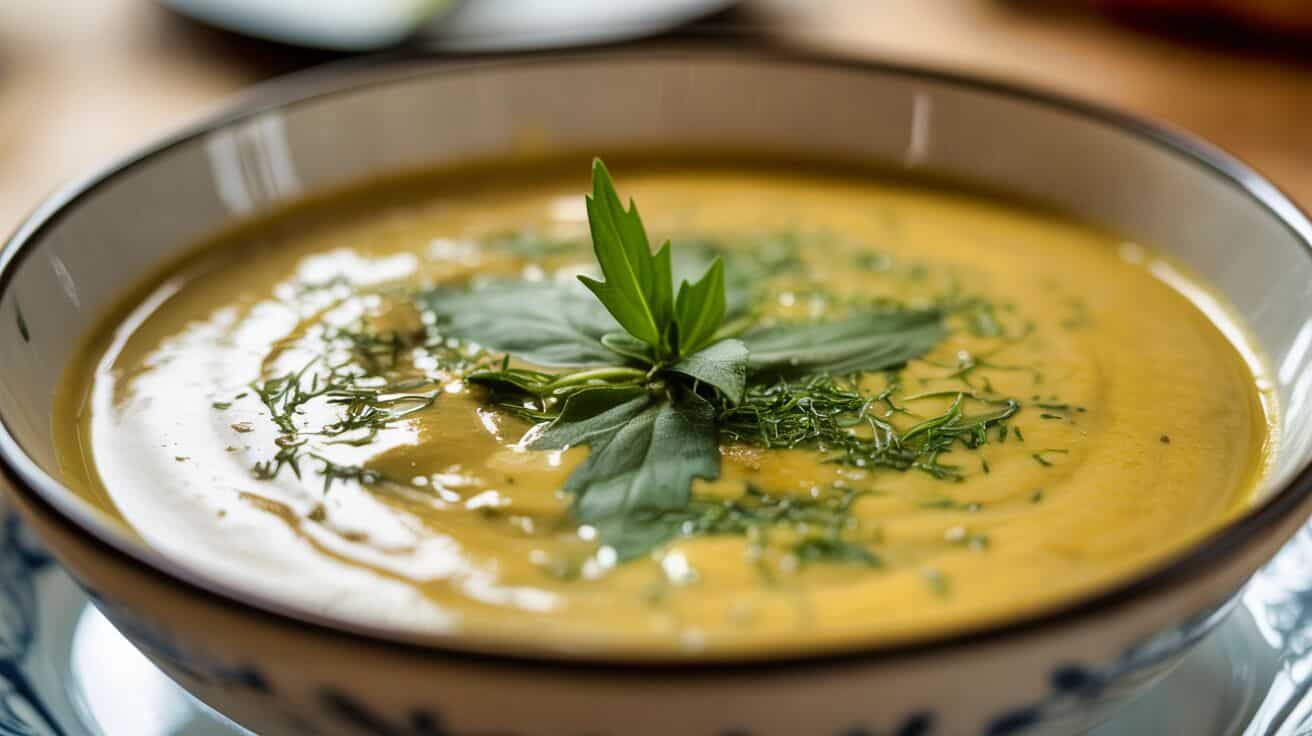
For extra texture, I’ll add rye croutons or toasted seeds when serving. I ladle the soup into warm bowls, maybe drizzle a little olive oil or mustard oil on top, and serve right away so everything stays crisp and creamy.
If I want more ideas or regional tweaks on the Dutch Mosterdsoep recipe, I’ll check out the traditional Dutch Mustard Soup (Zaanse Mosterdsoep) recipe for inspiration.
Serving Suggestions and Culinary Pairings
With this Dutch Mosterdsoep recipe, I like to pair the soup with salty, crunchy elements and some classic Dutch flavors to balance the mustard’s sharpness. Good bread, smoked pork, and a few regional extras really round it out.
Traditional Accompaniments Like Rustic Bread
For the Dutch Mosterdsoep recipe, I always serve thick slices of rustic bread—sourdough, rye, or seeded wheat. Sourdough’s tang plays off the mustard, while rye and seeds give a toasty bite.
Sometimes I’ll add rye croutons or toasted bread rubbed with garlic for crunch. For more protein, thin slices of katenspek or pan-fried bacon work great—their smokiness cuts through the soup. If you’re not into meat, a bit of sharp Dutch cheese on warm bread is just as good.
Incorporating Dutch Cuisine Staples
To keep the Dutch Mosterdsoep recipe feeling local, I’ll add slices of smoked katenspek or diced bacon at the end—they melt right in. Pickled veggies like cucumbers or onions are a nice touch to cut the creaminess.
Now and then, I’ll put out buttered rye or pumpernickel and a dish of chopped spring onion for extra garnish. For a classic Dutch vibe, serve a small plate of cold haring or cured fish on the side—not in the soup, but as a salty, briny bite between spoonfuls.
Modern Twists and Presentation Tips
Sometimes I get a little fancy and ladle the Dutch Mosterdsoep recipe into shallow bowls, finishing with a swirl of crème fraîche and toasted mustard seeds. Microgreens or chives add color and a mild onion note.
Instead of diced bacon, I might top bowls with crisp pancetta shards for height. For a composed look, I’ll serve the soup with a slice of buttered rustic bread and a small plate of pickled herring or smoked fish. That way, everyone can mix and match flavors as they like.
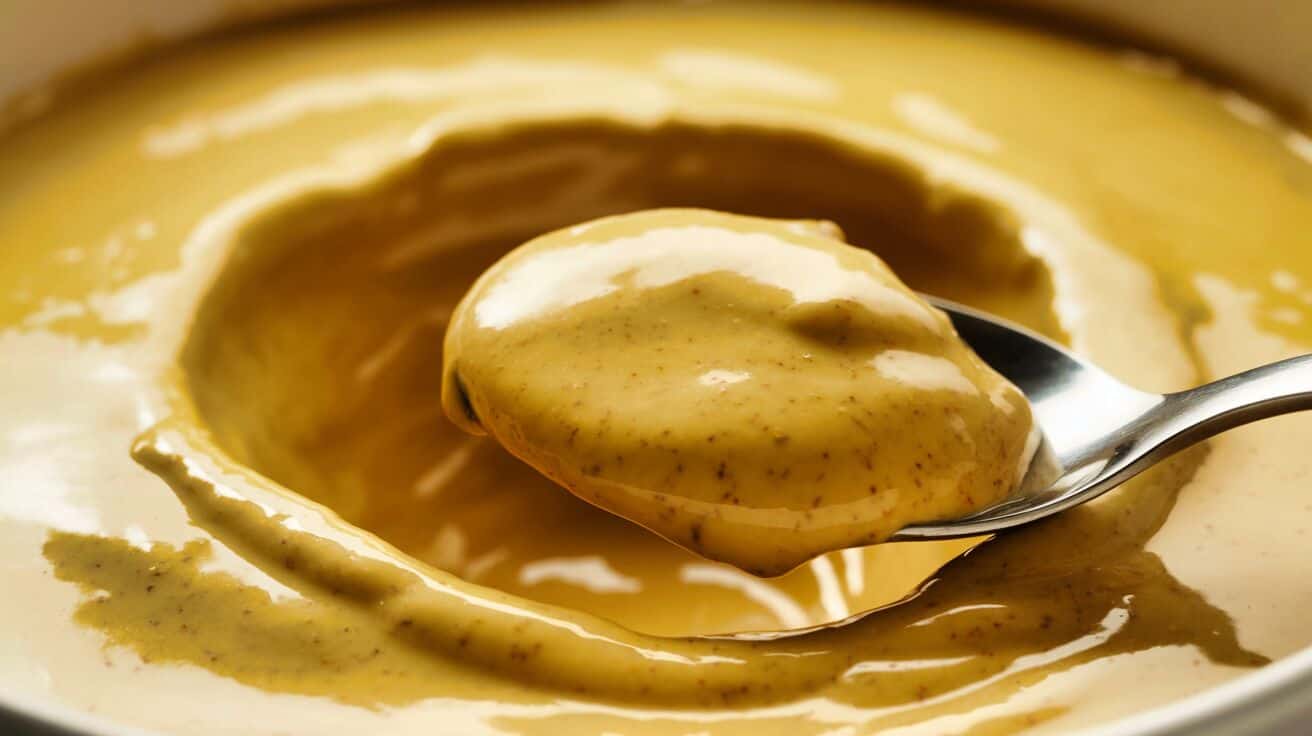
Dutch Food Culture and Mustard Soup’s Place
This Dutch Mosterdsoep recipe fits right into Dutch cooking—simple, bold flavors, local ingredients, and a focus on hearty, practical food.
Regional Soup Variations Across the Netherlands
Up north, especially in Groningen and Zaanstreek, the Dutch Mosterdsoep recipe leans on coarse, sharp mustard and usually includes smoked bacon or ham. Groningen’s version tends to be smoother and creamier, sometimes with a hint of tarragon. Zaanstreek keeps it grainy for texture.
Across the country, you’ll see changes in stock and garnish. Some use chicken or veggie stock for a lighter soup, while others go for pork stock for more depth. The mustard can be mild, medium, or whole-grain, and some folks thicken with crème fraîche or milk. All these little tweaks change the tang, mouthfeel, and how well the Dutch Mosterdsoep recipe pairs with bread or smoked fish.
Mustard Soup as Comfort Food in Dutch Life
I think mosterdsoep lands right at the heart of Dutch comfort-food traditions. You’ll spot it in cafés and home kitchens once the weather turns chilly, and it’s a staple at family gatherings. Folks usually serve it with thick slices of rye or farmhouse bread and maybe some smoky bacon tossed in. There’s something about the tangy, creamy bite that just settles your appetite, especially when you pair it with boiled potatoes or even a simple ham sandwich. If you ask me, the Dutch Mosterdsoep recipe just gets it right.
In a lot of Dutch homes, the Dutch Mosterdsoep recipe is all about practicality. It’s quick, doesn’t need a ton of ingredients, and you can toss in whatever’s left in the fridge. I’ve watched people bring it out after a walk in the cold or a busy market day—it’s the kind of thing you crave for warmth and a sense of home, not for fancy presentation. The Dutch Mosterdsoep recipe isn’t about showing off; it’s about comfort and tradition. Sometimes, you just want a bowl of something familiar, don’t you?
If you’re curious about how the Dutch Mosterdsoep recipe changes from region to region (because it really does), there are some great deep dives out there. For example, this write-up on Groninger mustard soup offers a closer look. You’ll notice that every Dutch Mosterdsoep recipe has its own twist, whether it’s in the type of mustard or the way folks serve it. That’s part of the charm. When you try a Dutch Mosterdsoep recipe at home, you’ll probably make it your own, too—and honestly, that’s the best part.
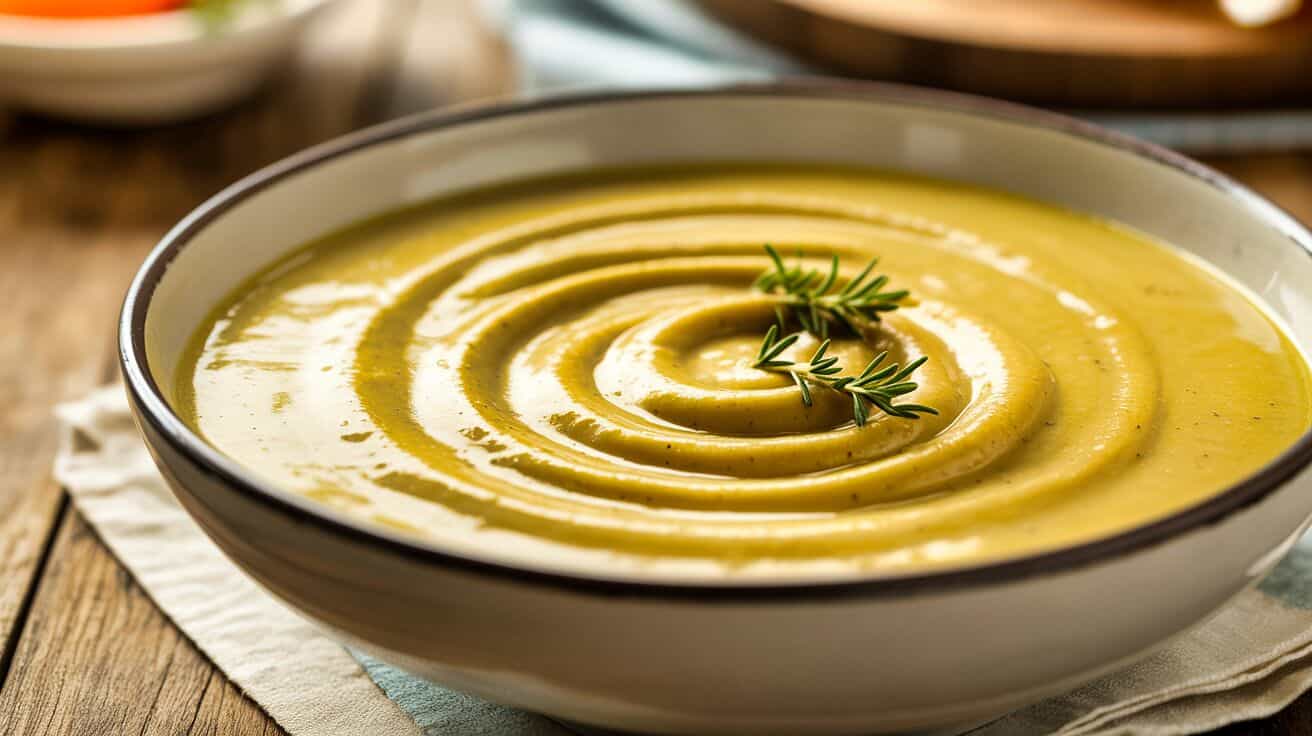
Dutch Mustard Soup vs Cream Soup
Dutch mustard soup and general cream soups share a creamy base, but they differ in flavor intensity and overall character.
Dutch mosterdsoep is a creamy soup flavored with mustard, which gives it a distinct tangy and slightly sharp taste. The mustard adds depth and complexity, transforming a simple cream base into something bold and memorable. It is often combined with ingredients like bacon or leeks, further enhancing its savory profile.
Cream soups, such as mushroom or potato soup, are typically milder and more neutral in flavor. They focus on smooth texture and subtle taste, often relying on cream, butter, and the main ingredient to create a comforting but understated dish.
The main difference is boldness versus subtlety: mustard soup has a sharp, tangy edge, while cream soups are smooth and gentle.
Choose Dutch mustard soup if you want a distinctive, flavorful dish with a bit of bite. Go with a traditional cream soup if you prefer a mild, comforting option that appeals to a wide range of tastes.
Dutch Mosterdsoep Recipe FAQ
1. What gives mosterdsoep its flavor?
The key ingredient is mustard, which provides a tangy, slightly sharp taste.
2. Is mosterdsoep creamy or broth-based?
It’s usually creamy, often thickened with cream or a roux.
3. What type of mustard is used?
Whole grain mustard is commonly used for both flavor and texture.
4. Are any meats added to mosterdsoep?
Some versions include bacon for added richness.
5. How is mosterdsoep served?
It’s served hot, often with bread on the side.

Dutch Musterdsoep
Ingredients
- 6 cups chicken broth
- 1 cup heavy cream
- ½ cup all-purpose flour
- ½ cup unsalted butter
- ½ cup whole grain mustard
- ¼ cup Dijon mustard
- ¼ cup white wine
- ¼ cup chopped fresh parsley
- Salt and pepper to taste
Instructions
- In a large pot, melt the butter over medium heat.
- Add the flour and whisk until smooth. Cook for 1-2 minutes, stirring constantly.
- Slowly add the chicken broth, whisking constantly to prevent lumps from forming.
- Bring the mixture to a boil, then reduce the heat and simmer for 10 minutes.
- Add the heavy cream, mustards, and white wine to the pot. Stir until well combined.
- Cook the soup for an additional 5-10 minutes, stirring occasionally, until it thickens.
- Add salt and pepper to taste.
- Stir in the chopped parsley.
- Serve hot and enjoy!
Video