

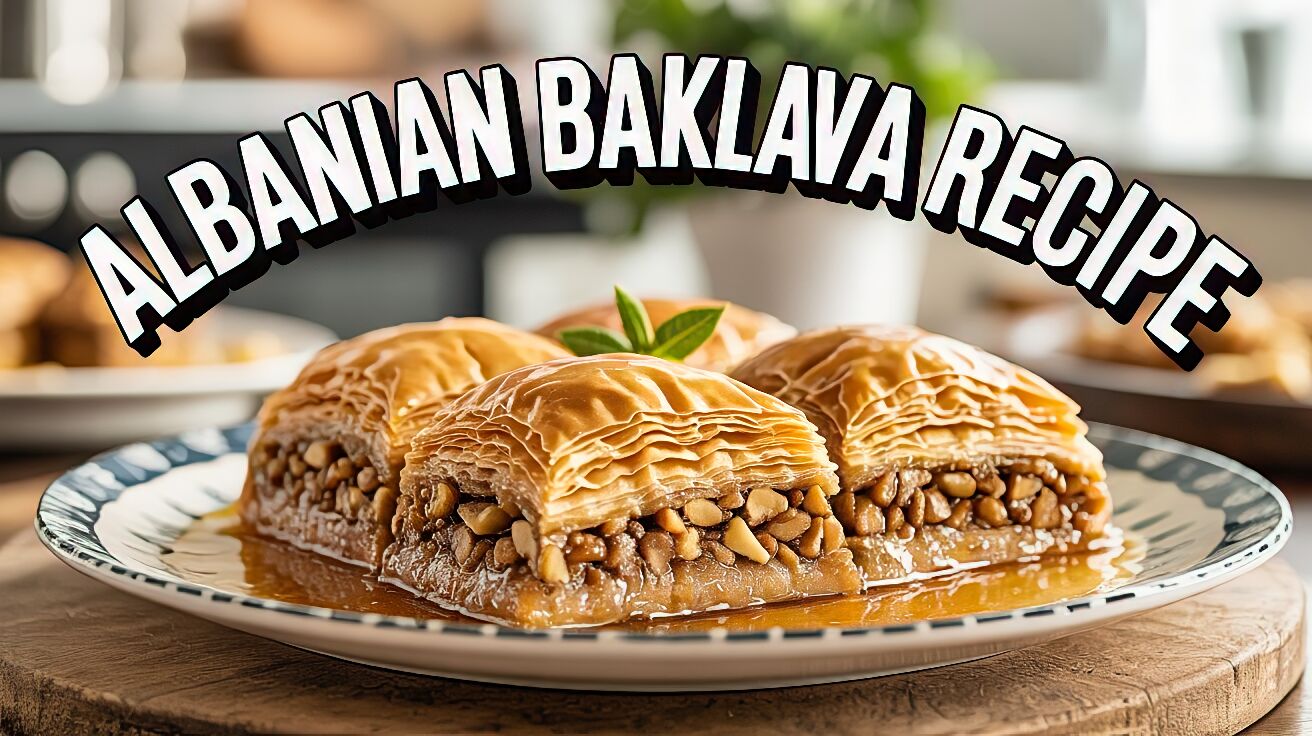
I’ve been making baklava for years, and honestly, nothing beats the Albanian version I picked up from my friend’s grandmother in Tirana. Albanian baklava features layers of crispy phyllo dough filled with finely chopped walnuts and drenched in a sweet syrup that creates an irresistible combination of textures and flavors. The way Albanians make their bakllava really stands out from other versions, and I’m excited to spill all the details.
This Albanian Baklava recipe feels surprisingly doable for home bakers. I’ll show you how to pick the right ingredients, master the layering, and nail that golden crispiness. You’ll also pick up tricks for syrup that soaks into every layer, but doesn’t leave your baklava soggy.
By the end, you’ll know how to make an authentic Albanian dessert that could fool anyone into thinking it came from a bakery in Albania. I’ve dropped in my favorite tips and a couple variations, so you can tweak the Albanian Baklava recipe a bit while keeping that classic taste.
What Is Albanian Baklava?
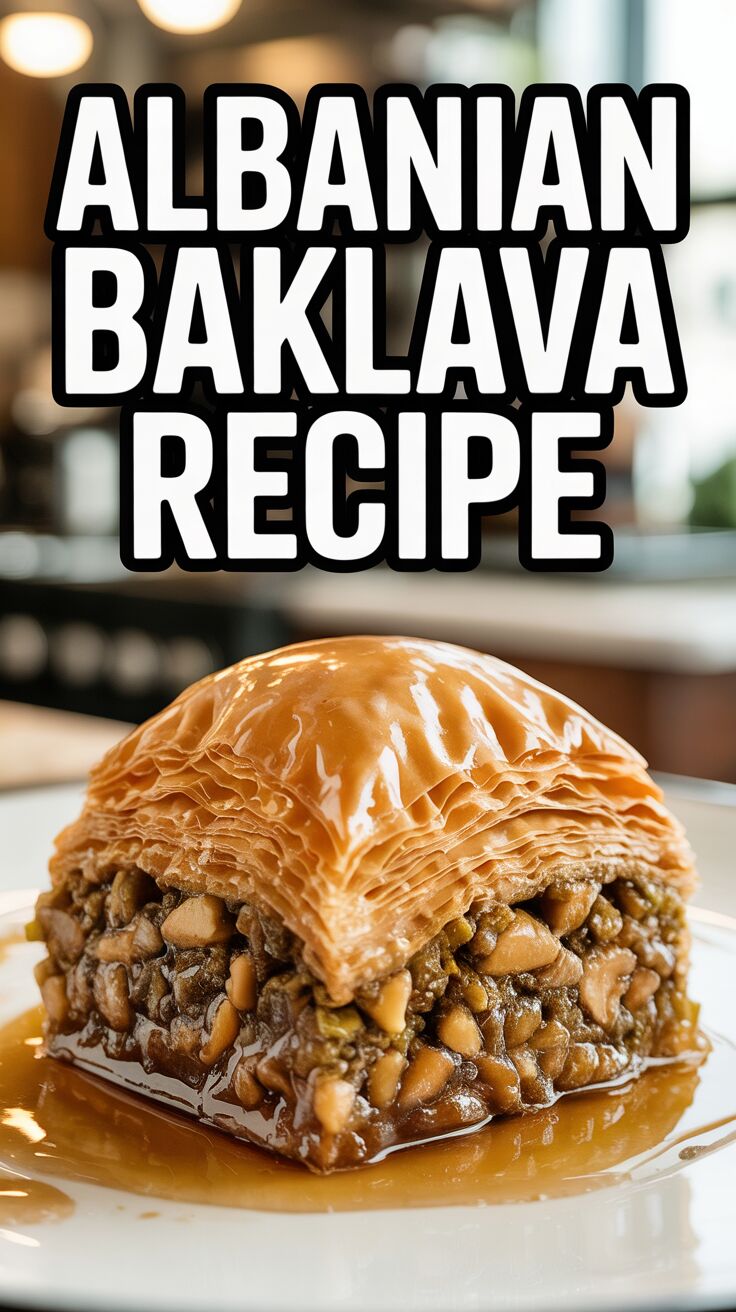
Albanian baklava, or bakllava as we call it, is a layered pastry dessert with thin phyllo dough, chopped walnuts, and sweet syrup. This Albanian treat stands out with its own special touches and plays a big part in our celebrations. I always find it brings a sense of nostalgia and warmth to any table.
Unique Traits of Albanian Baklava
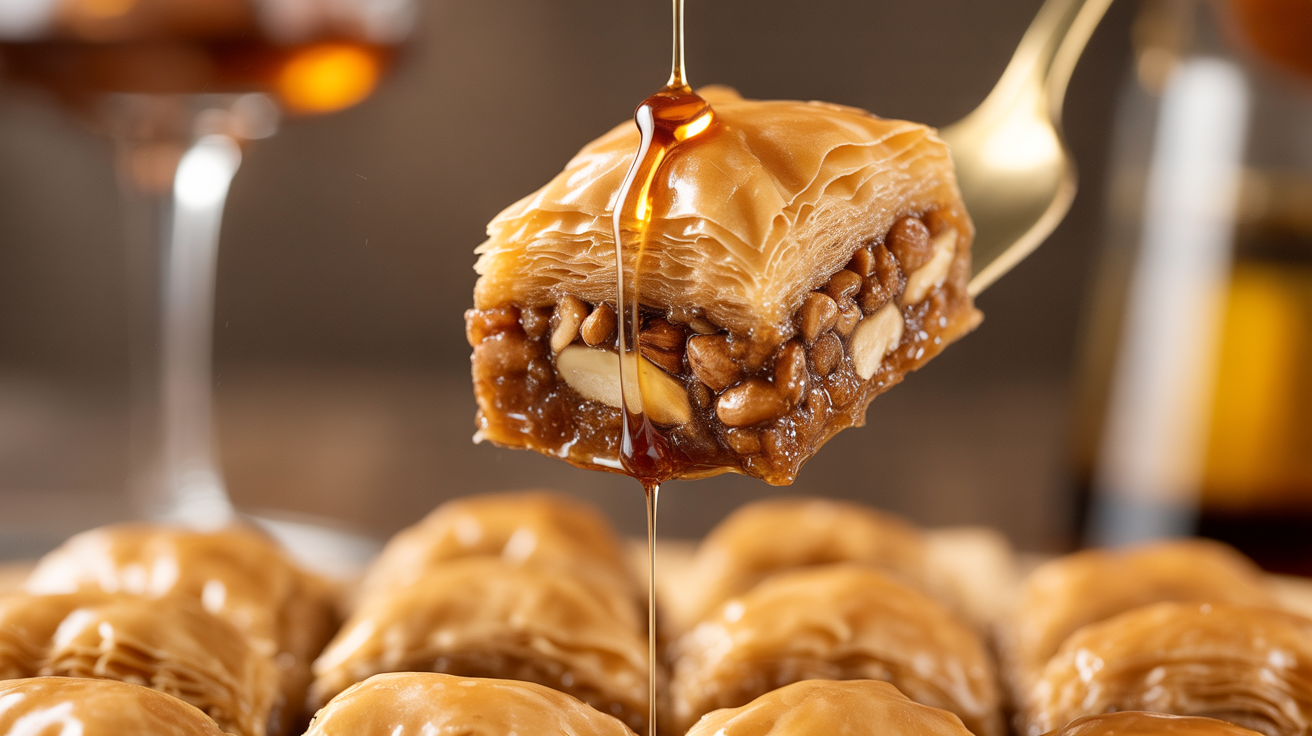
I love that Albanian baklava uses walnuts as the main nut filling, giving it a distinct earthy flavor. The layers of flaky phyllo dough get brushed with butter and stacked with finely chopped walnuts between each layer. It’s a simple combo, but the result is really something special.
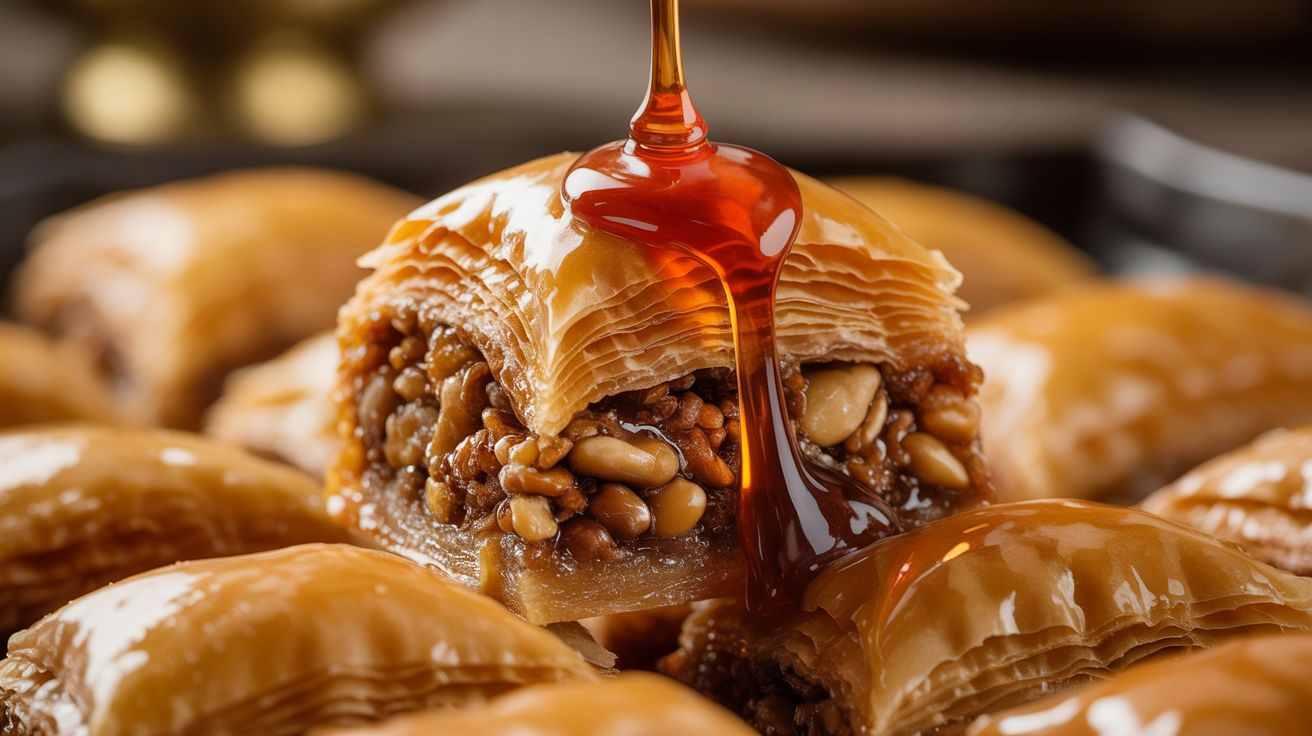
The syrup is what sets our version apart. We pour a lemon-kissed simple syrup over the baked pastry, adding a bright citrus note that balances the sweetness. Some families swap in honey for a deeper, richer flavor, but I usually stick with lemon for that zing.
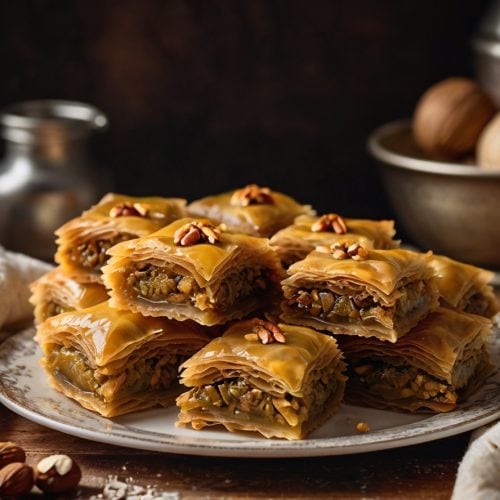
The texture, if you get it right, is just incredible. The top turns golden and crispy, while the bottom stays soft from soaking up all that syrup. Traditional Albanian baklava is usually cut into diamond or square shapes before baking, which makes serving a breeze.
Baklava in Albanian Celebrations
Bakllava is my go-to dessert for special occasions in Albanian cuisine. We bring it out during religious holidays, weddings, and family gatherings where it takes center stage on the dessert table.
During Ramadan and Eid, I spot this sweet Albanian dessert on every table. Families spend hours making big trays to share with guests and neighbors. At weddings, the bride’s family often prepares huge pans of bakllava to go with other traditional sweets.
The dessert also pops up at birthdays and whenever we welcome important guests into our homes. Making baklava shows care and respect because it takes time and effort to layer all that phyllo dough perfectly. I’ve noticed that serving fresh bakllava just brings everyone together in a way few desserts can.
Essential Ingredients for Albanian Baklava
The magic of this Albanian Baklava recipe starts with just a handful of ingredients. Getting the right phyllo dough and nut mix really makes a difference in how your dessert turns out. Don’t skimp on the basics and you’ll be set.
Phyllo Dough Types
I always get a little nerdy about phyllo dough since it’s the backbone of the Albanian Baklava recipe! You can go with frozen phyllo or try homemade phyllo if you’re feeling ambitious.
Most recipes, including traditional Albanian versions, use ready-made rolled dough from the freezer section. Frozen phyllo saves so much time and gives you thin, even sheets. Thaw it in the fridge overnight for best results.
Homemade phyllo takes more time and patience. You’ll have to roll it paper-thin, which isn’t easy, but some folks swear by the control it gives over texture. I usually stick to frozen unless I’m feeling extra motivated.
The phyllo layers stack up to create that signature flakiness. You’ll use about 30-40 sheets, brushing melted butter between each. Some people use half the package on the bottom, add nuts, then finish with the rest on top.
Nut and Spice Selection
Walnuts are my top pick for Albanian baklava! They have a slightly bitter, earthy taste that works so well with the sweet syrup. Walnuts also pack healthy fats, protein, and fiber, so they’re not just for flavor.
Some recipes use pistachios for a pretty green color and buttery taste. You can even mix both if you want a more complex flavor. I usually stick with walnuts, but hey, do what you like.
I crush the nuts by hand or with a food processor until they’re coarsely ground. Don’t turn them into dust—you want some crunch! About 1.5 to 2 cups of nuts does the trick for most recipes.
Cinnamon is the only spice I usually add to the nut mixture. Just a teaspoon or two brings warmth without overpowering the nuts. Some bakers skip spices altogether to let the natural nut flavor shine, and honestly, that’s good too.
Step-by-Step Albanian Baklava Recipe
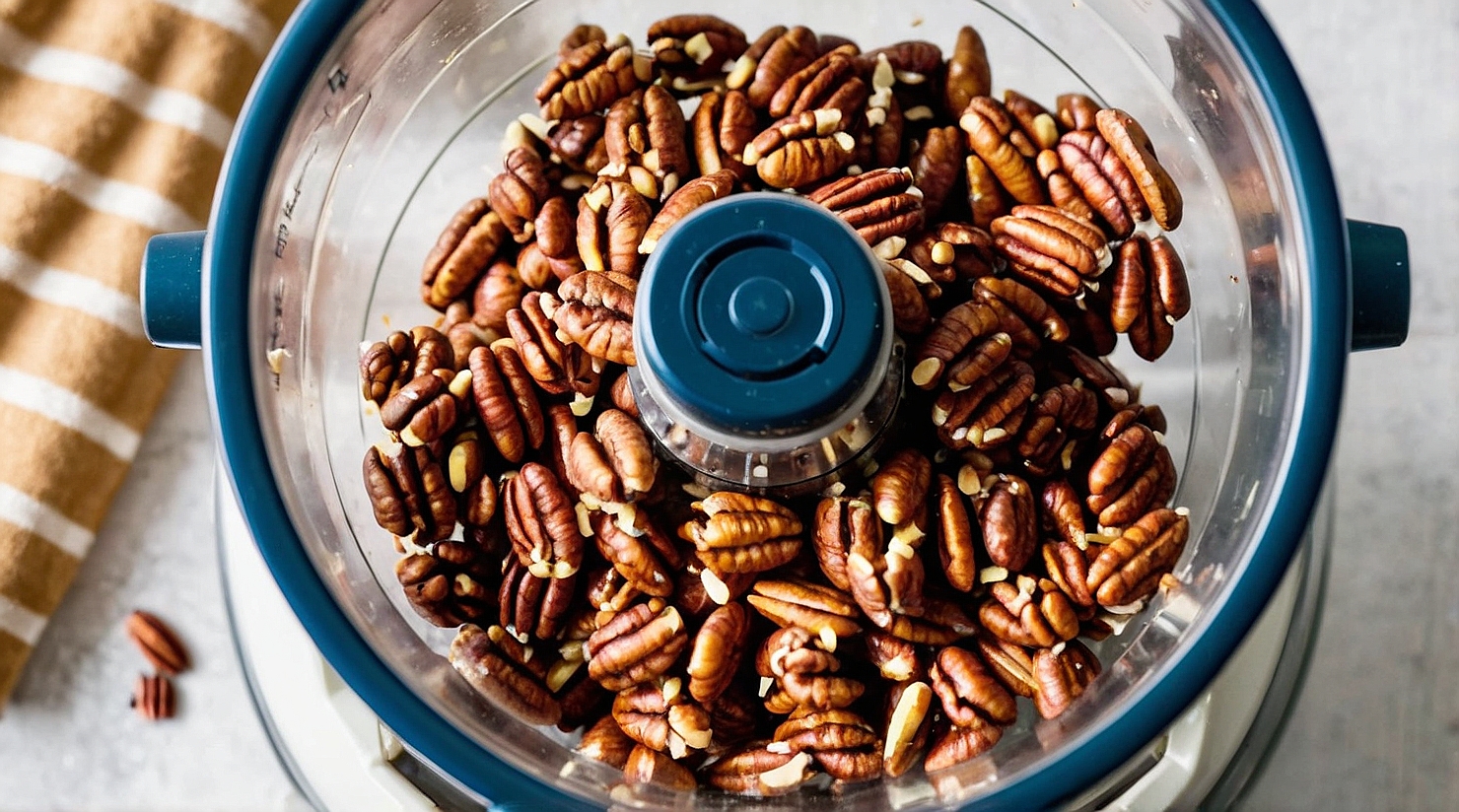
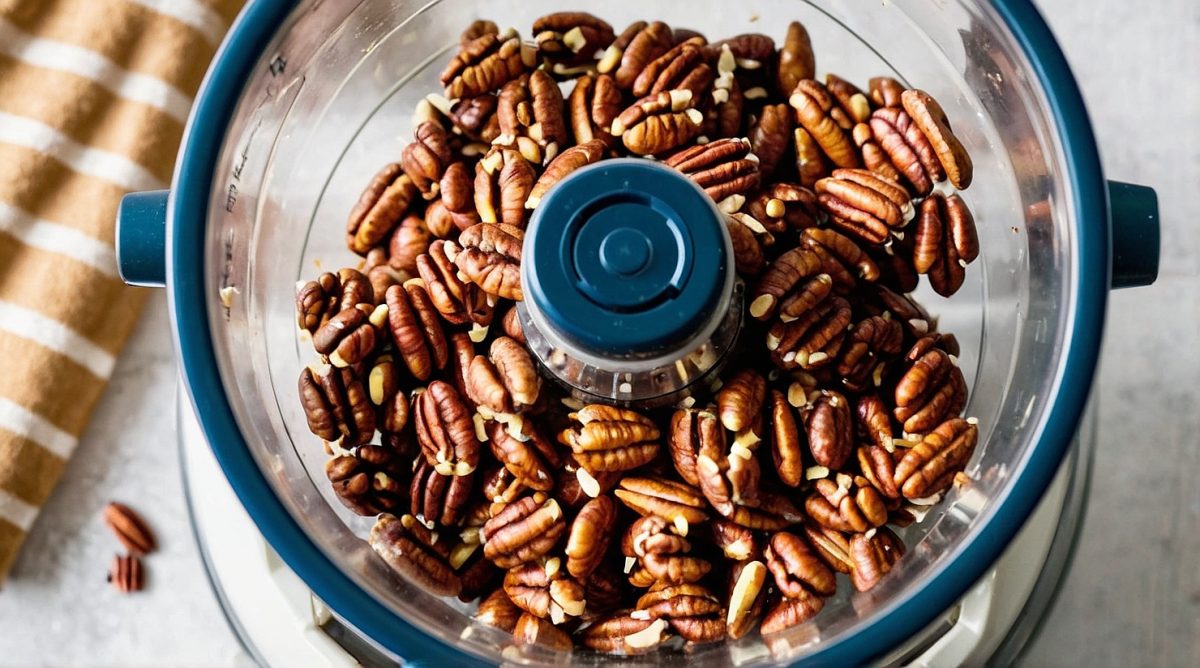
Step 1: Prepare the nut filling: Place the nuts and salt in a food processor. Pulse until the nuts are finely chopped but still have some slightly larger pieces for texture. Tip the mixture into a bowl and set aside.
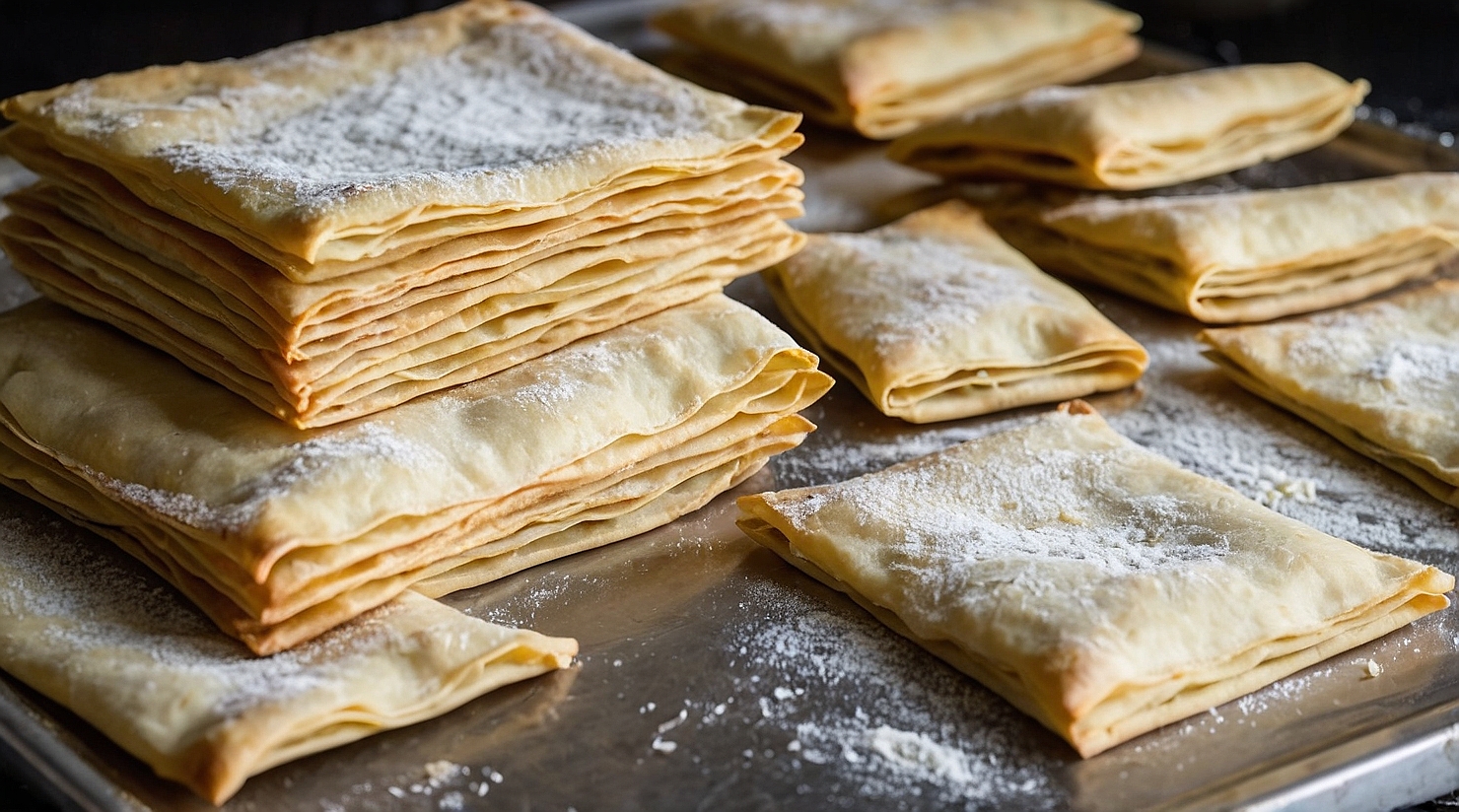
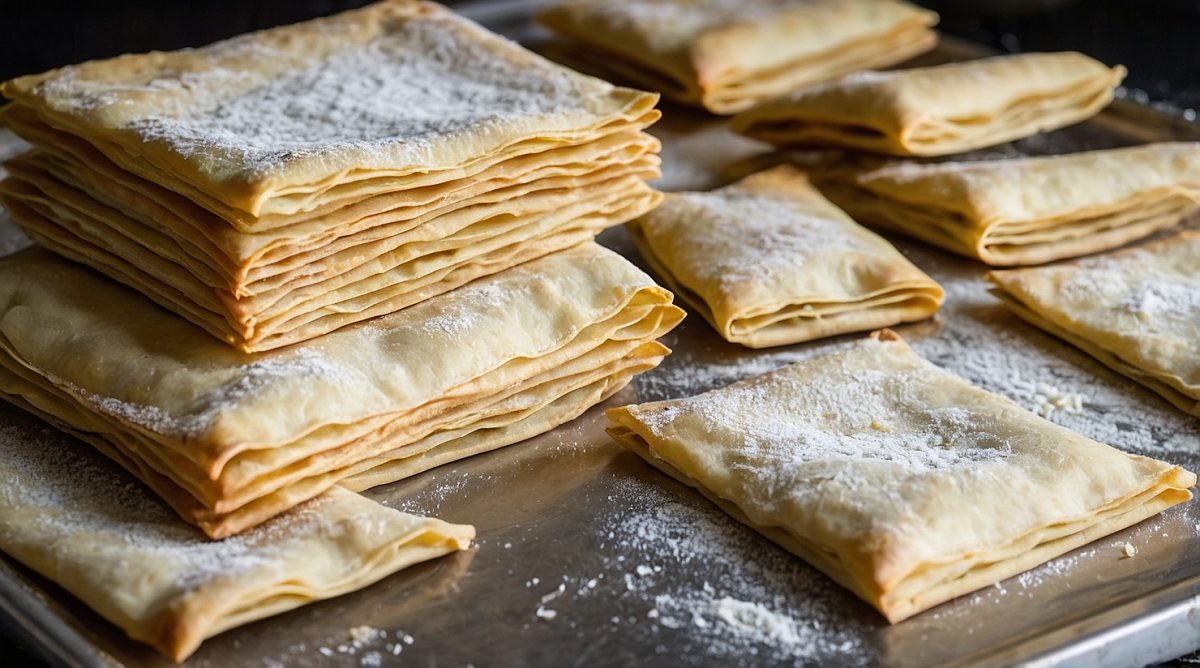
Step 2: Prepare the phyllo and pan: Divide the phyllo sheets into 2 equal stacks. Trim the sheets as needed so they fit your baking pan neatly. Brush the base and sides of the pan with melted butter.
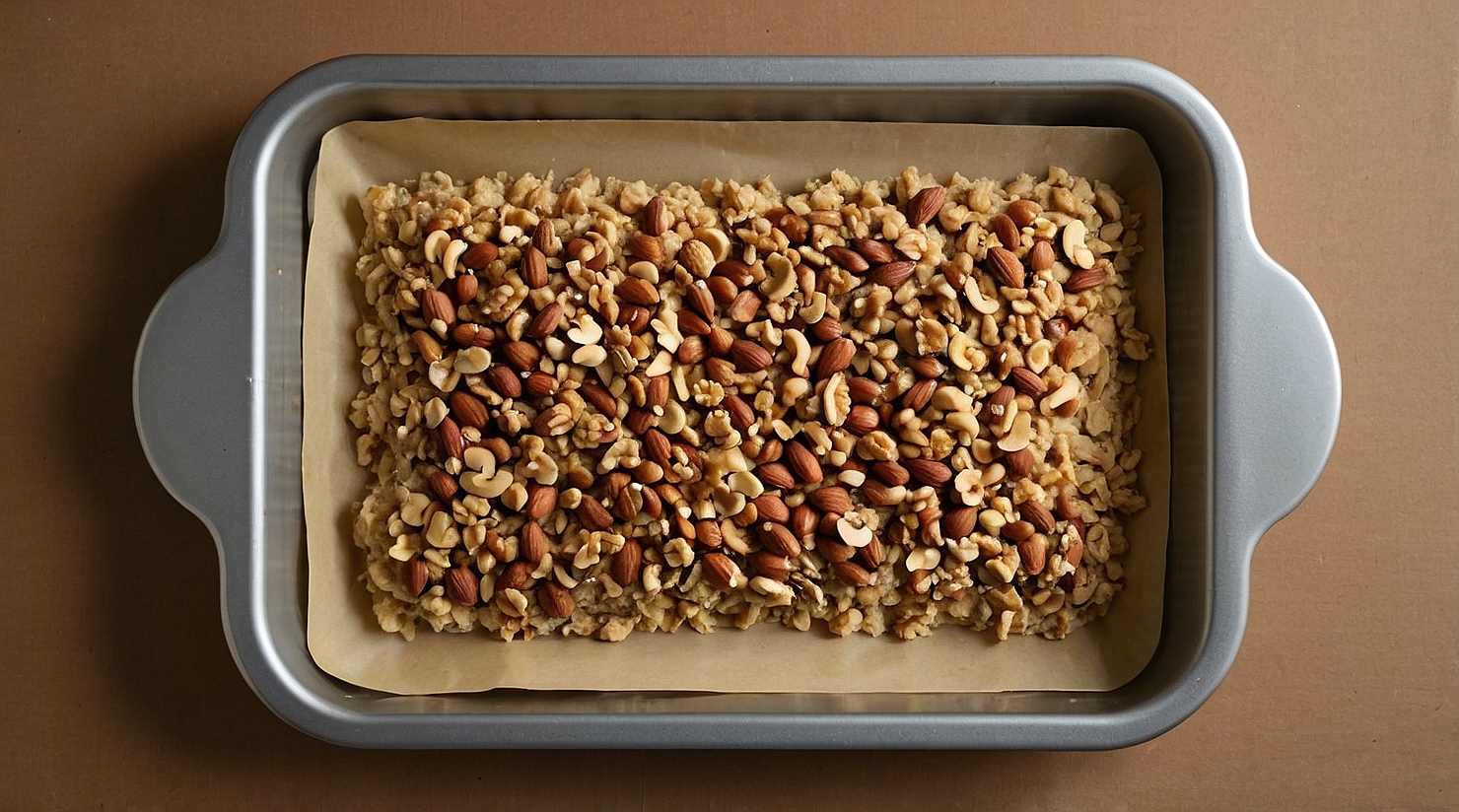
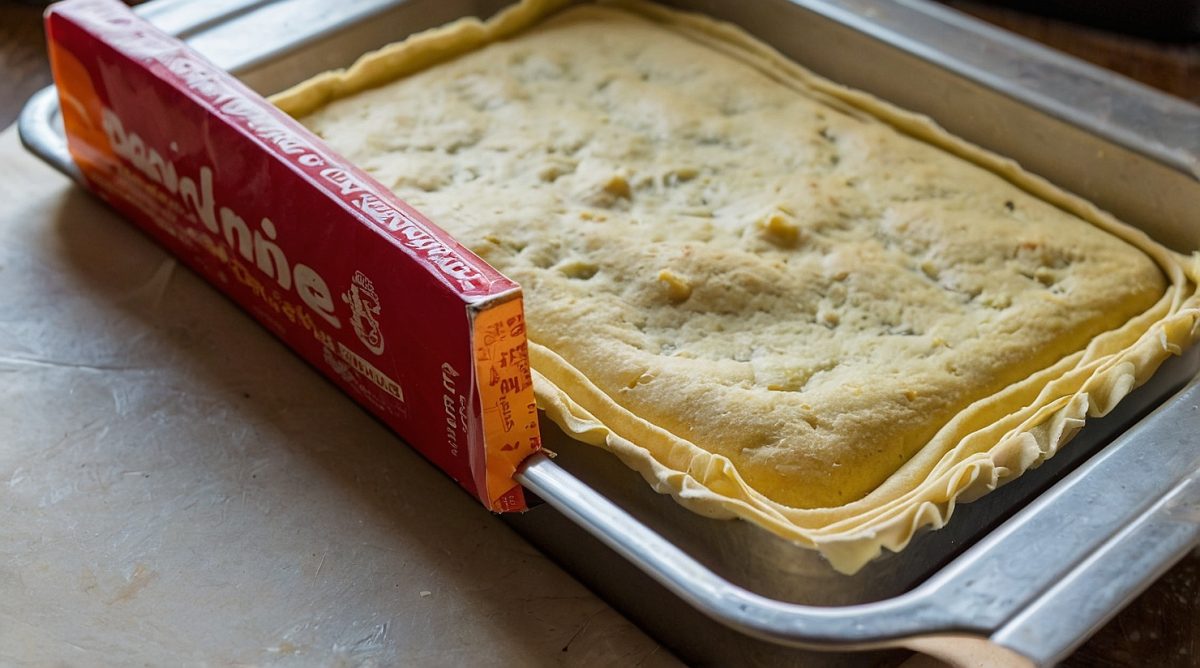
Step 3: Layer the bottom phyllo: Lay one sheet of phyllo in the pan and brush it lightly with melted butter. Repeat with the rest of the first stack, layering sheet by sheet and buttering each one before adding the next.
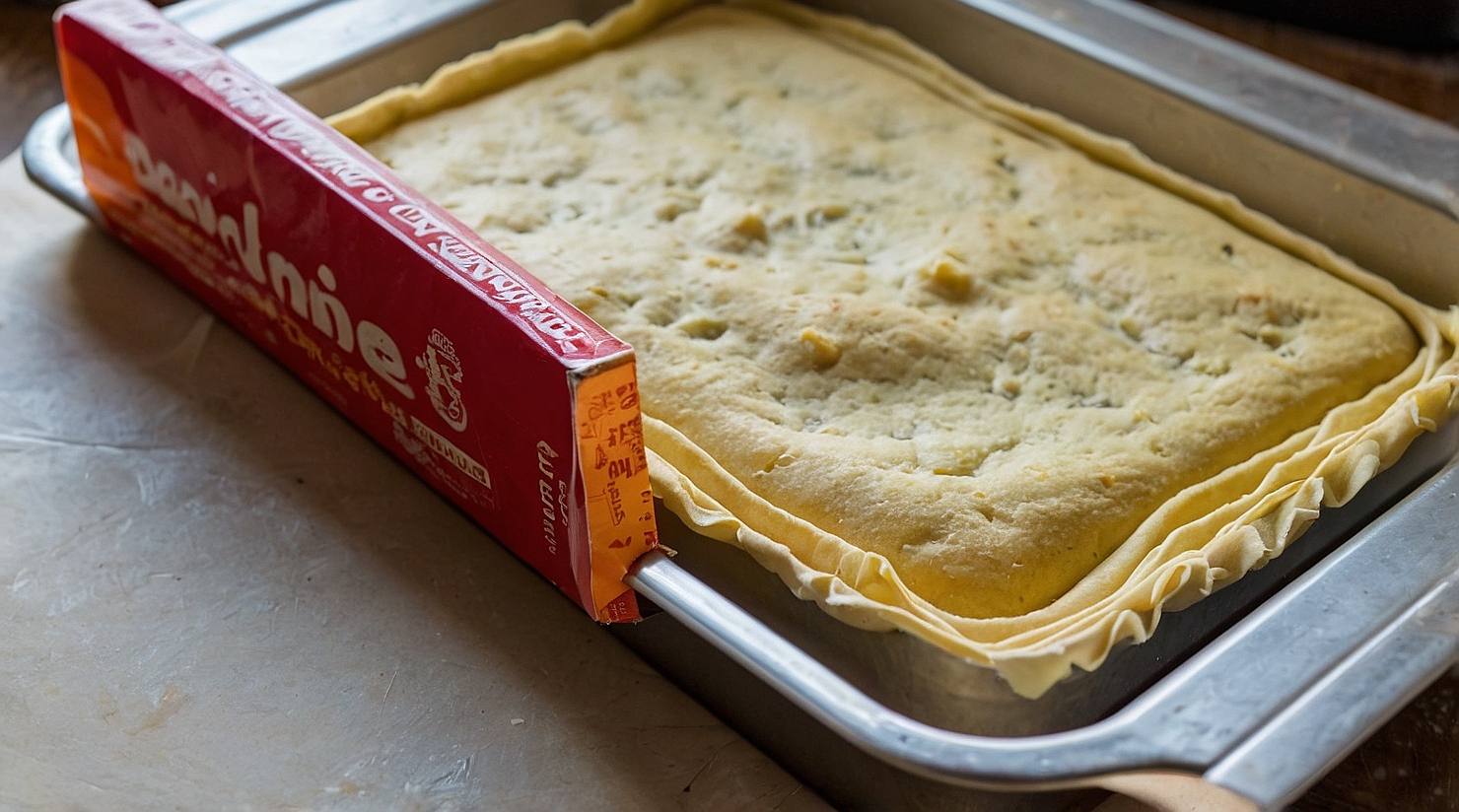
Step 4: Add the nut layer: Sprinkle the chopped nut mixture evenly over the top phyllo layer, spreading it right to the edges.
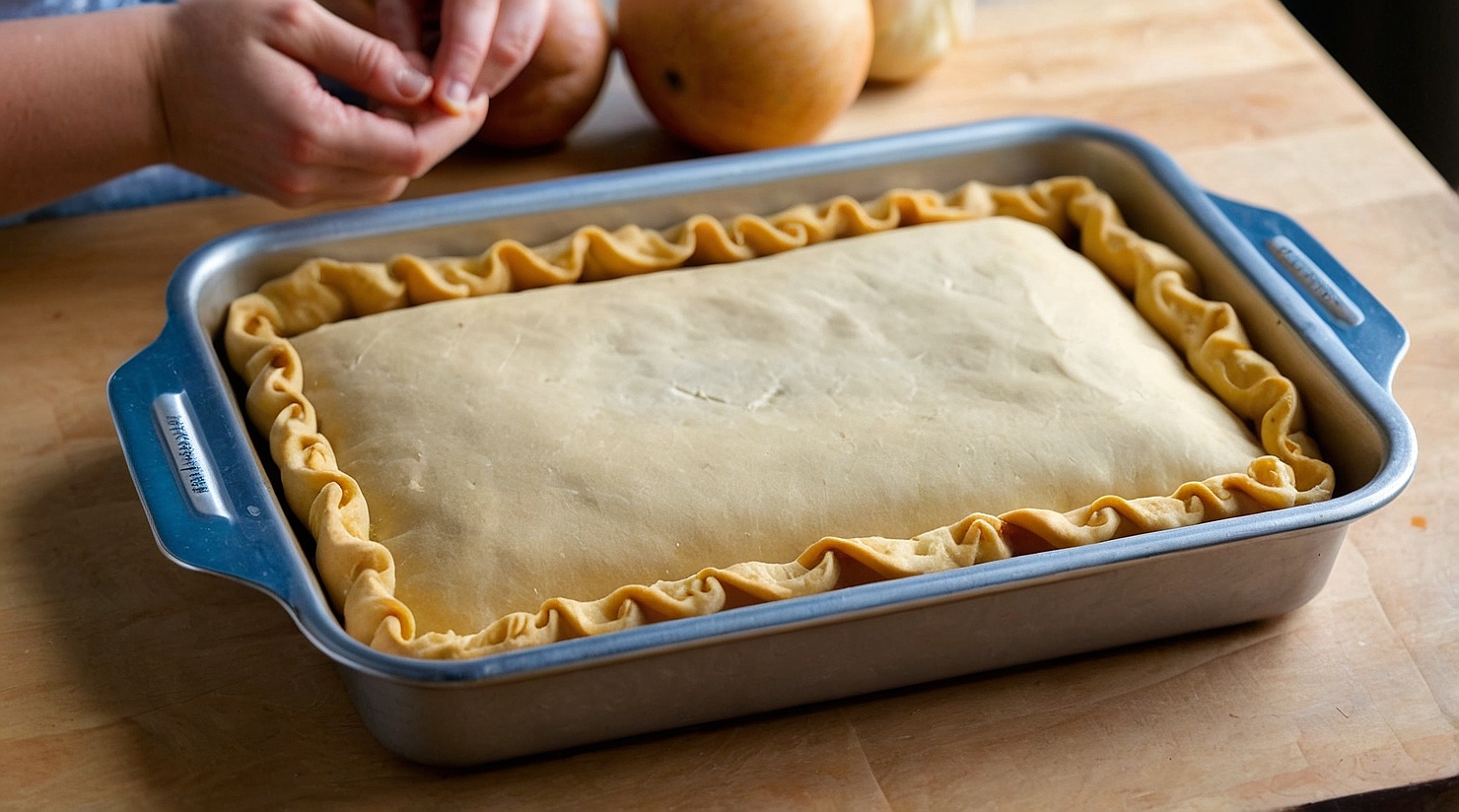
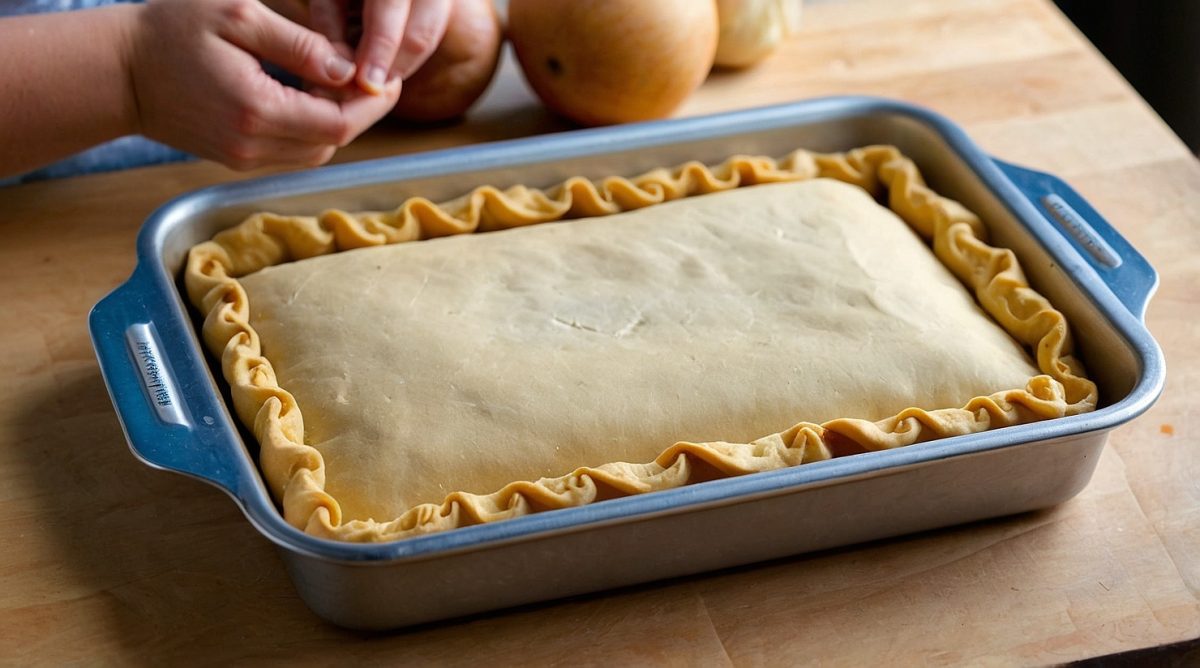
Step 5: Layer the top phyllo: Place the remaining stack of phyllo sheets over the nuts, again brushing each sheet with melted butter as you layer. Aim for a similar number of layers on top as on the bottom.
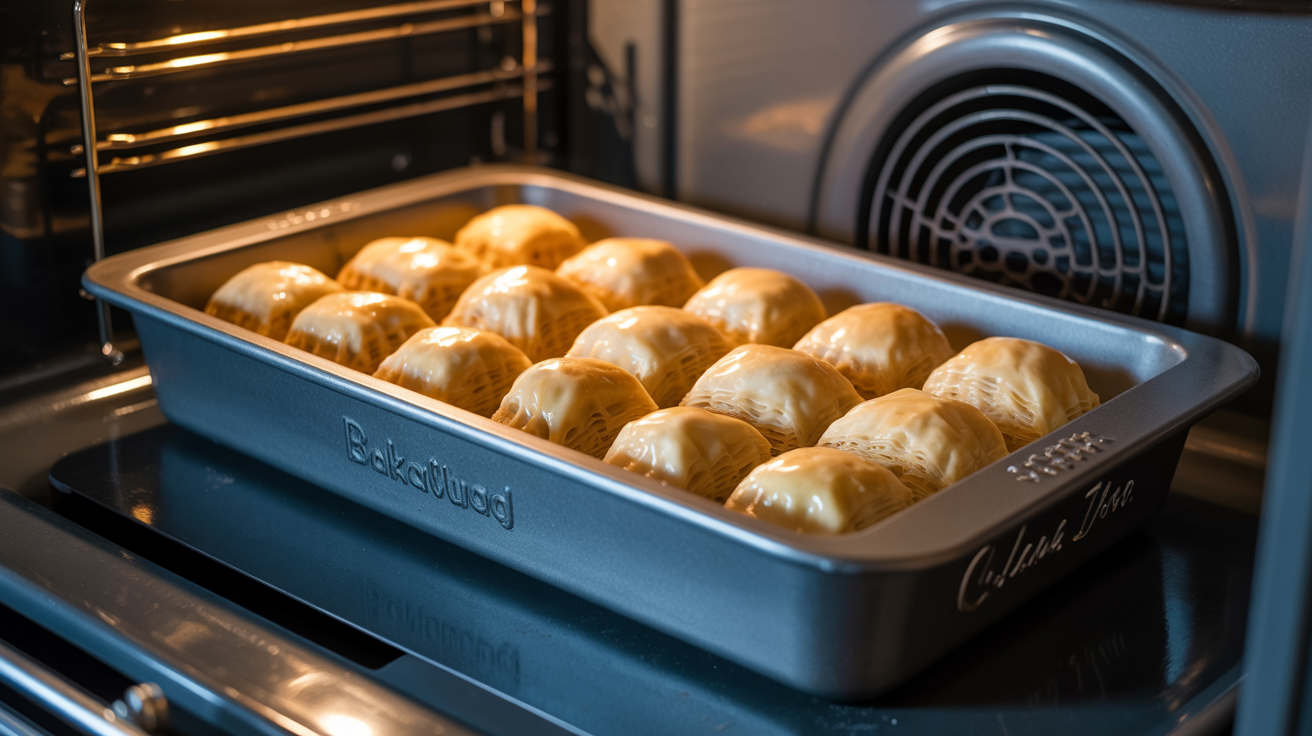
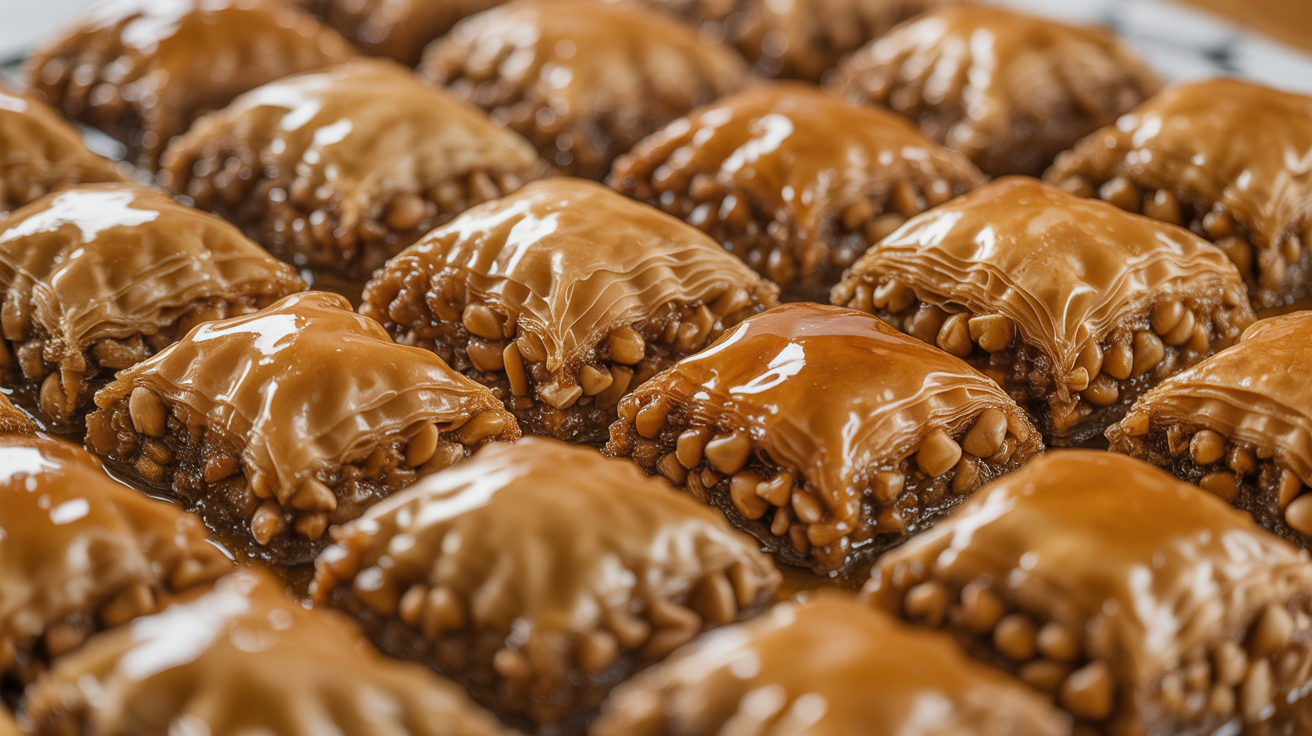
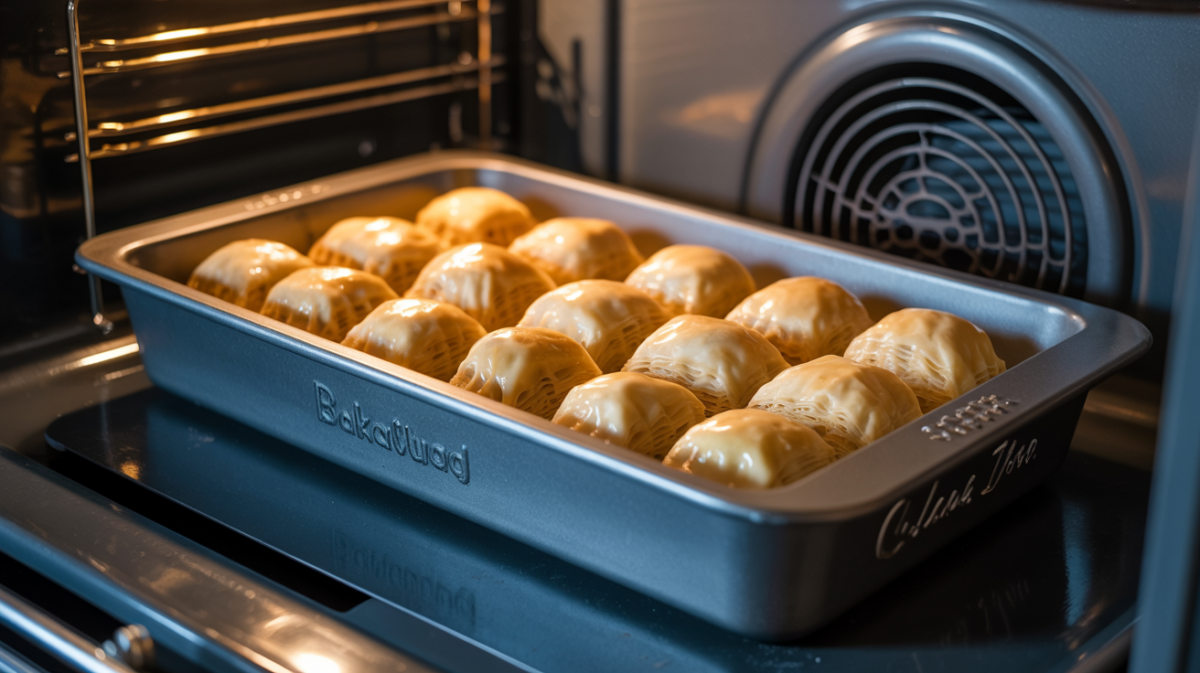
Step 6: Cut and bake: Using a sharp knife, cut the baklava into your desired shapes in the pan—diamond shapes are traditional. Pour or brush any remaining melted butter over the top. Bake in the oven at the specified temperature for 45–50 minutes, or until the pastry is crisp and golden brown.
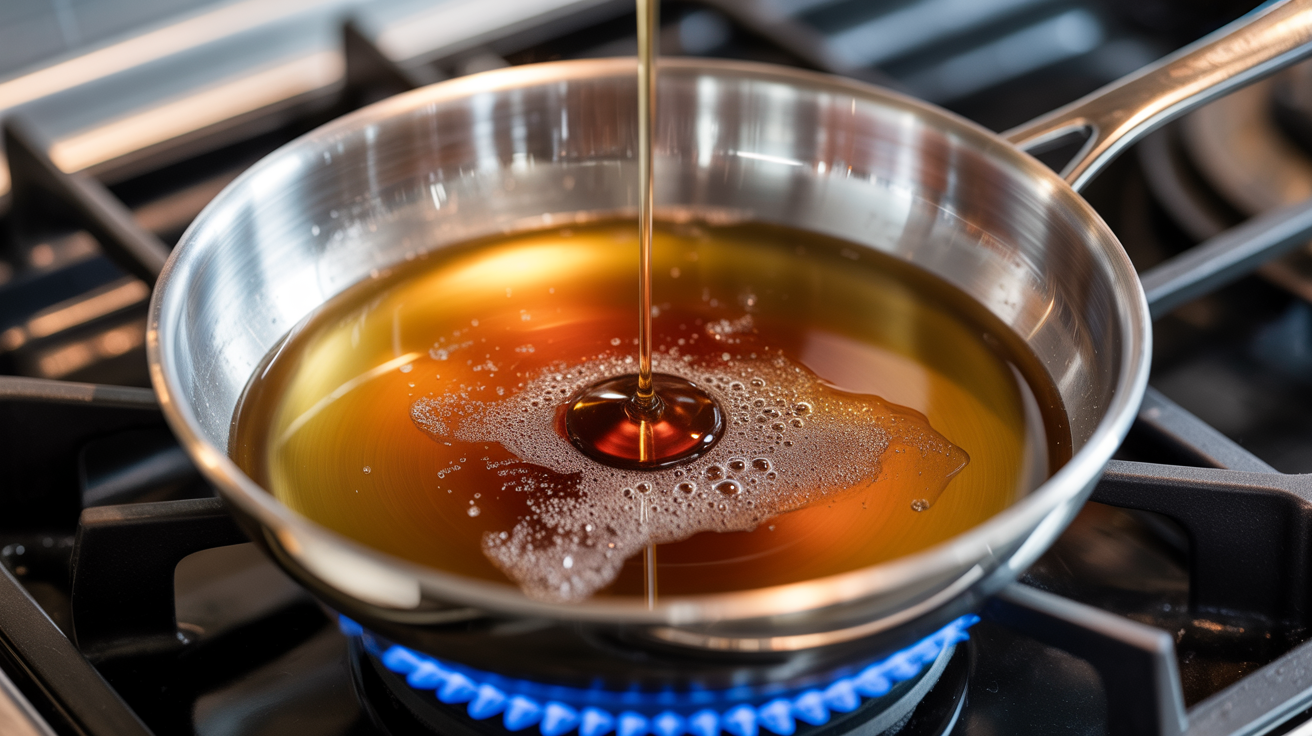
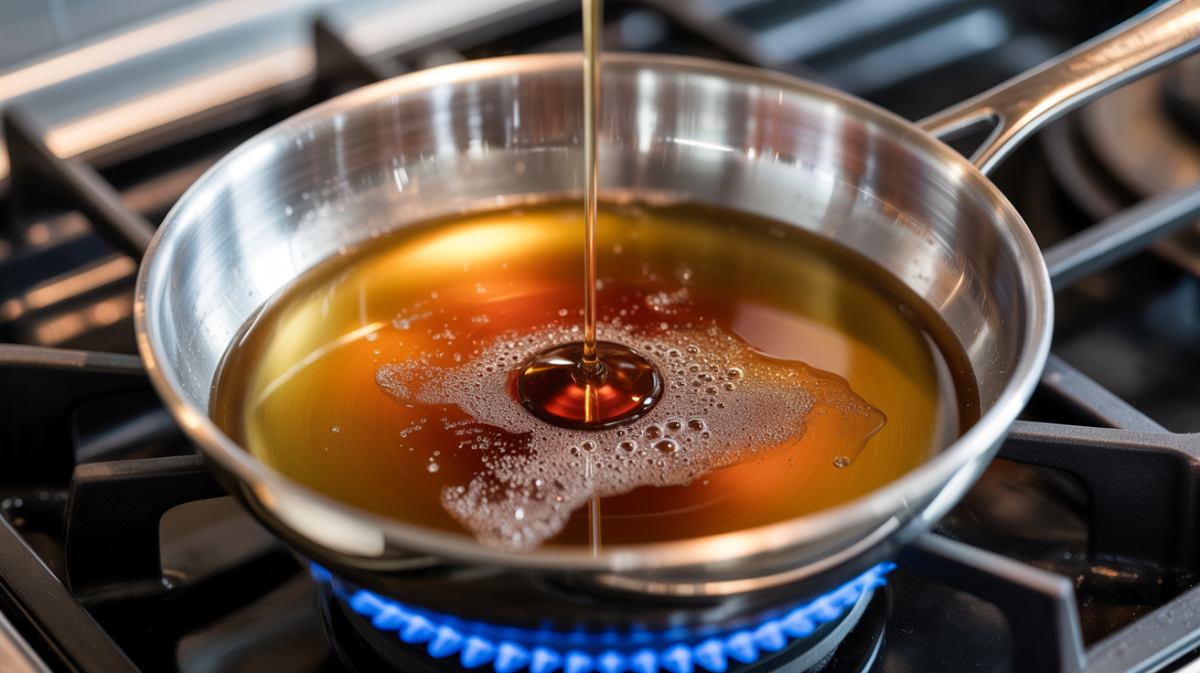
Step 7: Make the syrup: While the baklava bakes, add the sugar, water, and vanilla to a saucepan. Cook over low heat, stirring occasionally, until the sugar has fully dissolved and the syrup has thickened slightly. This takes about 30 minutes. Let the syrup cool to room temperature. (You can prepare this ahead of time.)
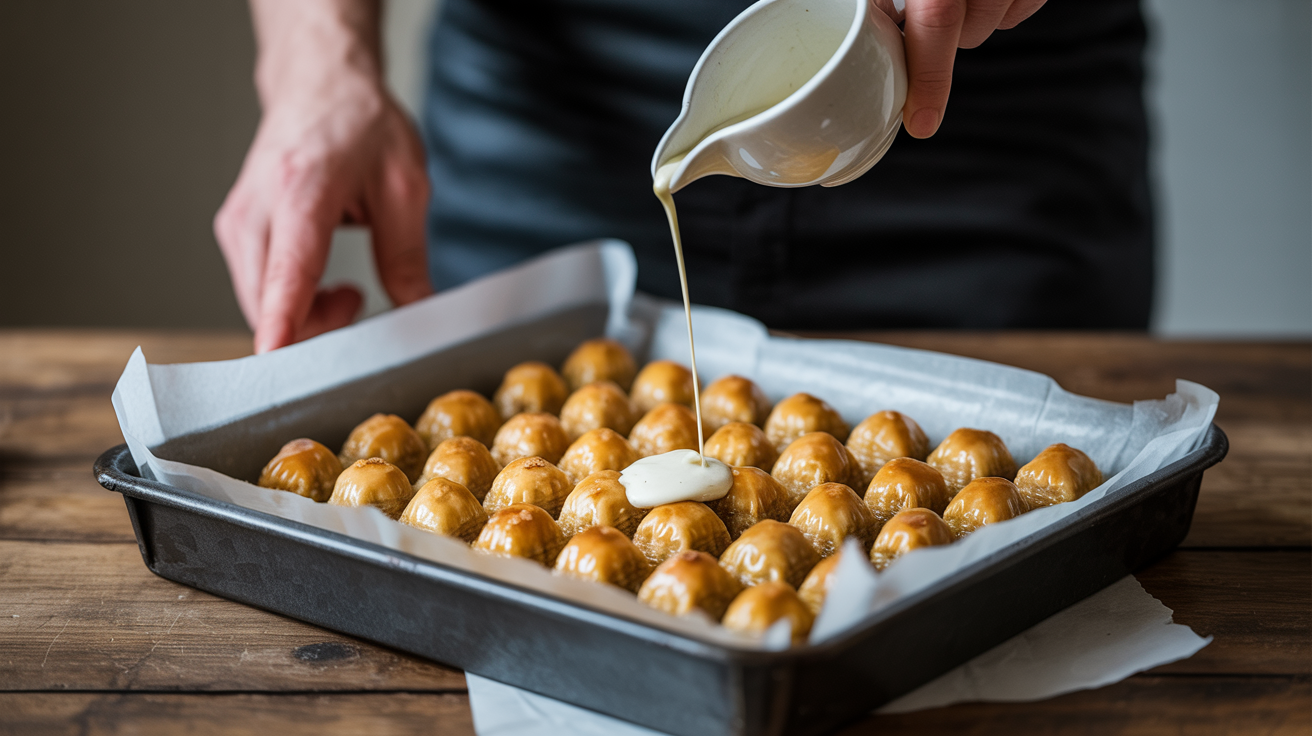
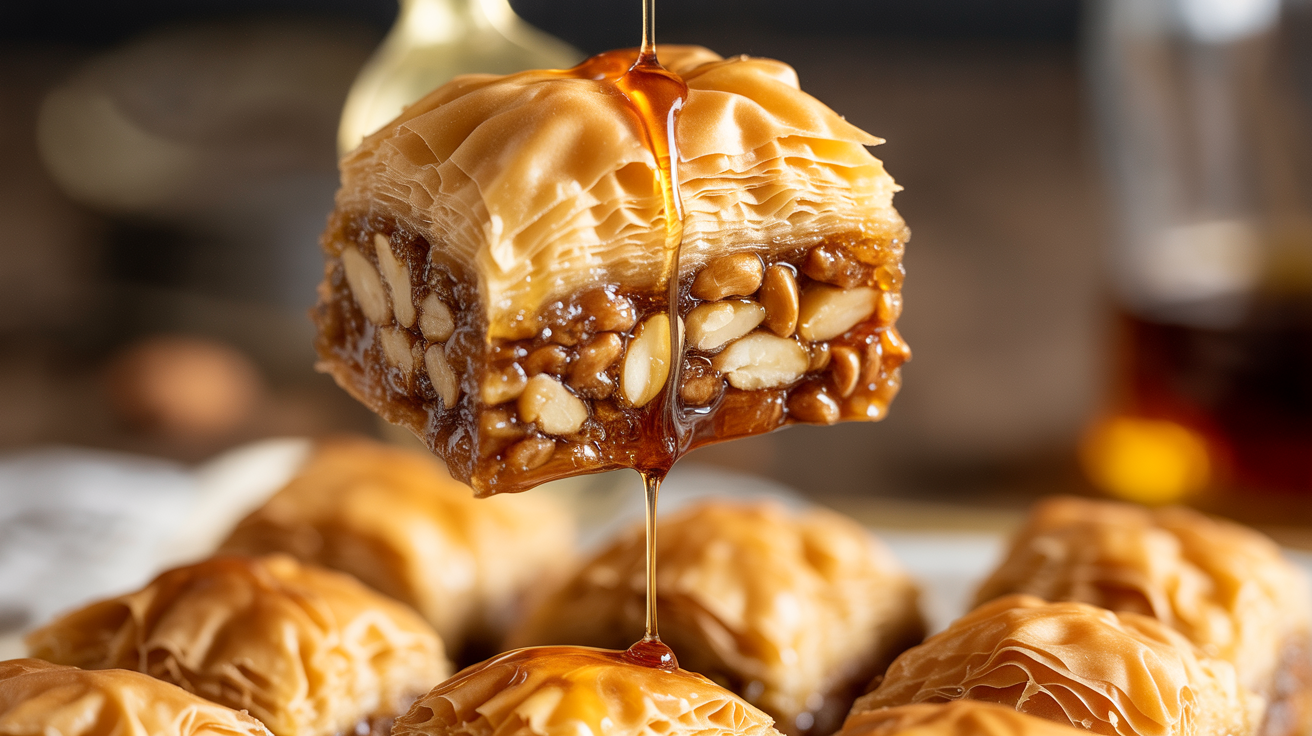
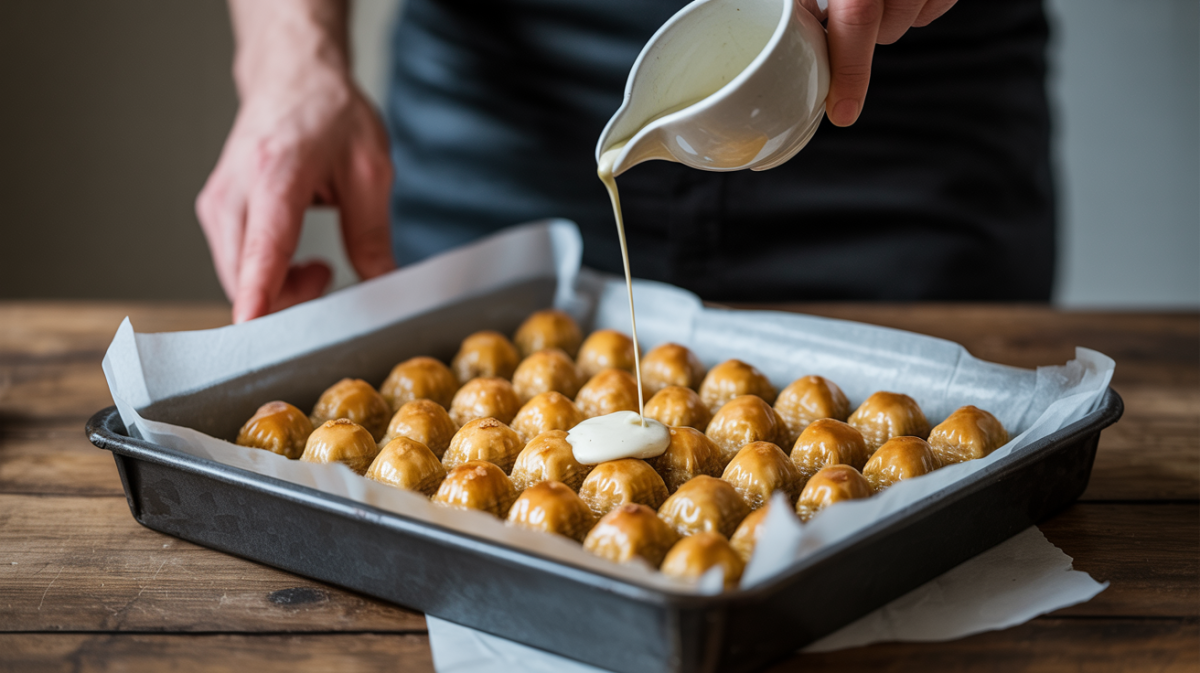
Step 8: Combine syrup and baklava: When the baklava comes out of the oven, immediately and slowly pour the cooled syrup evenly over all the cut pieces, making sure it soaks down into the cuts.
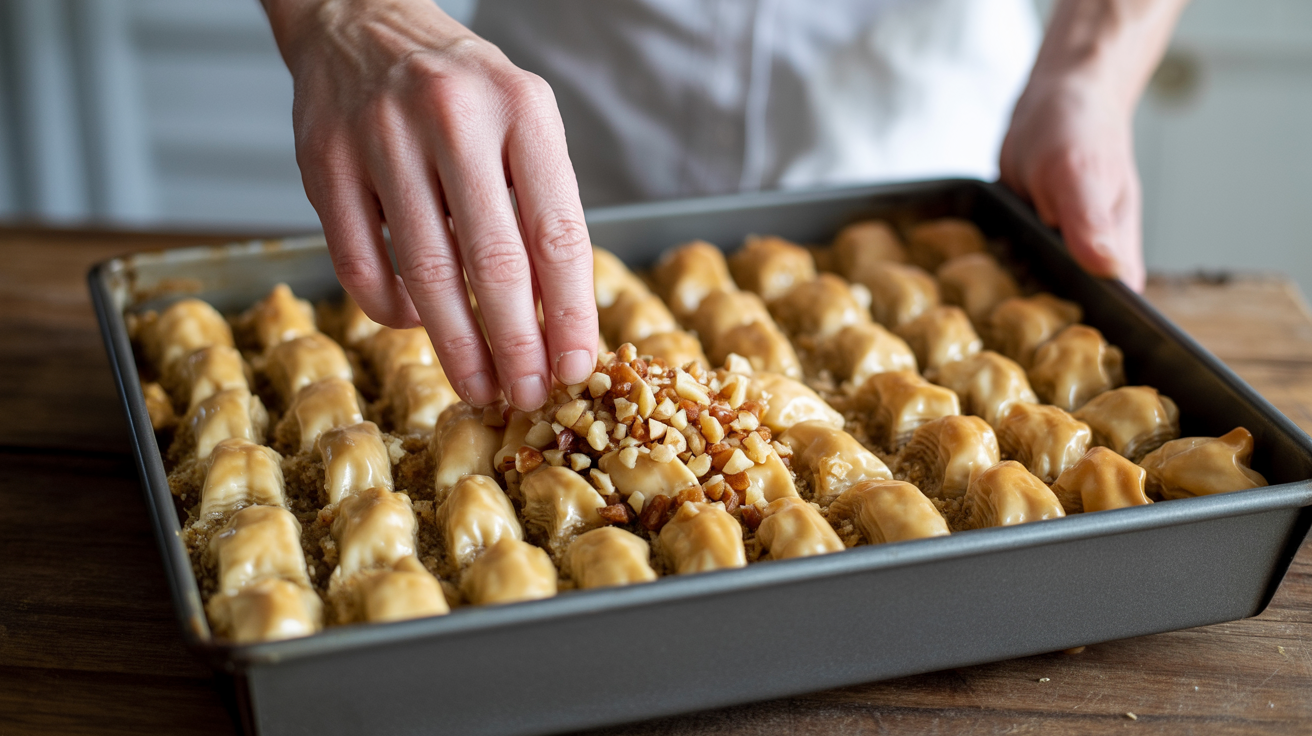
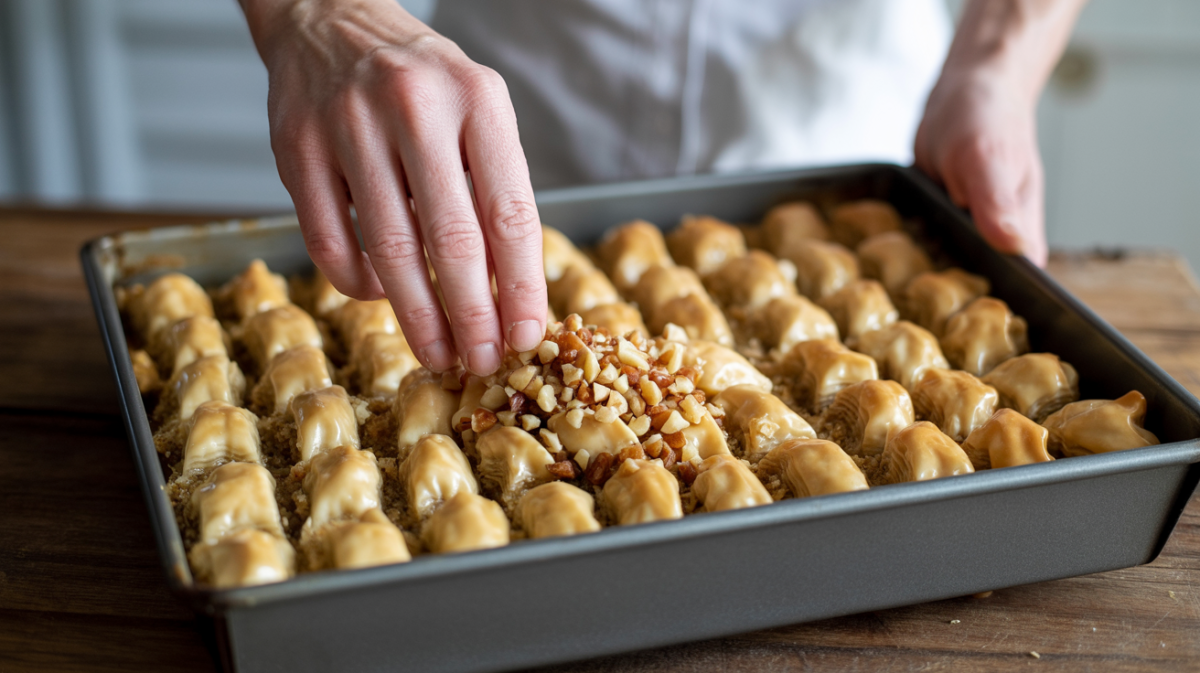
Step 9: Cool and serve: Let the baklava cool to room temperature so the syrup is absorbed. Top with extra chopped nuts if desired, then serve.
Layering and Assembling
I start by melting 1½ cups of unsalted butter. I brush my baking pan with butter, then lay down the first phyllo sheet. This base layer matters, so don’t skip the butter.
Here’s my layering pattern:
- First layer: 8-10 buttered phyllo sheets
- First nut layer: 1 cup finely chopped walnuts
- Middle layers: 2-3 buttered phyllo sheets between each nut layer
- Top layer: 8-10 buttered phyllo sheets
I brush melted butter on every sheet. This creates those golden, crispy layers that separate perfectly when you bite in. Before baking, I cut my Albanian Baklava recipe into diamonds or squares with a sharp knife, making sure to slice all the way to the bottom of the pan.
The Perfect Syrup
I make the syrup while the baklava bakes. I combine 2 cups sugar, 1½ cups water, and 1 tablespoon lemon juice in a saucepan. Bring it to a boil, then drop the heat to medium-low and let it simmer for about 15 minutes until it thickens a bit.
I only add honey at the very end, stirring in ½ cup after removing the pan from heat. The trick is all about temperature: hot syrup on cold baklava or cold syrup on hot baklava. I like pouring cold syrup over the hot Albanian Baklava recipe because it soaks in evenly without turning the whole thing mushy.
Baking Techniques
I preheat the oven to 350°F. My Albanian baklava recipe bakes for about 45-50 minutes.
I look for a golden brown top, crispy edges pulling from the pan, and bubbling butter around the cuts. These signs tell me it’s ready. As soon as I pull it out, I pour the syrup slowly along the cut lines so it seeps into every layer.
I let my bakllava rest at room temperature for at least 4 hours before serving, though overnight is even better for syrup absorption. That wait is tough, but totally worth it. This Albanian Baklava recipe is all about patience and letting the flavors meld.
Tips, Variations, and Serving Suggestions
Mastering this Albanian Baklava recipe takes some practice, but a few tricks make a huge difference. The right steps help avoid soggy layers, and you can swap ingredients if you want to change things up. Honestly, it’s fun to experiment once you’ve nailed the basics.
Classic Troubleshooting
Keep your phyllo dough covered with a damp towel while working. Exposed sheets dry out fast and crack when you try to layer them. I learned that the hard way, trust me.
Common problems I’ve solved:
- Soggy bottom layers – I always make sure my butter is melted but not hot, and I bake at the right temperature
- Uneven syrup absorption – I pour cold syrup over hot baklava or hot syrup over cooled baklava for best results
- Tough, chewy texture – This happens when I’ve rushed the baking process or used too little butter between layers
Scoring the phyllo dough all the way through before baking saves you from messy cuts later. My knife needs to reach the bottom pan. I cook my syrup until it coats the back of a spoon but stays pourable, which seems simple, but it matters for the perfect Albanian Baklava recipe.
Healthier Ingredient Swaps
I’ve played around with lighter versions of this traditional Albanian dessert and, honestly, the taste still hits the spot. The walnuts already provide healthy fats and protein, which is a nice bonus. If you’re after a classic treat with a twist, this Albanian Baklava recipe is worth a shot.
My favorite modifications:
- Swap half the butter for olive oil spray between a few layers
- Use coconut sugar or honey in the syrup instead of white sugar
- Add cinnamon and cardamom to boost flavor and cut down on sugar
- Mix in almonds or hazelnuts with the walnuts for a little variety
I like to make mini versions by slicing smaller diamond shapes. It helps with portion control, and you still get that unmistakable Albanian Baklava recipe flavor. Honestly, it’s hard to stop at just one piece.
Making phyllo from scratch takes patience, but I get to decide exactly how thick and rich each layer is. Sometimes I wonder if it’s worth the work, but the results always convince me. This Albanian Baklava recipe really shines when you go the extra mile.
Albanian Baklava vs Turkish Baklava
Albanian and Turkish baklava share the same foundation of layered pastry, nuts, and syrup, but the differences in ingredients and technique create distinct results.
Albanian baklava is typically made with walnuts and generously soaked in syrup, often resulting in a softer, sweeter dessert. The layers tend to be slightly thicker, and the overall texture is more moist and rich.
Turkish baklava, especially from regions like Gaziantep, is known for its use of finely ground pistachios and delicate layers of phyllo dough. The syrup is lighter, allowing the pastry to remain crisp and flaky rather than fully saturated.
The key difference lies in texture and sweetness: Albanian baklava is softer and sweeter, while Turkish baklava is crispier and more balanced.
If you enjoy a rich, syrupy dessert, Albanian baklava is ideal. If you prefer a lighter, crisp texture with a more refined sweetness, Turkish baklava is the better choice.
Albanian Baklava Recipe FAQ
1. What makes Albanian baklava different?
It may use different nut combinations and syrup flavoring.
2. What nuts are used?
Walnuts are most common.
3. How is baklava sweetened?
With a sugar syrup or honey.
4. Why is baklava layered?
Layering creates its flaky texture.
5. How long does baklava last?
It can last several days when stored properly.
Albanian Baklava
Ingredients
- 16 oz phyllo dough
- 1 stick butter unsalted melted
- 1 cup pistachios shelled
- 1 cup walnuts shelled
- ½ tsp salt
- 2 cups sugar
- 2 cups water
- 1 tsp vanilla extract
Instructions
- Prepare the nut filling: Place the nuts and salt in a food processor. Pulse until the nuts are finely chopped but still have some slightly larger pieces for texture. Tip the mixture into a bowl and set aside.
- Prepare the phyllo and pan: Divide the phyllo sheets into 2 equal stacks. Trim the sheets as needed so they fit your baking pan neatly. Brush the base and sides of the pan with melted butter.
- Layer the bottom phyllo: Lay one sheet of phyllo in the pan and brush it lightly with melted butter. Repeat with the rest of the first stack, layering sheet by sheet and buttering each one before adding the next.
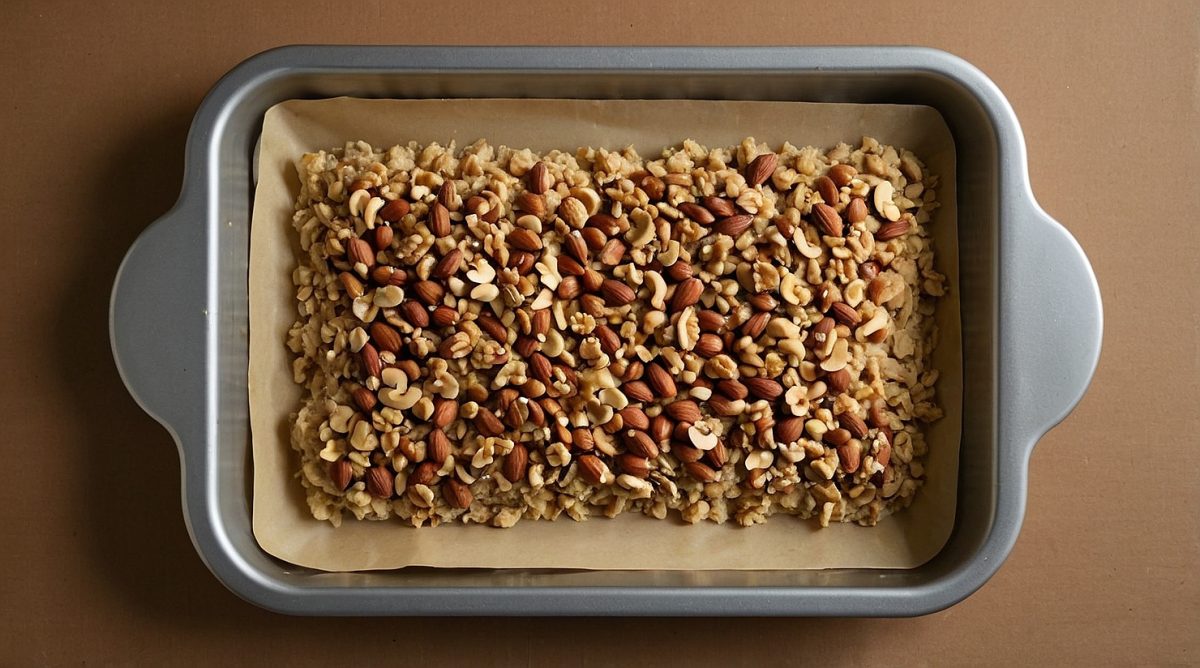
- Add the nut layer: Sprinkle the chopped nut mixture evenly over the top phyllo layer, spreading it right to the edges.
- Layer the top phyllo: Place the remaining stack of phyllo sheets over the nuts, again brushing each sheet with melted butter as you layer. Aim for a similar number of layers on top as on the bottom.
- Cut and bake: Using a sharp knife, cut the baklava into your desired shapes in the pan—diamond shapes are traditional. Pour or brush any remaining melted butter over the top. Bake in the oven at the specified temperature for 45–50 minutes, or until the pastry is crisp and golden brown.
- Make the syrup: While the baklava bakes, add the sugar, water, and vanilla to a saucepan. Cook over low heat, stirring occasionally, until the sugar has fully dissolved and the syrup has thickened slightly. This takes about 30 minutes. Let the syrup cool to room temperature. (You can prepare this ahead of time.)
- Combine syrup and baklava: When the baklava comes out of the oven, immediately and slowly pour the cooled syrup evenly over all the cut pieces, making sure it soaks down into the cuts.
- Cool and serve: Let the baklava cool to room temperature so the syrup is absorbed. Top with extra chopped nuts if desired, then serve.
Video

10 comments
Has anyone tried swapping the traditional nuts with pistachios in this Albanian Baklava recipe? Curious about the taste difference!
Tried it! Pistachios give it a unique, richer flavor. Definitely elevates the traditional recipe.
Is it even possible to make Albanian Baklava without honey? Seems like a key ingredient is missing here.
Ever heard of vegan baklava? Innovation is key in the culinary world!
Is it true that using honey instead of sugar syrup alters the authenticity of Albanian Baklava?
Could anyone explain why Albanian baklava is different from the Turkish version? Is it due to unique ingredients or preparation method?
Is there a significant difference in taste between Albanian Baklava and the Turkish version? They seem quite similar ingredient-wise.
Why not add a dash of local Rakia to the syrup? It could make the Albanian Baklava even more authentic and delicious!
Interesting read, but why do you think Albanian baklavas unique traits set it apart from other regional varieties?
Why not try a vegan version of Albanian Baklava? Theres gotta be a substitute for the butter and honey, right?
Comments are closed.