


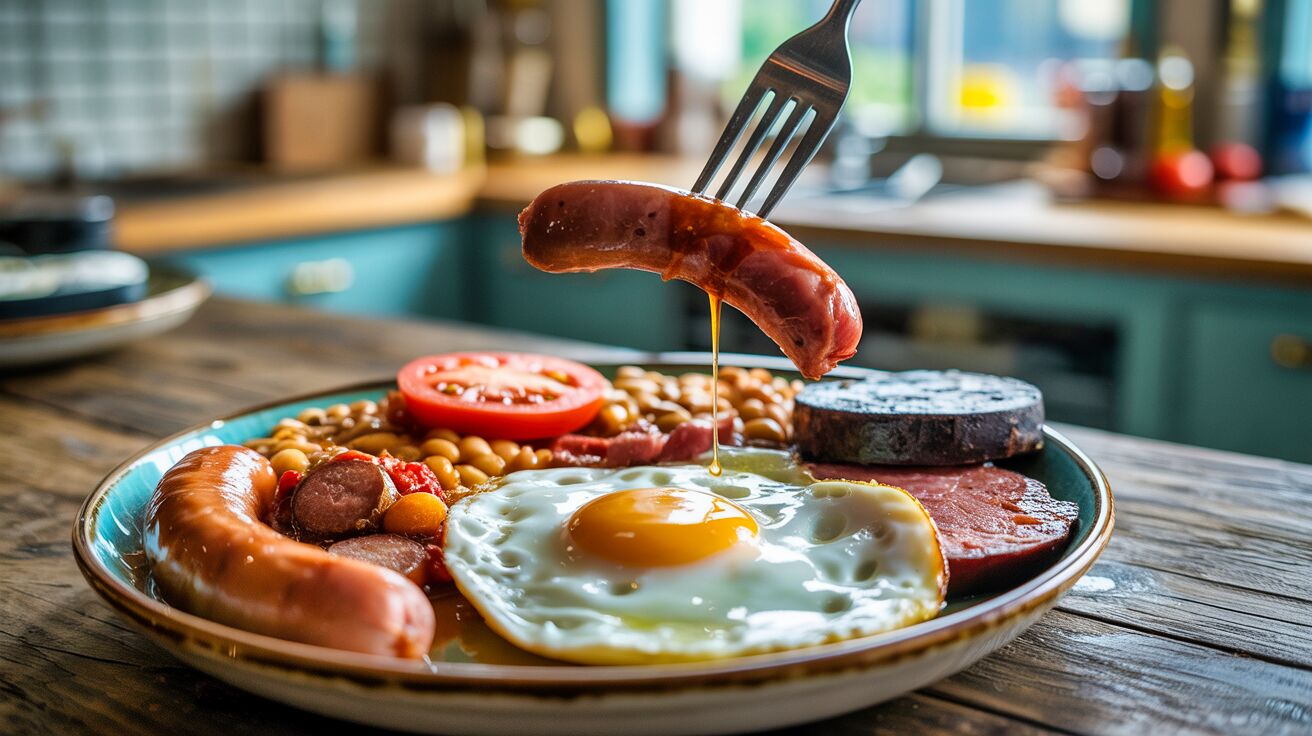
Looking for a Scottish Breakfast recipe that feels like a proper Scottish welcome and tastes like a celebration? Let’s get into the real essentials of a full Scottish breakfast recipe—tattie scones, black pudding, square sausage, haggis (if you’re bold), bacon, eggs, beans, and all the fried goodness that makes a Scottish fry-up worth the fuss. I’ll show you how to pull together a Scottish breakfast recipe that looks impressive but actually comes together in your own kitchen, even if you’re not a morning person.
I’ll keep it simple, point out the ingredients you really can’t skip, and walk you through a step-by-step plan so you won’t torch the tattie scones. Expect practical tips, a little cheek, and serving ideas that make this hearty meal feel special any morning. If you’ve ever wanted to bring a full Scottish breakfast recipe to your table without the usual guesswork, this guide will make it easy—and honestly, a bit fun.

Essential Scottish Breakfast Ingredients You Can’t Skip
I crave a breakfast that hits salty, starchy, and smoky notes right away. You want crispy potato rounds, hearty sausages, runny eggs, and bread that soaks up every last bit.
The Mighty Tattie Scone
Tattie scones (potato scones) are flat, golden-brown little discs I fry until the edges go crisp. Start with mashed potato, a bit of flour, salt, and butter. Press the dough thin, cut into triangles or rounds, and pan-fry in butter. A good tattie scone holds its shape under a fork but still soaks up butter and egg yolk. I like them a little chewy with a crisp outside. Want to try making your own? Just grab cold mashed potato, mix in plain flour until you get a soft dough, roll it thin, and fry. They beat toast for soaking up sauces every time. For more on tattie scones, see our tattie scone recipe.
Lorne Sausage and Other Meaty Essentials
Lorne sausage, or square sausage, is a must. It’s a coarse, spiced pork patty sliced from a loaf and fried. The texture is firm and the seasoning is warm—black pepper and a hint of mace or nutmeg pop up. I pair Lorne with back bacon rashers to add that smoky fat. Sometimes I throw in link sausages or homemade lorne sausage for variety. Black pudding and Stornoway black pudding bring iron-rich, savory depth; white pudding and polony are milder. Grill or fry each meat until browned and crisp at the edges. If you want to try making your own lorne sausage, check out this BBC Good Food recipe.
Eggs, Beans, and All Things Savory
Eggs are non-negotiable—a fried egg with a runny yolk just belongs on a Scottish breakfast recipe plate, but poached works too. Season with salt and pepper and let the yolk do the saucing. Baked beans, Heinz-style, add sweet tomato comfort and contrast the meats. Grilled or fried tomatoes and mushrooms round things out. The acidity of a charred tomato slice and the umami of mushrooms fried in butter just work. Haggis or veggie haggis can join in for a true Scottish edge—slice and brown it quickly so the outside crisps and the center stays soft.
The Iconic Bread Line-Up
Bread changes the whole meal. Buttered toast is classic: thick-cut, well-buttered, and toasted to golden. Morning rolls—soft, chewy baps—soak up juices and make great breakfast sandwiches with bacon or Lorne. I use buttered toast to mop up runny yolks or beans. For a sandwich, layer morning roll, Lorne sausage, and a fried egg. Or just toast slices of good Scottish bread, butter heavily, and tuck a tattie scone or bacon on top. Sturdy bread is key so it doesn’t fall apart under beans, yolk, or haggis. For more bread ideas, see our Scottish bread guide.
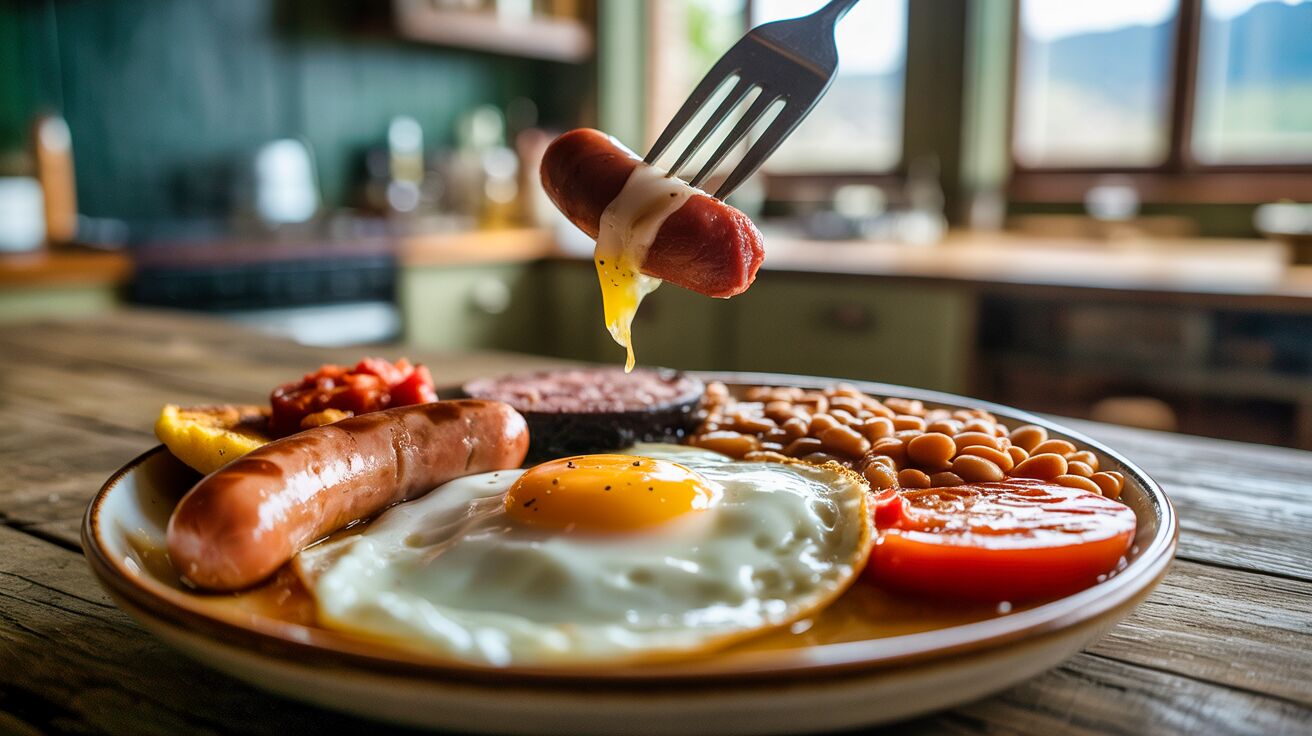
Step-By-Step Guide to the Scottish Morning Feast
Your Morning Fill Up Guide
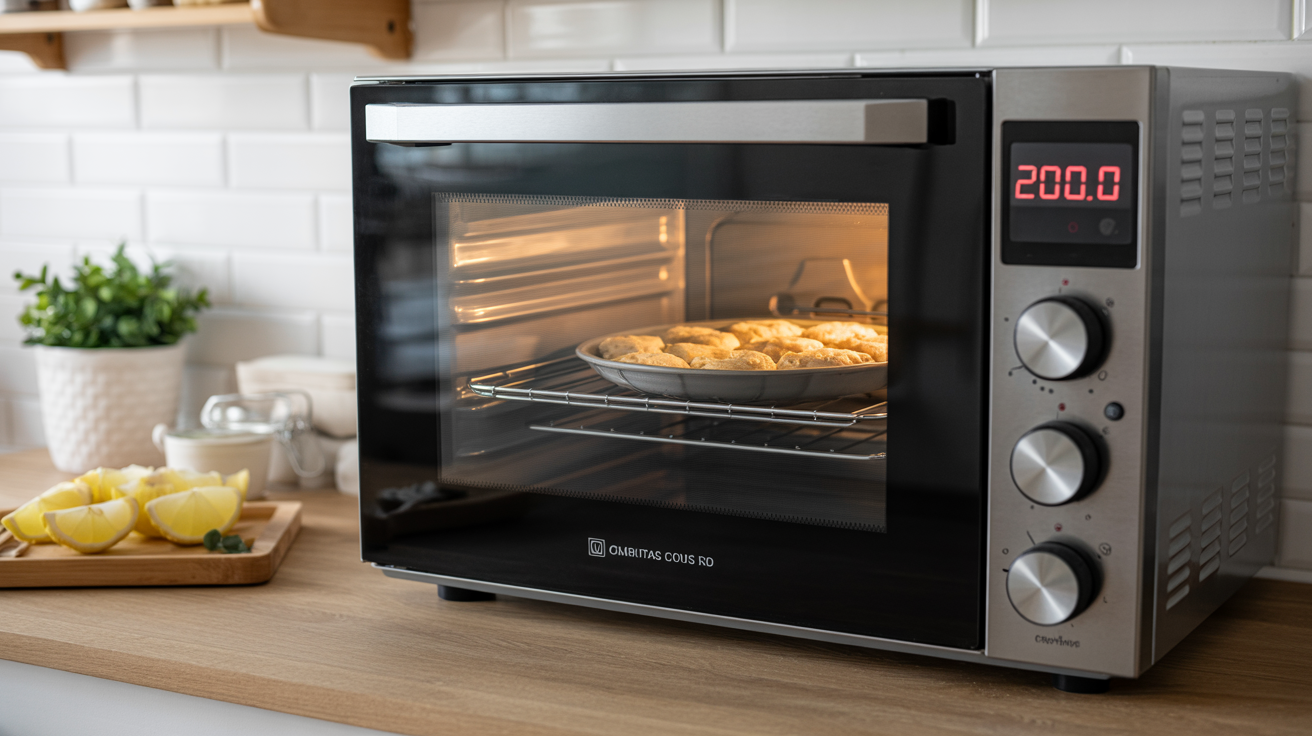
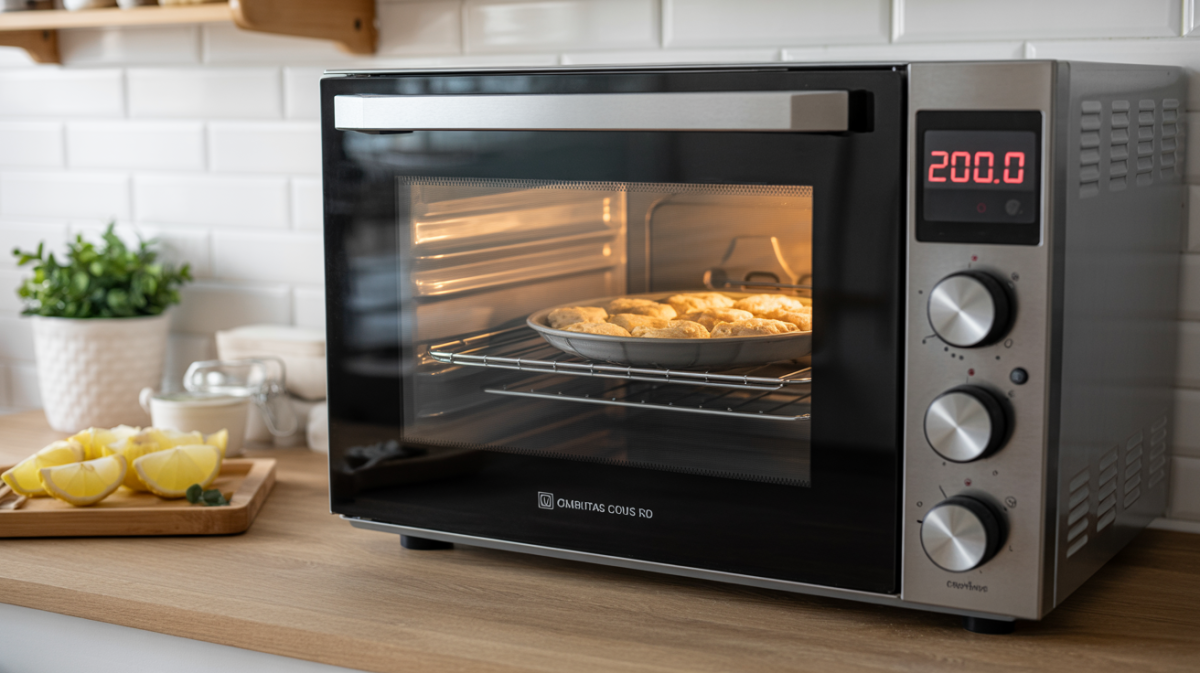
Step 1: Warm the oven, plates, and serving dish: Heat the oven to 200°F (100°C) or switch on a warming drawer. Place two ovenproof plates inside so they warm through. Set a clean, ovenproof tray or shallow dish inside the oven as well for holding cooked items.
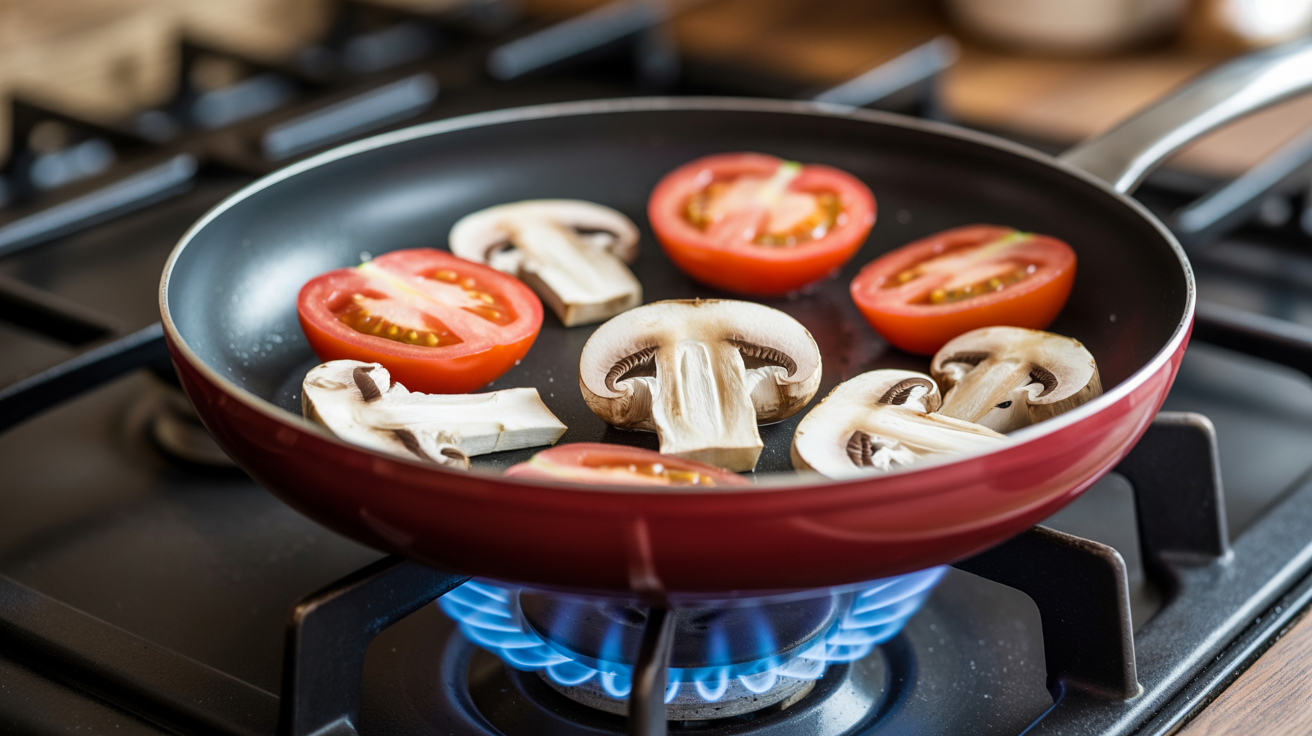
Step 1: Cook and hold the mushrooms and tomatoes: In a frying pan, melt a little butter over medium heat. Add the sliced mushrooms and cook, stirring occasionally, until they are tender and lightly browned. Season with salt at the end of cooking. Transfer the mushrooms to an ovenproof bowl and place it in the warm oven.
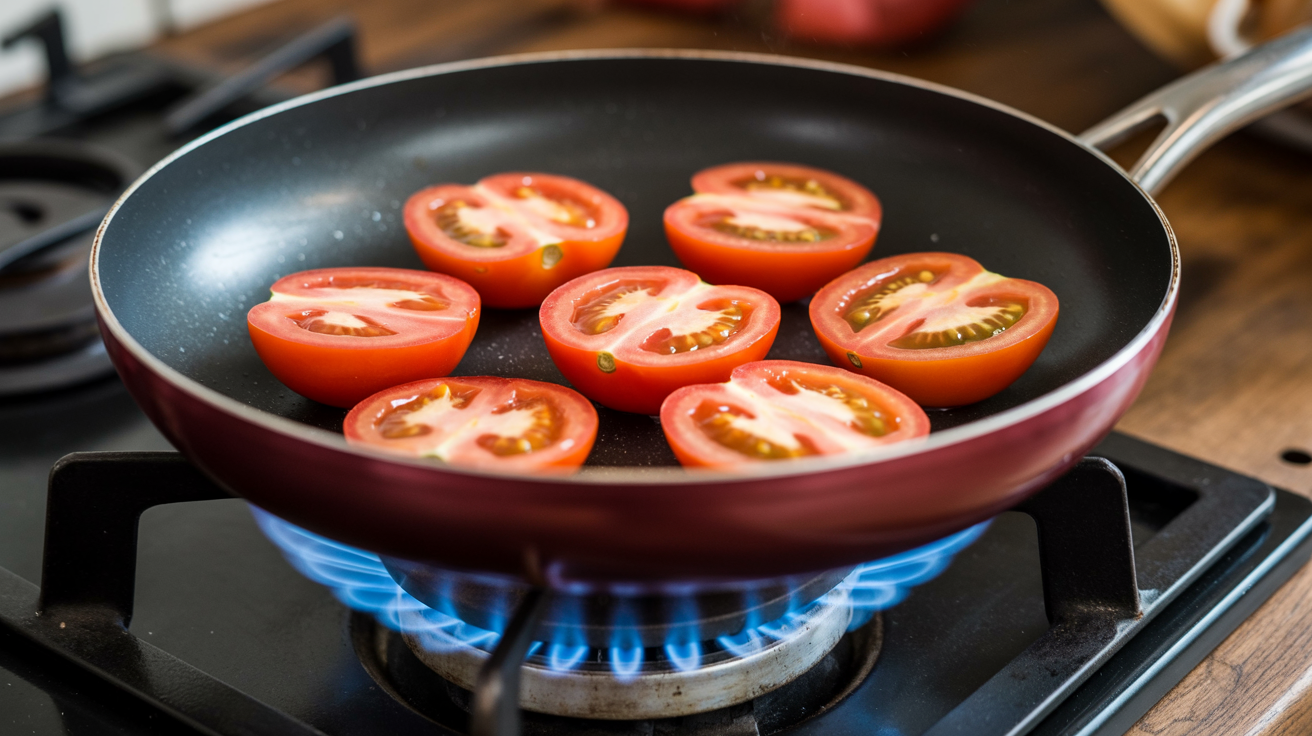
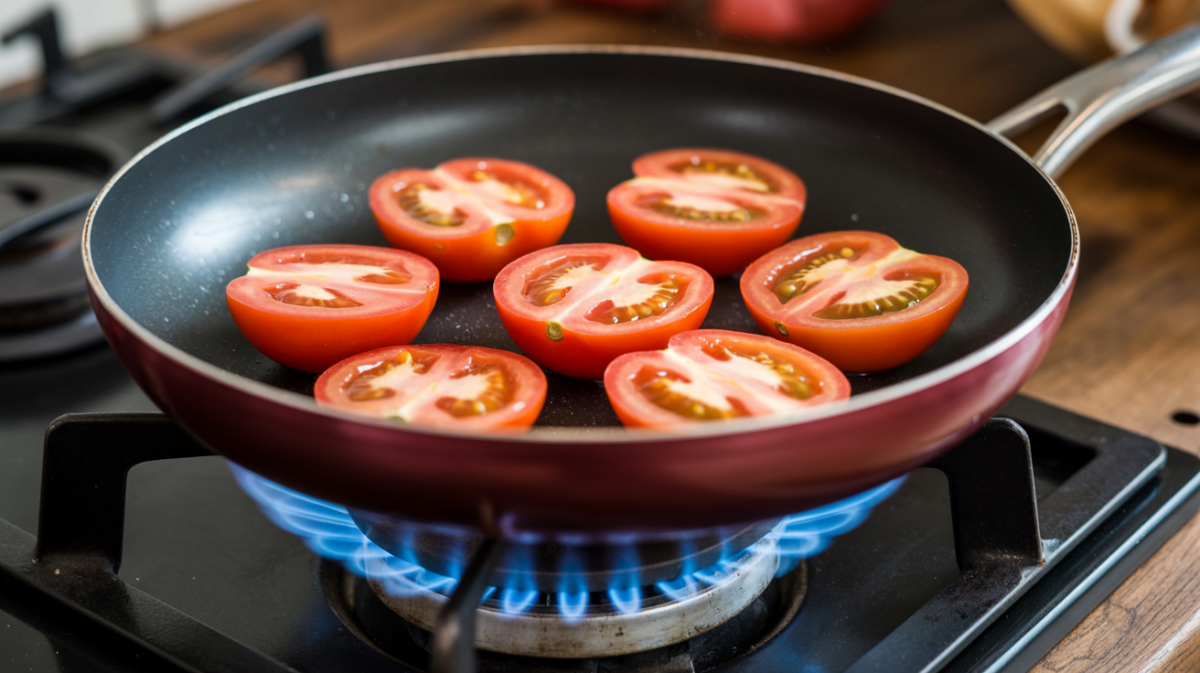
Step 2: In the same pan, place the tomato halves cut side down. Cook just until the cut surface is lightly browned and the tomatoes are heated through, but still hold their shape. Remove and set aside (or broil/grill them cut side up if you prefer, just until the surface is lightly cooked).
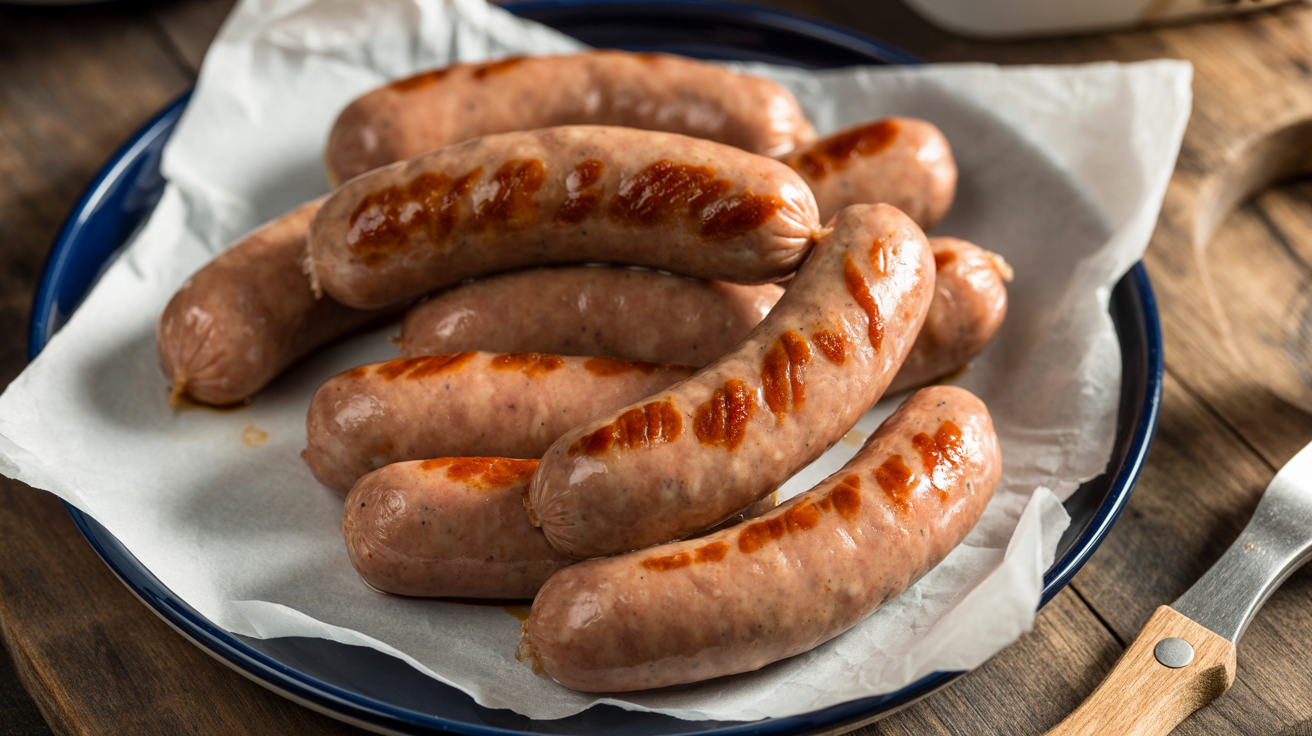
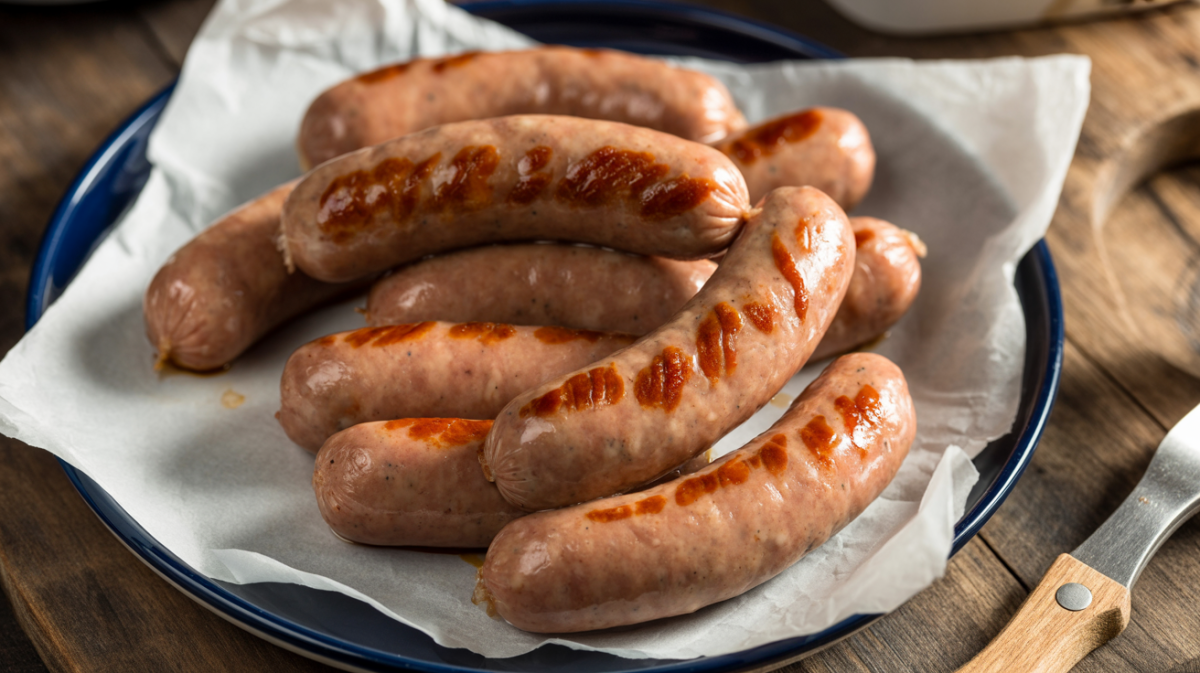
Step 3: Cook the Lorne sausage (and haggis, if using): Heat a second frying pan or griddle over medium heat. Add 2 slices of Lorne sausage and cook slowly, turning as needed, until cooked through and browned on both sides; this will take the longest of the meat items. Towards the end of this cooking time, add any haggis slices to the same pan and cook until heated through and lightly browned.
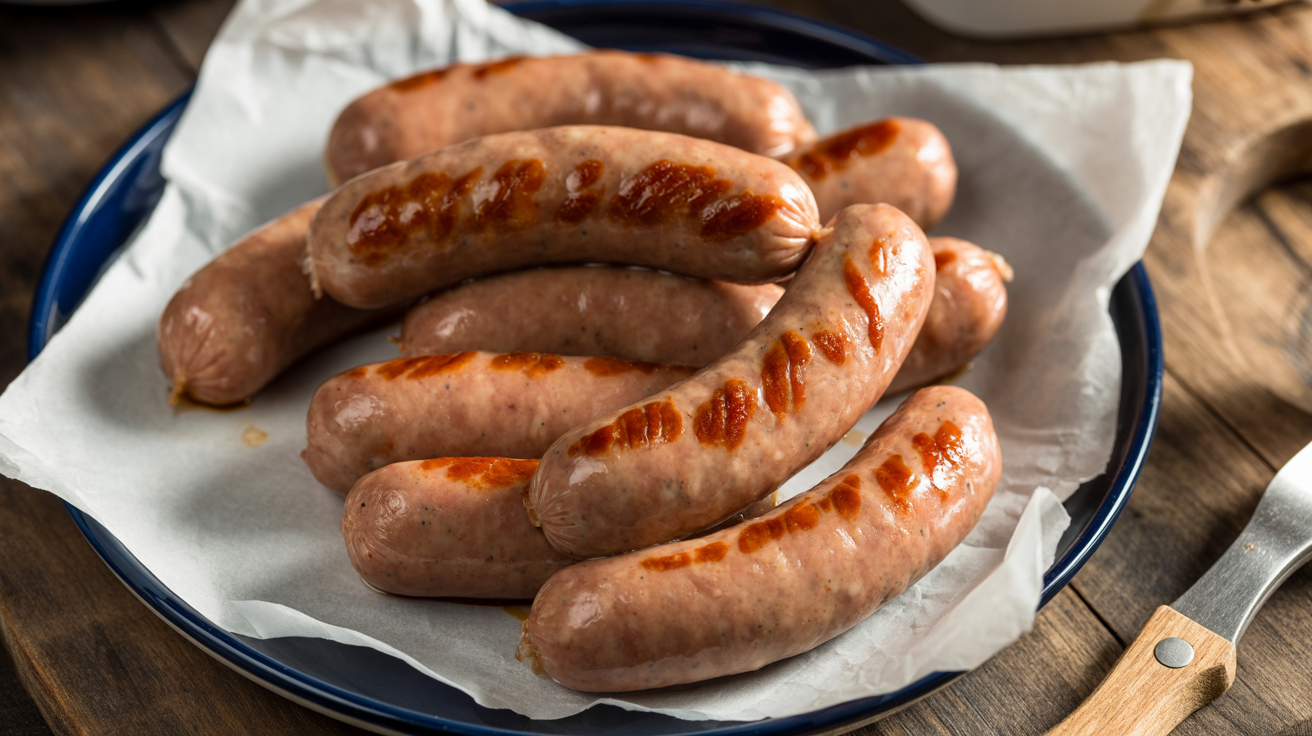
Step 4: Transfer the sausage and haggis to a paper towel–lined tray or plate to drain briefly, then move them onto the warming tray or dish in the oven.
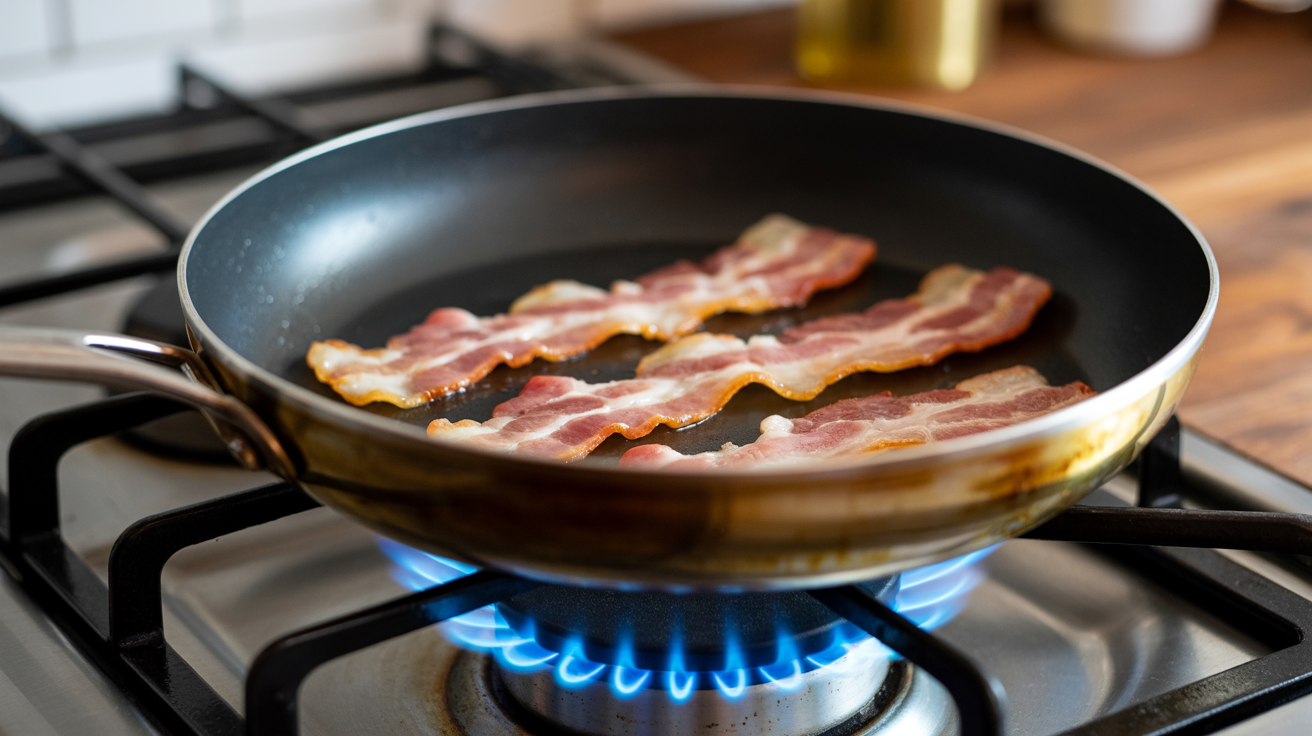
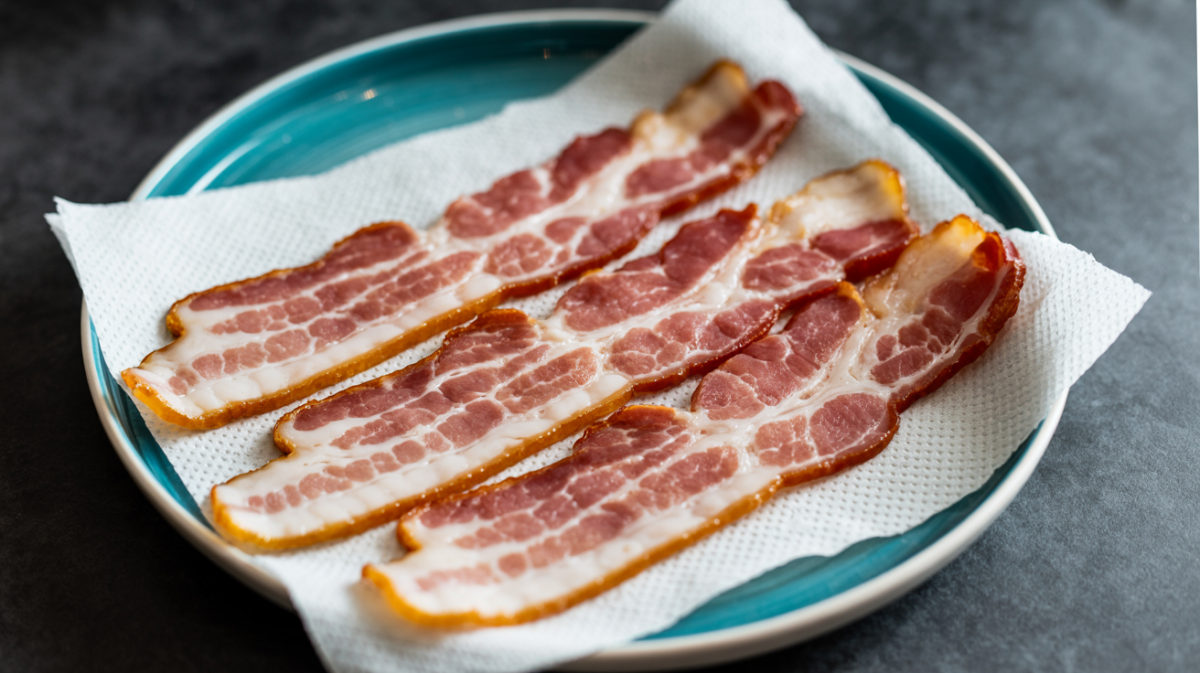
Step 5: Fry the bacon: Wipe out the first pan (used for mushrooms and tomatoes) with a paper towel. Add the bacon and fry over medium heat to your preferred level of doneness. In Britain, bacon is usually cooked until browned and cooked through but not very crisp.
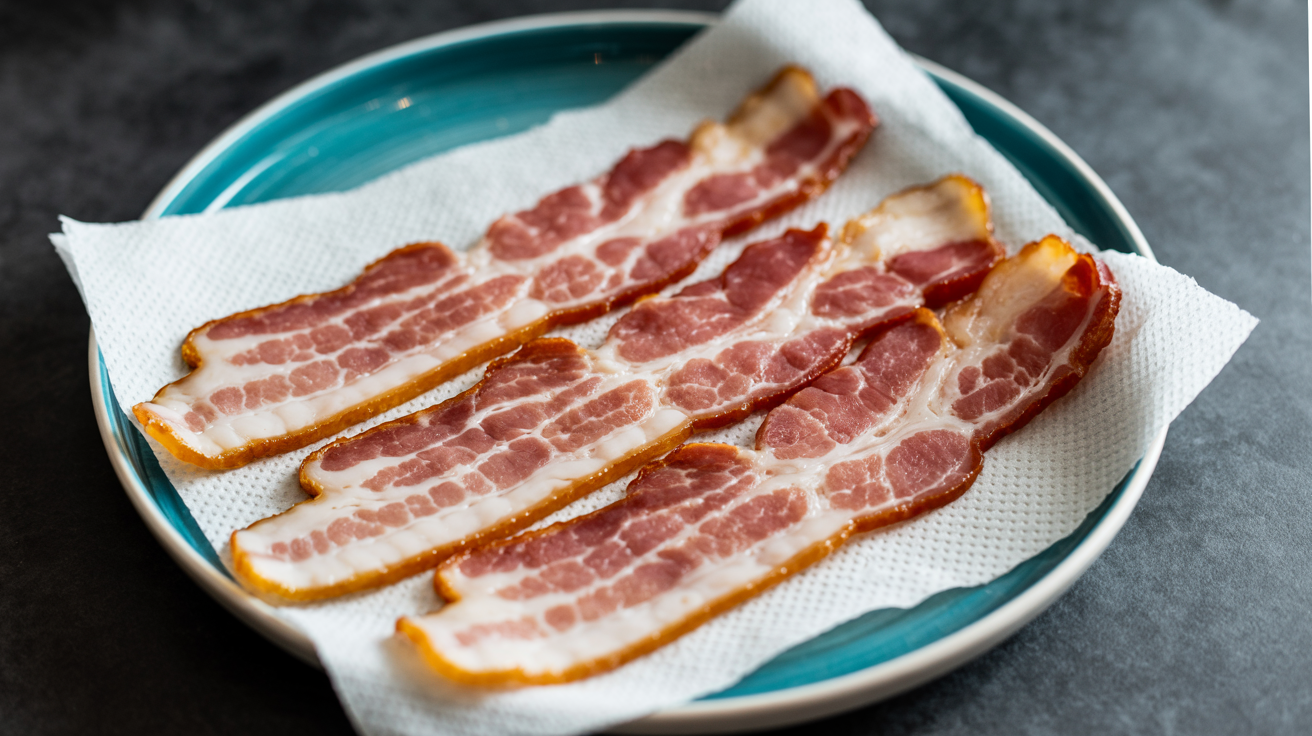
Step 6: Place the cooked bacon on the paper towel–lined tray to drain, then return it to the warm oven with the other items.
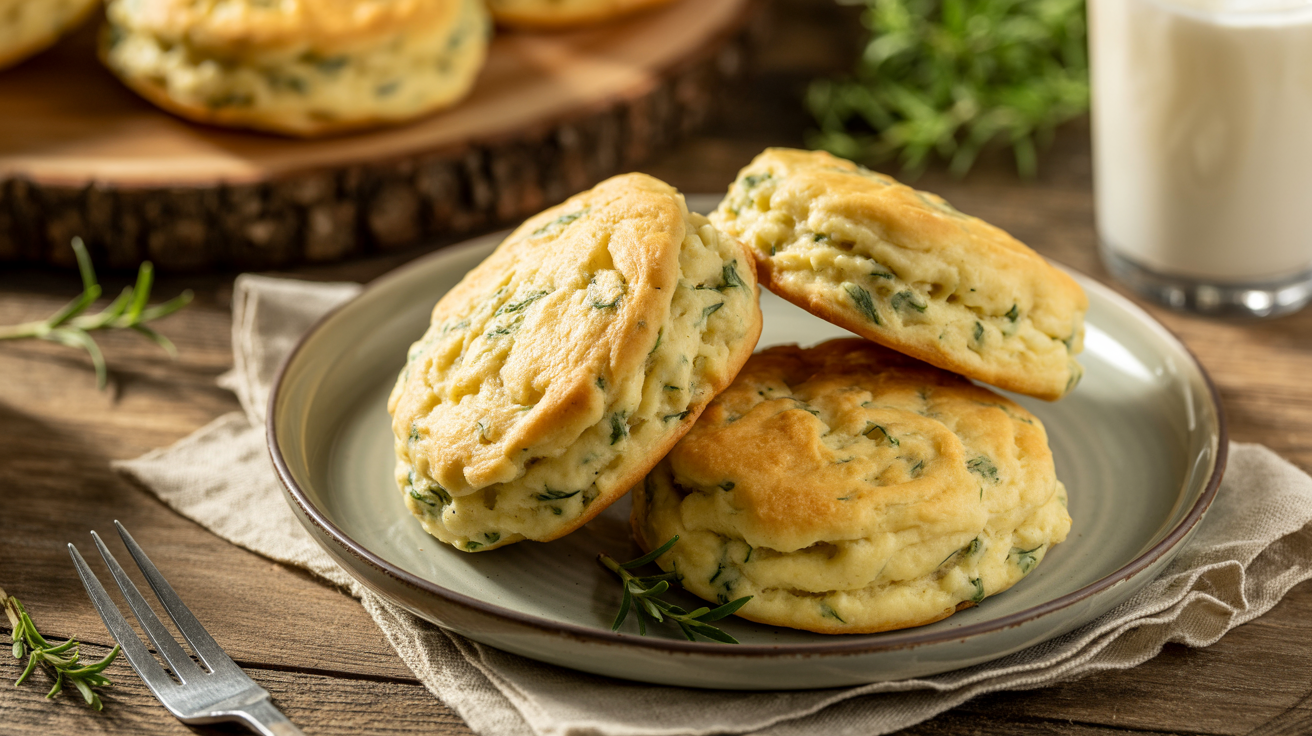
Step 7: Cook black/white pudding and potato scones: If you have enough bacon fat left in the pan and wish to use it, keep the pan over medium heat and add the white or black pudding slices and potato scones. Fry until the pudding is browned on both sides and heated through, and the potato scones are golden and warmed through.

Step 8: If there is no suitable bacon fat, heat a little olive oil instead and fry the pudding and potato scones in the same way. Add these cooked items to the tray in the oven so they stay hot.
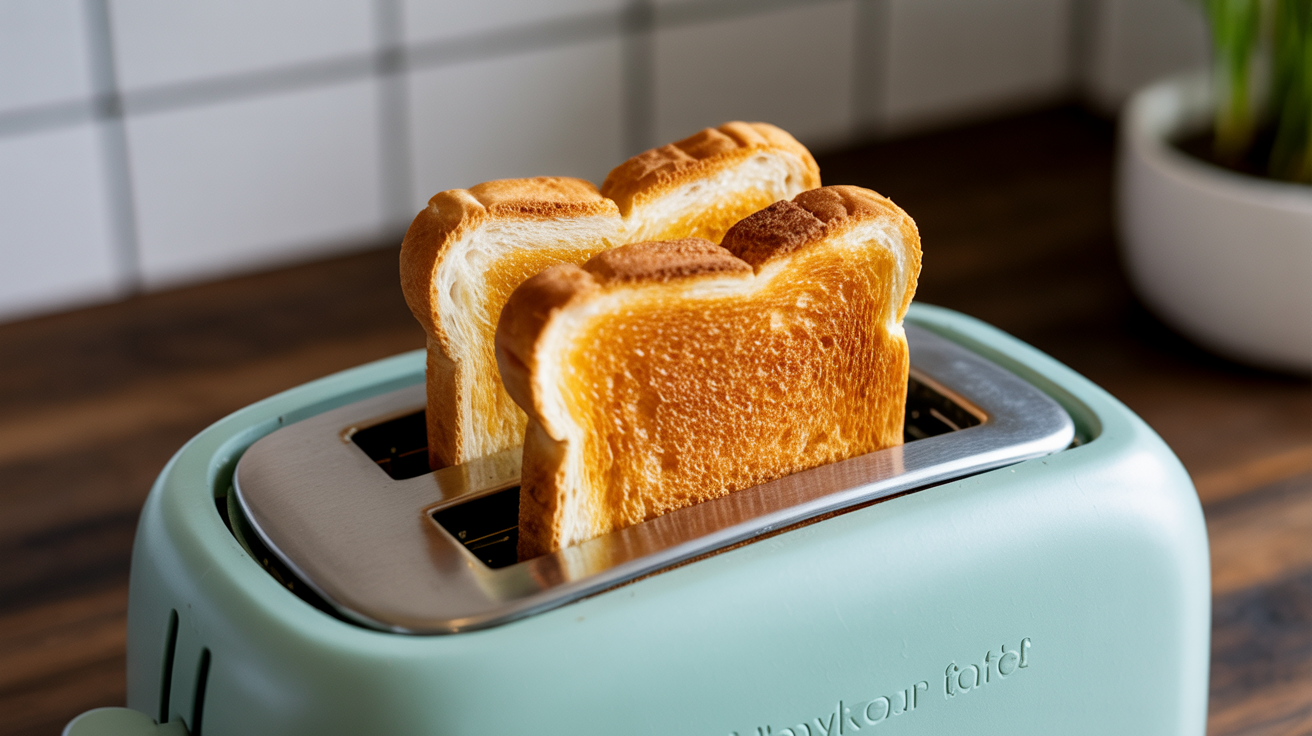
Step 9: Prepare tea and toast setup: While the meats and vegetables are being kept warm in the oven, make a pot of tea so it is ready to serve with breakfast. Set up the toaster with slices of bread, ready to toast near the end of cooking.
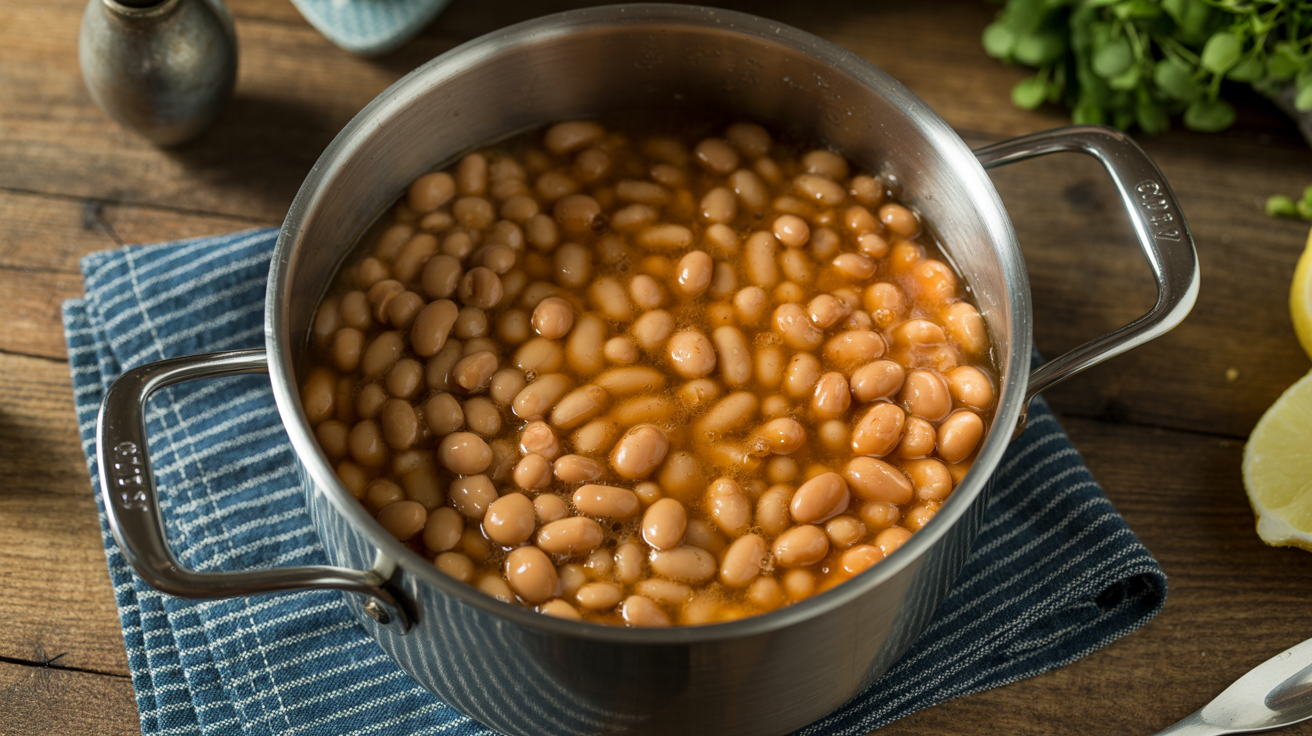
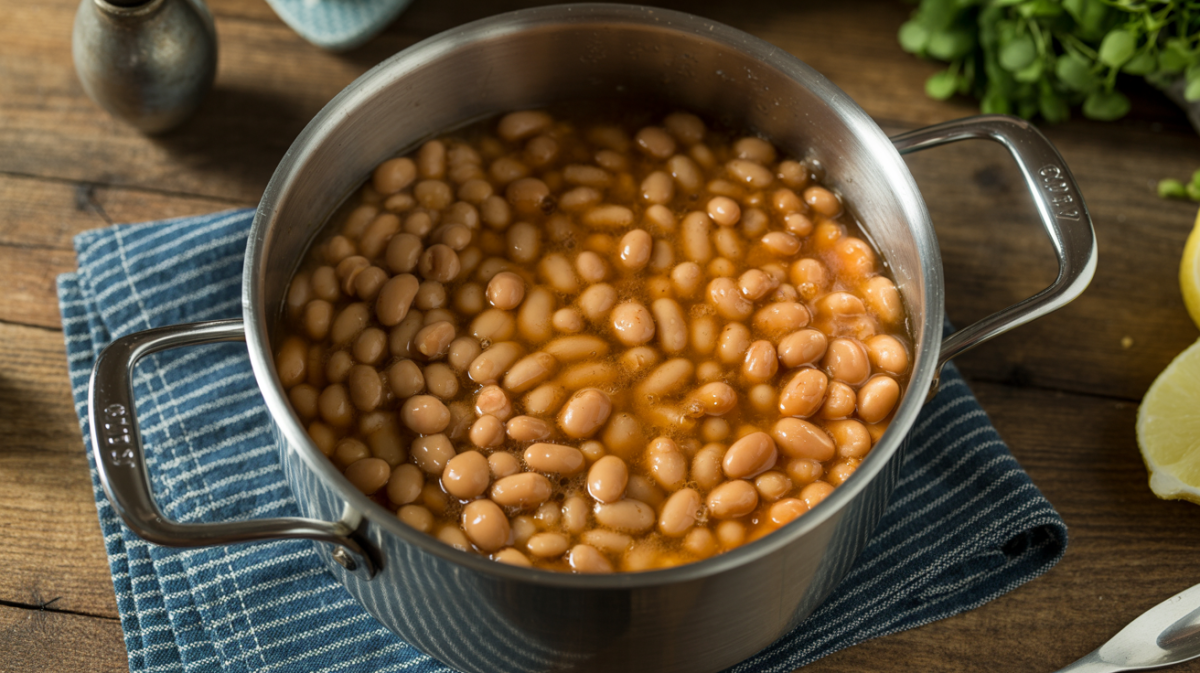
Step 10: Heat the beans: Pour the Heinz beans into a small saucepan. Set over low heat and warm gently, stirring occasionally, until they are hot all the way through. Do not let them boil; they should just simmer lightly or remain below a simmer.
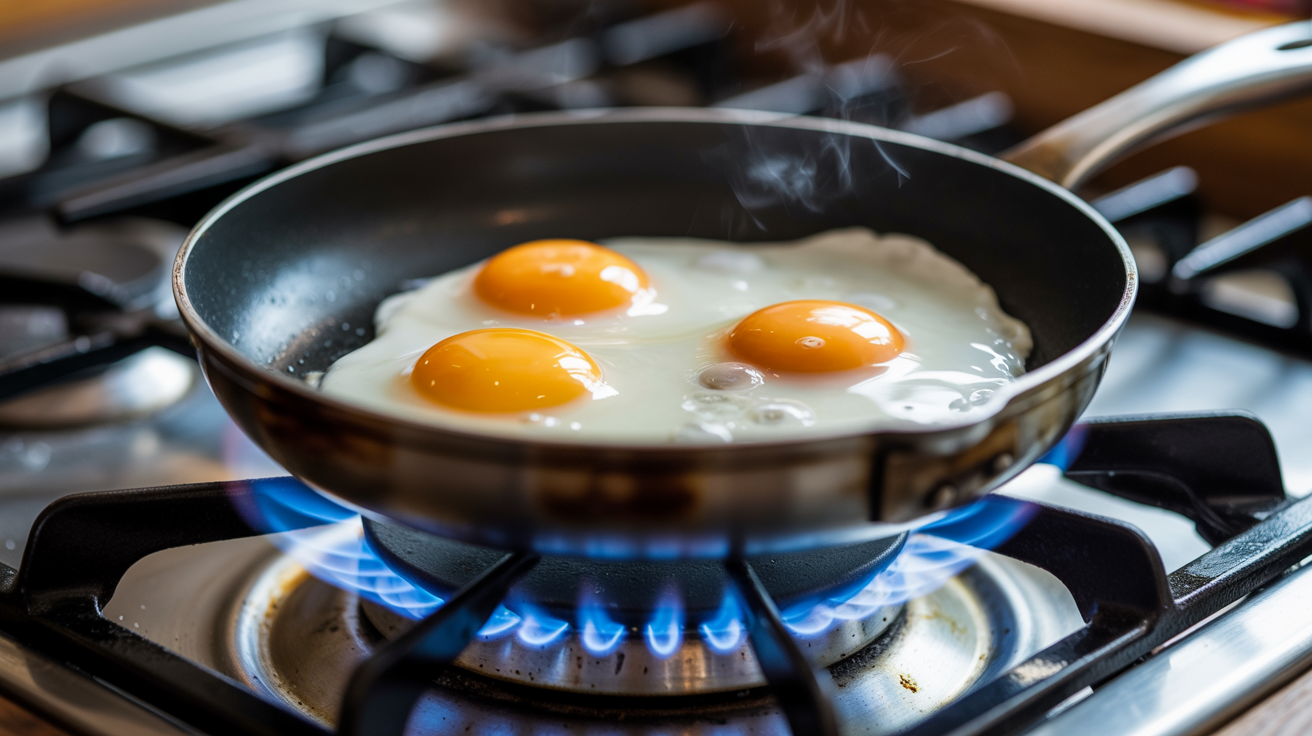
Step 11: Fry the eggs (and clootie dumpling, if using): In a clean frying pan, heat a little oil or butter over medium heat. Fry the eggs to your preferred style (for example, sunny side up or over easy). If using clootie dumpling, fry slices in the same pan until heated through and lightly browned on both sides.
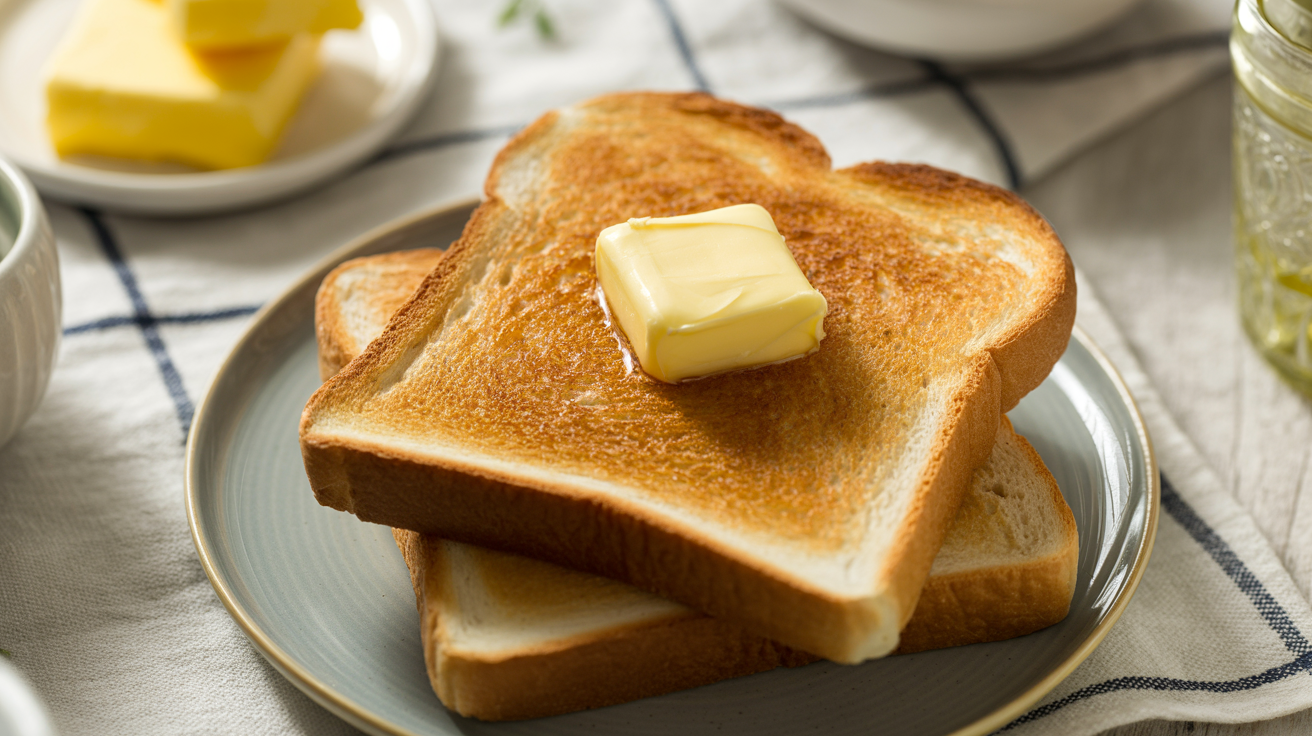
Step 12: When the eggs are nearly ready, toast the bread. Once toasted, butter the slices.
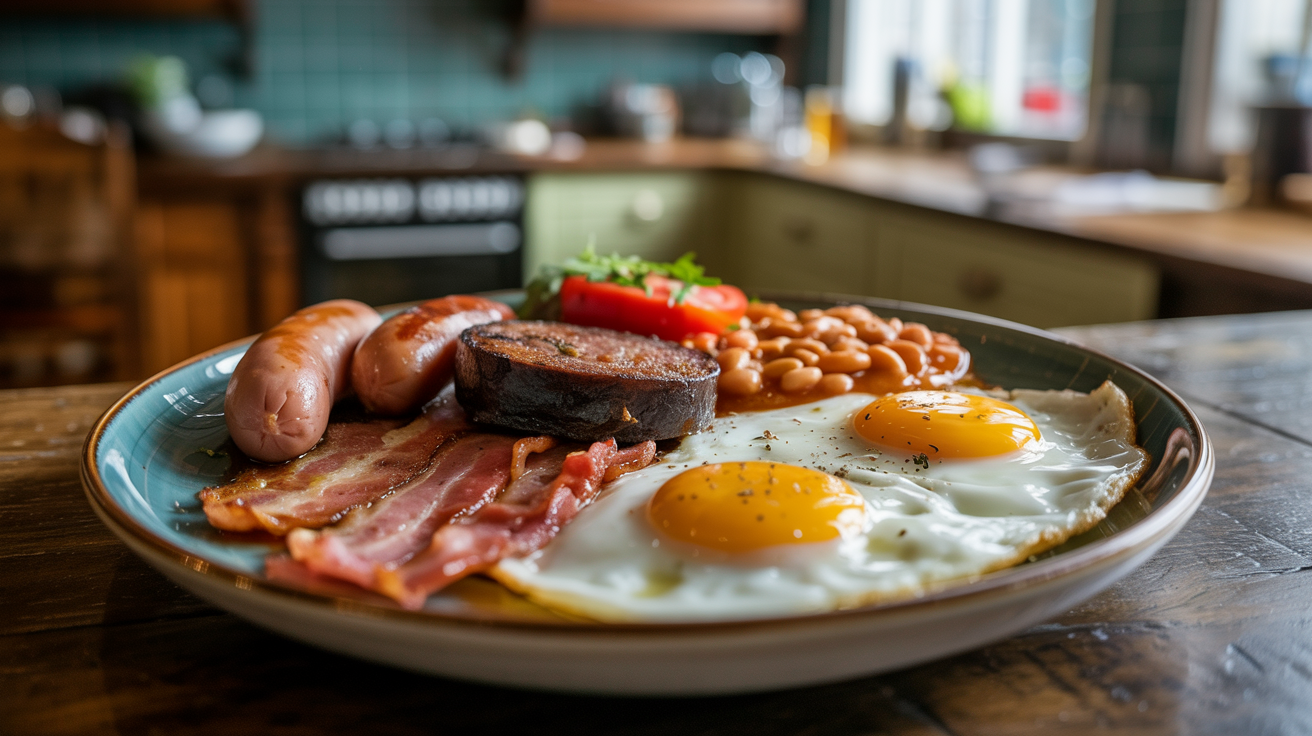
Step 13: Assemble and serve: Take the warm plates from the oven. Place the fried eggs (and any clootie dumpling slices) onto the plates first. Add the buttered toast.
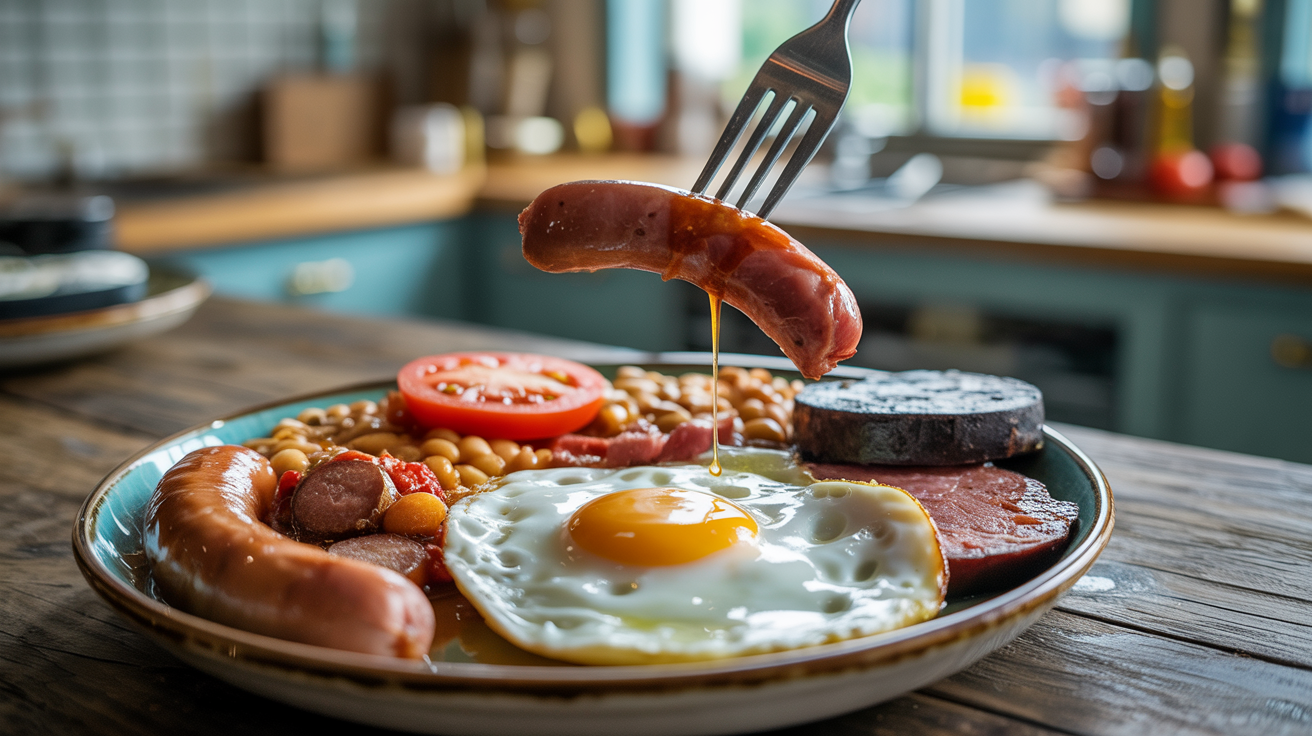
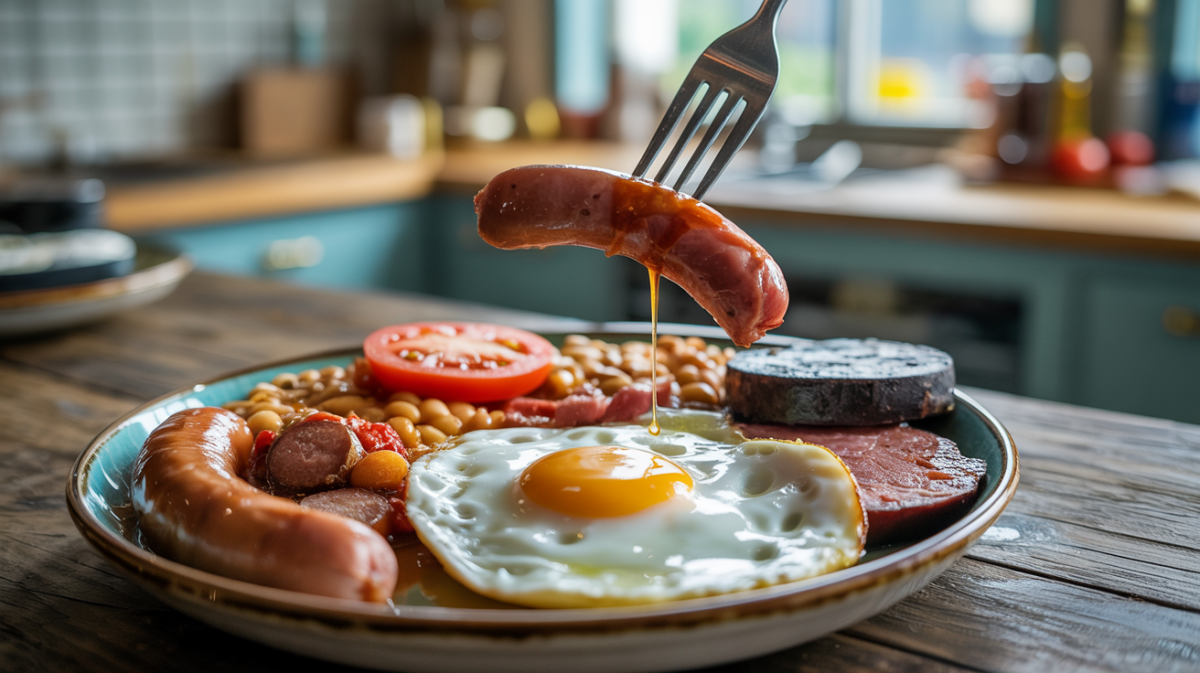
Step 14: Remove the warming tray and bowls from the oven and divide the Lorne sausage, bacon, haggis (if used), mushrooms, tomatoes, black/white pudding, and potato scones between the plates. Spoon some hot beans onto each plate. Serve immediately while everything is hot.
Mastering the Fry-Up Timing
I start by setting a rough timeline so everything finishes hot. Preheat your oven to 200°C (390°F). Pop tattie scones and haggis in first—tattie scones need about 10–12 minutes, turn them halfway. Haggis or big sausages take 15–20 minutes, depending on size.
While the oven’s doing its thing, heat a large non-stick pan for sausages and black pudding. Cook sausages on medium for 10–12 minutes, turn them every few minutes. Black pudding slices need 3–4 minutes per side. Finish bacon and eggs last so they stay crisp and runny. Use low-medium heat for eggs and a separate pan for mushrooms and tomatoes so flavors don’t mix weirdly.
- Oven: haggis/tattie scones (15–20 min)
- Pan 1: sausages (10–12 min), black pudding (3–4 min)
- Pan 2: mushrooms/tomato (6–8 min)
- Final pan: bacon and eggs (5–8 min)
How to Cook Each Scottish Classic
Each ingredient has its own thing going on. For tattie scones: grate cooked potatoes, mix with flour and salt, shape thin rounds, and fry 3–4 minutes per side until golden. For homemade lorne sausage, brown thick slices on medium heat for 6–8 minutes per side. Black pudding crisps up fast; slice 1–2 cm thick and fry gently 3–4 minutes each side.
Haggis likes slow heating: bake or pan-fry in slices for 6–8 minutes so the center stays moist. Bacon gets 3–5 minutes per side for crispy edges. Eggs—fried or scrambled—go in butter on low for runny yolks (about 3 minutes). Grilled tomatoes and mushrooms take 4–6 minutes with butter and a pinch of salt. Beans? Just warm them gently in a small pan.
Building the Perfect Breakfast Plate
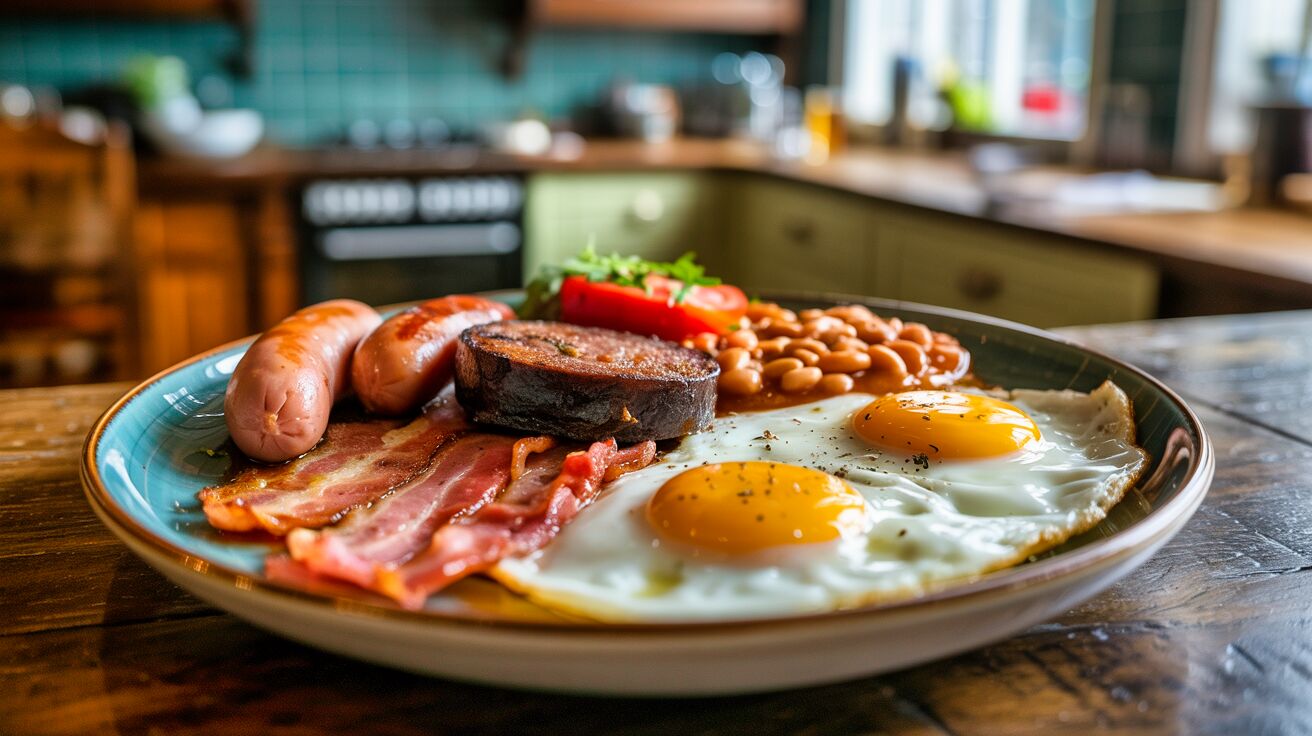
I plate like I’m building a tiny edible fortress. Start with tattie scone or toast as your base. Arrange sausages and bacon near the back so they stay warm. Eggs go over a warm spot to keep yolks runny. Black pudding and haggis slices sit next to each other for contrast. Spoon beans into a ramekin or a neat pool. Mushrooms and tomato add color. Garnish with parsley if you’re feeling fancy. Serve with buttered toast, brown sauce, or ketchup on the side.
- Base: tattie scone or toast
- Warm proteins: sausages, bacon, haggis
- Quick items: eggs, black pudding
- Sides: beans, mushrooms, tomato
Make-Ahead and Storage Tips
To avoid chaos, I prep what I can. Make tattie scone dough the night before and refrigerate shaped rounds. Reheat in a hot pan for best texture. Cooked sausages and haggis keep for 2–3 days in the fridge; reheat in the oven at 180°C (350°F) until steaming. Freeze leftover homemade lorne sausage in portions for up to 3 months. Thaw overnight before frying. Black pudding keeps 2–3 days; slice from cold so it doesn’t crumble. Store cooked bits in separate airtight containers so beans don’t make scones soggy. Label everything with dates, and reheat gently—oven or pan, not microwave, if you want things crisp.
Winning Serving Suggestions and Irresistible Variations
I go for pairings that balance the rich, salty fry-up with something bright or creamy. Plus, some easy swaps so vegetarians or snack-lovers can still enjoy a Scottish breakfast recipe without missing out.
Classic Pairings: Tea, Coffee, and Beyond
I always have a pot of strong Scottish breakfast tea with milk. It cuts through the sausage and haggis and just feels right. Coffee people? Go for a bold filter or espresso with your tattie scones and black pudding. For after, sometimes I’ll pour a dram of whisky or a splash of gin. A tiny dram of peaty whisky pairs nicely with smoked salmon or smoked fish. Gin’s great with fruit pudding or sweet rowies if you like botanical notes. I put out condiments: brown sauce, mustard, and butter. And a basket of oatcakes with cheddar and brie so guests can nibble between bites. For more ideas, check our Scottish breakfast pairings page.
Vegetarian and Luxe Additions
For vegetarians, I swap meat for hearty options—grilled portobello mushrooms, spiced plant-based sausages, and extra tattie scones. Baked beans and a slice of fruit pudding add sweetness. For luxe touches, I top scrambled eggs with smoked salmon or flaked smoked fish and a squeeze of lemon. Buttered rowies and a little pot of crème fraîche with chives never go amiss. A plate with oatcakes and soft brie is a creamy, upscale side that still fits the Scottish breakfast recipe vibe. I label veggie items so no one gets confused—keeps everyone happy at the table.
So, if you’re craving a real Scottish breakfast recipe, you’ve got options. Mix and match, don’t stress too much, and enjoy every bite. For more Scottish breakfast recipe inspiration, check out Scotland.org’s guide or our internal recipe collection. Whether you’re making it for a crowd or just yourself, this Scottish breakfast recipe is the kind of meal you’ll want to revisit—maybe even before lunch. And honestly, who could blame you?
Regional Delights and Creative Twists
Scottish Breakfast recipe fans know it’s all about regional flair. In the east, I’ll sometimes toss in a slice of clootie dumpling for dessert. If I’m cooking in the west, I can’t resist loading up the plate with extra tattie scones and a heap of rowies—there’s just something about that salty, flaky bite. And hey, a bit of fruit pudding on the side never hurts; it’s a sweet little nod to tradition. If you’re curious about other classic Scottish sweets, check out our guide to Scottish desserts.
When I want to mix things up, I’ll whip up a breakfast roll packed with tattie scone, fried egg, and sausage—a Scottish Breakfast recipe that’s perfect for eating on the run. Some mornings, I go for a smoked fish platter with oatcakes, lemon, and dill. It’s lighter, but still feels special. Sometimes, I’ll set out small bowls of cheddar and chutney so everyone can build their own cheese-and-meat bites alongside their fry-up. If you’re hunting for more Scottish Breakfast recipe ideas, don’t miss the BBC Good Food’s Scottish Breakfast recipe or our Full Scottish Breakfast breakdown.
Honestly, there’s no single right way to do a Scottish Breakfast recipe. Whether you’re piling your plate with rowies, inventing your own breakfast roll, or just sneaking a bit of fruit pudding, the Scottish Breakfast recipe is all about comfort and a little bit of fun. If you want to try something new, why not experiment with your own Scottish Breakfast recipe twist? After all, the best meals are the ones you actually want to eat.
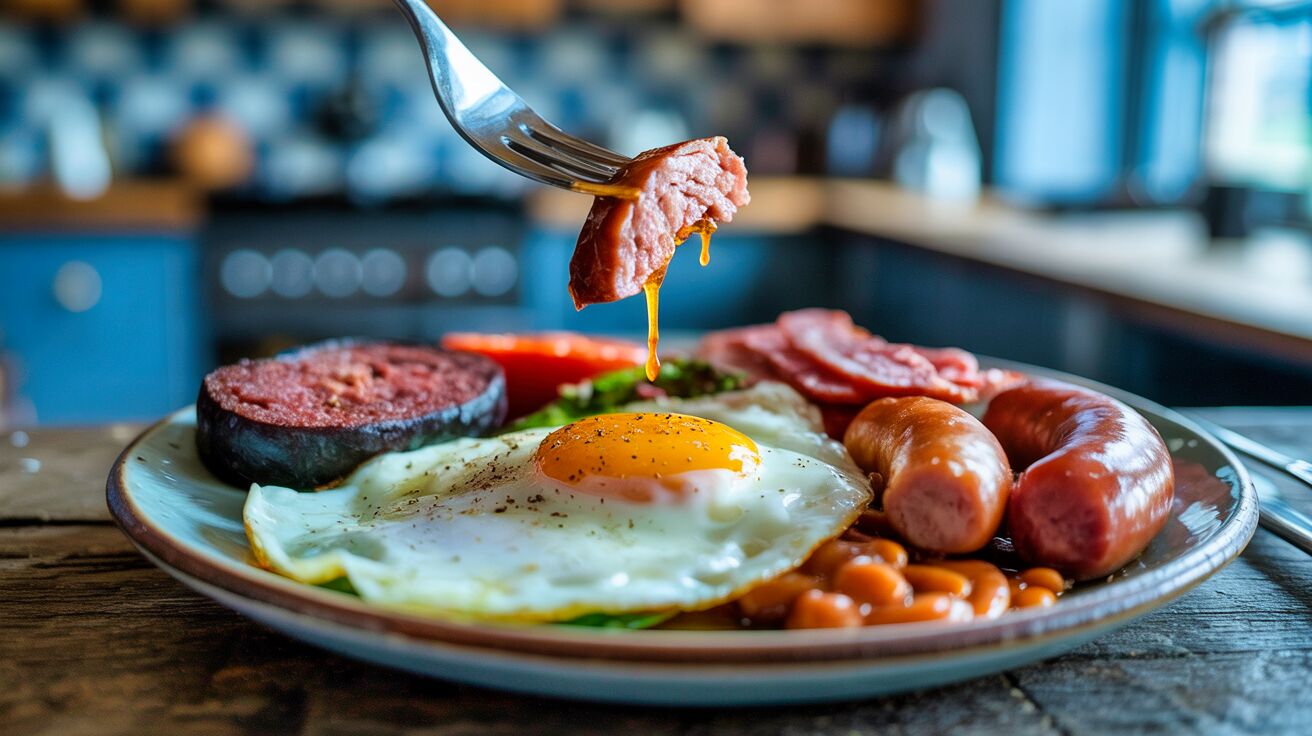
Scottish Breakfast vs English Breakfast
Scottish breakfast and English breakfast are both hearty, full meals, but they differ in regional specialties and overall variety. A traditional Scottish breakfast includes eggs, bacon, sausages, baked beans, and toast, along with distinctive additions like tattie scones, black pudding, and often haggis. These regional elements give the meal a more diverse and uniquely Scottish identity. The inclusion of potato-based sides and offal-based items makes it especially filling and rooted in traditional ingredients.
An English breakfast shares many core components—eggs, bacon, sausages, beans, and toast—but tends to be more standardized. While black pudding may still appear, items like haggis and tattie scones are typically absent. The focus is on consistency and familiarity rather than regional variation. The main difference is regional character: a Scottish breakfast includes more traditional specialties, while an English breakfast is simpler and more uniform.
Choose a Scottish breakfast if you want a more varied and traditional experience. Opt for an English breakfast if you prefer a classic, familiar combination of breakfast staples.
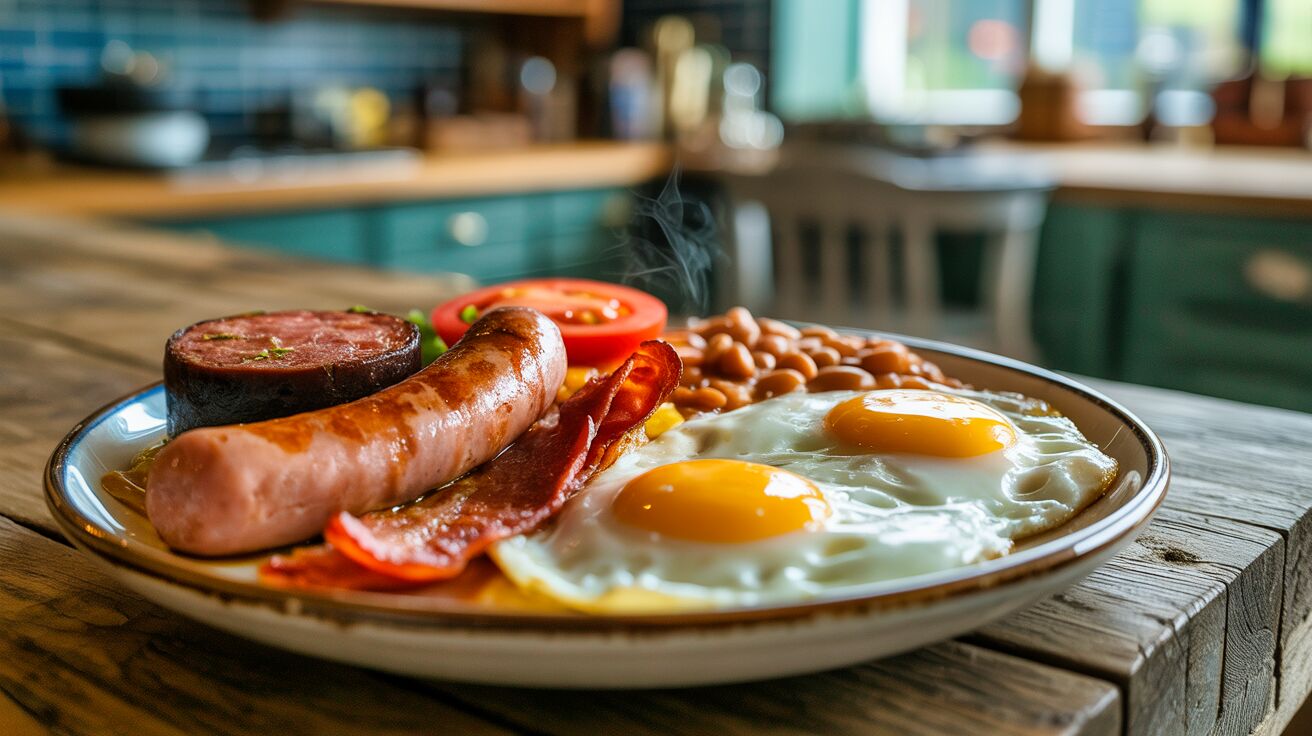
Scottish Breakfast Recipe FAQ
1. What is included in a traditional Scottish breakfast?
A full Scottish breakfast typically includes eggs, bacon, sausage, black pudding, baked beans, tomatoes, mushrooms, and often tattie scones or toast.
2. How is a Scottish breakfast different from an English breakfast?
While similar, a Scottish breakfast often includes items like black pudding and tattie scones, which give it a more regional character.
3. Are all items cooked the same way in a Scottish breakfast?
Most components are fried or grilled, but preparation can vary depending on preference and available ingredients.
4. Is a Scottish breakfast meant to be eaten daily?
Traditionally, it’s more of a weekend or special occasion meal due to its size and richness.
5. What drinks are typically served with a Scottish breakfast?
Tea and coffee are most common, though juice is also often included.

Full English Breakfast
Ingredients
- 4 slices bacon
- 4 slices pudding black
- 2 slices sausage
- 2 scones potato
- 2 eggs
- 1 slices tomato
- 8 oz mushrooms white
- 2 slices haggis
- 4 slices pudding white
- 2 slices dumpling
- 4 oz beans
- 2 slices bread
- 2 oz butter
Instructions
- Warm the oven, plates, and serving dish: Heat the oven to 200°F (100°C) or switch on a warming drawer. Place two ovenproof plates inside so they warm through. Set a clean, ovenproof tray or shallow dish inside the oven as well for holding cooked items.
- Cook and hold the mushrooms and tomatoes: In a frying pan, melt a little butter over medium heat. Add the sliced mushrooms and cook, stirring occasionally, until they are tender and lightly browned. Season with salt at the end of cooking. Transfer the mushrooms to an ovenproof bowl and place it in the warm oven.
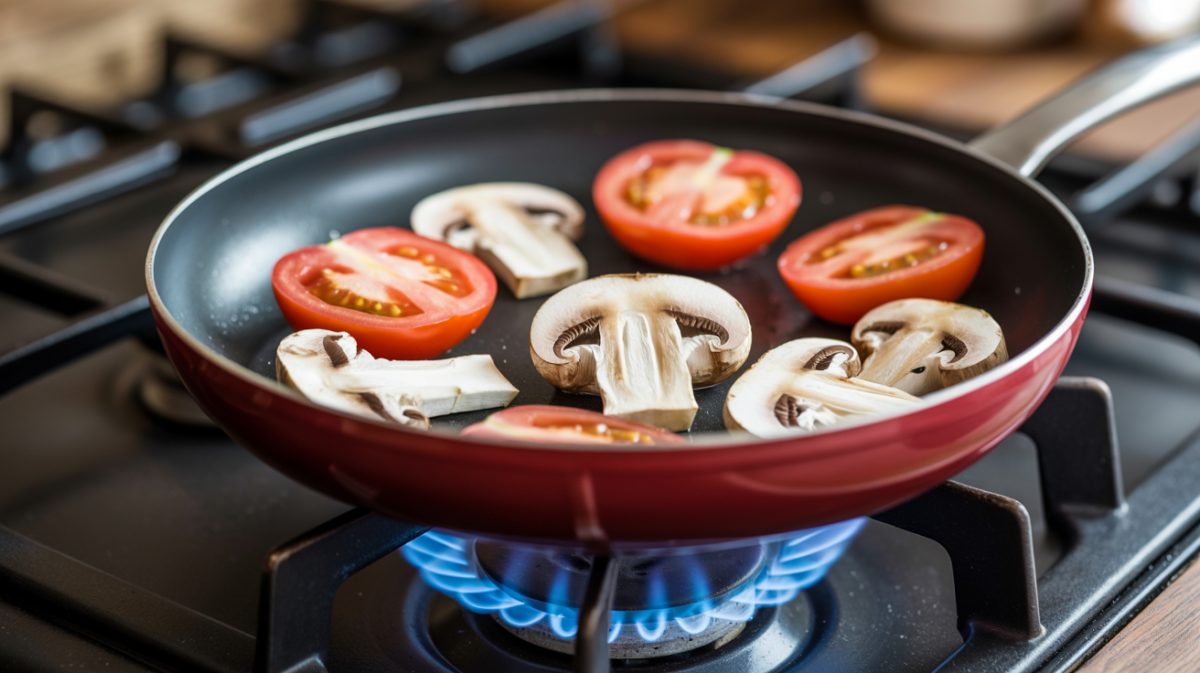
- In the same pan, place the tomato halves cut side down. Cook just until the cut surface is lightly browned and the tomatoes are heated through, but still hold their shape. Remove and set aside (or broil/grill them cut side up if you prefer, just until the surface is lightly cooked).
- Cook the Lorne sausage (and haggis, if using): Heat a second frying pan or griddle over medium heat. Add 2 slices of Lorne sausage and cook slowly, turning as needed, until cooked through and browned on both sides; this will take the longest of the meat items. Towards the end of this cooking time, add any haggis slices to the same pan and cook until heated through and lightly browned.
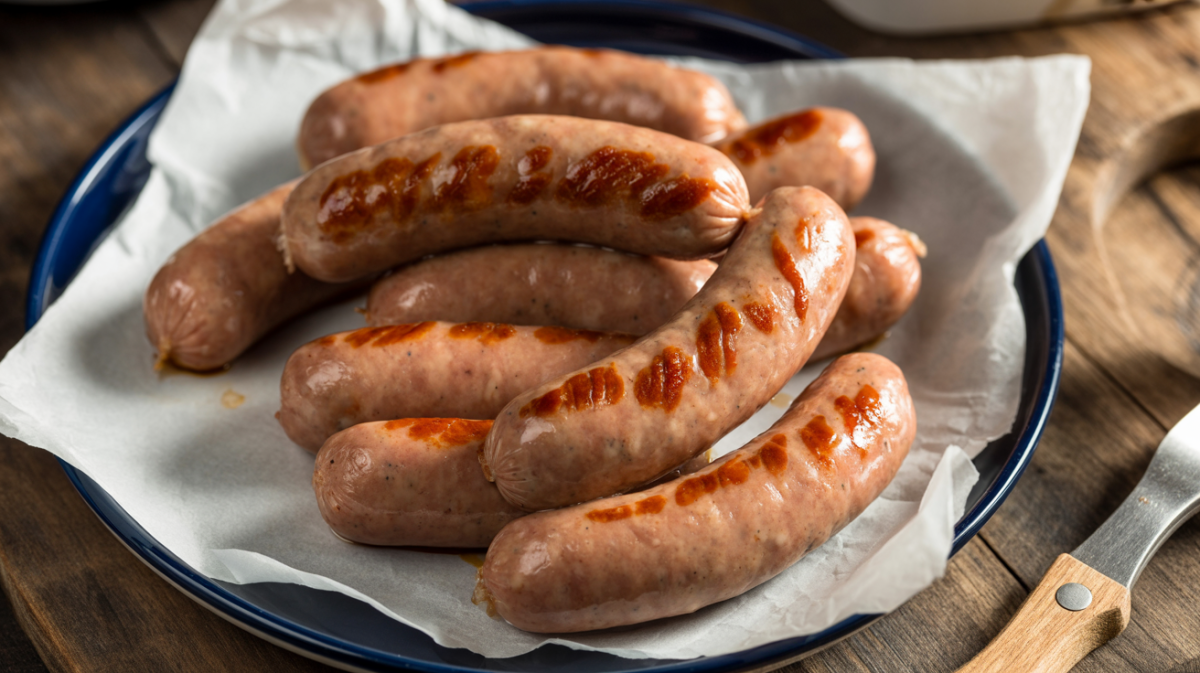
- Transfer the sausage and haggis to a paper towel–lined tray or plate to drain briefly, then move them onto the warming tray or dish in the oven.
- Fry the bacon: Wipe out the first pan (used for mushrooms and tomatoes) with a paper towel. Add the bacon and fry over medium heat to your preferred level of doneness. In Britain, bacon is usually cooked until browned and cooked through but not very crisp.
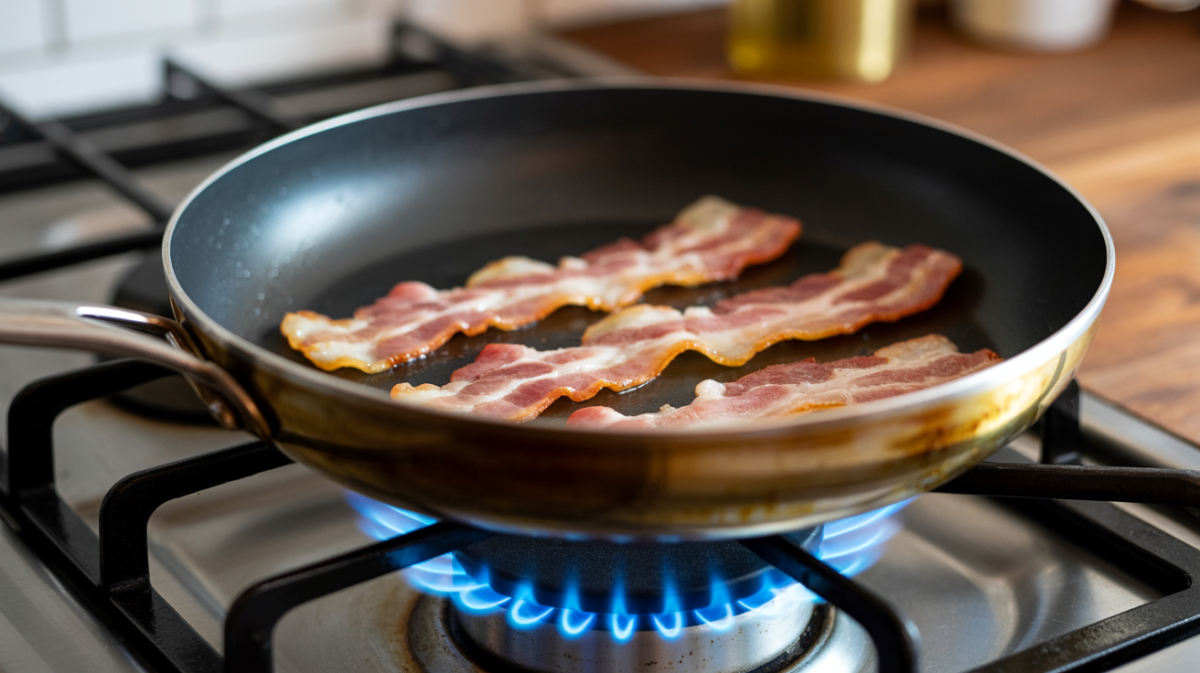
- Place the cooked bacon on the paper towel–lined tray to drain, then return it to the warm oven with the other items.
- Cook black/white pudding and potato scones: If you have enough bacon fat left in the pan and wish to use it, keep the pan over medium heat and add the white or black pudding slices and potato scones. Fry until the pudding is browned on both sides and heated through, and the potato scones are golden and warmed through.
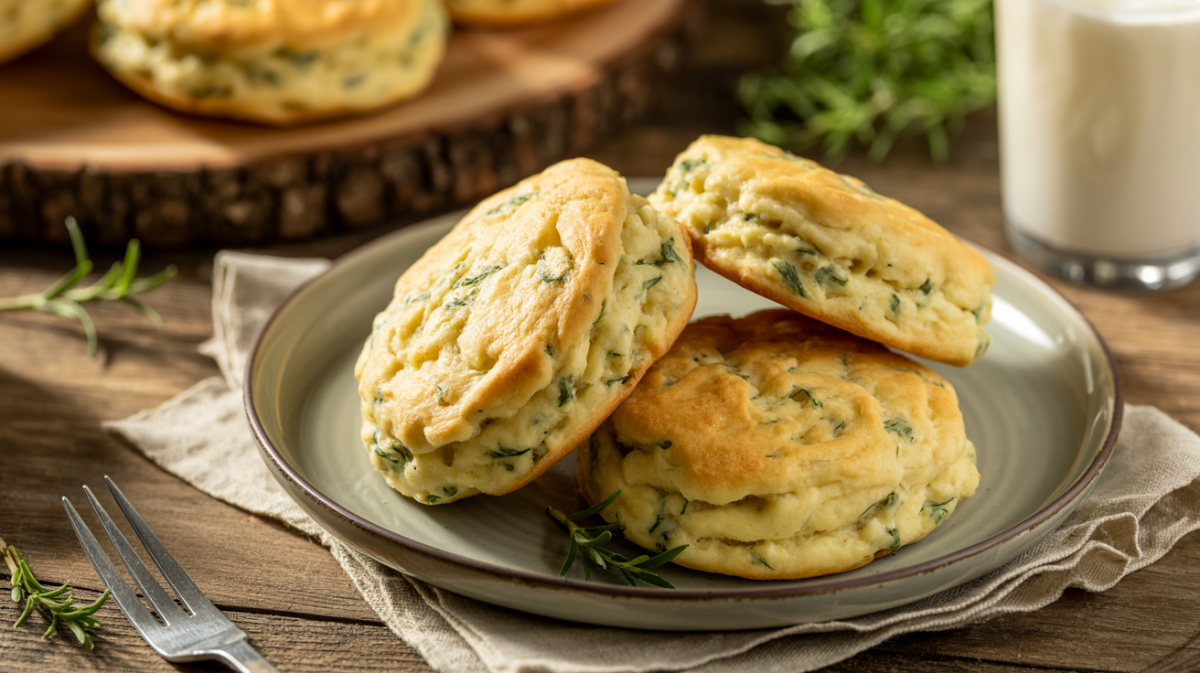
- If there is no suitable bacon fat, heat a little olive oil instead and fry the pudding and potato scones in the same way. Add these cooked items to the tray in the oven so they stay hot.

- Prepare tea and toast setup: While the meats and vegetables are being kept warm in the oven, make a pot of tea so it is ready to serve with breakfast. Set up the toaster with slices of bread, ready to toast near the end of cooking.
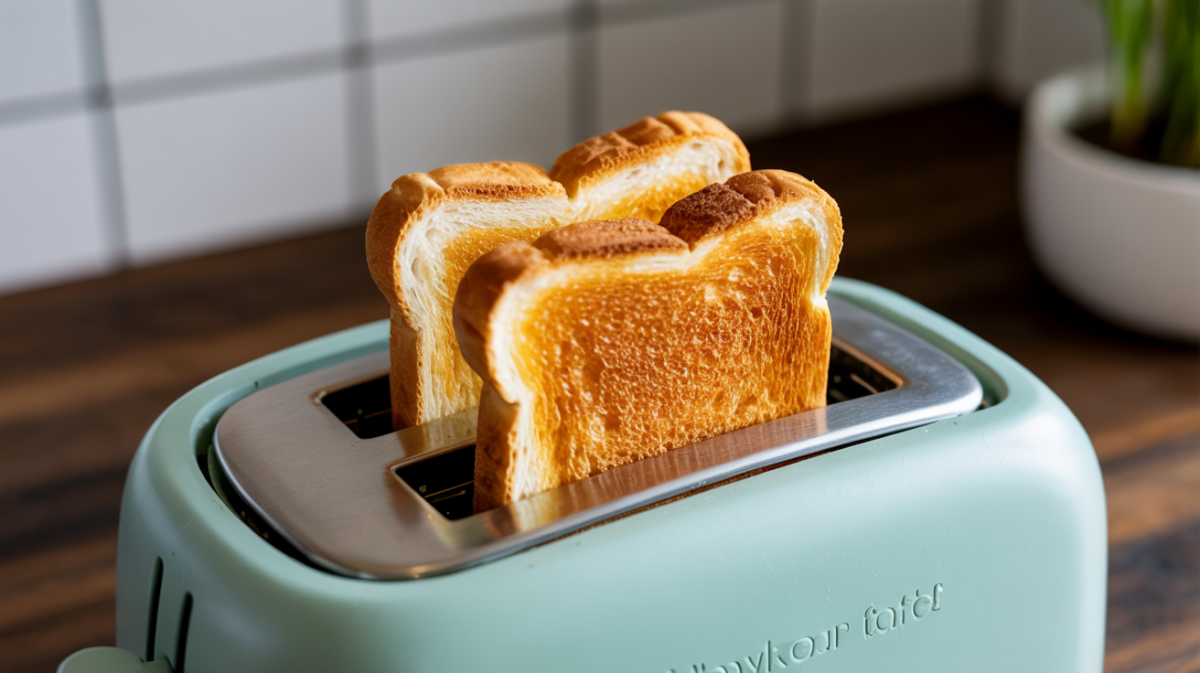
- Heat the beans: Pour the Heinz beans into a small saucepan. Set over low heat and warm gently, stirring occasionally, until they are hot all the way through. Do not let them boil; they should just simmer lightly or remain below a simmer.
- Fry the eggs (and clootie dumpling, if using): In a clean frying pan, heat a little oil or butter over medium heat. Fry the eggs to your preferred style (for example, sunny side up or over easy). If using clootie dumpling, fry slices in the same pan until heated through and lightly browned on both sides.
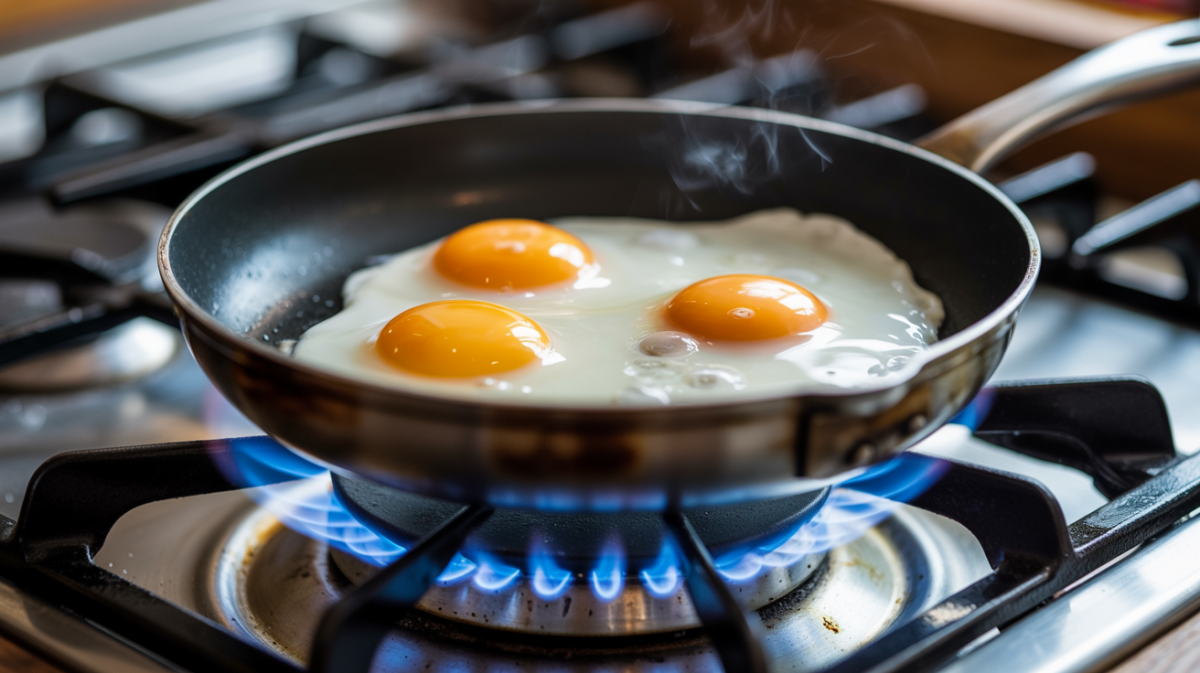
- When the eggs are nearly ready, toast the bread. Once toasted, butter the slices.
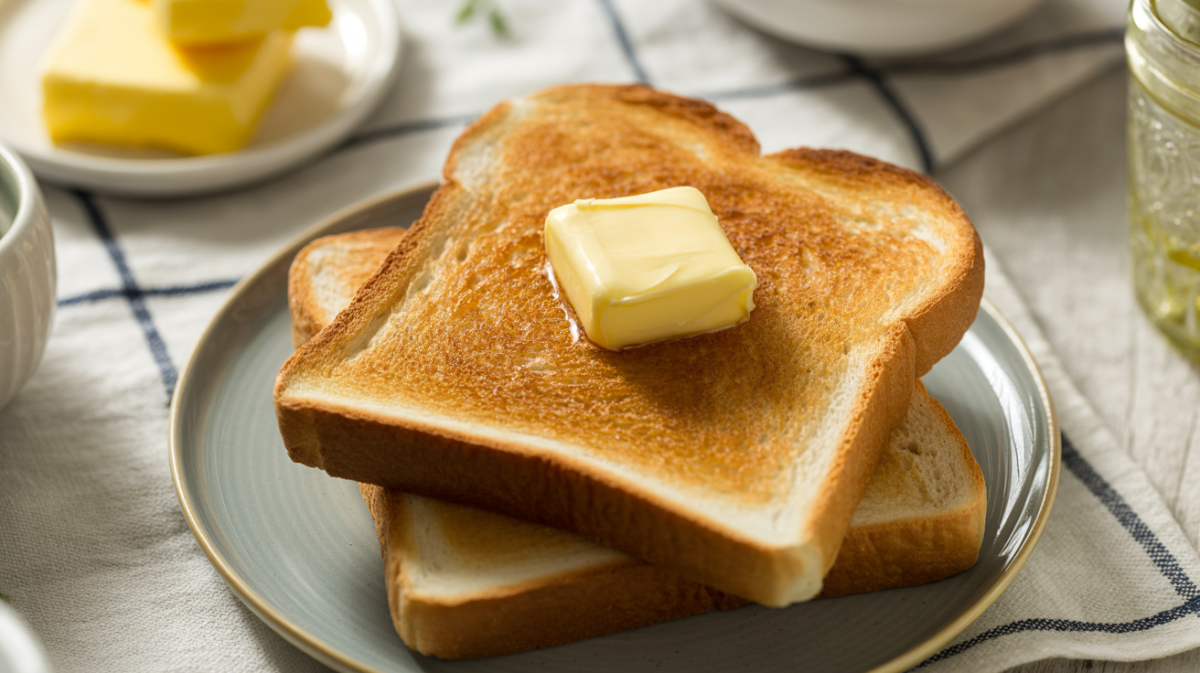
- Assemble and serve: Take the warm plates from the oven. Place the fried eggs (and any clootie dumpling slices) onto the plates first. Add the buttered toast.
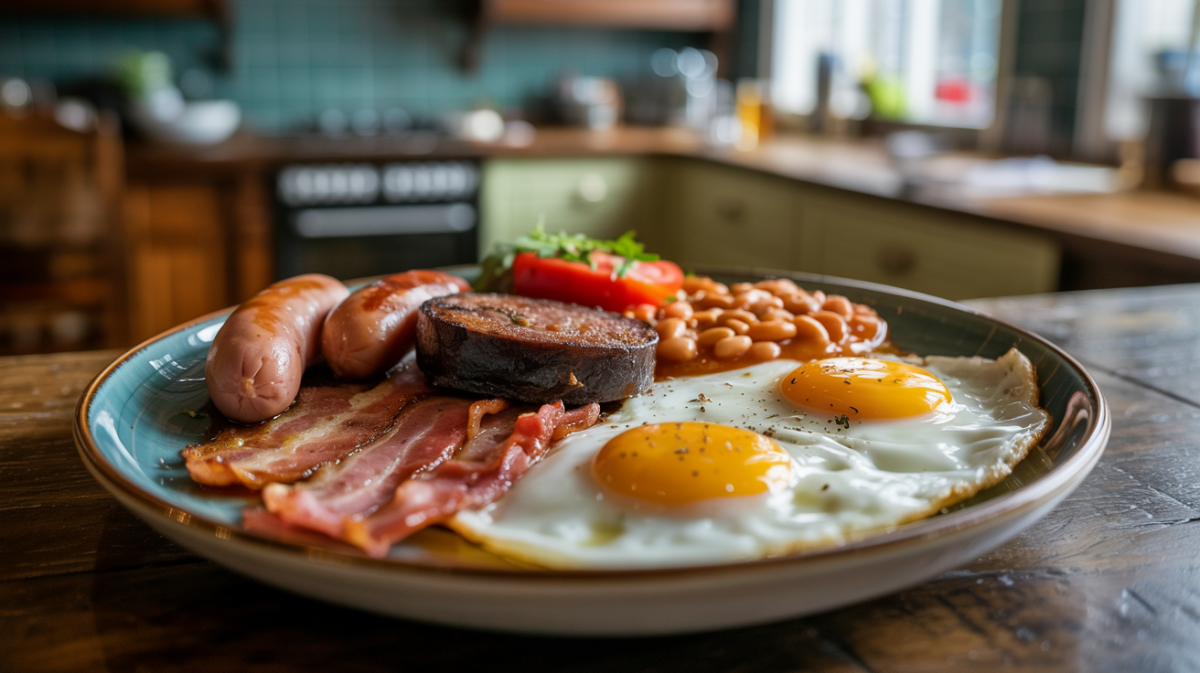
- Remove the warming tray and bowls from the oven and divide the Lorne sausage, bacon, haggis (if used), mushrooms, tomatoes, black/white pudding, and potato scones between the plates. Spoon some hot beans onto each plate. Serve immediately while everything is hot.
Video

9 comments
Does anyone else think Lorne sausage is underrated? Its a total game changer for a full Scottish breakfast!
Completely disagree! Black pudding is the underrated hero of a Scottish breakfast, not Lorne sausage!
Does anyone else think that black pudding is the unsung hero of a traditional Scottish breakfast spread? Its so underrated!
Are we sure tattie scones are essential? I reckon a good Scottish breakfast cant skip black pudding!
Anyone else think that the mighty tattie scone could dethrone the English muffin in a breakfast showdown?
Does anyone think that swapping baked beans with a hearty lentil soup could add a unique twist to the traditional Scottish breakfast?
Arguably, wouldnt a dash of Irn-Bru give that quintessential Scottish kick to the traditional breakfast? Whos with me?
Interesting article, but why the insistence on Lorne sausage? Surely, a good old Cumberland would do the trick too, wouldnt it?
Cumberlands good, but nothing beats the unique spice of a Lorne sausage. Dont knock it till youve tried it!
Comments are closed.