

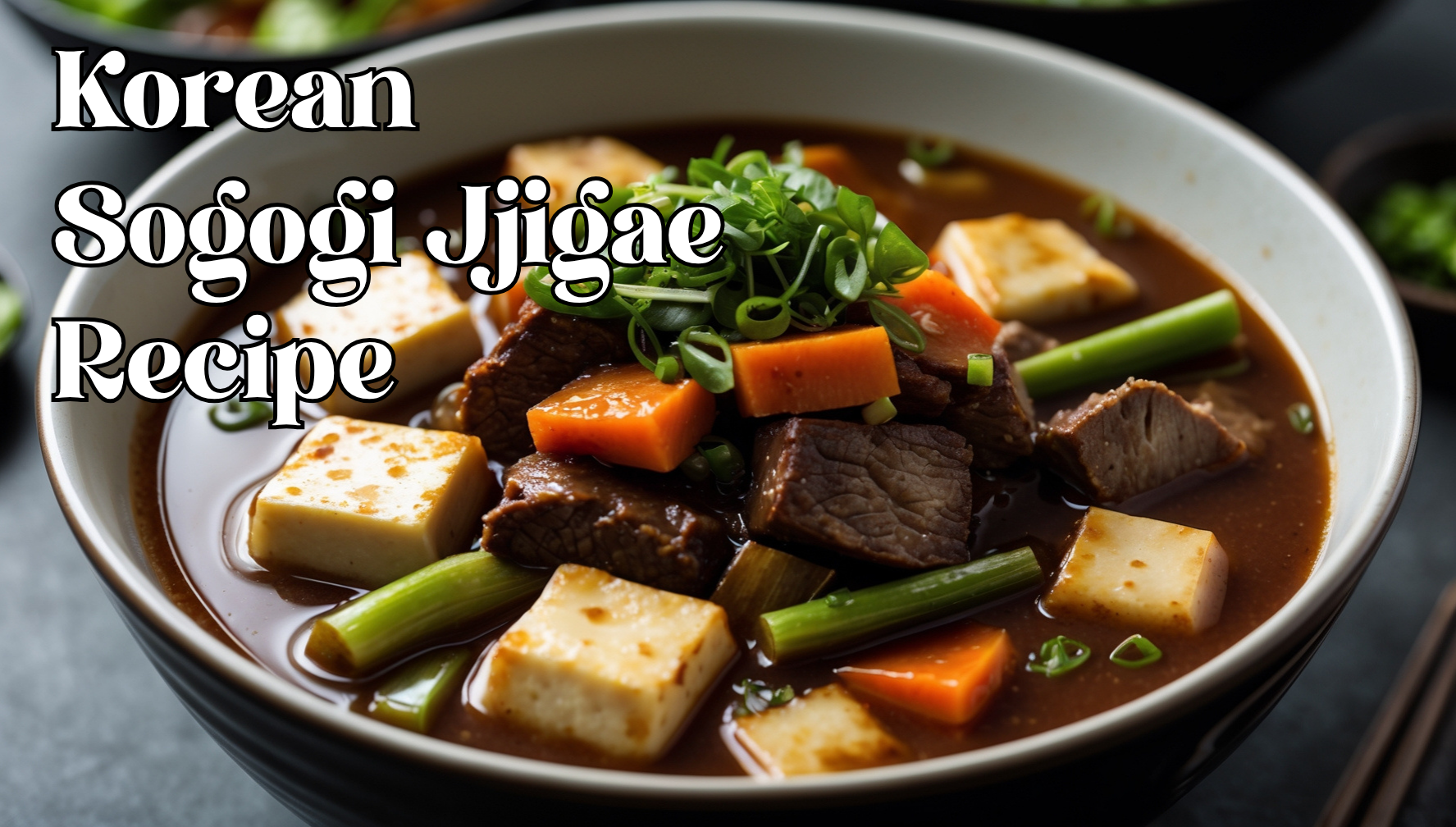
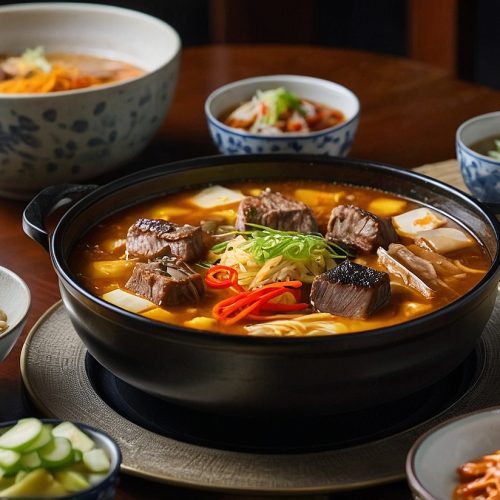
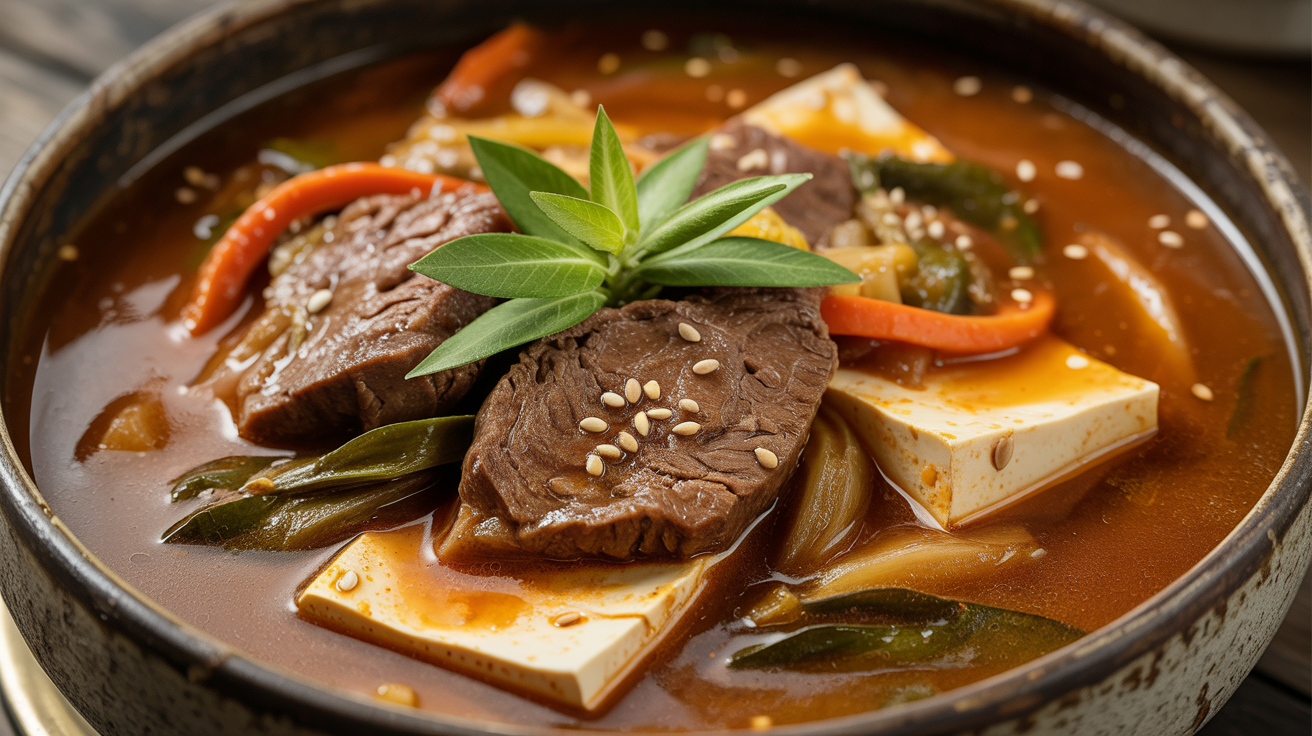
I’ve cooked a lot of stews over the years and Korean sogogi jjigae might just be my favorite. It’s hearty, packed with flavor, and—let’s be real—it’s not as complicated to make as it looks. Korean sogogi jjigae is a beef stew that uses doenjang (fermented soybean paste), giving it a rich, savory broth loaded with vegetables and melt-in-your-mouth beef.
What really keeps me coming back to Korean sogogi jjigae is the way the deep umami of doenjang blends with the beef’s richness. Doenjang jjigae is a staple in Korean cuisine, and honestly, I grew up thinking every home had a pot of it simmering away. That fermented soybean paste brings an earthy, salty kick that’s just perfect with a bowl of rice and some kimchi on the side.
Let’s break down how to bring Korean sogogi jjigae to your kitchen. I’ll walk you through what makes it special, the ingredients you’ll need, and how to throw it all together for a meal that tastes like it came straight out of a cozy spot in Seoul. If you want to dive deeper, check out this guide to Korean cuisine.
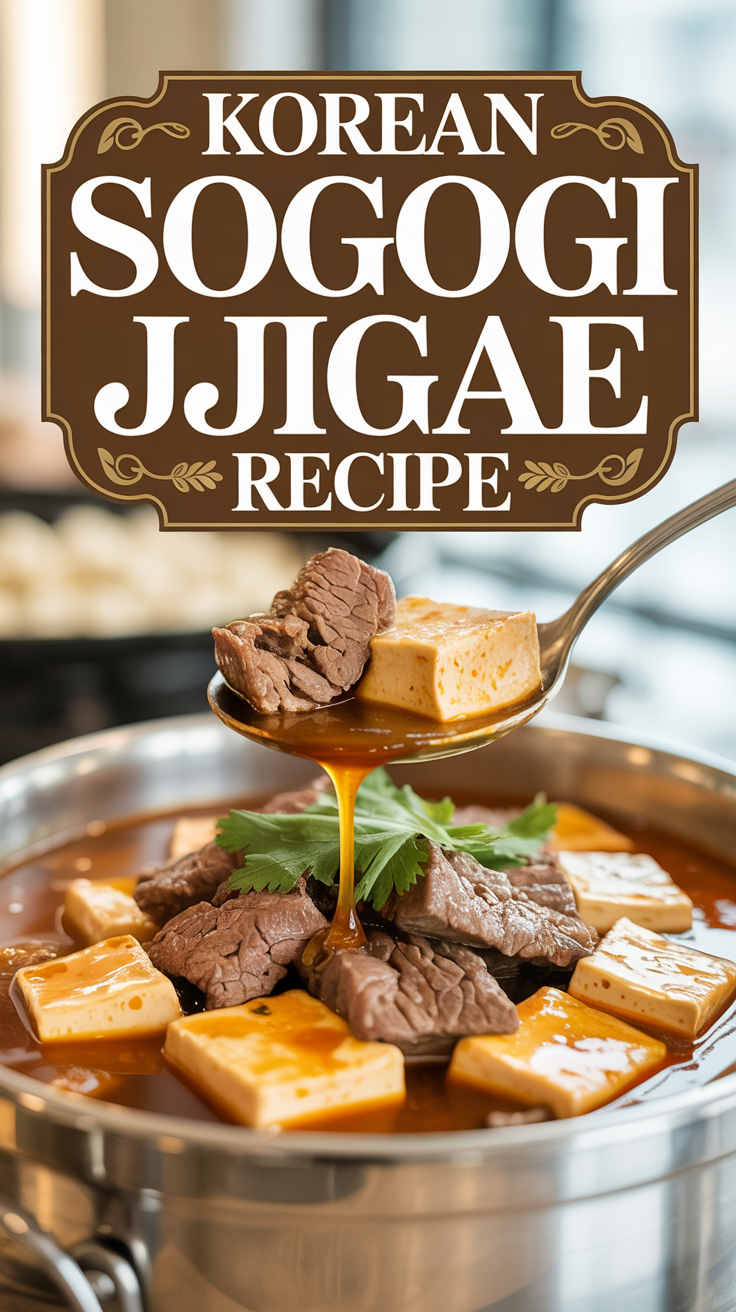
What Is Korean Sogogi Jjigae?
Korean sogogi jjigae is a beef stew that’s all about tender chunks of beef and veggies in a broth that’s savory and full of umami. Unlike some other Korean stews that lean heavy on fermented pastes, Korean sogogi jjigae lets the beef flavor shine, but you still get that comforting warmth that makes jjigae a classic.
Origins and Cultural Importance
From what I’ve learned, Korean sogogi jjigae has roots in home kitchens where beef was once a luxury reserved for special days or important guests. “Sogogi” means beef, and jjigae just means stew—usually loaded with meat, seafood, or veggies in a seasoned broth.
As beef became easier to get in Korea during the 20th century, more families started simmering tougher cuts for hours, turning them into tender bites and creating a broth you just want to drink by the spoonful.
Unlike banchan (those little side dishes), Korean sogogi jjigae is the star of the table. I love that it’s usually shared family-style, right from the pot, which just feels so Korean—everyone digging in together. If you’re curious about Korean food culture, this article on Korean dining traditions is a great read.
How It Differs from Other Korean Stews
So, what sets Korean sogogi jjigae apart from other stews? For starters, it’s all about the beef. While doenjang jjigae uses soybean paste and kimchi jjigae brings in that fermented cabbage punch, Korean sogogi jjigae keeps it simple—beef and a few seasonings do most of the work.
Doenjang gives a funky, earthy vibe to some stews, but Korean sogogi jjigae leans into a cleaner, beefy taste. It’s a little bit lighter, too, compared to the dark, intense broth you’ll get with doenjang guk.
Honestly, soybean paste stews are everywhere in Korea, but Korean sogogi jjigae? Not as common, mostly because beef’s pricier. But when you do make it, it feels like a treat.
Common Variations
I’ve seen so many versions of Korean sogogi jjigae, depending on the region or the family. Some folks toss in radish for a sweet crunch, while others add mushrooms for a deeper umami punch. There’s no one right way.
Popular ingredient additions:
- Sliced onions and garlic
- Green onions and chili peppers
- Tofu cubes
- Napa cabbage
- Bean sprouts
Seasonings change from kitchen to kitchen. Some people stick to soy sauce, while others sneak in a bit of gochujang (red chili paste) for a little heat. I’ve even seen cooks add rice wine or a drizzle of sesame oil at the end for extra depth. And don’t forget, the cut of beef can change the whole vibe—brisket, shank, or short ribs all work wonders after a good simmer.
Key Ingredients and Their Roles
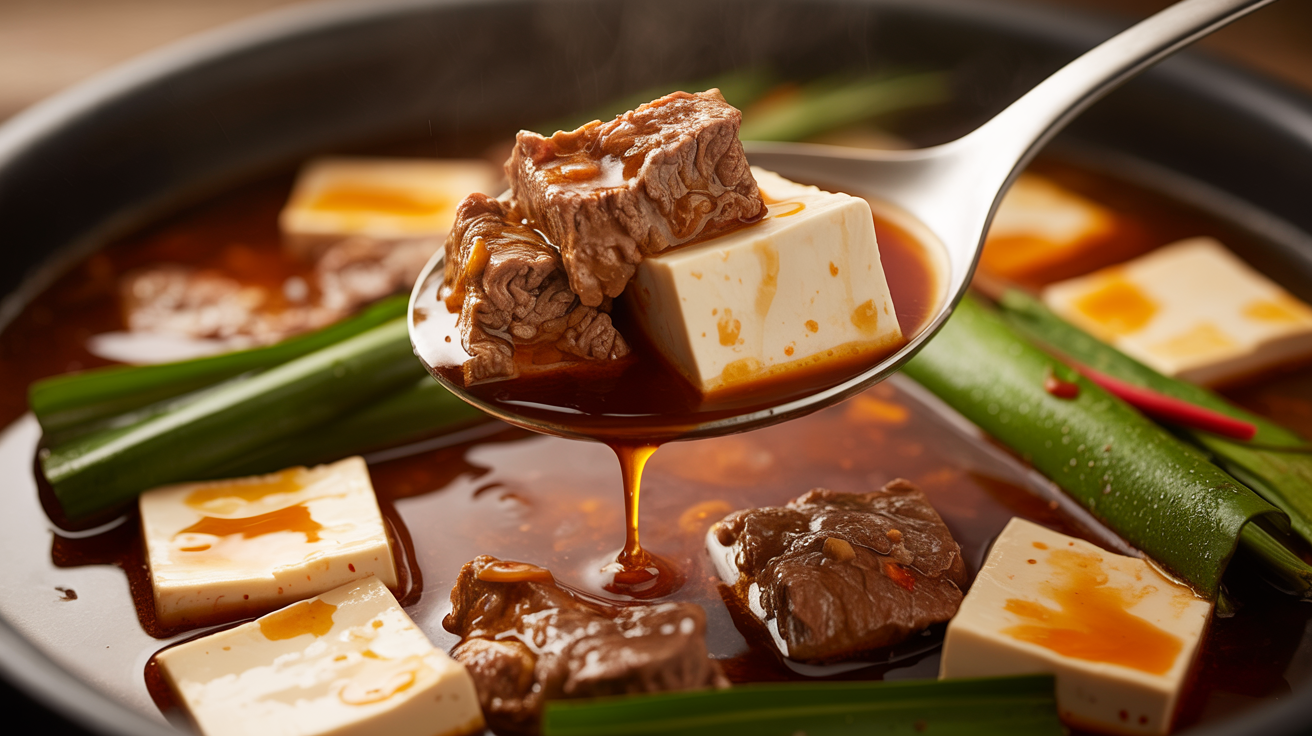
Korean sogogi jjigae depends on a balance of beef, veggies, and fermented paste to build that signature savory depth. Each part brings something special—flavor, texture, or just that feeling of home. If you want to geek out on Korean ingredients, I recommend this ingredient guide.
Choosing the Right Beef
I always go for beef with some marbling when making Korean sogogi jjigae. Chuck roast is my usual pick—it stays juicy and makes the broth rich. Brisket’s another winner, especially since the connective tissue melts down and adds a silky feel.
If I’m in the mood for something leaner, I’ll use beef shank. It takes longer, but the flavor is next-level. I cut the beef into chunks about 1 to 1.5 inches so they cook evenly and are easy to scoop up with rice. Thin slices cook fast but can get tough, so I usually skip them for Korean sogogi jjigae.
Vegetables: Zucchini, Onion, Potato, and Radish
Zucchini brings a gentle sweetness and soaks up all the broth’s flavors. I chop it into thick half-moons so it holds up. Onion adds a natural sweetness, and I prefer yellow or white onions, cut into chunky wedges.
Potatoes make Korean sogogi jjigae more filling and help thicken the broth just a touch. Yukon gold or russet potatoes, cut big, work great. And then there’s Korean radish (mu)—it’s milder than daikon and gives the stew a clean, slightly sweet note that really balances out the beef and doenjang. I chop it to match the potato size for even cooking.
The Essential Soybean Paste (Doenjang)
Doenjang (된장) is the heart and soul of Korean sogogi jjigae. This fermented soybean paste brings a deep, earthy umami that you just can’t fake.
It’s got a strong, almost funky flavor that comes from months of fermenting. I usually toss in two or three tablespoons for a medium pot, but you can adjust based on how salty or intense you want your Korean sogogi jjigae.
I always dissolve the doenjang in a ladle of hot broth first, so there aren’t any clumps. Some folks like to add gochugaru (Korean red pepper flakes) or a bit of gochujang, but honestly, the classic Korean sogogi jjigae is all about that clean, doenjang-forward taste. If it needs more color or salt, a splash of ganjang (Korean soy sauce) does the trick. For more on doenjang, check out this in-depth guide.
Adding Tofu and Mushrooms
Tofu gives Korean sogogi jjigae a soft, silky texture and bumps up the protein. I stick with firm or medium-firm tofu, cut into inch-sized cubes so it holds together in the stew.
Shiitake mushrooms add an earthy, meaty layer. I slice the caps and toss them in—fresh is best, but if you only have dried, just soak them first. Enoki mushrooms? They’re delicate, slightly fruity, and add a fun crunch if you throw them in near the end. I like to finish with a few slices of green chili for a little heat and brightness.
How to Make Korean Sogogi Jjigae
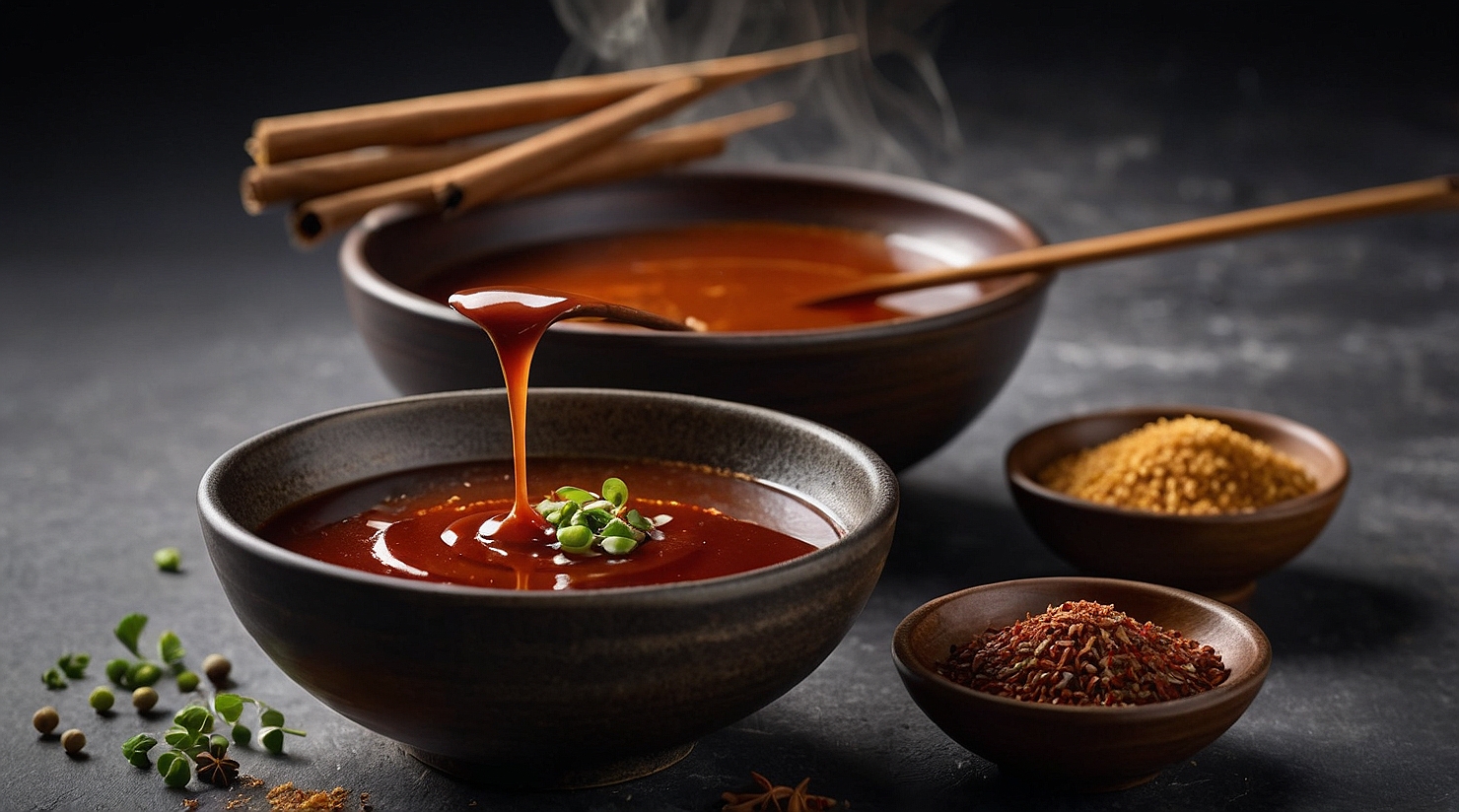
Step 1. In a medium bowl, whisk together first 10 ingredients (up to roast).
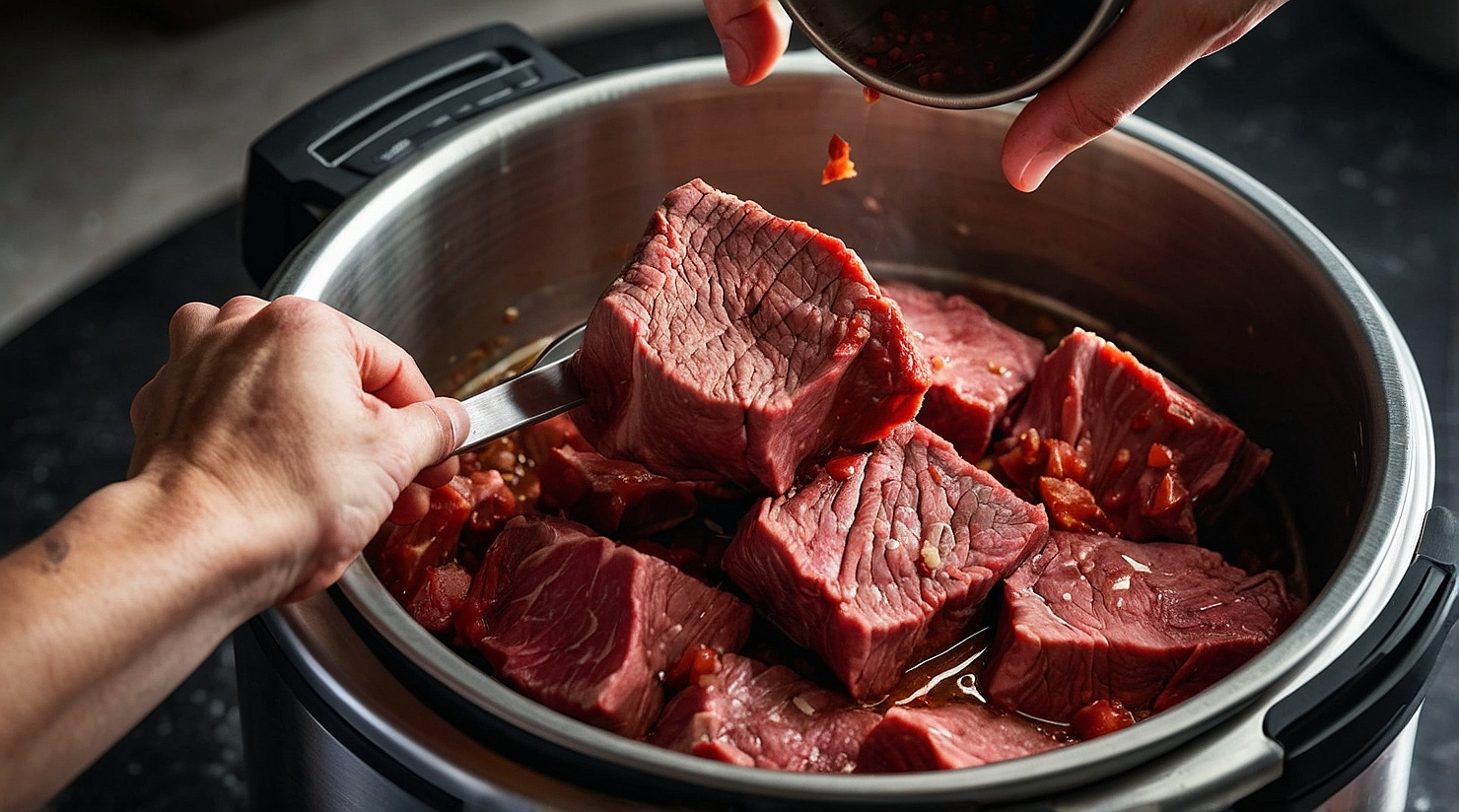
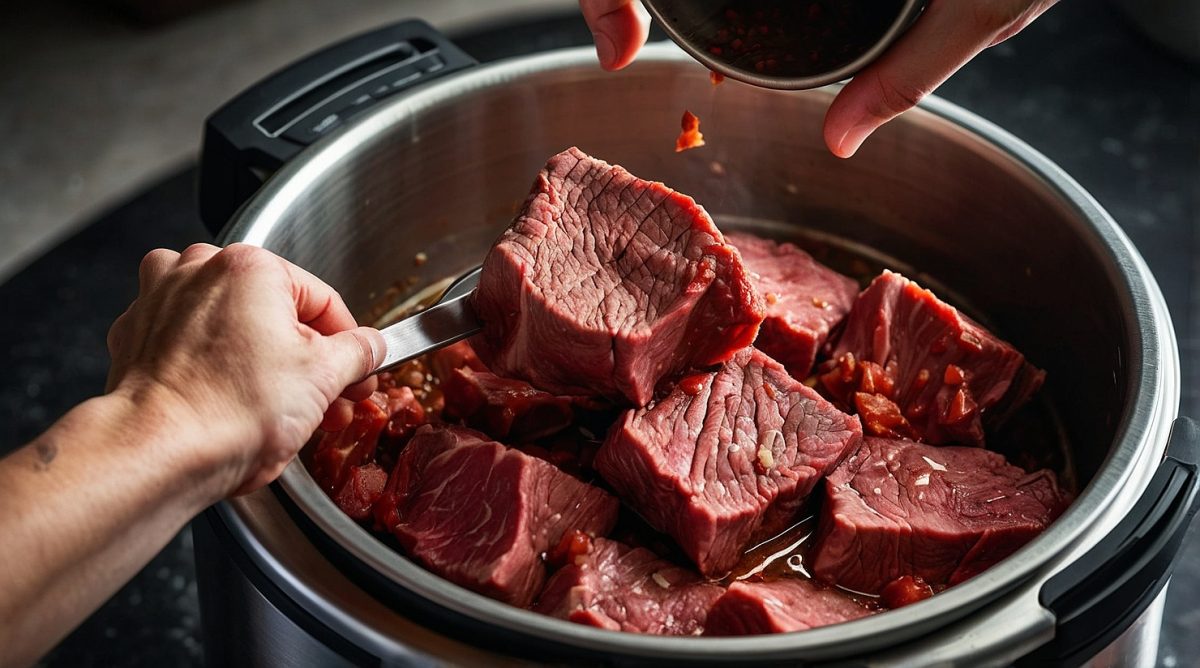
Step 2. Place cubed roast into Instant Pot.
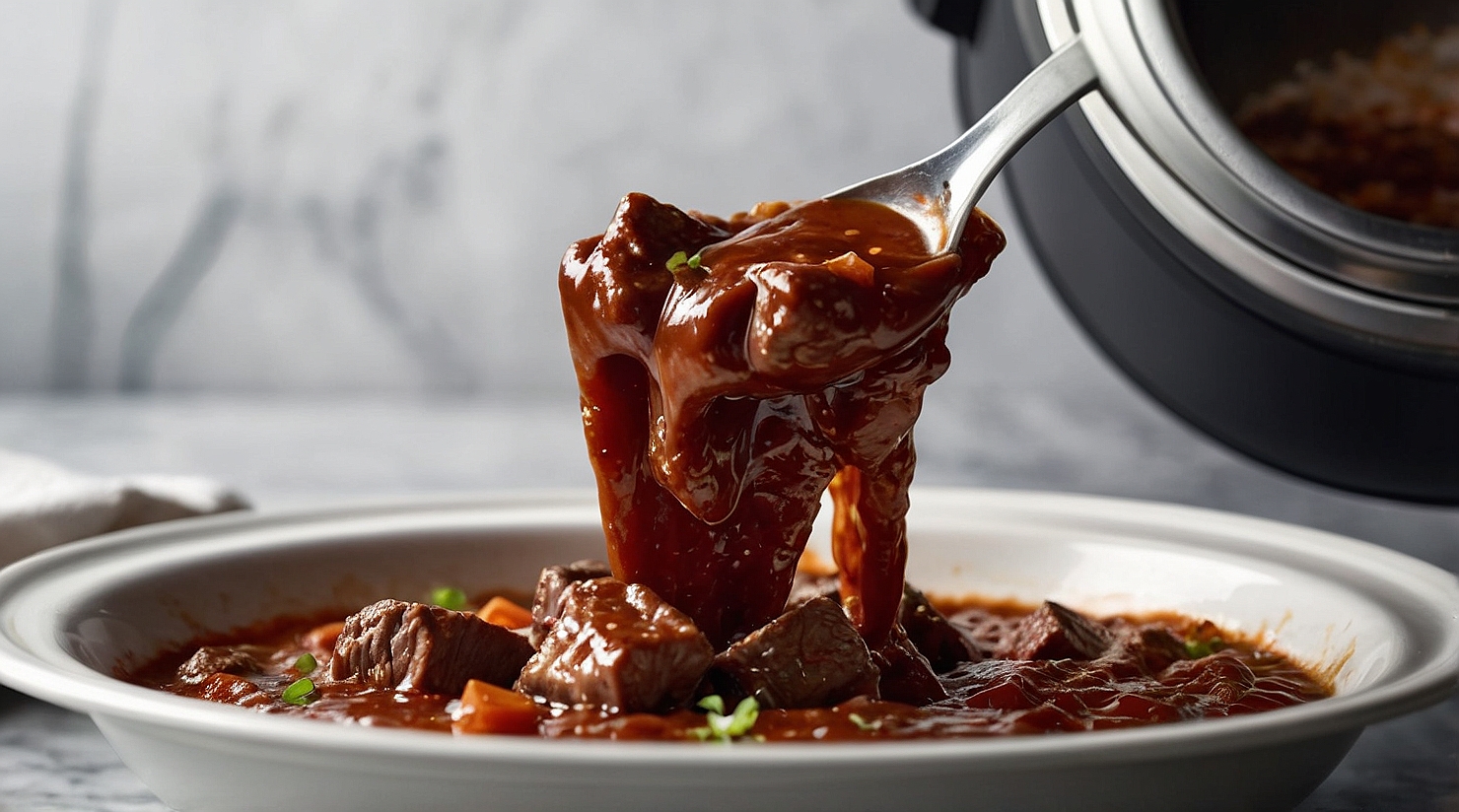
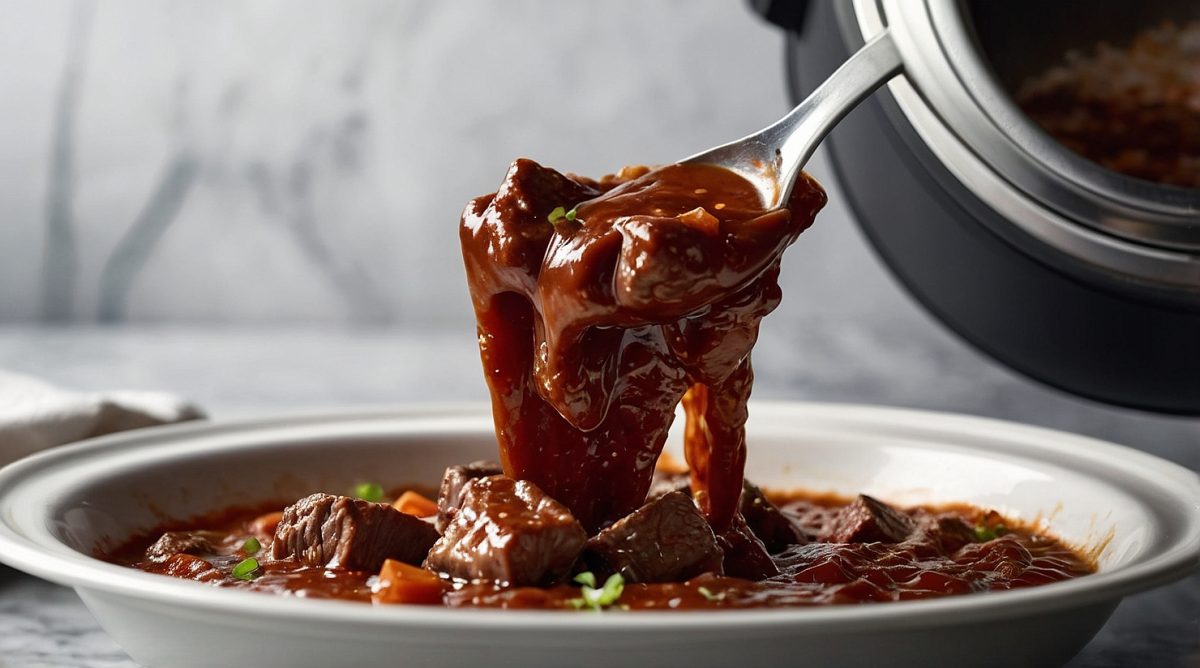
Step 3. Pour sauce over cubed meat.
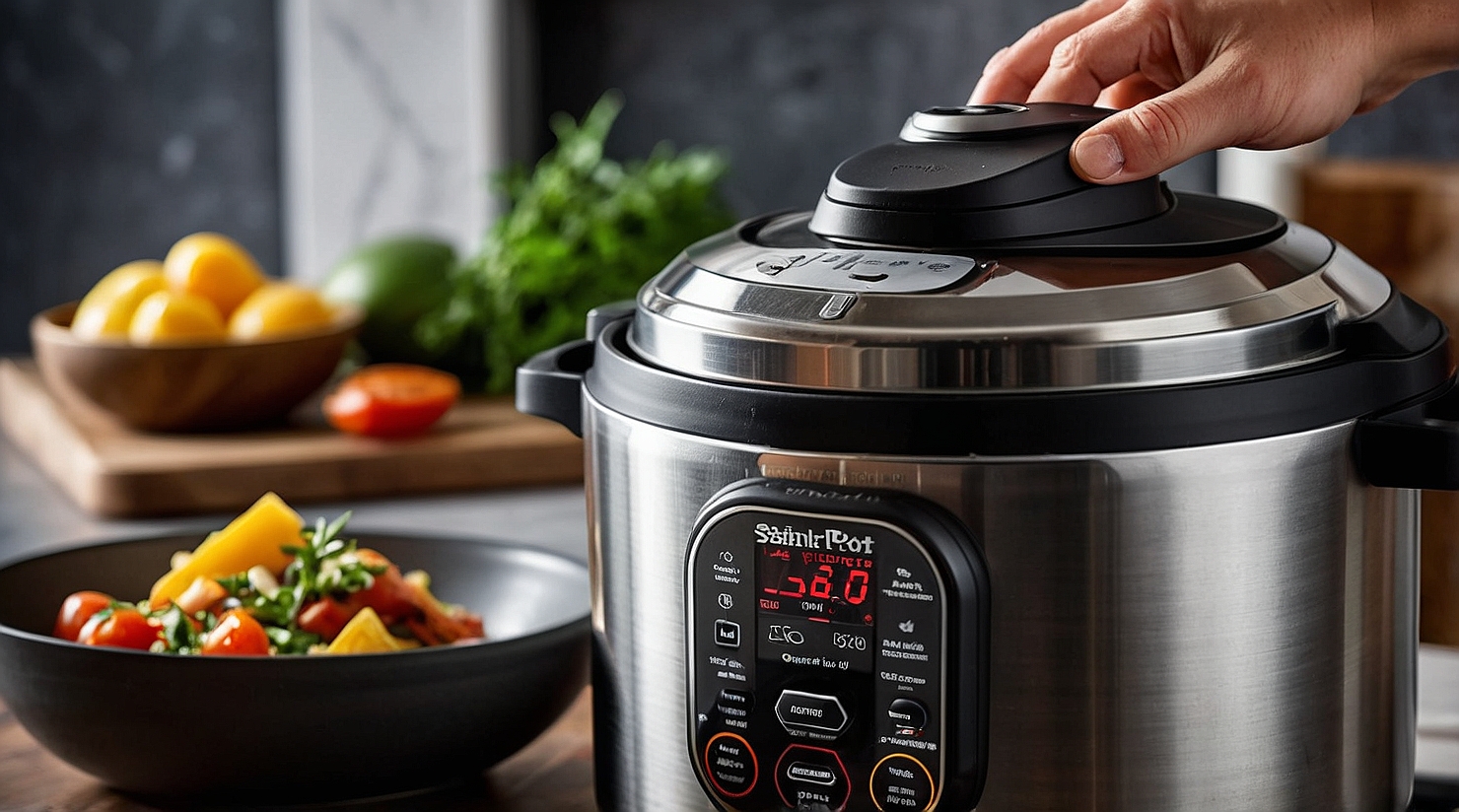
Step 4. Close the lid, and make sure the pressure release valve is turned to “SEALING”.
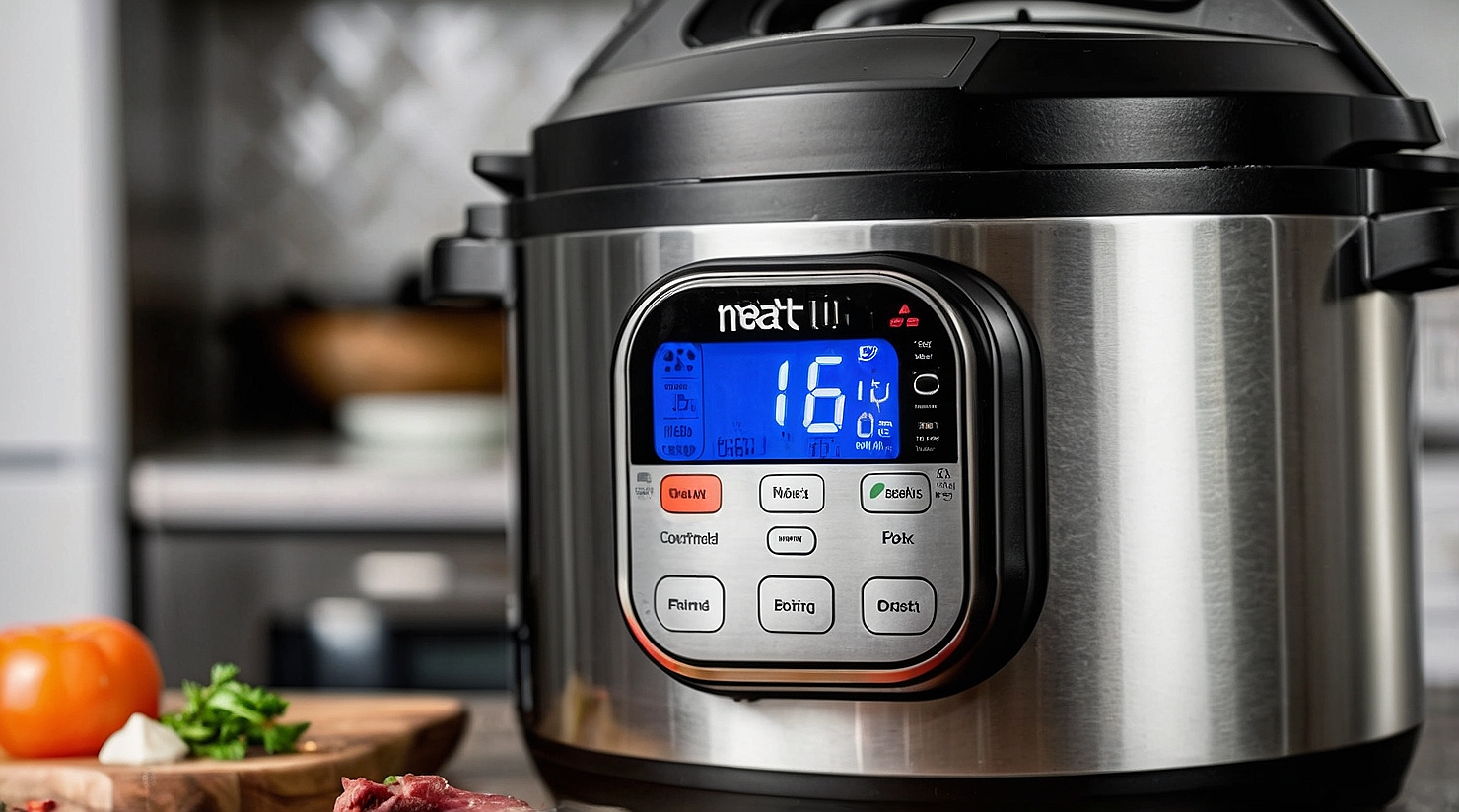
Step 5. Press the MEAT program button, and adjust time to 40 minutes. The pot should reach pressure within 10-15 minutes.
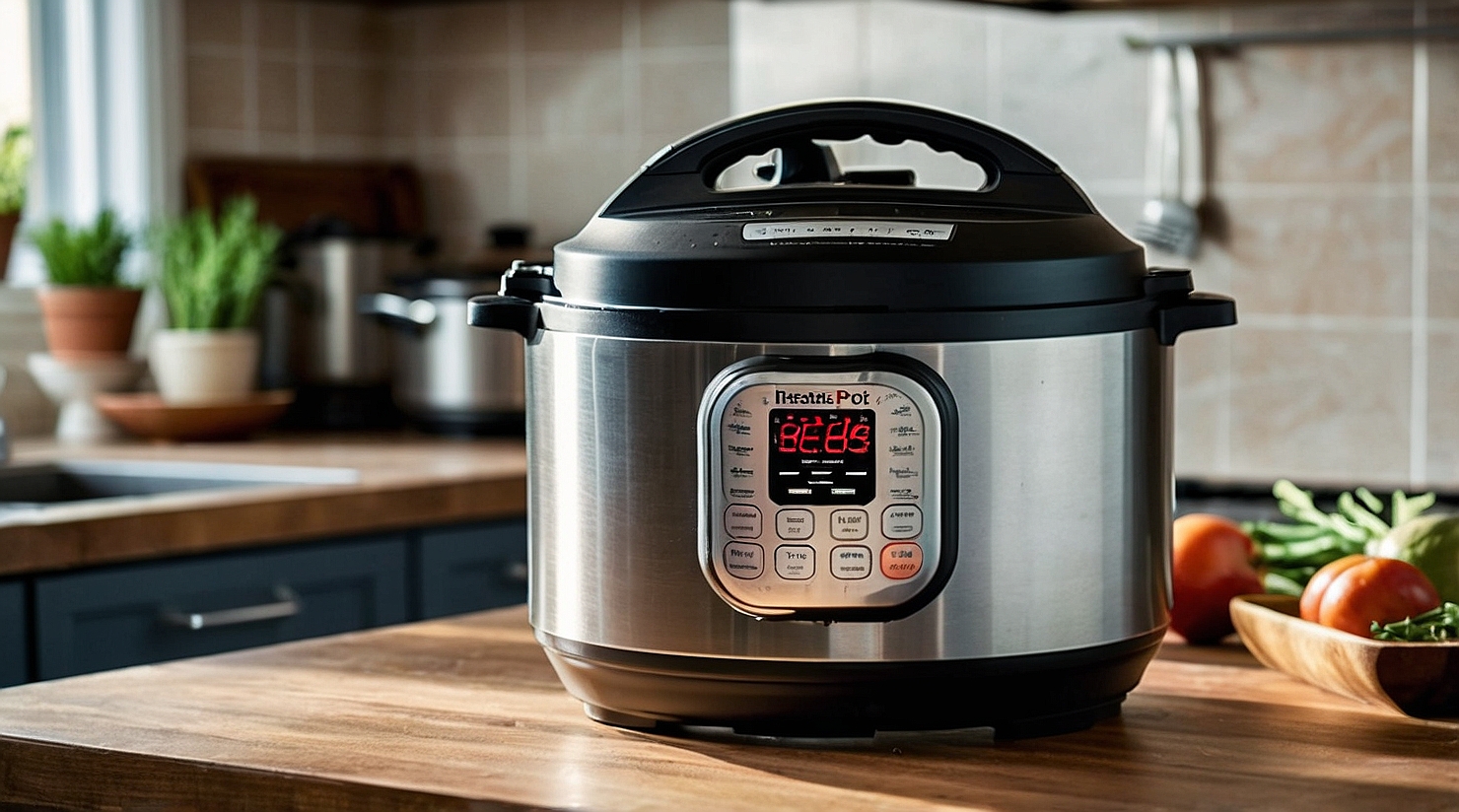
Step 6. Once the pot reaches pressure, it will begin counting down. Once it has finished cooking, it will beep and switch to keep warm. Allow beef to remain in pot for 25 minutes NPR (natural pressure release). Carefully release any pressure left at that time by turning the pressure release valve to “VENTING”.
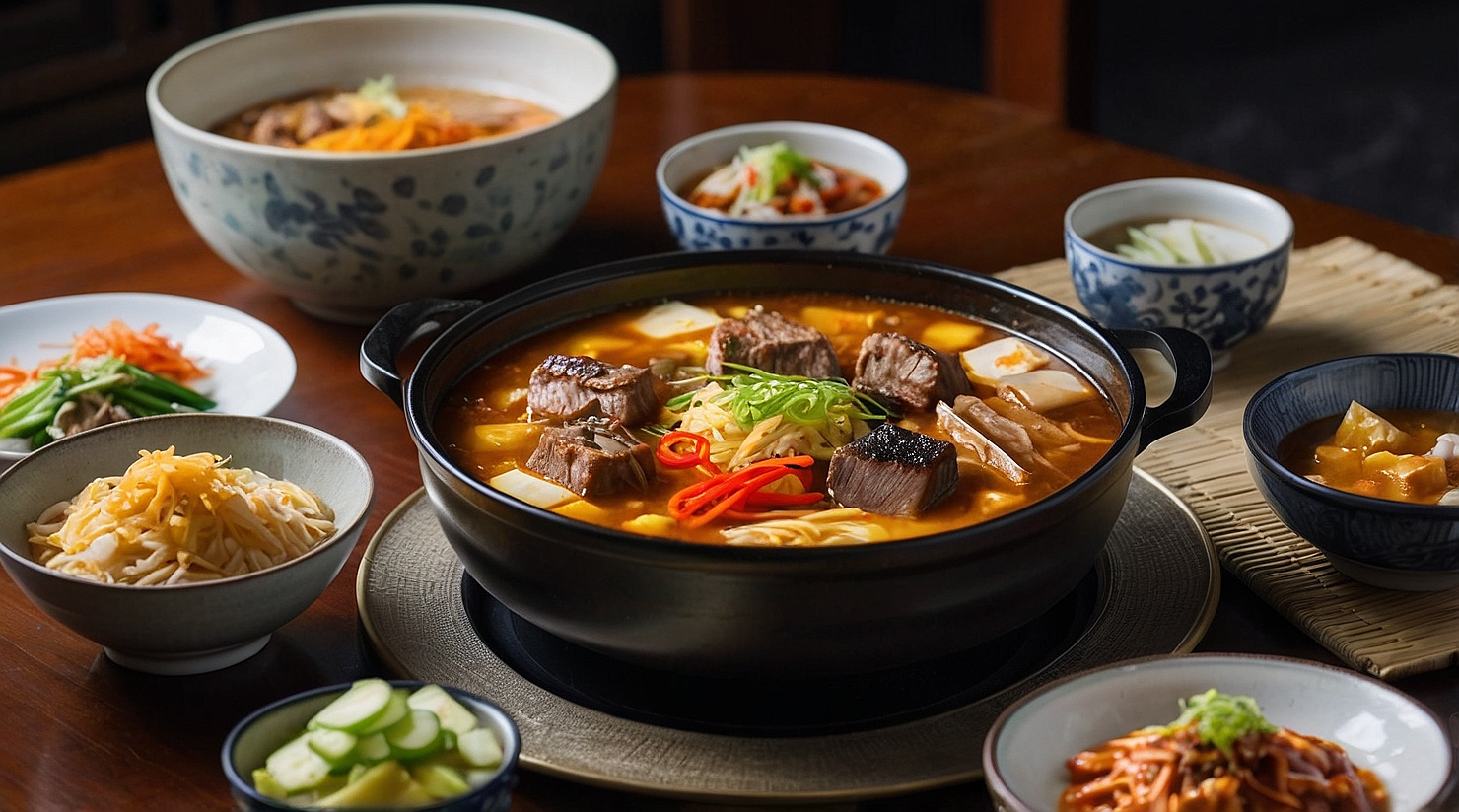
Step 7. Serve Korean Sogogi Jjigae in serving dish with side dishes around it.
Serving Suggestions and Enjoying Sogogi Jjigae
Korean sogogi jjigae is at its best steaming hot, with a bowl of rice and a few simple sides. Leftovers? They reheat well, so don’t stress if you make too much. It’s perfect for busy weeknights when you want something comforting without a lot of fuss.
Traditional Accompaniments
For me, Korean sogogi jjigae always needs steamed rice—it soaks up the broth and turns the meal into something really satisfying. You can’t go wrong with a scoop of rice and a ladle of stew.
I like to round out the table with banchan (those little side dishes). Kimchi is a must for me, since its tangy bite cuts through the richness of the stew. Spinach, bean sprouts, or pickled radish also work great. If you’re curious about what to serve with jjigae, check out this list of classic banchan.
It’s pretty common to serve Korean sogogi jjigae in individual bowls or put the whole pot in the middle for everyone to share. Family-style feels more fun, honestly. Let everyone scoop beef, veggies, and broth over their rice and dig in together—it’s what makes Korean sogogi jjigae feel so homey and communal.
Storage and Reheating Tips
When I make Korean sogogi jjigae, I usually stash any leftovers in an airtight container and shove it in the fridge. It’ll keep for about 3-4 days—honestly, sometimes it tastes even richer the next day, after all those Korean ingredients have had time to mingle. If you’re curious about how other folks store similar stews, check out this guide on Maangchi or maybe this My Korean Kitchen post for extra tips.
When it’s time to reheat Korean sogogi jjigae, I just pour it into a pot and warm it up over medium heat—usually takes about 5-7 minutes. I’ll stir it now and then, and if it looks too thick, I throw in a splash of water or broth. The microwave is fine if you’re in a rush; just zap it in 1-minute bursts until it’s steaming. If you want more reheating ideas, you might like this Korean Bapsang article or even this Serious Eats piece that covers soups in general.
I really wouldn’t freeze Korean sogogi jjigae if there’s tofu or potatoes in the mix—they get weird and grainy after thawing. But if you’re determined, you can freeze just the broth and beef for maybe 2 months. If you need more info, EatingWell has some solid advice. Korean sogogi jjigae is just one of those dishes that’s better fresh, but hey, life gets busy, right?
Sogogi Jjigae vs Yukgaejang
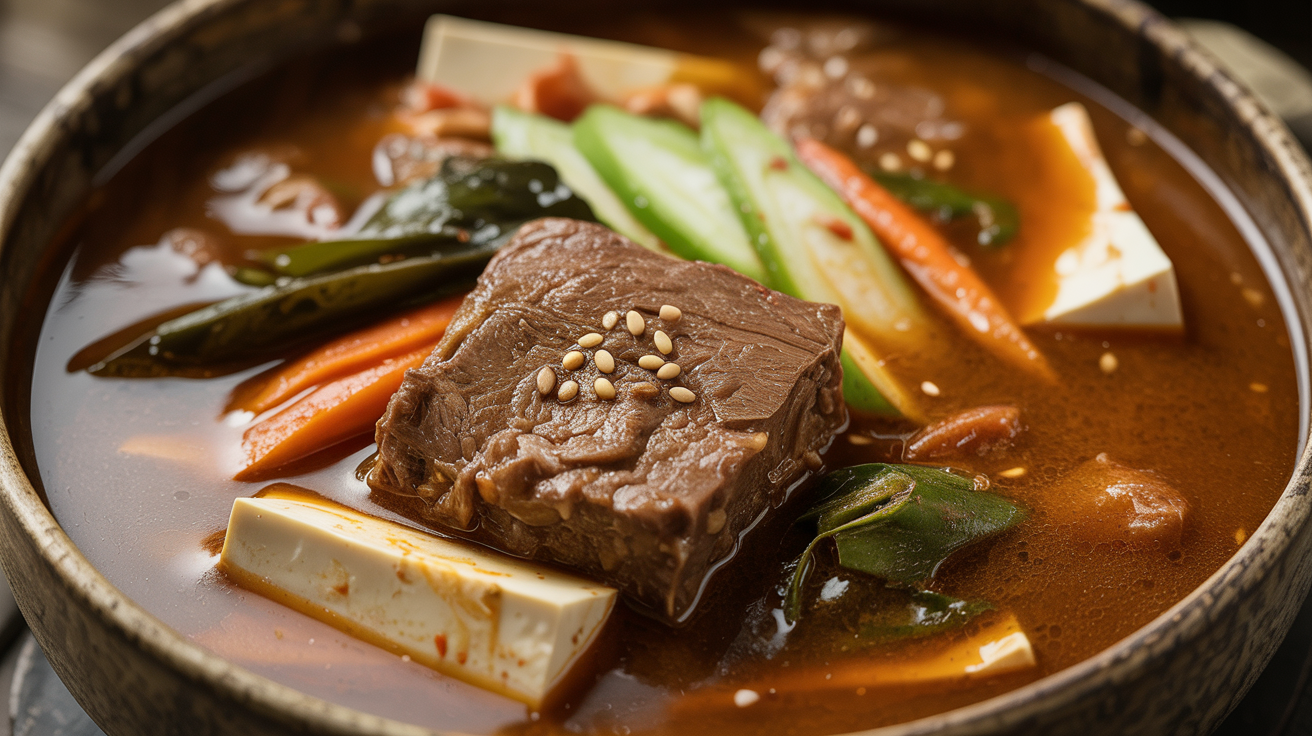
Sogogi jjigae is a milder beef stew that focuses on savory depth without overwhelming spice. It often includes tofu, vegetables, and a balanced broth.
Yukgaejang, on the other hand, is known for its fiery broth and shredded beef, creating a much spicier and more intense experience.
Comparing sogogi jjigae vs yukgaejang shows a clear divide between mild and spicy beef soups. One is comforting and subtle, while the other is bold and invigorating.
Korean Sogogi Jjigae FAQ
1. What does “sogogi” mean?
“Sogogi” means beef in Korean.
2. What vegetables are used in this stew?
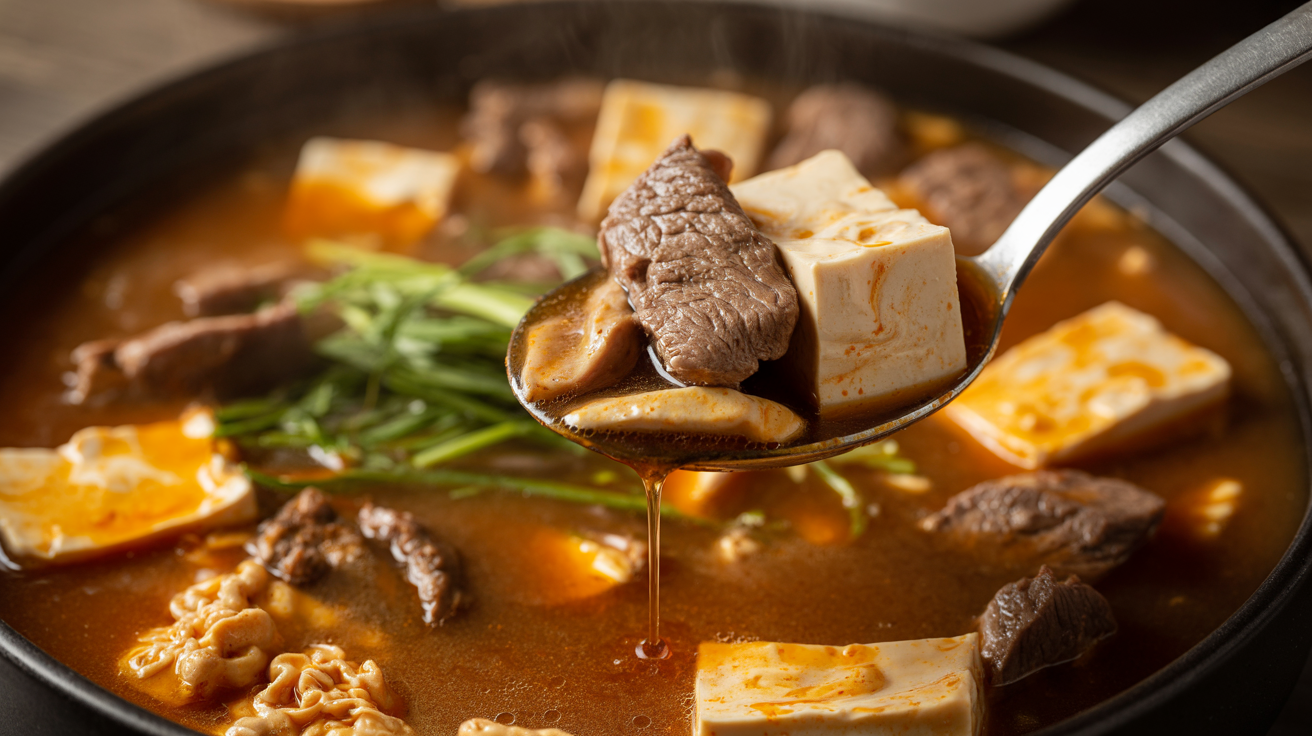
Onions, tofu, mushrooms, and leafy greens are common.
3. What broth is used for sogogi jjigae?
Beef broth or anchovy broth is typically used.
4. Is this stew spicy?
It can be mild or spicy depending on seasoning.
5. How is this dish different from yukgaejang?
It’s less spicy and not shredded.
Korean Sogogi Jjigae
Ingredients
- ¼ cup soy sauce reduced-sodium
- ⅙ cup brown sugar packed
- ⅛ cup beef broth reduced-sodium
- 2 ½ garlic cloves minced
- 1 tablespoons sesame oil
- 1 tablespoons rice vinegar
- 1 tablespoons ginger freshly grated
- 2 tablespoons Korean chili sauce
- ¼ teaspoon onion powder
- ¼ teaspoon pepper
- 2 pound beef chuck roast boneless, cut into 1-inch cubes
Instructions
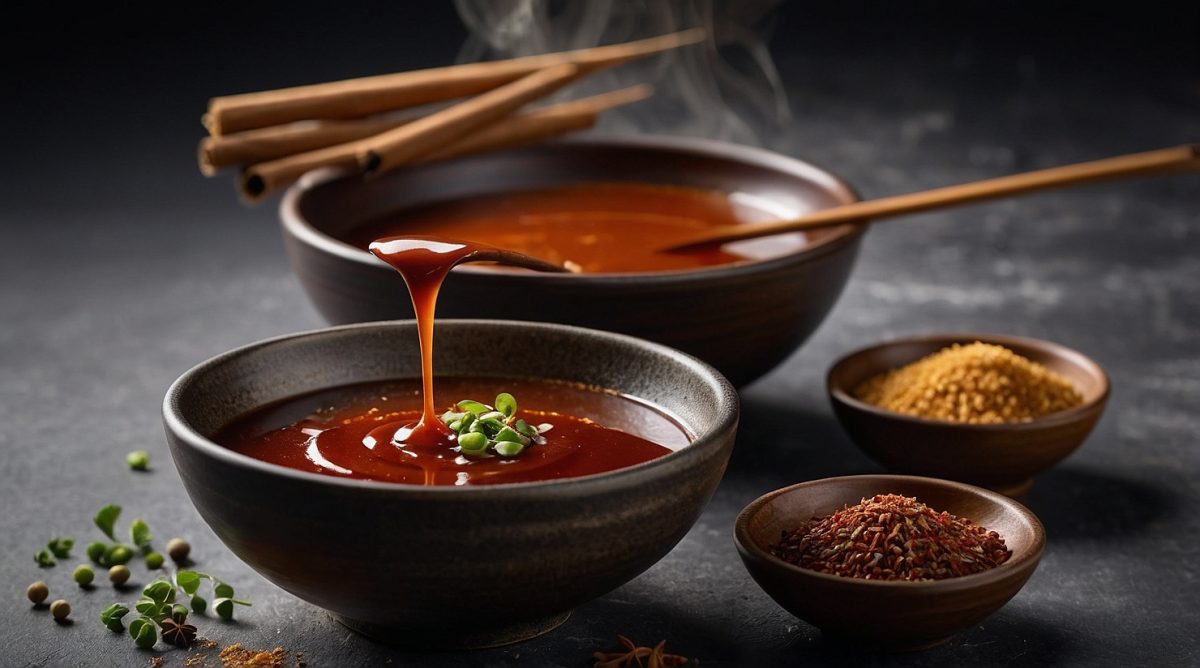
- In a medium bowl, whisk together first 10 ingredients (up to roast).
- Place cubed roast into Instant Pot.
- Pour sauce over cubed meat.
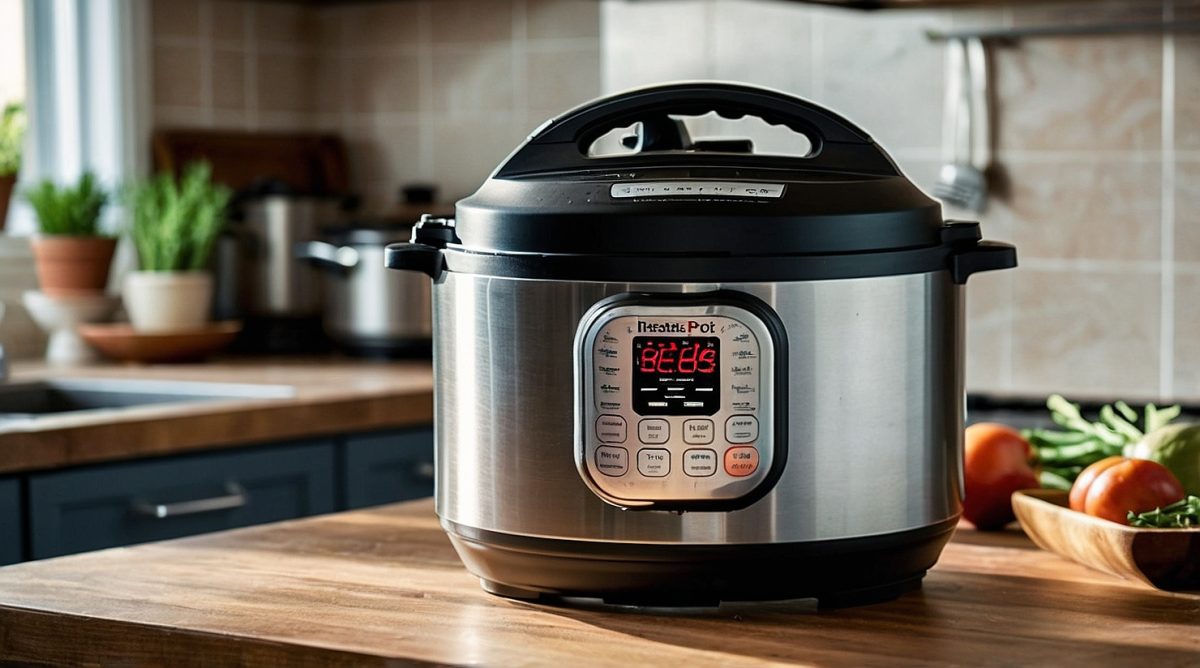
- Close the lid, and make sure the pressure release valve is turned to “SEALING”.
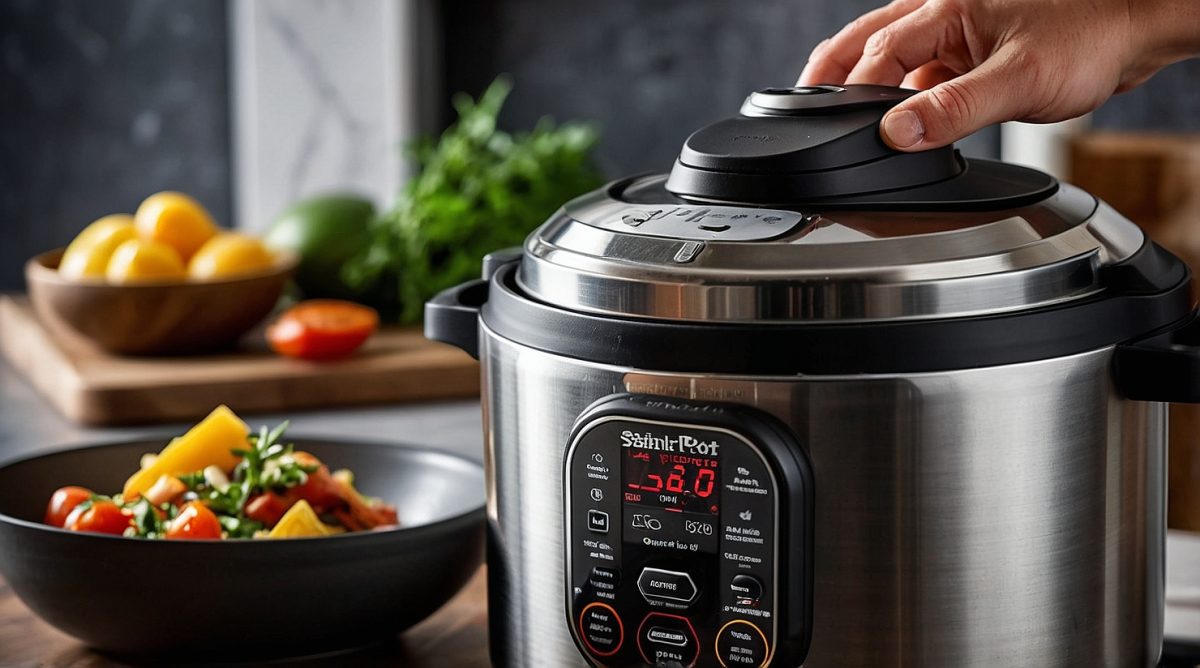
- Press the MEAT program button, and adjust time to 40 minutes. The pot should reach pressure within 10-15 minutes.
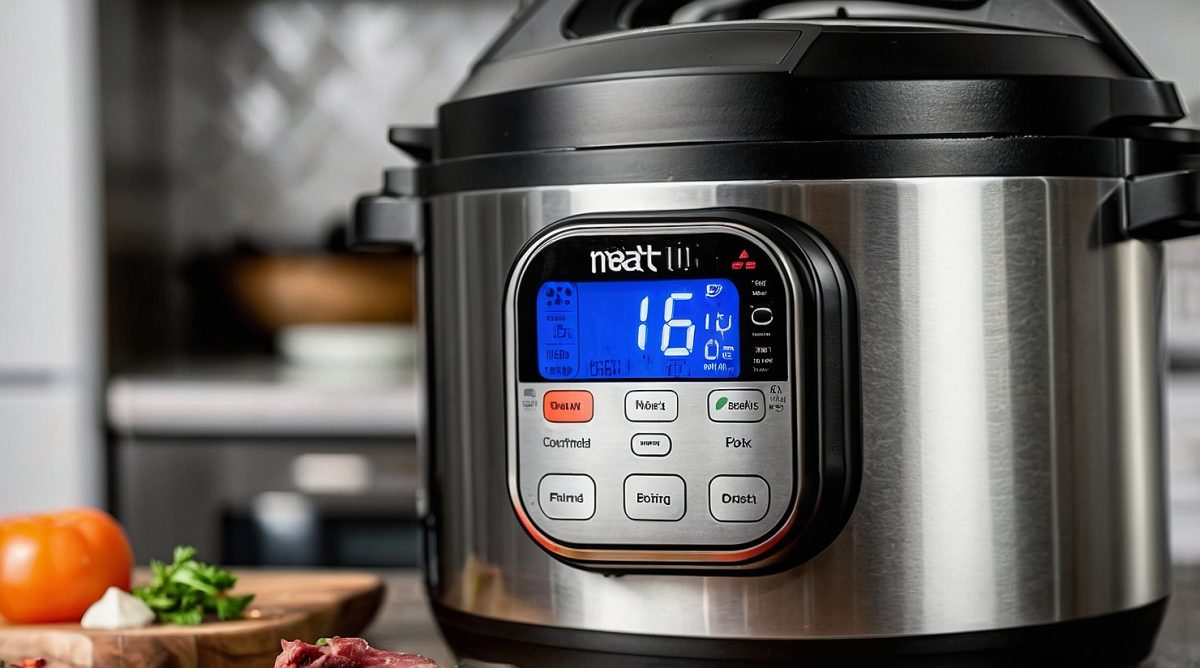
- Once the pot reaches pressure, it will begin counting down. Once it has finished cooking, it will beep and switch to keep warm. Allow beef to remain in pot for 25 minutes NPR (natural pressure release). Carefully release any pressure left at that time by turning the pressure release valve to “VENTING”.
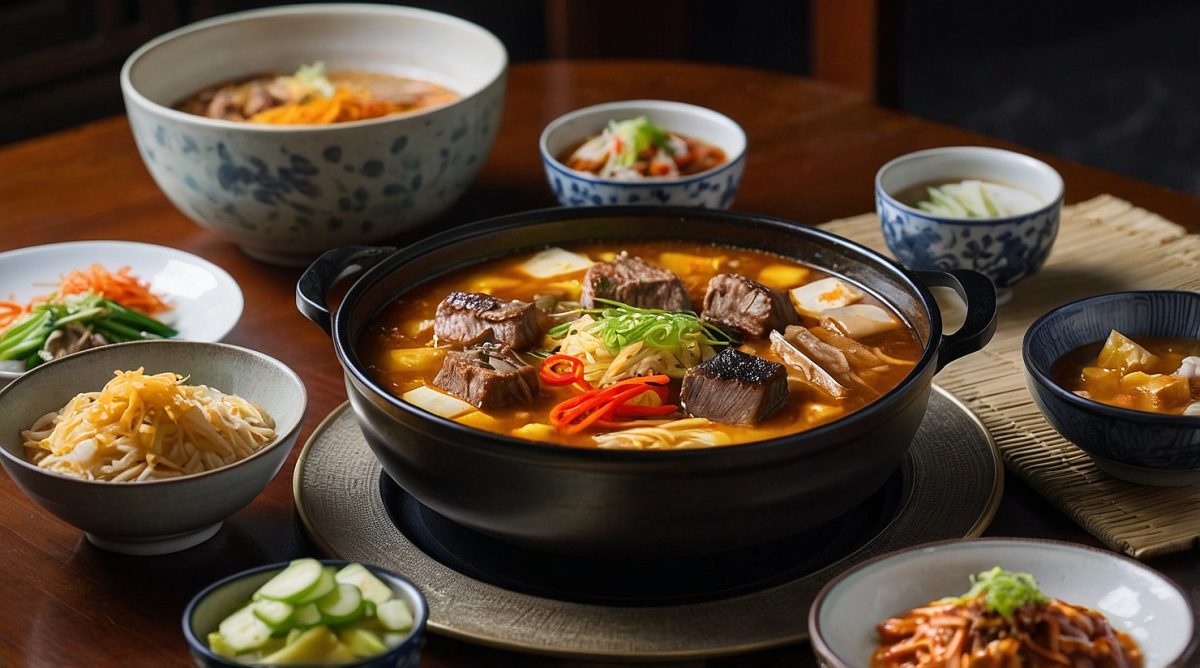
- Serve Korean Sogogi Jjigae in serving dish with side dishes around it.
Video

13 comments
Is it just me thinking Sogogi Jjigae could be the new comfort food trend? Also, could there be a vegetarian version?
Sogogi Jjigae as a trend? Perhaps. A vegetarian version? Itd lose its essence then!
Isnt Sogogi Jjigaes cultural significance more impactful than its variations? Shouldnt we focus more on its origins and less on differences?
Differences reflect evolution; knowing the variations IS understanding the origins!
Interesting read! Anyone tried substituting beef with tofu in this Sogogi Jjigae recipe? Would it still maintain the hearty flavor?
Absolutely not! Tofu cant replace the rich, savory taste of beef. Its irreplaceable in Sogogi Jjigae.
I wonder if the Korean Sogogi Jjigae can be adapted using chicken instead of beef for a lighter version?
Interesting read! Curious, though, why isnt kimchi used in this Sogogi Jjigae recipe? Seems like a staple in Korean cooking.
Kimchi in Sogogi Jjigae? Thats like putting ketchup on a steak!
Arent most Korean stews variations of each other? What makes Sogogi Jjigae stand out so significantly?
Every cuisine has variations, buddy. Sogogi Jjigaes unique flavor profile is what sets it apart!
Interesting read! But isnt Sogogi Jjigae typically spicier than other Korean stews? Curious how the Instant Pot impacts this.
Interesting read, but does anyone know if using venison instead of beef would significantly change the Sogogi Jjigae taste? Just curious.
Comments are closed.