

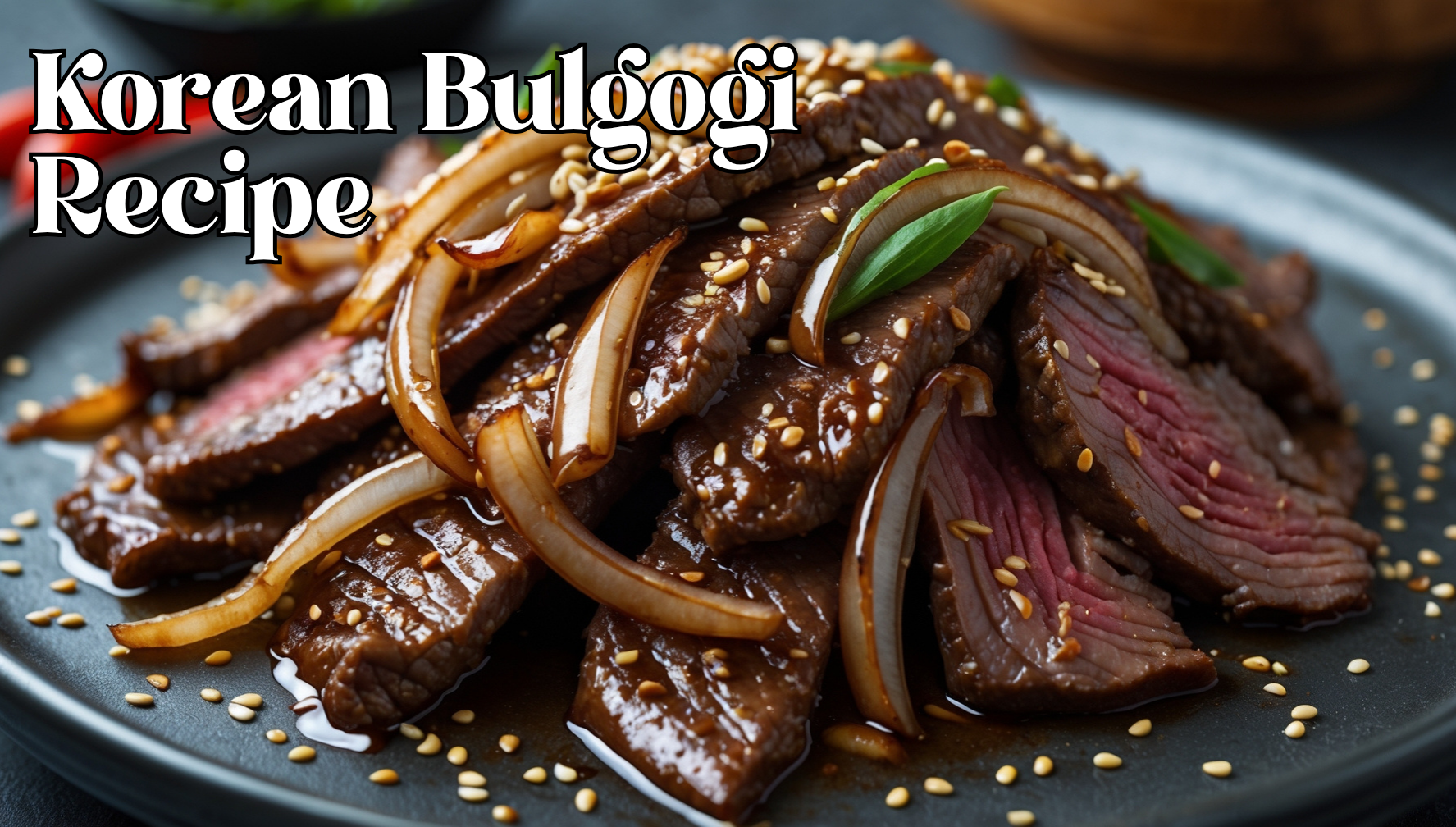
I’ve been making Korean bulgogi for years, and honestly, it’s one of those dishes that always gets people talking. Korean bulgogi is all about thin slices of beef soaking up a sweet and savory marinade, then cooking up tender, juicy, and just a little caramelized on the edges. I mean, who doesn’t love that? Bulgogi is basically beef marinated in soy sauce, sugar, garlic, and a bunch of other tasty things, then grilled or pan-fried until it gets that irresistible caramelized crust.
What really gets me about bulgogi is how simple it is to make at home. No fancy gadgets or weird ingredients—just stuff you can grab at most grocery stores. The marinade does the heavy lifting, turning plain beef into something that feels kind of special.
Let me walk you through everything you need to know about making authentic Korean beef bulgogi. I’ll cover the best cuts of beef, how to whip up the marinade, and which cooking methods really bring out the flavor. If you’re new to Korean BBQ or just want to up your game, this Korean bulgogi recipe will get you pretty close to what you’d find in a restaurant. And if you want to geek out more, check out this deep dive into bulgogi from Serious Eats.
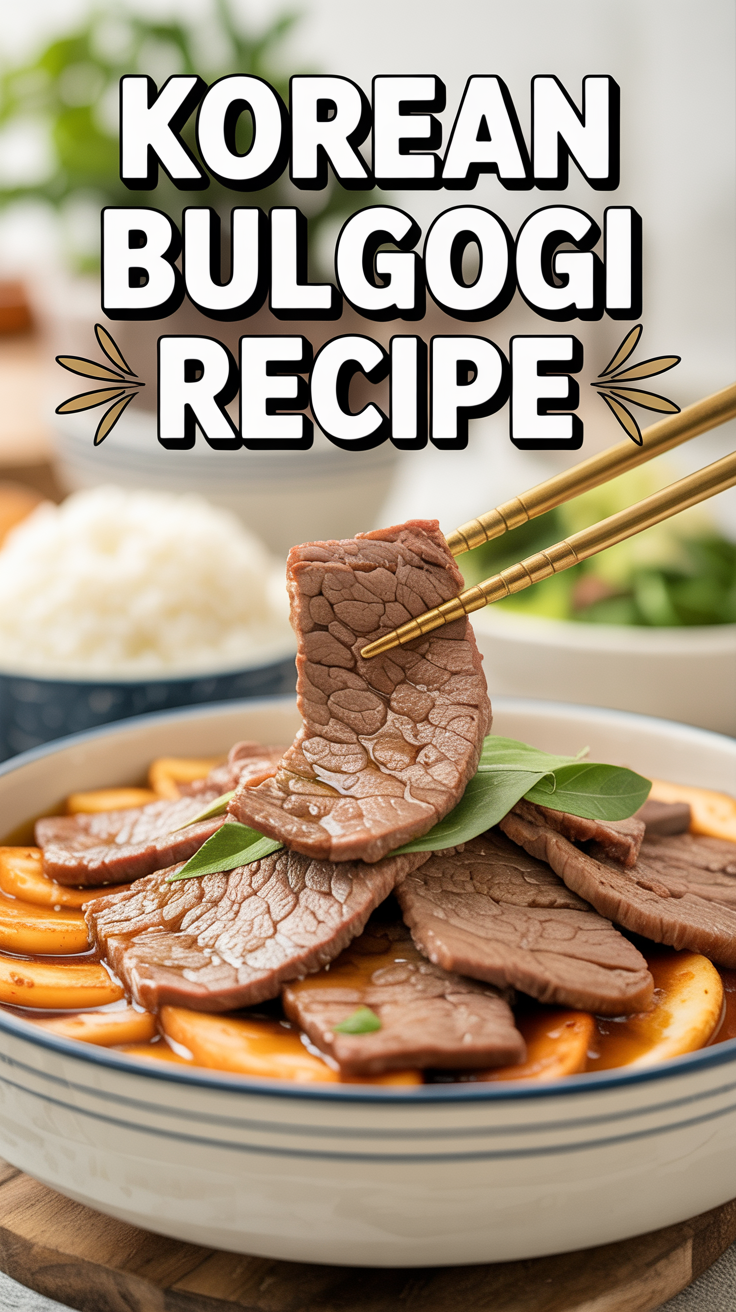
What Is Korean Bulgogi?
Honestly, bulgogi is one of Korea’s most iconic dishes. You get thin beef slices marinated and cooked over high heat. The name? It literally means “fire meat” in Korean. Pretty spot on for this BBQ favorite.
Origins and Cultural Significance
Bulgogi goes way back—like, all the way to the Goguryeo era (that’s 1st century BCE to 7th century CE). I found out that it started in Pyongan Province, up in what’s now North Korea. Back then, it was a bit of a regional treat.
The word bulgogi comes from the Pyongan dialect, and the dish really took off after refugees brought it to Seoul and other places. By 1947, people thought it was important enough to include in the Dictionary of the Korean language.
It’s wild how Bulgogi went from a local specialty to something that basically defines Korean food culture. If you ask me, you can’t really understand Korean BBQ without tasting bulgogi at least once. If you want more on the history, the Korean Culture and Information Service has a great article.
Key Characteristics
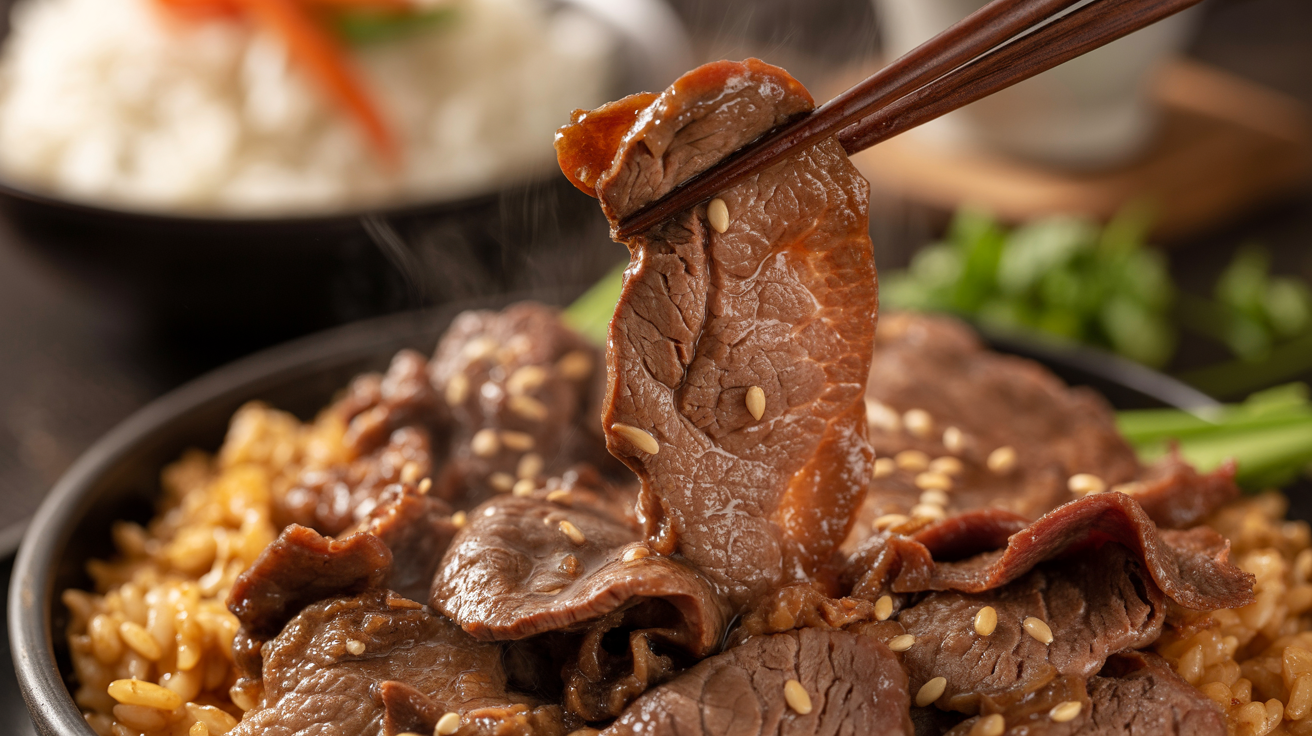
Korean beef bulgogi stands out because of its sweet and savory marinade. You mix up soy sauce, sugar, garlic, green onions, sesame oil, and a few spices. I’ve found that ribeye, sirloin, or tenderloin give you the best texture and flavor for Korean bulgogi.
Be sure to slice the meat super thin—that’s how it soaks up all the marinade and cooks fast. When I make Bulgogi, those thin slices get perfectly caramelized on the outside but stay juicy inside.
Traditionally, you grill it over an open flame, which adds a smoky edge. But honestly, I’ve pan-fried bulgogi plenty of times and it still turns out delicious. If you want to see a video on grilling bulgogi, check out Maangchi’s YouTube tutorial.
Traditional and Modern Variations
While beef is classic, people have gotten creative with bulgogi—pork, chicken, even seafood sometimes show up. Traditionally, you’d cook the marinated meat over charcoal or a special bulgogi pan with holes for the juices to drip through.
Some restaurants bring out portable grills for tableside Korean bulgogi, which is kind of fun and keeps everything hot. I love being able to control the char myself.
These days, you’ll find bulgogi in tacos, burgers, rice bowls, and all sorts of fusion dishes. No matter what, the essentials stay the same: thinly sliced meat, that signature sweet-savory marinade, and quick, hot cooking.
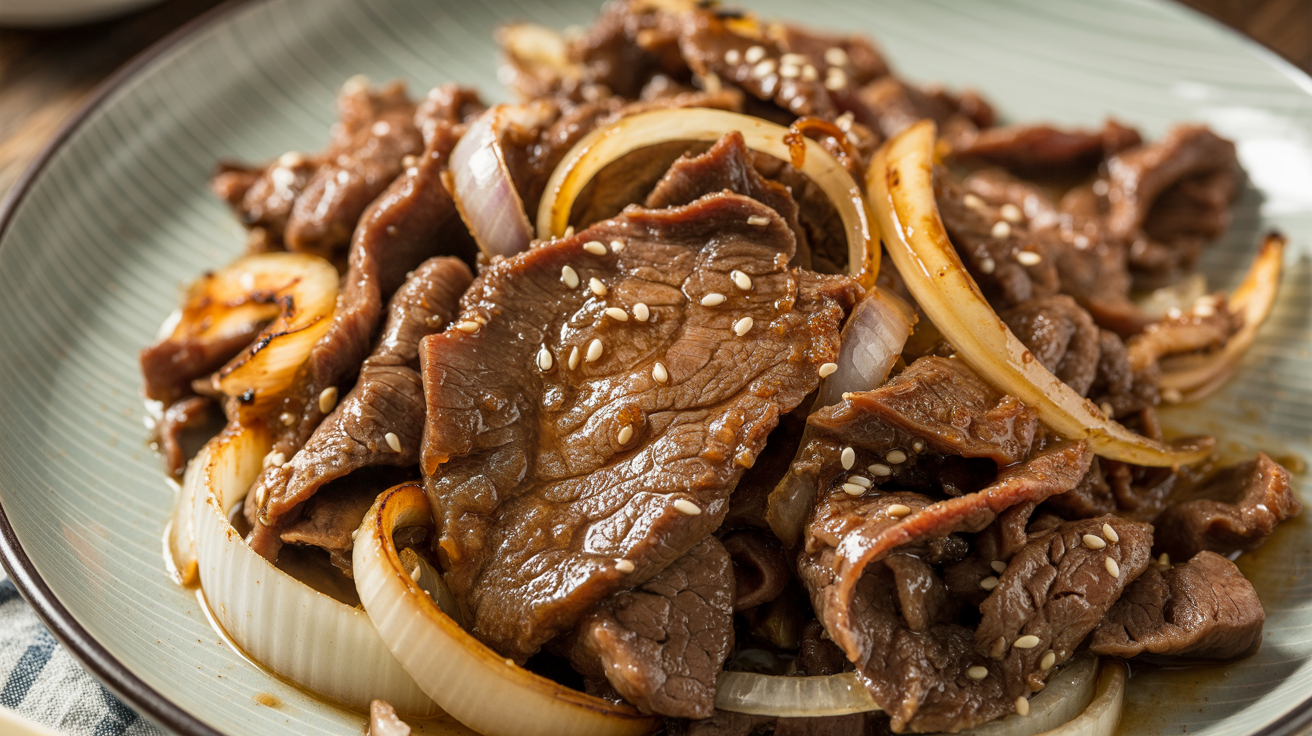
Essential Ingredients for Authentic Bulgogi
If you want to make bulgogi at home, you’ll need the right beef, marinade, and a few flavor boosters. Using quality stuff really does make a difference for getting that sweet, savory, slightly smoky taste people love.
Choice of Beef and Other Proteins
Start with thinly sliced beef. I always go for ribeye because the marbling keeps bulgogi tender and juicy. The ideal thickness is about 1/8 inch or even thinner.
If you can’t find ribeye, sirloin is a great backup. Just make sure there’s a bit of fat so your Korean bulgogi doesn’t dry out.
Ask your butcher to slice it, or freeze your beef for 30 minutes to make it easier to cut thin at home. Trust me, it works. If you’re feeling adventurous, you can try bulgogi with pork or chicken—the marinade is super flexible. Cooking times will change, though.
Classic Marinade Components
The bulgogi marinade is the real star of bulgogi. I use soy sauce as the salty base—about half a cup for every pound and a half of beef.
Asian pear is a game-changer for Korean bulgogi. The Korean pear adds sweetness and has enzymes that tenderize the beef. If you can’t find one, try nashi or bosc pear. I usually grate half a pear into the marinade.
Sesame oil gives bulgogi that nutty aroma. Toasted sesame oil is my pick—just a couple of tablespoons since it’s strong.
Garlic is non-negotiable for bulgogi. I go with 4-5 cloves, freshly minced, for every pound and a half of beef. Skip the jarred stuff if you can.
Flavor-Boosting Additions
To make Korean bulgogi pop, I toss in green onions for freshness. Usually, I’ll slice up 3 or 4 and mix them right into the marinade.
Sometimes I add half a yellow onion for a bit of extra sweetness and crunch in my Korean bulgogi.
For the sweet side, honey or sugar balances out the soy. I lean toward honey because it adds a little more depth. Two tablespoons is plenty for Korean bulgogi.
Fresh grated ginger brings a subtle warmth, and I use about a tablespoon. Adjust if you want more kick in your Korean bulgogi.
Toasted sesame seeds add a nice crunch. I sprinkle them over the marinated bulgogi before cooking.
If you want to spice things up, try a little gochujang or gochugaru, but honestly, you don’t need them for traditional Korean bulgogi. For gluten-free folks, swap in tamari for soy sauce. There’s a good explainer on gochujang in bulgogi if you’re curious.
How to Make Korean Bulgogi
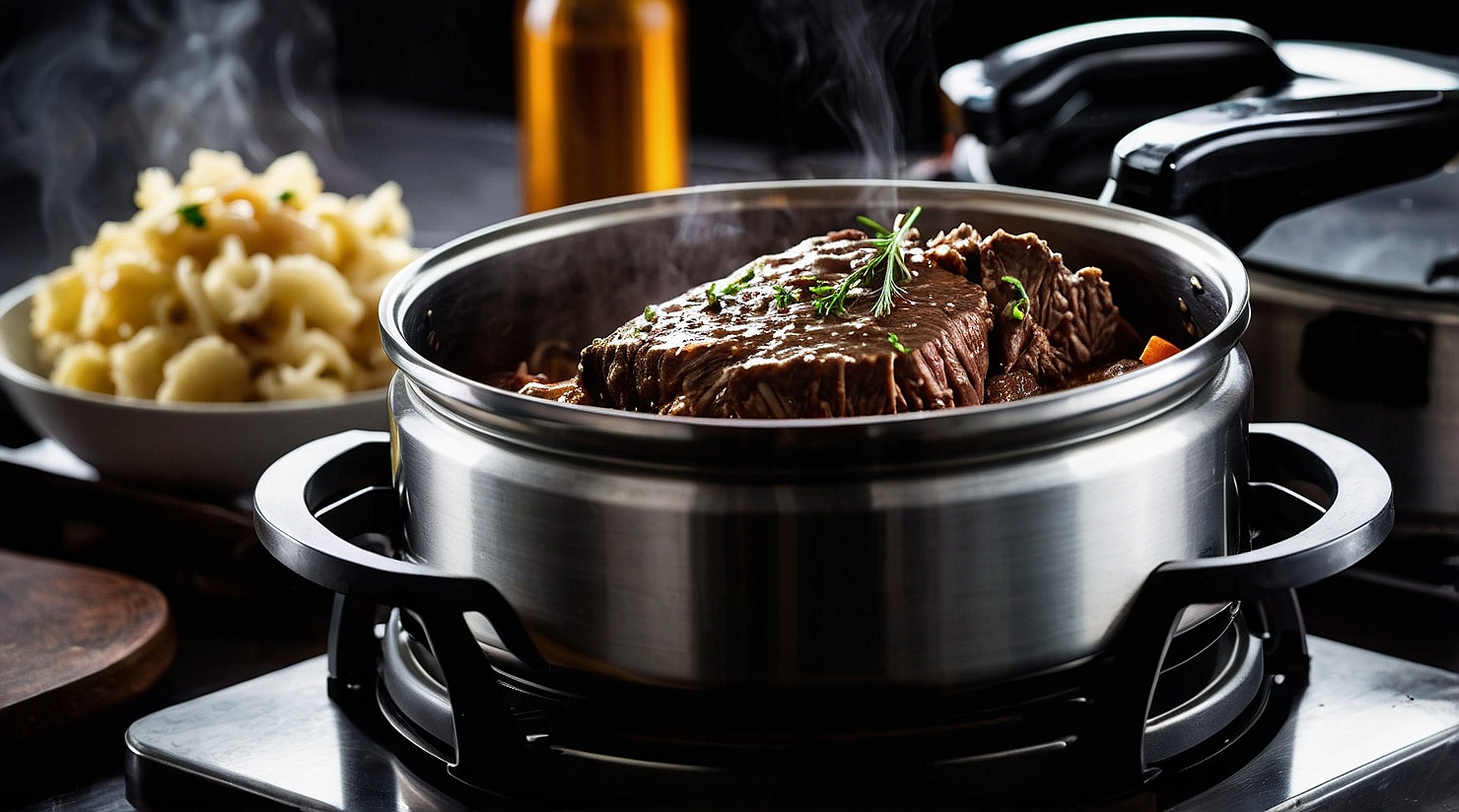
Step 1. Stir together the first 9 ingredients in a bowl.
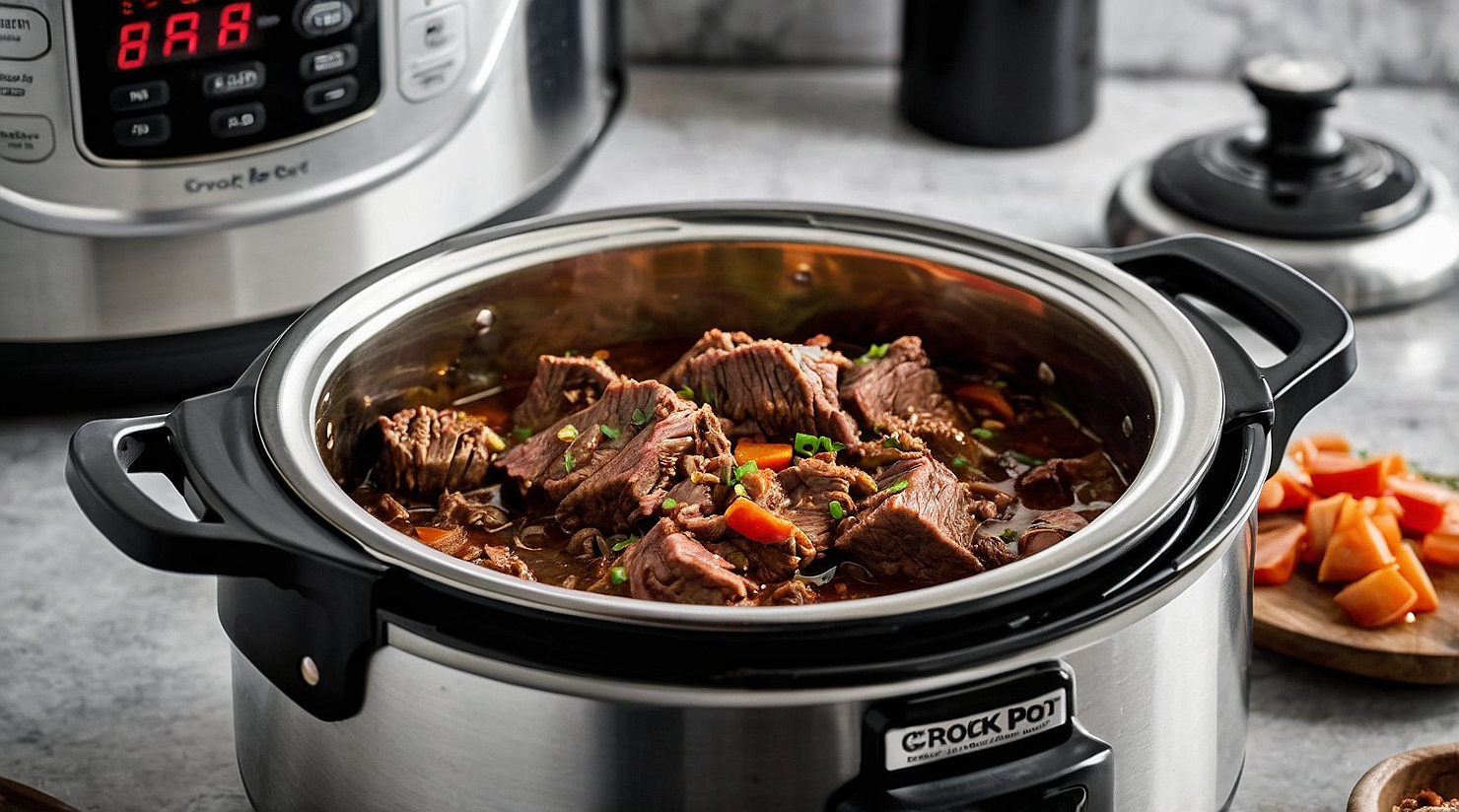
Step 2. Plug in your Crock-Pot Pressure Cooker and add the chopped beef. Pour the sauce over the beef and stir. Secure the lid, press Manual Pressure, and set the time to 15 minutes. Leave the steam release valve sealed.
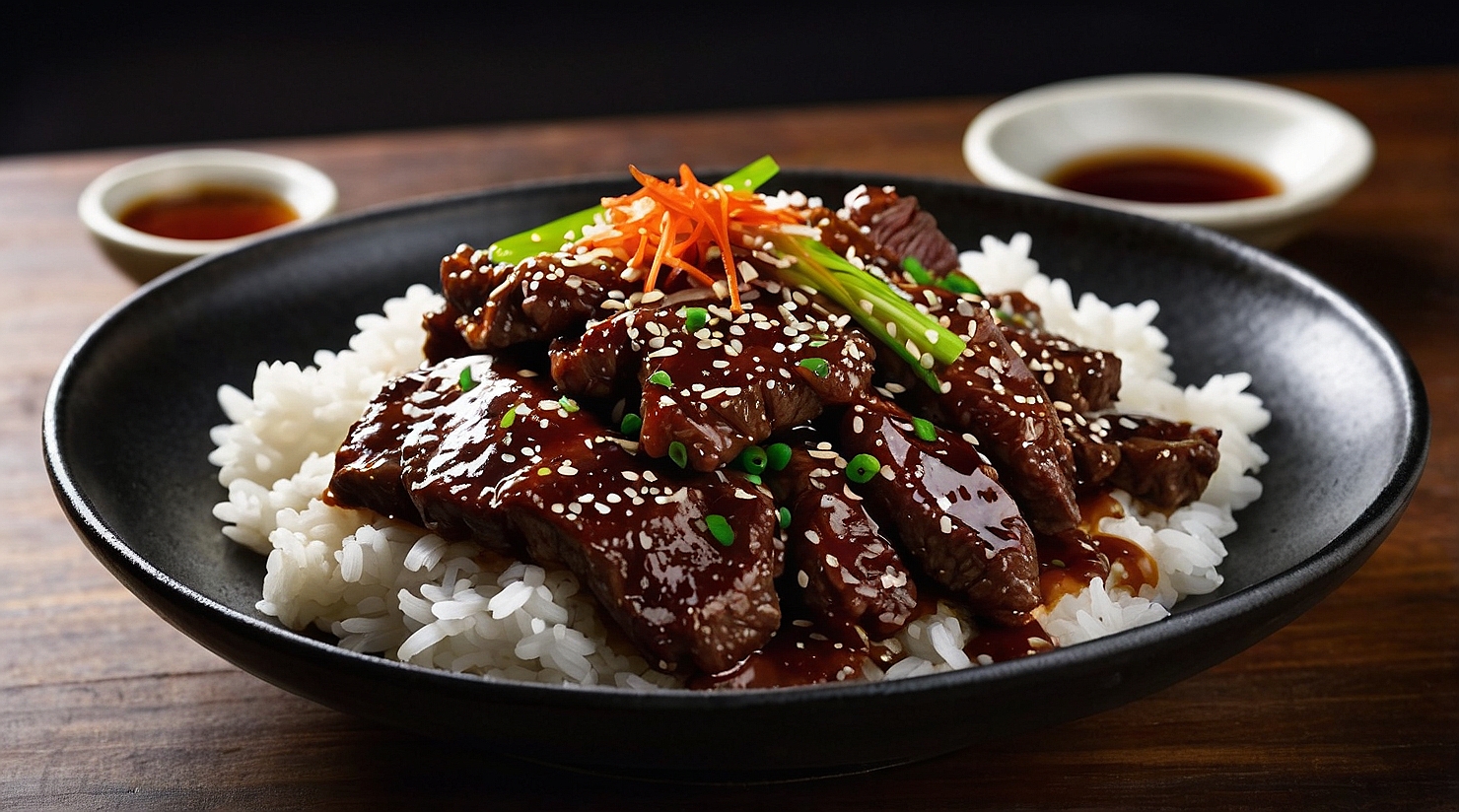
Step 3. Once the pressure cooker has finished its cycle, open the lid and add in the tapioca flour and sesame seeds. Press the Saute button and cook, stirring occasionally, until sauce has thickened, about 3 to 5 minutes.
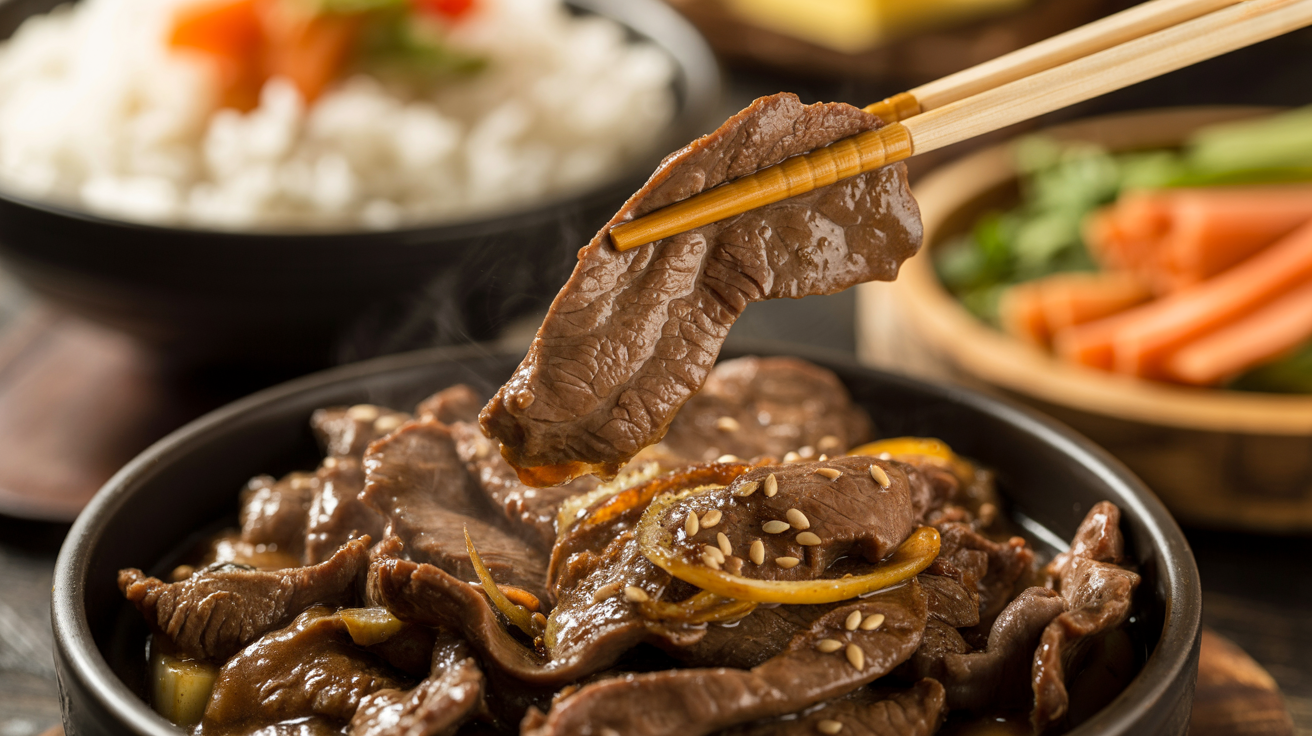
Step 4. Serve Korean bulgogi beef with choice of steamed rice, fried rice, or cauliflower rice.
Slicing and Preparing the Meat
I always start with ribeye for my Korean bulgogi recipe. Sirloin is a solid backup if you prefer something leaner.
The trickiest part is cutting bulgogi beef. I put the beef in the freezer for about 40 minutes, so it’s firm but not frozen. That way, I can slice it super thin for Korean bulgogi.
Always cut against the grain for Korean bulgogi. This shortens the muscle fibers and keeps the meat tender. If you mess this up, you’ll notice the difference.
Blending the Marinade
The marinade is what makes Korean bulgogi shine. I throw soy sauce, sugar, sesame oil, garlic, and ginger into a bowl or blender. Asian pear is the secret for authentic Korean bulgogi—don’t skip it if you can find one.
Asian pear helps break down the meat and adds a gentle sweetness. If I can’t get one, I’ll use a regular pear or even a bit of kiwi. I grate about half a pear for my Korean bulgogi marinade.
Here’s my usual lineup for Korean bulgogi:
- 1/3 cup soy sauce
- 2 tablespoons sugar
- 2 tablespoons sesame oil
- 4 cloves garlic, minced
- 1 tablespoon fresh ginger, grated
- 1/2 Asian pear, grated
- 2 green onions, chopped
- 1 tablespoon rice wine (optional)
I whisk it all together until the sugar is dissolved. Sometimes I just use a fork if I’m in a hurry. If you want a visual, this YouTube video is a good walkthrough.
Marinating Tips and Timing
After mixing the marinade, I pour it over the beef in a big bowl or a zip-top bag. I make sure every slice gets coated for that classic Korean bulgogi taste. I like to massage the marinade in with my hands—messy, but worth it.
If I’m pressed for time, I let the Korean bulgogi marinate for 30 minutes at room temp. But if you can, let it soak for 2 to 4 hours in the fridge. That’s when the flavor really comes through.
If I plan ahead, I marinate Korean bulgogi overnight, but never more than 24 hours. The pear enzymes can make the beef mushy if you wait too long. I pull the meat out about 15 minutes before cooking, so it’s not ice-cold when it hits the pan or grill.
Cooking and Serving Korean Bulgogi
Once the beef is marinated, you can cook Korean bulgogi a few different ways. Each method brings out those sweet and savory flavors in its own way. Here’s how I do it, plus some ideas for sides to make your Korean BBQ night feel complete. For more serving inspiration, check out Korean Bapsang’s bulgogi guide.
Grilling, Pan-Frying, or Broiling
I like to cook Korean bulgogi over high heat to get those caramelized edges. For grilling, I preheat to medium-high and toss the beef slices on for about 2-3 minutes per side. They cook fast since they’re thin.
If I’m pan-frying, I use a cast iron skillet or big pan on high. I keep the beef in a single layer—no crowding—so it sears instead of steaming. Each batch takes maybe 3-4 minutes.
For broiling, I spread the marinated beef on a foil-lined baking sheet and set it about 4 inches from the broiler. I broil for 3-4 minutes, flip, then give it another 2-3 minutes. The edges caramelize and turn glossy—that’s when you know Korean bulgogi is ready.
Serving Suggestions and Pairings
Honestly, I can’t imagine eating Korean bulgogi without a big bowl of steamed white rice. The way the rice grabs all those savory meat juices—it’s just unbeatable. If you skip the rice, are you even doing it right?
But here’s the thing: Korean bulgogi tastes amazing wrapped up in lettuce, too. I usually grab butter lettuce or, if I can find it, some fresh perilla leaves. I toss a slice of Korean bulgogi on the leaf, scoop in a bit of rice, and then pile on some kimchi. Sometimes I’ll add a dab of ssamjang because, well, why not? The combo just pops. If you want to learn more about kimchi, check out this authentic kimchi recipe.
When I want the meal to feel complete, I’ll pull together a few classic Korean side dishes (banchan). Here are my usual picks:
- Kimchi – It brings a spicy, tangy punch that really wakes up the Korean bulgogi.
- Spicy cucumber salad – Super refreshing, with just the right crunch. Try this spicy cucumber salad recipe for something new.
- Japchae – Sweet potato noodles that add a little sweetness and balance to the Korean bulgogi. If you’ve never made it, here’s a great japchae guide.
- Tteokbokki – Chewy rice cakes in a fiery sauce. Perfect for anyone who loves a bit of heat. Curious? Check out this tteokbokki recipe.
Sometimes, I’ll mix Korean bulgogi right into a bowl of bibimbap. Toss in some veggies, maybe an egg, and you’ve got a killer rice bowl. Most of these ingredients are easy to find at a local Korean grocery store, but if you don’t have one nearby, you can order online from places like H Mart or Korean Mall.
Honestly, Korean bulgogi is so versatile. You can throw leftovers into a sandwich, toss it over salad, or even use it as a pizza topping if you’re feeling wild. If you’re curious about other ways to use Korean bulgogi, I found some fun ideas on Bon Appétit. And if you want a deep dive into the history and variations of Korean bulgogi, this Wikipedia article is a good starting point.
At the end of the day, Korean bulgogi just brings people together. Whether you’re piling it into lettuce wraps, mixing it into bibimbap, or just eating it straight from the pan (no judgment!), it’s a dish that never gets old. If you haven’t tried Korean bulgogi yet, what are you waiting for?
Give Korean bulgogi a shot with your favorite sides, or get creative and see where it takes you. With so many ways to enjoy Korean bulgogi, there’s really no wrong answer. And honestly, isn’t that the best part?
Storing and Reheating Leftovers
When I’ve got leftover Korean bulgogi, I just pop it into an airtight container and stash it in the fridge—usually good for about three days. Honestly, Korean bulgogi keeps its tenderness and that awesome flavor pretty well, which is always a nice surprise. If you want more tips on storing Korean dishes, check out Maangchi’s guide for some extra know-how.
To reheat Korean bulgogi, I usually toss it in a skillet over medium heat for a couple of minutes. It’s quick—just 2 or 3 minutes, and you’re good. I try to avoid the microwave because, let’s face it, nobody wants rubbery Korean bulgogi. But if I’m in a rush and have no choice, I go with 30-second bursts at 50% power. For those who want more reheating tricks, Serious Eats has a great article on the topic.
If I need to keep Korean bulgogi longer, I just stick it in freezer bags and freeze it—three months, easy. When I’m ready for more Korean bulgogi, I thaw it overnight in the fridge, then reheat. Curious about freezing other Korean dishes? Take a look at Korean Bapsang’s freezing tips. For more on the history of Korean bulgogi, you might enjoy this article from The Spruce Eats. And if you’re wondering about the best sides to serve with Korean bulgogi, Just One Cookbook has some great suggestions.
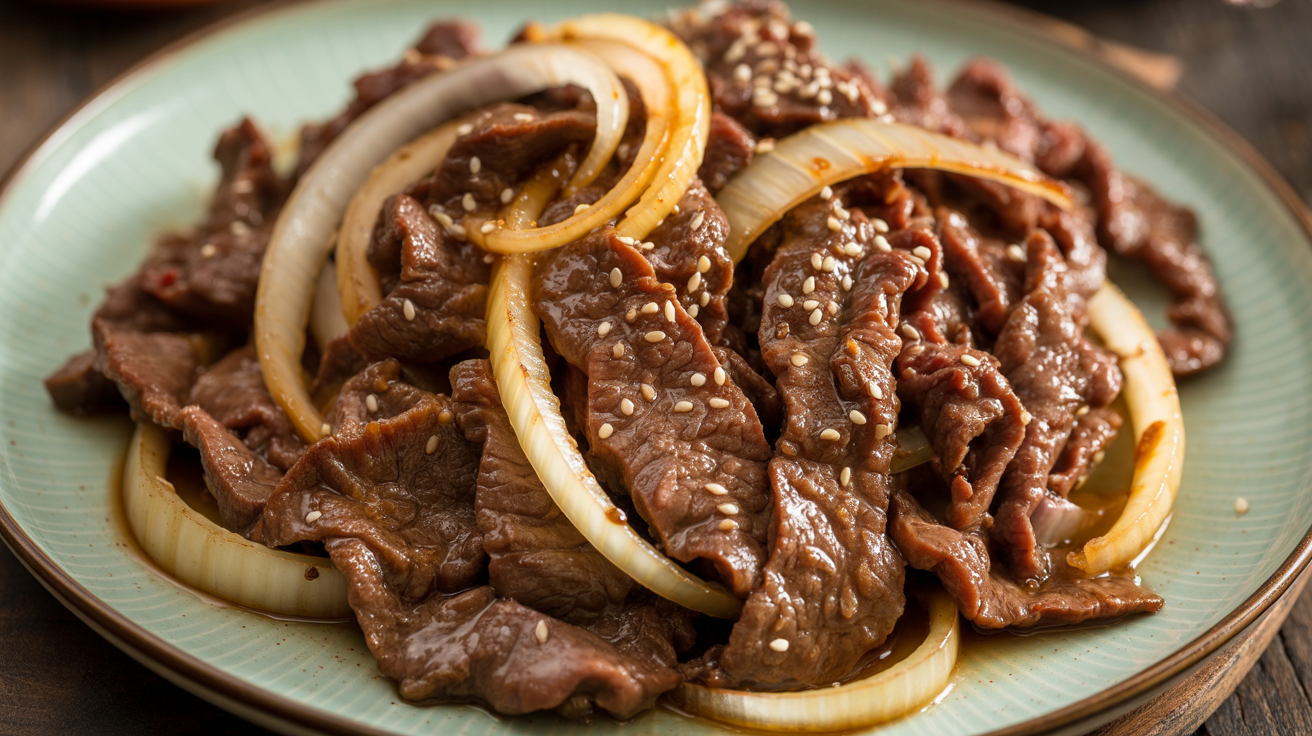
Bulgogi vs Teriyaki Beef
Bulgogi and teriyaki beef both feature sweet and savory marinades, but their flavor profiles differ. Bulgogi includes garlic, sesame oil, and often pear for sweetness, creating a more complex taste.
Teriyaki beef relies on soy sauce, sugar, and mirin, resulting in a simpler, glossy glaze. It’s less aromatic and typically lacks the layered depth of bulgogi.
Comparing bulgogi vs teriyaki beef highlights cultural differences in flavor building. Bulgogi is more nuanced and aromatic, while teriyaki is straightforward and sweet.
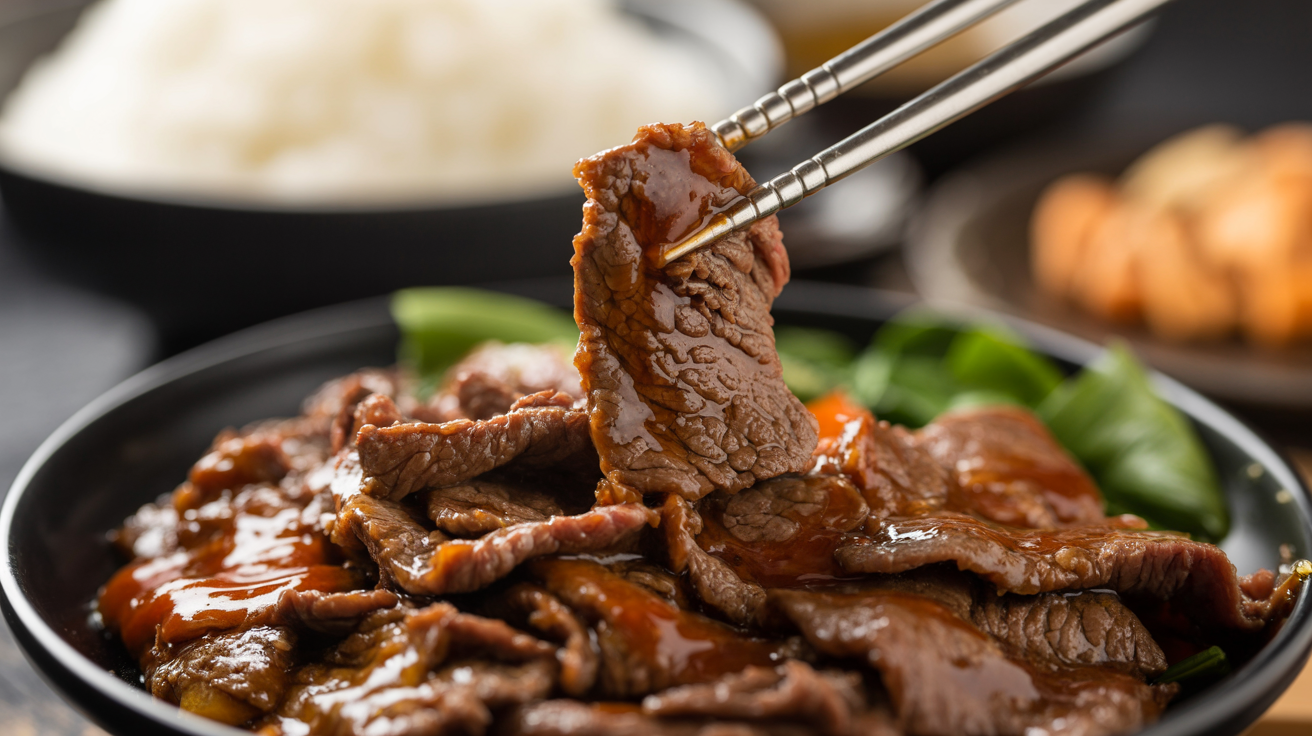
Korean Bulgogi FAQ
1. What does “bulgogi” mean?
It means “fire meat,” referring to grilled marinated beef.
2. What cut of beef is best for bulgogi?
Thinly sliced ribeye or sirloin works best.
3. Why is bulgogi sliced so thin?
Thin slices cook quickly and absorb marinade well.
4. What flavors define bulgogi?
Sweet, savory, and slightly smoky flavors.
5. Can bulgogi be cooked without a grill?
Yes, it can be cooked in a skillet or pan.
Korean Bulgogi Recipe
Ingredients
- 1/2 cup beef broth
- 1/3 cup liquid aminos
- 1/4 cup coconut sugar
- 2 Tbsp pure maple syrup
- 4 cloves garlic minced
- 1 Tbsp sesame oil
- 1 Tbsp rice vinegar
- 1 Tbsp fresh ginger peeled and grated
- 1 Tbsp Korean red chili sauce or red pepper sauce
- 3 lbs Beef chuck roast chopped into 1-inch cubes
- 3 Tbsp tapioca flour
- 1 tsp sesame seeds
- 2 green onions chopped
Instructions
- Stir together the first 9 ingredients in a bowl.

- Plug in your Crock-Pot Pressure Cooker and add the chopped beef. Pour the sauce over the beef and stir. Secure the lid, press Manual Pressure, and set the time to 15 minutes. Leave the steam release valve sealed.

- Once the pressure cooker has finished its cycle, open the lid and add in the tapioca flour and sesame seeds. Press the Saute button and cook, stirring occasionally, until sauce has thickened, about 3 to 5 minutes.

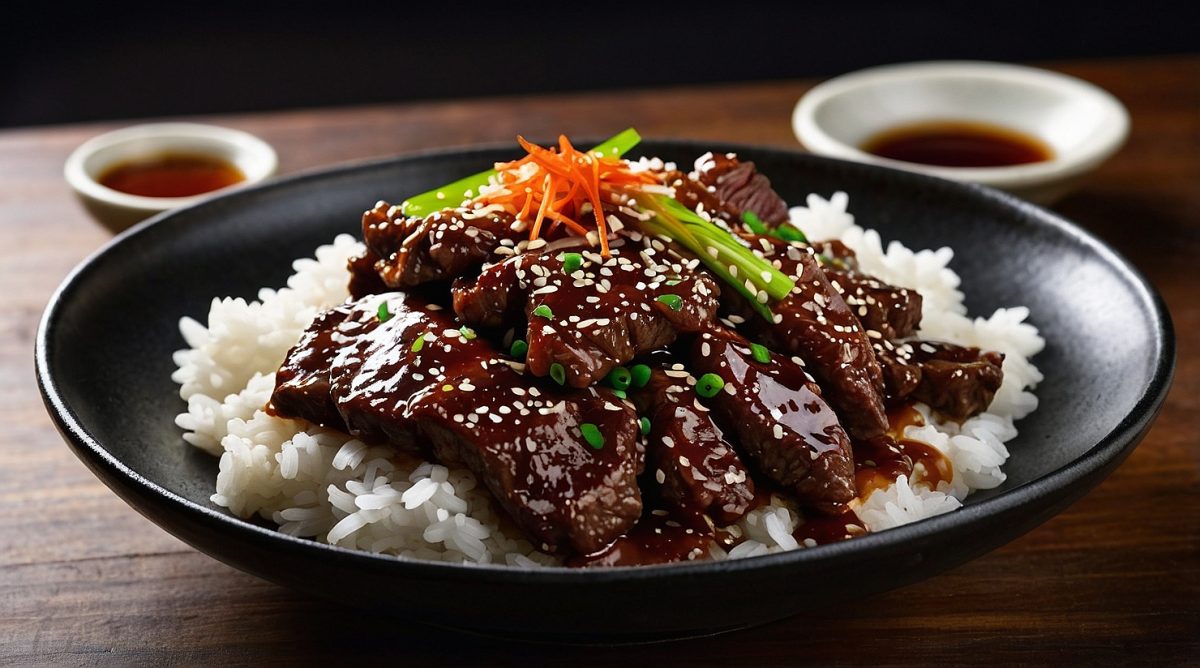
- Serve Korean bulgogi beef with choice of steamed rice, fried rice, or cauliflower rice.
Video

14 comments
Love the recipe! Do you think adding a touch of honey might enhance the sweetness, or would it stray too far from tradition?
Honey could be a personal twist, but it may overpower the traditional flavor. Worth a try though!
Anyone tried a vegan version of the Bulgogi? Wonder if the marinade could work with tofu or tempeh?
Interesting read! But did anyone else wonder if instant pot truly captures the essence of traditional Korean Bulgogi?
Interesting read! However, Im curious: do modern twists on Bulgogi still retain its cultural significance?
Modern twists, while tasty, often dilute Bulgogis cultural significance. Authenticity matters!
Interesting read! But wouldnt it be great if they included a veggie alternative for this Korean Bulgogi? Just asking, fellow foodies!
Interesting read! But isnt there a vegetarian alternative for Bulgogi? Would love to see that version explored.
Absolutely! Tofu or Portobello mushrooms make great Bulgogi substitutes. More veggie options, please!
Why not try a vegetarian twist on the traditional Bulgogi? Mushrooms could be a delicious and sustainable alternative! Thoughts?
Interesting read! But do you think using an Instant Pot truly retains the traditional taste of Korean Bulgogi?
Love the article! But, is there a vegetarian alternative to the beef in this Korean Bulgogi recipe? Just curious.
Interesting read! But wouldnt the Instant Pot considerably alter the traditional Bulgogi flavor due to the pressure cooking method? Just a thought.
Pressure cooking enhances flavor! Its all about adapting tradition to modern convenience.
Comments are closed.