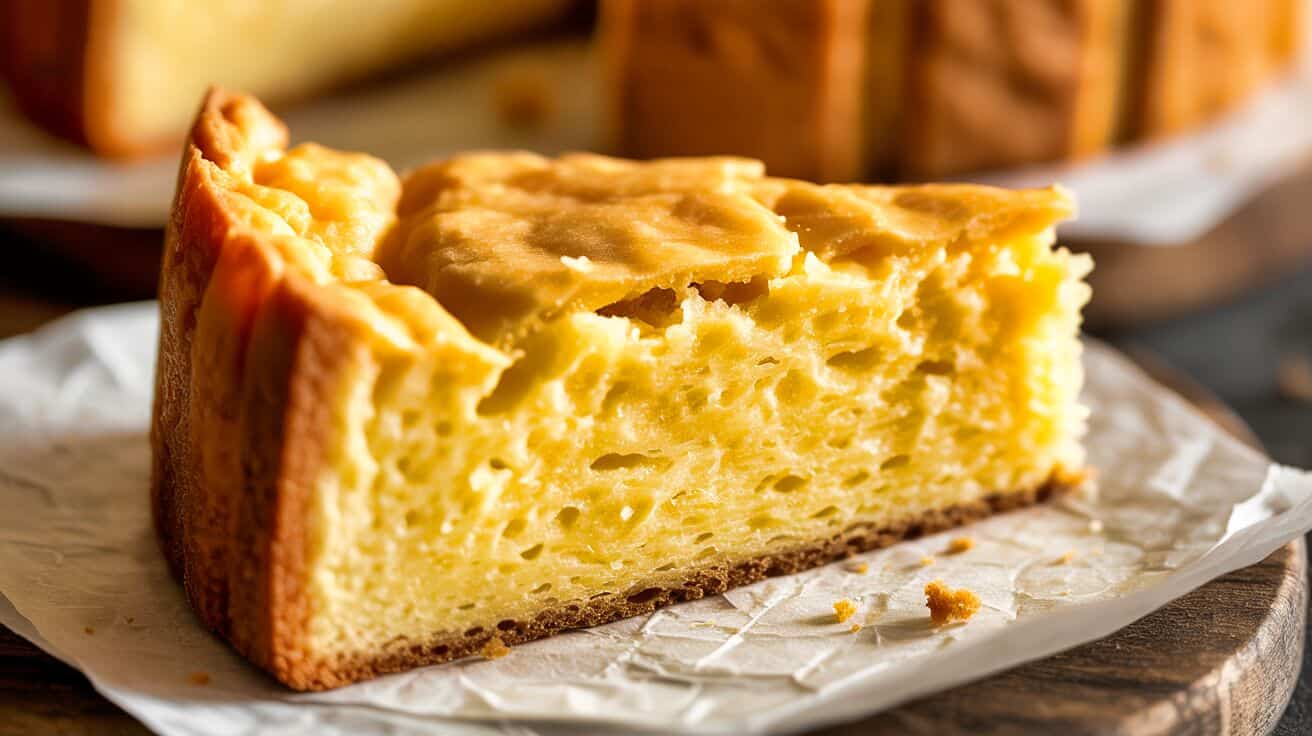
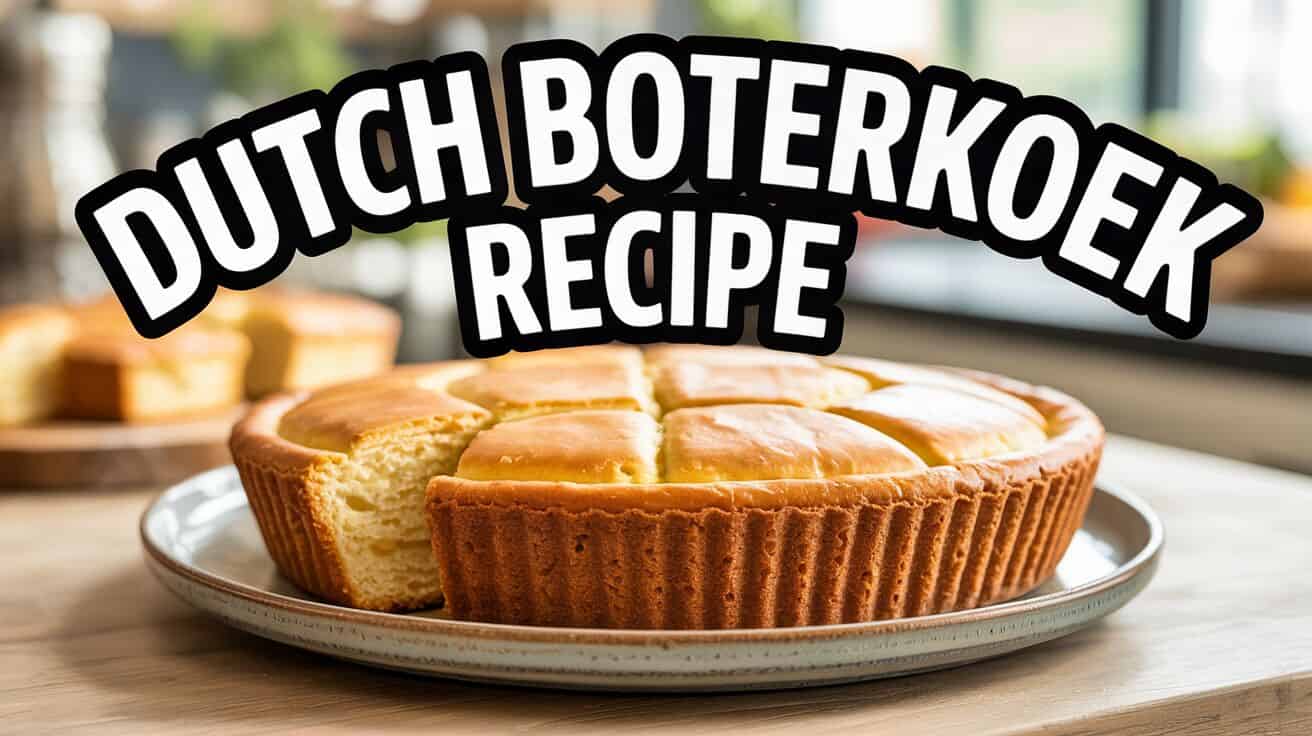
You know, Dutch boterkoek recipe is one of those things that’s so easy to make but feels like a treat every time. I’m sharing a straightforward Dutch Boterkoek recipe that gives you that dense, buttery crumb and a subtle almond flavor—just right for coffee breaks or when you want a little dessert but nothing too fussy.
This classic Dutch boterkoek (Dutch butter cake) uses pantry staples and only a few steps. You end up with a rich, shortbread-like cake you can pull off at home—no stress.
Let’s get into the ingredients that make this Dutch Boterkoek recipe work, how to bake it for the best texture, and a few ways to serve it or tweak it without losing that Dutch soul. I’ll keep it simple, but you can always add your own spin.
Key Ingredients and Traditional Flavors
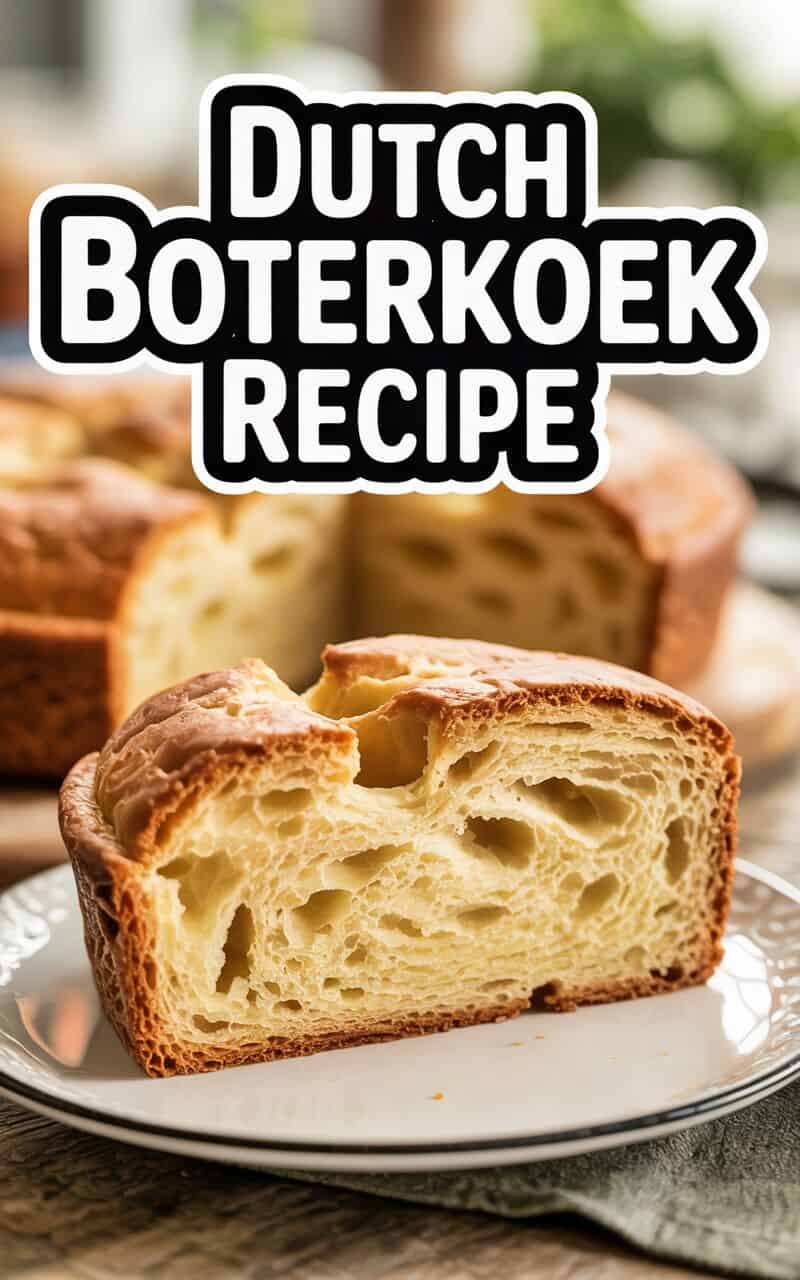
I stick with a short, punchy list of ingredients. Each one matters: the fat and flour set the cake’s structure, sugar brings sweetness and tenderness, and a couple of flavorings steer the whole experience.
Essential Dairy and Fats
Butter is everything here. I always use unsalted butter, and I make sure it’s softened—never melted. That’s what gives a Dutch Boterkoek recipe its dense, tender crumb and that rich, melt-in-your-mouth feel. I weigh the butter (usually 200–250 g for an 8-inch cake) because eyeballing it just doesn’t cut it for this.
Egg (or just an extra egg yolk) helps bind everything and makes the dough silkier. I mix the butter and sugar together until smooth, then beat in the egg for structure. I try not to overmix; if you do, you’ll get a tough cake instead of that classic dense bite.
Sugars and Sweeteners
Granulated sugar is my go-to for this Dutch Boterkoek recipe. It brings the right sweetness and the tiniest bit of texture. Sometimes I’ll toss in up to 2 tablespoons of powdered (icing) sugar if I want a softer, smoother bite, but honestly, it’s optional.
The sugar-to-butter ratio is high, so I make sure to blend the sugar into the butter well—no shortcuts. I steer clear of liquid sweeteners; they mess with the texture. If I want it less sweet, I just cut the sugar a bit at a time—never all at once.
Flavorings and Enhancers
Almond extract and vanilla extract are the main flavors here. For an 8-inch cake, I use about 1/2 to 1 teaspoon of almond extract (don’t overdo it—it’s strong) and a teaspoon of vanilla for some depth.
Sometimes I’ll grate in a little lemon zest (maybe 1/2 teaspoon). It brightens things up and keeps the butter from tasting too heavy. I always taste the batter (if my eggs are pasteurized) to make sure the extracts don’t overpower the cake. It’s easy to go overboard.
Almond Touches and Garnishes
I love pressing almond slices into the top before baking. They toast up nicely and give a bit of crunch—plus, they look great. Sometimes I’ll brush a little melted butter over the almonds for a bit of shine.
Some folks dust the cooled cake with powdered sugar for a softer look. I don’t bother with heavy frostings; they just cover up the buttery center. A light lemon glaze can work if you want more sweetness, but I usually just cut the cake into small squares so you get a little almond with every bite.
Step by Step Instructions for the Boterkoek Recipe
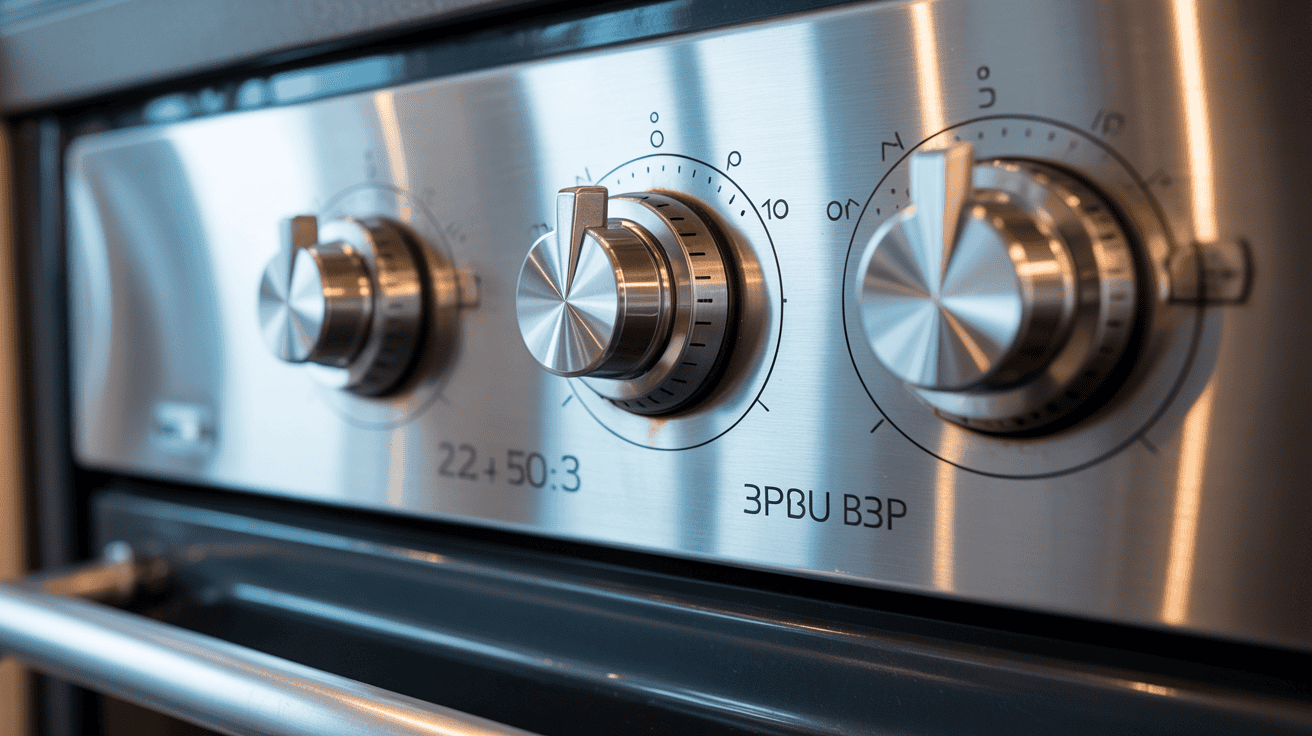
Step 1: Preheat the oven to 350°F (175°C). Grease a 9-inch (23 cm) round cake pan with butter or cooking spray.
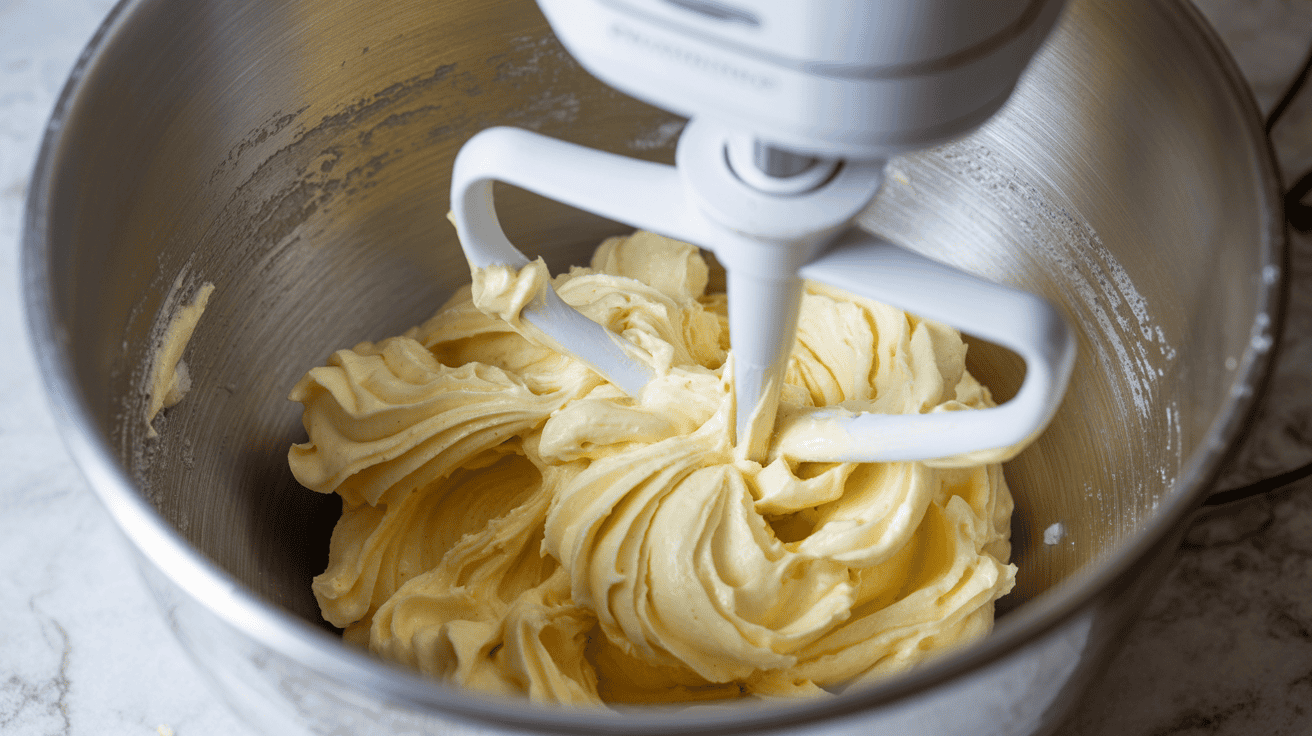
Step 2: In a large mixing bowl, cream the butter and sugar together until light and fluffy, using an electric mixer.
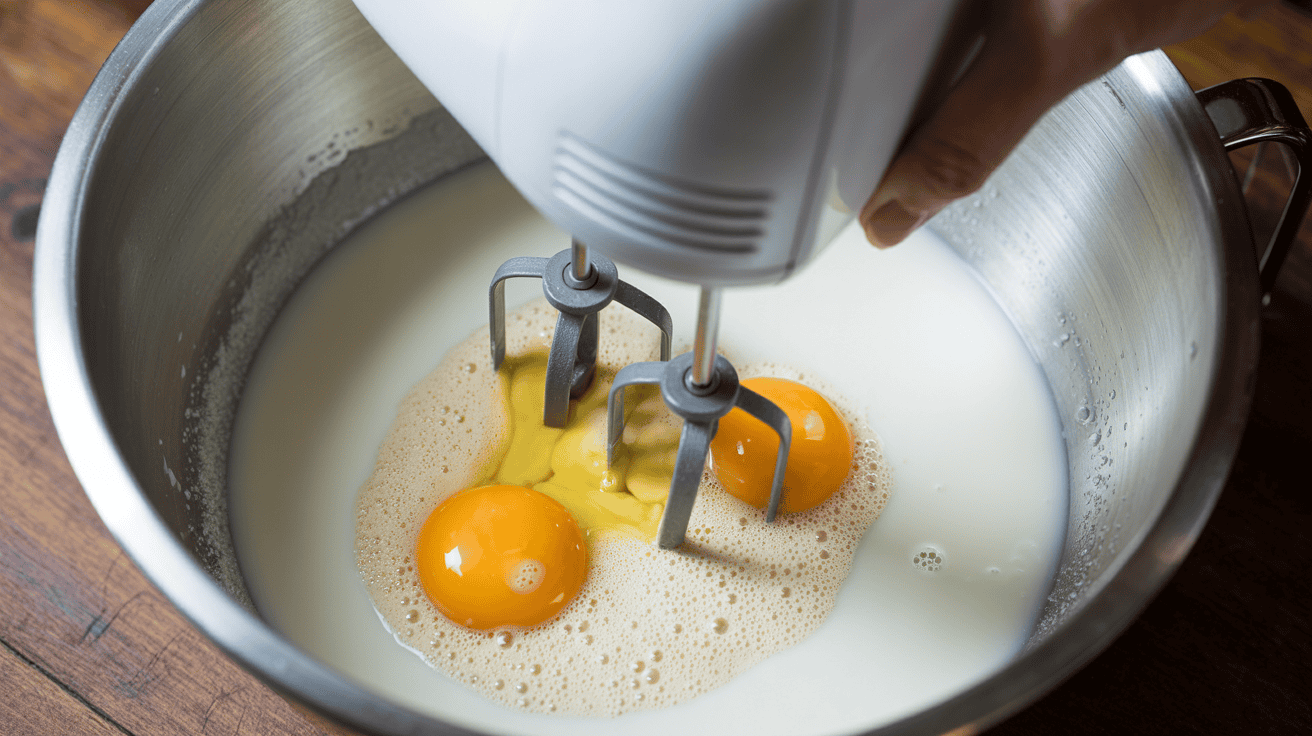
Step 3: Beat in the eggs one at a time, scraping down the sides of the bowl as needed.
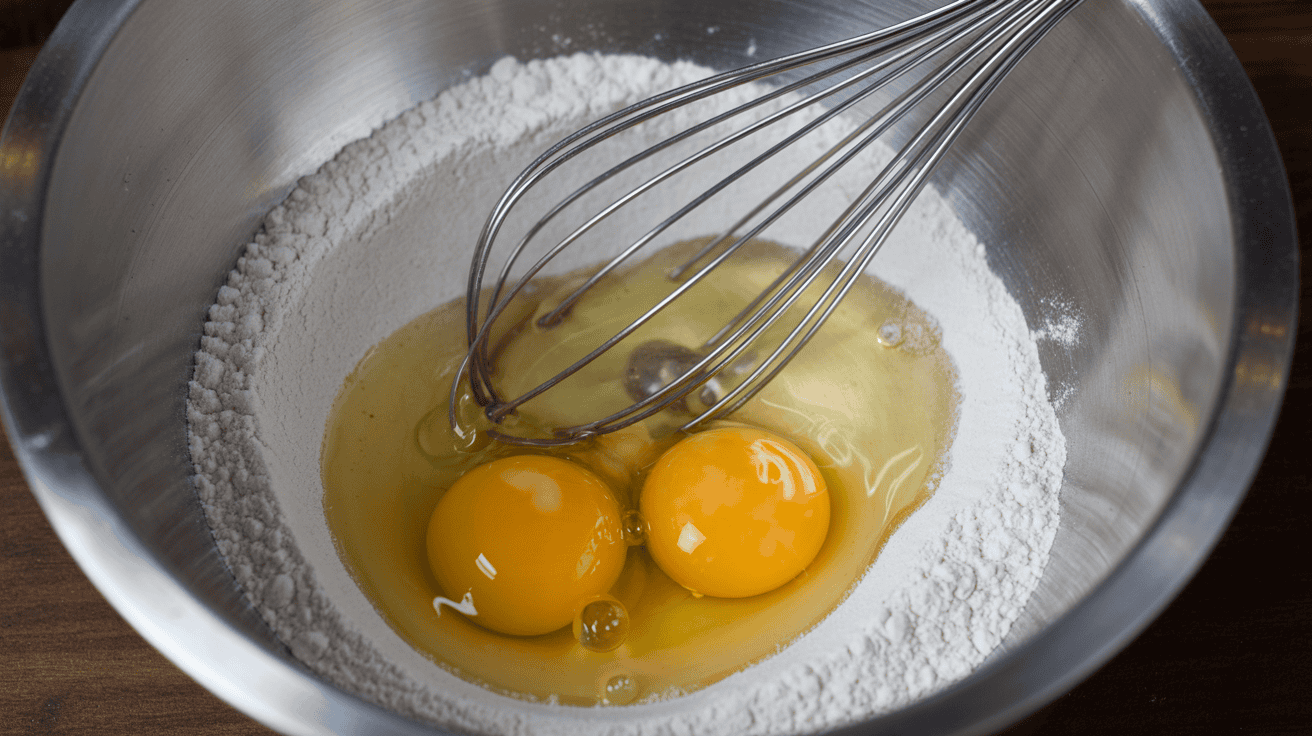
Step 4: In a separate bowl, whisk together the flour, baking powder, and salt.
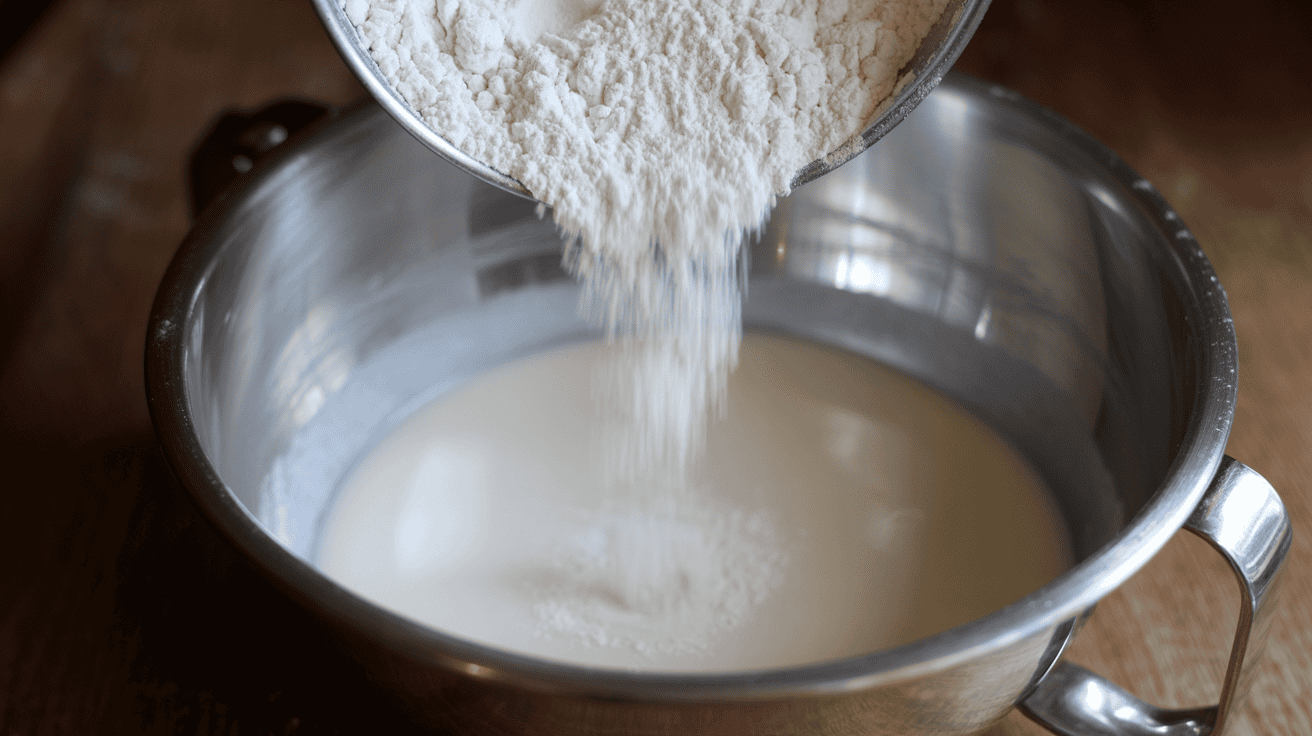
Step 5: Gradually add the dry ingredients to the butter mixture, mixing until just combined.
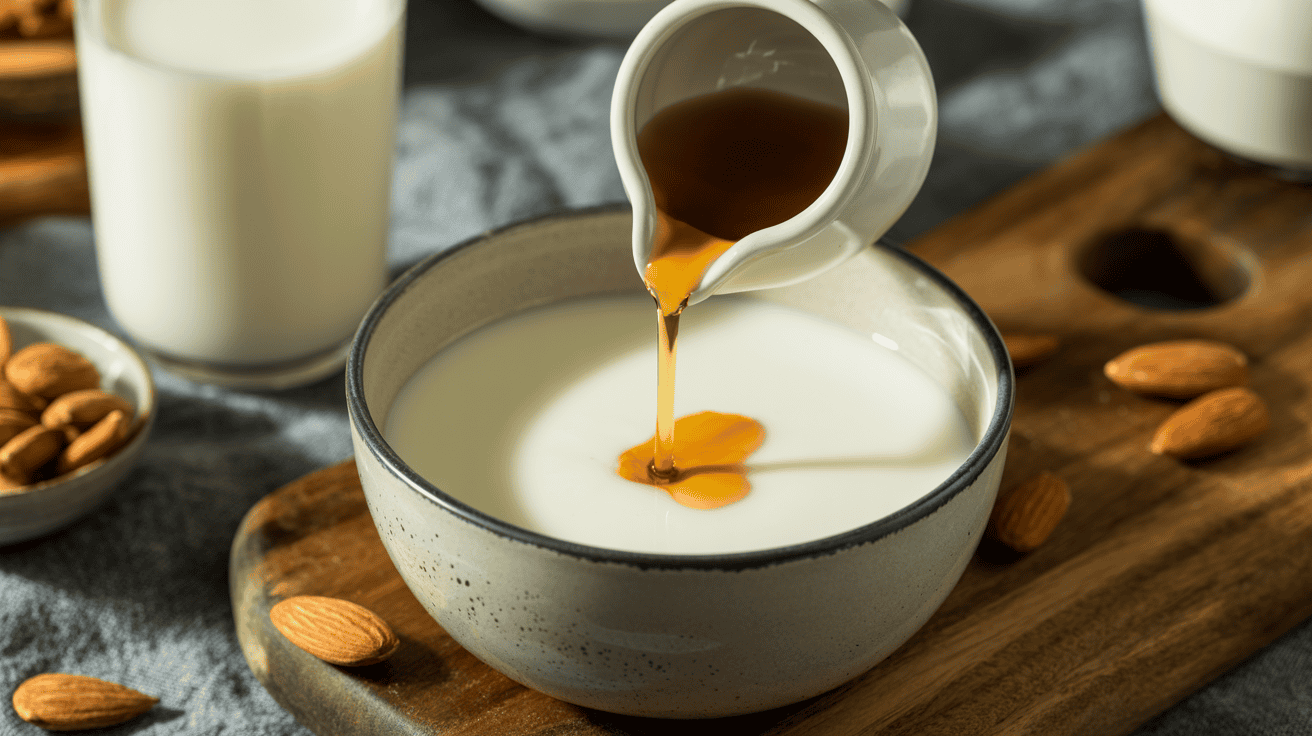
Step 6: Stir in the almond extract.
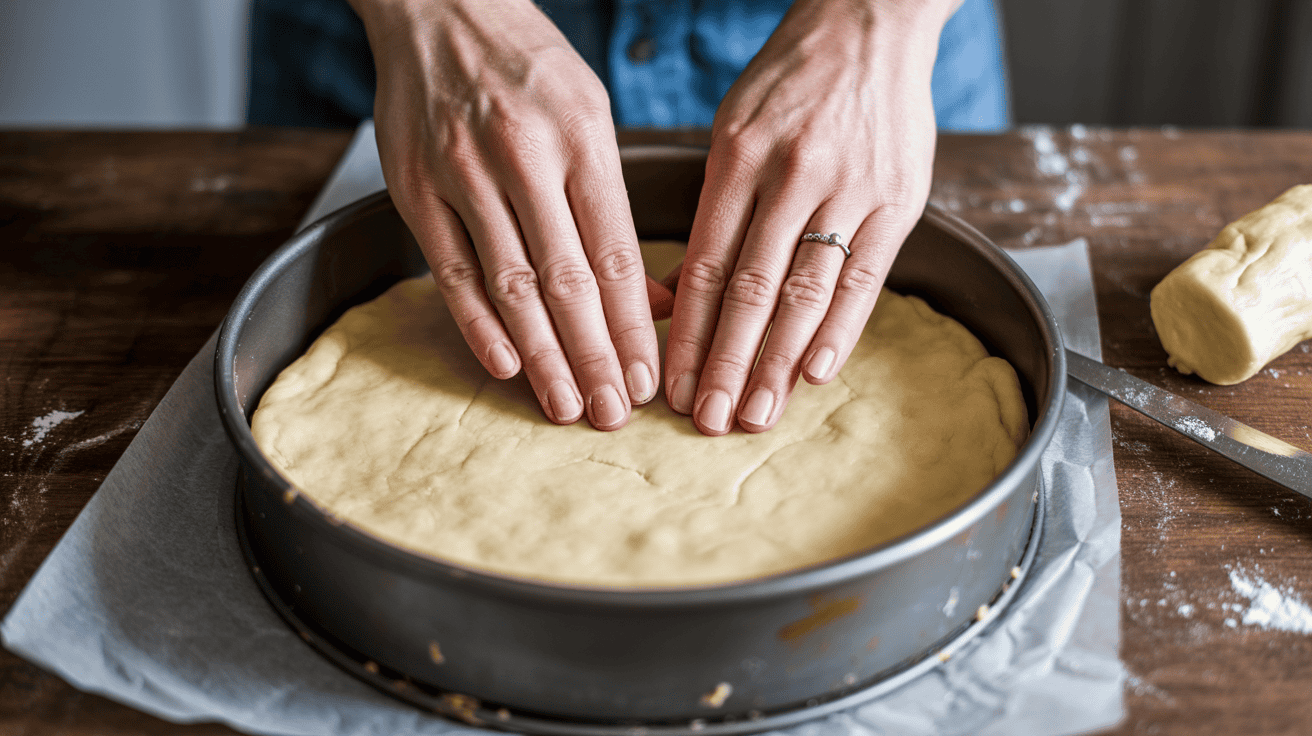
Step 7: Press the dough into the prepared cake pan using your hands or a spatula, making sure the dough is evenly distributed.
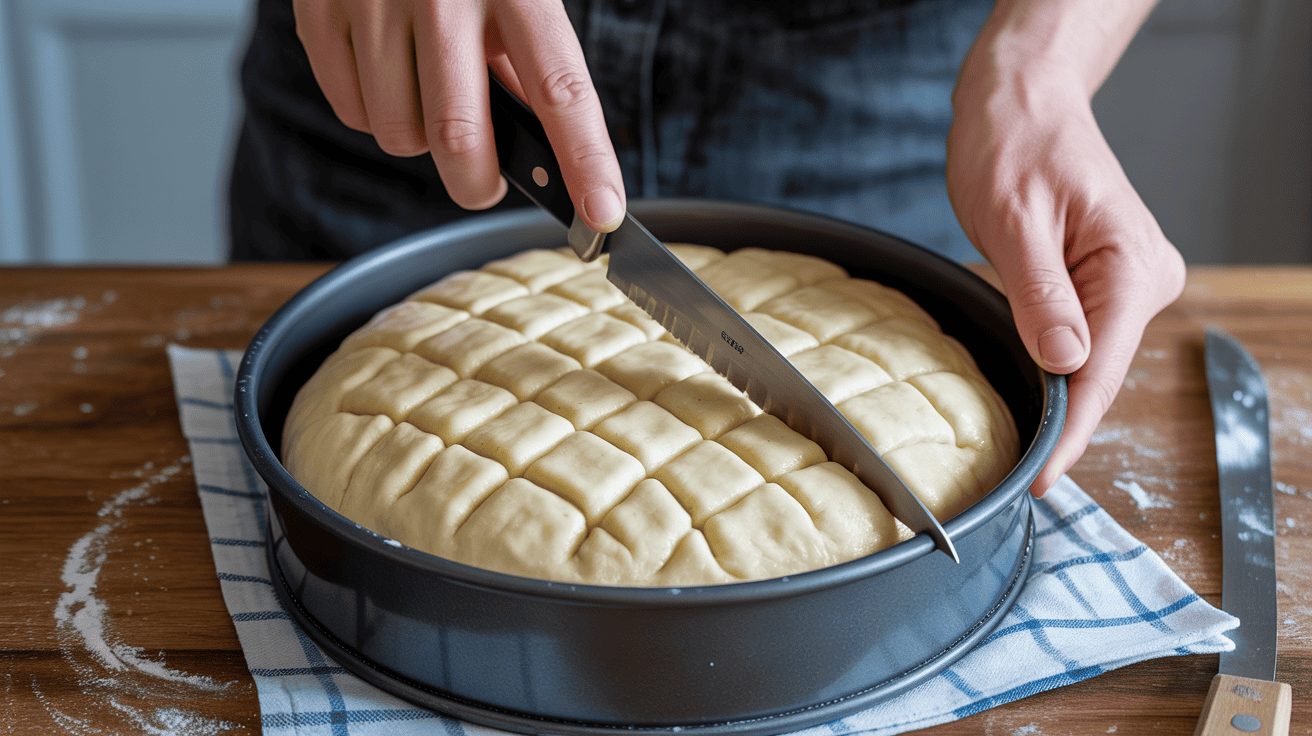
Step 8: Use a knife to score a criss-cross pattern on the top of the dough, then sprinkle the sliced almonds on top (if using).
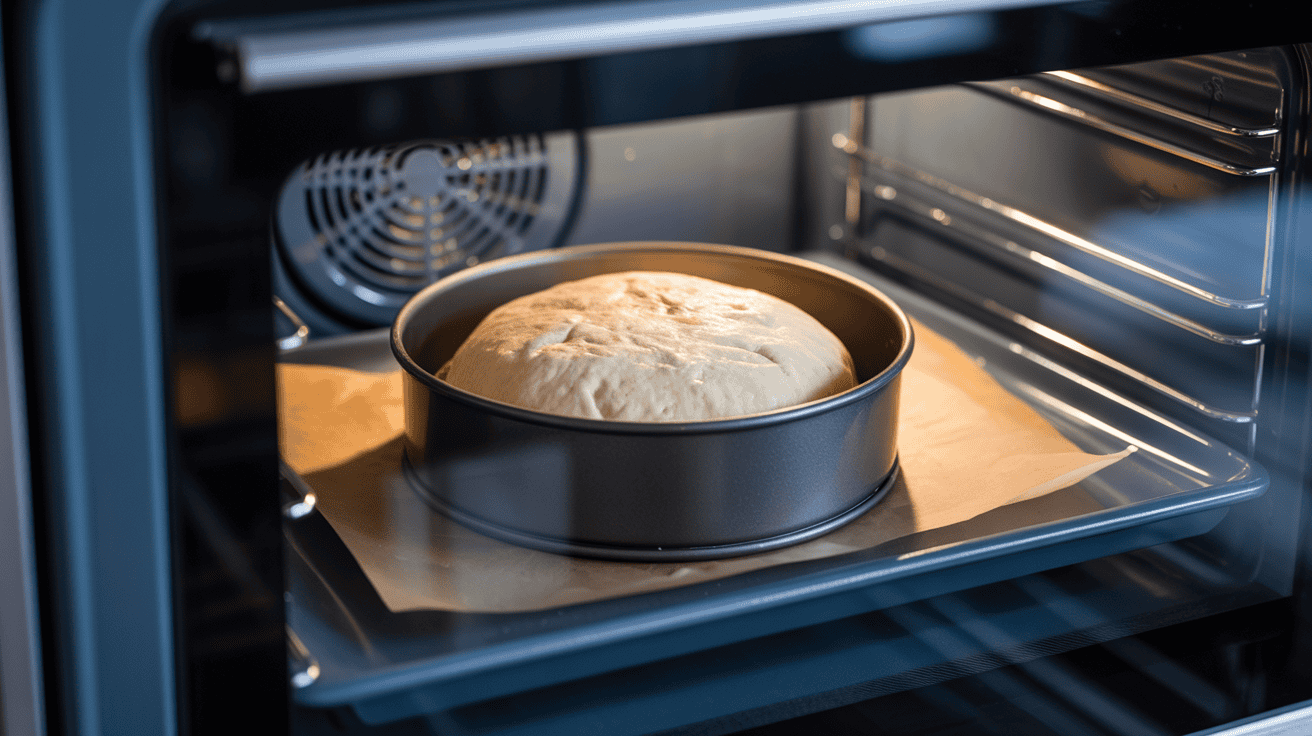
Step 9: Bake for 25-30 minutes, or until the edges are golden brown and the center is set.
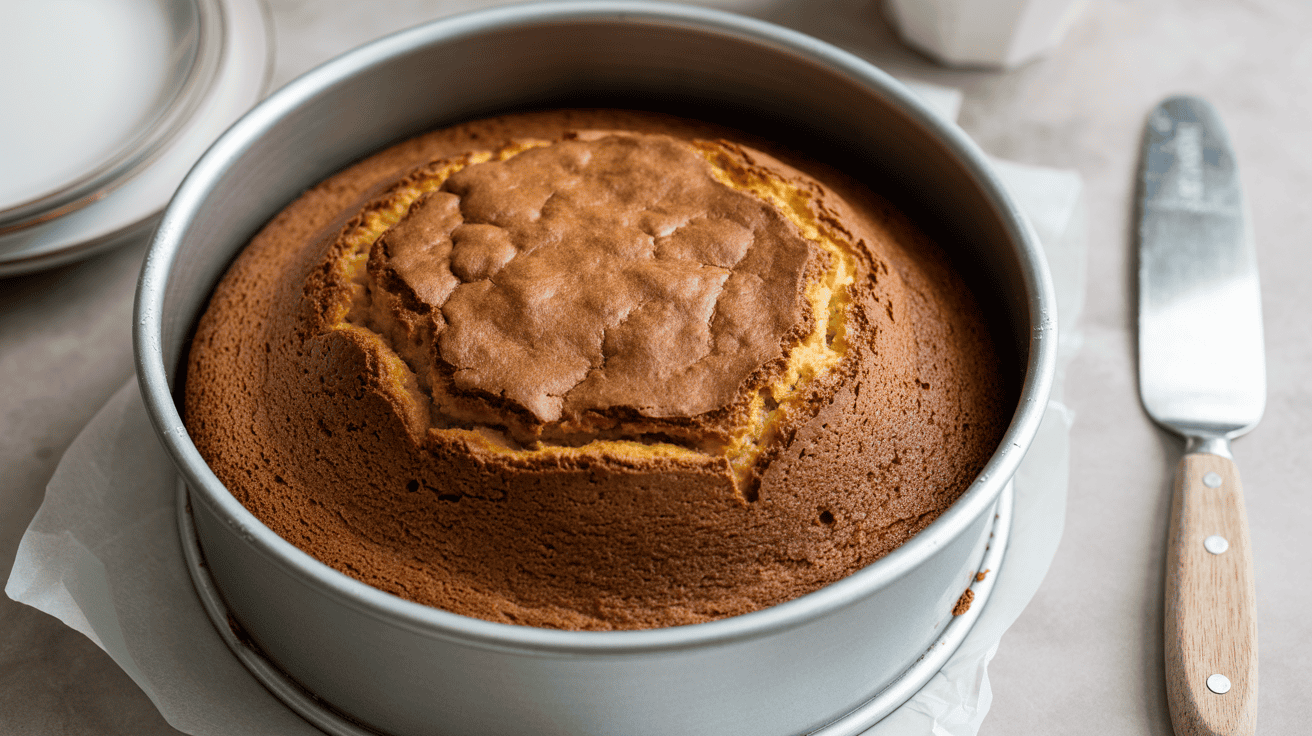
Step 10: Let the boterkoek cool for a few minutes in the pan, then transfer it to a wire rack to cool completely.
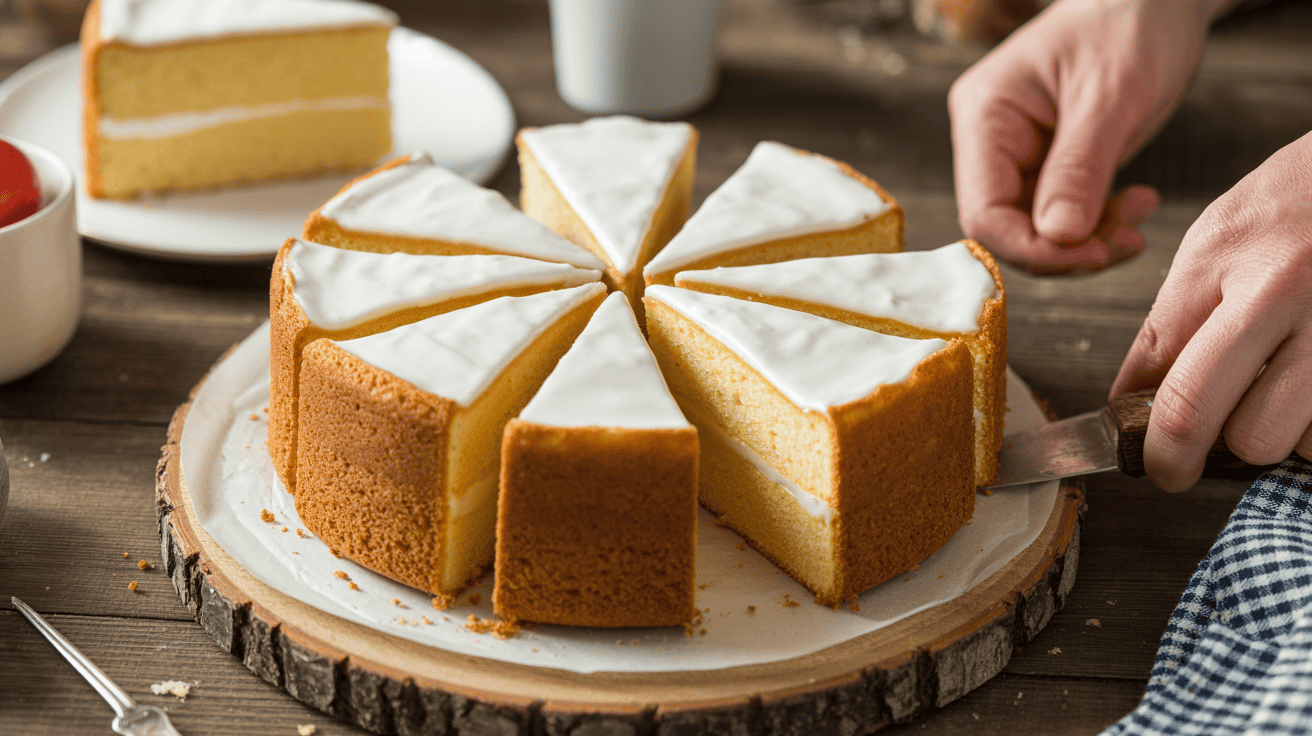
Step 11: Cut the boterkoek into 8 wedges and serve.
Mixing and Preparing the Dough
I start by letting the butter come to room temp so it’ll cream smoothly with the sugar. I use 225–300 g butter and 200–250 g granulated sugar, mixing until it’s light. Then I add one large egg and a teaspoon of almond extract. Next, I fold in 300–350 g all-purpose flour and a pinch of salt—just until it comes together. Overmixing? That’s how you ruin the crumb.
If I use a stand mixer, I keep it on low for maybe 30–60 seconds so I don’t warm up the dough. With a bowl and spatula, I finish by pressing it together with floured hands. For a 9-inch round pan, these amounts give you a cake about 1–1.5 inches thick. You can always halve or double the Dutch Boterkoek recipe for different pans.
Best Pans and Baking Vessels
I reach for a 9-inch round cake pan with a removable bottom. It bakes evenly and makes getting the cake out a breeze. Tart pans with loose bases work too and give sharper edges. Metal pans brown better than glass, so I stick with metal for this Dutch Boterkoek recipe.
I butter the pan well and line the bottom with parchment. For thinner, crispier edges, a shallow tart pan is great; for a thicker, classic boterkoek, I use a deeper cake pan. If I split the dough for two thinner cakes, I just shave 5–10 minutes off the bake time.
Creating the Characteristic Crust
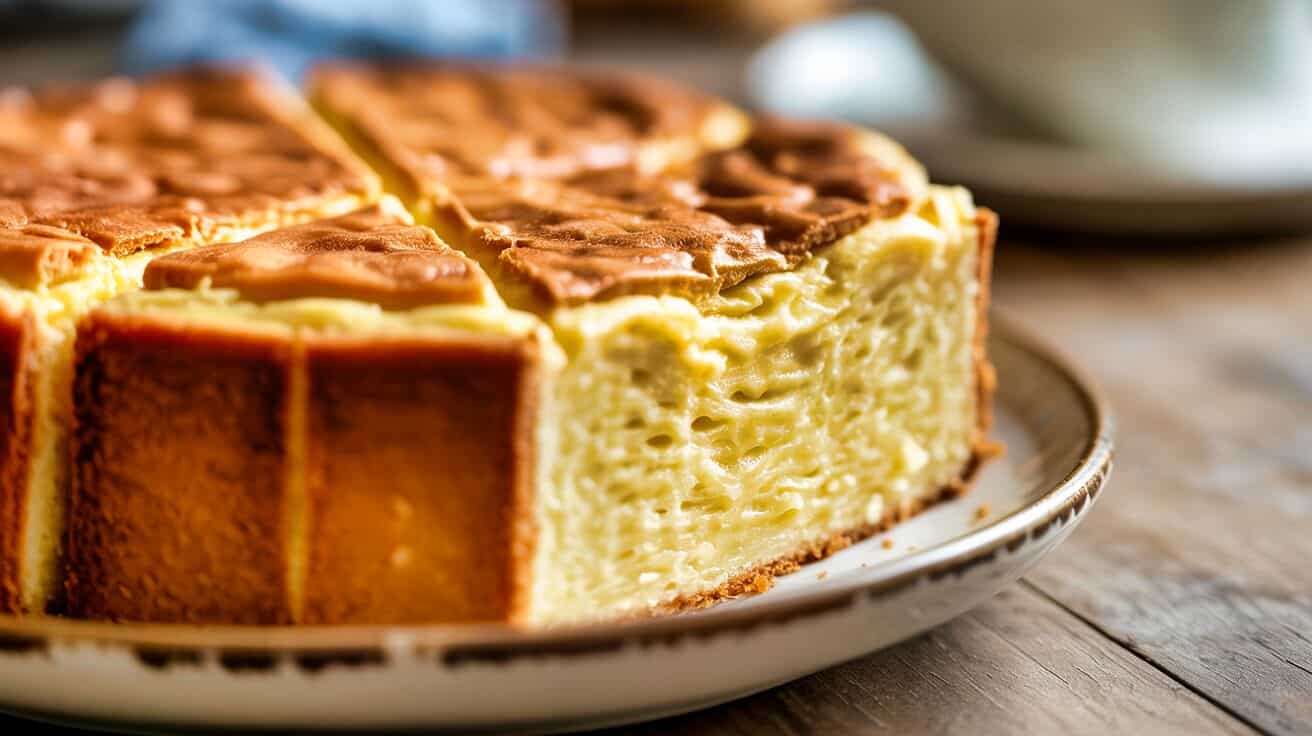
I get that classic glossy, cracked top with an egg wash and a fork. I beat one egg with a teaspoon of water and brush it over the dough. Then I drag a fork across the top for that crosshatch pattern—about 1/4 inch deep.
I bake at 325–350°F (160–175°C), depending on the pan. Metal pans go at the higher end. I watch for golden edges and a just-set center—usually 25–35 minutes. If the top browns too quickly, I throw a loose piece of foil over it. After baking, I press the center gently; it should feel a little soft but will firm up as it cools.
Tips for Perfect Texture
I keep an eye on butter temperature, mixing time, and oven temp. Cold butter makes the cake dry and lumpy; melted butter makes it greasy and flat. Room-temp butter—soft but not oily—gives the best crumb for a Dutch Boterkoek recipe.
I always weigh my ingredients for the Dutch Boterkoek recipe. I don’t add extra liquids—just the egg and the egg wash. After baking, I let the cake cool in the pan for 10–15 minutes, then move it to a rack. If you leave it in the pan too long, steam can make the crust soggy. I store it wrapped at room temp for three days or freeze slices if I want it to last longer.
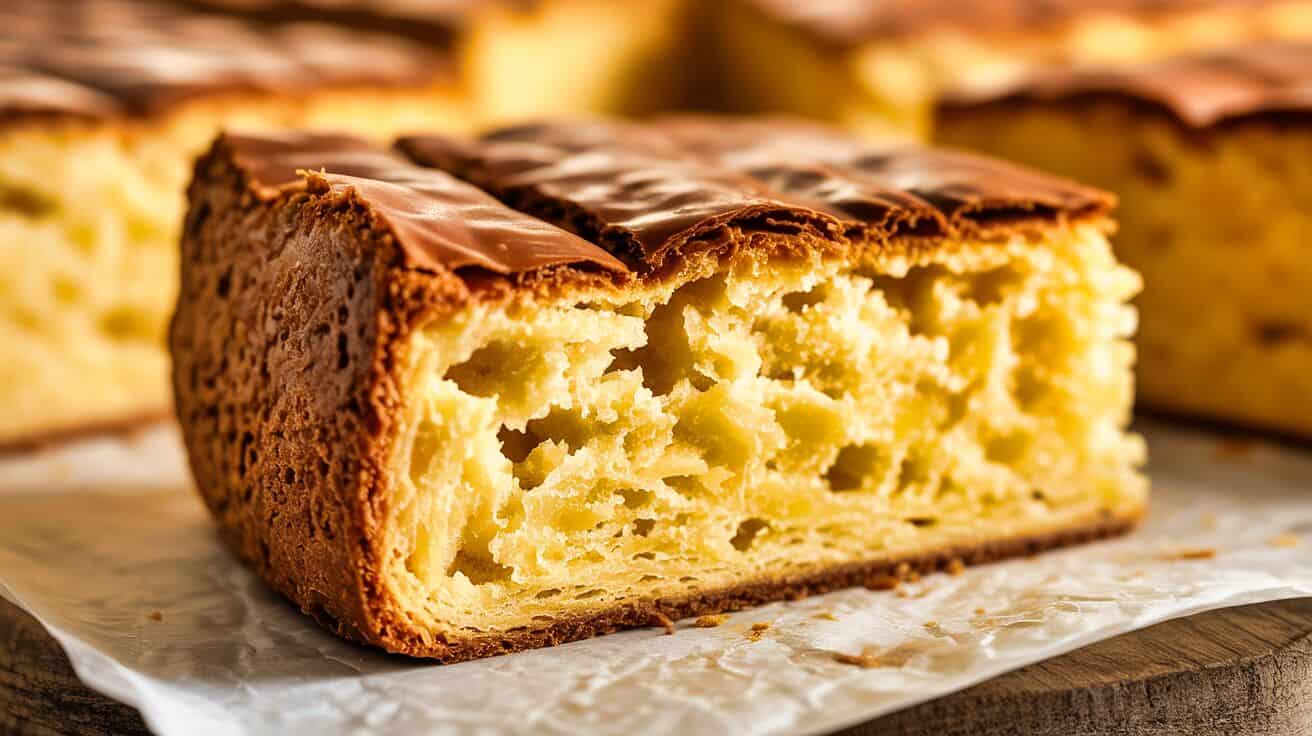
Serving Suggestions and Variations
When it comes to serving Dutch boterkoek, I like to keep things unfussy. Here’s how I usually plate, flavor, and store it so every bite stays rich and buttery, just like you want from a Dutch Boterkoek recipe.
Classic Presentation
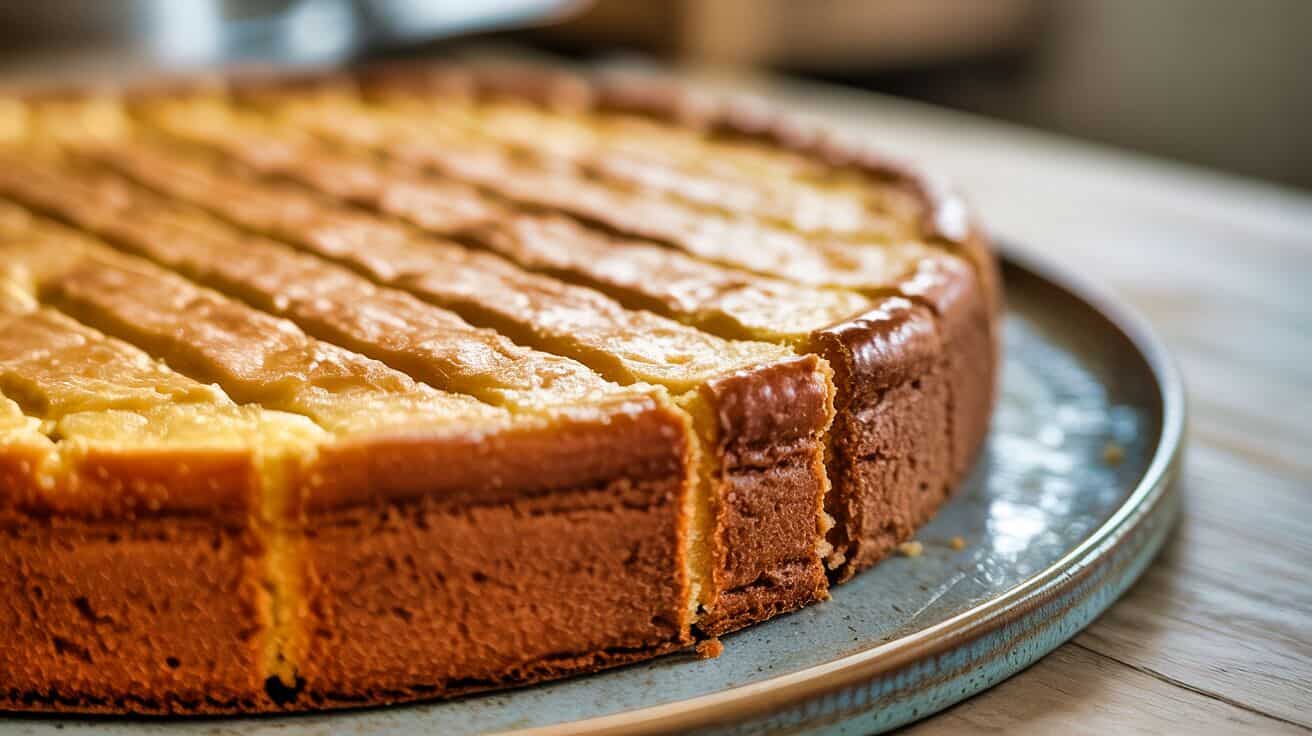
I cut boterkoek into small squares or wedges—1.5–2 inch squares for tea, bigger wedges for dessert. I always score that cross-hatch pattern before baking and brush with egg wash for shine and a crisp edge.
I’ll put the squares on a plate, dust with a little icing sugar (powdered sugar), and drop a toasted almond slice on top for looks. Strong black coffee is the best match, but mild tea works too if you’re not into coffee. The butteriness of this Dutch Boterkoek recipe really shines with a good drink.
If I want to serve it warm, I give it 10 minutes to rest after baking so it doesn’t fall apart. For clean slices, I chill the cake for 20–30 minutes and use a hot, dry knife. Works like a charm.
Almond, Marzipan, and Citrus Variations
Sometimes I add 1/2 teaspoon almond extract for extra almond aroma—it really plays up the butter. For more texture, I press sliced almonds into the top before baking.
Want to make it fancier? I’ll press half the dough into the pan, spread a thin layer of marzipan or almond paste (about 3–4 mm thick), then top with the rest of the dough. The marzipan melts a bit and gives you a rich almond center. It’s a nice twist on the basic Dutch Boterkoek recipe.
For a citrus kick, I mix in 1–2 teaspoons of lemon zest or sprinkle zest on top before baking. Lemon perks up the richness but doesn’t drown out the vanilla or butter. I keep it light so the cake stays dense and buttery, not cakey.
Modern Twists and Storage Advice
Sometimes I throw in extras—50 g chopped dark chocolate, a tablespoon of espresso powder, or 1/4 cup chopped candied citrus peel. Mini tarts in a muffin tin are fun too, especially for parties or picnics.
For storage, I wrap the cooled Dutch boterkoek tightly in plastic and keep it at room temp for up to three days. If I need it to last, I pop it in the fridge (up to 10 days, but it’ll get firmer). For longer storage, I freeze slices—double-wrapped—for up to three months. Thaw at room temp and it’s good as new.
If it goes a little stale, I zap slices in the microwave for 10–15 seconds or warm them in a 150°C (300°F) oven for five minutes. I skip heavy icings; just a dusting of powdered sugar is enough to keep the classic Dutch Boterkoek recipe vibe.
Exploring Dutch Dessert Traditions
It’s interesting how Dutch desserts balance rich butter, pantry basics, and that street-food spirit. Boterkoek sits right at the heart of it, and there are other fried treats too, but this Dutch Boterkoek recipe is the one you’ll see at most gatherings.
Boterkoek in Dutch Culture
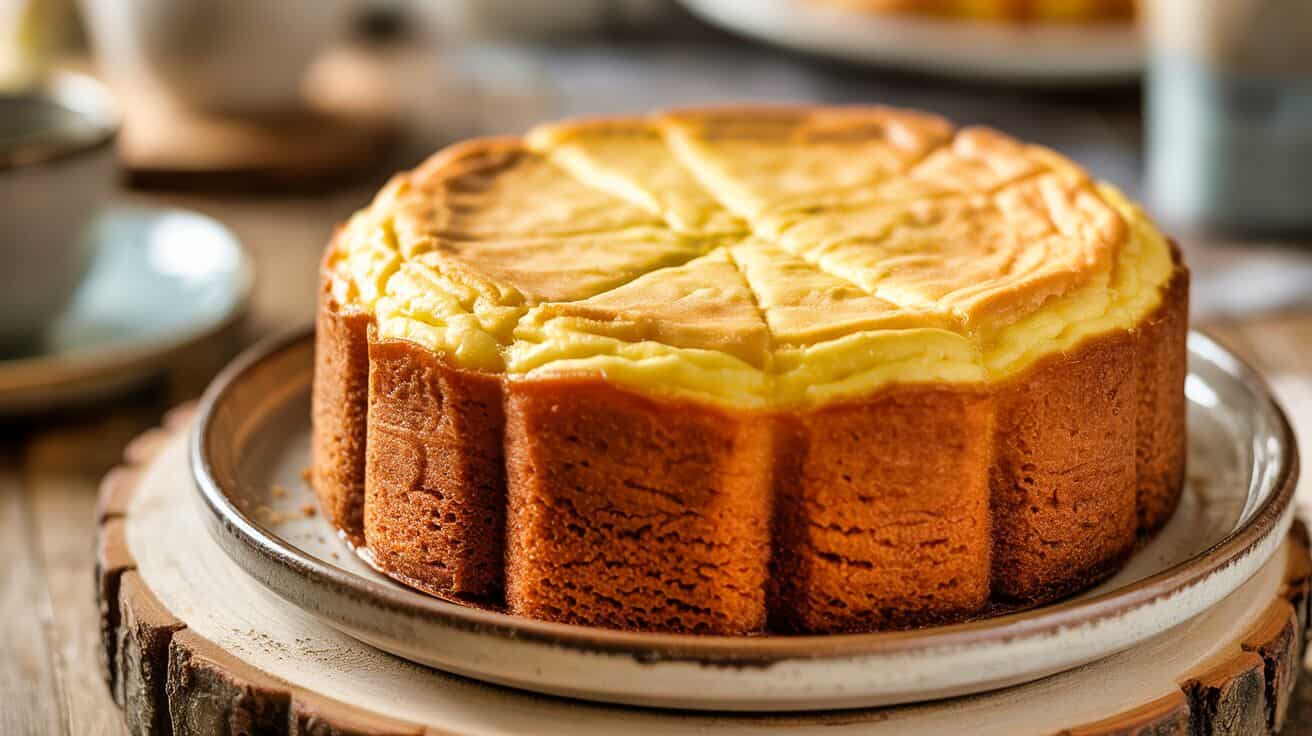
Boterkoek is a dense, buttery cake—usually cut into wedges or squares and served with coffee. The Dutch Boterkoek recipe relies on a high butter-to-flour ratio, a single egg for structure, and just a bit of almond extract or powdered sugar for flavor and looks.
Families pass these Dutch Boterkoek recipes down, so you get all kinds of textures—some chewy, some crumbly. I’ve seen it at birthday tables and alongside strong coffee, usually baked in a 20–23 cm (8–9 inch) round pan for that thin, golden finish. For me, not overworking the dough and pricking the top is key to nailing the classic pattern and even bake. If you haven’t tried a Dutch Boterkoek recipe yet, what are you waiting for?
Related Sweets: Poffertjes and Oliebollen
Let’s talk about poffertjes and oliebollen—two treats I always associate with Dutch fairs and winter markets. Poffertjes are these tiny, fluffy pancakes (yeast-based, usually buckwheat or wheat flour) that you cook in their own quirky pan. I love piling on butter and powdered sugar and eating them right away, still warm.
Oliebollen? Basically, they’re deep-fried dough balls, sometimes with raisins or currants, and always showered in powdered sugar. You’ll see them everywhere on New Year’s Eve, hot from street vendors—crispy on the outside, soft and steamy inside. These, along with the classic Dutch Boterkoek recipe, really show how Dutch desserts swing between cozy home baking and that lively street-food vibe.
If you want to dig a little deeper into the Dutch Boterkoek recipe, or just nerd out on techniques and a bit of history, check out this Authentic Dutch Boterkoek guide.
Dutch Boterkoek vs Shortbread
Dutch boterkoek and shortbread share similar ingredients, but their textures and overall eating experience are quite different.
Boterkoek is a traditional Dutch butter cake made with flour, sugar, and a high proportion of butter. It is baked in a pan, often brushed with egg wash, and sliced into wedges. The texture is dense yet soft and slightly moist, more like a firm cake than a cookie. Its rich, buttery flavor is balanced by a smooth, almost melt-in-your-mouth consistency.
Shortbread, commonly associated with Scotland, uses similar ingredients but is prepared differently. It is baked into a firmer, crumbly texture that breaks apart easily. Shortbread is drier than boterkoek and has a more delicate, crisp bite, even though it remains rich in flavor.
The main difference is moisture and structure: boterkoek is soft and cake-like, while shortbread is crumbly and crisp.
Choose boterkoek if you prefer a dense, moist treat with a soft bite. Go with shortbread if you enjoy a firmer, crumbly texture with a classic buttery snap.
Dutch Boterkoek Recipe FAQ
1. What is boterkoek and how does it differ from regular cake?
Boterkoek is a dense, buttery Dutch treat that’s more like a cross between a cookie and a cake. It has a rich flavor and a firm, slightly chewy texture.
2. Why is boterkoek so rich in flavor?
The high butter content is what gives boterkoek its signature taste and soft, melt-in-your-mouth consistency.
3. How do you know when boterkoek is done baking?
It should be golden on top but still slightly soft in the center, as it firms up while cooling.
4. Is boterkoek supposed to be crumbly or smooth?
It should be smooth and dense rather than crumbly, with clean slices once cooled.
5. Can boterkoek be flavored with other ingredients?
Yes, variations often include almond extract, lemon zest, or even a light glaze.
Traditional Dutch Boterkoek
Ingredients
- 1 cup unsalted butter, at room temperature
- 1 cup granulated sugar
- 2 large eggs
- 2 cups all-purpose flour
- ½ tsp baking powder
- ¼ tsp salt
- ½ tsp almond extract
- Sliced almonds (optional)
Instructions
- Preheat the oven to 350°F (175°C). Grease a 9-inch (23 cm) round cake pan with butter or cooking spray.
- In a large mixing bowl, cream the butter and sugar together until light and fluffy, using an electric mixer.
- Beat in the eggs one at a time, scraping down the sides of the bowl as needed.
- In a separate bowl, whisk together the flour, baking powder, and salt.
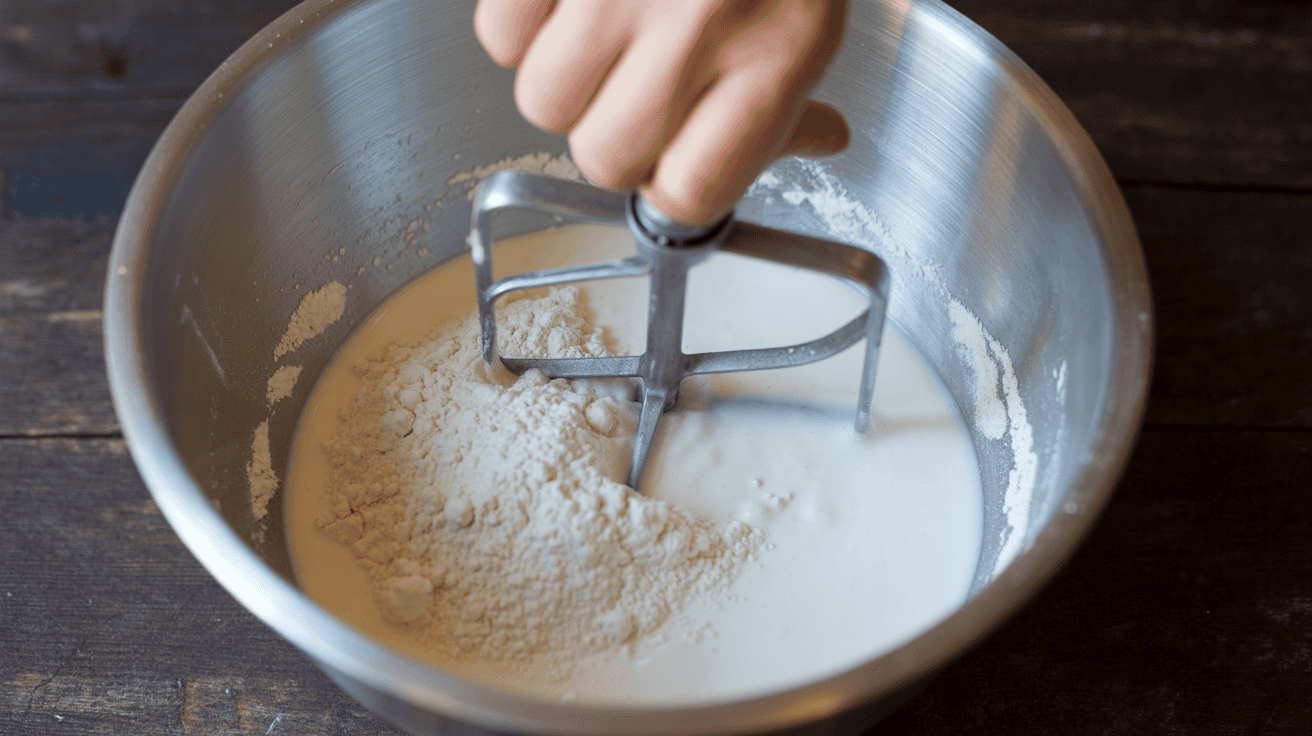
- Gradually add the dry ingredients to the butter mixture, mixing until just combined.
- Stir in the almond extract.
- Press the dough into the prepared cake pan using your hands or a spatula, making sure the dough is evenly distributed.
- Use a knife to score a criss-cross pattern on the top of the dough, then sprinkle the sliced almonds on top (if using).
- Bake for 25-30 minutes, or until the edges are golden brown and the center is set.
- Let the boterkoek cool for a few minutes in the pan, then transfer it to a wire rack to cool completely.
- Cut the boterkoek into 8 wedges and serve.
Video