

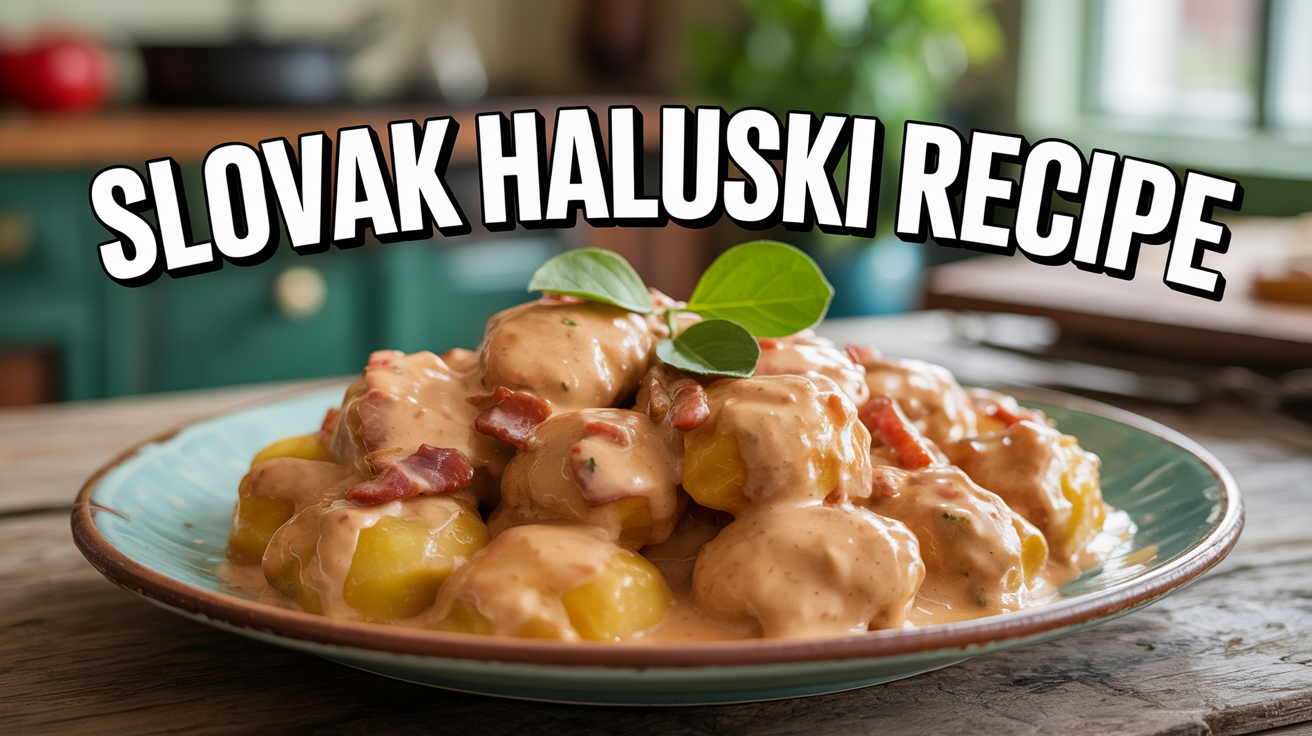
This traditional Slovak haluski recipe brings together soft potato dumplings or egg noodles, sautéed cabbage, crispy bacon, and a good bit of butter—simple ingredients, but the flavor is pure comfort. Whether you grew up with it or you’re just now trying a Slovak haluski recipe, you’ll see why it’s such a beloved part of Slovak cooking.
What I love about the Slovak haluski recipe is how unfussy it is. There’s no need for fancy stuff or complicated steps—just honest food that tastes great. This Eastern European classic can be a main meal or a hearty side, depending on your mood or what’s in your fridge. If you want to learn more about Eastern European comfort food, Saveur has a great roundup of traditional recipes.
Let me walk you through my go-to Slovak haluski recipe and some twists I’ve picked up along the way. You’ll get the classic technique, plus a few creative ideas in case you want to mix things up. If you like exploring food history, SlovakCooking.com offers a deep dive into the origins of haluski.

Authentic Slovak Haluski Recipe
The heart of any Slovak haluski recipe is the potato dumplings—soft, tender, and honestly a little addictive. I always start with basic ingredients and a bit of patience to get that pillowy texture everyone loves.
Essential Ingredients and Equipment
For the haluski dough, I grab about 2 pounds of russet potatoes. Their starchy texture just works best. Then I use 1 to 1½ cups of all-purpose flour and a teaspoon of salt. Nothing fancy there.
The traditional Slovak haluski recipe uses bryndza cheese, which is a tangy sheep’s milk cheese from Slovakia. Can’t find bryndza where you live? Don’t stress—use brick cheese or feta. I usually go for about 8 ounces of shredded brick cheese if I can’t get the real deal.
For bacon, thick-cut is the way to go. I fry up about 8 slices until they’re good and crispy, then crumble them. Sure, you can buy bacon bits, but fresh bacon just tastes better—no contest. If you’re curious about bacon’s role in European cuisine, BBC Good Food has a great guide.
You’ll need a big pot for boiling, a grater for the potatoes, and a mixing bowl. If you have a haluski maker, great! If not, your hands or a spätzle maker work just fine. For a visual on shaping dumplings, this YouTube tutorial is pretty helpful.

Step by Step Instructions for the Slovak Haluski Recipe

Step 1. Cook the bacon in a large skillet over medium-high heat, turning occasionally, until evenly browned (about 10 minutes). Drain on paper towels, then crumble once cooled and set aside.

Step 2. Puree the potatoes in a food processor for 2–3 minutes. Transfer to a bowl and mix in the flour, eggs, baking powder, and salt to form a sticky dough. Set aside.
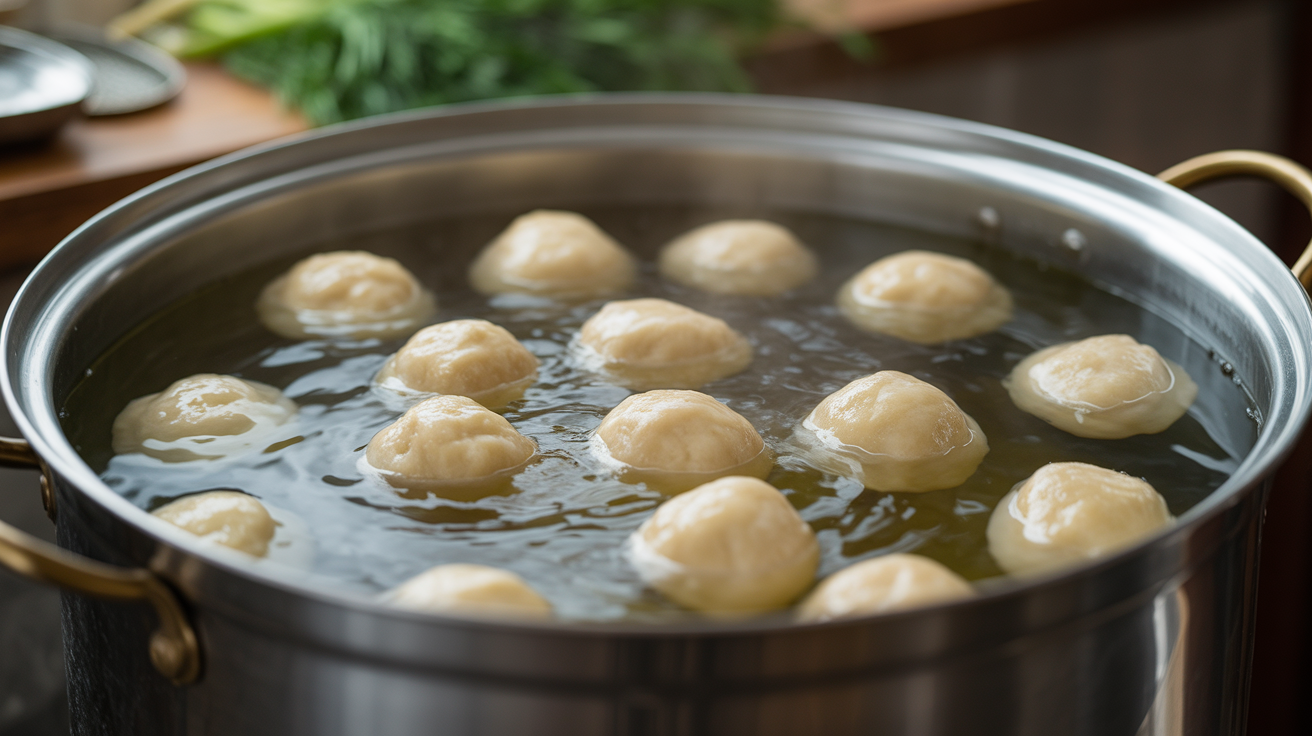
Step 3. Bring a large pot of lightly salted water to a boil. Scoop spoonfuls of dough onto a cutting board, then cut into tablespoon-sized pieces, dropping each piece into the boiling water as you go. Cook until the dumplings float, about 2–3 minutes, then remove with a slotted spoon and place in a large bowl.
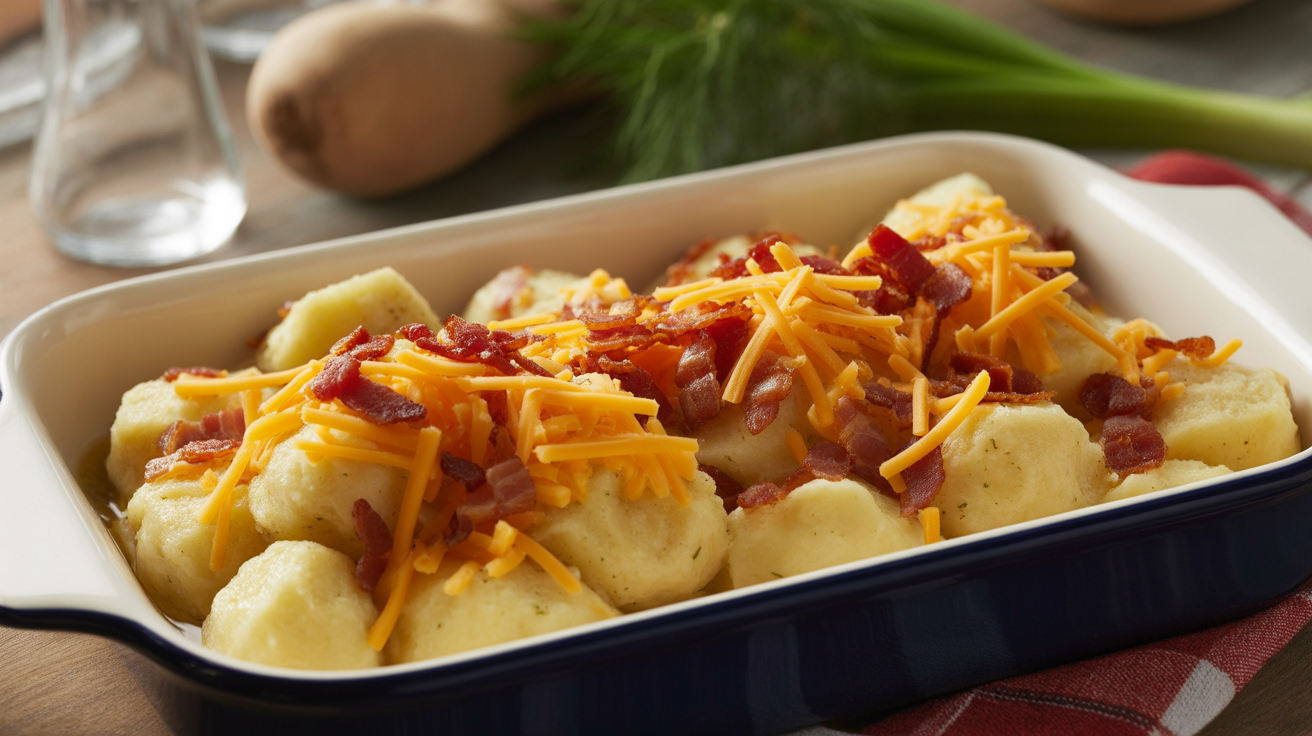
Step 4. After each batch, sprinkle bacon crumbles and a handful of shredded brick cheese over the dumplings. Repeat the process until all the dough is used, layering each batch with bacon and cheese. Once finished, gently stir everything together before serving.

Traditional and Regional Variations
The Slovak haluski recipe shows up in different forms depending on region and family traditions. The most classic version uses bryndza cheese, but you’ll see plenty of recipes with cabbage or other toppings, depending on what’s available or what grandma liked best. For a look at other regional dumplings, TasteAtlas covers a bunch of Slovak favorites.
Bryndzové Halušky: The Classic Slovak Dish
When I picture a true Slovak haluski recipe, I’m thinking of bryndzové halušky. It’s basically Slovakia’s national dish.
The key is bryndza, a sheep’s milk cheese that’s tangy and salty. Bryndzové halušky means you’re mixing potato dumplings with this cheese and finishing with a shower of crispy bacon.
In Slovakia, folks top this dish with caramelized onions—the sweetness of the onions balances the salty cheese perfectly. Bryndza isn’t easy to find in the US, so a lot of people swap in feta or brick cheese. It’s not exactly the same, but it works. If you want to read more about bryndza and its history, Shepherd Song Farm has a great article.
Other Toppings and Additions
The Slovak haluski recipe is super flexible. Some people serve haluski as a side with goulash or roast meats, while others pile on extra toppings to make it a full meal.
Common additions include:
- Kielbasa sausage, sliced and mixed in
- Sauerkraut, either on top or on the side
- More bacon, because why not?
- Cheeses like cheddar or farmer’s cheese
I’ve come across recipes that add kielbasa right into the haluski for a true one-pot meal. The sausage gives you more protein and makes the dish heartier. Some cooks keep it simple—just bacon and cheese, letting those dumplings really shine. If you’re interested in sausage pairings, Serious Eats has loads of ideas.
Comparing Slovak and Cabbage Haluski
People sometimes mix up the Slovak haluski recipe with cabbage haluski, but they’re not quite the same.
Traditional Slovak haluski uses potato dumplings as the base. The dumplings are a bit like German spätzle, made from raw grated potatoes and flour.
Cabbage haluski, which you’ll see more in Polish-American kitchens, swaps the dumplings for egg noodles, tossing them with sautéed cabbage and onions. Both dishes share the name “haluski,” but they’re different in taste and texture. The Slovak haluski recipe is all about soft, chewy dumplings, while the cabbage version leans into sweet, caramelized cabbage and pasta. For more on the Polish version, Polonist has a great recipe.

Creative Haluski Recipe Ideas
I’m always playing around with the Slovak haluski recipe, adding new flavors or making it fit whatever I’m craving. You can make it vegetarian, turn up the heat, or pair it with different sides. If you’re in the mood for more creative Eastern European recipes, Tasting Table has a fun list.
Vegetarian Haluski
When I want a vegetarian Slovak haluski recipe, I skip the bacon and kielbasa. It still turns out delicious. I just use extra butter and let the onions caramelize a bit longer for more sweetness.
My favorite vegetarian additions:
- Sautéed mushrooms for earthiness
- Roasted garlic for rich flavor
- Fresh herbs like parsley or dill
- A sprinkle of paprika for a little color
I like to melt shredded brick cheese on top. Feta or even cottage cheese works too—just mix it in while everything’s hot. The cheese gives you protein and makes the Slovak haluski recipe more filling, even without meat.
Sometimes I’ll toss on toasted breadcrumbs or crispy fried onions for crunch. They sort of stand in for the bacon bits, and honestly, it’s a nice touch. If you want to see other vegetarian dumpling ideas, Love & Lemons has a tasty collection.
Spicy Haluski Twists
If you’re in the mood for a little kick, you can turn the Slovak haluski recipe into a spicy dish. I like to sauté jalapeños with the cabbage and onions for extra heat.
Some spicy variations I enjoy:
- Red pepper flakes melted into the butter
- Diced hot Hungarian peppers
- A pinch of cayenne
- Spicy smoked paprika for a smoky heat
I sometimes serve spicy Slovak haluski recipe alongside goulash for a sort of Hungarian-Slovak mashup—the creamy dumplings mellow out the spice. You can also swap in spicy sausage like chorizo or andouille instead of kielbasa. Bacon bits on top? I mean, why not. For more spicy dinner inspiration, Bon Appetit has a bunch of ideas.
Serving Suggestions and Pairings
Honestly, I use this Slovak haluski recipe as either a main dish or a hearty side—it really just depends on my mood and what else is on the table. If I want to turn it into a full meal, I’ll toss in some kielbasa or a handful of crispy bacon. It’s comfort food at its best, and honestly, who doesn’t love that?
My favorite side dishes to serve with haluski:
- Pickled vegetables or a scoop of sauerkraut—seriously, the tang is perfect with a classic Slovak haluski recipe (see why here).
- Fresh cucumber salad with dill, because you need something cool and crunchy (try this one).
- Rye bread with a thick smear of butter—simple, but honestly, it just works (classic rye recipe).
- Roasted root vegetables; sweet carrots and earthy beets are my go-to (some inspiration here).
When I’m feeding a crowd, I’ll often serve this Slovak haluski recipe alongside a big pot of goulash. The hearty, tomato-rich stew just pairs so well with the buttery noodles. If you haven’t tried that combo, you might be missing out (check out this goulash recipe).
I like to set out bowls of shredded brick cheese, sour cream, and crispy bacon bits so everyone can top their Slovak haluski recipe however they want. Fresh chives or green onions scattered over the top? That’s my finishing touch. The color and sharpness just make the whole plate pop.

Halušky vs Gnocchi
Halušky and gnocchi are both potato-based dumplings, but they differ in texture, preparation, and how they are typically served.
Halušky are a traditional Slovak dish made from a simple mixture of grated potatoes and flour, resulting in small, irregular dumplings. They are dense, slightly chewy, and often served with ingredients like sautéed cabbage or bryndza cheese. The dish is rustic and hearty, designed as a filling comfort food.
Gnocchi, originating from Italy, are also made from potatoes but are typically smoother and more refined in texture. The dough is carefully shaped into soft, pillowy pieces that are boiled and served with sauces such as tomato, butter, or pesto. Gnocchi tend to be lighter and more delicate compared to halušky.
The key difference is texture and presentation: halušky are denser and more rustic, while gnocchi are softer and more refined.
If you’re looking for a hearty, traditional dish with a rustic feel, halušky are the better choice. If you prefer a lighter, more delicate dumpling paired with sauces, gnocchi are ideal.

Slovak Haluski Recipe FAQ
1. What are haluski dumplings made from?
They are made from grated potatoes and flour.
2. What is traditionally mixed with haluski?
Cabbage and bacon are classic additions.
3. What texture should haluski have?
They should be soft and slightly chewy.
4. Is haluski a main dish or side?
It can be either, depending on portion size.
5. Can haluski be made vegetarian?
Yes, by omitting bacon.

Traditional Slovak Haluski
Ingredients
- 1 pound bacon
- 4 small potatoes peeled and coarsely chopped
- 1 cup all-purpose flour
- 2 eggs beaten
- ½ teaspoon baking powder
- 1 pinch salt
- 2 cups cheese shredded Wisconsin brick
Instructions
- Cook the bacon in a large skillet over medium-high heat, turning occasionally, until evenly browned (about 10 minutes). Drain on paper towels, then crumble once cooled and set aside.

- Puree the potatoes in a food processor for 2–3 minutes. Transfer to a bowl and mix in the flour, eggs, baking powder, and salt to form a sticky dough. Set aside.

- Bring a large pot of lightly salted water to a boil. Scoop spoonfuls of dough onto a cutting board, then cut into tablespoon-sized pieces, dropping each piece into the boiling water as you go. Cook until the dumplings float, about 2–3 minutes, then remove with a slotted spoon and place in a large bowl.

- After each batch, sprinkle bacon crumbles and a handful of shredded brick cheese over the dumplings. Repeat the process until all the dough is used, layering each batch with bacon and cheese. Once finished, gently stir everything together before serving.

Video

8 comments
Interesting article, but does the bacons quality affect the overall taste of the Slovak Haluski? Curious about others experiences.
Does anyone think a vegetarian version of Haluski could still hold up to the traditional taste? Just a random curiosity!
Are there vegetarian alternatives for the bacon in this Slovak Haluski recipe? Love to keep it authentic yet meat-free. Any ideas, folks?
Interesting read, but is there a vegetarian alternative for bacon in the traditional Haluski recipe? Would love to keep it meat-free.
Absolutely, you can use smoked tofu or tempeh as a bacon substitute. Its equally tasty!
Why not include a vegan version of the Slovak Haluski recipe? Would love to know how to replace bacon and still keep it authentic.
Why arent we discussing the potential of adding cheese to Haluski? Feels like a missed opportunity in the recipe variations!
Is there a vegan alternative to bacon in the Slovak Haluski recipe? Could smoked tofu work as a substitute?
Comments are closed.