


I stumbled onto Shendetlie, a traditional Albanian honey and walnut cake during my first trip to Albania, and honestly, it changed how I look at simple desserts. This golden, syrup-soaked Albanian cake blends fresh baked dough, honey, and walnuts into a moist, nutty dessert that’s shockingly easy to whip up at home. The name translates to “health” in Albanian, and locals say this sweet treat brings good health and happiness to anyone who eats it. (I mean, who doesn’t want that?)
I’m excited to share what I’ve learned about making an authentic Albanian Shendetlie recipe in your own kitchen. This beloved Albanian dessert has been passed down for generations, and it’s now one of my go-to recipes when I want something special but don’t want to spend all day baking. Whether you’re just getting curious about Albanian food or trying to recreate a taste of home, this Albanian Byrek recipe will guide you through each step.
What really hooks me about this cake is how it balances sweetness with those earthy walnuts. I’ll show you the essential ingredients for the Albanian Shendetlie recipe, walk you through the process, and even share a few favorite ways to serve and store this Albanian Byrek recipe once you’ve made it.

What Is Shendetlie?
Shendetlie is a traditional Albanian honey cake packed with walnuts and soaked in sweet syrup. The name means “health”—which, honestly, is kind of charming since people believe this dessert brings good vibes and happiness along with it. It’s a staple in any Albanian Byrek recipe collection.
Historical Origins and Cultural Significance Of the Albanian Shendetlie recipe
the Shendetlie recipe has a special place in Albanian cuisine. This traditional Albanian dessert is strongly associated with Christmas and family gatherings. Every Albanian family knows about shendetlie. It’s the cake that brings people together during holidays and celebrations.
This dessert has been passed down through generations, keeping its simple yet cherished Albanian Byrek recipe intact. I love how this Albanian honey and walnut cake stays popular during festive seasons. Making shendetlie is more than just baking—it’s about connecting with family and tradition.
Taste and Texture Profile
The flavor combo in Shendetlie recipe is honestly delightful. The cake features honey, walnuts, and simple syrup that balance sweet and nutty just right.
The texture? Moist and rich, with chopped walnuts adding crunch to every bite. That syrup-soaking step is what really makes this Albanian Byrek recipe stand out. The honey brings a fragrant sweetness, and the walnuts add depth. Every bite is soft, golden, and packed with flavor.
Shendetlie vs. Ravani
Shendetlie and ravani are considered cousins in Albanian tradition, but they’re not quite the same. Both cakes use similar baking methods, which is probably why people mix them up.
The big difference? Ravani skips the walnuts and syrup. That makes the Shendetlie recipe richer and just a bit more indulgent. I find shendetlie to be the more interesting dessert. The walnut filling and syrup-soaking give it extra layers of flavor and moisture that ravani just doesn’t have. It’s a must-try Albanian Byrek recipe if you love dessert with some complexity.

Essential Ingredients for Authentic Albanian Shendetlie
The magic of this traditional Albanian honey cake comes from just a few simple ingredients that work together beautifully. Honey gives the signature sweetness, and walnuts bring that irresistible crunch and earthy flavor. Every Albanian Byrek recipe starts with these basics.
Honey and Honey Drizzle
Honey is everything in this dessert! It creates the sticky, sweet coating that makes shendetlie special. I always use pure, high-quality honey because you can taste the difference.
You mix the honey into a simple syrup that soaks into every layer of the cake. That’s what gives this Albanian Byrek recipe its moist texture. I pour the warm syrup over the freshly baked cake and just watch it soak up all that golden sweetness.
Some folks like to drizzle a little more honey on top once the cake cools. It adds another layer of flavor—can’t argue with that.
Crushed Walnuts and Their Role
Crushed walnuts are the soul of this dessert! I use about 2 to 3 cups of finely chopped walnuts right in the batter. They give the cake its signature nutty flavor and texture.
Don’t grind the walnuts into powder—leave some bigger pieces for extra crunch. Fresh walnuts are best since they’re more flavorful. The traditional Albanian recipe always includes walnuts, which is what sets this Albanian Byrek recipe apart from similar desserts.
Other Key Ingredients
Besides honey and walnuts, you need basic baking staples for this cake. All-purpose flour forms the base, eggs hold everything together, and sugar goes into both the batter and the syrup.
Butter keeps things rich and tender, and baking powder helps the cake rise. Sometimes I throw in a splash of vanilla or a pinch of cinnamon for warmth. The syrup is just sugar, water, and honey boiled together. That’s it—simple, but so good in any Albanian Byrek recipe.

Step-by-Step Albanian Shendetlie Recipe
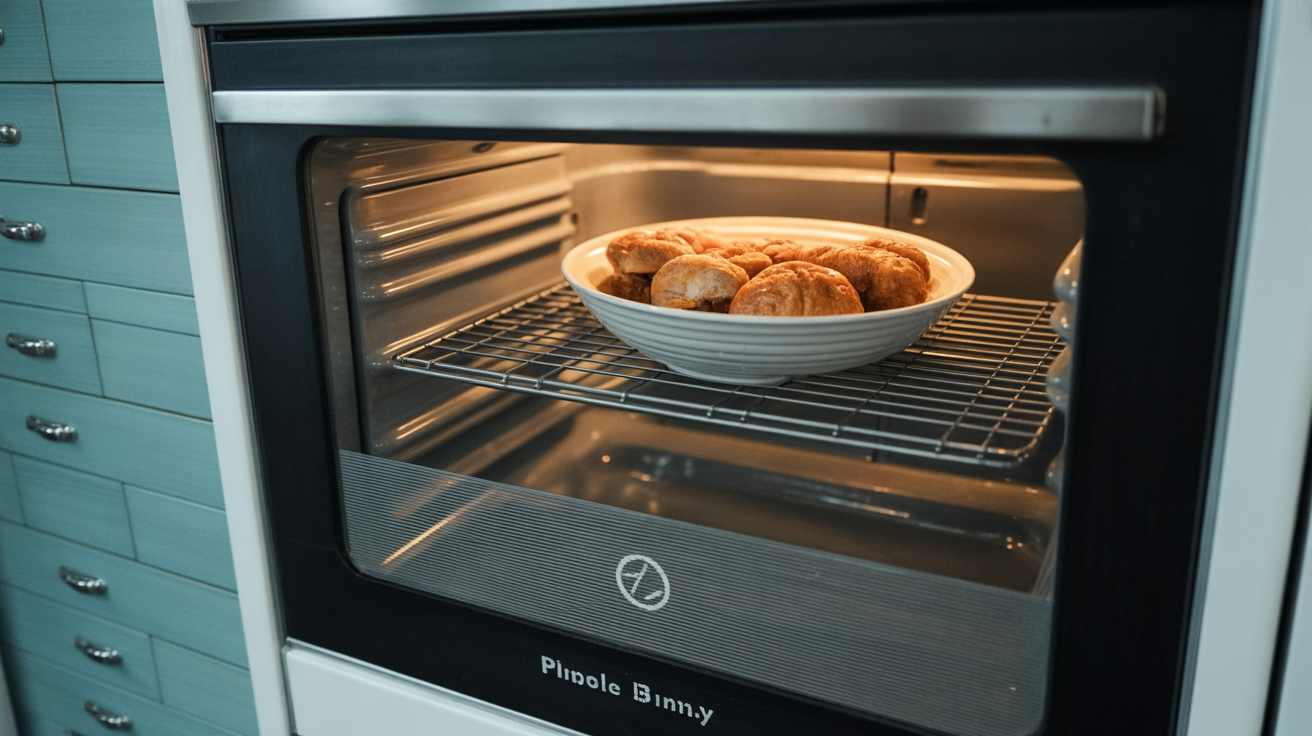
Step 1: Preheat the oven: Preheat your oven to 350°F (180°C) so it is fully heated by the time the dough is ready.

Step 2: Beat eggs, sugar, and butter: In the bowl of a stand mixer fitted with the flat beater, add the eggs, sugar, and melted butter. Beat on medium speed until the mixture is smooth and well combined.
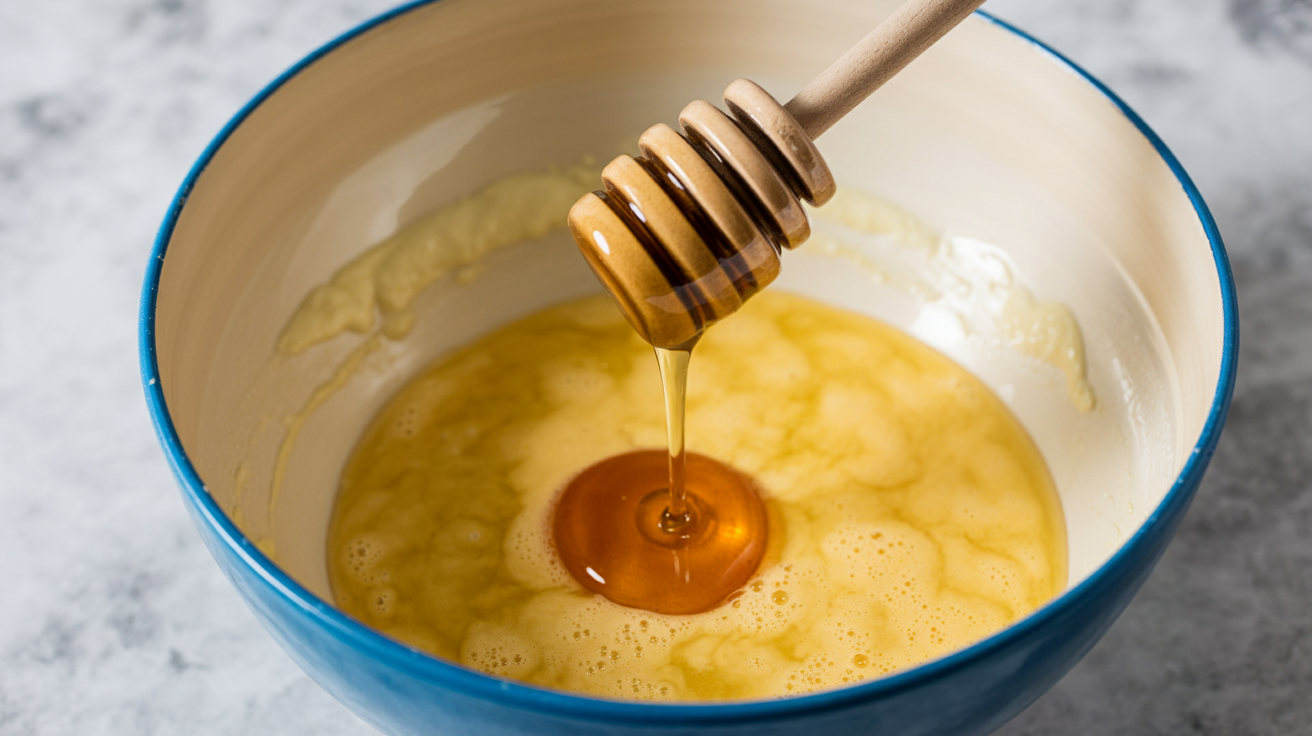
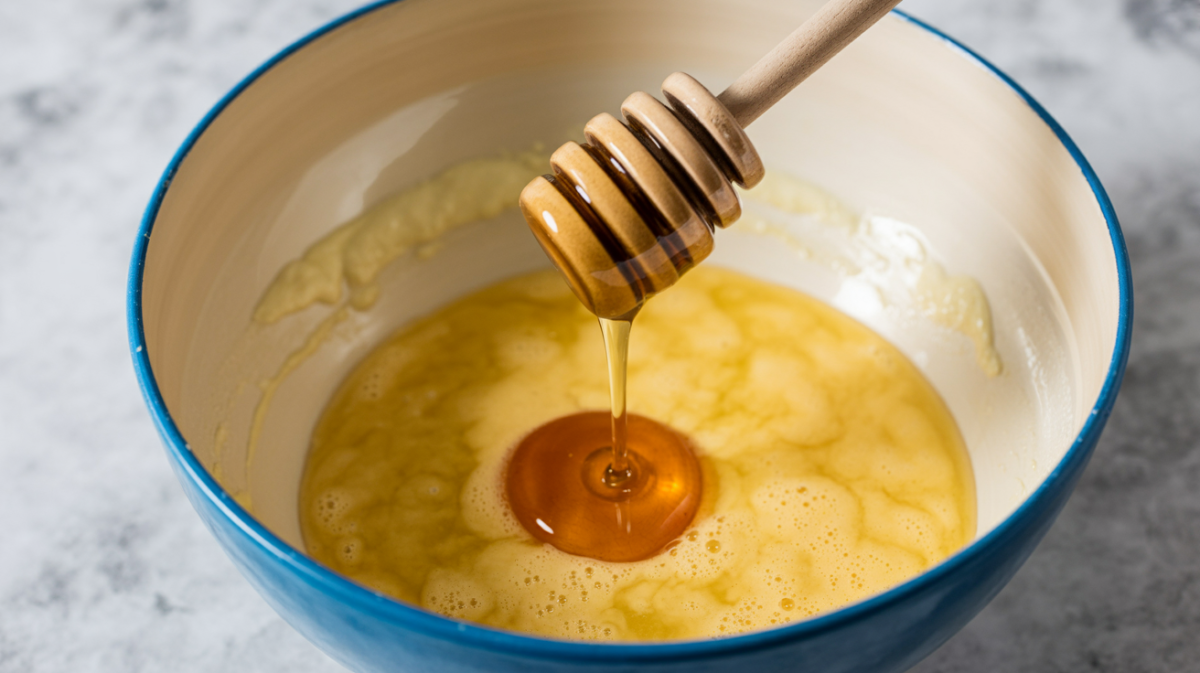
Step 3: Add honey and baking soda: Pour in the honey and add the baking soda. Continue mixing until the honey and baking soda are fully incorporated into the egg mixture.
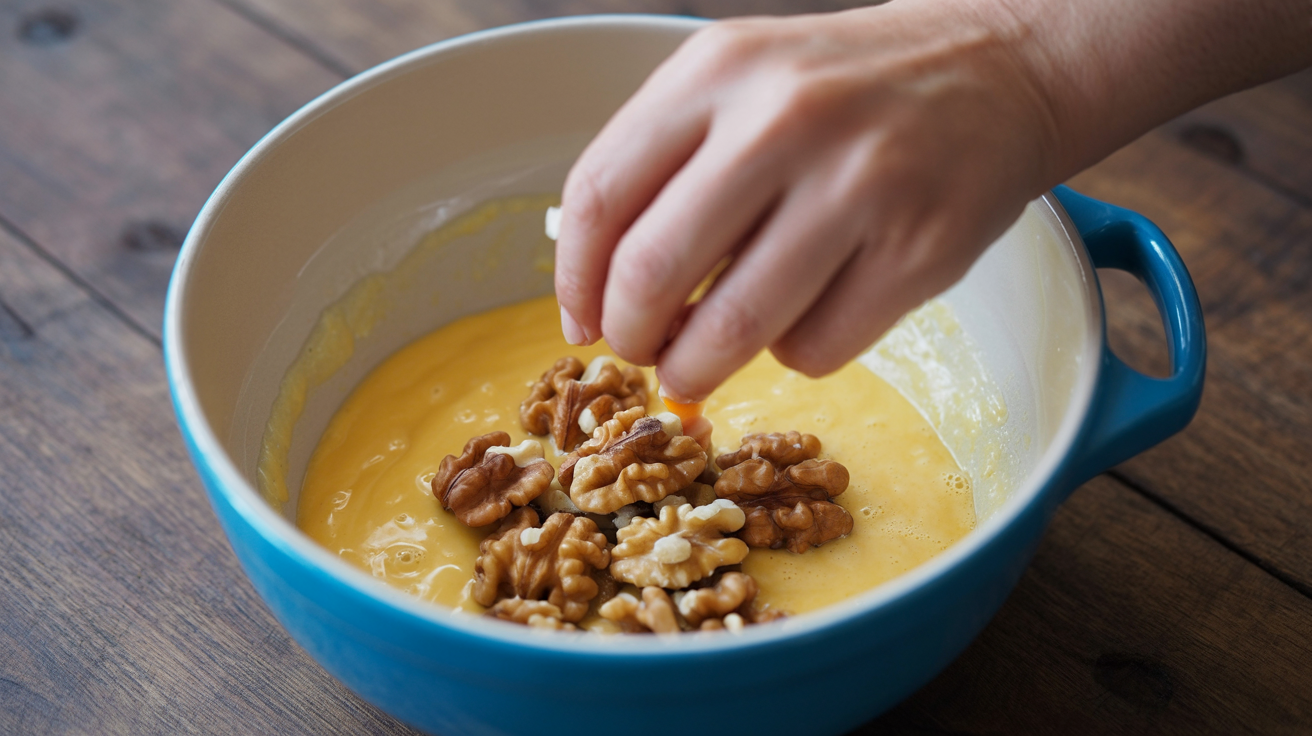
Step 4: Add half of the flour and walnuts: Add about half of the flour and all of the walnuts to the bowl. Mix with the flat beater on low to medium speed until everything is evenly combined.

Step 5: Add remaining flour and form a firm dough: Add the rest of the flour and mix again until a firm, cohesive dough forms. The dough should come together and pull away slightly from the sides of the bowl.

Step 6: Prepare the cake pan: Line a 12-inch (30 cm) diameter cake pan with parchment paper, covering the base. You can lightly grease the sides if desired.
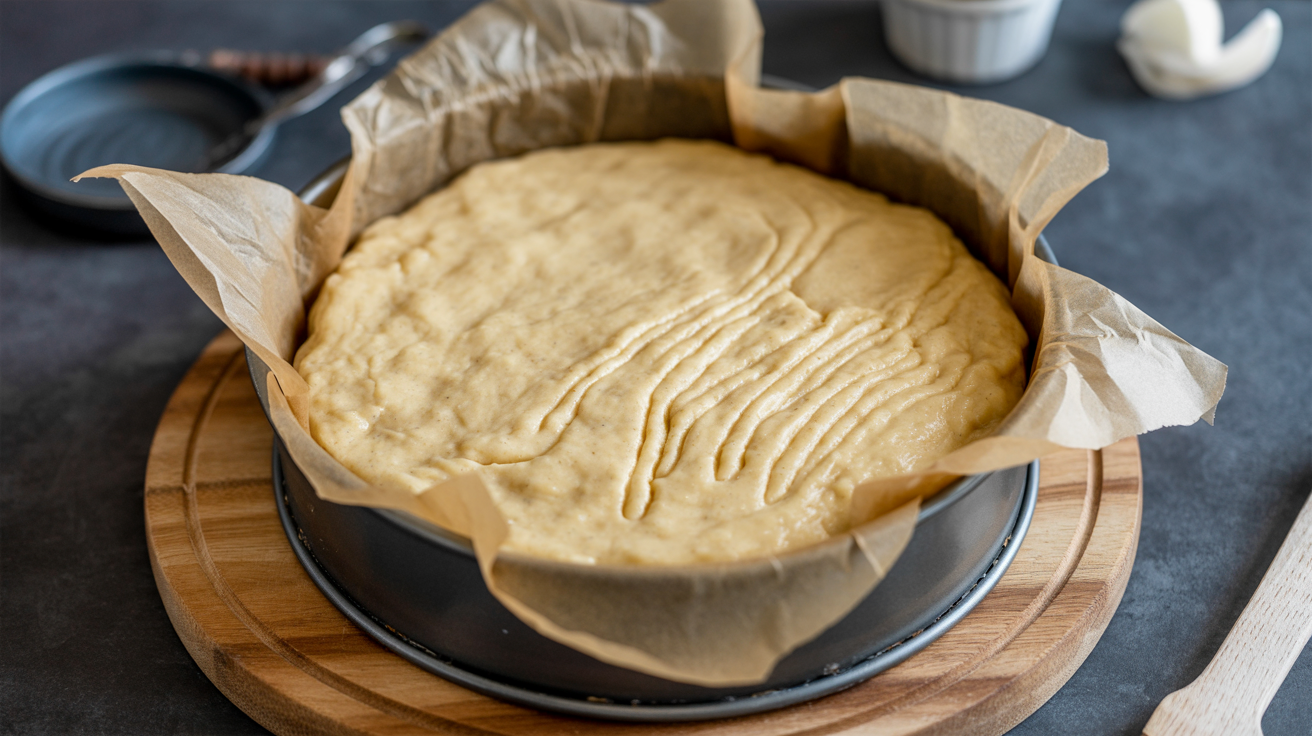
Step 7: Press the dough into the pan: Transfer the dough to the prepared pan. Wet your hands lightly with water to prevent sticking, then press the dough evenly into the pan, smoothing the surface and making sure it is level and uniform.
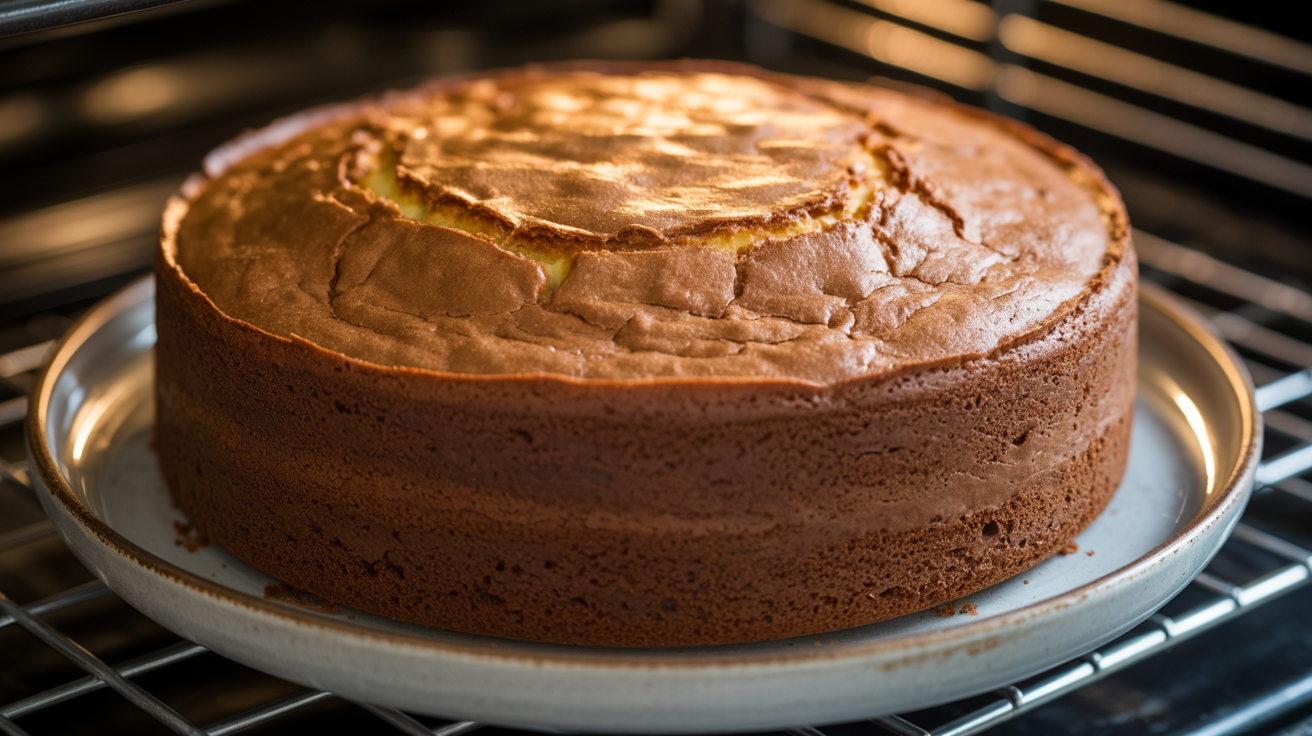
Step 8: Bake the cake: Place the pan in the preheated oven and bake for 35–40 minutes, or until the top has turned a dark brown color and the dough feels firm to the touch in the center.

Step 9: Cool completely: Remove the pan from the oven and set it on a cooling rack. Let the cake cool completely in the pan while you prepare the syrup (if your recipe continues with a syrup step).
Preparing the Batter and Mixing Technique
I start by gathering eggs, sugar, flour, baking powder, and chopped walnuts. The secret to a great Albanian Byrek recipe? Beat the eggs and sugar until they’re light and fluffy—about 5-7 minutes with a hand mixer.
Once the eggs are ready, I fold in the dry ingredients. Sift the flour and baking powder together first to avoid lumps. Folding keeps the batter airy. Then I add the walnuts—about 1 to 1½ cups—making sure they’re spread throughout. The batter should be thick but pourable. Grease your pan well and spread the mixture evenly.
Baking and Soaking with Syrup
Preheat your oven to 350°F (175°C) and bake the cake for 30-35 minutes, until golden brown. A toothpick should come out clean.
While the cake bakes, make the syrup by boiling sugar, water, and honey together. Simmer for about 10 minutes. Sometimes I add lemon juice or a cinnamon stick for a little extra flavor.
Here’s the trick: pour the cooled syrup over the hot cake (or the hot syrup over the cooled cake—either way works). That temperature contrast helps the Albanian shendetlie soak up the syrup. Pour slowly, so it absorbs evenly. This is a key part of any Albanian Byrek recipe.
Creative Garnishing and Presentation Ideas
I like to decorate my Shendetlie recipe with extra walnut halves in a diamond or grid pattern before baking. It looks gorgeous and gives a hint of what’s inside.
After soaking, sometimes I drizzle more honey on top for a glossy finish. A dusting of cinnamon or some crushed pistachios adds color. For parties, I cut the cake into diamonds instead of squares—it just looks fancier.
I usually serve my Shendetlie recipeat room temperature with whipped cream or a scoop of vanilla ice cream. The cold cream with the sweet, nutty cake is a match made in heaven. You have to try this Albanian Byrek recipe at least once with ice cream.

Serving Suggestions, Variations, and Storage Tips
What I love about this traditional Albanian dessert is how versatile it is. You can eat shendetlie warm or at room temperature, and there are tons of ways to put your own spin on this classic Albanian Byrek recipe.
Traditional Ways to Serve Shendetlie
I always cut my Albanian Shendetlie recipe into diamonds or squares after it cools for 15-20 minutes. It’s best at room temperature, making it perfect for gatherings.
In Albanian tradition, families serve this Albanian Shendetlie recipe for Christmas and special occasions. I like to drizzle extra honey over each piece before serving. Some people pair it with strong Turkish coffee or tea for balance.
The honey and walnut cake is great by itself, but I’ve seen it served with thick yogurt on the side for a tangy contrast. If you’re experimenting with an Albanian Byrek recipe, try it both ways and see what you like best.
Modern Twists and Flavor Variations
I love playing around with different nuts in this Albanian dessert. Swap in pistachios, almonds, or pecans for a twist on the classic Albanian Byrek recipe.
Some fun variations:
- Citrus zest: Add orange or lemon zest to the batter for brightness
- Spices: Toss in cinnamon, cardamom, or nutmeg for warmth
- Chocolate: Fold in chocolate chips or drizzle melted chocolate on top
- Rose water: Sub a little vanilla with rose water for a floral vibe
Sometimes I garnish my Albanian Shendetlie recipewith fresh berries or mint for a fancy touch. And yes, a scoop of vanilla ice cream on warm shendetlie is unreal. If you’re looking for a unique Albanian Byrek recipe, don’t be afraid to experiment a bit.
Want to keep leftovers? Store your shendetlie in an airtight container at room temperature for up to four days. It actually gets better as the syrup settles in. I’ve even frozen slices of this Albanian Byrek recipe for later, and it holds up surprisingly well. Give it a try and see what you think!
How to Store and Reheat Shendetlie
I usually keep my Albanian Shendetlie recipe leftovers in an airtight container right on the counter, and it stays good for up to three days. Thanks to the syrup, the cake doesn’t dry out—actually, I swear it gets tastier the next day when everything has had time to meld together. It’s kind of like an Albanian Byrek recipe in that sense; leftovers are almost better.
If I know I won’t finish it in a few days, I’ll wrap up individual slices in plastic wrap and toss them in the freezer. They hold up for a solid two months this way, which is pretty handy. When I want a piece, I just let it thaw on the counter for about an hour. That’s a trick I picked up from making Albanian Shendetlie recipes ahead of time, too.
For reheating, I usually pop a piece in the microwave for maybe 15 seconds—sometimes 20 if I’m impatient. The oven works too: 300°F for five to seven minutes does the trick. I try not to overdo it, though, since too much heat can zap the moisture right out. If it ever feels a little dry (which happens, honestly), I’ll brush on some extra syrup or even honey. It perks it right up, kind of like what you’d do for an Albanian Byrek recipe that’s lost its flakiness. There’s something satisfying about reviving a dessert like this, just like there is with a well-made Albanian Byrek recipe.

Shëndetli vs Basbousa
Shëndetli and Basbousa are both syrup-soaked desserts popular in Balkan and Middle Eastern cuisines, but they differ significantly in texture, ingredients, and overall flavor experience.
Shëndetli is a traditional Albanian cake made with flour, eggs, sugar, and often walnuts. Once baked, it’s soaked in a light syrup, sometimes infused with honey. The result is a soft, sponge-like dessert that absorbs syrup evenly without becoming overly dense. Its flavor leans rich and slightly nutty, with a comforting, homemade feel.
Basbousa, by contrast, is made primarily with semolina instead of flour, which gives it a more granular, slightly crumbly texture. It’s commonly enriched with coconut or yogurt and soaked in a sugar syrup flavored with citrus or rose water. This creates a denser, more textured bite with a pronounced sweetness.
The key difference lies in texture and intensity: Shëndetli is lighter and more cake-like, while Basbousa is denser and more syrup-forward.
If you prefer a soft, airy dessert with balanced sweetness, Shëndetli is the better choice. If you enjoy a richer, more textured dessert with bold syrup flavor, Basbousa stands out.
Albanian Shëndetlie Recipe FAQ
1. What is shëndetlie?
A traditional Albanian dessert made with semolina and syrup.
2. What gives it its texture?
Semolina creates a dense yet moist texture.
3. Is it similar to other Balkan desserts?
Yes, it resembles semolina cakes found in the region.
4. How is it flavored?
Often with vanilla or citrus.
5. When is shëndetlie served?
It’s commonly served during celebrations.

Albanian Shëndetlie
Ingredients
- 1½ cup sugar
- 3 eggs
- ¾ cup butter melted and cooled
- 5½ cups flour sifted
- 3 oz walnuts crushed
- 4 tbsp honey
- 1 tsp baking soda
- 1 cup sugar
- 1¾ cup water
Instructions
- Preheat the oven: Preheat your oven to 350°F (180°C) so it is fully heated by the time the dough is ready.

- Beat eggs, sugar, and butter: In the bowl of a stand mixer fitted with the flat beater, add the eggs, sugar, and melted butter. Beat on medium speed until the mixture is smooth and well combined.

- Add honey and baking soda: Pour in the honey and add the baking soda. Continue mixing until the honey and baking soda are fully incorporated into the egg mixture.
- Add half of the flour and walnuts: Add about half of the flour and all of the walnuts to the bowl. Mix with the flat beater on low to medium speed until everything is evenly combined.

- Add remaining flour and form a firm dough: Add the rest of the flour and mix again until a firm, cohesive dough forms. The dough should come together and pull away slightly from the sides of the bowl.

- Prepare the cake pan: Line a 12-inch (30 cm) diameter cake pan with parchment paper, covering the base. You can lightly grease the sides if desired.

- Press the dough into the pan: Transfer the dough to the prepared pan. Wet your hands lightly with water to prevent sticking, then press the dough evenly into the pan, smoothing the surface and making sure it is level and uniform.

- Bake the cake: Place the pan in the preheated oven and bake for 35–40 minutes, or until the top has turned a dark brown color and the dough feels firm to the touch in the center.

- Cool completely: Remove the pan from the oven and set it on a cooling rack. Let the cake cool completely in the pan while you prepare the syrup (if your recipe continues with a syrup step).

Video

15 comments
I wonder, could we substitute honey for agave in the Shendetlie recipe without losing its cultural essence?
Interesting read! But arent the origins of Shendetlie more Ottoman than purely Albanian? Whats your take on this?
Shendetlies roots are debatable, but its Albanian heart is undeniable. Any other claim is just culinary politics!
Could the sweetness of Shendetlie be a metaphor for Albanian hospitality? Wondering if theres a correlation there!
Isnt it fascinating how the Shendetlie recipe transcends the time and keeps the Albanian culinary tradition alive?
Interesting read! But isnt there a significant variation in Shendetlie recipes across different Albanian regions?
Interesting read! But, dont you think Shendetlies unique taste owes more to the honey, not just the semolina?
Absolutely disagree! Semolina is the star here. Honey merely enhances the flavor.
Interesting article. But arent the honey and nuts in Shendetlie too overpowering for the subtle semolina flavor?
Interesting read. But why havent we explored the nuances of Ravani vs Shendetlie further? Theres more than just taste and texture, surely?
Perhaps because the subtleties of Ravani vs Shendetlie go beyond the scope of a single article?
Interesting article! But does the honey in Shendetlie come from a specific type of bee or any will do?
Any bees honey works, but authentic Shendetlie uses wild mountain bees honey!
Interesting read! But isnt the Shendetlies honey-nut combo more Turkish than uniquely Albanian? Would love some insight.
Absolutely not! Shendetlie is uniquely Albanian, not Turkish. Do some research before making such claims!
Comments are closed.