

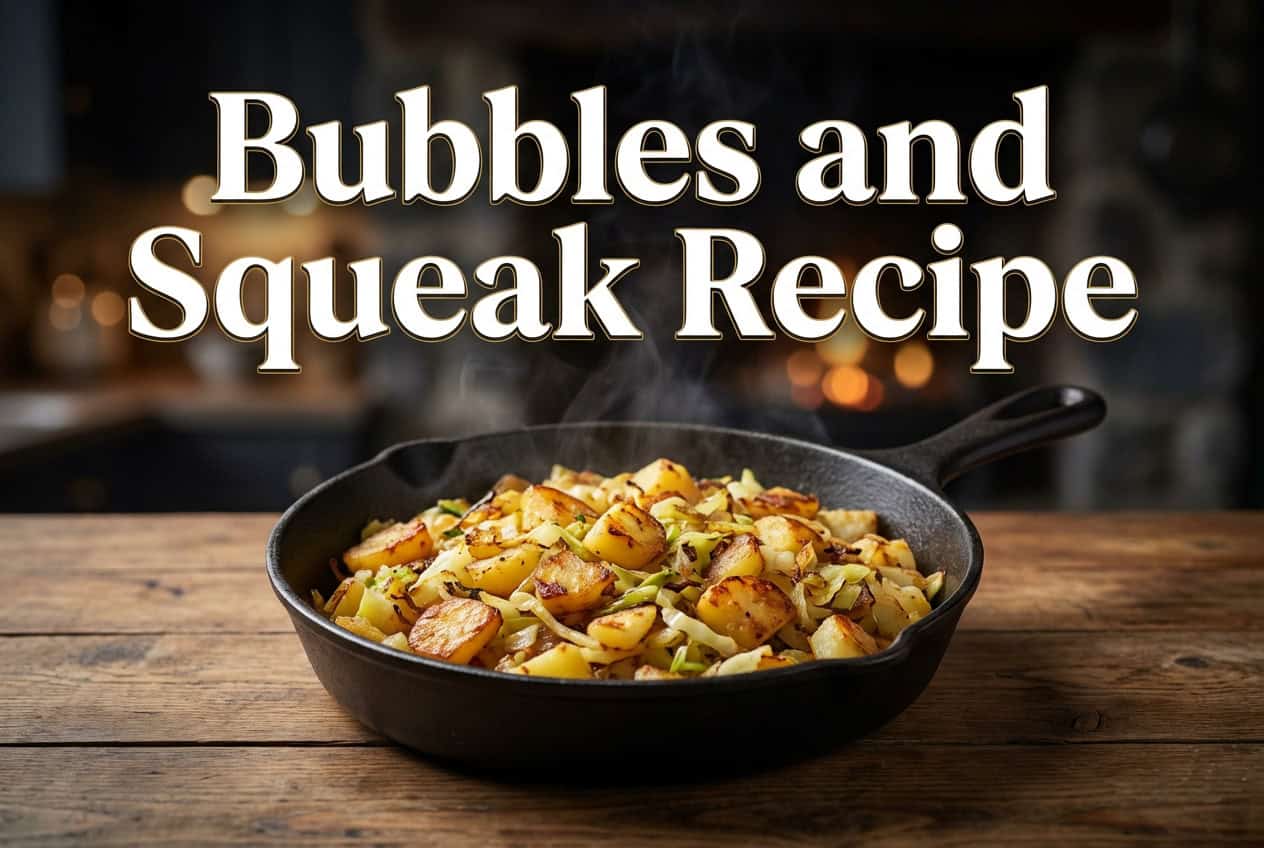
I used to toss leftover mashed potatoes and cabbage straight into the bin. Then I stumbled on the Scottish bubbles and squeak recipe, and suddenly, kitchen scraps became breakfast royalty. This classic British dish turns yesterday’s veggies into crispy, golden patties—so good, you’ll find yourself making extra mash just for the excuse.
Bubble and squeak is a pan-fried mash-up of leftover potatoes and veggies—usually cabbage—that gets all crispy outside and stays soft inside. The name? It’s from the bubbling and squeaking sounds in the pan. Gotta love a dish with built-in sound effects.
Let’s get into how to nail the Scottish bubbles and squeak recipe, from the basics to some wild variations that’ll make you see leftovers in a whole new light. I’ll show you how to get that perfect crust, and yeah, even how to store it so you can have leftover leftovers. If that’s not peak thrifty, I don’t know what is.

Bubble and Squeak Basics: What Is It and Why You Need It
This quirky British dish has a name that comes straight from its noisy personality. Potatoes and cabbage are the foundation, but the Scottish bubbles and squeak recipe lets you riff with whatever you’ve got.
The Origins of the Name Bubble and Squeak
They called it bubble and squeak because that’s exactly what it sounds like when it hits the pan—vegetables bubbling and squeaking as they fry. There’s just something satisfying about it.
The first mention was way back in 1750 in The Gentleman’s Magazine. It started as beef and cabbage fried together, but over the years, it morphed into the potato-based Scottish bubbles and squeak recipe I swear by now.
Honestly, naming food after its sound? Genius. Imagine if scrambled eggs were “sizzle and scrape.” The Scottish bubbles and squeak recipe really lives up to its name—just toss those leftovers into a hot pan with butter and listen.
Traditional Ingredients: Potatoes and Cabbage
Bubble and squeak always begins with two main things:
- Mashed potatoes (leftovers, obviously)
- Cooked cabbage (any kind works)
The Scottish bubbles and squeak recipe is forgiving. Toss in carrots, peas, Brussels sprouts, onions—whatever’s in your fridge. Some folks even add cooked meat, and I can’t blame them.
Potatoes hold it all together. Mix them with cabbage and whatever veggies you’ve got, shape into patties, and fry until golden and crisp. That texture? It’s what makes the Scottish bubbles and squeak recipe so dang good.
Comparing Bubble and Squeak to Colcannon and Rumbledethumps
All three—bubble and squeak, colcannon, and rumbledethumps—use potatoes and cabbage, but they take different roads:
| Dish | Origin | Key Difference |
|---|---|---|
| Bubble and Squeak | England | Fried patties from leftovers |
| Colcannon | Ireland | Mashed potatoes with cabbage or kale, creamy style |
| Rumbledethumps | Scotland | Baked casserole, cheese on top |
Colcannon is creamy, not fried, and usually gets a puddle of melted butter in the middle.
Rumbledethumps is baked with cheese—it’s more a casserole than a cake.
But the Scottish bubbles and squeak recipe? That’s the one for when you’re staring at cold mashed potatoes, not sure what to do next.

Step-by-Step: How to Make Bubble and Squeak
Creating the Bubbules and Squeak
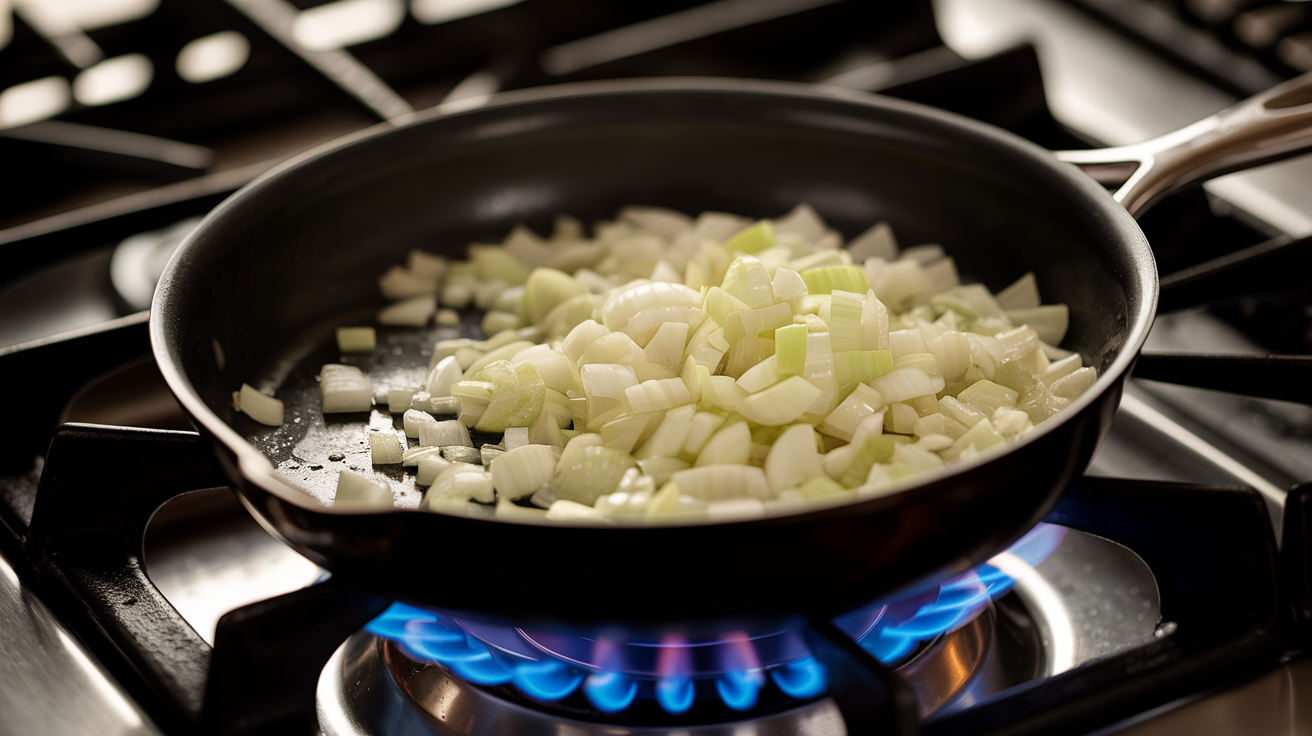
Step 1: Cook the onions: Heat 1 tablespoon of olive oil in a large skillet over medium heat. Add the chopped onion in an even layer. Sauté for 2–3 minutes, stirring occasionally, until the onion softens and just starts to turn light golden brown at the edges. Remove from the heat if needed while you prepare the next step.
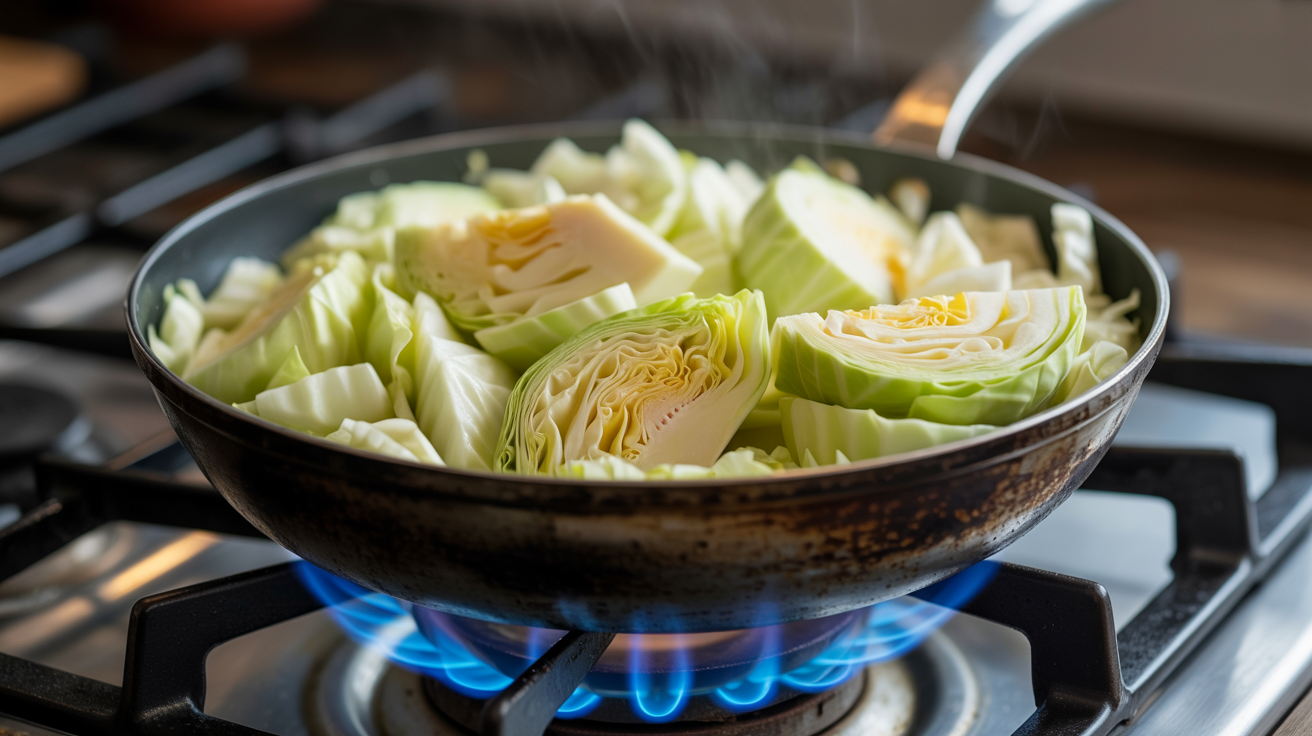
Step 1: Add and cook the cabbage: Add the sliced cabbage directly to the skillet with the onions. Sprinkle in 1 teaspoon of salt and add the diced parsley. Stir to combine everything well. Cover the skillet with a lid and cook over medium heat for 10–15 minutes, lifting the lid every few minutes to stir. Continue until the cabbage is tender and lightly wilted but not mushy.
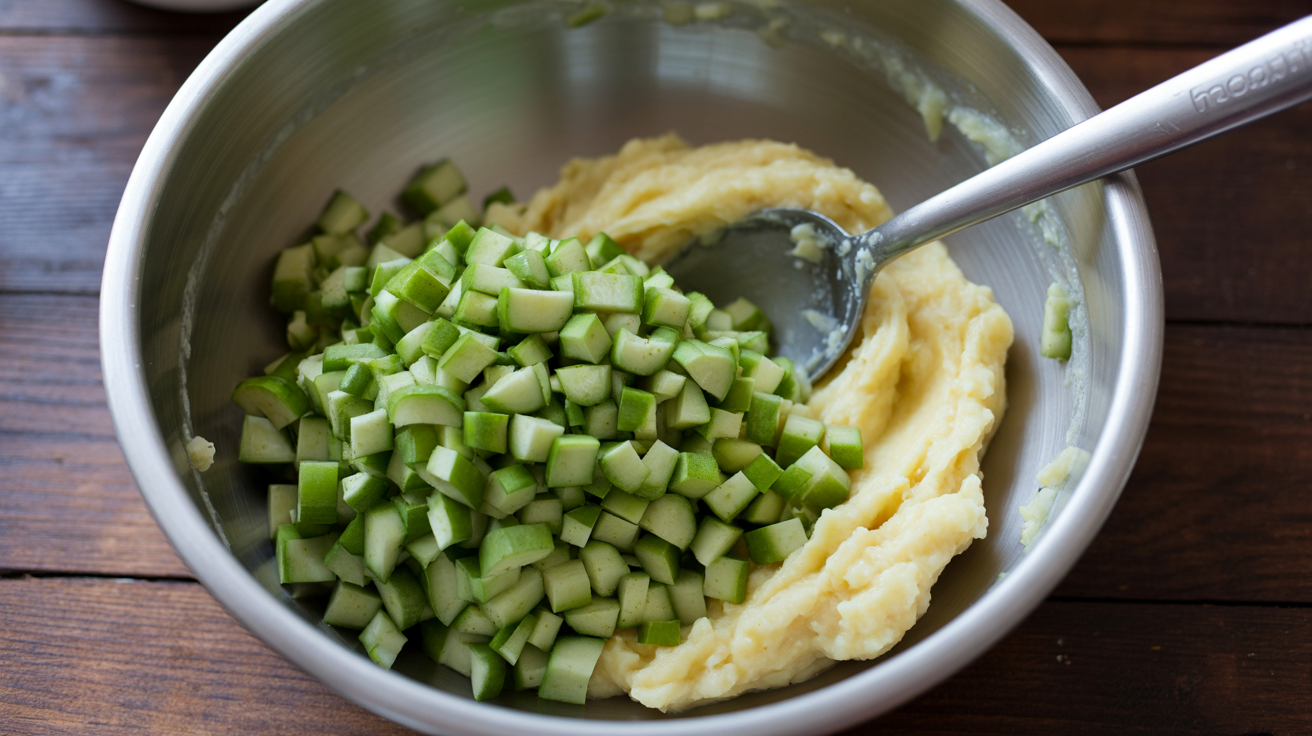
Step 3: Prepare the mixture: Transfer the sautéed cabbage and onion mixture to a large mixing bowl. Add the mashed potato, eggs, 1 cup of flour, the remaining teaspoon of salt, and a good pinch of pepper. Stir everything together thoroughly until the ingredients are evenly combined.
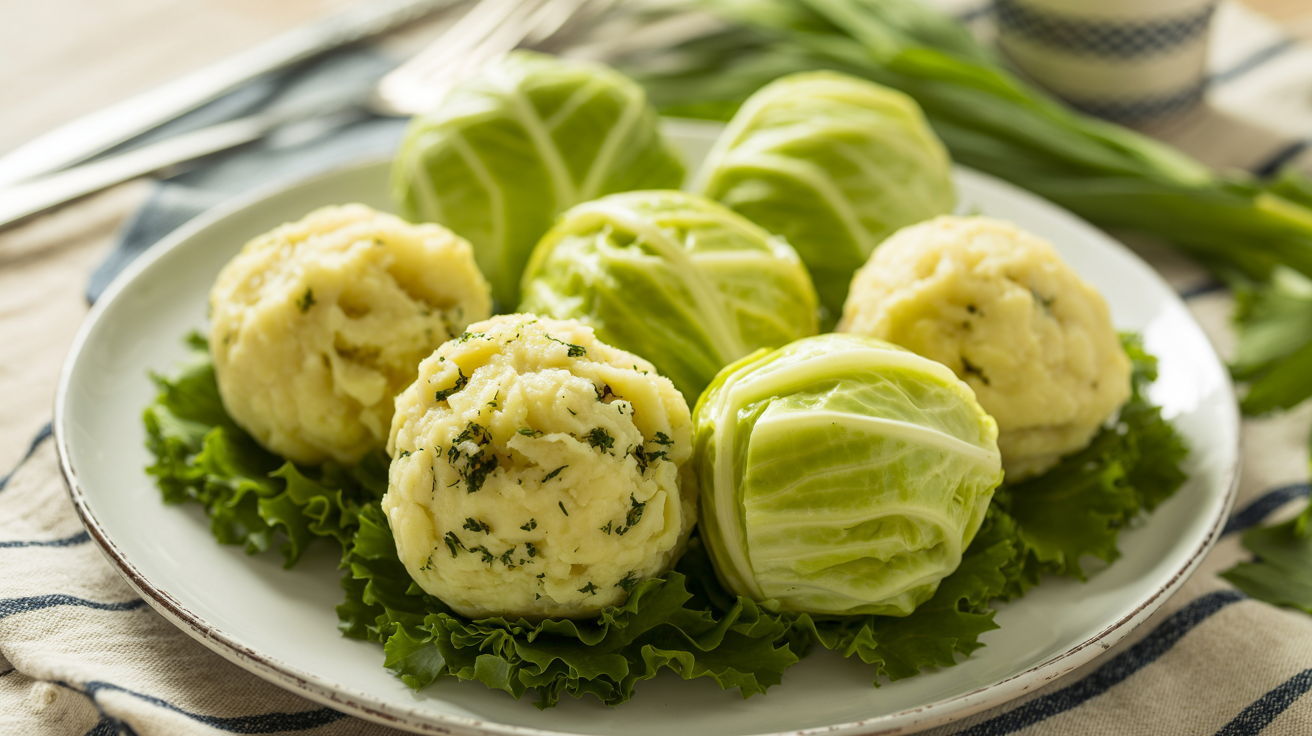
Step 4: Adjust the consistency: Check the texture of the mixture. It should be thick and hold its shape, similar to a stiff paste. If it feels too soft or runny and does not hold together when scooped, gradually add a little more flour, mixing after each addition, until the mixture is firm enough to form patties.
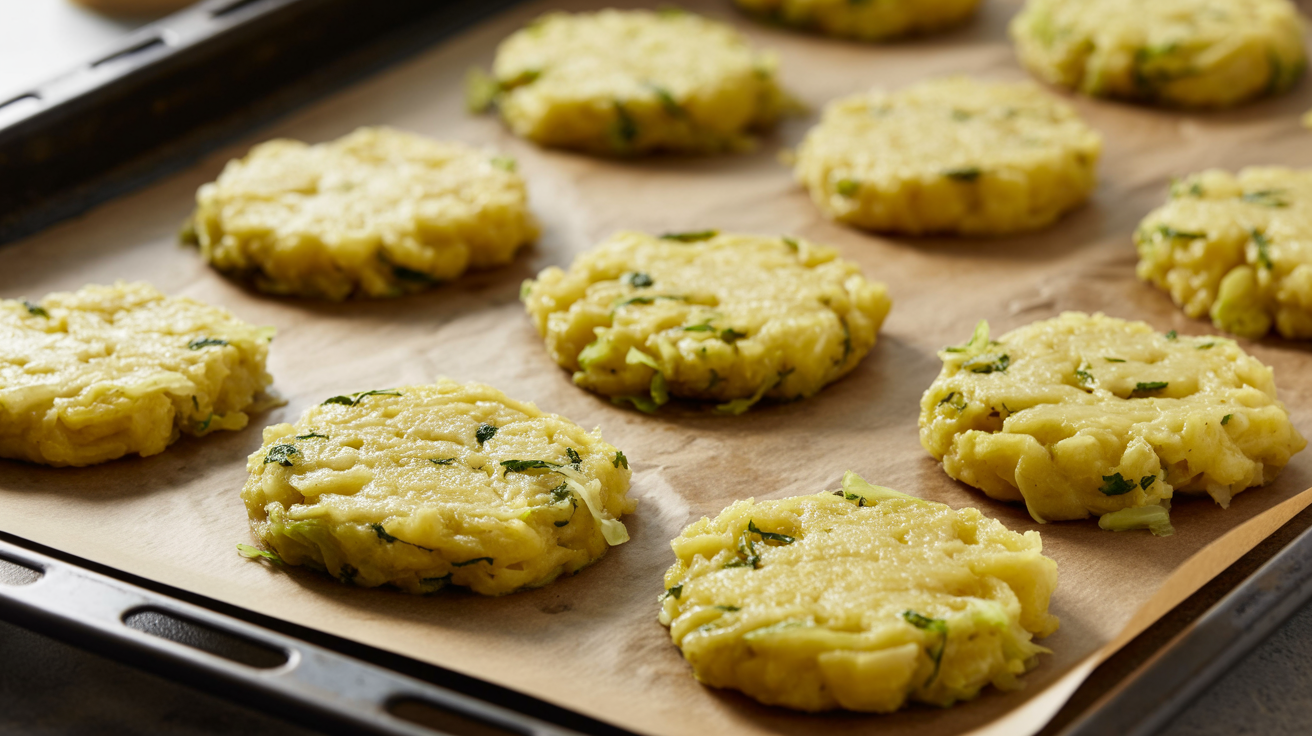
Step 5: Shape the patties: Place some extra flour on a plate for dredging. Use an ice cream scoop or a measuring cup to portion out about ¼ cup of the potato–cabbage mixture for each patty. Drop the scoop onto the floured plate, roll it gently in the flour so it is lightly coated all over, then press down gently with your hand or a spatula to form a thick patty.
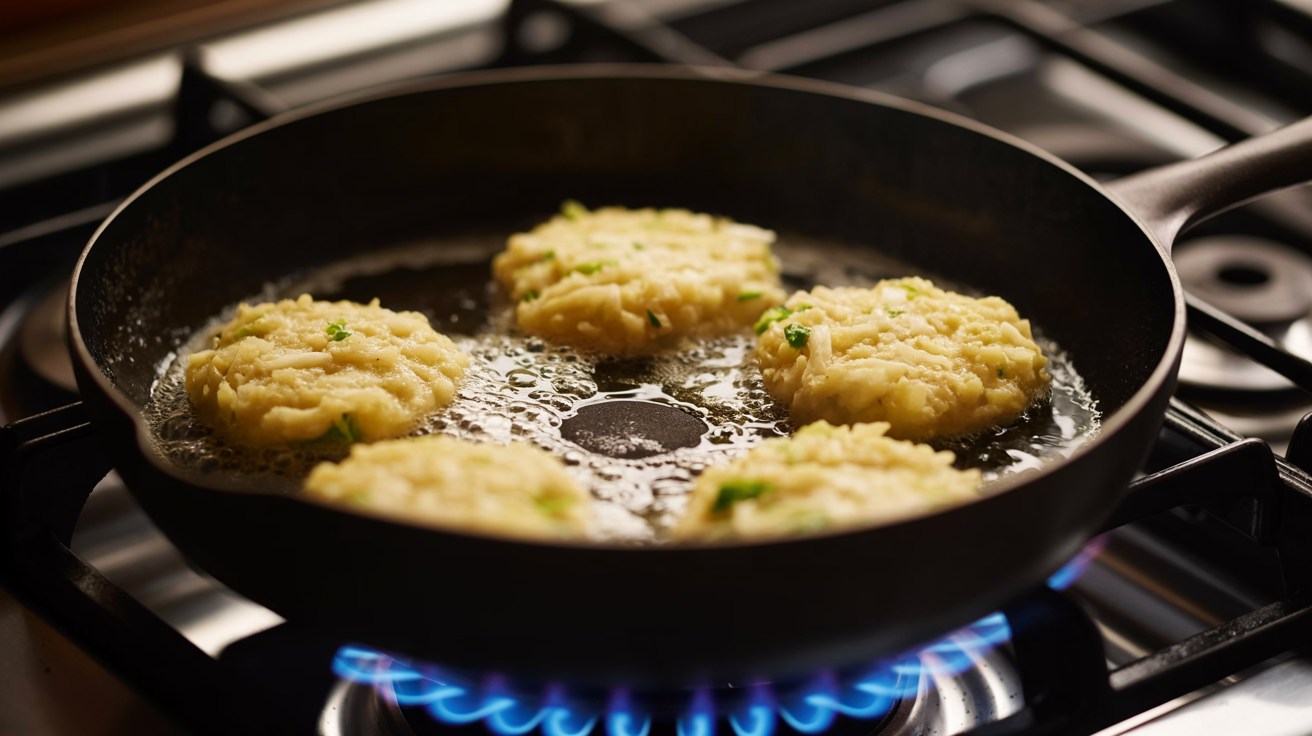
Step 6: Pan-fry the patties: Heat 1 tablespoon of olive oil in a large clean skillet over medium heat. When the oil is hot, carefully place several patties in the pan, leaving space between them so they are easy to turn. Cook for 3–4 minutes on the first side, or until the underside is golden brown and crisp. Turn the patties carefully with a spatula and cook the second side for another 3–4 minutes, until golden brown and heated through.
Step 7: Repeat with remaining mixture: Transfer cooked patties to a plate or tray and keep warm. Add a little more oil to the pan if needed and repeat the frying process with the remaining mixture until all the bubble and squeak cakes are cooked.
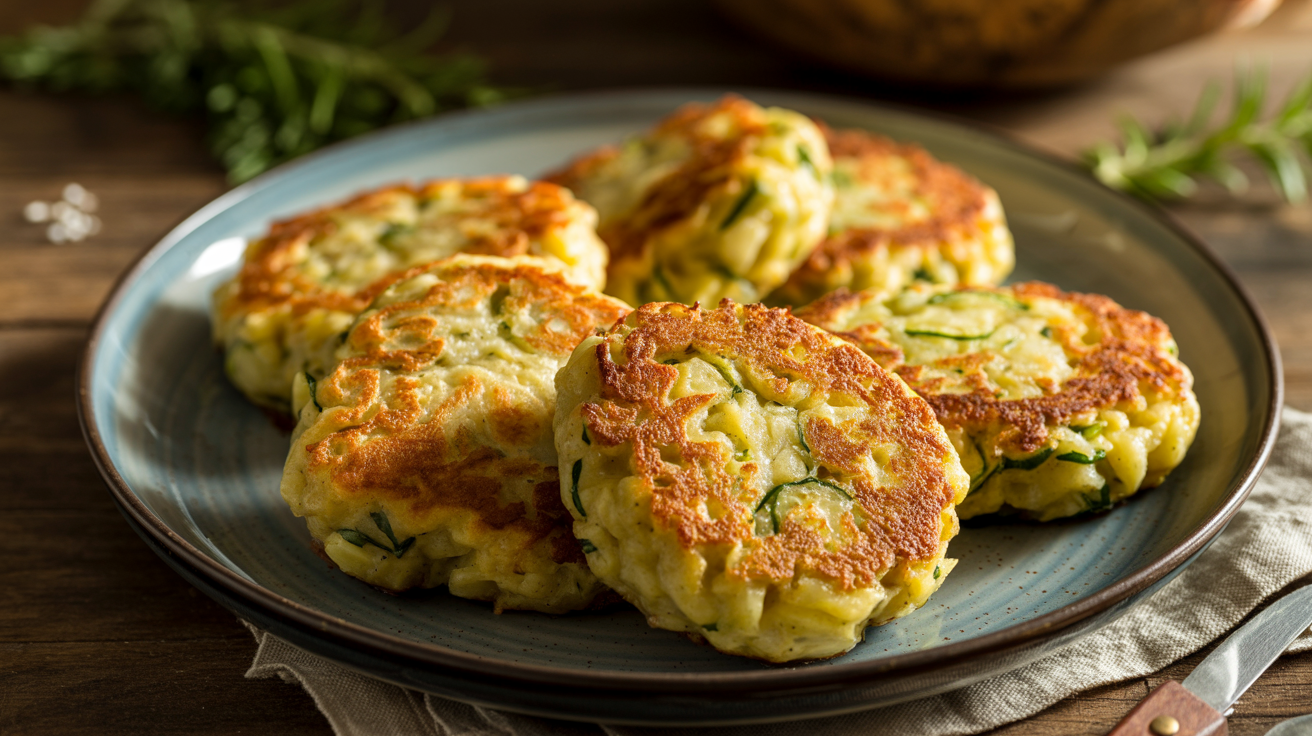
Step 8: Serve: Serve the bubble and squeak patties warm. They are commonly served with a fried egg on top and a spoonful of sour cream or plain Greek yogurt on the side.
Gathering Your Leftovers
I start by raiding my fridge for leftover mashed potatoes. You’ll want about 2 cups for a couple of people, maybe three if you’re lucky.
Next, grab whatever cooked veggies you find. Cabbage is classic, but Brussels sprouts, carrots, peas—honestly, anything goes in the Scottish bubbles and squeak recipe. I aim for a 2:1 potato to veg ratio, but I don’t measure with a ruler.
Don’t stress about “proper” vegetables. I’ve thrown in roasted parsnips and even green beans. Just make sure everything’s cooked and not too wet.
What You’ll Need:
- 2 cups leftover mashed potato
- 1 cup chopped cooked vegetables
- 1 small onion, finely chopped
- Salt and pepper
- 2-3 tablespoons butter or oil
If your mash is super creamy, let it dry out a bit in the fridge. Trust me, it helps the Scottish bubbles and squeak recipe crisp up.
Mixing and Cooking for Maximum Crispiness
Chop veggies small so they mix evenly. In a bowl, combine potatoes, veggies, onion, salt, and pepper. I use my hands or a fork—whatever’s handy. Don’t overmix or you’ll lose those crispy bits the Scottish bubbles and squeak recipe is famous for.
Heat a big frying pan over medium, melt your butter or oil, and press the mixture in. You can do one big cake or individual patties—it’s up to you.
Cooking Steps:
- Press mixture into hot pan
- Let it cook 5-7 minutes, hands off
- Flip when golden brown
- Cook the other side 5-7 minutes
Don’t poke at it. The Scottish bubbles and squeak recipe only gets that signature crust if you leave it alone. When the bottom looks golden, flip with a big spatula.
Common Mistakes and How to Dodge Them
The biggest fail? Wet, creamy potatoes. If your mash is too loose, add a spoonful of flour. It’ll help hold the Scottish bubbles and squeak recipe together.
High heat burns the outside and leaves the inside cold. Stick to medium. And don’t crowd the pan—if you do, it’ll steam instead of fry and you’ll lose that crisp.
Wait for the edges to brown before flipping. If it sticks, it’s not ready. Once it’s golden, it’ll come away easily and you’ll get that classic Scottish bubbles and squeak recipe texture.

Creative Variations and Twists on the Classic
The Scottish bubbles and squeak recipe is flexible. Swap cabbage for kale, spinach, or Brussels sprouts. Shape into patties, add chorizo, or keep it vegan—the options are endless.
Making It with Different Greens and Veggies
The Scottish bubbles and squeak recipe doesn’t demand loyalty to cabbage. Kale gives it an earthy twist. Spinach is mild, and even picky eaters don’t mind it. Shredded Brussels sprouts bring extra crunch. Leeks, spring greens, leftover roasted veg—they all work.
Chop everything to similar sizes. I usually do two parts potato to one part veg, but honestly, I eyeball it. Got peas, carrots, or corn? Toss them in. The Scottish bubbles and squeak recipe doesn’t judge.
Bubble and Squeak Patties: Bite-Sized Excellence
Making patties instead of one big cake changed everything for me. I shape them palm-sized and flatten them for max crispiness on both sides. The Scottish bubbles and squeak recipe in patty form is perfect for meal prep—make a bunch, reheat all week, or freeze them with parchment in between.
Patties make brunch easy. Top with a fried egg and it looks restaurant-worthy. Kids eat them with their hands, and honestly, so do I. The Scottish bubbles and squeak recipe just fits any situation.
Meaty Upgrades and Vegan Shimmies
Chorizo brings smoky heat—cook it first, then use the fat to fry the rest. Bacon, ham, sausage—they all work in the Scottish bubbles and squeak recipe.
For vegan versions, I skip the meat and don’t miss it. Nutritional yeast adds that cheesy vibe, smoked paprika brings depth, and chickpeas bulk it up. Plant-based butter crisps it up just fine. The Scottish bubbles and squeak recipe stays satisfying either way.

Serving Suggestions: When, Where, and With What
The Scottish bubbles and squeak recipe works for any meal. I love it with fried eggs and breakfast meats. That crispy shell soaks up yolk perfectly, and you can dress it up or down for whoever’s at your table.
Breakfast, Brunch, or Dinner: No Wrong Answer
I’ve served the Scottish bubbles and squeak recipe at sunrise with coffee and at sunset with wine. No one’s ever turned it down.
Breakfast is classic. Leftovers from Sunday roast become Monday’s breakfast. It’s heartier than toast but easier than making something fancy from scratch.
Brunch is where the Scottish bubbles and squeak recipe shines. It looks impressive, uses up leftovers, and lets you pretend you planned ahead. On a brunch table, those crispy potatoes and cabbage don’t look like an accident—they look intentional.
Dinner works, too. I serve the Scottish bubbles and squeak recipe with roasted meats, grilled fish, or stews. It’s hearty enough to be the main event or play backup to something richer. Honestly, there’s never a bad time for it.
The Most Popular Pairings (Eggs, Bacon, and Beyond)
A fried egg on top? That’s just how it goes in my kitchen. The runny yolk turns into a sauce for those crispy potatoes and cabbage—it’s honestly the best part of any Scottish bubbles and squeak recipe.
Here’s what I usually pile up with my Scottish bubbles and squeak recipe:
- Fried eggs (sunny-side up—let the yolk run wild)
- Bacon or sausages (you need that salty, fatty hit)
- Baked beans (classic, British, and honestly, kind of addictive)
- Grilled tomatoes (a little sharpness never hurt anyone)
- Toast with butter (because you’ll want to scoop up every last bit of your Scottish bubbles and squeak recipe)
For a full English, I throw everything on one plate and just let it all mix together. If it’s lunch or dinner, I might just do the Scottish bubbles and squeak recipe with a fried egg or a few rashers of bacon—no need to go overboard every time.
Presentation Tips to Impress Your Aunt Mildred
I like to shape my Scottish bubbles and squeak recipe into little patties instead of a big slab. It feels a bit more thoughtful, and everyone gets those crispy edges (which, let’s be honest, are the best part).
For plating, I’ll set the patty a bit off-center, then plop a fried egg on top. If I’m feeling ambitious, I’ll toss on some chopped parsley or chives—makes it look like I put in real effort, even though it’s just a sprinkle. Sometimes I add a handful of arugula because green stuff just makes it pop.
Serve it hot. Seriously, don’t let your Scottish bubbles and squeak recipe go cold. The crispy outside and soft middle only work when it’s fresh from the pan. I stick finished patties in a low oven while I fry up the rest.
If Aunt Mildred’s actually coming over, I’ll grab the nice plates and stack the bacon up instead of just tossing it on. Tiny details, but hey, they matter.

Storage, Leftovers, and the Circle of Potato Life
With a Scottish bubbles and squeak recipe, leftovers are almost guaranteed. I stash them in the fridge for up to three days, or freeze them for a couple of months. To get the magic back, I reheat the patties in a pan, not the microwave—trust me on this one.
How to Store and Reheat Bubble and Squeak
Let your Scottish bubbles and squeak recipe cool off before you even think about packing it away. I use an airtight container and pop it in the fridge. That way, it stays fresh and doesn’t absorb any odd fridge odors.
It keeps well for three or four days. Sealing it tight makes all the difference for your Scottish bubbles and squeak recipe.
When it’s time to reheat, I avoid the microwave like the plague. It just ruins the Scottish bubbles and squeak recipe—makes it limp and sad. Instead, I melt a bit of butter or splash some oil in a pan, medium heat, and lay out the leftovers. I press them down a bit with a spatula, let them cook for about three minutes per side, and sometimes add a touch more butter because, well, why not?
The goal is to get that golden crust back—makes the Scottish bubbles and squeak recipe taste as good as day one. If you’re not doing this already, give it a shot. Your Scottish bubbles and squeak recipe will thank you.
Freezing Tips for Leftover Enthusiasts
I always freeze my Scottish bubbles and squeak recipe in individual portions—future me is definitely grateful for that. I like to shape the mixture into patties before freezing, which honestly just makes reheating so much easier. If you haven’t tried this, you’re missing out on a little kitchen hack.
I wrap each Scottish bubbles and squeak recipe patty in plastic wrap, then toss them all in a freezer bag. Don’t skip labeling with the date unless you’re into surprise dinners. These will happily hang out in your freezer for up to 3 months.
When I want to use my frozen Scottish bubbles and squeak recipe, I just thaw it in the fridge overnight. After that, I reheat it in a pan—pretty much like I would with fresh leftovers. If I’m in a rush (and let’s be real, who isn’t sometimes?), I’ll cook them straight from frozen over lower heat. I just give them a few extra minutes and keep the pan covered so the Scottish bubbles and squeak recipe heats through without burning. Honestly, it’s a lifesaver on busy nights.
If you love having a Scottish bubbles and squeak recipe on hand, freezing is the way to go. I can’t count how many times I’ve reached for a Scottish bubbles and squeak recipe patty when I needed something quick. There’s just something satisfying about knowing you’ve got a Scottish bubbles and squeak recipe ready to go. And hey, if you’re looking for ways to make your Scottish bubbles and squeak recipe last longer, this is it. Scottish bubbles and squeak recipe in the freezer? Yes, please.
Bubble and Squeak vs Hash Browns
Bubble and squeak is a traditional British and Scottish dish made by frying leftover potatoes and cabbage together until crispy. It’s a resourceful and comforting way to use leftovers, often served as a breakfast or side dish alongside eggs or meat.
Hash browns, popular in American cuisine, are typically made from shredded potatoes and fried until golden and crispy. They focus purely on potatoes and have a more uniform texture, often served as a classic breakfast staple.
Comparing bubble and squeak vs hash browns highlights versatility versus simplicity. Bubble and squeak incorporates vegetables and has a softer, more rustic interior, while hash browns are crispier, more uniform, and focused entirely on potatoes.

Scottish Bubbles and Squeak Recipe FAQ
1. Why is it called “bubbles and squeak”?
The name comes from the sound the vegetables make while cooking in the pan. As the cabbage and potatoes fry together, they produce bubbling and squeaking noises, which gave the dish its distinctive name.
2. What vegetables are traditionally used in bubbles and squeak?
The classic version uses leftover cabbage and mashed potatoes, but many variations include carrots, Brussels sprouts, or peas depending on what’s available.
3. Is bubbles and squeak meant to be crispy or soft?
Ideally, it should be crispy on the outside and soft on the inside. Cooking it in a hot pan without stirring too much helps form a golden crust.
4. Can bubbles and squeak be made from fresh ingredients instead of leftovers?
Yes, although it was originally a leftovers dish, you can cook the vegetables fresh and combine them to achieve the same result.
5. What is typically served with bubbles and squeak?
It’s often served with fried eggs, sausages, or leftover roast meats, making it a popular breakfast or brunch dish.

Scottish Bubbles and Squeak
Ingredients
- ½ cabbage thinly sliced
- 1 onion roughly chopped
- 4 tbsp olive oil divided
- 2 tsp salt divided, or more or less to taste
- ¼ cup parsley leaves - finely diced
- 3 cups potatoes leftover mashed
- 1 cup flour plus extra for dredging
- 2 eggs
- 1 tsp pepper - to taste
Instructions
- Cook the onions: Heat 1 tablespoon of olive oil in a large skillet over medium heat. Add the chopped onion in an even layer. Sauté for 2–3 minutes, stirring occasionally, until the onion softens and just starts to turn light golden brown at the edges. Remove from the heat if needed while you prepare the next step.

- Add and cook the cabbage: Add the sliced cabbage directly to the skillet with the onions. Sprinkle in 1 teaspoon of salt and add the diced parsley. Stir to combine everything well. Cover the skillet with a lid and cook over medium heat for 10–15 minutes, lifting the lid every few minutes to stir. Continue until the cabbage is tender and lightly wilted but not mushy.

- Prepare the mixture: Transfer the sautéed cabbage and onion mixture to a large mixing bowl. Add the mashed potato, eggs, 1 cup of flour, the remaining teaspoon of salt, and a good pinch of pepper. Stir everything together thoroughly until the ingredients are evenly combined.

- Adjust the consistency: Check the texture of the mixture. It should be thick and hold its shape, similar to a stiff paste. If it feels too soft or runny and does not hold together when scooped, gradually add a little more flour, mixing after each addition, until the mixture is firm enough to form patties.

- Shape the patties: Place some extra flour on a plate for dredging. Use an ice cream scoop or a measuring cup to portion out about ¼ cup of the potato–cabbage mixture for each patty. Drop the scoop onto the floured plate, roll it gently in the flour so it is lightly coated all over, then press down gently with your hand or a spatula to form a thick patty.

- Pan-fry the patties: Heat 1 tablespoon of olive oil in a large clean skillet over medium heat. When the oil is hot, carefully place several patties in the pan, leaving space between them so they are easy to turn. Cook for 3–4 minutes on the first side, or until the underside is golden brown and crisp. Turn the patties carefully with a spatula and cook the second side for another 3–4 minutes, until golden brown and heated through.

- Repeat with remaining mixture: Transfer cooked patties to a plate or tray and keep warm. Add a little more oil to the pan if needed and repeat the frying process with the remaining mixture until all the bubble and squeak cakes are cooked.

- Serve: Serve the bubble and squeak patties warm. They are commonly served with a fried egg on top and a spoonful of sour cream or plain Greek yogurt on the side.

Video

8 comments
Interesting how Bubble and Squeaks name origin is shrouded in mystery. But isnt it just Colcannons distant cousin with a funnier name?
Perhaps, but Bubble and Squeaks unique charm lies in its enigmatic origins, unlike the straightforward Colcannon!
Interesting read! But why no mention of Bubble and Squeaks nutritional value? Whats the calorie count in a standard serving?
Why isnt there more exploration into the nutritional benefits of Bubble and Squeak? Its tasty, but is it healthy too?
Why is Bubble and Squeak not as internationally recognized as Colcannon despite being equally delicious? Fair play to the Scots!
Isnt it curious how Bubble and Squeak sounds more like a childrens book than a hearty Scottish dish? Food names are wild!
Just curious, wouldnt it be more interesting if Bubble and Squeak had an origin story like Colcannon and Rumbledethumps?
Why not? Even humble dishes deserve a backstory. Entertains while we eat!
Comments are closed.