


Bai sach chrouk is a classic Cambodian breakfast, starring thin slices of marinated pork grilled and served over jasmine rice. The pork gets a good soak overnight in a mix of garlic, fish sauce, palm sugar, and coconut milk, then hits the grill until it’s a bit charred. You pile it on rice with pickled vegetables and a light pork broth. I’ve made this traditional Cambodian breakfast more times than I can count, and honestly, it always hits the spot.
What’s wild is how simple ingredients in a Cambodian pork and rice recipe just come together and make something so comforting. That marinade brings a sweet-savory punch that’s perfect with fluffy rice. Street vendors all over Cambodia have this dish sizzling every morning.
Let’s get into how to make an authentic Cambodian pork and rice recipe at home. I’ll show you which ingredients you really need, how to marinate and grill the pork so it’s just right, and which sides go best with this beloved Cambodian dish.
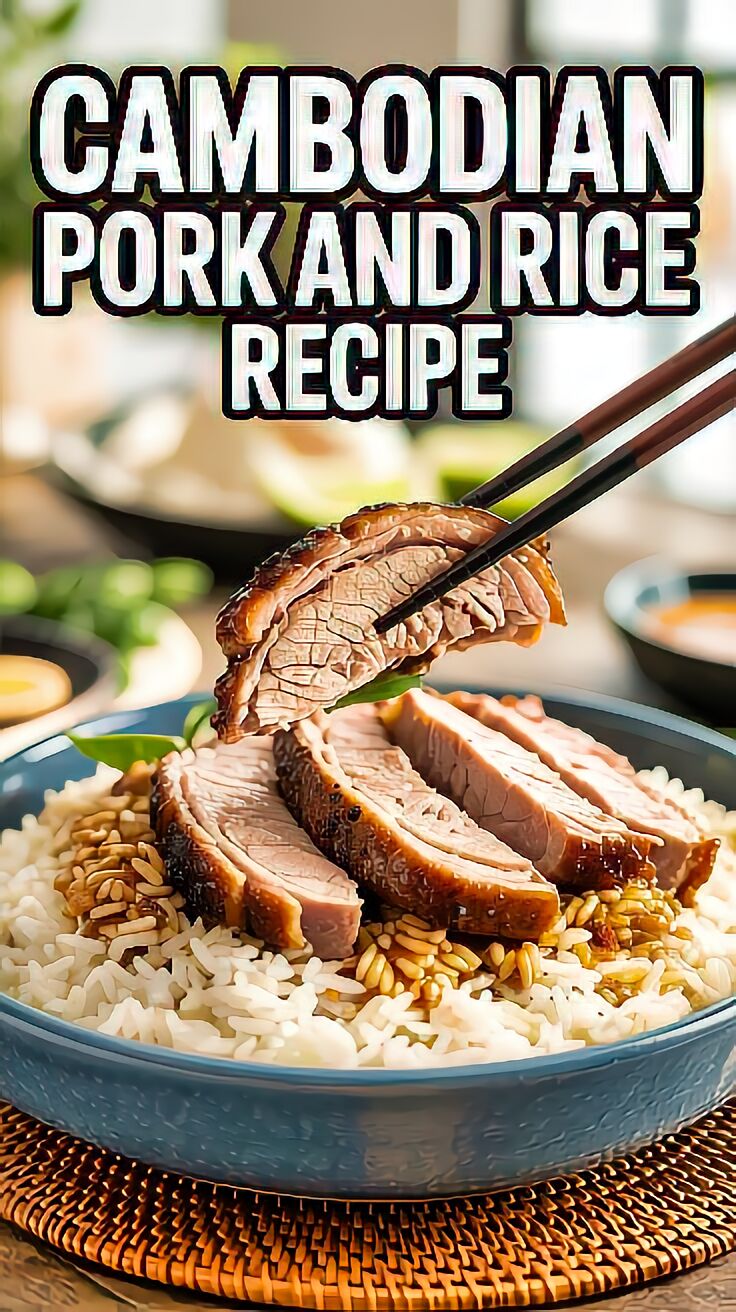
Essential Ingredients for Cambodian Pork and Rice
This Cambodian pork and rice recipe is all about three things: thin pork shoulder, classic Southeast Asian seasonings, and perfectly steamed jasmine rice. Each one matters for that balanced, craveable flavor.
Selecting the Right Cut of Pork
Go for pork shoulder if you want an authentic Cambodian grilled pork and rice. It’s got enough fat to stay juicy on the grill and gets those tasty charred edges.
Slice the pork thin—about 1/4 inch. Thin pieces cook fast and soak up the marinade. I usually pop the pork in the freezer for half an hour first, which makes slicing way easier.
Best cuts to use:
- Pork shoulder (my top pick)
- Pork loin (if you want it leaner)
- Pork butt (fattier, if that’s your thing)
Look for some marbling in the meat. That fat keeps the pork tender and adds flavor when it hits the grill.
Key Seasonings and Sauces
The marinade for this breakfast favorite leans hard on garlic and coconut milk. I always use fresh garlic—never the powdered stuff.
Coconut milk softens the pork and gives it a hint of sweetness. Letting the pork marinate overnight makes a real difference here.
Essential marinade ingredients:
- Fresh garlic (4-6 cloves, minced)
- Coconut milk (1/2 cup)
- Fish sauce (2 tablespoons)
- Palm sugar or brown sugar (1 tablespoon)
- Soy sauce (1 tablespoon)
- Black pepper (1/2 teaspoon)
Sometimes I’ll toss in lemongrass for extra aroma. One stalk, finely chopped, does the trick if you want a little more depth.
Best Type of Rice for Authentic Flavor
Jasmine rice is the only way to go for a Cambodian pork and rice recipe. This long-grain rice from Thailand or Cambodia has a floral scent that just works with the pork.
Make sure the rice comes out fluffy and a little sticky. I rinse it three times before cooking to get rid of extra starch. That way, the grains don’t stick together too much.
White jasmine rice is better than brown here. The softer texture soaks up the pork’s juices. I usually go for a 1:1.25 ratio of rice to water and it turns out great.
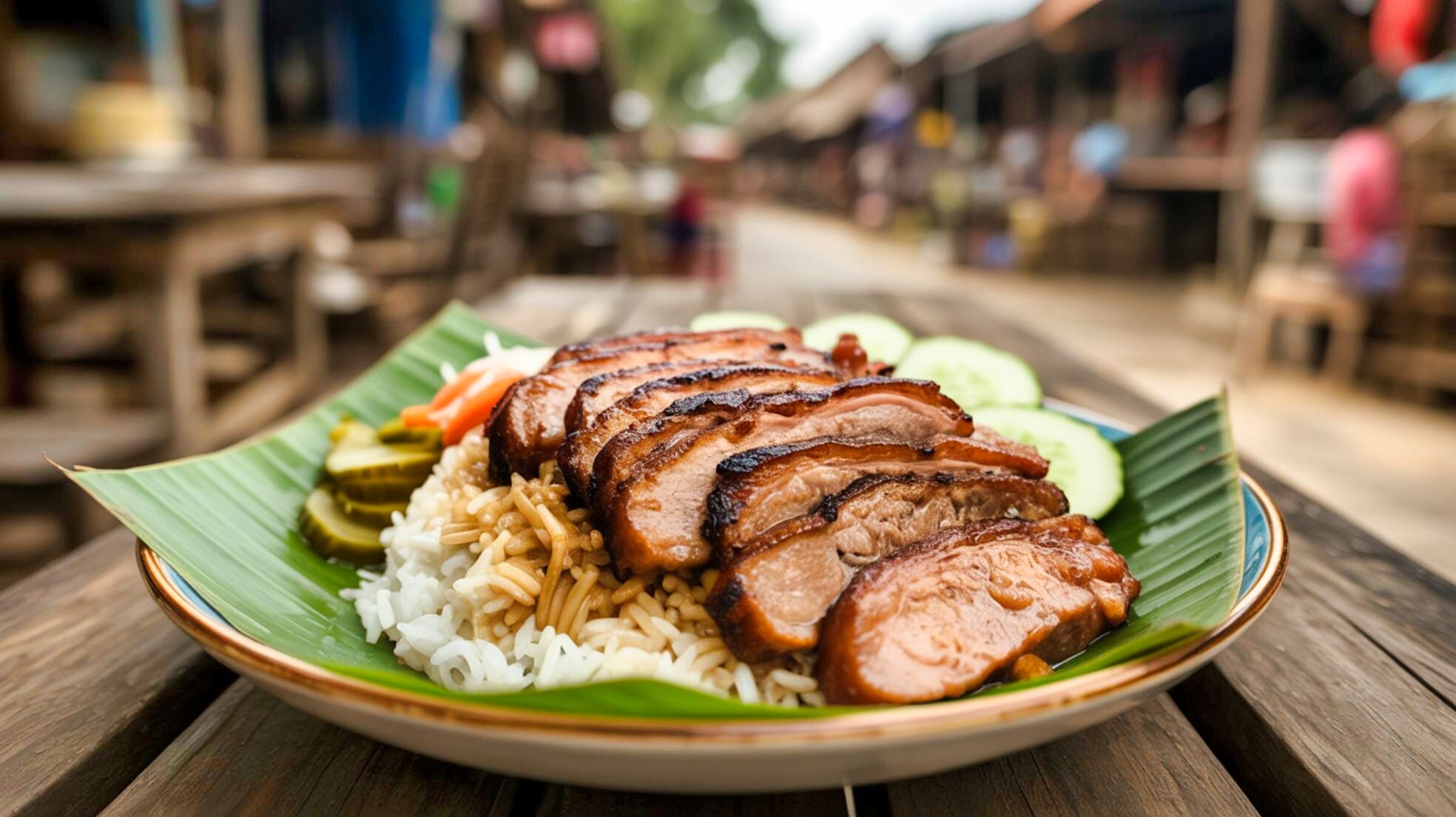
Step-by-Step Preparation Guide
For the Marinade and Pork
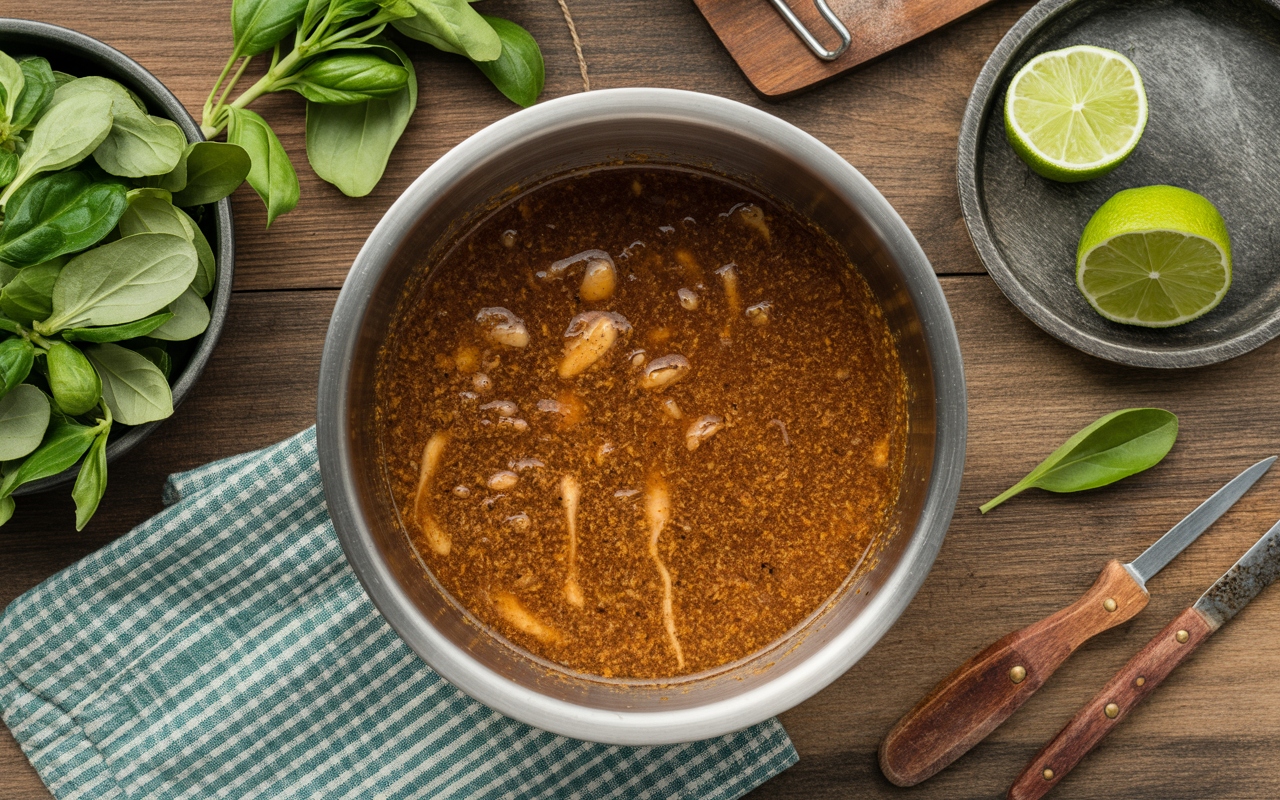
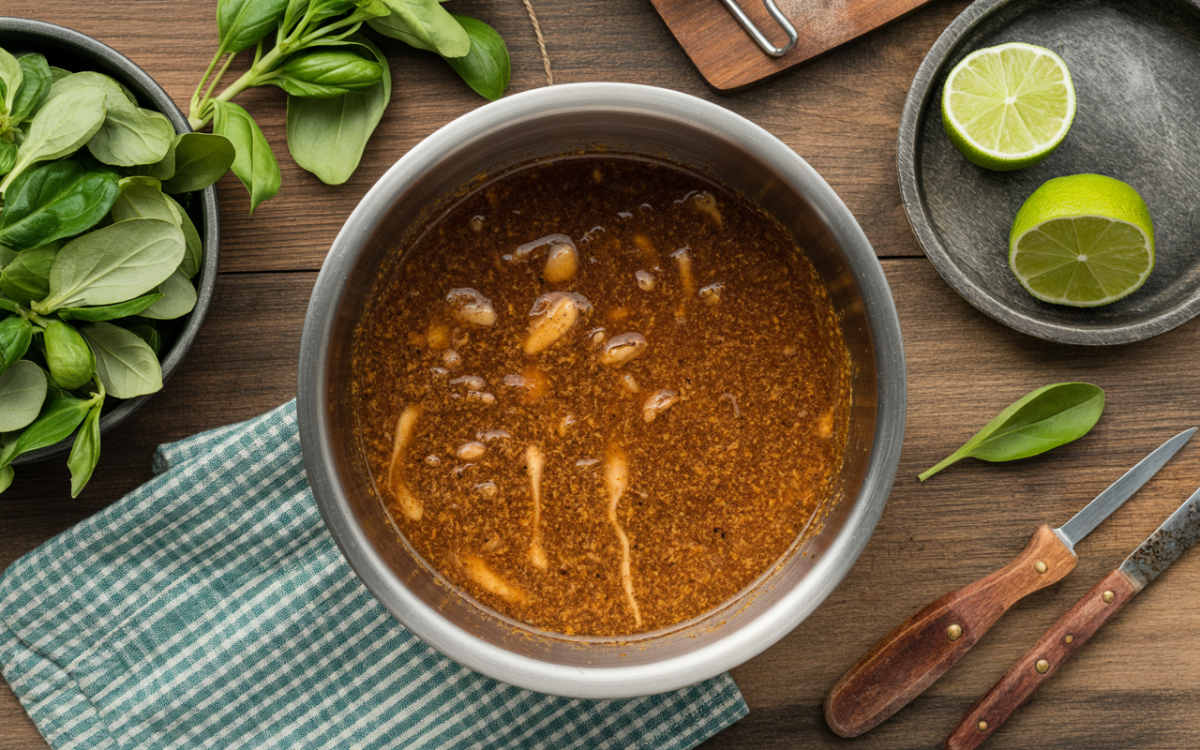
Step 1: Make the marinade: Place all the marinade ingredients into a large non-reactive bowl (such as glass, ceramic, or stainless steel). Stir well until everything is thoroughly combined and the sugar has completely dissolved.
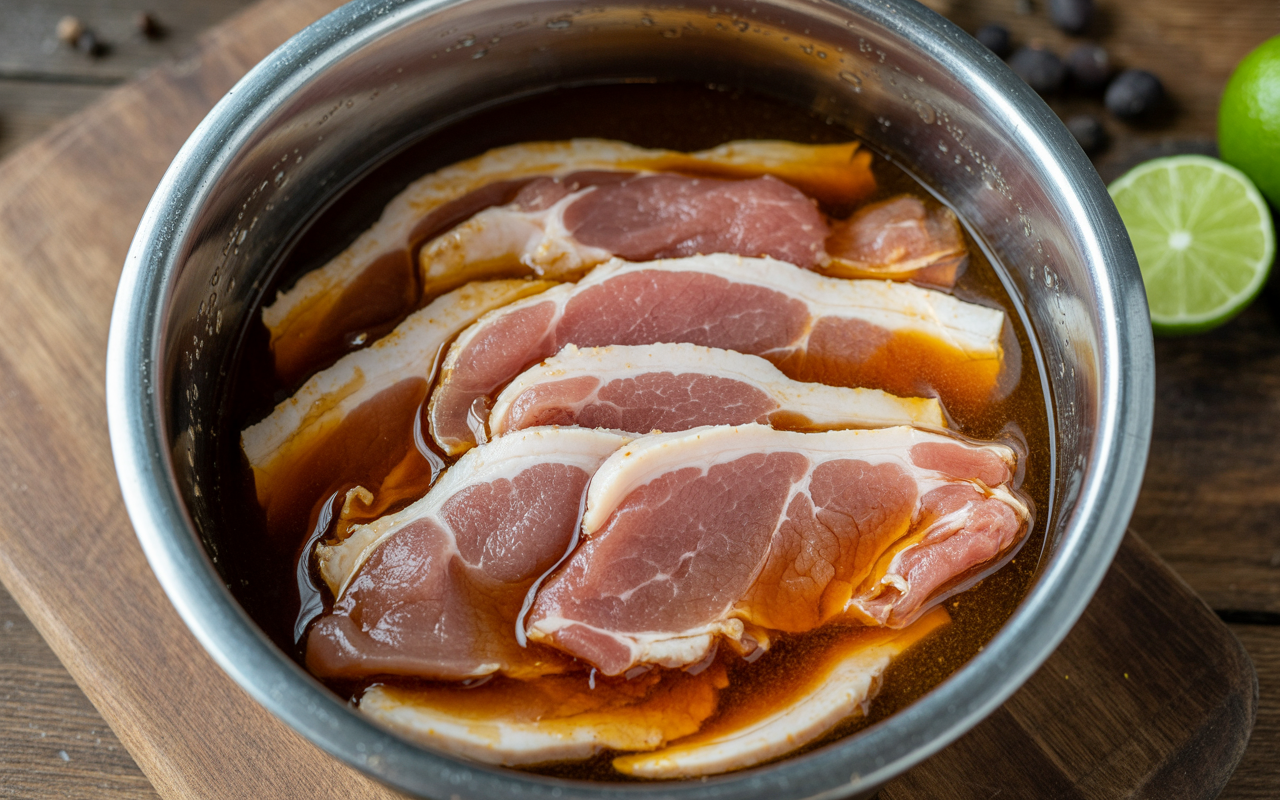
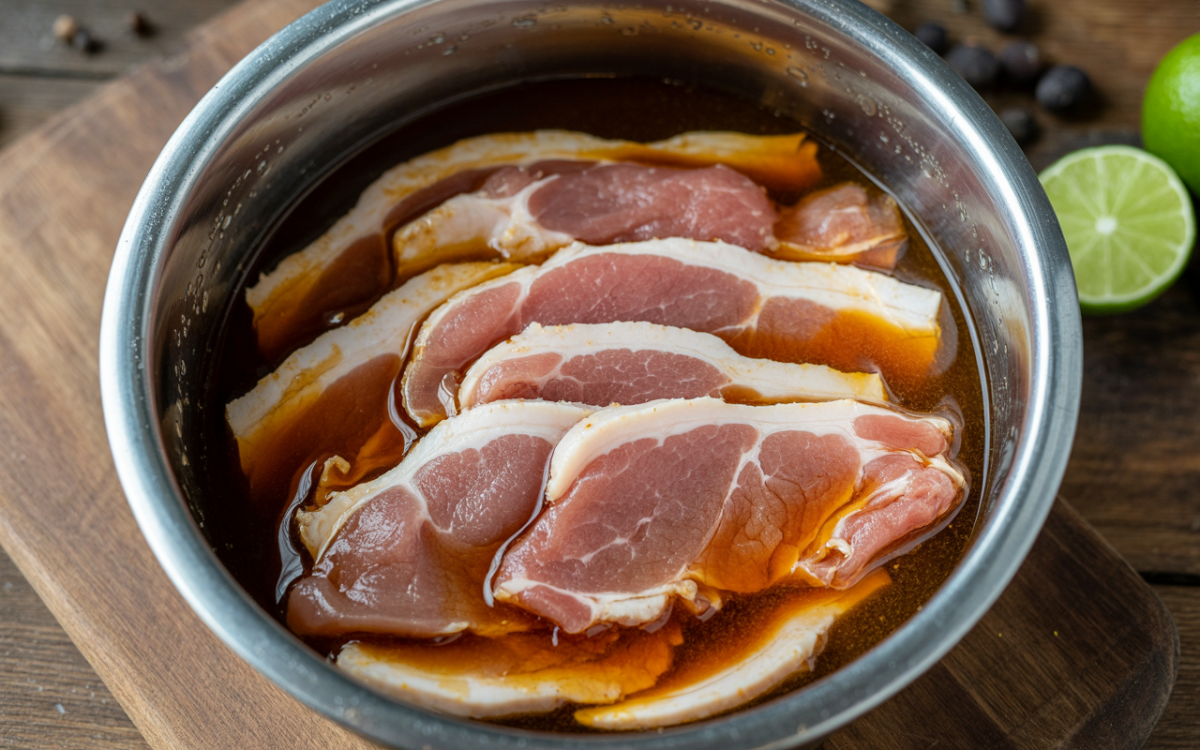
Step 2: Add and marinate the pork: Add the pork to the bowl, turning the pieces so they are evenly coated on all sides with the marinade. Cover the bowl tightly with plastic wrap and refrigerate overnight so the pork absorbs the flavors.
For the Pickled Vegetables

Step 1: Make the pickling liquid: Place the 1 cup water in a saucepan over medium heat. Stir continuously until the sugar has fully dissolved, then remove the pan from the heat and let the liquid cool completely.
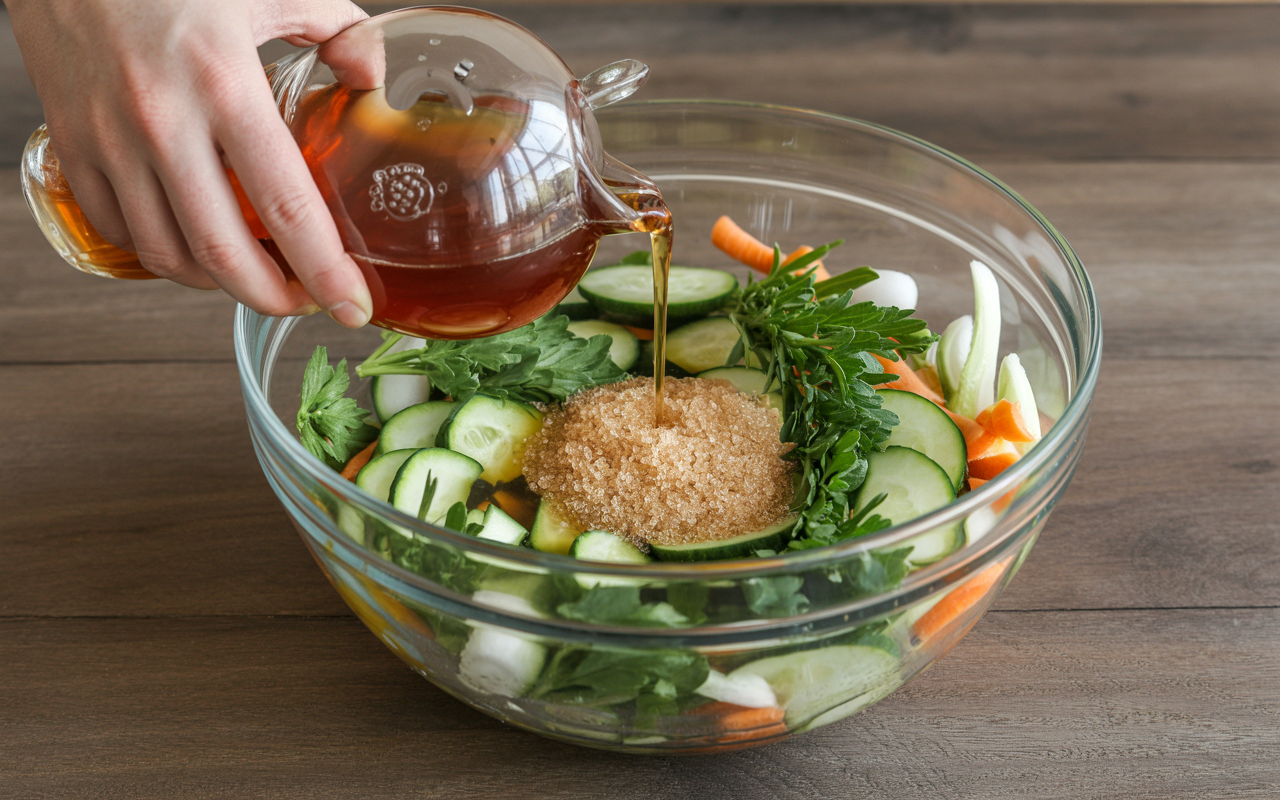
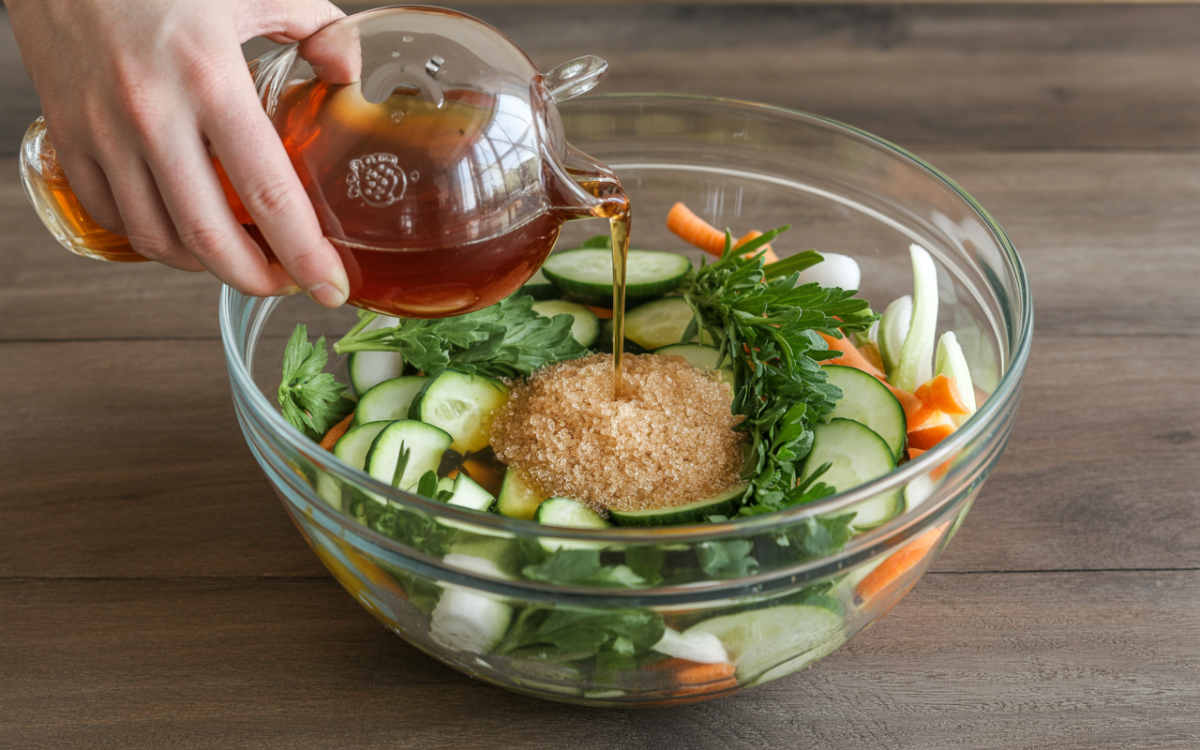
Step 2: Add vinegar, vegetables, and aromatics: Once the liquid is cool, stir in the vinegar, chillies, prepared vegetables, and ginger. Mix so everything is submerged and evenly distributed in the pickling liquid.
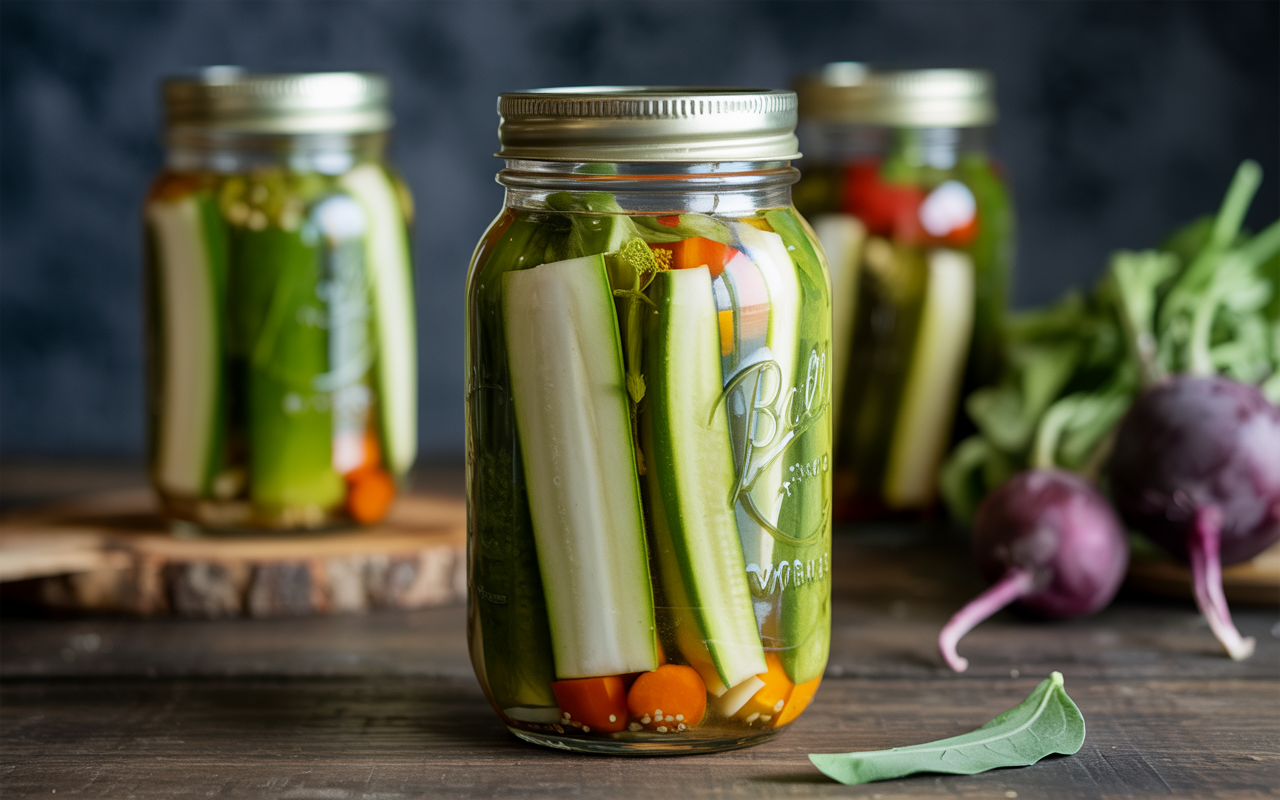
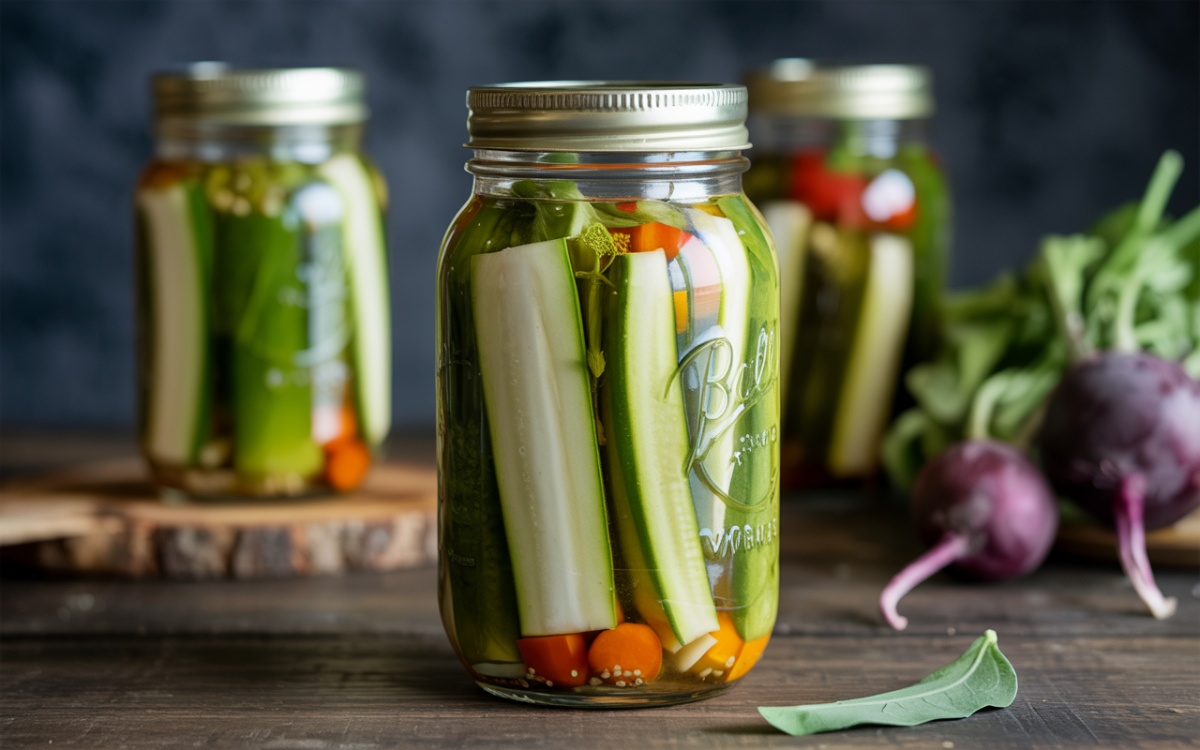
Step 3: Jar and chill: Transfer the mixture to a sterilised jar, making sure the vegetables are covered by the liquid. Seal the jar and refrigerate for at least 3 hours before serving. Properly stored, the leftover pickles will keep in the refrigerator for up to 6 weeks.
Cook and Serve

Step 1: Grill the pork: Heat a barbecue or chargrill pan to medium-high. Remove the pork from the marinade and discard any excess marinade. Lightly season the pork with salt and brush the pieces with a little oil. Place the pork on the grill and cook, turning once halfway through, for about 8 minutes in total, or until it is caramelised on the outside and cooked through.
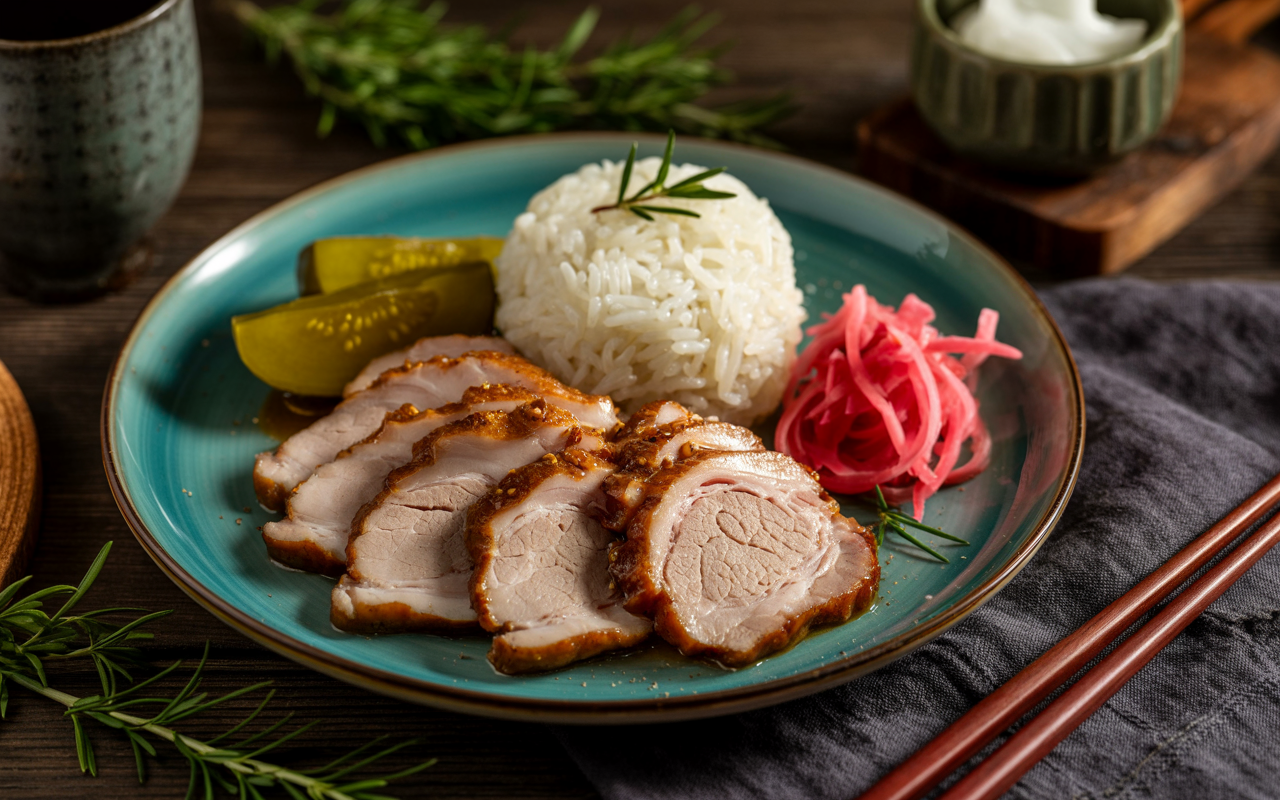
Step 2: Finish and serve: Transfer the cooked pork to a serving plate and scatter the coconut over the top. Serve immediately with the prepared pickled vegetables, rice, and chicken broth if desired.
Marinating the Pork
I start by slicing pork shoulder into thin strips, about 1/4 inch thick. This cut just stays juicy and takes on the marinade so well.
For the marinade, I mix coconut milk, minced garlic, palm sugar, fish sauce, and soy sauce in a bowl. My usual ratio is 1/2 cup coconut milk per pound of pork, plus 4-5 cloves of garlic for a big flavor punch.
I toss the pork with the marinade, making sure every piece is coated. Then I cover it up and let it sit in the fridge overnight. That long soak lets the coconut milk work its magic, while garlic and fish sauce sink in deep.
If I’m in a rush, I’ll settle for 2 hours, but honestly, overnight is just better for a Cambodian pork and rice recipe.
Cooking Techniques for Tender Pork
I fire up the grill to medium-high. Charcoal gives the best flavor, but gas or a grill pan is totally fine too.
I shake off extra marinade before putting the pork on the grill. Too much marinade can burn and mess up the browning. Each side gets 2-3 minutes until there’s a golden-brown color and a bit of char.
I pull the pork off when it hits 145°F inside. Thin slices dry out fast, so I keep an eye on it. The goal? Tender, crisp on the outside, juicy inside.
After grilling, I let the pork rest a couple minutes so the juices don’t all run out when I slice it.
Preparing Steamed Rice
Jasmine rice is a must for any Cambodian pork and rice recipe. I stick to a 1 cup rice to 1 1/4 cups water ratio.
I rinse the rice in cold water three times until the water’s clear. This washes away extra starch and keeps the rice from turning gummy. Drain it well.
I bring the water to a boil, toss in the rice, give it a quick stir, then drop the heat to low and cover with a tight lid. No peeking for 15 minutes. After that, I turn off the heat and let it steam, covered, for 10 more minutes.
I fluff it with a fork, and the grains separate nicely—soft and just a little sticky.
Plating and Presentation Tips
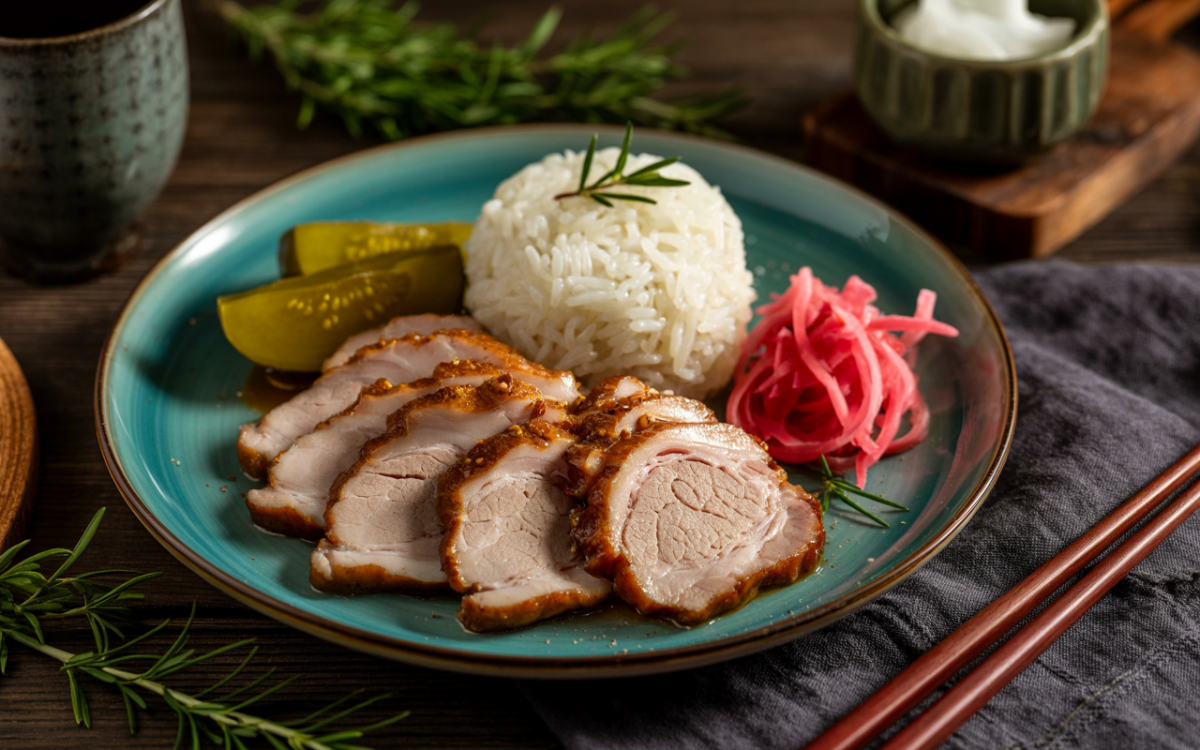
I scoop a good amount of steamed rice onto the plate, then lay the grilled pork either on top or beside it.
Sometimes I drizzle on green onion oil—just heat vegetable oil with chopped green onions. It looks great and adds flavor. I always add pickled veggies on the side: cucumber, carrot, and daikon, sliced thin.
Now and then, I’ll throw a fried egg or omelet strips on top. And if I’ve got time, a small bowl of pork broth on the side makes it extra comforting.
Honestly, you want that plate to show off the golden pork, white rice, and bright pickles. Serve it right away, while the pork’s still warm.

Serving Suggestions and Customizations
This Cambodian pork and rice recipe shines with pickled veggies and fresh herbs, but you can switch things up if you want—whatever fits your pantry or mood.
Traditional Side Dishes
I always serve Cambodian grilled pork and rice with pickled daikon and carrots. Quick pickles give a tangy crunch that cuts through the rich pork. I slice the veggies into matchsticks and let them sit in rice vinegar, sugar, and salt for at least half an hour.
At Cambodian street stalls, you’ll often get a bowl of clear pork broth. I make mine by simmering pork bones with garlic and black pepper—simple, cozy soup. Cool cucumber on the side is always a win, too.
Popular Garnishes and Condiments
Fresh herbs really lift this dish. I scatter cilantro and scallions over the top for color and brightness. Thai basil or mint is great if you have them.
For condiments, I mix fish sauce with lime juice and sliced chilies. Let everyone adjust salt and heat how they like. Fried garlic adds a crunchy, savory hit—highly recommend. And if you want to go full breakfast mode, add a fried egg on the side, just like at Cambodian breakfast stalls.
Adapting the Recipe for Dietary Needs
I can tweak this Cambodian pork and rice recipe for all kinds of diets with just a few changes. If you want less salt, just cut back on the soy sauce or grab a low-sodium version—honestly, the garlic and coconut milk do most of the heavy lifting for flavor anyway.
Not into pork? No problem. I’ve swapped in chicken thighs or even firm tofu for this Cambodian pork and rice recipe, slicing them thin to soak up the same marinade. You’ll just want to keep an eye on the grill because different proteins cook at their own pace.
Need it gluten-free? Swap out regular soy sauce for tamari or coconut aminos. The traditional flavors of this Cambodian pork and rice recipe still shine through. I’ve made these swaps for friends before, and honestly, nobody noticed a difference—sometimes I wonder if anyone even cares what’s “authentic” as long as it tastes good.
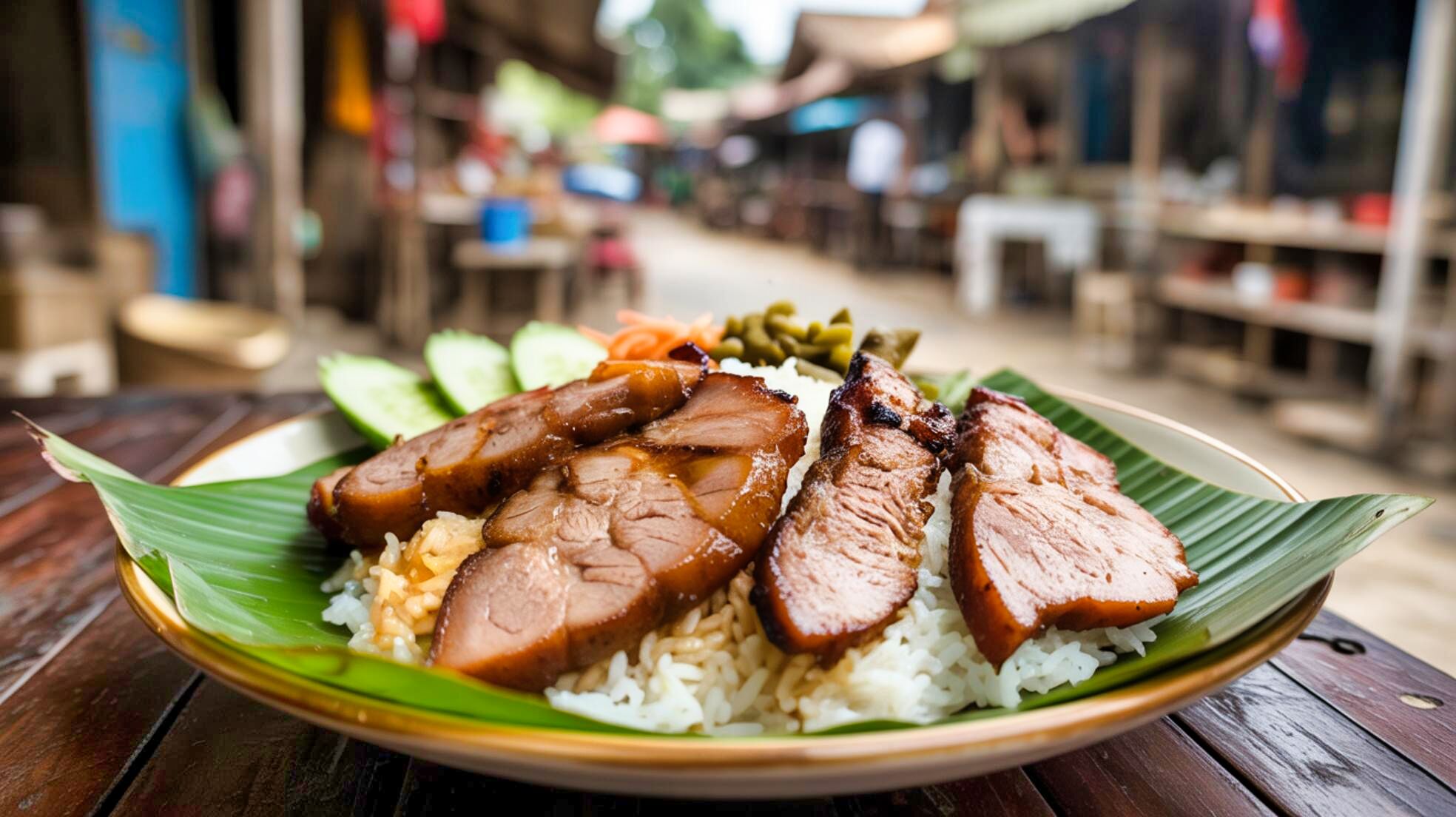
Pork and Rice vs Hainanese Chicken Rice
Pork and rice and Hainanese chicken rice are both simple, comforting dishes built around meat and rice, but they differ in cooking method, flavor intensity, and overall experience.
Cambodian pork and rice typically features grilled or pan-fried pork, often marinated with garlic, soy sauce, and sugar before cooking. The pork develops a slightly caramelized, smoky exterior that adds depth and richness. It’s served over plain rice with pickled vegetables, cucumber, and sometimes a fried egg, creating a balanced plate with savory, sweet, and tangy elements.
Hainanese chicken rice, by contrast, focuses on poached chicken cooked gently to retain moisture and tenderness. The rice is cooked in chicken broth with garlic and ginger, giving it a subtle, aromatic flavor. The dish is usually served with dipping sauces like chili sauce and ginger paste, emphasizing clean, delicate flavors.
The key difference is grilled richness versus poached simplicity: pork and rice is more savory and slightly smoky, while chicken rice is lighter and more refined.
Choose pork and rice if you want bold, caramelized flavors and a heartier feel. Opt for Hainanese chicken rice if you prefer a lighter, more subtle dish with aromatic depth.

Cambodian Pork and Rice Recipe FAQ
1. What cut of pork is used?
Thinly sliced pork shoulder or pork belly is common.
2. How is the pork seasoned?
Garlic, sugar, fish sauce, and soy sauce.
3. Is the pork grilled or fried?
It is often grilled or pan-seared.
4. What is served alongside the pork and rice?
Pickled vegetables and sometimes a fried egg.
5. Why is this dish popular for breakfast?
It is quick, filling, and widely available.

Cambodian Pork and Rice
Ingredients
- 12 oz pork thinly sliced pork neck meat
- 1 tbsp vegetable oil
- 1/ cup coconut toasted and shredded
- 12 cups rice steamed
- 3 cloves garlic crushed
- 2 tbsp soy sauce
- ¼ cup) palm sugar grated
- 1 cup coconut milk
- 2 tbsp fish sauce
- 1 lime juiced
- ½ cup caster sugar
- ¾ cup rice vinegar
- 2 red hillies bird’s-eye finely chopped
- 1 carrot thinly shredded
- 1 cucumber thinly shredded
- ½ radish Daikon, thinly shredded
- 8 inch ginger root thinly shredded
Instructions
- Make the marinade: Place all the marinade ingredients into a large non-reactive bowl (such as glass, ceramic, or stainless steel). Stir well until everything is thoroughly combined and the sugar has completely dissolved.
- Add and marinate the pork: Add the pork to the bowl, turning the pieces so they are evenly coated on all sides with the marinade. Cover the bowl tightly with plastic wrap and refrigerate overnight so the pork absorbs the flavors.
- Make the pickling liquid: Place the 1 cup water in a saucepan over medium heat. Stir continuously until the sugar has fully dissolved, then remove the pan from the heat and let the liquid cool completely.

- Add vinegar, vegetables, and aromatics: Once the liquid is cool, stir in the vinegar, chillies, prepared vegetables, and ginger. Mix so everything is submerged and evenly distributed in the pickling liquid.
- Jar and chill: Transfer the mixture to a sterilised jar, making sure the vegetables are covered by the liquid. Seal the jar and refrigerate for at least 3 hours before serving. Properly stored, the leftover pickles will keep in the refrigerator for up to 6 weeks.
- Grill the pork: Heat a barbecue or chargrill pan to medium-high. Remove the pork from the marinade and discard any excess marinade. Lightly season the pork with salt and brush the pieces with a little oil. Place the pork on the grill and cook, turning once halfway through, for about 8 minutes in total, or until it is caramelised on the outside and cooked through.

- Finish and serve: Transfer the cooked pork to a serving plate and scatter the coconut over the top. Serve immediately with the prepared pickled vegetables, rice, and chicken broth if desired.
Video


13 comments
Why not try adding palm sugar instead of regular sugar? It could enhance that authentic Cambodian flavor were chasing here.
Do you think using basmati rice instead of jasmine would drastically change the recipes authenticity? Just curious!
Absolutely! Basmati drastically alters the flavor profile. Stick to jasmine for authenticity.
Isnt jasmine rice the best for that authentic Cambodian Pork and Rice flavor? Ive heard it really elevates the dish!
Isnt it arguable that using jasmine rice instead of common white rice would enhance the authenticity of the dish?
Has anyone tried swapping the pork for chicken in this Cambodian recipe? Curious if it alters the authenticity too much?
Tried it with chicken, tastes great! Authenticity isnt always about sticking to the original recipe.
Wouldnt adding a bit of lemongrass to the seasonings enhance the authentic Cambodian flavor? Just a thought!
Does anyone else think using jasmine rice might actually enhance the authenticity of this Cambodian pork and rice dish?
Isnt it worth mentioning how the climate affects the taste of Cambodian pork and rice? Just curious!
Interesting article, but isnt jasmine rice a better option for an authentic Cambodian flavor compared to basmati?
Authenticity isnt defined by rice type. Basmati can hold its own in Cambodian cuisine!
Has anyone tried swapping out jasmine rice for basmati in this recipe? Wondering if itd impact the authenticity of the flavors!
Comments are closed.