

Burmese sticky rice is a classic in Myanmar—just about everyone has a soft spot for this chewy, coconut-infused treat. The sticky rice recipe usually starts with glutinous rice and can go sweet or savory, depending on your mood. You’ll find coconut, nuts, and sweeteners like jaggery making frequent appearances in most sticky rice recipe versions.
Burmese Sticky Rice: Key Ingredients And Variations
Burmese sticky rice depends on a handful of key ingredients to get that perfect texture and flavor. Whether you go sweet or savory really just comes down to what you toss in. The sticky rice recipe can flex to fit whatever you’ve got on hand.
Glutinous Rice Versus Other Rice Types
I always grab glutinous rice for an authentic sticky rice recipe—it’s the only way to get that signature chew. This rice is loaded with amylopectin, which makes it sticky and satisfying once cooked. If you try to use jasmine or regular long-grain rice, you’ll end up disappointed because it just doesn’t stick together the way you want.
That unique starch combo is what separates glutinous rice from the rest. Black sticky rice is another twist, bringing a nutty flavor and a cool purple color to your sticky rice recipe. I usually soak the rice overnight so it cooks up nice and even, not mushy or hard in spots.
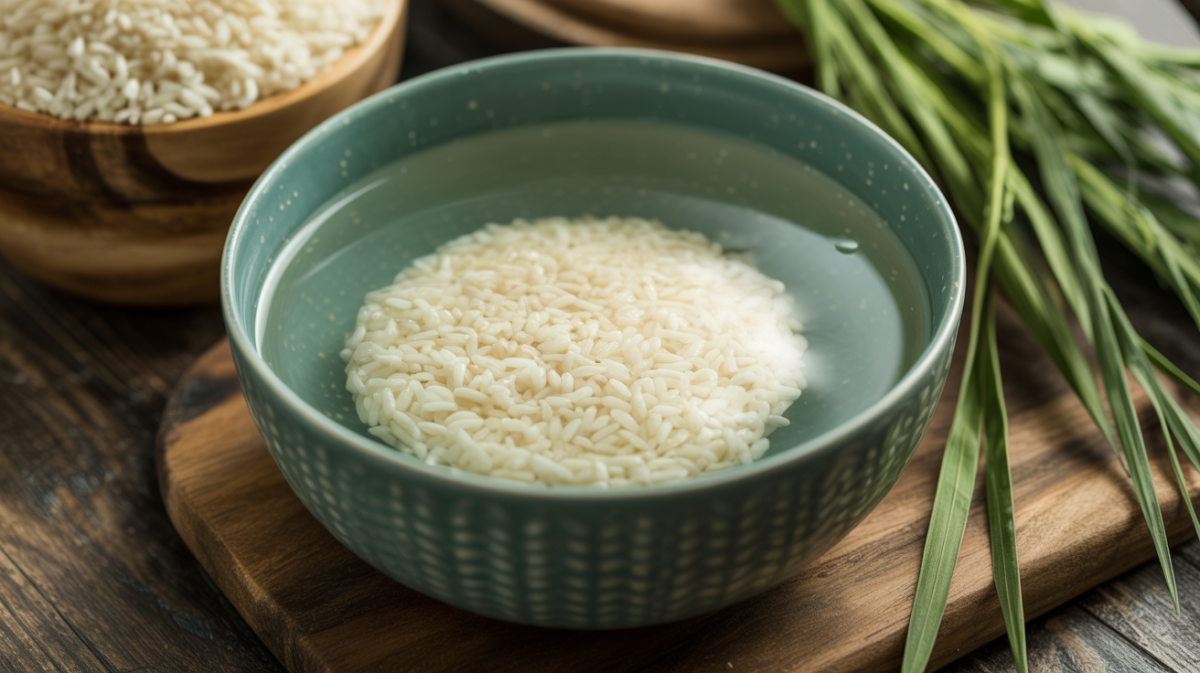
Don’t skip the soaking—it really makes a difference in the sticky rice recipe. I always cover the rice with water and let it sit for hours, sometimes overnight if I remember. It’s a simple step, but it pays off with perfect texture every time.
Essential Flavorings: Coconut Milk, Turmeric, And More
Coconut milk is the real secret to a rich, creamy sticky rice recipe. I pour it right into the pot with water and let the rice soak up all that flavor. Cooking the rice in coconut milk is non-negotiable for me—it just tastes better that way.
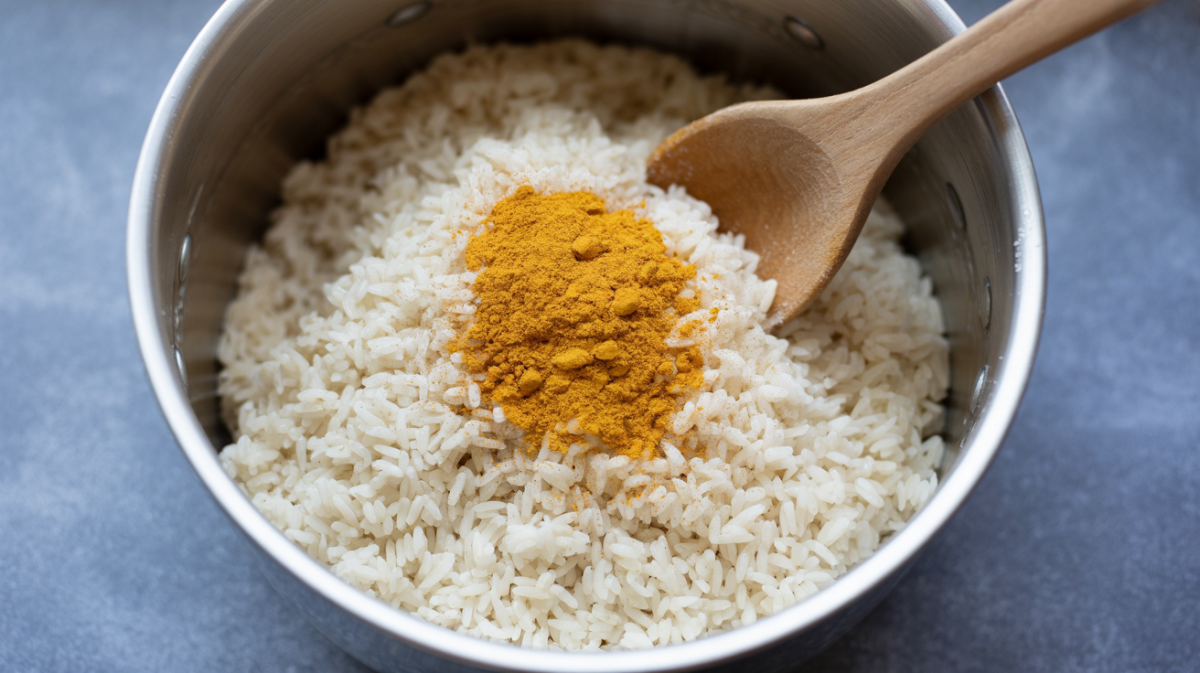
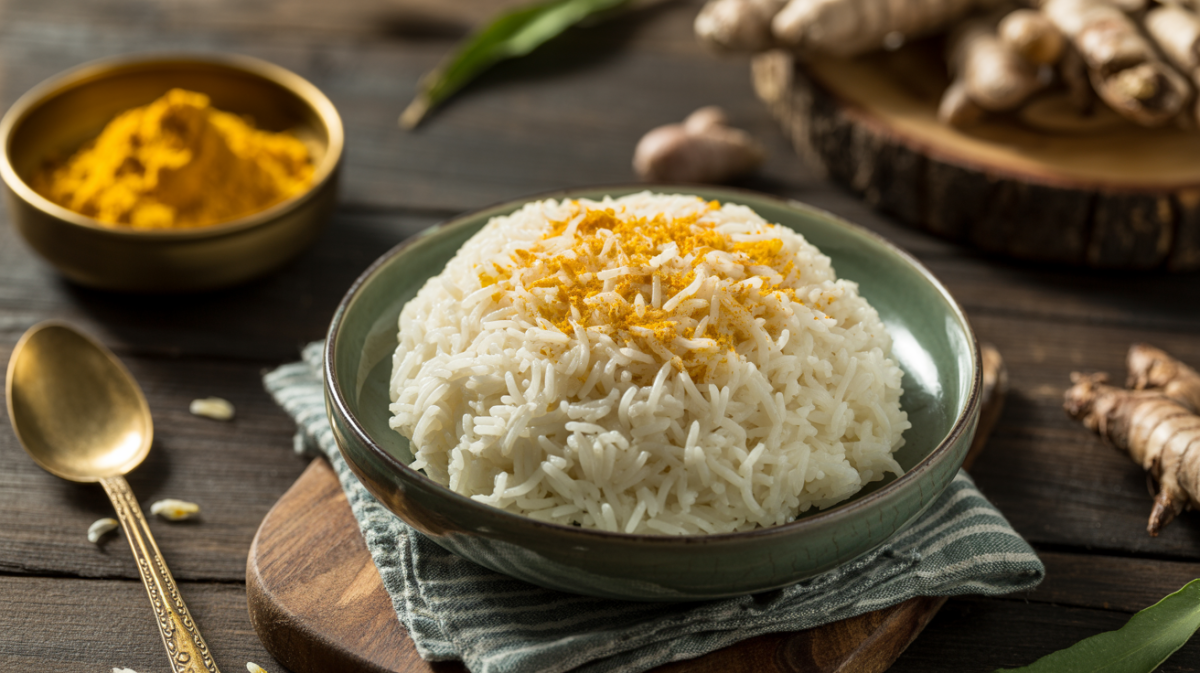
Turmeric brings out the golden color in Burmese yellow sticky rice and adds a subtle earthy vibe. I usually toss in a teaspoon per two cups of rice, and a bit of minced ginger for a little warmth. Ginger isn’t always traditional, but I love the kick it gives any sticky rice recipe.
I always add a pinch of salt to balance things out. Too much, and you lose the coconut and other flavors, so I go easy. It’s a small touch, but it makes the sticky rice recipe pop.
Sweet And Savory Additions
For sweet sticky rice, jaggery or palm sugar is the way to go. I lean toward jaggery because it has a deeper, almost caramel note that plain sugar just can’t match. It’s a little extra effort to melt it down, but it’s worth it in any sticky rice recipe.
On the savory side, toasted sesame seeds and a sprinkle of salt make a huge difference. I like to grind them up for a more intense topping. Peanuts add crunch, and if you’re feeling adventurous, dried salted fish works surprisingly well with yellow sticky rice for breakfast.
Fried onions and a drizzle of oil can turn a basic sticky rice recipe into something special. Fresh shredded coconut is another must for me, whether I’m making a sweet or savory version. It’s all about those little extras that keep things interesting.
Popular Burmese Sticky Rice Dishes
Htamane is a savory sticky rice snack that pops up around the full moon of Tabodwe. It’s a mix of glutinous rice, sesame seeds, peanuts, and ginger—super hearty and rich in tradition. It’s all about unity and good luck for the New Year.
Shwe Htamin translates to “golden rice” and gets its color from turmeric. I usually serve it at breakfast, topped with toasted sesame seeds and sometimes dried fish. It’s a simple sticky rice recipe that doesn’t need much else.
Bein Mont is a chewy sticky rice cake with coconut and jaggery. I love the texture—it’s sweet, but not too sweet. Kaung Nyin Paung is another classic, just steamed sticky rice with barely anything added, letting the sticky rice recipe itself shine.
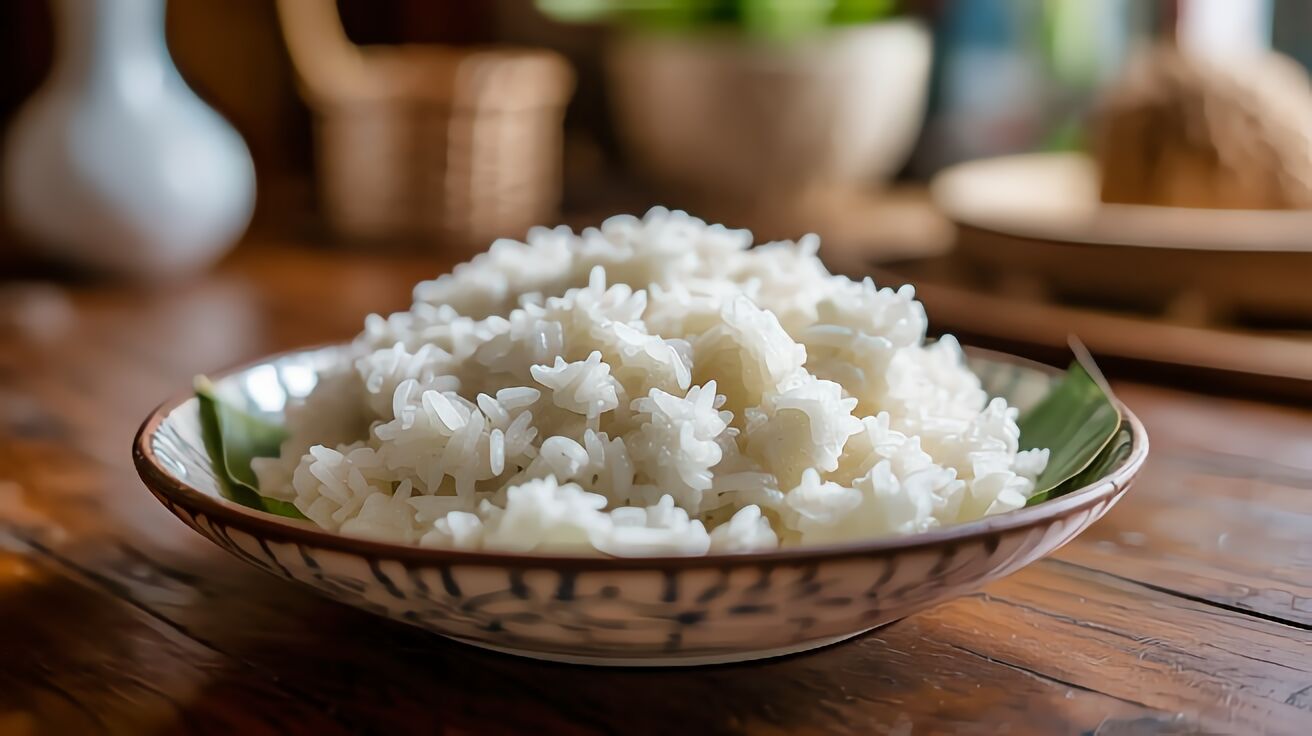
Step-By-Step Burmese Sticky Rice Recipe
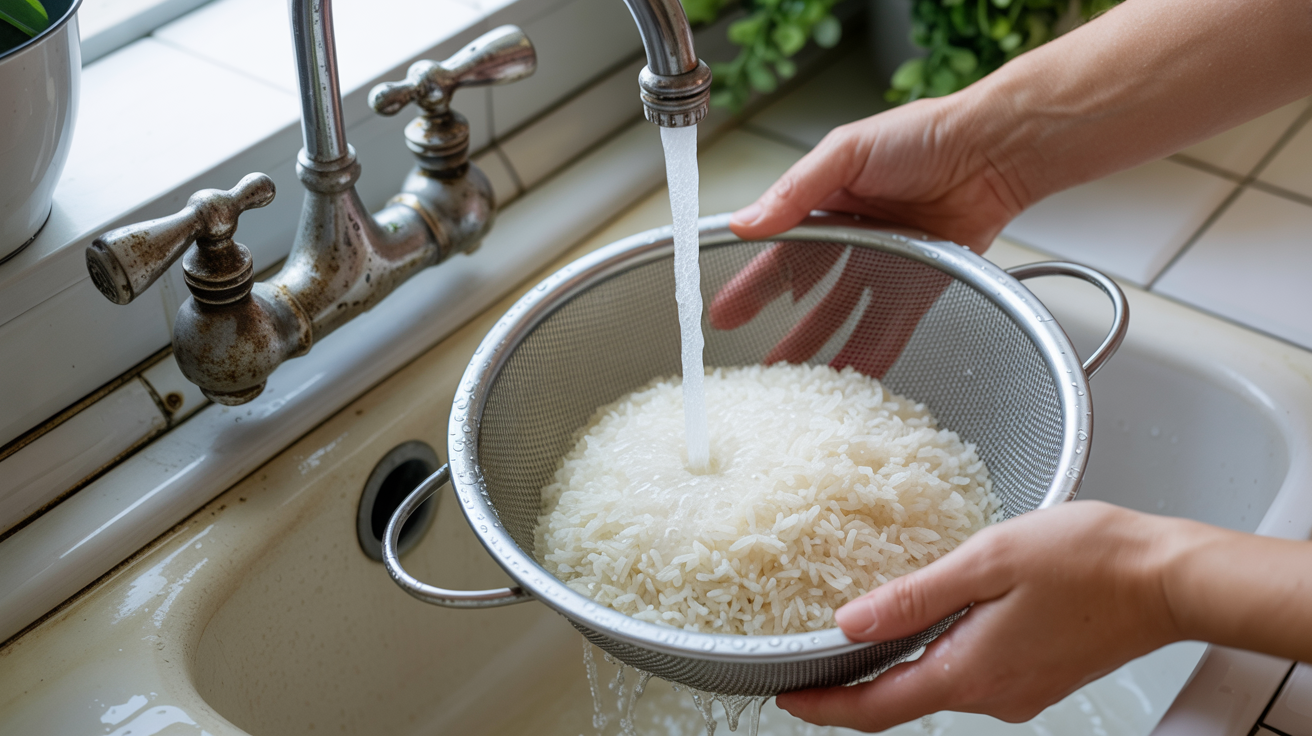
Step 1: Rinse the rice: Place the glutinous rice in a bowl or fine-mesh strainer and rinse under cold running water. Swirl the rice with your hand and drain, repeating until the water runs clear and most surface starch is washed away.
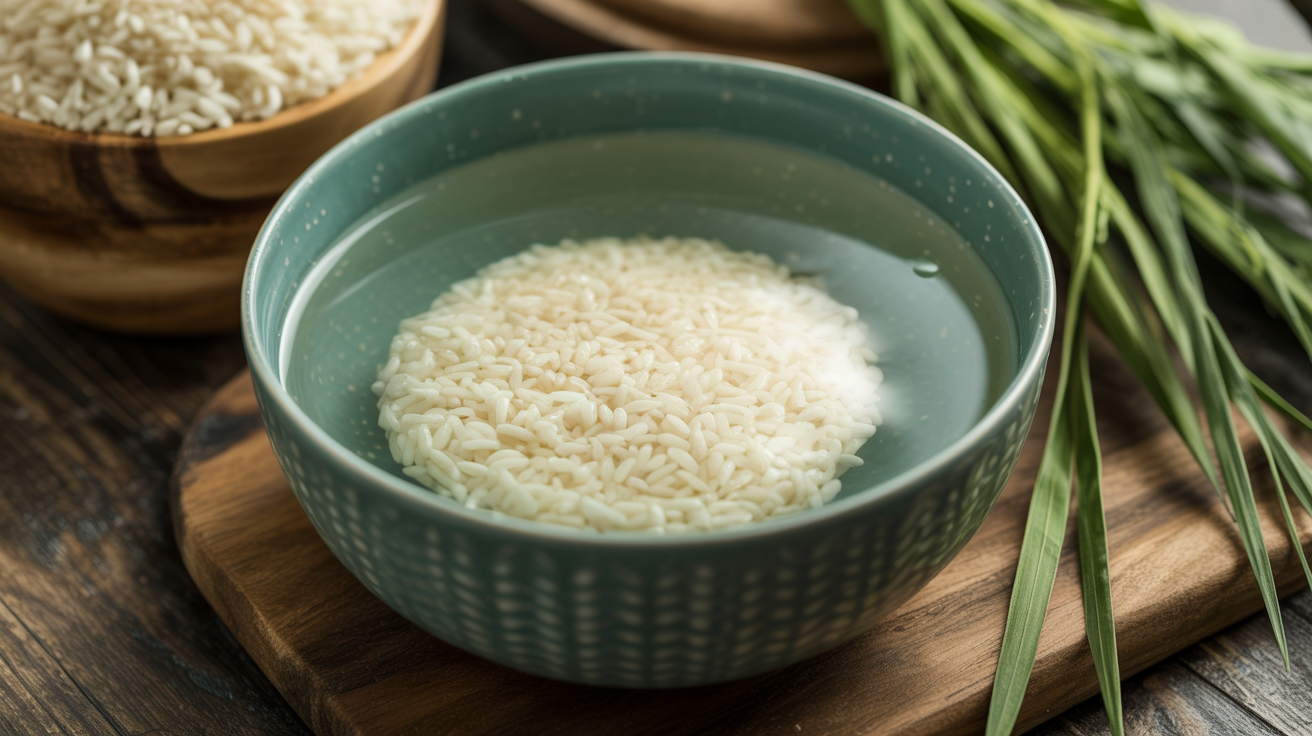
Step 2: Soak the rice: Transfer the rinsed rice to a bowl and cover with plenty of fresh water. Let it soak for at least 4 hours, or overnight if possible. This helps the grains cook evenly and become tender.
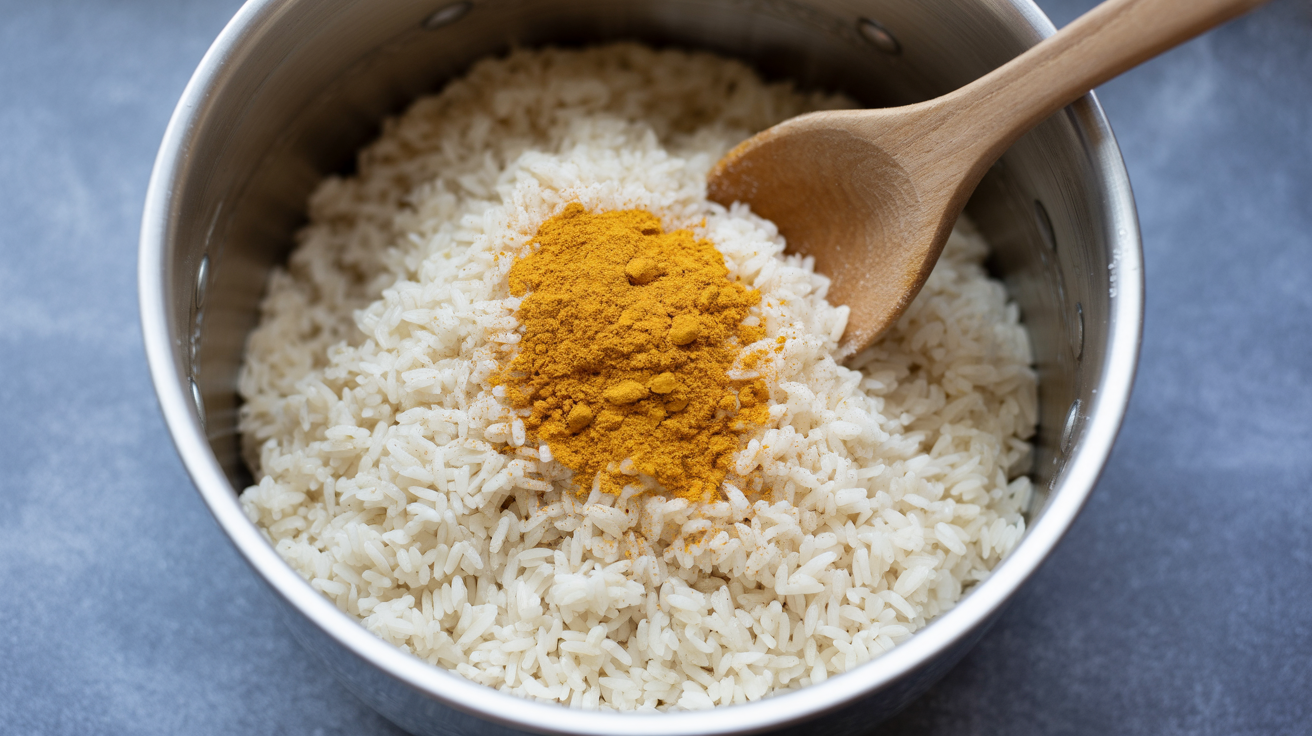
Step 3: Drain and season with turmeric: Drain the soaked rice thoroughly. Place it in a bowl and sprinkle the turmeric powder over it. Use your hands or a spoon to mix until the grains are evenly coated and the color is uniform.
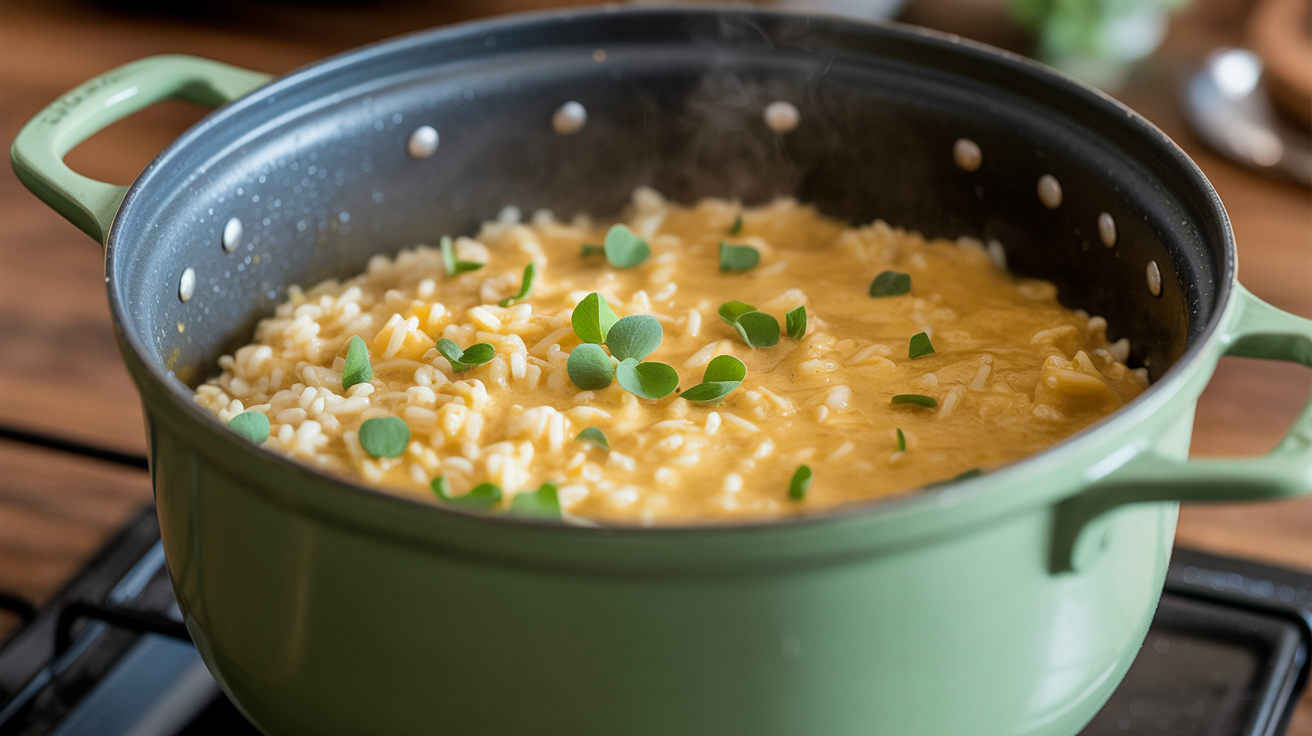
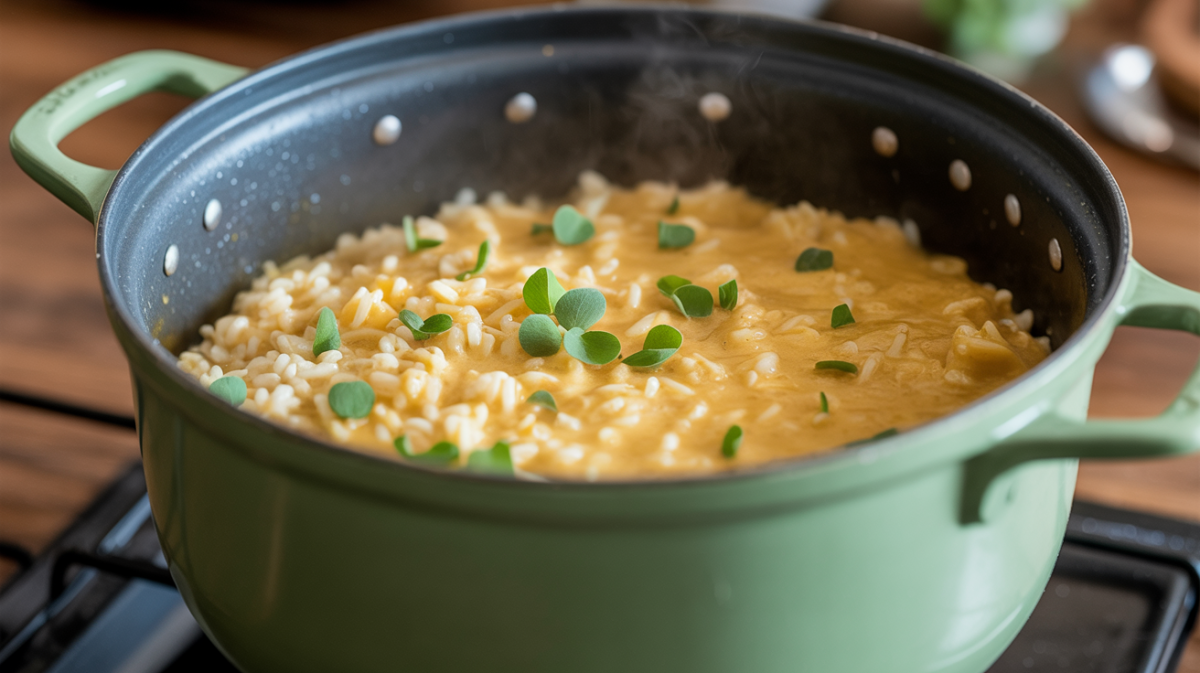
Step 4: Steam the rice: Set up a steamer and bring the water to a steady boil. Line the steamer basket with cheesecloth or a suitable liner if needed, then spread the turmeric-coated rice in an even layer. Steam for about 20–25 minutes, or until the rice is fully cooked and sticky but not hard in the center.
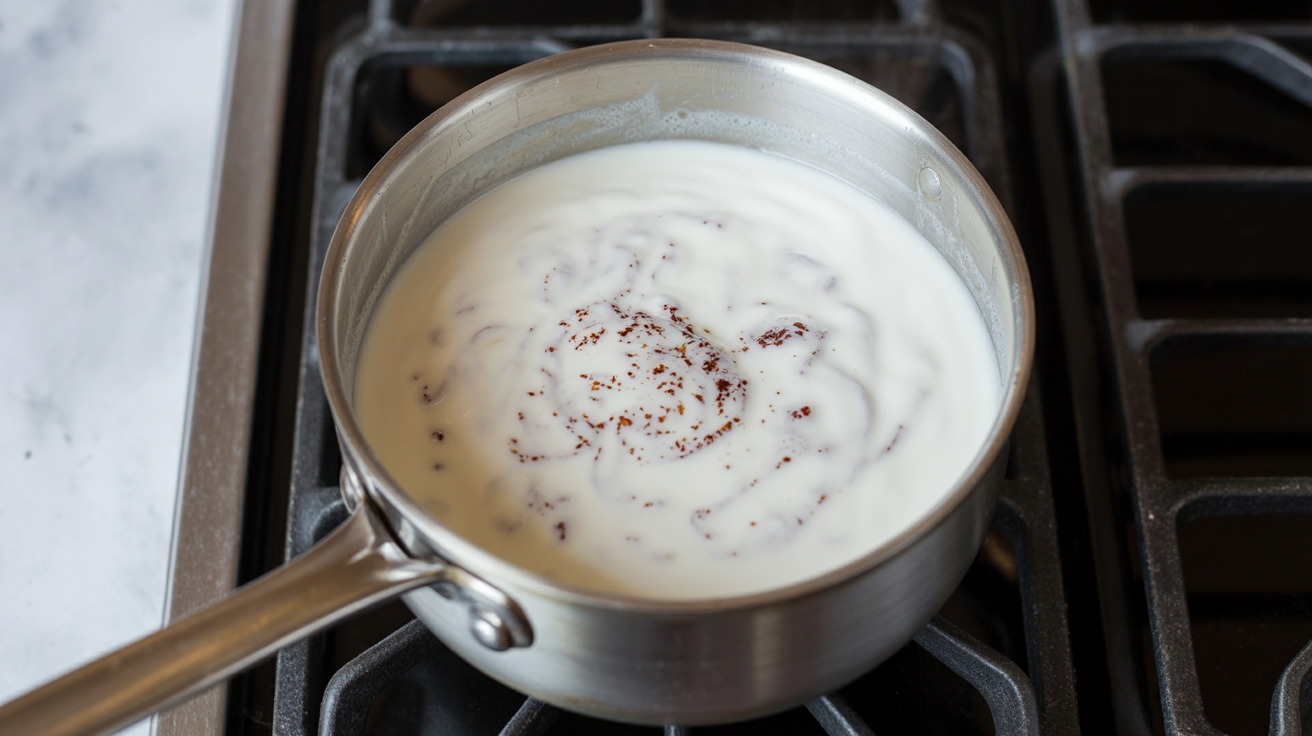
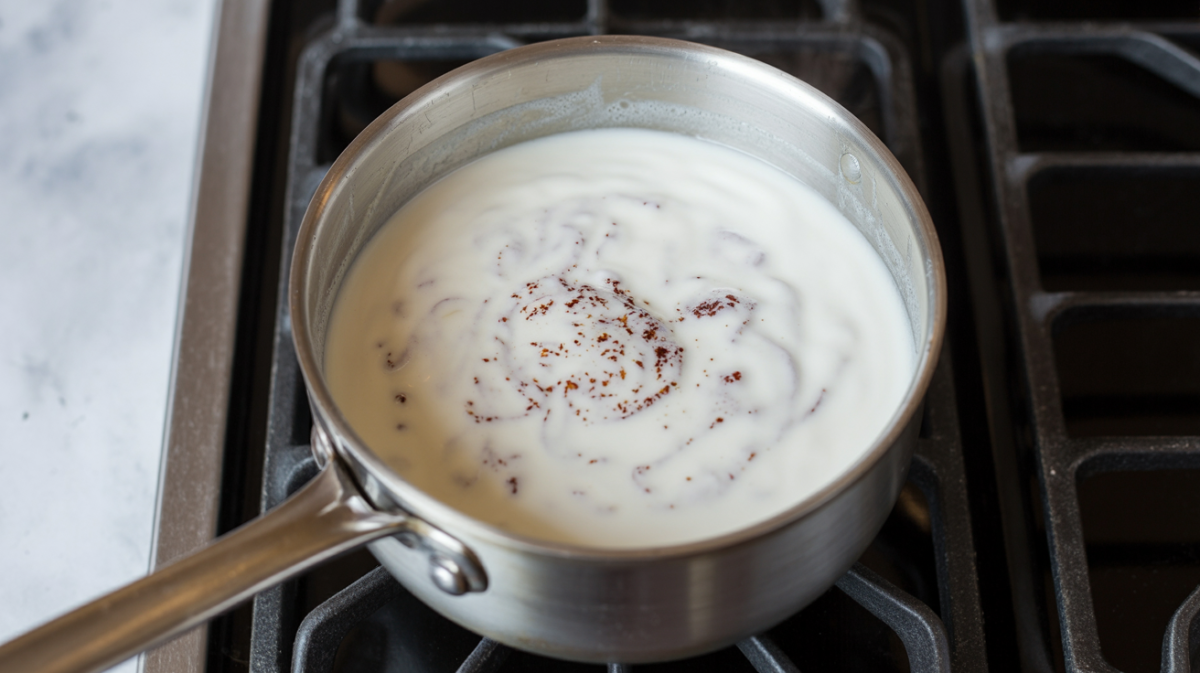
Step 5: Heat the coconut mixture: In a saucepan, combine the coconut milk, salt, and sugar. Place over low to medium heat, stirring gently until the sugar has completely dissolved and the mixture is smooth. Do not let it boil vigorously.
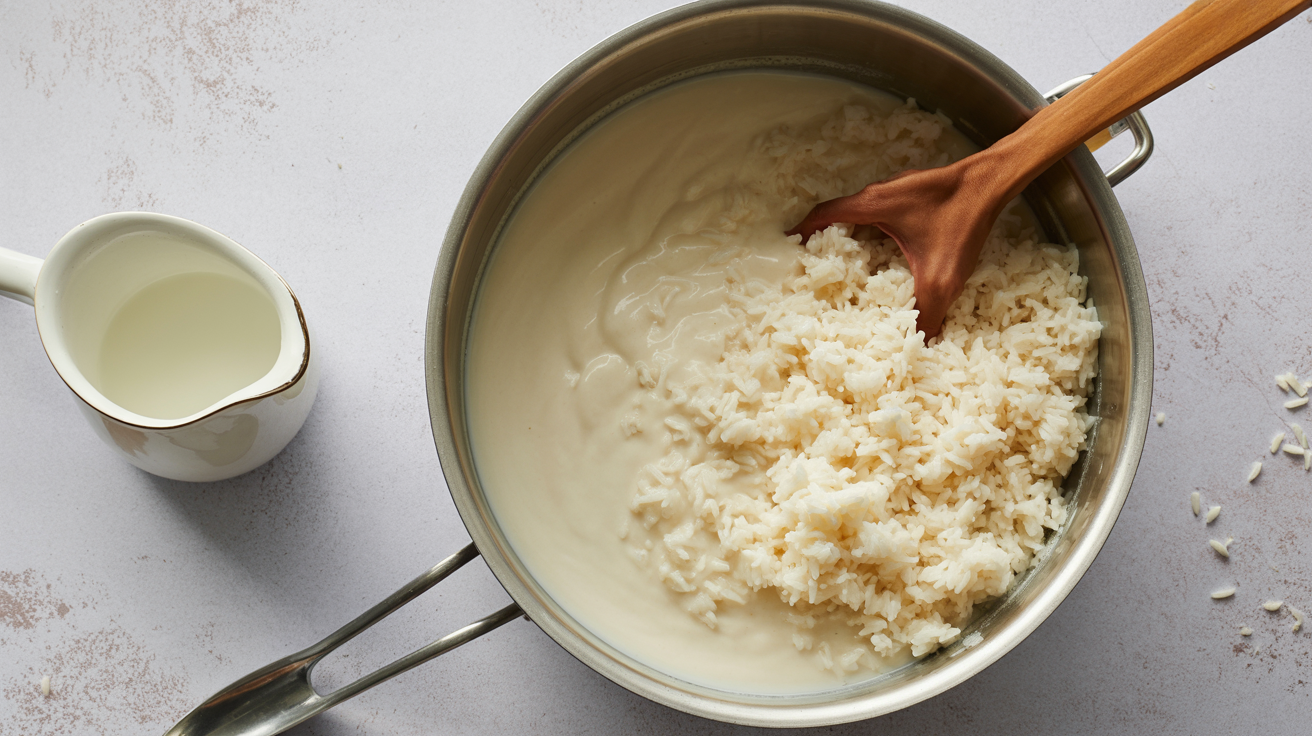
Step 6: Combine rice and coconut milk: Transfer the hot, cooked rice to a large bowl or pot. Pour the warm coconut milk mixture over the rice. Use a spatula or spoon to fold and mix until all the grains are coated evenly.
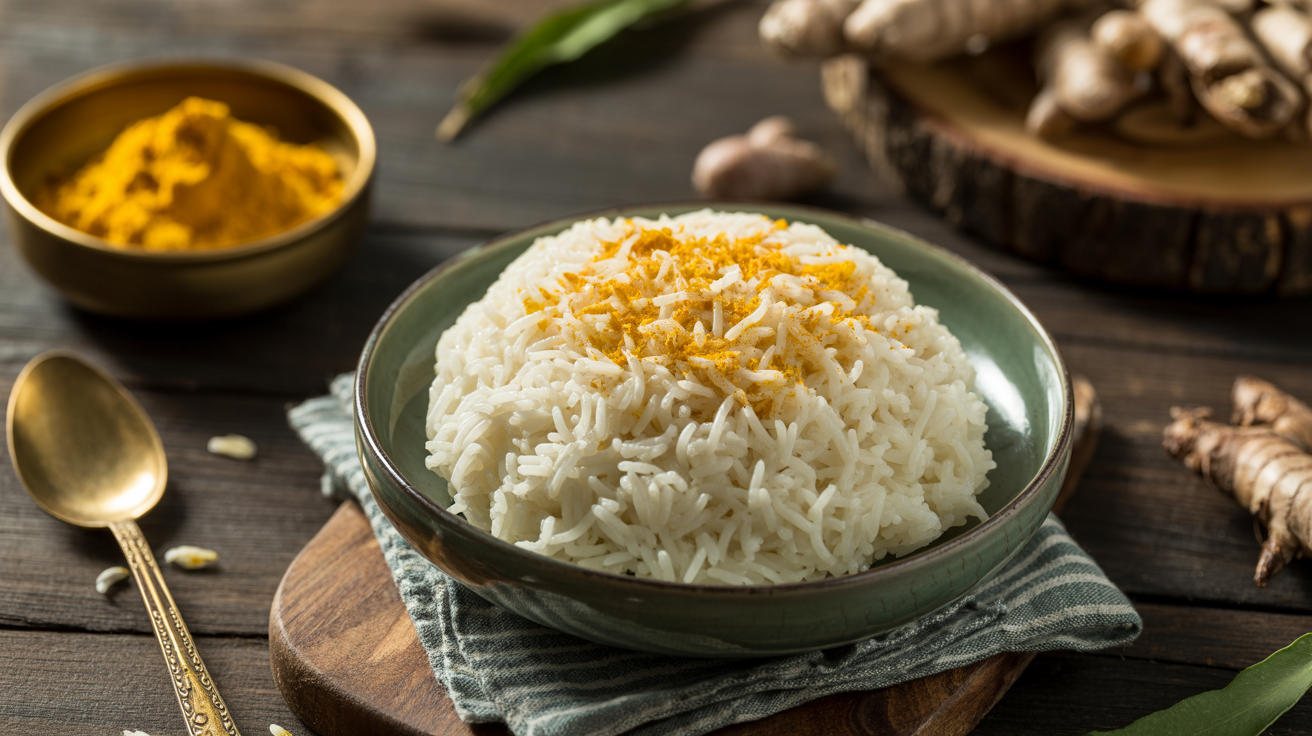
Step 7: Rest and serve: Cover the bowl lightly and let the rice sit for about 10 minutes so it can absorb the coconut mixture. Serve the turmeric coconut sticky rice warm or at room temperature.
Preparation And Soaking
I start with 2 cups of glutinous rice—don’t bother with regular rice for this sticky rice recipe. I rinse the rice under cold water three or four times, swirling it around until the water looks clear. After that, I soak it in plenty of cold water for at least four hours, but overnight is even better if I remember.
Soaking is crucial for a good sticky rice recipe, otherwise, you’ll end up with unevenly cooked rice. I keep the water level about two inches above the rice so every grain gets a chance to plump up. Once it’s done soaking, I drain it really well with a fine-mesh strainer.
Too much water left over can mess up the cooking, so I make sure it’s as dry as possible before cooking. I know it sounds like a lot, but it’s worth it for a perfect sticky rice recipe. It’s one of those steps you don’t want to skip.
Traditional Cooking Methods: Steaming And Rice Cooker
For steaming, I line a bamboo or metal steamer basket with cheesecloth so the rice doesn’t fall through. I spread the soaked rice in an even layer and set it over boiling water. It usually takes about 25 to 30 minutes—halfway through, I give it a little stir to make sure it cooks evenly.
The rice cooker method is honestly a lifesaver when I’m short on time. I toss the drained rice into the cooker with a cup of coconut milk and half a cup of water. I let it run on the regular white rice setting, then just let it sit for five minutes to finish up.
Both methods work, but I tend to steam when I want more control over the sticky rice recipe. The rice cooker is my go-to for busy mornings, though. Either way, you’ll end up with a great sticky rice recipe.
Flavoring And Garnishing Techniques
I toast sesame seeds in a dry pan until they’re golden and smell amazing, then crush them with a pinch of sea salt. This makes a nutty topping that’s perfect for any sticky rice recipe. Sometimes I add roasted peanuts, fried garlic, or dried shrimp for a savory kick.
For golden sticky rice, I mix in turmeric while the rice is still warm for that bright yellow color. Sweet versions get a handful of jaggery or palm sugar stirred in while the rice is hot. I finish with a drizzle of coconut cream and a sprinkle of sesame seeds for a little flair.
Sometimes I’ll add a hit of ginger or a squeeze of lime if I want something brighter. Before serving, I always taste and tweak the sticky rice recipe—maybe a dash of soy sauce or fish sauce for savory versions. It’s all about finding the balance that works for you.
Serving Suggestions And Authentic Burmese Pairings
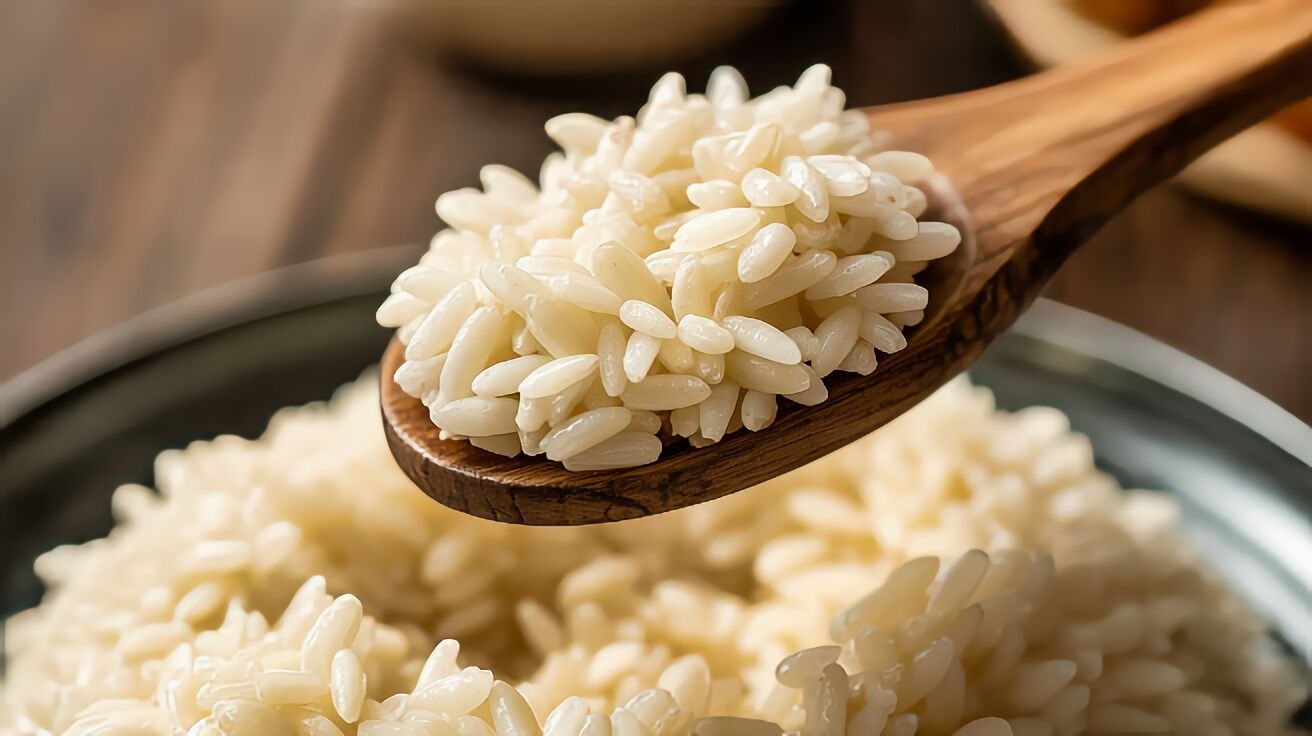
Burmese sticky rice works as a meal on its own or with classic sides for extra flavor and texture. I love how a sticky rice recipe can flex between breakfast, snack, or dessert, depending on what you add. You’ll see it paired with fried fish, roasted nuts, or just a bit of palm sugar for something sweet.
Traditional Burmese Side Dishes
I usually serve sticky rice with toppings like dry fried fish, roasted peanuts, crispy fried onions, and roasted sesame seeds. These add crunch and a savory punch that keeps things interesting. You can’t go wrong with a handful of fresh coconut shavings on top, either.
Sometimes I go all out and pair sticky rice with main Burmese dishes for a more filling meal. The sticky rice recipe is super versatile, so it fits right in with just about anything. The classic black sticky rice with savory toppings is a go-to for festivals or family get-togethers.
Black sticky rice with a pinch of salt really brings out the natural sweetness. I like to serve it at special events or when I want something a little different. It’s a fun twist on the usual sticky rice recipe.
Adaptations For Breakfast, Snacks, And Desserts
For breakfast, I love a sticky rice recipe with coconut, jaggery, and roasted sesame seeds. The golden sticky rice is perfect in the morning—warm, filling, and just sweet enough. It’s honestly one of my favorite ways to start the day.
As a snack, I keep it simple with a drizzle of palm sugar or honey and some crushed peanuts. It’s quick, easy, and gives you a nice energy boost. The sticky rice recipe doesn’t have to be complicated to be satisfying.
For dessert, I sweeten the Burmese sticky rice recipe with extra jaggery and pour over some coconut milk. During festivals like Thingyan, this version feels extra festive and comforting. I like it best served warm, but honestly, it tastes great at room temperature too.
Nutrition And Tips For Perfect Sticky Rice
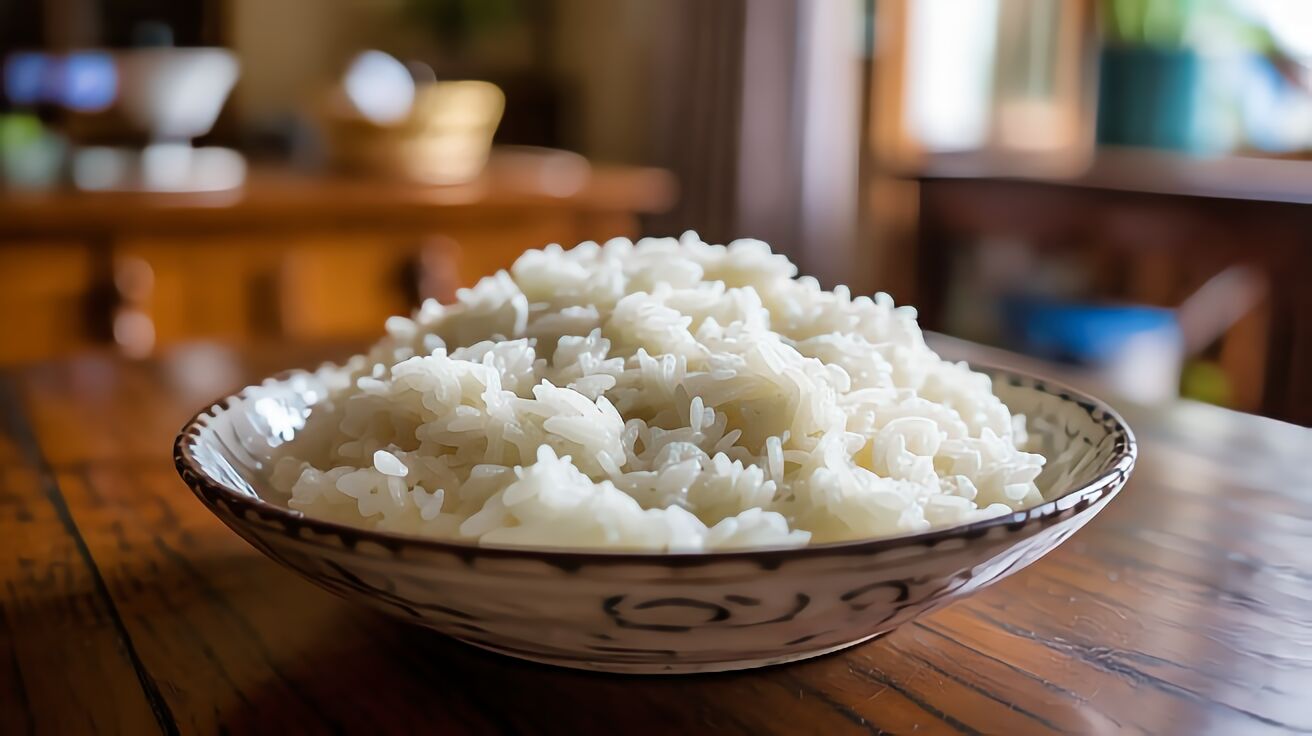
Burmese sticky rice has a unique nutrition profile and a few tricks that make it special. If you pay attention to the sticky rice recipe details, you’ll get a dish that’s both tasty and nourishing. It’s not just about flavor—it’s about getting that authentic texture, too.
Nutritional Highlights Of Burmese Sticky Rice
Glutinous rice is the main ingredient in any sticky rice recipe and packs a good energy punch from its carbs. One cup of cooked sticky rice usually has around 180 to 200 calories. That’s not bad for something so filling.
Despite the name, sticky rice is totally gluten-free, which is great news for anyone with sensitivities. The “glutinous” part just means it’s sticky, not that it contains gluten. I always mention this to friends who have to watch what they eat.
Adding classic toppings makes the sticky rice recipe even better for you. Sesame seeds boost the protein and minerals, and ginger is great for digestion. Jaggery brings iron and a few more minerals compared to regular sugar, and coconut milk adds healthy fats.
Sticky rice calories and its glycemic load can change depending on the sticky rice recipe and what you add. Coconut milk gives you some medium-chain fats, which are supposed to be easier to digest. I’d say it’s a comfort food that doesn’t have to be a guilty pleasure if you make it right.
Expert Tips For Authentic Texture And Flavor
Soak your glutinous rice for 8-12 hours in cold water. This overnight soaking process really helps the sticky rice recipe come out with perfect texture, and it keeps the grains from turning mushy. I can’t tell you how many times skipping this step has led to disappointment.
Steaming, not boiling, gives the best results for any sticky rice recipe. Grab a bamboo steamer and line it with cheesecloth or even just a clean kitchen towel. Let the rice steam for 25-30 minutes—you’re looking for those grains to turn translucent and stay tender.
Always toast your sesame seeds before tossing them in. Trust me, this tiny step makes a difference in any sticky rice recipe. Just toss them in a dry pan over medium heat until they’re golden and smell amazing.
With an authentic Burmese golden sticky rice recipe, you want the rice just a little sweet. Stir in your coconut milk and sweetener while the rice is warm so it soaks up all that flavor. That’s really the secret to nailing a sticky rice recipe that tastes like the real deal.
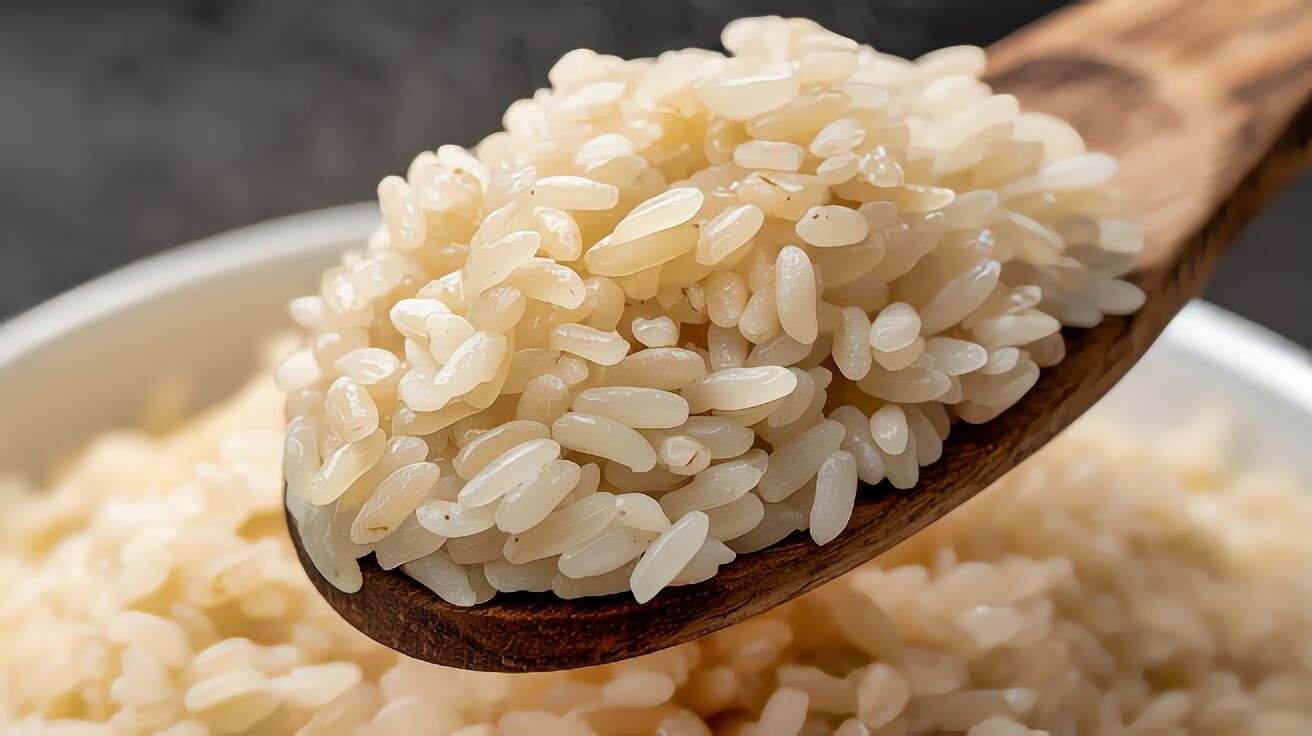
Sticky Rice vs Jasmine Rice
Sticky rice and jasmine rice are both staples in Asian cuisine, but they differ significantly in texture, preparation, and culinary use.
Sticky rice, also known as glutinous rice, becomes dense and clumps together when cooked. It is typically steamed rather than boiled and is commonly used in Southeast Asian dishes, including desserts and hand-held meals. Its chewy texture makes it ideal for pairing with rich or saucy foods, as it holds together easily.
Jasmine rice, on the other hand, is a long-grain rice known for its light, fluffy texture and subtle floral aroma. When cooked, the grains remain separate, making it a versatile base for a wide range of savory dishes. It is commonly used in everyday meals and pairs well with curries, stir-fries, and grilled proteins.
The key difference is texture and function: sticky rice is dense and cohesive, while jasmine rice is light and separate.
If you need a rice that can be easily picked up or shaped, sticky rice is the better choice. If you want a soft, fluffy rice for everyday dishes, jasmine rice is ideal.
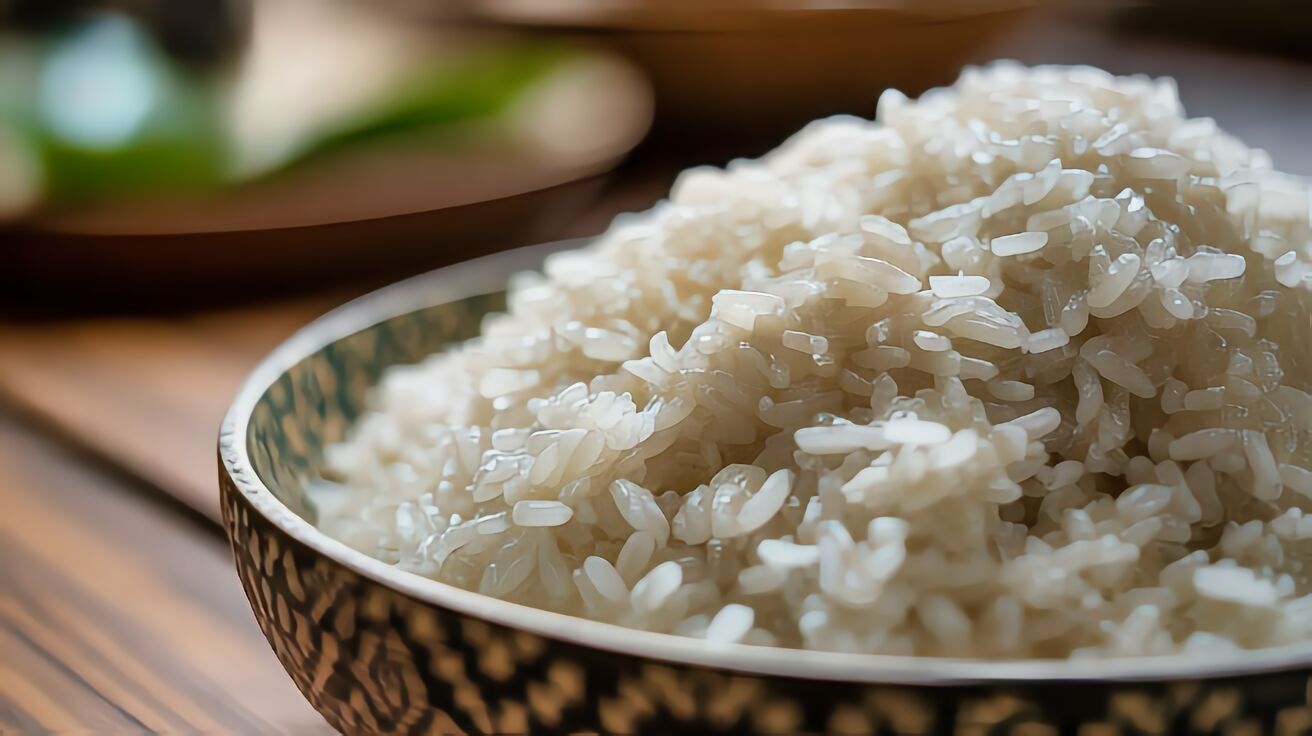
Sticky Rice vs Sushi Rice
Sticky rice and sushi rice are both short-grain rice varieties, but they differ in preparation, texture, and culinary use.
Sticky rice, also known as glutinous rice, becomes very dense and clumps tightly together when cooked. It is commonly used in Southeast Asian dishes and is often steamed rather than boiled. Its texture is firm yet sticky, making it ideal for dishes like mango sticky rice or savory hand-held meals.
Sushi rice, used in Japanese cuisine, is also short-grain but prepared differently. After cooking, it is seasoned with a mixture of rice vinegar, sugar, and salt. This gives it a slightly tangy flavor and a softer, more delicate texture compared to sticky rice. The grains hold together but remain distinct enough for shaping sushi.
The key difference lies in preparation and texture: sticky rice is denser and unseasoned, while sushi rice is lighter and flavored.
If you need a rice that holds tightly together for traditional or handheld dishes, sticky rice is the better option. If you want a balanced, slightly tangy rice for sushi or lighter meals, sushi rice is the ideal choice.
Burmese Sticky Rice FAQ
1. What makes Burmese sticky rice different from other versions?
It often includes coconut milk or savory toppings, giving it a richer flavor compared to plain sticky rice.
2. Is Burmese sticky rice always served plain?
No, it is often paired with toppings like sesame seeds, beans, or shredded coconut.
3. How do you keep sticky rice from drying out?
Covering it while steaming and serving it fresh helps retain moisture.
4. Can sticky rice be reheated?
Yes, it can be reheated by steaming or microwaving with a bit of added moisture.
5. What occasions is sticky rice served at?
It is often served during festivals, breakfasts, or special gatherings.
Burmese Sticky Rice
Ingredients
- 2 cups Rice
- 1 tsp turmeric Ppowder
- 1 cup coconut milk
- ½ tsp salt
- 2 tbsp sugar
Instructions
- Rinse the rice: Place the glutinous rice in a bowl or fine-mesh strainer and rinse under cold running water. Swirl the rice with your hand and drain, repeating until the water runs clear and most surface starch is washed away.
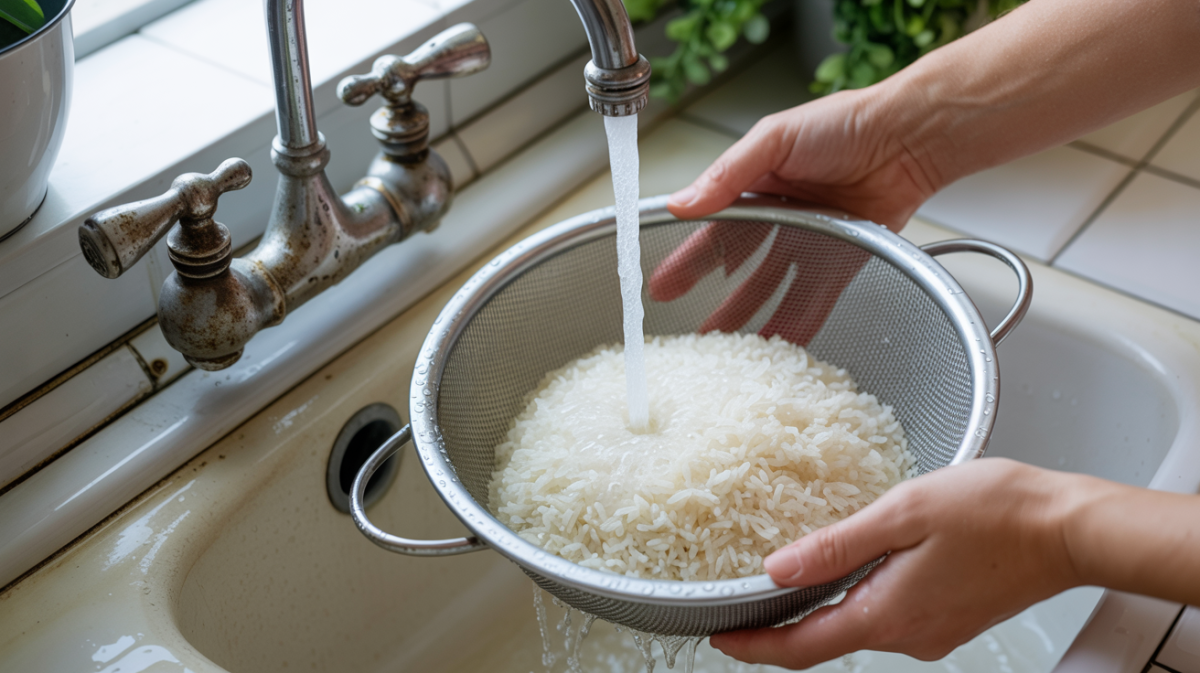
- Soak the rice: Transfer the rinsed rice to a bowl and cover with plenty of fresh water. Let it soak for at least 4 hours, or overnight if possible. This helps the grains cook evenly and become tender.
- Drain and season with turmeric: Drain the soaked rice thoroughly. Place it in a bowl and sprinkle the turmeric powder over it. Use your hands or a spoon to mix until the grains are evenly coated and the color is uniform.
- Steam the rice: Set up a steamer and bring the water to a steady boil. Line the steamer basket with cheesecloth or a suitable liner if needed, then spread the turmeric-coated rice in an even layer. Steam for about 20–25 minutes, or until the rice is fully cooked and sticky but not hard in the center.
- Heat the coconut mixture: In a saucepan, combine the coconut milk, salt, and sugar. Place over low to medium heat, stirring gently until the sugar has completely dissolved and the mixture is smooth. Do not let it boil vigorously.
- Combine rice and coconut milk: Transfer the hot, cooked rice to a large bowl or pot. Pour the warm coconut milk mixture over the rice. Use a spatula or spoon to fold and mix until all the grains are coated evenly.
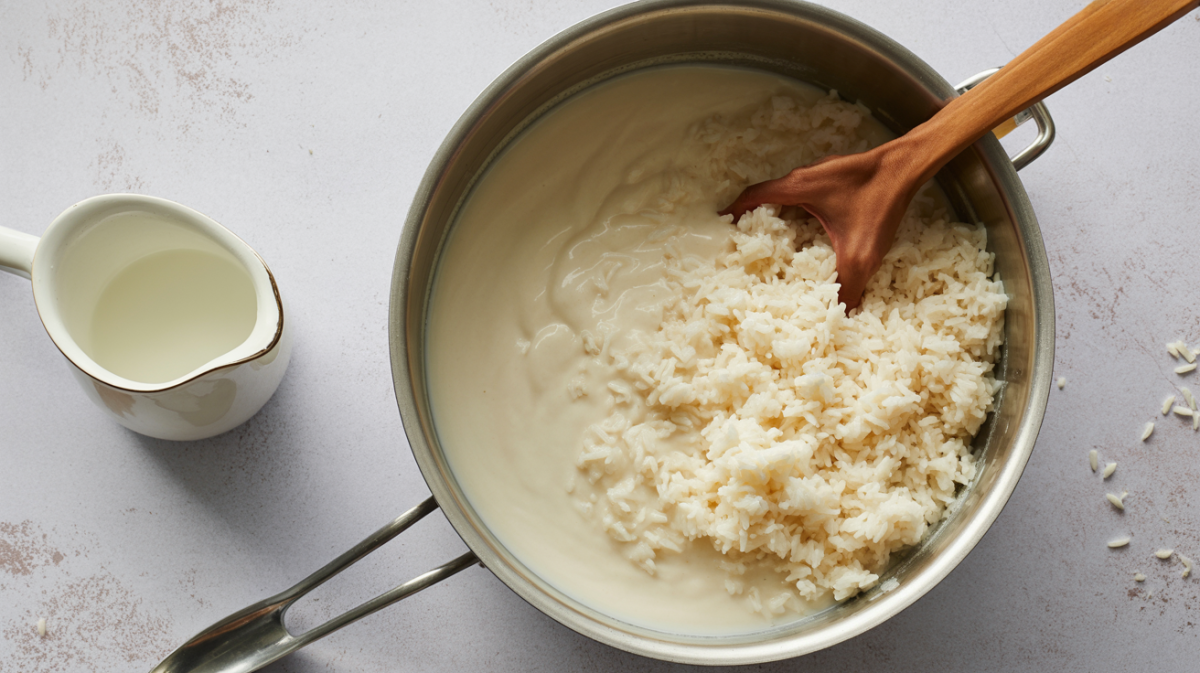
- Rest and serve: Cover the bowl lightly and let the rice sit for about 10 minutes so it can absorb the coconut mixture. Serve the turmeric coconut sticky rice warm or at room temperature.
Video

7 comments
Interesting read! Do you think the flavor profile changes drastically if we substitute coconut milk with almond milk?
Interesting read! Has anyone tried swapping coconut milk with almond milk in the Burmese sticky rice recipe? Thoughts on the outcome?
Has anyone tried substituting coconut milk with almond milk in this Burmese sticky rice recipe? Curious if itll still taste authentic.
Could you argue that turmeric in Burmese Sticky Rice adds more health benefits than flavor? Anyone tried it sans turmeric? Just curious!
Turmeric adds both flavor and health benefits. Removing it? Thats culinary blasphemy!
Isnt it fascinating how turmerics subtle earthiness completely transforms the taste profile of this traditional Burmese sticky rice dish?
Absolutely! Its like turmeric unlocks a whole new dimension of flavor in the dish.
Comments are closed.