


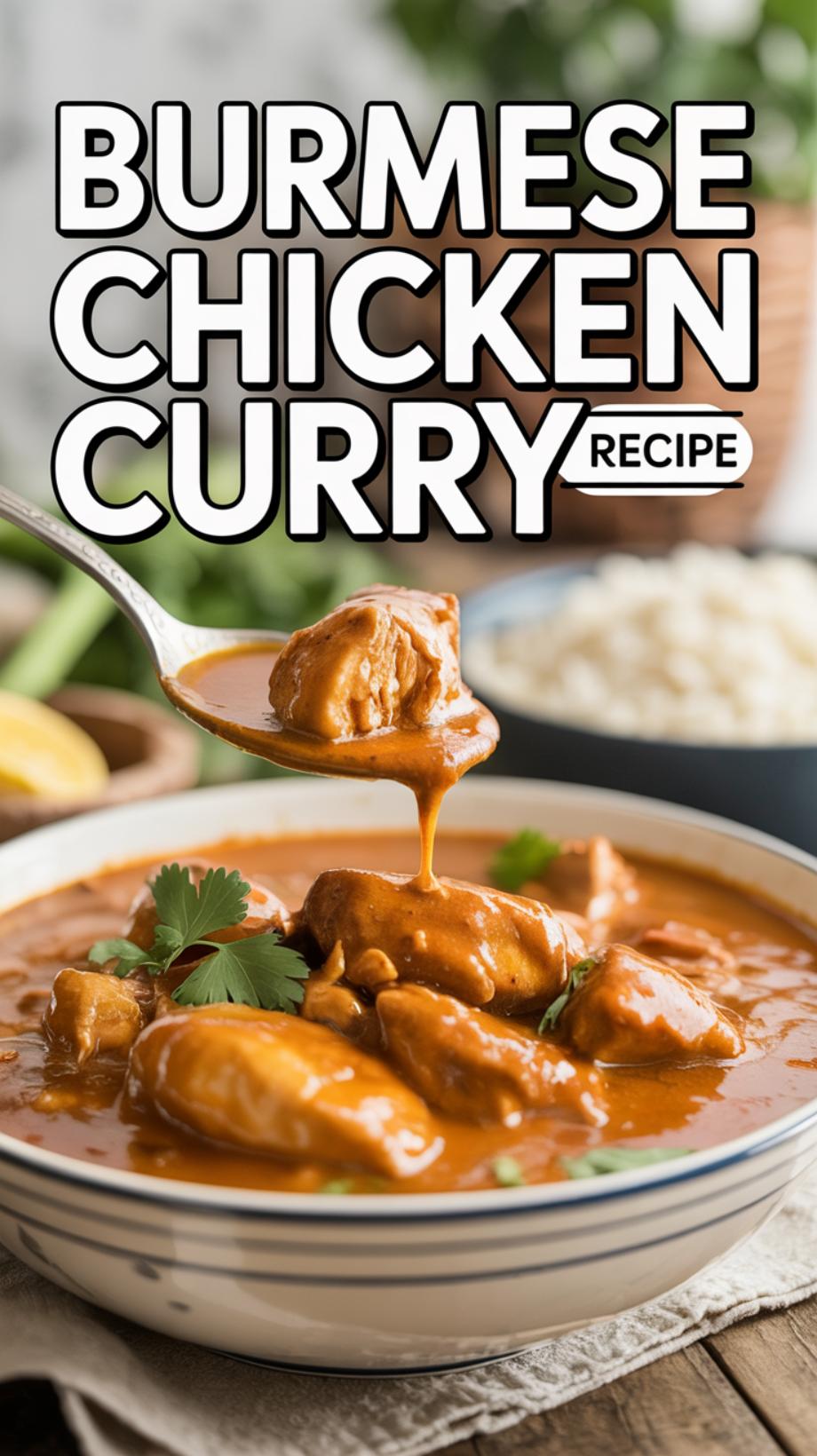
Burmese chicken curry brings together the best of Indian and Thai cooking styles to create something truly special. This fragrant curry features tender chicken simmered with turmeric, ginger, garlic, lemongrass, and a blend of warm spices that create a rich, aromatic dish perfect for any night of the week. Unlike other Asian curries, Burmese curry relies on caramelized onions, garlic, and ginger as its base rather than heavy coconut milk.
I first found this dish while exploring Southeast Asian cuisine, and honestly, it quickly became one of my go-to meals. The familiar spices mixed with lemongrass really do create layers of flavor in every bite. What I love most is how accessible this chicken curry recipe is for home cooks, yet it still tastes like something you’d get in a restaurant.
If you’re new to Burmese cooking or just want to try a new chicken curry recipe, this guide covers everything you need. It breaks down what sets Burmese chicken curry apart from other curries and walks you through each step. You’ll have all the tools to make this cozy dish right in your own kitchen.
What Makes Burmese Curry Unique?
Burmese chicken curry stands apart from other Southeast Asian curries because it uses less coconut milk, leans on aromatics like lemongrass and ginger, and cooks ingredients down into a thick, concentrated sauce.
Distinct Flavors in Burmese Chicken Curry
I think Burmese chicken curry has a flavor profile that’s just different from Thai or Indian curries. The dish uses turmeric, ginger, and garlic as its base instead of heavy spice blends. It’s a chicken curry recipe that’s earthy, warm, and not too spicy.
Lemongrass brings a bright citrus note that lifts the curry. Green onions and shallots add a gentle sweetness. Sweet paprika gives it color without much heat, which feels just right to me.
This curry uses less coconut milk than the Thai versions, so the sauce ends up thicker and more concentrated. Some chicken curry recipe variations skip coconut milk entirely, letting the chicken, oil, and spices work their magic. I like how it lets the other flavors shine.
Fish sauce or shrimp paste sometimes goes in, adding a hit of savory depth. The overall balance leans more savory than sweet or spicy. I find the curry tastes earthy and aromatic, but it never overwhelms with heat.
Influence of Regional Cuisines
Burmese food sits right at the crossroads of Indian, Chinese, and Thai cooking. Turmeric and ginger show that Indian influence, while oil-based methods feel more Chinese. You can see the blend in every chicken curry recipe from Burma.
Burmese curry doesn’t rely on tons of dried spices like Indian curries do. It skips the usual masalas and instead stir-fries aromatics before adding any liquid, which is a bit more Chinese in style. It keeps things lighter and fresher, which I really appreciate.
The cuisine has grown its own identity, even with all these influences. Madhur Jaffrey points out how Burmese curries keep a lighter, more subtle vibe than their neighbors. The dishes let fresh ingredients do the heavy lifting instead of relying on dried spice blends.
Key Cooking Techniques
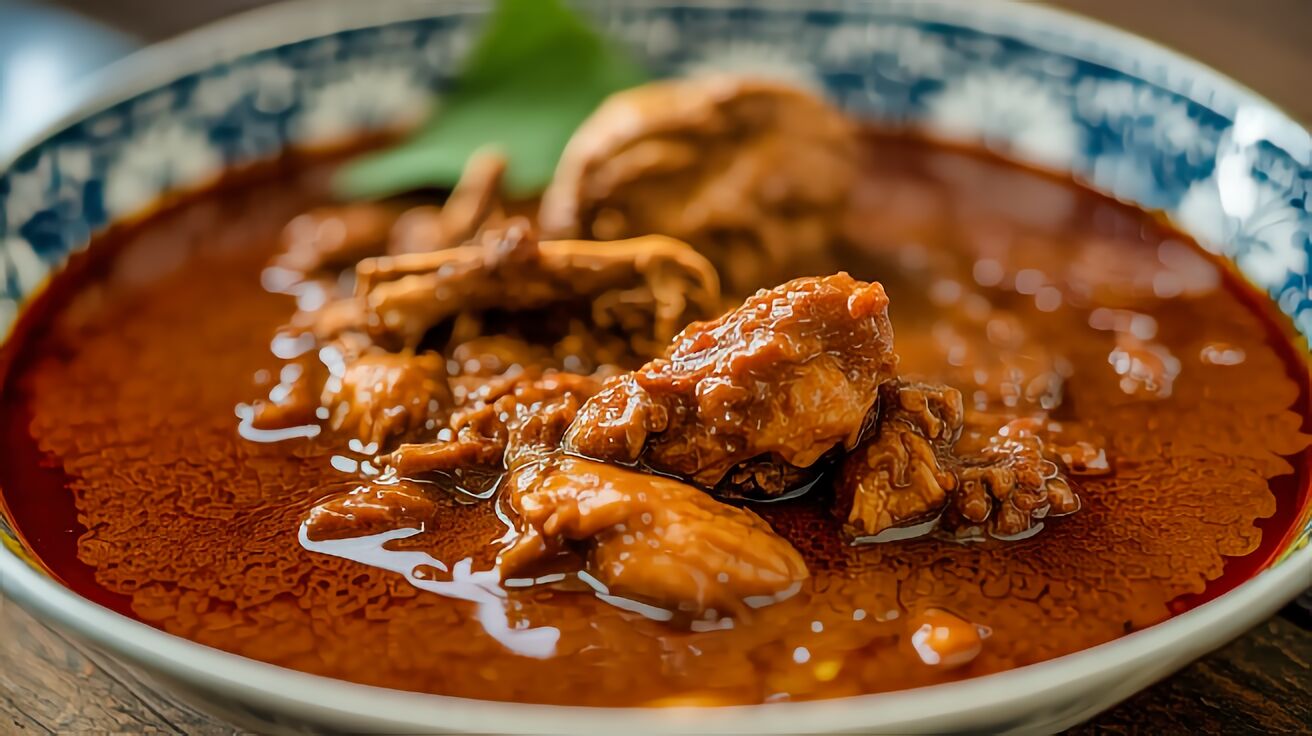
The see-pyan method defines Burmese chicken curry preparation. It’s all about cooking everything until the oil separates from the sauce. I usually start by frying aromatics in oil until they’re super fragrant.
The chicken goes in next with just a splash of liquid. I let the curry simmer slowly so the moisture evaporates and the flavors get more intense. As it cooks, you’ll see oil float to the top—honestly, that’s when you know it’s ready.
This process takes some patience, but it’s worth it for tender chicken and a rich, glossy sauce. No need for thickeners here—the reduction handles it. It’s a classic chicken curry recipe move that always pays off.
Essential Ingredients for Burmese Chicken Curry
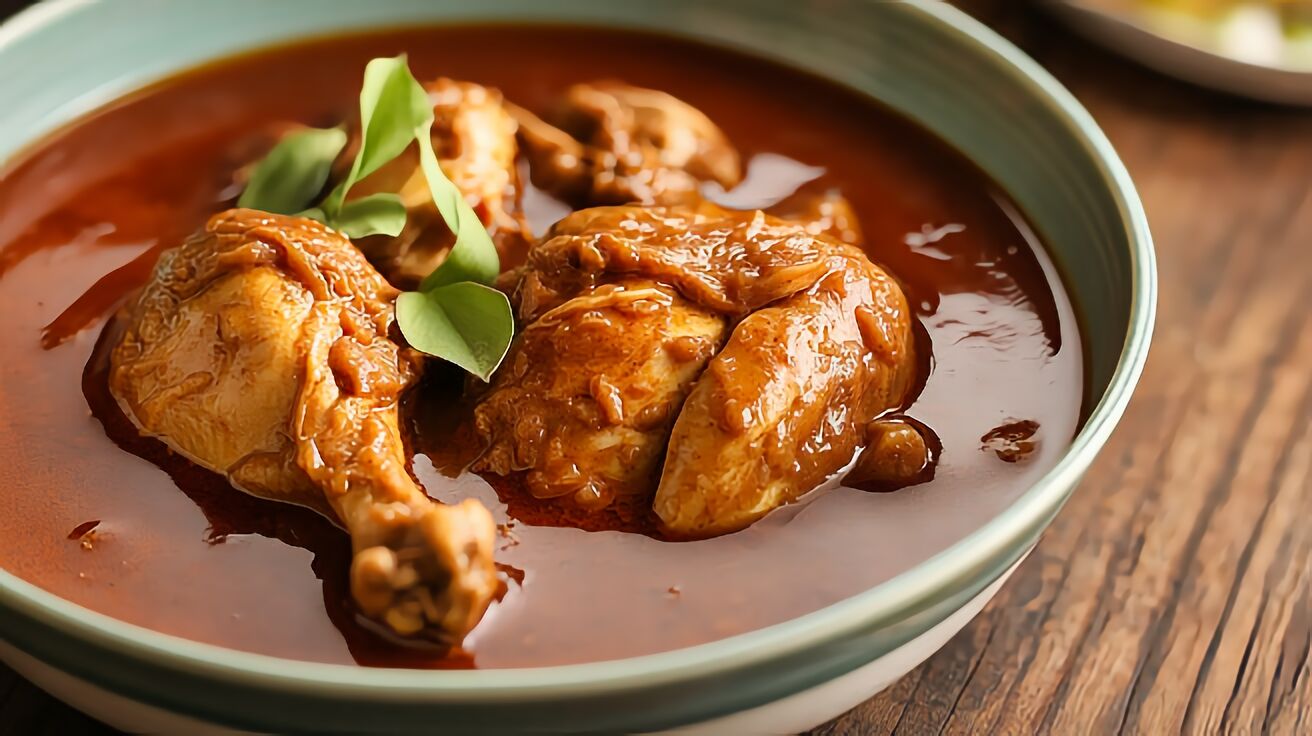
Burmese chicken curry builds its flavor through layers of aromatics, warm spices, and rich oils that set it apart from Thai or Indian curries. The focus is always on depth, using caramelized onions, garlic, and ginger instead of tons of coconut milk. It’s what makes this chicken curry recipe stand out.
Chicken Choice and Preparation
I always go with bone-in chicken thighs and drumsticks for the best results in any chicken curry recipe. These cuts stay juicy during the simmer and really boost the flavor of the curry sauce. Dark meat just works better than breast meat—it doesn’t dry out and the bones add natural richness.
Two to three pounds of chicken is about right for a standard batch. I usually cut large pieces in half so they cook evenly and soak up more of the spices. If you leave the skin on, you get extra richness, but I trim off any big pieces of fat to keep things from getting greasy.
Some recipes ask for skinless chicken, but honestly, the skin adds a lot. Just don’t go overboard with the fat. It’s a little detail that makes a big difference in a chicken curry recipe.
Aromatic Pastes and Spices
Every Burmese chicken curry recipe starts with a punchy mix of aromatics. I go heavy on onion, garlic, and ginger to lay the foundation. It’s a chicken curry recipe move that never lets me down.
Key spices include:
- Turmeric powder: 2-3 teaspoons for color and earthy flavor
- Paprika: 1-2 tablespoons for mild sweetness
- Cayenne pepper: Adjust to taste for heat
- Garam masala: Adds warmth and complexity
I always reach for fresh garlic and ginger instead of powdered. That blend of turmeric, cumin, coriander, and chili powder creates the signature chicken curry recipe flavor. Ground coriander brings a citrusy vibe that balances the turmeric’s earthiness.
Some cooks use curry paste for convenience, but I prefer mixing my own spices—it just tastes fresher. You get more control over the heat and depth, which is what you want in a good chicken curry recipe.
Signature Condiments and Oils
Peanut oil is the classic choice for Burmese curries. I use about 1/4 to 1/2 cup, which sounds like a lot, but it’s key for that glossy, oil-rich texture you expect from a chicken curry recipe.
Fish sauce brings that deep umami flavor. I usually add 2-3 tablespoons, but it depends on the brand’s saltiness. Ngapi (fermented shrimp paste) can go in too—just a teaspoon for extra funk if you’re feeling adventurous.
Sesame oil at the end adds a nutty aroma. Unlike other curries, Burmese curry is often oil-rich but never coconut-heavy. That’s a big part of why this chicken curry recipe is so unique.
Fresh Herbs and Garnishes
Lemongrass is essential for the fragrant mixture that defines this chicken curry recipe. I use 2-3 stalks, bruised and tied in a knot, or a tablespoon of lemongrass powder if I can’t find fresh. It makes a huge difference in the final flavor.
Fresh cilantro is my go-to garnish. I chop the leaves and stems separately—stems go into the pot, leaves go on top. Fried garlic adds a crunchy, sweet touch at the end, and I make it by slowly frying thin garlic slices in oil.
Green onions give a fresh, sharp contrast to the rich curry. Slice them thin and toss them over the finished chicken curry recipe just before serving. It’s a simple move that makes the dish pop.
How to Make Burmese Chicken Curry
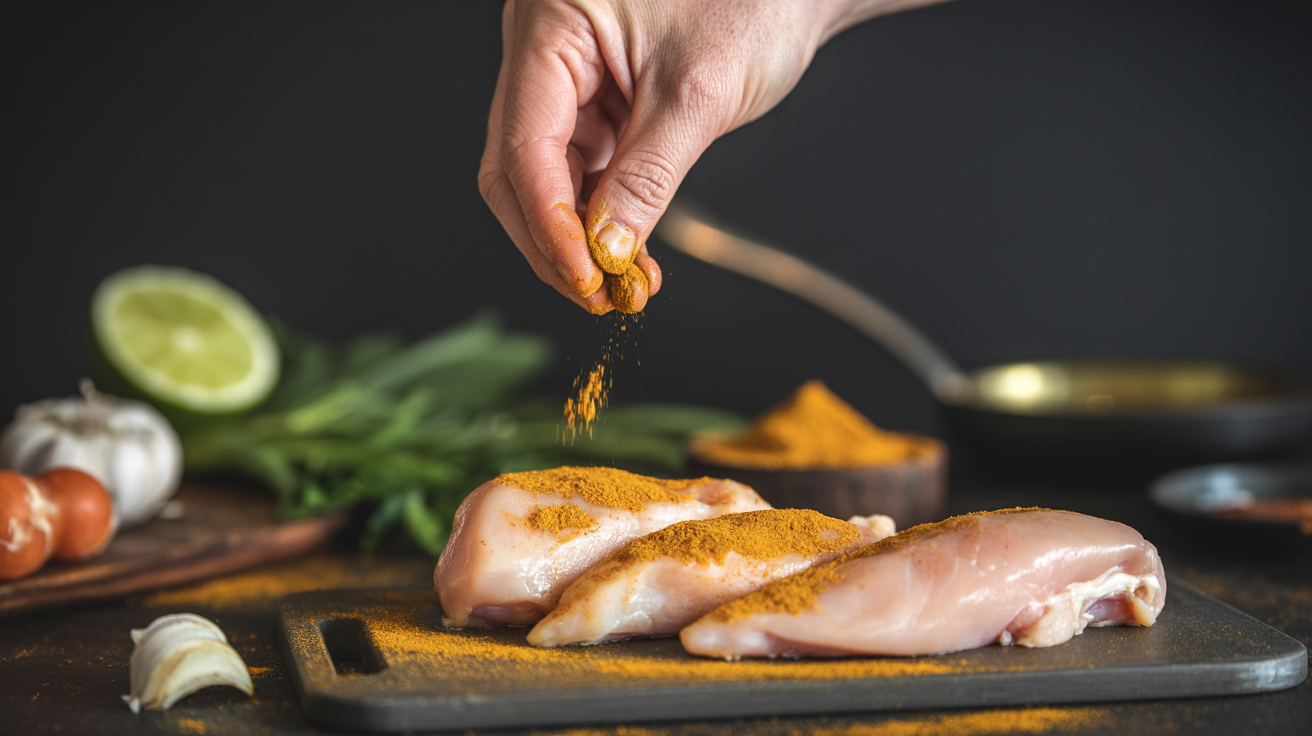
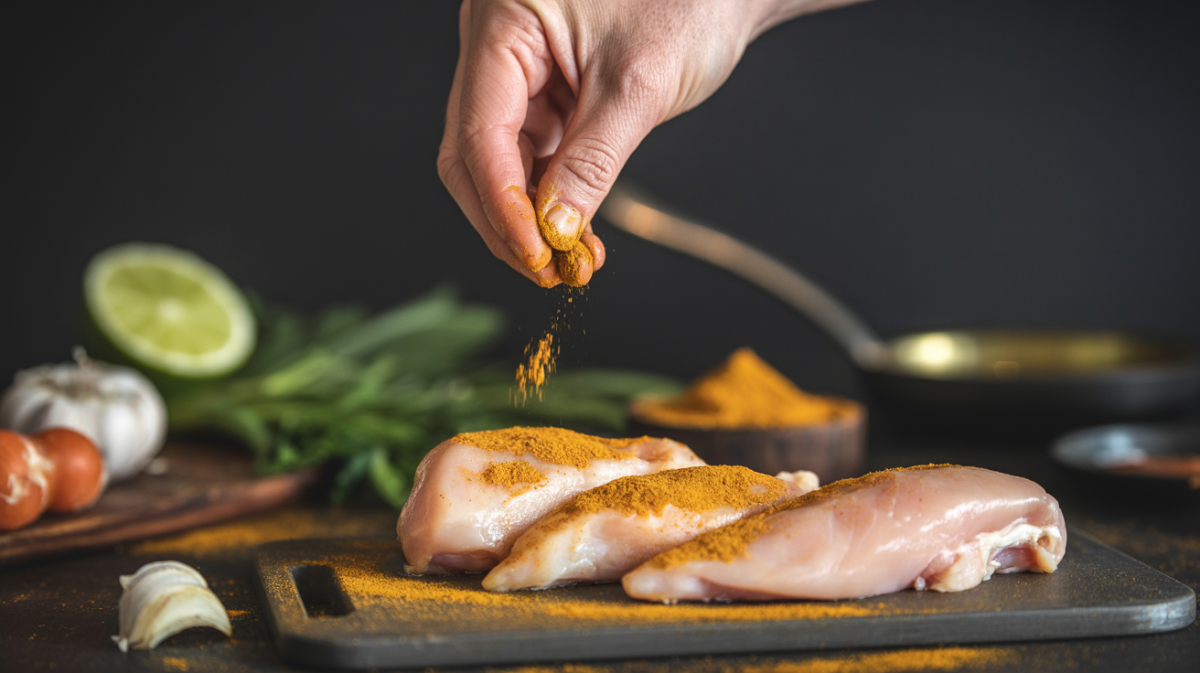
Step 1: Season the chicken: Sprinkle the curry powder, salt, and turmeric evenly over the chicken pieces. Turn the pieces so all sides are lightly coated with the spices. Set the chicken aside while you prepare the onion and spice paste; this gives the seasonings a chance to start penetrating the meat.
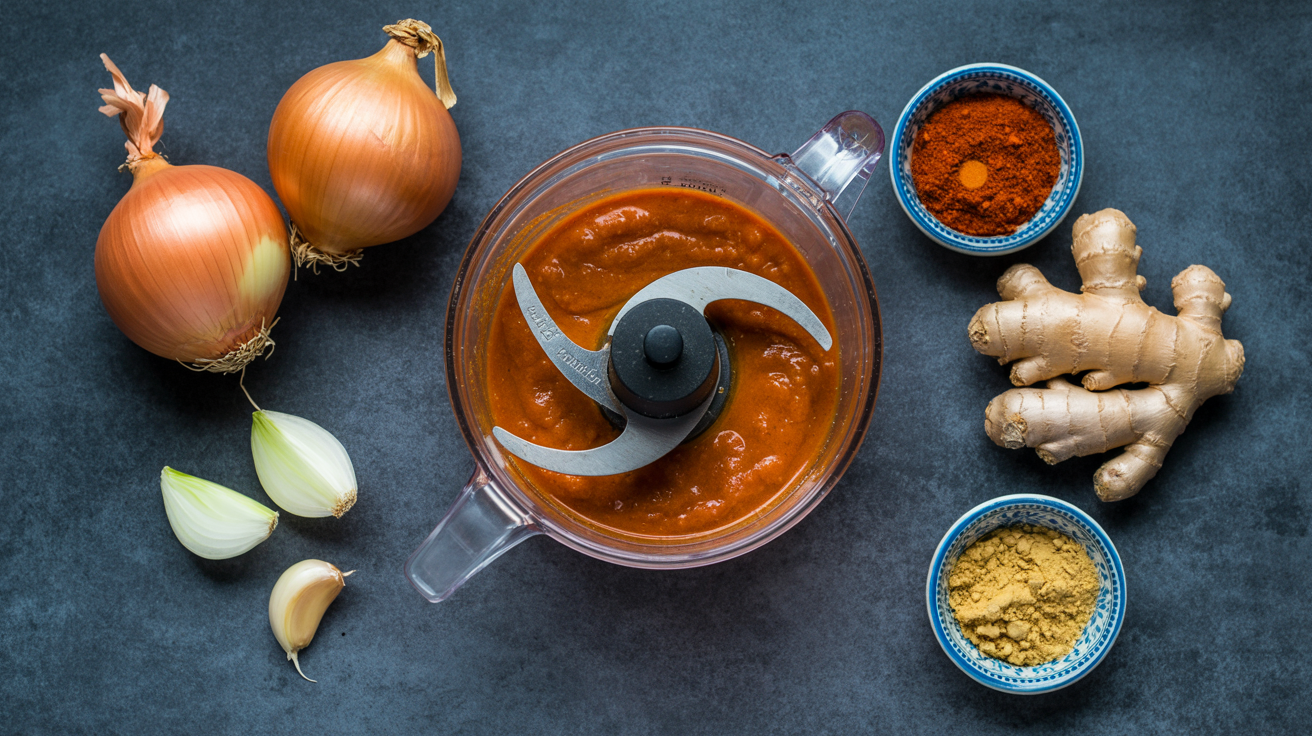
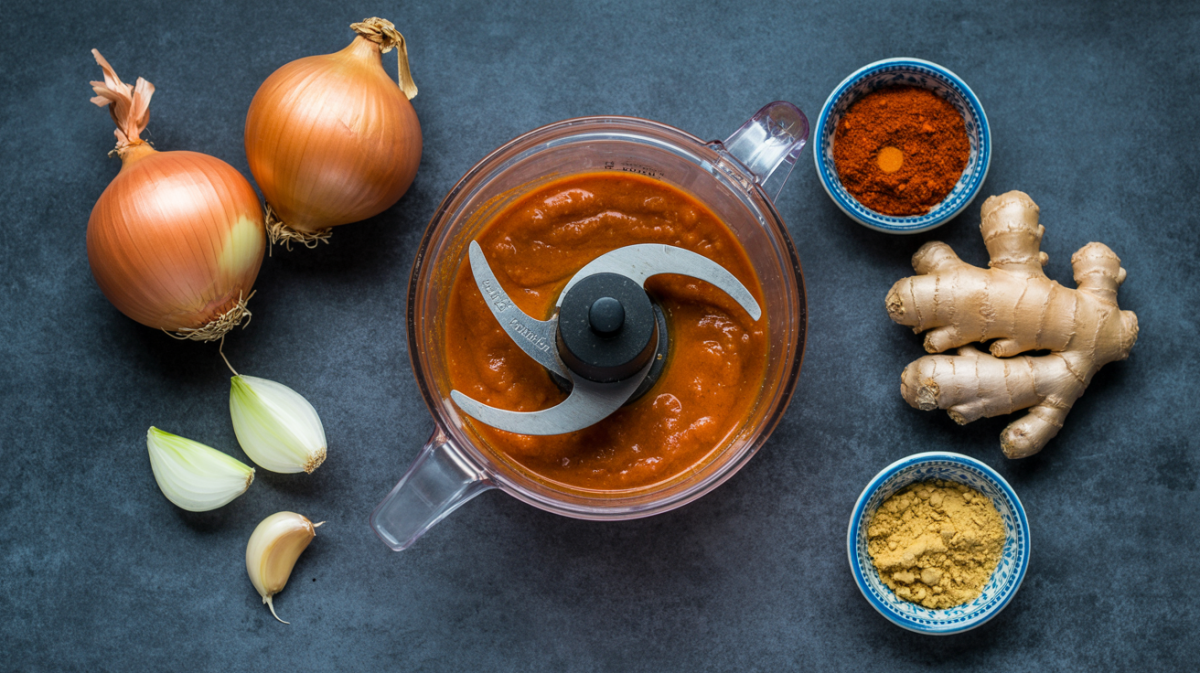
Step 2: Make the spice paste: Place the onions, garlic, paprika, chili powder, and ginger into a blender or food processor. Blend until the mixture forms a thick, fairly smooth paste, stopping once or twice to scrape down the sides so no large pieces remain. This paste will be the flavor base of the curry.
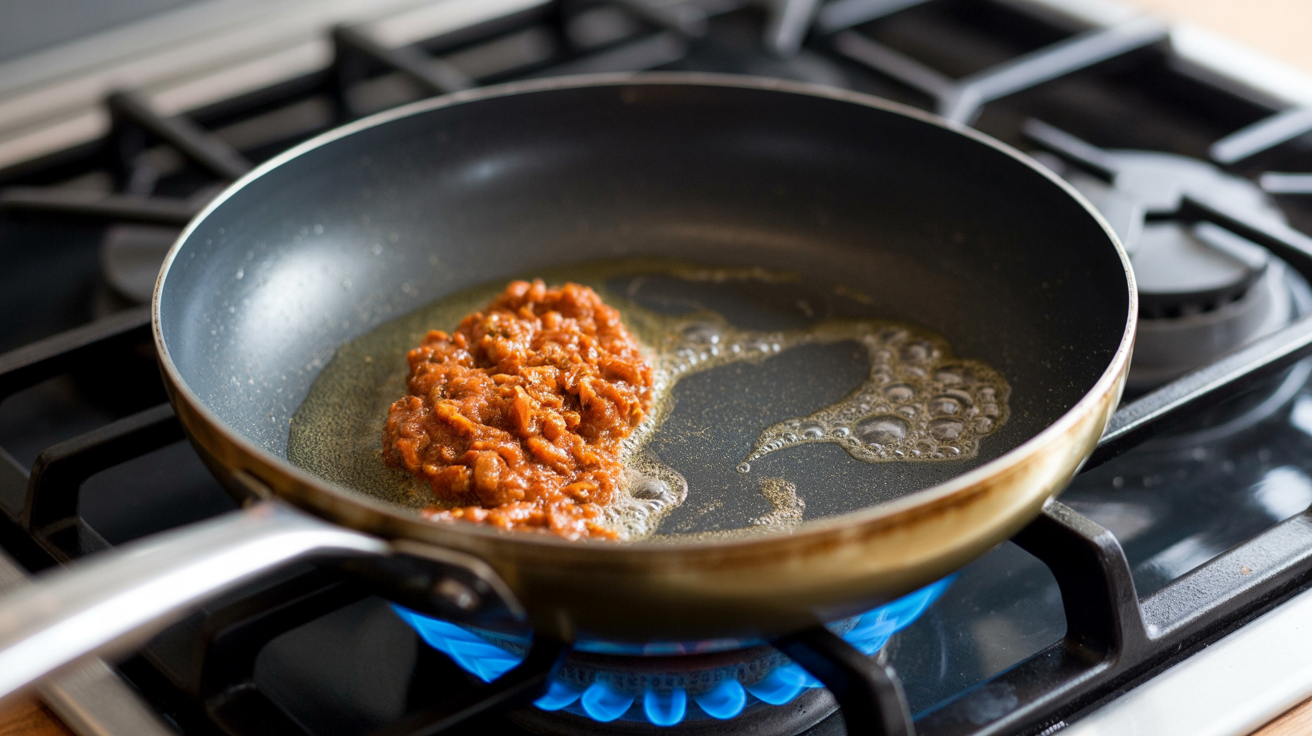
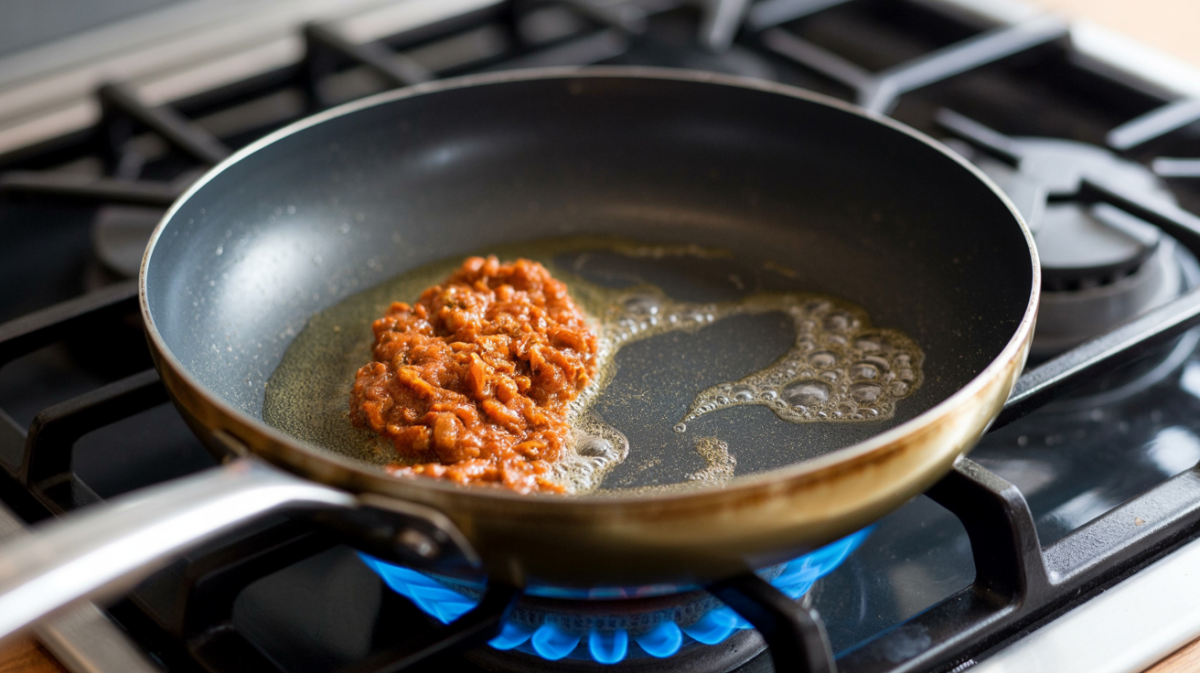
Step 3: Fry the paste: Heat the oil in a deep pan over medium heat. When the oil is hot, add the spice paste. Cook it for about 10 minutes, stirring regularly so it does not catch on the bottom of the pan. The paste should darken slightly in color and smell fragrant as the raw taste cooks out.
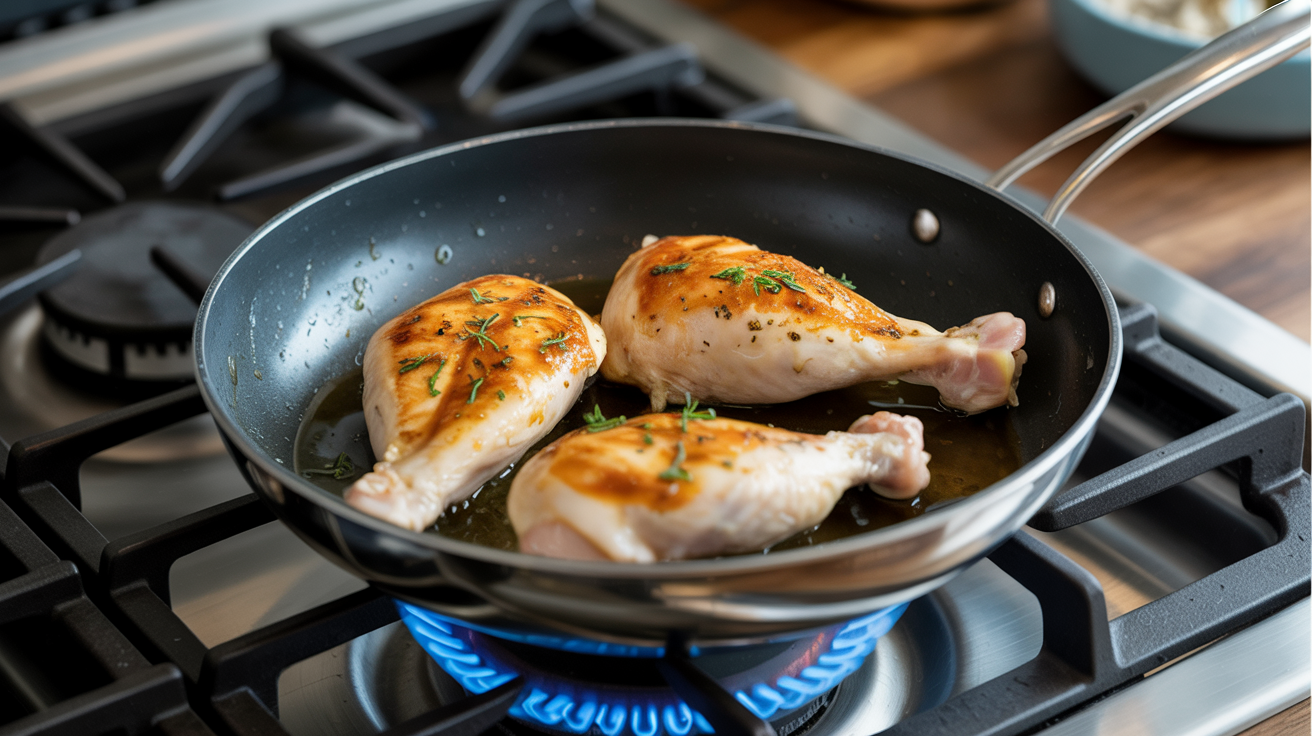
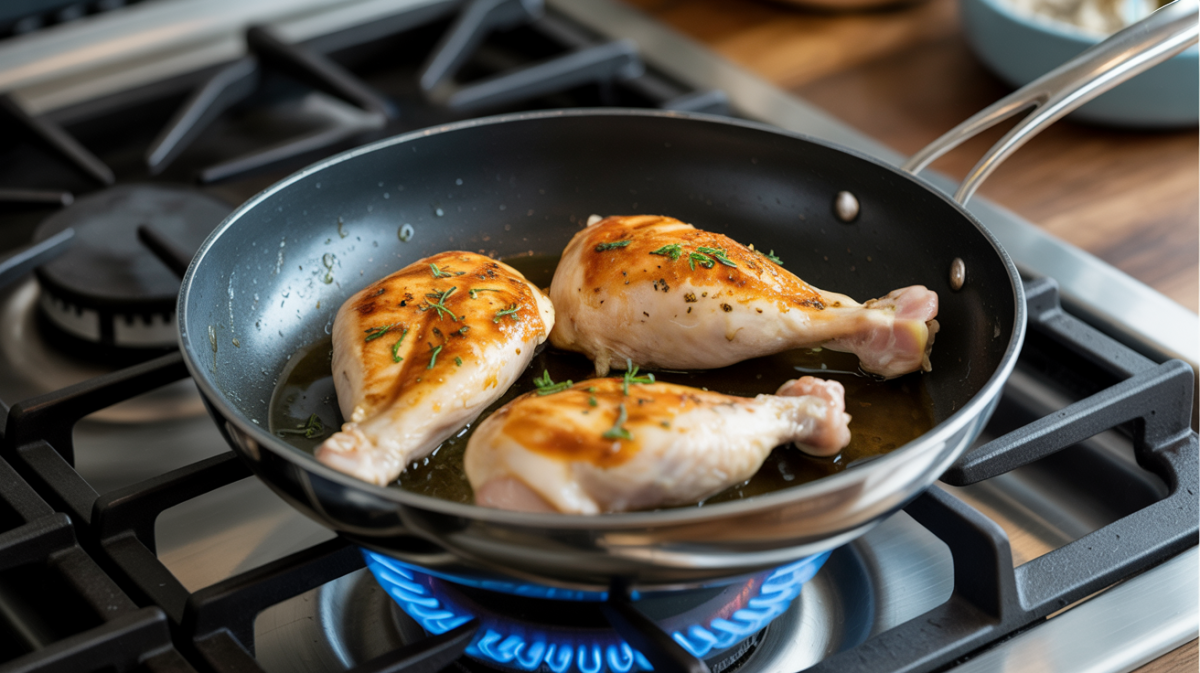
Step 4: Add and brown the chicken: Add the seasoned chicken pieces to the pan with the fried paste. Increase the heat slightly and cook for a few minutes, stirring and turning the chicken so it is well coated. Continue until the outside of the chicken begins to brown lightly and the paste clings to the pieces.
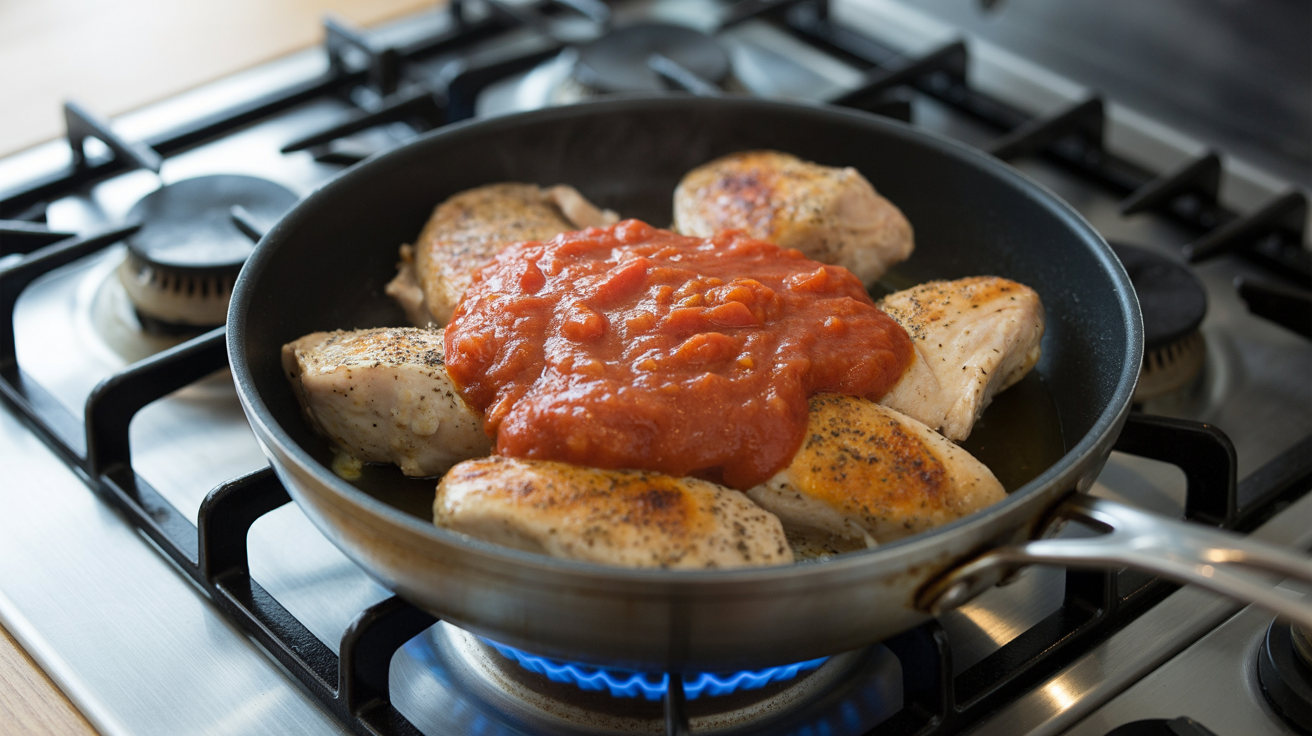
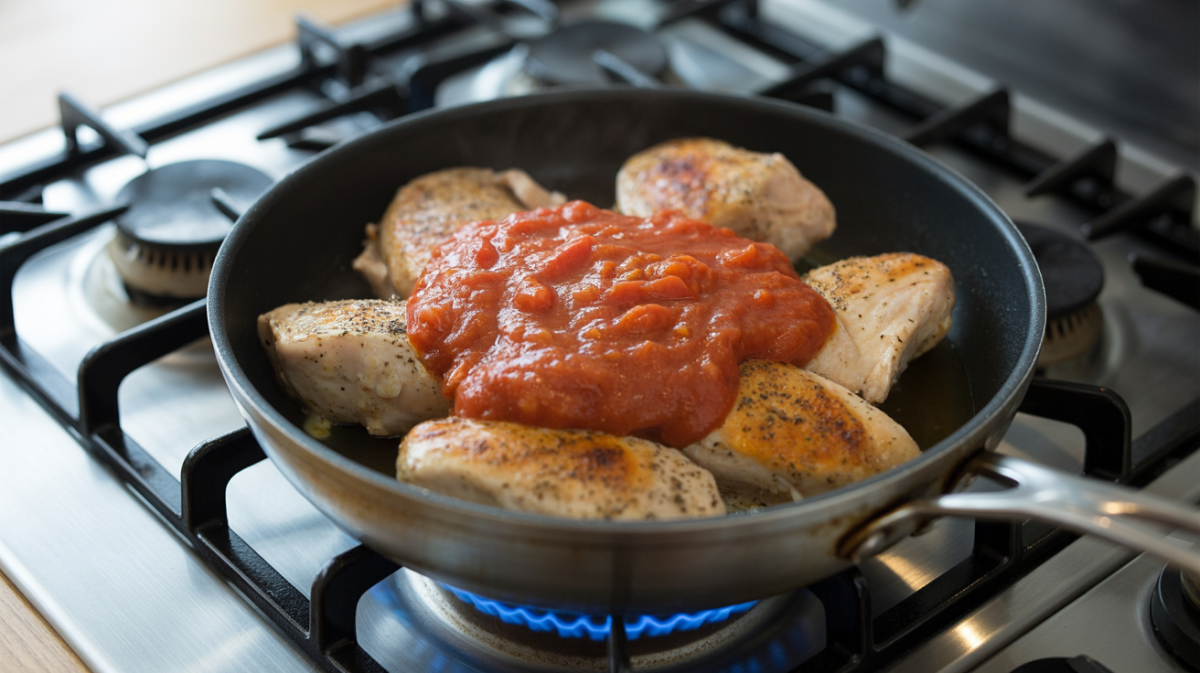
Step 5: Add tomatoes and cook: Stir in the tomatoes and mix thoroughly so they combine with the chicken and spice mixture. Cook for a further 5 minutes, stirring occasionally, until the tomatoes begin to break down and form a thicker, saucy base around the chicken.
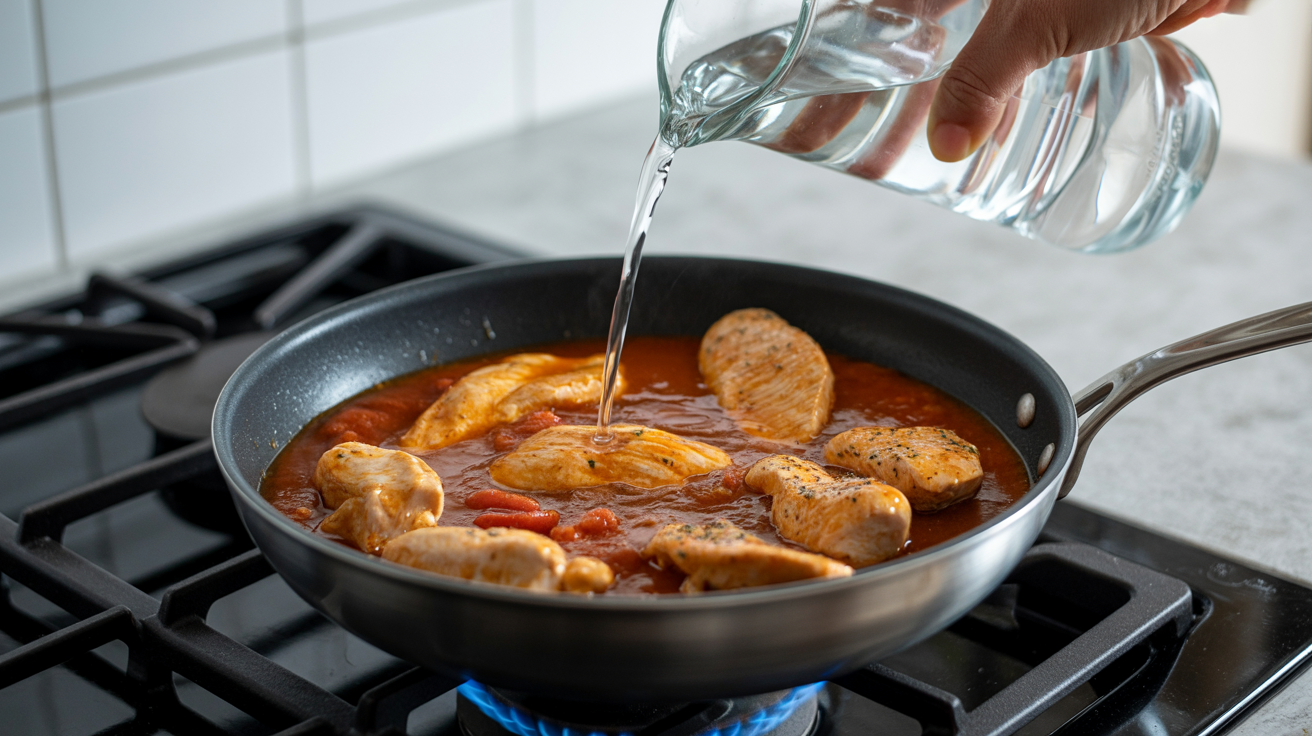
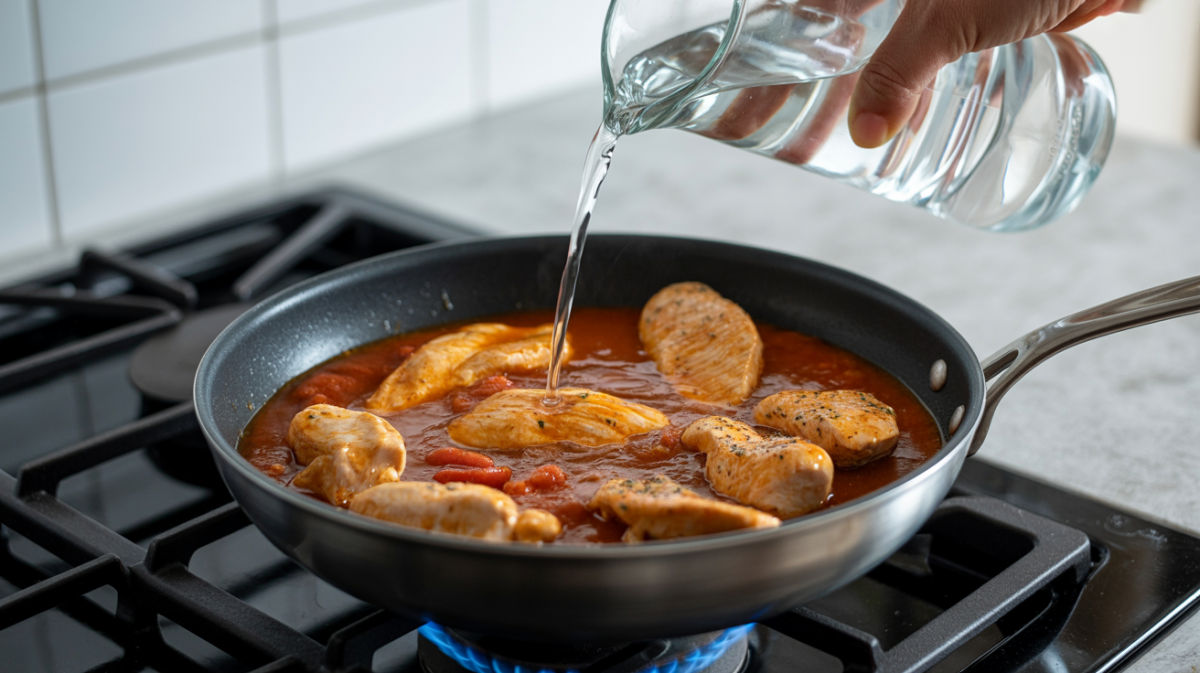
Step 6: Add water, lemongrass, and fish sauce: Pour in 1½ cups of warm water, or just enough to cover the chicken pieces. Add the lemongrass and fish sauce. Stir well so the liquid, aromatics, and chicken are evenly mixed, then bring the contents of the pan up to a gentle simmer.
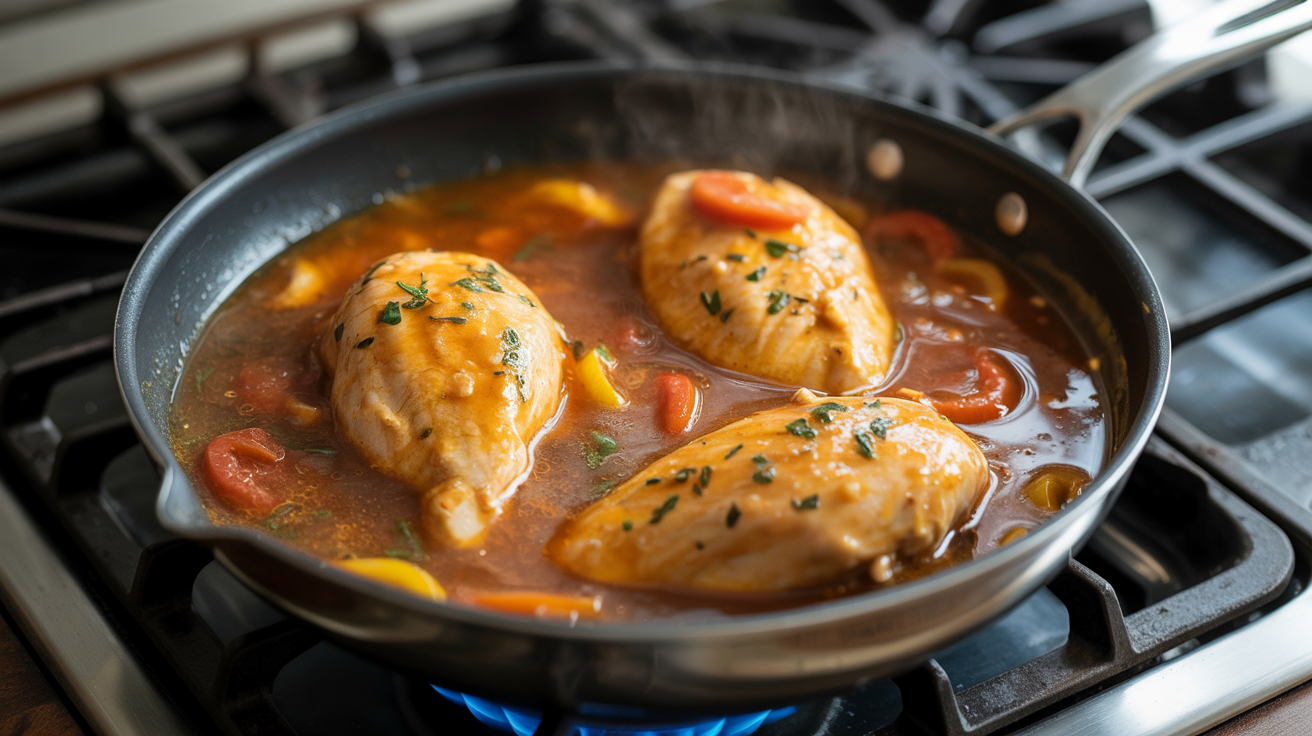
Step 7: Simmer until the chicken is tender: Reduce the heat to low and partially cover the pan with a lid. Let the curry simmer very gently for at least 30 minutes, stirring from time to time. The chicken should become tender and the flavors in the sauce will develop as it cooks slowly.
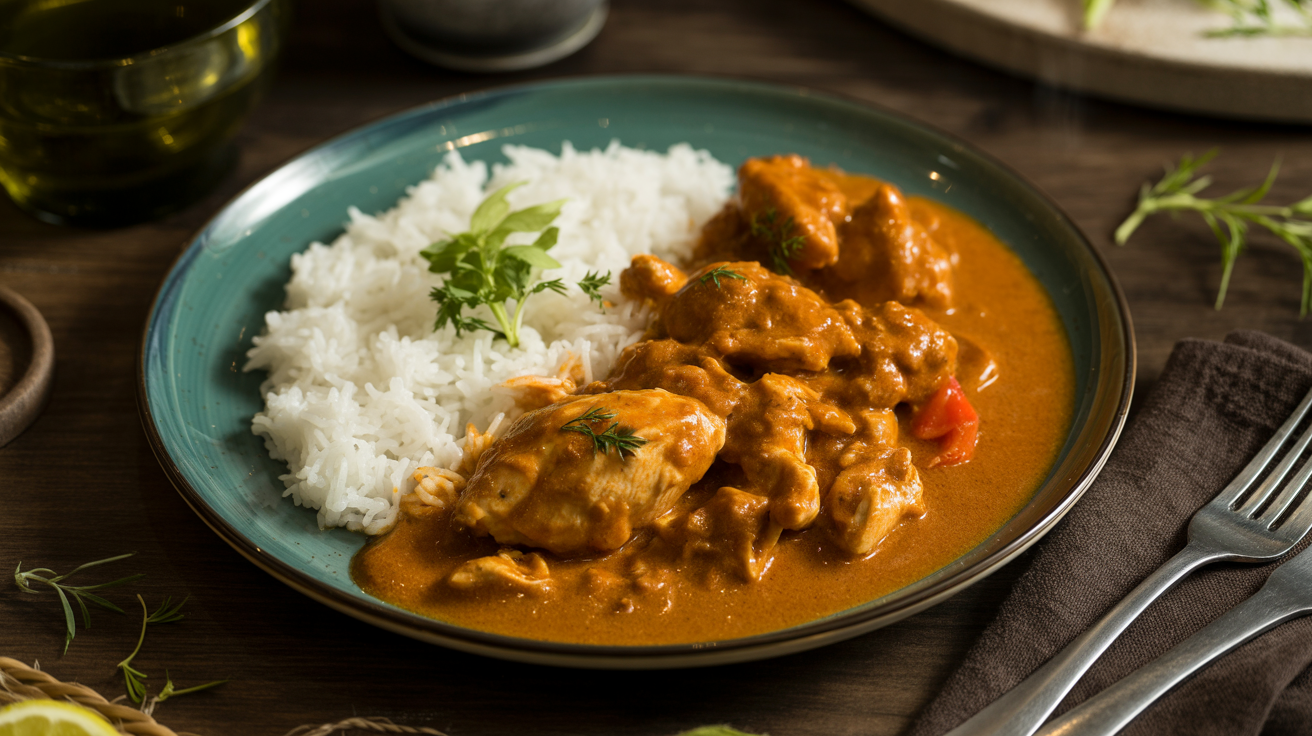
Step 8: Reduce the sauce and finish: Remove the lid and continue to simmer for another 10–15 minutes to allow the sauce to reduce and thicken to your preferred consistency. Remove (fish out) the lemongrass stalks. Taste the curry, adjust the seasoning if needed, and serve hot. Serve on a plate.
Marinating the Chicken
I start by cutting chicken thighs into bite-sized pieces. The meat needs about 30 minutes to soak up turmeric, salt, and a splash of fish sauce. Turmeric gives that golden color and earthy flavor—about 1 teaspoon per pound of chicken does the trick.
The fish sauce adds depth without making the dish taste fishy. I always let the chicken sit at room temperature while I prep the other stuff. It helps the marinade sink in better.
Key marinating ingredients:
- 2 pounds chicken thighs, cut into chunks
- 1 teaspoon turmeric powder
- 1 tablespoon fish sauce
- ½ teaspoon salt
Preparing the Aromatic Base
The aromatic base is what really makes this Burmese curry recipe stand out. I blend fresh garlic, ginger, and lemongrass into a paste—sometimes I use a food processor, sometimes a mortar and pestle if I’m feeling old-school. For the paste, I go with about 3 tablespoons each of garlic and ginger, and 2 stalks of lemongrass (just the white part).
Lemongrass gives the curry its citrusy kick. I slice onions thin and keep them separate; blending them into the paste is an option, but I prefer the texture from sliced onions. Red chili or sweet paprika goes in based on how spicy I want it—usually 1-2 teaspoons of paprika for a mellow curry.
Keeping the onions separate makes the finished chicken curry recipe feel heartier. It’s a small thing, but it matters. I like a curry that’s got a bit of bite to it, texture-wise.
Cooking and Simmering Techniques
I heat peanut oil in a heavy-bottomed pot over medium—about 3 tablespoons to coat the bottom. Sliced onions go in first, and I cook them until they’re soft and translucent, maybe 5 minutes. Then I add the aromatic paste and stir for a couple of minutes, making sure nothing burns.
The kitchen always smells amazing at this point. I add the marinated chicken and stir to coat it in the paste. After browning the chicken for 5 minutes, I pour in enough water or chicken stock to cover the meat halfway—sometimes I use coconut milk if I want a richer chicken curry recipe.
The curry simmers uncovered on low heat for about 25-30 minutes. I stir it now and then and let the liquid reduce naturally. When the oil starts to separate from the sauce, I know the chicken curry recipe is almost done.
Finishing Touches for Authentic Flavor
I adjust the seasoning near the end with salt and a squeeze of fresh lime juice. The lime brightens up the warm spices and just ties everything together. Chopped green onions go in during the last minute or two for a fresh finish.
I top it all off with crispy fried shallots and fresh cilantro leaves. The fried shallots add crunch and a sweet, savory note that works so well in this healthy curry. A drizzle of chili oil on top looks good and gives a little extra kick for anyone who wants it.
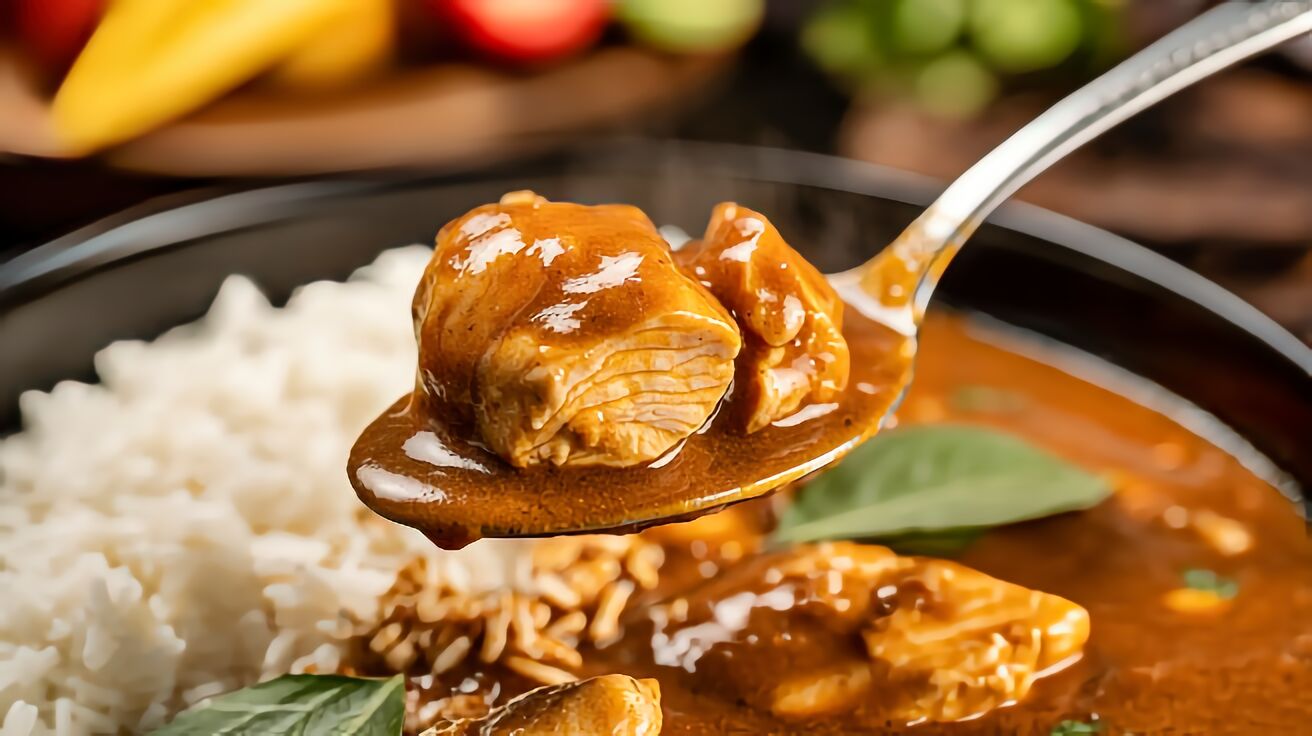
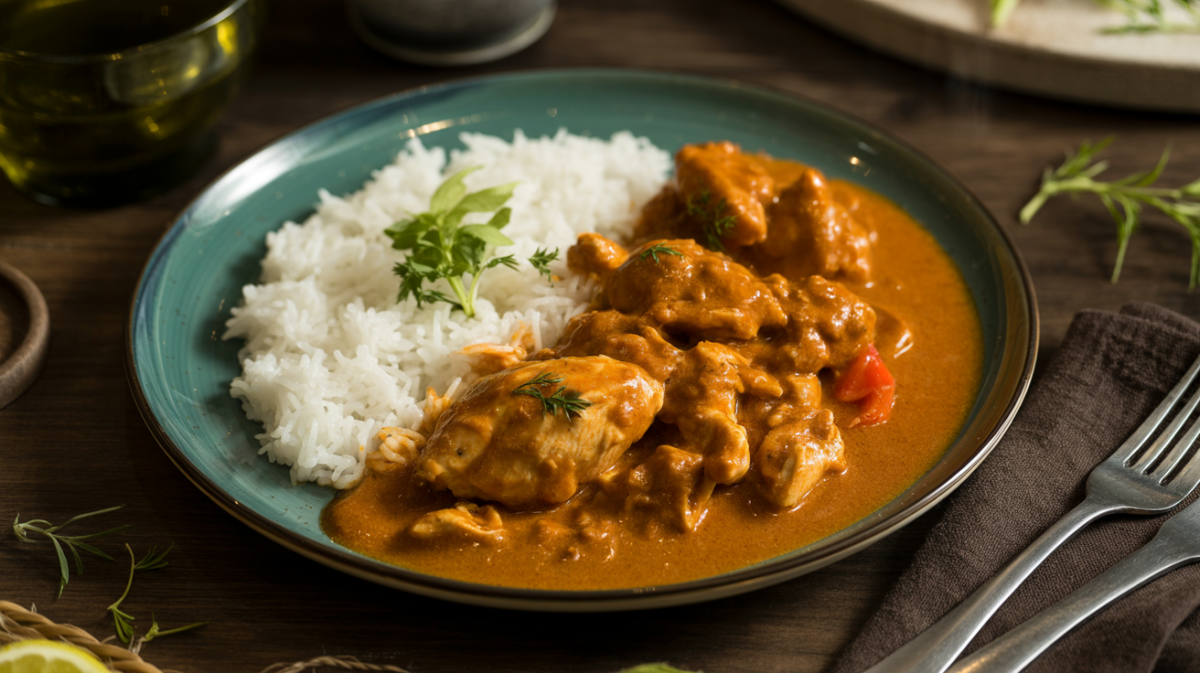
I always serve the chicken curry recipe hot with jasmine rice or noodles. That way you can soak up every last bit of the sauce. Honestly, it’s hard to stop at just one bowl.
Serving Suggestions and Variations
Burmese chicken curry pairs well with both classic sides and creative modern options. You can switch up the chicken curry recipe easily for different proteins or dietary needs. There’s plenty of room to play around and make it your own.
Traditional Accompaniments
I always serve my Burmese chicken curry with steamed rice or noodles, which are the classic choices in Myanmar. Plain jasmine rice soaks up the rich, aromatic sauce from any chicken curry recipe. For a more authentic vibe, I cook up coconut rice—basically jasmine rice simmered in coconut milk and water—which just feels meant for chicken curry recipe nights.
Noodles are equally traditional. I like using fresh egg noodles or rice noodles, served either mixed into the curry or on the side. At the table, I put out bowls of crispy fried shallots, fresh cilantro, lime wedges, and sliced chilies so everyone can jazz up their own chicken curry recipe just the way they want.
Modern Twists and Ingredient Swaps
Honestly, Burmese chicken curry can handle some fusion. Cauliflower rice is a go-to low-carb option that soaks up the sauce from any chicken curry recipe really well. Sometimes I’ll toss on toasted cashews or peanuts—kind of stealing from Thai cashew chicken—for a bit more crunch and richness in my chicken curry recipe.
You can dial the heat up or down by playing with the chili powder and fresh chilies in the chicken curry recipe. I’ve swapped out fish sauce for soy sauce before, especially if someone isn’t into fishy flavors. Occasionally, I’ll toss veggies like bell peppers, green beans, or potatoes right into the chicken curry recipe pot for a one-pot meal that’s hearty and satisfying.
Vegetarian and Seafood Alternatives
I’ve had good luck making this chicken curry recipe vegetarian by swapping in chickpeas, cubed tofu, or even a mix of eggplant and squash. The cooking time drops a lot—usually, you just need 15-20 minutes of simmering. Honestly, it’s a solid move if you want to keep things lighter or skip meat for a night.
Seafood in a chicken curry recipe? It’s actually fantastic. I’ll grab some cod or halibut and toss it in during the last 10 minutes—shrimp needs even less, maybe 5-7 minutes until they’re pink and just cooked through. The spices and aromatics from the chicken curry recipe stay the same, but you really want to watch the clock so the fish or shrimp doesn’t go rubbery.
Burmese Curry vs Indian Curry
Burmese curry and Indian curry share some foundational elements, but they differ in spice complexity, texture, and overall cooking style.
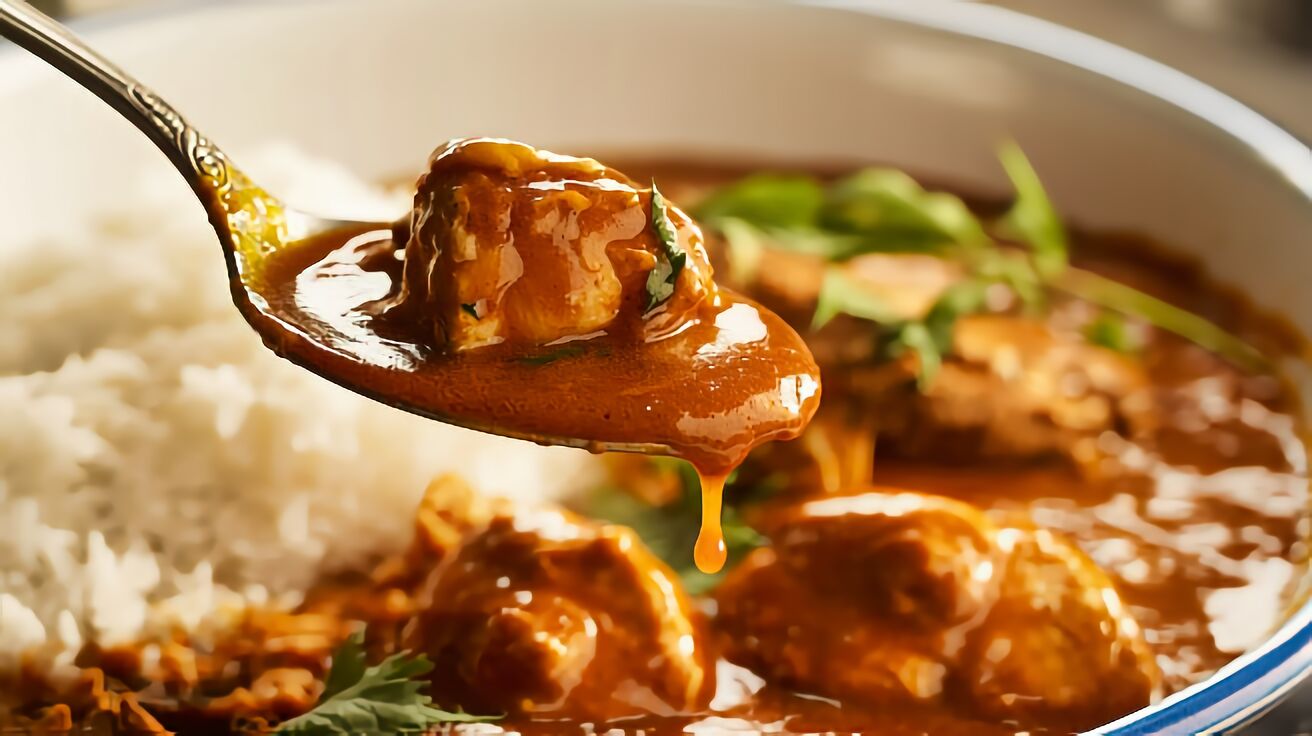
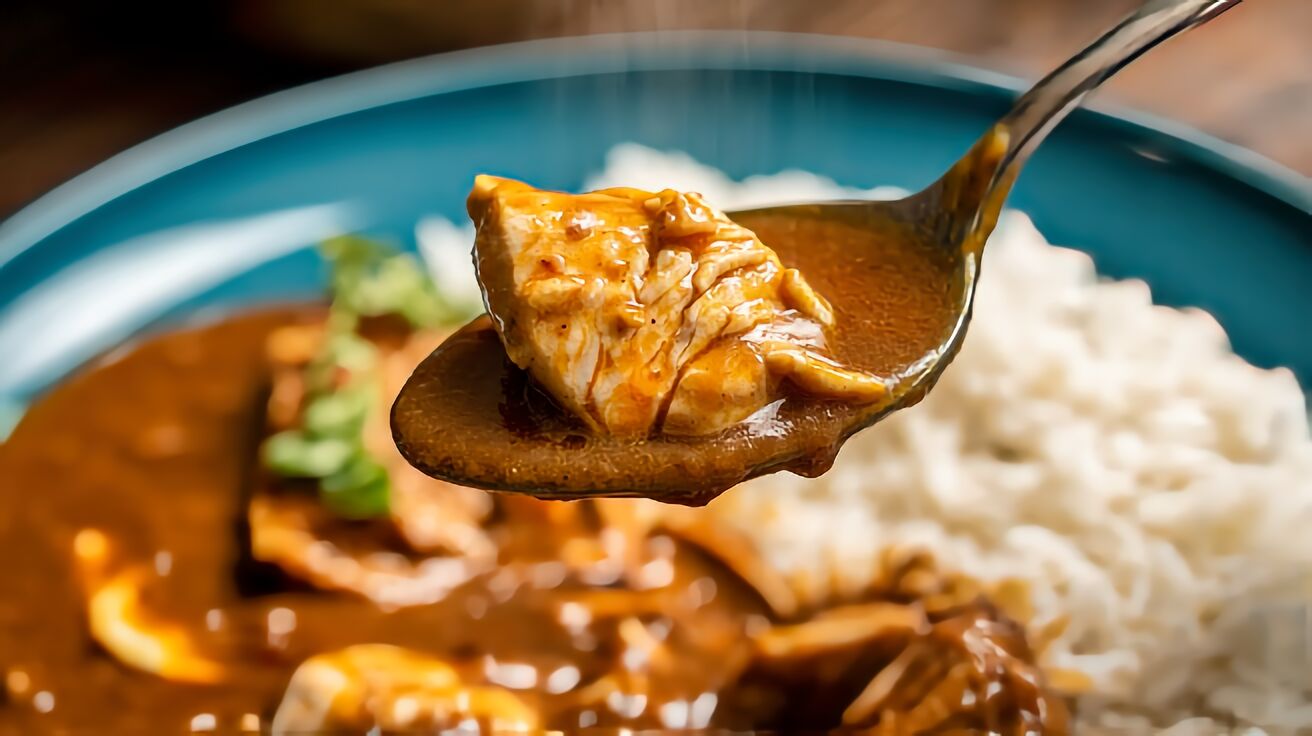
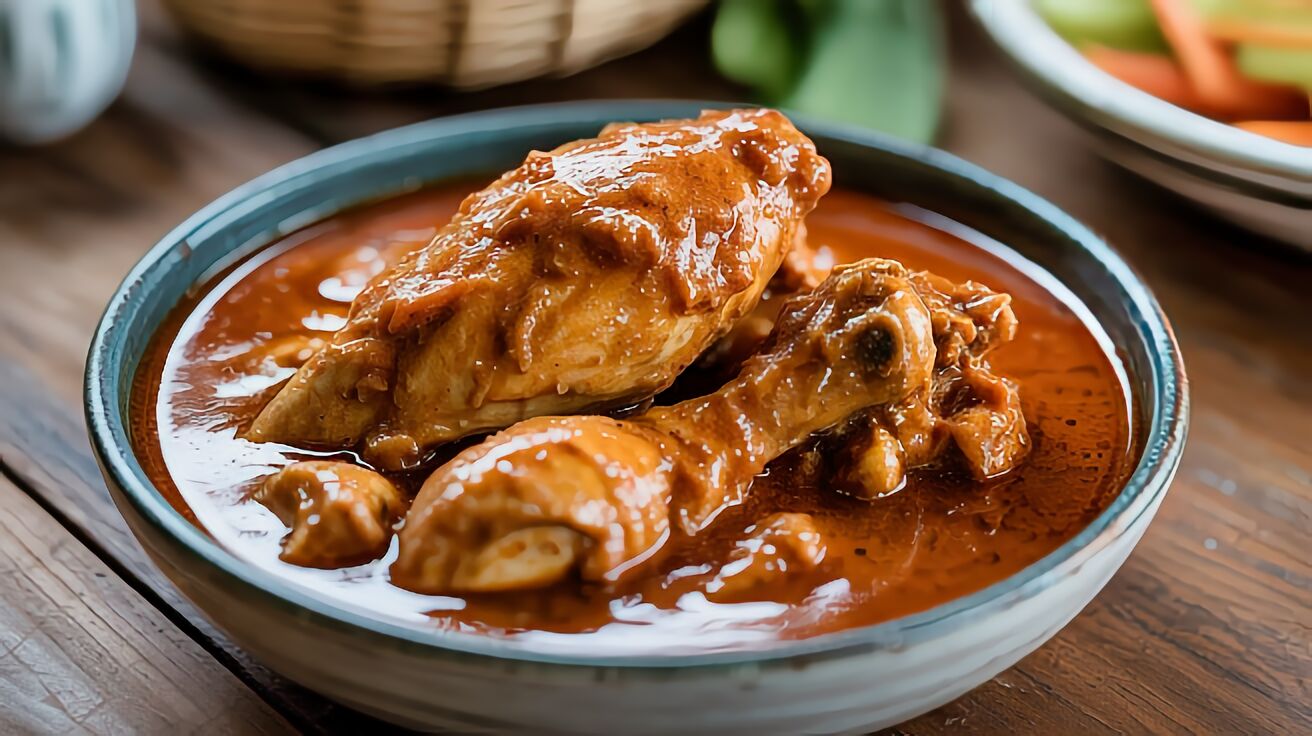
Burmese curry is typically oil-based, with a strong emphasis on garlic, onions, turmeric, and a limited number of spices. The oil often rises to the top, creating a glossy finish, while the flavor remains relatively mild and savory. These curries are usually less spicy and are served with rice and a variety of side dishes that complement the main curry.
Indian curry, by contrast, is known for its complexity and diversity. It often includes a wide range of spices such as cumin, coriander, garam masala, and chili, and may incorporate ingredients like yogurt, cream, or tomatoes. The result is a dish with deeper layers of flavor, varying from region to region, and often more intense in both spice and aroma.
The main difference is simplicity versus complexity: Burmese curry is more straightforward and mellow, while Indian curry is bold, aromatic, and layered.
Choose Burmese curry if you prefer a milder, comforting dish with clean flavors. Go with Indian curry if you want a rich, spice-forward experience with greater depth.
Burmese Chicken Curry Recipe FAQ
1. What makes Burmese curry different from Indian curry?
It uses fewer spices and more oil, creating a simpler, rich flavor.
2. Why is oil important in Burmese curry?
The oil helps preserve the curry and enhances flavor.
3. What ingredients are used in the curry base?
Onions, garlic, ginger, and turmeric are common.
4. Is Burmese chicken curry very spicy?
It is usually mild to moderately spicy.
5. What is it served with?
Steamed rice and side dishes.

Burmese Chicken Curry
Ingredients
- 3 lbs chicken free-range, organic deboned chicken thighs (cut into chunks)
- 2 tsp curry powder
- 1 tsp salt
- 1/2 tsp turmeric ground
- 4 tbsp peanut oil
- 1 tsp chilli powder
- 2 tsp paprika
- 2 onions (roughly chopped)
- 4 cloves garlic (roughly chopped)
- 1 tsp ginger fresh (grated)
- 2 tomatoes (chopped)
- 2 tbsp fish sauce
- 1-2 stick lemongrass pounded
Instructions
- Season the chicken: Sprinkle the curry powder, salt, and turmeric evenly over the chicken pieces. Turn the pieces so all sides are lightly coated with the spices. Set the chicken aside while you prepare the onion and spice paste; this gives the seasonings a chance to start penetrating the meat.
- Make the spice paste: Place the onions, garlic, paprika, chili powder, and ginger into a blender or food processor. Blend until the mixture forms a thick, fairly smooth paste, stopping once or twice to scrape down the sides so no large pieces remain. This paste will be the flavor base of the curry.
- Fry the paste: Heat the oil in a deep pan over medium heat. When the oil is hot, add the spice paste. Cook it for about 10 minutes, stirring regularly so it does not catch on the bottom of the pan. The paste should darken slightly in color and smell fragrant as the raw taste cooks out.
- Add and brown the chicken: Add the seasoned chicken pieces to the pan with the fried paste. Increase the heat slightly and cook for a few minutes, stirring and turning the chicken so it is well coated. Continue until the outside of the chicken begins to brown lightly and the paste clings to the pieces.
- Add tomatoes and cook: Stir in the tomatoes and mix thoroughly so they combine with the chicken and spice mixture. Cook for a further 5 minutes, stirring occasionally, until the tomatoes begin to break down and form a thicker, saucy base around the chicken.
- Add water, lemongrass, and fish sauce: Pour in 1½ cups of warm water, or just enough to cover the chicken pieces. Add the lemongrass and fish sauce. Stir well so the liquid, aromatics, and chicken are evenly mixed, then bring the contents of the pan up to a gentle simmer.
- Simmer until the chicken is tender: Reduce the heat to low and partially cover the pan with a lid. Let the curry simmer very gently for at least 30 minutes, stirring from time to time. The chicken should become tender and the flavors in the sauce will develop as it cooks slowly.
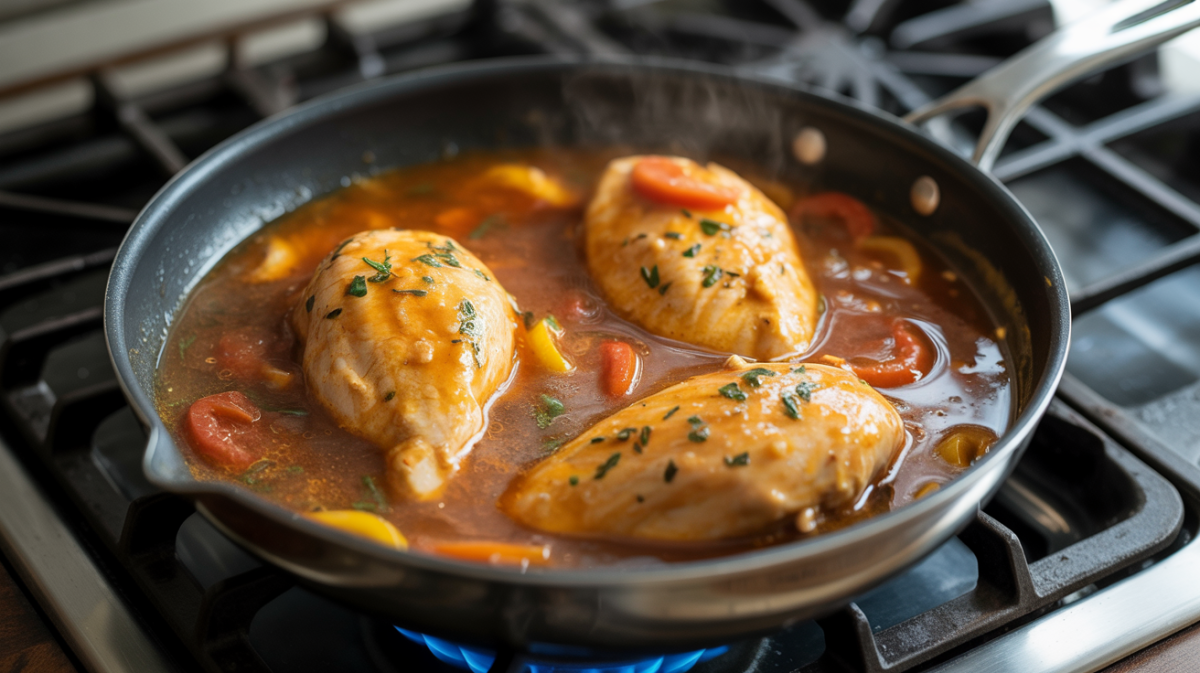
- Reduce the sauce and finish: Remove the lid and continue to simmer for another 10–15 minutes to allow the sauce to reduce and thicken to your preferred consistency. Remove (fish out) the lemongrass stalks. Taste the curry, adjust the seasoning if needed, and serve hot.
Video

9 comments
Does the mildness of Burmese curry really keep the rich flavors of the regional ingredients intact? Or does it mute them?
Interesting read on Burmese curry! Wondering, could the regional influence extend to the use of meat other than chicken?
Interesting read! Does the mildness of Burmese curry come from regional influence or specific cooking techniques?
Interesting read! Does the regional influence make Burmese curry less spicy than Indian versions? Love the complex flavor profiles discussed here.
Interesting read! But isnt it the unique blend of spices that really sets Burmese curry apart from other Asian curries?
Isnt the Burmese Currys uniqueness due to the regional influences and specific cooking techniques rather than the chicken itself?
Interesting read! But isnt the uniqueness of Burmese curry also influenced by personal cooking styles and individual secret ingredients?
Absolutely, personal touch always spices things up. Every cook has their secret weapon!
Interesting read! Does the mildness of Burmese curry dilute the regional flavor influences? Love to know your thoughts.
Comments are closed.