

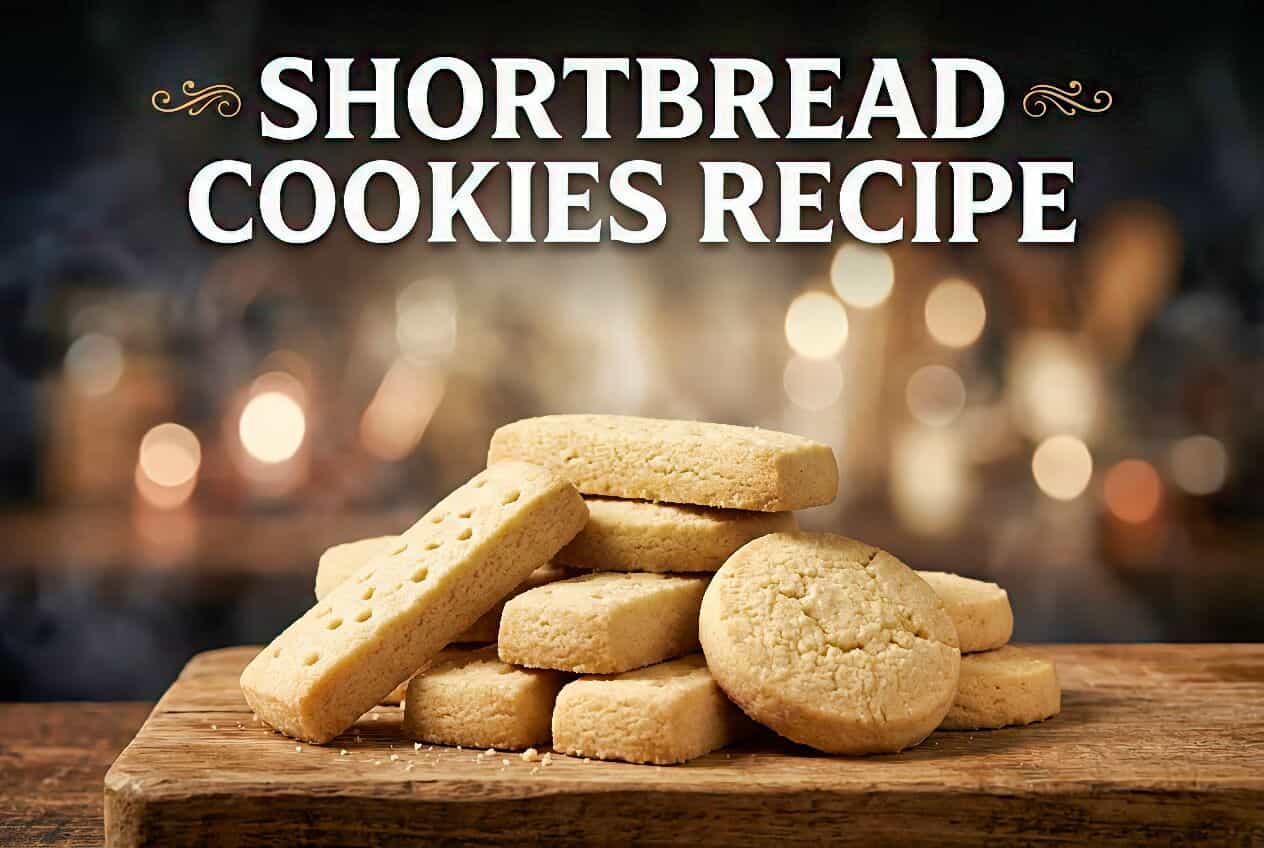
Honestly, Scottish shortbread cookies are one of those rare treats where pantry basics—just flour, butter, and sugar—turn into something way more than the sum of their parts. If you’re after a Scottish Shortbread Cookies recipe that’s as classic as it gets, you’re in the right place. I’ll walk you through the ingredients, techniques, and a few of my favorite tweaks for perfect, crumbly cookies every time.
I reach for this Scottish Shortbread Cookies recipe when I want a treat that’s both easy and impressive (or, let’s be real, when I forgot to plan a gift). Below you’ll find my go-to steps, a few handy tools, and how to keep your cookies fresh—plus some fun ideas for mixing it up.

Essential Shortbread Ingredients and Tools
I keep things pretty minimal. The best Scottish Shortbread Cookies recipe really just needs high-quality butter, fine sugar, and the right flour. No need to overcomplicate it, but a few small choices make a big difference.
Choosing the Right Butter
Always go for unsalted butter so you’re in charge of the salt. For a Scottish Shortbread Cookies recipe that tastes rich and melts in your mouth, use a block of European-style butter if you can swing it. If not, just pick the best butter you can find—skip the margarine, though. That stuff will ruin the texture and flavor. I like my butter cool but not rock solid; it should give a little when you press it.
Understanding Sugar Options
Caster sugar is my top pick—it dissolves fast and gives your Scottish Shortbread Cookies recipe that classic, tender bite. If you can’t find it, pulse regular sugar in a blender. Powdered sugar works for a meltier cookie, but you’ll need to adjust for the cornstarch. Whatever you use, weigh your sugar for consistency. Too coarse, and you’ll get gritty cookies. Not ideal.
All About Flour Selection
I stick with all-purpose flour for my Scottish Shortbread Cookies recipe because it’s reliable and gives that perfect crumb. Want a softer cookie? Try swapping in a little rice flour or cornstarch. Whole wheat adds a bit too much heft for my taste, but hey, experiment if you’re feeling bold. Always sift your flour; it helps the dough come together without lumps.
Must-Have Baking Equipment
You don’t need anything fancy. A big mixing bowl, a wooden spoon, and a flat baking sheet are enough for this Scottish Shortbread Cookies recipe. Parchment paper is a lifesaver for cleanup. I’m a fan of using a kitchen scale for accuracy—worth the small investment. A bench scraper keeps edges neat, and a fork for docking is classic. If you want perfectly even fingers, a ruler helps, but eyeballing it works too.
If you’re serious about cookies, an oven thermometer is handy—shortbread bakes best at a gentle heat. A cooling rack is good for keeping the bottoms crisp.

Authentic Baking Techniques
For this Scottish Shortbread Cookies recipe, I keep things chill—literally. Cold butter, gentle mixing, and careful shaping are the secrets to the best texture.
Mixing and Forming the Shortbread Dough
I toss cold, cubed butter into the sifted flour and sugar. I mix with my hands or a pastry cutter until it looks like coarse crumbs—don’t overwork it. If the dough seems dry, a splash of cream or an egg yolk can help, but I try to avoid water. I press it into a disc, wrap it up, and chill for at least half an hour. Chilling is key for a Scottish Shortbread Cookies recipe that holds its shape and doesn’t get greasy.
When rolling, I sandwich the dough between parchment sheets to skip the extra flour. Less mess, less fuss.
Shaping: Fingers, Petticoat Tails, and Molds
Depending on my mood, I’ll go for fingers, petticoat tails, or use a mold. For fingers, I roll the dough into a log, chill again, and slice. For petticoat tails, I press it into a round tin and score wedges before baking. If I’m feeling fancy, I use a shortbread mold—dust it lightly with flour and chill well so nothing sticks. Shapes don’t change the flavor, but they sure change the vibe.
Baking to Buttery Perfection
I preheat the oven to 325–350°F (160–175°C) and line my sheet with parchment. I watch the color more than the clock; you want pale gold edges and a set surface. Overbake and you’ll get dry cookies; underbake and they’ll be greasy. For thicker shapes, I go lower and slower. Halfway through, I rotate the tray for even color. Once out, I let them rest on the tray a bit before moving to a rack. Molded cookies need a few minutes in the mold before you pop them out.
Cutting and Cooling Tips
I always score petticoat tails before baking so they break apart neatly. If my slices feel soft, I chill them again before baking. Cooling on a rack is non-negotiable—stacking warm cookies is a rookie mistake. Once cool, I layer them with parchment in a tin to keep edges sharp and the crumb crisp. If they get a little stale, five minutes in a 300°F oven brings them right back.

Creative Shortbread Variations and Twists
This Scottish Shortbread Cookies recipe is a blank canvas. I love switching things up—sometimes for flavor, sometimes just for fun.
Simple Shortbread with a Modern Flair
The base is always 1 cup butter, 1/2 cup sugar, 2 cups flour. I cream the butter and sugar just until smooth—don’t overdo it. Chill the dough for half an hour so it bakes up with sharp edges. For a modern twist, I swap in some almond flour (about 25%) for a nutty vibe, or sprinkle flaky sea salt on top before baking. Press the dough into an 8×8 pan for easy bars, or roll and cut for classic rounds. A little vanilla and lemon zest go a long way if you want a brighter flavor.
Want more ideas? Check out my shortbread variations or see this BBC Good Food shortbread guide for inspiration.
Lemon, Chocolate Chip, and Pistachio Creations
I have three go-tos when I want to jazz up my Scottish Shortbread Cookies recipe:
- Lemon: Add a tablespoon each of zest and juice. Glaze with powdered sugar and lemon juice after cooling for a sharp finish.
- Chocolate chip: Stir in 3/4 cup mini chips. Fold gently so you don’t melt the butter. Bake till just golden.
- Pistachio: Fold in 3/4 cup chopped pistachios, saving some for the tops. Swap in a bit of ground pistachio for extra flavor if you want.
Keep an eye on bake time since add-ins can change things up. For more flavor combos, check out lemon shortbread ideas or browse King Arthur Baking’s Scottish Shortbread Cookies recipe.
Decorating and Presentation Ideas
I’m all for easy but impressive decorating. Dip half your cookies in melted chocolate and chill on parchment. Drizzle with a fork if you want stripes. Dust with powdered sugar or brush with lemon glaze for a little shine. Use a cookie stamp or fluted cutter on chilled dough for a pro look. For gifts, stack in wax paper and tie with twine—add a sprig of dried lemon or a few pistachios if you’re feeling extra. Labeling flavors saves confusion, especially if you’re handing out a mix.
For more decorating tips, see my cookie decorating basics or this Sally’s Baking Addiction shortbread guide. And for a deep dive into Scottish traditions, check out 23 Delicious Shortbread Recipes Traditional Scottish.

Step by Step Cooking Instructions
Buttery Shortbread Dessert

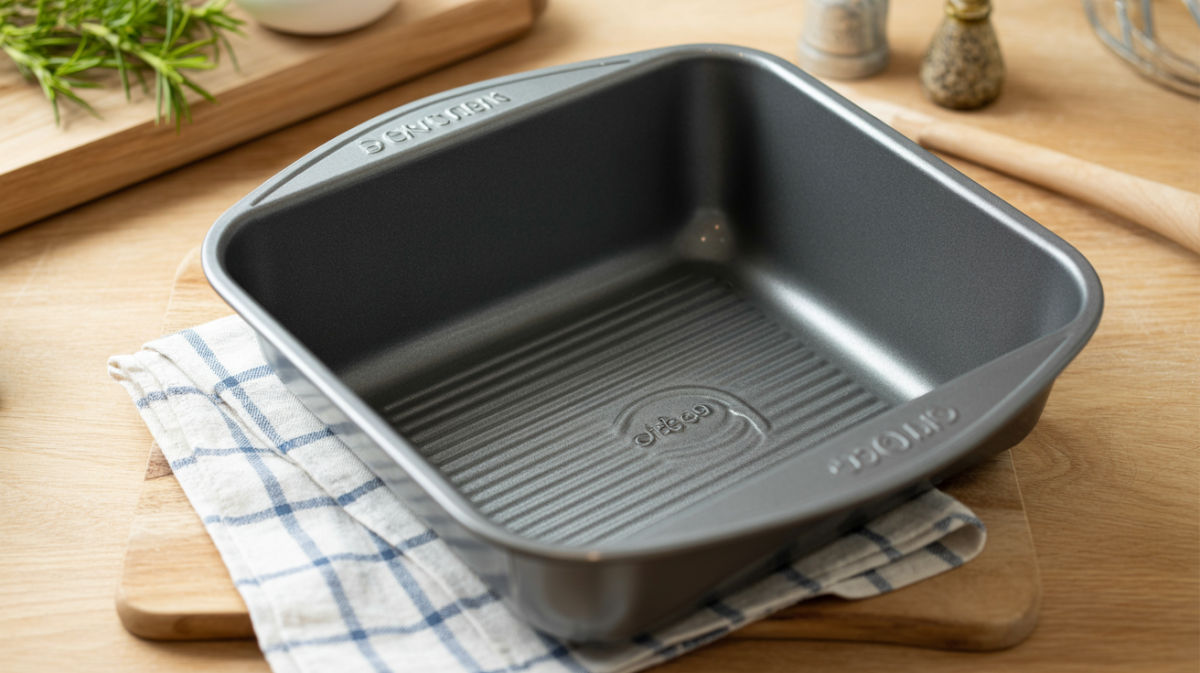
Step 1: Preheat the oven and prepare the pan: Preheat the oven to 350°F. Butter an 8×8-inch or 9×9-inch square baking pan. You can also use a round cake pan and cut the baked shortbread into triangles.
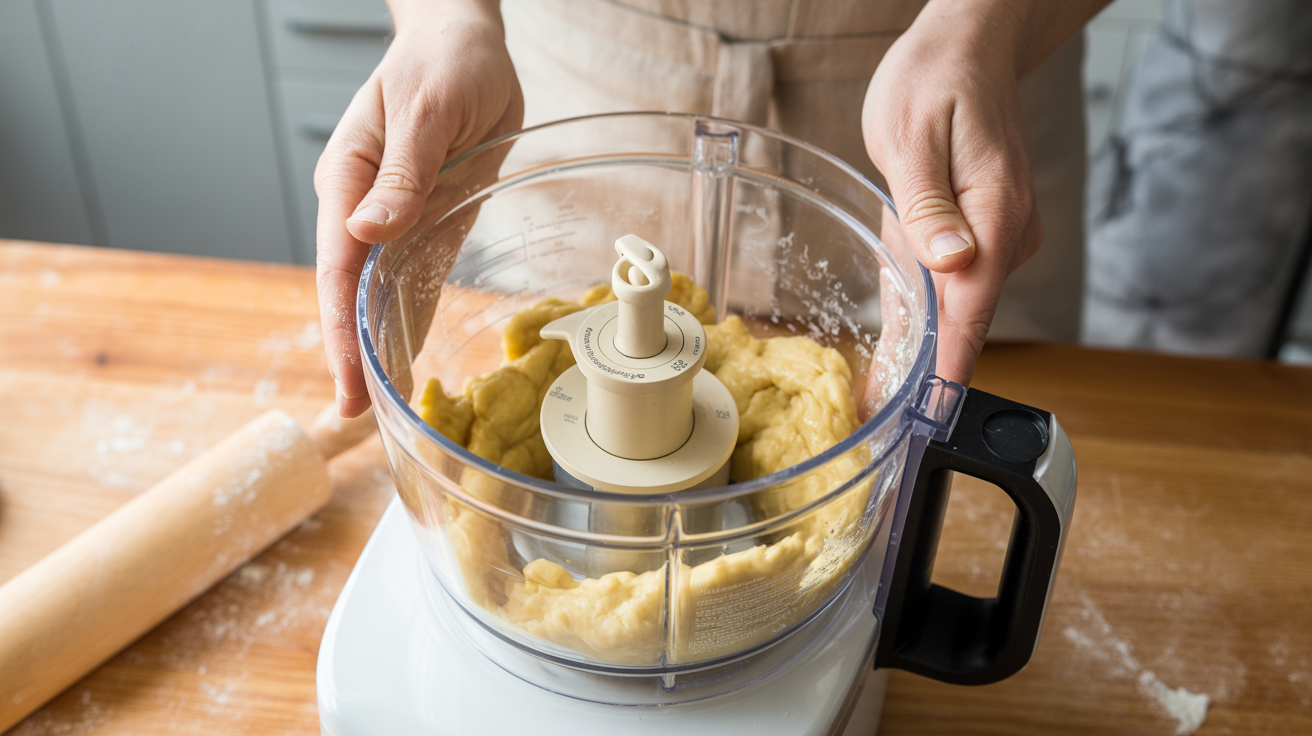
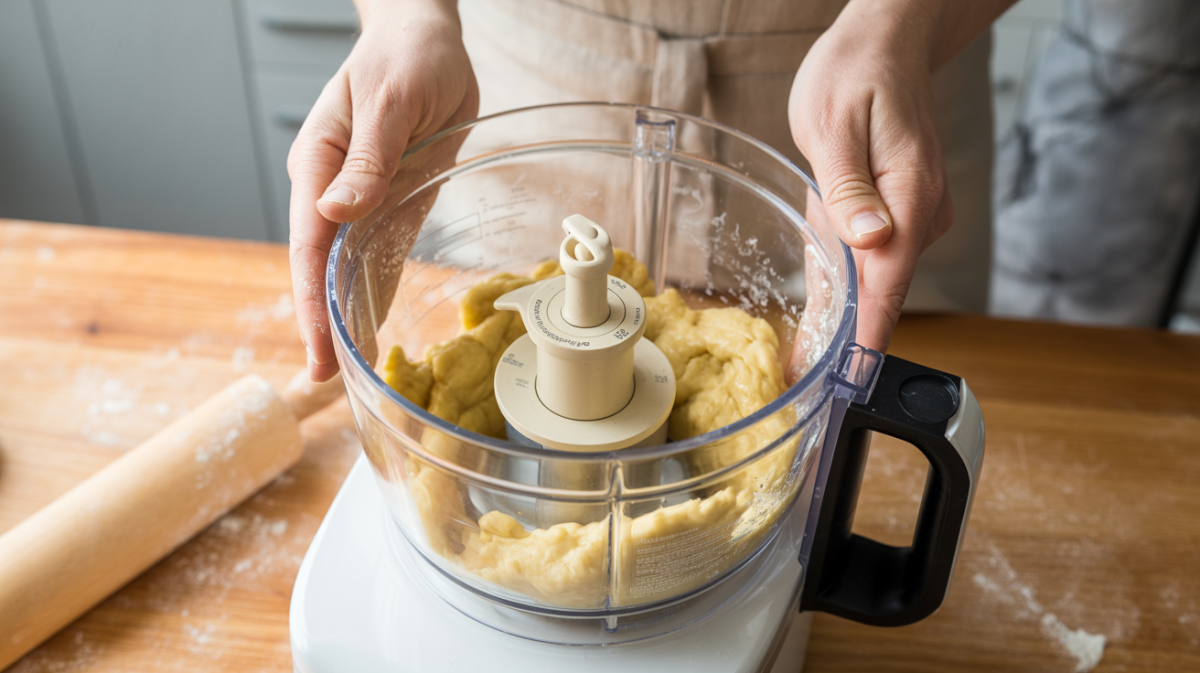
Step 2: Make the dough in the food processor: Add the flour, butter, caster sugar, and salt to a food processor. Pulse until the mixture looks like coarse breadcrumbs but feels soft and pliable, and will hold together as a dough when pressed between your fingers. If the mixture still looks dry and crumbly, continue pulsing a bit longer. If you are using any add-ins, stir them in at this stage.

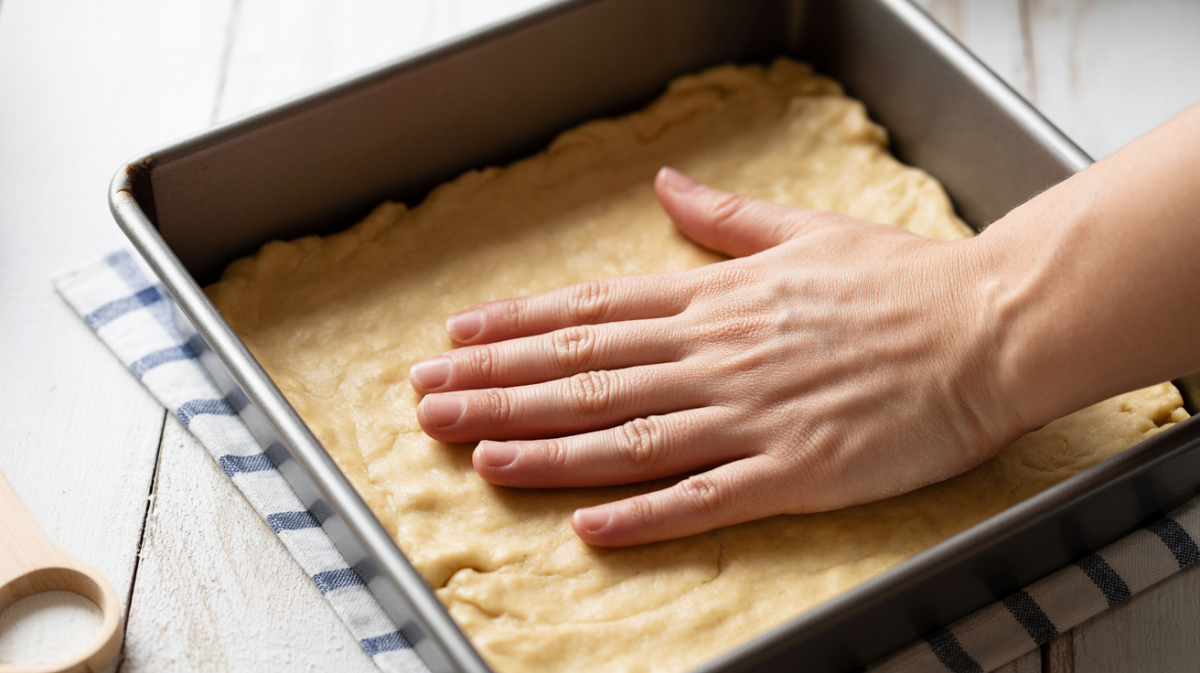
Step 3: Press the dough into the pan: Tip the mixture into the greased baking pan. Use your fingers and hands to press it down firmly and evenly into the pan so it forms a compact layer.

Step 4: Note: If the mixture is too dry to press properly or to prick with a fork later, it was not pulsed long enough in the food processor.

Step 5: Prick and optionally score the surface: Use the tines of a fork to prick the surface of the shortbread in rows. If you like, run a knife lightly between the rows of fork marks to create guides for cutting after baking.
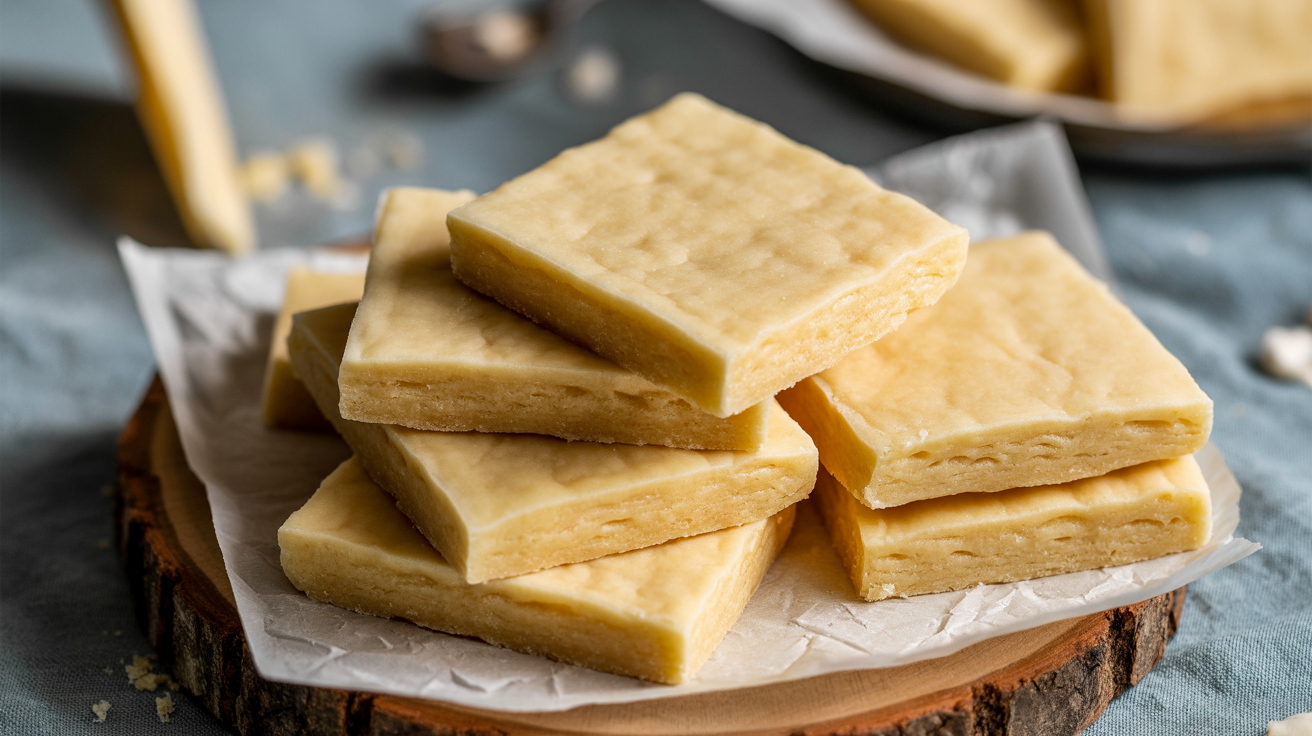
Step 6: As an alternative, you can wait and prick the shortbread immediately after baking while it is still warm; the holes will show more clearly this way, as they can partially close while baking.
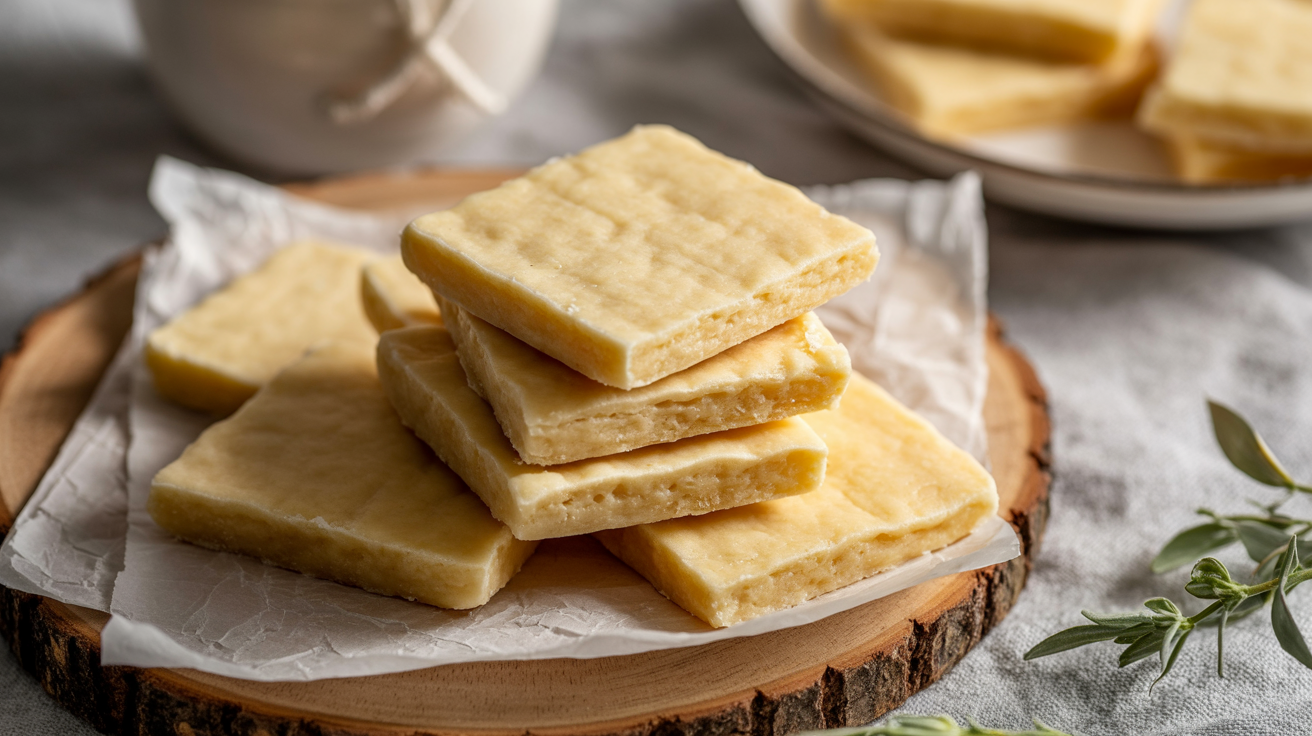
Step 7: Bake and finish the shortbread: Place the pan on the middle oven rack. Bake for 30–35 minutes, or until the shortbread is light golden and firm. Remove from the oven and sprinkle lightly with caster sugar or granulated sugar. Let it cool completely in the pan, then cut into pieces and serve.

Step 8: Store the shortbread: Transfer the cooled pieces to an airtight container. Store in a cool place (not in the refrigerator) for up to several weeks. The flavor and texture improve over time.

Serving, Storage, and Gifting Tips
Let’s keep it practical. Serve shortbread warm or at room temp to let the butter flavor shine. Arrange on a plain plate, maybe with lemon curd or a pot of strong tea. For parties, I pair with mild cheddar and apple slices—trust me, it works. Want to get fancy? Dust with a little powdered sugar or press almonds on top before baking.
Best Ways to Store and Freeze
Shortbread hates moisture. Store cooled cookies in a tin or airtight container at room temp for up to a week. Use parchment between layers so they don’t stick. For longer storage, freeze in a sealed bag—just don’t microwave to thaw or you’ll end up with greasy, sad cookies. Let them come to room temp naturally. For more storage tips, visit Taste of Home’s cookie storage guide or see my cookie storage tips page.
For more on this Scottish Shortbread Cookies recipe, check out my classic shortbread guide or see what Delish has to say about Scottish shortbread. You can also browse more ideas in our holiday cookies roundup and at Food Network’s Scottish Shortbread Cookies recipe.
Gifting Ideas That Wow
I like to wrap up shortbread in little stacks—three to five pieces, sometimes more—tied with twine or tucked into a clear cello bag with a handwritten label. It’s a simple move, but tossing in a tiny card with baking notes (maybe the bake time, your favorite butter brand, or a storage tip) makes the whole thing feel personal. Honestly, those small touches can turn a regular treat into a memorable gift. If you’re looking for more ideas, check out our holiday cookie gift guide or peek at this BBC Scottish Shortbread Cookies recipe for inspiration.
When I’m making a bunch for friends or neighbors, I reach for a shallow box, line it with parchment, and layer the cookies with wax paper. Sometimes I’ll toss in a sprig of rosemary or even a cinnamon stick—just for that subtle scent when they open the box. Mailing them? I always add a little heat pack in winter, and I cushion everything with crumpled paper so the biscuits don’t crumble in transit.
Oh, and for a bit of fun, I’ll slip in a printed note with “Scottish Shortbread Cookies recipe” and a quick serving suggestion, like “Best with black tea.” It’s a nice way to make your gift stand out. If you want more tips, check out our cookie mailing tips or see how others do it on Reddit’s shortbread gifting threads.
Want to master your own Scottish Shortbread Cookies recipe? You can find our tried-and-true version here, or compare it with this King Arthur Baking recipe for another take. Don’t forget to check out our guide to the best butter for shortbread and the shortbread troubleshooting page if you run into any snags. And hey, if you’re really into experimenting, try swapping in a different flour or adding a pinch of sea salt—sometimes the best Scottish Shortbread Cookies recipe is the one you tweak yourself.
Shortbread vs Sugar Cookies
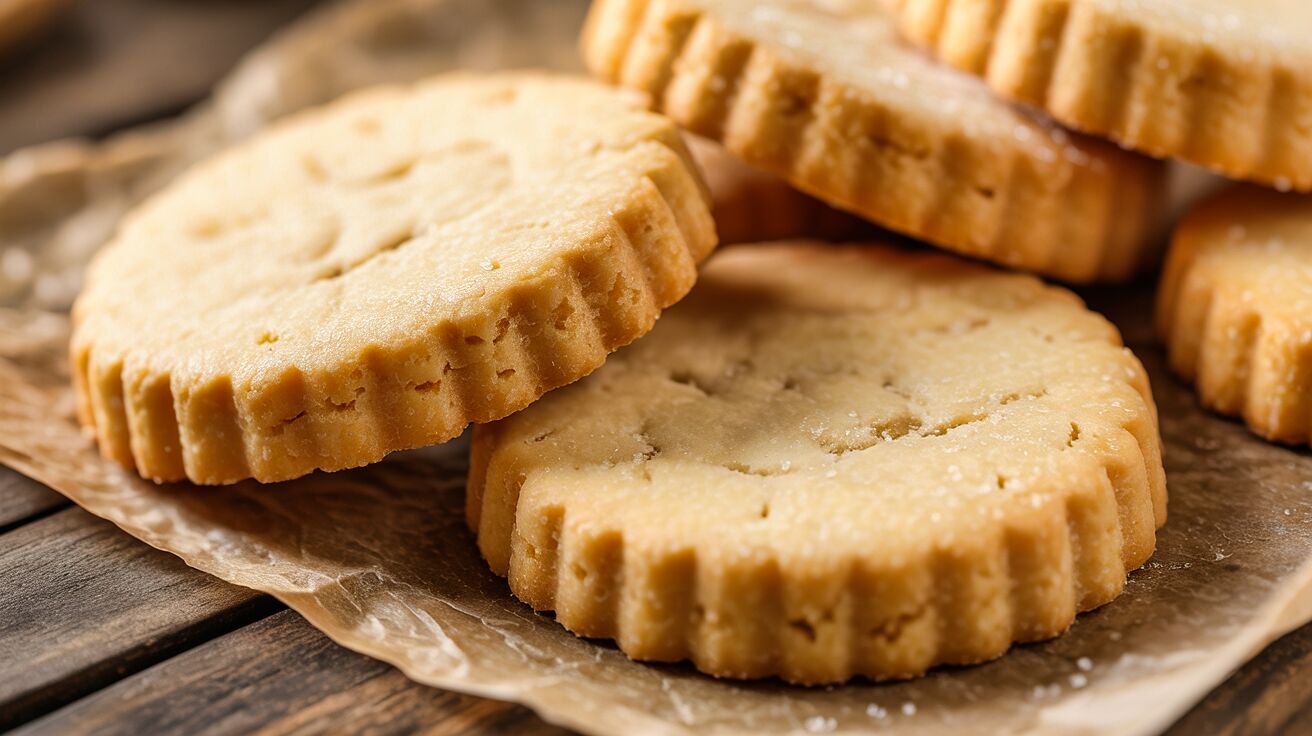
Shortbread and sugar cookies are both popular baked treats, but they differ in ingredients, texture, and versatility. Scottish shortbread is made with a simple combination of butter, sugar, and flour. This creates a rich, crumbly texture with a strong buttery flavor. Shortbread is typically dense and slightly firm, breaking apart easily rather than bending. It’s often served plain or lightly flavored and is a staple of traditional Scottish baking.
Sugar cookies, on the other hand, include additional ingredients such as eggs and baking powder, which give them a softer, more structured texture. They are often rolled out and cut into shapes, making them ideal for decorating with icing or sprinkles. Their flavor is milder, allowing for more customization. The key difference is richness versus versatility: shortbread is dense and buttery, while sugar cookies are softer and more adaptable.
Choose shortbread if you prefer a rich, melt-in-your-mouth cookie with simple ingredients. Opt for sugar cookies if you want a softer cookie that can be shaped and decorated for different occasions.
Scottish Shortbread Cookies Recipe FAQ
1. What gives Scottish shortbread its signature texture?
The high butter content creates a crumbly, melt-in-your-mouth texture that defines traditional shortbread.
2. Why does shortbread have only a few ingredients?
Classic shortbread relies on simplicity—just butter, sugar, and flour—to highlight its rich flavor.
3. How do you prevent shortbread from becoming too hard?
Baking at a lower temperature and not overbaking helps maintain a tender texture.
4. Why is shortbread often pricked with a fork before baking?
Pricking allows steam to escape and helps the cookies bake evenly.
5. Can shortbread be flavored with other ingredients?
Yes, variations often include vanilla, citrus zest, or even chocolate.
Scottish Shortbread Recipe
Ingredients
- 2 1/2 cups all-purpose flour
- 1 cup butter unsalted cubed and softened at room temperature
- 1/2 cup sugar caster or "baker's sugar"
- 1/2 teaspoon salt
Instructions
- Preheat the oven and prepare the pan: Preheat the oven to 350°F. Butter an 8×8-inch or 9×9-inch square baking pan. You can also use a round cake pan and cut the baked shortbread into triangles.
- Make the dough in the food processor: Add the flour, butter, caster sugar, and salt to a food processor. Pulse until the mixture looks like coarse breadcrumbs but feels soft and pliable, and will hold together as a dough when pressed between your fingers. If the mixture still looks dry and crumbly, continue pulsing a bit longer. If you are using any add-ins, stir them in at this stage.
- Press the dough into the pan: Tip the mixture into the greased baking pan. Use your fingers and hands to press it down firmly and evenly into the pan so it forms a compact layer.
- Note: If the mixture is too dry to press properly or to prick with a fork later, it was not pulsed long enough in the food processor.

- Prick and optionally score the surface: Use the tines of a fork to prick the surface of the shortbread in rows. If you like, run a knife lightly between the rows of fork marks to create guides for cutting after baking.

- As an alternative, you can wait and prick the shortbread immediately after baking while it is still warm; the holes will show more clearly this way, as they can partially close while baking.
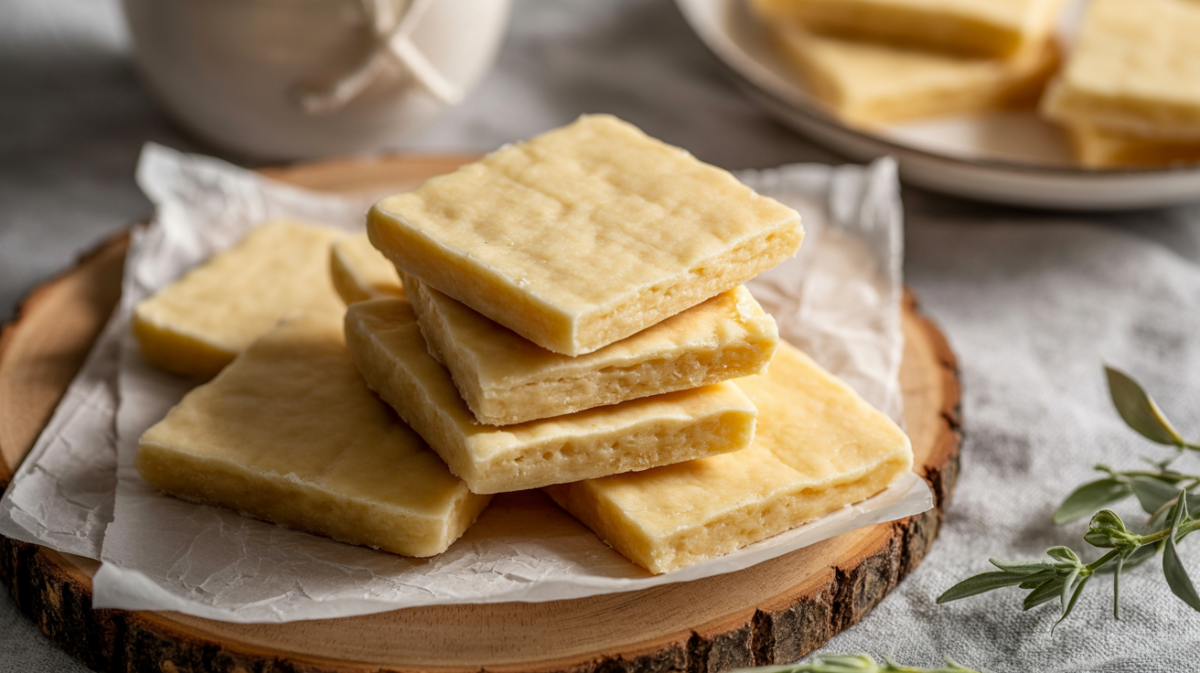
- Bake and finish the shortbread: Place the pan on the middle oven rack. Bake for 30–35 minutes, or until the shortbread is light golden and firm. Remove from the oven and sprinkle lightly with caster sugar or granulated sugar. Let it cool completely in the pan, then cut into pieces and serve.

- Store the shortbread: Transfer the cooled pieces to an airtight container. Store in a cool place (not in the refrigerator) for up to several weeks. The flavor and texture improve over time.

Video


14 comments
Is using brown sugar really necessary for the Scottish Shortbread? Could it affect the cookies classic buttery texture?
Definitely! Brown sugar enhances flavor depth. Dont ruin the classic recipe with substitutes!
Does anyone else think using brown sugar could add an interesting twist to the traditional Scottish shortbread cookie recipe?
Absolutely not! Scottish shortbread is perfect as is. No need to mess with a classic!
So, Im thinking, wouldnt coconut oil be a quirky, healthier twist to the traditional butter in shortbread cookies? Lets shake things up!
Does anyone feel that using brown sugar instead of white might add a richer flavor to these classic Scottish shortbread cookies?
Questioning sugar options here, ever tried honey or maple syrup instead? Could add an interesting twist to the traditional recipe. Thoughts?
Honey or maple syrup? No thanks, traditional sugar is the real deal. No need to fix what isnt broken!
Has anyone tried using brown sugar instead of white for this shortbread recipe? How might it affect the final taste and texture?
Is there a huge difference when using brown sugar instead of white in this shortbread recipe? Curious about the flavor contrast!
Absolutely! Brown sugar adds a rich, caramel flavor that white sugar just cant match!
Ah, butter choice is critical in shortbread, isnt it? Curious, does anyone use brown sugar for a caramel twist?
Does anyone else think using brown sugar might give these shortbread cookies an interesting twist? Just a spontaneous thought!
Does anyone else think brown sugar could impart a richer flavor to these classic shortbread cookies instead of white sugar?
Comments are closed.