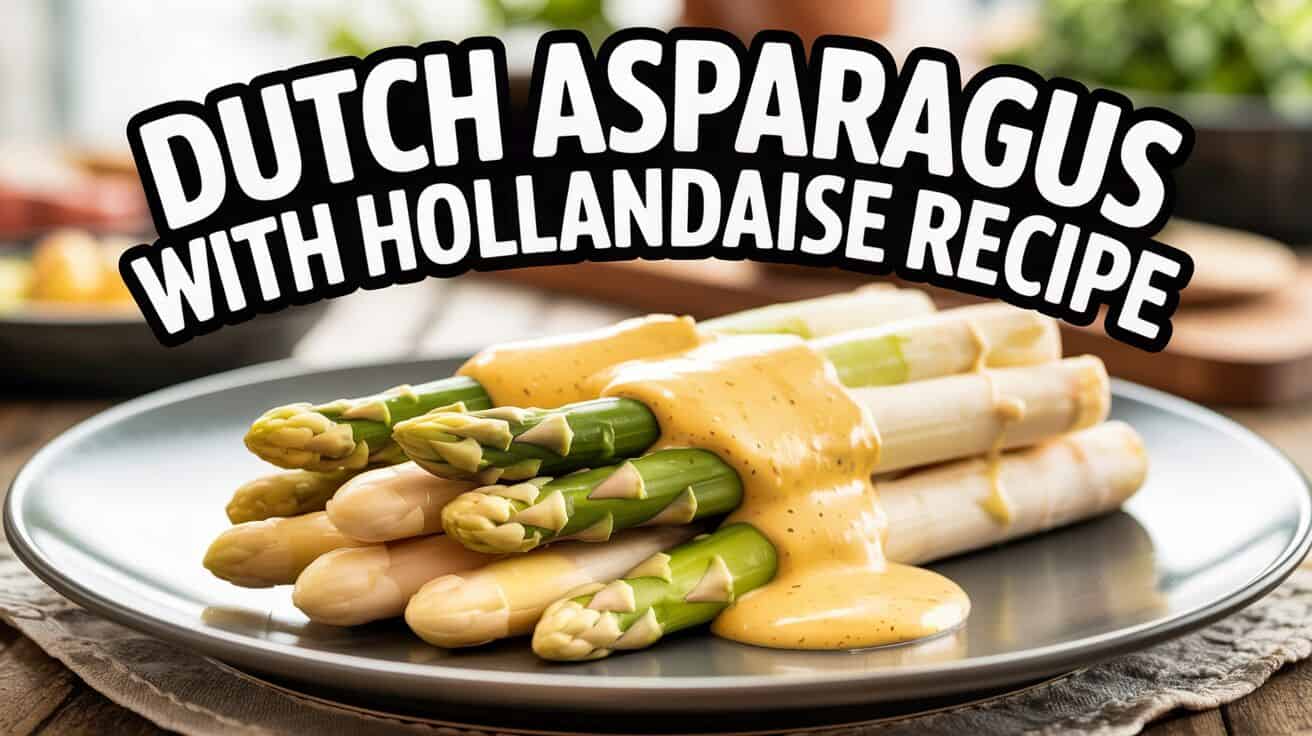
If you’re after a Dutch Asparagus with Hollandaise recipe that actually feels doable—without the drama—let’s get into it. Asparagus spears, when they’re fresh, just need a little love and a silky hollandaise to turn into something you’d crave at a bistro. The sauce? It should cling, taste bright, and never split on you. That’s the goal here.
With a few solid tricks, you can nail both the asparagus and the hollandaise at home—even if you’ve never tried before. I’ll walk you through the must-have ingredients, some easy swaps, and the steps you need for a Dutch Asparagus with Hollandaise recipe that’s actually worth making. Plus, a few serving ideas so you can make it look like you know what you’re doing.
Essential Ingredients and Variations
Let’s talk about picking asparagus, the difference between green and white, and what goes into a classic or vegan hollandaise for your Dutch Asparagus with Hollandaise recipe.
Selecting the Best Asparagus
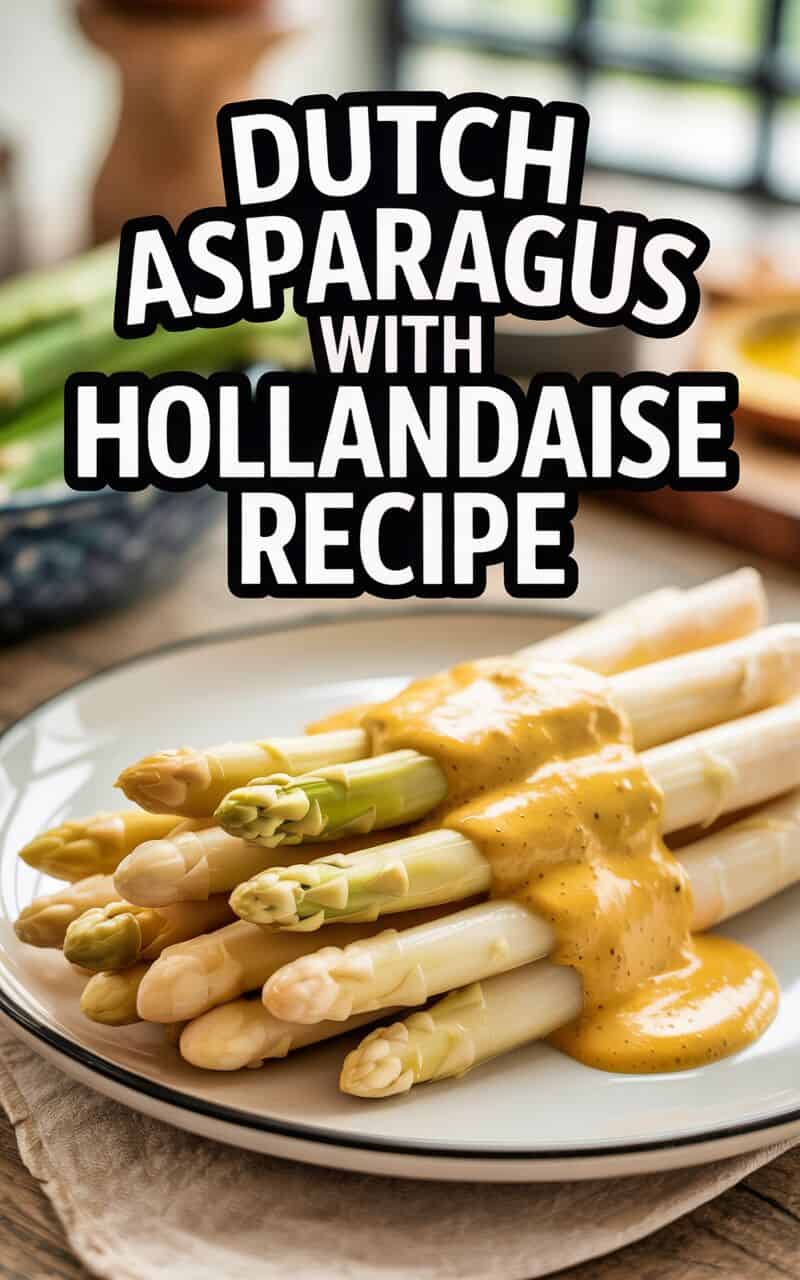
When I’m shopping, I check if the asparagus is firm and the tips are tight. Limp stalks or mushy ends? Pass. Green asparagus should snap and look bright. White asparagus is thicker, paler, and needs peeling—no one likes stringy bits. For the Dutch Asparagus with Hollandaise recipe, freshness makes a huge difference. I group by thickness: thin spears cook fast, thick ones need a bit more time or peeling. At home, I keep them upright in a jar with some water in the fridge, or wrap them damp in plastic. They’ll last a few days like that.
Types of Asparagus: Green and White
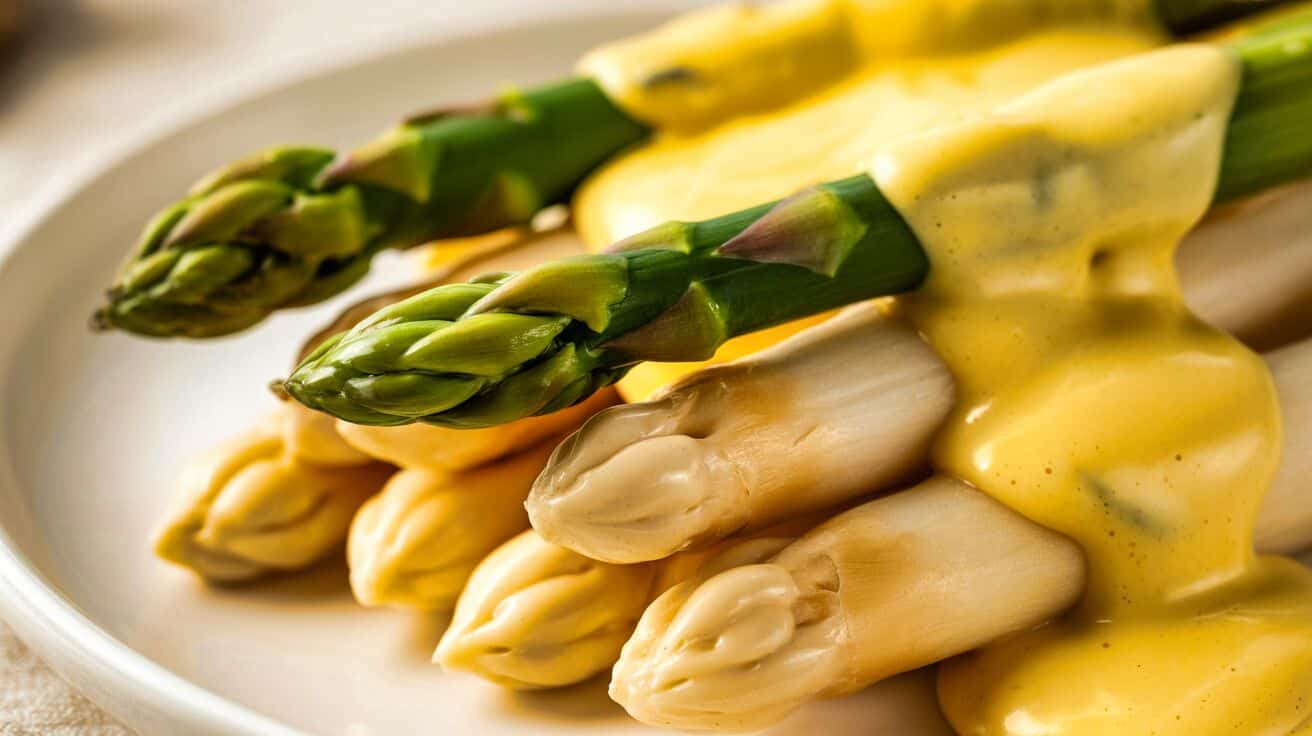
Green asparagus is grassy, a little sweet, and cooks up quickly—great for roasting or a quick blanch. White asparagus, grown without sunlight, is more subtle and needs peeling. For the Dutch Asparagus with Hollandaise recipe, white is the classic, but green totally works. I steam or blanch green spears for just a few minutes, but white needs longer. Roasting white asparagus at a lower temp keeps it from drying out. The Dutch Asparagus with Hollandaise recipe really shines with white spears and that rich, lemony sauce, though green stands up to bolder flavors if you’re feeling creative.
Key Ingredients for Traditional and Vegan Hollandaise
For a classic hollandaise, I use egg yolks, unsalted butter (clarified is best), fresh lemon juice, and a pinch of cayenne or white pepper. My go-to ratio: 3 yolks, half a cup of butter, and a teaspoon or so of lemon juice. Warm the butter, then slowly whisk it into the yolks. If you want to mix it up, toss in some Dijon or fresh tarragon. For a vegan version, I swap in silken tofu or aquafaba, melted vegan butter, lemon, and a touch of nutritional yeast. Blend it all gently—no one wants broken sauce. For the Dutch Asparagus with Hollandaise recipe, either version works, just keep it warm, not hot, so it doesn’t separate.
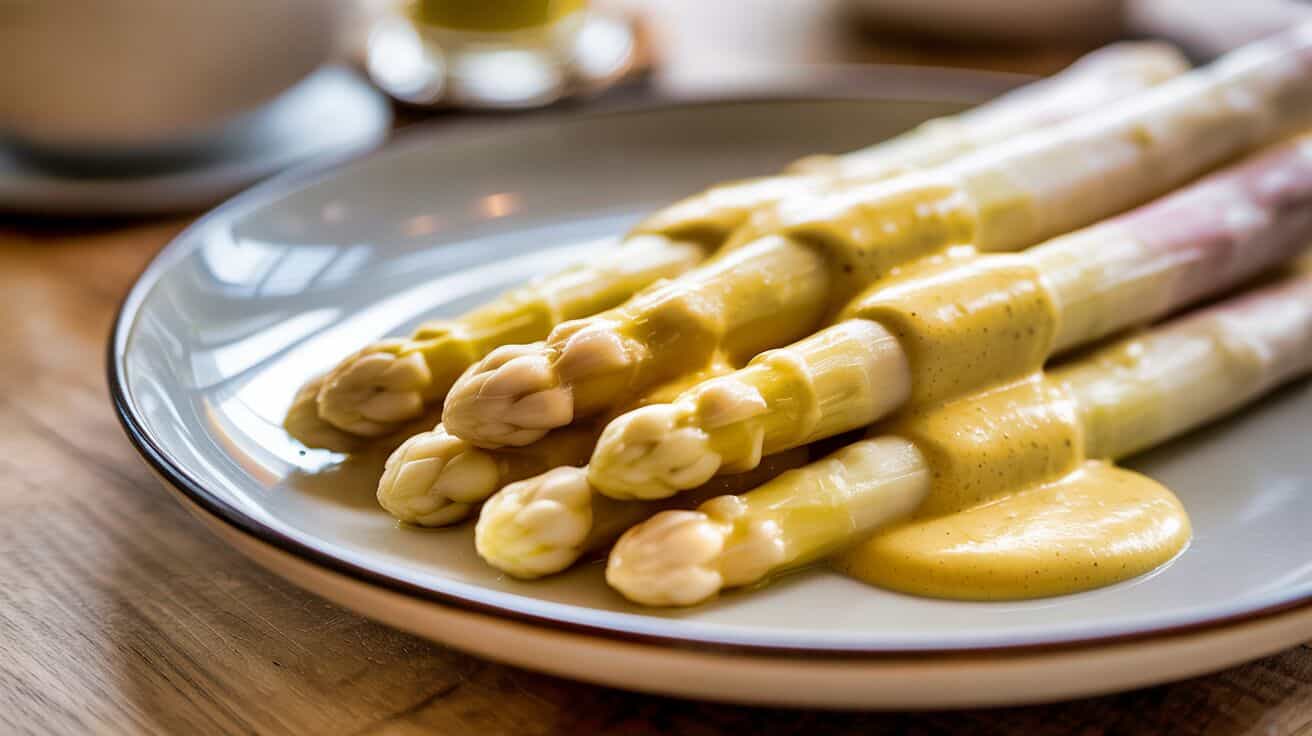
Classic Dutch Asparagus with Hollandaise recipe usually means peeled white asparagus, a glossy sauce, and maybe some boiled new potatoes on the side. I like a sprinkle of parsley or chives, too.
Step-By-Step Preparation Guide
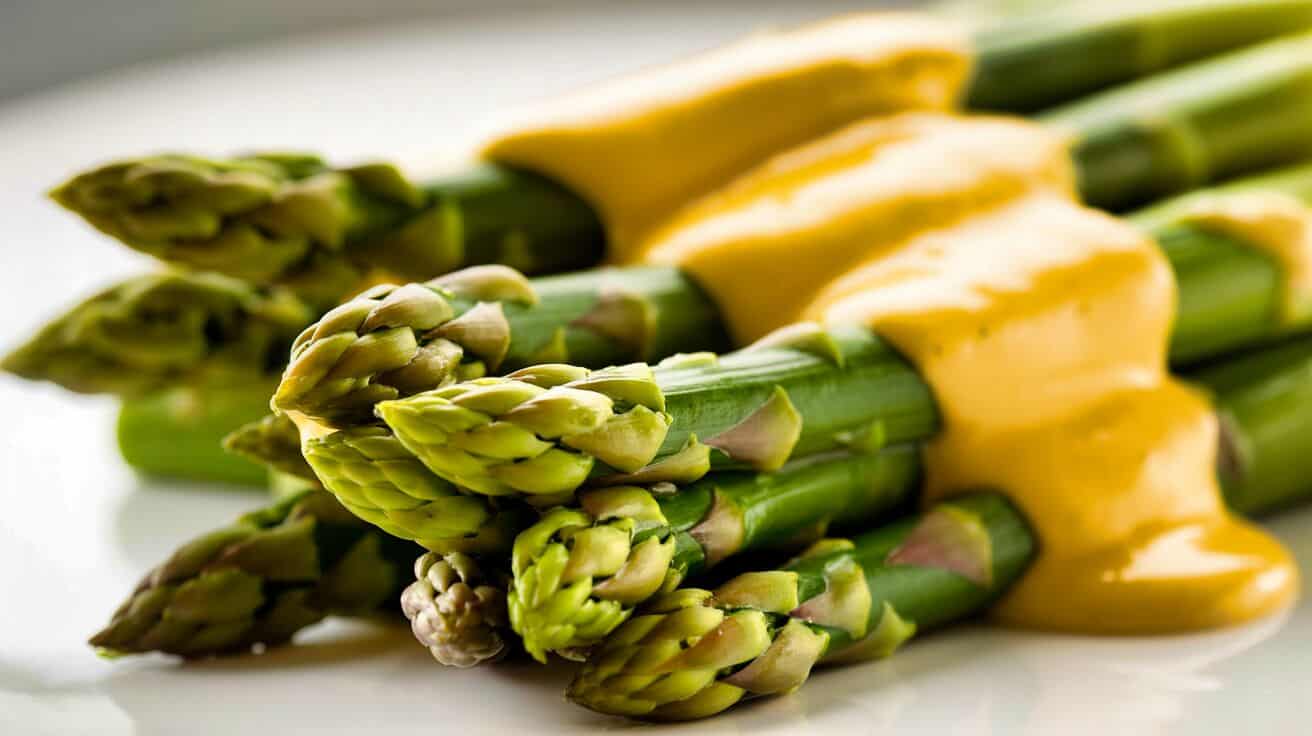
Perfect Vegan Side Dish for Dinner
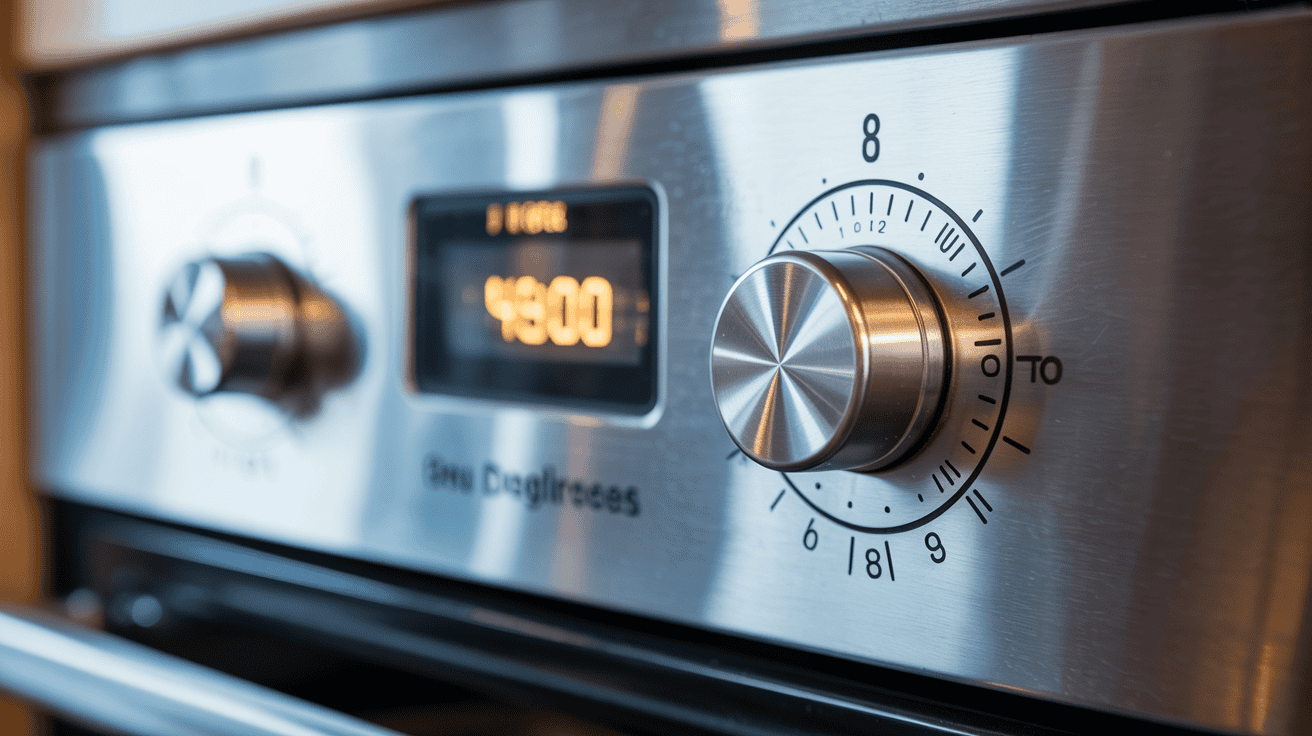
Step 1: Preheat oven to 400°F.
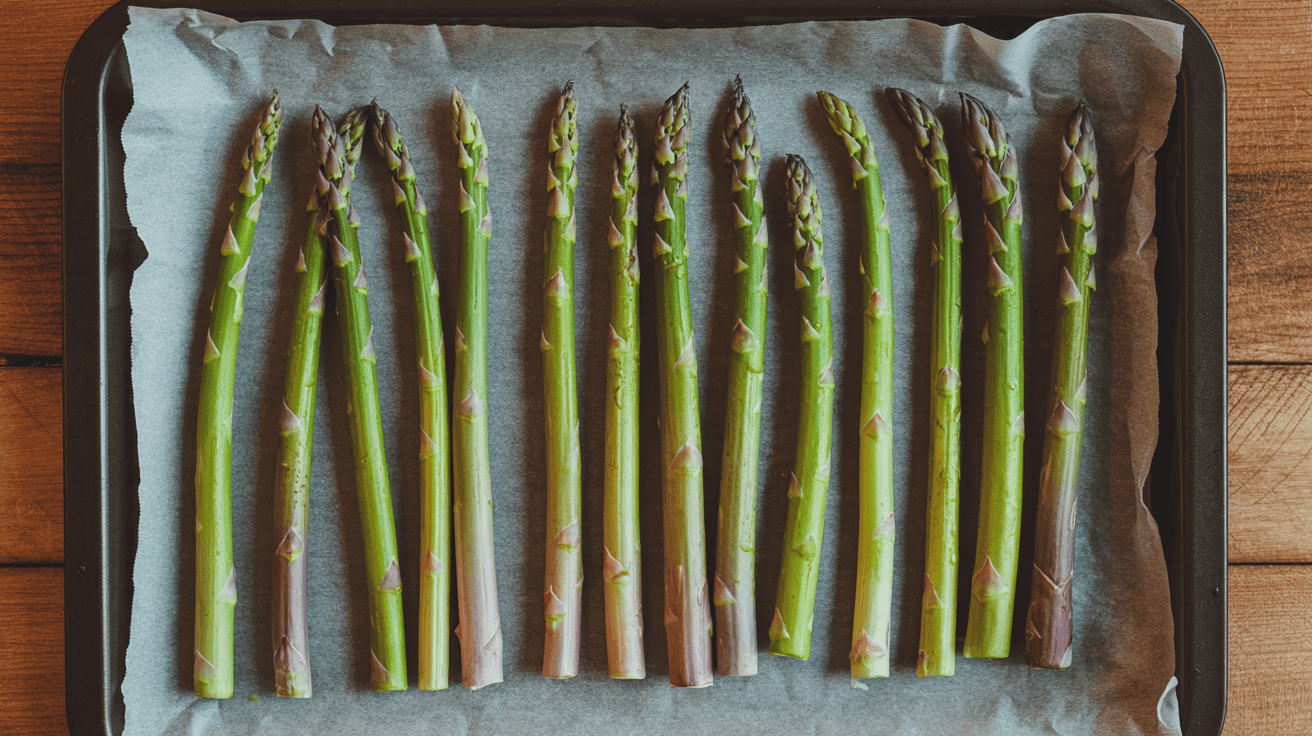
Step 2: Arrange the trimmed asparagus on a baking sheet in a single layer and roast for 15-20 minutes, or until tender and lightly browned.
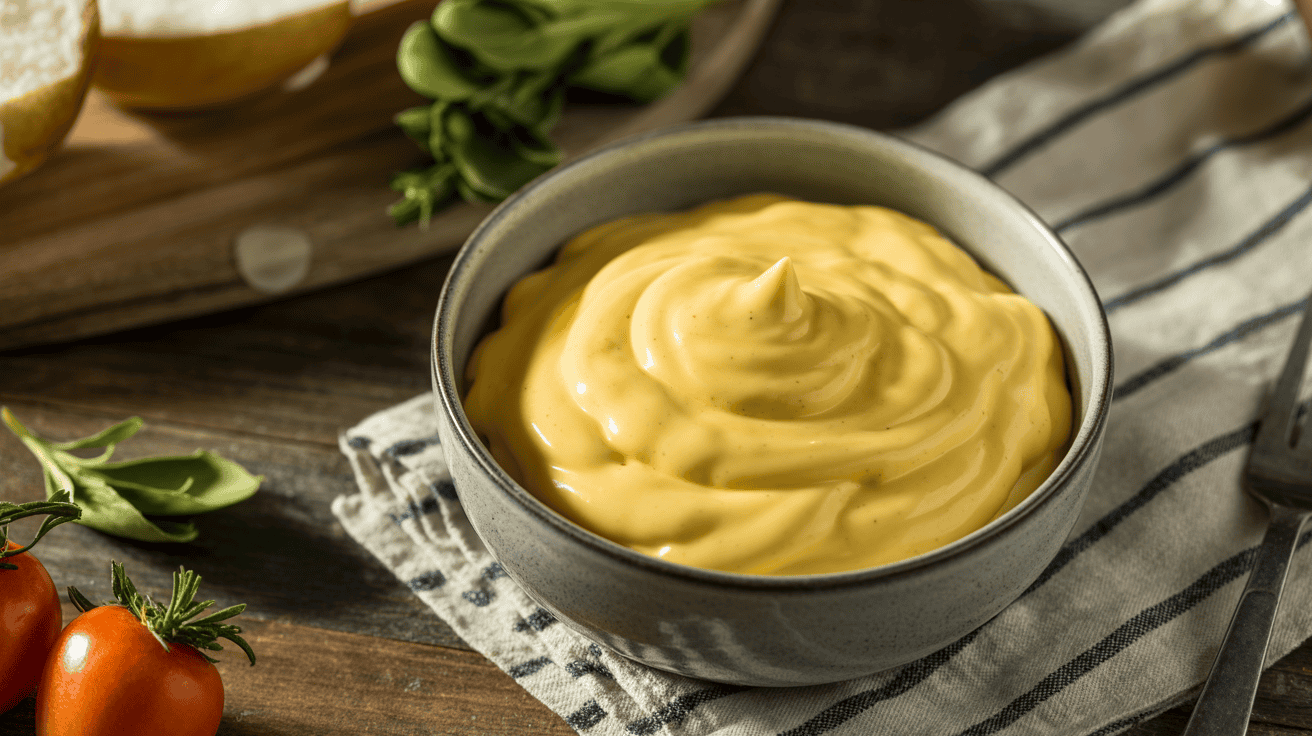
Step 3: While the asparagus is roasting, prepare the vegan hollandaise sauce.
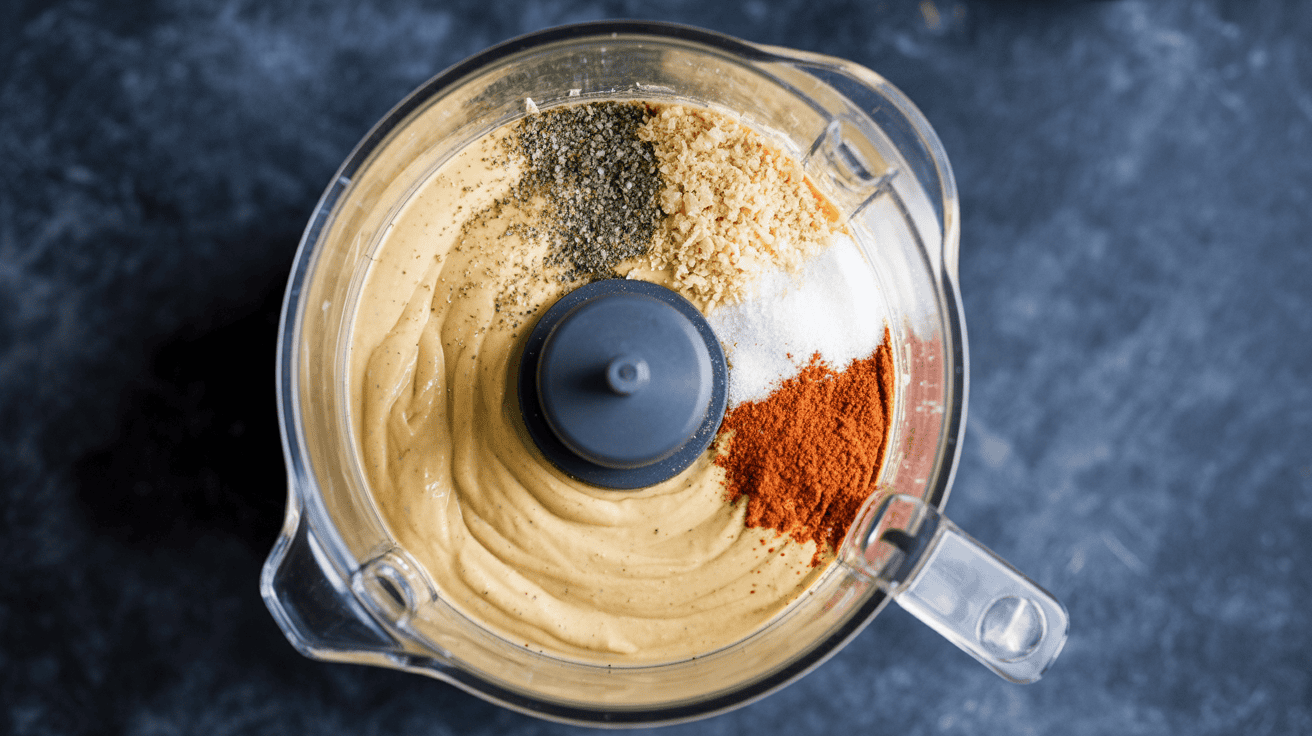
Step 4: Drain the soaked cashews and add them to a blender along with the lemon juice, Dijon mustard, nutritional yeast, garlic powder, onion powder, salt, and pepper. Blend until smooth, adding water as needed to achieve a creamy consistency.
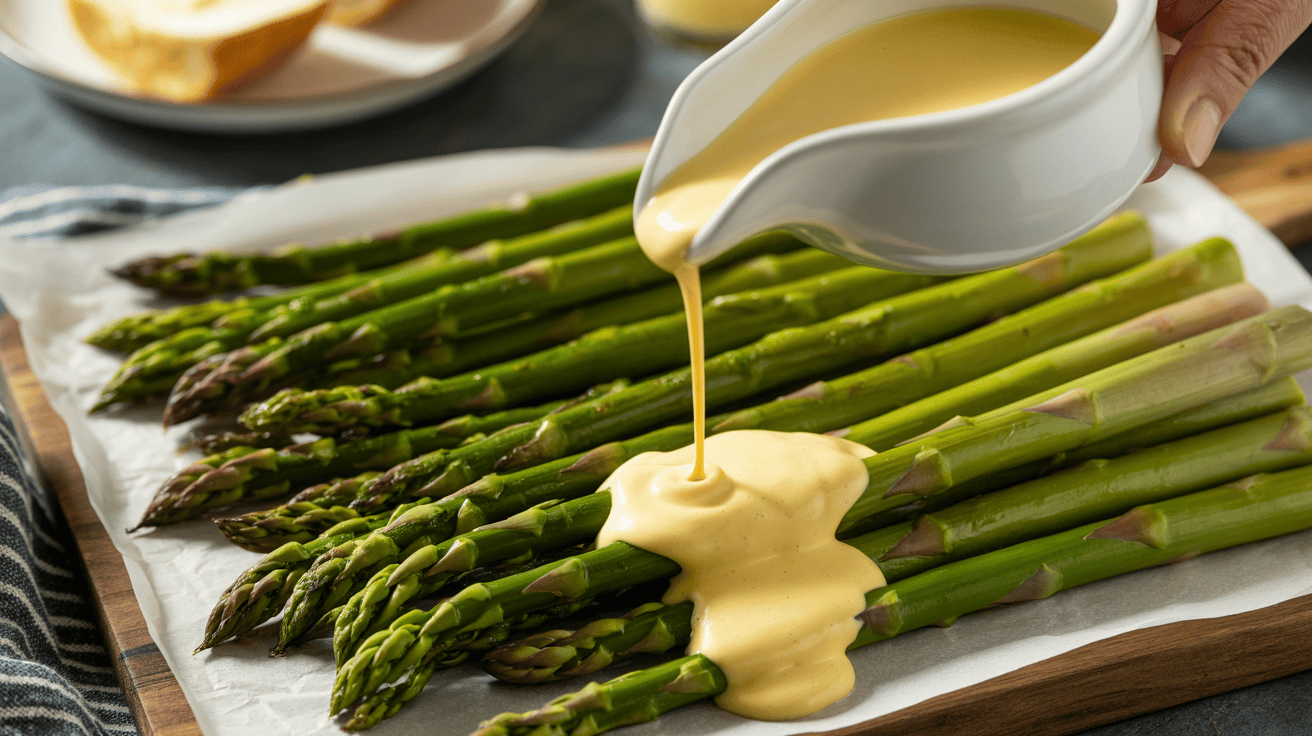
Step 5: Once the asparagus is roasted, transfer it to a serving platter and drizzle with the vegan hollandaise sauce.
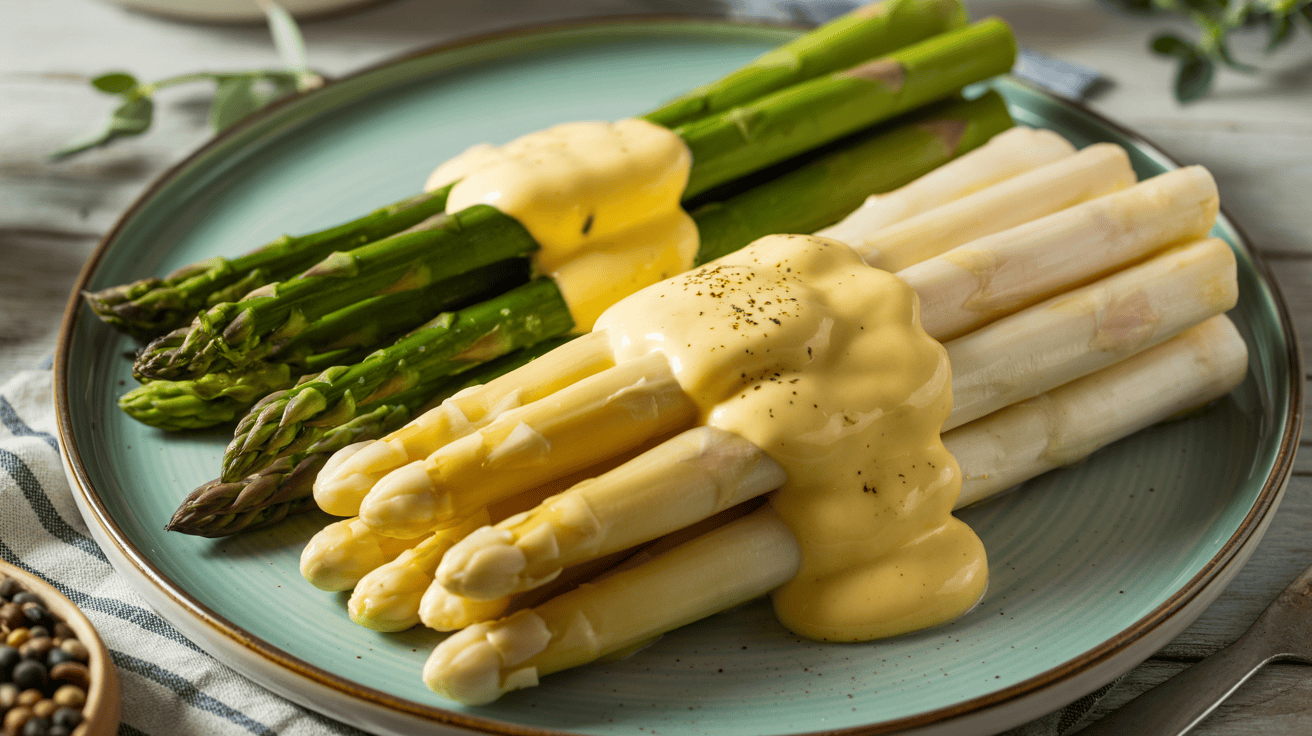
Step 6: Serve immediately and enjoy!
Prepping and Cooking Asparagus
Snap or cut off the woody ends—about an inch or so. Rinse and dry. Group similar sizes so nothing overcooks. Thin spears? Three to five minutes. Medium? Six to eight. Thick? Closer to twelve. For roasting, I go 425°F (220°C) for about ten minutes, with just olive oil, salt, and pepper. If I’m steaming or blanching, salted water does the trick—just until they’re bright and tender-crisp. Ice bath after, then dry them off. For the Dutch Asparagus with Hollandaise recipe, you want them just tender, not mushy.
I check doneness with a fork—there should be a little resistance. Once they’re ready, I keep them on a warm plate while I whip up the sauce. No one likes soggy asparagus.
Making Classic and Blender Hollandaise Sauce
For classic hollandaise, I whisk three yolks with a bit of lemon juice over gentle heat. When it thickens, I slowly pour in warm clarified butter, always whisking. Season with salt and cayenne. If it looks like it’s about to break, a splash of warm water usually saves it. Blender hollandaise is way easier—blend yolks, lemon, cayenne, salt, then drizzle in melted butter until it thickens. Add a spoonful of warm water if it needs loosening. For the Dutch Asparagus with Hollandaise recipe, both methods work. Just don’t let the sauce get too hot or it’ll split.
Serving Asparagus with Warm Hollandaise
I lay the asparagus on a warm platter, then spoon hollandaise right down the middle. Let it pool a little for dipping. Sometimes I add chives or smoked paprika on top. If I’m serving a crowd, I put the sauce in a warm bowl on the side—let people help themselves. To keep the hollandaise warm, I use a water bath or a low oven for a few minutes. Leftovers? Gently rewarm over a bain-marie, whisking until smooth. For the Dutch Asparagus with Hollandaise recipe, serving warm is key.
Serving Suggestions and Creative Twists
The Dutch Asparagus with Hollandaise recipe can look fancy or super casual, depending on how you plate it. Here are some ideas if you want to mix things up or just make it look a little special.
Traditional Plating Methods
I like to bundle up six or eight spears per person, tips all facing the same way, and then drizzle two or three tablespoons of hollandaise right down the center. Warm plates help keep the sauce glossy. If you want to get fancy, tie the bundle with a blanched chive or a strip of prosciutto. Finish with flaky salt, black pepper, and a little lemon zest. For family-style, just pile the spears on a platter and keep extra hollandaise in a warm bowl. The Dutch Asparagus with Hollandaise recipe really shines with these little touches.
Grilled and Roasted Asparagus Options
For grilled asparagus, I toss the spears with olive oil, season, and grill them for a few minutes until they get nice char marks. Roasting? Same deal—one layer, hot oven, ten to fourteen minutes. When you’re ready, pour the hollandaise just before serving so the texture stays spot on. Sometimes I’ll add smoked paprika to the sauce or a drizzle of browned butter for extra flavor. Thicker spears are better for grilling; thin ones I’ll steam or blanch, then maybe finish under the broiler. The Dutch Asparagus with Hollandaise recipe honestly works so many different ways, and it’s hard to mess up once you know the basics.
Pairings and Presentation Tips
When I put together a Dutch Asparagus with Hollandaise recipe, I like to match it with protein and starches that cut through the richness. Some go-tos? Poached or soft-boiled eggs (usually 2 eggs for every 6–8 spears), roasted salmon fillets, or maybe a pan-seared steak if I’m feeling indulgent. For the starch, boiled new potatoes tossed in butter and parsley, or a herby rice pilaf, both work well with the Dutch Asparagus with Hollandaise recipe.
For plating, I like to play with color and crunch. Scatter some halved cherry tomatoes, a few shavings of Parmesan, or crisped pancetta bits—these make the Dutch Asparagus with Hollandaise recipe pop on the plate. Lemon wedges and a spoonful of horseradish or Dijon on the side are great for anyone who wants a little extra zing. If it’s a family-style meal, I’ll label the warm parts (sauce, proteins) so everyone knows to build their Dutch Asparagus with Hollandaise recipe plate right away.
Quick checklist (because I always forget something):
- Warm up plates and that dreamy sauce
- 6–8 spears per person (seems about right)
- 2–3 Tbsp Hollandaise per serving—don’t skimp
- Finish with something bright and zesty
- Protein and starch, ready to go for your Dutch Asparagus with Hollandaise recipe
Honestly, whether it’s grilled or steamed, this Dutch Asparagus with Hollandaise recipe just works best when you nail the timing and throw in a little contrast. I’m not sure there’s a better way to show off spring asparagus than with this classic Dutch Asparagus with Hollandaise recipe. Give it a try—maybe you’ll end up loving it as much as I do. If you ask me, the Dutch Asparagus with Hollandaise recipe deserves a spot at every spring table.
Dutch Asparagus with Hollandaise vs Steamed Asparagus
Dutch asparagus with hollandaise and steamed asparagus both highlight the natural flavor of asparagus, but they differ greatly in richness and presentation.
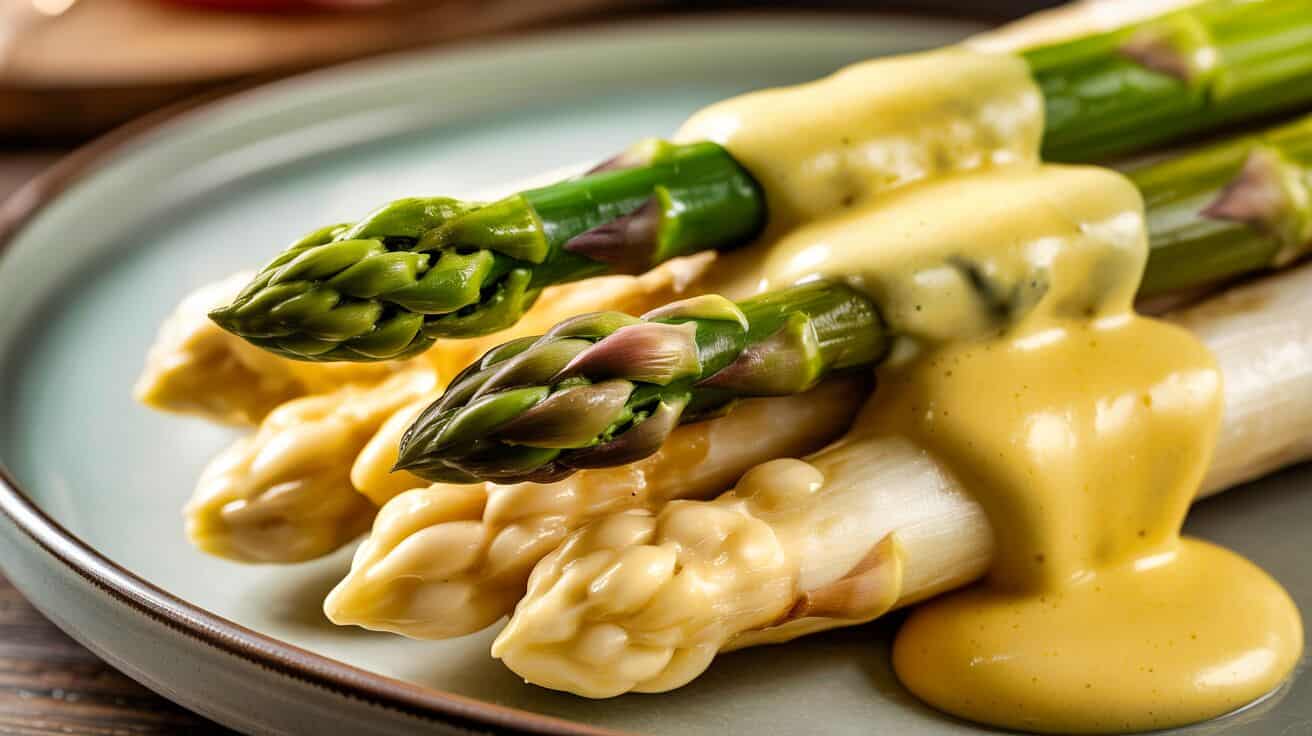
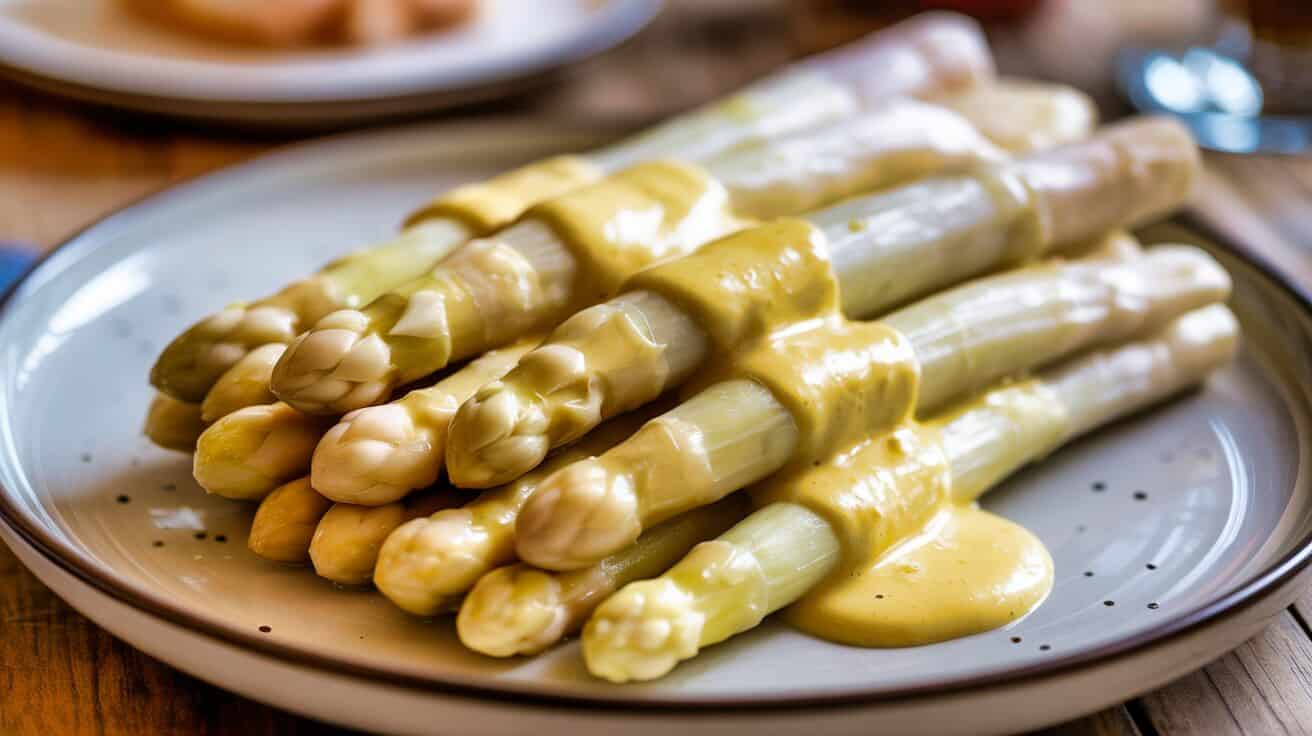
Dutch asparagus with hollandaise typically uses white asparagus, which is more tender and mild than green varieties. It is gently cooked and served with a rich hollandaise sauce made from butter, egg yolks, and lemon juice. This combination creates a luxurious dish with a creamy, slightly tangy finish. It is often enjoyed as a seasonal specialty in spring and may be served with ham or eggs for a more complete meal.
Steamed asparagus, on the other hand, is a much simpler preparation. The asparagus is lightly cooked to preserve its natural flavor and texture, sometimes finished with a touch of salt, olive oil, or lemon. The focus is on freshness and minimal interference.
The main difference is indulgence versus simplicity: asparagus with hollandaise is rich and decadent, while steamed asparagus is light and clean.
Choose the Dutch version if you want a more indulgent, restaurant-style dish. Go with steamed asparagus if you prefer a lighter, healthier option that highlights the vegetable itself.
Dutch Asparagus with Hollandaise Recipe FAQ
1. Why are white asparagus used in Dutch recipes?
White asparagus are prized for their delicate, slightly sweet flavor and tender texture.
2. How are white asparagus prepared before cooking?
They are carefully peeled to remove the tough outer layer before boiling.
3. What makes hollandaise sauce a good pairing?
Its rich, buttery flavor complements the mild taste of asparagus.
4. Is this dish considered seasonal?
Yes, it’s traditionally served during asparagus season in spring.
5. What else is served with asparagus and hollandaise?
Ham, eggs, or potatoes are often included.
Dutch Asparagus with Vegan Hollandaise Sauce
Ingredients
- 2 pounds Dutch asparagus, trimmed
- 1 cup raw cashews, soaked overnight
- ¼ cup fresh lemon juice
- 1 tbsp Dijon mustard
- 2 tbsp nutritional yeast
- ½ tsp garlic powder
- ½ tsp onion powder
- Salt and pepper to taste
Instructions
- Preheat oven to 400°F.
- Arrange the trimmed asparagus on a baking sheet in a single layer and roast for 15-20 minutes, or until tender and lightly browned.
- While the asparagus is roasting, prepare the vegan hollandaise sauce.
- Drain the soaked cashews and add them to a blender along with the lemon juice, Dijon mustard, nutritional yeast, garlic powder, onion powder, salt, and pepper. Blend until smooth, adding water as needed to achieve a creamy consistency.
- Once the asparagus is roasted, transfer it to a serving platter and drizzle with the vegan hollandaise sauce.
- Serve immediately and enjoy!
Video