

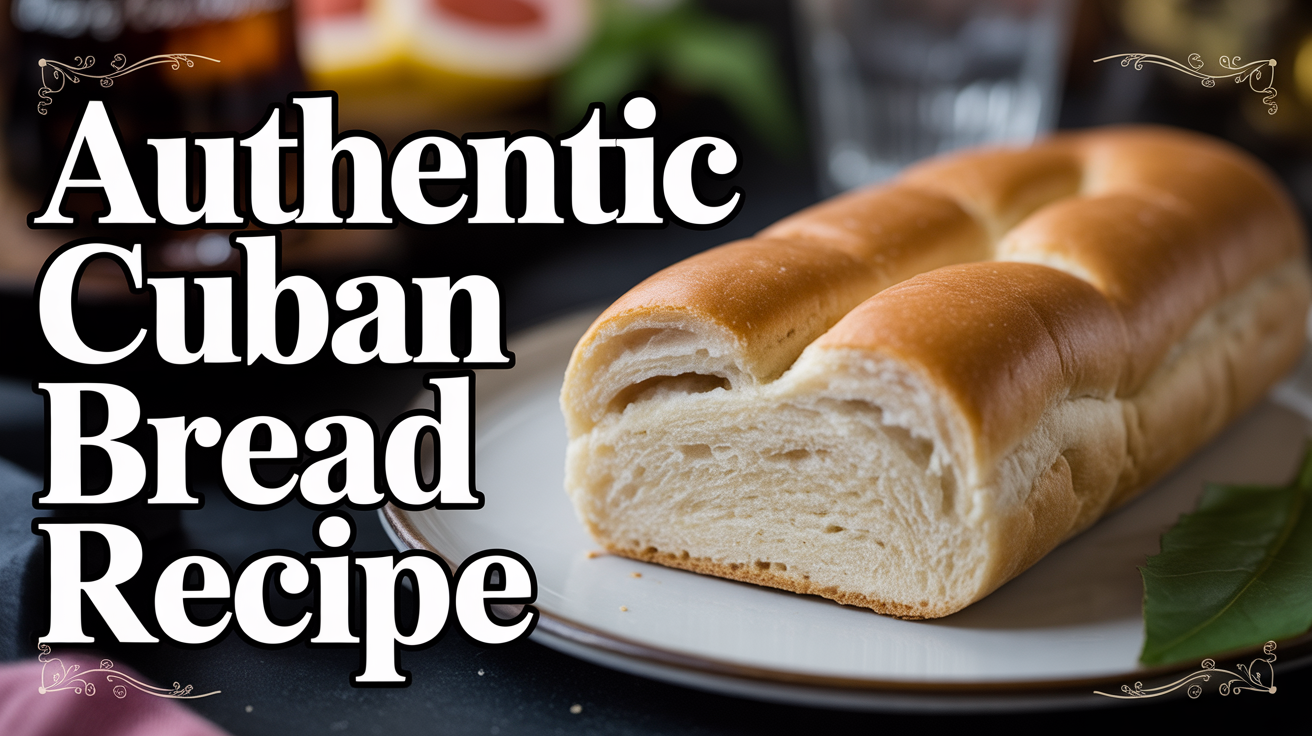
The Cuban bread recipe is a soft white bread with a crispy crust that originated in Cuba and became popular in Cuban communities across the United States. I’ve spent years perfecting this Cuban bread recipe, and I’m excited to share how you can make authentic pan Cubano right in your own kitchen using a traditional Cuban bread recipe. This traditional Cuban bread recipe uses simple ingredients like flour, yeast, sugar, salt, and lard to create a light and airy loaf with a golden crust, making it an ideal Cuban bread recipe for beginners and experts alike.
The bread is most famous as the foundation for Cuban sandwiches, but I love using it for toast, garlic bread, or just eating it warm with butter. Making a Cuban bread recipe from scratch might seem challenging, but the process is straightforward once you understand the key techniques, and the reward is fresh bread that tastes better than anything you can buy at the store.
In this guide, I’ll walk you through everything you need to know about making a Cuban bread recipe at home. You’ll learn what sets this bread apart from other types, which ingredients work best, and how to shape and bake your loaves to perfection. I’ll also share my favorite ways to serve it and tips for keeping your Cuban bread recipe fresh for days.

What Makes Cuban Bread Unique
Cuban bread stands out from other loaves with its thin, crackling crust and pillowy soft interior. The use of lard or vegetable shortening in a Cuban bread recipe gives it a distinct texture you won’t find in French or Italian bread, making every Cuban bread recipe unique.
Origins and History
Cuban bread originated in Cuba and traveled to Florida with Cuban immigrants in the late 1800s. Tampa and Miami became centers for authentic Cuban bread recipe production, where bakeries began serving the growing Cuban communities.
The bread became essential for making the famous Cuban sandwich, or cubano. La Segunda Bakery in Tampa, founded in 1915, is one of the oldest bakeries still making traditional Cuban bread today, and their Cuban bread recipe has become legendary.
These bakeries helped establish the bread as a cultural staple beyond Cuba’s borders. I find it fascinating that Cuban bread bakery traditions have stayed largely unchanged for over a century, and the Cuban bread recipe has been passed down through generations, maintaining the same simple ingredients and techniques that Cuban bakers used in Havana.
Key Characteristics of Authentic Cuban Bread
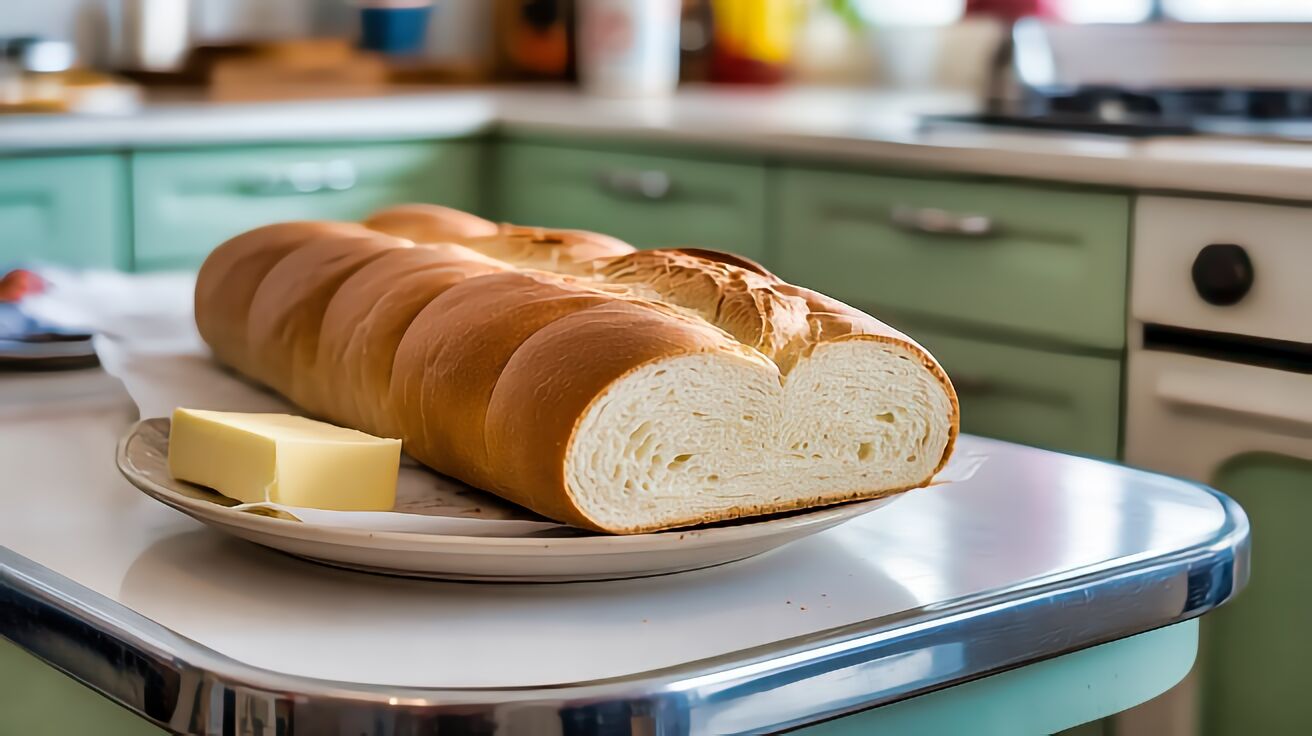
Authentic Cuban bread has several defining features that make it instantly recognizable, and any Cuban bread recipe should include these elements. The loaves are long and somewhat flat, similar to a baguette but wider, and most Cuban bread measures about 3 feet long.
A thin, crispy crust forms the outer layer, crackling when you break it but not as thick as French bread. The crumb inside is light, airy, and soft, with small air pockets that create a delicate texture perfect for sandwiches, all thanks to a well-made Cuban bread recipe.
Traditional Cuban bread recipe formulas include bread flour, water, yeast, salt, sugar, and lard. The lard is what gives a Cuban bread recipe its unique flavor and tender texture, and authentic loaves traditionally had a palmetto frond placed on top before baking, creating a distinctive split down the middle of the loaf.
Cuban Bread vs. Other Breads
I always get asked how Cuban bread differs from baguettes and Italian bread, and the main difference lies in the fat content. French baguettes contain no fat, making them chewier with a thicker crust, while Italian bread sometimes includes olive oil, which creates a different flavor profile than the lard used in a Cuban bread recipe.
Key Differences:
| Bread Type | Fat Used | Crust Thickness | Interior Texture |
|---|---|---|---|
| Cuban Bread | Lard or shortening | Thin and crispy | Very light and airy |
| French Baguette | None | Thick and chewy | Dense with large holes |
| Italian Bread | Olive oil | Medium thickness | Moderately dense |
The preparation method for Cuban bread also sets it apart, as bakers typically use an overnight starter, which develops more complex flavors. The dough rises twice, creating that signature airy crumb perfect for a Cuban bread recipe and a classic cubano sandwich.
Essential Ingredients for Cuban Bread
Cuban bread relies on a handful of basic ingredients that work together to create its signature texture—a crispy golden crust with a soft, airy inside. The choice of flour, fat, and whether you use a starter all affect the final loaf, and each Cuban bread recipe can be slightly different depending on your preferences.
Flours and Yeast Types
I always recommend using bread flour as your first choice for a Cuban bread recipe, as it has more protein than all-purpose flour, which helps create better structure and that chewy texture you want. If you don’t have bread flour on hand, all-purpose flour works too, though your loaf might be slightly less chewy, but still delicious for a Cuban bread recipe.
For the yeast, I use active dry yeast in most of my Cuban bread recipes, dissolving it in warm water before adding it to your flour mixture. The water should feel warm to the touch but not hot—around 105 to 110 degrees Fahrenheit works best, ensuring your Cuban bread recipe rises perfectly every time.
Some recipes call for instant yeast, which you can mix directly into the flour, and both types work well for a Cuban bread recipe. The most important thing is to make sure your yeast is fresh and active for the best results in your Cuban bread recipe.
Fats: Lard, Vegetable Shortening, and Butter
The traditional fat for authentic Cuban bread is lard, and it gives the bread its classic flavor and helps create that crispy crust. I find it makes a noticeable difference in taste compared to other fats, and every Cuban bread recipe should include lard if you’re after authenticity.
If you prefer not to use lard, vegetable shortening is the closest substitute and provides a similar texture to lard without the animal fat. Many bakeries outside of Cuban communities use shortening instead, so you can still enjoy a delicious Cuban bread recipe even if you skip the lard.
Butter is another option that some home bakers choose, and Cuban bread made with butter tastes slightly richer and works perfectly fine, especially if you’re making the bread for sandwiches. The main difference is in the subtle flavor—butter adds a dairy taste while lard keeps things more neutral in your Cuban bread recipe.
Sugar and Salt
Sugar plays two important roles in a Cuban bread recipe: it feeds the yeast and helps the dough rise, and it also contributes to the golden-brown color of the crust. I typically use just a small amount—about one to two tablespoons for a standard loaf in my Cuban bread recipe.
Salt is essential for flavor and also strengthens the gluten structure in the dough, which helps the bread hold its shape. I use about one to two teaspoons of salt per loaf, which is the perfect amount for a balanced Cuban bread recipe.
Starter and Water
Some traditional Cuban bread recipes use an overnight starter instead of adding all the ingredients at once, and this is a great way to add depth of flavor to your Cuban bread recipe. A starter is a simple mixture of flour, water, and yeast that ferments for several hours or overnight, improving the bread’s texture and flavor.
To make a starter, I mix a portion of the flour with warm water and a small amount of yeast, letting it sit at room temperature for 8 to 12 hours until it becomes bubbly and smells slightly tangy. The next day, I add this starter to the rest of my Cuban bread recipe ingredients for a more authentic flavor.
If you’re short on time, you can skip the starter and make a quick version without one, and the bread will still taste good, just with a slightly less complex flavor. The warm water you use should always be between 100 and 110 degrees to properly activate your yeast without damaging it, which is crucial for any Cuban bread recipe.
Step-by-Step Guide to Making Cuban Bread

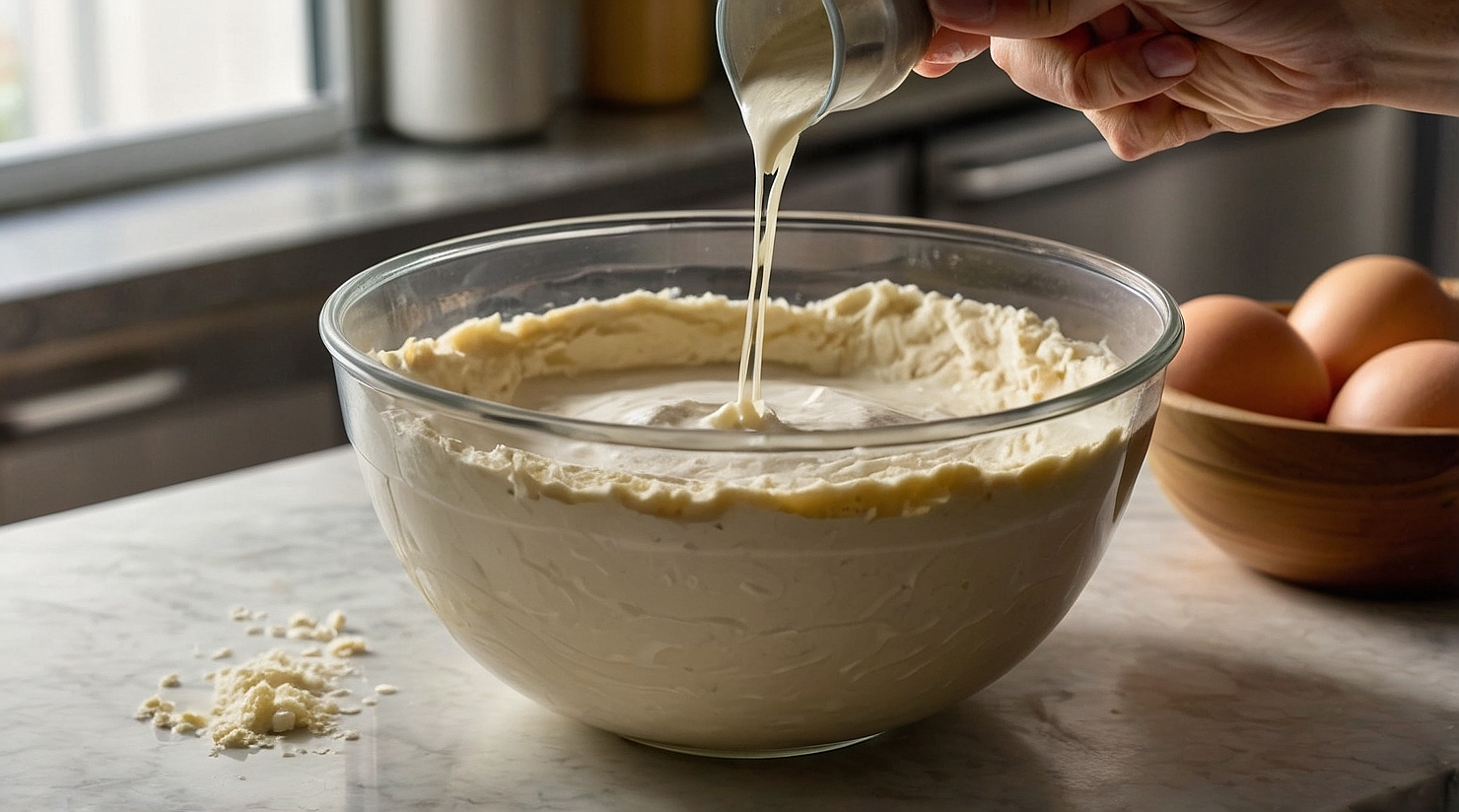
Step 1: Combine 1/2 cup warm water, 1/2 cup flour, and 1/2 teaspoon yeast in a bowl or measuring cup. Whisk until smooth and fully blended, then cover with plastic wrap and refrigerate for 8 hours or overnight.

Step 2: In a mixing bowl, add the yeast and sugar, then pour in 3/4 cup warm water. Let sit for about 15 minutes until the mixture becomes foamy. Add the lard and salt, followed by 1 cup of flour, and mix until a sticky dough forms. Stir in the prepared starter, then add all but 1/2 cup of the remaining flour and mix until combined.
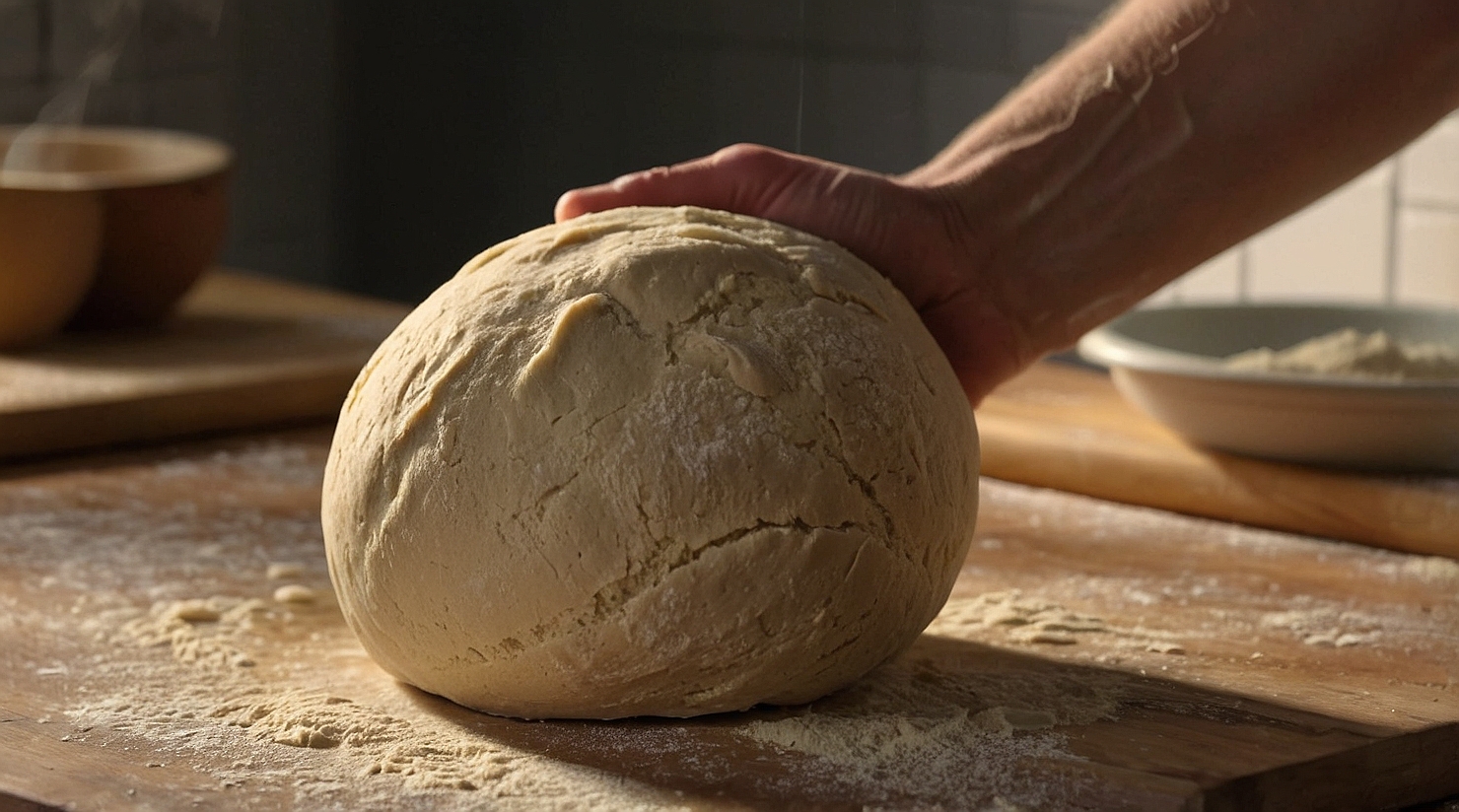
Step 3: Turn the dough out onto a lightly floured surface and knead until it forms a firm, cohesive ball, adding up to the remaining 1/2 cup flour as needed. The dough should be soft, smooth, and slightly tacky.

Step 1: Place the dough in a bowl and lightly coat it with vegetable oil. Cover with a damp towel and set in a warm place to rise until doubled in size, about 2 hours.
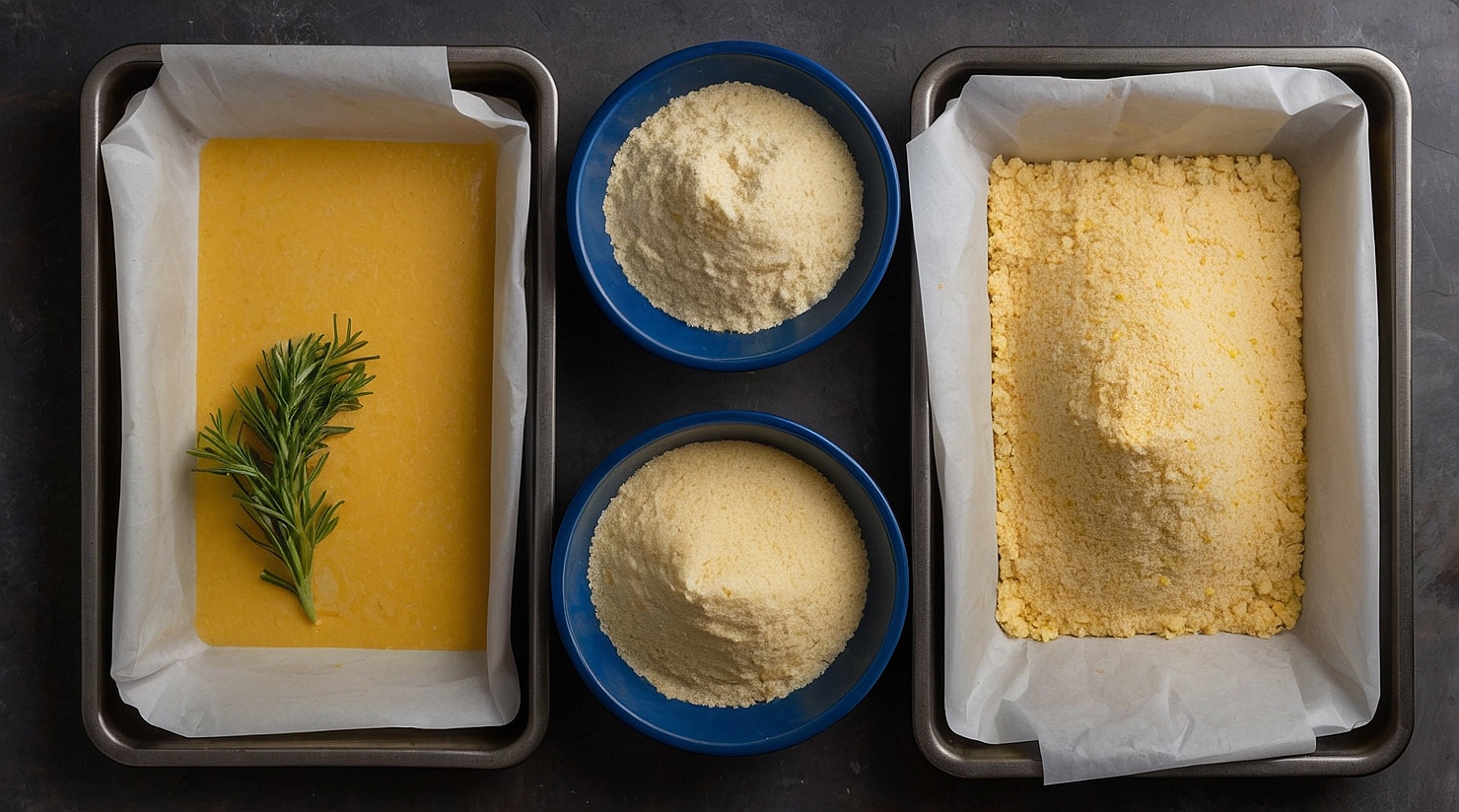
Step 2: Prepare two rimmed baking sheets by lining them with parchment paper and sprinkling them with cornmeal.
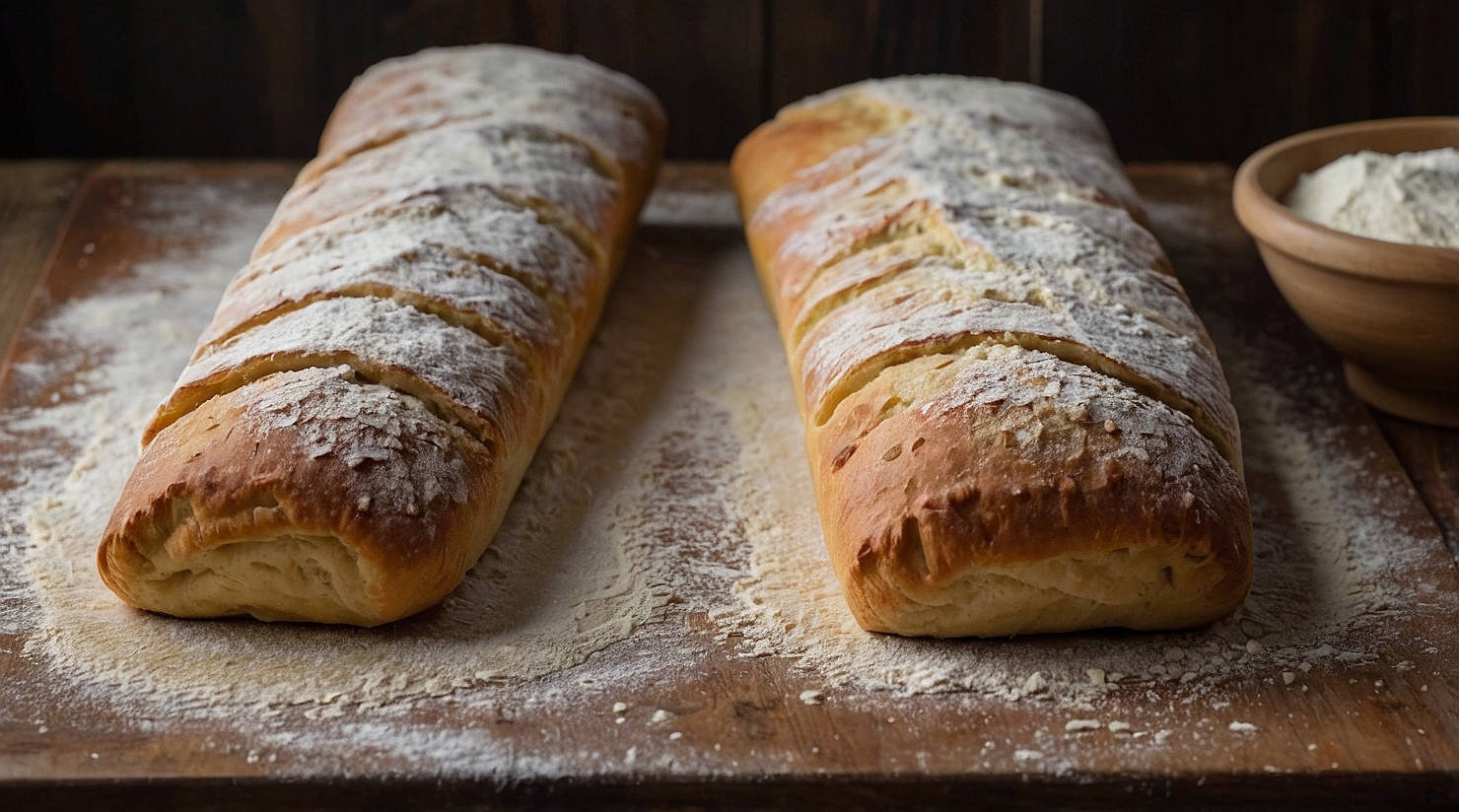
Step 3: Move the dough onto a lightly floured surface and gently press it into a rectangle using floured hands. Divide it in half, then shape each portion into a rectangle about 12 inches long and 1/2 inch thick. Roll each piece tightly from the long side into a narrow loaf and lightly flatten the tops. Place on the prepared baking sheets, dust with flour, cover with a dry towel, and let rise until doubled, about 1 1/2 to 2 hours.
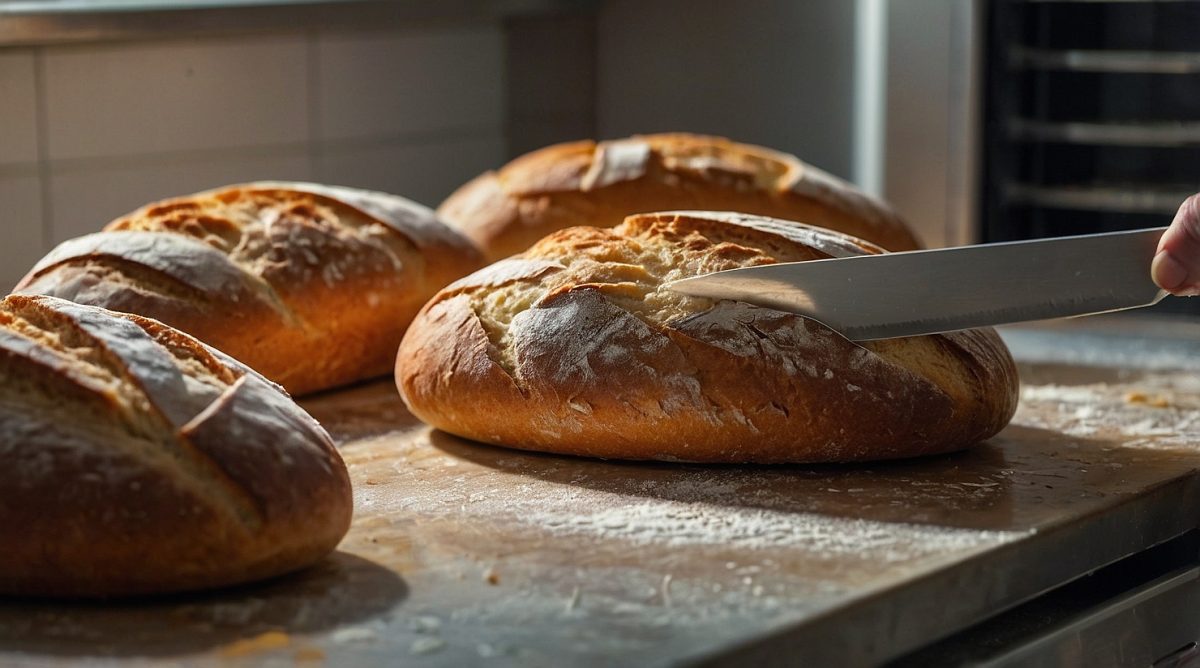
Step 4: Preheat the oven to 400°F (200°C). Using a sharp knife or razor, make a shallow slit about 1/4-inch deep along the top of each loaf, then lightly mist them with water.
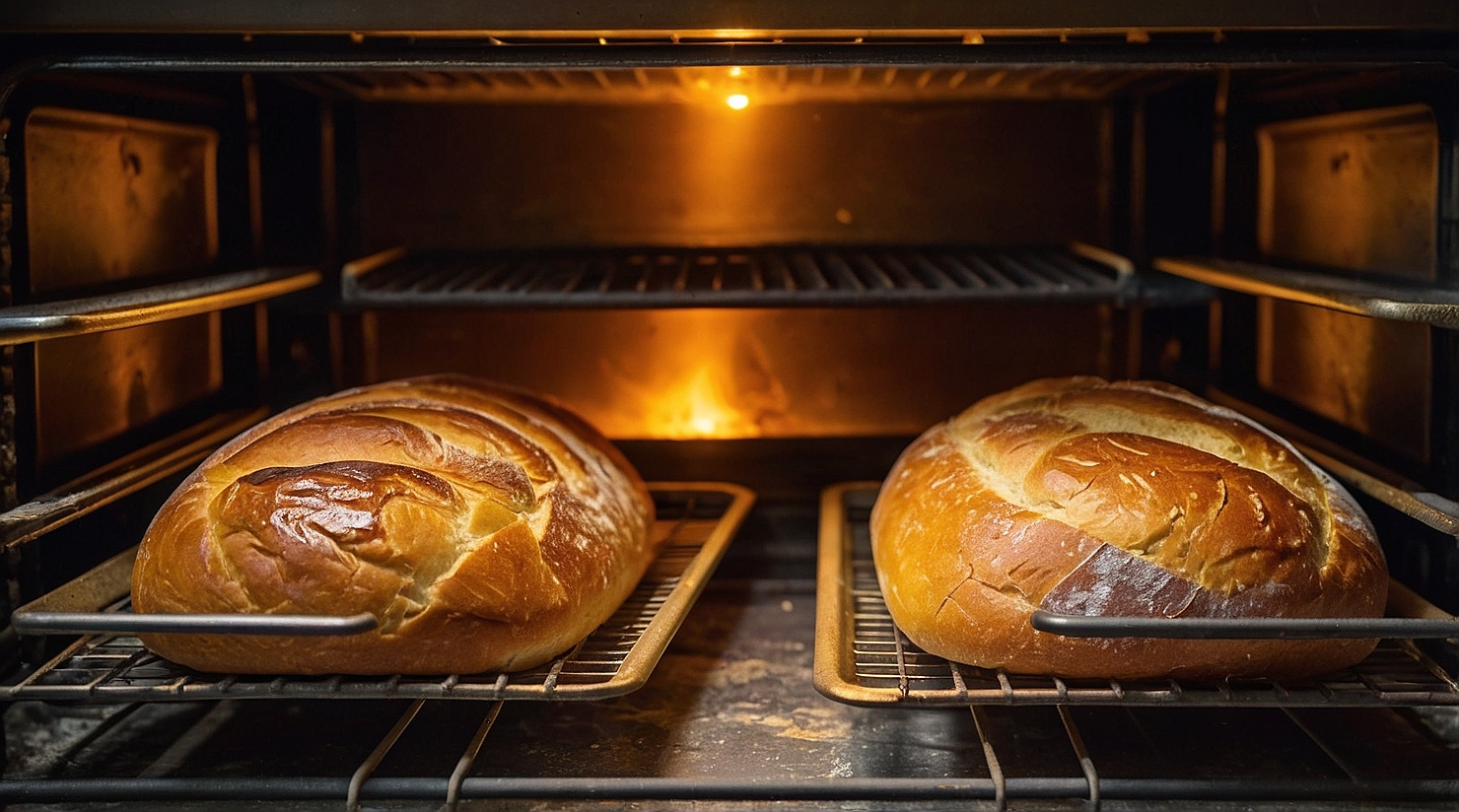
Step 5: Bake with one pan on the lower rack and the other on the upper rack for 10 minutes. Swap their positions and continue baking for another 10 to 15 minutes, or until the loaves are golden brown.

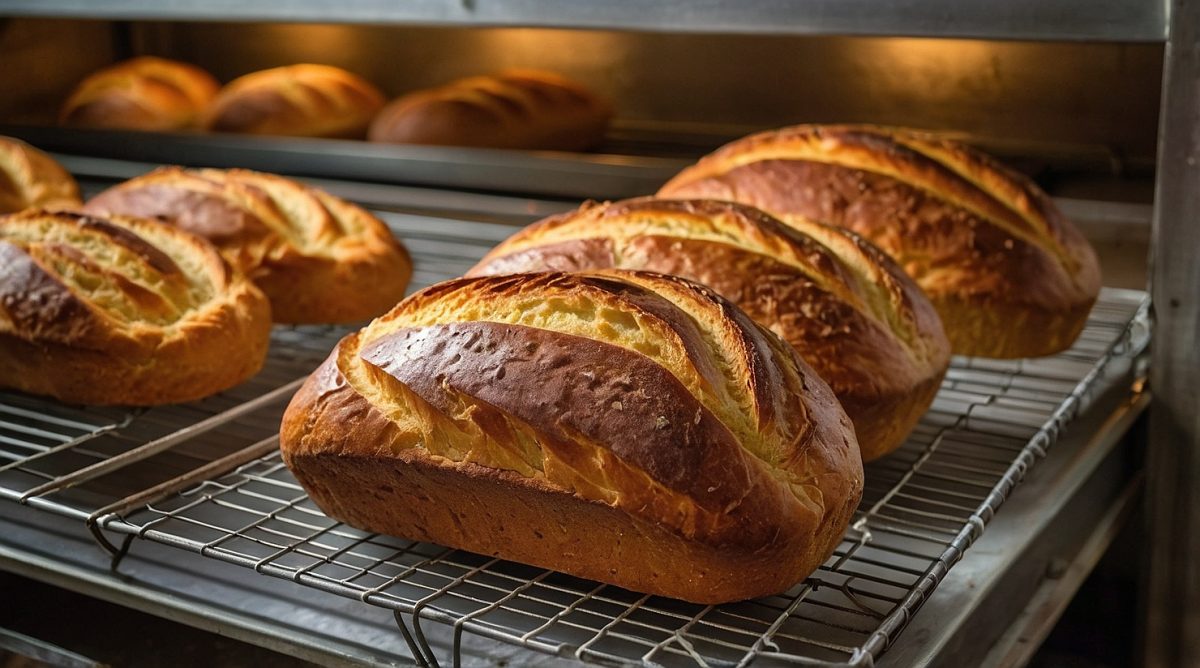
Step 6: Remove the bread from the oven and transfer to a wire rack. Allow to cool completely before slicing.
Preparing the Starter
I always start my homemade Cuban bread by making a simple starter the night before, which gives the bread its distinctive flavor and airy texture. To make the starter, I combine 1/2 cup of warm water with 1/2 teaspoon of active dry yeast and 1/2 cup of bread flour in a small bowl, stirring until smooth, then covering it with plastic wrap and letting it sit at room temperature for 8 to 12 hours.
The mixture should look bubbly and smell slightly tangy when ready, and this fermented starter is what separates an authentic Cuban bread recipe from regular white bread. The overnight rise develops complex flavors that you just can’t get from a quick Cuban bread recipe, making this step worth the extra time.
Mixing and Kneading the Dough
Once my starter is ready, I combine it with the remaining ingredients in a large bowl for my Cuban bread recipe. I add 2 1/2 cups of bread flour, 1 tablespoon of sugar, 1 1/2 teaspoons of salt, 3/4 cup of warm water, and 2 tablespoons of lard or softened butter, ensuring everything is well incorporated for a perfect Cuban bread recipe.
If using a stand mixer with a dough hook, I mix on low speed for 2 minutes until combined, then increase to medium speed for 6 to 8 minutes. The dough should pull away from the sides of the bowl and feel smooth and elastic, which is exactly what you want in a Cuban bread recipe. For hand kneading, I turn the dough onto a floured surface and knead for about 10 minutes until it becomes smooth and springs back when poked, avoiding too much extra flour so the Cuban bread recipe stays light and airy.
First Rise and Proofing
After kneading, I place my dough in a lightly greased bowl and turn it to coat all sides with oil, then cover the bowl with a clean kitchen towel or plastic wrap. The rise time for the first proofing is about 1 to 1 1/2 hours at room temperature, and I look for the dough to double in size rather than watching the clock, which is the key to a successful Cuban bread recipe.
To test if the dough is ready, I gently press two fingers into it—if the indentation remains and doesn’t spring back quickly, the dough has proofed enough and is ready for shaping. This step ensures your Cuban bread recipe results in a beautifully textured loaf every time.
Shaping and Final Rise
I punch down the risen dough to release air bubbles, then divide it in half to form two loaves for my Cuban bread. For each loaf, I flatten the dough into a rectangle about 8 inches wide, then roll it tightly from the long side into a cylinder, pinching the seam closed and rolling the dough gently under my palms to create the characteristic skinny loaves that a Cuban bread recipe is known for.
Each loaf should be about 12 to 14 inches long and 2 to 3 inches wide, and I place the shaped loaves seam-side down on a baking sheet lined with parchment paper or dusted with cornmeal. After covering them lightly with a towel, I let them rise for another 45 minutes to 1 hour until they puff up noticeably, ensuring the Cuban bread recipe delivers a light and airy crumb with a crispy crust.
Baking Techniques for the Perfect Crust
Before baking, I preheat my oven to 400°F and place a shallow pan of water on the bottom rack. This technique is essential for any Cuban bread recipe because it creates steam that helps develop the crispy, golden crust that makes soft Cuban bread special. When following a Cuban recipe, this step is crucial for achieving the right texture and appearance.
Just before the loaves go into the oven, I use a sharp knife or razor blade to cut a shallow diagonal slash down the length of each loaf. For a perfect Cuban bread recipe, I brush the tops lightly with water for extra crispness, ensuring the crust forms beautifully and stays crunchy.
I bake the loaves for 20 to 25 minutes until they turn golden brown and sound hollow when tapped on the bottom. The internal temperature should reach about 190°F to 200°F, which is the ideal range for a bread recipe. After baking, I remove them from the oven and let them cool on a wire rack for at least 15 minutes before slicing, though they’re absolutely delicious when still slightly warm from the oven.

Serving, Storing, and Variations
Cuban bread results are perfect for sandwiches and pair well with many dishes, plus it stores easily for later use. Whether you want to make the classic Cubano or experiment with other serving ideas, a good Cuban bread recipe is the foundation for delicious meals and snacks.
Making and Using Cuban Sandwiches
The classic Cuban sandwich is the most popular way to use this bread, and a great Cuban bread recipe is essential for an authentic experience. I layer sliced roast pork, ham, Swiss cheese, pickles, and mustard between two pieces of Cuban bread. Then I butter the outside and press it in a sandwich press or heavy skillet until the cheese melts and the bread gets crispy, as recommended in every Cuban bread recipe.
The traditional pan cubano makes an excellent Cuban sandwich bread because its soft interior and crispy crust hold up well to pressing, which is a testament to a well-made Cuban bread recipe. I find that the bread shouldn’t be too fresh when making a Cubano; day-old bread actually works better because it’s sturdier and won’t get too soggy from the ingredients, a helpful tip for anyone following a Cuban bread recipe.
For the best results, I heat my press to medium-high and apply firm pressure while cooking, which is a technique often suggested in a Cuban bread recipe. The sandwich is ready when both sides turn golden brown and crispy, creating the perfect balance of textures that a Cuban bread recipe aims to achieve.
Other Serving Ideas and Pairings
I love serving warm Cuban bread with butter alongside breakfast, especially with Cuban coffee and eggs, as suggested in many Cuban bread recipe guides. The bread also pairs perfectly with black beans and rice or ropa vieja for dinner, making it a versatile choice for any meal inspired by a bread recipe.
You can use Cuban bread to make garlic bread by slicing it lengthwise, spreading butter mixed with garlic and herbs, and toasting it in the oven, a delicious twist on any Cuban bread recipe. I also tear it into chunks and serve it with olive oil for dipping at dinner parties, which showcases the versatility of a great Cuban bread recipe.
Cuban bread makes excellent toast for breakfast sandwiches or French toast because of its soft texture, which is a highlight of a successful Cuban bread recipe. I’ve even used it to make bread pudding when I have leftover loaves, demonstrating how a bread recipe can be adapted for sweet or savory dishes.
Storing and Freezing Cuban Bread
Cuban bread recipe loaves stay fresh at room temperature for about two days when stored properly. I keep mine in a paper bag or bread box to maintain the crispy crust, as recommended by many Cuban bread recipe experts. Don’t use plastic bags because they make the crust soft and chewy, which can diminish the results of your Cuban bread recipe.
To freeze Cuban bread, I wrap each loaf tightly in aluminum foil, then place it in a freezer bag, a common tip in any thorough Cuban bread recipe. It keeps well for up to three months this way, so you can always have a bread recipe loaf ready for sandwiches or toast. When I’m ready to use it, I thaw the bread at room temperature for a few hours while still wrapped for best results.
I refresh thawed or day-old bread by sprinkling it lightly with water and heating it in a 350°F oven for about 10 minutes, which is a classic Cuban bread recipe trick. This brings back the crispy crust and soft interior, ensuring your Cuban bread always yields bakery-quality results, even after freezing.
Substitutes and Creative Uses
If you can’t find Cuban bread, you can use French bread or Italian bread as a substitute in most recipes. Both have similar textures, though they’re slightly denser than authentic Cuban bread. When searching for a Cuban bread recipe, these alternatives can be helpful in recreating the desired flavor and texture.
Stale bread doesn’t have to go to waste. I turn stale Cuban bread into croutons by cutting it into cubes, tossing them with olive oil and seasonings, and baking at 375°F until golden. Using a Cuban bread recipe, you can prepare fresh loaves, and then use leftovers for delicious homemade croutons that add great texture to salads and soups.
You can also make breadcrumbs from dried Cuban bread by grinding it in a food processor. A Cuban bread is ideal for creating the perfect base for breadcrumbs, which can be used for coating chicken or fish, or as a topping for casseroles. Having a reliable Cuban bread recipe on hand allows you to experiment with different creative uses for this versatile bread.
Many people enjoy using a Cuban bread to make sandwiches, especially the classic Cuban sandwich. The light, airy texture of bread made from a Cuban bread recipe enhances the flavors of ham, roast pork, Swiss cheese, pickles, and mustard. Whether you’re making croutons, breadcrumbs, or sandwiches, a Cuban bread recipe is a must-have for any kitchen.
Exploring new ways to use a Cuban bread recipe can add variety to your meals. For instance, you can try making bread pudding, French toast, or even a savory strata with leftover Cuban bread. The possibilities with a Cuban bread recipes are endless, making it a staple for creative home cooks.
Whenever you bake a fresh loaf using a Cuban bread, consider doubling the batch. This way, you’ll always have extra bread for experimenting with new dishes or for sharing with friends and family. A good Cuban bread recipe is the foundation for countless delicious meals and snacks.
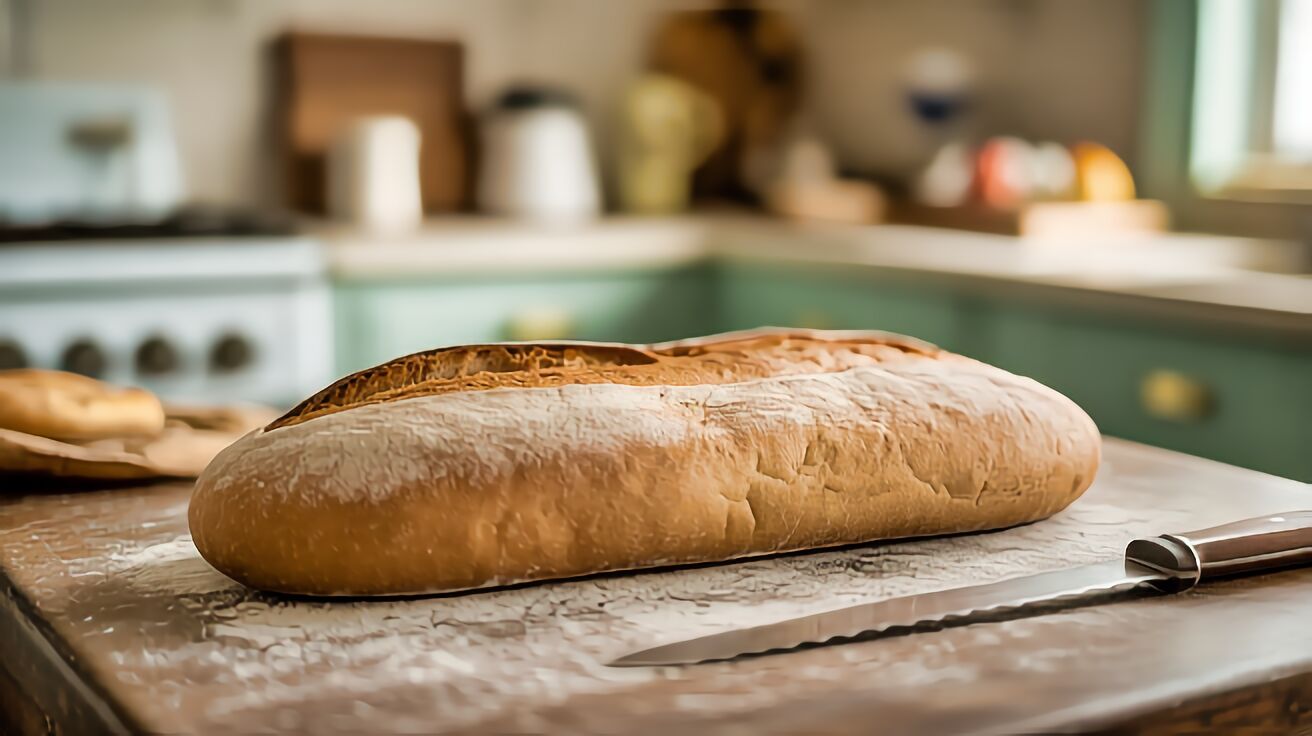
Comparison: Cuban Bread vs French Bread
When choosing bread for sandwiches or meals, it’s helpful to understand how Cuban bread compares to French bread. While they may look similar, their texture and baking style set them apart.
Cuban bread is a soft, airy white bread with a thin, crisp crust. In a traditional Cuban bread recipe, lard is often used, which contributes to its light texture and subtle richness. The crust is delicate rather than hard, and the interior is fluffy, making it ideal for pressed sandwiches like Cuban sandwiches where the bread needs to compress without becoming tough.
French bread, on the other hand, has a thicker, crustier exterior and a slightly chewier interior. It’s typically made without added fat, resulting in a more pronounced crust and a firmer bite. French bread holds its shape well and is often used for sandwiches, sides, or dipping into soups.
If you want a soft, compressible bread perfect for sandwiches, Cuban bread is the better choice. If you prefer a crustier loaf with a firmer texture, French bread is a great option.
Cuban Bread Recipe FAQ
1. What makes Cuban bread unique?
It has a soft interior with a thin, crisp crust.
2. Why is lard used in Cuban bread?
Lard adds flavor and softness to the bread.
3. Can Cuban bread be made without lard?
Yes, shortening or oil can be substituted.
4. Why does Cuban bread go stale quickly?
It lacks preservatives and is best eaten fresh.
5. What is Cuban bread used for?
It’s commonly used for sandwiches like the Cuban sandwich.

Cuban Bread Recipe
Ingredients
- ½ cup warm water
- ½ cup flour
- ½ tsp active dry yeast
- 1 pkg active dry yeast
- 2 tsp sugar white
- ¾ cup warm water
- 3 tbsp lard
- 2 tsp fine salt
- 3 cups all-purpose flour or as needed - divided
- 1 tsp vegetable oil or as needed
- 1 tbsp cornmeal
Instructions
- Combine 1/2 cup warm water, 1/2 cup flour, and 1/2 teaspoon yeast in a bowl or measuring cup. Whisk until smooth and fully blended, then cover with plastic wrap and refrigerate for 8 hours or overnight.

- In a mixing bowl, add the yeast and sugar, then pour in 3/4 cup warm water. Let sit for about 15 minutes until the mixture becomes foamy. Add the lard and salt, followed by 1 cup of flour, and mix until a sticky dough forms. Stir in the prepared starter, then add all but 1/2 cup of the remaining flour and mix until combined.
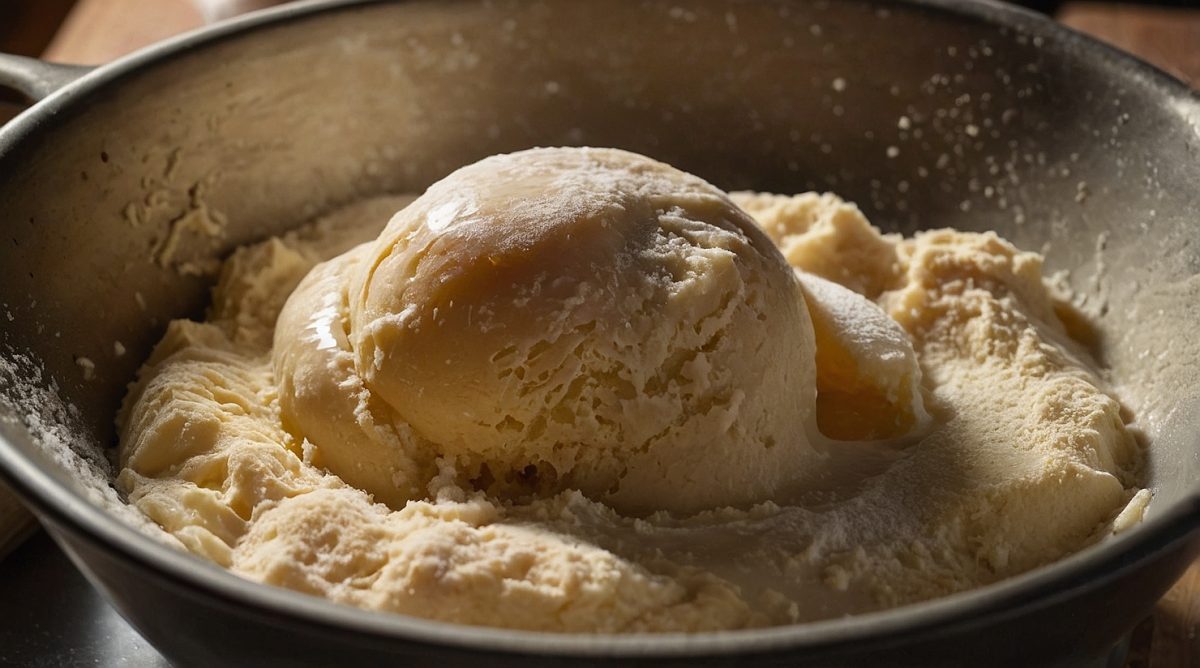
- Turn the dough out onto a lightly floured surface and knead until it forms a firm, cohesive ball, adding up to the remaining 1/2 cup flour as needed. The dough should be soft, smooth, and slightly tacky.

- Place the dough in a bowl and lightly coat it with vegetable oil. Cover with a damp towel and set in a warm place to rise until doubled in size, about 2 hours.
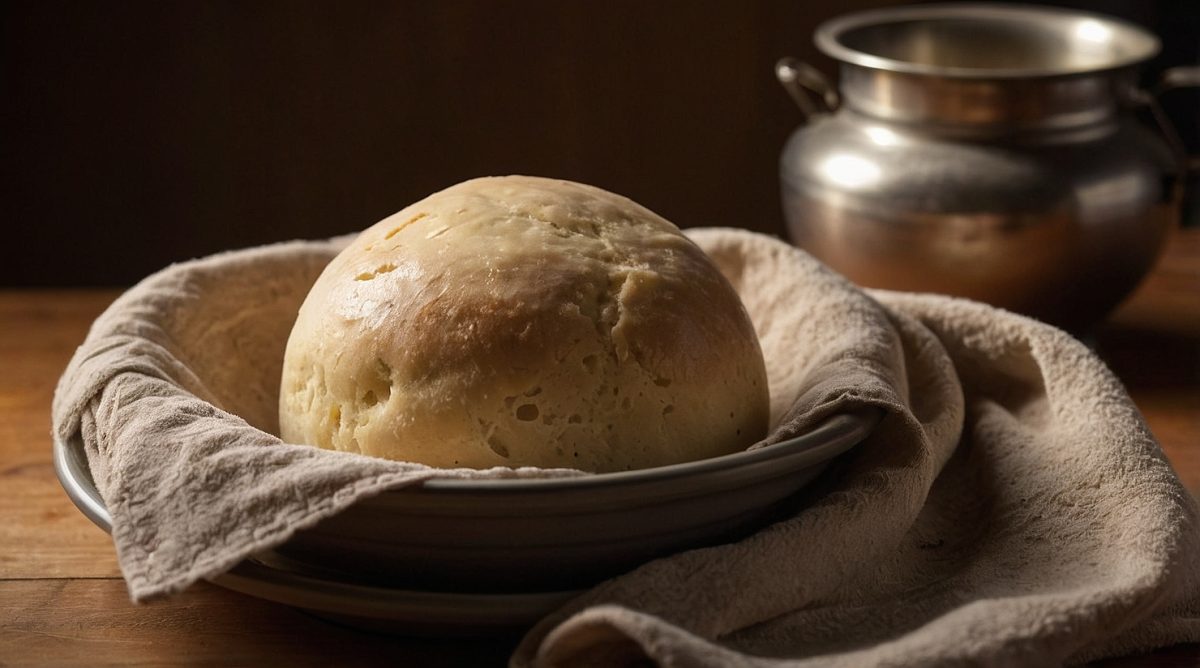
- Prepare two rimmed baking sheets by lining them with parchment paper and sprinkling them with cornmeal.
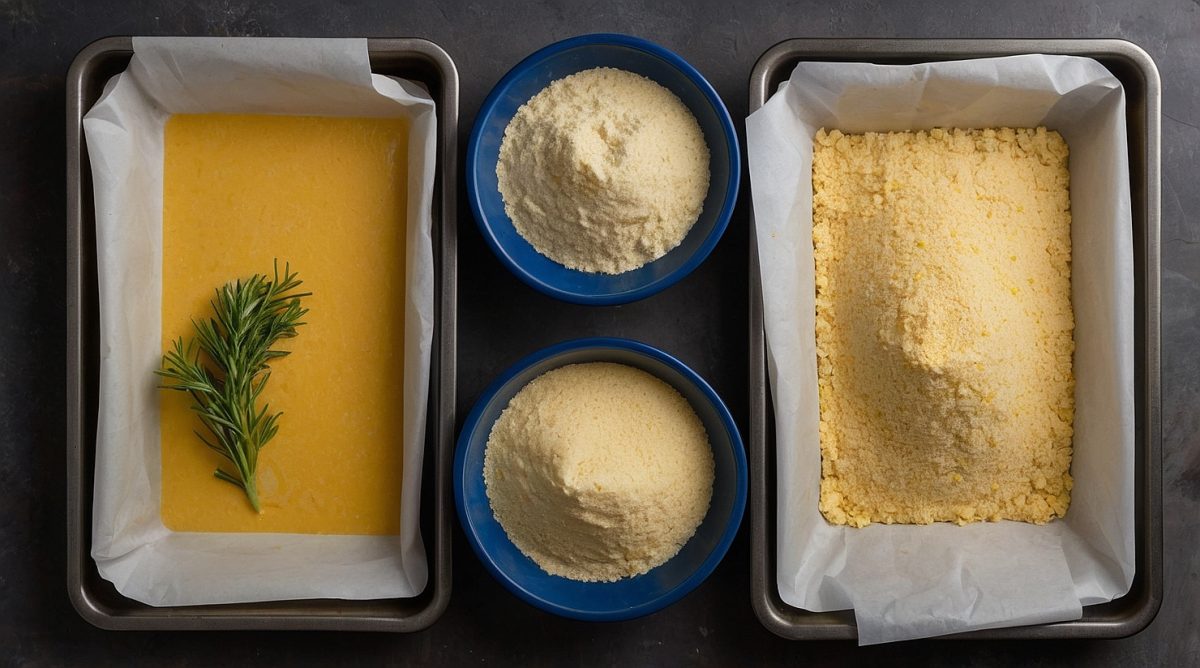
- Move the dough onto a lightly floured surface and gently press it into a rectangle using floured hands. Divide it in half, then shape each portion into a rectangle about 12 inches long and 1/2 inch thick. Roll each piece tightly from the long side into a narrow loaf and lightly flatten the tops. Place on the prepared baking sheets, dust with flour, cover with a dry towel, and let rise until doubled, about 1 1/2 to 2 hours.

- Preheat the oven to 400°F (200°C). Using a sharp knife or razor, make a shallow slit about 1/4-inch deep along the top of each loaf, then lightly mist them with water.
- Bake with one pan on the lower rack and the other on the upper rack for 10 minutes. Swap their positions and continue baking for another 10 to 15 minutes, or until the loaves are golden brown.

- Remove the bread from the oven and transfer to a wire rack. Allow to cool completely before slicing.
Video
