

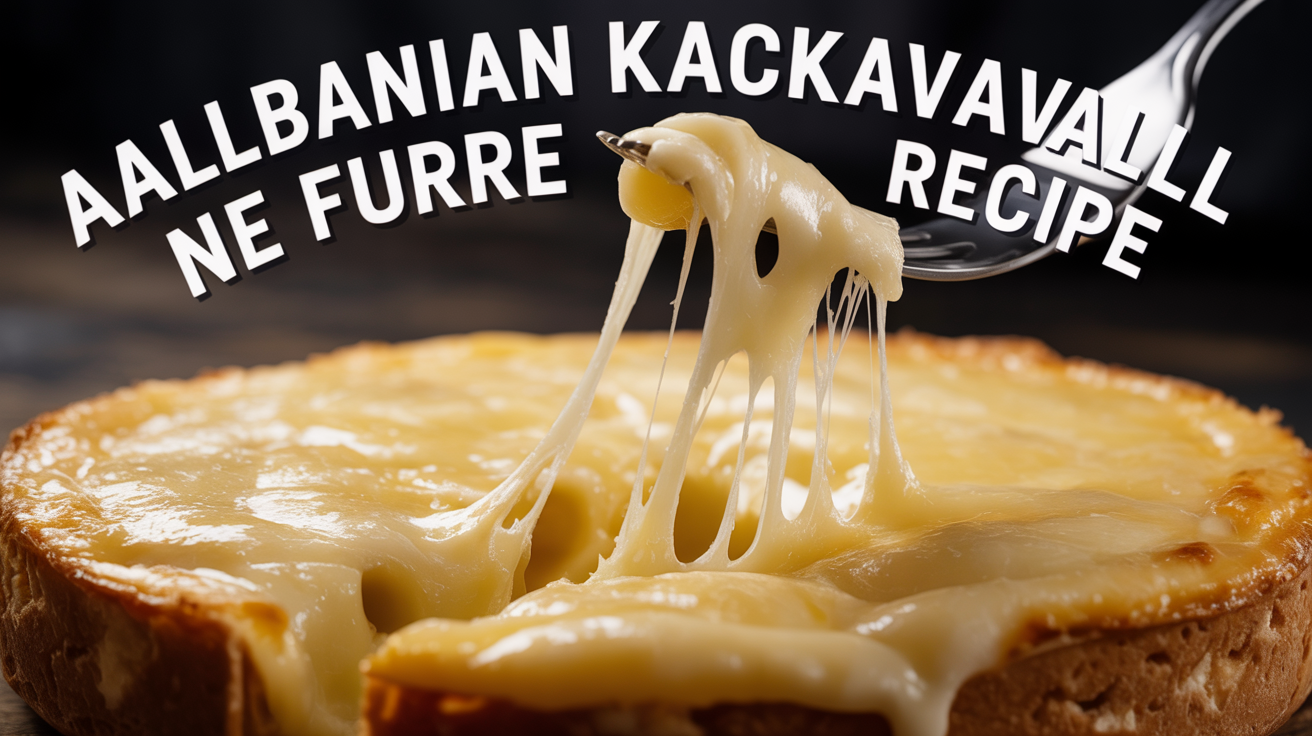
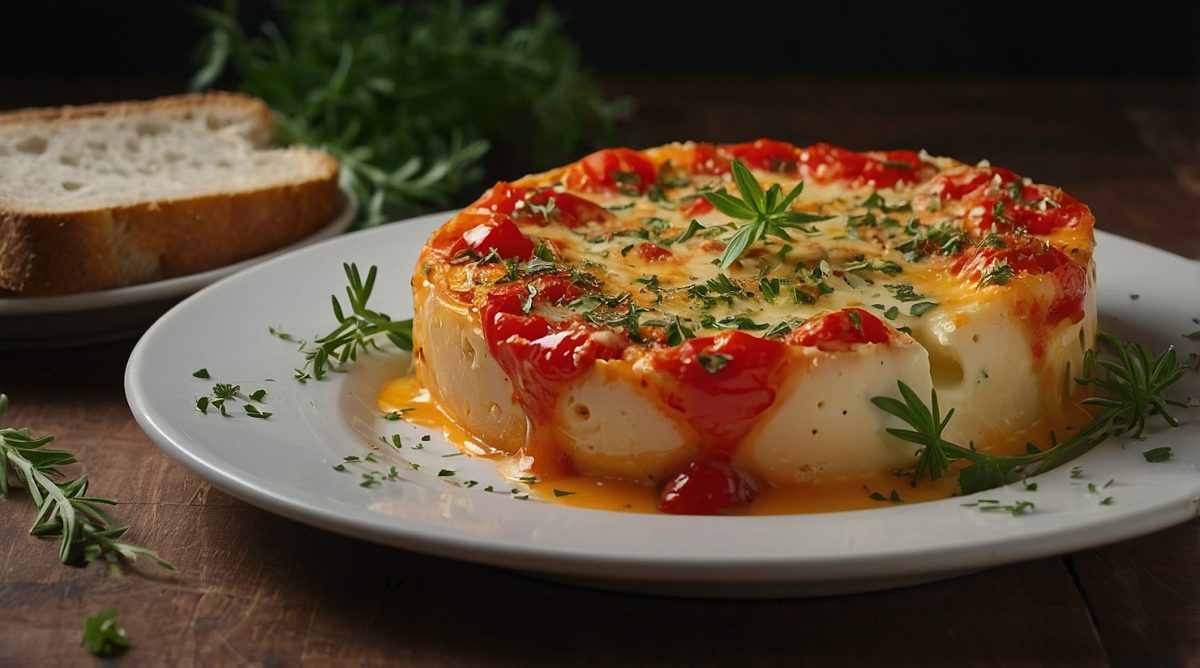
I stumbled across this Albanian Kackavall ne furre recipe and, honestly, it’s now one of my go-to comfort foods. Albanian Kackavall ne furre is a traditional baked cheese dish where slices of semi-hard yellow cheese are baked until golden and bubbly, often with tomatoes and herbs. The whole thing takes about 20 minutes, so you get restaurant-worthy cheese on a random Tuesday night—how great is that?
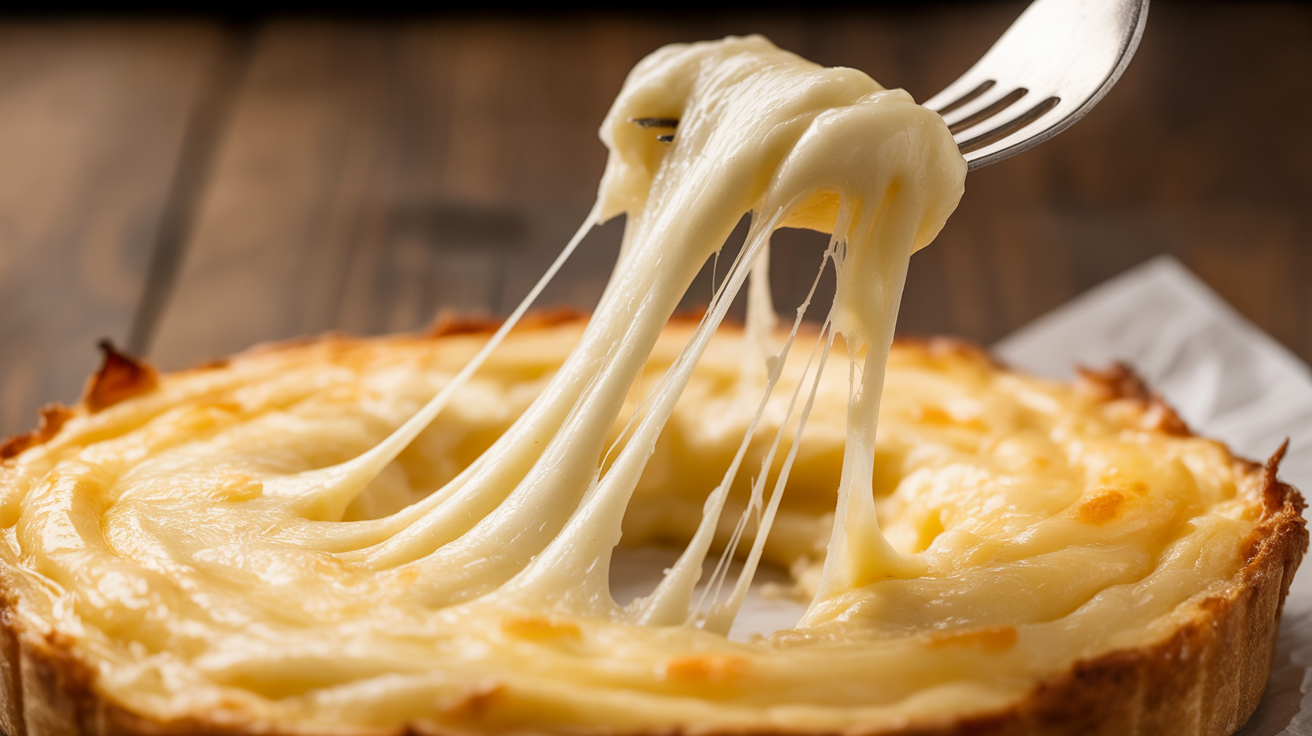
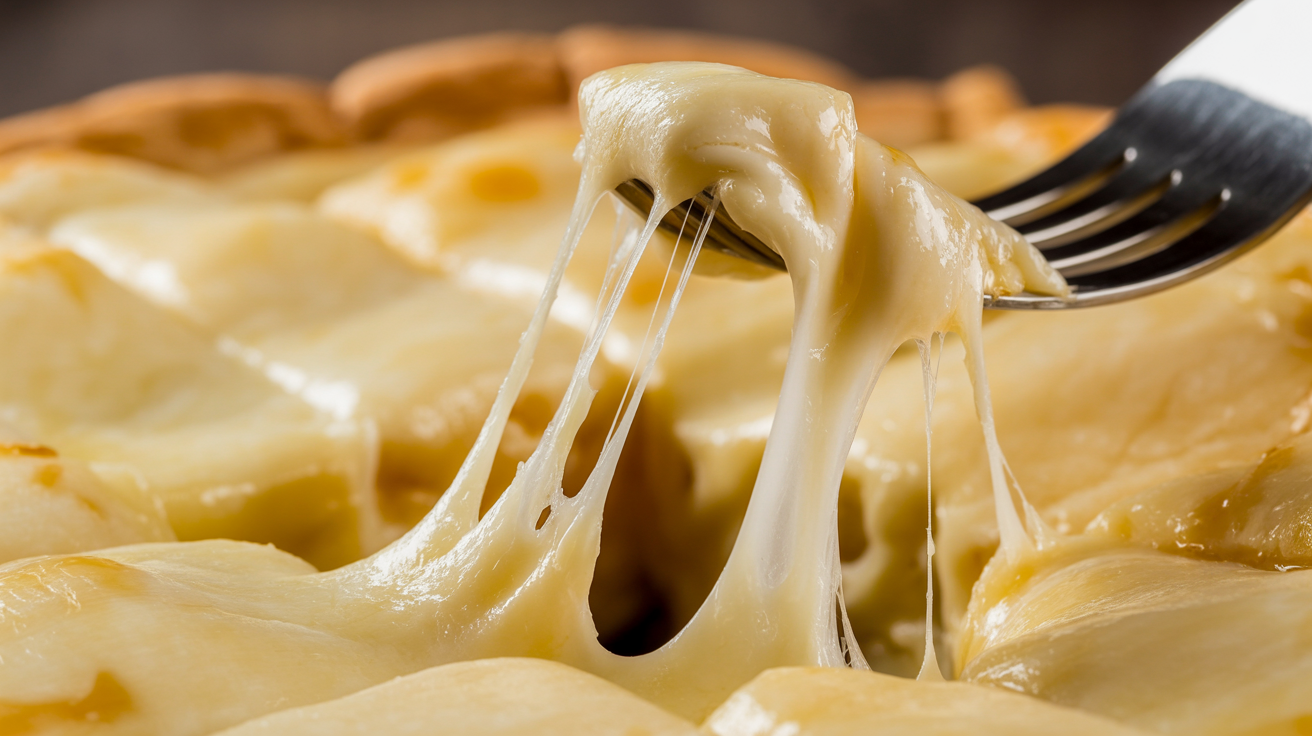
It’s wild how a handful of ingredients can turn into something so crave-worthy. The cheese crisps up at the edges, but stays gooey and stretchy in the middle. Tomatoes melt in and kind of create this dreamy, cheesy sauce—you’ll want to mop it up with bread, trust me.
This Albanian Kackavall ne furre recipe is surprisingly simple to pull off at home. I’ll show you why kackavall cheese is the star, which swaps work if you can’t track it down, and how to nail that bubbly, golden top. Plus, I’ll toss in some pairing ideas and little tips to make your Albanian Kackavall ne furre recipe recipe even better.
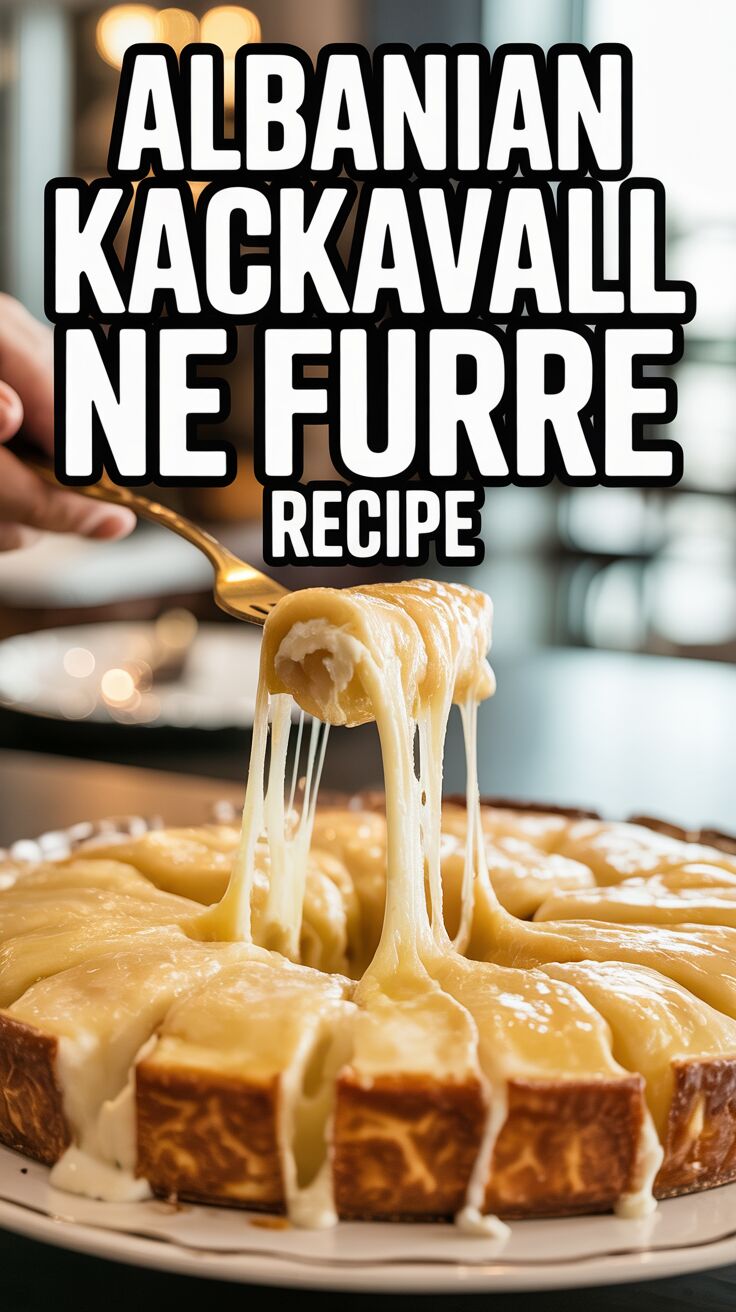
What Is Albanian Kackavall ne Furre?
The Albanian furre recipe brings together melty cheese and juicy veggies in the oven for a dish that’s pure comfort. It’s baked, not fried, so you get all the flavor without the heaviness. Every bite has that perfect balance of salty, cheesy goodness and sweet roasted tomatoes.
Origins and Tradition
Kackavall ne furre sits at the heart of Albanian home cooking, and I love how it’s rooted in tradition. Families have made Albanian Kackavall ne furre recipe for generations, using whatever cheese and veggies were around. It’s simple, but somehow always feels special on the table.
This Albanian Kackavall ne furre recipe started as a way to stretch ingredients—cheese, tomatoes, maybe some onions—into something hearty. Cheese-making’s a big deal in Albania, and this dish is a clever way to showcase it. I’m always a little amazed that the basic Albanian Kackavall ne furre recipe hasn’t really changed in decades.
Key Role of Kaçkavall Cheese
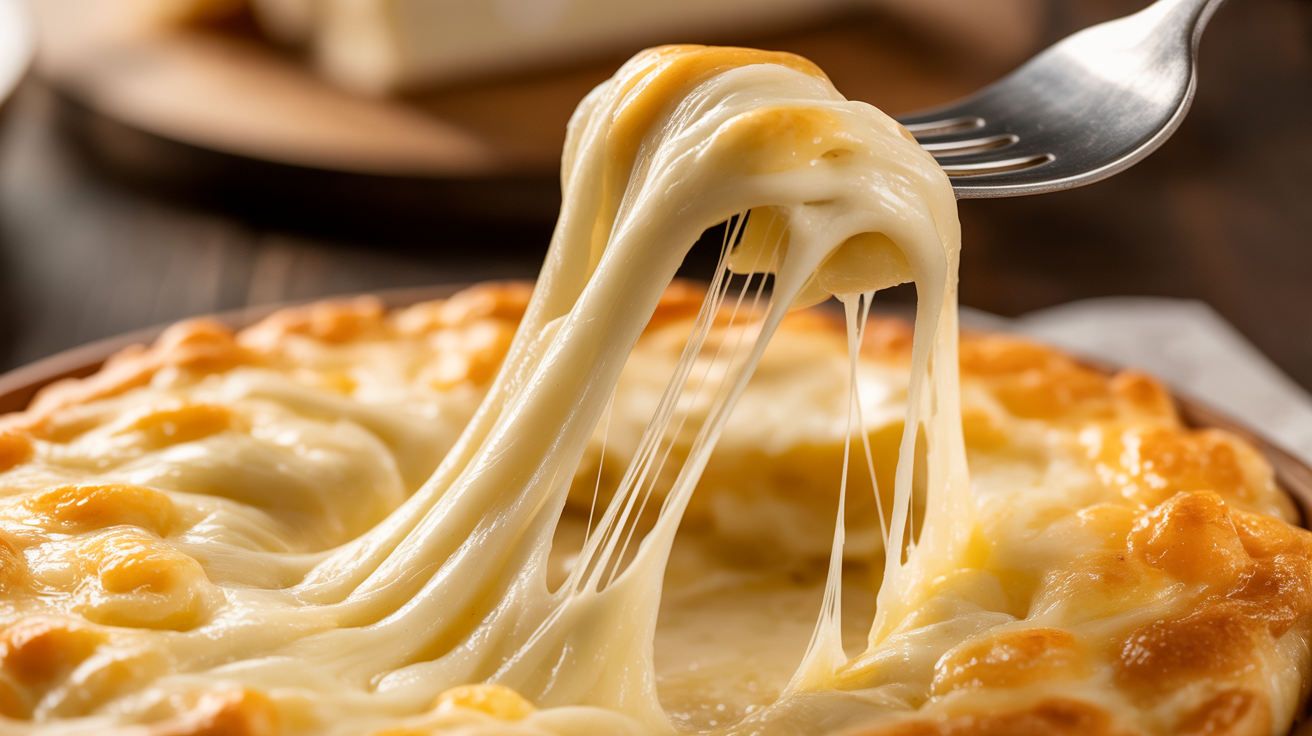
Kaçkavall is the hero of any Albanian Kackavall ne furre recipe, and it’s got this knack for melting just right. The outside turns a little crisp, but the inside stays creamy—it’s kind of magical. I love how the cheese holds its shape but still gets that perfect stretch when you scoop it up.
Djathë kaçkavall brings a mild, tangy flavor that works so well with tomatoes and peppers. It’s usually made from sheep’s milk, or sometimes a mix with cow’s milk. When you bake it, the cheese lets off just enough oil to coat the veggies, but never gets greasy—how do they do that?
Good Albanian Kackavall ne furre recipe cheese should slice easily, and it melts into this luscious, bubbling layer. I’m always tempted to sneak a bite before it even hits the table. There’s something about the way it browns that’s just irresistible.
Difference from Other Baked Cheese Dishes
Albanian Kackavall ne furre recipe isn’t like Greek saganaki or Italian mozzarella in the oven. Here, you layer in tomatoes, peppers, maybe onions—simple, but so satisfying. I like that it skips the breading and frying; it goes straight into the oven and comes out lighter but still rich.
The Albanian Kackavall ne furre recipe keeps things minimal—just cheese, veggies, olive oil, and herbs. Other baked cheese dishes can get fussy, but this one lets the ingredients shine. The result? A dish that’s a little less heavy but still totally indulgent.
Essential Ingredients and Variations
The real magic of Albanian Kackavall ne furre recipe comes from the cheese, but you can play around with the supporting cast. I love how you can swap in whatever’s on hand and it still tastes authentically Albanian. It’s one of those recipes that just works, no matter what.
Traditional Ingredients List
For a classic Albanian Kackavall ne furre recipe, you don’t need much. I always start with a good slab of kaçkavall cheese. Fresh tomatoes are a must, and after that, it’s just olive oil, garlic, and a few herbs.
Core Ingredients:
- 400-500g kaçkavall cheese, sliced
- 3-4 ripe tomatoes, sliced
- Vaj ulliri (olive oil) for drizzling
- Hudhër e tharë (dried garlic) or fresh garlic cloves
- Salt and black pepper to taste
- Fresh or dried oregano
Sometimes I toss in onions for a little sweetness. Brushing the dish with olive oil first helps everything crisp up. The Albanian Kackavall ne furre recipe recipe is so easy, even if you’re new to Balkan food, you’ll nail it.
Choosing the Best Kaçkavall Cheese
Cheese makes or breaks the Albanian Kackavall ne furre recipe, so I hunt for the good stuff at Albanian or Greek markets. Look for semi-hard, pale yellow cheese—it should feel firm but not dry. If I can’t find authentic kaçkavall, provolone or fontina work surprisingly well.
Aged kaçkavall gives the best melt and flavor for this Albanian Kackavall ne furre recipe. I avoid anything too rubbery or bland. If you’re desperate, even halloumi can fill in, though it won’t melt quite the same.
Slice the cheese about a quarter to half an inch thick. This lets it melt evenly in the Albanian Kackavall ne furre recipe without turning to mush. A little imperfection in the slices actually makes the texture better, in my opinion.
Popular Herbs and Aromatic Additions
Herbs take the Albanian Kackavall ne furre recipe from good to wow. Oregano’s the classic, and I lean toward fresh if I have it. Dried oregano works in a pinch and adds a deeper, earthier flavor.
My Favorite Herb Combos:
- Oregano + fresh thyme
- Basil + minced garlic
- Rosemary + cracked black pepper
- Parsley + dried mint
I always sneak in garlic—fresh or dried, both work. Red pepper flakes give a gentle kick, and sometimes I’ll throw in a bay leaf for a little mystery. A sprinkle of parsley at the end makes the Albanian Kackavall ne furre recipe recipe look extra inviting.
Alternative Breads and Cheese Options
Bread is non-negotiable with Albanian Kackavall ne furre recipe. Crusty Albanian bread is the dream, but any rustic loaf will do. I love using homemade if I have time, but store-bought’s totally fine—no judgment.
Sometimes I blend kaçkavall with feta for a creamier Albanian Kackavall ne furre recipe. Mozzarella adds extra stretch, and sharp cheddar brings a punchy edge. Butter in place of some olive oil gives a richer finish, especially if you dot it between the cheese layers.
For a twist, I’ll layer the cheese and veggies over thick bread slices and bake it all together—kind of like an open-faced grilled cheese, Albanian style. It’s not traditional, but it’s ridiculously tasty. The Albanian Kackavall ne furre recipe is flexible enough to handle these riffs.
Step-By-Step Preparation Guide
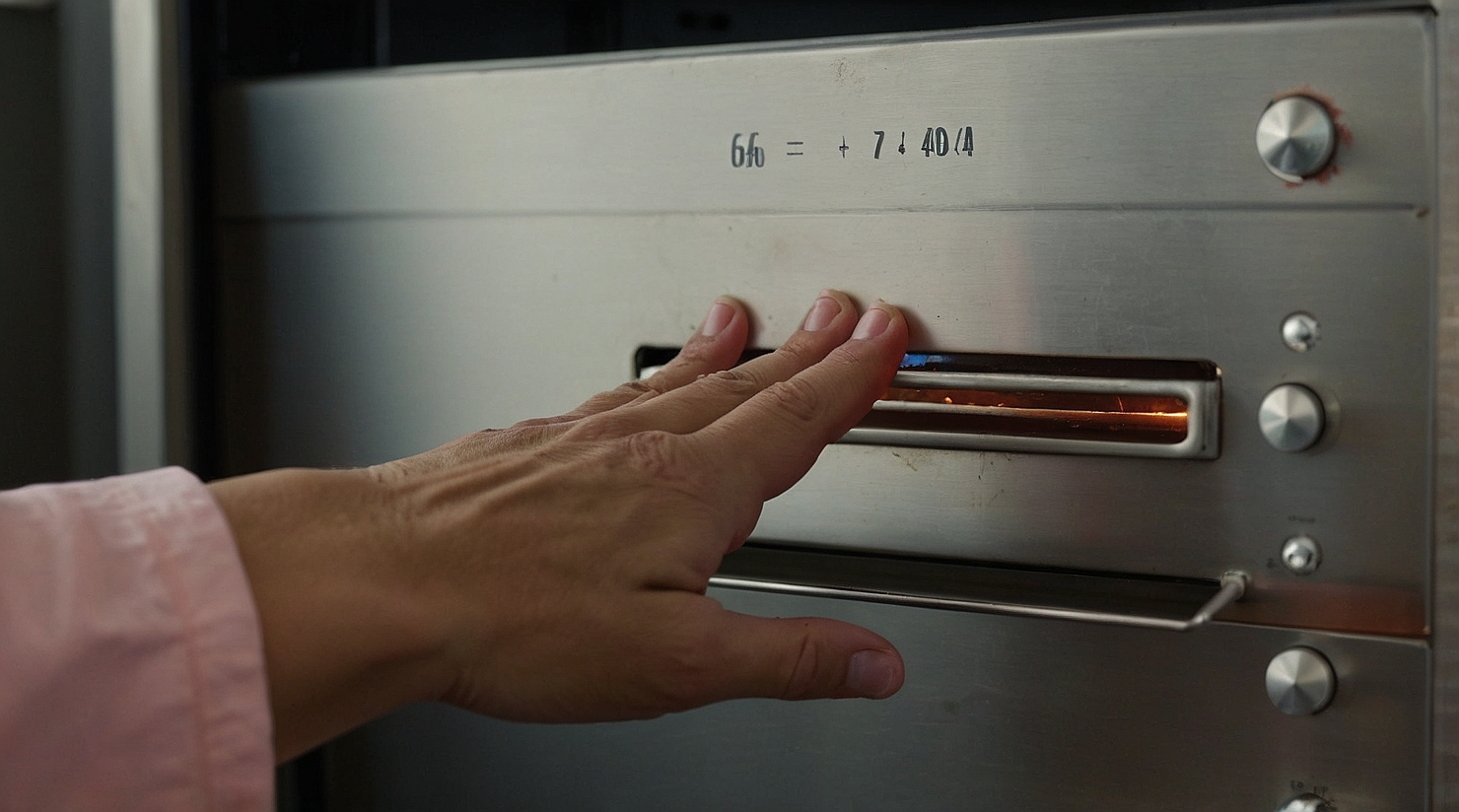
Step 1: Preheat the oven: Set your oven to 400°F (200°C) and allow it to preheat. Use a small oven-safe pan or shallow casserole dish for this recipe.
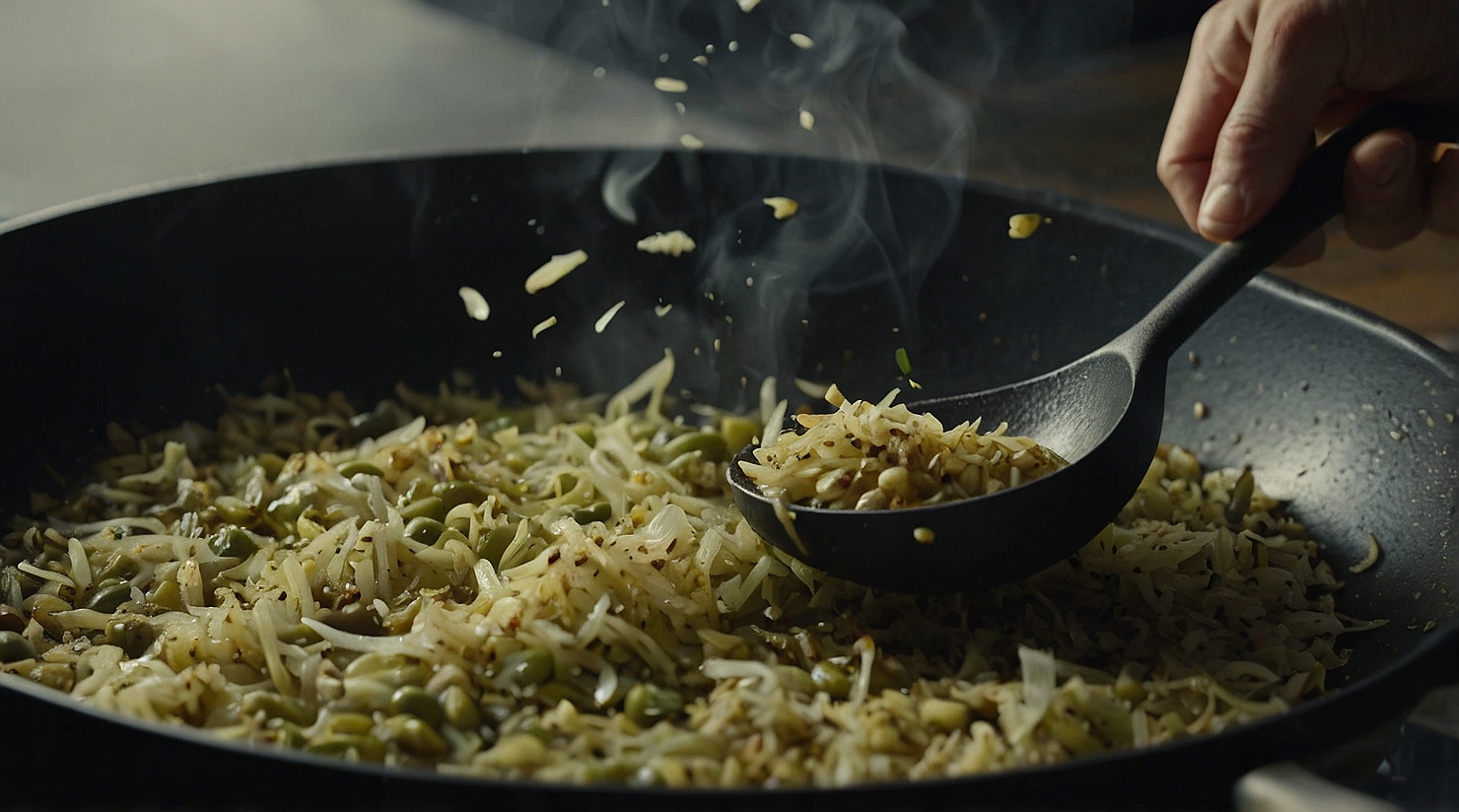
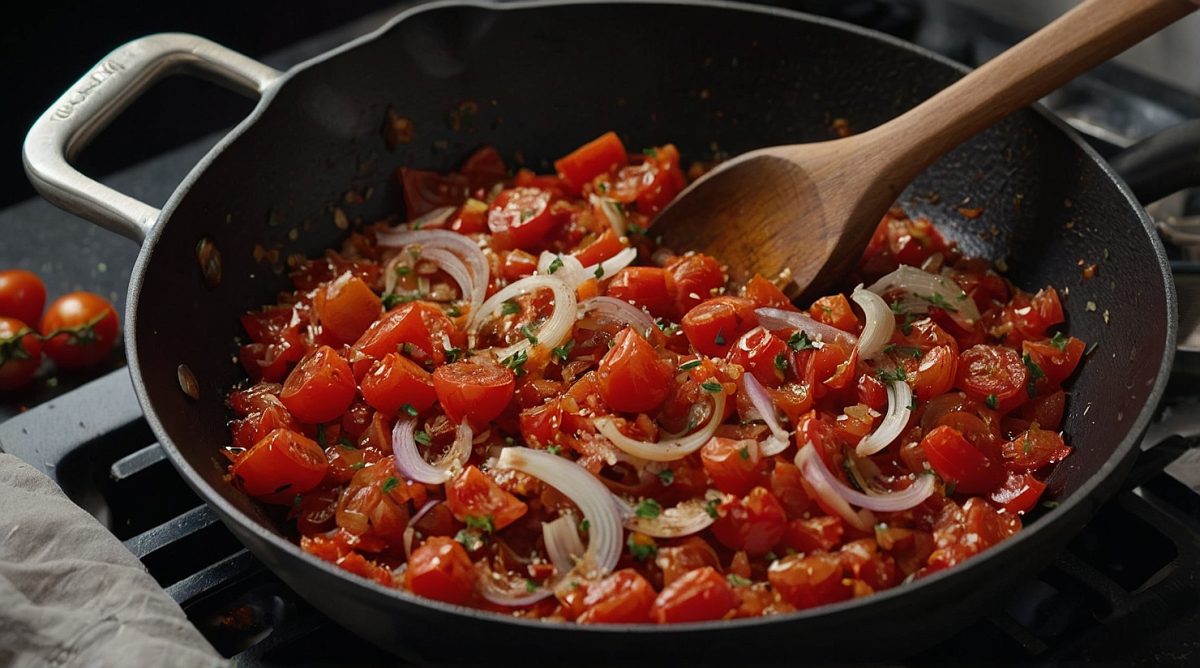
Step 2: Cook the onion and garlic (if using onion): If you are including onion, heat a little olive oil in the oven-safe pan over medium heat. Add the finely chopped onion and sauté until it softens. Stir in the minced garlic and cook for about 1 minute, just until fragrant.
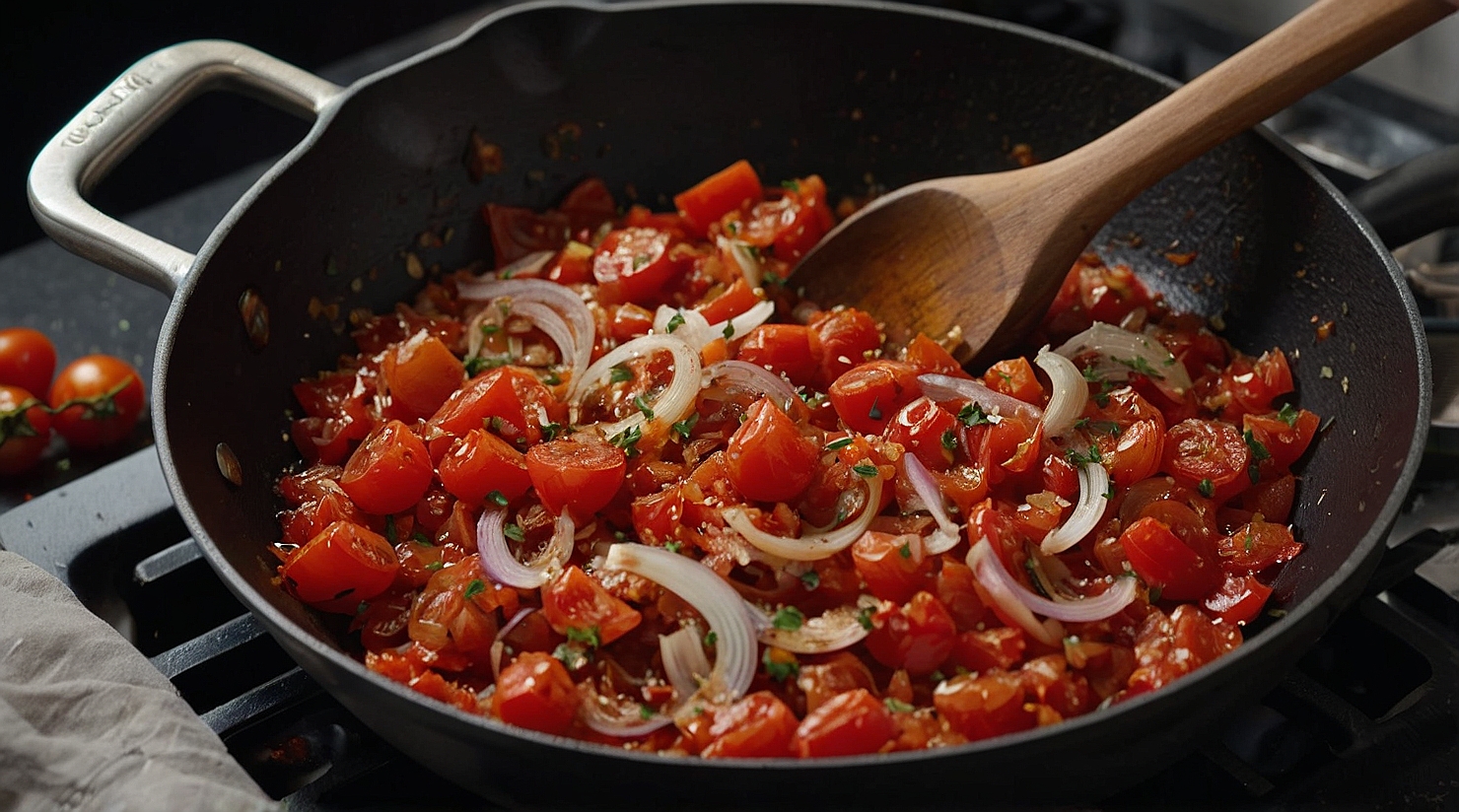
Step 3: Make the tomato base: Add the chopped or crushed tomatoes to the pan. Stir in the oregano, salt, pepper, and red pepper flakes if using. Bring the mixture to a gentle simmer and cook for about 5–10 minutes, until the sauce thickens slightly and the flavors blend.
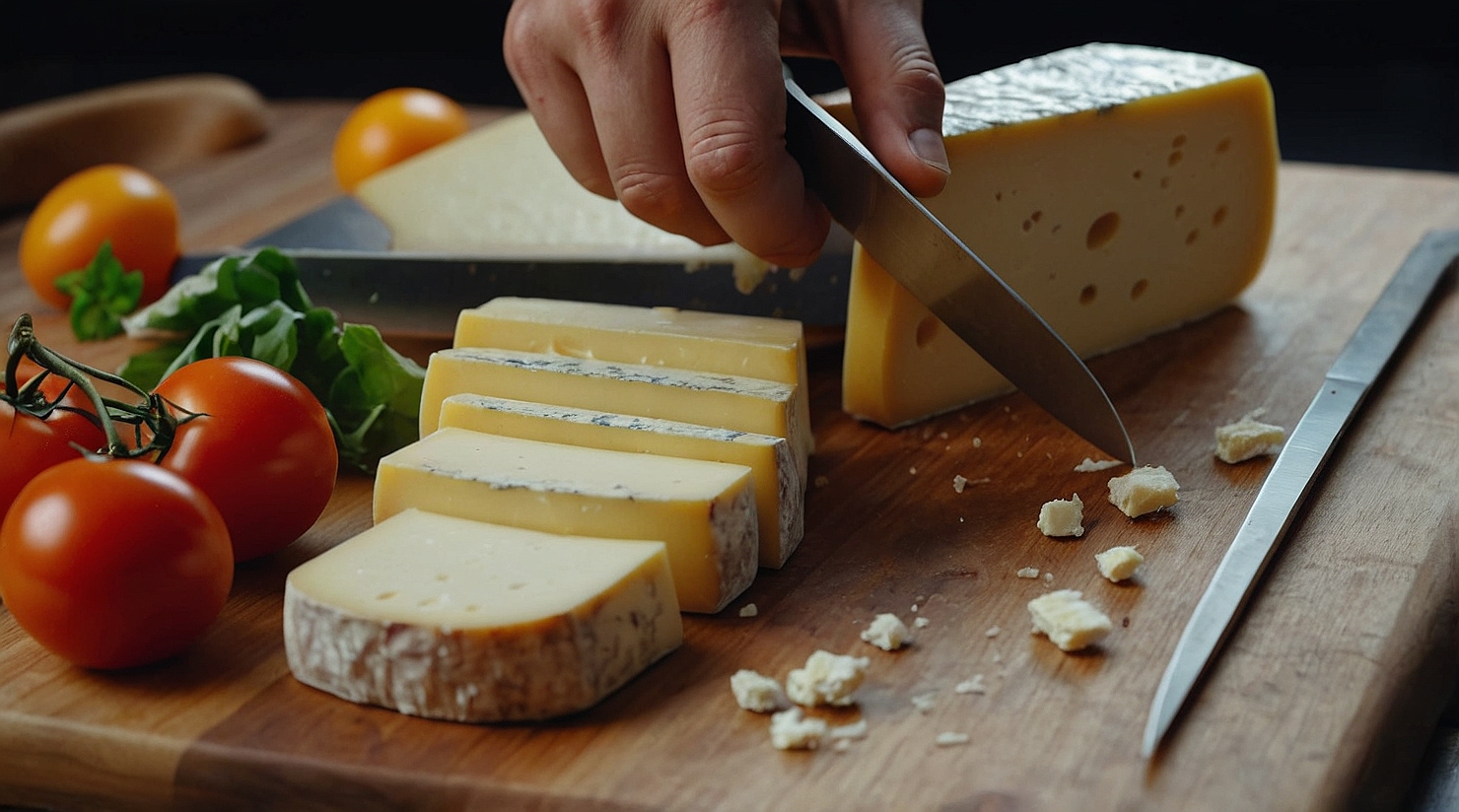
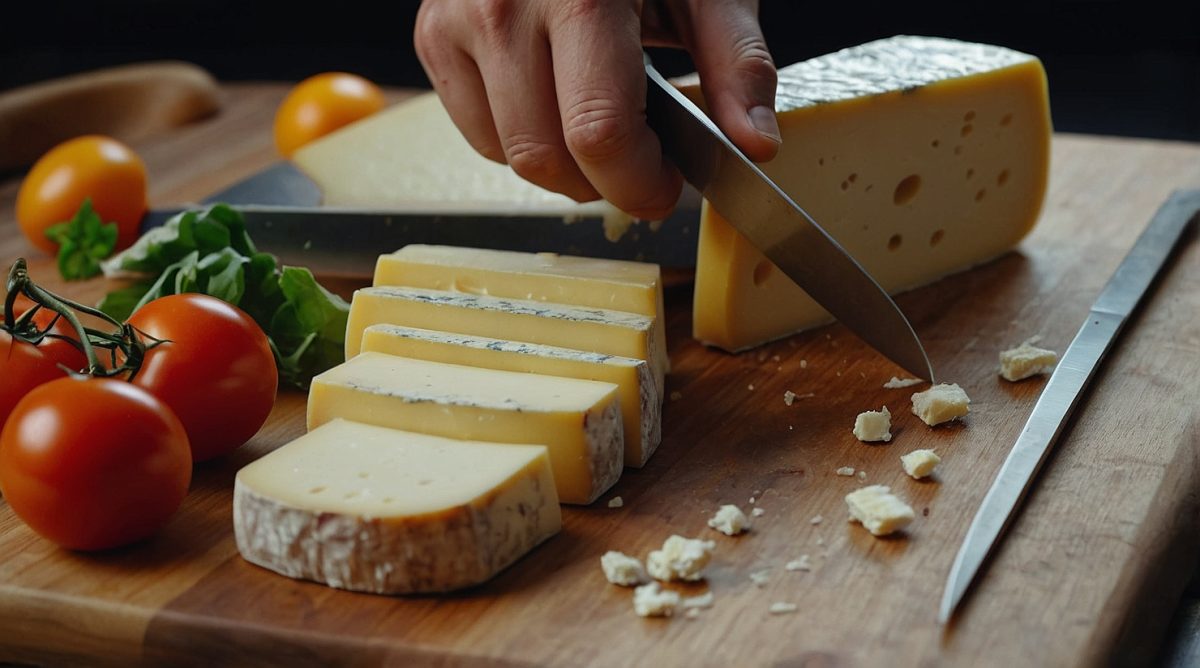
Step 4: Prepare the cheese: Cut the Kackavall cheese into thick slices about 1/2 to 3/4 inch thick, or into similar-sized cubes.
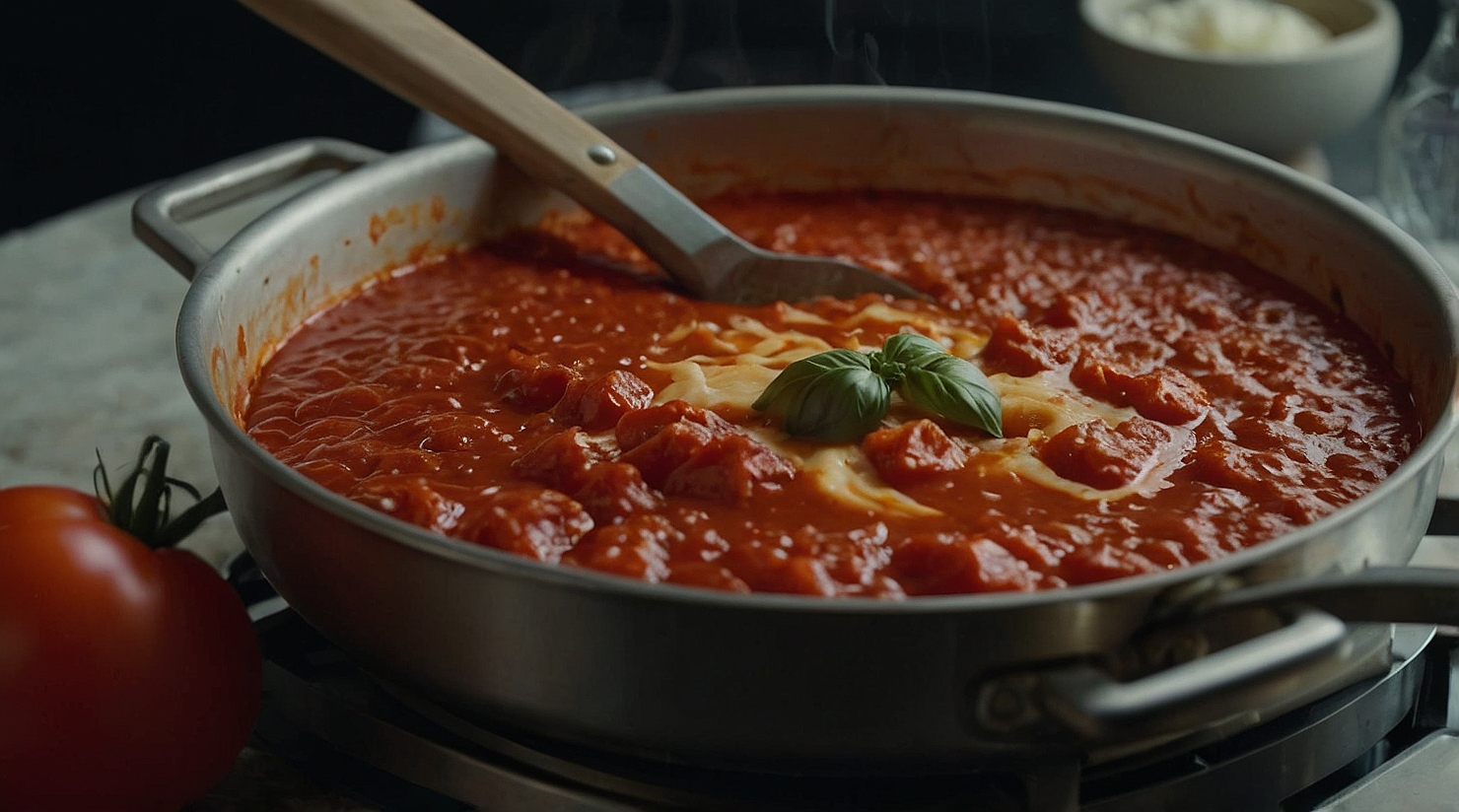
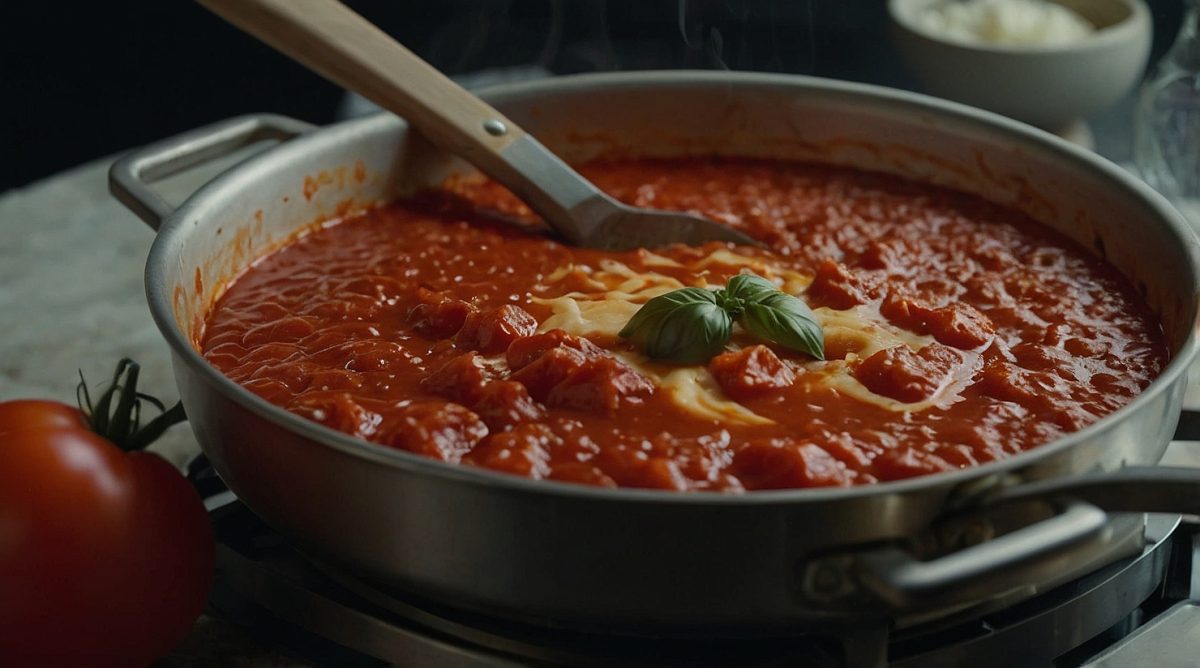
Step 5: Assemble the dish: Nestle the cheese slices or cubes into the tomato sauce in the pan, ensuring they are partly submerged but still visible on top.
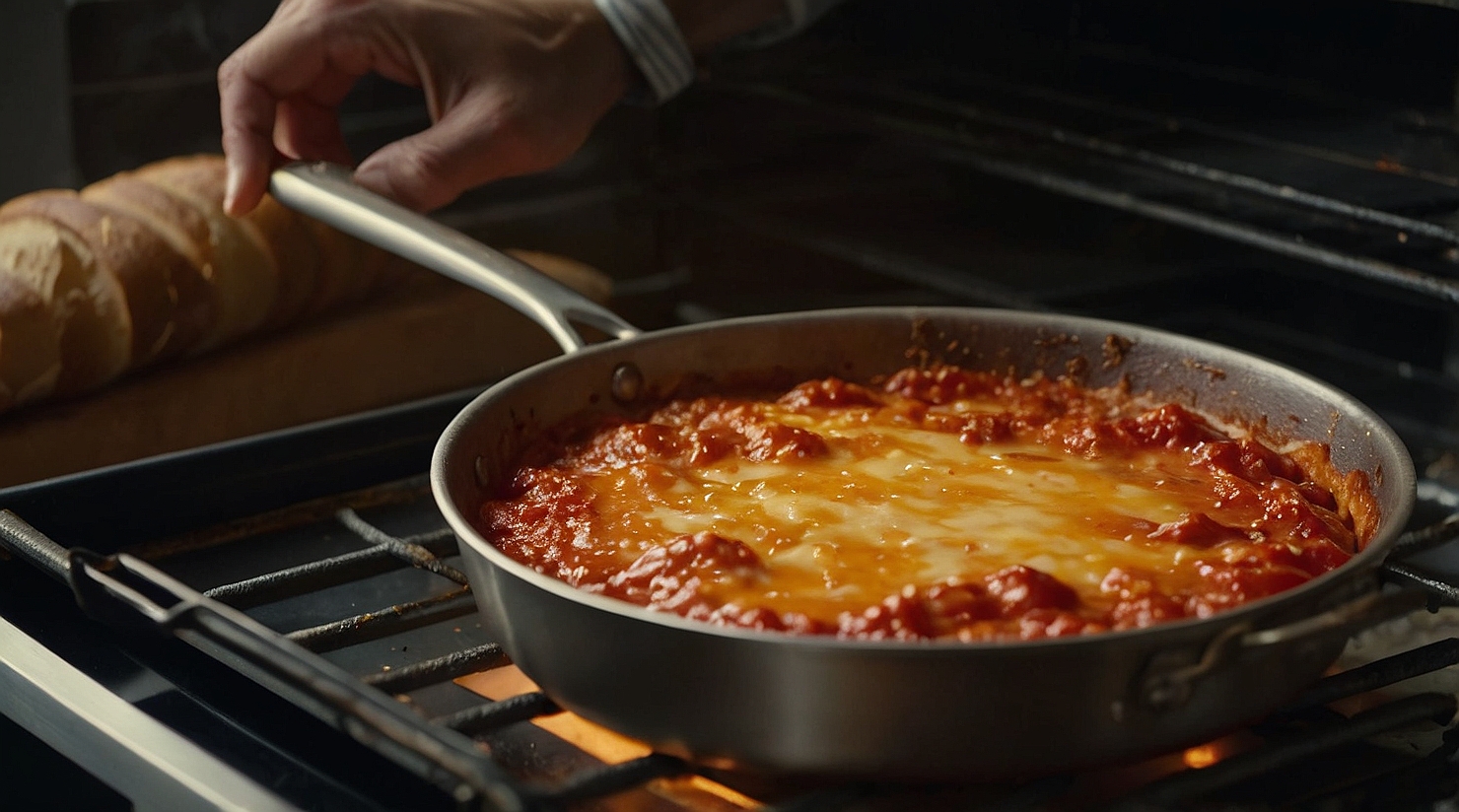
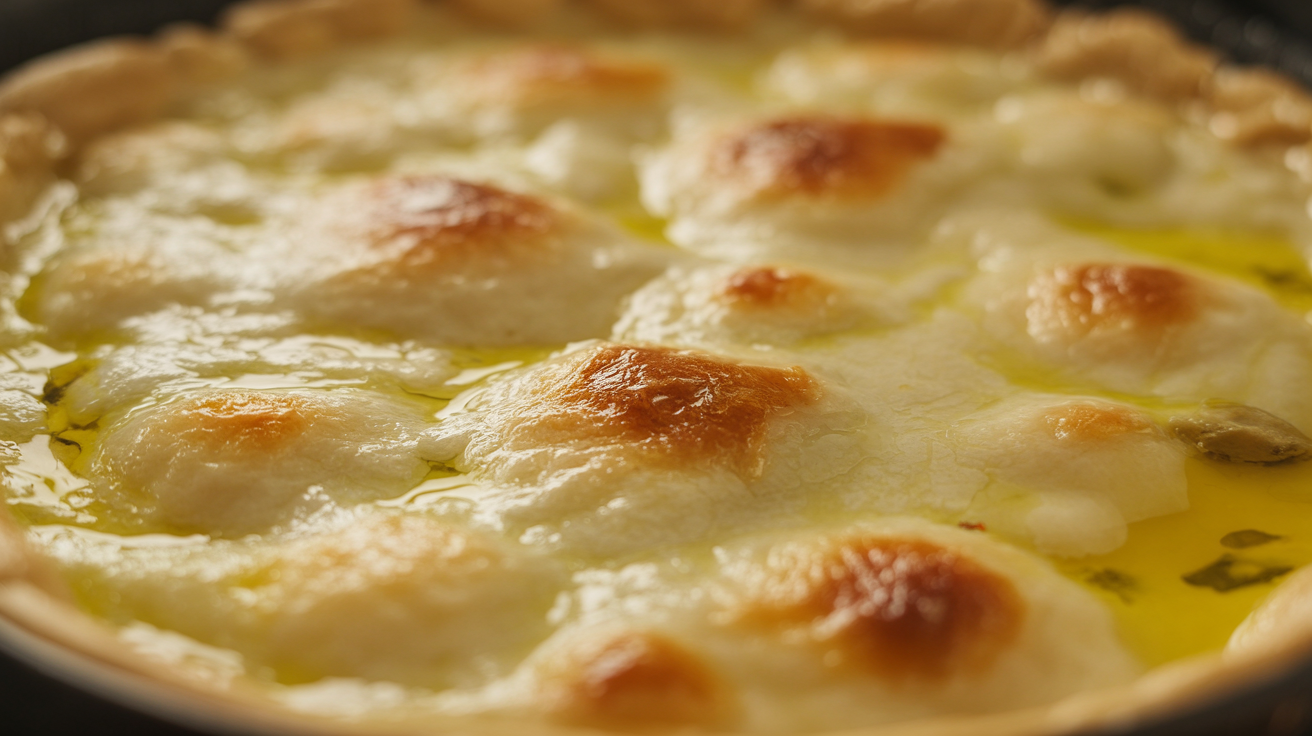
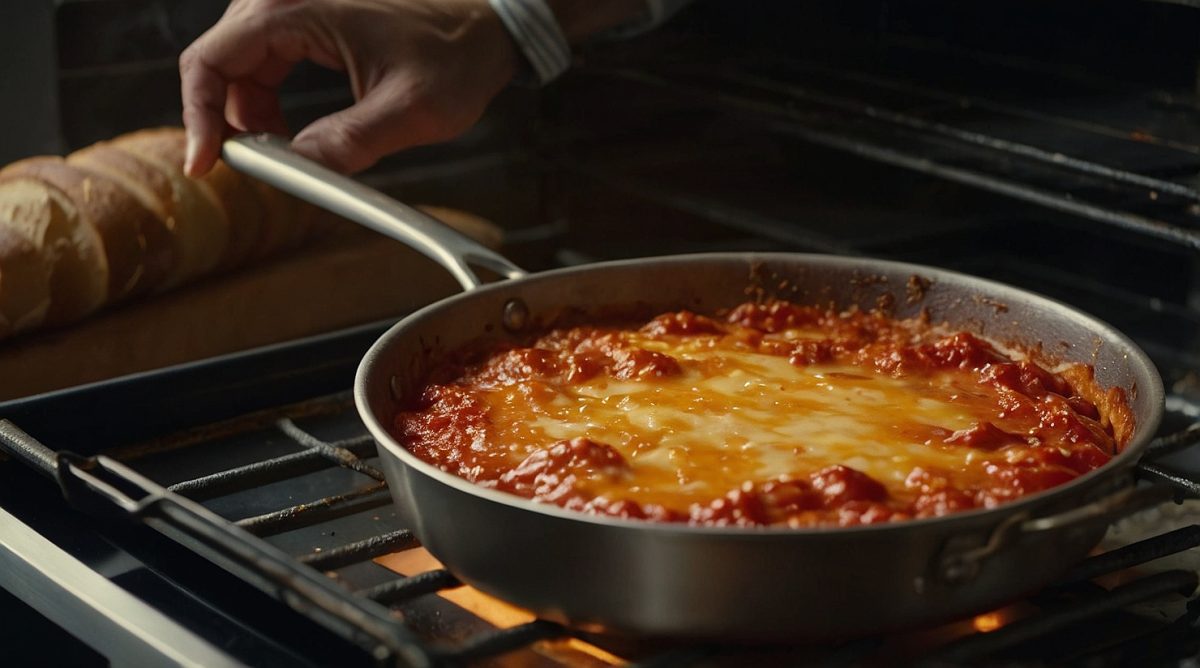
Step 6: Bake the cheese: Place the pan in the preheated oven and bake for 15–20 minutes, or until the cheese is fully melted, very soft, and the top is lightly golden and bubbly.
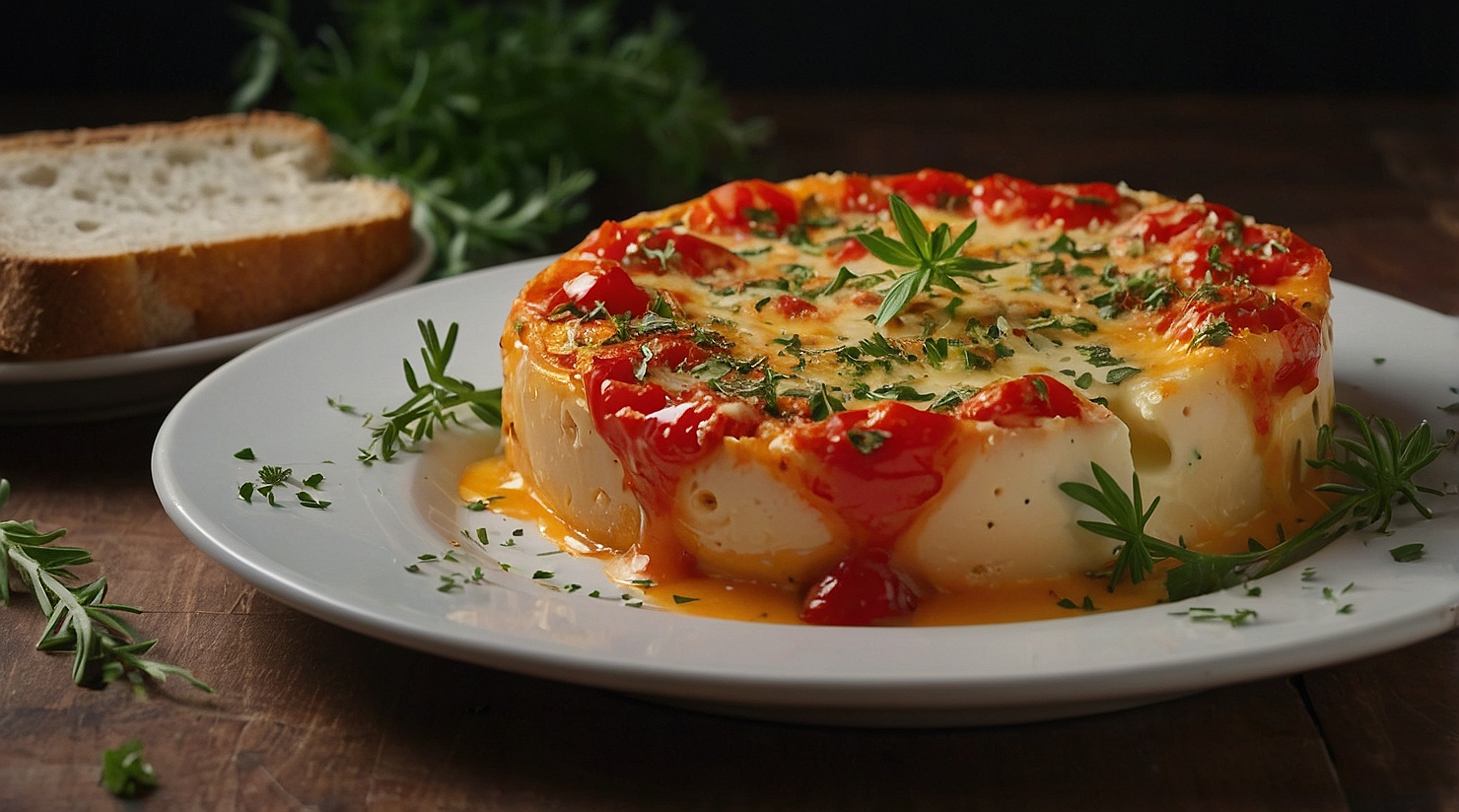
Step 7: Garnish and serve: Remove from the oven. If you like, sprinkle with fresh herbs. Serve immediately with plenty of crusty bread for dipping into the melted cheese and tomato sauce.
Prepping the Oven and Bread
First, I crank the oven to 180°C (350°F)—don’t skip this step. While it heats, I slice my bread into thick hunks, about two centimeters or so. If it’s a little stale, even better; it soaks up the cheese perfectly in the Albanian Kackavall ne furre recipe.
I brush both sides with olive oil, which gives a crisp, flavorful base. Then I lay the slices in my baking dish, making sure they fit snugly but aren’t overlapping too much. The bread’s basically the foundation for the whole recipe.
Sometimes I toast the bread for a few minutes before layering on the cheese and veggies. It’s not required, but it adds a little crunch. Either way, the Albanian Kackavall ne furre recipe always turns out comforting and hearty.
Layering Cheese and Vegetables
This is where the Albanian Kackavall ne furre recipe gets fun. I grate or slice the cheese—about 300-400 grams does the trick. Mince up the garlic and slice any onions thinly; sauté them in olive oil until soft for extra flavor.
Here’s my usual order: spread the sautéed onions and garlic over the bread, layer on the tomato slices, then pile on the cheese. Don’t forget your herbs—oregano, basil, or thyme all work in the Albanian Kackavall ne furre recipe. I finish with a pinch of salt and pepper, and maybe a drizzle more olive oil.
Sometimes I add a second layer if I’m feeling extra hungry. The more cheese, the better, right?
Tips for the Perfect Golden Crust
Want that irresistible crust on your Arecipe? Don’t be shy with the cheese—lay it on thick. I save a little extra to sprinkle on top in the last five minutes for bonus browning.
Keep an eye on the oven. If the top starts browning too fast, just tent it with foil. Broil for a couple minutes at the end if you like it extra crispy, but watch closely—Albanian Kackavall ne furre recipe can go from golden to burnt in seconds.
Middle rack is best for even heat. I sometimes rotate the dish halfway through so every corner gets bubbly and brown. That’s the secret to a show-stopping Albanian Kackavall ne furre recipe.
Final Baking and Serving Suggestions
Bake your Albanianrecipe for about 20-25 minutes, until the cheese is bubbling and golden. Let it rest for five minutes so it’s easier to cut and serve. The inside stays gooey, and the edges get perfectly crisp.
I like to cut my recipe into squares and serve it hot, with a simple salad on the side. Fresh herbs on top make it look and taste even better. It disappears fast—don’t expect leftovers.
Albanian Kackavall ne furre recipe is best right out of the oven, but I’ve been known to sneak cold bites from the fridge. There’s just something about that salty, cheesy bite. Give it a try and see if you agree.
Tips, Pairings, and Nutritional Insights
Albanian Kackavall ne furre recipe recipe really shines when you start with good cheese and fresh veggies. A few little tricks can take it from good to unforgettable. And pairing it with the right sides makes it a meal you’ll want to make again and again.
Expert Tricks for Richer Flavor
I always go for the best djathë kaçkavall I can find for my Albanian recipe. Aged cheese has more flavor and melts beautifully. Extra virgin olive oil is a must—don’t skip that drizzle before baking.
Fresh herbs like oregano, thyme, or basil take the Albanian Kackavall ne furre recipe up a notch. I sometimes add dried herbs halfway through baking to really let their flavors bloom. A little room-temperature cheese melts more evenly, so I let it sit out for 15 minutes before baking.
Red pepper flakes or black pepper add a nice kick to the Albanian Kackavall ne furre recipe. Garlic powder is a sneaky addition that works wonders. If you’re feeling bold, a splash of white wine in the baking dish brings a subtle tang that cuts through the richness.
Serving Ideas and Pairings
Albanian Kackavall ne furre recipe is killer as a side with grilled lamb or beef kebabs. The salty cheese pairs perfectly with juicy, fatty meats. I always have crusty bread nearby to scoop up all the cheesy, tomatoey goodness.
It goes great with a crisp white wine or a light red—something that won’t overpower the Albanian Kackavall ne furre recipe. Raki is the classic Albanian pairing, but sparkling water with lemon is nice if you’re skipping booze. Sometimes I add it to a mezze spread with olives, roasted peppers, and a simple lemony salad.
I’ve served Albanian Kackavall ne furre recipe as a warm dip at parties, and it’s always a hit. People end up standing around the baking dish, tearing off hunks of bread and fighting over the last gooey bite. It’s a dish that brings people together, every single time.
Nutritional Benefits of Kackavall ne Furre
The Albanian Kackavall ne furre recipe brings a solid dose of protein and calcium from the cheese. One serving usually has around 15-20 grams of protein, so it’s great for muscle repair after a long day. If you’re into the Albanian Kackavall ne furre recipe, you’ll definitely get your protein fix.
Calcium is key for strong bones and teeth, and the cheese in the recipe packs plenty of it. I’ve always found it comforting to know that something so tasty can support bone health. People who love the recipe recipe often mention how satisfying it feels, especially when you want something hearty.
Tomatoes in the Albanian Kackavall ne furre recipe recipe add vitamin C and lycopene, which is a pretty powerful antioxidant for your heart. Cooking them with olive oil lets your body soak up even more lycopene. It’s one of those little tricks that makes the Albanian Kackavall ne furre recipe recipe shine nutritionally.
Vaj ulliri (olive oil) in the recipe brings in those good monounsaturated fats. These fats help your body grab all the fat-soluble vitamins from the tomatoes and herbs. I always feel like the Albanian Kackavall ne furre recipe wouldn’t be the same without a generous drizzle of olive oil.
The Albanian Kackavall ne furre recipe does come with a fair amount of sodium, thanks to the salty cheese. I try to keep an eye on my portion size if I’m watching my salt. Swapping in fresh herbs instead of more salt keeps the Albanian Kackavall ne furre recipe flavorful without going overboard on sodium.
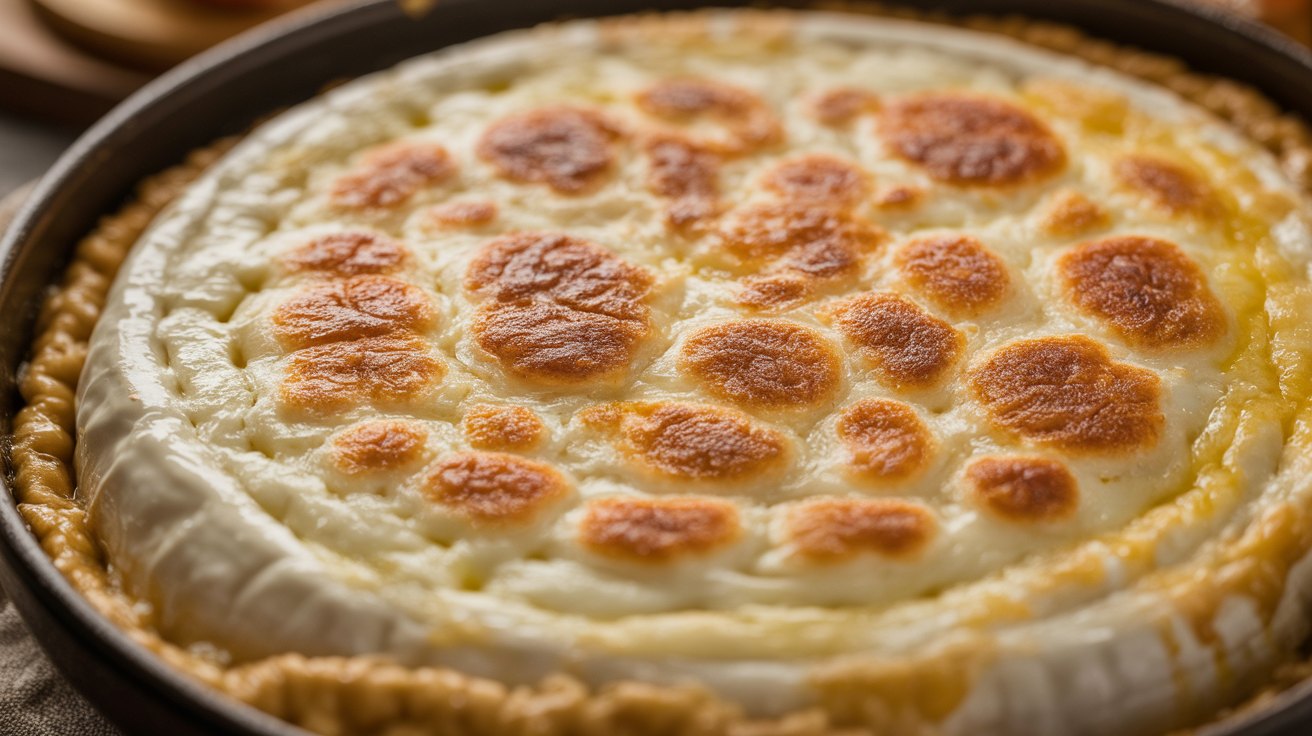
Baked Cheese vs Fried Cheese
Baked cheese and fried cheese offer two very different ways to enjoy cheese, each with its own texture and flavor profile.
Baked cheese is typically prepared by placing cheeses like feta or kasseri in the oven until soft and slightly golden. It may be topped with herbs, olive oil, or honey. The result is a creamy, spreadable texture with a mild, balanced flavor that highlights the cheese itself.
Fried cheese, such as mozzarella sticks or saganaki, is coated and cooked in hot oil until crispy on the outside and melted inside. This creates a contrast between the crunchy exterior and gooey center, making it more indulgent and rich.
The key difference is texture and intensity: baked cheese is soft and subtle, while fried cheese is crispy and bold.
If you’re looking for a lighter, more balanced dish, baked cheese is the better choice. If you want something crunchy, rich, and indulgent, fried cheese is the way to go.
Albanian Kaçkavall në Furrë Recipe FAQ
1. What is kaçkavall cheese?
A semi-hard Balkan cheese similar to kasseri.
2. How is this dish prepared?
The cheese is baked until melted and slightly golden.
3. Is this dish served as an appetizer?
Yes, it’s commonly served as a starter.
4. Can other cheeses be used?
Yes, similar melting cheeses can substitute.
5. What is served with baked kaçkavall?
Bread is typically served alongside.
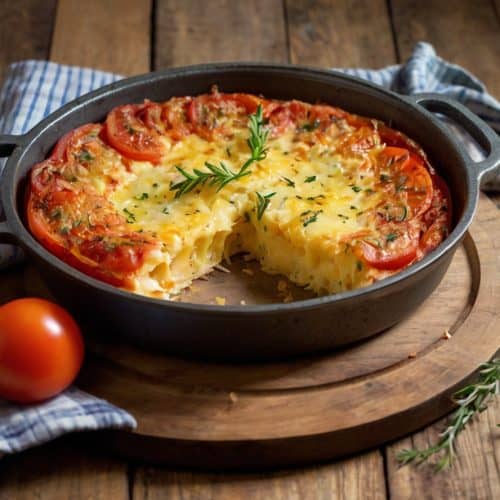
Albanian Kaçkavall në furrë
Ingredients
- 8 oz cheese Kackavall
- 5 tomatoes ripe chopped
- 1 onion finely chopped
- 2 cloves garlic minced
- 2 tbsp olive oil extra virgin
- 1 tsp oregano dried or fresh herbs like basil and thyme
- 1/4 tsp salt to taste
- 1/4 tsp black pepper to taste
- Crushed red pepper flakes
- Crusty bread for serving
Instructions
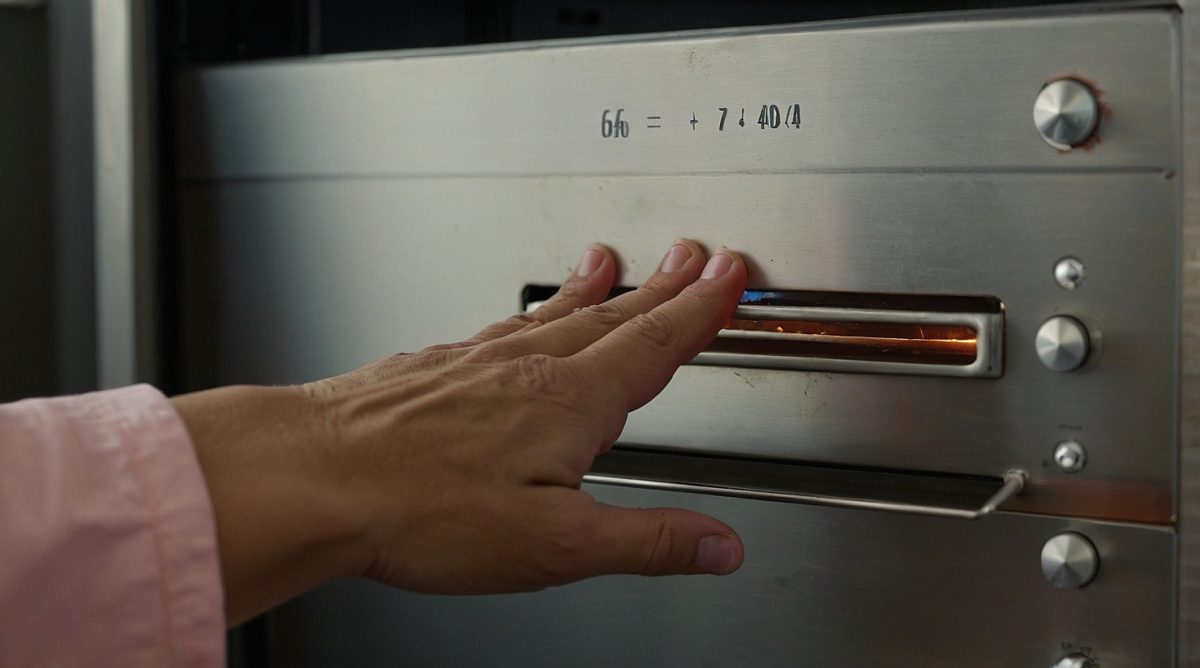
- Preheat the oven: Set your oven to 400°F (200°C) and allow it to preheat. Use a small oven-safe pan or shallow casserole dish for this recipe.
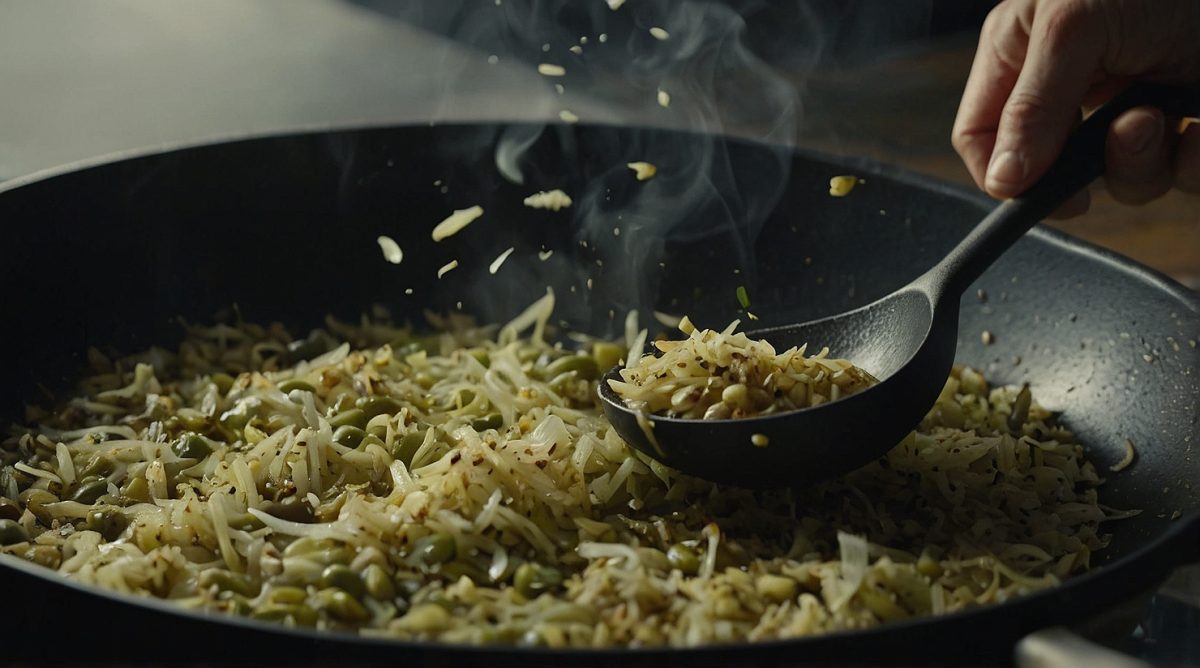
- Cook the onion and garlic (if using onion): If you are including onion, heat a little olive oil in the oven-safe pan over medium heat. Add the finely chopped onion and sauté until it softens. Stir in the minced garlic and cook for about 1 minute, just until fragrant.
- Make the tomato base: Add the chopped or crushed tomatoes to the pan. Stir in the oregano, salt, pepper, and red pepper flakes if using. Bring the mixture to a gentle simmer and cook for about 5–10 minutes, until the sauce thickens slightly and the flavors blend.
- Prepare the cheese: Cut the Kackavall cheese into thick slices about 1/2 to 3/4 inch thick, or into similar-sized cubes.
- Assemble the dish: Nestle the cheese slices or cubes into the tomato sauce in the pan, ensuring they are partly submerged but still visible on top.
- Bake the cheese: Place the pan in the preheated oven and bake for 15–20 minutes, or until the cheese is fully melted, very soft, and the top is lightly golden and bubbly.
- Garnish and serve: Remove from the oven. If you like, sprinkle with fresh herbs. Serve immediately with plenty of crusty bread for dipping into the melted cheese and tomato sauce.
Video

11 comments
Interesting read! But does the flavor of Kaçkavall cheese vary by region within Albania, just like wines do?
Indeed, like wines, the flavor of Kaçkavall can vary. Its the beauty of regional gastronomy!
Interesting read! But wouldnt the distinctiveness of Kaçkavall cheese get lost when its baked? Just a food for thought!
Not at all, baking simply enhances Kaçkavalls unique flavor, it doesnt overshadow it!
Anyone else think Albanian Kaçkavall cheese could give mozzarella a run for its money in the baked cheese game?
Absolutely not! Mozzarellas melt and stretch are unbeatable. Kaçkavall cant even compare!
Is it just me or does the unique texture of Kaçkavall cheese truly elevate this dish beyond other baked cheese recipes?
Interesting read! Has anyone tried substituting Kaçkavall with another cheese? How does it impact the dishs authenticity?
Tried with cheddar once, completely ruined the dishs authenticity! Stick to Kaçkavall.
Interesting article! But, isnt it true that the baking process can sometimes diminish the Kaçkavall cheeses unique flavor profile?
Actually, the right baking temp enhances Kaçkavalls flavor, not diminishes it! Try it before judging.
Comments are closed.