

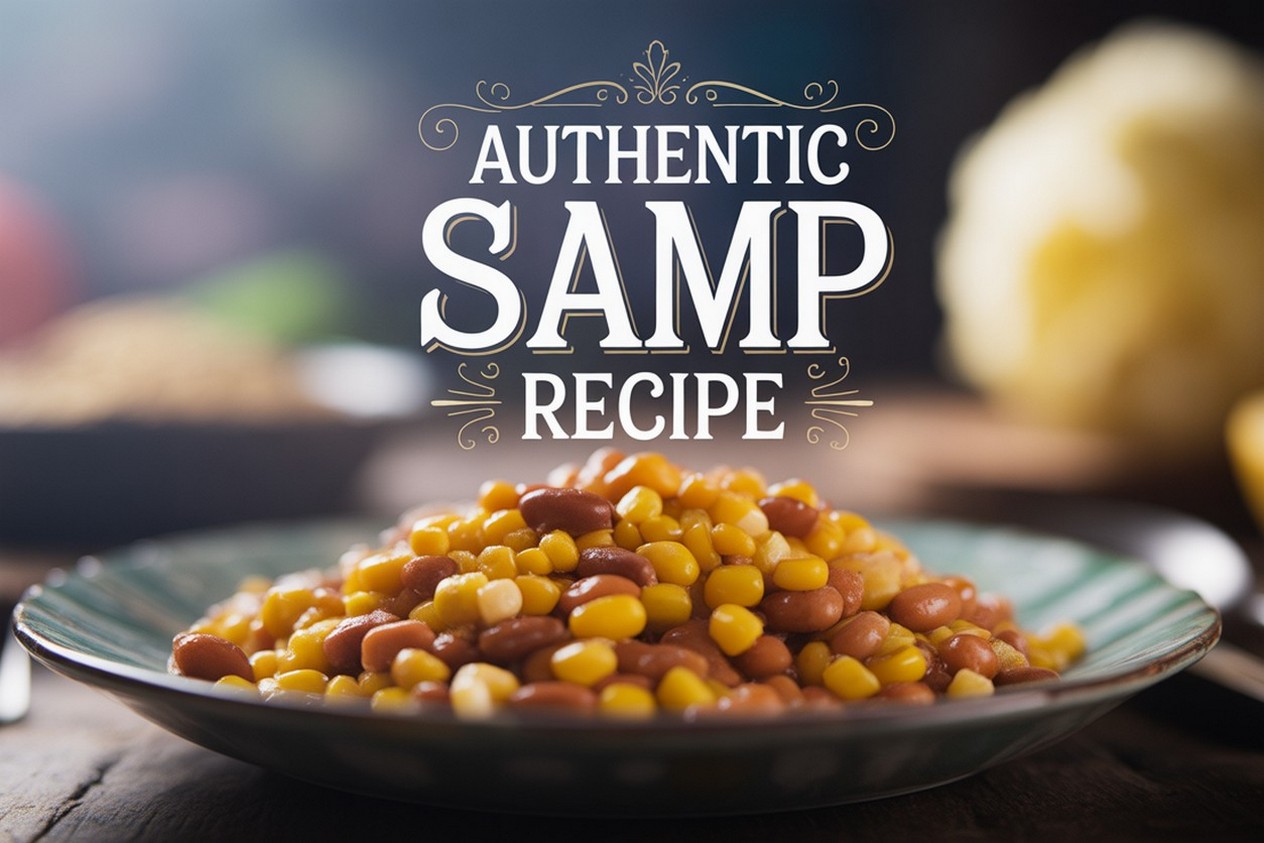
I’ll never forget the first time I tried samp in Lesotho. I watched my host family transform what looked like broken corn kernels into the most comforting bowl of creamy goodness I’d ever tasted. Traditional Lesotho samp is made from coarsely ground maize kernels that are soaked and cooked until tender, creating a hearty dish that serves as a staple food throughout the country.
The beauty of samp is that it’s deceptively simple. You might think cooking dried corn sounds about as exciting as watching paint dry, but trust me—this dish has kept families fed and happy for generations. It’s the kind of food that brings people together around the table.
Let me walk you through everything you need to know about making an authentic Lesotho Samp recipe. We’ll talk about what makes this dish special, how to prepare it the traditional way, and why pairing it with beans can be pure magic. Get ready to add a traditional Basotho dish to your cooking skills.
What Is Lesotho Samp?
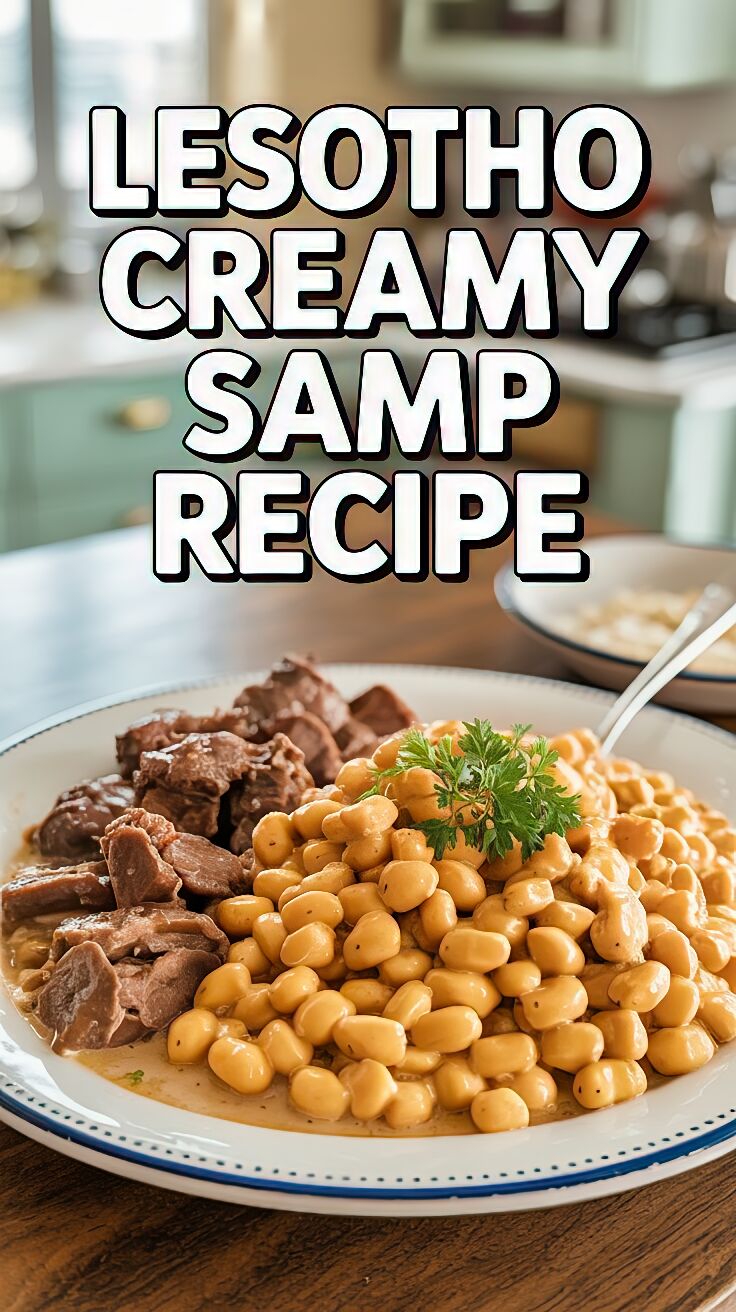
Lesotho samp is a hearty dish made from dried corn that’s been crushed into chunky pieces, creating a filling meal that’s kept bellies happy in the mountain kingdom for generations. This isn’t your average corn side dish—it’s a cultural cornerstone that brings people together.
Origins and Cultural Significance
I’ve learned that samp holds deep cultural meaning in Lesotho as a staple food that shows up at communal gatherings and celebrations. The Basotho people have been making this dish for centuries, using it as a symbol of unity and sustenance during important events.
When families and communities gather, samp often takes center stage. It’s not fancy or complicated, which is honestly the point. The dish shows how simple ingredients can bring people together and keep traditions alive.
It’s kind of wild that something as basic as crushed corn can carry so much cultural weight. But that’s exactly what makes the Lesotho Samp recipe special—it’s food that connects the past to the present.
Maize Kernels and Coarsely Ground Maize
The magic starts with dried maize kernels that get pounded and crushed into coarse pieces. We’re not talking about fine cornmeal here—think more like broken rice or chunky grits.
The crushed corn kernels need to be soaked before cooking, which softens them up and cuts down on cooking time. Without soaking, you’d be stirring that pot for hours, wondering if your corn is ever going to cooperate.
Once the coarsely ground maize is ready, simmer it slowly until tender. The texture should be soft but still have some bite—not mushy, not crunchy.
How Lesotho Samp Compares to Other Southern African Dishes
I’ve noticed that samp appears throughout Southern African cuisine, especially in South Africa where it’s considered comfort food. The basic preparation stays pretty similar—crushed corn cooked until tender.
What sets a Lesotho Samp recipe apart is how it’s served and seasoned. While South Africans often mix their samp with beans or peanuts to create heartier combinations, Lesotho keeps things simpler. The focus stays on the corn itself, sometimes served alongside meat or vegetables rather than mixed in.
Both versions qualify as south african comfort food, but Lesotho’s approach tends to be more straightforward. No fancy additions or complex seasonings—just honest food that fills you up and keeps you warm on those chilly mountain evenings.
Preparing Classic Lesotho Samp
Getting samp right means soaking it to cut down cooking time, and you can jazz it up with creamy additions or keep it bare-bones. Patience during the long simmer is crucial, and you really want to avoid rookie mistakes like undersalting or letting your pot run dry.
Soaking and Cooking Methods
I always start by soaking my samp overnight in cold water. This step cuts the cooking time roughly in half and helps the kernels soften evenly.
After draining the soaked samp, I toss it into a large pot with fresh water at about a 1:3 ratio. The samp needs to simmer for 1-2 hours until tender, and I check it every 30 minutes to make sure there’s enough liquid.
Some folks use quick-cooking samp to save time, but honestly, I prefer doing it the old fashioned way for better texture. I reduce the heat to low once it starts bubbling and keep the lid on. The kernels should be soft but still have a bit of bite when done.
If you skip the soaking step, plan on cooking for at least 3 hours.
Creamy Samp Variations and Add-Ins
For a creamy Lesotho Samp recipe, I stir in a few tablespoons of butter and some Cremora non-dairy creamer during the last 15 minutes. This makes the dish rich without being heavy.
I like adding Aromat seasoning for that savory, umami kick. Just a teaspoon or two does the trick.
Some variations I’ve tried: mixing in cooked beans to make samp and beans, which turns it into a complete protein meal. You can also add sautéed onions, garlic, or even a splash of cream for extra richness.
Swapping water for chicken stock? It takes the flavor to another level, in my opinion.
Common Mistakes and How to Avoid Unintentional Samp Catastrophes
The biggest mistake I made early on was not adding enough salt. Samp is bland on its own, so I season the cooking water generously and taste as I go.
Running out of water mid-cook is another disaster I’ve faced. I keep a kettle of hot water nearby to top up the pot when needed. Adding cold water can shock the kernels and make them tough.
Rushing never works. If the samp isn’t tender after the recommended time, I just keep cooking and adding water. No shame in letting it go for another hour.
I also learned not to stir too vigorously. Gentle stirring every 20 minutes keeps things moving without turning the samp mushy.

The Samp and Beans Connection
Samp rarely travels alone in Southern African cooking. When you pair it with beans, this humble crushed corn transforms into something greater, offering both nutritional punch and cultural significance that stretches across borders.
Samp and Beans: Umngqusho and Beyond
When you combine samp with beans, you’re making what the Xhosa people call umngqusho, a traditional South African dish that’s been filling bellies for generations. The dish typically uses sugar beans alongside the crushed maize kernels, slow-cooked until everything becomes tender and creamy.
This comfort food classic isn’t just popular in South Africa. I found that samp is also a staple in Lesotho, where it’s enjoyed in communal settings and keeps traditional culinary practices alive.
The beauty of umngqusho? Simplicity. You’re basically throwing samp and beans into a pot with some aromatics like onions, maybe a bit of butter or oil, and letting time do its magic. No fancy ingredients needed.
Nutritional Value: Not Just an Excuse to Eat More
Let me be honest: I love when delicious food turns out to be good for me too. Samp and beans deliver on both fronts.
The combination creates a complete protein, so you get all the amino acids your body needs. The high fiber content from maize and beans supports digestive health and keeps things moving along nicely, if you know what I mean.
Here’s what a typical serving brings to the table:
- Complete protein from the bean and grain combo
- High fiber for digestive wellness
- B vitamins from the maize
- Iron and minerals from the beans
- Low fat when prepared traditionally
The plant-based fiber improves intestinal health, which can help my immune system work better. Not bad for a Lesotho Samp recipe that costs less than a fancy coffee.
Serving Suggestions: From Braai Buddy to Weeknight Hero
Honestly, umngqusho has surprised me with just how flexible it is. The Lesotho Samp recipe can hold its own as a main, but it’s just as happy on the side.
The dish pairs perfectly with grilled meats at a braai (that’s South African for barbecue). I usually throw it next to boerewors, lamb chops, or chicken—something about that creamy Lesotho Samp recipe next to smoky, charred meat just works.
For a vegetarian spin, I’ll load up my Lesotho Samp recipe with chakalaka (spicy veggie relish) or roasted veggies. Sometimes I just add a pat of butter and call it a night. Simple, but so good.
Quick serving ideas:
- With stews and curries
- As a base for vegetable toppings
- Alongside grilled or roasted meats
- Mixed with sautéed spinach or kale
- Topped with fried eggs for breakfast
I’ve noticed leftovers from this Lesotho Samp recipe reheat really well. I just splash in a bit of water when I warm it up, and it goes creamy again—great for meal prep or a lazy lunch. If you haven’t tried the Lesotho Samp recipe yet, you might be missing out on a real weeknight hero.
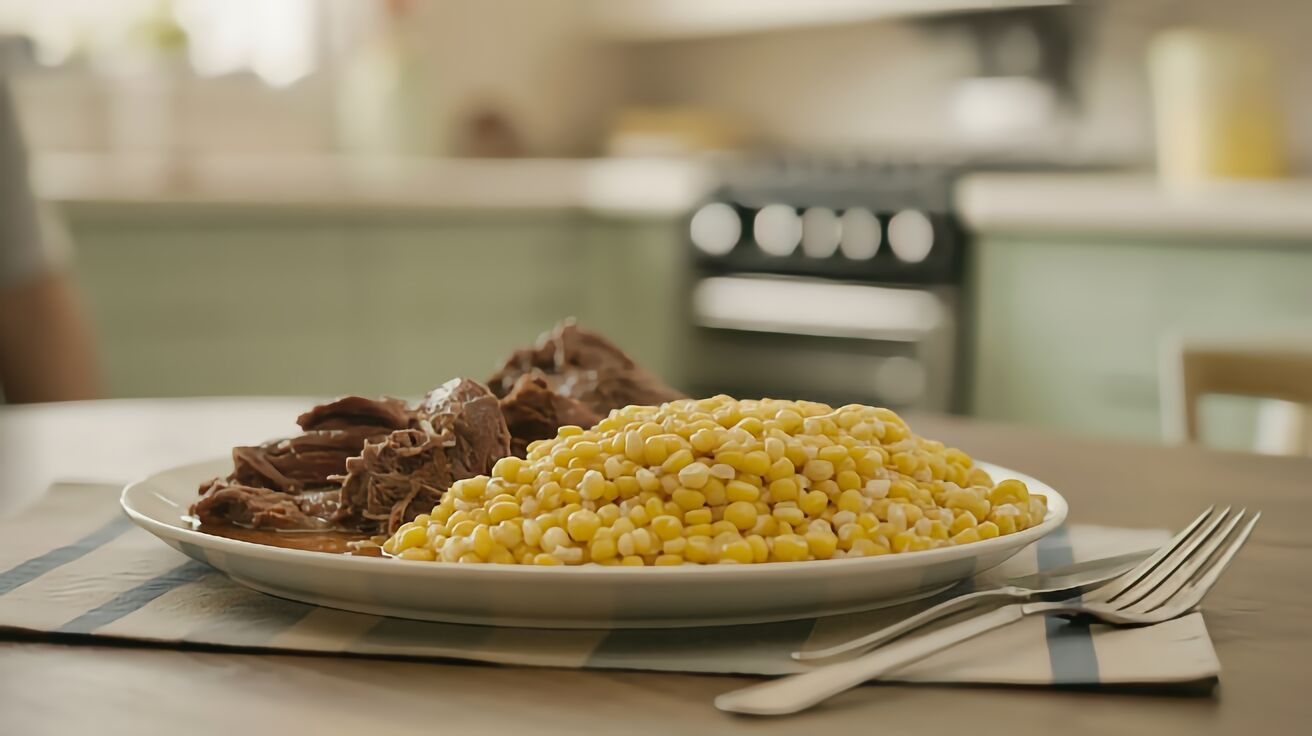
Samp Recipe
Samp vs Hominy
Samp and hominy are both derived from dried corn, but their processing methods set them apart. Samp is simply cracked or coarsely ground corn, retaining much of its natural structure and requiring longer cooking times.
Hominy, on the other hand, is treated with an alkali solution in a process called nixtamalization. This removes the hull and makes the kernels puff up, resulting in a softer texture and enhanced nutritional profile.
The comparison of samp vs hominy highlights differences in tradition and preparation. Samp is more common in African cuisine, while hominy is widely used in Latin American dishes like pozole. Each brings a unique texture and cultural significance to the table.
Lesotho Samp Recipe FAQ
1. How is traditional samp prepared?
Samp is boiled until soft and often combined with beans or meat.
2. What dishes include samp?
It’s commonly used in stews or served as a side dish.
3. Can samp be cooked without soaking?
Yes, but it will take longer to become tender.
4. What flavors are added to samp?
Salt, butter, onions, and sometimes spices.
5. Is samp a staple food in Lesotho?
Yes, it’s widely consumed across Southern Africa.
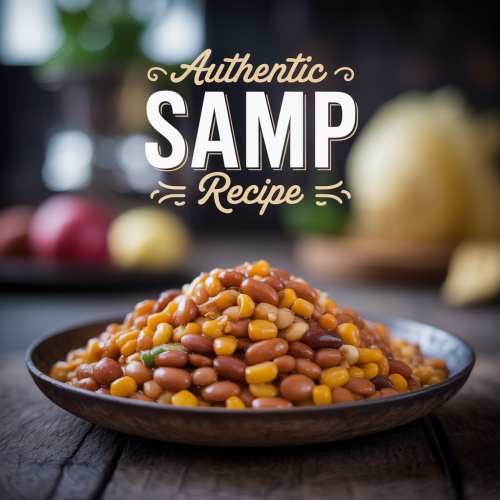
Authentic African Samp
Ingredients
- 3 cups samp
- Water for soaking and cooking
- 5 Tbsp vegetable oil
- 3 onions large, chopped
- Salt to taste
Instructions
- Place the samp in a large bowl and cover with enough water to fully submerge it.
- Soak overnight to allow the grains to soften.
- Drain and rinse the soaked samp.
- Transfer to a pot, cover with fresh water, and bring to a boil.
- Reduce the heat and cook for about 1 hour and 15 minutes, stirring halfway through and adding hot water as needed, until the samp is tender and puffed.
- In a large pot over medium heat, add the vegetable oil.
- Add the onions and cook, stirring frequently, until translucent.
- Add the cooked samp to the onions and stir-fry for about 5 minutes, until well mixed.
- Continue cooking for another 10 minutes, stirring often. Season with salt to taste. Serve warm.


8 comments
Interesting read, but isnt the samp preparation method in Lesotho quite similar to the South African umngqusho? Just a thought!
Interesting read, but how does the taste of Lesotho Samp compare to Mexican hominy? Are the cooking methods similar?
Cant compare apples and oranges. Each has unique flavor and cooking methods!
Interesting read, but isnt Lesotho Samp quite similar to South African umngqusho? Isnt the difference just regional preference?
So, how does the taste of Lesotho samp compare to the American grits? Cultural significance aside, its all about the flavor, right?
Interesting read! But isnt Lesotho samp similar to hominy in Latin American cuisine? What sets them apart?
Interesting read! But why is Lesotho samp not as globally recognized as other Southern African dishes? Deserves more spotlight, dont you think?
Interesting read! But isnt it true that Lesotho Samps uniqueness lies in its preparation method rather than the maize used?
Comments are closed.