

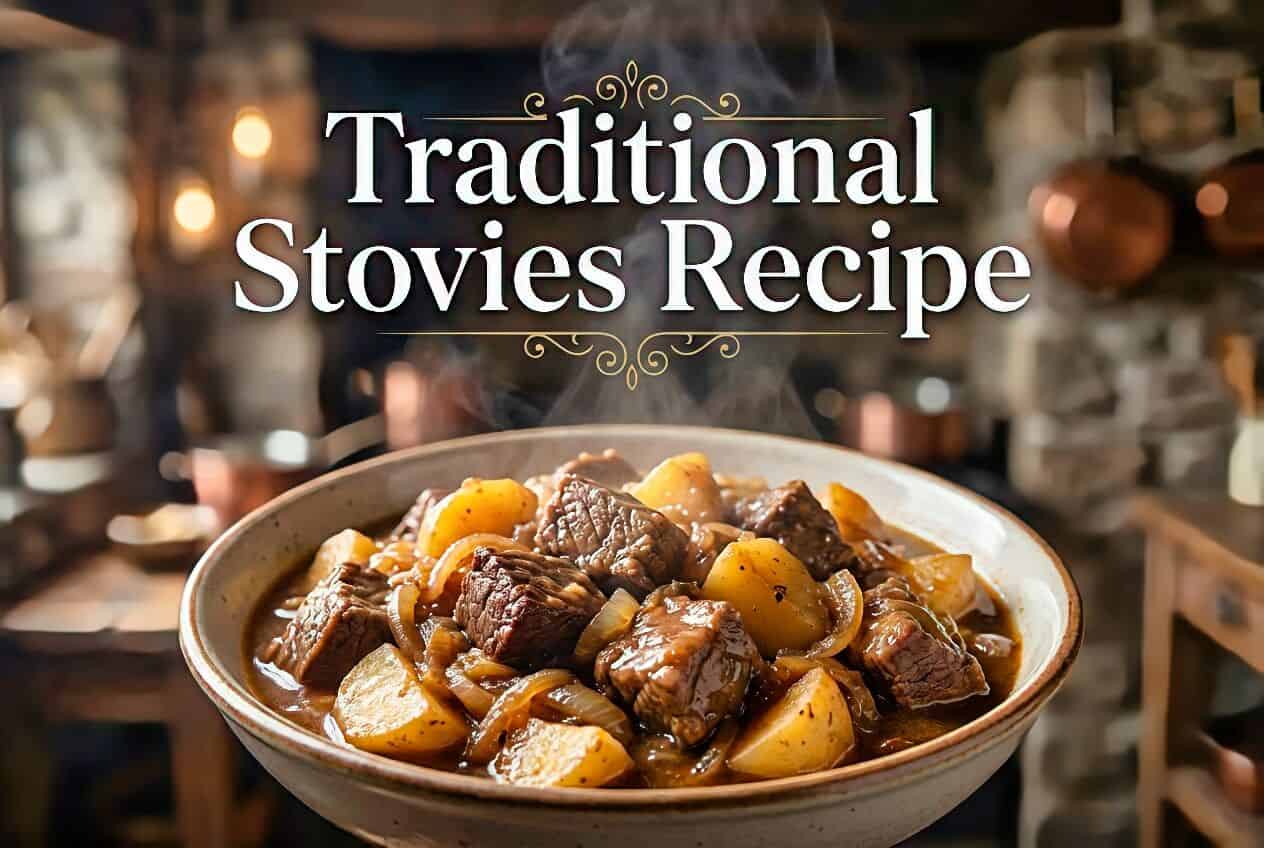
Scottish Stovies Recipe: A Hearty, Potato-Packed Hug in a Bowl
You’ll love how easy a Scottish Stovies recipe can turn leftovers into real-deal comfort food. It’s the kind of dish that makes your kitchen smell like home on a cold night. I’ll show you a classic, fuss-free method so your Scottish Stovies recipe comes out soft, savory, and just like it should.
Let’s dig into where this dish came from, what ingredients actually matter, and the little tricks that make a Scottish Stovies recipe sing. I’ll share tips on slow-cooking potatoes and onions, using up leftover roast or sausages, and how to tweak things for fussy eaters.
Stick around and you’ll get a no-fail Scottish Stovies recipe, plus ideas for variations and sides that turn one pot into a proper meal. If you want more Scottish classics, check out our Scottish recipes collection.
What Makes Stovies: Origins, Traditions, and Essential Ingredients
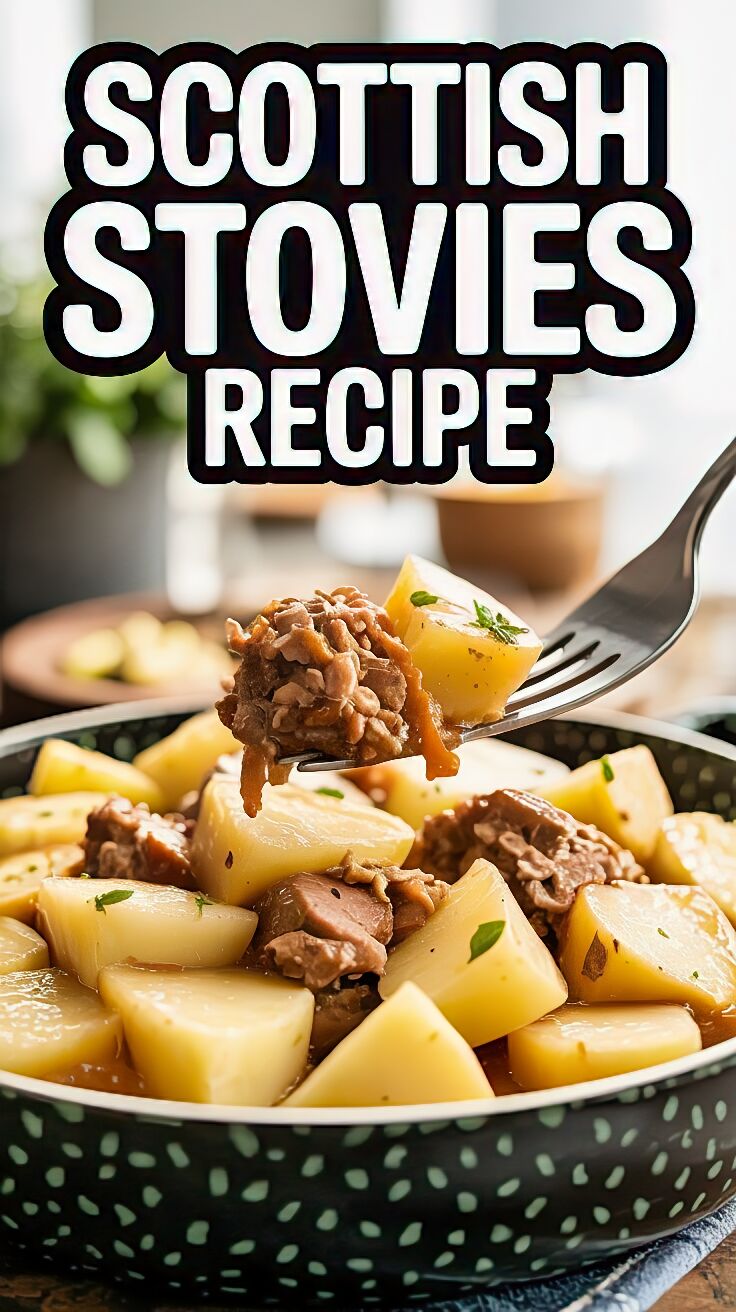
So, what’s the deal with a Scottish Stovies recipe? Where did it start, and why do families guard their versions like treasure? At its heart: potatoes, onions, some kind of beef, and a good dose of thrift.
A (Very) Brief History of Stovies
Stovies go back to 19th-century Scotland, when people needed cheap, filling food after long days. Pots of potatoes and onions cooked slowly with scraps of meat kept everyone fed without wasting a thing. The name probably comes from “stove”—food left to stew in the gentle heat of a closed cooker.
Early Scottish Stovies recipes used beef dripping or jelly from roasted meat. That fat gave flavor and kept things moist. Over time, stovies shifted from a practical meal to a Monday night favorite at Scottish tables.
From Leftovers to National Treasure
It’s wild—what started as a way to use up leftovers became something people make on purpose. Leftover potatoes, gravy, beef or mince, all mixed with stock, turn into a thick, soft, filling Scottish Stovies recipe. It’s comfort food, plain and simple.
People often serve stovies with bread, pickled beetroot, or a fried egg. Chefs might dress it up, but most Scots will tell you the best Scottish Stovies recipe is simple, hearty, and honest. You’ll find it in homes and pubs everywhere—proof that a humble leftover dish can become a national favorite. For more on Scottish food traditions, visit Scotland.org.
The Key Ingredients That Spell ‘Stovietopia’
Potatoes are the backbone—at least half the dish. I like a mix of sliced and chunked spuds for a bit of bite. Onions get cooked down until sweet. For fat, beef dripping or jelly brings that deep, meaty flavor. If all you’ve got is leftover gravy, that works too—it keeps things moist and seasoned.
Meat’s up to you: leftover roast beef, mince, even corned beef. I pour in beef stock to loosen things and simmer until the potatoes start to break down. Salt, pepper, and a bay leaf round it out. Some folks add carrots, but honestly, purists usually skip them.
Regional Rivalries and Family Secrets
People definitely have opinions about what goes in a Scottish Stovies recipe. Glasgow cooks lean toward beef mince with a loose texture. In Aberdeenshire, it’s leftover roast beef and a thicker, almost stew-like consistency. Families pass down their potato-to-meat ratios like secrets.
Some folks use cold beef jelly instead of extra stock, or save pan drippings from Sunday roast. Chunky potatoes or mostly mashed? That’s another debate. These small choices can turn a basic pot into a point of family pride—or argument.
Step by Step Instructions
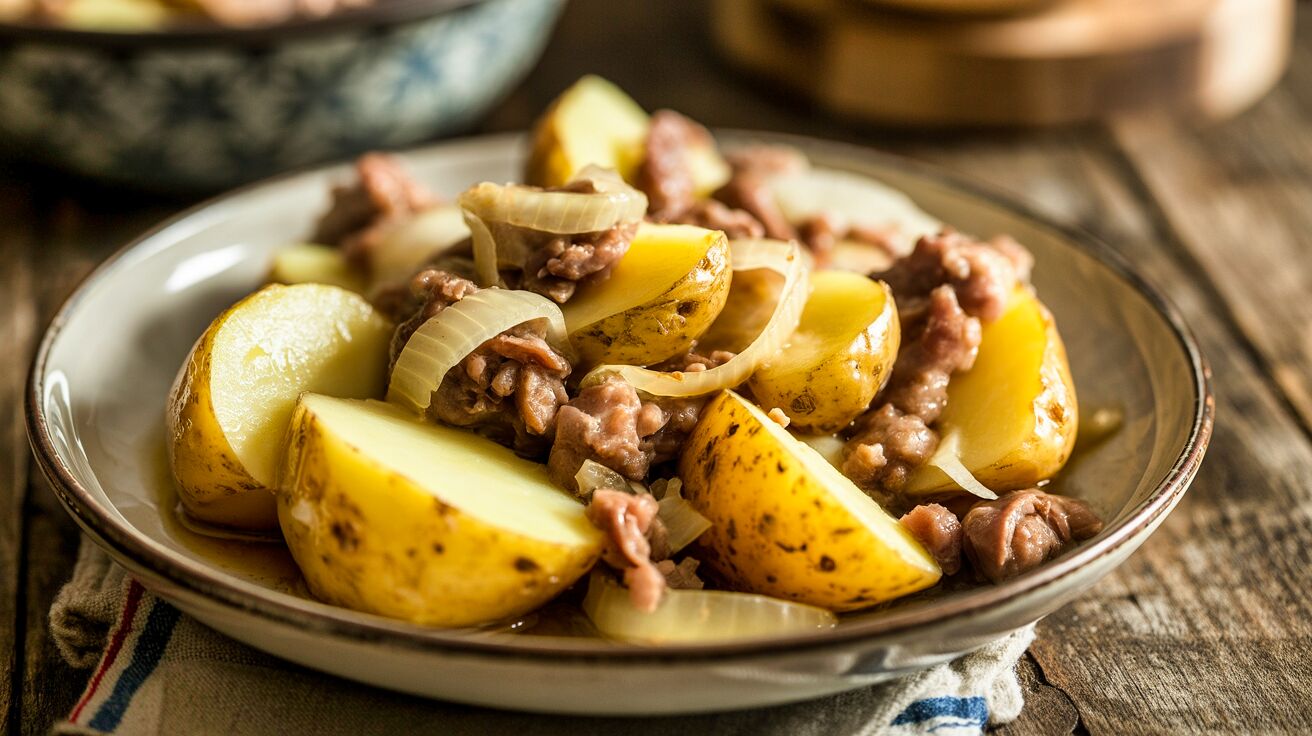
Classic Scottish Stovie Leftovers
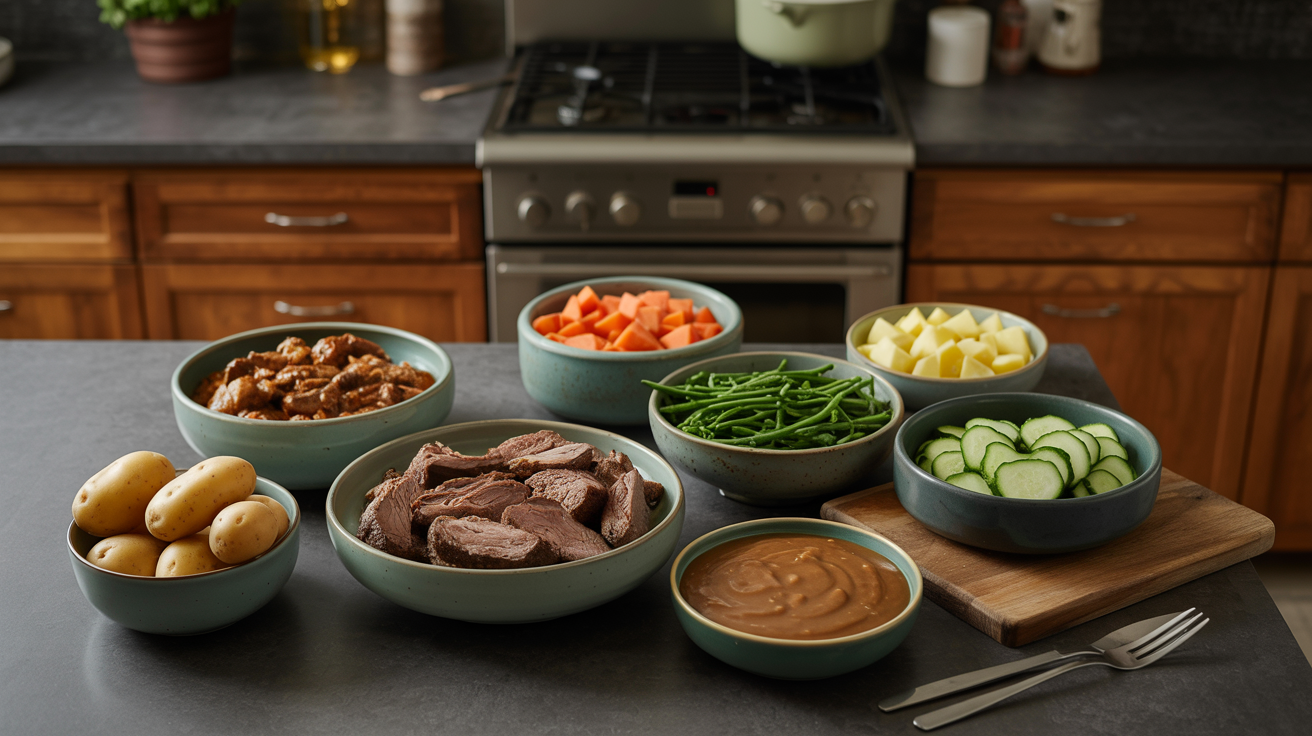
Step 1: Prepare and preheat: Gather all your ingredients, including the leftover cooked meat, potatoes, stock or gravy, and any leftover vegetables you plan to add at the end.
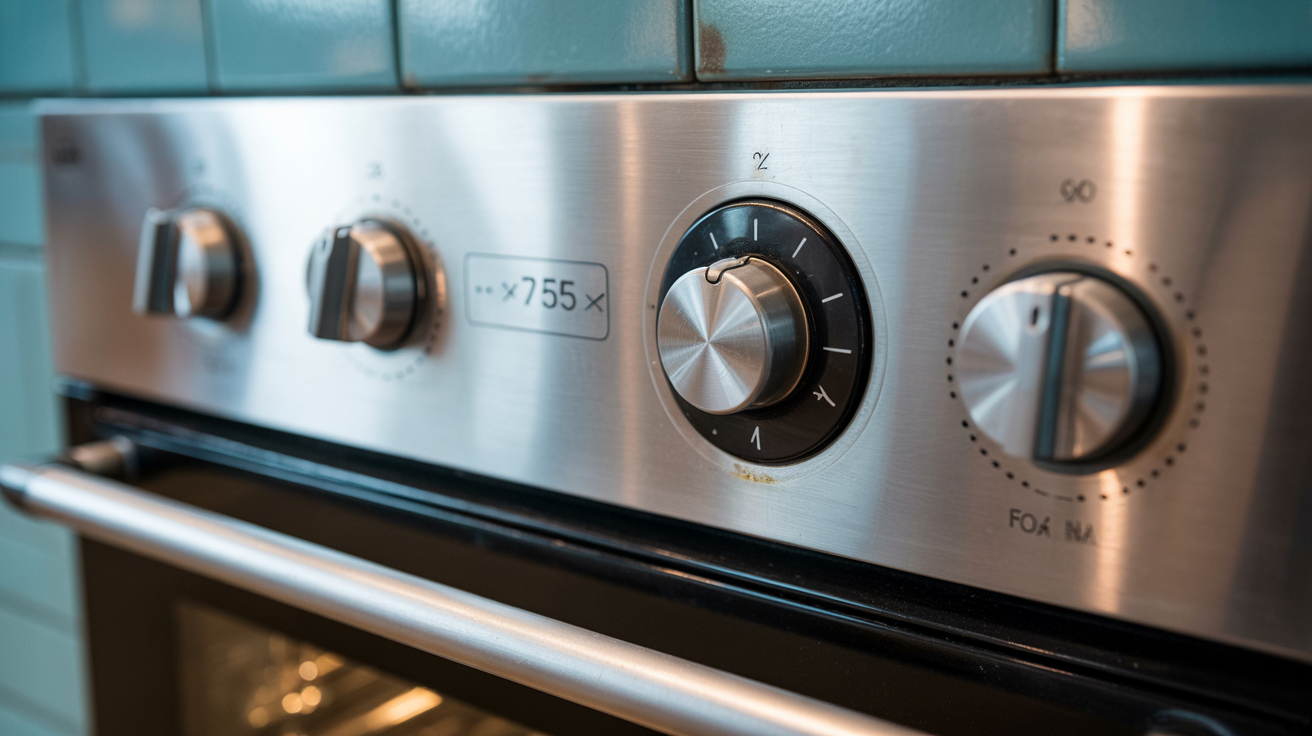
Step 2: Preheat the oven to 375°F / 190°C / Gas 5.
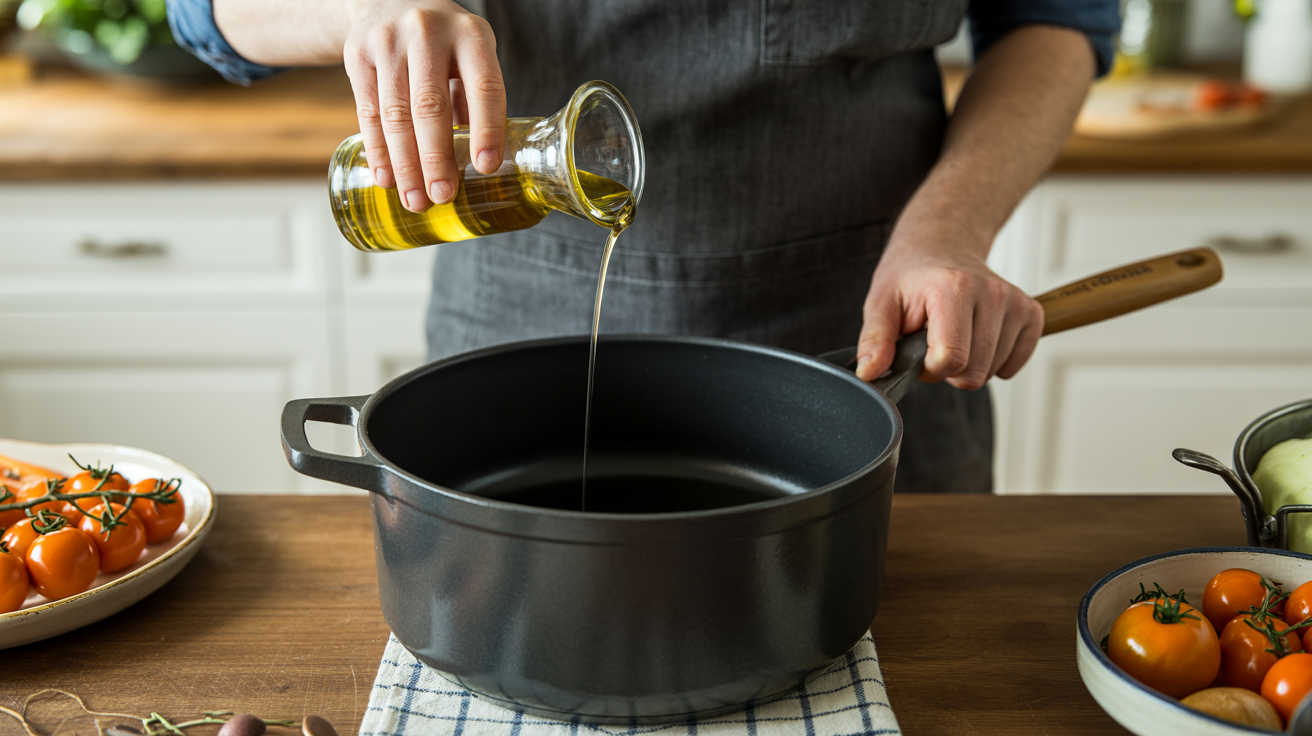
Step 3: Heat the fat: Place a Dutch oven or casserole dish on the stove over medium heat. Add the lard or meat drippings. Let it melt and spread over the base of the pan.
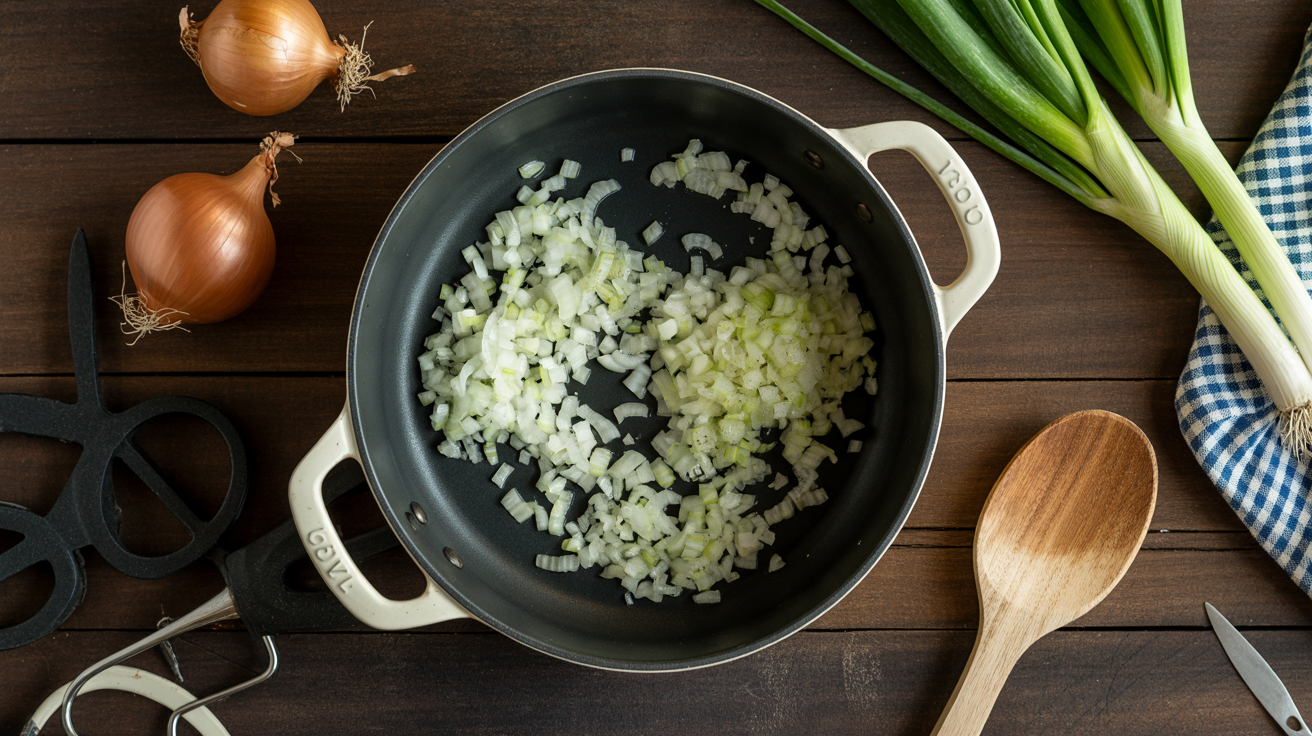
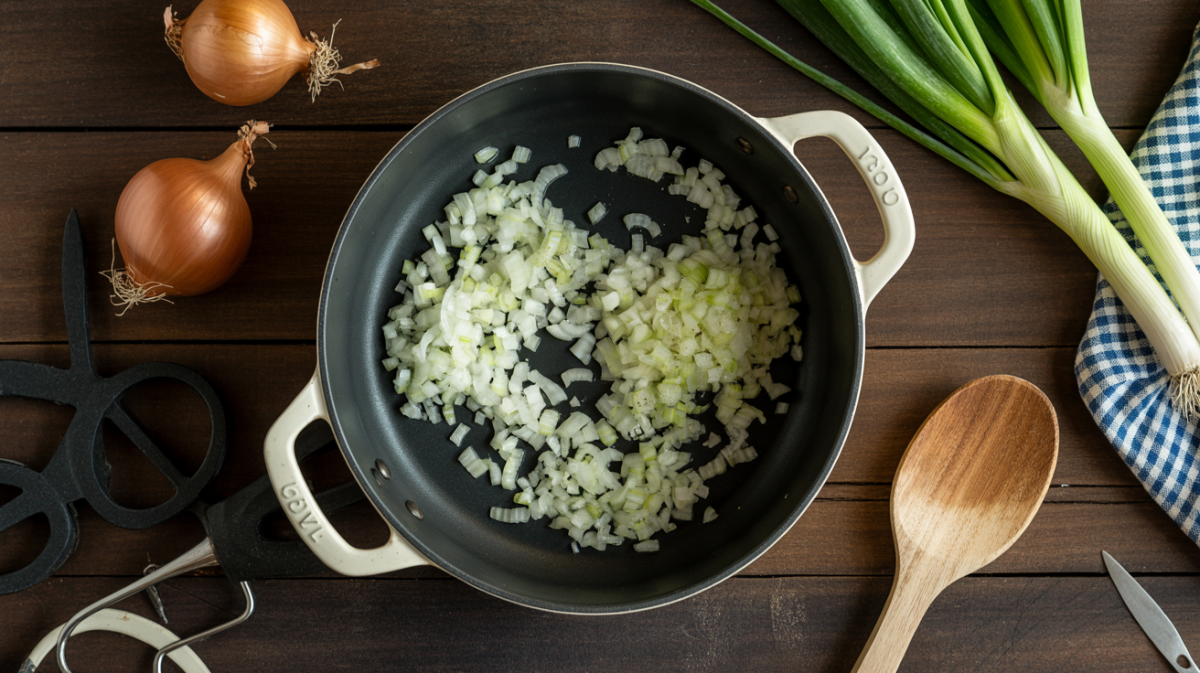
Step 4: Cook the onions: Add the sliced or chopped onions to the melted fat. Cook gently over medium heat for 5 to 8 minutes, stirring occasionally. The onions should soften and turn translucent, but not brown.
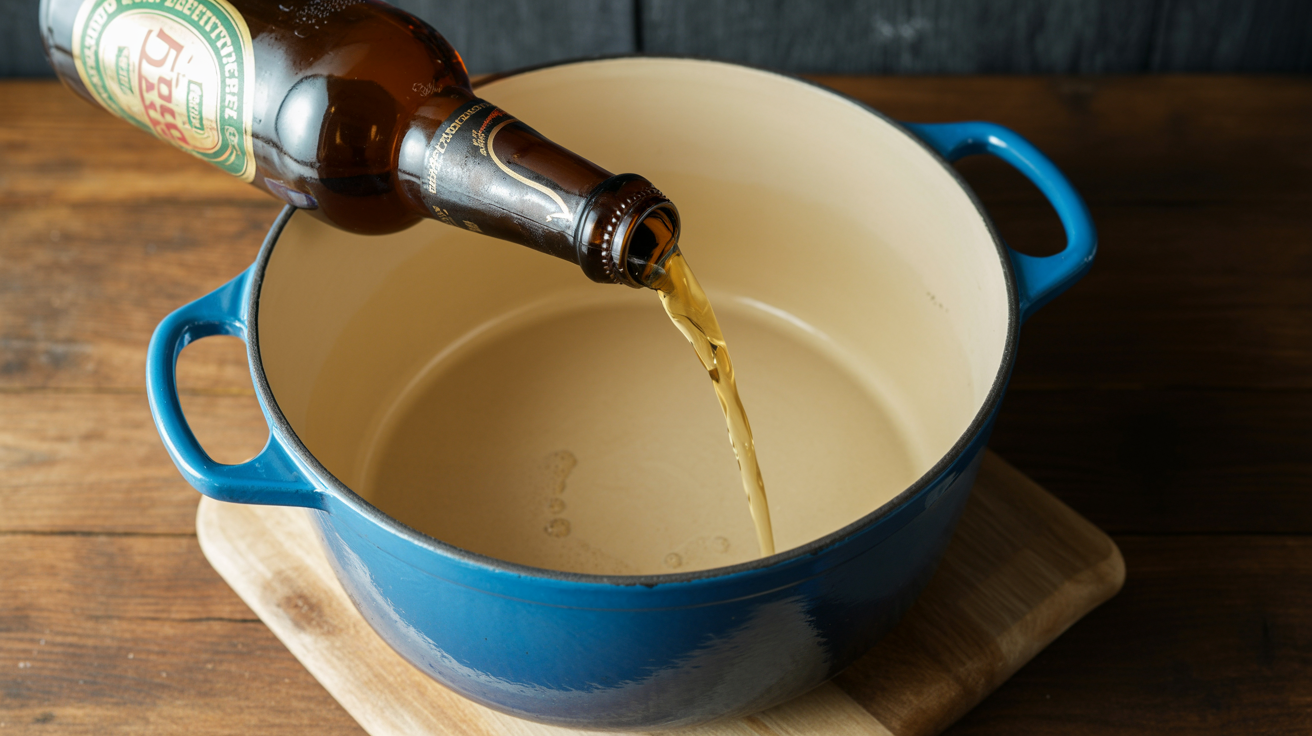
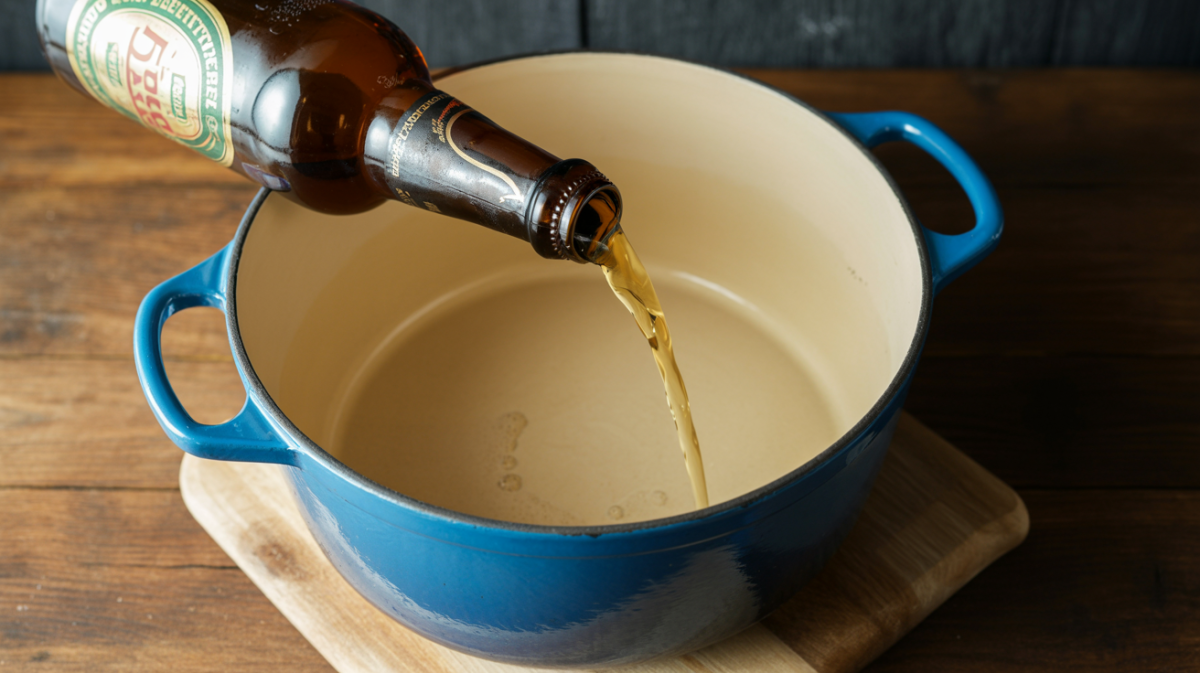
Step 5: Add the beer or stout (if using): Pour the beer or stout into the pan with the onions. Increase the heat so the liquid comes up to a boil. Let it boil for 2 minutes to drive off the alcohol, stirring once or twice so nothing sticks.
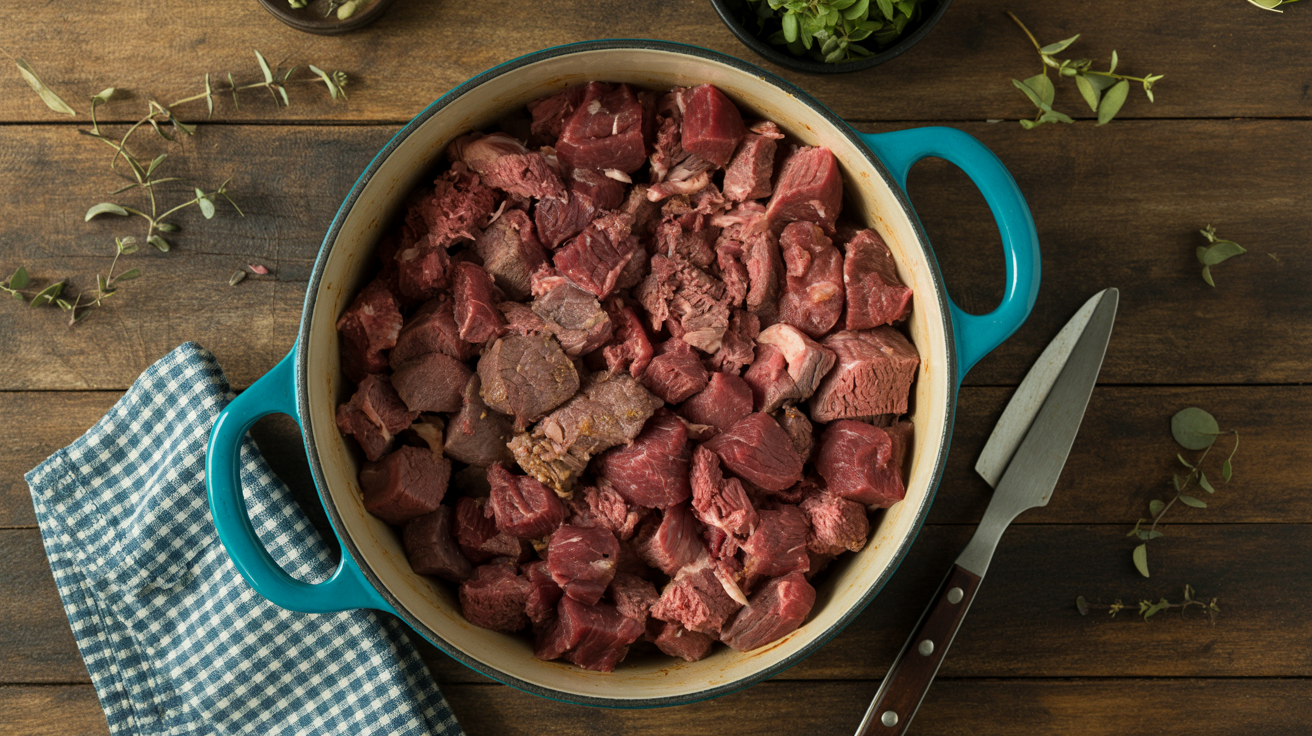
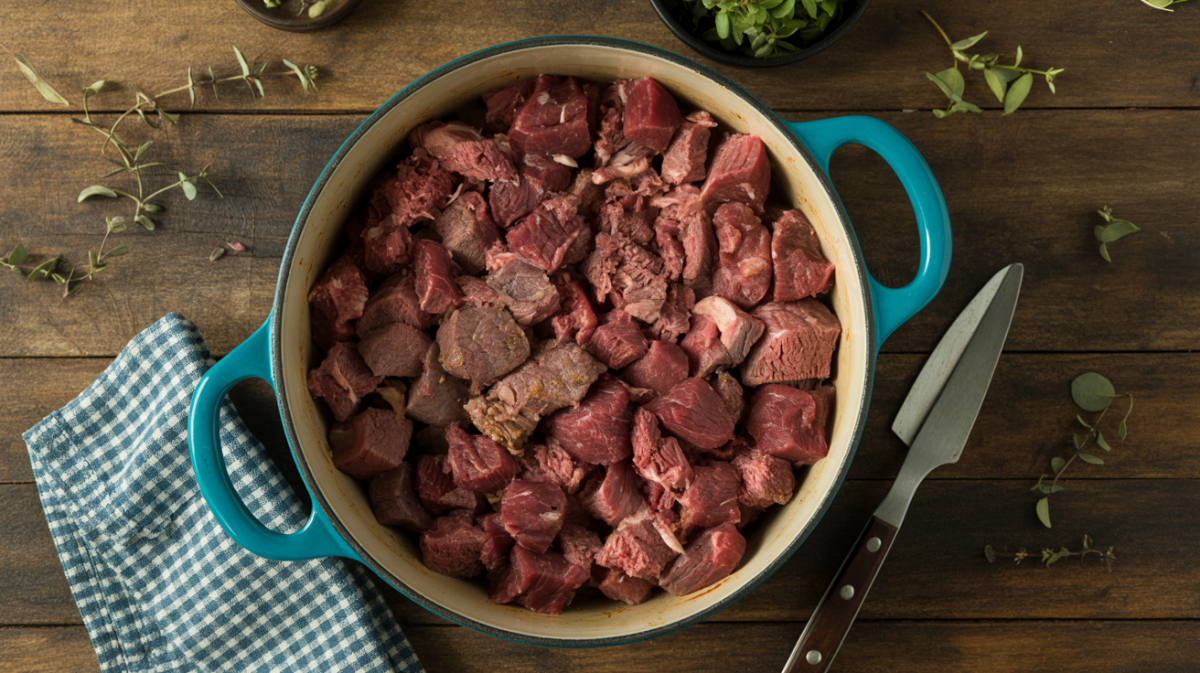
Step 6: Add the meat: Add the chopped or shredded leftover roast meat to the pan. Stir well so the meat is evenly mixed with the onions (and beer, if used), and coated in the cooking fat and juices.
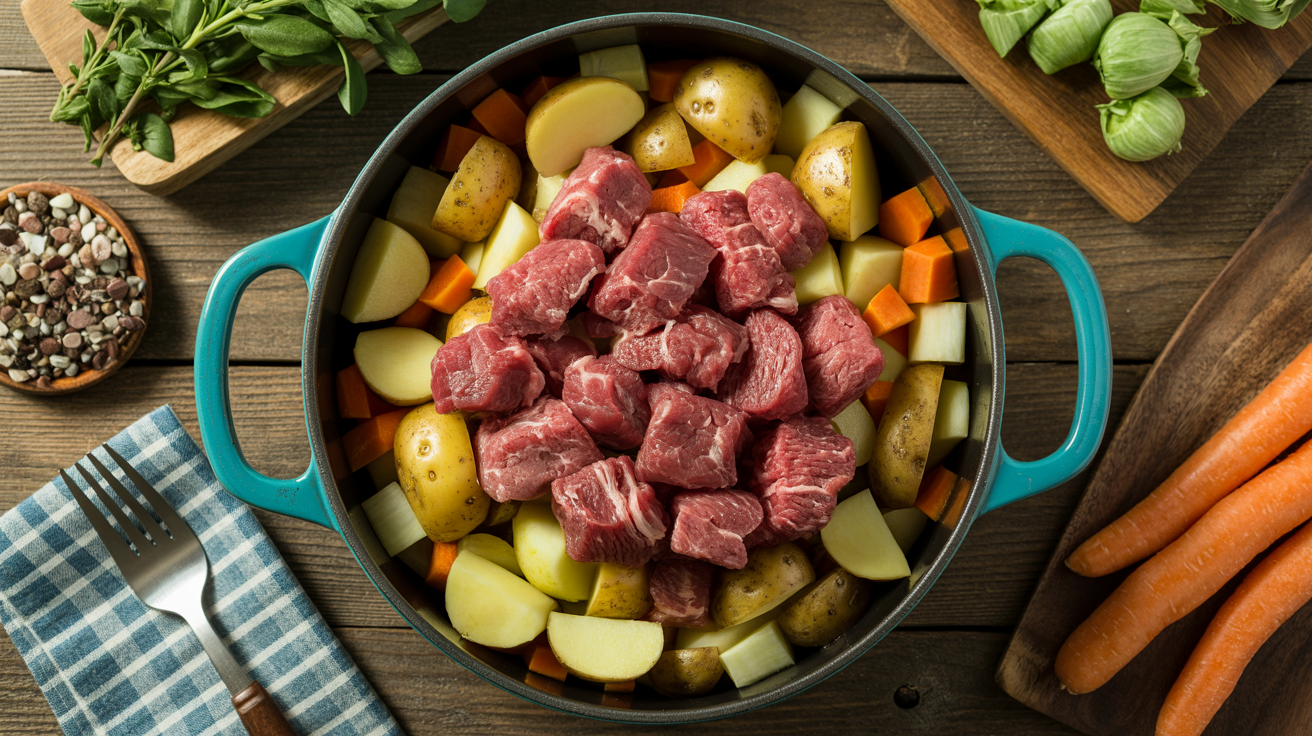
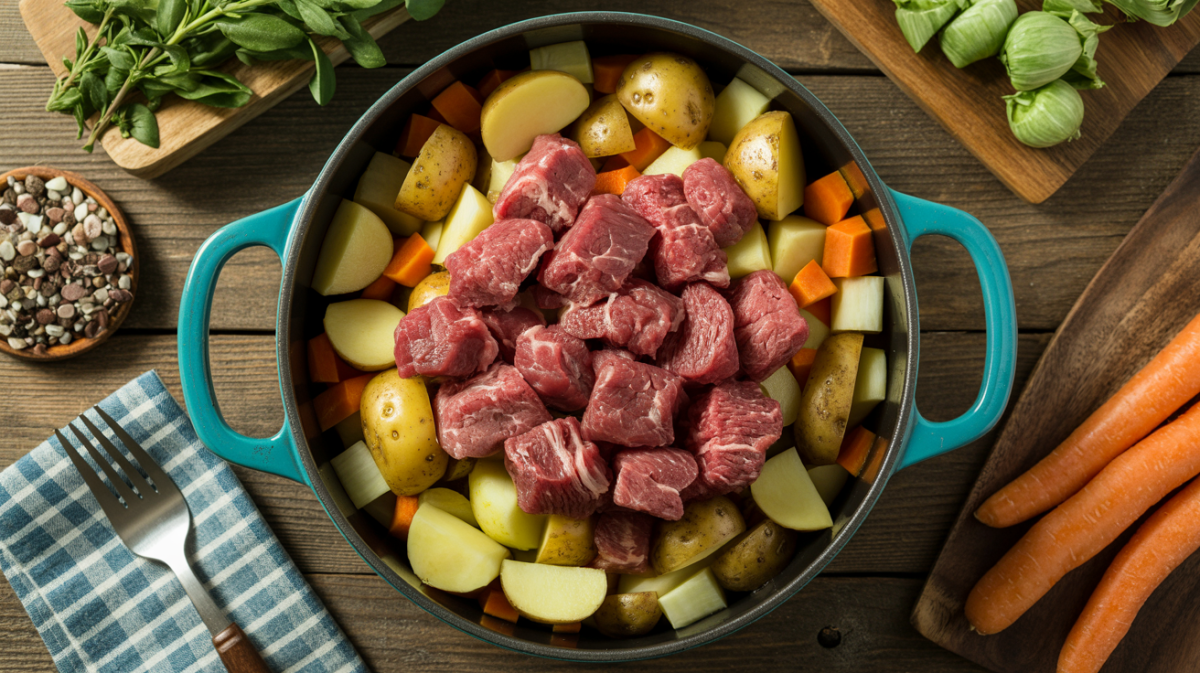
Step 7: Layer the potatoes and season: Arrange the sliced potatoes on top of the meat and onions in even layers. After each layer of potatoes, season lightly with salt and pepper before adding the next layer. Continue until all the potatoes are used.
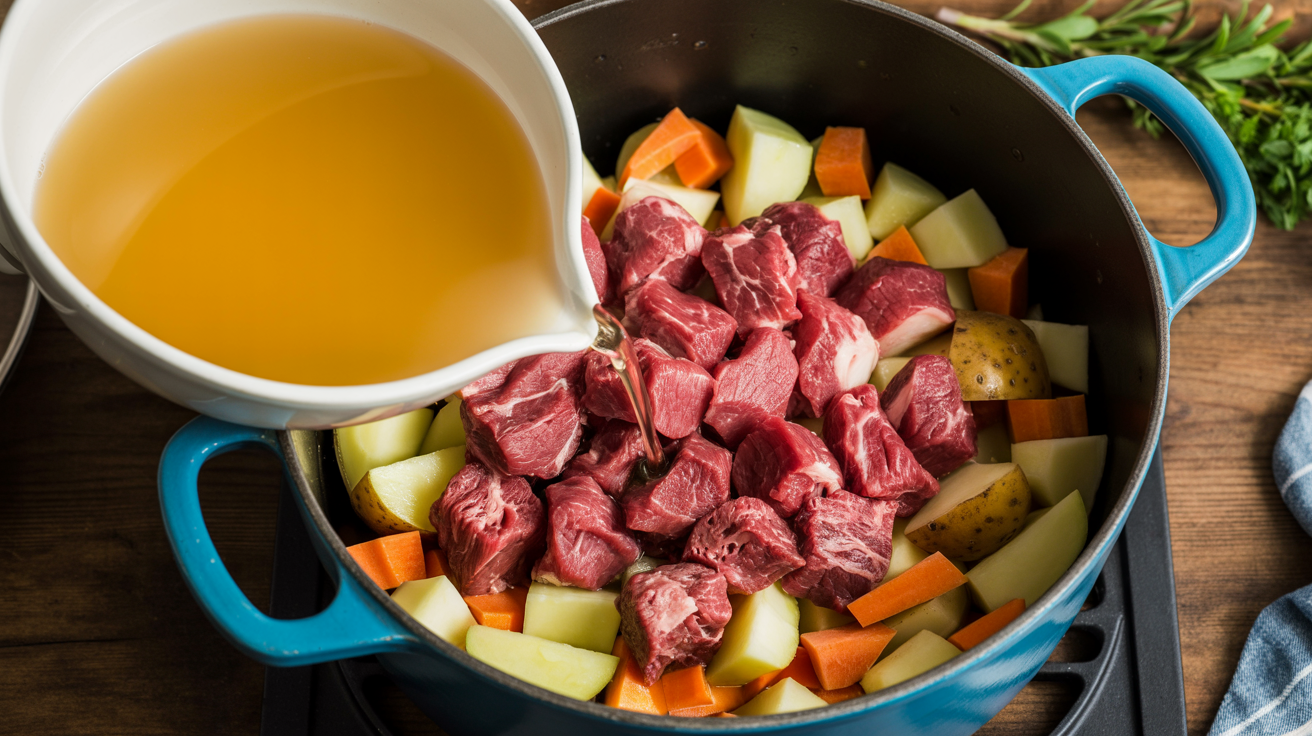
Step 8: Add stock or gravy: Pour the stock, gravy, or a combination of both over the layered potatoes and meat. The liquid should come partway up through the layers but not completely cover everything.
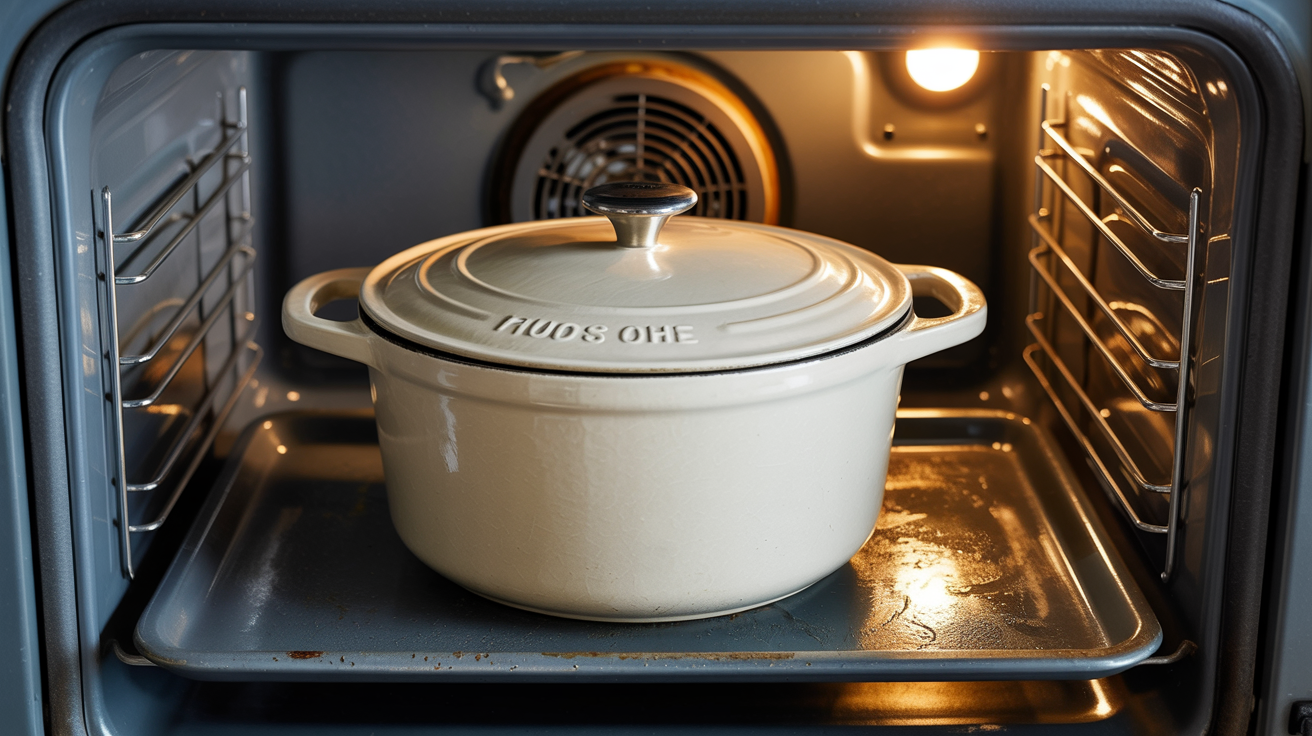
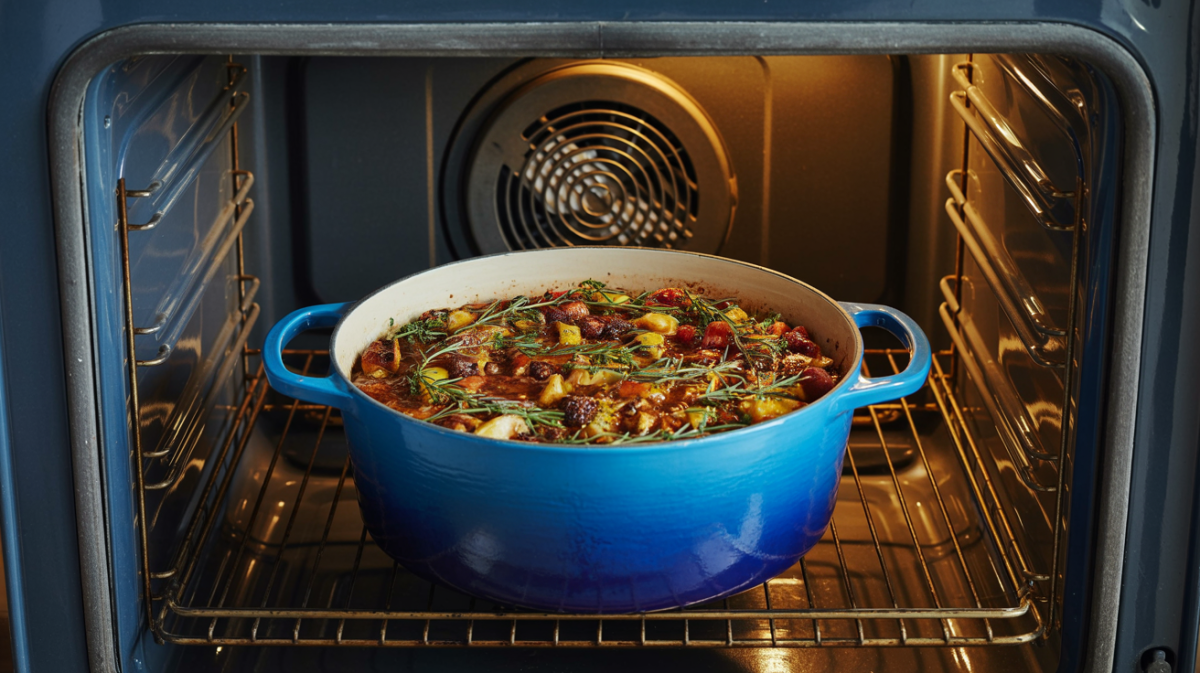
Step 9: Oven cooking: Put the lid on the Dutch oven or casserole dish. Transfer it to the preheated oven and cook for 45 to 50 minutes.
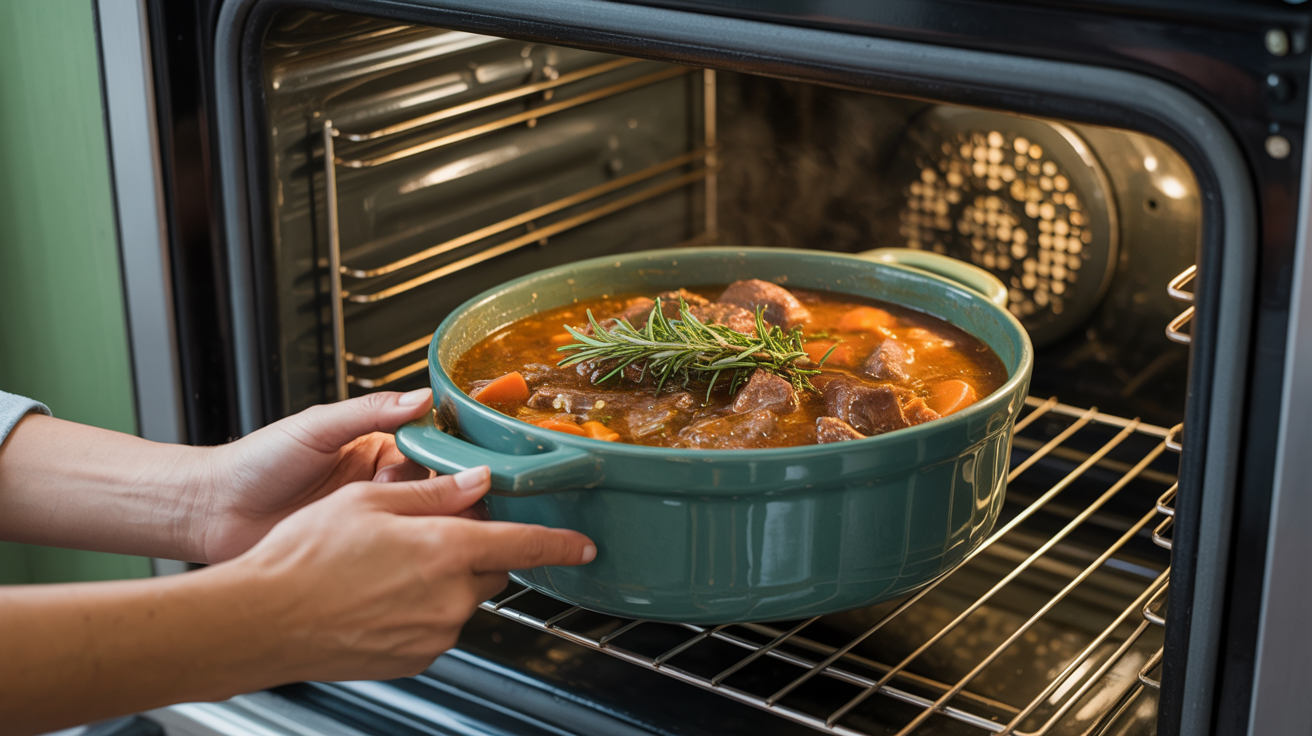
Step 10: Check once or twice during cooking to make sure the liquid has not boiled dry. If it looks too dry, add a little extra stock or gravy.
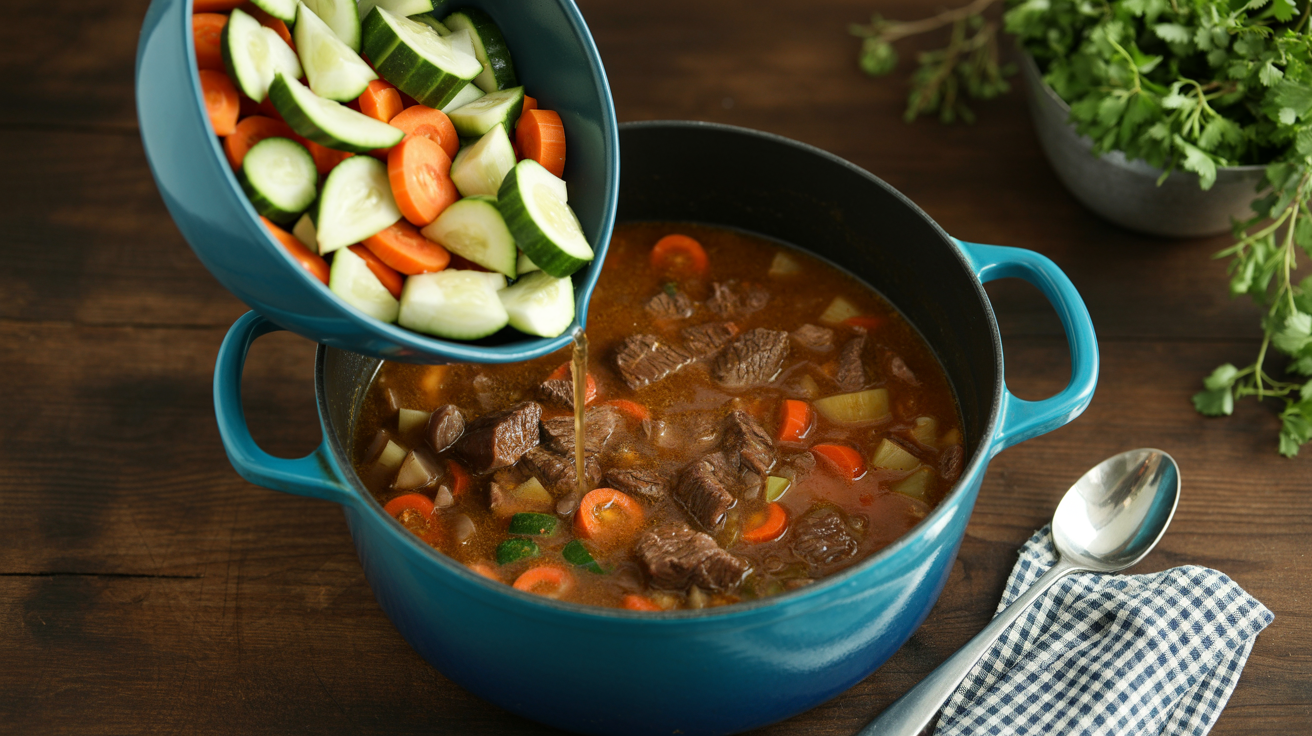
Step 11: Add leftover vegetables: About 10 minutes before the end of the cooking time, carefully remove the dish from the oven. Add any leftover cooked vegetables you have (such as carrots, turnips, peas, etc.). Stir gently to distribute them through the potatoes and meat. Taste and adjust the seasoning with more salt and pepper if needed.
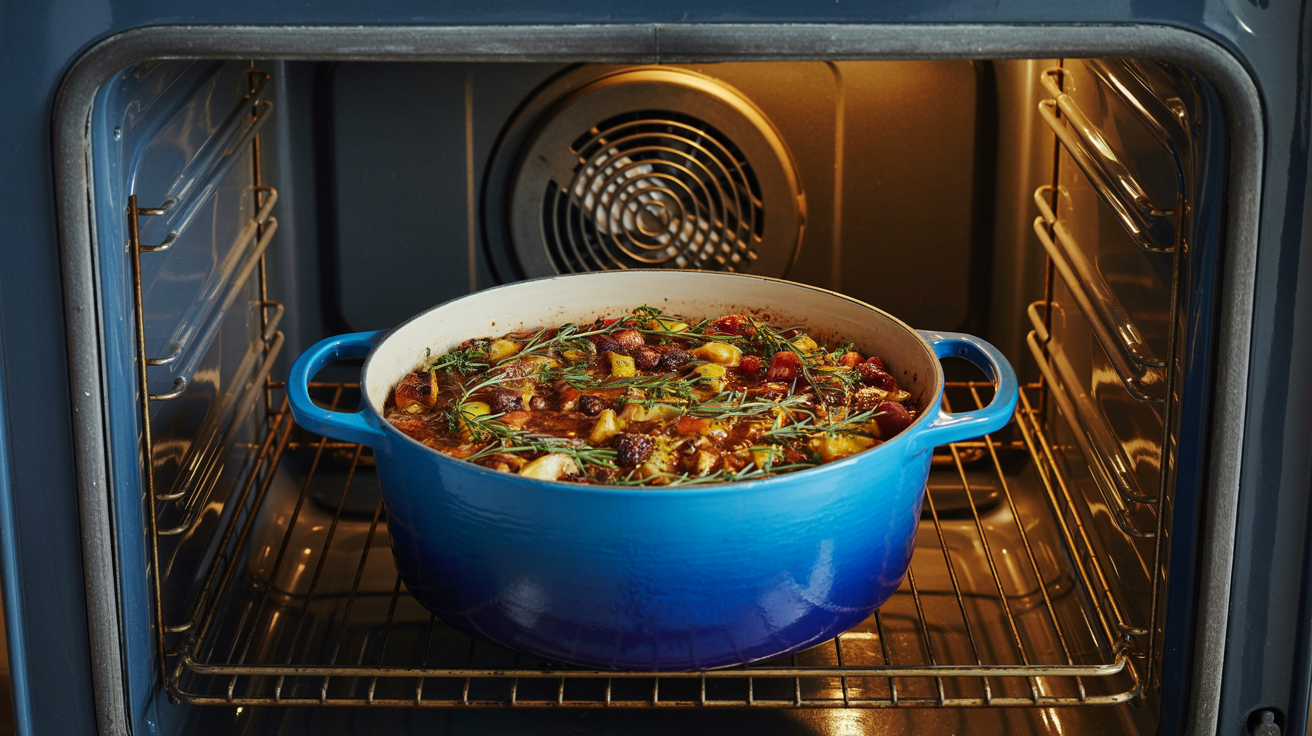
Step 12: Finish in the oven: Put the lid back on and return the dish to the oven for the final 10 minutes. The stovies should thicken into a stew-like mixture, with the potatoes and meat breaking down slightly but still holding their shape. Avoid letting the liquid boil too hard.
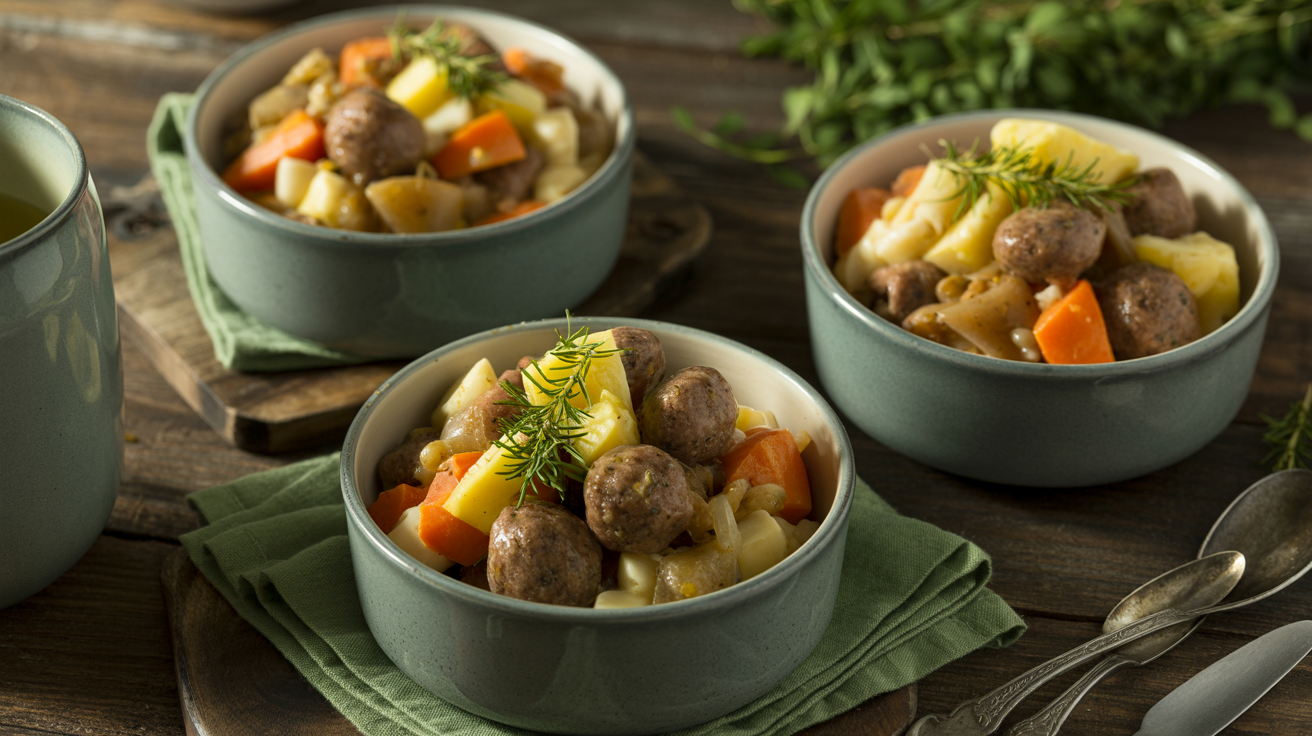
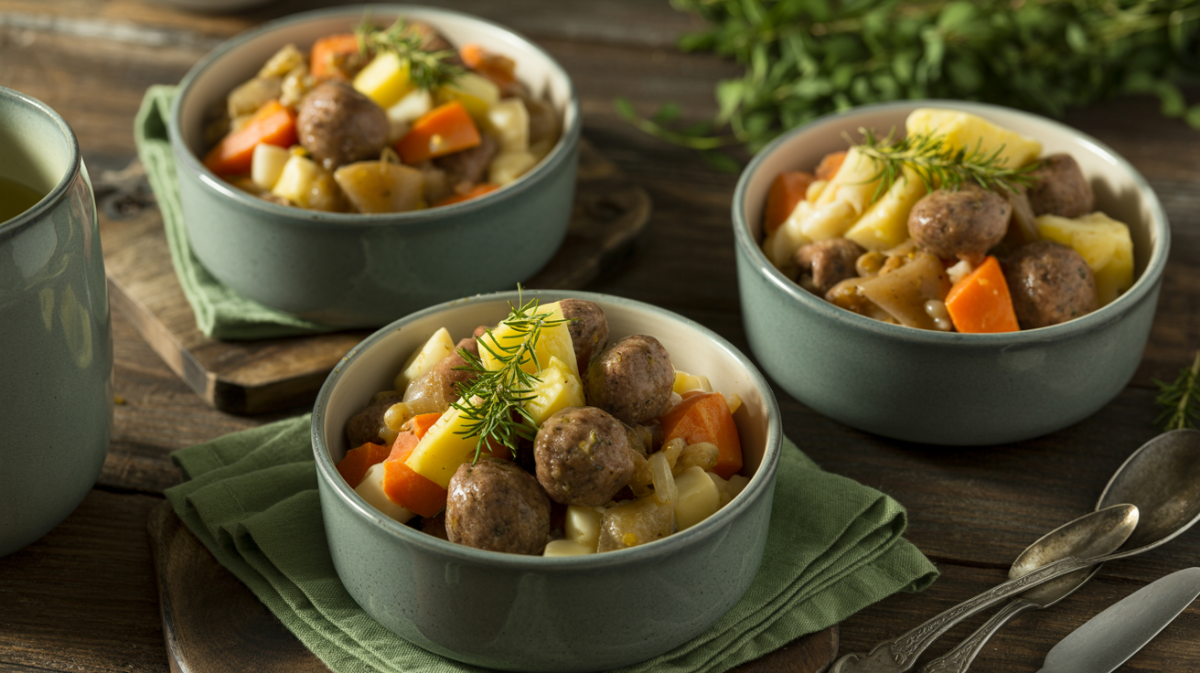
Step 13: Serve: Spoon the stovies into deep dishes or bowls. Serve hot, traditionally with rough oatcakes and brown sauce if you like.
The Art of Layering Potatoes and Onions
I go for waxy potatoes (Maris Piper or Aster), peeled and sliced. Some thin, some chunky. The thin ones break down and thicken the dish; the chunky bits keep it interesting. I slice a big onion into rings and scatter them between the potato layers, not just mixing everything together.
Here’s what I do: drizzle beef dripping in the pot, add a layer of potatoes, a few onion rings, a handful of diced leftover roast beef or sausage, then another bit of fat. Repeat until the pot’s nearly full. This way, the meat doesn’t clump and the potatoes cook evenly without turning to mush.
I season each layer with salt and pepper. If I’ve got leftover gravy or beef jelly, I sneak a bit between layers for extra beefy goodness. Layering helps control moisture and texture, and makes sure the potatoes soak up the right amount of stock.
Stock, Dripping, and the Unwritten No-Stir Rule
I almost never stir. The classic Scottish Stovies recipe calls for patience: pour in enough hot beef stock to cover the bottom third of the pot—don’t drown it. Use concentrated beef stock or roast beef juices for strength. Mixing in a little leftover gravy doesn’t hurt either.
Beef dripping is a must. I melt a couple tablespoons in the pot before layering, then dot a bit more between layers. The fat keeps the top from drying out and gives that satisfying mouthfeel. Cook on very low heat for 1.5–2 hours. About halfway, I check and gently push down any potatoes at the top, but I don’t stir. That way, the layers stay intact and the sauce thickens up nicely.
If the top dries out, I add a splash more stock. Too wet at the end? I take the lid off for the last 10–15 minutes to let it reduce. That gives a gravy-like finish without making it soupy.
Why You Definitely Shouldn’t Offend a Scottish Granny
One thing: don’t ever call stovies “just mashed.” For a lot of families, a Scottish Stovies recipe is a Monday ritual made from roast leftovers, not some rushed weeknight dinner. That means proper beef or leftover roast, the right potatoes, and real beef fat or dripping.
If a granny wants to add sausages or carrots, I’m not arguing. Traditions matter. She’ll want seasoning between layers and the pot kept on low for hours. Serve it too quickly or with watery gravy and she’ll let you know. I stick to the slow-cook rules, use beef dripping or stock, and always honor the leftover roast. Keeps the stovies—and the granny—happy.
Tasty Variations for Every Appetite
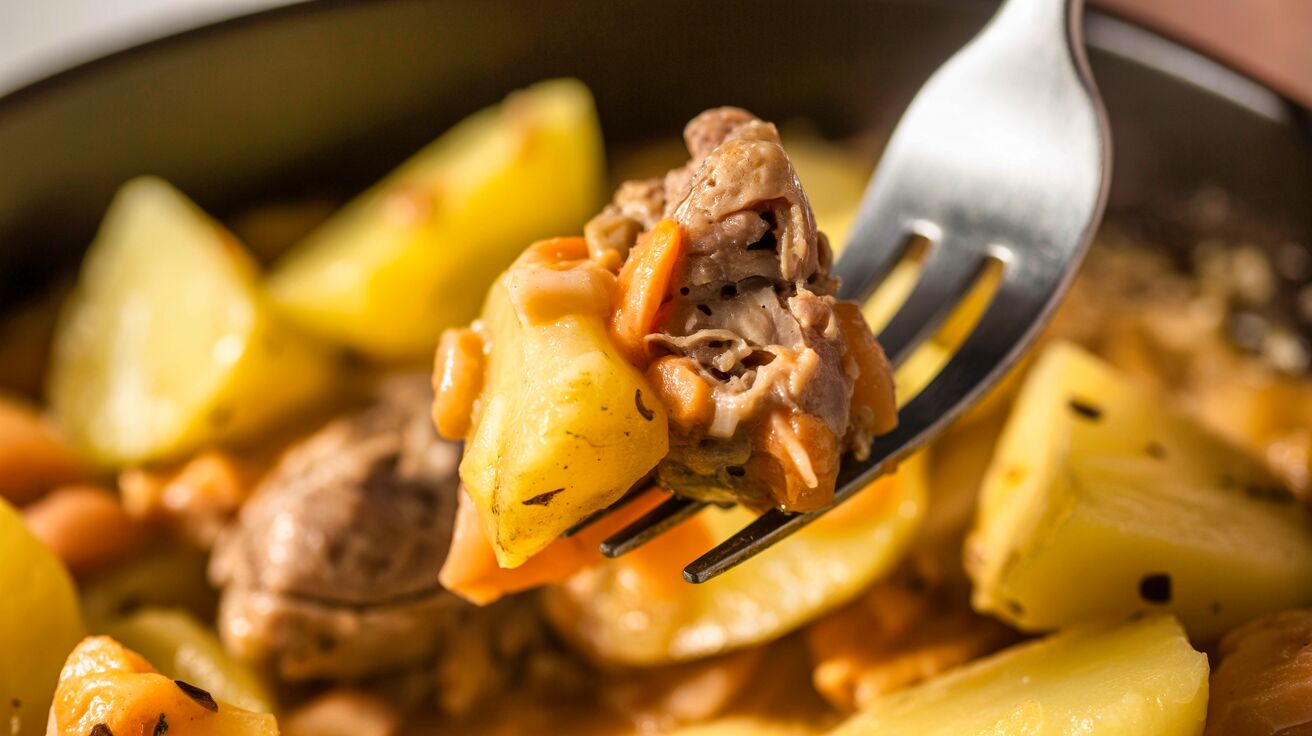
The beauty of a Scottish Stovies recipe? It’s flexible. Potatoes, onion, and fat are the foundation, and you can throw in whatever meat or veg you’ve got. Here are three ways I like to mix it up, with notes on seasoning, texture, and timing.
Corned Beef and Sausage Stovies: Rebel With a Frying Pan
I chop Lorne sausage or plain sausages into coins and fry them until browned. Then, I toss in diced onions and leftover roast potatoes, breaking the potatoes up so they blend into the mix. A tin of corned beef gets shredded in and warmed through—it adds salt and meatiness without needing a roast joint.
I splash in beef stock or a spoon of leftover gravy to loosen things up. A bit of black pepper, maybe some thyme or mustard powder for kick. Finish with chopped parsley or chives if I’m feeling fancy. This Scottish Stovies recipe twist is hearty, quick, and perfect when I’ve got corned beef or sausage to use up.
Mince, Vegan, and Vegetable Stovies: A Modern Twist
For mince and tatties, I brown beef mince, then sweat onions and add diced or mashed potatoes. Pour in a cup of beef stock and simmer until thick. Worcestershire or soy sauce gives it a boost. Want it veggie? Swap in plant mince and use veggie stock.
For vegan stovies, I fry mushrooms, carrots, and swede with onion, then fold in boiled potato cubes and vegetable stock. A splash of marmite or miso adds depth. Keep some potato chunks for bite, mash the rest for creaminess. Top with scallions or a bit of dairy-free butter. Another great vegan Scottish Stovies recipe for the collection.
Mixing It Up With Leftovers: Anything Goes
I treat a Scottish Stovies recipe as the ultimate “use up leftovers” dish. Roast beef, leftover roast potatoes, and a spoon of beef dripping become classic beef stovies. I dice the roast, add onions, and gently break up potatoes while simmering in reserved beef stock or gravy.
If I’ve got mixed meats—roast pork or chicken—I tweak the seasoning and maybe add a bay leaf or smoked paprika. For extra richness, I stir in beef jelly from a roast or a stock cube. The trick is matching the liquid to the meat, not overworking the potatoes, and tasting as I go. Stovies rescue last night’s roast and turn it into a warm, simple potato stew.
Serving Suggestions and The Art of the Stovies Sidekick
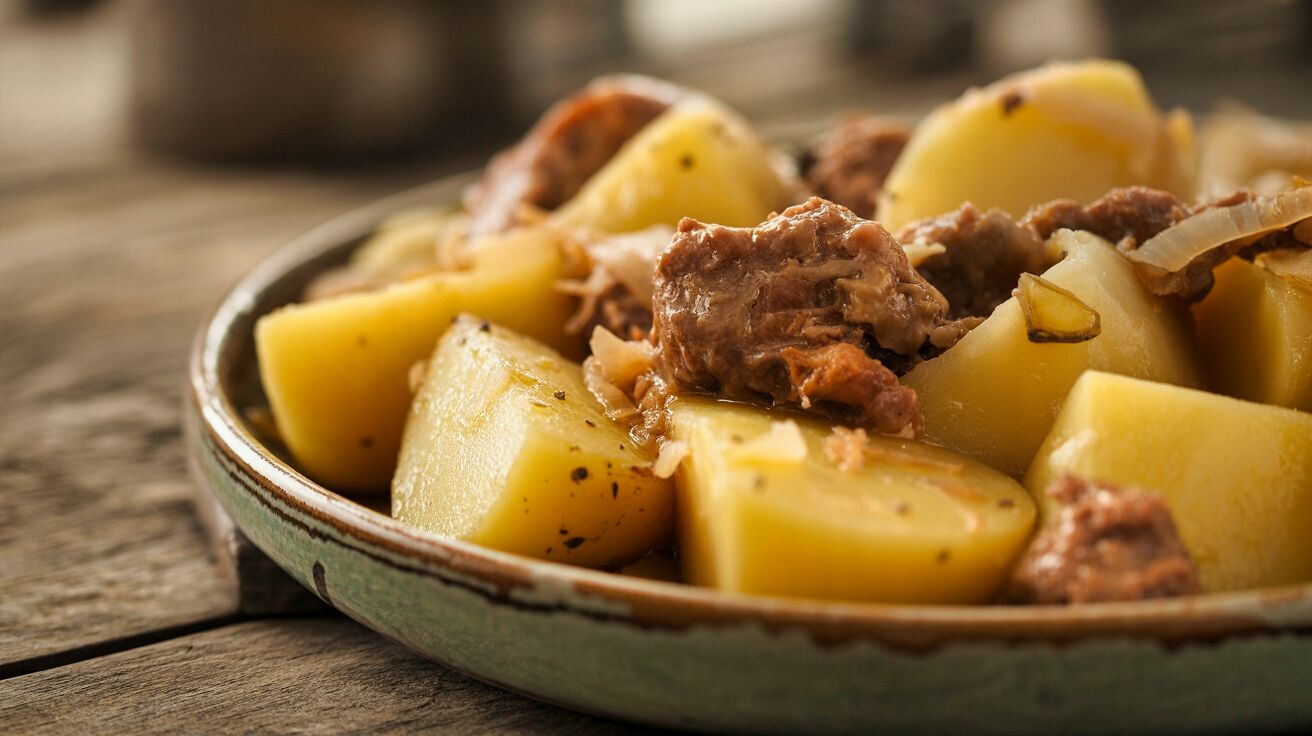
I like to keep things straightforward: a warm bowl, a spoon, and a couple of bold sides to balance the richness. Little touches—cracked pepper, a pat of butter, or a crunchy oatcake—can make a big difference.
How to Serve Stovies Like a Pro
I ladle stovies into deep bowls to trap the steam and keep things cozy. Drop a knob of butter on top and let it melt into the potatoes. A grind of black pepper and some chopped chives brighten things up.
I serve about 300–400 g per adult for a main. Use a shallow spoon to keep that rustic mound look. For extra treat, I’ll add thin slices of leftover roast beef on the side so everyone can tuck in as they like. Want more ideas? See our comfort food recipes.
Oatcakes and Pickled Beetroot: The Ultimate Sidekicks
I always put out oatcakes and pickled beetroot. Oatcakes give a nutty crunch and double as edible spoons. Homemade ones—just oats, butter, and salt—take about 15 minutes to mix, 12 to bake, and don’t go soggy in stovies.
Pickled beetroot brings a sweet tang that cuts through the richness of a Scottish Stovies recipe. I’ll open a jar or slice store-bought beets, drizzle with a little vinegar, and serve in a small bowl. Arrange oatcakes in a fan, beetroot on the side, and let everyone build their own perfect bite.
For more hearty Scottish Stovies recipe inspiration, check out our Traditional Scottish Dishes page, or see what the BBC Good Food stovies guide has to say. There’s something about a Scottish Stovies recipe that just feels like home, isn’t there?
Stovies Leftover Hacks: Second-Day Glory
I’ll be honest: I like second-day stovies even more than the first go. After cooking up a big batch of Scottish Stovies recipe, I toss the leftovers in a shallow dish and get them into the fridge quickly. Next day? I grab a heavy pan, splash in some beef stock or gravy, and reheat the stovies until they’re piping hot. If you let them sit and press them down a bit, you get those golden, crispy edges—so satisfying. (Seriously, why isn’t that the best part?)
Sometimes I’ll get creative and stuff the leftover Scottish Stovies recipe into peppers, then bake them with a handful of cheese for a sort of makeshift gratin. Or I’ll just fold the cold stovies into a few beaten eggs and fry up a frittata. It’s not fancy, but it works. Each little twist keeps that cozy Scottish Stovies recipe vibe, but lets you stretch one pot into a couple more meals. If you want even more ideas, check out our easy leftover recipes collection or this BBC Good Food stovies guide. And hey, if you haven’t tried making Scottish Stovies recipe yet, you’re missing out.
Stovies vs Beef Stew
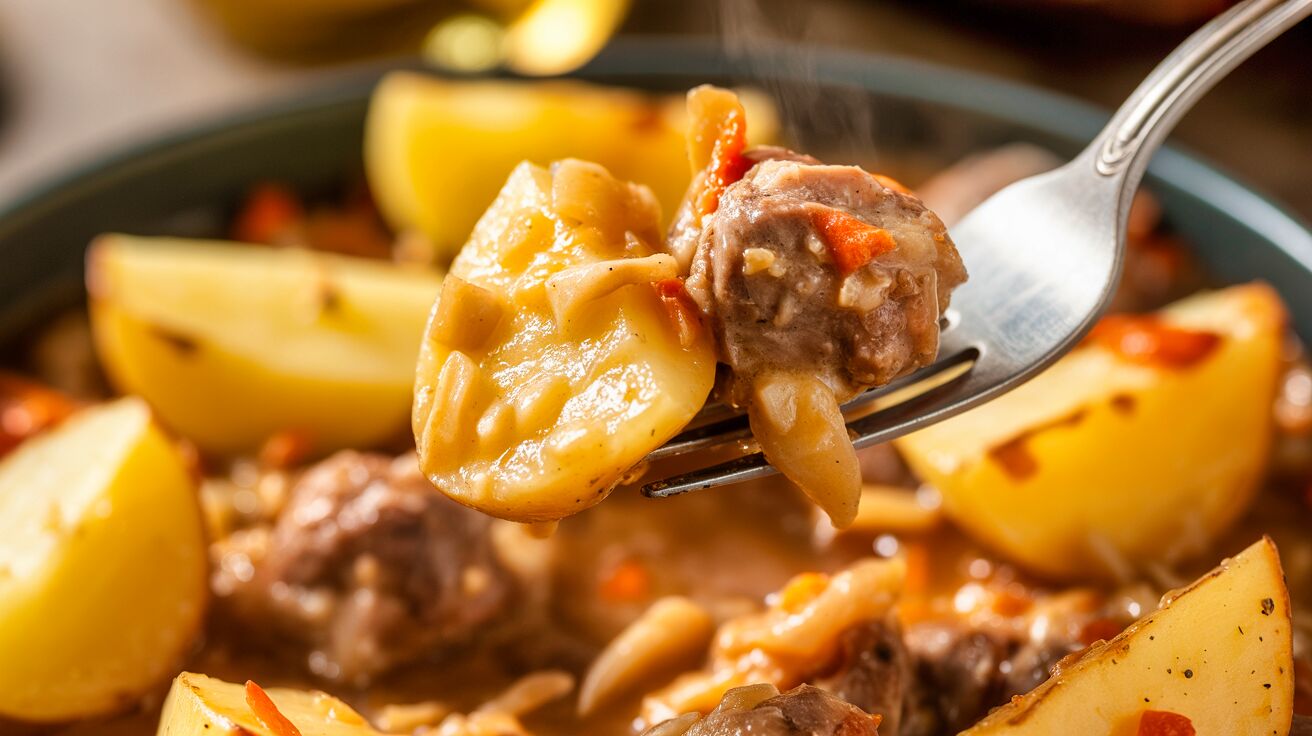
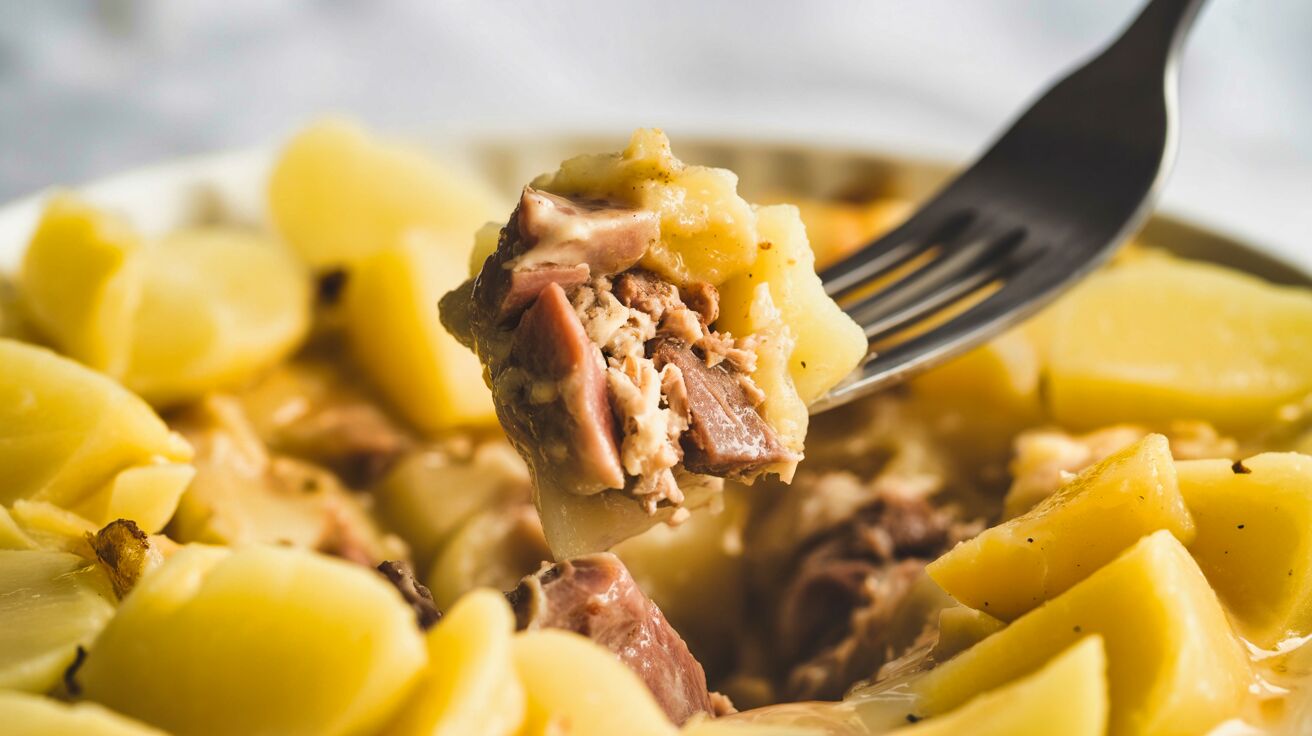
Stovies and beef stew are both hearty dishes designed for comfort, but they differ in texture, ingredients, and overall consistency. Stovies is a traditional Scottish dish made primarily with potatoes, onions, and leftover meat such as beef or lamb. The ingredients are cooked together slowly until the potatoes break down slightly, creating a thick, almost mashed consistency. The dish is simple and filling, with a strong emphasis on potatoes and minimal liquid.
Beef stew, by contrast, is a more liquid-based dish that includes chunks of beef, vegetables like carrots and celery, and a broth or gravy. The texture is more varied, with distinct pieces of meat and vegetables in a rich, savory sauce. The main difference is texture and composition: stovies are thicker and more potato-heavy, while beef stew is more broth-based and varied.
Choose stovies if you want a dense, comforting dish with a rustic feel. Go with beef stew if you prefer a heartier, more balanced dish with a rich broth.
Scottish Stovies Recipe FAQ
1. What is the origin of stovies?
Stovies were traditionally made from leftover meat and potatoes, slowly cooked together to create a hearty meal.
2. What kind of meat is used in stovies?
Beef, lamb, or even leftover roast meat can be used depending on availability.
3. Why are potatoes a key ingredient in stovies?
Potatoes absorb the flavors of the meat and broth, making the dish rich and filling.
4. What texture should stovies have when finished?
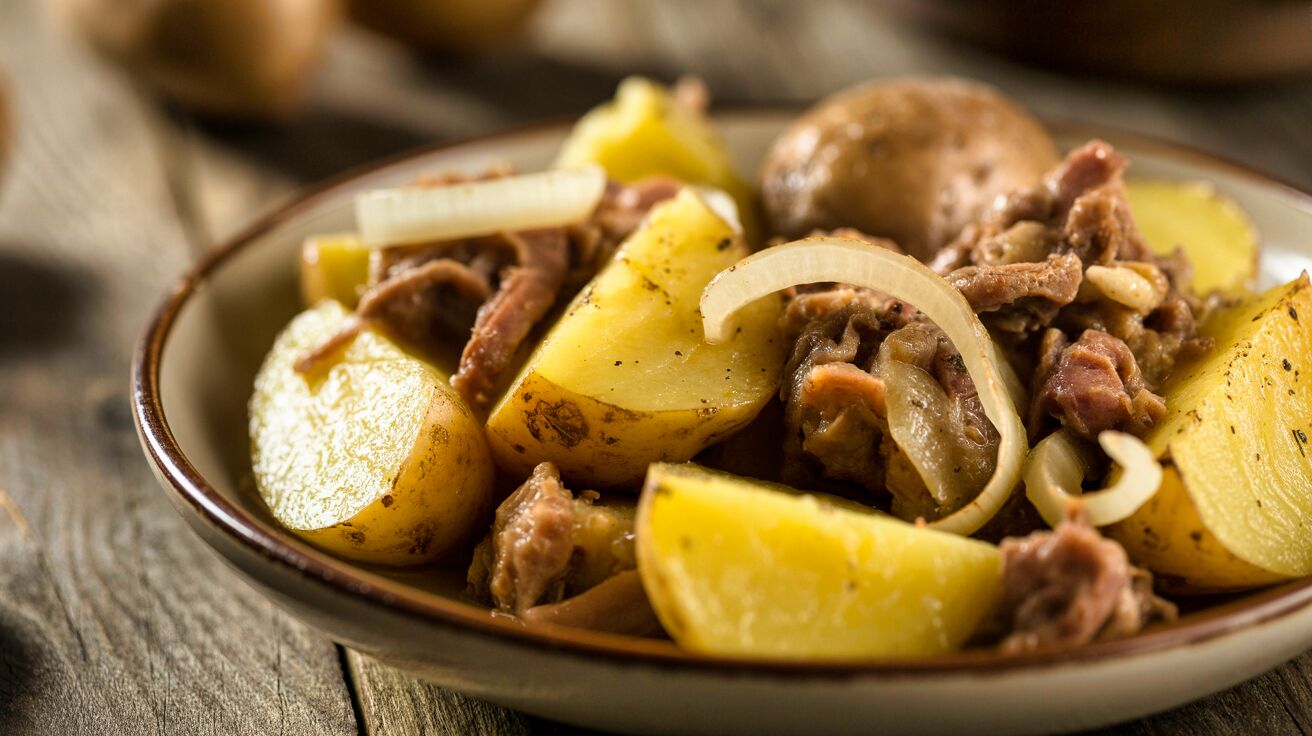
They should be soft and slightly chunky, with the potatoes breaking down just enough to thicken the dish.
5. Can stovies be reheated easily?
Yes, they reheat well and often taste even better the next day.
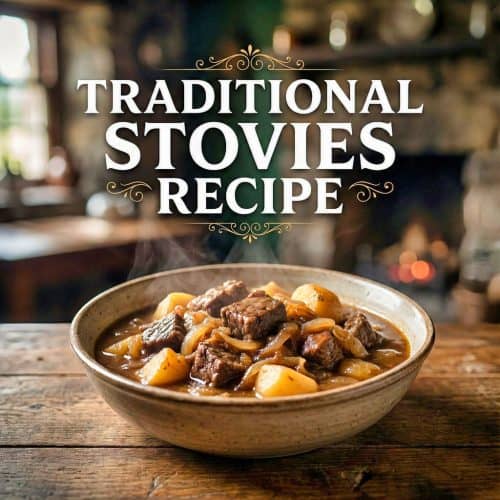
Scottish Stovies
Ingredients
- 1 tbsp lard or beef dripping
- 2 onions 1 medium or 1 large, roughly diced
- 4 tbsp beer dark or stout, optional
- 4 oz beef cold roast diced
- 1 1/2 lb potatoes peeled and quartered
- 1 tsp salt to taste
- 1 tsp pepper to taste
- 1 1/4 cups beef stock or leftover gravy
- 2 cups mixed vegetables left over pre-cooked
Instructions
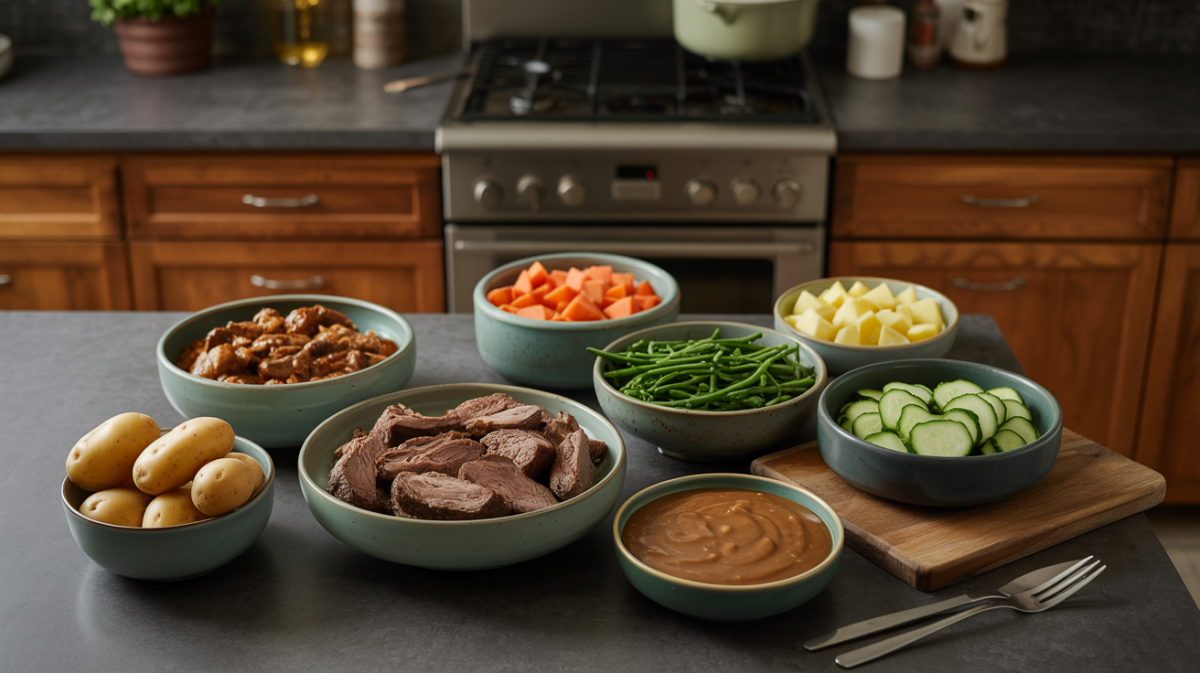
- Prepare and preheat: Gather all your ingredients, including the leftover cooked meat, potatoes, stock or gravy, and any leftover vegetables you plan to add at the end.
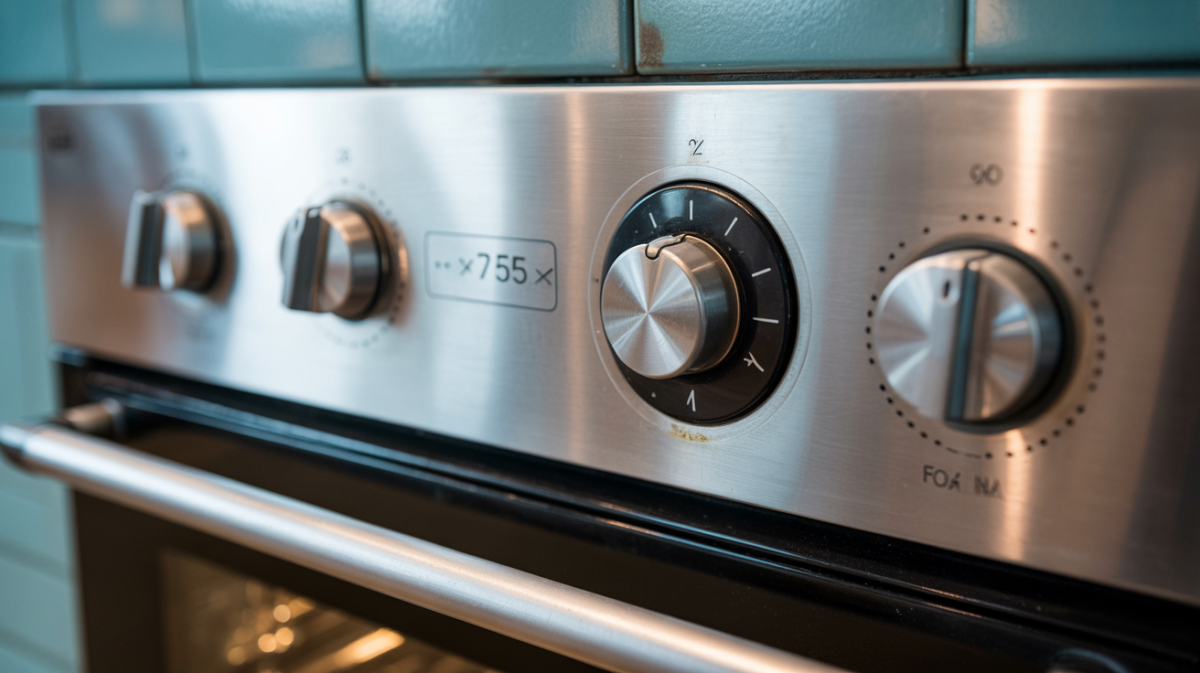
- Preheat the oven to 375°F / 190°C / Gas 5.
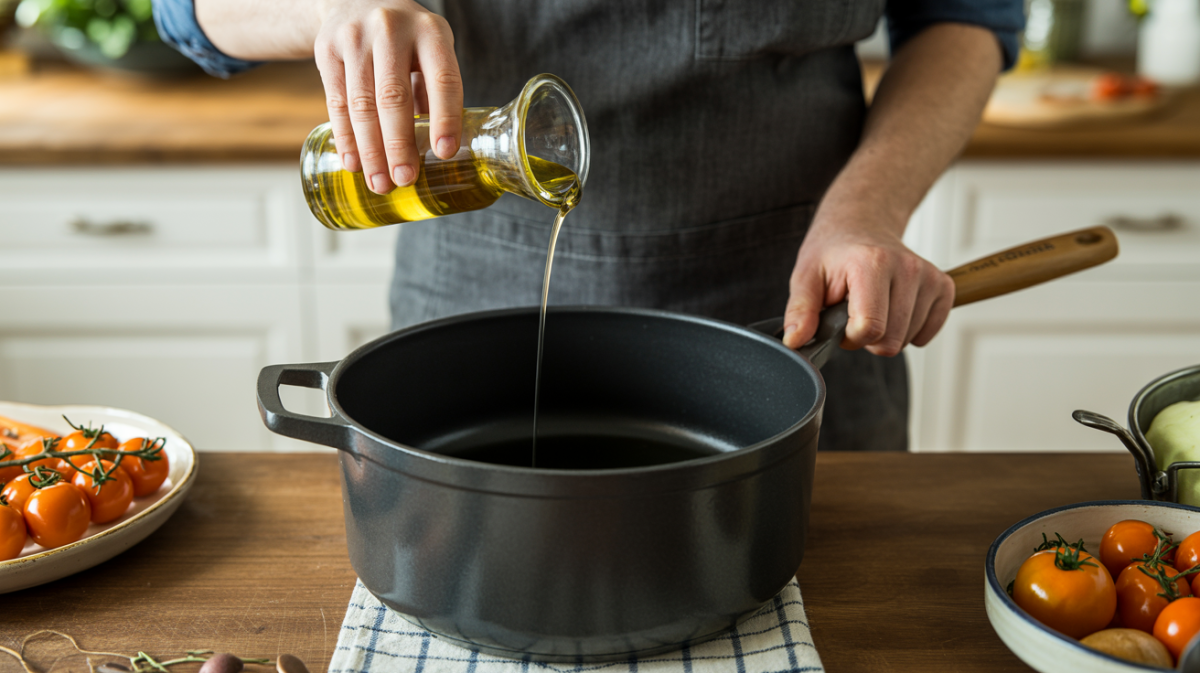
- Heat the fat: Place a Dutch oven or casserole dish on the stove over medium heat. Add the lard or meat drippings. Let it melt and spread over the base of the pan.
- Cook the onions: Add the sliced or chopped onions to the melted fat. Cook gently over medium heat for 5 to 8 minutes, stirring occasionally. The onions should soften and turn translucent, but not brown.
- Add the beer or stout (if using): Pour the beer or stout into the pan with the onions. Increase the heat so the liquid comes up to a boil. Let it boil for 2 minutes to drive off the alcohol, stirring once or twice so nothing sticks.
- Add the meat: Add the chopped or shredded leftover roast meat to the pan. Stir well so the meat is evenly mixed with the onions (and beer, if used), and coated in the cooking fat and juices.
- Layer the potatoes and season: Arrange the sliced potatoes on top of the meat and onions in even layers. After each layer of potatoes, season lightly with salt and pepper before adding the next layer. Continue until all the potatoes are used.
- Add stock or gravy: Pour the stock, gravy, or a combination of both over the layered potatoes and meat. The liquid should come partway up through the layers but not completely cover everything.
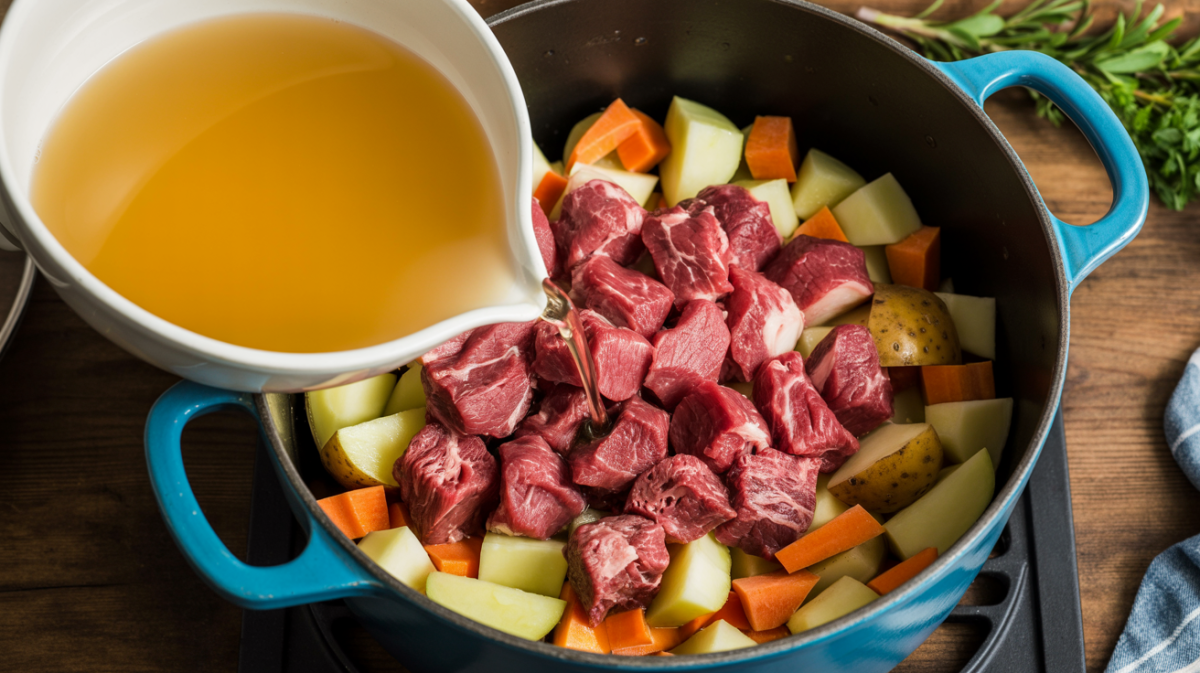
- Oven cooking: Put the lid on the Dutch oven or casserole dish. Transfer it to the preheated oven and cook for 45 to 50 minutes.
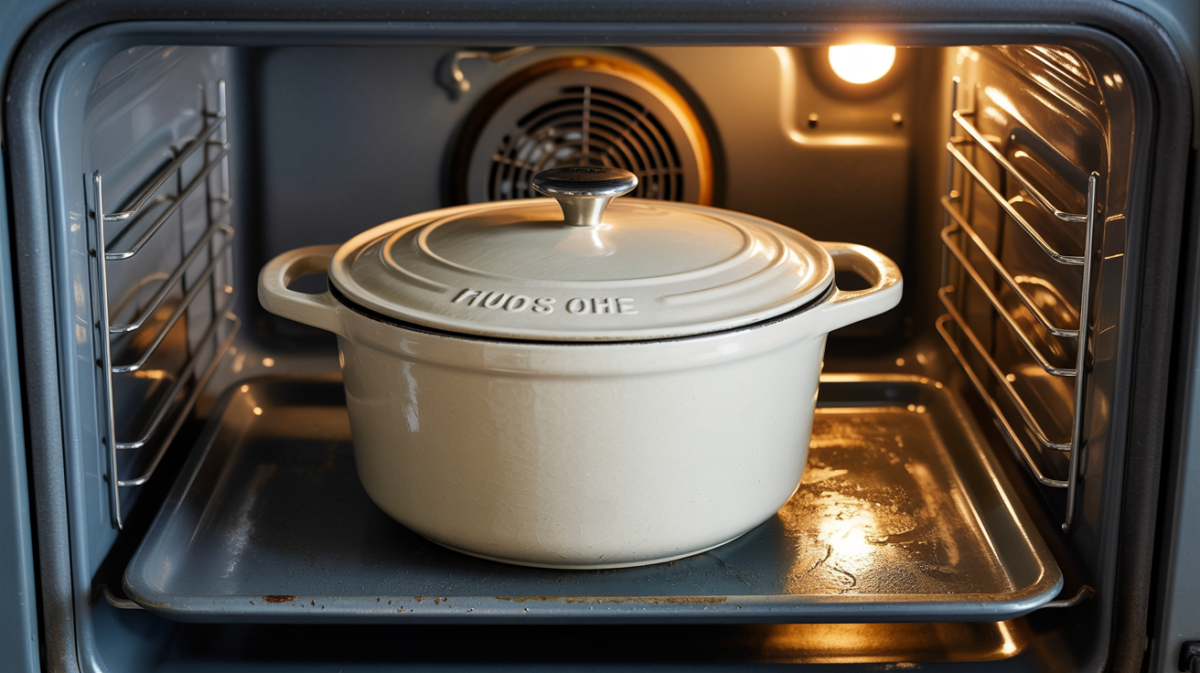
- Check once or twice during cooking to make sure the liquid has not boiled dry. If it looks too dry, add a little extra stock or gravy.
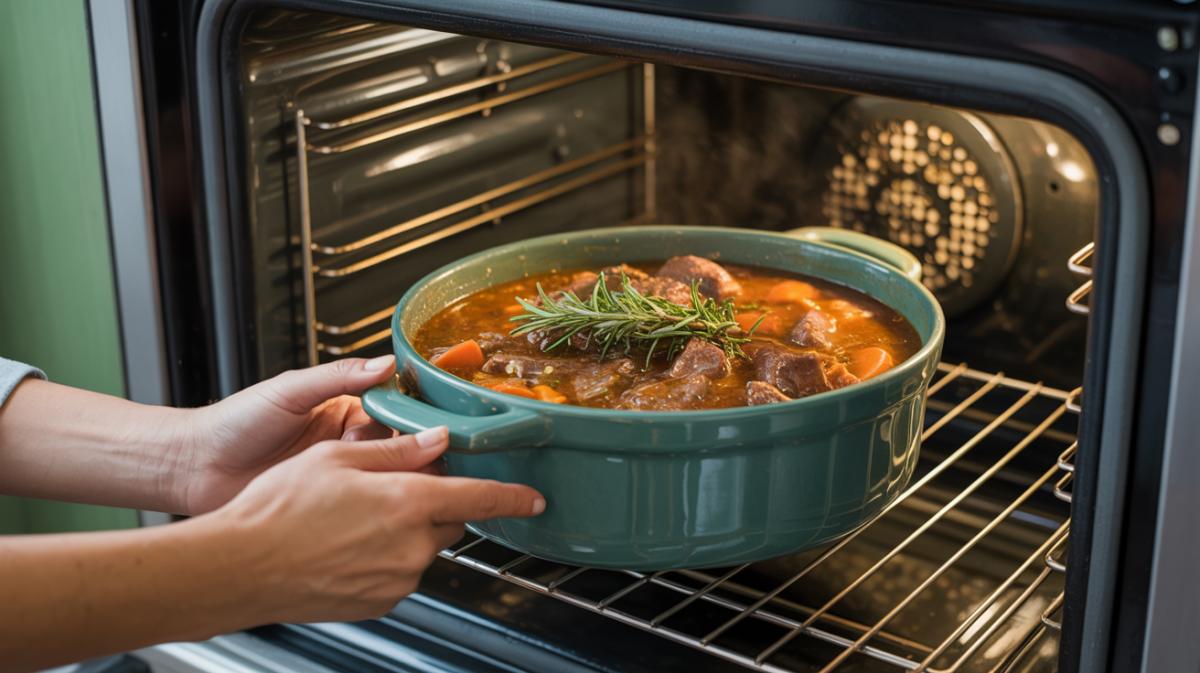
- Add leftover vegetables: About 10 minutes before the end of the cooking time, carefully remove the dish from the oven. Add any leftover cooked vegetables you have (such as carrots, turnips, peas, etc.). Stir gently to distribute them through the potatoes and meat. Taste and adjust the seasoning with more salt and pepper if needed.
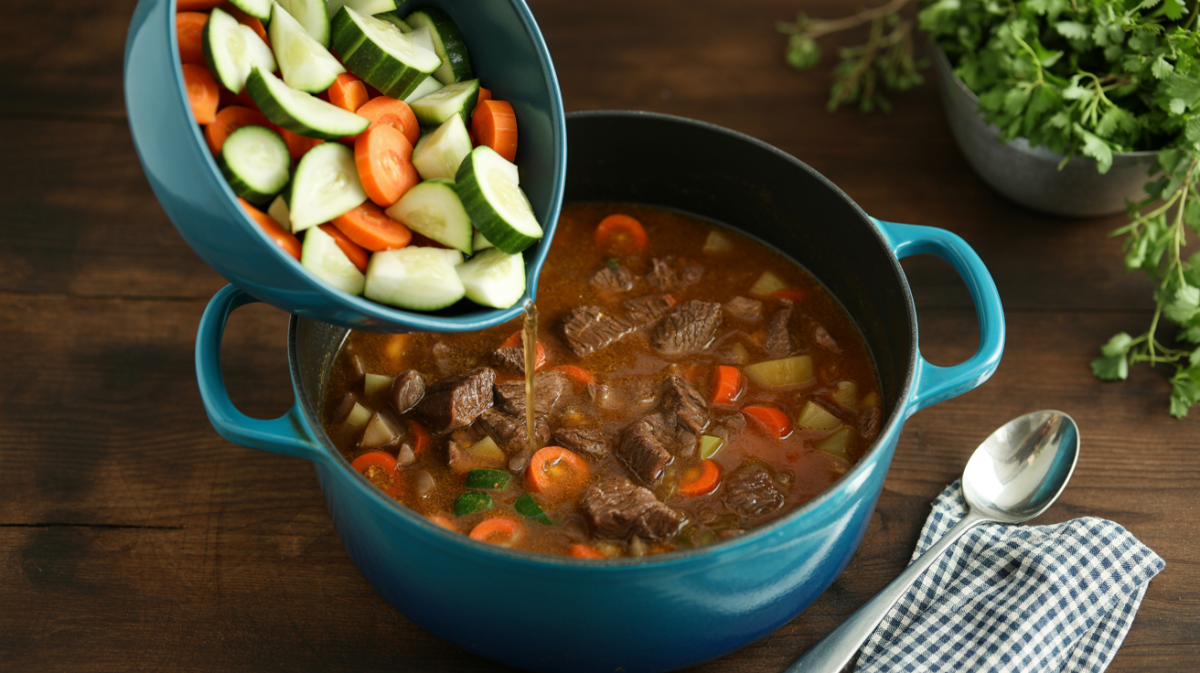
- Finish in the oven: Put the lid back on and return the dish to the oven for the final 10 minutes. The stovies should thicken into a stew-like mixture, with the potatoes and meat breaking down slightly but still holding their shape. Avoid letting the liquid boil too hard.
- Serve: Spoon the stovies into deep dishes or bowls. Serve hot, traditionally with rough oatcakes and brown sauce if you like.
Video

9 comments
Interesting read! But arent stovies traditionally made using leftover roast? How does slow-cooking affect the original taste? Any Scots care to weigh in?
Slow-cooking intensifies flavor! Tradition isnt always taste superiority. Lets not limit stovies to leftovers.
Is it just me or does anyone else think Stovies might be Scotlands answer to Irelands famous Colcannon?
Stovies, Colcannons rival? Ha! More like its poor, underwhelming cousin!
Is it wrong to use corned beef in Stovies instead of leftover roast? Just curious, seems more accessible.
Interesting take on stovies, but did you consider the differing opinions on whether to use beef or lamb?
Beef or lamb, its the cooks call. Lets not make stovies a battleground!
Are we sure Stovies are a national treasure? Seems like glorified leftovers to me. Is there a secret ingredient Im missing?
Do you guys think stovies would still be as hearty without meat? Would a veggie version still honor tradition?
Comments are closed.