


There’s just something about the smell of a warm Scottish Christmas pudding recipes odors wafting through the kitchen—it’s pure nostalgia and celebration. I’ll be honest, you don’t need to be a pro to pull off this Scottish Christmas pudding recipe. It’s surprisingly doable, and the results feel like you’ve been making it for generations. This Scottish Christmas pudding recipe shows you how to turn basic ingredients into a moist, fruity dessert that’ll impress even the pickiest holiday guests.
I’ll break down the key ingredients, the stirring and steaming rituals, and throw in a few tricks to help you nail the texture. If you’re curious about clootie dumpling or plum pudding, I’ll touch on those too. Trust me, with this Scottish Christmas pudding recipe, you’ll transform pantry staples into a dessert that actually gets eaten—and maybe even requested next year.

Essential Ingredients for a Scottish Christmas Pudding
You don’t need anything fancy here: just the right dried fruit, a mix of spices, suet, flour, and some citrus. Measure things out, soak your fruit, and please—don’t skimp on the suet. It’s the secret weapon in this Scottish Christmas pudding recipe.
Classic Dried Fruits: Currants, Sultanas, and Raisins
I always start by weighing my fruit—equal parts currants, sultanas, and raisins. Currants add a tart kick, sultanas are sweet and light, and raisins bring depth. I soak them overnight in brandy, rum, or even strong tea so they get plump and full of flavor. Seriously, don’t skip this step; dry fruit makes for a sad pudding.
About 300–400 g total fruit works for a 1–2 pint pudding basin. If your raisins are huge, chop them up. Pour a bit of the soaking liquid into the mix to keep things moist. The Scottish Christmas pudding recipe really benefits from this overnight soak.
Warming Spices and Flavor Boosters
I use mixed spice—about a teaspoon—for that classic warmth. Then I add ½–1 teaspoon ground cinnamon and just a pinch of fresh nutmeg. If you’re using pre-ground nutmeg, don’t go overboard. A spoonful of dark treacle or molasses brings color and a bitter note to balance the sweetness. A splash of brandy (or whisky, if you’re feeling Scottish) sharpens the flavor. Taste your batter before steaming—sometimes spices can surprise you!
Suet and Flour: The Pillars of Pudding Structure
Vegetable suet is my go-to—it melts beautifully and gives that crumbly, traditional texture. I use 125–175 g suet for a medium pudding, mixed with 200–250 g self-raising flour. If you want a little extra lift, toss in a teaspoon of baking powder, but honestly, the steam does most of the work. If you’re adding citrus or buttermilk, a pinch of baking soda won’t hurt. Mix everything well so the fruit doesn’t sink.
Zest, Vanilla, and All the Extras
I grate the zest of one big orange—fine enough to spread the flavor. A good teaspoon of vanilla extract smooths out the sharp edges. For sweetness, a tablespoon of golden syrup or brown sugar does the trick. Sometimes I’ll toss in a grated apple or a handful of oats for texture, or a few chopped dates if I’m feeling fancy. If you soaked your fruit in booze, save a little for flaming the pudding at the table. These little touches make the Scottish Christmas pudding recipe your own.

How to Make It: From Stir-Up Sunday to the Show-Stopping Finale
Caramel and Fruit Holiday Cheer

Step 1: Soak the dried fruit (optional, night before): If you are using alcohol, place the dried fruit in a bowl and pour your chosen alcohol over it. Make sure all the fruit is moistened. Cover and leave to soak overnight. This step is optional.
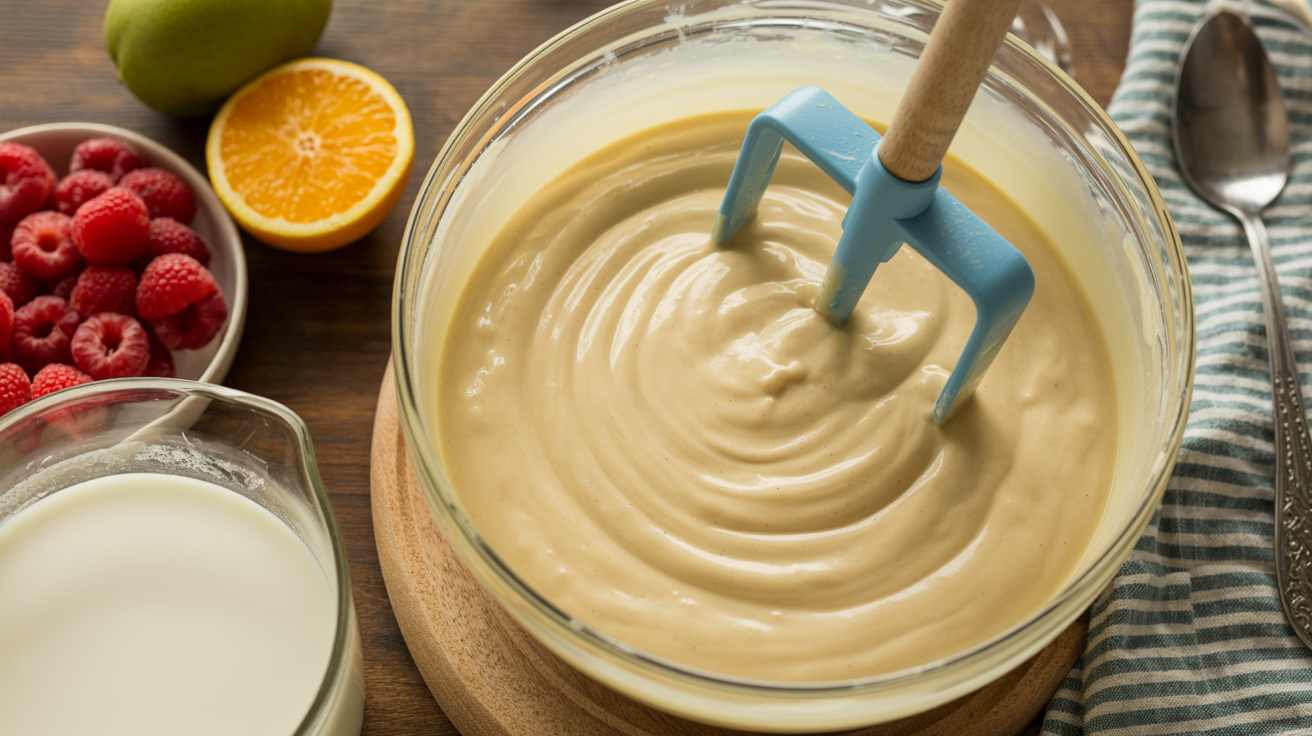
Step 2: Mix the pudding ingredients: The next day, add all the ingredients to a large mixing bowl in the order given in your recipe, stirring as you go so each addition is well combined. When you reach the egg, beat it well before adding, then stir until everything is evenly mixed and no dry patches remain.
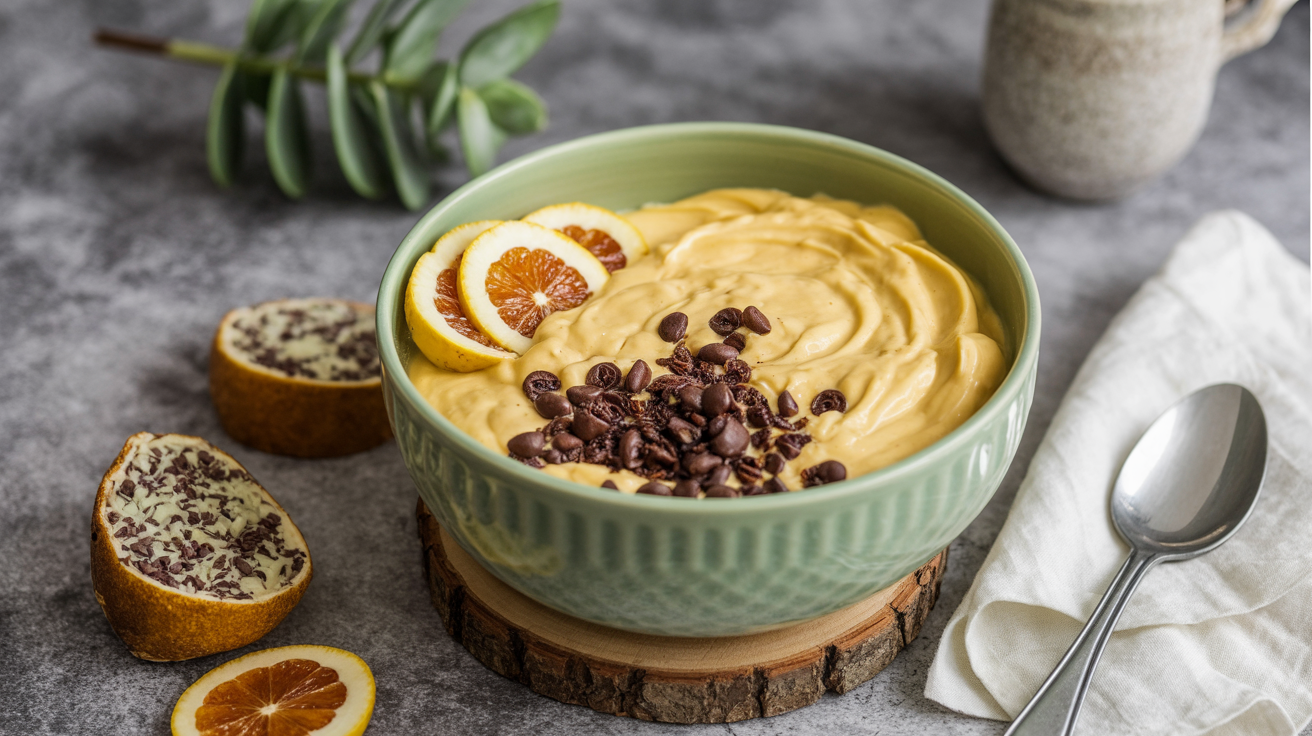
Step : Prepare the pudding bowl: Generously grease a 2 pint pudding bowl with margarine or butter, coating the base and sides. Spoon the pudding mixture into the bowl. Use the back of a spoon to press it down firmly so there are no air pockets and the surface is level.
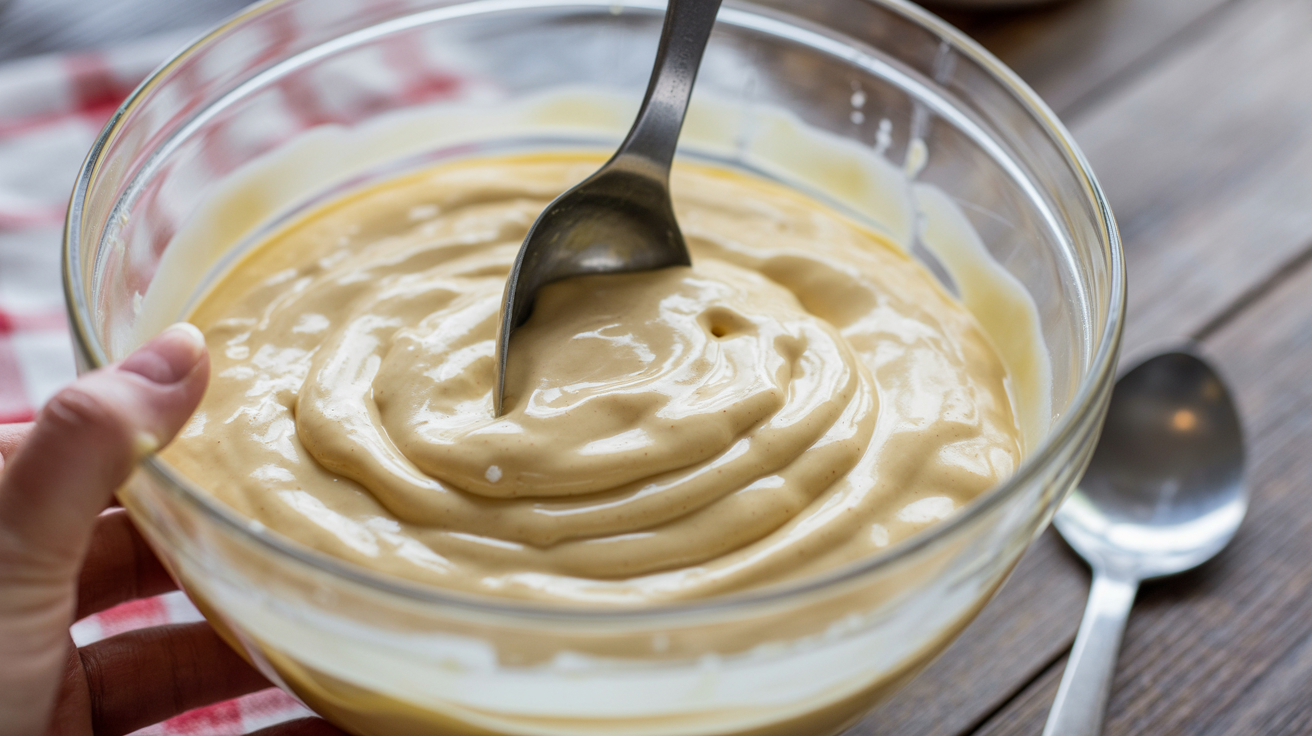
Step 4: Cover with paper and foil: Cut a piece of greaseproof paper large enough to cover the top of the pudding bowl. Fold a pleat in the centre of the paper to allow for expansion during steaming, then place it over the bowl. Cut a piece of foil the same size, fold a pleat in the middle, and place it on top of the greaseproof paper. Tie both layers tightly around the rim of the bowl with twine. Trim away any excess paper and foil below the string so it does not dangle near the heat.
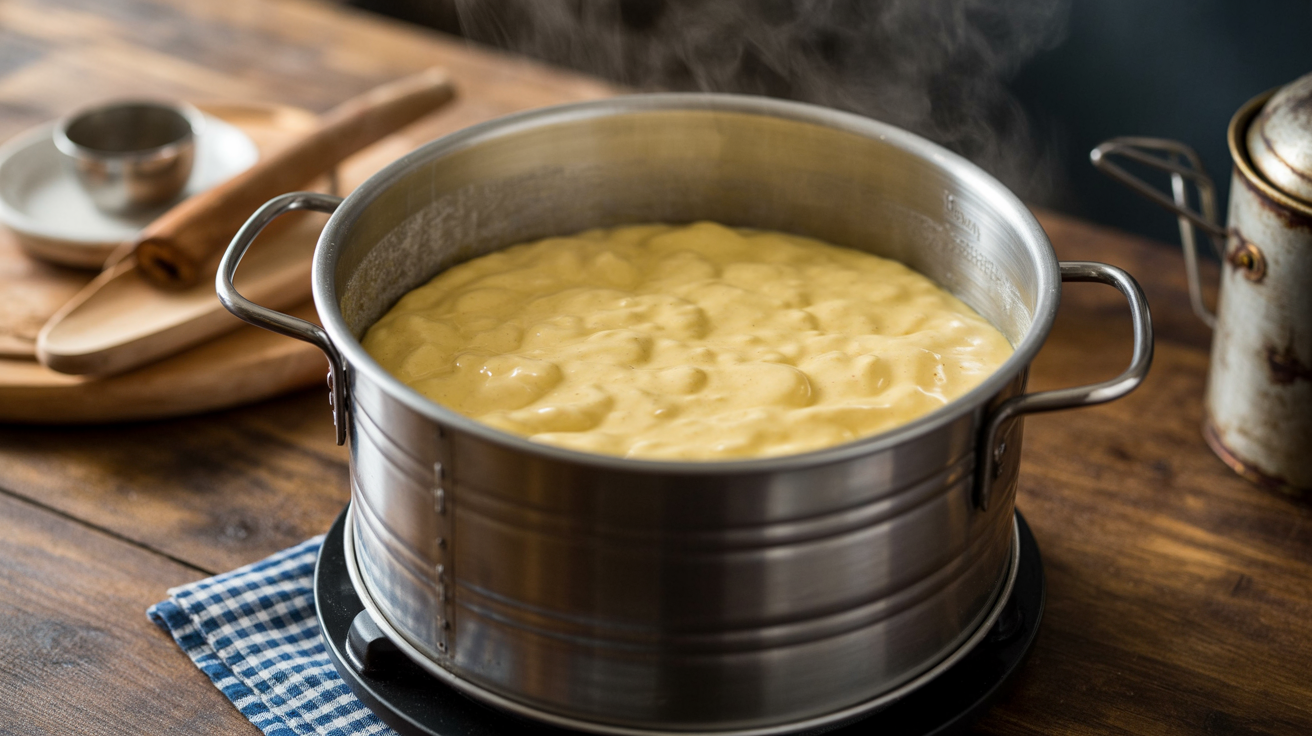
Step 5: Steam the pudding: Set the covered pudding bowl in a large pan. Add simmering water, put a lid on the pan, and steam the pudding for about 5½ hours. Check the pan regularly to make sure the water has not boiled dry. Top up with additional boiling water as needed to maintain the simmer.

Step 6: Cool and store: When the steaming time is over, remove the pudding bowl from the pan and let the pudding cool completely. Once cool, take it out of the bowl. Wrap the pudding first in greaseproof paper, then in foil. Store it in a cool place (not the refrigerator) until you are ready to use it.

Step 7: Reheat before serving: To serve the pudding, return it to a greased pudding bowl. Cover as before and steam again in a pan of simmering water for about 2 hours, with the lid on the pan, until it is heated through.
Soaking and Mixing: Stir with Style
The night before, I soak 400g dried fruit (sultanas, currants, raisins) with 150ml strong tea and 50ml rum or whisky. Cover and leave at room temperature for at least 12 hours. This makes the fruit soft and flavorful.
In a big bowl, I mix 200g breadcrumbs, 100g suet (or cold grated butter), 150g brown sugar, 2 tsp mixed spice, 1 tsp cinnamon, zest of a lemon and orange, and 3 beaten eggs. I fold in the soaked fruit with a wooden spoon—clockwise if I’m feeling superstitious. The mix should be thick but scoopable. Too dry? Add a splash of tea or a spoonful of molasses.
Prepping the Pudding Basin and Bowl
I grab a 1.5–2 litre pudding basin or a deep bowl. Butter it well and line the bottom with a circle of greaseproof paper. For the top, I use a pleated, buttered disc of paper so the pudding can expand a bit while steaming.
Spoon the mixture in, pressing gently to avoid big air pockets but don’t squash it flat. Cover with the pleated paper, then foil, and tie tightly with kitchen string around the rim. Leave a bit of string for easy lifting. If I’m making it ahead, I wrap it again and store it chilled for up to a month, feeding it a little brandy every week. This is where the Scottish Christmas pudding recipe gets even better with time.
Steaming, Checking, and Serving with Drama
Set a big pan with a trivet or crumpled foil, add water halfway up the basin, and bring to a gentle simmer. Steam for 4–5 hours for a 1.5–2 litre pudding, topping up water as needed. Check doneness with a skewer—if it comes out hot with sticky crumbs, you’re good.
Let it cool a bit, then lift out using the string. Turn out onto a plate just before serving. To reheat, steam for 2 hours or microwave in short bursts (but really, steaming is better). Serve slices with warm brandy butter or custard—each bite should be dense, moist, and just the right amount of boozy. If you’re searching for a reliable Scottish Christmas pudding recipe, this is the one to bookmark.
The Boozy Finish: Flambé, Brandy Butter, and Beyond
Warm 50–75ml of good brandy in a small pan (don’t let it boil), pour it over the pudding, and light it up with a long match. Keep hair and sleeves away, and have a lid ready to smother flames if things get too exciting. The fire burns off most of the alcohol but leaves a lovely scent.
For the classic brandy butter, beat 100g soft butter with 100g icing sugar and a couple tablespoons of brandy. I’ll also serve it with custard or thick cream. If you want to shake things up, drizzle some fruit syrup or a rum glaze. Call it a Scottish Christmas pudding recipe, a plum pudding, or just “the boozy one”—it’ll get applause either way.
For more inspiration, I often check this Scots Christmas Pudding recipe for ingredient ratios and soaking times. If you want to compare, here’s a clootie dumpling recipe from our archives, and don’t miss our plum pudding guide for more festive options. You can also explore our traditional Scottish desserts page, or see our Christmas baking tips for extra help.

Scottish Cousins: Clootie Dumpling and Plum Pudding Adventures
I’ve taste-tested plenty of dense suet puddings so you don’t have to. Each one has its quirks, but honestly, the Scottish Christmas pudding recipe is my go-to for drama and flavor. Still, the classics deserve a nod.
Clootie Dumpling: The Cloth-Wrapped Classic
The clootie dumpling’s got old-school charm. You mix suet, flour, dried fruit, treacle or syrup, and those warming spices. Pile the sticky mix onto a floured cloth—the “cloot”—wrap it up tight, and simmer for hours. The cloth gives it a chewy, browned crust and keeps the inside moist. Sometimes I brush the boiled skin with jam or syrup for a shiny finish. For a step-by-step, check out this traditional clootie dumpling recipe or our own how-to guide.
Serve thick slices with clotted cream, custard, or a dollop of jam. Leftovers? Fry them in butter the next day—trust me. If you’re looking for more Scottish holiday inspiration, our Scottish holiday recipes roundup has you covered, and you can read up on the history of Christmas puddings at Historic UK, or see BBC Good Food’s classic pudding for another take. For a video walkthrough, check out this YouTube tutorial on making a Scottish Christmas pudding recipe. And for a deep dive, Scottish Scran’s guide is well worth a read.
Plum Pudding vs. Christmas Pudding: A Spirited Debate
Let’s just call this the classic boozy sibling rivalry. Plum pudding—the old Dickensian name—leans on suet, dried fruit, breadcrumbs, and a heavy hand with the spice rack, then gets a long, slow steam. The modern “Christmas pudding” isn’t far off, but it’s usually richer, often with more brandy or rum, plus extra dried fruits that soak in alcohol for days. If you’re hunting for a Scottish Christmas Pudding recipe, this is where the debate gets even more interesting.
Plum pudding recipes still show up in family notebooks across Scotland. Some call for a hard steam in a basin, others for flaming the finished pudding with warm spirit right at the table—both dramatic, both delicious. Personally, I like to age my Christmas pudding for a week or two so the booze really plumps up the fruit and the flavors mellow. If you want a classic Scottish Christmas Pudding recipe with step-by-step timing, check out this well-tested guide (https://www.bbc.co.uk/food/recipes/clootiepudding_9528). You might also like this Scottish desserts roundup or our traditional Scottish food guide for more inspiration.
Curious about the origins? The Wikipedia entry on Christmas pudding dives into its history. For more Scottish Christmas Pudding recipe ideas, you can browse BBC Good Food’s Christmas pudding recipes or get some tips from Delia’s classic pudding guide. And if you’re feeling ambitious, our own Scottish Christmas Pudding recipe is worth a try—honestly, it’s a family favorite. Don’t forget to check out the holiday baking tips page for troubleshooting, or the Scottish holiday traditions section for more festive ideas.
It’s funny—no matter which Scottish Christmas Pudding recipe you pick, there’s always that debate at the table: is it really Christmas without the flaming finale? I’m not sure. But I do know that the tradition, the rich flavors, and the bit of drama are what keep me coming back. And if you’re after the real deal, don’t be afraid to experiment or tweak your own Scottish Christmas Pudding recipe. That’s half the fun, right?
For even more info, you can visit The Spruce Eats or Jamie Oliver’s Christmas pudding page. And if you want to chat with fellow bakers or share your results, there’s always our community forum. Happy pudding-making!

Christmas Pudding vs Fruitcake
Christmas pudding and fruitcake are both traditional holiday desserts made with dried fruits and spices, but they differ in preparation, texture, and moisture. Christmas pudding is a steamed dessert that combines dried fruits, spices, breadcrumbs, and often suet. The steaming process gives it a very moist, dense texture that is softer and more cohesive than most baked desserts. It is typically served warm and sometimes flamed with alcohol, adding to its festive appeal.
Fruitcake, by contrast, is baked in the oven and often has a firmer, more sliceable structure. While it contains similar ingredients—such as dried fruits and spices—it can vary widely in texture depending on how it’s made. Some versions are moist, but others can be drier and more crumbly. The key difference is cooking method and texture: Christmas pudding is steamed and soft, while fruitcake is baked and more structured.
Choose Christmas pudding if you want a rich, moist dessert with a traditional holiday feel. Opt for fruitcake if you prefer something firmer that can be sliced and stored more easily.
Scottish Christmas Pudding Recipe FAQ
1. What makes Scottish Christmas pudding different from other versions?
Scottish versions may include local ingredients like whisky and specific spice blends, giving it a slightly different flavor profile from English puddings.
2. Why is Christmas pudding made so far in advance?
It’s traditionally prepared weeks ahead of time to allow the flavors to mature and deepen.
3. What gives Christmas pudding its dark color?
Dried fruits, spices, and molasses or treacle contribute to its rich, dark appearance.
4. How is Christmas pudding cooked?
It is usually steamed for several hours rather than baked.
5. Is Christmas pudding served hot or cold?
It is served warm, often with cream, custard, or a drizzle of whisky sauce.

Scottish Christmas Pudding
Ingredients
- 1 ⅔ cups Raisins
- ⅔ cup currants
- ⅔ cup raisins sultanas
- ⅓ cup dates pitted and finely chopped
- ¾ cup self-raising flour
- ¾ cup vegetable suet
- 1 tsp mixed spice ground
- ¼ tsp nutmeg ground
- ½ cup sugar dark muscovado
- ¼ cup almonds blanched and chopped
- 1 ¼ cups breadcrumbs
- 1 apple (peeled and grated)
- 1 orange (zested and juiced)
- 2 Eggs free range
Instructions
- Soak the dried fruit (optional, night before): If you are using alcohol, place the dried fruit in a bowl and pour your chosen alcohol over it. Make sure all the fruit is moistened. Cover and leave to soak overnight. This step is optional.

- Mix the pudding ingredients: The next day, add all the ingredients to a large mixing bowl in the order given in your recipe, stirring as you go so each addition is well combined. When you reach the egg, beat it well before adding, then stir until everything is evenly mixed and no dry patches remain.

- Prepare the pudding bowl: Generously grease a 2 pint pudding bowl with margarine or butter, coating the base and sides. Spoon the pudding mixture into the bowl. Use the back of a spoon to press it down firmly so there are no air pockets and the surface is level.

- Cover with paper and foil: Cut a piece of greaseproof paper large enough to cover the top of the pudding bowl. Fold a pleat in the centre of the paper to allow for expansion during steaming, then place it over the bowl. Cut a piece of foil the same size, fold a pleat in the middle, and place it on top of the greaseproof paper. Tie both layers tightly around the rim of the bowl with twine. Trim away any excess paper and foil below the string so it does not dangle near the heat.

- Steam the pudding: Set the covered pudding bowl in a large pan. Add simmering water, put a lid on the pan, and steam the pudding for about 5½ hours. Check the pan regularly to make sure the water has not boiled dry. Top up with additional boiling water as needed to maintain the simmer.

- Cool and store: When the steaming time is over, remove the pudding bowl from the pan and let the pudding cool completely. Once cool, take it out of the bowl. Wrap the pudding first in greaseproof paper, then in foil. Store it in a cool place (not the refrigerator) until you are ready to use it.

- Reheat before serving: To serve the pudding, return it to a greased pudding bowl. Cover as before and steam again in a pan of simmering water for about 2 hours, with the lid on the pan, until it is heated through.

Video


13 comments
Interesting read! Anyone ever tried replacing suet with butter, how did it turn out? Also, can we add nuts to it?
Tried butter, worked great! Nuts are a delicious addition too. Dont be afraid to experiment.
Anyone else think using suet instead of butter might make this pudding less heavy post-Christmas dinner?
Has anyone tried substituting the suet with butter in this Scottish pudding recipe? Curious if it alters the texture too much!
Anyone else think swapping suet for a veggie option might give this traditional Scottish pudding a modern twist? Just a thought!
Do you think adding a dash of whiskey would enhance the Scottish Christmas Puddings flavour or ruin its traditional essence?
Hmm, I wonder if substituting butter for suet would drastically change the texture of this Scottish Christmas pudding?
Does anyone else feel like swapping out the suet for butter would give the pudding a richer flavor? Just a thought.
Butter over suet? Thats sacrilege! Pudding needs that authentic suet taste.
Why not try adding a wee dram of Scotch to the recipe? Its Scottish Christmas pudding after all. Just a cheeky thought!
Scotch in the pudding? Thats a bold twist! Might just steal the show at Christmas!
Just wondering – anyone tried substituting suet with butter in the pudding? Does it affect the structure drastically?
So, does anyone else think swapping suet for butter might make a less heavy pudding? Just a thought. 🤔
Comments are closed.