


Honestly, I’ve been making Korean fried chicken for a long time now, and Korean dakgangjeong just never disappoints. I always end up picking this one when friends or family come over. Korean dakgangjeong is all about bite-sized chicken pieces, double-fried to a crazy level of crispiness, then tossed in this sweet, sticky, and just-spicy-enough glaze. It’s a huge hit as Korean street food for a reason—the textures and flavors are just so addictive.
What really makes Korean dakgangjeong stand out? That crunchy coating doesn’t go soggy, even after you drench it in sauce. I’ll help you get the right ingredients and show you how to nail the double-frying, which is honestly the secret to that crunch.
Maybe you’ve had Dakgangjeong at a Korean restaurant, or maybe you’re just hearing about it now. Either way, making dakgangjeong at home is easier than you’d think. You’ll figure out how to get that glossy, sticky glaze and the best ways to serve this absolute crowd-pleaser.

What Is Dakgangjeong?
Dakgangjeong is basically Korean fried chicken, but with a twist. You cut chicken into bite-sized pieces, double-fry them until they’re extra crispy, and then coat them in a sticky sweet and spicy sauce. The word “dak” means chicken, and “gangjeong” refers to a traditional Korean confection made from fried glutinous rice. Pretty cool, right?
Origins and Cultural Significance
Originally, “gangjeong” described a sweet treat made from sticky rice flour, fried and covered in honey, seeds, or nuts. Over time, cooks took that idea and created a savory version—Korean dakgangjeong—using the same crispy coating and shiny finish.
dakgangjeong is now one of Korea’s most beloved chicken dishes. You’ll spot it everywhere: street food stalls, casual restaurants, even at home. I think it’s fascinating how Korean dakgangjeong bridges old-school confectionery with the modern fried chicken craze. It’s also a big part of chimaek culture, where fried chicken and beer go hand in hand. If you want to dig deeper, check out this Wikipedia article on dakgangjeong and this classic recipe by Maangchi.
Dakgangjeong vs. Other Korean Fried Chicken
So, how is Korean dakgangjeong different from other types? Unlike yangnyeom chicken, which has a thinner, runnier sauce, Korean dakgangjeong features a thicker, stickier glaze that really clings to every piece. The wild part is that dakgangjeong actually gets crispier as it sits, instead of turning soggy like most fried chicken.
The double-frying is a game-changer. The first fry cooks the chicken, and the second one makes that outer shell super crunchy. Most Korean fried chicken uses big, bone-in pieces, but Korean dakgangjeong is all about those easy-to-eat, snack-sized chunks. It’s perfect for street food or just munching at home.
Popular Variations of Dakgangjeong
The most popular dakgangjeong comes with a sweet and tangy sauce made with gochujang (Korean red pepper paste) for a bit of heat. Soy garlic Korean dakgangjeong is another favorite—it’s savory, umami-rich, and not spicy at all.
Other variations you’ll find:
- Honey butter Korean dakgangjeong – sweet and buttery, kind of decadent
- Spicy gochugaru dakgangjeong – uses Korean red pepper flakes for more heat
- Sesame seed topped Korean dakgangjeong – adds nutty flavor and crunch
I’ve seen people top their Korean dakgangjeong with roasted peanuts, cashews, or dried chili peppers for extra texture. No matter the twist, that signature crispy coating is always there—that’s what makes dakgangjeong special. If you want to see more ideas, check out this Serious Eats guide to Korean dakgangjeong.

Key Ingredients for Authentic Dakgangjeong
For legit Korean dakgangjeong, you need the right chicken, starch for coating, and the perfect blend of sweet and spicy sauce ingredients. Each part matters if you want that crunch and sticky glaze.
Chicken Cuts and Preparation
I always go for boneless, skinless chicken when making dakgangjeong. Chicken thighs are my go-to because they stay juicy even after a double fry.
You can use chicken breast, but thighs just have more flavor and don’t dry out as much. I cut the meat into bite-sized boneless chicken pieces, about 1 to 2 inches each. That size means quick cooking and lots of crispy surface for the glaze to stick to.
Before coating, I pat the chicken dry with paper towels. Drying is key—otherwise, the starch won’t stick, and you’ll lose that crunchiness that makes Korean dakgangjeong awesome.
Choosing the Right Starch: Potato, Corn, or Flour
The coating is everything for authentic Korean dakgangjeong. I’ve tried a bunch of options, and they all give a slightly different result.
Cornstarch is my pick for the lightest, crunchiest dakgangjeong coating. Potato starch works almost the same and is a solid choice, too. Sometimes I mix both for maximum crunch.
All-purpose flour makes a thicker, heavier crust, but honestly, it just doesn’t give you that signature Korean dakgangjeong texture. If you want to mix flour in, keep the starch-to-flour ratio at least 3:1.
Essential Flavors: Soy Sauce, Garlic, and Gochujang
Korean dakgangjeong needs a few flavor powerhouses. Soy sauce brings saltiness and umami to the sauce.
Fresh garlic is a must—I usually crush at least 3 or 4 cloves per batch. Some folks add ginger for a bit of warmth, but that’s up to you.
Gochujang (Korean chili paste) gives dakgangjeong its spicy, fermented kick. I use 2 to 3 tablespoons, depending on how much heat I’m in the mood for. Gochugaru (Korean red pepper flakes) can crank up the spice and add a bright color, too.
Mirin (sweet rice wine) is great for balancing out the spice and helping the glaze stick. No mirin? A splash of rice vinegar with a pinch of sugar works in a pinch.
Sweeteners and Sauces for Signature Glaze
That shiny, sticky glaze is what makes Korean dakgangjeong so irresistible. Rice syrup is the classic sweetener, giving you a thick, glossy sauce that doesn’t crystallize.
Corn syrup is easier to find and works almost as well for Korean dakgangjeong. Both give you that stretchy, candy-like texture that’s hard to beat.
Some people add ketchup for a little tang and sweetness. I usually throw in about a tablespoon for a richer sweet and spicy dakgangjeong sauce.
Sesame seeds go on top for that nutty flavor and a little visual flair. Toast them first—they taste so much better that way.
You’ll also need plenty of vegetable oil for frying—enough to cover the chicken by at least two inches. If you’re in a hurry, garlic powder and onion powder can sub in for fresh aromatics, but honestly, nothing beats fresh garlic in Korean dakgangjeong.

Techniques for Perfectly Crispy Dakgangjeong
If you want that signature Korean dakgangjeong crunch, you have to get three things right: double-frying at the right temps, prepping the chicken properly, and mixing up the coating just right.
The Double-Frying Method
The double-frying trick is what makes dakgangjeong different from regular fried chicken. I heat my oil to 325°F for the first fry, which cooks the chicken through without burning the outside.
I fry the chicken pieces for about five minutes, then let them rest on a wire rack for at least five more. That break lets steam escape and keeps the coating crispy.
For the second fry, I crank the oil up to 350°F. The chicken goes back in for 2-3 minutes until it turns golden brown and super crunchy. The high heat creates those air pockets in the coating, making Korean dakgangjeong light and shatteringly crisp.
Marination and Brining Tips
I always marinate my boneless, skinless chicken for Korean dakgangjeong. A quick soak in soy sauce, ginger, and garlic for at least 30 minutes does wonders.
If I want extra juicy dakgangjeong, sometimes I brine the chicken in saltwater (1/4 cup salt to 4 cups water) for a couple of hours before marinating. It helps the chicken stay moist, even after double frying.
After marinating, I pat the chicken dry. Wet chicken just won’t get crispy, and that’s a dealbreaker for Korean dakgangjeong. I keep the pieces small—about 1-2 inches—so they cook fast and evenly.
Achieving a Crunchy Coating
The coating is what makes or breaks your Korean dakgangjeong. I use cornstarch instead of flour, because it gives a lighter, crispier texture. That’s the dakgangjeong magic.
Here’s what I use for the coating:
- 1 cup cornstarch
- 1/4 cup potato starch (for extra crunch, if you have it)
- 1 teaspoon salt
- 1/2 teaspoon black pepper
I toss the dry chicken in this mix until it’s totally coated. Sometimes, for extra crunch on my Korean dakgangjeong, I dip the coated chicken in a light egg wash, then toss it again in the starch mixture.
The trick is to keep the coating thin and even. If you pile it on too thick, it won’t crisp up and might fall off when you add the sauce. Nobody wants that in their Korean dakgangjeong.
Step by Step Instructions for the Korean Dakgangjeong

Step 1. Add the soy sauce, honey, gochujang, sesame oil, ginger, and garlic to the Instant Pot and stir to combine. Add the chicken and toss until evenly coated in the sauce.

Step 2. Cover and cook on high pressure (manual) for 8 minutes. Once finished, carefully quick release the steam.

Step 3. If the sauce is too thin, switch to sauté mode and cook for about 10 minutes, stirring occasionally, until it thickens and coats the chicken. Continue cooking a bit longer if needed to reach your desired consistency.

Step 4. While the chicken finishes, mix the kimchi and mango together in a bowl and set aside.

Step 5. Spoon the chicken and sauce over bowls of rice.

Step 6. Top with toasted sesame seeds and sliced green onions, and serve with the kimchi mixture on the side.
Traditional Garnishes and Sides
I finish my Korean dakgangjeong with a sprinkle of toasted sesame seeds and chopped green onions. They add a nutty crunch and a bit of freshness that cuts through the sticky sauce.
My favorite sides for Korean dakgangjeong:
- Shredded cabbage or lettuce
- Sliced cucumbers
- Korean coleslaw
These veggies give a crisp, refreshing contrast to the rich, sweet dakgangjeong. Sometimes I throw on chopped peanuts or cashews for even more crunch. If you’re into spicy, dried red chili peppers make a fun garnish for Korean dakgangjeong, too.
For more inspiration and tips on Korean dakgangjeong, check out this Saveur recipe and this Food & Wine guide. Whether you’re making dakgangjeong for a party or just because, you’ll see why it’s such a staple—and why I can’t get enough of it. Korean dakgangjeong just hits all the right notes: sweet, spicy, crunchy, and totally addictive. If you’ve never tried making Korean dakgangjeong at home, give it a shot. It’s worth it. dakgangjeong will probably become your new favorite, too.
Pairing With Korean Pickled Radish
Korean pickled radish just feels right with Korean dakgangjeong. Honestly, I can’t imagine serving sweet and crispy fried chicken without a pile of it on the side. If you’ve never tried this combo, you’re missing out.
The pickled radish—called mu in Korean—usually shows up in bright yellow cubes or slices. It’s tangy, a little sweet, and has that cool crunch that somehow resets your mouth after every bite of Korean dakgangjeong. That sticky, spicy, and sweet chicken gets a total refresh with each bite of radish, and honestly, it’s kind of addictive.
For me, the acidity in the radish slices right through the oil and sugar of dakgangjeong. Every piece feels as tasty as the first one. You can grab pre-made Korean pickled radish at most Asian supermarkets, or you can just make a batch yourself if you’re feeling adventurous. If you want to try making it at home, check out this simple recipe or this classic version. Looking for more on Korean dakgangjeong? You might like this detailed guide or even this traditional take. If you want to dig deeper into Korean side dishes, check out this list of banchan for more inspiration. dakgangjeong and pickled radish just belong together, don’t they?
Dakgangjeong for Parties and Chimaek
Korean dakgangjeong always finds its way onto my table during parties. Seriously, this Korean street food just nails it for gatherings. And if you haven’t tried Korean dakgangjeong with chimaek—that classic chicken and beer combo—well, you’re missing out.
I keep coming back to dakgangjeong at parties because:
- It somehow stays crispy, even after sitting out for a while
- People grab it with their hands, no forks or fuss
- It just tastes better with a cold beer (I don’t make the rules!)
The Korean fried chicken culture is all about late-night fun and easygoing meals. I mean, Korean dakgangjeong shines at game nights, birthdays, or whenever friends show up hungry. The pieces are small, so you don’t need plates, and honestly, it makes sharing feel natural. If you want to dive deeper, check out this homemade Korean dakgangjeong recipe or read about the history of dakgangjeong and why it’s become a party staple.
Curious about how Korean dakgangjeong compares to other fried chicken? Here’s a good breakdown and recipe that’s worth a look. And if you’re into food adventures, you might want to try Korean dakgangjeong with different sauces or even as a topping on rice. There’s just something about dakgangjeong that makes every get-together feel a little more special.
Honestly, Korean dakgangjeong isn’t just food—it’s kind of a vibe. The way it fits into any party, the crunch, the sweet-spicy glaze, and the fact that it’s always gone before you know it… I’m not sure anything else compares. If you’re planning a party, don’t skip Korean dakgangjeong. Your friends will thank you.

Dakgangjeong vs American Fried Chicken
Dakgangjeong is known for its ultra-crispy texture and glossy, sticky coating made from sweet and spicy sauce. The chicken is typically double-fried, resulting in a crunchier bite than most Western fried chicken.
American fried chicken, while also crispy, is usually seasoned in the batter rather than coated in sauce. It has a heavier, breaded crust and is often served with sides like mashed potatoes or coleslaw.
When comparing dakgangjeong vs American fried chicken, the main difference lies in texture and flavor delivery. Korean fried chicken is lighter and saucier, while American versions are thicker and more savory.
Korean Dakgangjeong FAQ
1. What makes dakgangjeong different from fried chicken?
It’s double-fried and coated in a sticky, sweet, and spicy glaze.
2. Why is the chicken fried twice?
Double frying makes the exterior extra crispy.
3. What is the sauce made of?
Typically soy sauce, garlic, sugar, and chili paste.
4. Can dakgangjeong be made less spicy?
Yes, reduce or omit chili ingredients.
5. How do you keep the coating crispy?
Serve immediately after tossing in sauce.

Korean Dakgangjeong
Ingredients
- 1/2 cup soy sauce low sodium or tamari
- 1/4 cup honey
- 1-2 tablespoons Gochujang (Korean chili paste)
- 2 tablespoons sesame oil toasted
- 1 inch fresh ginger grated
- 2 cloves garlic grated
- 1 1/2 pounds chicken breasts boneless skinless
Instructions
- Add the soy sauce, honey, gochujang, sesame oil, ginger, and garlic to the Instant Pot and stir to combine. Add the chicken and toss until evenly coated in the sauce.

- Cover and cook on high pressure (manual) for 8 minutes. Once finished, carefully quick release the steam.

- If the sauce is too thin, switch to sauté mode and cook for about 10 minutes, stirring occasionally, until it thickens and coats the chicken. Continue cooking a bit longer if needed to reach your desired consistency.
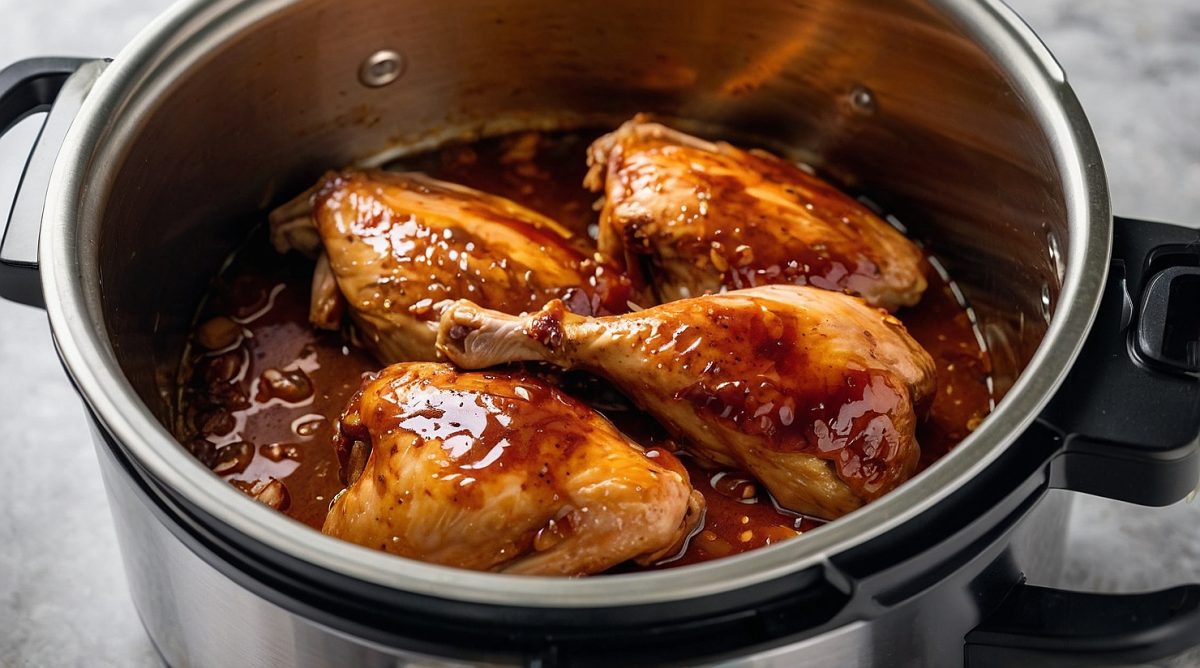
- While the chicken finishes, mix the kimchi and mango together in a bowl and set aside.

- Spoon the chicken and sauce over bowls of rice.

- Top with toasted sesame seeds and sliced green onions, and serve with the kimchi mixture on the side.

Video


6 comments
Just a random thought, but has anyone tried making Dakgangjeong with a non-traditional twist, like using tofu instead of chicken?
Is the sweetness of Dakgangjeong overpowering, or does it balance well with the spiciness? Just curious!
The sweetness perfectly balances the spice. Trust me, your taste buds will thank you!
Interesting read! But isnt Dakgangjeongs crispy texture lost when cooked in an Instant Pot? Curious to hear thoughts.
Anyone else think dakgangjeongs crunchiness gives it the edge over other Korean fried chicken variations?
Interesting read! But, does anyone know why Dakgangjeong is sweeter compared to other Korean fried chicken varieties?
Comments are closed.