


I still remember the first time I tried Slovak trdelník at a bustling street food stall. There’s just something about that sweet, caramelized crust and the soft, chewy inside that hooked me instantly. If you want to bring a bit of that magic home, this trdelník recipe will walk you through everything—no need to be a pastry chef or anything.
Lots of folks know this treat from Prague’s busy streets, but honestly, Slovak trdelník has roots that run much deeper in Slovak and Central European baking. The signature look comes from spiraling the dough around a cylinder, then rolling it in sugar or walnuts before baking. It’s simple, but the result is so good.
I’ll cover the basics, from the story behind trdelník to the ingredients and the technique. Want to eat it plain with coffee? Go for it. Or maybe try some wild fillings? Why not. Making Slovak trdelník is easier than it seems and, honestly, kind of fun.

Origins and Cultural Significance of Slovak Trdelník
Trdelník has traveled a long way from its roots in Central Europe to becoming a star at Christmas markets everywhere. This old-school pastry has different names and twists depending on the country, but each version keeps the spirit of the original chimney cake alive. If you’re curious, there’s a lot to learn about its journey.
The History of Slovak Trdelník
The earliest trdelník recipes go back to the 17th century in the old Kingdom of Hungary. I find it kind of funny that “trdlo” means “clodpole” or “goofy,” but for this pastry, it’s just the name of the wooden stick used to bake it.
This stick is usually about two feet long and a few inches thick. You wrap the dough around it, then roast it over a fire. There’s something so rustic about that.
By the mid-1800s, people in Slovakia had really claimed trdelník as their own. Later, Moravia jumped on board too. Over time, trdelník left fancy kitchens and ended up as a staple in everyday celebrations and holidays. That’s a pretty cool legacy, isn’t it?
Slovak Trdelník Across Central Europe
You’ll spot Slovak trdelník in Austria, the Czech Republic, Slovakia, and Hungary—each with its own name. In Transylvania, they call it kürtőskalács. In some parts of Austria, it’s Prügelkrapfen. The classic Slovak trdelník is about 8 to 10 centimeters wide and should be roasted right over a fire or grill for that true flavor.
The best part? The topping. trdelník usually gets rolled in sugar and walnuts or cinnamon sugar. Even though the basics stay the same, every country wants to claim this sweet spiral as their own. Can you blame them?
Skalický Trdelník and the Prague Craze
Skalický trdelník from Skalica has a Protected Geographical Indication in the EU, which means only the real deal from this Slovak region can use that name. That’s how special Slovak trdelník is to the area.
Ethnographers say that Skalický trdelník is a unique piece of Northern Záhorie’s food culture. Meanwhile, in Prague, Slovak trdelník is everywhere, especially in tourist hotspots like Wenceslas Square. It’s become almost a symbol of the city, even though its roots are Slovak. Funny how food travels, right?
Slovak Trdelník at Christmas Markets and Festivals
Slovak trdelník is a must at Christmas markets and festivals in both Czech and Slovak cultures. It’s more than a pastry—it’s about sharing, celebrating, and just enjoying the moment with others.
I love catching that smell of trdelník at holiday markets. Vendors spin the dough over hot coals, and the sweet scent fills the chilly air. There’s nothing like grabbing a warm trdelník with cold hands while wandering through the stalls. It’s just comfort, pure and simple.

Key Ingredients and Equipment for Authentic Slovak Trdelník
For homemade trdelník, you don’t need anything crazy—just some basic dough ingredients and a few tools. The right flour, butter, and sugar make all the difference, and you’ll want something to wrap the dough around to get that chimney shape. If you don’t have a special mold, don’t worry, there are workarounds.
Classic Ingredients for Slovak Trdelník Dough
I always start with all-purpose flour for trdelník, since it gives the dough just the right texture. Unsalted butter is a must—it makes the inside rich and soft, which is what you want.
For liquids, warm milk helps the yeast bloom, and egg yolks add color and tenderness. Salt keeps things from getting too sweet, and vanilla sugar brings a subtle aroma that makes trdelník special.
Yeast is the engine here. I prefer fresh yeast if I can get it, but dry yeast works too. Sugar feeds the yeast and also caramelizes on the outside, giving Slovak trdelník that signature crust.
Traditional and Modern Toppings for Slovak Trdelník
The classic trdelník topping is a walnut-sugar mix that’s crunchy and a little nutty. I brush the dough with egg white before rolling it in the topping—makes it stick and gives a shiny finish.
For the real Slovak trdelník experience, grind up some walnuts with sugar. The Skalica version always uses walnuts, and it’s honestly hard to beat.
Cinnamon sugar is another favorite, especially in touristy spots. Sometimes I offer both, because why not let people pick their favorite? trdelník is all about making it your own.
Essential Tools and Slovak Trdelník Molds
The most important thing is the trdlo—that’s the cylinder you wrap the dough around. Traditional trdelník uses a wooden dowel, but a metal rod or even a thick rolling pin can work if you improvise.
I line my baking sheets with parchment paper for oven-baked trdelník, but if you want to go old-school, try roasting it over a fire. A rolling pin helps you get the dough thin enough to wrap, and if you don’t have a trdlo, heavy-duty foil around a wine bottle works in a pinch. Just make sure it can handle the oven heat.
Step-by-Step Slovak Trdelník Recipe

Step 1. Before starting, prepare the molds by using Trdelník forms or wrapping cans in foil and lightly brushing them with butter.

Step 2. In a small bowl, combine milk, yeast, and a little sugar. Stir and let sit in a warm place for about 10 minutes until activated.

Step 3. In a large bowl, add flour, remaining sugar, salt, and egg yolks. Melt the butter and lard, then add them along with the yeast mixture.

Step 4. Mix and knead into a smooth dough using your hands or a mixer with a dough hook. Add a little flour if the dough is too sticky.

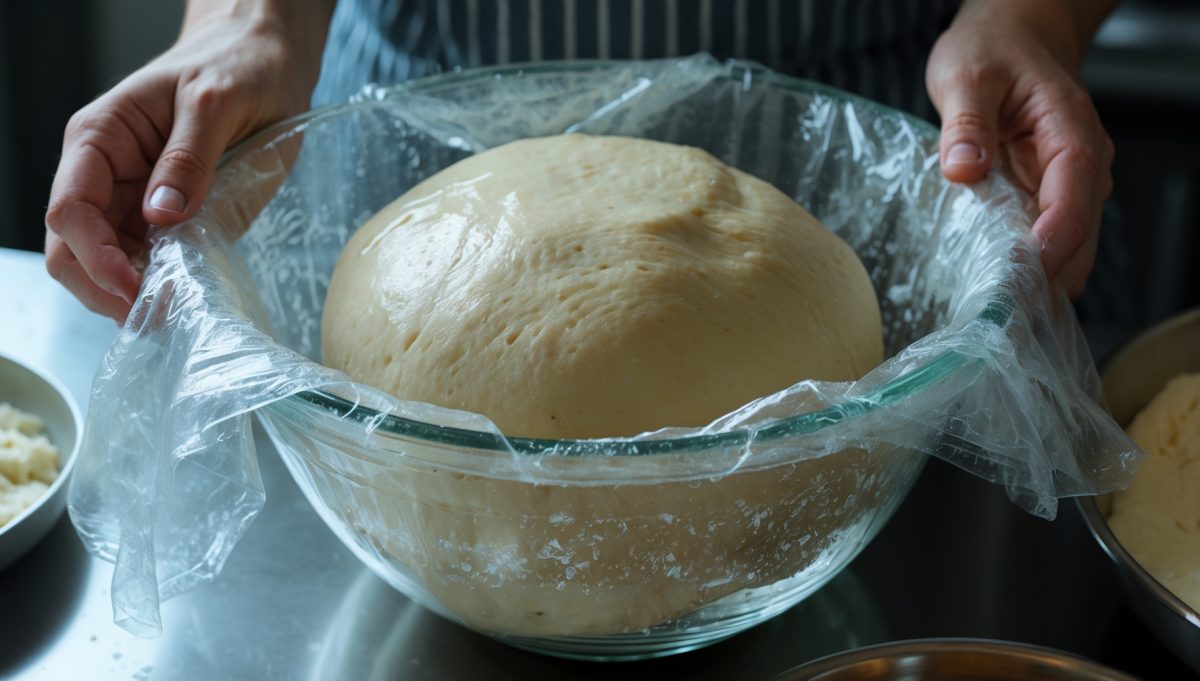
Step 5. Cover and let the dough rise in a warm place for about 45 minutes, until soft and elastic.

Step 6. Divide the dough and roll into strands about ½ inch thick. Wrap the strands around the prepared molds, securing the ends and pressing any joins together.

Step 7. Gently roll and press the dough on the mold so it sticks well and holds its shape.

Step 8. Bake in a preheated 370°F oven for about 20 minutes.

Step 9. While baking, mix sugar with a little cinnamon in a dish. After baking, remove the pastry from the mold, brush with melted butter, and coat in the cinnamon sugar mixture.
Preparing and Rising the Slovak Trdelník Dough
Start by warming your milk to about 110°F, then dissolve the yeast with a pinch of sugar. Wait 5-10 minutes for it to foam up. Add in the rest of the sugar, melted butter, egg yolks, and a bit of salt.
Slowly mix in the flour until you get a soft, slightly sticky dough. Knead it for 8-10 minutes on a floured surface—it should get smooth and a bit elastic. That’s when you know it’s ready for the next step.
Pop the dough into a greased bowl, cover it with a damp towel, and let it rise in a warm spot. You want it to double in size, which usually takes 1-2 hours. This is what gives trdelník its light, fluffy bite.
Shaping and Wrapping Slovak Trdelník
Once your dough has risen, punch it down and split it into equal pieces. Roll each piece into a rope, about an inch thick and a couple feet long. The size depends on your trdlo or whatever you’re using as a mold.
Wrap each dough rope around the trdlo in a spiral, making sure each coil overlaps a bit. This helps keep the trdelník from unraveling while baking. Gently press the edges together to seal them.
Brush the wrapped dough with beaten egg (some folks use just egg white for extra shine). Prep all your trdelník sticks before you start baking.
Baking and Rotating Slovak Trdelník
Heat your oven to 375°F and line a baking sheet with parchment. If you can, roast trdelník over an open fire for the real deal, but the oven does a good job too.
Set the wrapped sticks on the baking sheet, making sure they don’t touch. Bake for 15-20 minutes, rotating each stick every few minutes so they brown evenly. This part’s a little hands-on, but it’s worth it.
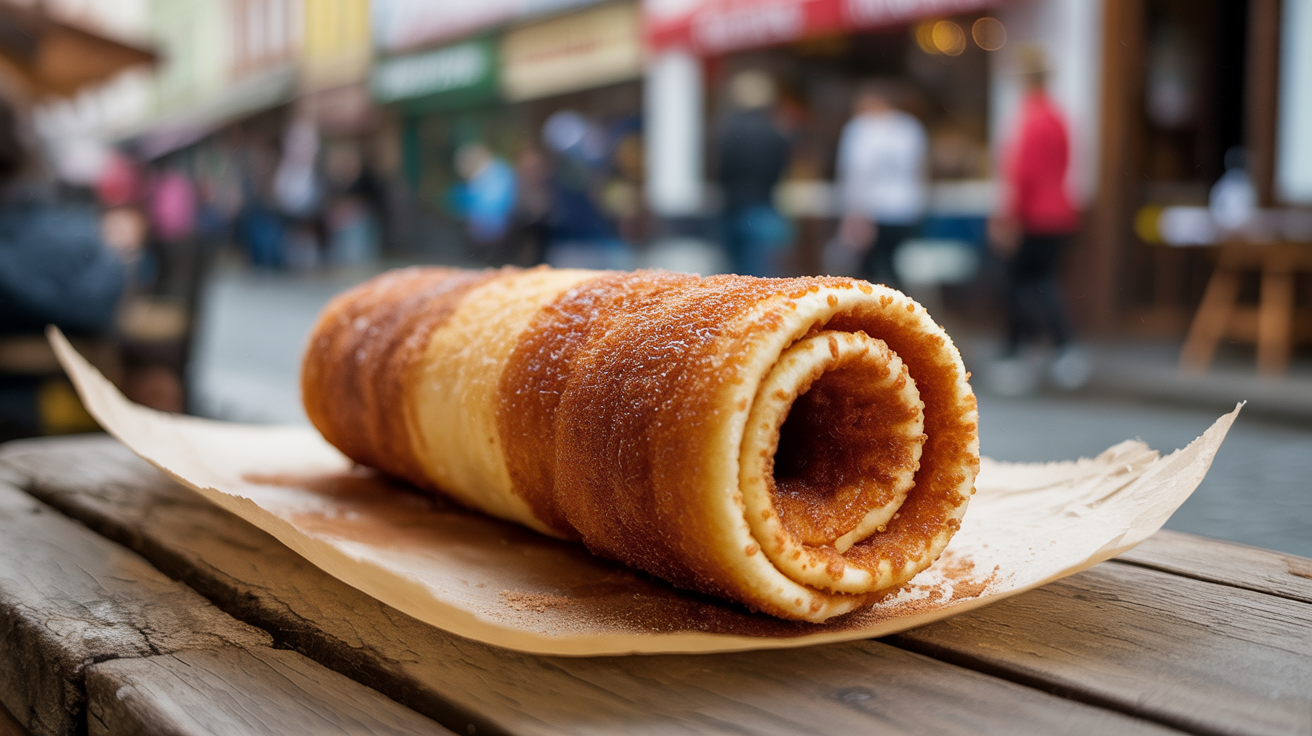
Your Slovak trdelník is ready when it’s golden brown and sounds hollow when you tap it. The outside should be crisp, the inside soft—don’t overbake or you’ll lose that perfect texture.
Finishing Slovak Trdelník: Glazing and Toppings
As soon as the trdelník comes out of the oven, brush it with melted butter. It soaks in best when hot and helps the sugar or walnut topping stick.
Roll each buttered trdelník in cinnamon sugar or the classic walnut-sugar mix. Some people sprinkle a little vanilla sugar for extra sweetness. Slide the trdelník off the stick while it’s still warm, but not too hot to handle.
Serve Slovak trdelník right away for the best flavor and crunch. You can keep it in an airtight container for a couple days, but honestly, it rarely lasts that long at my place.
Serving Ideas and Slovak Trdelník Variations
Slovak trdelník is super versatile. Go classic with cinnamon sugar, or try filling it with Nutella, ice cream, or jam—there are no rules. If you store trdelník properly, it stays fresh for days, and a quick reheat brings back that just-baked crisp.
Want to learn more about trdelník or see how others make it? There’s a ton of info out there—try checking out Slovak food culture pages, TasteAtlas’s trdelník guide, or this YouTube video for even more inspiration. trdelník is one of those rare treats that’s both traditional and endlessly adaptable, so don’t be afraid to make it your own. If you’re hooked on Slovak trdelník after your first bite, well, you’re definitely not alone.
Traditional and Modern Ways to Enjoy Trdelník
I’ve gotta say, nothing beats serving Slovak trdelnik the traditional way—just a simple dusting of cinnamon sugar and some chopped walnuts. That classic combo really lets the Slovak trdelnik’s golden, crispy layers do their thing. You know, at outdoor markets or festivals, this warm chimney cake just begs to be eaten with a mug of hot wine, tea, or coffee. If you haven’t tried it, you’re missing out.
But these days, Slovak trdelnik isn’t just about tradition. People have turned it into a full-on dessert adventure. I keep spotting Slovak trdelnik packed with ice cream, whipped cream, or fresh fruit. Some bakeries even fill the hollow center with Nutella, custard, or sweetened cream cheese. It’s wild! Honestly, the Hungarian Kürtőskalács inspired a lot of these new twists. If you’re curious, you can read more about how these chimney cakes evolved here.
Here’s a tip: let your Slovak trdelnik cool for a few minutes before stuffing it with cold fillings. Otherwise, your ice cream just melts into a puddle. Sometimes, I brush the hot pastry with melted butter and roll it in vanilla sugar instead of cinnamon for a different vibe. If you want more ideas, check out this roundup of creative trdelník fillings.
Popular Fillings and Seasonal Flavors
I’ve played around with so many Slovak trdelnik flavor combos, and honestly, it’s hard to pick a favorite. Chocolate-hazelnut Slovak trdelnik hits the spot—just swap cocoa powder into the dough and use hazelnuts instead of walnuts. The chocolate and vanilla ice cream together? Pure magic. For more on chocolate trdelník, see TasteAtlas.
What’s cool is how Slovak trdelnik changes with the seasons. In autumn, I’ll add pumpkin spice to the sugar. Winter? I go for gingerbread spices mixed with vanilla sugar. When spring and summer roll around, fresh berries, lemon curd, or strawberry cream fillings make Slovak trdelnik feel light and new. You can find some seasonal inspiration here if you’re in the mood for experimenting.
Here are a few Slovak trdelnik coating ideas I end up using again and again:
- Cinnamon sugar with crushed walnuts (classic, honestly still my go-to for Slovak trdelnik)
- Coconut flakes with white chocolate drizzle
- Crushed pistachios with honey glaze
- Almond slices with caramel sauce
- Matcha powder mixed with sugar
Tips for Storing and Reheating
When I’ve got leftover Slovak trdelnik, I just toss it into an airtight container and leave it at room temperature for a day or two. Honestly, it’s never quite as crispy as when it’s fresh, but keeping it sealed helps it stay soft instead of turning into a rock. I steer clear of the fridge unless I’ve filled the Slovak trdelnik with something perishable, like cream or maybe ice cream (which, let’s be real, doesn’t last long anyway). For more info on European pastries, check out TasteAtlas.
When I want that crunch back, I always go for the oven. I preheat it to 350°F, toss in the Slovak trdelnik, and let it warm for about 5-7 minutes. That usually does the trick—crispy on the outside, still soft inside. I’d never bother with the microwave; it just turns Slovak trdelnik into a chewy mess. If you’re curious about reheating pastries, Serious Eats has some handy tips.
If I’m dealing with filled Slovak trdelnik, I only heat up the empty shell and then add the fresh filling after. That way, the ice cream doesn’t melt all over the place, and you still get that awesome contrast between the warm pastry and cold filling. I’ve learned over time that nothing really beats freshly baked Slovak trdelnik, so I try not to make more than I can eat in a few hours. Want to know more about the history of Slovak trdelnik? Here’s a cool article at Slovakia.com. For recipes and baking ideas, King Arthur Baking is always inspiring. And if you want to see how Slovak trdelnik is made, this YouTube video is worth a watch.
Honestly, Slovak trdelnik is the kind of treat that’s perfect for sharing, but it’s so good you might not want to. I’m always surprised at how quickly it disappears. If you’re planning to try Slovak trdelnik yourself, don’t be afraid to experiment with different fillings and toppings—there’s a lot of room for creativity. And if you’re traveling, definitely hunt down a fresh Slovak trdelnik from a street vendor; the experience is unbeatable.
By the way, if you’re curious about other traditional European sweets like Slovak trdelnik, you might enjoy reading about Europe’s best desserts. And if you’re hooked on Slovak trdelnik, you’re definitely not alone—it’s got fans all over the world. Whether you bake it at home or buy it on the street, Slovak trdelnik is always a treat worth savoring.

Trdelnik vs Funnel Cake
Trdelnik and funnel cake are both sweet treats often associated with fairs and street food, but they differ in preparation, texture, and overall structure.
Trdelnik is a Central European pastry made by wrapping dough around a cylindrical spit, then baking it over an open flame or heat source. Once cooked, it is coated in sugar, cinnamon, and sometimes nuts. The result is a pastry with a crisp, caramelized exterior and a soft, slightly chewy interior. Its shape is uniform and hollow, giving it a more structured and visually distinctive appearance.
Funnel cake, popular in the United States, is made by pouring batter into hot oil in a swirling pattern and frying it until golden. It has an irregular, lacy shape with a crispy texture throughout. It is typically topped with powdered sugar and sometimes additional toppings like fruit or chocolate.
The key difference is baking versus frying: trdelnik is more structured and less greasy, while funnel cake is crisp, airy, and indulgent.
Choose trdelnik if you prefer a slightly more balanced sweetness with a defined texture. Opt for funnel cake if you want a crunchy, fried dessert with a classic fair-style indulgence.

Slovak Trdelnik Recipe FAQ
1. What is trdelnik?
A rolled dough pastry baked on a rotating spit.
2. What gives trdelnik its shape?
The dough is wrapped around a cylinder before baking.
3. Is trdelnik sweet?
Yes, it’s coated with sugar and sometimes nuts.
4. How is trdelnik cooked at home?
It can be baked using molds or improvised tools.
5. What toppings are added to trdelnik?
Sugar, cinnamon, or chocolate.

Slovak Trdelnik
Ingredients
- 4.5 cups all-purpose flour
- 1.33 cup milk lukewarm
- 4 Tablespoons unsalted butter
- 2 Tablespoon sugar granulated
- 3 teaspoon dry yeast active
- 6 egg yolks
- 0.5 teaspoon salt
- 12 Tablespoons sugar granulated
- 1 teaspoon cinnamon ground
- 2 Tablespoon butter unsalted, melted
Instructions
- Before starting, prepare the molds by using Trdelník forms or wrapping cans in foil and lightly brushing them with butter.

- In a small bowl, combine milk, yeast, and a little sugar. Stir and let sit in a warm place for about 10 minutes until activated.

- In a large bowl, add flour, remaining sugar, salt, and egg yolks. Melt the butter and lard, then add them along with the yeast mixture.

- Mix and knead into a smooth dough using your hands or a mixer with a dough hook. Add a little flour if the dough is too sticky.

- Cover and let the dough rise in a warm place for about 45 minutes, until soft and elastic.
- Divide the dough and roll into strands about ½ inch thick. Wrap the strands around the prepared molds, securing the ends and pressing any joins together.

- Gently roll and press the dough on the mold so it sticks well and holds its shape.

- Bake in a preheated 370°F oven for about 20 minutes.

- While baking, mix sugar with a little cinnamon in a dish. After baking, remove the pastry from the mold, brush with melted butter, and coat in the cinnamon sugar mixture.

Video


11 comments
Is it just me, or does anyone else also think the Prague craze has somewhat overshadowed the original Skalický Trdelníks charm?
Not just you, mate! Skalický Trdelník doesnt get the love it deserves. Pragues overrated!
Isnt it fascinating how a simple chimney cake like Trdelník can carry such rich cultural significance across Europe?
Absolutely! Its amazing how food can be a vessel for history and tradition.
Interesting read! But isnt Trdelnik originally Hungarian? How did it become so associated with Slovak culture? Just curious.
Actually, Trdelniks roots trace back to Transylvania, not Hungary. Get your facts right before commenting!
So, is the Prague craze for Trdelník just a tourist gimmick or a true reflection of Slovakian food culture? Intriguing!
Trdelník is more a tourist trap than a true reflection of Slovakian food culture.
Has anyone tried adding nutmeg to the Trdelnik recipe? Bet it could really compliment the cinnamon and sugar mix.
Nutmeg? Absolutely not! Trdelnik has its own traditional charm, dont ruin it. Stick to the classics.
Interesting read! But, is there a debate about Trdelníks origin? Is it truly Slovak or did it perhaps originate elsewhere in Central Europe?
Comments are closed.