

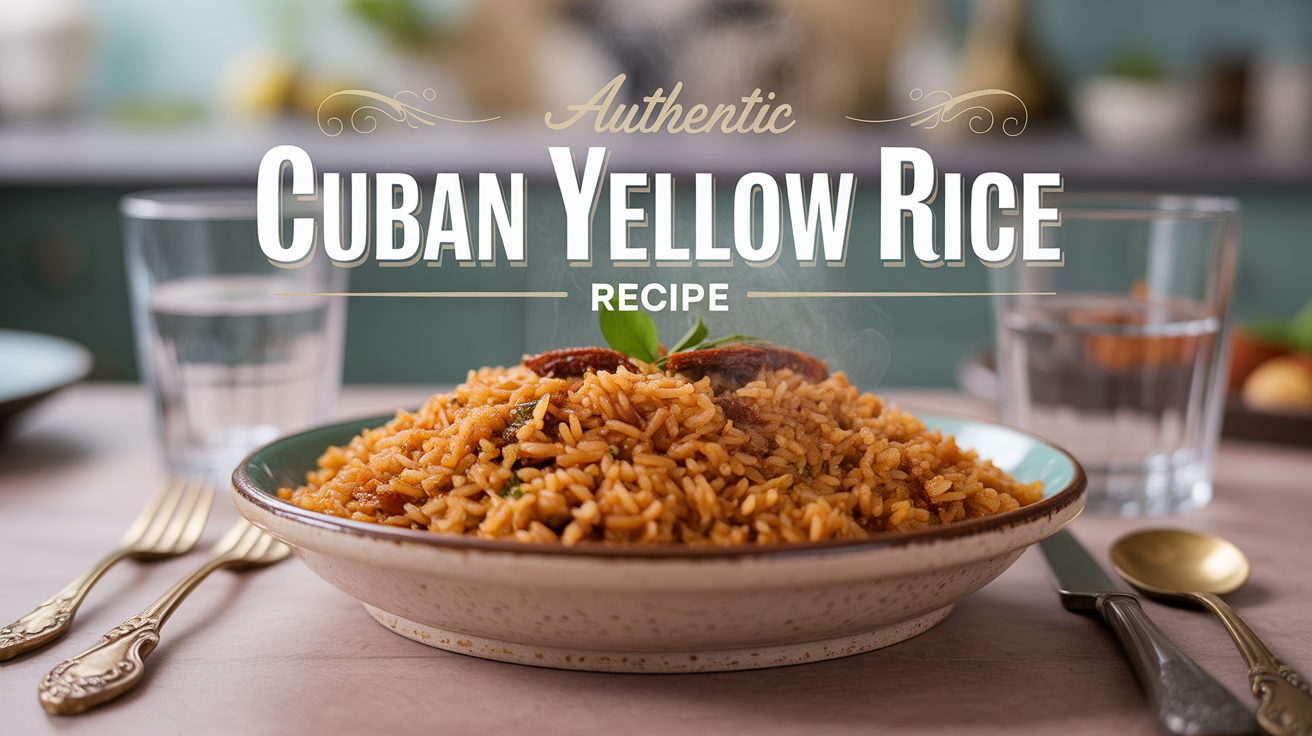
The Cuban yellow rice recipe brings bright color and bold flavor to any table. This classic side dish gets its golden yellow color from annatto seeds and combines savory seasonings with fluffy rice to create a staple of Cuban cooking that pairs perfectly with chicken, pork, beef, or fish. The Cuban yellow rice recipe is simple enough for weeknight dinners but impressive enough for guests, making it a must-try for any home cook looking to add variety to their meals.
Cuban-Style Yellow Rice is known as arroz amarillo in Spanish. The dish takes about 30 minutes from start to finish, making the yellow rice recipe a convenient yet flavorful addition to any meal. With just a few key ingredients, you can transform basic rice into something truly special that everyone will love.
In this guide, you’ll learn everything you need to know about making authentic yellow rice. Discover what makes the Cuban yellow rice unique, which ingredients and seasonings to use, and how to achieve perfect results every time. You’ll also find favorite ways to serve it and easy variations to try, ensuring your Cuban yellow rice recipe fits any occasion.
What Is Cuban Yellow Rice?
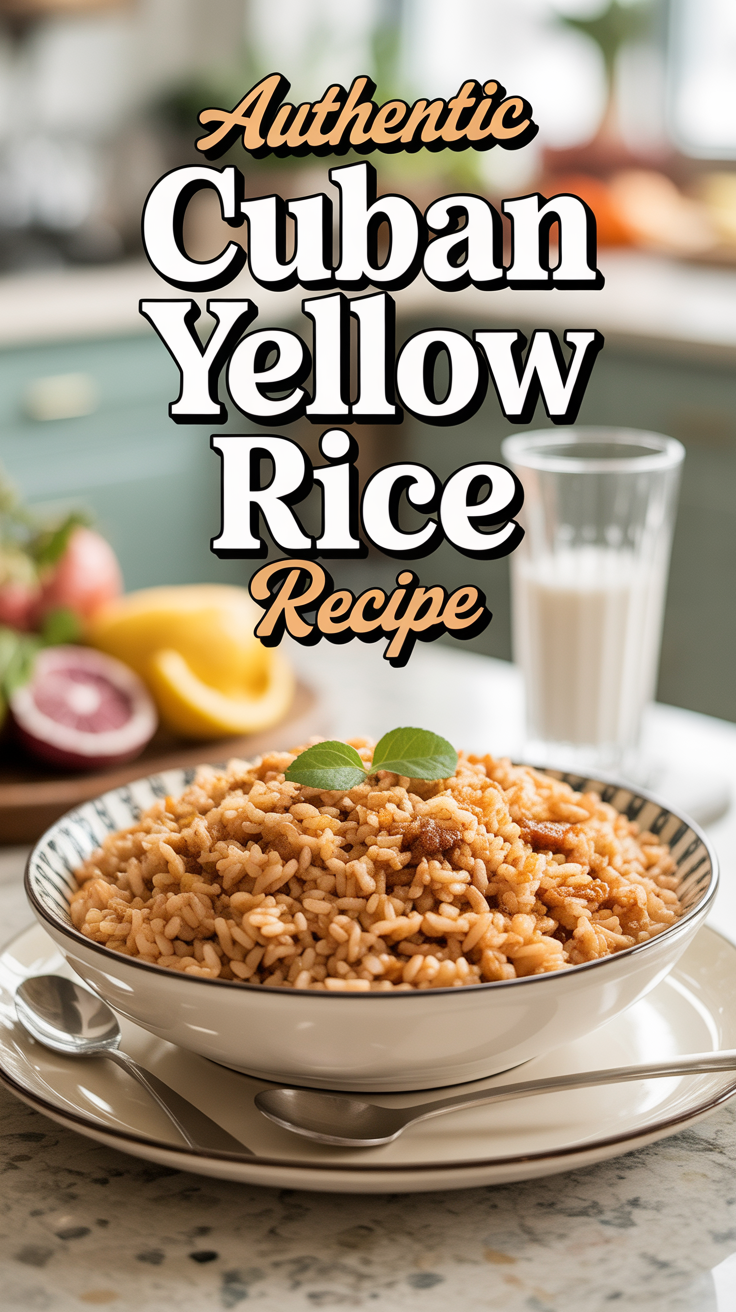
Cuban yellow rice is a beloved side dish in Caribbean cooking that gets its golden color from annatto or saffron and brings together savory flavors with fluffy rice. The Cuban yellow rice stands out because of its unique blend of seasonings and its cultural roots, making it a staple at both everyday meals and festive gatherings. Understanding the Cuban yellow rice recipe helps you appreciate its importance in Cuban cuisine and its differences from other yellow rice dishes.
The Origin and Cultural Importance
Cuban yellow rice, known as arroz amarillo in Spanish, holds a special place in Cuban households and celebrations. The Cuban yellow rice recipe came to Cuba through Spanish colonial influence, which brought rice cultivation and cooking techniques to the island. Over time, Cubans adapted the yellow rice recipe to use local ingredients and flavors, making it their own. It became a staple because rice was affordable and easy to grow in Cuba’s climate, and families served the Cuban yellow rice recipe at both everyday meals and special gatherings.
Today, the Cuban yellow rice recipe remains one of the most recognizable parts of Cuban cuisine. It often appears alongside roasted pork, black beans, or plantains, adding color and flavor to any meal. The Cuban yellow rice recipe is a cherished tradition that brings people together at the table.
Difference Between Arroz Amarillo and Other Yellow Rice
While many cultures make yellow rice, Cuban-style yellow rice has distinct characteristics that set the Cuban yellow rice recipe apart. Cuban arroz amarillo typically uses annatto seeds or saffron for coloring, while other versions might use turmeric. The yellow rice recipe also features a sofrito base with bell peppers, onions, and garlic, creating a unique flavor profile.
Spanish yellow rice often relies more heavily on saffron and has a different texture, while Indian yellow rice uses turmeric and includes spices like cumin and cardamom. The Cuban yellow rice recipe stands out with its tomato-based sofrito and the addition of sweet peas and pimentos as traditional garnishes, making it a vibrant and flavorful dish.
Traditional Ingredients Overview
The base ingredients for the yellow rice recipe include white rice, chicken broth, and annatto oil or saffron. The fragrant and flavorful dish gets its color from annatto, which comes from seeds of a Central American shrub. The yellow rice recipe also incorporates a sofrito mixture, which forms the flavor foundation and is made by sautéing onions, garlic, and peppers in annatto-infused oil before adding the rice. This process creates layers of flavor that make the Cuban yellow rice more than just colored rice.
Key ingredients include:
- Long-grain white rice
- Annatto seeds or saffron threads
- Onions, garlic, and bell peppers
- Chicken or vegetable broth
- Green peas
- Pimentos for garnish
- Salt and pepper
Key Ingredients and Seasonings
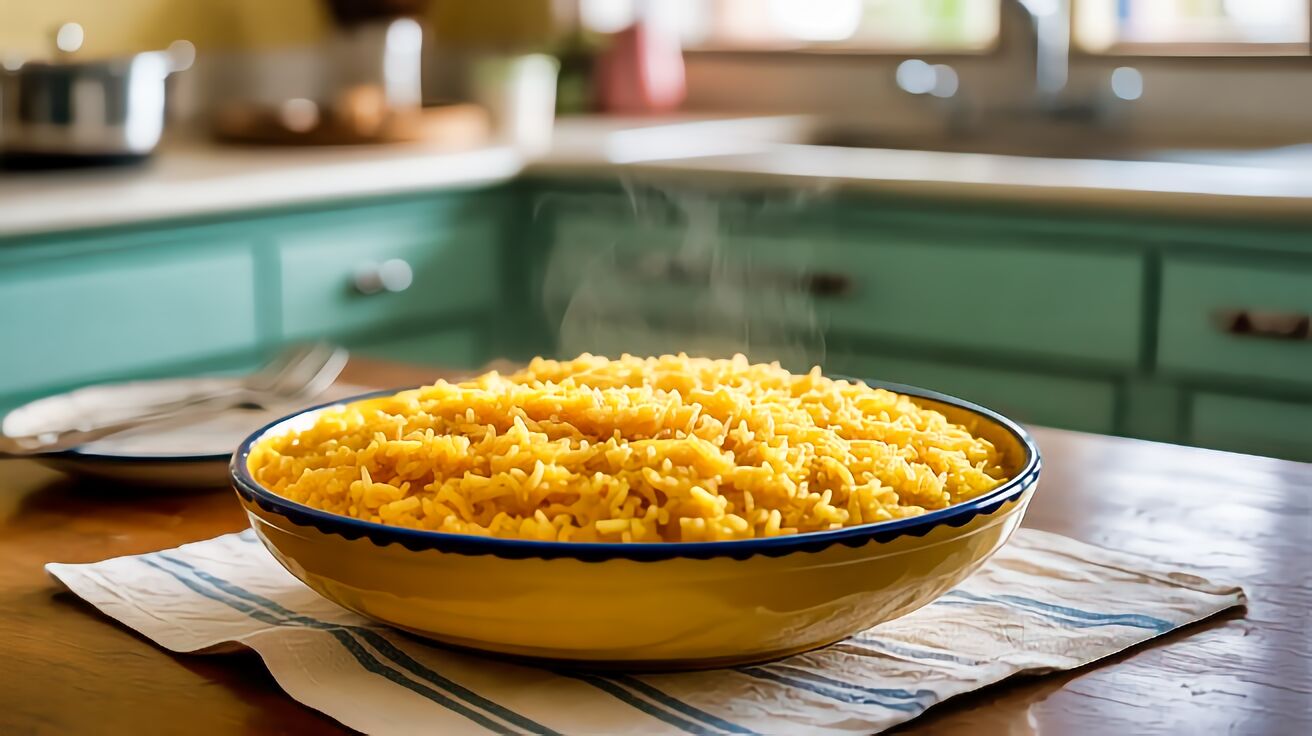
The magic of the Cuban yellow rice recipe comes from a careful balance of rice, vibrant coloring agents, aromatic seasonings, and the right cooking liquid. Each ingredient plays a specific role in creating the dish’s signature golden color and rich flavor. Understanding how to use these elements in your yellow rice recipe is key to achieving authentic results every time.
Role of Rice Types: Long-Grain and Alternatives
I always reach for long-grain rice when making the Cuban yellow rice recipe. The grains stay separate and fluffy after cooking, which is exactly what you want for this dish. Long grain rice absorbs flavors beautifully without turning mushy, allowing each grain to remain distinct and creating a light texture that works perfectly as a side dish in your Cuban yellow rice recipe.
While I prefer white long-grain rice, jasmine or basmati can also be used in the Cuban yellow rice recipe for a subtle fragrance. Medium-grain rice works in a pinch, though it produces a slightly stickier result. The key to a successful yellow rice recipe is using a rice variety that doesn’t clump together, and brown rice can be used for a healthier option with adjusted cooking times and liquid amounts.
Essential Coloring Agents: Saffron, Bijol, Annatto, Turmeric, and Achiote
The yellow color is what makes the Cuban yellow rice stand out on the plate. I have several options for achieving that beautiful golden hue in my Cuban yellow rice recipe. Annatto powder is my go-to choice because it’s traditional in Cuban cooking and gives the rice a warm yellow-orange color with a mild, earthy flavor.
Bijol is a popular seasoning blend that contains ground annatto seeds and is specifically made for coloring rice, adding a bit of cumin for extra flavor in the Cuban yellow rice recipe. Saffron creates the most luxurious version of the Cuban yellow rice recipe, but it’s expensive and reserved for special occasions. Turmeric is a budget-friendly option, producing a bright yellow color and adding a slightly bitter, peppery taste to the Cuban yellow rice recipe.
Supporting Flavors: Peas, Pimento Peppers, and Sofrito
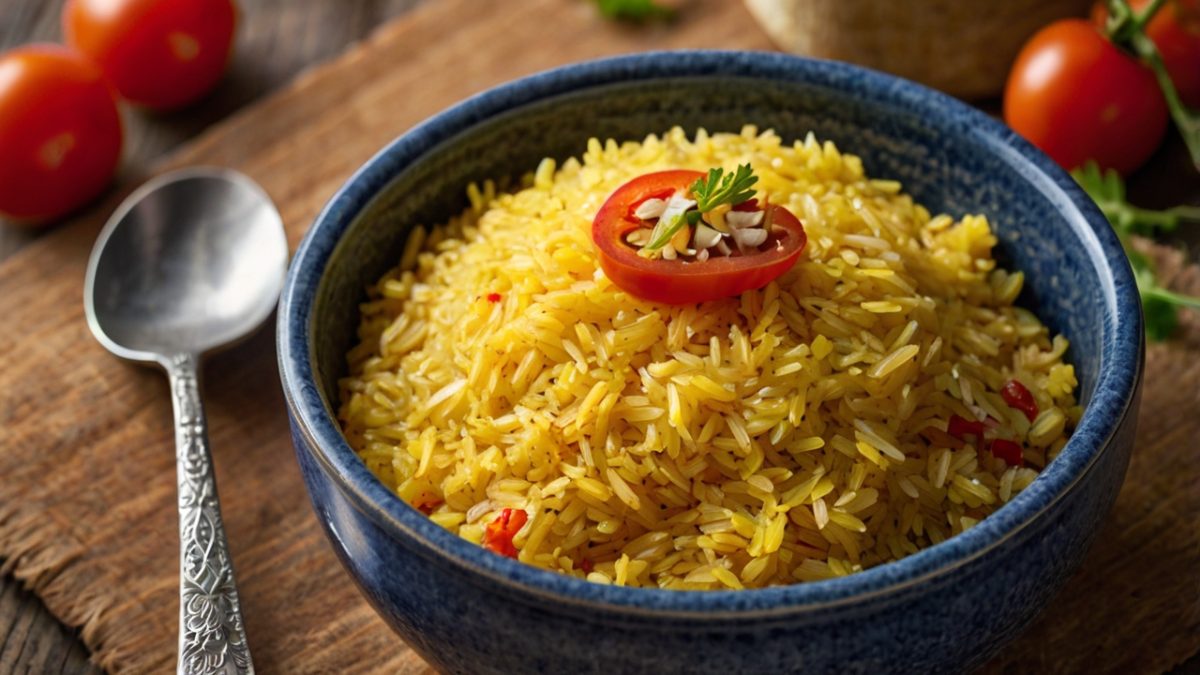
These ingredients add pops of color and layers of flavor to the Cuban yellow rice recipe. Peas bring sweetness and a bright green contrast to the yellow rice, and I often use frozen peas for convenience and firmness. Pimento peppers add red color and a mild, sweet flavor, making the Cuban yellow rice recipe festive and appetizing when arranged as a garnish on top of the finished rice.
Sofrito is the flavor foundation that makes the yellow rice recipe special. It’s a sautéed mixture of onions, garlic, bell peppers, and sometimes tomatoes, cooked until the vegetables are soft and fragrant before adding the rice. The sofrito creates depth and complexity in the Cuban yellow rice recipe that plain rice just can’t match, and some cooks add cumin, oregano, or bay leaves for even more flavor.
Choosing Your Liquid Base: Water vs. Chicken Broth
The liquid you use makes a real difference in the final flavor of your yellow rice recipe. Chicken broth creates a richer, more savory rice with deeper flavor, and I use it when serving the Cuban yellow rice recipe alongside simple proteins like grilled chicken or fish. Water produces a lighter, more neutral rice that lets the other seasonings shine through, and I choose it when serving the Cuban yellow rice recipe with strongly flavored main dishes.
You can also mix half water and half chicken broth for a middle ground in your Cuban yellow rice recipe. The ratio of liquid to rice stays the same regardless: I use 2 cups of liquid for every cup of long-grain rice in my Cuban yellow rice recipe, ensuring perfect texture every time.
How to Make Authentic Cuban Yellow Rice
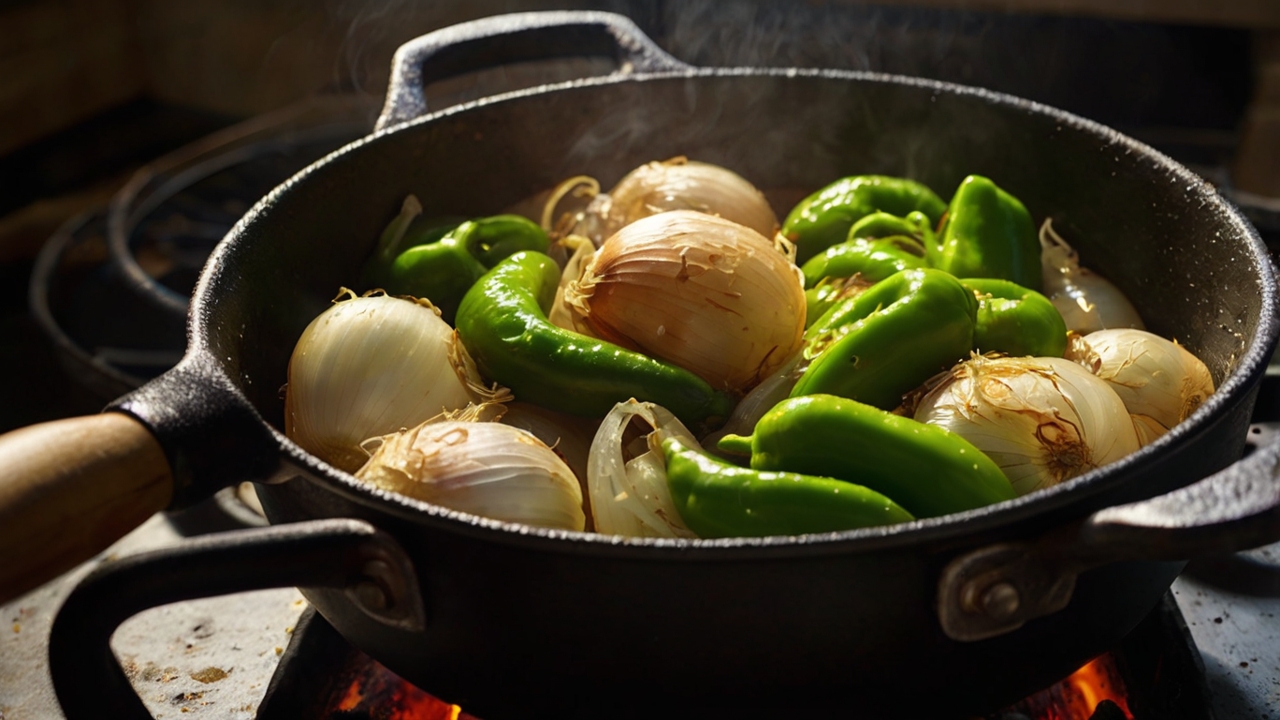
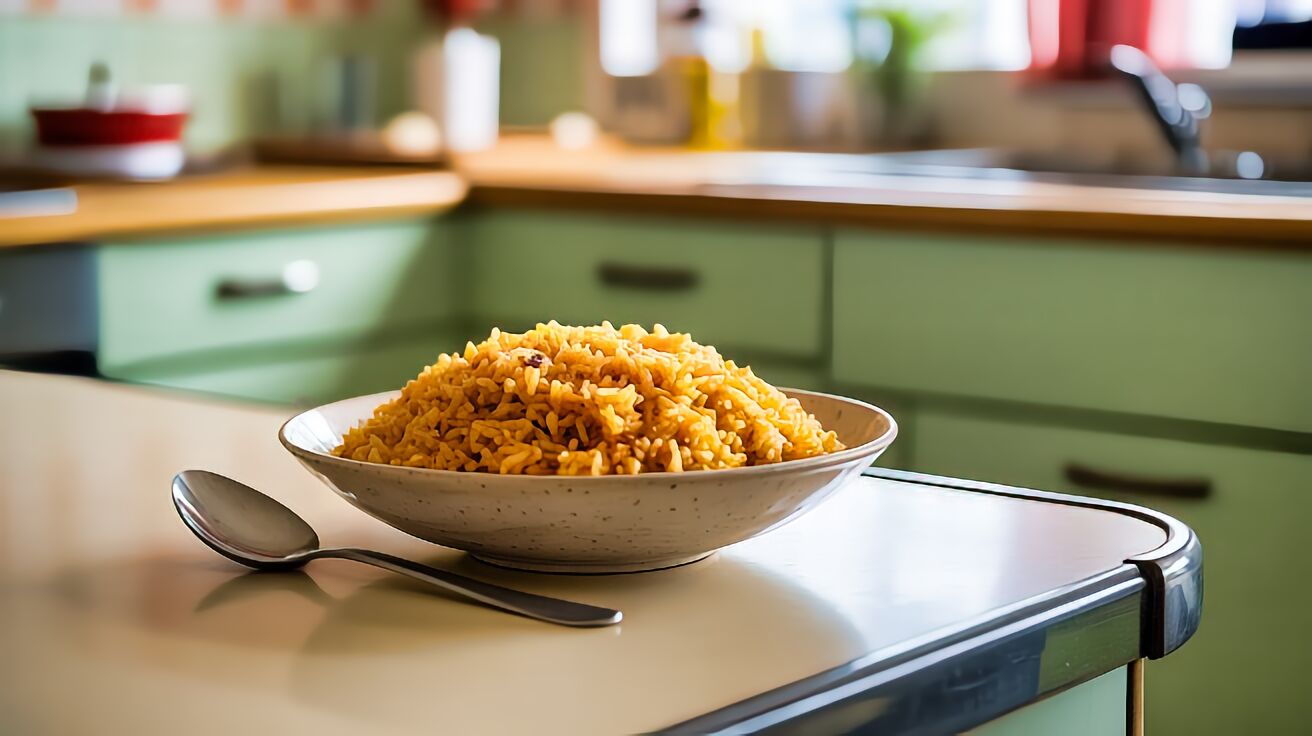
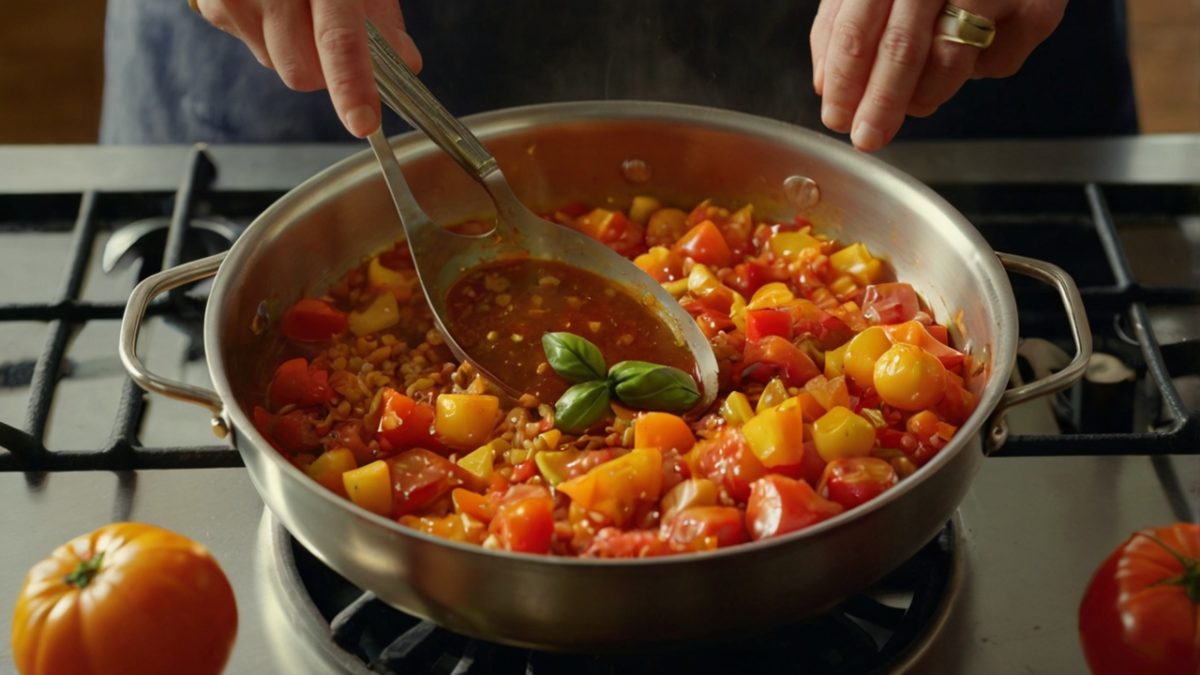
Step 1: Sauté the vegetables. In a Dutch oven or a saucepan with a lid, heat the oil over medium-high heat. Add the onion, green pepper, and garlic, and cook for about 5 minutes until softened and fragrant.
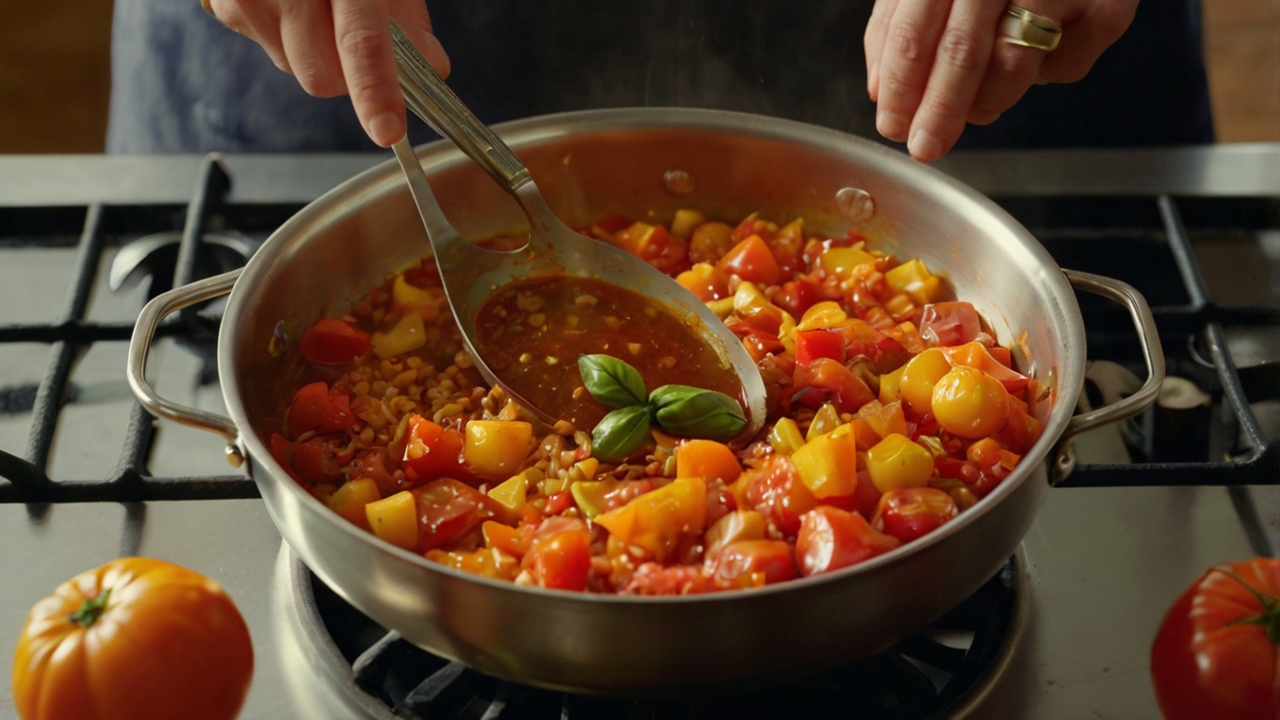
Step 2: Build the base. Stir in the sliced pimentos and tomato sauce, cooking for about 1 minute to blend the flavors. Add the rice, water, bouillon cube, Bijol, bay leaf, and a small amount of salt and pepper (start with about ¼ teaspoon and adjust later). Stir everything together and bring it to a boil.
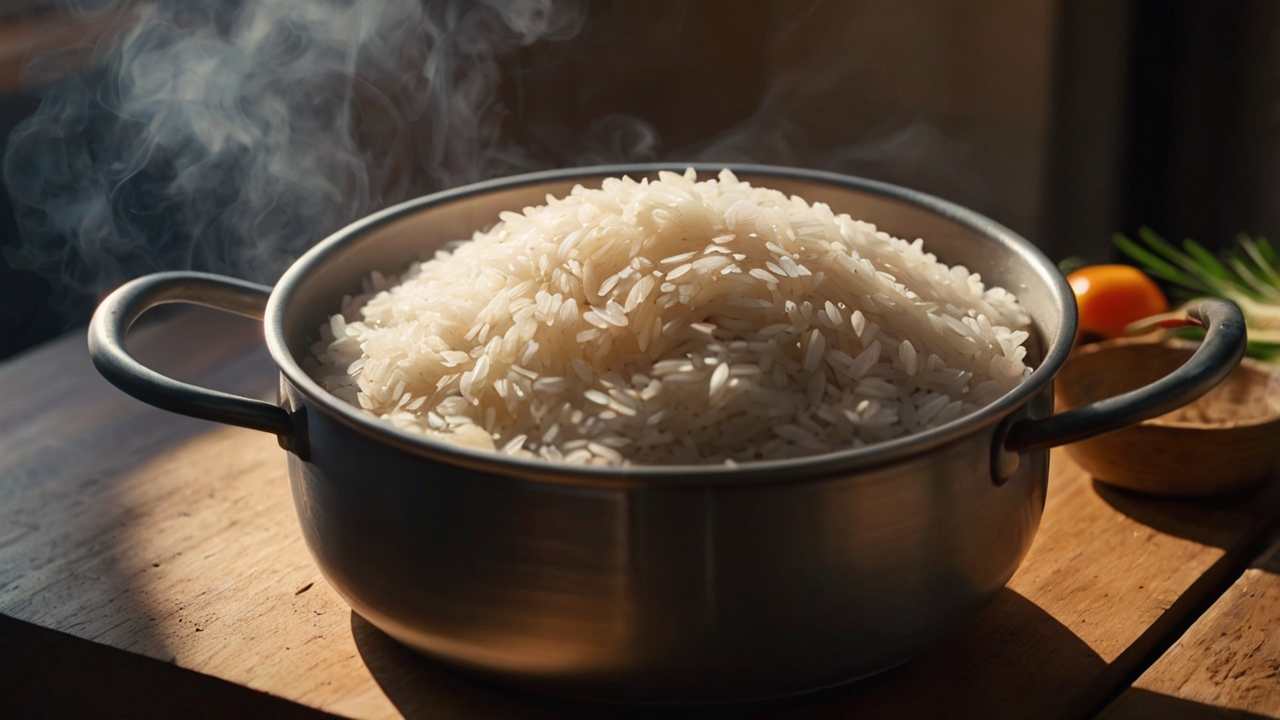
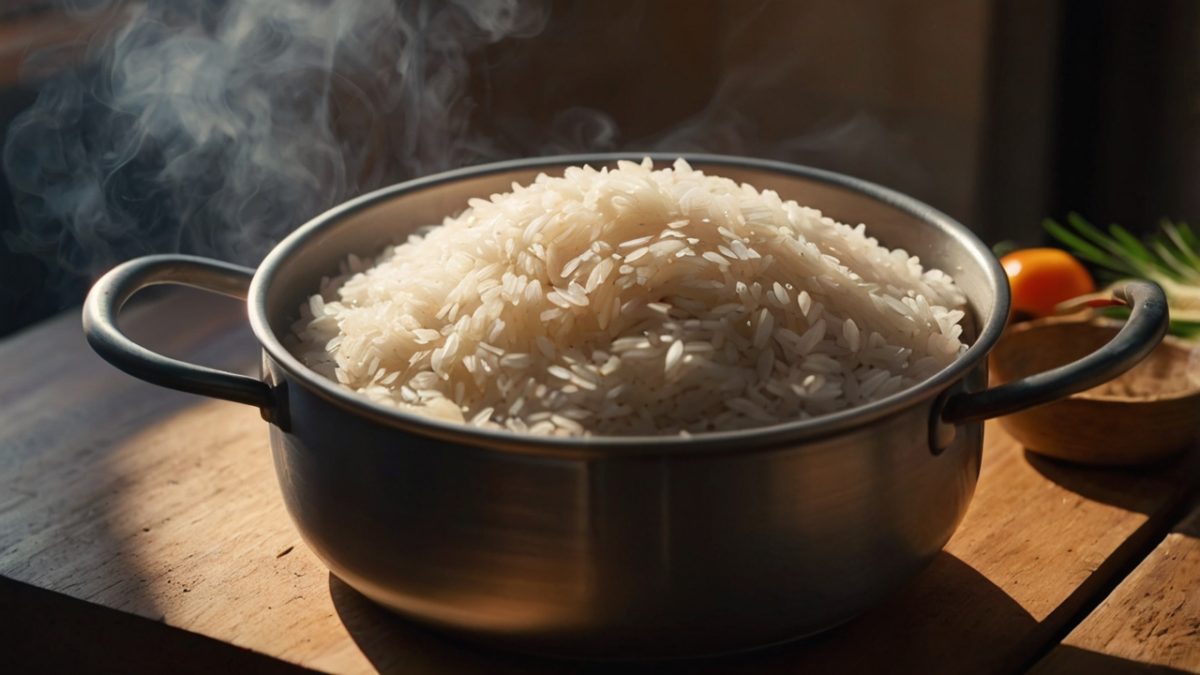
Step 3: Cook the rice. Once boiling, reduce the heat to low and cover the pot. Let it simmer for about 15 minutes, or until the liquid is fully absorbed and the rice is tender. Do not lift the lid during this time, as the trapped steam is essential for cooking the rice properly.
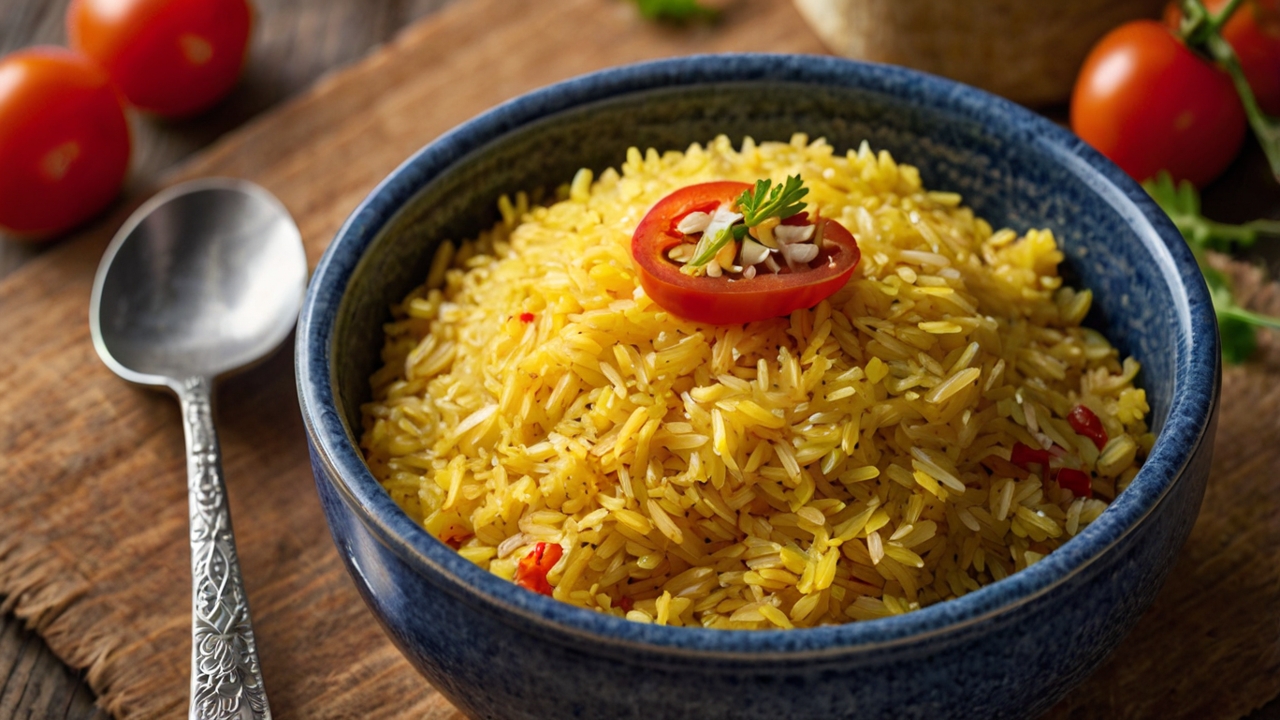
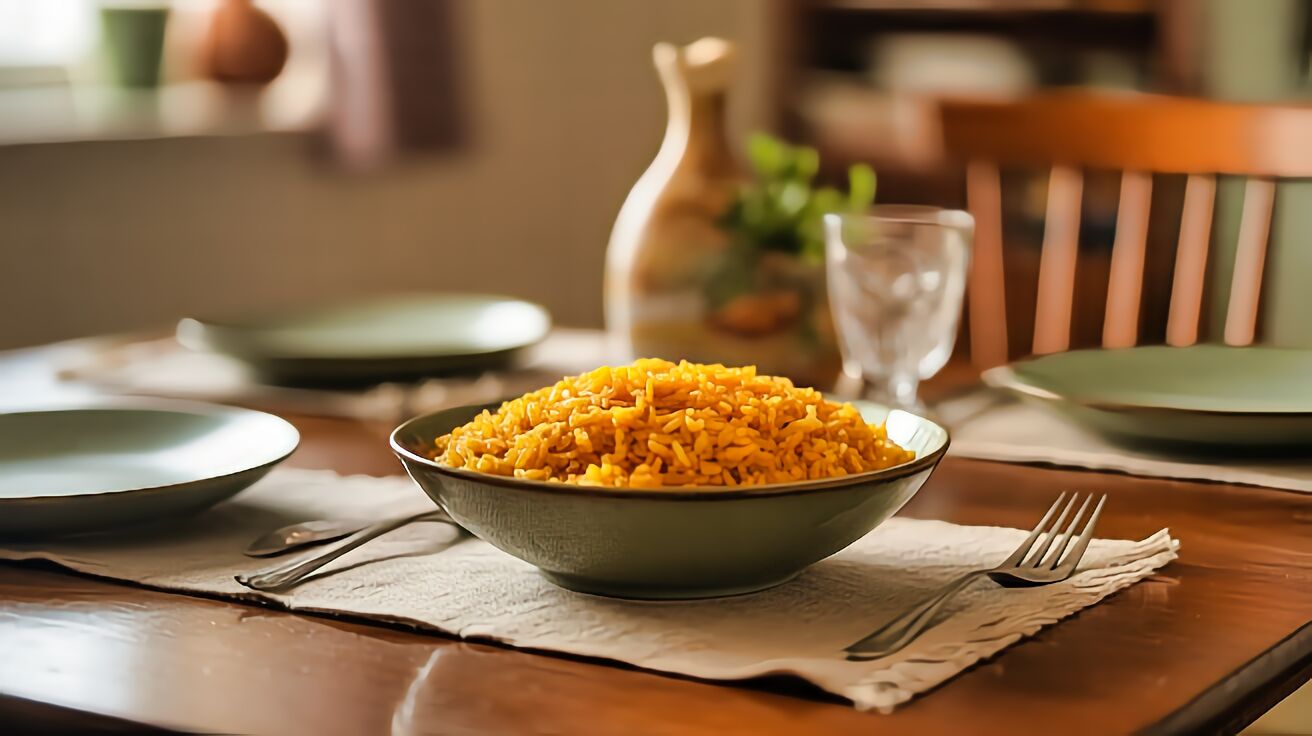
Step 4: Finish and serve. Remove the pot from the heat and let it sit, covered, for another 5–10 minutes. Fluff the rice gently with a fork (avoid using a spoon to keep the grains from becoming mushy). Taste and adjust seasoning if needed, then serve warm.
Cooking Steps: Rinsing and Toasting the Rice
I always start by rinsing my rice under cold water until the water runs clear, an important step in the Cuban yellow rice recipe to remove excess starch and prevent gumminess. After rinsing, I drain the rice completely, which makes a big difference in texture for the Cuban yellow rice recipe. Next, I toast the rice in a bit of oil over medium heat for 2-3 minutes, creating a nutty flavor and helping each grain stay separate during cooking in the Cuban yellow rice recipe.
The toasting process also creates a protective coating around each grain, ensuring the yellow rice recipe results in fluffy rice instead of mushy. This step is essential for achieving the perfect texture in your Cuban yellow rice recipe and is worth the extra effort for authentic results.
Building the Flavor Base with Sofrito
I create my sofrito by sautéing finely chopped onions, bell peppers, and garlic in olive oil until they’re soft and fragrant, taking about 5-7 minutes over medium heat for the Cuban yellow rice recipe. For the yellow color, I add either saffron or annatto to the sofrito, as annatto comes from the seeds of a small Central American shrub and gives the yellow rice recipe its signature golden hue. I also add tomato sauce or paste to my sofrito, creating the tomato-based sauce that makes the Cuban yellow rice recipe so flavorful.
I let this mixture cook for 2-3 minutes to develop deeper flavors before adding the rice and liquid to the Cuban yellow rice recipe. This step ensures that every bite of your Cuban yellow rice recipe is packed with authentic Cuban flavor and beautiful color.
Adding Peas and Pimento Peppers
I add frozen peas about 10 minutes into the cooking process of the yellow rice recipe, after the rice has absorbed most of the liquid. Stirring them in too early can make them mushy, so I gently fold them into the Cuban yellow rice recipe just once to avoid breaking up the grains. Traditional garnishes include pimento slices which I arrange on top during the last few minutes of cooking, adding a pop of red color and mild sweetness to the Cuban yellow rice recipe.
Some people don’t like pimentos, and that’s fine—the peas alone provide enough color contrast and sweetness to complement the savory yellow rice recipe. The combination of peas and pimentos makes the Cuban yellow rice recipe visually appealing and delicious, perfect for any occasion.
Fluffing and Serving Techniques
Once all the liquid has evaporated and the rice is tender, I remove the pot from heat immediately and let it sit covered for 5 minutes to allow the steam to finish cooking the Cuban yellow rice recipe evenly. I use a fork to fluff the rice, never a spoon, gently lifting and separating the grains starting from the edges and working toward the center. This technique prevents the yellow rice recipe from becoming packed down or sticky and ensures a light, fluffy texture.
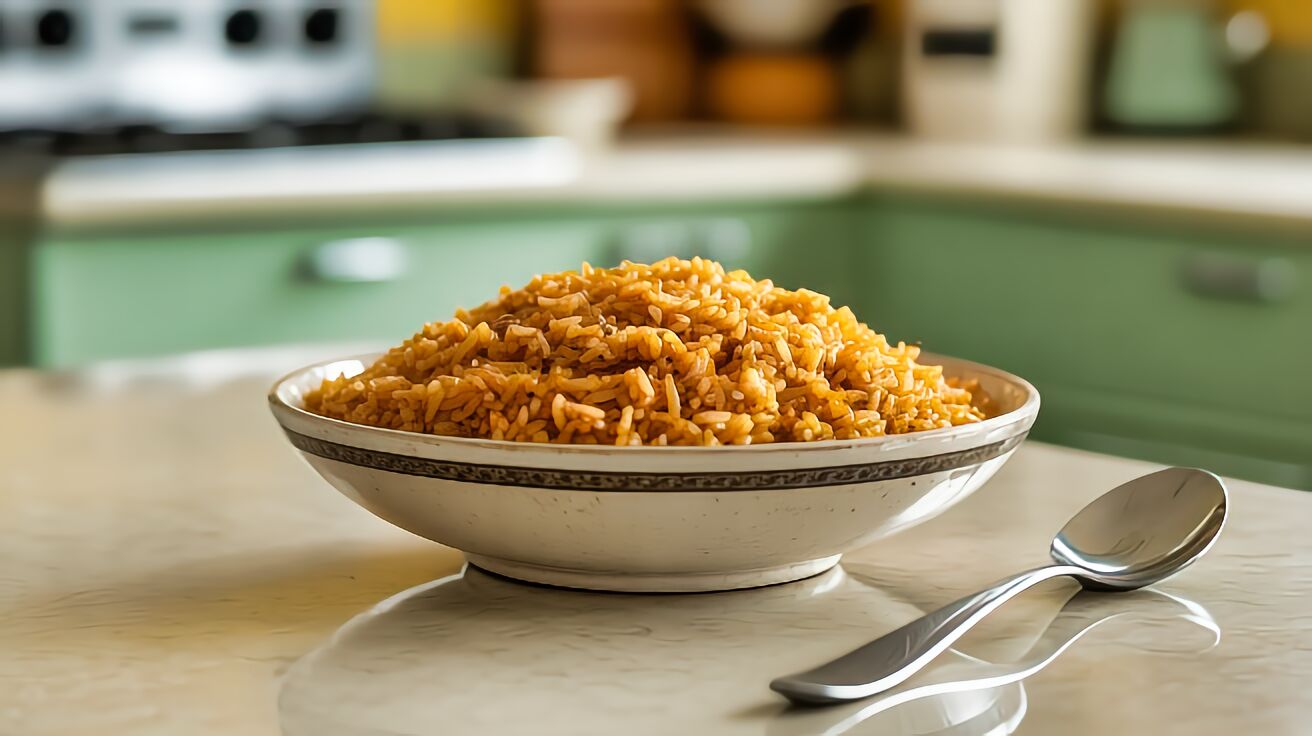
My Cuban yellow rice recipe pairs perfectly with roasted pork, grilled chicken, or black beans, and I always serve it hot as a side dish. Each portion of the Cuban yellow rice recipe showcases the bright yellow color and scattered peas, making it as beautiful as it is delicious.
Serving Suggestions and Variations
The Cuban yellow rice recipe works beautifully with grilled meats, fried plantains, and seafood dishes that define traditional island cooking. Simple tweaks make the Cuban yellow rice recipe work for plant-based diets and busy weeknight meals when you need leftovers. No matter how you serve it, the Cuban yellow rice recipe is a versatile and flavorful addition to any table.
Popular Pairings: Pollo Asado, Pork, and Plantains
I always serve my Cuban yellow rice recipe alongside pollo asado, the citrus-marinated grilled chicken that’s a cornerstone of Cuban cuisine. The tangy, garlicky chicken balances perfectly with the mild, aromatic yellow rice recipe, making it a favorite in my home.
Roasted pork is another classic pairing I recommend with Cuban yellow rice recipe. Whether you make a full lechón asado or simple pork chops, the savory meat complements the saffron and annatto flavors in the Cuban yellow rice recipe, providing a rich and satisfying meal.
Plantains are essential to a complete Cuban meal featuring yellow rice recipe. I like serving both sweet maduros (ripe fried plantains) and savory tostones (twice-fried green plantains) on the same plate, as the sweetness of maduros contrasts nicely with the Cuban yellow rice recipe’s savory notes for a balanced flavor experience.
For seafood lovers, I pair Cuban yellow rice recipe with grilled shrimp, whole fried fish, or seafood stews. The Cuban yellow rice recipe is versatile and can be enjoyed with a variety of proteins, making it a staple for gatherings and family dinners.
Vegetarian and Vegan Adaptations
I make my Cuban yellow rice recipe vegan-friendly by using vegetable broth instead of chicken stock. The yellow rice recipe keeps all its flavor without any animal products, so everyone at the table can enjoy it.
Adding black beans creates a complete protein meal when served with Cuban yellow rice recipe. I either mix them directly into the Cuban yellow rice recipe or serve them on the side for a classic rice and beans combination that is both hearty and delicious.
For extra nutrition in your Cuban yellow rice recipe, I stir in these vegetables: diced bell peppers (red, green, or both), corn kernels, chopped tomatoes, and sliced mushrooms. These additions make the yellow rice recipe even more colorful and nutritious for any meal.
I sometimes top the Cuban yellow rice recipe with avocado slices and fresh cilantro. A squeeze of lime juice brightens the whole Cuban yellow rice recipe, enhancing the flavors and making it even more irresistible.
Tips for Storing and Reheating Leftovers
When making a Cuban yellow rice recipe, I store leftover yellow rice in an airtight container in the refrigerator for up to 4 days. Before sealing it, make sure the rice cools to room temperature to preserve the flavors of the yellow rice recipe.
For reheating a Cuban yellow rice recipe, I add 1-2 tablespoons of water or broth per cup of rice. This moisture prevents the rice from drying out and helps maintain the delicious texture of the Cuban yellow rice recipe. I cover the container and microwave for 1-2 minutes, stirring halfway through to ensure even heating.
On the stovetop, I reheat the Cuban yellow rice recipe in a covered pan over low heat. I add a splash of liquid and stir occasionally until heated through, about 5 minutes, which keeps the yellow rice recipe moist and flavorful.
I don’t recommend freezing a Cuban yellow rice recipe with peas since they become mushy. If you plan to freeze the Cuban yellow rice recipe, leave out the peas and add fresh ones when reheating for the best texture. Frozen Cuban yellow rice recipe keeps for up to 3 months in freezer-safe bags, making it easy to enjoy this dish anytime.
Comparison: Yellow Rice vs Spanish Rice
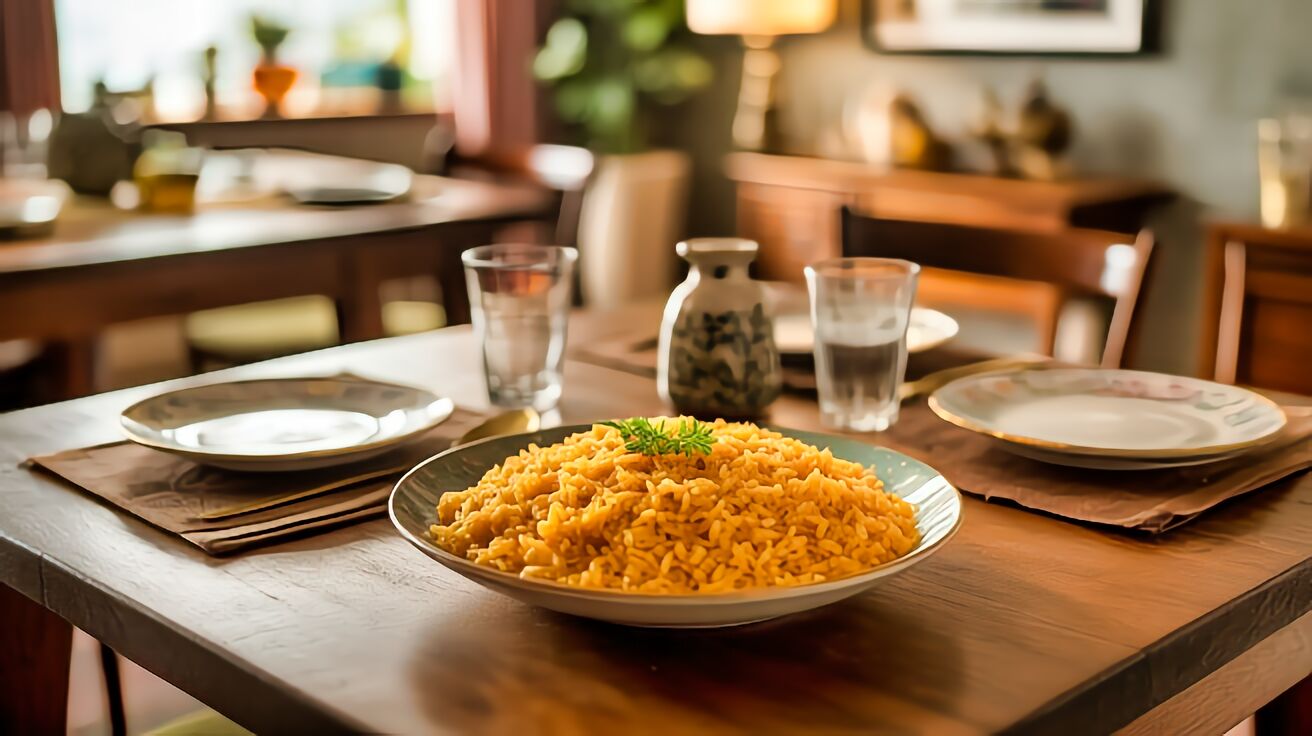
When choosing a flavorful rice side, it’s helpful to understand how yellow rice compares to Spanish rice. While both are seasoned and colorful, they differ in flavor and ingredients.
Yellow rice gets its signature color from ingredients like turmeric or annatto. In a yellow rice recipe, the flavor is typically mild and aromatic, often enhanced with garlic, onions, or broth. The result is a fragrant, lightly seasoned rice that pairs well with a variety of dishes without overpowering them.
Spanish rice, on the other hand, is usually cooked with tomatoes, giving it a reddish color and a richer flavor. In a Spanish rice recipe, ingredients like tomato sauce, garlic, onions, and spices create a more robust, savory profile. The texture is often slightly softer, and the flavor is more pronounced compared to yellow rice.
If you want a mild, aromatic side that complements other dishes, yellow rice is the better choice. If you prefer a bolder, tomato-based flavor, Spanish rice is the way to go.
Cuban Yellow Rice Recipe FAQ
1. What gives Cuban yellow rice its color?
Annatto (achiote) or turmeric is used to give the rice its yellow color.
2. Is Cuban yellow rice the same as Spanish rice?
They are similar but differ in seasoning and preparation.
3. What proteins are commonly added?
Chicken, pork, or seafood can be included.
4. Can yellow rice be made in a rice cooker?
Yes, with adjusted liquid and seasoning ratios.
5. What vegetables are used in yellow rice?
Peas, carrots, and bell peppers are common additions.
Cuban Yellow Rice Recipe
Ingredients
- 2 tbsp olive oil
- 1/3 cup onion diced
- 1/3 cup bell pepper diced green
- 4 cloves garlic minced
- 4 oz jarred pimentos drained and sliced
- 8 oz tomato sauce
- 2 cups rice uncooked long-grain washed and rinsed
- 3 1/2 cups water
- 1 chicken bouillon cube
- 1/8 tsp tumeric
- 1 bay leaf
- 1/4 tsp salt to taste
- 1/4 tsp pepper to taste
Instructions
- Sauté the vegetables. In a Dutch oven or a saucepan with a lid, heat the oil over medium-high heat. Add the onion, green pepper, and garlic, and cook for about 5 minutes until softened and fragrant.
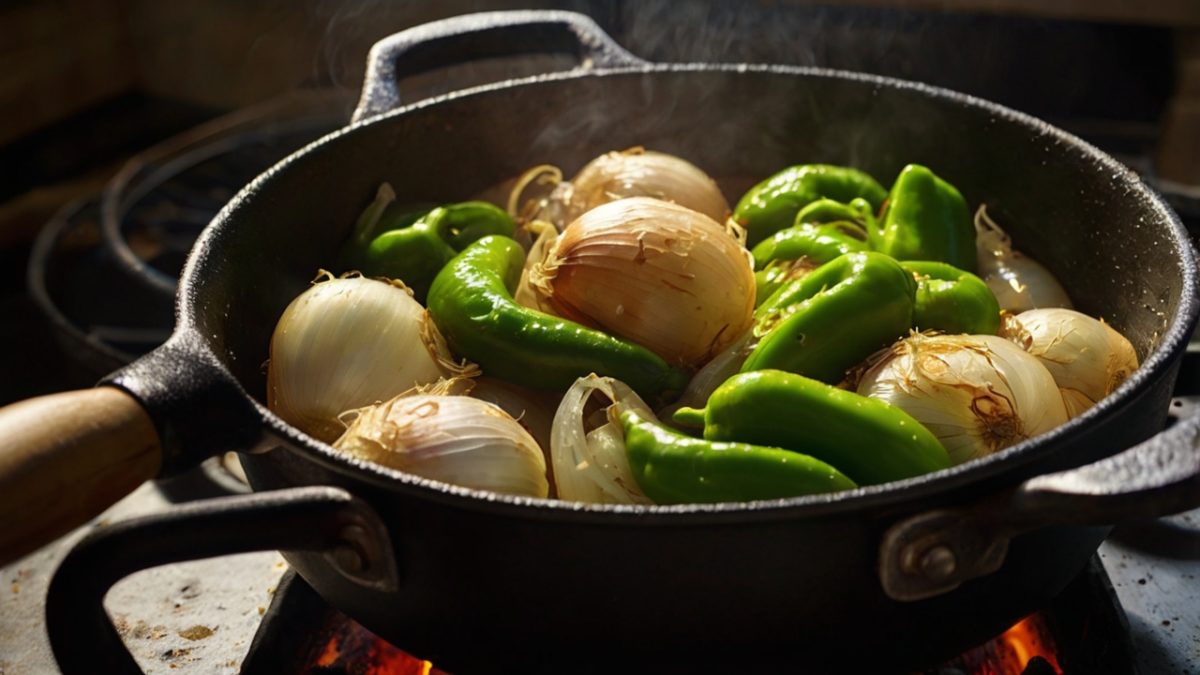
- Build the base. Stir in the sliced pimentos and tomato sauce, cooking for about 1 minute to blend the flavors. Add the rice, water, bouillon cube, Bijol, bay leaf, and a small amount of salt and pepper (start with about ¼ teaspoon and adjust later). Stir everything together and bring it to a boil.
- Cook the rice. Once boiling, reduce the heat to low and cover the pot. Let it simmer for about 15 minutes, or until the liquid is fully absorbed and the rice is tender. Do not lift the lid during this time, as the trapped steam is essential for cooking the rice properly.
- Finish and serve. Remove the pot from the heat and let it sit, covered, for another 5–10 minutes. Fluff the rice gently with a fork (avoid using a spoon to keep the grains from becoming mushy). Taste and adjust seasoning if needed, then serve warm.
Video

11 comments
Interesting read, but doesnt the use of saffron instead of turmeric make it more Spanish paella than Cuban Arroz Amarillo?
Surely, the use of saffron or turmeric doesnt define a dishs nationality. Its about taste, not geography!
Isnt it fascinating how the subtle ingredient variations in Arroz Amarillo create such diverse cultural identities? Food really is a language unto itself.
Absolutely! The magic of cuisine lies in its power to speak volumes about our heritage.
Interesting read! But why is saffron not included in the traditional ingredients for Arroz Amarillo? Thought its crucial for yellow rice.
Perhaps because saffrons costliness makes it less traditional. Ever considered turmeric as an alternative?
Interesting read! But isnt the saffron in Arroz Amarillo making it more Spanish paella than truly Cuban?
Interesting read! But isnt Saffron, not Turmeric, the original source of yellow in traditional Arroz Amarillo? Thoughts?
Actually, Arroz Amarillo gets its color primarily from Turmeric, not Saffron. Check your facts, mate!
Interesting read! But isnt the turmeric in Arroz Amarillo actually a result of Indian influence, not original to Cuban cuisine?
Interesting read! But, does the use of saffron in Arroz Amarillo have any particular cultural significance?
Comments are closed.