

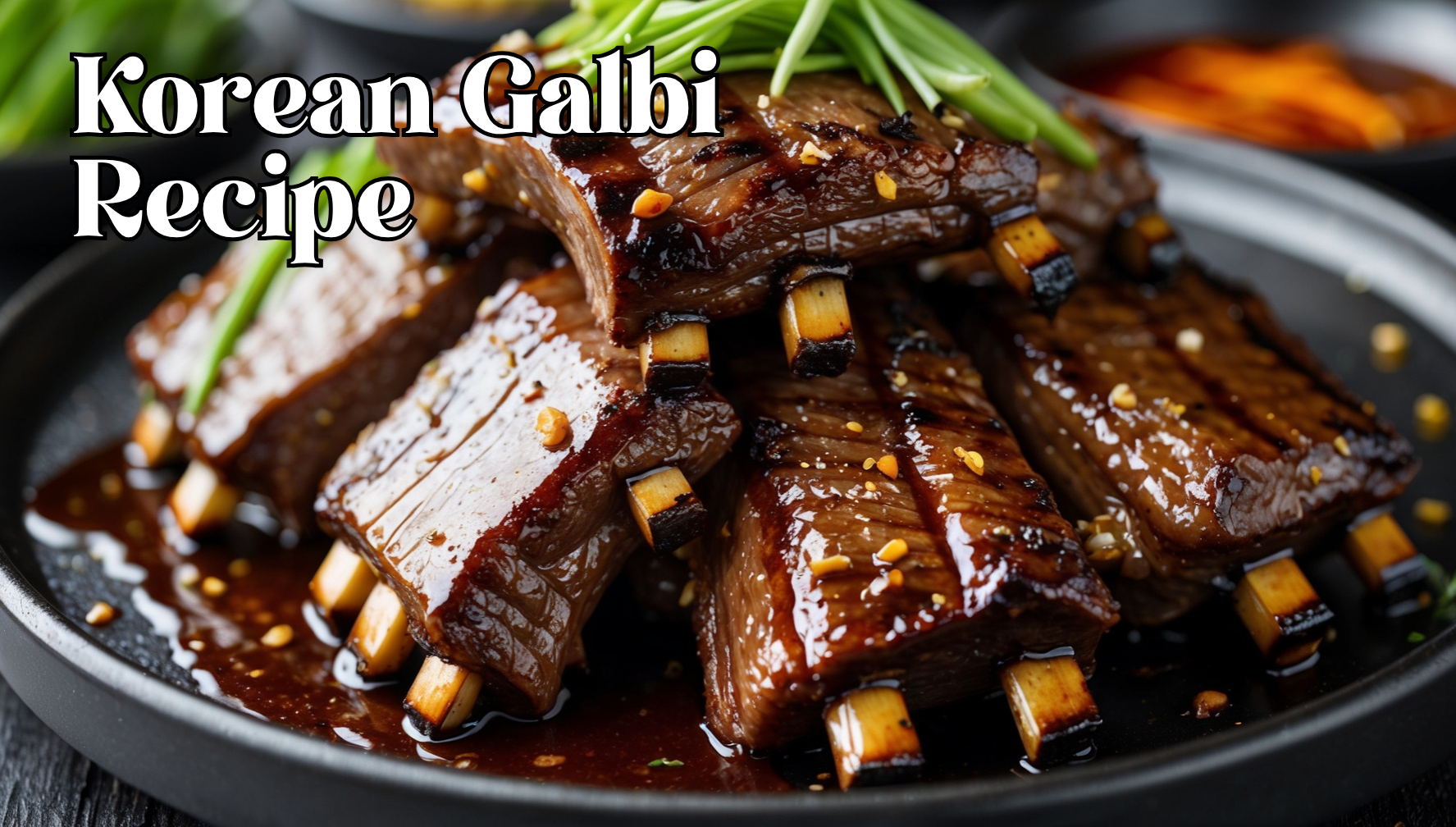
I’ll never forget my first taste of Korean galbi at a little barbecue spot in town. The smell—sweet, savory, smoky—hit me as soon as the marinated short ribs hit the grill. After that first bite of those caramelized, tender ribs, I was totally hooked. Korean galbi just does something to you.
Korean galbi is a super popular Korean BBQ dish made from thinly sliced beef short ribs, marinated in a sweet and savory sauce, then grilled until they’re just right. The marinade usually has soy sauce, sugar, garlic, and Asian pear, which not only gives the meat a punch of flavor but also makes it melt-in-your-mouth tender.
The best part? You don’t have to go out to a restaurant to enjoy galbi. I want to show you how to make Korean galbi at home, from picking out the right cut of meat to mixing up the marinade and picking the best sides. It’s easier than you might think, honestly.
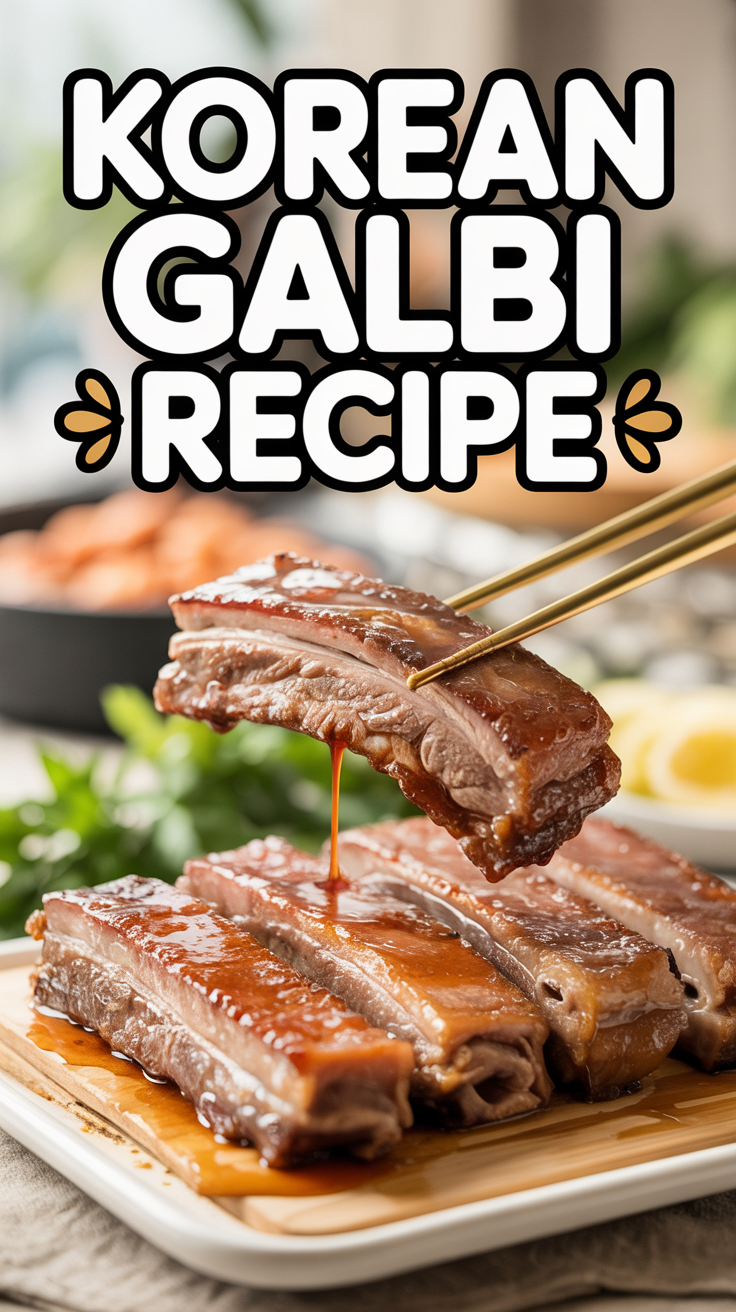
What Is Korean Galbi?
Korean galbi is a classic grilled dish that’s all about marinated beef short ribs—sweet, savory, and seriously addictive. “Galbi” literally means “ribs” in Korean, and over time, galbi has gone from royal tables to backyard grills all over the world. It’s a staple of Korean BBQ for good reason.
Origins and History
Korean galbi dates back to the Joseon Dynasty, when only royalty and the wealthy could afford beef. Back then, cooks focused on marinating the best cuts to bring out the most flavor. Beef was a treat, so every bite had to count.
As beef became less of a luxury, galbi found its way into everyday kitchens and eventually overseas. Places like Hawaii and Los Angeles put their own spin on it, but the core of Korean galbi—marinated, grilled short ribs—stayed the same. If you want to dig deeper, check out this guide to LA galbi for a look at how the dish evolved in the US.
Key Characteristics
Korean galbi stands out for its super tender, flavorful meat. The marinade is key, and usually includes:
- Soy sauce for saltiness
- Sugar or honey for sweetness
- Garlic for that punchy aroma
- Sesame oil for a nutty twist
- Ginger for a bit of warmth
- Asian pear or kiwi to tenderize
Honestly, when you grill galbi just right, you get this perfect mix of smoky, sweet, and savory. Usually, you cook it yourself at the table, which is half the fun. That DIY grill experience is a big part of Korean barbecue culture. If you want to see more about this, here’s a step-by-step galbi guide.
Popular Variations
LA galbi is probably the version you’ll see most often, with beef short ribs cut flanken-style—thin strips with little bone sections. This cut soaks up the marinade and cooks fast.
Some folks prefer the traditional English cut, which is thicker and attached to a single bone. It takes longer to cook but comes out incredibly tender if you do it right. Pork can be swapped in for beef, which gives you a new flavor but keeps the same basic method.
Galbi vs Kalbi: Both words mean the same thing—just different ways to spell it in English. “Galbi” is the modern romanization, but you’ll see “kalbi” a lot too. For more on the naming, this short ribs article breaks it down.
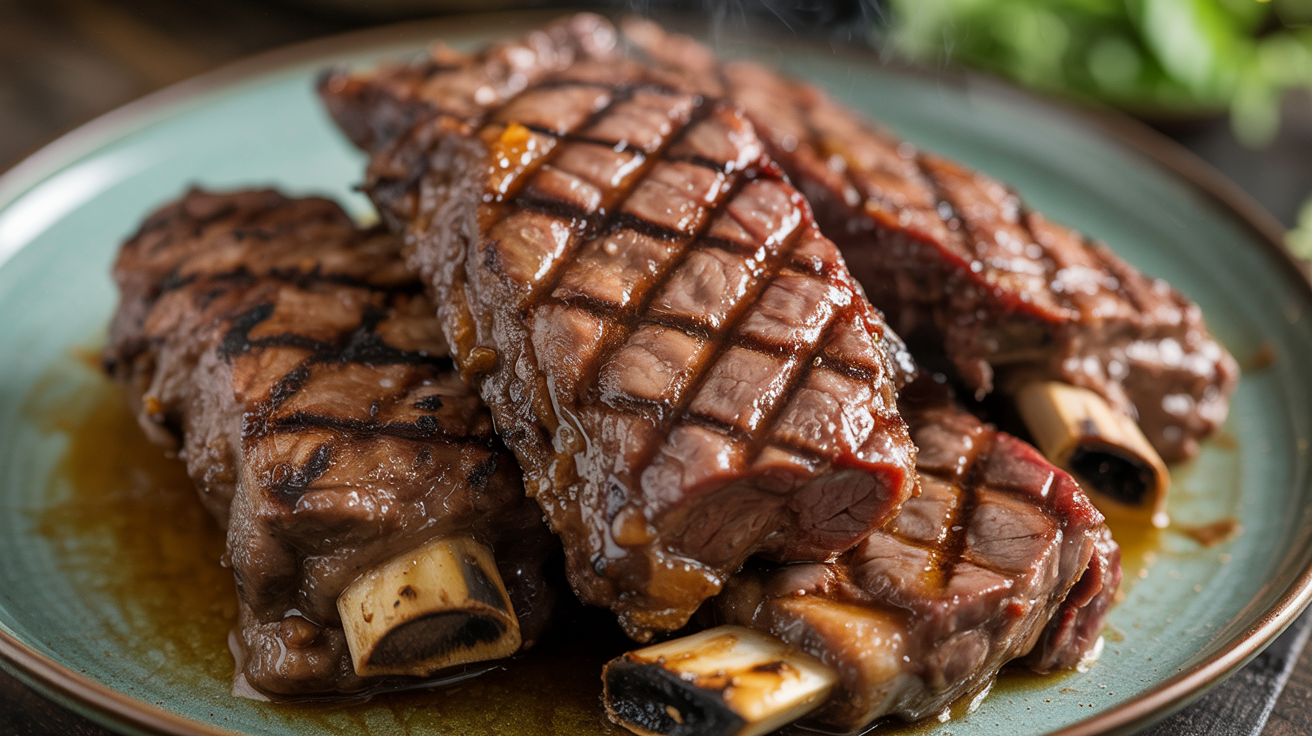
Galbi Marinade: Flavors and Ingredients
The marinade is what makes galbi so irresistible. Let’s break down what goes in it, from the basics like soy sauce to the fruits that make the ribs so tender.
Essential Marinade Components
Every Korean galbi marinade starts with soy sauce. I usually go for about half a cup per two pounds of ribs. Soy sauce brings that deep, salty flavor you expect.
I always add toasted sesame oil. Just a tablespoon or two gives galbi that nutty, rich undertone you can’t get anywhere else.
Garlic is non-negotiable for me. I use fresh minced garlic—at least four cloves. It gives the marinade a real kick.
If you need a gluten-free option, try tamari instead of soy sauce. Tastes almost the same and works great for Korean galbi.
Traditional and Modern Sweeteners
Brown sugar is classic for sweetness in galbi. I use about a quarter cup, but you can tweak it depending on your sweet tooth.
Mirin, a sweet rice wine, adds depth and another layer of sweetness. If you don’t have mirin, a splash of dry white wine with some extra sugar does the trick.
Some people add honey or corn syrup, which makes the Korean galbi glaze up beautifully on the grill. I like mixing two sweeteners—brown sugar and mirin is my go-to—for a more interesting flavor.
Fruits and Tenderizing Ingredients
Korean pear is the traditional tenderizer for galbi. It’s sometimes called Asian pear or nashi pear. I grate about half a pear straight into the marinade. It makes a difference, trust me.
Grated onion works too. It adds depth and helps break down the meat. I usually use about half an onion, blended smooth.
If you can’t find Korean pear, regular pear or even kiwi is a decent backup. The main thing is to use fresh fruit, not juice. That’s what really helps tenderize galbi.
Balancing Savory and Aromatic Notes
Fresh ginger adds a little warmth to galbi. I grate about a tablespoon, but you can use less if you’re not a big ginger fan.
Black pepper gives a hint of heat. I go for half a teaspoon of freshly ground pepper.
Sesame seeds look great and add a bit of crunch. I sprinkle them in the marinade or right before grilling galbi.
Chopped green onions or scallions give Korean galbi a fresh bite. I toss them in at the end so every bite pops with flavor.
How To Make and Cook Korean Galbi
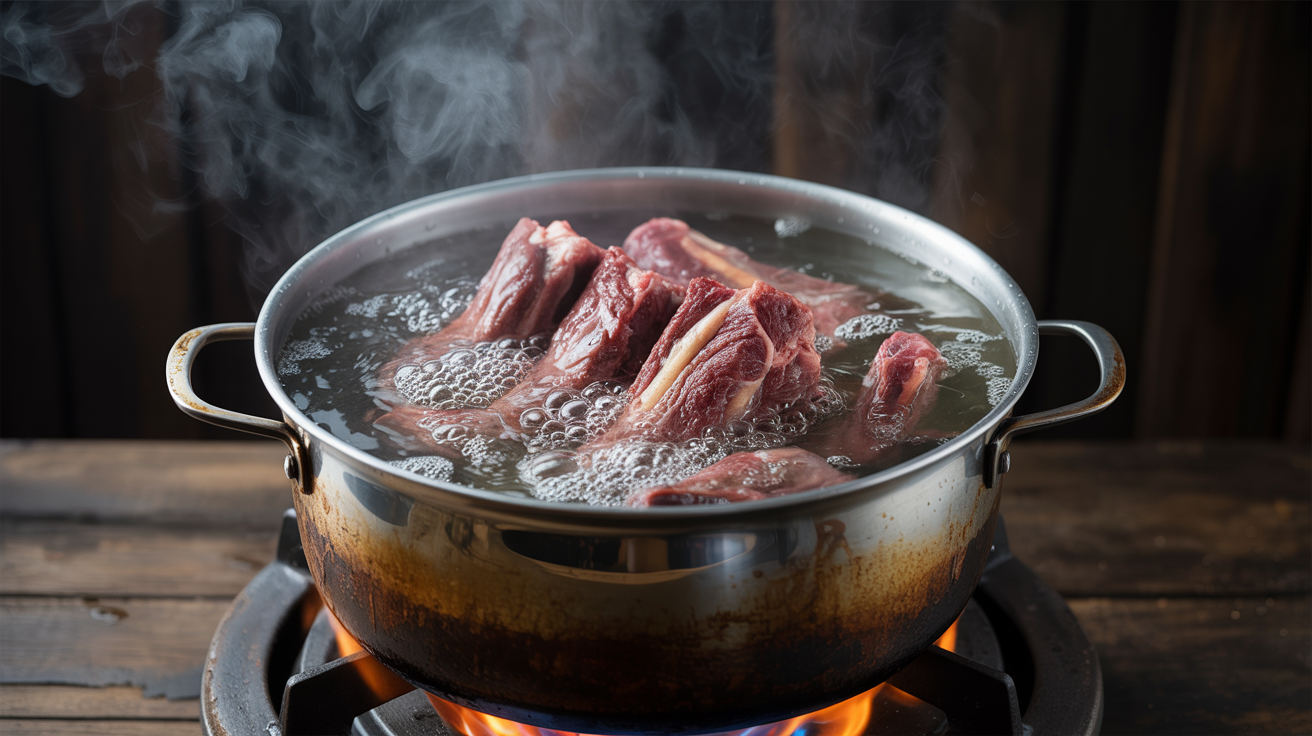
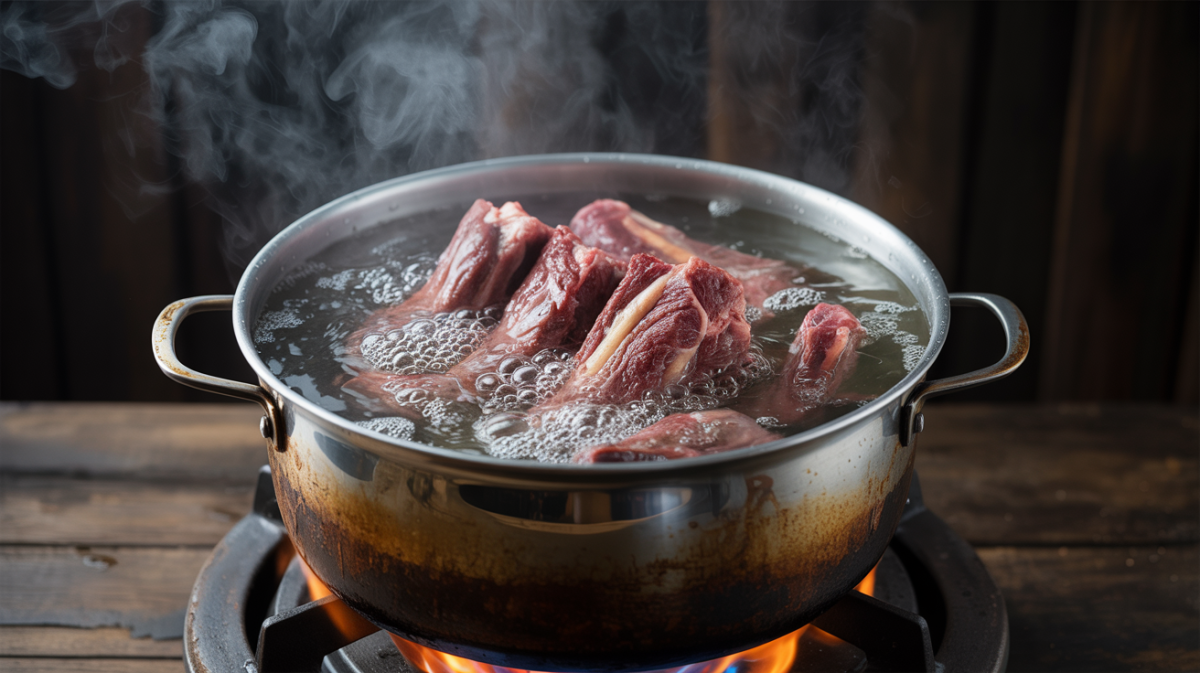
Step 1. Fill a large pot with some water (about 2/3 of the pot) and bring it to boil. While the water is boiling, soak the ribs in cold water. Once the water in the pot is rapidly boiling, transfer the short ribs into the pot and boil them over medium high heat for 6 to 8 minutes.

Step 2. Place the short ribs in the instant pot, after rinsing in cold water.

Step 3. Blend the sauce ingredients in a mixer or food processor until smooth. Pour the sauce over the short ribs.
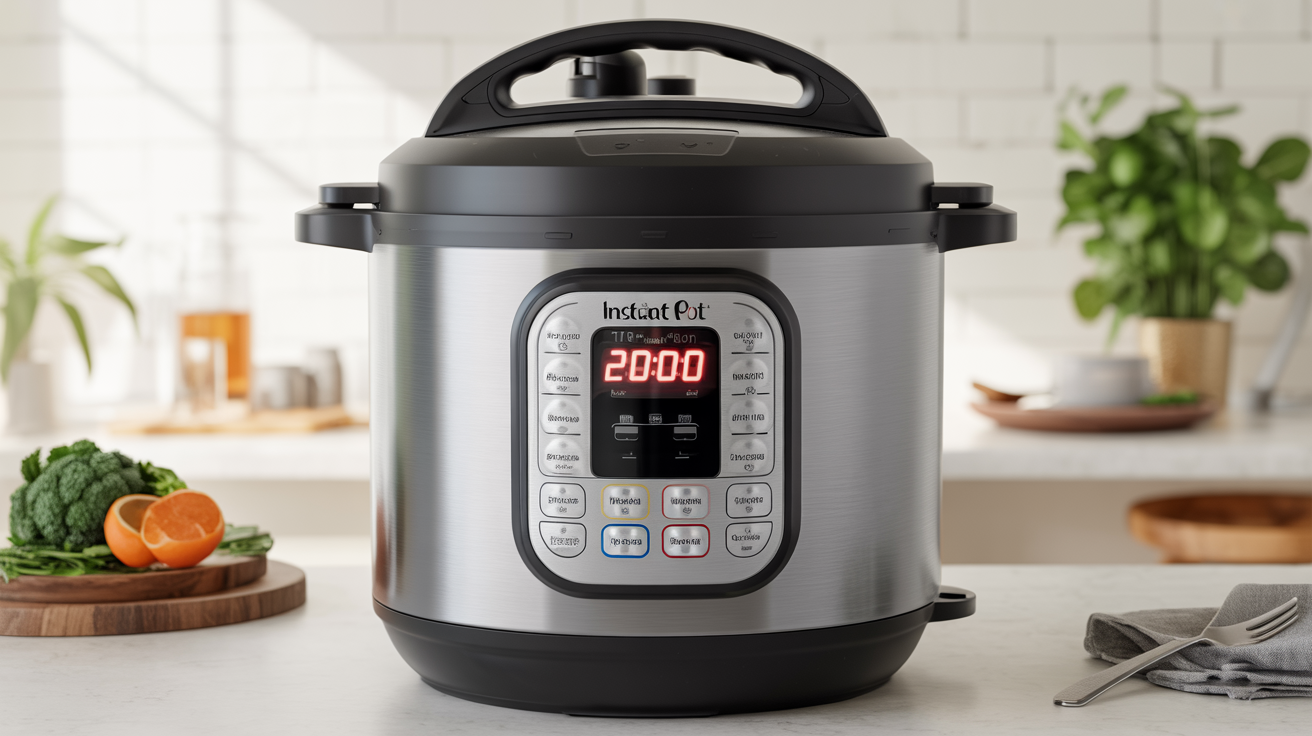
Step 4. Set the pot to pressure cook on high for 35 minutes. After the pressure cook cycle is complete, allow the pressure to naturally release for 15 mins (the vent is still closed). Then do quick release and wait until the quick release cycle is complete. Be careful of any remaining steam. Unlock and remove the lid.
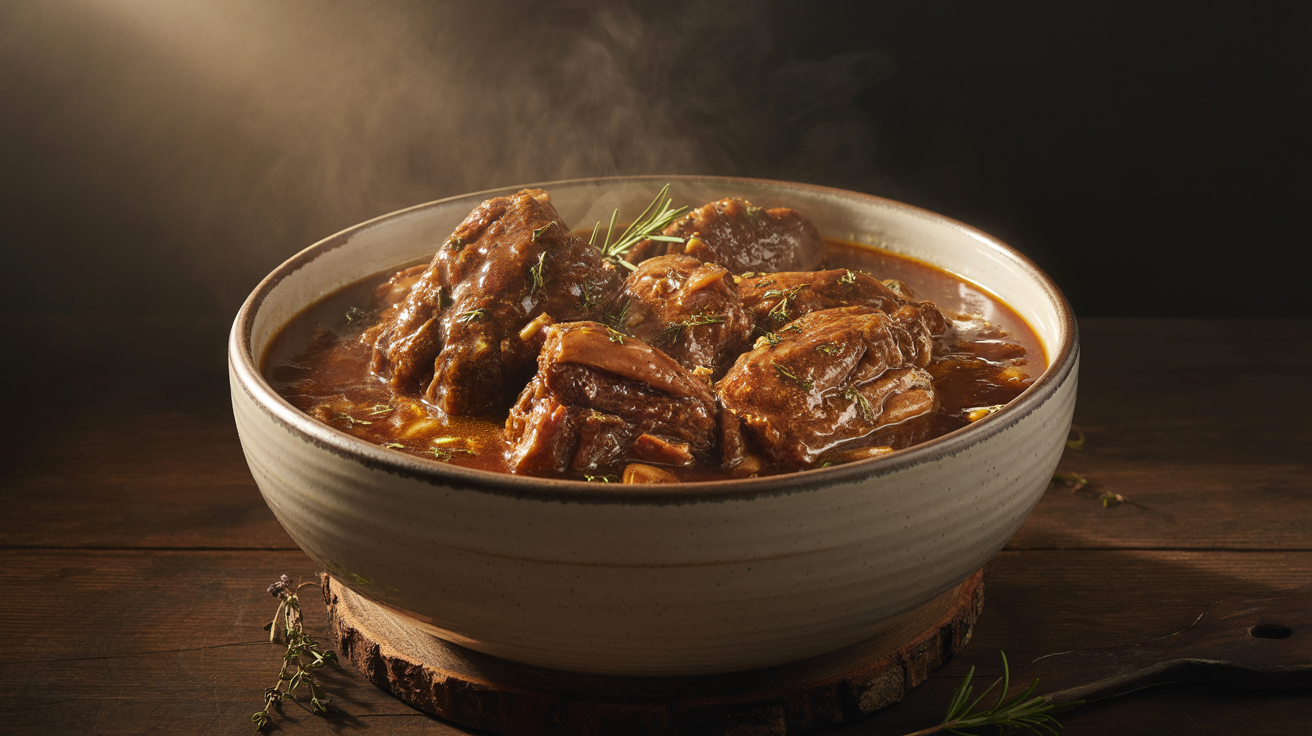
Step 5. Using a slotted spoon, transfer the meat to a large bowl then cover and set aside. Cancel the keep warm mode.

Step 6. Add the prepared vegetables into the pot. Set the pot to sauté (normal) for 20 minutes and cook the vegetables until soft. Meanwhile, the sauce will turn thick and glazy.
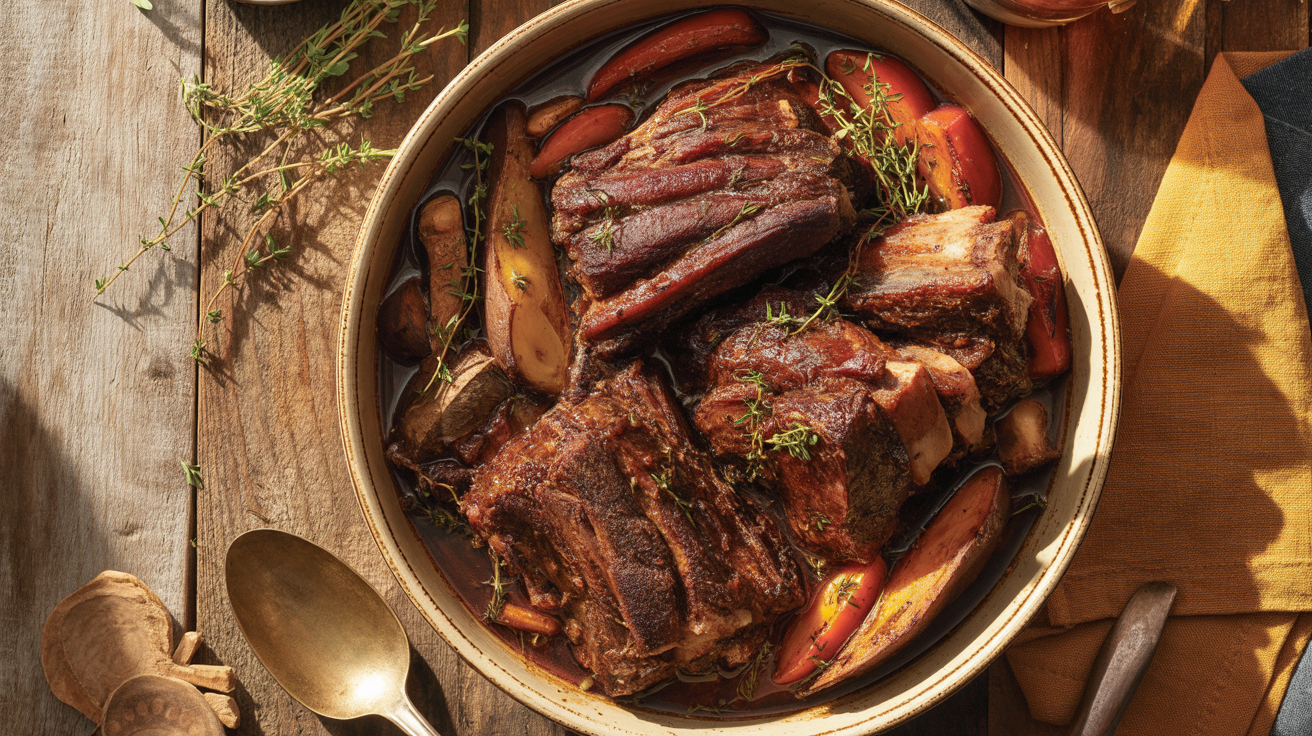
Step 7. Set the pot to off and transfer the vegetables and the sauce to the meat, then toss to coat. Garnish with toasted sesame seeds. (optional)
Choosing and Preparing Ribs
I look for two main cuts when making galbi. The flanken cut is sliced thin across the bones, making it perfect for LA galbi. It cooks fast and soaks up the marinade.
The English cut is thicker and attached to a single bone. If you use this, butterfly the meat so it’s thin enough to marinate and grill evenly. Galbi really shines with good marbling, so look for that in the store.
Asian grocery stores and Korean butchers are your best bet for finding the right cut for Korean galbi, but sometimes regular supermarkets have it too. Just ask at the meat counter if you’re not sure.
Step-by-Step Marination Process
For my Korean galbi recipe, I mix soy sauce, brown sugar, sesame oil, and grated Asian pear in a big bowl. The pear is the secret to tender Korean galbi.
I add plenty of minced garlic, some ginger, and a bit of black pepper. If I want to experiment, sometimes I splash in a little cola for extra sweetness and tenderness. Seriously, it works.
I toss the short ribs in the marinade, then seal them up in a zip-top bag or covered dish. They need at least two hours in the fridge, but overnight is best for galbi. I flip the bag halfway through so every piece gets coated.
Before grilling, I let the ribs come to room temp for about 20 minutes. It helps them cook more evenly and keeps galbi juicy.
Grilling and Cooking Methods
I like to grill galbi over high heat. The grill should be nice and hot before you throw the meat on. Each side only needs 2-3 minutes—watch for those caramelized grill marks.
Since the flanken cut is so thin, galbi cooks super fast. Keep an eye on it so it doesn’t burn. You can also broil galbi in the oven or use a cast iron grill pan indoors. Just get a good sear on both sides and you’re golden.
Some Korean recipes have you cut the ribs into smaller pieces before grilling, which makes galbi easier to share and eat.
Tips for the Perfect Galbi at Home
Don’t skip the Asian pear in your marinade—it’s the best tenderizer for Korean galbi. If you can’t find it, use kiwi or pineapple, but go easy since they’re stronger.
Don’t reuse marinade that touched raw meat unless you boil it for at least five minutes. If you want to baste, set some clean marinade aside first.
My Korean galbi recipe comes out best when you don’t crowd the grill. Give the ribs space so they sear, not steam. Trim off extra fat to avoid flare-ups. It’s worth the extra minute.

Serving Korean Galbi: Sides and Pairings
Korean galbi is at its best with classic sides that balance all those sweet and savory flavors. I always put out kimchi, steamed rice, and a few banchan. Lettuce wraps and dipping sauces make Korean galbi even more fun to eat.
Classic Sides: Rice, Kimchi, and Banchan
Steamed white rice is a must with Korean galbi. The rice soaks up the marinade and cuts the richness of the meat.
Kimchi is non-negotiable for me. Its tangy, spicy crunch is the perfect match for Korean galbi. I like to offer both napa cabbage and cucumber kimchi for a little variety.
Banchan—those little side dishes—make every Korean galbi meal special. I usually serve at least three or four, like:
- Bean sprout salad (kongnamul) with sesame oil
- Seasoned spinach (sigeumchi namul)
- Pickled radish (danmuji)
- Seasoned seaweed (miyeok)
- Steamed egg (gyeran jjim)
These sides are perfect with Korean galbi. The variety of flavors and textures means there’s always something for everyone.
If you want to dive even deeper, check out this galbi stew recipe for another way to enjoy Korean galbi. Or, for more grilling tips, see this grilled kalbi guide. And if you’re curious about Korean galbi in LA, here’s a history of LA galbi worth reading.
Honestly, Korean galbi is more than just a dish—it’s an experience. Once you try it, you’ll probably crave it again and again. There’s really nothing quite like Korean galbi, especially when you make it yourself and share it with friends.
Lettuce Wraps and Ssam
I have to admit, ssam is hands-down my favorite way to enjoy Korean galbi. There’s just something about wrapping those juicy, grilled pieces of Korean galbi in crisp lettuce, adding a bit of rice, and piling on whatever toppings I’m in the mood for. It’s a little messy, but honestly, that’s part of the fun.
Whenever I get ready for a Korean galbi night, I set out a bunch of leafy greens. Red leaf lettuce and green leaf lettuce are the usual picks, but I’ll always include perilla leaves too. They’ve got this minty, herbal thing going on that just works perfectly with Korean galbi. I think it’s underrated, actually. If you haven’t tried perilla leaves with Korean galbi, you’re missing out—seriously.
Here’s my go-to ssam setup for Korean galbi:
- Fresh lettuce and plenty of perilla leaves
- Raw garlic slices (I like them thin for extra bite)
- Green chili peppers, sliced up
- Ssamjang (you just can’t skip this with Korean galbi)
- Steamed rice, always
Everyone kind of does their own thing at the table. I’ll grab a piece of Korean galbi, top it with a little rice, some ssamjang, maybe a slice of garlic or chili, and then wrap it all up. It’s one of those meals where you get to play with your food, and I love that. If you want more ideas for ssam ingredients, check out this guide to Korean ssam or this Korean lettuce wrap recipe for inspiration.
Sauces and Condiments
For me, ssamjang is the absolute must-have with Korean galbi. It’s a thick, punchy sauce made by mixing gochujang (that spicy-sweet red chili paste) and doenjang (fermented soybean paste), plus sesame oil, garlic, and sometimes a touch of honey. I’ll always whip up a fresh batch at home—store-bought ssamjang with Korean galbi just doesn’t cut it, in my opinion. If you want to make your own, here’s a great ssamjang recipe from Maangchi.
Some folks just want that straight-up gochujang flavor with their Korean galbi, so I put that out too. It’s got a pure spicy-sweet kick that’s hard to beat. Sometimes, I’ll even try both on the same wrap—why not?
Besides ssamjang and gochujang, I like to offer a few other simple dips for Korean galbi:
- Sesame oil with a pinch of salt—so good for dipping Korean galbi
- Soy sauce with a splash of vinegar for a tangy contrast
- Raw garlic slices in sesame oil, which is bold but surprisingly tasty with Korean galbi
These condiments let everyone tweak their Korean galbi wrap just the way they want. I think the sesame oil dip is especially underrated with Korean galbi. If you’re serving beef bulgogi along with Korean galbi, it works great for that too. For more ideas on building your own Korean galbi spread, check out this guide to Korean barbecue at home or this Bon Appétit Korean BBQ guide. And for those curious about Korean galbi’s history and variations, you might enjoy this Korean galbi overview on Wikipedia.
Galbi in Korean Cuisine Today
Korean galbi isn’t just something you’ll find at classic barbecue joints anymore. These days, I spot Korean galbi popping up on fusion menus and even in home kitchens all over the world. It’s kind of wild how far it’s traveled, right? If you’re curious about how Korean galbi fits into modern cooking, you’ll find plenty of ideas out there (here’s a deep dive on galbi).
Most Korean restaurants still serve Korean galbi as a centerpiece in their barbecue spreads. You’ll usually get it with bulgogi, pork belly, and sometimes chicken bulgogi too. Some spots even swap in Korean pork ribs (dwaeji galbi) instead, which gives you a different flavor and texture. If you want to see how Korean galbi compares to other meats, check out this Korean BBQ guide.
Leftover Korean galbi? Oh, don’t let it go to waste. I’ve thrown chopped Korean galbi on kimchi fried rice, and wow, it’s a game changer for next-day lunch. Some chefs even toss diced Korean galbi into tacos or grain bowls for a fun twist. If you want more inspiration, this galbi recipe has some creative takes, and you can always explore more ideas on Korean Bapsang.
Even with all these new spins, people still love the classic way to serve Korean galbi. Gathering around the grill with friends and family, everyone grilling their own Korean galbi and making wraps—it’s just unbeatable. There’s something about that hands-on, communal vibe that makes Korean galbi more than just food. If you haven’t tried it yet, you’re missing out. For more on the social side of Korean galbi, this Korean barbecue guide is worth a look.

Galbi vs Bulgogi
Galbi features bone-in beef short ribs marinated in a sweet soy-based sauce, then grilled for a smoky, caramelized finish. The meat is rich, juicy, and slightly chewy.
Bulgogi uses thinly sliced beef, often ribeye, marinated in a similar sauce but cooked quickly. It’s more tender and absorbs the marinade more fully.
When comparing galbi vs bulgogi, the main difference is cut and texture. Galbi is thicker and meatier, while bulgogi is thin, tender, and quicker to cook.
Korean Galbi FAQ
1. What cut of beef is used for galbi?
Short ribs are traditionally used.
2. What makes galbi marinade unique?
It often includes soy sauce, garlic, sugar, and sometimes fruit like pear.
3. Why is fruit used in galbi marinade?
Fruit enzymes help tenderize the meat.
4. Is galbi grilled or cooked indoors?
Traditionally grilled, but it can be cooked in a pan or pressure cooker.
5. What is galbi served with?
Rice, lettuce wraps, and side dishes.
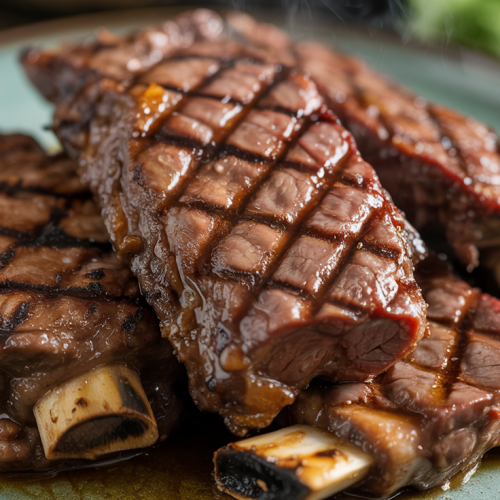
Korean Galbi
Ingredients
- 3.3 pounds beef short ribs bone-in
- 8.8 ounces carrots peeled & cut in medium size chunks
- 7 ounces radish Korean (or daikon radish), optional, cut in medium size chunks
- 1/2 cup water
- 1 apple red, cored & chopped
- 1/2 onion (2 ounces) peeled & chopped
- 6 Tbsp soy sauce regular
- 2 Tbsp brown sugar
- 2 Tbsp honey
- 2 Tbsp rice wine
- 1 Tbsp garlic minced
- 1 tsp sesame oil
- 5 peppercorns whole black
Instructions
- Fill a large pot with some water (about 2/3 of the pot) and bring it to boil. While the water is boiling, soak the ribs in cold water. Once the water in the pot is rapidly boiling, transfer the short ribs into the pot and boil them over medium high heat for 6 to 8 minutes.
- Place the short ribs in the instant pot, after rinsing in cold water.

- Blend the sauce ingredients in a mixer or food processor until smooth. Pour the sauce over the short ribs.

- Set the pot to pressure cook on high for 35 minutes. After the pressure cook cycle is complete, allow the pressure to naturally release for 15 mins (the vent is still closed). Then do quick release and wait until the quick release cycle is complete. Be careful of any remaining steam. Unlock and remove the lid.

- Using a slotted spoon, transfer the meat to a large bowl then cover and set aside. Cancel the keep warm mode.

- Add the prepared vegetables into the pot. Set the pot to sauté (normal) for 20 minutes and cook the vegetables until soft. Meanwhile, the sauce will turn thick and glazy.

- Set the pot to off and transfer the vegetables and the sauce to the meat, then toss to coat. Garnish with toasted sesame seeds. (optional)

Video

