


This humble Slovak sulance classic brings together soft potato dumplings with sweet toppings—think poppy seeds, sugar, and melted butter—and suddenly you’re eating something that Slovaks enjoy as both a main course and dessert. Slovak sulance are made from a dough of potatoes, flour, eggs, and a splash of water, then rolled into little dumplings and boiled until they bob to the top. You know, there’s something oddly magical about how a handful of basic ingredients can turn into a dish you’ll crave for years. That’s what happened to me the first time I had sulance.
What’s so charming about Slovak sulance? For me, it’s how the simple, pillowy dumplings let the toppings do all the talking. If you’ve ever had Italian gnocchi or Polish kopytka, you’ll see the resemblance—the same kind of ingredients, the same basic moves. But the sulance have their own vibe.
So, if you’re curious about making real Slovak sulance at home, I’ll walk you through it. You’ll get a feel for where this dish fits in Slovak food culture, learn the recipe step by step, and pick up some ideas for serving them. And maybe you’ll see why the sulance still hold a special place on Slovak tables.

What Are Slovak Sulance And Their Place In Slovak Cuisine
The sulance are traditional potato dumplings that mean a lot to Slovak families. These little rolled, pasta-like bites can go sweet or savory. For a lot of people, the sulance are a taste of home.
Significance of Slovak Sulance in Slovak Traditions
Slovak sulance are more than just food—they’re a ritual. It’s one of those traditional Slovak dishes that brings families together, especially when everyone’s pitching in to roll and cook them.
Honestly, making the sulance takes a little time and patience, which is probably why not as many young people bother making them anymore. Faster desserts are tempting. But when someone does make Slovak sulance, it feels like an occasion.
And the best part? Slovak sulance work as a main dish or a dessert. Top them with cheese sauce and you’ve got real Slovak comfort food. Go sweet and you have a classic Slovak treat.
Regional Variations and Occasions
The version you’ll see most is the sulance s makom—those are the ones with ground poppy seeds and sugar. Super common, super delicious.
Popular toppings for Slovak sulance:
- Ground poppy seeds and sugar
- Toasted breadcrumbs with butter
- Ground walnuts
- Savory cheese sauce
- Melted butter and sugar
Every family seems to have its own favorite way to serve the sulance. Some folks keep it sweet, others make it a meal. The dough stays pretty much the same, but the toppings? That’s where you see family traditions shine.

Ingredients For Traditional Slovak Sulance
You don’t need much to make the sulance—just a few basic ingredients and a gentle touch. The sweet poppy seed version is the one most people know.
Essential Ingredients: Potatoes, Flour, And Poppy Seeds
Start with about 2 pounds of starchy potatoes. Boil and mash them until they’re smooth. That’s your base for Slovak sulance.
Mix the potatoes with 2 to 2.5 cups of flour and one egg. I usually toss in a pinch of salt, just to keep things balanced.
For the topping, you’ll want ground poppy seeds and sugar—about 1/2 cup of seeds and a couple tablespoons of sugar. Melt 3-4 tablespoons of butter too, because the sulance should be buttery. Some folks swap in breadcrumbs, but honestly, the poppy seed version is the one that makes Slovak sulance so iconic.
Looking for more on Slovak food? Check out this deep dive into Slovak cuisine.
Step-By-Step Instructions for the Slovak Sulance Recipe

Step 1. Cook the potatoes with the skins on several hours ahead of time so they are completely cold before using. Drain and let them cool fully.

Step 2. Once cooled, peel the potatoes and finely grate them, or mash them until smooth.

Step 3. Lightly flour your work surface. Place the potatoes in the center and add flour, semolina, a pinch of salt, and egg yolks if using. Knead until a soft dough forms and everything is well combined.

Step 4. Divide the dough into two portions. Roll one portion into a rope about ½-inch thick, then cut into pieces about 1 inch long. If the pieces are too thick, roll them slightly with your hands.

Step 5. Repeat with the remaining dough.

Step 6. Bring a pot of salted water to a boil. Add the pieces and cook until they float to the surface.
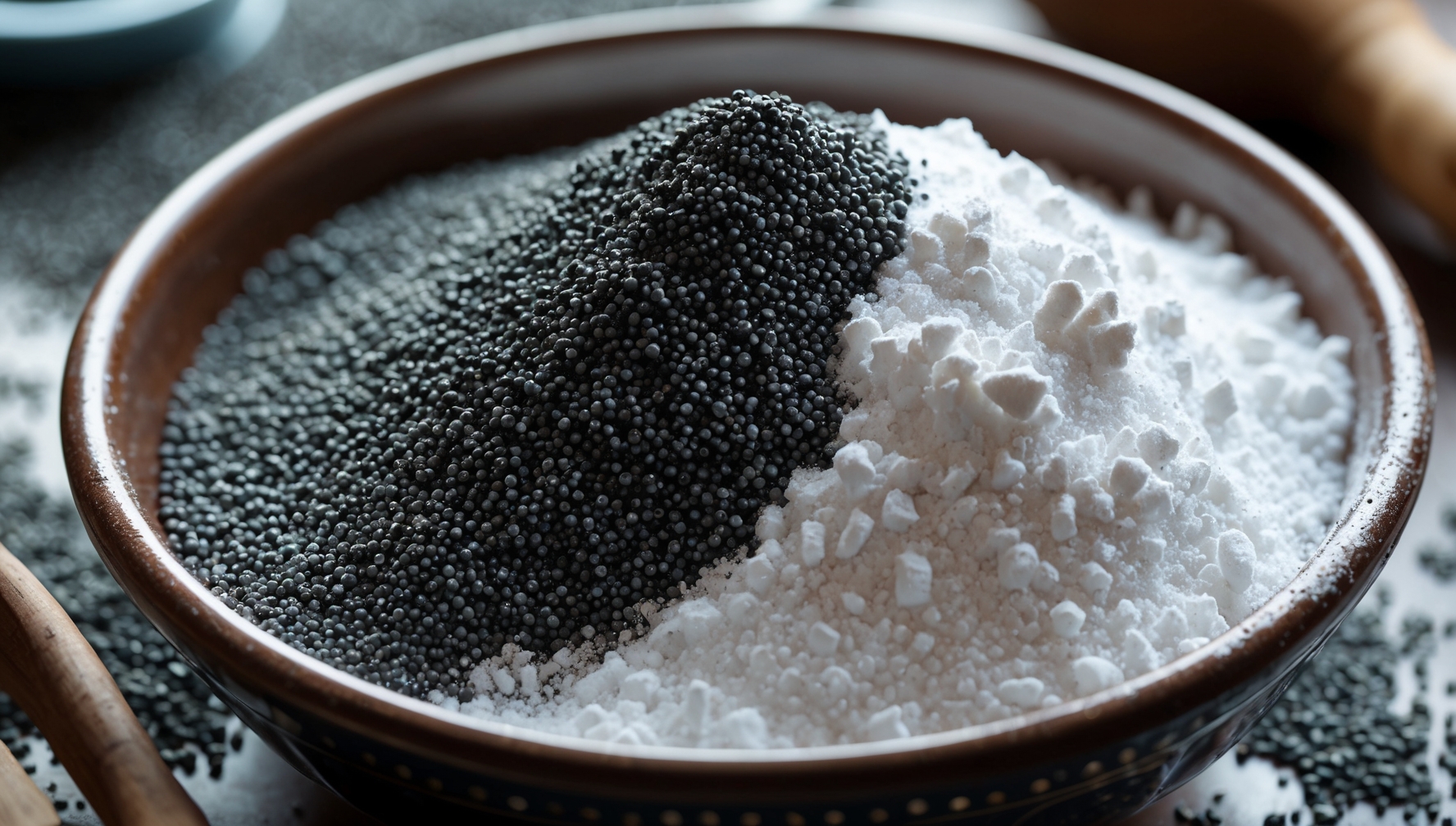
Step 7. Mix the ground poppy seeds with powdered sugar.

Step 8. Transfer the cooked pieces to a bowl, drizzle with melted butter, sprinkle with the poppy seed mixture, and serve.
Cooking And Assembling The Dish
Bring a big pot of salted water to a boil. Drop in the the sulance—don’t crowd them.
They cook fast. As soon as they float (usually after a couple minutes), scoop them out and drop them in a bowl.
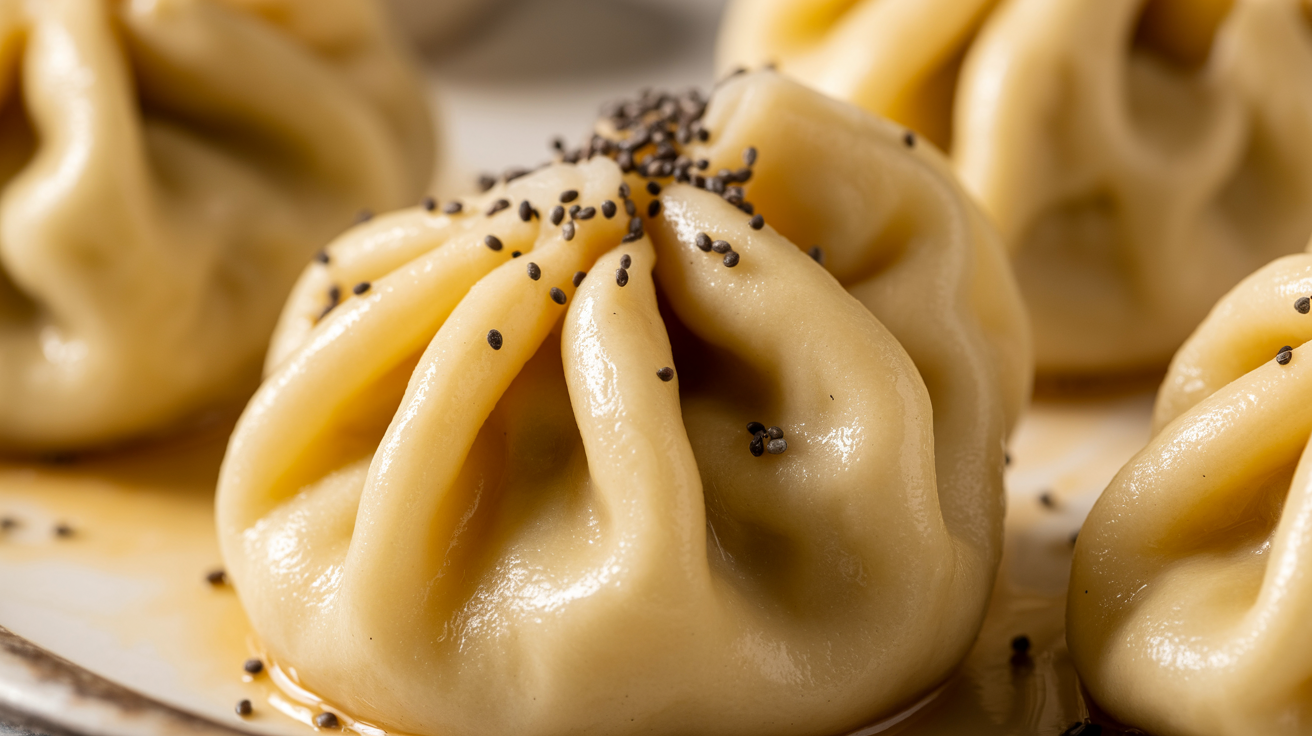
Toss the hot Slovak sulance with melted butter. Sprinkle the poppy seed and sugar mix on top, and serve right away while they’re still warm and soft.
Delicious Variations And Serving Suggestions
Slovak sulance are surprisingly flexible. Sure, the poppy seed version is classic, but walnuts, breadcrumbs, and even fruit preserves are all fair game.
Slovak Sulance s Makom: The Classic With Poppy Seeds
The traditional the sulance s makom is the gold standard. I’m a sucker for this one—warm dumplings coated in ground poppy seeds, sugar, and plenty of melted butter.
Use finely ground poppy seeds for the best texture. About 3-4 tablespoons per serving, with 2 tablespoons of sugar. Some people use honey instead of sugar, which is worth trying if you want something a little different.
The trick is to toss the the sulance while they’re still hot. That way, the butter soaks in and you get that rich, sweet coating. This is the version you’ll see at family celebrations and holidays.
Other Toppings: Walnuts, Breadcrumbs, And Beyond
Walnuts are a fantastic swap for poppy seeds. Just grind them up, mix with sugar and a little cinnamon, and sprinkle over your the sulance.
For a crunchier take, toast plain breadcrumbs in butter and then add sugar. It gives Slovak sulance a nice contrast—soft dumplings, crispy topping.
Other fun toppings for Slovak sulance:
- Sweetened cottage cheese or farmer’s cheese
- Fruit preserves (plum or apricot are both awesome)
- Cocoa powder mixed with sugar
- Crushed cookies, if you’re feeling wild
Try a few and see which the sulance style you like best.
Want more ideas? This Slovak food blog has some great inspiration.
Serving Tips And Popular Pairings
Serve the sulance right after cooking. They’re at their best when warm and tender—if they cool, they get sticky and a bit dense.
I like to pile them onto a warm plate, drizzle with extra butter, and dust with powdered sugar. Figure 8-12 Slovak sulance per person, depending on whether it’s dessert or dinner.
A glass of cold milk or hot black tea goes perfectly with the sulance. Some people serve them alongside other Slovak desserts like koláč for a full spread.
If you want to make it festive, serve the sulance family-style in a big bowl. Let everyone pick their own toppings. It’s casual, fun, and very Slovak.
For more traditional serving ideas, see this roundup of Slovak desserts.

Slovak Sulance Among Slovak Desserts And Culinary Legacy
Slovak sulance have a special place in Slovak food—they’re both a comforting dessert and, sometimes, a main dish. They’re simple, but somehow, that makes them stand out even more.
Slovak Sulance Versus Bryndzové Halušky And Other Classics
When I think of Slovak food, bryndzové halušky is usually the first thing that pops into my head. Potato dumplings with sheep cheese—it’s the national dish, after all.
But the sulance are different. While halušky are grated into water and topped with savory stuff, Slovak sulance are rolled by hand. The rolling is where the name comes from.
Both start with potato dough, but the sulance usually go sweet—with poppy seeds, walnuts, or breadcrumbs. You can make them savory, but honestly, the sweet versions are what most people remember.
Place Among Slovak Sweets: Koláče, Poppy Seed Roll, And More
Slovak desserts are a whole world—koláče, poppy seed rolls (makovník), and more. Koláče are sweet buns with jam or cheese, and they show up at every party or holiday.
But the sulance are different. They’re homey, easy, and don’t need any fancy baking skills. You can make Slovak sulance with what you already have in the kitchen.
Lots of Slovak desserts are a bit fussy. Slovak sulance, though, are forgiving and relaxed—perfect for when you want something cozy and don’t want to fuss with measuring cups and timers.
If you’re curious about more Slovak recipes, check out this collection of Slovak classics. And if you want to see how the sulance fit into Central European cuisine, this guide to Eastern European dumplings is a fun read.
Slovak sulance—easy, comforting, and endlessly adaptable. If you haven’t tried them, maybe now’s the time?
Modern Takes And Recipe Inspirations
Honestly, it feels like the sulance are fading from a lot of Slovak kitchens these days. People seem to reach for quicker desserts or just grab something from the store, which is a bit of a shame if you ask me. There’s something about making the sulance from scratch that modern life just doesn’t replace. If you’re curious about the history behind this dish, Slovak Cooking has a detailed breakdown.
But lately, I’ve noticed a bit of a comeback. Some creative cooks are giving Slovak sulance a fresh twist, and honestly, I’m here for it. Sure, the classic poppy seed version is still unbeatable, but now you’ll find recipes drizzled with chocolate, caramel, or even topped with a handful of fresh fruit. Some folks sneak a little cinnamon into the dough, while others swap out the butter for a dollop of yogurt. It’s fun to see how the sulance can morph into something new every time. If you want to see how others are reinventing the dish, check out this blog post or this YouTube video for more inspiration.
What’s also pretty cool is how the sulance fit into special diets. If you skip the butter or use a plant-based alternative, you’ve got a naturally vegan treat on your hands. That means more people can enjoy Slovak sulance without missing out on the traditional flavor. I’ve even seen gluten-free versions pop up, and while I haven’t tried those yet, I’m definitely intrigued. For anyone interested in the vegan route, this vegan recipe is worth a look. And if you’re after a gluten-free approach, here’s a handy guide.
If you’re thinking about making the sulance at home, don’t stress about getting everything perfect. It’s one of those recipes where a little imperfection just adds to the charm. Whether you stick to the old-school version or try something wild, the sulance always bring a bit of comfort to the table. And if you’re looking for more background on Slovak sulance or want to see how others serve them, this cultural overview is a good place to start.
So, are Slovak sulance still relevant? Absolutely. Maybe they’re not as common, but with all these new spins, the sulance are finding their way back into kitchens—one delicious batch at a time.
Sulance vs Gnocchi
Sulance and gnocchi are both potato-based dumplings, but they differ greatly in flavor profile and how they are typically served.
Sulance are Slovak dumplings made from potato dough that is rolled into thin, finger-like shapes. They are most commonly served as a sweet dish, coated with ground poppy seeds, sugar, and melted butter. The texture is soft yet slightly dense, and the flavor leans toward a comforting, mildly sweet profile. They are often considered a dessert or sweet main course in Slovak cuisine.
Gnocchi, originating from Italy, are also made from potatoes but are typically prepared as a savory dish. The dumplings are soft and pillowy, served with sauces such as tomato, pesto, or butter and sage. Gnocchi are more neutral in flavor, designed to absorb and complement savory sauces.
The main difference is sweet versus savory application: šúľance are dessert-focused, while gnocchi are used in savory meals.
Choose sulance if you’re looking for a sweet, traditional dish with simple ingredients. Go with gnocchi if you want a versatile, savory dumpling that pairs well with a variety of sauces.

Slovak Sulance Recipe FAQ
1. What are sulance?
They are potato dumplings rolled into small logs.
2. How are sulance served?
Often with poppy seeds, butter, and sugar.
3. Is this dish sweet or savory?
It is typically served as a sweet dish.
4. What gives sulance their texture?
Potatoes combined with flour create a soft texture.
5. Can sulance be made ahead of time?
Yes, they can be prepared and reheated.

Slovak Sulance
Ingredients
- 1½ lbs potatoes
- 2½ cups all-purpose flour
- ¾ cup semolina
- pinch salt
- 1 cup poppy seeds ground
- ¾ cup powdered sugar
- 7 tbsp butter plant-based
Instructions
- Cook the potatoes with the skins on several hours ahead of time so they are completely cold before using. Drain and let them cool fully.

- Once cooled, peel the potatoes and finely grate them, or mash them until smooth.

- Lightly flour your work surface. Place the potatoes in the center and add flour, semolina, a pinch of salt, and egg yolks if using. Knead until a soft dough forms and everything is well combined.

- Divide the dough into two portions. Roll one portion into a rope about ½-inch thick, then cut into pieces about 1 inch long. If the pieces are too thick, roll them slightly with your hands.
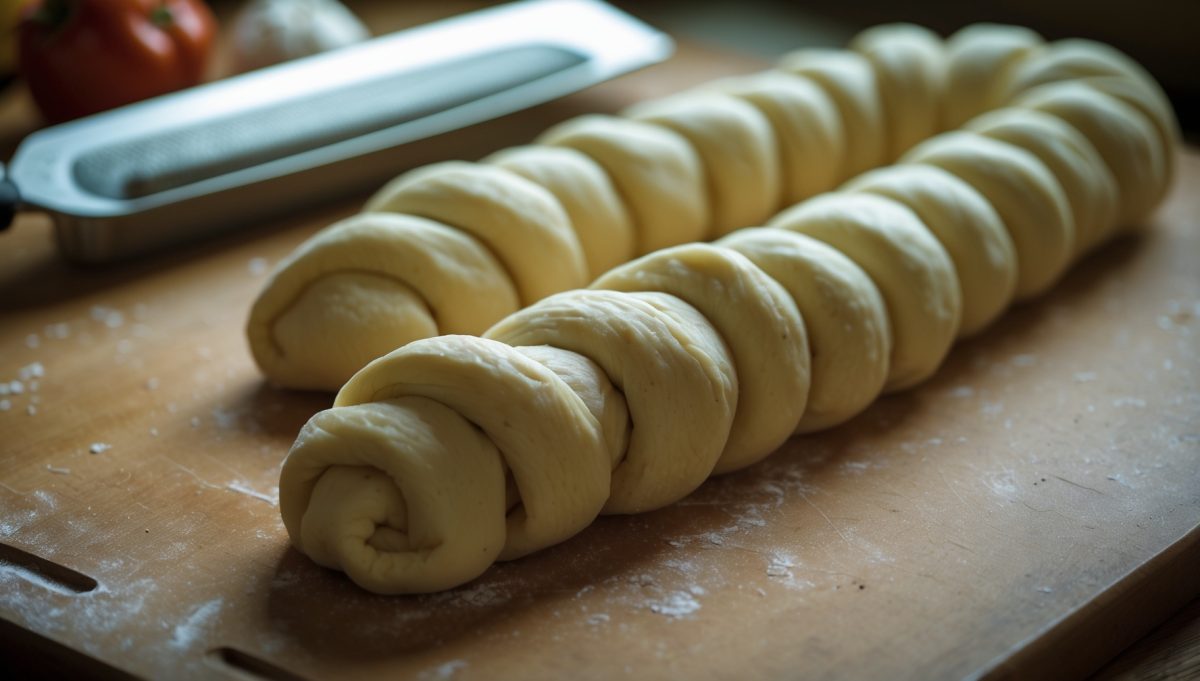
- Repeat with the remaining dough.

- Bring a pot of salted water to a boil. Add the pieces and cook until they float to the surface.

- Mix the ground poppy seeds with powdered sugar.

- Transfer the cooked pieces to a bowl, drizzle with melted butter, sprinkle with the poppy seed mixture, and serve.

Video


13 comments
Does anyone know if theres a significant difference between Slovak sulance and Czech-style dumplings?
Anyone else think Slovak Sulance could gain global popularity like sushi or pizza? Theyre so unique and rich in tradition!
Sulance might be traditional but sushi and pizza level? Dream on, my friend.
Interesting read, but wouldnt substituting sweet potato alter the authenticity of traditional Slovak Sulance? Thoughts?
Interesting read! But isnt it true that Slovak Sulance can be made savory as well, not just sweet?
Interesting read! But does anyone know if theres a savory version of Slovak Sulance? Just curious.
Interesting read, but what about the nutritional value of Slovak Sulance? Are these sweet potato dumplings healthy or just comfort food?
Sulance are more comfort food, but moderation is key. Eating anything excessively isnt healthy!
Interesting read! But why are Slovak Sulance not as globally recognized as other European dishes, despite their cultural significance?
Because global recognition doesnt equate to cultural value. Sulance isnt a popularity contest!
Interesting read! But does anyone know if theres a festive occasion where Slovak Sulance is particularly significant?
Indeed, Sulance is a star during Christmas in Slovakia. A must-have treat!
Interesting read! But arent there any regional differences in the preparation of Slovak Sulance across Slovakia?
Comments are closed.