

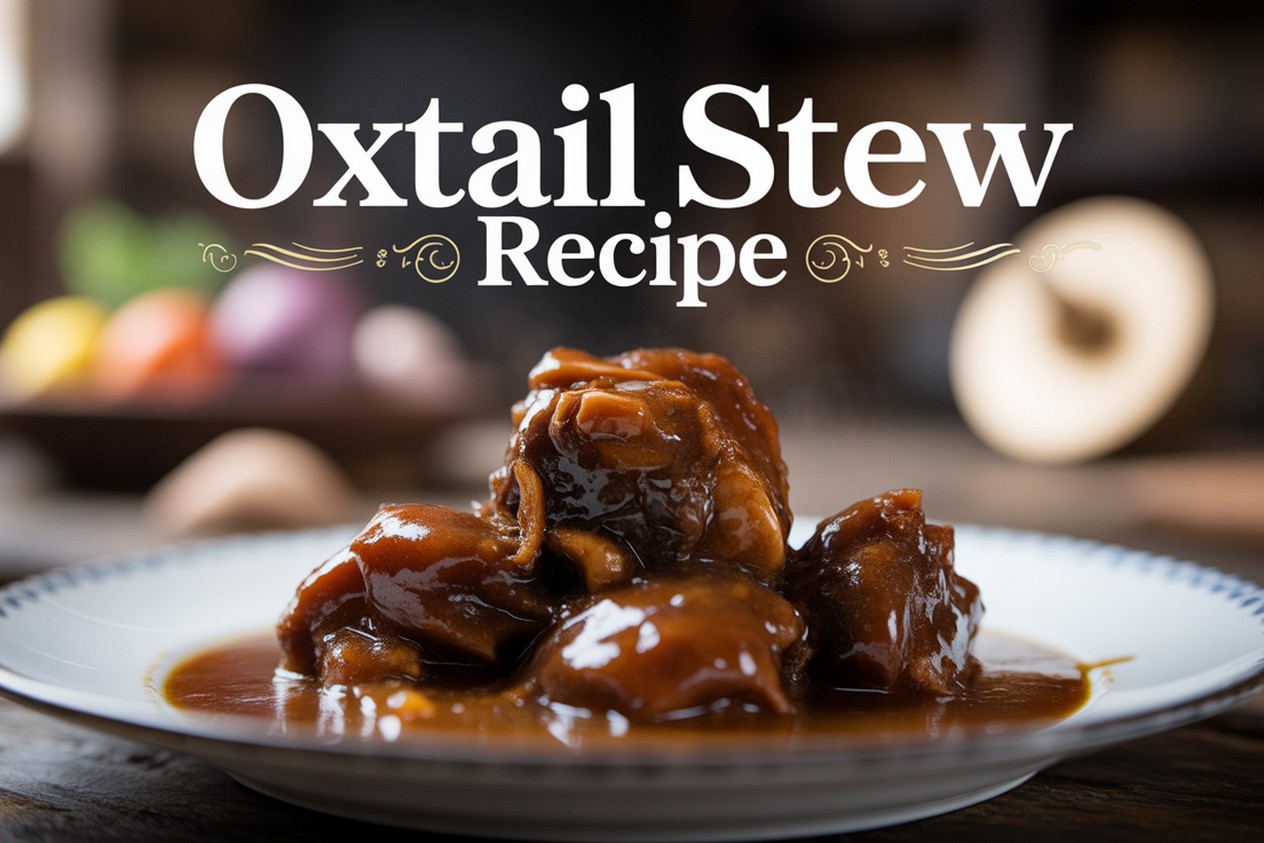
Oxtail stew isn’t just for fancy restaurants or impressing a date. This Lesotho oxtail stew recipe takes a humble, bony cut and—if you’re patient—turns it into fork-tender magic with a handful of basic ingredients. I stumbled onto this dish while wandering through Lesotho, and let me tell you, the locals made it clear: all you really need is time, a sturdy pot, and a little faith in the process.
African oxtail cooking doesn’t demand a culinary degree or a shelf full of rare spices. The Lesotho oxtail stew recipe stands out for its simplicity—just good meat, a few vegetables, and a slow simmer. It’s the wait that matters. That’s what turns tough oxtails into meat that honestly just slides right off the bone.
Here, I’ll walk you through everything from picking your ingredients to stashing leftovers (which, weirdly enough, taste even better the next day). If you’re after the real Lesotho oxtail stew recipe, no shortcuts, no unnecessary steps—just the way locals do it. Whether you’re feeding a crew or just feeling adventurous, you’ll have all you need to pull this off at home.

The Heart of the Pot: Understanding Lesotho Oxtail Stew
This traditional dish slow-cooks meat with deep, rich flavors, feeding families across Southern Africa for generations. The Lesotho oxtail stew recipe transforms a tough cut into that classic, fall-off-the-bone comfort food that really speaks of Lesotho’s mountain cooking roots.
A Brief History of Oxtail Stew in Lesotho
Turns out, oxtail wasn’t always the star. Back in the day, when cattle farming ran Lesotho’s economy, butchers sold the best cuts to the wealthy and handed out tails, feet, and other “scraps” to everyone else.
Mountain families figured out that if you cooked these odds and ends long enough, you’d get something hearty and delicious. The chilly, high-altitude weather made a rich oxtail stew perfect after a day outside working or herding.
The dish spread over time, moving from humble beginnings to Sunday tables and even upscale restaurants. Funny how something that started as a way to use up leftovers is now a sought-after comfort food, and, well, a bit pricier than it used to be.
Why Oxtail Stew Is Practically a Hug in a Bowl
The meat around the tailbone is loaded with collagen and marrow. When you let it cook low and slow, all that good stuff melts into a thick, silky gravy that clings to every bite.
Honestly, I think a proper Lesotho oxtail stew recipe needs at least three hours on the stove. The bones work their magic, releasing gelatin and giving the sauce that glossy, rich finish. When it’s done, the meat just falls off the bone—no knife required.
This stew fills you up but never feels too heavy. I like mine with crusty bread to mop up the gravy. On cold mountain nights in Lesotho, families gather around a single pot and share this meal—there’s something special about that.
Key Flavors and Cultural Influence
Main flavor components:
- Red wine for depth and a bit of acidity
- Fresh herbs—think thyme, bay leaves
- Root veggies to sweeten the broth
- Tomatoes for a bright kick
I’ve noticed that the Lesotho oxtail stew recipe stays pretty straightforward compared to other countries’ takes. The mountain cooks keep it simple, letting the meat do the heavy lifting instead of piling on strong spices. They work with what grows nearby and season with salt, pepper, and, mostly, patience.
The pot matters too. I always reach for my heaviest one with a tight lid—it keeps the steam in and the meat moist. The low, slow simmer is what transforms tough cuts into something you’ll crave again and again.

Ingredients and Substitutions: What’s Really in the Pot?
The basics in this Lesotho oxtail stew recipe are simple, but knowing your swaps helps if your butcher looks at you funny. The real trick is layering flavors and letting everyday ingredients become something you’ll brag about later.
Essential Components for Authenticity
The heart of any Lesotho oxtail stew recipe is, no surprise, the oxtail itself. You’ll want 3 to 4 pounds, cut into chunky pieces. These bony cuts have loads of connective tissue that breaks down into gelatin with slow cooking.
I always brown my oxtail first in a hot pot with a splash of oil. That deep, dark crust is where the flavor starts. If you skip this, you’ll regret it—the stew just won’t have the same depth.
Next up: onions, garlic, and tomatoes. I use two big onions, a few garlic cloves, and either fresh tomatoes or a can of diced. This trio is your flavor foundation.
Salt, black pepper, and bay leaves are non-negotiable. Some folks toss in a beef stock cube, but honestly, I’d rather get my broth straight from the bones.
Creative Swaps and Modern Twists
If oxtail prices make you do a double-take, beef short ribs work just fine. They’ve got the right fat and bone ratio for a proper stew. The cooking time’s about the same, and most people can’t even tell the difference.
Lamb shanks? I’ve tried them, and the stew comes out with a slightly gamier edge—kind of reminds me of mountain food. The meat still ends up falling apart, which is all I care about.
Sometimes I trim a bit of fat off the oxtail, especially if I want a lighter stew. Don’t get carried away though; the fat is where the flavor lives.
And if you’re feeling bold, a splash of red wine or a good Lesotho beer in the pot will take the sauce up a notch. I did this once and, honestly, I’ve never looked back.
Vegetables and Spices That Make It Magical
The veggies can make or break your Lesotho oxtail stew recipe. I always go for carrots, potatoes, and green beans. Chopped carrots and baby potatoes go in about an hour before it’s done, and green beans join at the end so they stay bright.
Baby onions add a nice sweetness. I peel a handful and toss them in whole—they soften up but don’t fall apart, which I love.
For spices, I stick with paprika, dried thyme, and sometimes a pinch of cayenne. The paprika gives color and a gentle smokiness. At the end, I scatter some fresh parsley or cilantro on top.
Some folks add turnips or parsnips, but I skip those. They can take over the flavor, and I want the meat to shine.
How Beef Short Ribs Sneak into the Conversation
Beef short ribs come up a lot in oxtail stew circles—they’re basically cousins. Both cuts are bony, tough, and need long, slow cooking. Both give you that thick, rich sauce thanks to all the collagen.
Short ribs are easier to find and usually cheaper. I use them when I’m feeding a crowd and can’t justify splurging on oxtail for everyone.
The method doesn’t change: brown the ribs, simmer with the same veggies and spices, and wait. The result? Pretty much the same, though oxtail has a touch more gelatin if you ask me.
Mixing both in one pot? Not a bad move—best of both worlds, and your wallet will thank you.

Step-by-Step Lesotho Oxtail Stew Recipe
Making an authentic Lesotho oxtail stew recipe takes patience and a few key steps. It’s all about marinating, getting a good sear on the meat, and letting it simmer gently until it’s melt-in-your-mouth tender.
Preparation and Marinating for Marvelous Meat
Skipping the marinade? Don’t. Trust me, it makes a difference.
Rinse your oxtail pieces, then pat them dry. Mix salt, pepper, paprika, garlic powder, and dried thyme in a bowl. Rub this mix all over the oxtail—don’t be shy, get in there.
Next, toss the seasoned oxtail in a big bowl or zip bag. Add chopped onions, minced garlic, and a splash of vinegar or Worcestershire. Cover and chill it for at least two hours, but overnight is even better.
The marinade softens the meat and packs in flavor. I tried skipping it once—big mistake. The stew was fine, but not the showstopper I wanted.
How Browning Oxtail Makes You a Flavor Wizard
This step is where the Lesotho oxtail stew recipe really comes alive.
Heat a few tablespoons of oil in a heavy pot over medium-high. Pull the oxtail from the marinade, shake off extra liquid, and work in batches so you don’t crowd the pan.
Let each piece brown for 4–5 minutes per side. Don’t fuss with them too much—just let that crust develop. Those dark bits stuck to the bottom? That’s your flavor jackpot.
Take your time here. It’s not glamorous, but it’s worth every minute for that deep, meaty taste.
Simmering: The Art of Slow Magic
Once you’ve browned everything, toss the oxtail back in with any leftover marinade. Add your carrots, potatoes, and tomatoes. Pour in enough beef stock or water to just cover the meat.
Bring it to a boil, then drop the heat low. Cover the pot and let it gently bubble for 2.5 to 3 hours. I check every so often, give it a stir, and add more liquid if it looks dry.
Key temperatures and times:
- Simmer temperature: Low, just barely bubbling
- Cooking time: 2.5–3 hours on the stovetop
- Pressure cooker option: 45–60 minutes
You’ll know it’s done when the meat surrenders at the touch of a fork. That’s the Lesotho oxtail stew recipe magic.
Finishing Touches for Fall-Apart Tenderness
Once the oxtail hits that fall-apart stage, I always grab a spoon, taste the gravy, and tweak the seasoning. Usually, it just needs a pinch more salt or a crack of black pepper—nothing fancy.
Some folks like to thicken the sauce with a cornstarch slurry, but honestly, I just let it bubble away uncovered for about 15 minutes. The flavors get richer without any extra fuss.
I toss in some chopped parsley or cilantro right before serving. That burst of green really brightens things up and keeps the Lesotho Oxtail Stew recipe from feeling too heavy. You can serve this stew recipe over rice, pap, or just grab a hunk of crusty bread to soak up every drop of that gravy.

Serving, Storage, and Leftover Wizardry
Oxtail stew just gets better after a day or two, and if you know how to serve, stash, and remix leftovers, you’re in for a treat long after the first meal.
Serving Suggestions: What Goes with Oxtail Stew (Besides a Second Serving)
I almost always pair my Lesotho Oxtail Stew recipe with white rice or pap (maize meal porridge). The grains just soak up that rich, spicy sauce like they were made for it.
Crusty bread? Absolutely. Tear off a chunk and go to town on the bowl. That’s how you do it.
For veggies, I keep it low-key—maybe some steamed greens or roasted roots. Sweet potatoes are a nice touch with the savory meat. Fried plantains are another favorite if you want a little sweet crunch on the side.
I’ll put out hot sauce and sliced scallions too. Some folks want more heat, and the green onions give a fresh bite that really works with the Lesotho Oxtail Stew recipe.
Storing and Reheating Without Losing Your Mojo
After cooking, I let the Lesotho Oxtail Stew recipe cool down—usually takes about an hour on the counter.
Once it’s cooled, I scoop it into airtight containers. It’ll keep in the fridge for four or five days. The fat solidifies on top, which actually keeps the stew tasting great and helps it last.
If I’m not eating it soon, I freeze portions in freezer containers—just remember to leave a little space for the liquid to expand.
When it’s time to eat, I reheat the Lesotho Oxtail Stew recipe slowly on the stove, adding a splash of water or broth if it’s too thick. The microwave works if you’re desperate, but stir it often so it heats evenly.
Honestly, the Lesotho Oxtail Stew recipe tastes even better the next day. The flavors just come together overnight. Makes me wonder why I don’t always plan ahead and cook it early.
Leftover Transformations and Creative Ideas
Whenever I make a Lesotho Oxtail Stew recipe, I love turning the leftovers into meat pies. I just shred the meat, wrap it in puff pastry, and bake at 400°F for about 20 minutes. The result? Handheld heaven, honestly.
Another go-to: I’ll use the meat and gravy from my Lesotho Oxtail Stew recipe to stuff peppers or baked potatoes. I scoop out the potato, mix it with the oxtail, and pile it all back in. It’s ridiculously good.
Other leftover ideas:
- Oxtail tacos with pickled onions (trust me, it works)
- Shepherd’s pie topped with mashed sweet potatoes
- Oxtail fried rice—just grab some day-old rice
- Pizza with caramelized onions and oxtail (a little weird, but it slaps)
Honestly, the gravy from a Lesotho Oxtail Stew recipe makes an awesome soup base. I usually toss in more veggies, maybe some beans, and a splash of water to stretch it out. That way, I get another meal or two—never a bad thing.
If you’re looking for ways to get creative, this Lesotho Oxtail Stew recipe just keeps on giving. I’ve even thrown leftovers into omelets or mixed them into pasta. Why let any of that flavor go to waste?

Oxtail Stew vs Beef Stew
Oxtail stew is prized for its deep, rich flavor and silky texture, which comes from the collagen in the tail bones breaking down during slow cooking. This results in a luxurious, hearty dish that is often considered a comfort food favorite.
Beef stew, while also hearty, typically uses more common cuts of meat like chuck or round. It is easier to prepare and more widely accessible, but it lacks the same depth and gelatinous richness found in oxtail.
When comparing oxtail stew vs beef stew, the distinction comes down to flavor intensity and texture. Oxtail offers a more indulgent, slow-cooked experience, while beef stew is a reliable and convenient classic.
Lesotho Oxtail Stew Recipe FAQ
1. Why is oxtail slow-cooked?
Slow cooking breaks down the tough meat and creates a rich, tender texture.
2. What gives oxtail stew its rich flavor?
Browning the meat and simmering with vegetables and spices builds depth.
3. How long does oxtail stew take to cook?
It typically takes 2–3 hours for the meat to become tender.
4. Can oxtail stew be made in a pressure cooker?
Yes, it reduces cooking time significantly.
5. What is served with oxtail stew?
Pap, rice, or bread are common accompaniments.

African Oxtail Stew
Ingredients
- 2.2 lb oxtail choose pieces with minimal excess fat
- 2 onions large, roughly chopped
- 2 tomatoes cut into quarters or 2 Tbsp tomato paste
- 3 potatoes medium, peeled, quartered
- 3 carrots medium, cut into chunks
- 1½ cups beef stock
- Sea salt coarse
- 1 Tbsp brown sugar
- 2 tsp black pepper fine
- 1 Tbsp oregano dried
- 3 cloves garlic roughly diced
- 2 bay leaves
- ¼ tsp nutmeg
- 1 clove
- Olive oil
Instructions
- Heat a Dutch oven over medium-high heat.
- Season the oxtail with the sugar, salt, and pepper.
- Add a small amount of olive oil to the pot and brown the oxtail in batches, making sure the meat is deeply browned on all sides for maximum flavor.
- Remove the oxtail and set aside.
- Add the onions, garlic, and bay leaves to the same pot.
- Cook gently for about 5 minutes, stirring occasionally, until fragrant and softened.
- Pour in the beef stock to deglaze the pot, scraping up any browned bits from the bottom.
- Return the oxtail to the pot, placing it on top of the onions.
- Add the tomatoes (or tomato paste), oregano, nutmeg, and clove.
- Cover with a lid.
- Reduce the heat to the lowest setting and cook for 3 hours.
- The stew should barely simmer, with only an occasional puff of steam escaping. Check after 2 hours and add a little water if the pot looks dry.
- After 3 hours, add the potatoes and carrots. Add a small amount of water if needed.
- Stir once, cover again, and continue cooking for another 3 hours on low heat.
- Remove the pot from the heat and let it rest for about 10 minutes.
- Skim excess fat from the surface if desired, stir once more, and serve warm.


14 comments
Anyone else think Lesothos Oxtail Stew could be a contender for the worlds most comforting meal? A real hug in a bowl!
Definitely! Nothing beats the hearty warmth of Lesothos Oxtail Stew. Pure comfort food bliss!
As a stew aficionado, Im curious, did Lesotho influence the oxtail stews cultural significance, or was it the other way around?
Interesting read! But what about the sustainability of oxtail consumption? Isnt it high time we explore more eco-friendly alternatives?
So, why isnt oxtail stew considered a global comfort food yet? Its a hug in a bowl, people!
Interesting read, but does the cultural significance of oxtail stew in Lesotho impact its global culinary acceptance? Just wondering.
Does anyone else find it fascinating how oxtail stew is like a warm hug in a bowl in Lesotho culture?
Nice read! Do you think Lesothos Oxtail Stew could potentially overtake chicken soup as the universal comfort food?
Overtake chicken soup? Never! Chicken soup is comfort food royalty!
Interesting read, but isnt it high time we explore the influence of oxtail stew beyond Lesotho? Just food for thought.
Absolutely! Why limit ourselves? Oxtail stews influence is global, not just Lesotho.
Interesting take on oxtail stew history! But is it really a hug in a bowl in all cultures, or just Lesotho?
Ever pondered why Oxtail Stew isnt an official national dish of Lesotho? Its practically a warm hug in a bowl!
Because, my friend, national dishes arent about comfort, theyre about tradition and history!
Comments are closed.