


Lemon Shortbread Cookies are perfect If you’re craving a bright, buttery cookie that melts on your tongue and lets simple ingredients shine, you’re in the right place. This Scottish Lemon Shortbread Cookies recipe brings together classic shortbread richness with a zesty lemon twist—just enough freshness to make it feel fancy, but it’s totally doable on a weeknight. I’ll show you how to nail that crumbly, buttery texture you expect from a traditional Scottish Lemon Shortbread Cookies recipe, but with a burst of lemon that wakes everything up.
We’ll look at the key ingredients, my go-to tools, and every step from mixing the dough to pulling golden cookies from the oven. I’ll toss in a few playful variations, some honest storage tips, and serving ideas—so you’ll want to make this Scottish Lemon Shortbread Cookies recipe over and over.

Key Ingredients and Essential Equipment
I keep the ingredient list short and my tools simple: rich unsalted butter, loads of lemon zest, a splash of juice, and a few things to help roll and cool the cookies. It’s wild how much things like butter temperature or the right rolling pin can change the outcome.
Choosing the Right Butter (Unsalted, Please!)
Always go unsalted. Trust me, you want to control the salt. Since shortbread is mostly butter, quality matters. If you can swing it, European-style butter gives the dough a richer, more luxurious feel. Let it sit out for 30–45 minutes—soft but still a little firm is the sweet spot. Melted butter? Hard pass. Cold butter gives you a crumbly, flaky Scottish Lemon Shortbread Cookies recipe; too warm and the cookies just spread.
I weigh my butter for accuracy. If you’re stuck with salted butter, just cut back on the added salt. I’ve found that a 2:3 ratio of butter to flour (by weight) keeps the texture classic and crumbly.
Lemon Zest, Juice, and Maybe a Meyer
Zest is the real star here. That’s where all the lemon aroma lives. Use a microplane or a fine zester—just the yellow part, leave the bitter white pith behind. Usually, zest from two lemons is perfect for a batch of this Scottish Lemon Shortbread Cookies recipe.
Lemon juice adds brightness, but too much can mess with the dough. I stick with a tablespoon or two. If you stumble upon Meyer lemons, grab them—they add a sweet, floral twist. If not, regular lemons are totally fine. Sometimes, I’ll add a drop of lemon oil if I want extra zing, but don’t overdo it.
Shortbread Dough and Its Traditional Friends
Shortbread is all about the 3-2-1 formula: three parts flour, two parts butter, one part sugar. I don’t stray far from that. Mix just until it comes together—overmixing makes it tough, and nobody wants that. I’ll toss in a pinch of salt and a teaspoon of vanilla for a little depth. For lemon shortbread, I fold the zest in early so the oils spread throughout. Chilling the dough for half an hour helps if you want to cut shapes or stamp patterns. I like to roll it about 1/4 inch thick for a tender bite.
Must-Have Tools for Perfect Cookies
My essentials: a sharp microplane, a sturdy rolling pin (sometimes an embossed one for fun patterns), and a couple of cookie cutters. A digital scale has changed my baking game. For baking, I use a heavy tray lined with parchment—no sticking, even browning. A silicone mat works too. After baking, I move the cookies to a rack so they cool evenly and don’t get soggy. If you’re into the Scottish Lemon Shortbread Cookies recipe, try embossing or stamping for that classic look.

Step-By-Step Baking: From Dough to Delight
For the Cookies

Step 1: Make the lemon sugar: Place the granulated sugar and fresh lemon zest into a small food processor. Pulse about 12–15 times, until the sugar becomes lightly damp and the zest is very finely chopped and evenly distributed. This step helps release the lemon oils and should not be skipped.

Step 2: Cream the butter and lemon sugar: Transfer the lemon sugar to a large mixing bowl. Using a stand mixer fitted with a paddle attachment or a handheld mixer, beat the lemon sugar and butter together on high speed until smooth and creamy, about 3 minutes. Stop to scrape down the sides and bottom of the bowl as needed so everything mixes evenly.
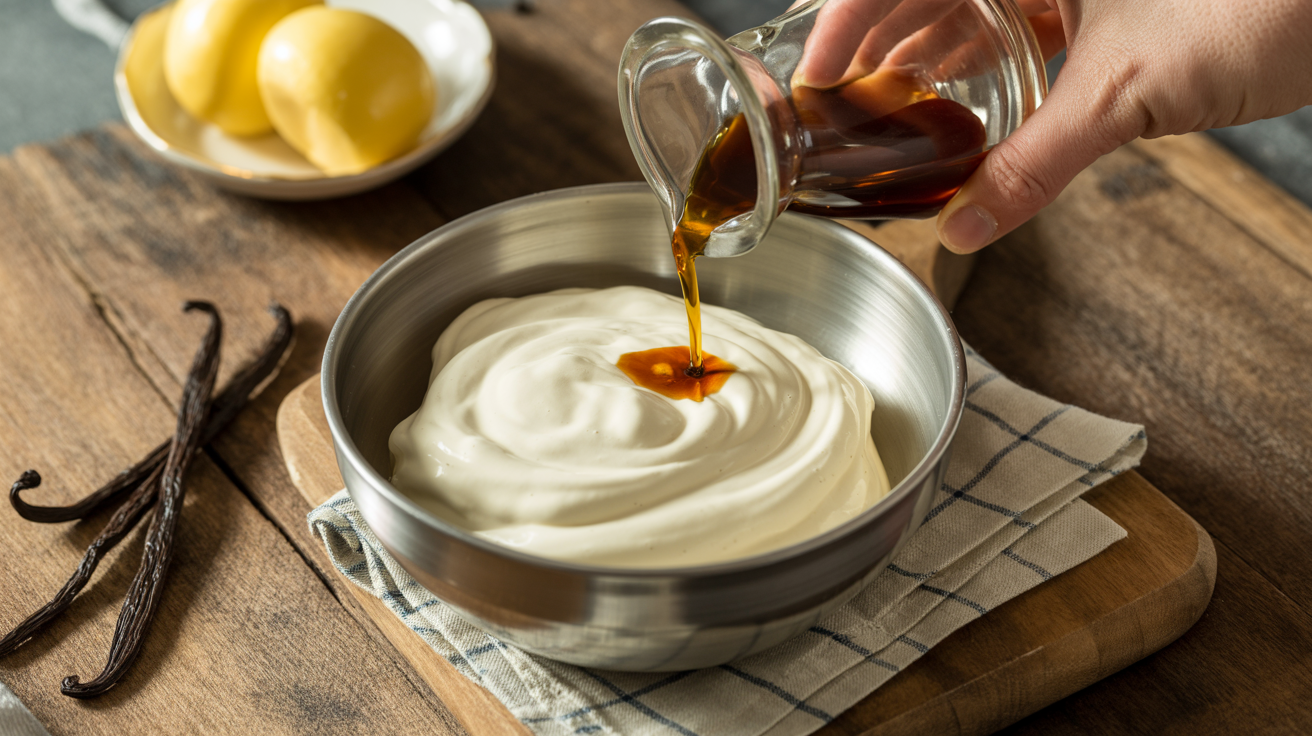
Step 3: Add liquid ingredients: Add the lemon juice and vanilla extract to the bowl. Beat until fully combined, scraping the bowl again if necessary.

Step 4: Incorporate the dry ingredients: Add the flour, cornstarch, and salt to the bowl. Mix on low speed for about 1 minute, just until the mixture starts coming together. Increase the speed to medium and continue mixing for 1–3 minutes, until the dough clumps together. The finished dough should be thick, soft, and easy to handle.

Step 5: Roll and chill the dough: Generously dust a sheet of parchment paper or a silicone baking mat with flour. Place the dough on top and roll it out to an even thickness of about 1/4 to 1/2 inch, adding more flour as needed to prevent sticking. Transfer the rolled dough, still on the parchment or mat, to a baking sheet. Cover and refrigerate for at least 3 hours, or up to 2 days.

Step 6: Prepare for baking: Once the dough is well chilled, preheat the oven to 350°F (177°C). Line large baking sheets with parchment paper or silicone baking mats.
Bake the Cookies

Step 1: Bake for 14–15 minutes, until the edges are set and just beginning to turn lightly golden. Smaller cookies may be done sooner, while larger cookies may need a little extra time. Let the cookies cool on the baking sheet for about 10 minutes, then transfer them to a wire rack to cool completely.
For the Lemon Shortbread Cookies Icing
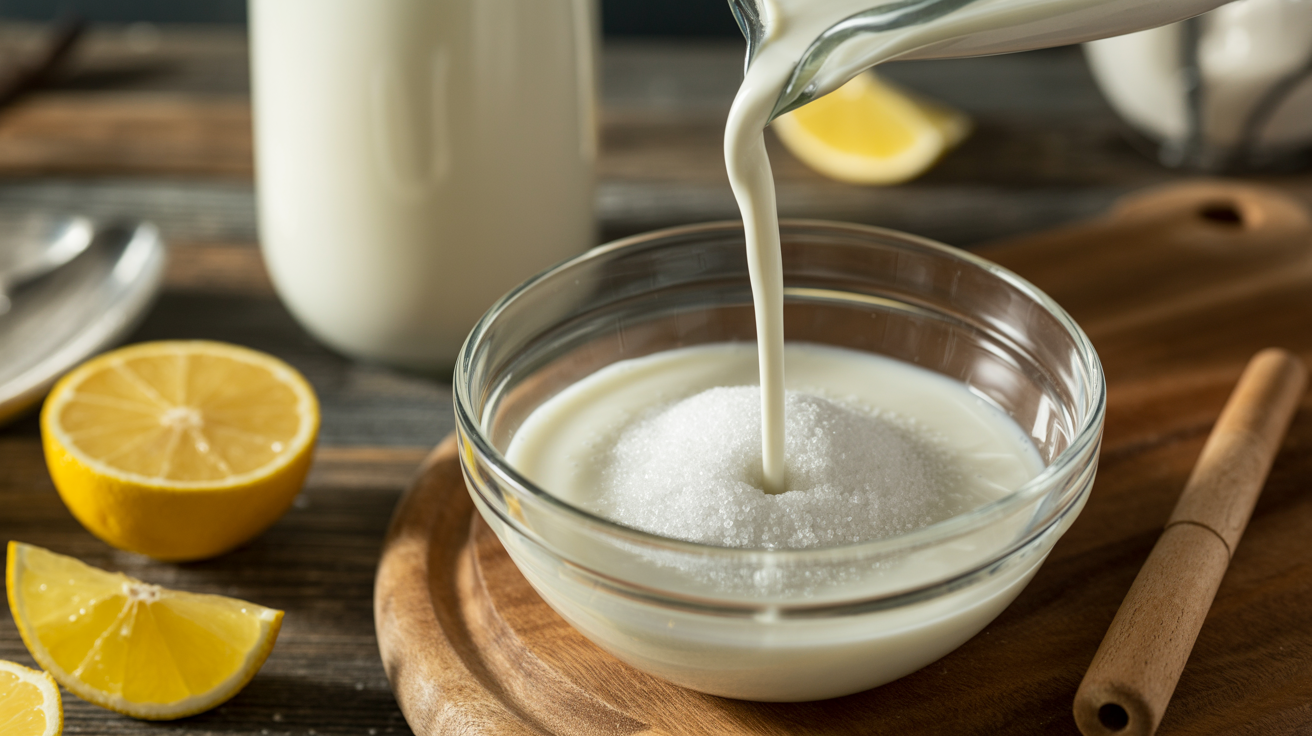
Step 1: Mix the icing: In a small bowl, whisk together the confectioners’ sugar, lemon juice, milk or cream, and vanilla extract until smooth and pourable.
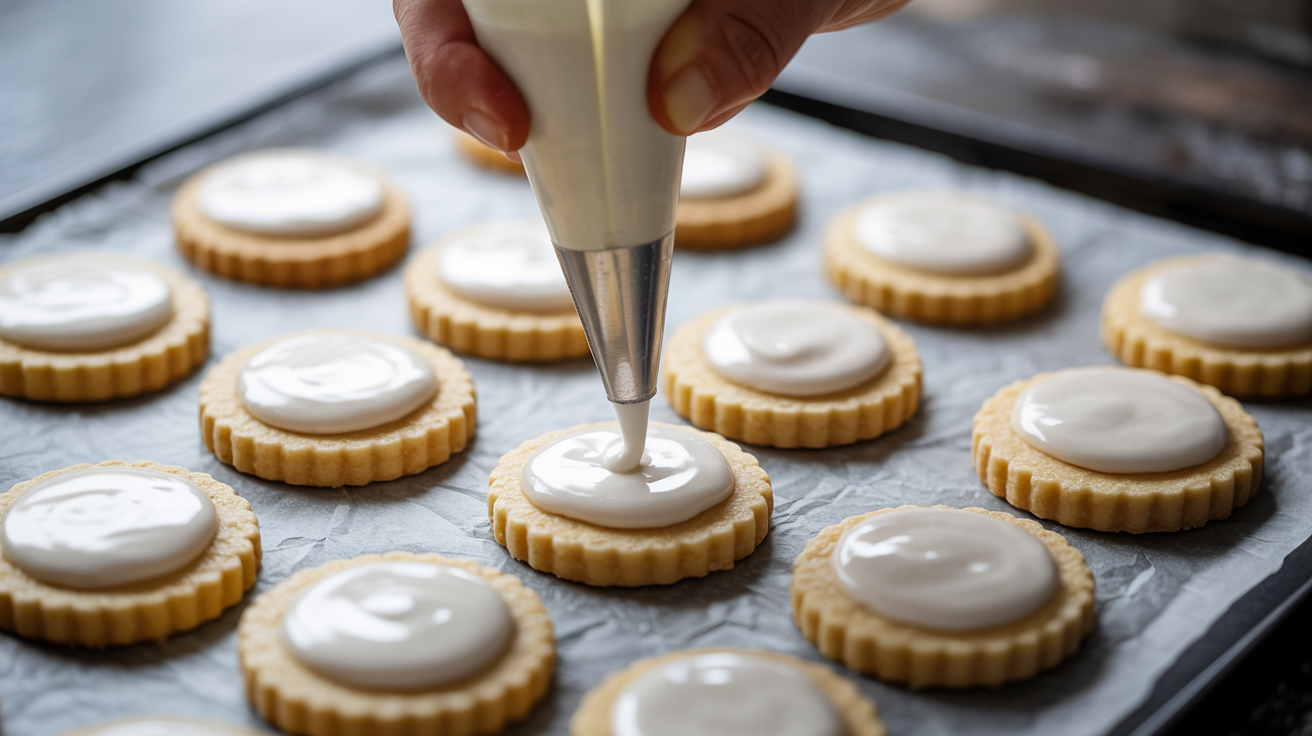
Step 2: Ice the cookies: Dip the tops of the completely cooled cookies into the icing, allowing any excess to drip back into the bowl. Place the iced cookies on a cooling rack or baking sheet to set. If desired, sprinkle fresh lemon zest over the icing while it is still wet.

Step 3: Set and store: Allow the icing to set fully, which takes about 1 to 2 hours. Once set, the cookies can be stacked for storage or transport.

Step 4: Serving and storage: Serve the cookies immediately or once the icing has fully set. Iced cookies can be stored covered at room temperature for up to 3 days or refrigerated for up to 5 days. Plain, un-iced cookies can be stored at room temperature for up to 5 days.
Mixing and Shaping Like a Scottish Pro
I rub cold butter into the flour with a fork until it looks like coarse crumbs. Then I stir in powdered sugar and a spoonful of lemon zest for a clear lemon note. I press the mix into a rough dough—don’t overwork it or you’ll lose that delicate shortbread feel.
For bars, I press the dough into an 8×8 pan lined with parchment. For thinner bars, a 9×9 does the trick. If I want traditional fingers, I roll the dough out to about 3/4 inch thick. Sometimes, I chill it for 20–30 minutes to make cutting easier.
I use a bowl, a spatula, a rolling pin, and either a cookie cutter or a bench scraper. Dock the dough with a fork so it doesn’t puff up. The dough should hold together but still feel a bit crumbly—trust the process.
Cutting, Baking, and Nailing the Bake Time
If I’m making bars or fingers, I cut before baking. For rolled cookies, I chill, then cut with a cookie cutter. Try to keep them the same size so they bake evenly.
I preheat the oven to 325–350°F. Thicker bars bake at 325°F for 25–30 minutes; thinner ones need about 18–22 minutes. I watch for the edges to turn just barely golden—don’t wait for brown. Shortbread doesn’t rise much, so the texture comes from butter and timing.
I tap the center to check doneness—it should be set but still tender. Let the shortbread rest in the pan for five minutes, then move to a rack. Cooling is key for that perfect crumbly texture you want in a Scottish Lemon Shortbread Cookies recipe.
Finishing Touches: Sugar Sprinkles, Lemon Glaze, and Icing
Once the cookies cool, I dust them with powdered sugar for a classic look. If I want more zing, I whisk lemon juice with icing sugar for a thin lemon glaze and drizzle it over the cookies while they’re on a rack.
Sometimes, I go bolder with lemon buttercream—beat butter with sifted sugar and lemon zest, then pipe little dots. For a bit of sparkle, sprinkle lemon sugar before the glaze sets.
Tip: Don’t glaze warm cookies or it’ll run everywhere. Use a spatula or dip the tops for a smooth finish. Let the glaze set fully before stacking. For more ideas, I’ll check out this lemon shortbread cookies recipe or our classic shortbread guide for shaping tricks.

Variety and Creative Twists
I get bored easily, so I like to change up the shape or add-ins. Sometimes, I turn the Scottish Lemon Shortbread Cookies recipe into bars, biscuits, or add nuts—each tweak brings something new but keeps the buttery heart of shortbread.
Turning Cookies Into Bars, Biscuits, or Embossed Beauties
If I want quick slices for a crowd, I press the dough into a 9×9 pan, bake until the edges are golden, and cut into squares. For biscuits, I chill the dough, cut rounds, and bake for 12–15 minutes. If I’m feeling fancy, I roll and emboss with a patterned pin. Chill the dough first so the pattern holds. Glaze lightly or dust with sugar. Each shape changes bake time, so I watch color more than the clock.
Adding Extras: Shortbread with Pecans or Ricotta (Seriously!)
When I want crunch, I add toasted pecans—about 1/2 to 3/4 cup, chopped and folded in. They make for great lemon pecan shortbread cookies, balancing the zest and butter. Odd as it sounds, a spoonful of ricotta makes the crumb softer. Use 2–4 tablespoons, cut back on butter a bit, and keep the dough cool. It’s almost like a lemon ricotta cake, but still very much a Scottish Lemon Shortbread Cookies recipe. Both add moisture without overpowering the lemon.
Classic vs. Modern: Scottish Heritage Meets Lemony Innovation
I love the old-school shortbread: butter, sugar, flour, baked low and slow. To keep it Scottish, I stick to a sandy crumb and just enough lemon zest. For a modern twist, I add a lemon glaze or a thin layer of lemon curd over the shortbread base—kind of like lemon bars. Sometimes, I brown the butter for nuttiness or add a bit of cornmeal for a crisp-tender bite. These little changes keep the Scottish Lemon Shortbread Cookies recipe interesting but still true to its roots.

Pro Storage Tips and Serving Suggestions
Want to keep your shortbread crisp and bright? It’s all about managing air, temperature, and moisture. The Scottish Lemon Shortbread Cookies recipe freezes well, and it pairs with just about anything that lets the lemon shine.
How to Freeze, Store, and Keep Shortbread Fresh
Sometimes I freeze leftover dough, sometimes the baked cookies—it depends on my mood. For dough: shape into a log, wrap in plastic and foil, and freeze up to 3 months. Slice and bake straight from frozen, just add a couple of minutes to the bake time. For baked cookies: cool completely, layer between parchment in an airtight tin, and store at room temp for up to 5 days.
To freeze baked shortbread, lay them on a tray to flash-freeze for an hour, then pop into a freezer bag and squeeze out the air. Thaw at room temp for 30–60 minutes. Don’t refrigerate—makes them soft and sad. If they lose their snap, a quick 5–7 minutes in a 300°F (150°C) oven brings them back to life.
Want more ideas? Check out BBC Good Food’s lemon shortbread, King Arthur’s lemon shortbread recipe, Delish’s version, AllRecipes Scottish shortbread, or our own lemon dessert roundup for more inspiration. For more Scottish baking, try our traditional Scottish recipes, shortbread cookie tips, easy cookie recipes, and holiday cookies collection.
Now, go bake your own Scottish Lemon Shortbread Cookies recipe—and let that lemony, buttery goodness do the talking.
Serving Ideas for Tea, Coffee, or Midnight Snacking
I love serving lemon shortbread alongside lightly sweet things—lets the lemon shine. If you’re making tea, try pairing it with Darjeeling or Earl Grey; the citrus notes just fit. Coffee? Go for a dark roast. The richness and the cookie’s buttery bite play off each other. Sometimes I’ll just put a few on a plate and drizzle a bit of lemon glaze or toss on some zest. Simple, but it looks great.
For snacks, I’ll stack these with a little jam or clotted cream. They make the cutest open-faced bites. Or hey, crumble them over vanilla ice cream—trust me, it’s a ridiculously good combo. Sometimes I’ll use them as a base for lemon curd cups, too. If you’re giving them as a gift, wrap the shortbread in parchment and tie it up with twine. It’s a nice touch, right? Want more inspiration or a classic Scottish Lemon Shortbread Cookies recipe? Check out this Lemon Shortbread Cookies (Scottish Recipe)—it’s a favorite.
For more about Scottish Lemon Shortbread Cookies recipe variations, visit our lemon desserts page or browse holiday cookies for more ideas. You’ll find a detailed Scottish Lemon Shortbread Cookies recipe on our recipe archive, and don’t miss our baking tips section for troubleshooting. Or, if you’re curious about the history, check out Scottish baking traditions.
Looking for other takes on the Scottish Lemon Shortbread Cookies recipe? Try these external resources: BBC Good Food’s lemon shortbread, King Arthur Baking’s lemon shortbread, Delish’s lemon shortbread, Bon Appétit’s version, and a lovely twist from Sally’s Baking Addiction. The Scottish Lemon Shortbread Cookies recipe just never gets old, does it?
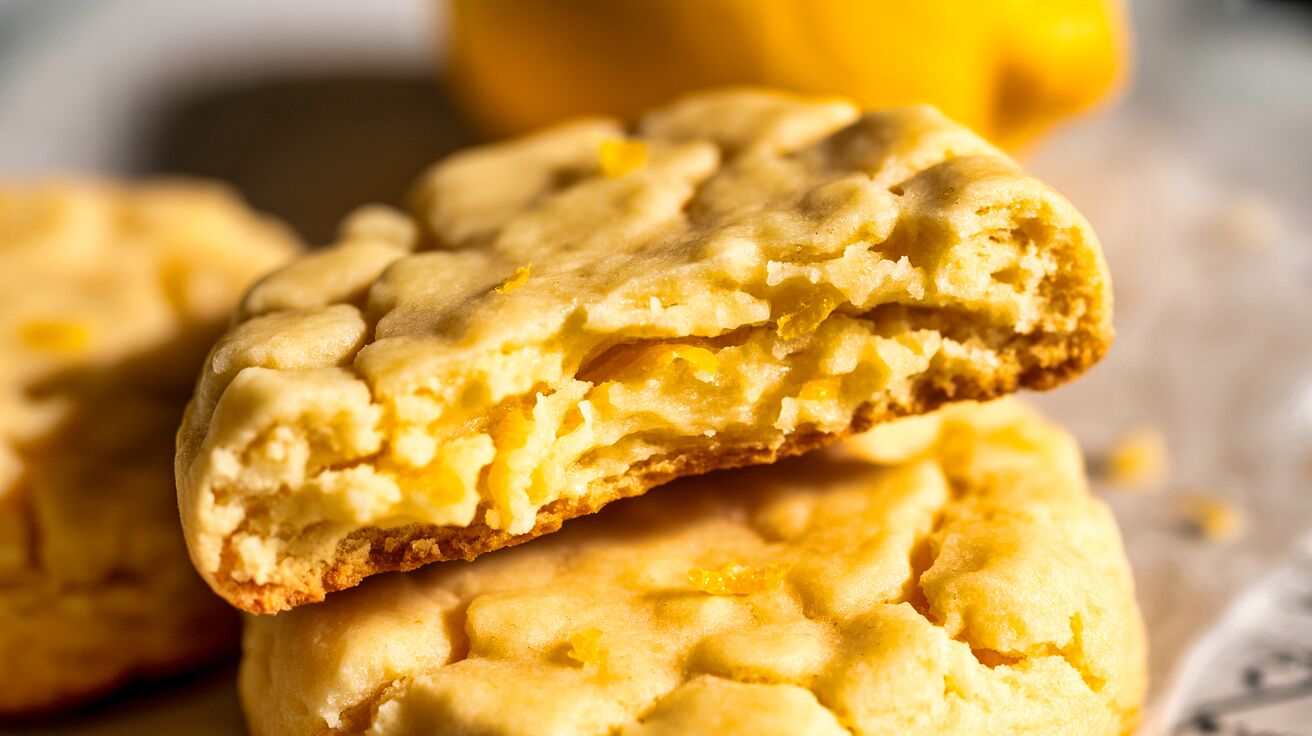
Lemon Shortbread vs Classic Shortbread
Lemon shortbread and classic shortbread share the same buttery foundation, but the addition of citrus creates a noticeable difference in flavor and overall experience. Lemon shortbread takes the traditional shortbread base of butter, sugar, and flour and enhances it with lemon zest and sometimes lemon juice. This introduces a bright, slightly tangy flavor that cuts through the richness of the butter. The result is a cookie that feels lighter and more refreshing, while still maintaining the signature crumbly texture of shortbread. It’s especially popular in warmer seasons or when a less heavy dessert is desired.
Classic shortbread, by contrast, focuses entirely on simplicity. With just a few ingredients, it delivers a rich, dense texture and a deep buttery flavor. The lack of additional flavorings allows the quality of the butter to shine, making it a staple in traditional Scottish baking. The key difference is flavor balance: lemon shortbread is lighter and more vibrant, while classic shortbread is richer and more traditional.
Choose lemon shortbread if you want a fresh, citrusy twist on a classic. Opt for classic shortbread if you prefer a pure, buttery flavor with a timeless appeal.

Scottish Lemon Shortbread Cookies Recipe FAQ
1. How does lemon change the texture of traditional shortbread?
Adding lemon zest or juice doesn’t drastically change the texture, but it does slightly soften the dough and adds a fresh, bright contrast to the rich butter. The result is still crumbly, but with a lighter feel on the palate.
2. Is it better to use lemon zest or lemon juice in shortbread?
Lemon zest is usually preferred because it provides strong citrus flavor without adding extra moisture. A small amount of juice can be added, but too much can affect the dough consistency.
3. Why do lemon shortbread cookies sometimes spread too much?
This can happen if the butter is too soft or if the dough wasn’t chilled. Letting the dough rest in the refrigerator helps the cookies hold their shape while baking.
4. Can lemon shortbread be made in different shapes?
Yes, the dough is very versatile and can be rolled and cut into shapes, pressed into pans, or formed into simple rounds.
5. How should lemon shortbread be stored to keep its flavor fresh?
Store in an airtight container at room temperature. The lemon flavor actually develops slightly over time, making them taste even better the next day.

Lemon Shortbread Cookies
Ingredients
- 2/3 cup sugar granulated
- 2 tbsp lemon zest fresh
- 1 cup butter unsalted softened to room temperature
- 1 tbsp lemon juice fresh
- 1/2 tsp vanilla extract pure
- 2 cups all-purpose flour
- 1/3 cup cornstarch
- 1/8 tsp salt
- 1 cup sugar sifted confectioners’
- 1 tbsp lemon juice fresh
- 1 tbsp milk heavy cream, or half-and-half
- 1/4 tsp vanilla extract pure
Instructions
- Make the lemon sugar: Place the granulated sugar and fresh lemon zest into a small food processor. Pulse about 12–15 times, until the sugar becomes lightly damp and the zest is very finely chopped and evenly distributed. This step helps release the lemon oils and should not be skipped.

- Cream the butter and lemon sugar: Transfer the lemon sugar to a large mixing bowl. Using a stand mixer fitted with a paddle attachment or a handheld mixer, beat the lemon sugar and butter together on high speed until smooth and creamy, about 3 minutes. Stop to scrape down the sides and bottom of the bowl as needed so everything mixes evenly.

- Add liquid ingredients: Add the lemon juice and vanilla extract to the bowl. Beat until fully combined, scraping the bowl again if necessary.

- Incorporate the dry ingredients: Add the flour, cornstarch, and salt to the bowl. Mix on low speed for about 1 minute, just until the mixture starts coming together. Increase the speed to medium and continue mixing for 1–3 minutes, until the dough clumps together. The finished dough should be thick, soft, and easy to handle.

- Roll and chill the dough: Generously dust a sheet of parchment paper or a silicone baking mat with flour. Place the dough on top and roll it out to an even thickness of about 1/4 to 1/2 inch, adding more flour as needed to prevent sticking. Transfer the rolled dough, still on the parchment or mat, to a baking sheet. Cover and refrigerate for at least 3 hours, or up to 2 days.

- Prepare for baking: Once the dough is well chilled, preheat the oven to 350°F (177°C). Line large baking sheets with parchment paper or silicone baking mats.

- Cut out the cookies: Using cookie cutters, cut the dough into shapes and place them on the prepared baking sheets. Gather and re-roll any scraps, cutting additional cookies until all the dough is used. Work quickly to keep the dough cold. If the cut cookies become soft or warm, refrigerate them for about 15 minutes before baking. If desired, lightly prick the tops with a fork without piercing all the way through. You may also sprinkle coarse sparkling sugar on top before baking.
- Bake the cookies:
- Bake for 14–15 minutes, until the edges are set and just beginning to turn lightly golden. Smaller cookies may be done sooner, while larger cookies may need a little extra time. Let the cookies cool on the baking sheet for about 10 minutes, then transfer them to a wire rack to cool completely.

- Mix the icing: In a small bowl, whisk together the confectioners’ sugar, lemon juice, milk or cream, and vanilla extract until smooth and pourable.

- Ice the cookies: Dip the tops of the completely cooled cookies into the icing, allowing any excess to drip back into the bowl. Place the iced cookies on a cooling rack or baking sheet to set. If desired, sprinkle fresh lemon zest over the icing while it is still wet.

- Set and store: Allow the icing to set fully, which takes about 1 to 2 hours. Once set, the cookies can be stacked for storage or transport.

- Serving and storage: Serve the cookies immediately or once the icing has fully set. Iced cookies can be stored covered at room temperature for up to 3 days or refrigerated for up to 5 days. Plain, un-iced cookies can be stored at room temperature for up to 5 days.

Video


14 comments
Interesting read, but isnt the tartness of regular lemons preferable in shortbread, to balance the buttery richness? Just a thought.
Perhaps, but the sweetness of Meyer lemons adds an unexpected twist. Its all about innovation!
So, are we all just ignoring the game-changing potential of lime zest in this shortbread recipe? Just thinking outside the box here!
Game-changing? Lime zest just turns shortbread into a citrus mess. Keep it classic, folks!
Has anyone tried using lime instead of lemon for a twist? Maybe even a cheeky dash of tequila for a Margarita Shortbread vibe!
Tried lime and tequila last Christmas. Tasted like a shortbread crime scene!
Does anyone else think that adding a pinch of sea salt on top could really make the lemon flavor pop in this shortbread recipe?
Does anyone consider using lime instead of lemon for a twist? And what if we replace unsalted butter with coconut oil? Thoughts?
Does using Meyer lemons instead of regular ones in shortbread recipe affect the overall texture or just the flavor?
Does anyone think using orange zest instead of lemon might add an interesting twist to this traditional shortbread recipe?
Absolutely! The citrusy twist of orange zest might just revolutionize traditional shortbread. Lets disrupt the status quo!
Does using Meyer lemons really make a difference or can standard lemons work just as well in this Scottish shortbread recipe?
Meyer lemons have a unique flavor. Use standards and youll lose that special touch. Dont shortchange your shortbread!
Is Meyer lemon a must or can we get by with regular lemons in this Scottish shortbread recipe? Thoughts, everyone?
Comments are closed.